Silvino Santos: a filmmaker from
the jungle
Dois anos atrás, eu não sabia quem
foi Silvino Santos. Claro, eu sabia que seu documentário “No Paiz das Amazonas”
de 1922 estava no 71º lugar na lista de 100 melhores documentários feitos no
Brasil segundo ranking da Associação Brasileira de Críticos de Cinema, da qual
faço parte - mesmo tendo entrado na associação depois desta votação. Minha
história com Silvino Santos começa na Le Giornate del Cinema Muto, o Festival
de Cinema Mudo de Pordenone em 2023.
Two years ago, I didn’t know who
Silvino Santos was. Sure, I knew that his documentary “No Paiz das Amazonas”
from 1922 was ranked #71 at the 100 best documentaries made in Brazil listed by
the Brazilian Association of Film Critics, which I’m a member of - even though
I entered the association after this poll was released. My story with Silvino
Santos begins at Le Giornate del Cinema Muto, the Pordenone Silent Film Festival
in 2023.

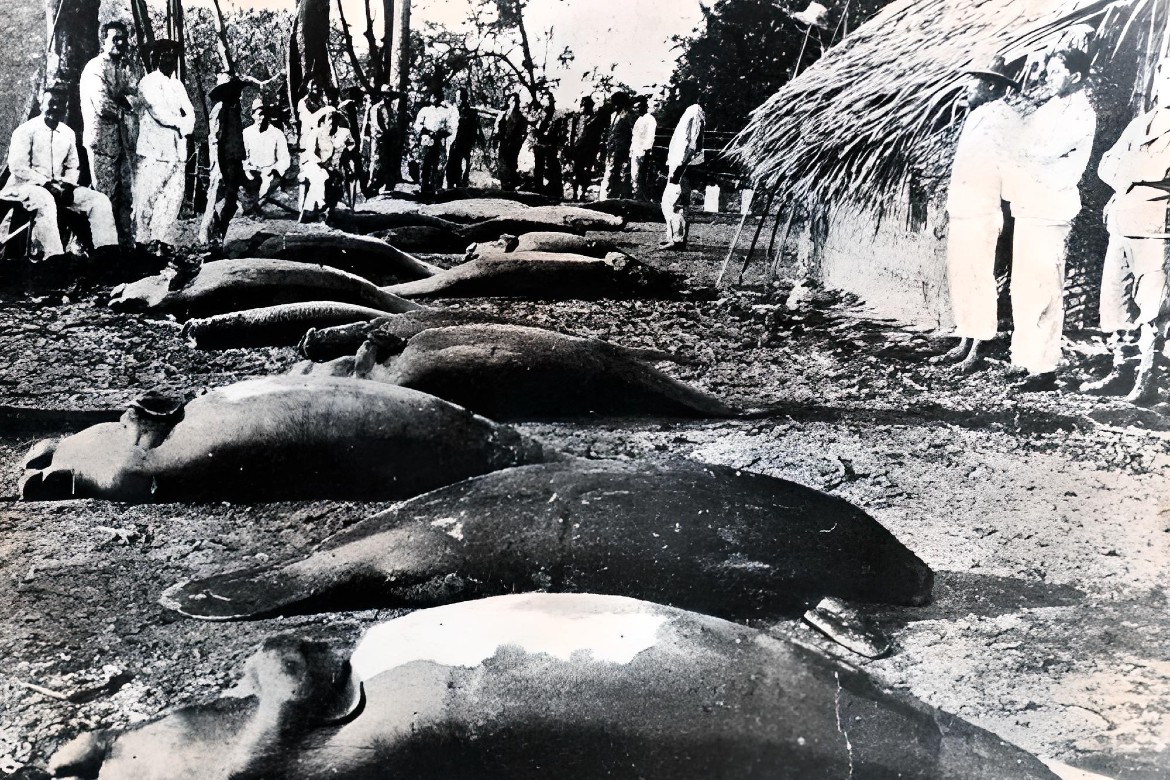
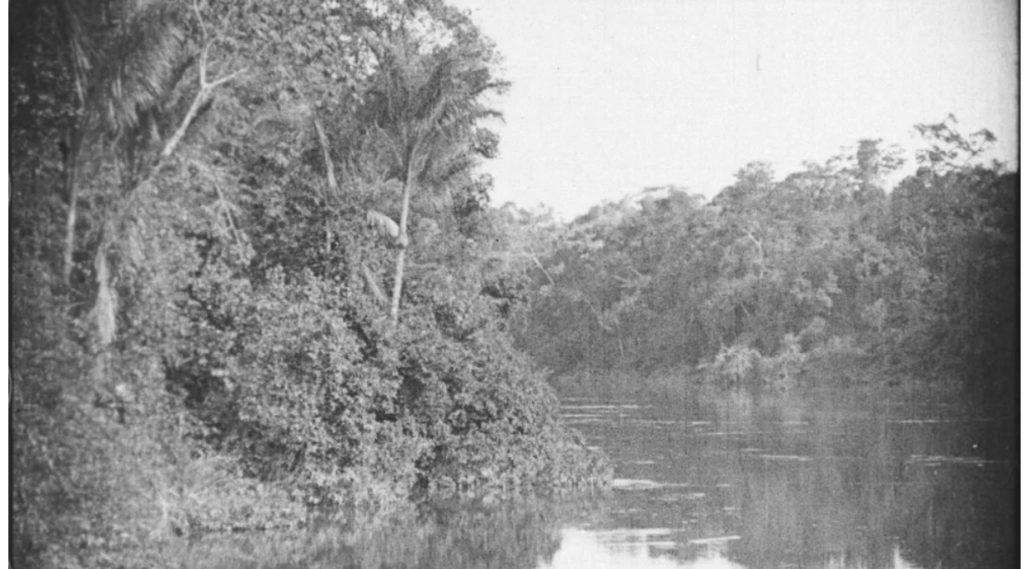
A 42ª edição da Giornate exibiu,
em sua versão presencial na Itália, uma cópia recém-restaurada de um filme
considerado perdido: “Amazonas, o Maior Rio do Mundo”, dirigido por Silvino
Santos em 1918 e o primeiro documentário em longa-metragem da História. Foi a
estreia mundial da restauração e foi inclusive matéria de jornal na TV
brasileira. Depois disso, a cópia restaurada foi exibida em diversas cidades do
Brasil, até que foi disponibilizada no site da Cinemateca.
The 42nd edition of the Giornate
exhibited, in its in-person event in Italy, a recently restored copy of a film
considered lost: Silvino Santos’ “Amazonas, o Maior Rio do Mundo” (“Amazonas,
the Biggest River in the World”) from 1918, the first documentary feature ever.
It was the world premiere of the restoration and it was even covered in the TV
news here. Afterwards, the restored copy toured several cities in Brazil, until
it was uploaded to the Cinematheque website.

Eu assisti a “Amazonas…” no
conforto do meu quarto, mas a emoção de vê-lo pela primeira vez num século com
acompanhamento musical faria do momento bem mais memorável. Mas foi memorável o
suficiente: eu fiquei maravilhada com o que eu vi. Foi o passado voltando à
vida. Dali em diante, fiquei mais próxima de Silvino Santos: vi e escrevi sobre
“No Paiz das Amazonas” em fevereiro e em março me surpreendi ao saber que um
documentário / cinebiografia sobre ele seria exibida na TV. E então me
surpreendi ainda mais com os paralelos entre a trajetória de Silvino e a vida
do meu bisavô.
I watched “Amazonas…” in the
comfort of my bedroom, but the emotion of seeing it for the first time in a
century with a live musical would make the moment more memorable. But it was
memorable enough: I was amazed by what I saw. It was the past coming back to
life. From then on, I kept Silvino Santos in my radar: I watched and reviewed
“No Paiz das Amazonas” last February and in March was surprised by the fact
that a biopic / documentary about him from 1997 would be shown on TV. And then
I was much more surprised by the parallels between Silvino’s trajectory and my
great-grandfather’s life.

Silvino Santos nasceu em Cernache
do Bonjardim, Portugal, em 1886 e veio para o Brasil aos 14 anos, enfeitiçado
pela descrição do Amazonas que encontrou num livro. Meu bisavô, José D’Oliveira
Magalhães, nasceu em Caldas de Aregos, Portugal, em 1895 e veio para o Brasil
aos 19, fugindo da guerra. Santos começou a trabalhar como fotógrafo aos 17 e
nem tinha completado 30 anos quando ficou famoso e foi contratado para fazer um
filme para o magnata da borracha Juan Araña. Logo depois de chegar, meu bisavô
começou a trabalhar como caixeiro viajante e não tinha completado 30 anos
quando conheceu o amor de sua vida - na verdade, seu primeiro encontro com
minha bisavó foi assistindo a um filme de Mary Pickford!
Silvino Santos was born in
Cernache do Bonjardim, Portugal, in 1886 and came to Brazil aged 14, bewitched
by the description of the Amazon he read in a book. My great-grandfather, José
D’Oliveira Magalhães, was born in Caldas de Aregos, Portugal, in 1895 and came
to Brazil aged 19, escaping the war. Santos started working as a photographer
at 17 and he wasn’t 30 yet when he became famous and was commissioned to make a
movie for latex mogul Juan Araña. My great-grandfather right after arriving
started working as a traveling salesman and wasn’t 30 yet when he met the love
of his life - in fact, his first date with my great-grandmother was watching a
Mary Pickford movie!
 |
| My great-grandparents |
O primeiro filme de Silvino
literalmente afundou porque o navio que o levava da América do Sul para a
Inglaterra foi vítima de um ataque alemão durante a Primeira Guerra Mundial.
Mas naquele momento ele já estava apaixonado pelo fazer cinematográfico. Ele
logo se tornou sócio, diretor e produtor na companhia Amazônia Cine Film. Ele
começou a trabalhar em sua estreia nos longas com o já mencionado “Amazonas…”.
Um distribuidor vendeu as cópias do filme na Europa como se fossem dele, e o
filme permaneceu incógnito até que foi redescoberto dois anos atrás.
Silvino’s first movie literally
sank as the ship that was taking it from South America to England was the
victim of a German attack during World War I. But by then he was totally in
love with filmmaking. He soon became a partner, director and producer in the
company Amazonia Cine Film. He began working on his feature debut, the
aforementioned “Amazonas…”. A distributor sold the copies of the film in Europe
as his own, and it remained mislabeled until the movie was rediscovered a
couple of years ago.

Também um projeto sob encomenda,
“No Paiz das Amazonas” foi um imenso sucesso, sendo assistido por 15 mil
pessoas em um único fim de semana e ficando em cartaz nos cinemas por cinco
meses consecutivos. Estando no Rio para a estreia do filme, Silvino rodou outro
filme, “Terra Encantada”. De volta a Manaus, outra encomenda faz de Silvino
responsável pela primeira tomada aérea do Amazonas. Mais viagens resultaram em
mais filmes, como “Terra Portuguesa”, exibida com som semi-sincronizado em 1927
- na verdade, uma trilha sonora com canções e vozes foi sobreposta às
imagens.
Also a commissioned project, “No
Paiz das Amazonas” was a huge success, being watched by 15,000 people in only
one weekend and staying in theaters for five consecutive months. Once in Rio
for his film’s premiere, Silvino shot another movie there, “Terra Encantada”.
Back to Manaus, another commissioned project makes Silvino responsible for the
first aerial shot of the Amazonas. More trips resulted in more movies, such as
“Terra Portuguesa”, exhibited with semi-synchronized sound in 1927 - in
reality, a soundtrack was recorded with songs and voices.

“O cineasta da selva” é, como eu
disse, uma mistura de cinebiografia e documentário. Como Silvino Santos, o ator
José de Abreu divide a narração com uma voz feminina - de Rosi Campos, com a
narração de Abreu sendo em primeira pessoa. A atriz Denise Fraga tem um pequeno
papel como a esposa de Silvino, Anita. Os filhos deles, Guilherme e Lília, são
entrevistados. Fragmentos de seus filmes são mostrados.
“A filmmaker from the jungle” is,
as I said, a mix of biopic and documentary. As Silvino Santos, actor José de
Abreu shares the narration with a female voice - by Rosi Campos -, with Abreu’s
narration being in the first person. Actress Denise Fraga has a bit part as
Silvino’s wife Anita. Their children Guilherme and Lília are interviewed.
Fragments of his films are shown.

Algo muito interessante retratado
é o misticismo de Silvino. Ele teve uma experiência de quase morte aos cinco
anos, considerava-se protegido por alguma força porque nunca foi atacado por
indígenas ferozes nem adoeceu durante suas expedições, e já idoso comentava que
conversava com espíritos, como o fantasma do também diretor de cinema F.W.
Murnau.
One very interesting thing
portrayed is Silvino’s mysticism. He had a near-death experience when he was
five, considered to be blessed or protected in some way because he never got
attacked by ferocious Indians nor got sick during his expeditions, and at an
old age talked about communicating with spirits, such as the ghost of fellow
filmmaker F.W. Murnau.

Silvino Santos fez mais de 50
curtas, as “Silvinadas”, e nove longas entre 1914 e 1957. Ele faleceu em 1970.
Meu bisavô teve seis filhos entre 1920 e 1931. Ele faleceu em 1976. Silvino
Santos escreveu seu nome na História do Cinema. Meu bisavô marcou as vidas de
quem o conheceu e ainda é lembrado com carinho por eles. Dois imigrantes
portugueses que venceram no Brasil, mesmo de maneiras bem diferentes.
Silvino Santos made more than 50
shorts, the “Silvinadas”, and nine features from 1914 to 1957. He died in 1970.
My great-grandfather had six children between 1920 and 1931. He died in 1976.
Silvino Santos wrote his name in Film History. My great-grandfather marked the
lives of people who met him and is still fondly remembered by them. Two
Portuguese emigrés who won in Brazil, albeit in very different manners.
This is my contribution to the Fifth Luso World Cinema blogathon, hosted by me here at Crítica Retrô and Beth at Spellbound with Beth Ann.