} Crítica Retrô: thriller

Tradutor / Translator / Traductor / Übersetzer / Traduttore / Traducteur / 翻訳者 / переводчик

Showing posts with label thriller. Show all posts

Friday, April 26, 2024

Alemanha, Ano 1928 / Germany, Year 1928


Em qualquer dado ano, MUITOS filmes estreiam ao redor do mundo. Em alguns países, com indústrias do cinema mais desenvolvidas, a riqueza dos títulos é algo a se maravilhar. Vamos olhar para a Alemanha na Era Muda do cinema. Em meu post sobre o ano de 1928 no cinema, disse que foi um ano muito louco para a Alemanha. E foi mesmo. Eu acabei escolhendo dois filmes alemães de 1928 nas minhas resoluções de Ano Novo para 2024 e decidi escrever sobre eles num só artigo. Vamos nessa.


In any given year, A LOT of movies are released all over the world. In some countries, with more developed film industries, the richness of titles released is a thing to wonder at. Let’s look at German in the silent era. In my post about 1928 in film, I said it was a very crazy year in Germany. And it was indeed. I ended up choosing two German films from 1928 to watch as part of my 2024 New Year’s resolutions and decided to review them together. Let’s go.
Alraune / Alraune, A Daughter of Destiny


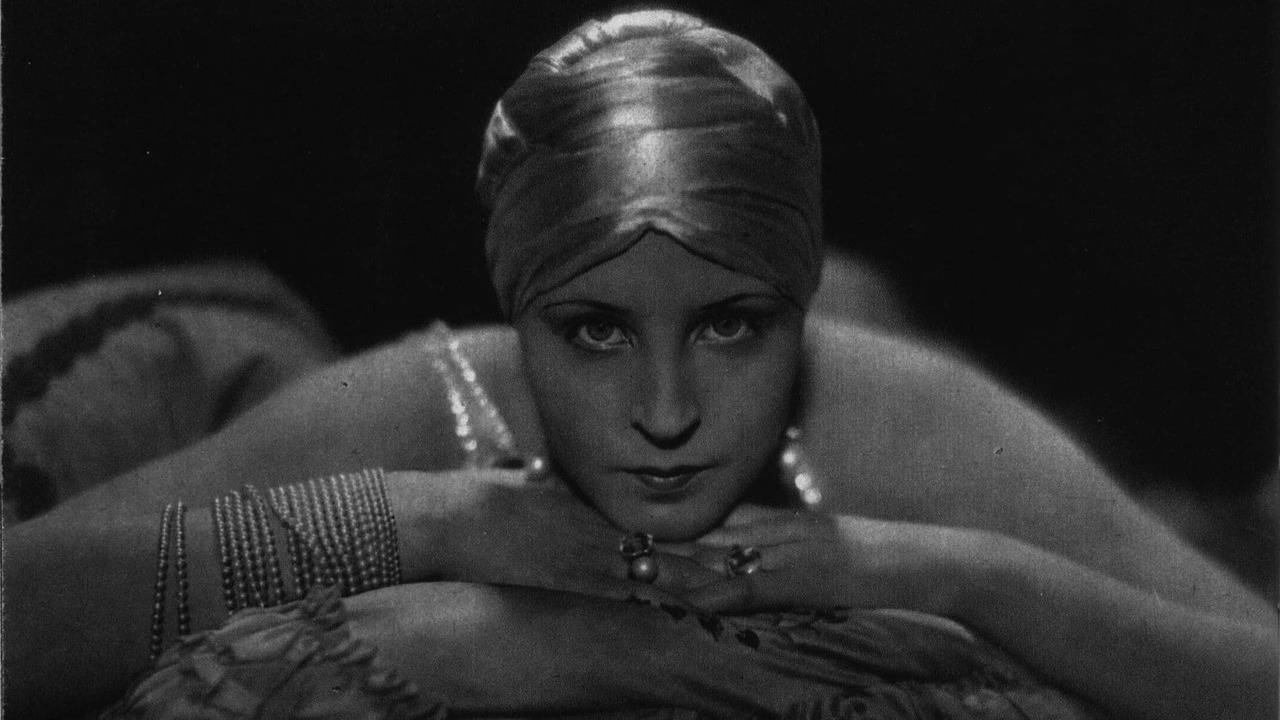
Eu ouvi falar pela primeira vez deste filme num curso que fiz sobre filmes de ficção científica. O tópico era criar e manipular seres vivos – começando, obviamente, com “Frankenstein” – e como esses experimentos ambiciosos foram retratados no cinema. “Alraune” começa com o mito da mandrágora: uma raiz que, sob as circunstâncias adequadas, pode se tornar um ser humano – mas um ser humano sem sentimentos.


I first heard about this film in a class I was taking on sci-fi movies. The topic was creating and manipulating life – starting, of course, with “Frankenstein” – and how these ambitious experiments were portrayed in film. “Alraune” begins with the myth of the mandrake: a root that, under the right circumstances, can become a human being – but one without feelings.

O professor Brinken (Paul Wegener) pesquisa características hereditárias e quer comprovar o mito da raiz de mandrágora. Com a raiz ele cria um ser humano chamado Alraune (Brigitte Helm, de “Metropolis”). Com cerca de 20 anos de idade, Alraune está sendo educada numa escola religiosa, mas ela foge do lugar e, num trem, conhece uma trupe de circo e foge com eles. O professor Brinken a encontra no circo e a leva para viver com ele numa vila elegante, onde ela conhecerá a verdade sobre sua origem e buscará vingança.


Professor Brinken (Paul Wegener) researches hereditary characteristics and wants to debunk or prove the myth surrounding the mandrake root. With the root he creates a human being named Alraune (Brigitte Helm, from “Metropolis”). At about 20 years old, Alraune is being educated in a monastery school, but she escapes the place and, in a train, meets a circus troupe and runs away with them. Professor Brinken finds her at the circus and brings her to live with him in a fancy villa, where she will learn the truth about her origin and seek revenge.

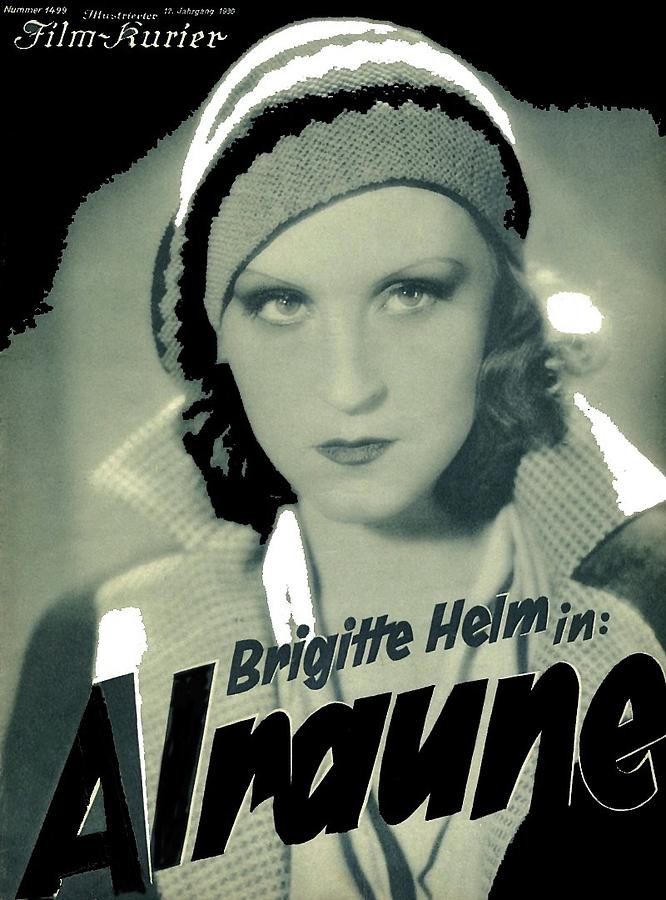
Este não é um filme do prestigiado estúdio alemão UFA, mas sim dos Estúdios Ama. Eu pude encontrar pouquíssima informação sobre o estúdio, pois a maioria dos resultados de pesquisa se referia a uma companhia de software de mesmo nome fundada em 2004. “Alraune” foi refilmado como filme sonoro em 1930, com Brigitte Helm mais uma vez interpretando o papel-título.


This is a film not by the prestigious UFA studios, but rather by the Ama Studios. I could find very little about it, as most search results are about a software company of the same name founded in 2004. “Alraune” was remade as a sound film in 1930, with Brigitte Helm reprising the title role.

“Alraune” é baseado num romance escrito por Hanns Heinz Ewers, um mestre do gênero terror que escreveu diversos romances e contos – sendo o mais famoso “O Estudante de Praga” – e era também ator de vaudeville. A história foi adaptada para as telas pelo diretor Henrik Galeen, que escreveu o roteiro de “Nosferatu” (1922). Galeen fez seis filmes como ator na era muda e dirigiu 12 filmes entre 1914 e 1933.


“Alraune” is based on a novel written by Hanns Heinz Ewers, a master of the horror genre that wrote several novels and short stories – being his most famous “The Student from Prague” – and was also a vaudeville performer. The story was adapted to the screen by director Henrik Galeen, who wrote the screenplay for “Nosferatu” (1922). Galeen appeared in six films as an actor in the silent era and directed 12 movies between 1914 and 1933.
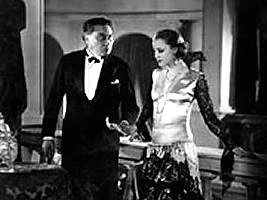
Embora não seja uma obra-prima, este filme foi divertido de se ver e Brigitte Helm, com apenas 19 anos à época das gravações, está ótima como vítima de experimento científico que se transforma numa sedutora. Fiquei feliz que meus estudos me motivaram a ver este filme.


Although not a masterpiece, this film was fun to watch and Brigitte Helm, only 19 when was shot, is great as the victim of a scientific experience who becomes a seductress. I’m glad my studies took me to see this movie.


Os Espiões / Spies / Spione


Eu escolhi “Os Espiões” de Fritz Lang como um destaque do ano de 1928 na Alemanha. E que espetáculo é este filme! Nele, documentos secretos são roubados de diversos locais, começando uma guerra de cérebros entre espiões. O vilão Haghi (Rudolg Klein-Rogge), banqueiro, tem como sua espiã a sedutora russa Sonja Barranikova (Gerda Maurus), enquanto o Serviço Secreto oficial tem um homem conhecido apenas como número 326 (Willy Fritsch). O problema é que estes dois espiões de lados opostos se apaixonam.


I chose Fritz Lang’s “Spies” as a highlight from 1928 in Germany. And what a spectacle it is! In the film, secret documents are stolen from several places, starting a battle of wits between spies. The villain Haghi (Rudolf Klein-Rogge), a bank owner, has as his spy the Russian seductress Sonja Barranikova (Gerda Maurus), while the official Secret Service has a man known only as number 326 (Willy Fritsch). The problem is that these two spies from opposite sides fall in love.

O quartel-general de Haghi está cheio de aparatos tecnológicos, algo que pode ser encontrado em muitos covis de vilões. A tecnologia pode ser usada para boas ou más ações, mas é tão comumente ligada a vilões por causa de seu potencial de criar caos. Haghi usa uma cadeira de rodas, uma característica comum a outros vilões antes e depois deste filme – lembremo-nos de apenas um: Lionel Barrymore em “A Felicidade não se Compra” (1946).


Haghi’s headquarters are full of technological devices, something that can be found in many villains’ places. Technology can be used for good and bad deeds, but is linked so often to villains because of its potential to create chaos. Haghi uses a wheelchair, also a trait shared by many villains before and after this film – let’s remember only one: Lionel Barrymore in “It’s a Wonderful Life” (1946).

“Os Espiões” foi publicado como romance por Thea von Harbou, então esposa de Fritz Lang, um ano após a estreia do filme. Foi o primeiro filme que Lang fez com sua própria produtora. De acordo com Robert Osborne, Lang estava tendo um caso com Gerda Maurus durante as filmagens.


“Spies” was published as a novel by Thea von Harbou, then Fritz Lang’s wife, one year after the film was released. This was the first movie Fritz Lang made under his own production company. According to Robert Osborne, Lang was having an affair with Gerda Maurus during the shooting of the movie.
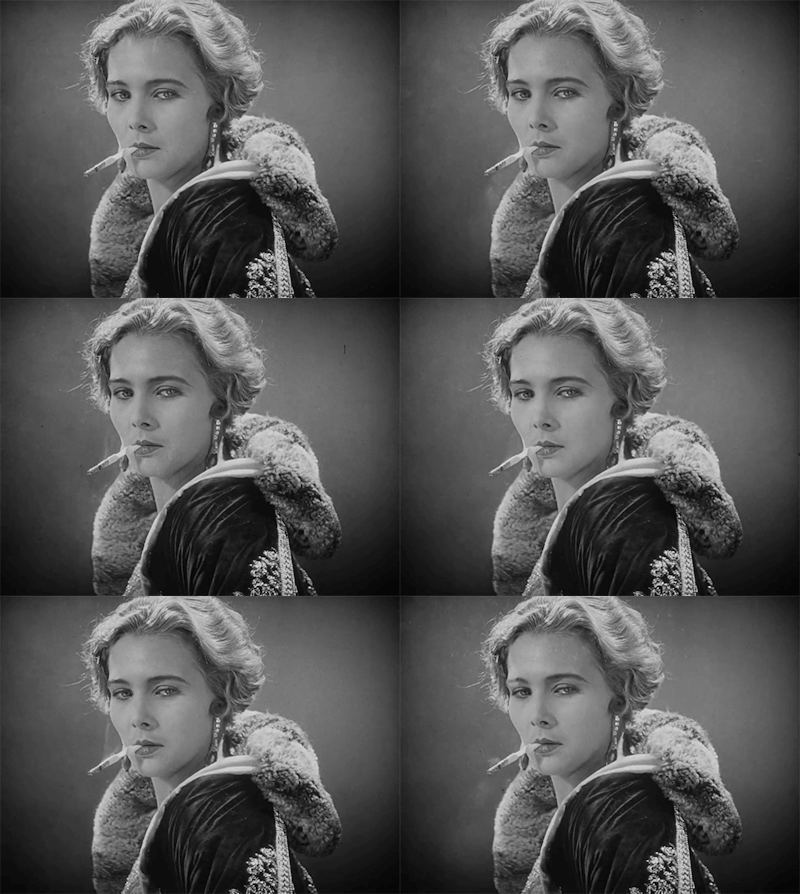
Foi uma boa surpresa ver que uma de minhas atrizes coadjuvantes favoritas, Hertha Von Walther, estava neste filme como Lady Leslane, que é chantageada por Haghi bem no começo da película. Hertha chamou minha atenção pela primeira vez como coadjuvante muito importante em “Rua das Lágrimas” (1925) e desde então já a encontrei em muitos outros filmes alemães da década de 1920.


It was a great surprise to see that one of my favorite supporting actresses, Hertha Von Walther, was in this movie as Lady Leslane, who is blackmailed by Haghi in the very beginning of the film. Hertha first called my attention as a very important supporting player in “Joyless Street” (1925) and since then I spotted her in many other German movies from the 1920s.

Descrito no Letterboxd como “007 dos filmes mudos” e “Intriga Internacional de Fritz Lang”, este filme por vezes demasiado longo é certamente uma maravilha. Há pouco desenvolvimento dos personagens, entretanto, mas é assim que ele funciona. No final das contas, a jornada é mais importante do que quem a empreendeu.


Described on Letterboxd as “007 from the silent era” and “Fritz Lang’s North by Northwest”, this sometimes too long movie is certainly a marvel. There is little character development, though, and it works this way. In the end of the day, the ride is more important than the ones who did it.

Saturday, February 24, 2018

The trouble with thrillers


Para mim, é difícil escolher um gênero cinematográfico favorito. Mas se eu tivesse que fazer esta escolha, certamente os filmes de suspense entrariam no TOP 3. Um bom suspense é capaz de prender sua atenção, fazer você refletir, surpreendê-lo e deixá-lo sem fôlego – e eu amo todas estas sensações. Infelizmente, a Academia de Artes e Ciências Cinematográficas não concorda comigo. Esta distinta instituição é a responsável pelo Oscar, e pela pequena quantidade de filmes que suspense que ganharam o prêmio nos últimos 90 anos, parece que a Academia tem algo contra o gênero.

It's difficult for me to choose my favorite movie genre, but if I really had to, thrillers probably would be in the TOP 3. A good thriller catches your attention, makes you think, surprises you, and leaves you on the edge of your seat – and I love all these sensations. Unfortunately, the Academy of Motion Picture Arts and Sciences doesn't agree with me. This distinguished institution is the one responsible for awarding the Oscars, and by the little amount of thrillers that have got the prize in the last 90 years, it looks like the Academy has some trouble with thrillers.
Vamos começar com um dos maiores esnobados do Oscar: Alfred Hitchcock. O celebrado diretor nunca ganhou uma estatueta competitiva, e apenas seu primeiro filme norte-americano, “Rebecca” (1940), ganhou como Melhor Filme. E sejamos francos: “Rebecca” é mais influenciado pelo estilo do produtor Selznick do que pelo diretor Hitchcock. O próprio Hitch foi indicado a melhor Diretor cinco vezes – por “Rebecca”, “Um Barco e Nove Destinos”, “Quando Fala o Coração”, “Janela Indiscreta” e “Psicose”, perdendo, respectivamente, para John Ford, Leo McCarey, Billy Wilder, Elia Kazan e novamente Billy Wilder. Nada mal.

Let's start with one of the most blatant Oscar snubs ever: Alfred Hitchcock. The celebrated director never won a competitive Oscar, and only his first American film, “Rebecca” (1940), won the Best Picture prize – and let us be frank: “Rebecca” has more of the Selznick trademark than of the Hitchcock touch. Hitch himself was nominated five times – for “Rebecca”, “Lifeboat”, “Spellbound”, “Rear Window” and “Psycho”, losing the awards, respectively, to John Ford, Leo McCarey, Billy Wilder, Elia Kazan and Billy Wilder once again. Not bad.
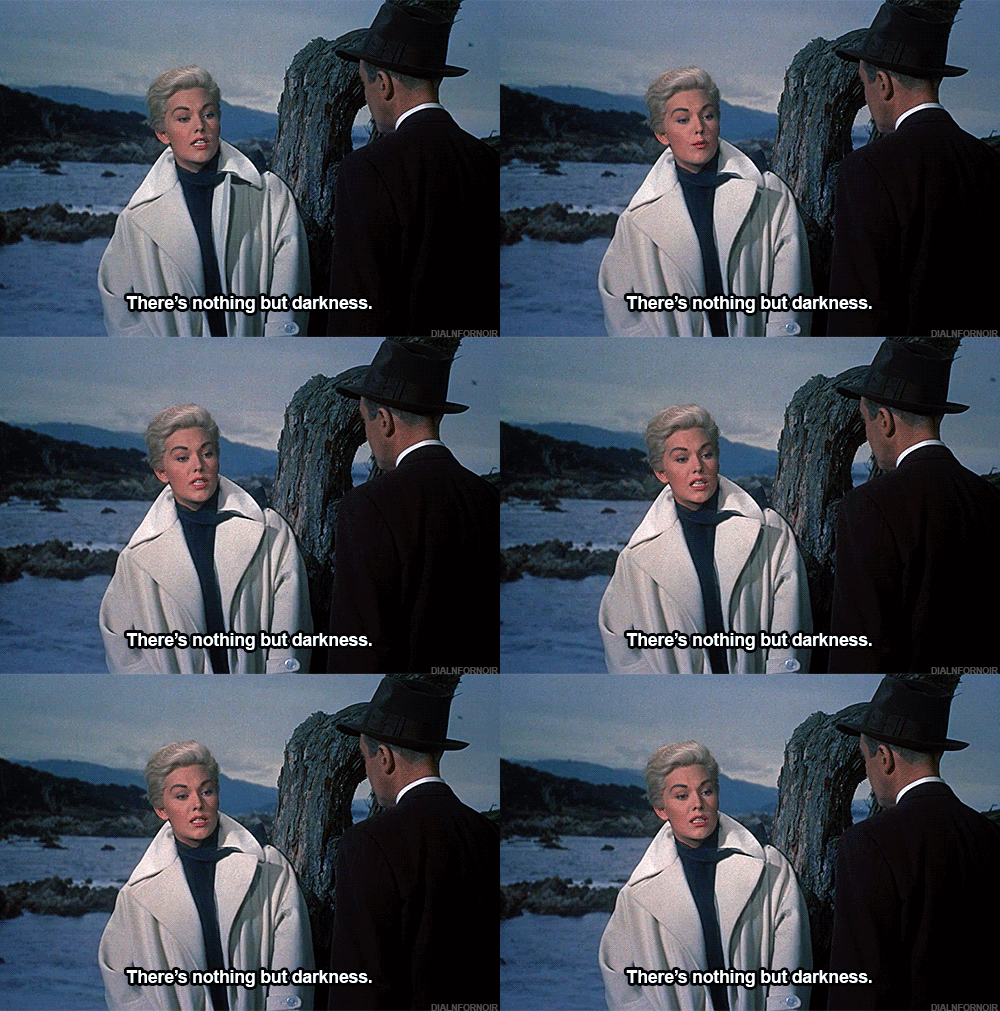
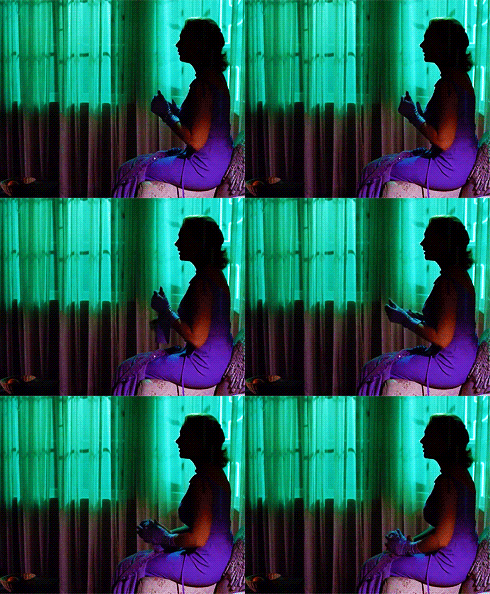
E o filme que hoje é considerado o melhor de todos os tempos – ao menos de acordo com a revista Sight and Sound – é um suspense, dirigido por Hitchcock e não foi indicado a um Oscar sequer. Estamos falando de “Um Corpo que Cai”, que estreou em 1958 e foi recebido de maneira fria pelos críticos da época. Olhando em retrospecto, a obra poderia ter sido indicada em diversas categorias: Filme, Diretor, Ator, Atriz e, em especial, Fotografia. Tudo isso em um ano dominado por “Gigi”, musical da MGM. O tempo foi bom para “Um Corpo que Cai”, e provou que a Academia estava errada mais uma vez.

And the film that is now considered the best ever made – at least according to the Sight and Sound poll – is a thriller, directed by Hitchcock and it was not nominated for a single Oscar. We're talking about “Vertigo”, released in 1958 and received with mixed reactions by critics then. Looking in retrospect, it could have been nominated in several categories: Picture, Director, Actor, Actress and, in special, cinematography. All this in a year dominated by the MGM musical “Gigi”. Time has been kind to “Vertigo”, and it proved the Academy wrong once more.
This scene inspired La La Land!
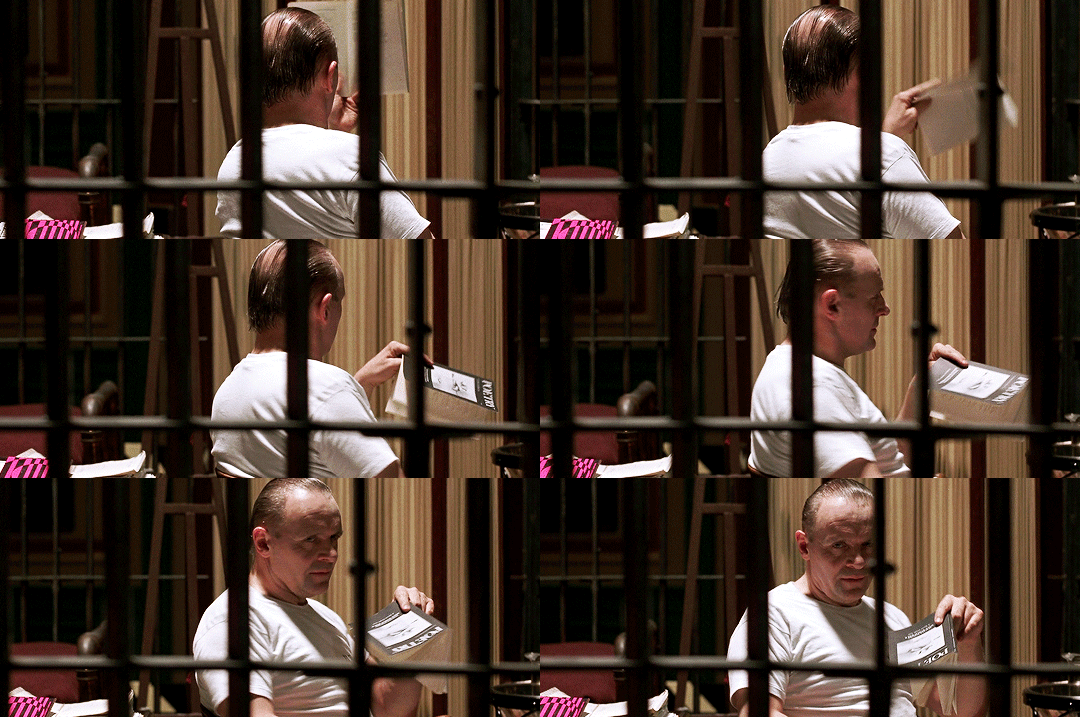
Obviamente, Hitchcock é o primeiro diretor em que pensamos quando falamos de suspense – afinal, ele é o mestre do suspense. Mas muitos outros diretores fizeram filmes de suspense antes e depois de Hitchcock, e tirando duas exceções, estes filmes foram ignorados pela Academia. As duas exceções são os vencedores do prêmio de melhor filme “O Silêncio dos Inocentes” (1991) e “Onde os Fracos Não Têm Vez” (2007).

Of course, Hitchcock is the main director we think about when we talk about thrillers – after all, he is the Master of Suspense. But many other directors made thrillers before and after Hitchcock, and with two exceptions, these movies were ignored by the Academy. The two exceptions are Best Picture winners “Silence of the Lambs” (1991) and “No Country for Old Men” (2007).
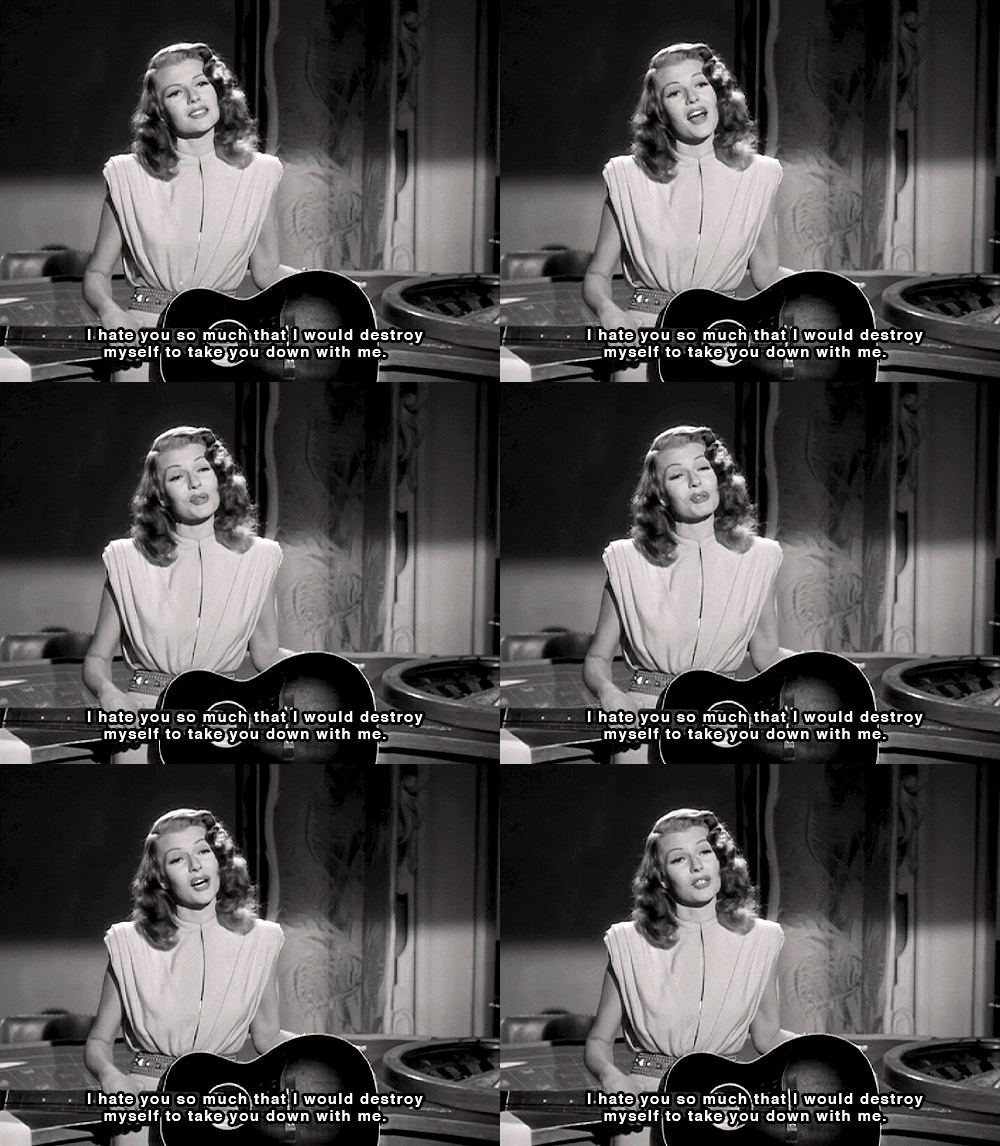
Aliás, algum filme noir teve sucesso no Oscar? Toda uma nova discussão poderia ter início aqui – afinal, noir é um gênero, um subgênero do suspense ou um movimento? Mas não podemos negar que noirs e thrillers têm muitas coisas em comum. Filmes como “O Falcão Maltês” (1941), “A Curva do Destino” (1945), “Gilda” (1946), “A Dama de Xangai” (1947), “O Segredo das Joias” (1951) e “A Marca da Maldade” (1958) também não se deram bem no Oscar.

By the way, as any noir been successful at the Oscars? A whole new discussion could begin debating whether noir is a genre, a thriller sub-genre or a movement, but we can't deny that many noir movies share characteristics with thrillers. Films like “The Maltese Falcon” (1941), “Detour” (1945), “Gilda” (1946), “The Lady from Shanghai” (1947), “The Asphalt Jungle” (1951) and “Touch of Evil” (1958) didn't fare well at the Oscars at all.
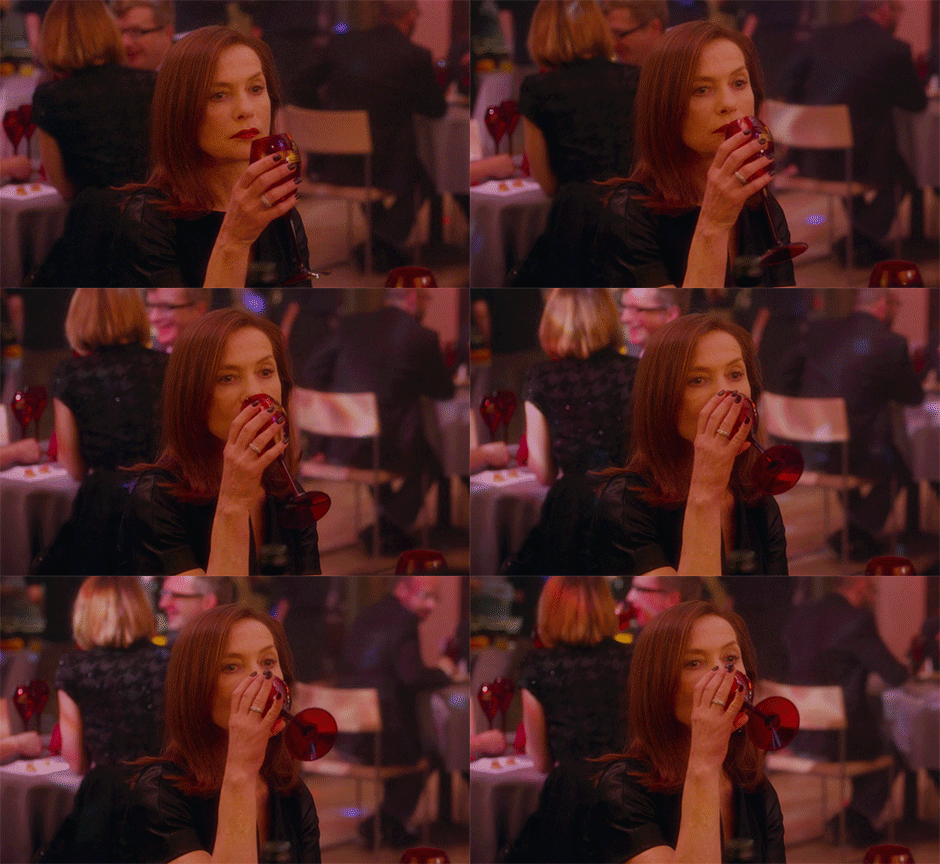
Não nos esqueçamos que um bom filme de suspense é geralmente feito de boas performances. E os atores e atrizes nos thrillers, mesmo maravilhando o público, nem sempre conquistam a simpatia da Academia. Um exemplo recente foi a performance de Isabelle Huppert como protagonista de “Elle”(2016) – um filme surpreendente que só foi memorável graças à presença e atuação dela. Isabelle perdeu o prêmio para Emma Stone, a estrela de musical que não canta nem dança.

Let's not forget that a good thriller is usually made of good performances. And the actors and actresses in thrillers, even mesmerizing the audience, didn't always conquest the Academy's sympathy. One recent example was Isabelle Huppert's performance as the lead of “Elle” (2016) – a suspenseful film that was only memorable because of Huppert's performance. She lost the award to Emma Stone, the musical star who can't sing or dance.  
Qual é o problema com o suspense, afinal? Quase todos os gêneros podem encontrar um lugar ao sol no Oscar, incluindo os prestigiados dramas, as charmosas comédias e os extravagantes musicais, mas o suspense fica de lado. Primeiro, muitos filmes de suspense têm baixo orçamento. No passado, os filmes de estúdios mais pobres nem tinham chance no Oscar. Hoje, é raro, mas filmes de relativo baixo orçamento podem obter indicações. “Corra” (2017), por exemplo, estreou em fevereiro, longe da temporada de premiações, custou apenas 4,5 milhões de dólares e foi tão poderoso que ficou marcado na mente dos votantes e foi indicado a quatro categorias.

What is the trouble with thrillers, after all? Almost all genres can have a place in the sun at the Oscars, including the prestige drama, the charming comedy and the lavish musical, but thrillers are left aside. For starts, many thrillers are made with a low budget. In the past, “poverty row” movies wouldn't even get near the Oscar. Today, it's rare, but low-budget movies can get nominations. “Get Out” (2017), for instance, was released in February, far away from the Oscar season, cost only US$ 4,5 millions, but was so powerful that it remained in the minds of voters and got four nominations.
Talvez os filmes de suspense sejam como um bom vinho: eles ficam melhores com o tempo. Quando os anos passam, podemos ver estes filmes de outra maneira e só ao apreciar a profundidade, potencial, influência e brilhantismo. Talvez a maneira de votar no Oscar seja contida, conservadora e apressada, e os votantes acabem escolhendo os filmes pela pressão e não pelos méritos. Ou talvez os críticos de cinema e os cinéfilos sejam as únicas pessoas sensatas neste planeta e isso significa que devemos fundar nossa própria Academia e termos nossa própria premiação – cheia de suspense, é claro.

Maybe thrillers are like fine wine: they get better with time. When more time passes, we can look at these movies and truly appreciate their depth, potential, influence, brilliance. Maybe the Oscar’s way of voting is tight, narrow-minded and too quick, and voters end up voting for movies and performances because of the hype, not because of their merits. Or maybe film critics and cinephiles are the only sane people in the world and we should start our own Academy. It’d be a thrill!

This is my contribution to the 31 Days of Oscar blogathon, hosted by Aurora, Kellee and Paula at Once Upon a Screen, Outspoken & Freckled and Paula’s Cinema Club.
Related Posts Plugin for WordPress, Blogger...