} Crítica Retrô: William Wyler

Tradutor / Translator / Traductor / Übersetzer / Traduttore / Traducteur / 翻訳者 / переводчик

Showing posts with label William Wyler. Show all posts

Friday, June 28, 2024

Beco Sem Saída (1937) / Dead End (1937)

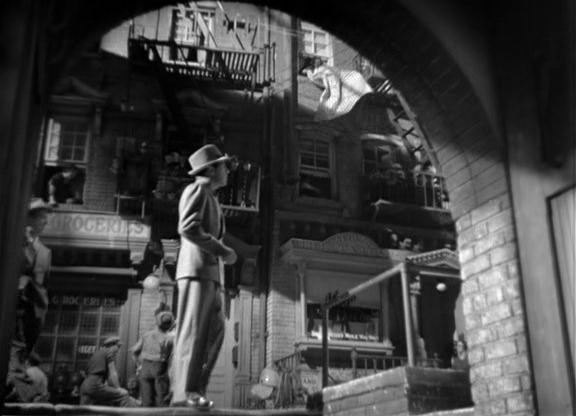
 Como toda cidade grande, Nova York é uma cidade de contrastes. Os ricos e os pobres coexistem, muitas vezes num mesmo bairro. É num destes bairros que se passa a ação do filme “Beco Sem Saída”. E, graças a uma brilhante direção de arte, realmente sentimos que estamos neste local de contrastes junto com os personagens.


Like any big city, New York is a city of contrasts. The rich and the poor coexist, sometimes in the same neighborhood. It’s in one of those neighborhoods that the film “Dead End” is set. And, thanks to its brilliant art direction, we really feel we’re in this place of contrasts with the characters.

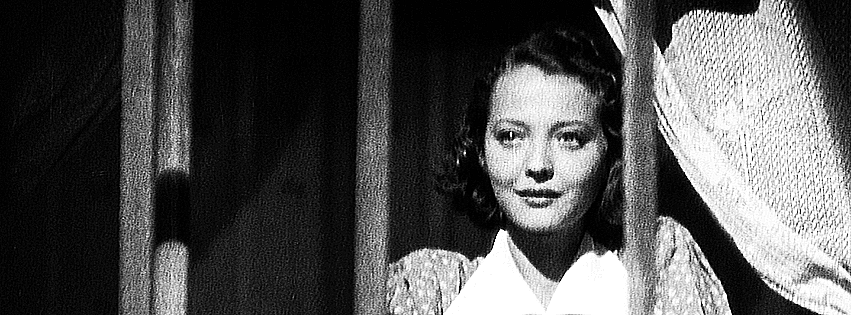
Da sua janela num cortiço, Drina (Sylvia Sidney) pode ver a casa onde vive Kay Burton (Wendy Barrie). Kay está saindo com o amigo de infância de Drina Dave (Joel McCrea), um arquiteto à procura de trabalho. Contaminado pelos valores de Kay, Dave quer demolir o cortiço e construir casas decentes para gente decente. Drina, que gosta de Dave, fica de coração partido com o plano dele.  


From her window at a tenement, Drina (Sylvia Sidney) can see the house where Kay Burton (Wendy Barrie) lives. Kay is seeing Drina’s childhood friend Dave (Joel McCrea), an architect seeking a job. Contamined by Kay’s values, Dave wants to put the tenement on the ground and build decent houses for decent people. Drina, who likes Dave, is heartbroken by his plan.
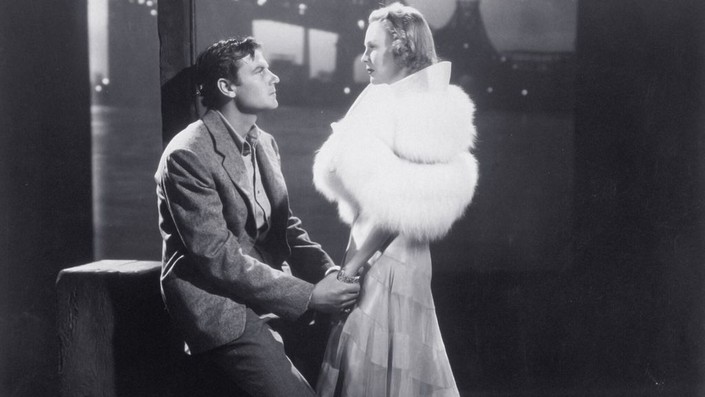
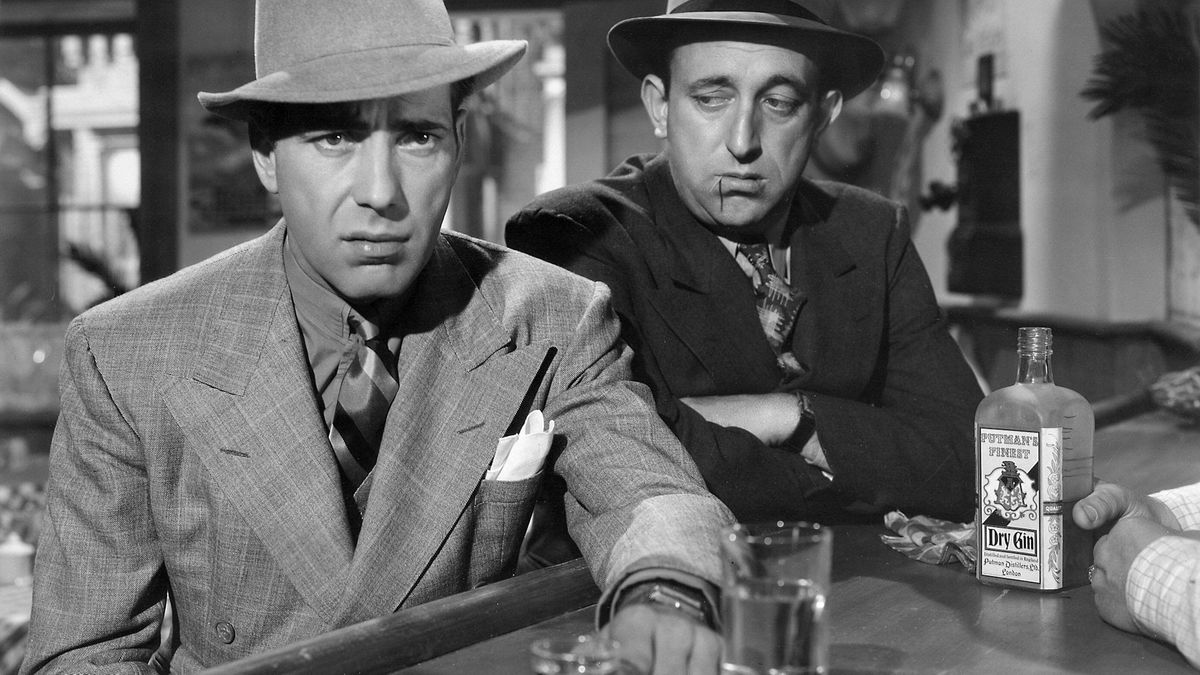
Andando pelo cortiço temos dois homens e um deles diz que seu nome é Johnson (Humphrey Bogart). Ele na verdade cresceu naquele bairro e foi mandado para o reformatório quando adolescente – afinal, ele já matou oito homens! Ele está procurando uma antiga namorada, Francey (Claire Trevor), mas o reencontro não será como ele esperava.


Hanging around the tenement there are two guys and one of them says his name is Johnson (Humphrey Bogart). He actually grew up there but was sent to reform school as a teenager – after all, he already killed eight men! He is looking for an old girlfriend, Francey (Claire Trevor), a meeting that won’t happen as he expected.

Mais do que Drina e Dave, o filme é sobre uma gangue de garotos que vivem no cortiço, cujo líder é o irmão mais novo de Drina, Tommy (Billy Halop). Ela diz que os meninos não prestam, e o diz com convicção. Tommy se mete em problemas quando a gangue incomoda e agride o menino rico Philip (Charles Peck), que é sobrinho de um juiz.


More than Drina and Dave, the movie is about a gang of boys who live in the tenement, whose leader is Drina’s younger brother Tommy (Billy Halop). She says the boys are no good, and she means it. Tommy gets in trouble when the gang picks on and beats the rich boy Philip (Charles Peck), who is the nephew of a judge.

Os meninos da gangue são interpretados por um grupo de jovens atores que ficaram conhecidos como “the Dead End Kids”. Eles vieram de um dos mais violentos bairros de Nova York e apareceram na peça de teatro “Beco Sem Saída”, depois neste filme, e depois novamente nos cinemas em “Anjos de Cara Suja” (1938) – curiosamente, mais um filme com Humphrey Bogart num papel secundário e vilanesco. Samuel Goldwyn teve a ideia de trazer os meninos do teatro para o estúdio, mas se arrependeu quando eles começaram a aprontar no local. O sexteto original fez três filmes e se separou para cada um se concentrar em carreira solo.


The boys from the gang are played by a group of young performers who became known as “the Dead End Kids”. They came from the toughest New York neighborhood and appeared on the stage production of “Dead End”, then this film, then again on screen with “Angels with Dirty Faces” (1938) – curiously, another film with Humphrey Bogart in a secondary and heavy role. Samuel Goldwyn had the idea to bring the boys from the theater to the studio, but regretted as they ran mischievously through the place. The original sextet made three films together and split to have solo careers.

Humphrey Bogart é apenas o terceiro nome nos créditos, mas tem bastante tempo na tela. Seu diálogo com sua amarga mãe, que ele não via há dez anos, é emocionante. Ele teve no ano anterior muito sucesso com “A Floresta Petrificada” e ia ganhando reconhecimento como o grande ator que era. Ele não foi, entretanto, a primeira escolha para o papel que interpretou em “Beco Sem Saída”: o produtor Samuel Goldwyn queria James Cagney para o papel, e Bogart só foi escolhido depois que George Raft recusou o papel.


Humphrey Bogart is only third billed, but he receives a decent amount of screen time. His conversation with his bittered mother, who he hadn’t seen in ten years, is poignant. He had a big hit in the previous year’s “The Petrified Forest” and was gaining recognition as the great actor he was. He wasn’t, however, the first choice for the role he played in “Dead End”: producer Samuel Goldwyn wanted James Cagney cast instead, and Bogart was only chosen when George Raft declined the role.
Embora sua década de maior sucesso tenha sido a de 1950, William Wyler trabalhava como diretor desde 1925. Nascido em 1902 no que era então o Império Alemão, Wyler era primo de Carl Laemmle, chefe dos Estúdios Universal, que o contratou para trabalhar no cinema em 1921, primeiro movendo objetos de cena, depois como assistente de edição. Quando fez “Beco Sem Saída” Wyler já havia recebido sua primeira indicação ao Oscar de Melhor Diretor, por “Fogo de Outono” (1936).


Although he would see more success in the 1950s, William Wyler’s first credit as a director is from a 1925 short. Born in 1902 in what was back then the German Empire, Wyler was the cousin of Carl Laemmle, head of the Universal Studios, who hired him to work in film in 1921, first moving props around, then as first assistant editor. When he made “Dead End” Wyler had already been nominated for his first Best Director Oscar, for “Dodsworth” (1936).
O roteiro foi escrito por Lillian Hellman, baseado na popular peça. A própria Lillian era uma exitosa dramaturga, com sucessos na Broadway como “The Children’s Hour”, “The Little Foxes” e “Watch on the Rhine”, que foram todos adaptados mais tarde para o cinema. Ela foi indicada a dois Oscars e entrou para a lista negra nos anos 1950 quando se recusou a responder às perguntas do Comitê de Atividades Anti-Americanas.


The screenplay was written by Lillian Hellman, based on a popular play. Lillian herself was a successful playwright, with Broadway hits such as “The Children’s Hour”, “The Little Foxes” and “Watch on the Rhine”, all of which were adapted to the screen later. She was nominated for two Oscars and was blacklisted in the 1950s when she refused to answer the questions of the House Committee on Un-American Activities.
A brilhante direção de fotografia ficou a cargo de Gregg Toland, que é mais conhecido por seu trabalho revolucionário em “Cidadão Kane” (1941). Pela atmosfera criada pela câmera de Toland, “Beco Sem Saída” pode até mesmo ser considerado um proto-noir ou um filme tardio no sub-gênero de filmes de gângster que era tão comum no início dos anos 1930. William Wyler e Gregg Toland fizeram seis filmes juntos e poderiam ter colaborado mais se Gregg não tivesse morrido prematuramente em 1948.


The great cinematography is by Gregg Toland, who is better known for his revolutionary job in “Citizen Kane” (1941). By the mood created by Toland’s camera, “Dead End” could even be labeled as a proto-noir or a late entry in the gangster movie genre that was so common in the early 1930s. William Wyler and Gregg Toland worked in six films together and could have collaborated more if it wasn’t for Toland’s premature death in 1948.

“Beco Sem Saída” foi indicado a quatro Oscars: Melhor Filme, Direção de Fotografia, Direção de Arte e Atriz Coadjuvante para Claire Trevor, que tem apenas uma cena de cinco minutos e cuja doença não pôde ser mencionada por causa, vocês sabem, do Código Hays. As performances de todo o elenco são ótimas, mas o filme é realmente uma festa para os olhos, pois reconstrói em um estúdio em Hollywood o microcosmo de um de tantos bairros em Nova York.


“Dead End” was nominated for four Oscars: Best Picture, Cinematography, Art Direction and Supporting Actress for Claire Trevor, who has only five minutes of screen time and whose disease couldn’t be said out loud because, you know, of the Hays Code. The performances of the whole cast are great, but the film is actually a feast for the eyes, as it reconstructs in a Hollywood studio the microcosmos of one of so many New York neighborhoods.

Sunday, March 26, 2017

Dupla Dinâmica: Bette Davis e William Wyler / Dynamic Duo: Bette Davis and William Wyler

É difícil definir um cineasta como William Wyler. Seu filme mais famoso é a versão de 1959 de Ben-Hur, um épico bíblico masculinizado com uma boa dose de ação e drama. Entretanto, Wyler dirigiu 73 obras, entre filmes e séries de TV, de 1925 a 1970. Ele fez westerns, dramas históricos, comédias românticas, documentários. E ele trabalhou três vezes com uma atriz maravilhosa: Bette Davis.

It’s hard to define a filmmaker like William Wyler. His most famous movie is the 1959 version of Ben-Hur, a macho biblical epic with a good amount of action and drama. However, Wyler worked on 73 movies and TV series, from 1925 until 1970. He made westerns, historical dramas, romantic comedies, documentaries. And he collaborated three times with a wonderful actress: Bette Davis.


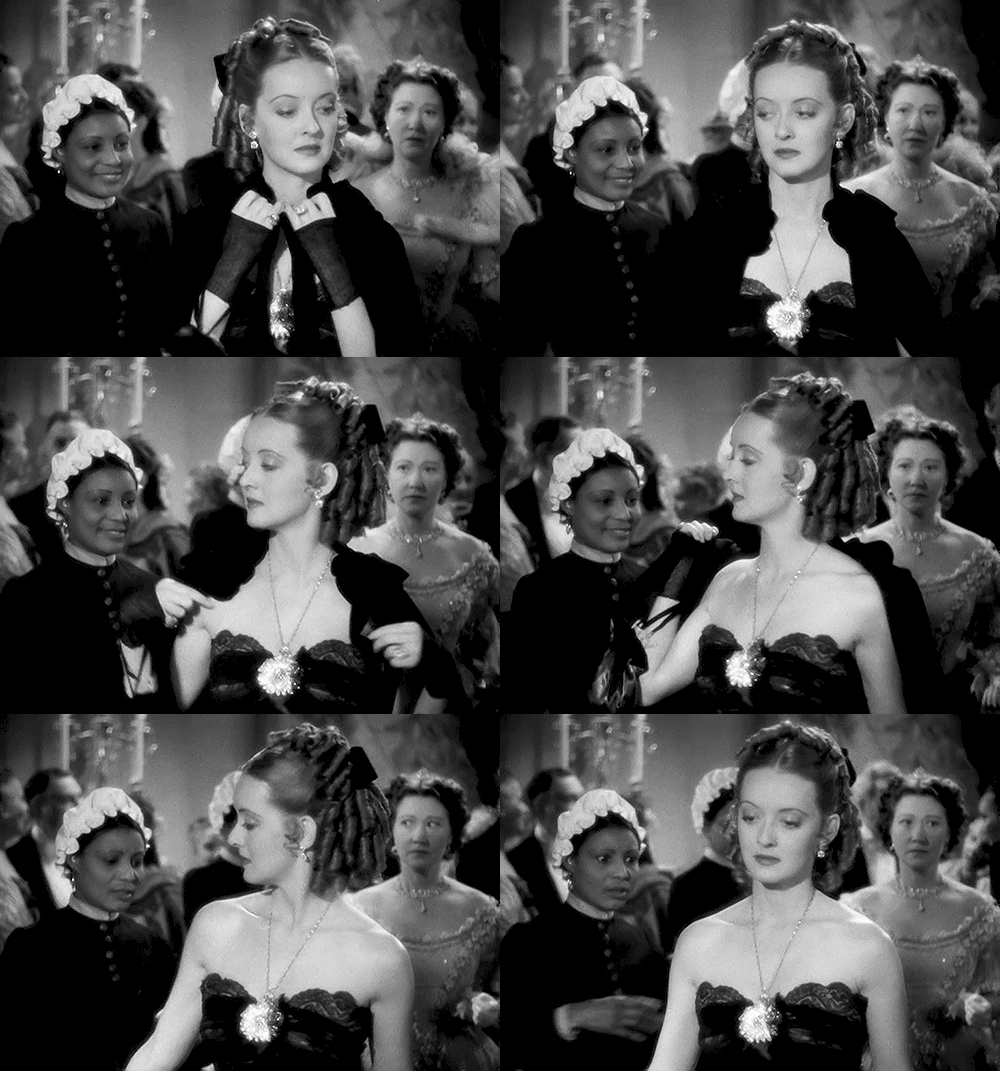
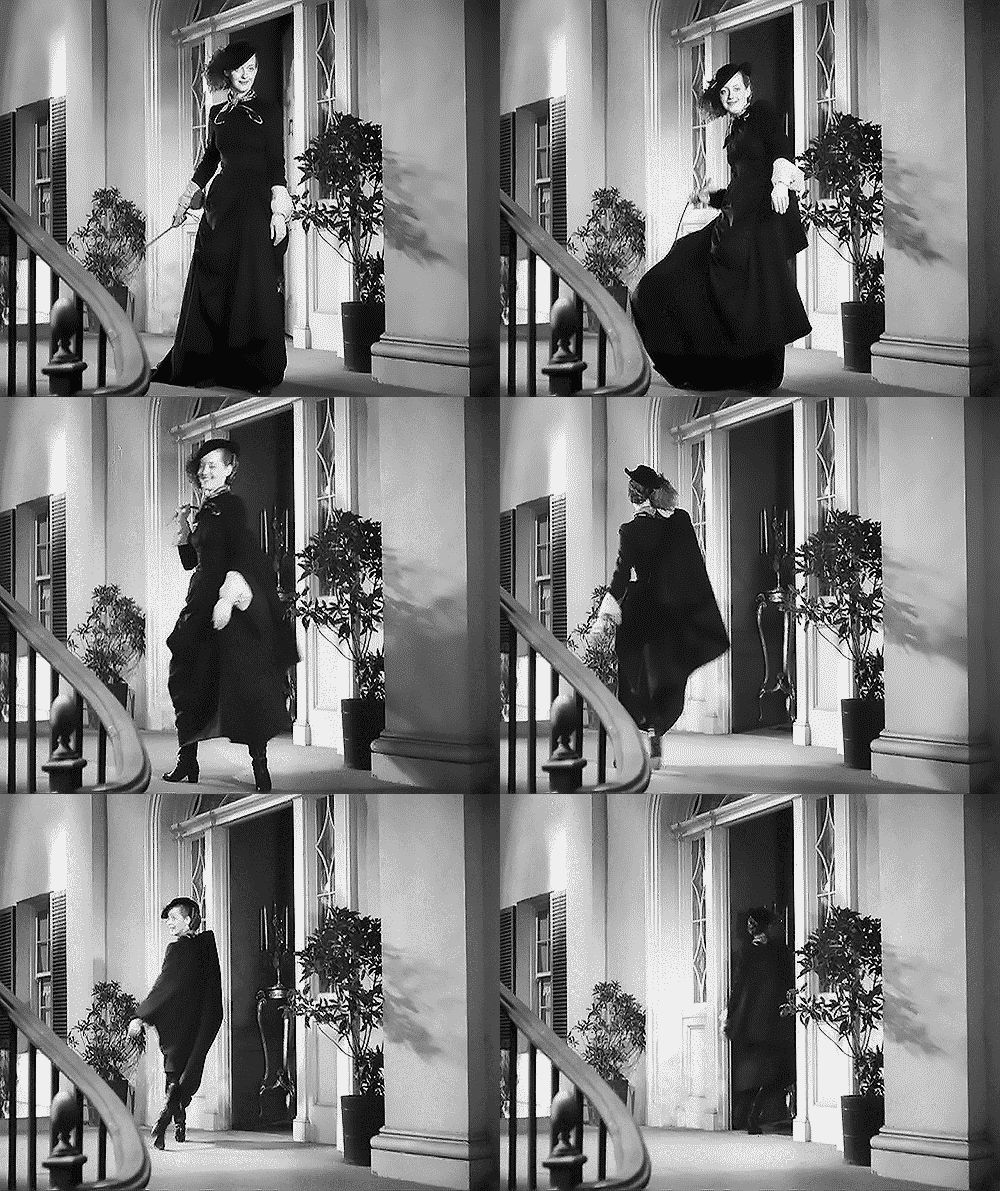
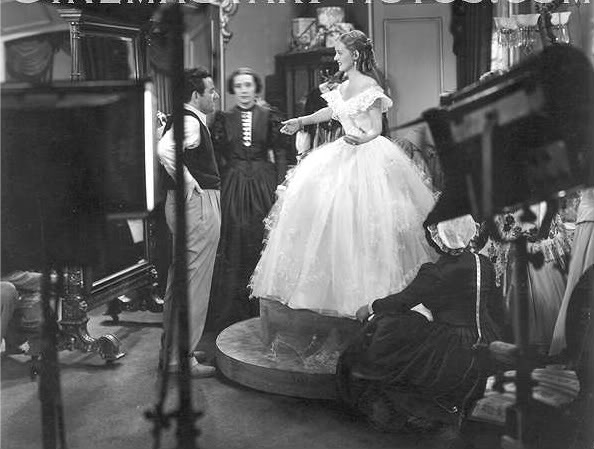
Jezebel”, a primeira colaboração deles, conta a história de Julie (Davis), uma garota voluntariosa do sul dos EUA que é apaixonada por Preston (Henry Fonda). Eles estão noivos, mas não necessariamente combinam. Julie é indomável demais para Preston – prova disso é quando ela escandaliza a cidade toda e vai com um vestido vermelho vivo a um baile no qual todas as outras mulheres estão usando branco. Preston rompe o noivado e sai da cidade, mas retorna um ano depois para impedir que uma epidemia de febre amarela chegue ao local.

 Jezebel”, their first collaboration, tells the story of Julie (Davis), a spoiled Southern belle that is in love with Preston (Henry Fonda). They are, actually, engaged, but Julie is too wild for him – and a proof of this happens when she scandalizes the whole town by wearing a bright red gown to a party in which all the other women wore white. Preston leaves her, but comes back in order to avoid a yellow fever epidemic to hit the town.


Wyler e Davis se conheceram em 1931. Ela era uma novata fazendo um teste para o filme “A House Divided”, que seria dirigido por Wyler. O vestido dado a Bette para o teste não serviu muito bem e o decote era muito revelador. Quando ela entrou no set, ouviu este comentário de Wyler: “O que pensar dessas garotas que só mostram os peitos e acham que vão conseguir o trabalho?”. Ela não foi escalada para o papel, e não esqueceu a humilhação. E em 1938 ela estava pronta para se recusar a trabalhar com Wyler em “Jezebel”. Felizmente, isso não aconteceu.

Wyler and Davis met in 1931. She was a newcomer doing a screen test for his film “A House Divided”. The dress given to her didn’t fit right and there was too much cleavage. When she appeared on set, Wyler made the comment: "What do you think about these dames who show their chests and think they can get jobs?" She didn’t get the job and didn’t forget the humiliation. And, in 1938, she was ready to refuse working with Wyler in “Jezebel”. Luckily, it didn’t happen.


William Wyler era um perfeccionista, e exigia que sua estrela visse com ele as cenas rodadas naquele dia, todos os dias. Foi aí Bette entendeu por que ele queria que ela repetisse sempre as cenas em busca do take perfeito. Estava funcionando: aquela era sua melhor performance até então. Ela começou a admirar Wyler – e a admiração logo se transformou em amor.

William Wyler was a perfectionist, and demanded his star to see the daily shots, every single day. It was then that Bette could understand why he pushed her to do more and to achieve the perfect take. It was working: she had never given such a fine performance. She started admiring Wyler – and soon the admiration turned into love.

Eles se envolveram romanticamente e, segundo rumores, Bette engravidou no final das filmagens de “Jezebel”, e pouco depois fez um aborto. Foi a própria Bette que contou esta história, muitos anos depois.

They started an affair and, according to rumors, Bette got pregnant at the end of the shooting of “Jezebel”, and had an abortion short after production wrapped. Bette herself told this story, later in her life.


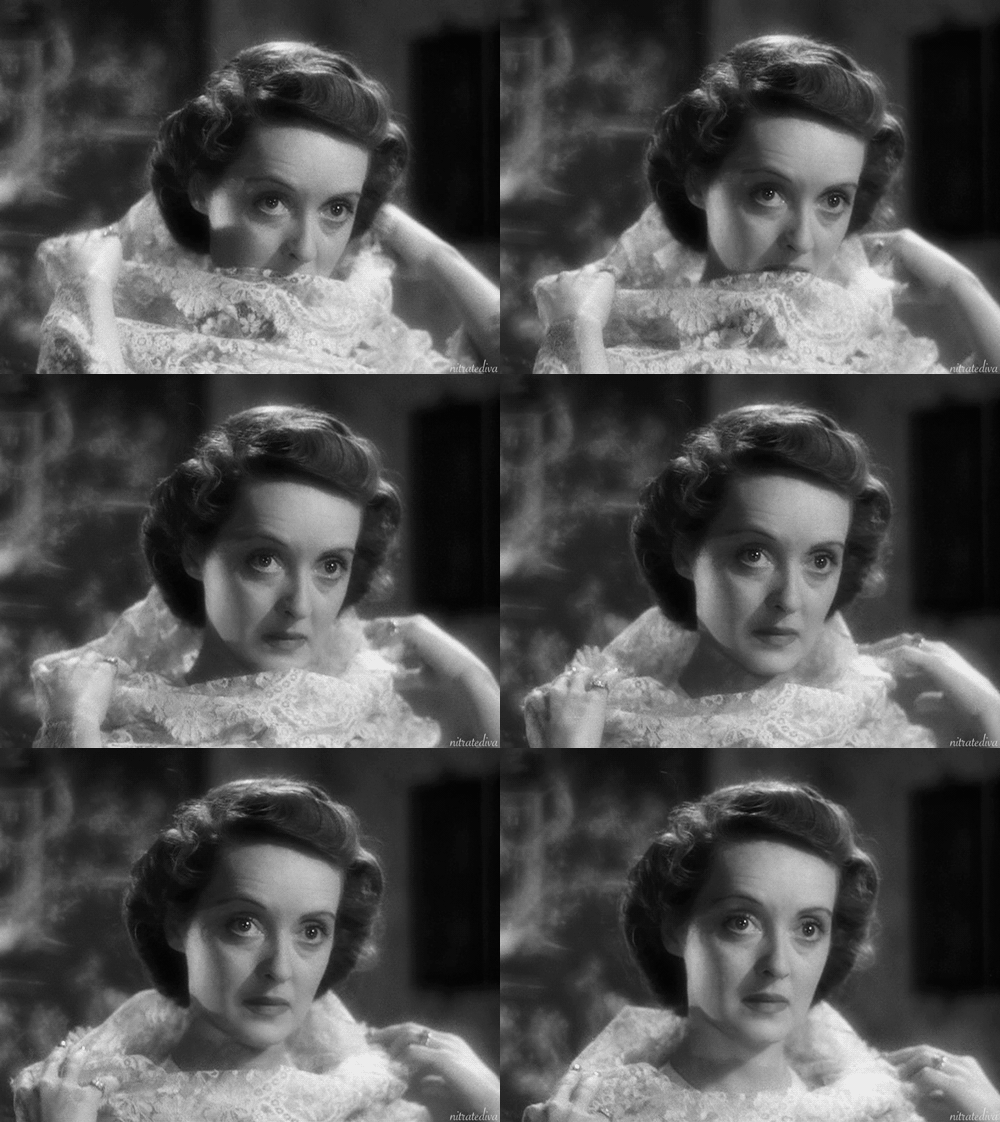
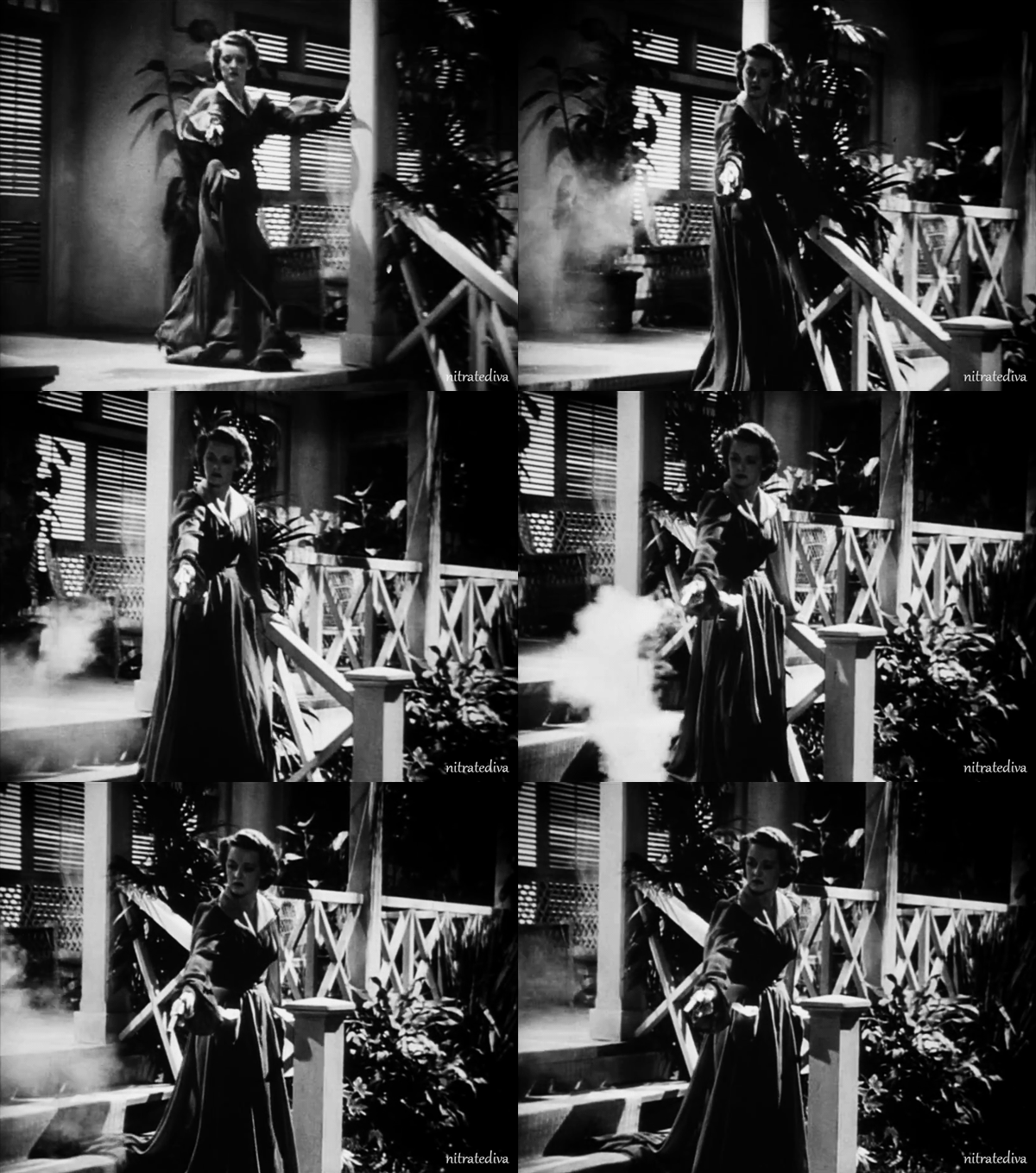
O segundo filme juntos foi “A Carta” (1940), a película com uma das mais eletrizantes sequências de abertura da história. Nela, Leslie (Davis) atira em um homem que está saindo da casa dela numa plantação de algodão na Malásia. Ela alega que o homem a atacou, mas ele estava na verdade a chantageando: ele era amante dela, e pedia dinheiro para não entregar ao marido dela uma carta de amor que ela lhe havia escrito.

Their second collaboration was in “The Letter” (1940), a film that has one of the most thrilling opening sequences ever shot. In it, Leslie (Davis) shoots a man coming out of her house in a cotton plantation in Malaysia. She says the man attacked her, but he was actually blackmailing her: he was her lover, and wanted money in order to not give the letter she sent him to her husband. 


Wyler e Bette discutiram na hora de filmar uma cena de confissão importantíssima, o que fez Bette abandonar o set. Wyler esperou que ela voltasse, e ela fez a cena do jeito que ele queria. Por mais que nós amemos Bette Davis, devemos concordar que Wyler tinha razão, e Leslie precisa olhar nos olhos do marido enquanto confessava que não o amava.

Wyler argued with Bette Davis about a key confession scene, which made Davis leave the set. Wyler just waited for her to come back, and she shot the scene the way he demanded. As much as we love Bette Davis, we’ve got to agree that Wyler was right, and Leslie had to look at her husband in the eye while saying she didn’t really love him.


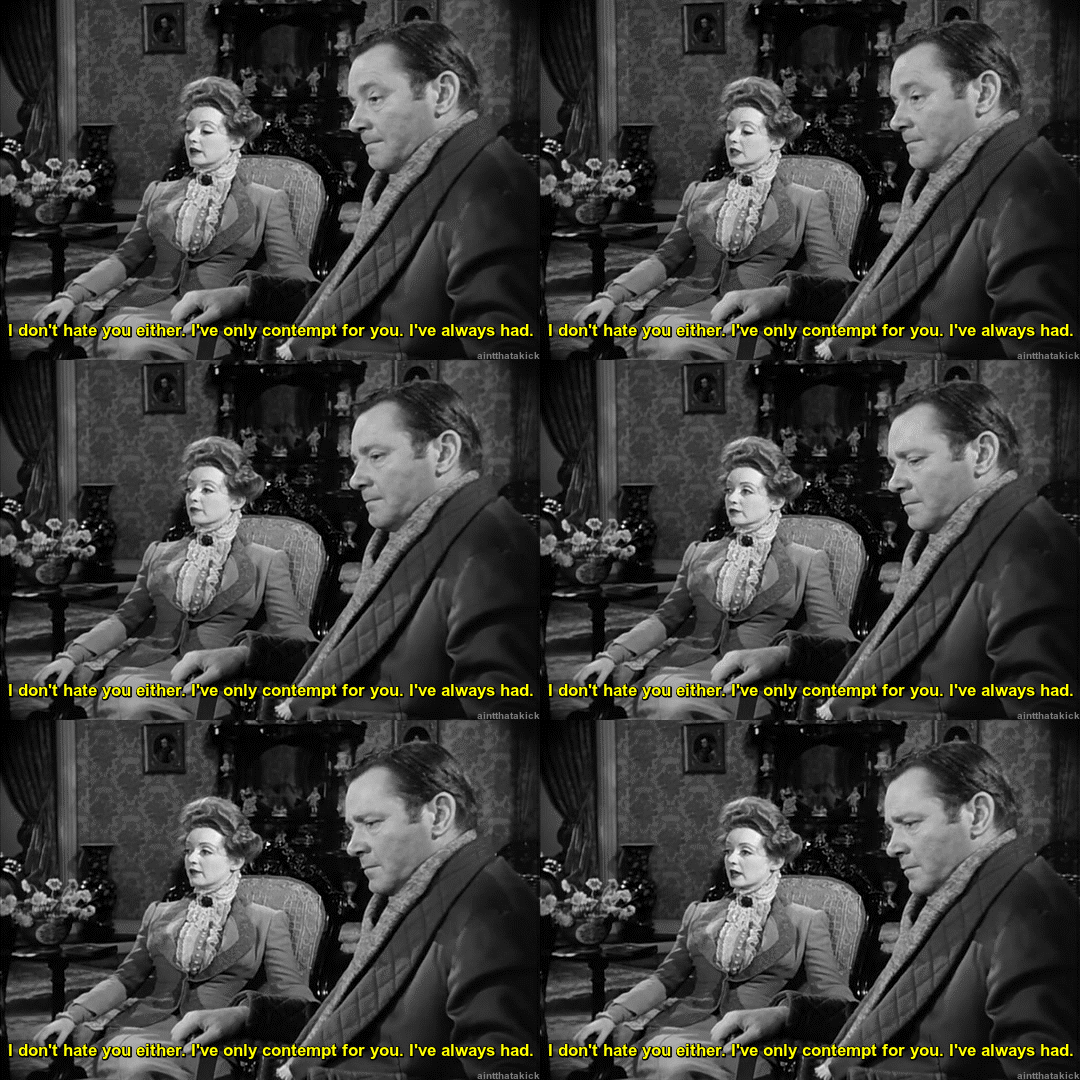
A última contribuição deles foi “Pérfida” (1941). No filme, Bette Davis interpreta Regina Giddens, que quer convencer seu marido doente e distante a lhe emprestar dinheiro para que ela possa entrar numa parceria de negócios com seus irmãos. Para isso, ela manipula a todos e não vê problema em magoar a própria filha para alcançar seu objetivo.

Their last contribution was “The Little Foxes” (1941). In it, Bette Davis plays Regina Giddens, who wants to persuade her estranged and sick husband to lend her money so she can enter a business partnership with her brothers. To do so, she is manipulative and has no problem hurting her own daughter to achieve her goal.


Wyler insistiu que Bette fosse escolhida para o papel principal. Tallulah Bankhead havia feito o papel na Broadway, e Bette decidiu interpretar Regina de maneira completamente diferente de Tallulah: não como uma vítima, mas como uma mulher extremamente ambiciosa.

Wyler insisted on Bette being cast in the leading role. Tallulah Bankhead had originated the role on Broadway, and Bette decided to play Regina in a very different way: not as a victim, as Tallulah did, but as an overly ambitious woman.


E este foi só o começo dos problemas. Wyler e Davis não concordavam em nada, e ela abandonou as filmagens. Em seu livro “Mother Godamn: The Story of the Career of Bette Davis”, ela comenta sobre este episódio: “Foi a úncia vez na minha carreira que eu abandonei um filme que já tinha começado a filmar”, e completa: “Eu estava muito nervosa porque meu diretor favorito, o que eu mais admirava, estava brigando comigo sobre tudo o que podia... Eu simplesmente não queria continuar”. E, mais uma vez, ela voltou ao set e seguiu as ordens de Wyler.

And this was just the start of their troubles. They just couldn’t agree on anything, and she walked off the set. In her book “Mother Goddamn: The Story of the Career of Bette Davis”, she talked about this episode: "It was the only time in my career that I walked out on a film after the shooting had begun," and added: "I was a nervous wreck due to the fact that my favorite and most admired director was fighting me every inch of the way ... I just didn't want to continue." And, once again, she returned to the set and followed Wyler’s orders.


Tanto “Jezebel” quanto “A Carta” são comumente incluídos na maioria das listas de melhores filmes de Bette Davis. “Pérfida” pode não ter a mesma admiração, mas é também um ótimo filme. E todos eles são bons graças à essa mistura fantástica dos estilos de Wyler e Davis.

Both “Jezebel” and “The Letter” are often included in most Bette Davis’s top five movies lists. “The Little Foxes” may not hank as high as these two, but it is also a nice movie. They are good because of this fantastic mix of Wyler and Davis.


Numa entrevista para Charlotte Chandler no final dos anos 80, Bette disse sobre Wyler: “Ele tinha tudo que eu sempre sonhei em um homem, por isso o amor e a paixão surgiram”. Wyler então respondeu: “Ela era muito apaixonada e emotiva, com mais energia do que qualquer outra pessoa que eu conheci. Era demais para mim”.

In an interview to Charlotte Chandler in the late 1980s, Bette said about Wyler: “He was everything I ever dreamed of in a man, so love and passion soon followed.” Wyler answered back: “She was very passionate and emotional, with more energy than anyone I’d ever known. Too much for me.”


Mas não são as atrizes exageradas e exuberantes aquelas que nós mais admiramos?

But aren’t the larger than life actresses the ones we love the most?

This is my contribution to the 2nd Annual Bette Davis Blogathon, hosted by my friend Crystal at In the Good Old Days of Classic Hollywood.
Related Posts Plugin for WordPress, Blogger...