} Crítica Retrô

Tradutor / Translator / Traductor / Übersetzer / Traduttore / Traducteur / 翻訳者 / переводчик

Friday, March 6, 2020

Pleasure Cruise (1933)


Todos nós desejamos felicidade e tranquilidade na vida – mas não no cinema. Aqueles de nós que querem se casar desejam poucas brigas e nenhum ciúme – mas quem quer ver um filme sobre um casal que não tem absolutamente nenhum problema? No cinema, quanto mais problemático for um casamento, melhor, seja o filme uma comédia ou um drama. Na comédia pre-Code de 1933 “Pleasure Cruise”, um marido ciumento segue a esposa em um cruzeiro – e planeja ensinar-lhe uma lição da maneira mais nojenta possível.

We all long for happiness and calm in life – but not on screen. Those of us who want to get married wish few fights and no jealousy – but who wants to watch a movie about a couple that has absolutely no problems? On film, the most troubled a marriage is, the better, no matter if the movie is a comedy or a drama. In the 1933 pre-Code comedy “Pleasure Cruise”, a jealous husband follows his wife in a cruise trip – and plans to teach her a lesson in the vilest way.


Da primeira vez que vemos Andrew Poole (Roland Young), ele está leiloando todos os seus pertences e dando uma festa para os amigos enquanto suas coisas estão sendo levadas embora. Ele pretende desmanchar o noivado com Shirley (Genevieve Tobin), agora que está pobre, mas ela não aceita. Ele tem uma carreira promissora como escritor pela frente e ele tem um emprego, o que significa que eles podem se casar e ela pode sustentar a casa enquanto o livro dele não é publicado.

The first time we see Andrew Poole (Roland Young), he's auctioning all his belongings and throwing a party for his friends while his things are being taken away. He intends to break the engagement with his fiancée, Shirley (Genevieve Tobin), now that he is poor, but she doesn't want it. He has a promising career ahead as a writer and she has a job, which means that they can get married and she can be the breadwinner of the household while his book is not published.


Da próxima vez que vemos Andrew, ele é um homem casado usando um avental – que, no cinema, é um sinal de castração – e organizando as compras na cozinha. É seu aniversário de um ano de casamento, mas ele se esqueceu. Sua amiga Judy (Minna Gombell) o visita e traz flores para ele presentear Shirley. Enquanto cozinha, ele confessa para Judy que tem ciúmes dos colegas de trabalho de Shirley – em uma vinheta criativa e divertida, vemos que estes colegas não são nada do que ele imagina.

The next time we see Andrew, he is a married man wearing an apron – which, in a movie, is a sign of emasculation – and organizing the things he bought in the kitchen. It's his one-year wedding anniversary, but he has forgotten it. His friend Judy (Minna Gombell) visits him and brings flowers for him to give Shirley. While cooking, he confesses to Judy that he's jealous of Shirley's male coworkers – in a creative and fun vignette, we see that they're nothing like he imagines.


Naquela tarde, Andrew e Shirley saem para dar uma volta, e começam a discutir porque ela diz que não sairia do emprego se ele conseguisse um trabalho. Ela então sugere que ele vá pescar para descansar. Ironicamente, ele sugere que ela faça uma viagem num cruzeiro sozinha, e fica chocado quando ela aceita a ideia e imediatamente compra a viagem. Mas ele não pode ir pescar em paz, por isso ele consegue um emprego no mesmo cruzeiro em que ela viaja para ficar de olho nela – sem ser visto, obviamente.

Andrew and Shirley go out for a stroll in the rain that evening, and start arguing because she says she wouldn’t give her job up if he found a job. She then suggests for him to go on a fishing trip to rest. He ironically suggests for her to go solo on a pleasure cruise, and is shocked when she accepts the idea and immediately books the trip. But he can't go fishing in peace, so he gets a job in the same cruise she's travelling to watch her – without being seen, of course.


Fingindo ser barbeiro, Andrew tenta manter todos os homens longe de Shirley, contando mentiras sobre ela. Ao mesmo tempo, ele precisa escapar das investidas da Sra. Signus (Uma O’Connor), uma senhora que adora flertar. Para tornar as coisas mais complicadas, a cabine de Shirley é do lado da cabine da Sra. Signus, e Andrew frequentemente entra na cabine da Sra. Signus para espiar Shirley pelo buraco da fechadura.

Posing as a barber, Andrew tries to keep all men far from Shirley, telling lies about her. At the same time, he needs to escape Mrs Signus (Una O'Connor), a very flirty older lady. To make things more complicated, Shirley's cabin is next to Mrs Signus, and Andrew frequently enters Mrs Signus' cabin only to spy on Shirley through the keyhole.


Assim como muitos outros filmes do começo da era falada, “Pleasure Cruise” teve uma versão em língua estrangeira gravada ao mesmo tempo e enviada para países que não falavam inglês. A versão em espanhol, “No Dejes La Puerta Abierta”, era estrelada pelo brasileiro Raul Roulien e pela espanhola Rosita Moreno. Raul e Rosita fizeram muitas versões em espanhol de filmes em inglês nos estúdios Fox.

Like many other early talkies, “Pleasure Cruise” had a foreign language version shot at the same time for non-English speaking markets. The Spanish version, “No Dejes la Puerta Abierta” (Don't Leave the Door Open), starred Brazilian import Raul Roulien and Spanish actress Rosita Moreno. Roulien and Moreno did a lot of Spanish versions of English-speaking films at Fox studios.


Podemos perceber que este filme foi feito antes do Código Hays pelo primeiro frame. Quando o filme começa, vemos as costas de uma mulher nua e alguém ordena “vire-se”. Para nosso alívio, vemos que se trata de uma pintura, não de uma mulher nua – e os cineastas sorriem porque acabaram de nos enganar. Além disso, há muitas – e eu quero dizer MUITAS – insinuações sexuais no filme.

We can see this a pre-Code by the very first frame. When the film begins, we see a naked woman's back and someone orders “turn around”. To our relief, we realize it's a painting, not a naked woman – and the filmmakers smile as they see they fooled us. Besides that, there is a lot – and I mean a LOT – of sexual innuendo in this film.


Algumas transições chamaram minha atenção por causa da criatividade envolvida. Quando Andrew e Shirley saem da casa deles, a câmera foca nos pés do casal. No momento seguinte, eles estão saindo da igreja, casados. No próximo momento, ainda com a Marcha Nupcial tocando, Andrew está caminhando sozinho, depois de fazer compras para casa. Em outra sequência, um chuveiro aberto se transforma em chuva caindo do lado de fora de uma janela e, mas tarde, a passagem do tempo é simbolizada pela chuva que para de cair em uma poça. Um balão estoura e uma grande festa no cruzeiro acaba. São todos pequenos truques, muito bem executados, que tornam o filme visualmente bonito.

Some scene transitions really caught my attention because of the creative way they were done. As Andrew and Shirley leave his house, the camera focuses on their feet. The next moment, they are walking down the aisle, married. The next one, still with the Wedding March playing, Andrew is walking alone, after buying groceries for his home. In another sequence, an open shower transforms into rain falling outside of a window and, later, the passing of time is symbolized by the rain that stops falling in a puddle. A balloon pops and a huge party at the cruise is over. These are little tricks that, well done, make the film visually pleasing.


Genevieve Tobin está ótima nos momentos cômicos de “Pleasure Cruise”. Nascida em Nova York em 1899, Genevieve fez seu primeiro filme aos 10 anos. Sua irmã Vivian e seu irmão George também eram atores. Ao contrário de sua personagem em “Pleasure Cruise”, Genevieve deixou Hollywood em 1940 após se casar. Ela faleceu em 21 de julho de 1995 – meu segundo aniversário.

Genevieve Tobin is great at comical moments in “Pleasure Cruise”. Born in New York in 1899, Genevieve made her first film at age 10. Her sister Vivian and her brother George were also actors. Unlike her character from “Pleasure Cruise”, Genevieve left Hollywood in 1940 after getting married. She passed away on July 21st, 1995 – which was my second birthday.


Aqui, Roland Young me lembrou de Bruce Willis, mas com um bigode. O ator inglês fez sua estreia no cinema como Watson no “Sherlock Holmes” de 1922, com John Barrymore como Sherlock. No começo da década de 1930 ele passou a trabalhar como freelancer – sem ter contrato com um único estúdio – e fez sucesso em muitos papéis coadjuvantes, incluindo “A Dupla do Outro Mundo” (1937), pelo qual ele recebeu uma indicação ao Oscar.

Roland Young here reminded me of Bruce Willis, but with a mustache. The English actor made his film debut as Watson in 1922’s “Sherlock Holmes”, with John Barrymore as Sherlock. In the early 1930s he started working as a freelancer – not having a contract with a single studio – and found success in many supporting roles, including “Topper” (1937), for which he was nominated for an Oscar.


Com apenas 72 minutos, “Pleasure Cruise” é um filme prazeroso até os minutos finais. Uma escolha de mau gosto – e é de MUITO mau gosto – é feita quando Andrew vai longe demais para ensinar uma lição para a esposa. Não darei spoilers, mas Danny do site pre-code.com discute esta questão na crítica dele AQUI (em inglês). Por causa deste detalhe não tão pequeno, “Pleasure Cruise” é um filme que podemos dizer que envelheceu mal, e nos faz agradecer pelas constantes mudanças na sociedade.

Clocking at 72 minutes, “Pleasure Cruise” is a delightful pre-Code movie up until the final minutes. A twist of bad taste – and I mean VERY bad taste – happens when Andrew goes too far to teach his wife a lesson. I won’t give spoilers, but Danny from pre-code.com discusses this plot point in his review of the film HERE. Because of this not so small detail, “Pleasure Cruise” is a film we can say aged badly, and it makes us be thankful that times are constantly changing.

This is my contribution to the Out to Sea blogathon, hosted by Debra at Moon in Gemini.

Saturday, February 29, 2020

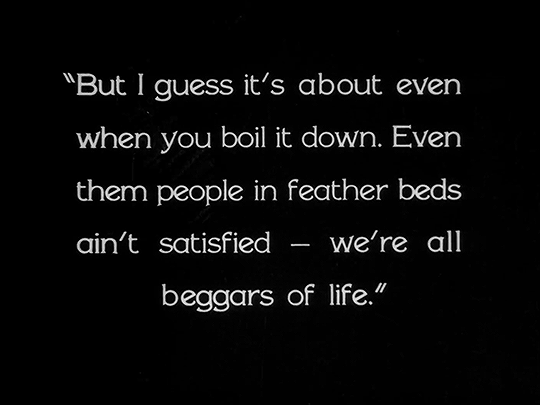
Mendigos da Vida (1928) / Beggars of Life (1928)


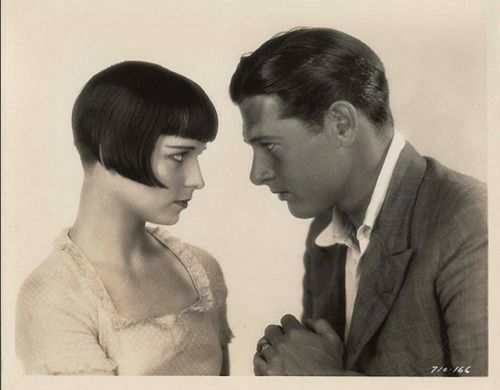
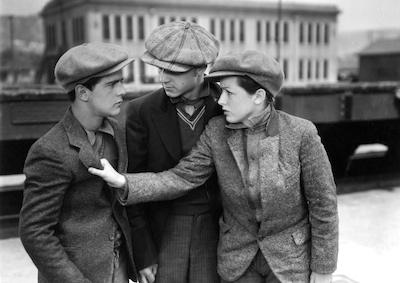
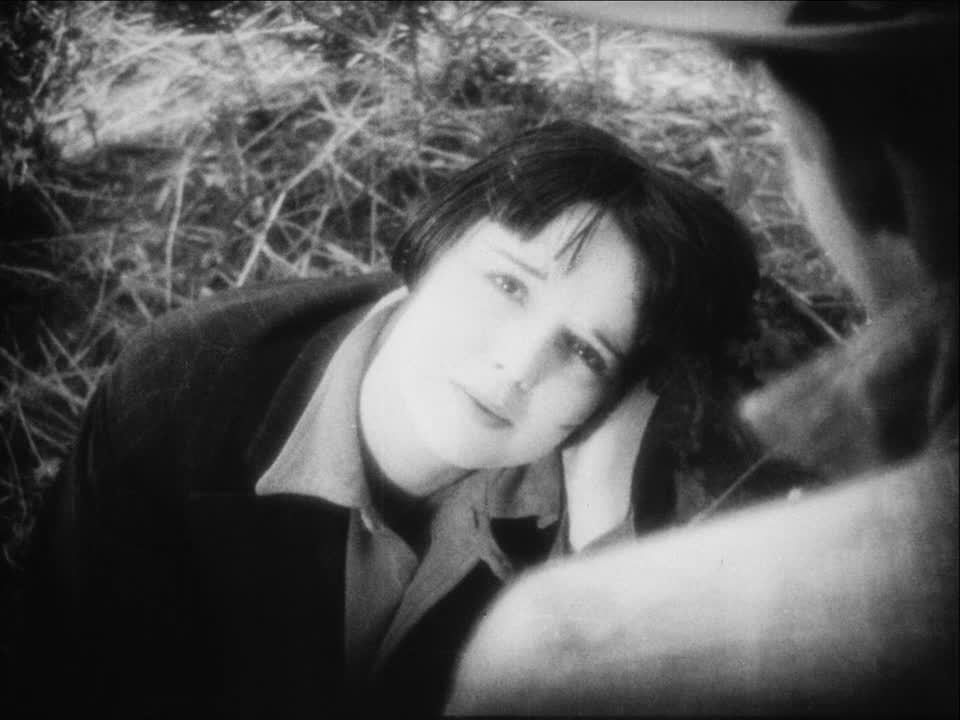
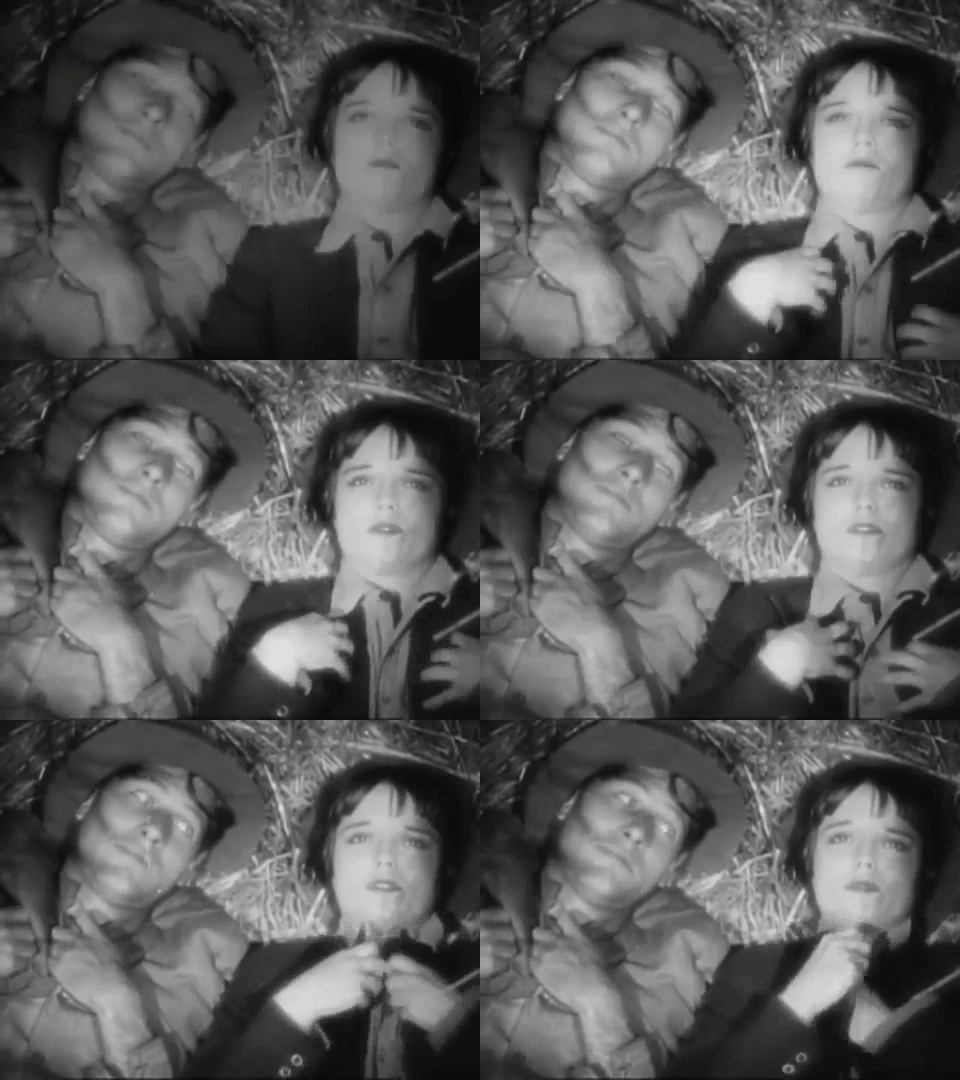
Um dia, um mendigo (Richard Arlen) chega a um chalé e vê um café da manhã apetitoso em cima de uma mesa. Ele bate na porta, entra e pede um pouco de comida para o homem sentado à mesa. O homem não responde. Ele pede de novo e de novo, até que percebe que o homem está morto – com uma bala na cabeça. Ele derruba e quebra um pote, e o assassino aparece: uma garota (Louise Brooks) confessa que ela matou o homem, seu padrasto, depois que ele tentou estuprá-la. A sequência em que ela rememora os fatos é brilhante, com imagens superimpostas dos acontecimentos e do rosto expressivo de Louise conforme ela se lembra.

One day, a hobo (Richard Arlen) arrives at a cottage and sees an appetizing breakfast on a table. He knocks on the door, enters and asks the man sitting on the table for some food. The man doesn’t answer. He asks again and again, until he realizes the man is dead – shot in the head. He drops and breaks a pot and the shooter appears: a girl (Louise Brooks) confesses she killed the man, her stepfather, after he tried to rape her. The sequence in which she recounts the facts is brilliant, with superimposed images of the happenings and of her expressive face as she remembers the things.


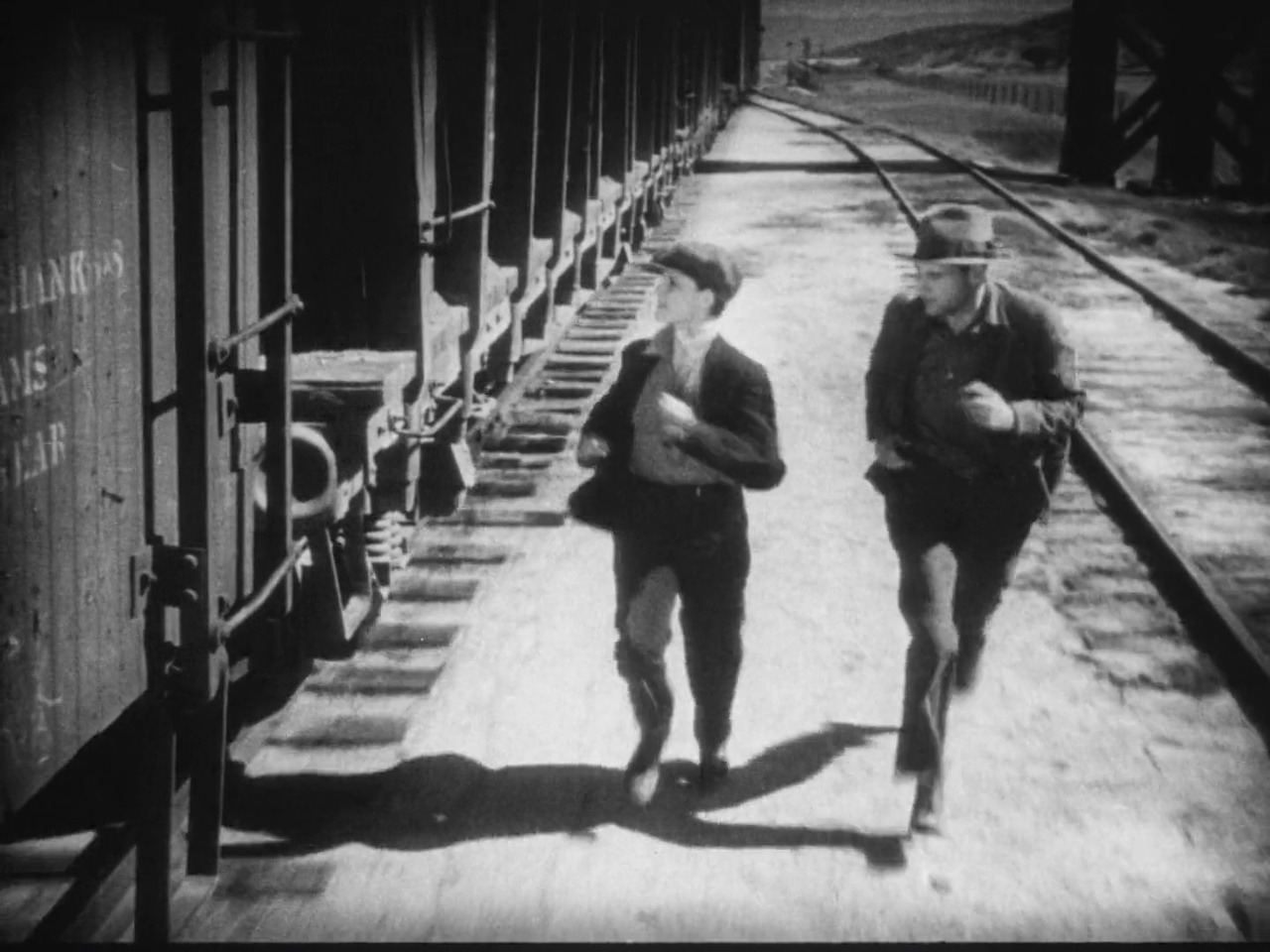
O mendigo decide ajudar a garota. Agora usando calças e escondendo seu cabelo com uma boina, a garota perde o trem que vai para o Este, mas embarca, com o mendigo, no trem que vai para o Oeste – embarcam como clandestinos, é claro. Eles são logo expulsos do trem, e têm de passar a noite num monte de feno, onde têm um diálogo profundo.

The hobo decides to help the girl. Now dressed in pants and hiding her bobbed hair with a bonnet, the girl misses the train that goes East, but embarks, with the hobo, on the train that goes West – both the girl and the hobo as stowaways, of course. They are quickly thrown out of the train, and have to spend the night under a haystack, where they have a deep conversation.


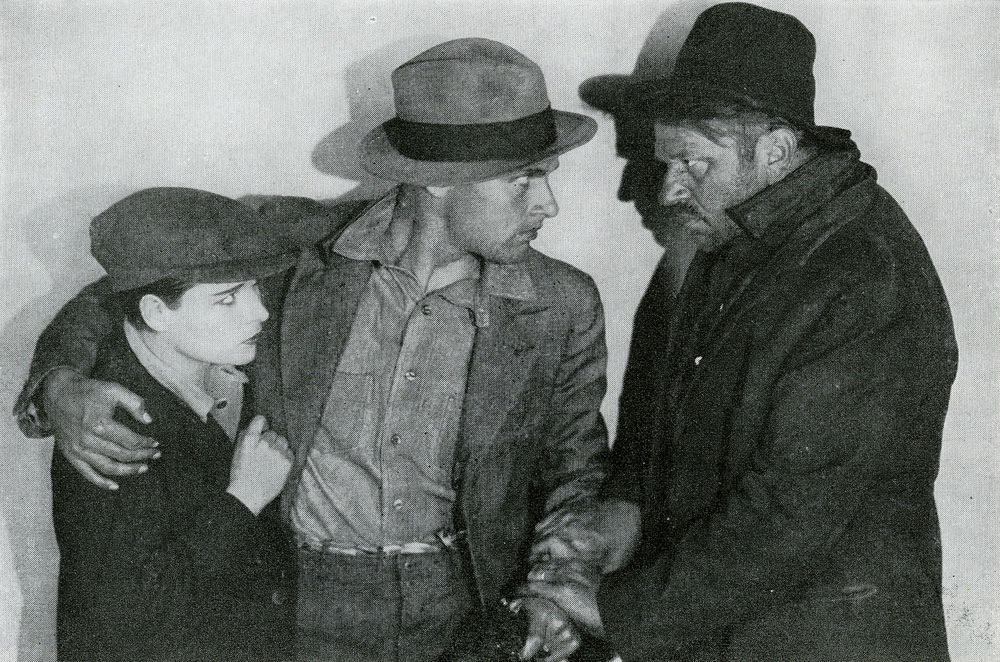
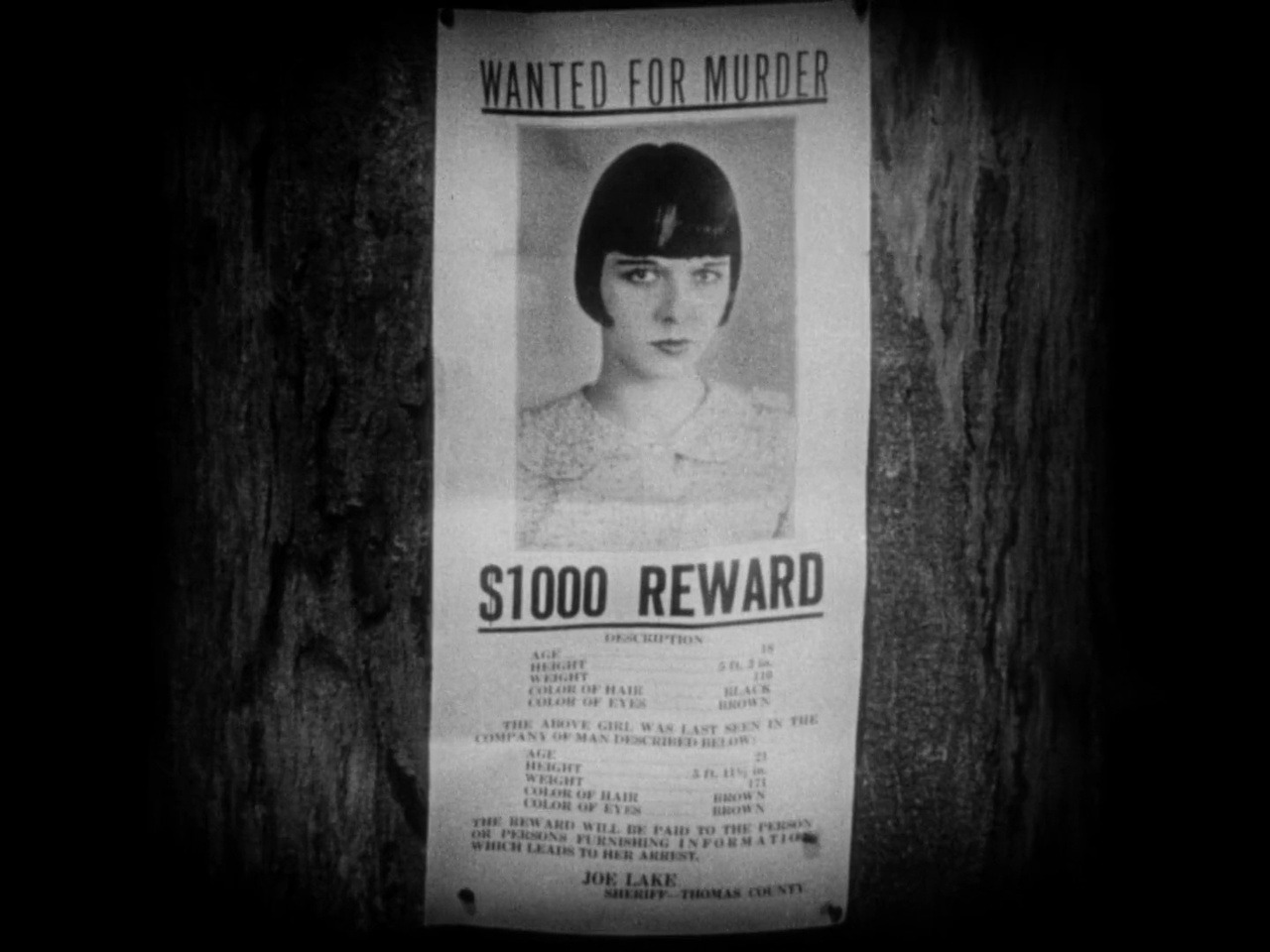
Na manhã seguinte, a polícia está procurando pela menina, e uma recompensa de mil dólares está sendo oferecida. O mendigo e a garota chegam a uma reunião de mendigos e o mais violento deles, Oklahoma Red (Wallace Beery), reconhece a garota do pôster da recompensa. Oklahoma Red deixa a menina pegar o trem com eles, mas ele quer a garota para si.

The next morning, the police is looking for the girl, and a thousand-dollar reward has been set for her. The hobo and the girl arrive at a reunion of hoboes and the most violent of them, Oklahoma Red (Wallace Beery), recognizes her from the reward poster. Oklahoma Red lets the girl catch the train with them, but he wants the girl for himself.


William A. Wellman é um dos meus diretores subestimados favorites. Trabalhando sem parar desde 1923 atrás das câmeras – ele primeiro foi ator em 1919 após ser descoberto por Douglas Fairbanks – Wellman fez sucesso com filmes mudos e falados, e em gêneros muito distintos. Para citar alguns de seus excelentes filmes: o filme de guerra “Asas” (1927, primeiro ganhador do Oscar de Melhor Filme), o de gângster “Inimigo Público” (1931), o de romance “Nasce uma Estrela” (1937), a screwball comedy "Nada é Sagrado" (1937), o faroeste único “Consciências Mortas” (1942) e o filme de desastre de aviação “Um Fio de Esperança” (1954).

William A. Wellman is one of my favorite underrated directors. Working steadily since 1923 behind the cameras – he first had an acting gig in 1919 after being discovered by Douglas Fairbanks – Wellman excelled in silents and talkies, and in very different genres. To name a few of his great movies: war movie “Wings” (1927, first Best Picture Oscar winner), gangster flick “The Public Enemy” (1931), the romantic “A Star is Born” (1927), screwball comedy “Nothing Sacred” (1937), unique western “The Ox-Bow Incident” (1942) and the plane disaster movie “The High and the Mighty” (1954).


Você sabe o que mais torna William A. Wellman tão interessante? Ele nasceu no dia 29 de fevereiro. Isso é bem raro – a chance de nascer no dia 29 de fevereiro é de 1 em 1416, ou 0,068% - mas não TÃO raro – a chance de ser atingido por um raio é de 1 em 3000. Entretanto, alguns matemáticos contestam esse número, e baixam a chance de nascer em 29 de fevereiro para 0,00066%!

Do you know what else makes William A. Wellman so interesting? He was born on Leap Day, February 29th. This is pretty rare – the odds of being born on Leap Day are 1 in 1,416, or .068 per cent – but not THAT rare – the odds of being struck by lightning are 1 in 3,000. However, some mathematicians challenge this number, and put the odds of being born on Leap Day down to .00066%!


William A. Wellman – o A é de Augustus – voltaria ao tema de pessoas pobres pegando trens clandestinamente em “Idade Perigosa”, de 1933. Desta vez, Wellman contou a história de adolescentes que eram ou órfãos ou vinham de famílias empobrecidas pela Grande Depressão. Estes adolescentes, em sua maioria meninos mas também meninas vestidas de meninos, pegavam carona nos trens para chegar à cidade mais próxima e procurar vagas de emprego que, obviamente, não existiam. “Idade Perigosa” é um drama da Grande Depressão pouco comentado, mas muito eficaz.

William A. Wellman – the “A” stands for Augustus – would come back to the theme of poor people catching freight trains in 1933’s “Wild Boys of the Road”. This time, Wellman told the story of poor teens who were either orphans or came from houses impoverished by the Great Depression. Those teens, mostly boys but also some girls dressed as boys, would catch trains to arrive in the next town and look for jobs that, obviously, weren’t there. “Wild Boys of the Road” is an underrated and gripping Depression drama.


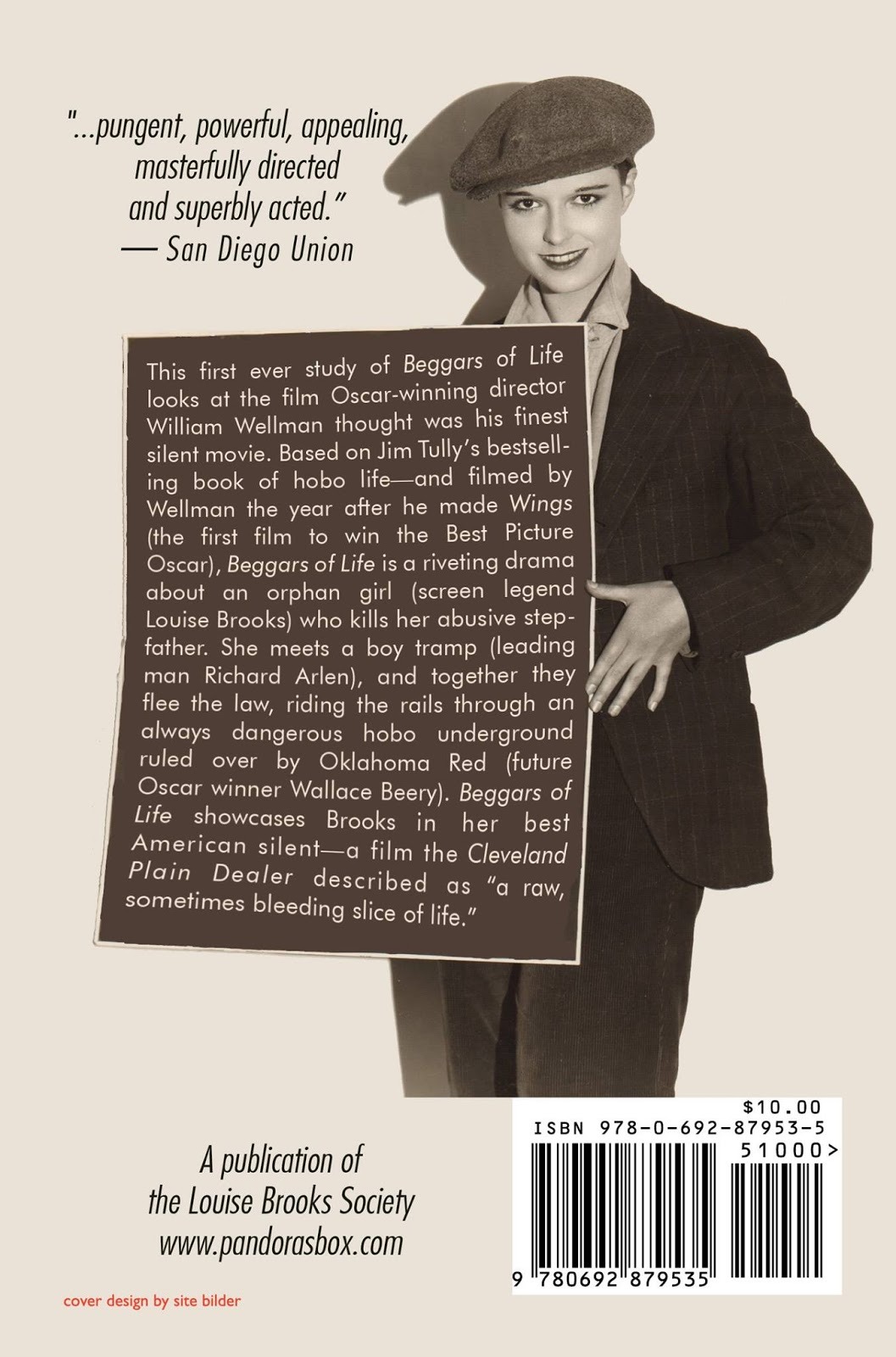
“Mendigos da Vida” é considerado o melhor filme que Louise Brooks fez nos EUA. Não foi, entretanto, uma experiência agradável para ela, que foi ofendida por um dublê – leia a história completa AQUI – e também por Richard Arlen, que disse que ela não sabia atuar. Mais tarde,  Wellman, que foi frio com ela nas gravações de “Mendigos da Vida”, lhe ofereceu um papel em “Inimigo Público”, e ela o recusou. O papel fez de Jean Harlow uma superestrela. Na última vez em que Brooks e Wellman se viram, ele compreendeu a maior verdade sobre ela: ela odiava Hollywood.

“Beggars of Life” is considered to be the best film Louise Brooks made in the US. It wasn’t, however, a pleasant experience for her, who was shamed by a stunt double – read the full story HERE – and was offended by Richard Arlen, who said she couldn’t act. Later, Wellman, who was cold towards her while making “Beggars of Life”, offered her a role in “The Public Enemy”, and she refused it. The role ended up making a superstar of Jean Harlow. The last time Brooks and Wellman met, he understood the biggest truth about her: she hated Hollywood.


Você deve se lembrar de Richard Arlen em “Asas”. Arlen havia feito parte da Aeronáutica do Canadá na Primeira Guerra Mundial, mas nunca chegou a combater. Depois da guerra, ele se tornou mensageiro para um laboratório de filme, levando e trazendo filme em uma motocicleta. Um dia, ele bateu a moto no portão da Paramount. Impressionados com sua beleza, os executivos lhe ofereceram um contrato – e chamaram um médico para cuidar da perna quebrada dele. Quando o cinema falado chegou, Richard trabalhou em filmes B, especialmente de aventura e faroeste, e também na TV. Richard Arlen e William A. Wellman fizeram três filmes juntos.

You might remember Richard Arlen from “Wings”. Arlen had been part of the Canadian Air Corps in WWI, but never saw combat. After the war, he became a motorcycle messenger for a film laboratory. One day, he crashed his motorcycle at the Paramount Studios gate. Impressed with his looks, the executives offered him a contract – and called a doctor for his broken leg, of course. When talkies came, Richard worked in B-movies, mainly adventures and westerns, and also on TV. Richard Arlen and William A. Wellman made three films together.


Vamos falar sobre as falhas de “Mendigos da Vida”. Há uma parte racista com um mendigo negro que é retratado como pouco esperto. O ator que interpreta esse papel, Blue Washington, trabalhava como policial quando não estava atuando, e era amigo de infância de Frank Capra.

Let’s talk about the flaws of “Beggars of Life”. There is a racist bit with a black hobo who is portrayed as not very smart. The actor who plays this part, Blue Washington, worked as a cop when he was not acting, and was a childhood friend of Frank Capra.


Há muitas cartelas de títulos, provavelmente mais do que a média, e isso às vezes prejudica o fluxo do filme, em especial quando todos os mendigos estão debatendo dentro do trem. Oklahoma Red é o mendigo mais verborrágico que eu já vi. “Mendigos da Vida” também foi distribuído com efeitos sonoros e uma sequência que incluía Wallace Beery cantando – Wellman detestou essa adição. Esta sequência hoje está perdida.

There are lots of title cards, probably more than the average, and this sometimes harms the flow of the picture, in special when all beggars are talking inside the train. Oklahoma Red is the most talkative hobo I’ve ever seen. “Beggars of Life” was also released as a film with sound effects and with a sequence that included Wallace Beery singing – Wellman hated this addition. This sequence is now considered lost.


Eu queria ter gostado mais de “Mendigos da Vida”. É um filme com uma bela fotografia – a sequência com os montes de feno poderia ter sido tirada de um filme de Borzage ou de Murnau – e Louise sabia SIM atuar. A redenção de Oklahoma Red foi um pouco forçada, mas o adorável diálogo dentro dos montes de feno, sob as estrelas, mostra quão sensível o bom e velho “Wild Bill” Wellman podia ser.

I wish I had liked “Beggars of Life” more than I did. It was beautifully shot – the haystack sequence could have come from a Borzage or a Murnau movie – and Louise DID know how to act. The redemption ark for Oklahoma Red felt a bit forced, but the lovely dialogue inside the haystack, under the stars, shows how much heart the good old “Wild Bill” Wellman had.


This is my contribution to the Leap Year blogathon, hosted by Rebecca at Taking Up Room. See you in four years!


Saturday, February 22, 2020

Assassinato por Morte (1976) / Murder by Death (1976)


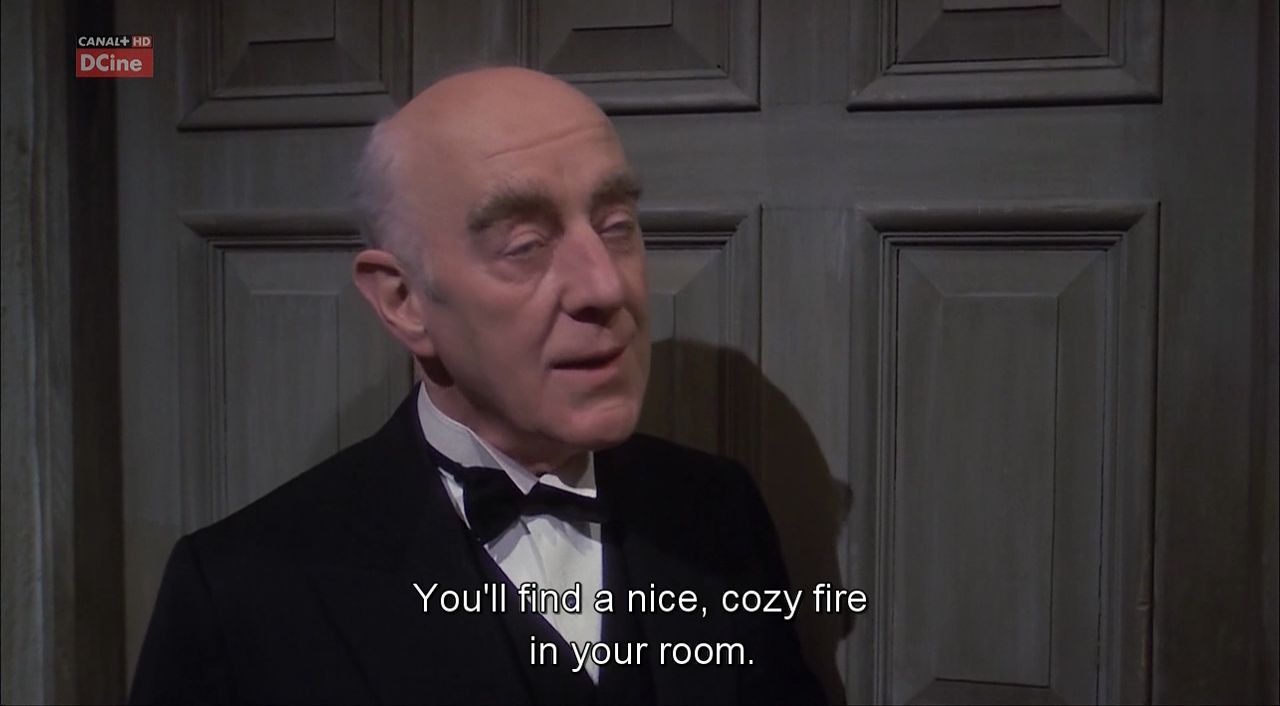
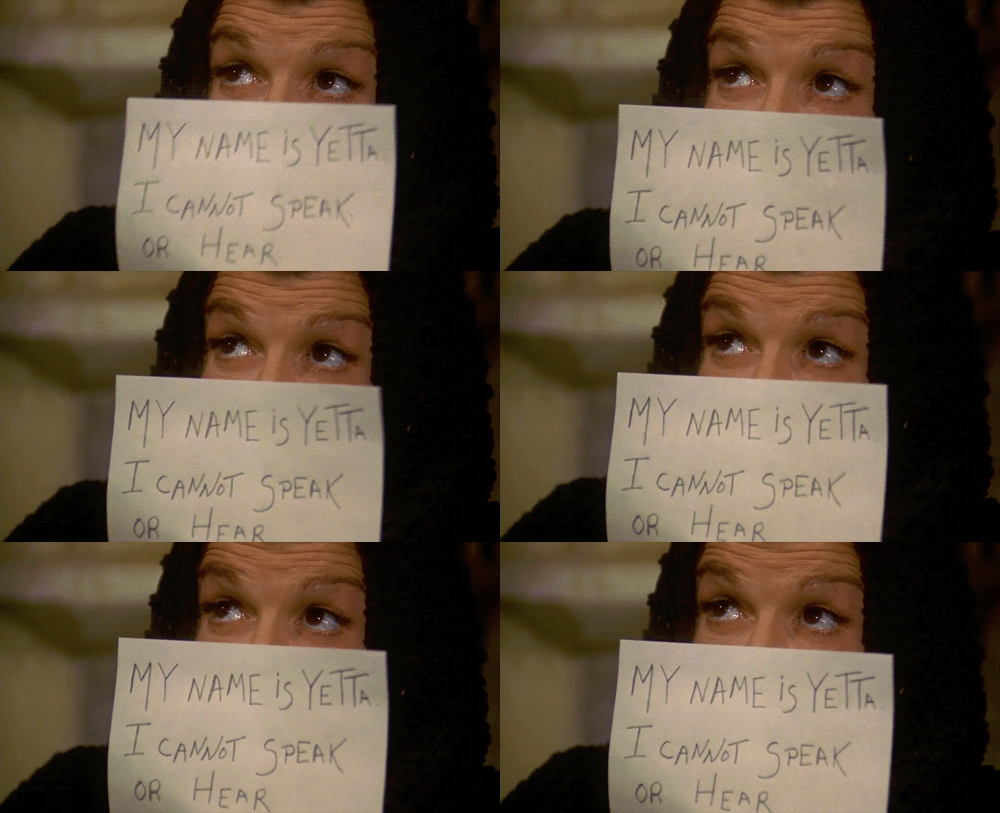
Sempre que um crime é cometido em filmes de mistério, nós costumamos suspeitar do mordomo. Em “Assassinato por Morte”, uma deliciosa comédia de mistério, esta ideia é subvertida desde o início, porque o mordomo, Jamesir Bensonmum (Alec Guinness), é cego. E a nova cozinheira, Yetta (Nancy Walker), também não é suspeita, porque ela não pode ouvir ou falar. Ah, e eu disse que se trata de suspeitos de um crime que ainda não foi cometido?

Whenever a crime occurs in a whodunit film, we're taken to suspect the butler. In “Murder by Death”, a delightful whodunit comedy, this idea is subverted since the beginning, because the butler, Jamesir Bensonmum (Alec Guinness), is blind. And the new cook, Yetta (Nancy Walker), is not a suspect either, because she can't hear or speak. Oh, and have I said that we're talking about suspects of a crime that hasn't yet occurred?


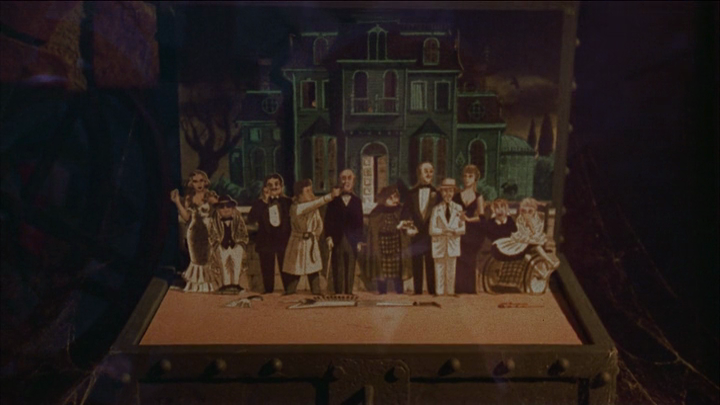
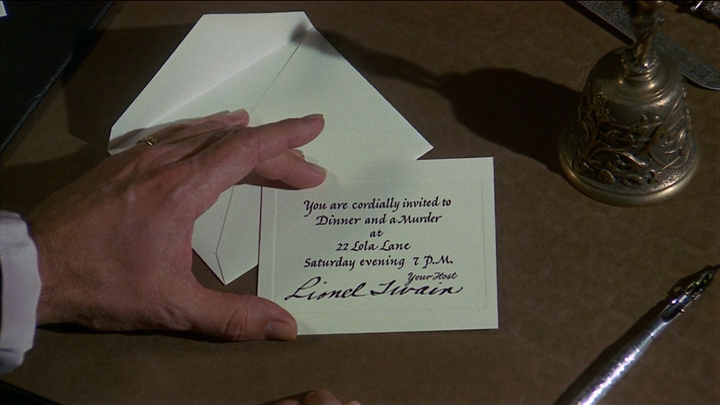
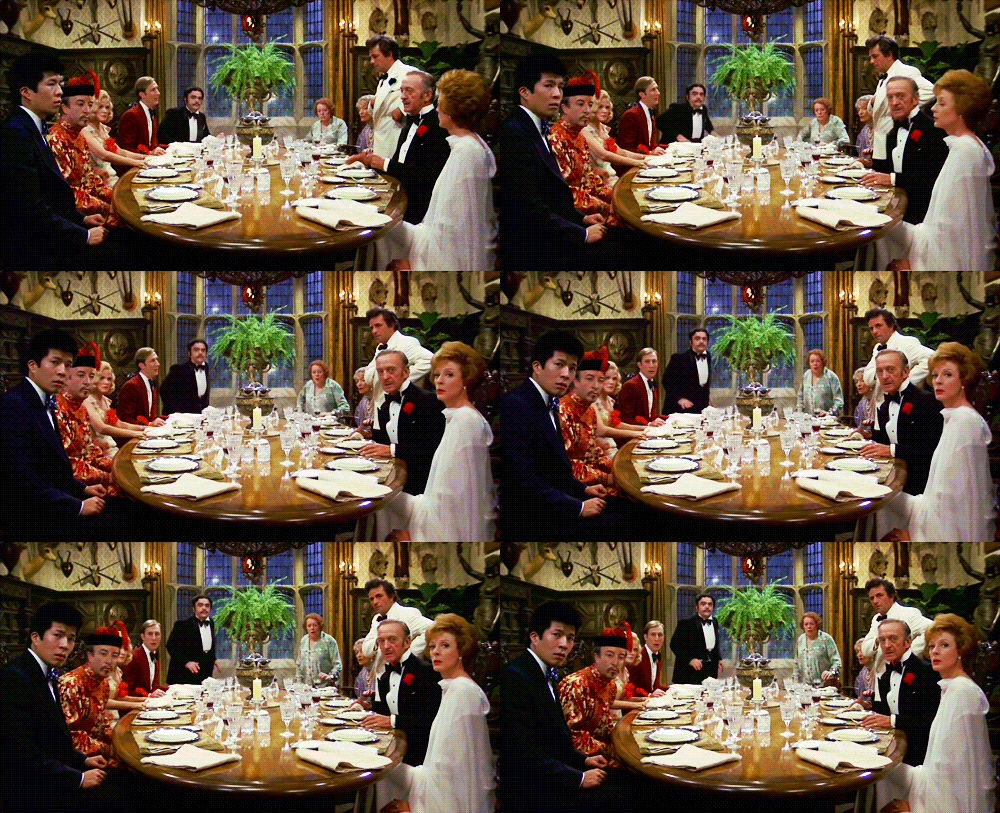
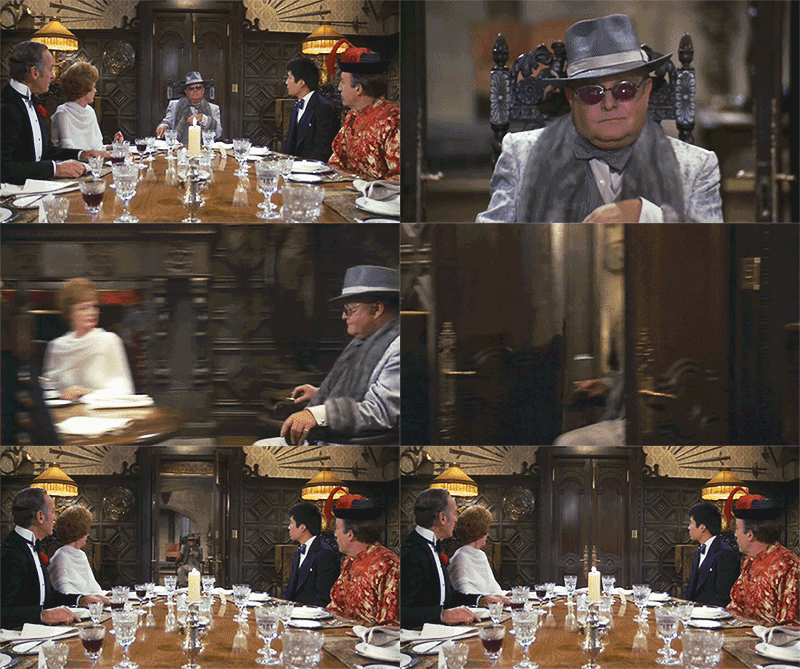
O maluco Sr Twain convida os maiores detetives do mundo para um “jantar e assassinato”. Seus convidados são Dick (David Niven), Dora Charleston (Maggie Smith) e seu cãozinho terrier, Sam Diamond (Peter Falk) e sua secretária, Sidney Wang (Peter Sellers) e seu filho adotivo, Milo Perrier (James Coco) e seu motorista, e Jessica Marbles (Elsa Lanchester) e sua enfermeira.

The twisted Mr Twain invites the world's top detectives for “dinner and murder”. His guests are Dick (David Niven), Dora Charleston (Maggie Smith) and their pet terrier, Sam Diamond (Peter Falk) and his secretary, Sidney Wang (Peter Sellers) and his adopted son, Milo Perrier (James Coco) and his chauffeur, and Jessica Marbles (Elsa Lanchester) and her nurse.


Se você gosta de histórias de detetive tanto quanto eu, já deve ter percebido que os personagens têm nomes parecidos com os de detetives famosos: Dick e Dora Charleston são um tributo a Nick e Nora Charles – interpretados por William Powell e Myrna Loy na série de filmes “The Thin Man” -, Sam Diamond é uma homenagem ao Sam Spade de Dashiell Hammett, Sidney Wand faz menção a Charlie Chan, Milo Perrier é uma alusão ao Hercule Poirot de Agatha Christie, e a Sra Marbles também vem da obra de Christie, da Sra Marple. Fãs de cinema clássico ouvirão algumas frases famosas, e também um grito familiar: o toque da campainha é o grito de Fay Wray em “King Kong” (1933).

If you love detective stories as much as I do, you must have realized that the characters are named after famous fictional detectives: Dick and Dora Charleston are a tribute to Nick and Nora Charles – played by William Powell and Myrna Loy in the “Thin Man” movie series -, Sam Diamond refers to Dashiell Hammett's Sam Spade, Sidney Wang is a nod to Charlie Chan, Milo Perrier is an allusion to Agatha Christie's Hercule Poirot, and Mrs Marbles also comes from Christie's work, but from Mrs Marple. Classic film fans will hear a few famous quotes, as well as a familiar scream: the “ring” of the doorbell is Fay Wray’s scream from “King Kong” (1933).


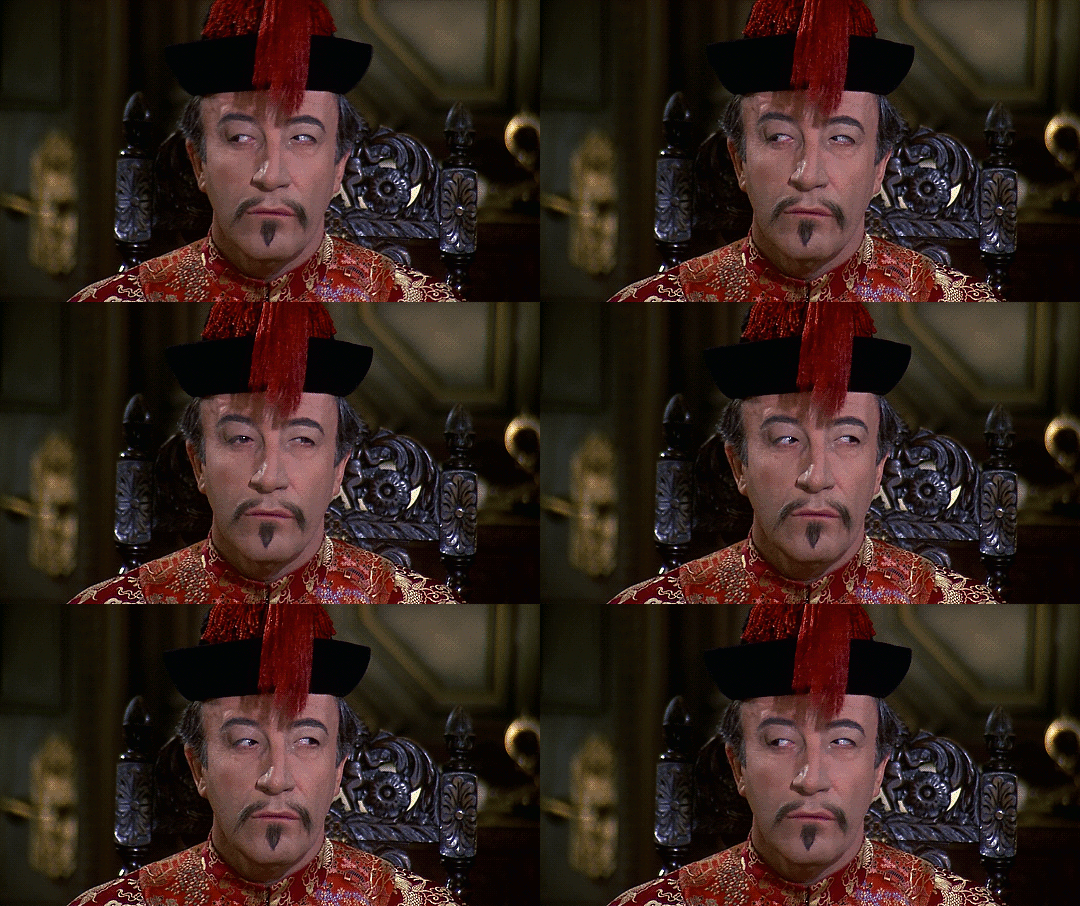
A performance de Peter Sellers como um homem asiático, completada com quimono, pode gerar algum debate. Ele estava fazendo yellow-face? Ou talvez ele estivesse criticando a prática do yellow-face – porque todos os atores que interpretaram Charlie Chan eram brancos, e o mais famoso deles, Warner Oland, era, de todas as nacionalidades possíveis, sueco? O que sabemos é que Sidney Wang é um personagem visto sob uma lente positiva, sendo inteligente e criativo. Uma piada constante é que ele fala inglês errado, algo que enfurece o anfitrião Lionel Twain (ninguém menos que Truman Capote) – mas Wang pode ser entendido com perfeição! No final das contas, a performance de Sellers pode ser um pouco embaraçosa, mas não o suficiente para “cancelar” o filme inteiro.

Peter Sellers's turn as an Asian man complete with kimono may raise some debate. Was he doing yellow-face? Or maybe he was mocking the practice of yellow-face – because all actors that played Charlie Chan were white, and the most famous of them, Warner Oland, was, of all nationalities, Swedish? What we know is that Sidney Wang is a character portrayed on a positive light, as intelligent and resourceful. A running joke is that he speaks broken English, something that infuriates the host Lionel Twain (no other than Truman Capote) – but Wang can be understood perfectly! In the end, Sellers’s performance is a bit cringe-worthy here and there, but not enough to “cancel” the whole film.


E aqui está outra questão: o personagem Bensonmum está zombando de pessoas com deficiência? Eu não acho. O personagem funciona graças ao absurdo que é alguém contratar um cego para ser mordomo – e Wang responde que isso é uma jogada esperta porque o mordomo jamais saberá quanto ele ganha. Muitas das falas mais engraçadas de Bensonmum não têm a ver com sua cegueira, e gags fáceis porém estúpidas são evitadas.

And here’s another question: is the character Bensonmum making fun of people with disabilities? I don’t think so. This character works thanks to the absurdity of someone hiring a blind man as a butler – and Wang answers that this is clever because the butler won’t know how much he gets paid. Many of Bensonmum’s funniest lines have nothing to do with him being blind, and easy but stupid gags are avoided.


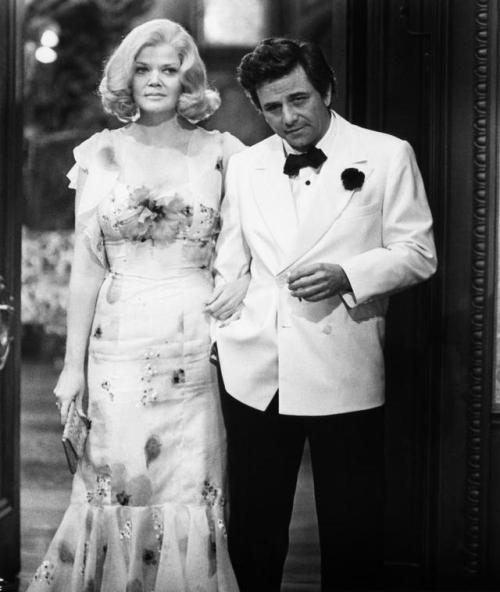
Um Peter Falk vesgo faz sua melhor imitação de Humphrey Bogart como Sam Diamond, enquanto sua esperta companheira Tess Skeffington é interpretada por Eileen Brennan. Enquanto isso, o motorista de Milo Perrier, Marcel (James Cromwell), parece mais esperto que seu patrão glutão. Nesse sentido – e também considerando Bensonmum e Yetta – os ajudantes roubam a cena em “Assassinato por Morte”, e são geralmente mais engraçados do que os detetives.

A cross-eyed Peter Falk tries his best Humphrey Bogart impression as Sam Diamond, while his clever girl Tess Skeffington is played by Eileen Brennan. Meanwhile, Milo Perrier's chauffeur Marcel (James Cromwell) seems smarter than his glutton boss. In this sense – and also considering Bensonmum and Yetta – the helpers steal the scene in “Murder by Death”, and are often funnier than the detectives.


Considerando o elenco, “Assassinato por Morte” pode ser colocado entre os filmes all-star que eram mais comuns na Era de Ouro de Hollywood – sendo “Grande Hotel” (1932) e “Jantar às Oito” (1933) os filmes mais famosos desta categoria. Duas outras estrelas deveriam estar no elenco: Myrna Loy foi a primeira opção para Dora Charleston, e Katharine Hepburn faria a personagem Abigail Christian, uma paródia de Agatha Christie. As duas desistiram, por isso Maggie Smith foi escolhida para ser Dora e a personagem Abigail foi eliminada e a Sra Marbles foi criada em seu lugar.

Considering the cast, “Murder by Death” can be put among the all-star films that were more common during the Golden Age of Hollywood – being “Grand Hotel” (1932) and “Dinner at Eight” (1933) the most famous all-star movies. Two more stars were supposed to appear: Myrna Loy was the first choice for Dora Charleston, and Katharine Hepburn was supposed to be a parody of Agatha Christie called Abigail Christian. Both dropped, and thus Maggie Smith was cast as Dora and the character of Abigail was erased and Mrs Marbles was created instead.


Neil Simon escreveu “Assassinato por Morte” diretamente para o cinema, ao contrário de sucessos anteriores, como “Descalços no Parque” (1967) e “Um Estranho Casal” (1968), que foram concebidos como peças e depois adaptados para o cinema. Desde a primeira leitura o elenco amou o roteiro, e o clima durante as gravações era ótimo – mesmo que às vezes um ataque de riso arruinasse uma tomada. Bem, nós compreendemos as risadas incontroláveis.

Neil Simon wrote “Murder by Death” directly for the cinema, unlike his earlier successes, as “Barefoot in the Park” (1967) and “The Odd Couple” (1968), that were conceived as plays and then adapted to movie. Since the first table read the cast loved the screenplay, and  the mood during filming was great – even though sometimes the cast laughed so much that a shot was ruined. Well, we can understand the uncontrollable laughter.


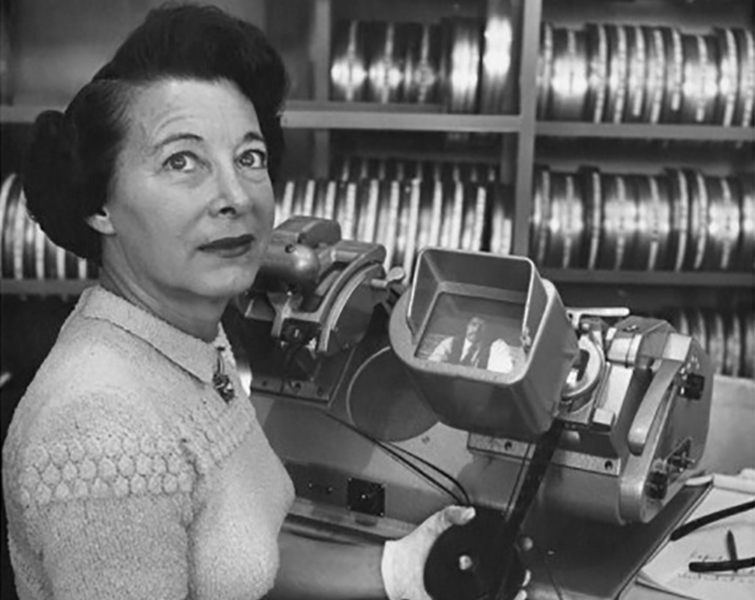
Creditada como “supervisora de edição” temos Margaret Booth, uma editora fantástica que trabalhou em alguns dos maiores clássicos, como “O Grande Motim” (1935), “A Dama das Camélias” (1936), “O Mágico de Oz” (1939) e “Ben-Hur” (1959). Ela começou em Hollywood em 1921, foi também produtora e redatora, e viveu até os 104 anos.

Credited as “supervising film editor” we have Margaret Booth, a legendary editor that has worked in some of the biggest classic films, including “Mutiny on the Bounty” (1935), “Camille” (1936), “The Wizard of Oz” (1939) and “Ben-Hur” (1959). She started in Hollywood in 1921, was also a producer and writer, and lived to be 104.


“Assassinato por Morte” certamente influenciou “Os Sete Suspeitos” (1985), um filme de mistério baseado em um jogo. Eileen Brennan está em ambos os filmes. O final de “Assassinato por Morte” me lembrou de “Charada” (1963), mas com mais reviravoltas. Depois destes filmes, o cinema se cansou de mistérios, e agora eles são bem mais raros (embora os recentes “Assassinato no Expresso do Oriente” (2017) e “Entre Facas e Segredos” (2019) possam assinalar uma voltas do gênero) – o que é uma pena porque, além de serem divertidos, estes filmes sempre podem terminar com a revelação de que o mordomo é o culpado.

“Murder by Death” certainly influenced “Clue” (1985), a film based on a game that is also a whodunit. Eileen Brennan stars in both. The ending of “Murder by Death” reminded me of “Charade” (1963), but with more plot twists. After those films, cinema got a bit tired of whodunits, and now they’re much rarer (although the recent “Murder on the Orient Express” (2017) and “Knives Out” (2019) may signal a genre comeback)  – which is a shame because, besides being entertaining, these films can always end with the reveal that the butler did it.

This is my contribution to the Butlers and Maids blogathon, hosted by Patricia and Rich at Caftan Woman and Wide Screen World.


Thursday, February 20, 2020

Fantasias de 1980 (1930) / Just Imagine (1930)


Imagine como o mundo vai ser daqui a 50 anos. Veículos voadores são obrigatórios em todas as previsões futurísticas, mas queremos mais: como as pessoas vão se vestir? Que tipo de música estará na moda? As pessoas serão conhecidas pelo nome ou por um número? Como será o namoro? Nós visitaremos outros planetas? Todas estas questões são respondidas em “Fantasias de 1980” – mas quase nenhuma projeção deste estranho filme se concretizou.

Just imagine how the world will be 50 years from now. Flying vehicles are a must in all futuristic predictions, but we want more: how will people dress? Which kind of music will be in vogue? Will people be called by names or numbers? How will dating be like? Will we visit other planets? All these questions are answered in “Just Imagine” – but almost nothing predicted by this strange film became true.


Nós não sabemos o porquê, mas o filme previu que em 1980 o governo diria às pessoas com quem elas deveriam se casar. Ah, e as pessoas teriam letras e números para identificá-las ao invés de nomes. E é assim que somos apresentados a LN-18 (Maureen O’Sullivan) e J-21 (John Garrick), dois apaixonados que, de acordo com o governo, não foram feitos um para o outro. Ele gosta dela porque ela é uma “garota à moda antiga”, como aquelas de 1930 – como a avó de J-21, ele diz! Ele até canta uma canção sobre garotas à moda antiga...

We don't know why, but the film predicted that in 1980 the government would tell people who they must marry. And, oh, people would have letters and numbers to identify them, not names. So this is how we're introduced to LN-18 (Maureen O'Sullivan) and J-21 (John Garrick), two lovebirds who, according to the government, weren't made for each other. He likes her because she's an “old-fashioned girl”, like the ones from the 1930s – like J-21's grandmother, he says! He even sings about the old-fashioned gals...


Depois da música, J-21 ainda está triste porque não pode se casar com LN-18, mas seu colega de quarto o convida para ver um cientista tentar um feito extraordinário: trazer um homem de volta à vida! Em um laboratório cheio de luzes e equipamentos, o experimento é um sucesso, e um homem (El Brendel) que foi atingido por um raio e morto durante uma partida de golfe em 1930 é ressuscitado. O cientista liberta sua cobaia, e o pobre homem é recebido por J-21 e seu amigo RT-42 (Frank Albertson), que apresentam o novo mundo a ele, e ele escolhe o “nome” Single-O.

After the song, J-21 is still sad because he can't marry LN-18, but his roommate invites him to see a fellow scientist try something astounding: to bring a dead man back to life! In a laboratory full of lights and paraphernalia, the experiment is successful, and a man (El Brendel) who was struck by lightning and killed during a game of golf in 1930 is resurrected. The scientist sets his experiment free, and the poor man is greeted by J-21 and his friend RT-42 (Frank Albertson), who present the new world to him, and he chooses the “name” Single-O.


A comida e a bebida foram substituídas por pílulas saborizadas. Bebês são feitos e entregues por máquinas após o casal depositar uma moeda e escolher o gênero da criança. Por causa destas mudanças, Single-O diz sem parar “Dê-me os velhos tempos de volta”, e seus amigos modernos acham graça do saudosismo dele.

Food and drinks were replaced by flavored pills. Babies are made and delivered by machines after the couple puts a coin and selects the gender of the kid. Because of these changes, Single-O keeps repeating “Give me the good old days”, which amuses his modern-day pals.


A amiga de LN-18, D-6 (a adorável Marjorie White), decide ajudá-la e organiza um encontro com J-21. Quando este encontro é interrompido pelo noivo que o governo escolheu para LN-18, J-21 fica com o coração partido. Entretanto, um estranho o chama e o leva até um cientista que oferece a ele... uma viagem para Marte! J-21 aceita a missão, porque assim ele mostrará seu valor e o tribunal terá de deixá-lo se casar com LN-18.

LN-18’s friend D-6 (the lovely Marjorie White) helps her and stages a meeting with J-21. When this meeting is interrupted by LN-18’s government-assigned fiancé, J-21 is left heartbroken. However, a stranger approaches him and takes him to a scientist who offers him… a trip to Mars! J-21 accepts the mission, because this will show how distinguished he is, and the tribunal will have to let him marry LN-18.


J-21, RT-42 e Single-O – como clandestine – vão a Marte num foguete. Depois de um mês – um intervalo de tempo ridículo, eu sei – eles chegam a Marte, e aqui algumas cópias do filme passam a ser em tons de sépia. Nossos heróis sépia – com trajes especiais vagabundos e nenhum capacete – encontram marcianos em tons de sépia com roupas minúsculas e linguagem difícil – eles só se comunicam através de gestos e gritos – e todos têm um gêmeo do mal! Isso é muito diferente de, digamos, como os marcianos foram retratados em “Himmelskibet” (1918), onde eram vegetarianos e pacifistas.

J-21, RT-42 and Single-O – as a stowaway – go to Mars on a rocket. After one month – a ridiculous amount of time, I know – they get to Mars, and here some copies of the film become sepia-toned. Our sepia heroes – with lousy special suits and no helmet at all – meet sepia-toned Martians with minimum clothing and poor language skills – they only communicate through gestures and screams – and everybody has an evil twin! This is very different from, let’s say, the Martians in “Himmelskibet” (1918), who were vegetarians and pacifists.


Como esse filme tão ruim chega a ser bom? Primeiro, é um musical sem músicas interessantes. Claro, John Garrick é um bom cantor, mas nos anos 30 havia muitos como ele em Hollywood. Segundo, é uma comédia, e com El Brendel como alívio cômico. Brendel é pouquíssimo lembrado atualmente, e algumas de suas piadas são tão bobas que são engraçadas. “Fantasias de 1980” é o filme mais conhecido de Brendel, mas ele também pode ser visto em um pequeno papel cômico em “Asas” (1927).

What makes this movie so bad it’s actually good? First, it’s a musical without any memorable tunes. Sure, John Garrick is a fine singer, but back at the 1930s there were many like him in Hollywood. Second, it’s a comedy, and with El Brendel as comic relief. Brendel is hardly remembered nowadays, and some of his jokes and gags are so silly that they become entertaining. “Just Imagine” is Brendel’s best known film, but he can also be seen in a small comic relief role in “Wings” (1927).


Mesmo sendo um filme bobinho, “Fantasias de 1980” tem um estilo impressionante. Ele foi indicado ao Oscar de Direção de Arte, e a metrópole de 1980 realmente se parece com, bem, a cidade de “Metrópolis” (1927). Além disso, o filme tem a honra de ser o primeiro filme de ficção científica sonoro – e também o primeiro musical de ficção científica! – feito em Hollywood. E ele também foi o último filme de ficção científica de grande orçamento feito por um grande estúdio – no caso a Fox – até os anos 50. Todas as outras tentativas de se fazer ficção científica nas décadas de 30 e 40 foram de estúdios pequenos, e algumas sequências, tomadas e cenários de “Fantasias de 1980” foram reciclados por estes estúdios em suas produções.

Even though it’s a silly movie, “Just Imagine” has an impressive look. It was nominated for an Art Direction Oscar, and the 1980 metropolis really looks like, well, the city from “Metropolis” (1927). Besides that, the film has the honor of being the first science fiction talkie – and also the first science fiction musical! – made in Hollywood. And it was also the last big-budget sci-fi made by a big studio – Fox here – until the 1950s. All other attempts of doing sci-fi in the 30s and 40s were by poverty row studios, and some sequences, shots and sets from “Just Imagine” were recycled by those studios in their productions.


Como é dito no começo do filme, muitas coisas podem mudar em 50 anos. Os cineastas certamente não contaram com mais uma guerra mundial, nem mesmo com mudanças na música e na moda. Mesmo assim, algumas previsões se mostraram corretas. Há telas que mostram o lado de fora para quem está dentro de um apartamento, como as câmeras de monitoramento que temos agora. Um vestido formal se transforma em camisola, em um momento muito pre-Code. Em 1930, o filme foi uma curiosa previsão do futuro, mas hoje, em 2020, é um também curioso vislumbre do passado.

Like it's said in the beginning of the film, a lot of things can change in 50 years. The filmmakers certainly didn't count on another world war, not even with the changes on music and fashion. Nevertheless, they predicted some things right. There are screens that show the outdoors to people indoors, like the monitoring cameras we have now. A dinner dress transforms itself into a nightgown, in a moment that screams pre-Code! In 1930, the film was a curious prediction of the future, but now, in 2020, it’s an equally curious glimpse of the past.

This is my contribution to the Second So Bad It’s Good blogathon, hosted by Rebecca at Taking Up Room.

"Just Imagine" can be found on YouTube.


Related Posts Plugin for WordPress, Blogger...