} Crítica Retrô: anos 30

Tradutor / Translator / Traductor / Übersetzer / Traduttore / Traducteur / 翻訳者 / переводчик

Showing posts with label anos 30. Show all posts

Sunday, March 3, 2019

Colaboradores e amigos: Robert Riskin e Frank Capra / Collaborators and friends: Robert Riskin and Frank Capra


Quando falamos de duplas dinâmicas do cinema, em geral nos referimos a uma dupla de director e intérprete (ator ou atriz) – como William Wyler e Bette Davis, por exemplo – mas raramente focamos em colaborações entre diretores e roteiristas. Na verdade, algumas parcerias firmadas por trás das câmeras mudaram o cinema para sempre.

When we talk about dynamic duos of the silver screen, we often talk only about director and actor/actress duo – like William Wyler and Bette Davis, for instance – but we rarely focus on director / screenwriter collaborations. Actually, some partnerships made behind the cameras have changed cinema forever.


Frank Capra e Robert Riskin se conheceram em 1931 e trabalharam juntos por uma década. Frank e “Bob” eram parceiros e amigos, em uma relação simbiótica que nem sempre foi pacífica. De fato, muitos dos temas que consideramos como parte do “toque de Capra” só estiveram presentes em seus filmes porque primeiro Riskin os inseriu no roteiro.

Frank Capra and Robert Riskin met in 1931 and worked together for a decade. Frank and “Bob” were partners and pals, in a symbiotic relationship that was not always peaceful. Indeed, many of the themes that we consider being part of the “Capra touch” were only present in his films because Riskin first wrote them in the screenplay.


Em sua autobiografia, “The Name Above the Title”, Capra escreveu isso sobre Riskin:

In his autobiography, “The Name Above the Title”, Capra wrote about Riskin:

“Se o acaso sorri, um escritor pode se juntar com um homem que faz seus próprios filmes. Se a parceria é simbiótica e bem-sucedida, a experiência pode ser muito recompensadora: artisticamente, economicamente e como um bônus para o ego. Assim foi minha longa parceria com Robert Riskin. Foi preciso uma guerra para nos separar. Bob era um bom escritor, um cara simpático. Elegante, espirituoso como poucos, ele amava a vida, esportes e mulheres – e vice-versa. Nós tínhamos muitas coisas em comum, mas duas eram especiais: (1) nossos crânios vibravam com a massagem da mesma cabeleireira (nós gastamos fortunas em remédios para curar a calvície – e fizemos uma descoberta estarrecedora: carecas não têm caspa) e (2) nosso senso de humor vibrava no mesmo tom.
 Nós trabalhamos juntos em roteiros, construindo a partir das ideias um do outro. Éramos ambos criadores e público. Eu ficava um passo à frente dele, pensando nas próximas cenas que, quando chegássemos a um consenso, ele colocaria no formato de roteiro. E nunca houve melhor ‘orelha’ para a palavra falada que a de Riskin.”

Robert Riskin, May Robson, Frank Capra
“If serendipity smiles, a writer may team up with a man who makes his own films. If the team-up is symbiotic and successful, the experience can be very rewarding: artistically, economically, and as a lagniappe for the ego. Such was my long team-up with Robert Riskin. It took a war to break us up. Bob was a fine writer, a simpatico man. Natty, witty as they come, he loved life, sports and women – and vice versa. We had many things in common, but two stood out: (1) our skulls vibrated to the same hair-lady’s massage (we spent fortunes on nostrums to cure baldness – and made a startling discovery: cueballs have no dandruff), and (2) our funnybones vibrated to the same tuning fork in humor.
We worked together on scripts, sparking and building on each other’s ideas. We were both creators and audiences. I stayed ahead of him, thinking up the next batch of scenes which, when agreed upon, he would put into dialogue script form. And never was there a better ‘ear’ for the spoken word than Riskin’s.”
 
Frank Capra, Lou Capra, Robert Riskin
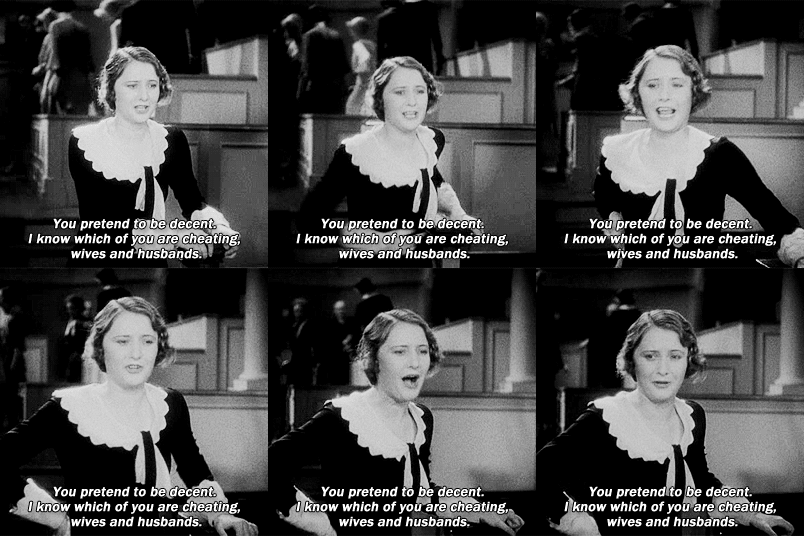
A primeira colaboração deles não foi realmente uma colaboração. Digo isso porque o filme “A Mulher Miraculosa” (1931), foi baseado em uma história escrita por Riskin, sob o título “Bless You Sister”, mas Riskin não esteve envolvido na adaptação para o cinema. Este foi o único fracasso de bilheteria no tempo em que Capra trabalhou para a Columbia, muito embora o filme sobre charlatanismo religioso com Barbara Stanwyck seja excelente.

Their first collaboration wasn’t really a collaboration. I say that because the film “The Miracle Woman” (1931) was based in a story written by Riskin, called “Bless You Sister”, but Riskin had nothing to do with the adaptation to the screen. It was the only box office flop in Capra’s Columbia period, even though it was an outstanding film about religious charlatanism starring Barbara Stanwyck.

A primeira colaboração real foi “Loura e Sedutora” (1931), baseado em uma história escrita por Riskin, que também escreveu os diálogos para o filme. A comédia conta com Loretta Young, Jean Harlow e Robert Williams. O filme foi um sucesso.

Their first real collaboration was “Platinum Blonde” (1931), based on a story written by Riskin, who also wrote the dialogue for the film. The comedy stars Loretta Young, Jean Harlow and Robert Williams. The film was a success.
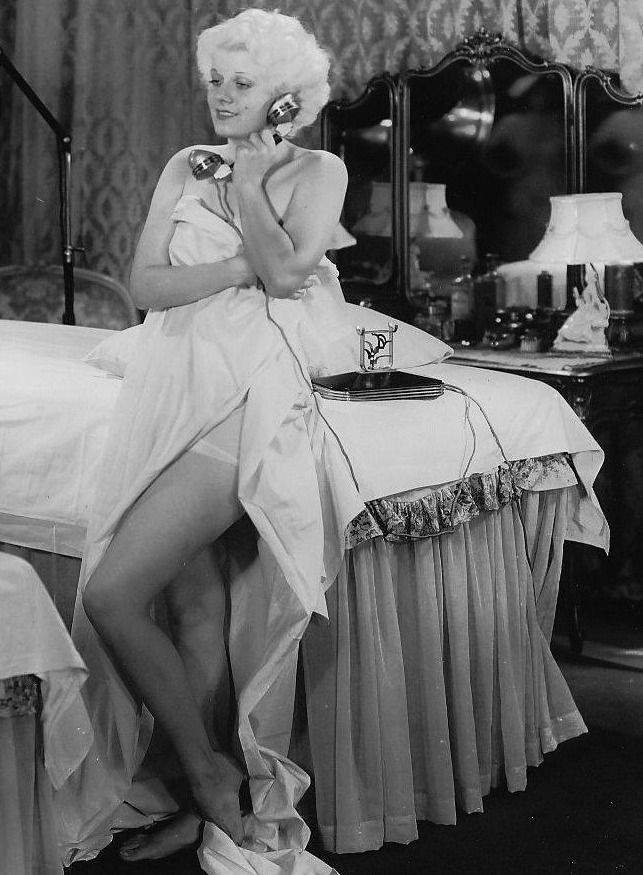

Em seguida veio “Loucura Americana” (1932), uma ideia original Riskin-Capra. O filme, estrelado por Walter Huston, lidava com a Grande Depressão, ainda em curso.

Next up comes “American Madness” (1932), an original Riskin-Capra idea. The film, starring Walter Huston, dealt with the ongoing Depression.


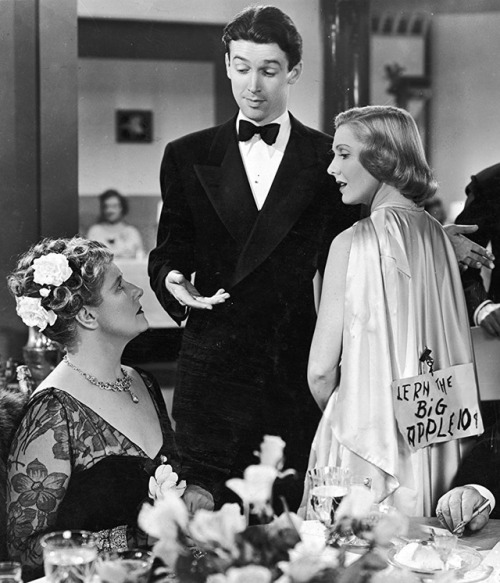
Os anos dourados da parceria começam com “Dama por um Dia” (1933). A história de Apple Annie foi indicada a quatro Oscars – e Capra esperava ganhar todos os quatro, como ele confessa na autobiografia. Com os discursos prontos, ele protagonizou um dos mais vergonhosos momentos do Oscar: quando o apresentador Will Rogers anunciou o prêmio de Melhor Diretor com um “Venha buscar, Frank!”, Capra levantou-se e estava chegando ao palco quando percebeu que era Frank Lloyd que era o vencedor.

Then, the golden years of the collaboration begin with “Lady for a Day” (1933). The story of Apple Annie was nominated for fours Oscars – and Capra expected to win all four, as he confesses in his autobiography. With his speeches ready, he was the center of one of the most embarrassing Oscar moments ever: when presenter Will Rogers announced the Best Director award with a “Come and get it, Frank!”, Capra went almost all the way to the stage, only to realize that it was Frank Lloyd who had won.
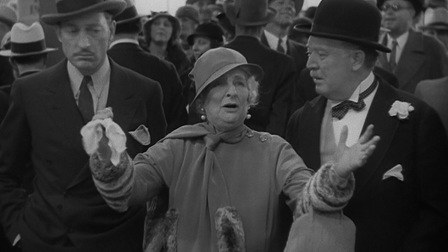

Felizmente, o filme seguinte de Capra, “Aconteceu Naquela Noite” (1934), ganhou não só quatro, mas sim cinco Oscars, incluindo de Melhor Roteiro Adaptado para Riskin. Com Clark Gable e Claudette Colbert, o filme conta a história de uma herdeira em fuga e de um repórter que a segue em busca de um furo de reportagem.

Fortunately, Capra’s next film, “It Happened One Night” (1934), won not four, but five Oscars, including one for Best Writing, Adaptation for Riskin. Starring Clark Gable and Claudette Colbert, the film tells the story of a runaway heiress and the reporter who follows her to get a scoop.


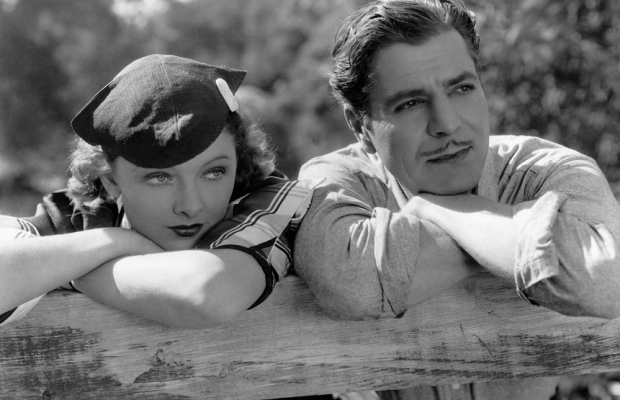
Também de 1934 é “A Vitória Será Tua”, um filme sobre corridas de cavalos com Myrna Loy e Warner Baxter. Eu ainda não vi este filme, mas vi o remake fofo dele, também dirigido por Capra: “Nada Além de um Desejo” (1950).

Also from 1934 comes “Broadway Bill”, a film about horserace starring Myrna Loy and Warner Baxter. I haven’t seen this film, but I saw the cute remake, also directed by Capra: “Riding High” (1950).

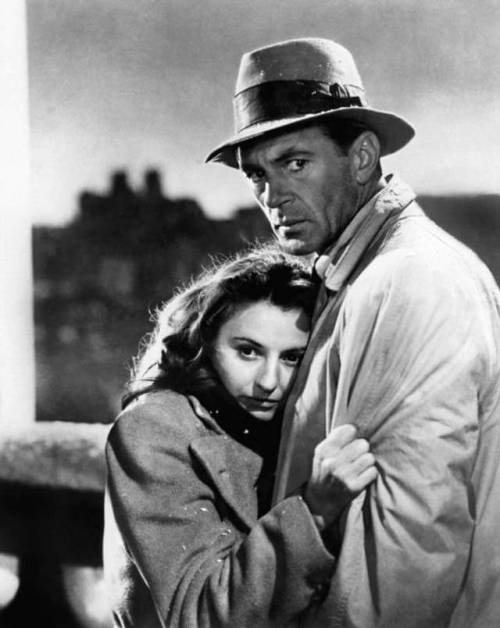
De acordo com Joseph McBride, no livro “Frank Capra: The Catastrophe of Success”, Capra foi tomado pela Síndrome do Impostor e pela ansiedade depois de ganhar o Oscar. Foi por isso que dois anos se passaram antes de “O Galante Mr Deeds” (1936) chegar às telas. Mr Deeds, interpretado por Gary Cooper, é um simplório tocador de tuba que herda uma fortuna e a partir daí tem uma série de problemas. Este foi o roteiro que Riskin mais gostou de escrever. Capra ganhou seu segundo Oscar de Melhor Diretor, mas mais tarde ele disse que Riskin também merecia ter ganhado outro Oscar.

According to Joseph McBride, in the book “Frank Capra: The Catastrophe of Success”, Capra was overcome by impostor’s syndrome and anxiety after winning the Oscar. That’s why two years had to pass for “Mr Deeds Comes to Town” (1936) hit the screen. Mr Deeds, played by Gary Cooper, is a simple tuba player who inherits a fortune and only gets problems afterwards. This was Riskin’s favorite of the screenplay he wrote. Capra won his second Best Director Oscar for the film, but he later said that Riskin deserved one, too.

Já naquela época, Riskin queria mais crédito. Ele pediu para ser creditado como colaborador de Capra – e Capra se recusou a fazê-lo. Então, Riskin disse que queria se tornar diretor – e Capra apoiou a decisão. O primeiro e único filme de Riskin como diretor foi o musical “Prelúdio de Amor” (1937), com Cary Grant e Grace Moore.

By that time, Riskin wanted more screen credit. He asked to be credited as collaborator to Capra – and Capra refused. Then, Riskin said he wanted to become a director – and Capra supported the decision. Riskin’s first and only film as a director was the musical “When You’re in Love” (1937), with Cary Grant and Grace Moore.


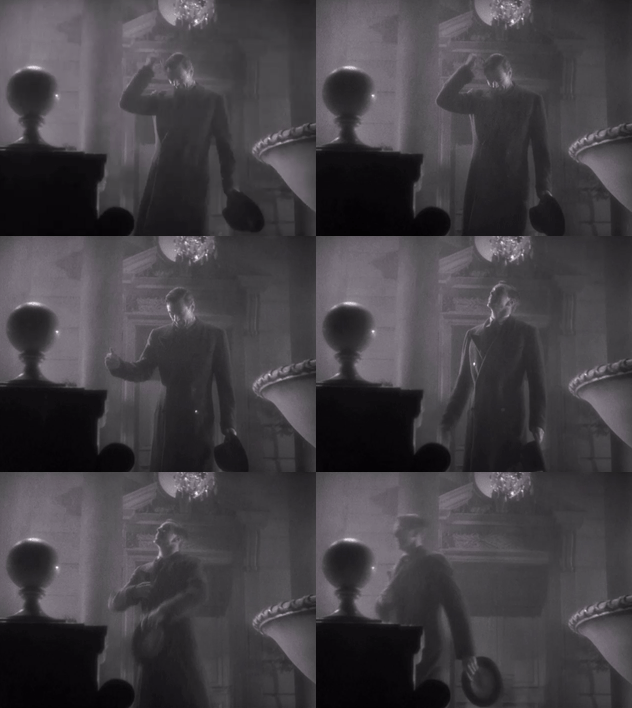
Em 1937 Riskin também adaptou uma história que gerou o roteiro de “Horizonte Perdido”, um filme de ficção científica profundo e cheia de aventura com Ronald Colman. Logo depois de terminarem este filme, Capra e Bob foram convidados para fazer um tour pela União Soviética.

In 1937 Riskin also adapted a story into the screenplay of “Lost Horizon”, a deep, adventurous science fiction movie with Ronald Colman. Right after they finished this film, Capra and Bob were asked for a tour in the Soviet Union.


O ano de 1938 trouxe a adaptação da peça “Do Mundo Nada se Leva”, e um golpe na relação. O primeiro filme de Riskin como diretor foi um fracasso e ele, mais do que nunca, acreditava que Capra estava levando o crédito pelo trabalho de Bob. Capra acreditava que Riskin fracassou como diretor porque ele não trabalhava bem sob pressão.

The year 1938 brought the adaptation of the play “You Can’t Take it with You”, and a blow in the relationship. Riskin’s directorial debut flopped, and he, more than ever, believed Capra was taking credit for his work. Capra believed Riskin failed as a filmmaker because he couldn’t work well under stress.

Em 1939, os amigos formaram uma nova companhia que foi batizada com o nome do sócio majoritário: Frank Capra Productions – Capra tinha 65% do capital, e Riskin tinha 35%. Ambos tinham deixado a Columbia, Riskin trabalhou com Samuel Goldwyn por um tempo, e o primeiro filme deles para a nova companhia foi “Adorável Vagabundo” (1941) – baseado em um conto, o filme começou a ser filmado sem um final ter sido decidido. O filme não fez sucesso.

In 1939, the friends formed a new production company that was baptized with the name of the main partner: Frank Capra Productions – Capra held 65% of the capital, and Riskin held 35%. Both had left Columbia, Riskin worked with Samuel Goldwyn for a while, and their first film for the new company was “Meet John Doe” (1941) – based on a short story, it started being shot without an ending set. The film wasn’t a hit.

Com a companhia dissolvida, os dois cogitaram se unir à United Artists. Mas havia uma guerra acontecendo. Durante o conflito, Capra e Riskin tomaram caminhos diferentes: Capra fez “Este Mundo é um Hospício” em 1941, mas o filme só estreou em 1944, e depois Capra se alistou no exército e dirigiu documentários sobre a guerra, enquanto Riskin foi para Londres fazer filmes de propaganda de guerra, e mais tarde se casou com a atriz Fay Wray. Como Capra escreveu: “Foi preciso uma guerra para nos separar”.

With the company dissolved, the two thought about joining United Artists. But there was a war going on. During the conflict, Capra and Riskin parted: Capra made “Arsenic and Old Lace” in 1941 but the film wasn’t released until 1944, then Capra joined the Army and directed war documentaries, while Riskin went to London to work on war propaganda films and later married actress Fay Wray. As Capra put in words: “It took a war to break us up”.


Os caminhos deles meio que se cruzaram de novo nos anos 50: em 1951, Capra fez “Órfãos da Tempestade”, baseado em uma história que Riskin havia vendido para a Paramount. Riskin foi indicado a um Oscar por sua história.  Na época, Riskin já havia sofrido o primeiro derrame e sua saúde ia mal.

Their paths kind of crossed again in the 1950s: in 1951, Capra made “Here Comes the Groom”, based on a story that Riskin had sold to Paramount. Riskin was nominated for an Oscar for the story. By then, Riskin had already suffered his first stroke and had a decaying health.


Mesmo que Capra nunca tenha visitado Riskin quando ele estava internado na Motion Picture & Television Country Home & Hospital, Riskin ainda dizia que Capra era “seu melhor amigo” até a morte. Capra não foi ao funeral de Riskin em 1955. Riskin tinha apenas 58 anos quando faleceu.

Even though Capra never visited Riskin as Riskin was taken ill to the Motion Picture & Television Country Home & Hospital, Riskin still said Capra was “his best friend” up until his death. Capra didn’t attend Riskin’s funeral in 1955. Riskin was only 58 when he passed away.


O último filme de Capra foi um remake de “Dama por um Dia”, feito em 1961. Mesmo no final, seu melhor colaborador e amigo estava presente. A autobiografia de Capra foi publicada em 1971 – e ele só tinha coisas boas para dizer de Robert Riskin.

Capra’s last film was a remake of “Lady for a Day”, made in 1961. Even in the end, his best collaborator and friend was present. Capra’s autobiography was first published in 1971 – and he only had good things to say about Robert Riskin.

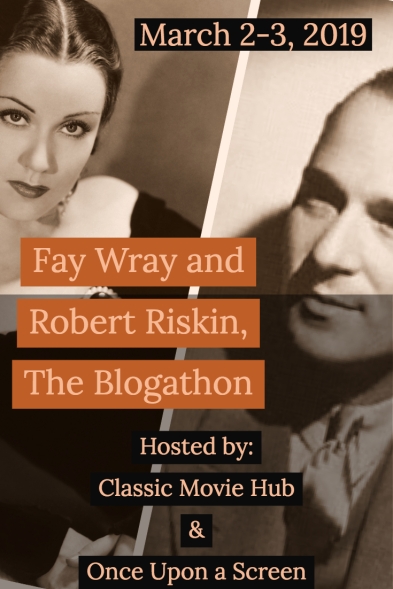
This is my contribution to the Fay Wray and Robert Riskin, the Blogathon, hosted by Aurora and Annmarie at Once Upon a Screen and Classic Movie Hub.
Saturday, March 2, 2019

Dicas de beleza de Jean Harlow / Jean Harlow's beauty tips


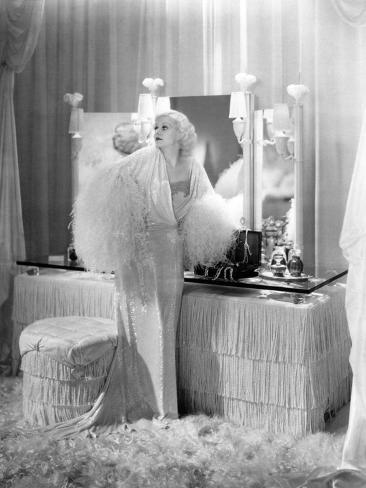
Jean Harlow é uma das minhas atrizes favoritas. Ela podia fazer tanto comédia quanto drama com perfeição, ela seduzia como ninguém, ela era charmosa e tinha um sorriso adorável – na verdade, eu acredito que ela era uma pessoa adorável. E ela era maravilhosa. Eu sei que a maioria das fotos eram posadas e com muita maquiagem, mas não há uma foto de Jean em que ela não pareça uma deusa. Por isso eu pensei: o que Jean Harlow fazia para ser tão encantadora?

Jean Harlow is one of my favorite actresses. She could do both comedy and drama with perfection, she could seduce like no one, she was charming and had a lovely smile – in fact, I believe she was lovely to be around. And she was marvelous. I know that most are glamour photos, especially posed and with lots of make-up, but there is not one picture of Jean in which she doesn't look like a goddess. So I thought: what did Jean Harlow do to be so alluring?


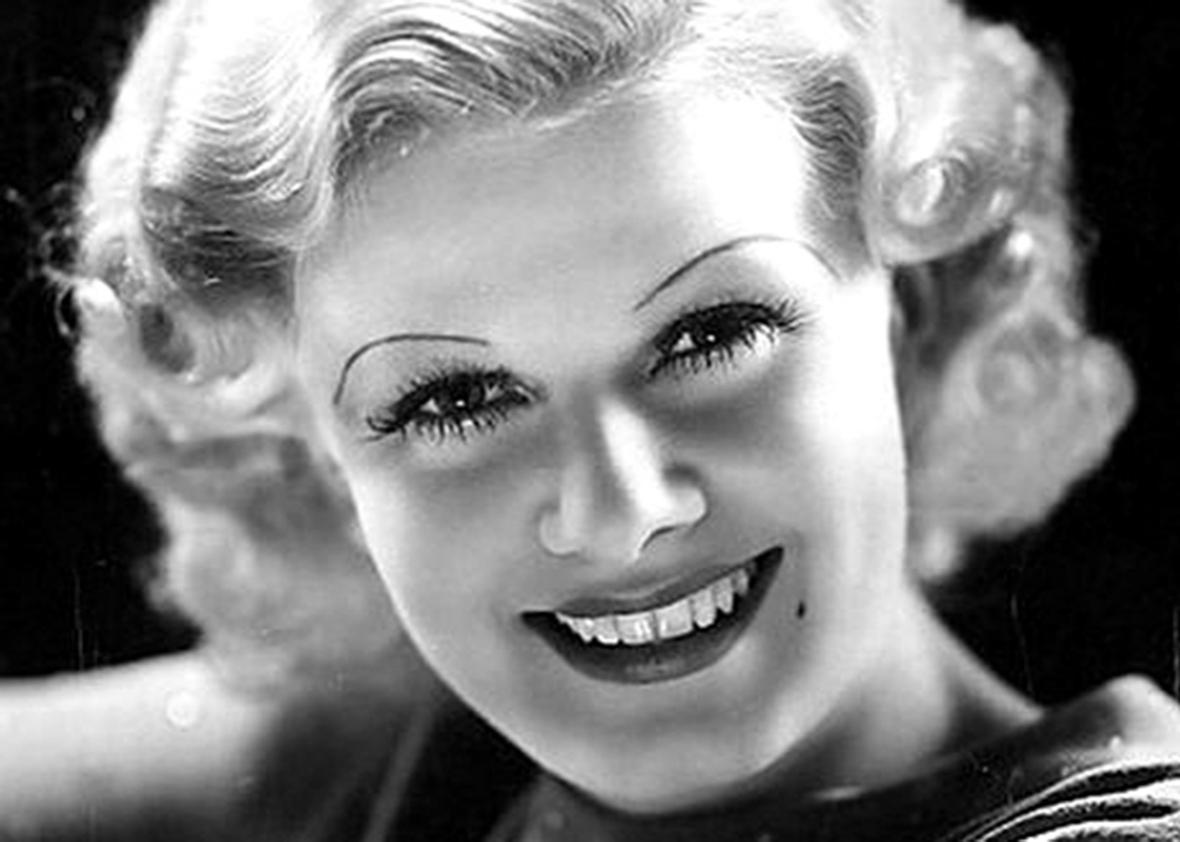
Começamos com as sobrancelhas. Nos anos 30, sobrancelhas muito finas estavam na moda, e muitas mulheres escolhiam remover completamente suas sobrancelhas naturais e desenhar uma nova com maquiagem. As sobrancelhas de Jean eram muito curvadas, o que dava um toque dramático ao visual. Eu ainda prefiro minhas sobrancelhas naturais e espessas – nada da moda de 1930.

We begin with the eyebrows. In the 1930s, incredibly thin eyebrows were fashionable, and many women chose to pluck away their natural eyebrows completely and then draw a thin new one with makeup. Jean's eyebrows were very curved, which added drama to the look. I actually prefer my natural, wider eyebrows than the 1930s fashion.


Para os olhos, Jean provavelmente seguia a moda, usando sombra para chamar a atenção para os olhos e rímel apenas nos cílios inferiores para levantar o olhar. Algumas fontes dizem que ela tinha cílios naturalmente longos – como eu não tenho, eu costumo usar rímel apenas nos cílios superiores, mas devo confessar que usá-lo nos cílios inferiores faz uma grande diferença.

For her eyes, Jean probably went on with the fashion, using eye shadows to drive attention to the eyes and mascara only in the lower lashes to lift her eyes out. Some sources said she had naturally long upper lashes – since I don’t, I actually use mascara only in the upper lashes, but I must confess that using them in the lower lashes makes a good difference.


Depois, a pintinha. A pinta no rosto de Jean Harlow era migrante. Por muito tempo, pintas foram desejadas e, se você não tivesse uma, podia fazer uma. Foi o que Jean fez, mas ela mudava sempre a localização do pequeno detalhe no rosto.

Then, the beauty mark. Jean's beauty mark was a migrating one. For a long time beauty marks were desired and, if you didn’t have one, you could fabricate one. Jean did that, but kept changing the location of the little detail in her face.


E há também o cabelo. Eu imediatamente desisti da ideia de me tornar uma loira platinada porque cabelo loiro não me favorece, mas é interessante ler sobre o cuidado de Jean com o cabelo. Ela tinha uma ótima parceria com Max Factor, o homem por trás da marca de cosméticos. Foi Max que inventou o termo “Blonde Bombshell”, e ele foi também responsável por platinar o cabelo de Jean pela primeira vez. Ela usava um descolorante primitivo para conseguir o tom platinado, e alguns sites dizem que ela usava “peróxido, amônia, água sanitária e Lux Flakes (um tipo de sabão em pó)” – isso, contudo, é difícil de ser confirmado porque a fonte citada é o cabeleireiro Alfred Pagano, que tinha apenas 18 anos quando Jean faleceu. Mas uma coisa é certa: o processo de tintura do cabelo não contribuiu com a morte prematura de Jean.

Then there is the hair. I immediately scratched the idea of becoming a platinum blonde because blonde hair doesn't suit me, but it's interesting to read about Jean's hair care routine. Jean had a nice partnership with Max Factor, the man behind the cosmetics brand. It was Max that invented the term “Blonde Bombshell”, and he was also responsible for first dying her hair platinum blonde. She used a primitive bleach to achieve the platinum hair tone, and some sites cite that she used “peroxide, ammonia, Clorox and Lux Flakes (a kind of washing powder)” – this, however, is hard to confirm because the source cited is hairdresser Alfred Pagano, who was only 18 when Jean passed away. But one thing is certain: the process to die her hair didn’t contribute with her premature death.


De fato, em 1933 Jean fez propaganda de alguns produtos Max Factor para a revista Photoplay:

Actually, in 1933 Jean advertised some Max Factor products for the Photoplay magazine:


Ainda em 1933 Jean escreveu – é mais provável que um ghost writer tenha escrito – várias dicas de beleza para numerosos jornais. Estas dicas foram publicadas em inglês no site Classic Blondes. Aqui estão algumas dicas publicadas no jornal Honolulu Examiner. A dica de sete de novembro de 1933 é:

 “Limpe seu rosto com água e sabão pelo menos uma vez ao dia. Se sua pele é muito seca, no entanto, duas vezes por semana é suficiente. Depois, enxágue com água fria, seque com batidinhas de uma toalha macia, e aplique um creme de limpeza. No resto do tempo, use água fria e uma loção de limpeza ou enxaguante.”

Ei, eu venho fazendo isso há anos! Como minha pele não é seca, eu lavo o rosto todas as noites para remover a maquiagem e então uso água fria (para fechar os poros) e uma toalha macia. Ha!
 
Jean and Max Factor
Also in 1933 Jean wrote – or, probably, a ghost writer wrote – many beauty tips for numerous newspapers. Those tips were first published in the site Classic Blondes. Here are some of them as they were published at the Honolulu Examiner. Her beauty tip from November 7th, 1933 is:
Give your face a soap and water cleansing at least once a day. If your skin is very dry, though, twice a week is sufficient. Follow it with a cold-water dash, pat dry with a soft towel, and apply cleansing cream. At other times, use cool water and a cleansing lotion or rinse.”

Hey, I've been doing that for years! Since my skin is not dry, I wash it every night to remove the makeup and then use cold water (to close the pores) and a soft towel. Ha!


21 de novembro de 1933:
“Remova creme / maquiagem da pele com batidinhas. Não esfregue sua pele. Uma batidinha gentil vai revigorar os tecidos sem danificá-los. Você verá que quadradinhos de gaze são excelentes para isso. Deixe um monte na sua penteadeira sempre.”

Mais uma dica que eu já seguia. Eu costumo usar discos de algodão para remover maquiagem.

November 21st, 1933:
Remove cold cream from your face by patting. Do not rub your skin. A gentle patting will invigorate the tissues without breaking them down. You will find squares of soft cheesecloth excellent for this purpose. Keep a supply always at your dressing table.”

Another tip that I followed already. I actually use cotton discs to remove makeup.


21 de novembro de 1933:
“Batom deve combinar com blush. Não deixe o batom ser o destaque no seu rosto. Aplique o batom na sua boca com a ponta do seu dedo. Para dar a ilusão de maior preenchimento, aplique um pouco de batom acima da linha dos lábios. Use um tom de batom mais claro à noite.”

Eu já tinha ouvido que não se deve aplicar o batom diretamente na boca. Por causa de Jean, eu tentei aplicá-lo com meu dedo. O resultado foi um tom bem mais claro do que o original, mas também uma cobertura mais uniforme dos lábios – e uma chance maior de aplicar batom para fora dos lábios. Aplicar batom fora dos limites dos lábios pode gerar um bom resultado no cinema, mas o efeito no dia a dia é estranho. E eu costumo usar um tom mais escuro de batom à noite. Os lábios de Jean eram pintados em formato de coração, uma moda dos anos 20, e eu acho que é uma moda adorável – e que eu adoro imitar.


November 22nd, 1933:
Lip rouge should blend with cheek rouge. Don't let it be the most conspicuous thing on your face. Apply the lip rouge on your mouth with the tip of your finger. To give the illusion of greater fullness, put the lip rouge a trifle over the natural lip line. Use a lighter shade of lip rouge at night than in the daytime.”

I had already heard that you shouldn’t apply the lipstick directly in your mouth. Because of Jean, I tried to apply it with my finger. The result was a much lighter shade than the original, but also a more uniform coverage of the lips – and a bigger chance to apply lipstick off the limits of the lips. Applying lipstick over the natural lip line may photograph well, but the effect in day-to-day life is weird. Also, I tended to use darker lipstick at night than during the day. Jean’s lips were painted into a “cupid’s bow”, a trend in the 1920s, and I think this is definitely cute – a trend I love to copy.
 
Jean's lips in a photo by @harlowheaven
24 de novembro de 1933:
“Escove seus dentes com um movimento circular gentil, não para cima e para baixo. Faça uma massagem vigorosa nas gengivas com sal comum e uma escova de borracha. Isso deixará as gengivas saudáveis. Nesses tempos de comida mole e pouca mastigação, as gengivas precisam de exercício.”

Minha dentista me ensinou a escovar meus dentes com movimentos circulares muitos anos atrás – e eu mantive o hábito. Mas massagear as gengivas com sal? Bem, o sal é abrasivo, e irá pouco a pouco danificando o esmalte dos dentes, então... de jeito nenhum.

Via Curious Pip
November 24th, 1933:
Brush your teeth with a gentle circular movement, not up and down. Give the gums a vigorous massage with table salt and rubber massage brush. This will keep them in a healthy condition. In these days of soft food and little chewing, the gums need exercise.”

My dentist taught me to brush my teeth with circular movements many years ago – a habit I keep. But the salt in the gum? Well, salt is abrasive, and it’ll slowly damage the tooth enamel so… big no.


25 de novembro de 1933:
“Faça uma massagem no couro cabeludo com azeite aquecido pelo menos uma vez ao mês. Isso vai estimular os tecidos e nutrir o couro cabeludo e o cabelo. Alguns minutos de massagem e escovação toda noite também estimulará o crescimento do cabelo e dará brilho. Escove para cima, partindo do couro cabeludo. Eu saio sem chapéu sempre que posso para arejar meu cabelo.”

Azeite quente é coisa do passado, mas sessões mensais de hidratação foram comuns na minha vida alguns anos atrás – mas, infelizmente, fizeram meu cabelo cair em grande volume. A ideia de escovar o cabelo toda noite parece muito com o mito de “100 escovadas” – escovar excessivamente o cabelo pode enfraquecê-lo. Eu também saio sem chapéu sempre que posso – ou seja, o tempo todo.
 
From "Libeled Lady" (1936)

November 25th, 1933:
Give your scalp a hot olive massage at least once a month. This will stimulate the tissues and nourish the scalp and hair. A few minutes' brushing and massaging every night will also stimulate the growth of the hair and give it a brilliant luster. Brush upward, lifting the hair off the scalp. I go without a hat whenever I can to give the hair an airing.”

Hot olive is a thing from the past, but monthly sessions of hair hydration were common in my life a few years ago – but, unfortunately, made my hair fall more. The brushing upward every night sounds a lot like the “100 strokes myth” – excessive brushing can make the hair weaker. I also go without a hat whenever I can – which is almost all the time.

Via Curious Pip

27 de novembro de 1933:
“Sempre adicione uma nota de uma cor contrastante ao seu figurino. Um lenço cor de rubi no bolso de um terno escuro, um cachecol cor de jade com um vestido branco, uma flor cor de fogo no ombro de um vestido cinza irão adicionar interesse e vitalidade à sua aparência.”

Parece-me uma grande ideia para quebrar a sobriedade de alguns figurinos. Embora eu use roupas mais coloridas, esta é uma dica que eu seguirei constantemente.

November 27th, 1933:
Always add one note of vividly contrasting color to your costumes. A crimson-colored handkerchief in the pocket of a dark colored suit, a jade green scarf with a white dress, a flame-colored flower on the shoulder of a gray frock will add interest and vitality to your appearance.”
This sounds like a great idea to break the sobriety of some outfits. Although I wear more colorful outfits, this is a tip I’ll follow often.

Em 1933, Jean Harlow também fez um “tutorial de maquiagem” para a revista Photoplay:

In 1933, Jean Harlow also did a “makeup tutorial” for Photoplay magazine:


Em 1934, um livreto do filme “Boca para Beijar / The Girl from Missouri”, Jean contradiz algumas das dicas de beleza já publicadas – ela diz que não usa maquiagem frequentemente – mas a coisa mais interessante é o que ela diz sobre seu cabelo:

In 1934, in a press book for “The Girl from Missouri”, Jean contradicts a few of the beauty tips published before – she says that she doesn’t wear makeup that often – but the most interesting thing is what she says about her hair:


“Não há truques no cuidado com meu cabelo. Eu uso sabão de Castela (sabão feito com azeite de oliva e hidróxido de sódio) e lavo como todo mundo. Eu nunca uso condicionador. Eu lavo meu cabelo a cada quatro dias, mas eu esfrego óleo de rícino no meu couro cabeludo antes de cada lavagem.”

“There are no tricks to the care of my hair at all. I use castile soap (a soap made with olive oil and sodium hydroxide) and shampoo it like everyone else might do. I never use a rinse. I shampoo it every four days, but I rub hot castor oil into my scalp before every shampoo.”


Eu também não uso condicionador. Mas óleo de rícino definitivamente não é parte da minha rotina de beleza. Para ler todas as dicas de beleza no livreto, acesse o blog Harlean’s Heyday (em inglês).

I never use rinse either. But castor oil is not part of my beauty routine. To read all the beauty tips in the press book, go to the blog Harlean’s Heyday.


Porém, mais uma vez, em uma entrevista de 1935, ela diz que precisa lavar o cabelo três vezes por semana quando está de férias, e toda noite quando está gravando. Parece que, assim como muitos outros detalhes na Hollywood do Sistema de Estúdio, segredos de beleza eram inventados, publicados e manipulados para permanecerem isso: um segredo.

But, once again, in a 1935 interview, she says she needs to wash her hair three times a week when she is on vacation, and every night when she is shooting a film. I guess that, just like many other details in the Studio Era Hollywood, beauty secrets were invented, publicized and manipulated to remain this: a secret.

This is my contribution to the Jean Harlow blogathon, hosted by Virginie and Samantha at The Wonderful World of Cinema and Musings of a Classic Film Addict.


Related Posts Plugin for WordPress, Blogger...