} Crítica Retrô: remake

Tradutor / Translator / Traductor / Übersetzer / Traduttore / Traducteur / 翻訳者 / переводчик

Showing posts with label remake. Show all posts

Friday, June 27, 2025

Hollywood (1932) / What Price Hollywood? (1932)


Meu filme favorito de todos os tempos é a versão de 1937 de “Nasce uma Estrela”. Com Technicolor brilhante, este drama sobre fama e infortúnio me arrebatou quando o vi pela primeira vez, há mais de 15 anos. Até agora, o filme foi refilmado três vezes - em 1954 com Judy Garland, em 1976 com Barbra Streisand e em 2018 com Lady Gaga. Mas mesmo em 1937 a história não era completamente original: o filme foi meio que inspirado por uma produção anterior, sobre a qual escreverei sobre agora, depois de todos esses anos apaixonada pela história de Vicky Lester e Norman Maine.

My favorite film of all time is the 1937 version of “A Star is Born”. With shining Technicolor, this drama of fame and misfortune swept me out of my feet when I first watched it, over 15 years ago. So far, the film was remade three times - in 1954 with Judy Garland, in 1976 with Barbra Streisand and in 2018 with Lady Gaga. But the story wasn’t completely original in 1937: the movie was kind of inspired by an earlier movie, which I’ll review today, after all those years being in love with the story of Vicky Lester and Norman Maine.

Mary Evans (Constance Bennett) segue as modas ditadas pelas estrelas de cinema e pelas revistas sobre o tema. Ela sonha com uma beijoca de Clark Gable, mas enquanto não tem sua grande chance, trabalha servindo mesas numa lanchonete local. Numa noite ela serve a mesa do famoso diretor Max Carey (Lowell Sherman), que, estando bêbado, a convida para ser seu par numa estreia de filme.  

Mary Evans (Constance Bennett) follows the fashions dictated by movie stars and fan magazines. She dreams of a smooch from Clark Gable, but while she doesn’t get her big break, she waits tables in a local derby. One night she waits the table of famous director Max Carey (Lowell Sherman), who, being drunk, invites her to be his date in a movie premiere.

No dia seguinte, porque Mary o trouxe inconsciente até a casa dele, Carey diz para ela ir até o estúdio. Ela consegue um pequeno papel com uma fala. Ela passa muitas horas ensaiando e o esforço compensa: o produtor Sr Saxe (Gregory Ratoff) lhe oferece um contrato a longo prazo. Com o apelido de “Amiga da América”, eles querem transformar Mary numa estrela. E conseguem.

The following day, since Mary brought him unconscious to his house, Mr Carey tells her to come to the studio. She is given a bit part with one line. She spends many hours rehearsing and the effort pays off: the producer Mr Saxe (Gregory Ratoff) gives her a long-term contract. Marketing her as “America’s Pal”, they want to turn Mary into a star. And so they do.

Um dia num jogo de polo, ela conhece Lonny Borden (Neil Hamilton), que a força a jantar com ele porque ele não aceita não como resposta. O horrível jantar forçado é logo seguido do anúncio do noivado deles. O casamento é um grande evento, mas a lua de mel precisa ser adiada porque Mary precisa regravar algumas cenas de seu próximo filme. Lonny é um milionário, mas pelo estúdio ele é conhecido como Sr Evans. Carey não quer que Mary desperdice seu tempo e talento dando atenção ao marido ao invés de focar na carreira. 

One day in a polo game she meets Lonny Borden (Neil Hamilton), who then forces her to have dinner with him because he can’t take no for an answer. The horrible forced dinner is quickly followed by the news of their engagement. The wedding is a huge event, but the honeymoon has to be postponed because Mary needs to do some retakes for her next film. Lonny is a millionaire but around the studio he is referred to as Mr Evans. Mr Carey doesn’t want Mary wasting her time and talent giving attention to her husband and focusing less on her career.

O contrato de sete anos com o mesmo estúdio era prática comum em Hollywood. À primeira vista soava como segurança, mas podia ser uma prisão. O contrato era como ter um dono: os estúdios eram donos de suas estrelas e as estrelas tinham que aceitar quaisquer papéis e roteiros que os executivos escolhiam para elas. Mas havia maneiras de escapar: atores podiam incentivar a permuta com outros estúdios que ofereciam papéis melhores, como fez Elizabeth Taylor, ou recusar papéis do estúdio, o que fez Bette Davis, sendo então suspensa por causa de seu comportamento.

The contract lasting for seven years with the same studio was common practice in Hollywood. It at first sounded like security, but could be a prison. The contract was basically an ownership: studios owned their stars and the stars had to accept whichever roles and scripts the executives chose for them. But there were ways out: actors could trigger loans to other studios for juicier roles, as Elizabeth Taylor did, or refuse roles from their studios, which Bette Davis did and was suspended for her behavior.

Este filme foi baseado numa história de Adela Rogers St. John. Muitos detalhes do roteiro são comentados por uma coluna de fofocas chamada “You Ask Me!”. Mas Adela não veio dessas colunas: ela foi uma respeitada jornalista em revistas de cinema, que a levaram até Hollywood, onde a primeira adaptação de uma de suas histórias foi feita em 1918. Para “Hollywood”, ela provavelmente se inspirou na vida pessoal de Colleen Moore e na tragédia do diretor Tom Forman. Adela foi indicada ao Oscar na categoria Melhor História. 

This movie was based on a story by Adela Rogers St. John. Many plot points here are commented upon by a gossip column called “You Ask Me!”. Adela didn’t come from these columns, though: she was a respected journalist in fan magazines, which led her to Hollywood, where the first adaptation of one of her stories was made in 1918. For “What Price Hollywood?”, she probably took inspiration from Colleen Moore’s personal life and the tragedy of director Tom Forman. Adela was nominated for an Oscar in the Best Story category.

Tanto “Hollywood” quanto a versão de 1937 de “Nasce uma Estrela” foram produzidos por David Selznick, que queria Clara Bow no papel principal e precisou convencer os executivos da RKO de que um filme sobre filmes seria bem-sucedido. Tanto “Hollywood” quanto a versão de 1954 de “Nasce uma Estrela” foram dirigidos por George Cukor. Cukor se recusou a dirigir a versão de 1937 por causa das semelhanças que continha com o filme de 1932. 

Both “What Price Hollywood?” and the 1937 “A Star is Born” were produced by David Selznick, who wanted to cast Clara Bow as the lead and had to convince RKO executives that a movie about movies would be successful. Both “What Price Hollywood?” and the 1954 “A Star is Born” were directed by George Cukor. Cukor refused to direct the 1937 version because of the similarities between this and the 1932 movie.

Os créditos começam com algo que não estamos acostumados a ver: um galo em cima de um globo e as palavras “An RKO Pathé Picture”. Em 1931 a RKO adquiriu a Pathé Exchange, fundada em 1914. Com a fusão vieram algumas das maiores estrelas da Pathé, como Constance Bennett. O nome “RKO Pathé” foi usado apenas até o fim de 191, quando o estúdio voltou a se chamar somente RKO. 

The credits begin with something we’re not used to seeing: a rooster over a globe and the words “An RKO Pathé Picture”. In 1931 RKO acquired Pathé Exchange, founded in 1914. With the merge came some of the greatest Pathé stars, such as Constance Bennett. The name “RKO Pathé” was used only until late 1932, when the studio became once again only RKO. 

Eu simplesmente amei os vestidos de Mary! Eu com certeza os usaria se eles fossem um pouco mais curtos A supervisão de figurino ficou a cargo de Margaret Pemberton, que tem apenas dois créditos no currículo. Na estreia, o destaque foi uma sequência com uma montagem da ascensão de Mary para os píncaros da fama, usando efeitos especiais que eram então novidade. 

I simply loved Mary’s dresses! I would certainly wear them if they were a little shorter. The wardrobe supervisor is Margaret Pemberton, who has only two film credits. At the premiere, however, the highlight was a sequence featuring a montage of Mary’s ascension to the top of Tinseltown, using special effects that were brand new at the time.

Em “Hollywood”, a figura bêbada problemática é o diretor Max Carey e não o marido da estrela, o que faz do roteiro mais criativo do que o de “Nasce uma Estrela”, mas provavelmente com menos pathos. É bacana, entretanto, ver uma “versão” da história na era pre–Code, mesmo sendo cheia de misoginia e racismo para com a empregada de Mary, Juanita (a incansável Louise Beavers). Considerando os prós e contras, é uma boa sessão.

In “What Price Hollywood?”, the problematic drunk figure is the director Mr Carey and not the starlet’s husband, which makes the plot more creative than the one in “A Star is Born”, although probably with less pathos. It’s nice, however, to see a “version” of the story made in the pre-Code era, even though it’s full of misogyny and racism towards the character of Mary’s maid Juanita (the hardworking Louise Beavers). Considering the pros and cons, it’s an enjoyable movie.

Tuesday, October 29, 2024

Variações sobre um mesmo tema: Adeus, Mr Chips (1939 e 1969)


Variations on the same theme: Goodbye, Mr Chips (1939 and 1969)


No dia 15 de outubro o Dia dos Professores é celebrado no Brasil. Eu fui moldada pelos professores que eu tive. Não apenas os que me deram aula, mas especialmente por minha mãe, que esteve em sala de aula por 38 anos ensinando matemática. É por causa dela que eu amo filmes sobre professores. Desta vez trago duas versões da mesma história, filmadas com 30 anos de diferença, sobre um mestre inspirador.


On October 15th, Teacher’s Day is celebrated in Brazil. I’ve been greatly shaped by the teachers I had. Not only the ones who taught me classes, but especially my mother, who was inside classrooms teaching math for 38 years. That’s why I love movies about teachers. This time I bring two versions of the same story, filmed 30 years apart, about an inspiring master.

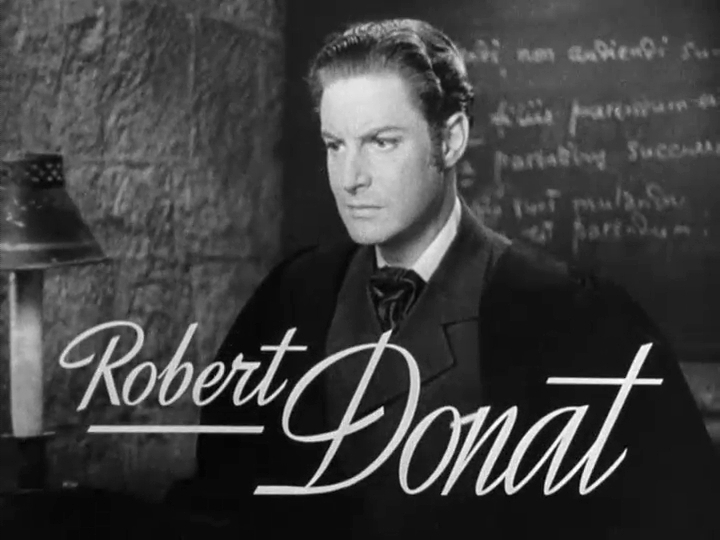
Em 1939, Charles Chipping (Robert Donat) tem 83 anos e leciona há impressionantes 63 anos. Impossibilitado a ir a uma aula inaugural pela primeira vez por causa de uma gripe, ele rememora sua trajetória. Em seu primeiro dia, foi-lhe pregada uma peça por seus alunos e teve problemas para manter a ordem. O aluno mais difícil de controlar é Colley (Terry Kilburn).


In 1939, Charles Chipping (Robert Donat) is 83 years old and has been teaching for impressive 63 years. Unable to go to the inaugural class for the first time due to a cold, he remembers his trajectory. On his first day, he was pranked by his students and had a rough time mantaining peace and order. The hardest student to control is Colley (Terry Kilburn).

Anos depois, já um homem de meia-idade mas ainda um professor impopular, o Sr Chipping viaja para as montanhas com um colega de trabalho e lá conhece Kathy Ellis (Greer Garson em seu primeiro papel no cinema). Eles se encontram novamente em Viena, se divertem muito e se casam. Ela dá a ele o apelido “Chips” e começa a convidar os alunos dele para tomarem chá na cada deles. De repente Chips se torna um professor popular e até conta piadas na sala de aula! Os tempos mudam, a Escola Brookfield para garotos também, mas Chips não muda os tempos – então decidem aposentá-lo contra a vontade dos alunos.


Years later, already a middle-aged man but still an unpopular teacher, Mr Chipping travels to the mountains with a colleague and there he meets Kathy Ellis (Greer Garson in her film debut). They run into each other again in Vienna, have a wonderful time together and get married. She gives him the nickname “Chips” and start hosting teapartys in their residence for his students. Suddenly Chips becomes a popular teacher and even tells jokes in class! Times change, the Brookfield School for Boys too, but Chips doesn’t change with the times – so they decide to retire him against the students’ will.

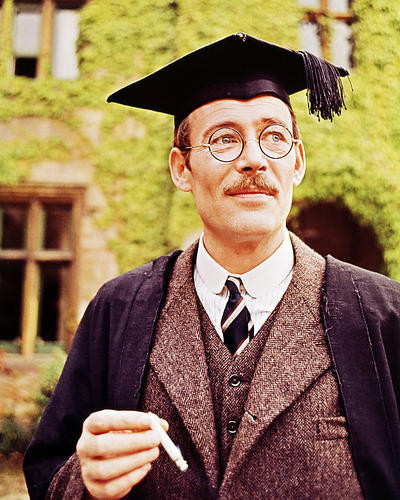
Em 1969 somos informados de que nossa história começa em 1924. Arthur Chipping (Peter O’Toole) é um professor impopular na Escola Brookfield. De férias em Pompeia, ele volta a encontrar a estrela de teatro musical Katherine Bridges (Petula Clark) e eles se divertem muito juntos. De volta a Londres, eles se casam. No primeiro encontro ela já o havia apelidado de “Chips”.


In 1969 we’re informed that our story begins in 1924. Arthur Chipping (Peter O’Toole) is an unpopular teacher at the Brookfield School. While on vacation in Pompeii, he meets again the musical theater actress Katherine Bridges (Petula Clark) and have a wonderful time together. Back in London, they get married. On their first meeting she had already nicknamed him “Mr Chips”.

Por volta dos 15 minutos de projeção temos uma baita surpresa quando o Sr Chips começa a cantar. Ele canta sobre a passagem do tempo e sobre como o mundo ficou mais colorido depois que ele se casou com Kathy. Petula Clark é quem mais canta neste filme que eu não esperava ser um musical, mas Peter O’Toole foi ousado e cantou sem usar dublagem.


At around the 15-minute mark we’re greatly surprised when Mr Chips starts to sing. He sings about the passage of time and how the world got more colorful after he married Kathy. Sure, Petula Clark does the majority of the singing in this film I wasn’t expecting to be a musical, but Peter O’Toole was fierce and did his own singing.

Em 1939, o Sr Chips é Chefe do Departamento na escola durante a Primeira Guerra Mundial. Em 1969, ele vivencia a Segunda Guerra Mundial, em meio à possibilidade de ataques aéreos à escola. Em ambas as versões o Sr Chips sofre diversas perdas durante as guerras, ficando enlutado por causa de pessoas queridas.


In 1939, Mr Chips served as a headmaster of the school during World War I. In 1969, he goes through World War II, with the possibility of airplane attacks to the school. In both versions Mr Chips faces several losses during the wars, grieving those he loved.

Além do período em que se passa a história, a maior mudança de uma versão para a outra foi Kathy. Em 1939 ela tem pouco tempo em cena mas é fundamental para fazer do Sr Chips um professor e uma pessoa mais afável. Em 1969, com uma profissão e uma reputação, ela é co-protagonista e o casamento dura muito mais.


Besides the time frame, the main change from one version to the other was Kathy. In 1939 she is given little screen time but is pivotal to make Mr Chips a more likeable teacher and person. In 1969, with a profession and a reputation, she is a co-lead and her marriage lasts for a much longer time.

A versão de 1939 agradeceu nos créditos a ajuda de Sidney Franklin – diretor não-creditado do filme – e a inspiração fornecida pelo finado Irving Thalberg. O filme foi produzido por Victor Saville, que produziu alguns dos primeiros trabalhos de um jovem desconhecido chamado Alfred Hitchcock. Assim como Hitch, Saville também dirigiu filmes de suspense na Inglaterra no começo dos anos 1930. De acordo com o IMDb, ele produziu 39 filmes entre 1923 e 1962.


The 1939 version acknowledged in the credits the help of Sidney Franklin – uncredited diretor of the movie – and the inspiration of the late Irving Thalberg. The movie was produced by Victor Saville, who produced some of the early films by a then-unknown named Alfred Hitchcock. Like Hitch, Saville also directed thrillers in England in the early 1930s. According to IMDb he produced 39 movies between 1923 and 1962.

A versão de 1969 foi dirigida por Herbert Ross e produzida por Arthur Jacobs, que havia recém produzido “O Fabuloso Dr Dolittle” (1967). Esta foi a estreia de Ross na direção – ele antes trabalhava como coreógrafo. Jacobs queria Rex Harrison, que fez o papel de Dolittle, para ser o Sr Chips, mas ele recusou o papel. Outros nomes considerados foram Richard Burton, Christopher Plummer, Peter Sellers, Albert Finney, Richard Harris e Paul Scofield.


The 1969 version was directed by Herbert Ross and produced by Arthur Jacobs, who had just produced “Dr Dolittle” (1967). This is Ross’ directing debut – he had been working as a choreographer before. Jacobs wanted Rex Harrison, who played the part of Dolittle, to be Mr Chips, but he refused. Other names considered were Richard Burton, Christopher Plummer, Peter Sellers, Albert Finney, Richard Harris and Paul Scofield.

Robert Donat ganhou seu Oscar de Melhor Ator por “Adeus, Sr Chips” mas não viveu até os 83 anos como seu personagem. Na verdade, ele tinha apenas 53 anos quando morreu, depois de completar “A Moradada Sexta Felicidade” (1958). Por sua vez, Peter O’Toole foi indicado a um Oscar por sua performance como o Sr Chips e viveu até os 81 anos. O’Toole foi indicado para oito Oscars, mas nunca ganhou o prêmio.


Robert Donat won his Best Actor Oscar for “Goodbye, Mr Chips” but never lived to be 83 like his character. In fact, he died at only 53, after completing “The Inn of the Sixth Happiness” (1958). On the other hand, Peter O’Toole was nominated for an Oscar for his performance as Mr Chips and lived to be 81. O’Toole was nominated for eight Oscars, but never won the award.

Além da minha mãe, essa dupla de filmes me fez lembrar outro professor de matemática: Júlio César de Mello e Souza, conhecido pelo seu pseudônimo Malba Tahan. Um professor e também escritor de sucesso, ele faleceu poucas horas depois de dar aula. Seu aniversário, seis de maio, é celebrado como Dia Nacional da Matemática.


Besides my mother, the duo of movies reminded me of another math teacher: Júlio César de Mello e Souza, known for his pseudonym Malba Tahan. A teacher as well as a successful wirter, he died mere hours after teaching a class. His birthday, May 6th, is celebrated as National Math Day.

Em seu discurso de aposentadoria o Sr Chips conta a seus alunos que ele pode ter dificuldades de reconhece-los no futuro porque na sua cabeça eles permanecem jovens. Ele também diz que é mentira que ele nunca teve filhos: ele teve milhares deles! Quando perguntada sobre isso, minha mãe não chegou a considerar seus alunos como filhos. Eu, sua única filha, fiquei aliviada, mas ao mesmo tempo sei como ela é amada e lembrada por seus alunos por causa do jeito como ela é tratada quando encontramos algum deles. Como o Sr Chips, ela deixou seu legado.


In his departing speech Mr Chips tells his students that he may have a hard time recognizing them when they grow up because in his mind they remain young boys. He also says that it’s a lie that he didn’t have kids: he had thousands of boys! When asked about that, my mother didn’t go as far as considering her students as her children. I, as her only child, am relieved, but at the same time I know how much she is loved and remembered by her students by the way she is treated whenever we meet one of them. Like Mr Chips, she left her legacy.


O veredicto: a versão de 1939 tem 40 minutos a mais, porém é bem mais emocionante que o remake!


The verdict: the 1939 version is 40 minutes shorter but has a lot more heart than the remake!


Wednesday, May 29, 2024

Variações sobre um mesmo tema: O Demônio da Algéria (1937) e Argélia (1938)

 Variations on the same theme: Pépé Le Moko (1937) and Algiers (1938)


Todos sabemos que os norte-americanos não gostam de assistir a filmes com legendas. Todos também sabemos que os chefes dos estúdios estão sempre de olho no mercado estrangeiro, procurando por inspiração e sucessos para fazer remakes. Em 1938, Hollywood fez um remake de um filme que havia estreado apenas um ano antes na França. “Argélia” é um remake fidelíssimo, quase cena a cena, de “O Demônio da Algéria” (sic), que ainda consegue ser cinco minutos mais longo que o original. Ambos contam com ótimas performances e alguns nomes nos bastidores que merecem ser destacados.


It’s widely known that Americans don’t like to watch movies with subtitles. It’s also widely known that studio heads are always with an eye on the foreign market, looking for inspiration and successes to be remade. In 1938, Hollywood remade a film that had premiered in France only one year prior. “Algiers” is an almost shot-by-shot remake of “Pépé Le Moko” that still manages to be five minutes longer than the original. Both have great performances and a few names behind the cameras that we should highlight.


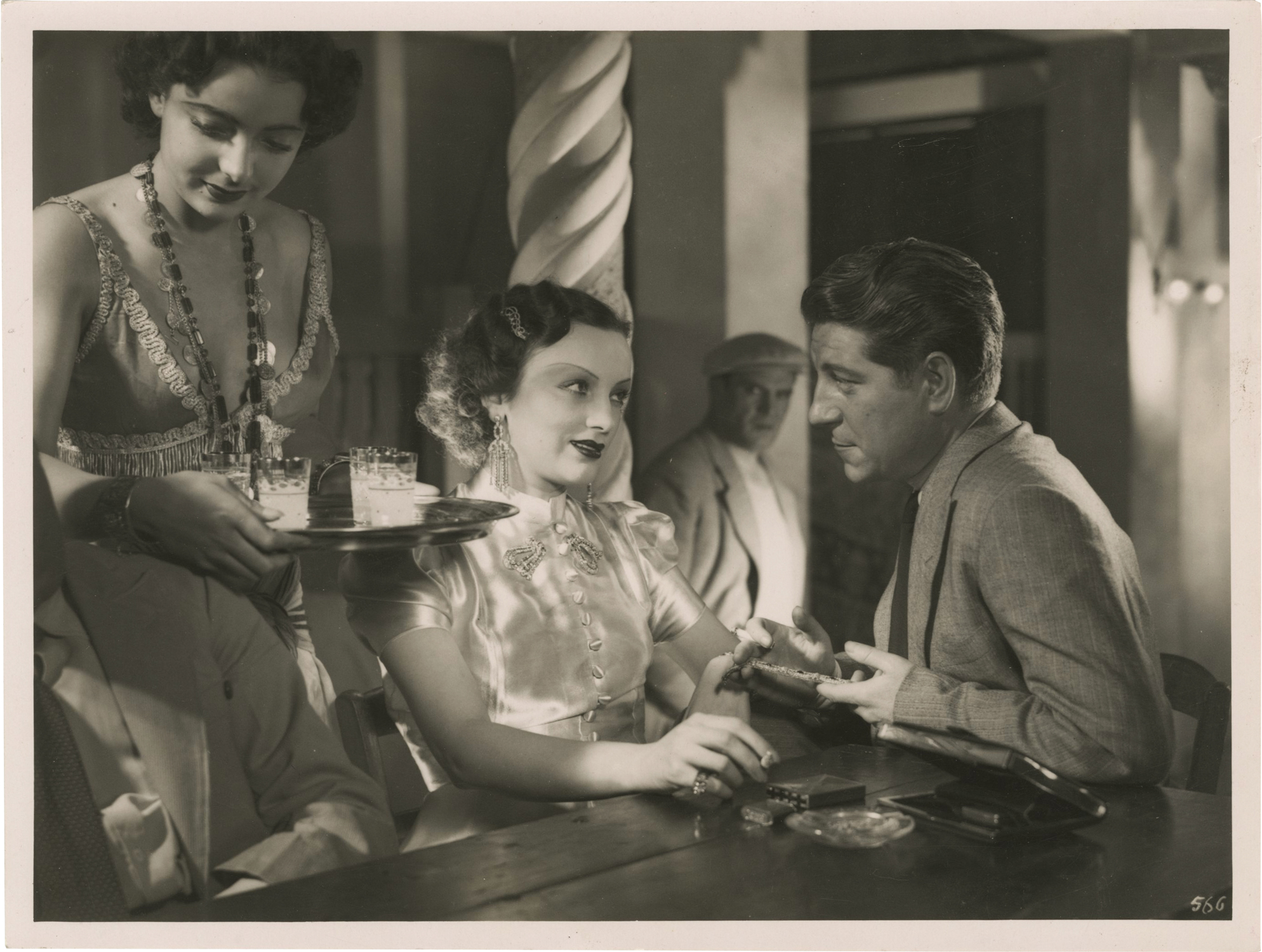
Nos últimos dez anos, cinco detetives tentaram e falharam em capturar o ladrão Pépé Le Moko (Jean Gabin / Charles Boyer). Seu esconderijo é bem conhecido: é a Casbah, bairro labiríntico de Argel onde vivem quarenta mil pessoas. Como dito em “Argélia”, a polícia não pode simplesmente entrar no bairro e prender Pépé porque “não se pode prender um rei no seu próprio palácio”.


In the last two years, five detectives tried and failed to capture the thief Pépé Le Moko (Jean Gabin / Charles Boyer). His hidi
ng place is well known: it’s the Casbah, a labyrinthine district of Argel where forty thousand people live. As it’s said in “Algiers”, the police can’t simply invade the Casbah and arrest Pépé because “you can’t arrest a king in his own palace”.

Uma noite, enquanto fugia de um grupo de policiais, Pépé conheceu Gaby (Mireille Balin / Hedy Lamarr) e se apaixonou por ela... e ainda mais pelas joias dela. Ela é uma socialite francesa que estava passeando pela Casbah e está disposta a voltar nem que seja para jantar e dançar com o belo ladrão. Fora da Casbah é muito perigoso para ele... será que Pépé se contentará com sua garota Inès (Line Noro / Sigrid Gurie) ou se arriscará indo atrás de Gaby?


While running away one night from a group of police officers, Pépé meets Gaby (Mireille Balin / Hedy Lamarr) and falls in love with her… falling deeper for her jewels. She is a French socialite who was touring the Casbah and is willing to come back if only to have dinner and a dance with the handsome thief. Outside the Casbah it’s too dangerous for him… will Pépé settle for his girl Inès (Line Noro / Sigrid Gurie) or will he risk going after Gaby?

“O Demônio da Algéria” é um bom filme por causa do charme e do talent de Jean Gabin, que na época já era uma superestrela. Num artigo para o website da Criterion, Michael Atkinson escreve sobre ele: “Gabin era quase como Garbo em sua habilidade de ancorar nossa atenção sem mover um músculo”. O mais novo de sete filhos de uma dona de café e um artista de cabaré, ele começou a atuar aos 15 anos, trabalhando subsequentemente tanto no Folies Bergéres quanto no Moulin Rouge, além de fazer turnê pela América do Sul com um grupo. Ele fez seu primeiro filme em 1928 e o último em 1976, ano em que faleceu. Ele apareceu num total de 97 filmes.


“Pépé Le Moko” works because of the charm and talent of Jean Gabin, then already a superstar. In an  essay for the Criterion website, Michael Atkinson writes this about him: “Gabin was almost Garbo-like in his ability to anchor our attention without moving a muscle”. The youngest of seven children of a coffee owner and a cabaret entertainer, he started acting at 15, working in subsequent years at both the Folies Bergéres and the Moulin Rouge, and also touring South America with a troupe. He made his first film in 1928 and the last in 1976, the year he passed away. He appeared in 97 films total.

Charles Boyer pode ser charmoso e francês – uma redundância –, mas a verdadeira estrela de “Argélia” é Hedy Lamarr, em seu primeiro filme em Hollywood. O produtor Walter Wanger no início queria Sylvia Sidney ou Dolores Del Río como a atriz principal, mas acabou decidindo pedir Lamarr emprestada da MGM. Diz-se que foi Charles Boyer que apresentou Lamarr para Wanger após uma festa. Apesar de ser o chamariz para o filme, Hedy Lamarr foi considerada inadequada pelo diretor John Cromwell, que disse que ela não sabia atuar e não tinha personalidade.


Charles Boyer may be charming and French – a redundancy –, but the real star of “Algiers” is Hedy Lamarr, in her first Hollywood movie. Producer Walter Wanger first wanted Sylvia Sidney or Dolores Del Río as the female lead, but decided to borrow Lamarr from MGM instead. It is said that it was Charles Boyer who introduced Lamarr to Wanger after a party. Despite being the one who called attention for the film, Hedy Lamarr was considered inadequate by director John Cromwell, who said she couldn’t act and had no personality.

O livro que serviu de inspiração foi, diz-se, inspirado em “Scarface” (1932) e deu origem a um filme sem o qual o cinema noir seria completamente diferente. “O Demônio da Algéria” foi a primeira adaptação cinematográfica de um a obra literária de Henri La Barthe, creditado com seu pseudônimo Ashelbé. O diretor Julien Duvivier, que no começo da década foi responsável por efetivamente fazer a carreira de Jean Gabin decolar, foi um dos roteiristas. A história seria filmada mais uma vez em 1948, num musical com Tony Martin, Märta Torén e Yvonne de Carlo.


The source novel was reportedly inspired by “Scarface” (1932) and it originated a movie without which film noir wouldn’t be what it was. “Pépé Le Moko” was the first cinematic adaptation of a literary work by Henri La Barthe, credited under his pseudonym Ashelbé. Director Julien Duvivier, who was in the beginning of the decade responsible for effectively launching Jean Gabin’s career, served as one of the screenwriters. The story would be filmed once more in 1948, as a musical starring Tony Martin, Märta Torén and Yvonne De Carlo.

O diretor de fotografia de “Argélia” é o grande James Wong Howe. Nascido na China, sua família chegou a Washington quando ele tinha cinco anos. Ele foi boxeador profissional na adolescência e começou sua carreira no cinema como assistente de Cecil B. DeMille. “Argélia” deu a Howe a primeira de suas dez indicações ao Oscar, e ele ganhou duas vezes. Curiosidade: James Wong Howe e Charles Boyer nasceram no mesmo dia, 28 de agosto de 1899.


The director of photography in “Algiers” is the great James Wong Howe. Born in China, his family arrived in Washington when he was five. He was a professional boxer as a teenager and started his career in film as an assistant to Cecil B. DeMille. “Algiers” gave Howe his first of 10 Oscar nominations, and he would win twice. Curious info: James Wong Howe and Charles Boyer were born in the same day, August 28, 1899.

Em “Argélia” o personagem Regis (Gene Lockhart) tem mais tempo em cena que no filme original. Há basicamente uma sessão de tortura psicológica com ele quando Pépé descobre que Regis traiu seu amigo Pierrot e acompanhou o jovem até uma armadilha. Gene Lockhart foi indicado ao Oscar de Melhor Ator Coadjuvante por sua performance, mas não ganhou o prêmio.


In “Algiers” the character Regis (Gene Lockhart) has more screen time than in the original. There is basically a psychological torture session with him when Pépé finds out that Regis betrayed his pal Pierrot and accompanied the young man right into a trap. Gene Lockhart was nominated for the Best Supporting Actor Oscar for his performance, but didn’t win the award.

Quando Régis (Fernand Charpin) fala sobre Pépé ser mulherengo, ele retruca: “Eu dou a elas [às mulheres] meu corpo, mas mantenho para mim a cabeça”. Quando fala sobre sua linha de raciocínio para Inès, Pépé (interpretado por Charles Boyer) diz que “eu não penso com minha cabeça, mas com meu coração”. Estas frases definem as diferenças de construção de um mesmo personagem: o de Gabin é sexy e ousado, o de Boyer mais suave.


When Régis (Fernand Charpin) talks about Pépé’s womanizing habits, he says: “I give them [the women] my body, but I keep my head”. When talking about his thinking to Inès, Pépé (played by Charles Boyer) says that “I don’t think with my head, but with my heart”. These quotes settle the differences between the portrayals of the same character: Gabin’s is sexy and bold, Boyer’s is softer.

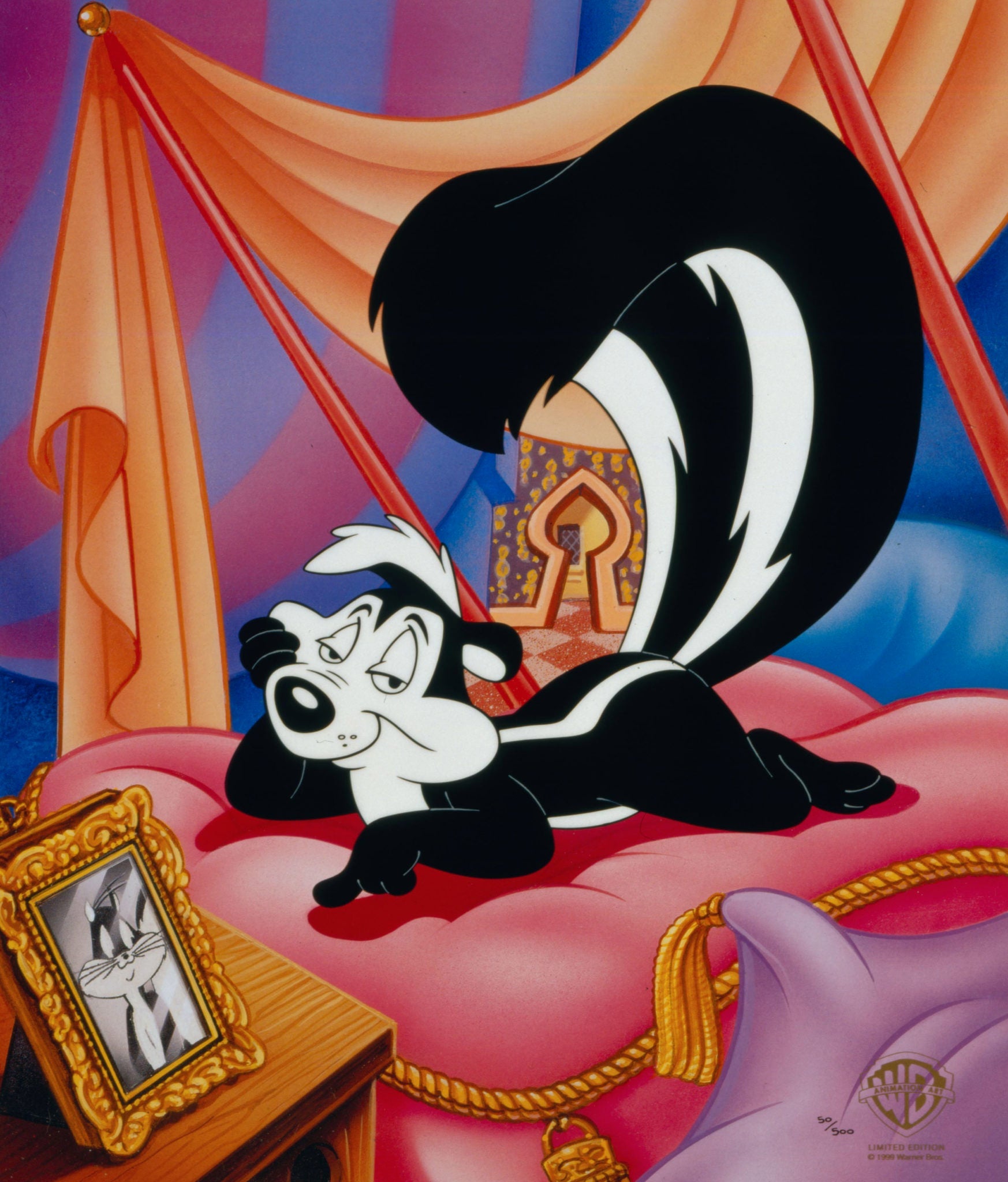
O sotaque francês e o jeito mulherengo do personagem de Boyer inspirou o personagem dos Looney Tunes Pepé Le Pew, apresentado ao público em 1945 com a frase de efeito “Venha comigo para a Casbah”. O filme de 1938 também inspirou “Casablanca”, com seu sucesso de bilheteria servindo de argumento para convencer a Warner Bros a aprovar o projeto do filme em 1942. A MGM, entretanto, não liberou Hedy Lamarr de seu contrato e “Casablanca” teve de ser feita com Ingrid Bergman como protagonista.


The French accent and the womanizing in Charles Boyer’s character inspired the Looney Tunes character Pepé Le Pew, introduced in 1945 with the catchphrase “Come with me to the Casbah”. The 1938 film also inspired “Casablanca”, with its success in the box-office serving as a point to convince Warner Bros to approve the project for the film in 1942. MGM, however, didn’t release Hedy Lamarr from her contract and “Casablanca” had to be made with Ingrid Bergman as the lead.

Um fato para horrorizar os amantes de cinema: enquanto era filmado o remake, Walter Wanger tentou destruir todas as cópias de “O Demônio da Algéria”. Que bom que ele não conseguiu! “O Demônio da Algéria” tem 3,8 estrelas no Letterboxd e sua nota no IMDb é 7,7, enquanto “Argélia” tem respectivamente 3,2 estrelas e nota 6,6. Ambos os filmes são muito bons de maneiras diferentes e vê-los em sequência, embora um pouco cansativo por causa da mesma história, dá origem a um divertido jogo de “encontrar diferenças”.


A fact that will horrify all film lovers: while shooting the remake, Walter Wanger tried to have all the copies of “Pépé Le Moko” destroyed. We’re happy his wish wasn’t granted! “Pépé Le Moko” has 3,8 stars on Letterboxd and its grade is 7,7 on IMDb, while “Algiers” has respectively 3,2 stars and grade 6,6. Both movies are extremely enjoyable and entertaining in their own ways, and a double feature, even though tiring with the same story, serves as a joyful game of “spot the differences”.

Sunday, May 12, 2019

Um Rosto de Mulher (1941) / A Woman's Face (1941)

Durante a Era de Ouro dos estúdios, sempre que um artista tinha liberdade para interpretar um personagem diferente do que estava acostumado – em geral depois de muita insistência e luta – o resultado era quase sempre maravilhoso. Por exemplo: quando a MGM deixou Joan Crawford arriscar e interpretar uma personagem marcada – em vez de mais uma mulher glamourosa – em “Um Rosto de Mulher”, ela nos legou uma performance incrível.

During the Studio Era, whenever a performer was allowed to play against type – usually after a lot of insistence and fighting – the result was almost always wonderful. For instance: when MGM let Joan Crawford take a risk and play a scarred character – instead of another glamorous woman – in “A Woman's Face”, she delivered an outstanding performance.


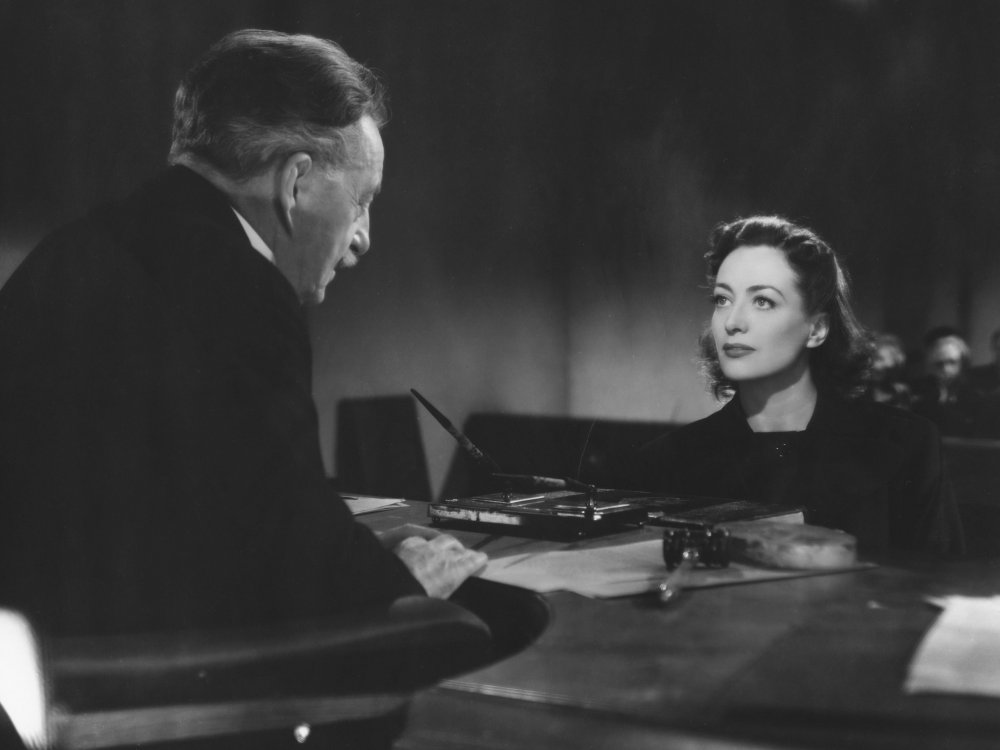
Em um tribunal em Estocolmo, o julgamento de Anna Holm (Joan Crawford) começa. Anna é acusada de assassinato. As testemunhas são chamadas e contam a história em flashback. Anna e seus “amigos” trabalhavam em um restaurante, mas este trabalho era só de fachada: eles atuavam de verdade no ramo da chantagem.

In a tribunal in Stockholm, the judgment of Anna Holm (Joan Crawford) begins. Anna is accused of murder. The witnesses are called and they tell the story in flashback. Anna and her “friends” worked in a restaurant, but this job was just a disguise: they were really active in the blackmail market.


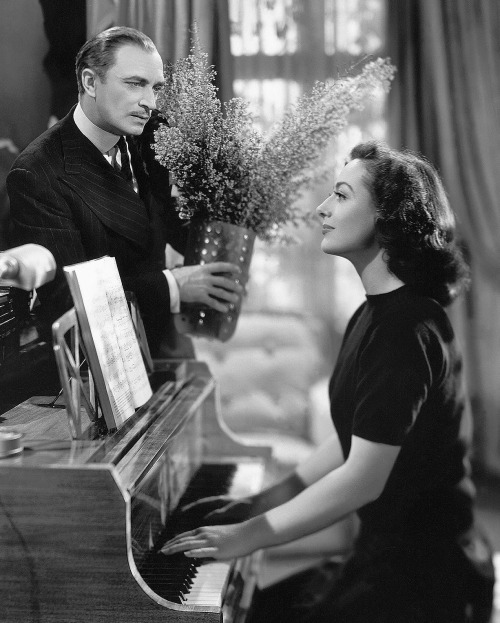
A vítima de chantagem que vai mudar toda a história é Vera Segert (Osa Massen), cujas cartas de amor para um amante foram parar nas mãos erradas. Enquanto negocia com Vera, Anna conhece o esposo dela, Gustaf (Melvyn Douglas), quese interessa pela grande cicatriz que Anna tem no rosto. Gustav então se oferece para operar Anna e remover a cicatriz. Ao mesmo tempo, Anna se apaixona por Torsten Barring (Conrad Veidt), que a quer para executar seu próprio plano maligno.

The blackmail victim that will change everything is Vera Segert (Osa Massen), whose love letters to a lover ended up in wrong hands. While negotiating with Vera, Anna meets her husband, Gustaf (Melvyn Douglas), who gets interested in the big scar Anna has in her face. Gustav then offers to operate Anna and remove the scar. At the same time, Anna falls in love with Torsten Barring (Conrad Veidt), who wants her for an evil plan of his own.


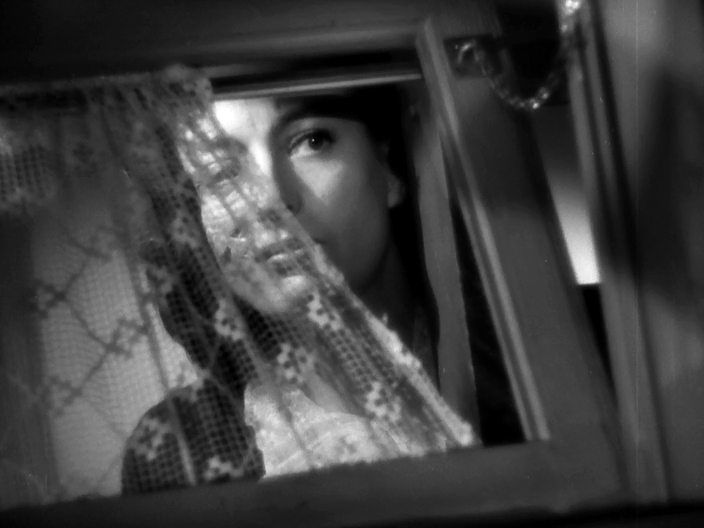
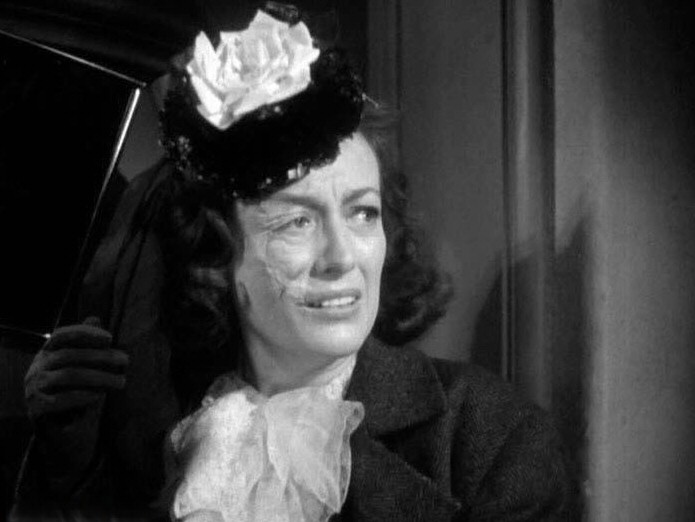
A cicatriz de Anna é decorrente de um incêndio ao qual ela sobreviveu na infância. Por causa da cicatriz, ela não conseguiu arranjar trabalho quando era adolescente e então se tornou criminosa. Anna lidava com canalhas, e em geral desconfiava de todos – não porque eles eram canalhas, mas porque ela achava que eles estavam sempre zombando de seu rosto. Toda a vida e todas as atitudes de Anna foram pautadas em sua cicatriz.

Anna got her scar after she survived a fire in her childhood. Because of the scar, she couldn't find a job as a teen and turned to crime. Anna was dealing with crooks, and she was often suspicious of everybody – not because they were crooks, but because she thought they were always mocking her appearance. All her life and her actions have been dictated by that scar.


“Um Rosto de Mulher” nos leva a refletir sobre as aparências e sobre como julgamos as pessoas pela aparência. Isso vai além das noções de bonito ou feio: aqui estamos falando de uma pessoa marcada, na mesma situação de pessoas que adquiriram uma deficiência depois de um acidente. Eu pensei muito nas pessoas que lutaram em guerras e ficaram para sempre marcadas ou deficientes porque não havia  tratamento ou cirurgia plástica na época. Estas são as vítimas do fogo, de bombas e de ataques com gás que tiveram de conviver com pessoas que não acreditavam que alguém “diferente” merecia respeito.

A Woman's Face” leads us to think about appearances and how we judge people by their looks. This goes way beyond the notions of beautiful and ugly: here we are talking about someone scarred, in the same situation as people who were left handicapped by some accident. I thought a lot about people who had fought in wars and left permanently scarred or disabled because there was no treatment or plastic surgery in that time. These are the victims of fires, bombs, gas attacks, who then had to live among people who didn't see someone “different” as someone worth respecting.


Hollywood, desde sempre, fez remakes de sucessos internacionais, e neste caso não foi diferente. “Um Rosto de Mulher” é o remake de “A Mulher que Vendeu a Alma”, filme sueco de 1938 que revelou ao mundo uma jovem de 23 anos chamada Ingrid Bergman. Enquanto Crawford está bem no remake, não há comparação com a personagem amarga interpretada por Ingrid no original.

Hollywood, since the beginning, remade international successes, and this case was no exception. “A Woman's Face” is the remake of “En kvinnas ansikte”, a Swedish film from 1938 that introduced to the world a young 23-year-old girl named Ingrid Bergman. While Crawford is good in the remake, there is no comparison to the embittered character played by Ingrid in the original.


Em uma única cena no sótão, Conrad Veidt consegue ser incrivelmente assustador e sombrio – muito diferente de quando ele está dançando com Joan Crawford. Como Vera, Osa Massen ou é uma péssima atriz ou uma ótima atriz interpretando uma personagem insuportável. Alguns coadjuvantes brilham, em especial Marjorie Main e Donald Meek.

In a single scene in an attic, Conrad Veidt manages to be incredibly scary and somber – very different from when he's dancing with Joan Crawford. As Vera, Osa Massen is either a very bad actress or a very good one playing an annoying character. Some supporting players shine, in special Marjorie Main and Donald Meek.


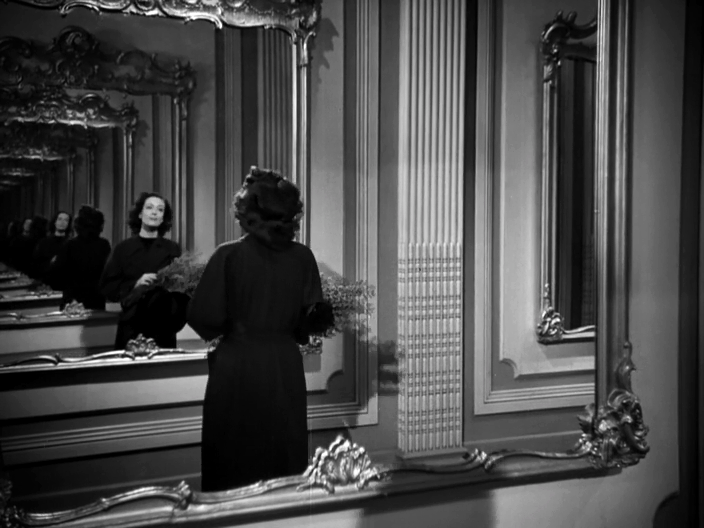
Do ponto de vista técnico, há algumas coisas a se destacar em “Um Rosto de Mulher”. Há uma cena muito interessante com diversos espelhos. Há duas sequências muito tensas e sem música – apenas com os barulhos do ambiente, e esta escolha foi muito eficiente para aumentar o suspense. E, claro, o departamento de maquiagem fez maravilhas não apenas com a criação da cicatriz de Anna, mas também com a maneira como mostram o efeito do fogo no olho dela.

From the technical point of view, there are a few things to point out about “A Woman's Face”. There is a very interesting shot with a lot of mirrors. There are a couple of very tense scenes that have no music – only the noises of the place, and this choice proved to be very effective to increase the suspense. And, of course, the make-up department did wonders not only conceiving Anna's scar, but also showing how the fire also affected her eye.


Antes do doutor Gustaf ver o resultado da cirurgia de Anna, ele diz ter medo de que ela se torne “um belo rosto sem coração”. A mudança no rosto de Anna vem junto com uma mudança no coração, e assim o filme reforça o estereótipo de Hollywood de que tudo que é belo é bondoso. “Um Rosto de Mulher” é um ótimo filme, mas eu gostaria mais dele se a aparência de Anna não tivesse mudado. Afinal, se o Corcunda de Notre Dame podia ser um cara legal mesmo sendo considerado “feio”, por que o mesmo não poderia acontecer com Anna Holm?

Before Dr. Gustaf sees the result of Anna's surgery, he says he's afraid of her ending up having “a beautiful face and no heart”. As Anna's change in her face comes with a change of heart, we see another picture that reinforces the Hollywood stereotype that beautiful equals kind. “A Woman's Face” is a great film, but I'd love it more if the Anna's appearance didn't change. After all, if the Hunchback of Notre Dame could be a great guy even being considered “ugly”, why couldn't Anna Holm be the same?


This is my contribution to the Joan Crawford blogathon, hosted by Pale Writer and Poppity Talks Classic Films.


Related Posts Plugin for WordPress, Blogger...