} Crítica Retrô: 1937

Tradutor / Translator / Traductor / Übersetzer / Traduttore / Traducteur / 翻訳者 / переводчик

Showing posts with label 1937. Show all posts

Friday, June 28, 2024

Beco Sem Saída (1937) / Dead End (1937)

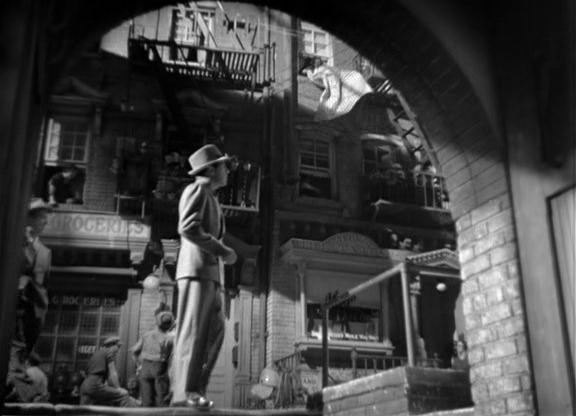
 Como toda cidade grande, Nova York é uma cidade de contrastes. Os ricos e os pobres coexistem, muitas vezes num mesmo bairro. É num destes bairros que se passa a ação do filme “Beco Sem Saída”. E, graças a uma brilhante direção de arte, realmente sentimos que estamos neste local de contrastes junto com os personagens.


Like any big city, New York is a city of contrasts. The rich and the poor coexist, sometimes in the same neighborhood. It’s in one of those neighborhoods that the film “Dead End” is set. And, thanks to its brilliant art direction, we really feel we’re in this place of contrasts with the characters.

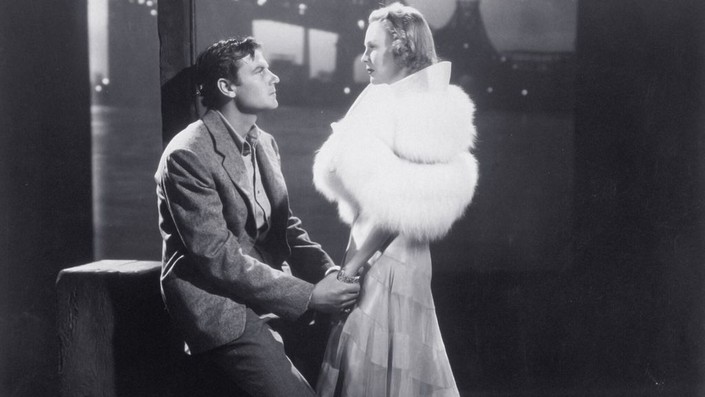
Da sua janela num cortiço, Drina (Sylvia Sidney) pode ver a casa onde vive Kay Burton (Wendy Barrie). Kay está saindo com o amigo de infância de Drina Dave (Joel McCrea), um arquiteto à procura de trabalho. Contaminado pelos valores de Kay, Dave quer demolir o cortiço e construir casas decentes para gente decente. Drina, que gosta de Dave, fica de coração partido com o plano dele.  


From her window at a tenement, Drina (Sylvia Sidney) can see the house where Kay Burton (Wendy Barrie) lives. Kay is seeing Drina’s childhood friend Dave (Joel McCrea), an architect seeking a job. Contamined by Kay’s values, Dave wants to put the tenement on the ground and build decent houses for decent people. Drina, who likes Dave, is heartbroken by his plan.
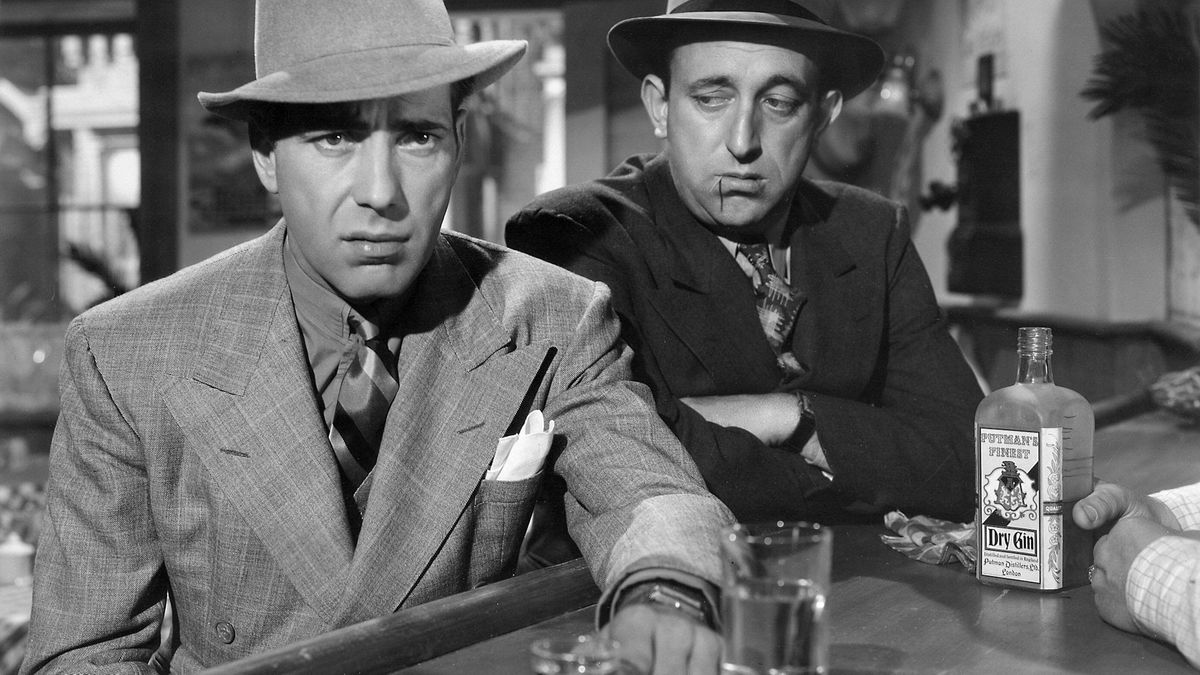
Andando pelo cortiço temos dois homens e um deles diz que seu nome é Johnson (Humphrey Bogart). Ele na verdade cresceu naquele bairro e foi mandado para o reformatório quando adolescente – afinal, ele já matou oito homens! Ele está procurando uma antiga namorada, Francey (Claire Trevor), mas o reencontro não será como ele esperava.


Hanging around the tenement there are two guys and one of them says his name is Johnson (Humphrey Bogart). He actually grew up there but was sent to reform school as a teenager – after all, he already killed eight men! He is looking for an old girlfriend, Francey (Claire Trevor), a meeting that won’t happen as he expected.

Mais do que Drina e Dave, o filme é sobre uma gangue de garotos que vivem no cortiço, cujo líder é o irmão mais novo de Drina, Tommy (Billy Halop). Ela diz que os meninos não prestam, e o diz com convicção. Tommy se mete em problemas quando a gangue incomoda e agride o menino rico Philip (Charles Peck), que é sobrinho de um juiz.


More than Drina and Dave, the movie is about a gang of boys who live in the tenement, whose leader is Drina’s younger brother Tommy (Billy Halop). She says the boys are no good, and she means it. Tommy gets in trouble when the gang picks on and beats the rich boy Philip (Charles Peck), who is the nephew of a judge.

Os meninos da gangue são interpretados por um grupo de jovens atores que ficaram conhecidos como “the Dead End Kids”. Eles vieram de um dos mais violentos bairros de Nova York e apareceram na peça de teatro “Beco Sem Saída”, depois neste filme, e depois novamente nos cinemas em “Anjos de Cara Suja” (1938) – curiosamente, mais um filme com Humphrey Bogart num papel secundário e vilanesco. Samuel Goldwyn teve a ideia de trazer os meninos do teatro para o estúdio, mas se arrependeu quando eles começaram a aprontar no local. O sexteto original fez três filmes e se separou para cada um se concentrar em carreira solo.


The boys from the gang are played by a group of young performers who became known as “the Dead End Kids”. They came from the toughest New York neighborhood and appeared on the stage production of “Dead End”, then this film, then again on screen with “Angels with Dirty Faces” (1938) – curiously, another film with Humphrey Bogart in a secondary and heavy role. Samuel Goldwyn had the idea to bring the boys from the theater to the studio, but regretted as they ran mischievously through the place. The original sextet made three films together and split to have solo careers.

Humphrey Bogart é apenas o terceiro nome nos créditos, mas tem bastante tempo na tela. Seu diálogo com sua amarga mãe, que ele não via há dez anos, é emocionante. Ele teve no ano anterior muito sucesso com “A Floresta Petrificada” e ia ganhando reconhecimento como o grande ator que era. Ele não foi, entretanto, a primeira escolha para o papel que interpretou em “Beco Sem Saída”: o produtor Samuel Goldwyn queria James Cagney para o papel, e Bogart só foi escolhido depois que George Raft recusou o papel.


Humphrey Bogart is only third billed, but he receives a decent amount of screen time. His conversation with his bittered mother, who he hadn’t seen in ten years, is poignant. He had a big hit in the previous year’s “The Petrified Forest” and was gaining recognition as the great actor he was. He wasn’t, however, the first choice for the role he played in “Dead End”: producer Samuel Goldwyn wanted James Cagney cast instead, and Bogart was only chosen when George Raft declined the role.
Embora sua década de maior sucesso tenha sido a de 1950, William Wyler trabalhava como diretor desde 1925. Nascido em 1902 no que era então o Império Alemão, Wyler era primo de Carl Laemmle, chefe dos Estúdios Universal, que o contratou para trabalhar no cinema em 1921, primeiro movendo objetos de cena, depois como assistente de edição. Quando fez “Beco Sem Saída” Wyler já havia recebido sua primeira indicação ao Oscar de Melhor Diretor, por “Fogo de Outono” (1936).


Although he would see more success in the 1950s, William Wyler’s first credit as a director is from a 1925 short. Born in 1902 in what was back then the German Empire, Wyler was the cousin of Carl Laemmle, head of the Universal Studios, who hired him to work in film in 1921, first moving props around, then as first assistant editor. When he made “Dead End” Wyler had already been nominated for his first Best Director Oscar, for “Dodsworth” (1936).
O roteiro foi escrito por Lillian Hellman, baseado na popular peça. A própria Lillian era uma exitosa dramaturga, com sucessos na Broadway como “The Children’s Hour”, “The Little Foxes” e “Watch on the Rhine”, que foram todos adaptados mais tarde para o cinema. Ela foi indicada a dois Oscars e entrou para a lista negra nos anos 1950 quando se recusou a responder às perguntas do Comitê de Atividades Anti-Americanas.


The screenplay was written by Lillian Hellman, based on a popular play. Lillian herself was a successful playwright, with Broadway hits such as “The Children’s Hour”, “The Little Foxes” and “Watch on the Rhine”, all of which were adapted to the screen later. She was nominated for two Oscars and was blacklisted in the 1950s when she refused to answer the questions of the House Committee on Un-American Activities.

A brilhante direção de fotografia ficou a cargo de Gregg Toland, que é mais conhecido por seu trabalho revolucionário em “Cidadão Kane” (1941). Pela atmosfera criada pela câmera de Toland, “Beco Sem Saída” pode até mesmo ser considerado um proto-noir ou um filme tardio no sub-gênero de filmes de gângster que era tão comum no início dos anos 1930. William Wyler e Gregg Toland fizeram seis filmes juntos e poderiam ter colaborado mais se Gregg não tivesse morrido prematuramente em 1948.


The great cinematography is by Gregg Toland, who is better known for his revolutionary job in “Citizen Kane” (1941). By the mood created by Toland’s camera, “Dead End” could even be labeled as a proto-noir or a late entry in the gangster movie genre that was so common in the early 1930s. William Wyler and Gregg Toland worked in six films together and could have collaborated more if it wasn’t for Toland’s premature death in 1948.

“Beco Sem Saída” foi indicado a quatro Oscars: Melhor Filme, Direção de Fotografia, Direção de Arte e Atriz Coadjuvante para Claire Trevor, que tem apenas uma cena de cinco minutos e cuja doença não pôde ser mencionada por causa, vocês sabem, do Código Hays. As performances de todo o elenco são ótimas, mas o filme é realmente uma festa para os olhos, pois reconstrói em um estúdio em Hollywood o microcosmo de um de tantos bairros em Nova York.


“Dead End” was nominated for four Oscars: Best Picture, Cinematography, Art Direction and Supporting Actress for Claire Trevor, who has only five minutes of screen time and whose disease couldn’t be said out loud because, you know, of the Hays Code. The performances of the whole cast are great, but the film is actually a feast for the eyes, as it reconstructs in a Hollywood studio the microcosmos of one of so many New York neighborhoods.

Wednesday, May 29, 2024

Variações sobre um mesmo tema: O Demônio da Algéria (1937) e Argélia (1938)

 Variations on the same theme: Pépé Le Moko (1937) and Algiers (1938)


Todos sabemos que os norte-americanos não gostam de assistir a filmes com legendas. Todos também sabemos que os chefes dos estúdios estão sempre de olho no mercado estrangeiro, procurando por inspiração e sucessos para fazer remakes. Em 1938, Hollywood fez um remake de um filme que havia estreado apenas um ano antes na França. “Argélia” é um remake fidelíssimo, quase cena a cena, de “O Demônio da Algéria” (sic), que ainda consegue ser cinco minutos mais longo que o original. Ambos contam com ótimas performances e alguns nomes nos bastidores que merecem ser destacados.


It’s widely known that Americans don’t like to watch movies with subtitles. It’s also widely known that studio heads are always with an eye on the foreign market, looking for inspiration and successes to be remade. In 1938, Hollywood remade a film that had premiered in France only one year prior. “Algiers” is an almost shot-by-shot remake of “Pépé Le Moko” that still manages to be five minutes longer than the original. Both have great performances and a few names behind the cameras that we should highlight.


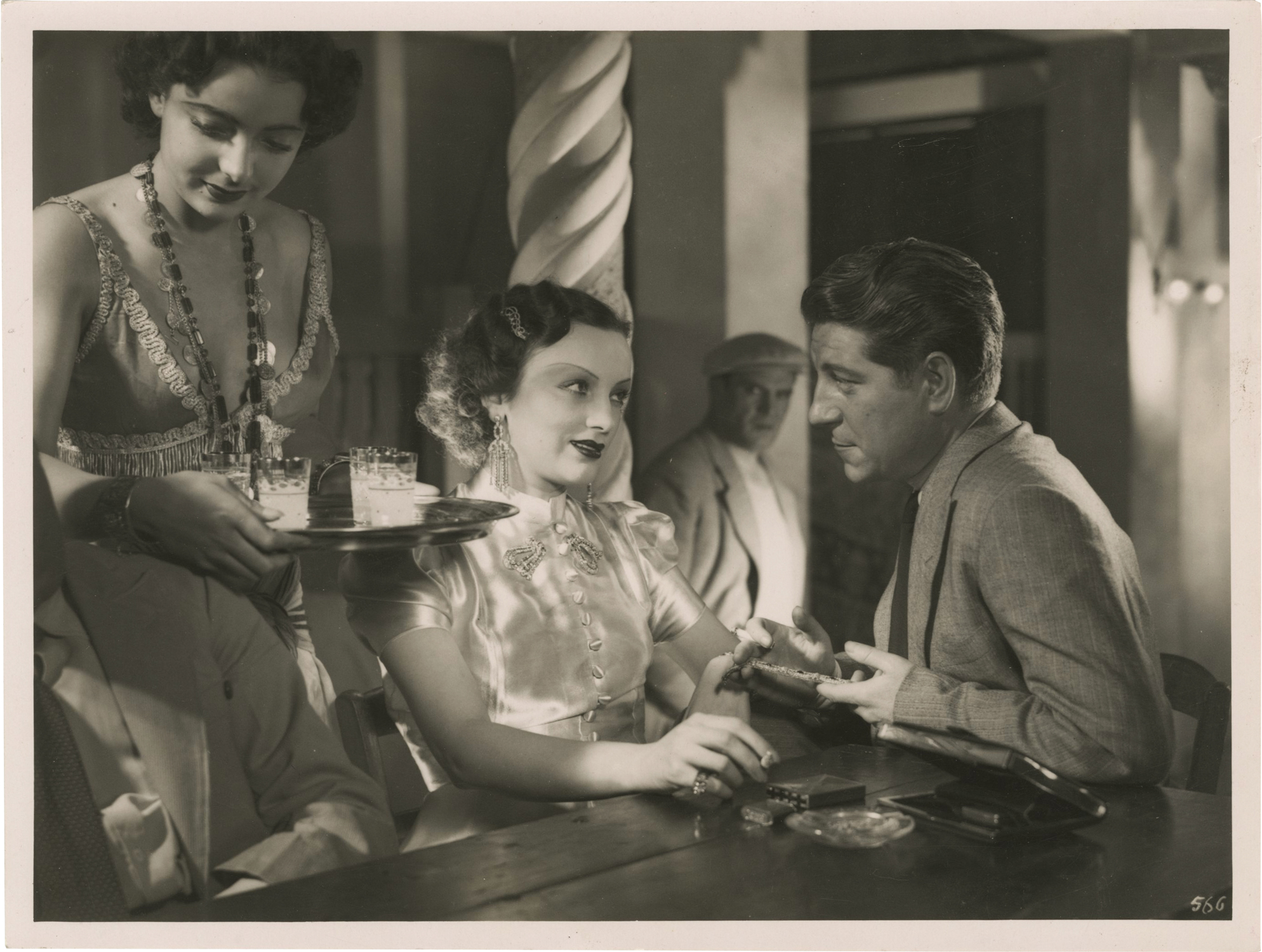
Nos últimos dez anos, cinco detetives tentaram e falharam em capturar o ladrão Pépé Le Moko (Jean Gabin / Charles Boyer). Seu esconderijo é bem conhecido: é a Casbah, bairro labiríntico de Argel onde vivem quarenta mil pessoas. Como dito em “Argélia”, a polícia não pode simplesmente entrar no bairro e prender Pépé porque “não se pode prender um rei no seu próprio palácio”.


In the last two years, five detectives tried and failed to capture the thief Pépé Le Moko (Jean Gabin / Charles Boyer). His hidi
ng place is well known: it’s the Casbah, a labyrinthine district of Argel where forty thousand people live. As it’s said in “Algiers”, the police can’t simply invade the Casbah and arrest Pépé because “you can’t arrest a king in his own palace”.

Uma noite, enquanto fugia de um grupo de policiais, Pépé conheceu Gaby (Mireille Balin / Hedy Lamarr) e se apaixonou por ela... e ainda mais pelas joias dela. Ela é uma socialite francesa que estava passeando pela Casbah e está disposta a voltar nem que seja para jantar e dançar com o belo ladrão. Fora da Casbah é muito perigoso para ele... será que Pépé se contentará com sua garota Inès (Line Noro / Sigrid Gurie) ou se arriscará indo atrás de Gaby?


While running away one night from a group of police officers, Pépé meets Gaby (Mireille Balin / Hedy Lamarr) and falls in love with her… falling deeper for her jewels. She is a French socialite who was touring the Casbah and is willing to come back if only to have dinner and a dance with the handsome thief. Outside the Casbah it’s too dangerous for him… will Pépé settle for his girl Inès (Line Noro / Sigrid Gurie) or will he risk going after Gaby?

“O Demônio da Algéria” é um bom filme por causa do charme e do talent de Jean Gabin, que na época já era uma superestrela. Num artigo para o website da Criterion, Michael Atkinson escreve sobre ele: “Gabin era quase como Garbo em sua habilidade de ancorar nossa atenção sem mover um músculo”. O mais novo de sete filhos de uma dona de café e um artista de cabaré, ele começou a atuar aos 15 anos, trabalhando subsequentemente tanto no Folies Bergéres quanto no Moulin Rouge, além de fazer turnê pela América do Sul com um grupo. Ele fez seu primeiro filme em 1928 e o último em 1976, ano em que faleceu. Ele apareceu num total de 97 filmes.


“Pépé Le Moko” works because of the charm and talent of Jean Gabin, then already a superstar. In an  essay for the Criterion website, Michael Atkinson writes this about him: “Gabin was almost Garbo-like in his ability to anchor our attention without moving a muscle”. The youngest of seven children of a coffee owner and a cabaret entertainer, he started acting at 15, working in subsequent years at both the Folies Bergéres and the Moulin Rouge, and also touring South America with a troupe. He made his first film in 1928 and the last in 1976, the year he passed away. He appeared in 97 films total.

Charles Boyer pode ser charmoso e francês – uma redundância –, mas a verdadeira estrela de “Argélia” é Hedy Lamarr, em seu primeiro filme em Hollywood. O produtor Walter Wanger no início queria Sylvia Sidney ou Dolores Del Río como a atriz principal, mas acabou decidindo pedir Lamarr emprestada da MGM. Diz-se que foi Charles Boyer que apresentou Lamarr para Wanger após uma festa. Apesar de ser o chamariz para o filme, Hedy Lamarr foi considerada inadequada pelo diretor John Cromwell, que disse que ela não sabia atuar e não tinha personalidade.


Charles Boyer may be charming and French – a redundancy –, but the real star of “Algiers” is Hedy Lamarr, in her first Hollywood movie. Producer Walter Wanger first wanted Sylvia Sidney or Dolores Del Río as the female lead, but decided to borrow Lamarr from MGM instead. It is said that it was Charles Boyer who introduced Lamarr to Wanger after a party. Despite being the one who called attention for the film, Hedy Lamarr was considered inadequate by director John Cromwell, who said she couldn’t act and had no personality.

O livro que serviu de inspiração foi, diz-se, inspirado em “Scarface” (1932) e deu origem a um filme sem o qual o cinema noir seria completamente diferente. “O Demônio da Algéria” foi a primeira adaptação cinematográfica de um a obra literária de Henri La Barthe, creditado com seu pseudônimo Ashelbé. O diretor Julien Duvivier, que no começo da década foi responsável por efetivamente fazer a carreira de Jean Gabin decolar, foi um dos roteiristas. A história seria filmada mais uma vez em 1948, num musical com Tony Martin, Märta Torén e Yvonne de Carlo.


The source novel was reportedly inspired by “Scarface” (1932) and it originated a movie without which film noir wouldn’t be what it was. “Pépé Le Moko” was the first cinematic adaptation of a literary work by Henri La Barthe, credited under his pseudonym Ashelbé. Director Julien Duvivier, who was in the beginning of the decade responsible for effectively launching Jean Gabin’s career, served as one of the screenwriters. The story would be filmed once more in 1948, as a musical starring Tony Martin, Märta Torén and Yvonne De Carlo.

O diretor de fotografia de “Argélia” é o grande James Wong Howe. Nascido na China, sua família chegou a Washington quando ele tinha cinco anos. Ele foi boxeador profissional na adolescência e começou sua carreira no cinema como assistente de Cecil B. DeMille. “Argélia” deu a Howe a primeira de suas dez indicações ao Oscar, e ele ganhou duas vezes. Curiosidade: James Wong Howe e Charles Boyer nasceram no mesmo dia, 28 de agosto de 1899.


The director of photography in “Algiers” is the great James Wong Howe. Born in China, his family arrived in Washington when he was five. He was a professional boxer as a teenager and started his career in film as an assistant to Cecil B. DeMille. “Algiers” gave Howe his first of 10 Oscar nominations, and he would win twice. Curious info: James Wong Howe and Charles Boyer were born in the same day, August 28, 1899.

Em “Argélia” o personagem Regis (Gene Lockhart) tem mais tempo em cena que no filme original. Há basicamente uma sessão de tortura psicológica com ele quando Pépé descobre que Regis traiu seu amigo Pierrot e acompanhou o jovem até uma armadilha. Gene Lockhart foi indicado ao Oscar de Melhor Ator Coadjuvante por sua performance, mas não ganhou o prêmio.


In “Algiers” the character Regis (Gene Lockhart) has more screen time than in the original. There is basically a psychological torture session with him when Pépé finds out that Regis betrayed his pal Pierrot and accompanied the young man right into a trap. Gene Lockhart was nominated for the Best Supporting Actor Oscar for his performance, but didn’t win the award.

Quando Régis (Fernand Charpin) fala sobre Pépé ser mulherengo, ele retruca: “Eu dou a elas [às mulheres] meu corpo, mas mantenho para mim a cabeça”. Quando fala sobre sua linha de raciocínio para Inès, Pépé (interpretado por Charles Boyer) diz que “eu não penso com minha cabeça, mas com meu coração”. Estas frases definem as diferenças de construção de um mesmo personagem: o de Gabin é sexy e ousado, o de Boyer mais suave.


When Régis (Fernand Charpin) talks about Pépé’s womanizing habits, he says: “I give them [the women] my body, but I keep my head”. When talking about his thinking to Inès, Pépé (played by Charles Boyer) says that “I don’t think with my head, but with my heart”. These quotes settle the differences between the portrayals of the same character: Gabin’s is sexy and bold, Boyer’s is softer.

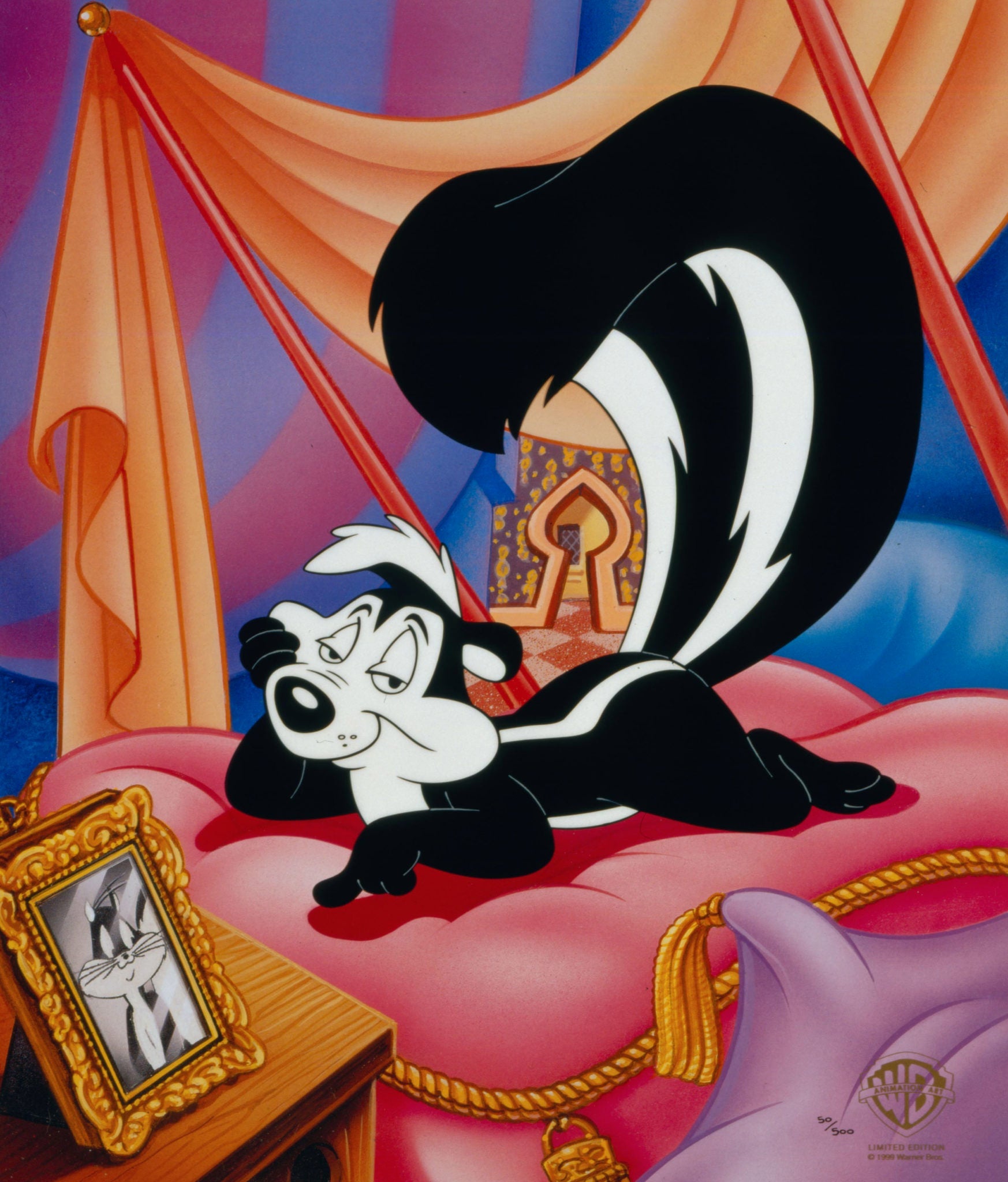
O sotaque francês e o jeito mulherengo do personagem de Boyer inspirou o personagem dos Looney Tunes Pepé Le Pew, apresentado ao público em 1945 com a frase de efeito “Venha comigo para a Casbah”. O filme de 1938 também inspirou “Casablanca”, com seu sucesso de bilheteria servindo de argumento para convencer a Warner Bros a aprovar o projeto do filme em 1942. A MGM, entretanto, não liberou Hedy Lamarr de seu contrato e “Casablanca” teve de ser feita com Ingrid Bergman como protagonista.


The French accent and the womanizing in Charles Boyer’s character inspired the Looney Tunes character Pepé Le Pew, introduced in 1945 with the catchphrase “Come with me to the Casbah”. The 1938 film also inspired “Casablanca”, with its success in the box-office serving as a point to convince Warner Bros to approve the project for the film in 1942. MGM, however, didn’t release Hedy Lamarr from her contract and “Casablanca” had to be made with Ingrid Bergman as the lead.

Um fato para horrorizar os amantes de cinema: enquanto era filmado o remake, Walter Wanger tentou destruir todas as cópias de “O Demônio da Algéria”. Que bom que ele não conseguiu! “O Demônio da Algéria” tem 3,8 estrelas no Letterboxd e sua nota no IMDb é 7,7, enquanto “Argélia” tem respectivamente 3,2 estrelas e nota 6,6. Ambos os filmes são muito bons de maneiras diferentes e vê-los em sequência, embora um pouco cansativo por causa da mesma história, dá origem a um divertido jogo de “encontrar diferenças”.


A fact that will horrify all film lovers: while shooting the remake, Walter Wanger tried to have all the copies of “Pépé Le Moko” destroyed. We’re happy his wish wasn’t granted! “Pépé Le Moko” has 3,8 stars on Letterboxd and its grade is 7,7 on IMDb, while “Algiers” has respectively 3,2 stars and grade 6,6. Both movies are extremely enjoyable and entertaining in their own ways, and a double feature, even though tiring with the same story, serves as a joyful game of “spot the differences”.

Sunday, July 5, 2020

O Amor Nasceu do Ódio (1937) / Knight Without Armour (1937)

Não é nem um pouco surpreendente assistir a um filme norte-americano ou britânico feito durante a Guerra Fria criticando a União Soviética e a Revolução Russa. Mas ver um filme com o mesmo tema feito antes da Segunda Guerra Mundial é uma experiência interessante. “O Amor Nasceu do Ódio”, uma produção britânica de 1937, mostra, quase 30 anos antes de “Doutor Jivago”, o sofrimento da nobreza com a chegada da revolução – e ainda tenta adicionar romance na trama!

It's not surprising at all to see an American or British movie made during the Cold War criticizing the Sovietic Union and the Russian Revolution. But seeing a pre-World War II film with the same theme is quite an interesting experience. “Knight Without Armour”, a British production from 1937, shows almost 30 years before “Doctor Zhivago” the suffering of the noble classes when the revolution came – and it also tries to wave romance into the plot!


O correspondente estrangeiro A.J. Fothergill (Robert Donat) tinha 48 horas para deixar a Rússia – sim, Rússia, porque a história começa em 1917, quando ainda havia um Czar. Felizmente, um amigo lhe apresenta outra opção: ele pode deixar a barba crescer, adotar uma nova identidade e se tornar espião! Fothergill aceita esta adorável oferta e começa a espionar alguns revolucionários. O desdobramento das coisas não sai como esperado e ele se torna um prisioneiro político.

Foreign correspondent A.J. Fothergill (Robert Donat) has 48 hours to leave Russia – yes, Russia, because the story begins in 1913, when there was still a Tsar. Luckily, a friend presents him with an option: he can grow a beard, adopt a new identity and become a spy! Fothergill accepts this lovely offer and starts spying on a few naughty revolutionaries. Things don't go so well and he becomes a political prisoner.

Enquanto isso, a condessa Alexandra Vladinoff (Marlene Dietrich) está de boa. Tão de boa que ela está descansando no jardim enquanto seus empregados leem jornais que os convocam a se unir à revolução. Quando a revolução acontece, os empregados vão embora e a mansão dela é invadida por uma multidão raivosa que ela enfrenta usando apenas uma camisola branca, parecendo uma deusa flutuante. A multidão saqueia a mansão e espera para decidir o que farão com Alexandra. Quem poderá salvá-la?

Meanwhile, Countess Alexandra Vladinoff (Marlene Dietrich) is chill. So chill that she is chilling in the garden while her servants read newspapers calling them to join the revolution. When the revolution is successful, her servants leave and her mansion is invaded by an angry crowd that she faces wearing only a white nightgown, looking like a floating goddess. The crowd loots her mansion and waits to decide what they'll do to her. Who will save Alexandra?

Se você respondeu Fothergill, você acertou. Depois de passar anos preso na Sibéria, ele e outros prisioneiros são libertados pelos revolucionários. O único inconveniente é que eles acham que Fothergill se chama Peter Ouronov e também é revolucionário. Agora como parte de uma missão oficial – e sem barba – Fothergill vai para a mansão Vladinoff para encontrar Alexandra e acompanhá-la até Petrogrado.

If you answered Fothergill, you're right. After spending years in a prison in Siberia, he and the other prisoners are freed by the revolutionaries. The only inconvenient is that they think his name is Peter Ouronov and he is a revolutionary as well. Now part of an official mission – and without a beard – Fothergill goes to the Vladinoff mansion to meet Alexandra and accompany her to Petrograd.

Infelizmente, não há mais trens para Petrogrado, e Fothergill tem de deixar Alexandra para trás pois o Exército Branco – os Mencheviques – se aproximam. Não nos esqueçamos de que Fothergill havia se tornado sem querer um membro do Exército Vermelho, ou Bolchevique. Claro, antes de partir Fothergill e Alexandra já haviam recitado poemas um para o outro e estavam apaixonados.

Unfortunately, there are no trains to Petrograd anymore, and Fothergill has to leave Alexandra behind as the White Army – the Mensheviks – comes near. Let's not forget that Fothergill had unwillingly become a member of the Red, or Bolshevik Army. Of course, before parting Fothergill and Alexandra have already recited poems to each other and are in love.

“O Amor Nasceu do Ódio” foi produzido por Alexander Korda – que há 20 anos já fazia filmes em sua terra natal, a então Áustria-Hungria. Ele chegou à Inglaterra no começo dos anos 30 após um breve período em Hollywood, e em 1942 se tornaria o primeiro produtor de cinema a ser nomeado cavaleiro. Embora às vezes ele também dirigisse filmes, Korda não dirigiu “O Amor Nasceu do Ódio”, pois quem o fez foi o belga Jacques Feyder.

“Knight Without Armour” was produced by Alexander Korda – who had been making films for 20 years in his native Austria-Hungary. He had arrived in England in the early 1930s after a brief period in Hollywood, and in 1942 he'd become the first film producer to be knighted. Although he sometimes also sat behind the director's chair, Korda didn't direct “Knight Without Armour”, as Belgian Jacques Feyder did it.

Alexander Korda

É estranho ver Marlene Dietrich como uma donzela em perigo. Em “O Amor Nasceu do Ódio”, ela precisa ser resgatada várias vezes por Robert Donat, cujo personagem pensa rápido e sempre se livra das dificuldades usando sua perspicácia – seus atos heroicos são críveis, mas sua relação com Marlene não é muito. Dietrich está lá apenas para parecer fabulosa com cílios enormes, mesmo depois de passar a noite escondida na floresta, sem nunca se mostrar resoluta ou sedutora. Sua Alexandra é o oposto da sua Lola-Lola de “O Anjo Azul” (1930).

It's weird to see Marlene Dietrich as a damsel in distress. In “Knight Without Armour” she needs to be rescued again and again by Robert Donat, whose character thinks quickly and always gets out of difficulties with his wit – his heroic acts are believable, but his relationship with Marlene isn't so much. Dietrich is only there looking fabulous with huge eyelashes, even after spending the night hidden in the forest, never being resolute or seductive. Her Alexandra is the opposite of her Lola-Lola from “The Blue Angel” (1930).

Robert Donat foi um dos principais cavalheiros ingleses do cinema clássico. Ele comumente interpretava personagens educados e com senso de justiça, às vezes ajudando quem precisava, como neste filme e também em “A Morada da Sexta Felicidade”, seu último filme. Entretanto, foi ele que precisou da ajuda de Marlene Dietrich no set de “O Amor Nasceu do Ódio”. De acordo com Robert Osborne, quando um ataque de asma o afastou do trabalho, Dietrich não deixou que Robert fosse demitido e cuidou dele até ele se recuperar.

Robert Donat was one of the quintessential English gentlemen of classic film. He usually played polite characters that could be a moral compass, sometimes helping others in need, like in this film and also in “The Inn of the Sixth Happiness”, his last film. However, he was the one who needed help from Dietrich on the set of “Knigh Without Armour”. According to Robert Osborne, when a bout of asthma prevented him to work, Dietrich didn't let anyone fire Donat and also nursed him back to health.

A grande roteirista Frances Marion foi responsável pela adaptação do livro para as telas, mas alguns problemas existem no produto final. O terceiro ato basicamente desperdiça a oportunidade de ter mais um perigo e suspense, e o principal problema que eu vejo na história é que Fothergill muda de lado muitas vezes, entretanto nunca deixa claro que era um inglês que se meteu numa grande confusão.

The great screenwriter Frances Marion was responsible to adapt the novel to the screen, but some issues arise in the final film. The third acts basically wastes an opportunity to have another thrill and danger, and the main problem I have with the story is that Fothergill changes sides many times, but never leaves it clear that he was an English man caught in the middle of a huge mess.

Jack Cardiff é creditado como operador de câmera em “O Amor Nasceu do Ódio”. Cardiff se tornaria um dos mais respeitados e admirados diretores de fotografia do cinema britânico, em especial por seu trabalho com Powell e Pressburger. Há um momento inspirado neste filme, quando Marlene está primeiramente fora do foco, mas dá um passo e entra em foco parecendo um ser mágico. Também devemos mencionar a presença de Miklós Rózsa, em sua estreia como compositor. 

Jack Cardiff is credited as camera operator in “Knight Without Armour”. Cardiff would go on to become one of the most respected and admired cinematographers of British cinema, in special for his work in Powell and Pressburger movies. There is a particular inspired moment in this film, when Marlene is at first out of focus, but she steps ahead and enters focus looking like a fierce magical being. It's also worth mentioning the presence of Miklós Rózsa, who debuted as a composer in this film.

“O Amor Nasceu do Ódio” é um filme que para entre o romance e a propaganda – para se ter uma ideia, o grande salvador é a Cruz Vermelha Americana. A maioria dos jornalistas norte-americanos, obviamente, elogiaram o filme, e o público também gostou. Mesmo assim, o sucesso não foi suficiente para compensar os gastos com o orçamento deste épico falho.

“Knight Without Armour” is a film stuck midway between romance and propaganda – mind you, the ultimate savior in the film is the American Red Cross. Most American journalists, of course, praised the film, and the public liked it as well. Nevertheless, the success wasn't enough to recover the expenses made in the massive budget for this flawed epic.

This is my contribution to the Robert Donat blogathon, hosted by Maddy at Maddy Loves Her Classic Films.

Sunday, December 3, 2017

No Teatro da Vida (1937) / Stage Door (1937)

Sair de casa para ir em busca dos seus sonhos nunca é fácil. Nçao que eu já tenha feito isso – embora já tenha chegado perto – mas os filmes me fazem pensar que não é fácil. E “No Teatro da Vida”, em particular, me causou esta impressão.

Leaving home in order to pursue your dreams in never easy. Not that I have done this myself – I only came close – but movies make me think that it is not easy. And “Stage Door” in particular gives me this feeling.
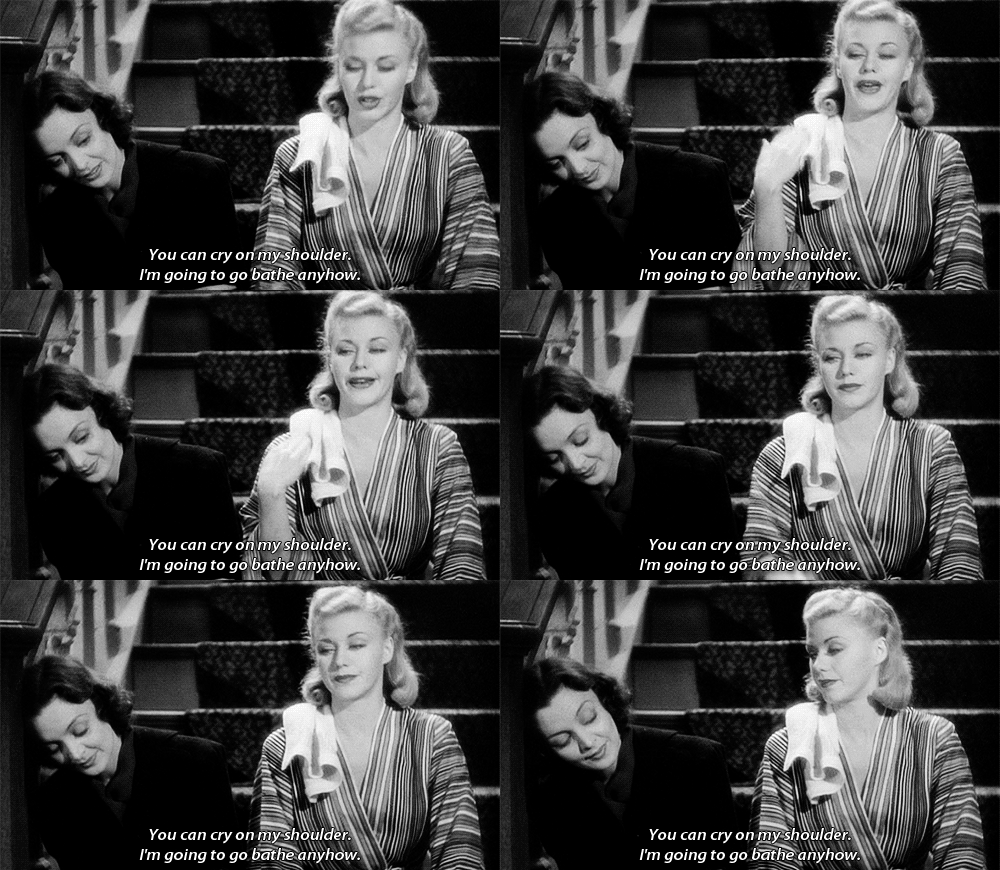
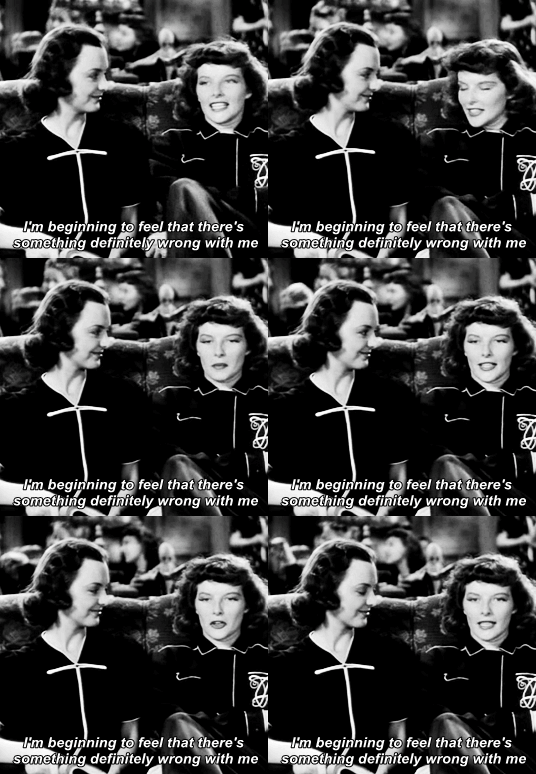
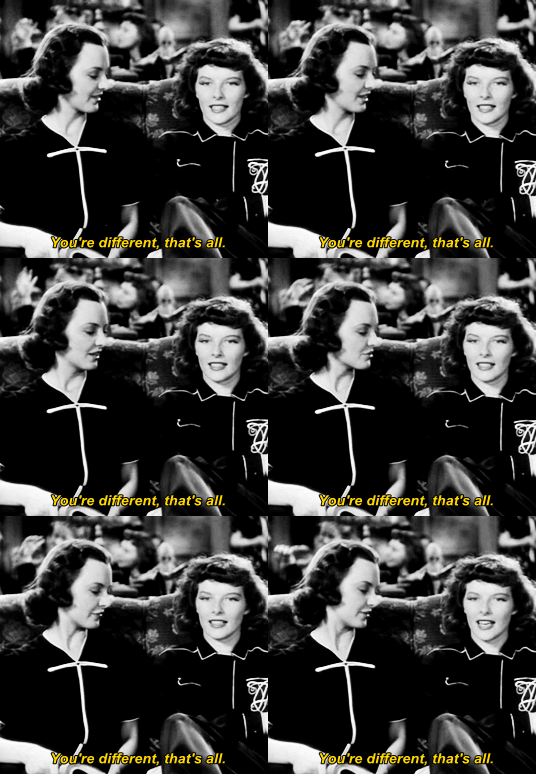
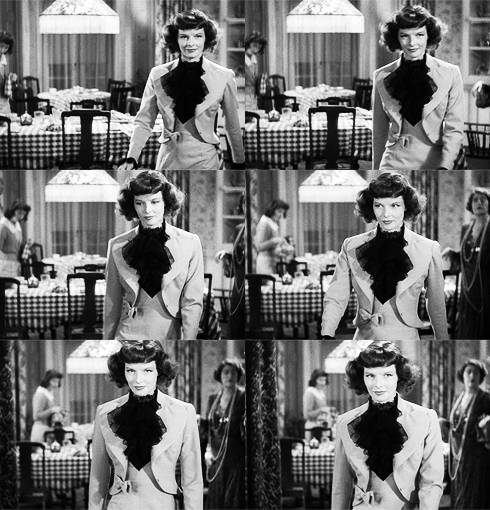
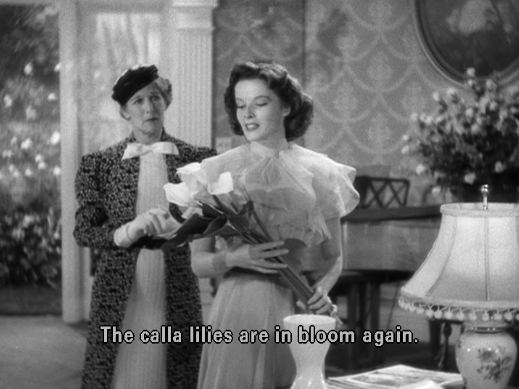
A mais nova moradora do pensionato da Sra. Orcutt é Terry Randall (Katharine Hepburn), uma moça elegante e educada. Isso nçao significa que ela não saiba se defender das outras moças, todas muito diferentes dela. Tery é fluente em sarcasmo, e o usa com perfeição em uma batalha de boas tiradas contra sua nova colega de quarto, Jean Maitland (Ginger Rogers).

The newest arrival in Mrs. Orcutt's boarding house for young and aspiring actresses is Terry Randall (Katharine Hepburn), a fancy and polite lady. This doesn't mean that she can't defend herself against the other girls, who are very different from her. Terry is fluent in sarcasm, and uses it perfectly in a battle of wits with her new roommate, Jean Maitland (Ginger Rogers).
Jean também não se dá bem com a esnobe Linda Shaw (Gail Patrick), que está saindo com o empresário Anthony Powell (Adolphe Menjou). Powell é a última esperança para outra garota do pensionato, Kay Hamilton (Andrea Leeds, em uma ótima performance), que não consegue trabalho há mais de um ano e está passando fome para ter dinheiro para pagar o aluguel.

Jean is also not very friendly with snobbish Linda Shaw (Gail Patrick), who is going out with manager Anthony Powell (Adolphe Menjou). Powell is the last hope for another girl in the boarding house, Kay Hamilton (Andrea Leeds, in a great performance), who hasn't worked in over a year and has been starving in order to be able to pay the rent.
As garotas dependem da vontade de um homem para se tornarem estrelas e continuarem no topo. Devemos perceber os paralelos do filme com o recente caso Weinstein, que sacudiu Hollywood. No entretenimento, as mulheres ainda são reféns das vontades – e dos desejos sexuais – dos homens para alcançarem a fama. O show business é o mesmo, 80 anos depois.

The girls rely on a man's wish to become stars and maintain their fame. We must see the parallel between this and the recent Weinstein case – Weinsteingate, maybe? - that shrieked Hollywood. In entertainment, women are still held hostage of man's wishes – often sexual wishes – if they want to have a career. Show business is the same, 80 years later.
Quando Terry entra no escritório de Powell para confrontá-lo – logo depois de Kay ter desmaiado ao ser informada de que Powell não a receberia – ele diz muitas, muitas coisas sexistas para ela, como “a maioria das mulheres deveria ir lavar a louça e cuidar das crianças em vez de tentar uma carreira no teatro”. É enfurecedor. E é ainda pior se nos lembrarmos de que, mesmo sendo chique e popular, o ator Adolphe Menjou era assim na vida real: um conservador feroz que foi como VOLUNTÁRIO depor - e destruir algumas vidas - no Comitê de Atividades Antiamericanas.

When Terry enters Powell's office to confront him – right after Kay fainted outside the office when she was told that Powell wouldn't see her – he says many, many sexist things to her, like “most women should wash dishes and have a family instead of trying a career at the theatre”. It's infuriating. And it's even worse if we remember that, even being popular and dapper, actor Adolphe Menjou was like this in real life: a staunch conservative who appeared in the HUAC hearing VOLUNTARILY to name names and destroy lives..
Claro, sendo assim, Powell nunca fica muito tempo com a mesma garota. Ele troca Linda por Jean, e no primeiro encontro na casa dele Jean fica bêbada e emotiva, acreditando em todas as suas mentiras. Depois de Jean, é a vez de Terry visitar Powell, e ela faz isso de maneira bárbara: ela o confronta e não aceita seus elogios e hipocrisias. Terry está ali para fazer negócios de igual para igual, não para se submeter a um empresário.

Of course, being this way, Powell never keeps a girl for too long. He trades Linda for Jean, and in their first date in his house Jean gets drunk and emotional, believing all his lies. After Jean, it's Terry's time to visit Powell, and she does it in a badass way: she confronts him and doesn't accept his compliments or hypocrisies. Terry is there to make business between equals, not to submit herself to a manager.
#badass
Também temos no pensionato Eve Arden como Eve, a dona de um gato, uma Ann Miller muito jovem, Constance Collier como uma mentora obcecada pelas glórias do passado e Lucille Ball como Judith, a amiga cínica e sarcástica de que todas as atrizes precisavam – um papel semelhante ao que ela interpretou em “A Vida é uma Dança” (1940). De certa maneira, este é um papel semelhante aos que Joan Blondell interpretou em muitos pre-Codes. É bacana ver Lucy, de cabelo escuro e com apenas 26 anos, sendo um pouco pessimista e tendo frases de efeito.

We also have in the boarding house Eve Arden as Eve, the lanky owner of a cat, a very young Ann Miller, Constance Collier as an older mentor obsessed with her bygone fame, and Lucille Ball as Judith, the street-wise, cynical and sarcastic friend all theater girls need – a role similar to the one she played in “Dance, Girl, Dance” (1940). In a sense, this is a role similar to those Joan Blondell played many times in pre-Codes. It's nice to see Lucy, with darker hair and at only 26 years old, being a little pessimistic and delivering one-liners. 
Eu entendo que as garotas que vivem no pensionato são jovens, no final da adolescência ou com vinte e poucos anos, mas elas estão quase sempre discutindo e implicando umas com as outras. OK, Kay é amada por todas, e ama todas também, mas as outras garotas ainda têm “panelinhas” como em uma escola infestada de bullying. É mais um filme que quer provar que não há amizade entre as mulheres sem que haja muita rivalidade antes.

I understand all the girls living in the boarding house are young, in their late teens or early twenties, but they are usually bickering and discussing. All right, Kay is loved by them all, and loves them all, but all the other girls still have their “cliques” like in a bullying-full high school. It's another film that wants to prove that there can't be friendship among females if there is not rivalry before.  
No Teatro da Vida” foi uma peça de sucesso escrita por Edna Ferber. Para a adaptação para o cinema, muito foi alterado e o roteiro parece às vezes demasiado difuso – e comete o crime de criar o personagem do empresário, que não existia na peça, para ser o centro do filme e da discussão, como você deve ter percebido nesta crítica. No final das contas, “No Teatro da Vida” é um filme com falhas, mas que mostra que a vida no show business é, acima de tudo, um implacável ciclo.

Stage Door” was a successful stage play written by Edna Ferber. For the movie version, a lot was altered and  the screenplay seems too diffuse at times – and it commits the crime to create a male manager character, who didn't exist in the play, that becomes the center of the movie and the discussion, as you may have noticed in this review. In the end, “Stage Door” is a film with flaws, but one that shows how life in the show business is, above all, a ruthless cycle.


This is my contribution to the Lucy & Desi blogathon, hosted by Michaela at Love Letters to Old Hollywood.
Related Posts Plugin for WordPress, Blogger...