} Crítica Retrô: 1922

Tradutor / Translator / Traductor / Übersetzer / Traduttore / Traducteur / 翻訳者 / переводчик

Showing posts with label 1922. Show all posts

Friday, September 4, 2026

Dois filmes mudos no Stummfilmtage Bonn 2026


Two silents at the Stummfilmtage Bonn 2026

Alguns dias atrás percebi que algumas pessoas que eu seguia no Letterboxd haviam logado alguns filmes mudos dos quais eu nunca havia ouvido falar. Em seus comentários, eu encontrei o link para o Stummfilmtage Bonn 2026 - que em alemão é o mesmíssimo título da Giornate del Cinema Muto é em italiano: Dias de Cinema Mudo. Além da versão presencial na Alemanha, eles tinham uma programação online grátis! Eu cheguei bem no fim da festa, mas pude assistir a três filmes mudos intrigantes. O primeiro, “Béhula” (1921), será analisado mais profundamente no meu blog Lost and Found films, por isso vamos focar nos outros dois filmes. 

A few days ago I noticed that some people I followed on Letterboxd had logged some silent films I had never heard of. In their reviews, I found the link to the Stummfilmtage Bonn 2026 - which in German is the very same as is the title for Le Giornate del Cinema Muto in Italian: Days of Silent Cinema. Besides its onsite version in Germany, they provided an online program that was free! I arrived pretty late for the party, but I could watch three intriguing silents. The first, “Béhula” (1921), will be analyzed deeper on my blog Lost and Found Films, so let’s dive into the other two movies.

Ambos tinham referências bíblicas em seus títulos e ambos não puderam ser exibidos no evento presencial por causa do mau tempo. Um deles tinha uma trilha pré-gravada, enquanto o outro foi exibido totalmente silencioso. Um veio de Hollywood, o outro da Tchecoslováquia.

Both had biblical references in their titles and both couldn’t be screened at the onsite event due to bad weather. One had a soundtrack pre-recorded, while the other was screened totally silent. One came from Hollywood, the other from Czechoslovakia.

Em “The Garden of Eden” (1928), somos apresentados a Toni (Corinne Griffith), uma garota de Viena que quer ser cantora de ópera. Ela recebe uma carta de Budapeste convidando-a para cantar no Palácio de Paris; uma carta assinada por M. Bauer. Chegando lá, ela descobre que Bauer (Maude George) é uma mulher que administra um show de mau gosto. Ela aceita cantar mesmo assim, mas é humilhada em seu primeiro número, o que a leva a ser despedida junto à costureira do local, Rosa (Louise Dresser), que defendeu a menina.  

In “The Garden of Eden” (1928), we’re introduced to Toni (Corinne Griffith), a girl from Vienna who wants to be an opera singer. She receives a letter from Budapest inviting her to sing at the Palais de Paris; a letter signed by M. Bauer. Arriving there, she finds out that Bauer (Maude George) is a woman who manages a show house of poor taste. She accepts to sing anyway, but is humiliated in her first number, which leads to her firing alongside the house seamstress Rosa (Louise Dresser), who defended her.

Rosa é na verdade uma Baronesa e, amadrinhando Toni, a leva para Monte Carlo no Hotel Eden para viver com pompa e circunstância duas semanas patrocinadas pela pensão de viúva de guerra. Lá, elas conhecem o Coronel Dupont (Edward Martindel) e seu sobrinho Richard (Charles Ray), e ambos se apaixonam por Toni, ou melhor, a Baronesa Antoinette. 

Rosa is actually a Baroness and, taking Toni under her wing, takes her to Monte Carlo to Hotel Eden to live lavishly two weeks from her war widow pension. There, they meet the Colonel Dupont (Edward Martindel) and his nephew Richard (Charles Ray), and both fall for Toni, or better, Baroness Antoinette.

Em “Adam and Eva” (1922), somos apresentados aos gêmeos chamados Adam e Eva, ambos interpretados por Suzanne Marwille. Ela é sapeca, sempre pregando peças nos outros, especialmente no irmão. Quando ambos têm dezesseis anos, Adam decide ensinar uma lição para Eva e se veste como ela para seduzir o vizinho. Eva então se veste de Adam para se vingar da vingança dele. 

In “Adam and Eva” (1922), we’re introduced to twins named Adam and Eva, both played by Suzanne Marwille. She is the mischievous one, always pranking other people and especially her brother. When they’re sixteen, Adam decides to teach Eva a lesson and dresses like her to seduce a neighbor. Eva then dresses as Adam to take revenge on his revenge.

Somos informados por uma cartela de texto que “The Garden of Eden” tinha uma sequência de sonho em Technicolor no primeiro rolo que atualmente está perdida. “Adam e Eva” termina de maneira abrupta, o que nos leva a imaginar se não tem nada faltando. Esses detalhes, entretanto, não impactaram as sessões, e agora eu sei que há outro maravilhoso festival de cinema mudo para nós amantes dessa arte.

We are informed by a title card that “The Garden of Eden” had a Technicolor dream sequence in the first reel that’s currently lost. “Adam and Eva” ends abruptly and lets us imagine if there isn’t anything missing. These things, however, didn’t make the viewing experience any worse, and now I know that there is another wonderful silent film festival for us lovers of this art.

Monday, November 10, 2025

Häxan - A Feitiçaria Através dos Tempos (1922) / Häxan (1922)


Alguns meses atrás, investiguei a carreira do diretor dinamarquês Urban Gad e mencionei um filme de Benjamin Christensen, “The Mysterious X” (1914). Hoje retorno a Christensen para finalmente assistir à sua obra mais conhecida, um documentário que expande os limites pouco claros do novo gênero com reconstruções e dramatizações 

Earlier this year, I investigated the career of Danish filmmaker Urban Gad and mentioned one film from Benjamin Christensen, “The Mysterious X” (1914). Now I return to Christensen to finally watch his most well-known work, a documentary that expands the blurred limits of the new genre with reconstruction and dramatizations. 

Em inglês, “witch”. Em espanhol, “bruja”. Em alemão, “Hexe”. Em italiano, “strega”. Em francês, “sorcière”. Não importa o nome, quando algo difícil de acreditar ou de explicar acontecia, ela era culpada: a bruxa!

In Portuguese, “bruxa”. In Spanish, “bruja”. In German, “Hexe”. In Italian, “strega”. In French, “sorcière”. No matter the name, when something hard to believe or explain happened, she was blamed: the witch!

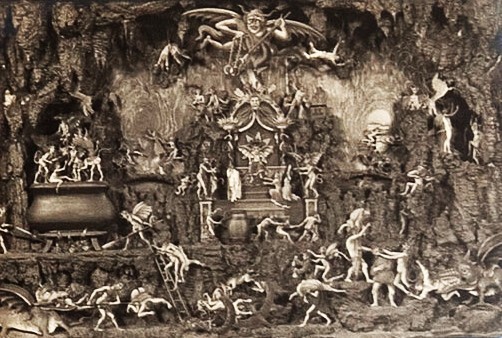
O primeiro capítulo de “Häxan” é muito peculiar porque apresenta o contexto histórico de mitos sobre bruxas e bruxaria em geral, majoritariamente na Idade Média. As cartelas de texto descrevem e contextualizam imagens retiradas de livros antigos e outras fontes históricas. Podemos dizer, com alguma margem de certeza, que ninguém estava fazendo nada parecido com isso na época.

The first chapter of “Häxan” is very unique in the sense it presents historical context for myths about the witch and witchcraft in general, mostly in the Middle Ages. The title cards describe and contextualize ancient images taken from old books and other historical sources. We could say, with a margin of certainty, that nobody was doing this at the time.

No capítulo dois somos levados para dentro do esconderijo de uma bruxa do século XV. A feiticeira Karna (Ella La Cour) usa dedos de enforcados em poções e cadáveres são violados em busca de segredos. A adoração do diabo é explicada, bem como os hábitos das bruxas conforme elas ganham seu poder diretamente do encardido.

In chapter two we’re taken inside a witch’s den in the 15th century. The witch Karna (Ella La Cour) uses fingers of the hanged in potions and corpses are violated in search of meaningful secrets. The adoration of the devil is explained, as well as the habits of witches as they gain their power directly from the king of the underworld.

O capítulo três traz o começo de uma história sobre a Inquisição na Alemanha. Quando um homem adoece, uma mendiga, Maria (Maren Pedersen), é acusada de feitiçaria. O capítulo quatro mostra a tortura e confissão de Maria. O capítulo cinco traz a prisão e tortura de outras mulheres acusadas de feitiçaria e a questão é levantada: como confiar em membros do clero que mentem e enganam?

Chapter three brings the beginning of a story about the Inquisition in Germany. When a man falls ill, a beggar, Maria (Maren Pedersen), is accused of witchcraft. Chapter four shows Maria’s torture and confession. Chapter five brings the arrest and torture of other women accused of witchcraft and the question appear: how can you trust clergy members who lie and deceive?

O capítulo seis é sobre instrumentos de tortura e também a histeria que se espalha num convento quando uma freira é enfeitiçada. Finalmente, o capítulo sete é sobre possessão no mundo moderno - resultado de doenças mentais. A situação muda: a mulher que teria problemas com a igreja no passado agora pode ter problemas com a lei e a polícia. 

Chapter six is all about torture instruments and also the hysteria that spreads in a convent when a nun is bewitched. Finally, chapter seven is about possession in modern days - the results of mental illness. The situation then shifts: the woman who would have had trouble with the church now may face issues with the law and the police.

O poder da feitiçaria reside na sugestão: as pessoas creem que foram enfeitiçadas porque estão sugestionadas a isso. Como o filme coloca em palavras: “a crença era tão forte que o Diabo se tornou algo real”. Em tempos em que a superstição era mais presente, as pessoas acreditavam em coisas surreais quando eram incapazes de explicar algo. Mas como o filme lida com a possessão em tempos modernos, fica claro que não é a época que cria as ilusões: é a fraqueza da mente. E não estou sendo psicofóbica: como alguém com uma doença mental, conheço bem nossas fraquezas.  

The power of witchcraft lies in suggestion: people believe they were bewitched because they are open to it. As the film puts in words: “The belief was so strong that the Devil became something real”. In times when superstitions were more widespread, people believed in surreal things when they couldn’t explain something. But as the movie deals with possession in modern times, it becomes clear that it isn’t the era that allows delusions: it’s the weakness of the mind. And I’m not being against people with mental illnesses: I have one too and I know we have weaknesses.

Uma camada extra de estigma é adicionada quando o filme descreve a parceira do diabo como “velha, pobre e miserável”. Em muitas línguas uma mulher feia pode ser chamada de bruxa, como você deve saber. Mas o filme vai mais além ao dizer que ser velha e feia em tempos medievais era perigoso, mas não era seguro ser jovem e bonita. Uma velha podia enfeitiçar um homem por pirraça, e uma mulher jovem podia fazer um homem religioso ter pensamentos obscenos através da bruxaria. No passado, ainda mais que hoje, era arriscado simplesmente ser mulher. 

An extra layer of stigma is added when the movie describes the devil’s partner as “old, poor and miserable”. In many languages an ugly woman can be called a witch, you know. But the film goes further saying that being old and ugly in Medieval times was dangerous, but it wasn’t safe to be young and pretty. An old woman could bewitch a man out of pettiness, and a young one could make a pious man have dirty thoughts also through witchcraft. In the past, even more than today, it was risky simply being a woman.

O cinema em sua infância já era inventivo. Em “Häxan”, encontramos técnicas como dupla exposição, shots reversos, uso de miniaturas e animação em stop-motion de um boneco do Diabo. O cinema em sua infância também era “assombroso”, conforme usava luzes e sombras para criar o clima e mesmo como elemento narrativo. Para fazer o filme parecer ainda mais sombrio,"Häxan” foi gravado quase sempre à noite. A sequência de bruxas voando atrás de sombras de pessoas é icônica, talvez a mais lembrada do filme. 

Early cinema has always been inventive. In “Häxan”, we can find techniques such as double exposure, reverse shots, miniatures and stop-motion animation of a little Devil doll. Early cinema has also always been “shadowy”, as it uses lights and shadows to create the mood and even as a narrative device. To make the film look even gloomier, “Häxan” was mostly shot at night.The sequence of witches flying behind the shadows of people is iconic, perhaps the one more associated with the film.

Nascido em 1879, Benjamin Christensen queria ser cantor de ópera, mas o medo do palco o impediu de realizar esse sonho. Em vez disso, criou pesadelos para as telas. Depois de “Night of Revenge” de 1916, ele se retirou das telas por alguns anos para criar “Häxan”, no qual ele confiou só em si mesmo para interpretar o Diabo. O sucesso permitiu que ele se mudasse para Hollywood, mas desta fase de sua carreira só um filme sobreviveu, chamado “Nos Domínios de Satã”, de 1929. De volta à Dinamarca, ele dirigiu mais alguns títulos e gerenciou um cinema.

Born in 1879, Benjamin Christensen wanted to become an opera singer, but stage fright prevented him from achieving his dream. Instead, he created nightmares for the screen. After the 1916 “Night of Revenge”, he removed himself from the screen for a few years to craft “Häxan”, in which he trusted only himself to play the Devil. The success made it possible for him to move to Hollywood, but from this phase in his career only one film survives, the aptly titled 1929 “Seven Footprints to Satan”. Back to Denmark, he directed a few more titles and ran a movie theater.

O capítulo cinco termina com a estatística de que oito milhões de pessoas foram queimadas acusadas de feitiçaria - um Holocausto Medievel. Um Pecado, com letra maiúscula, real, pelo qual ninguém - nem a Igreja Católica nem as pessoas que denunciaram, torturaram e queimaram - pediu perdão. Hoje somos queimadas em outros tipos de fogueiras, algumas inclusive metafóricas, e olhamos para trás para enfrentar fanáticos e a superstição. E, como verdadeiro documento histórico, “Häxan” está aqui para nos informar e empoderar.

Chapter five ends with the statistics that eight million people have been burned accused of witchcraft - a Medieval Holocaust. A real Sin, with a capital letter, nobody - not the Catholic Church nor the people who reported, tortured and burned - asked forgiveness for. As we’re tossed to other kinds of fires, some even metaphorical ones, we look back and fight fanatics and superstition. And, as a true historical document, “Häxan” is here to inform and empower us.

This is my contribution to the Early Shadows and Pre-Code Horror blogathon, hosted by the Classic Movie Blog Association.

Friday, February 28, 2025

No País das Amazonas (1922)


O primeiro documentário de longa-metragem - de cinco ou mais rolos de filme - foi “Nanook, o Esquimó” de 1922, certo? ERRADO. Quatro anos antes, um longa documentário foi gravado no Brasil, “Amazonas - O maior rio do mundo”, por um português chamado Silvino Santos, que teve seu filme roubado pelo distribuidor europeu, que passou a declarar que o filme era seu. E no mesmo ano em que obtivemos Nanook, Santos mais uma vez filmou o Amazonas, maior estado do Brasil.

The first feature-length - five reels or more of film - documentary was 1922’s “Nanook of the North”, right? WRONG. Four years prior a feature-length documentary was shot in Brazil, “Amazonas - The biggest river in the world”, by a Portuguese man named Silvino Santos, who had his film stolen by its distributors in Europe, who then claimed the movie was their own. And in the same year that gave us Nanook, Santos once again filmed the Amazonas, the biggest state in Brazil.

A capital do estado, Manaus, é ostensivamente mostrada no começo. Muitas atrações turísticas desfilam diante de nossos olhos e, como eu ainda não estive em Manaus, não tenho ideia de quantas ainda estão de pé. O Theatro Amazonas (abaixo), entretanto, é uma atração que eu sei que ainda está aqui.

The capital of the state, Manaus, is ostensibly shown in the beginning. Many tourist attractions parade before our eyes and, since I haven’t been there yet, I have no idea how many still stand. The Amazonas Theater (below), however, is an attraction I know is still there.

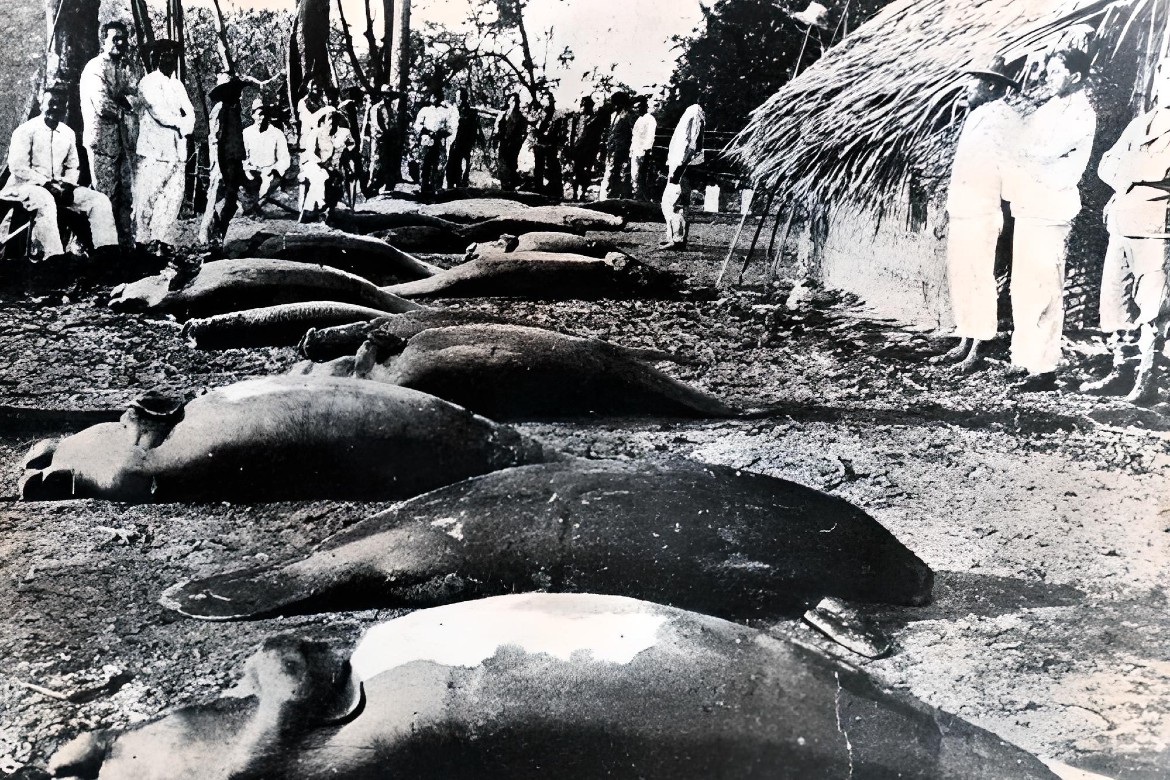
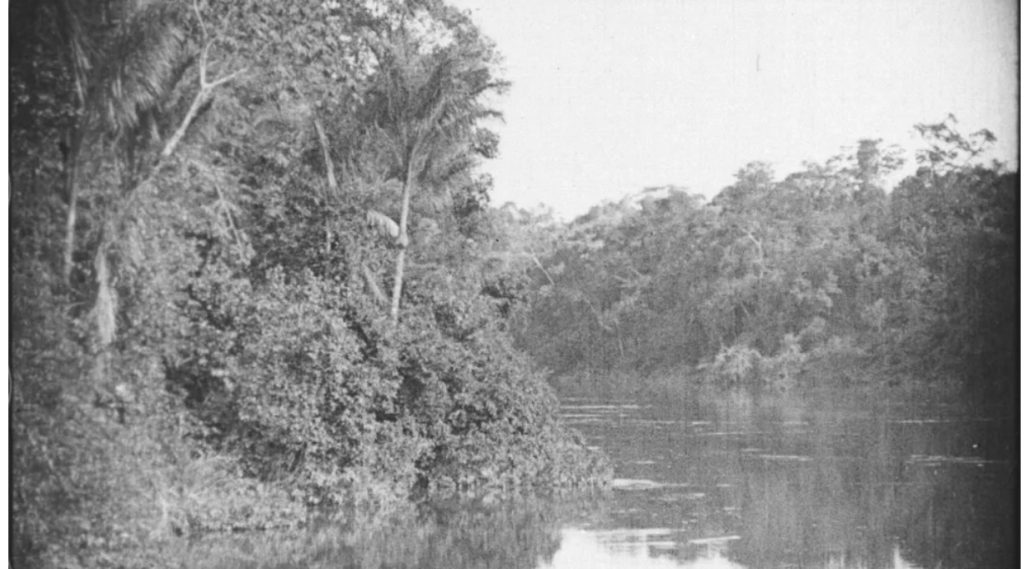
A natureza tem um papel importante no documentário. Vemos uma onça, um tamanduá, preguiças, lontras, jacarés, macacos, aves, peixes, borboletas - “o Amazonas é o paraizo (sic) das borboletas”, uma cartela de texto nos conta - e até alguns infelizmente mortos peixes-boi - na verdade, nos ensinam a pescar estes animais majestosos. A pesca do peixe-boi também foi exibida no documentário de 1918 e teve consequências: o peixe-boi da Amazônia é hoje considerado uma espécie vulnerável. Outro animal ameaçado, a tartaruga, é brevemente mostrado botando ovos, com pessoas mais tarde recolhendo os ovos para consumo próprio, o que acelerou o declínio da espécie. A retirada de penas de garças é condenada no filme, o que não acontece com os outros crimes ambientais.

Nature plays a big role in the documentary. We spot a jaguar, an anteater, sloths, otters, alligators, monkeys, birds, fish, butterflies - “the Amazonas is the paradise of butterflies”, a title card tells us - and even some unfortunately dead manatees - in fact, we’re taught how to hunt these majestic animals. The hunt of the manatee was also exhibited in the 1918 documentary and had its consequences: the manatee from the Amazon is today considered a vulnerable species. Another threatened animal, the turtle, is briefly shown laying eggs, with people then harvesting the eggs for consumption, which accelerated the species’s decline. The extraction of the feathers in herons is condemned by the movie, but not these other environmental crimes.

Todas as atividades econômicas do Amazonas têm um bom tempo de tela: a caça e a pesca, extração de castanhas, borracha e madeira, plantação de guaraná, criação de gado. É bacana notar que muitas mulheres são empregadas nessas atividades, especialmente descascando castanhas e a fruta do guaraná.

All the economic activities of the Amazonas are given a good amount of screen time: hunting and fishing, nut, rubber and wood extraction, guaraná plantation, cattle. It’s worth noting that many women are employed in these activities, especially taking the nuts out of their shells and peeling the guaraná fruit.

Há índios, tratados com o já esperado exotismo. O interesse ainda é atual, pelos índios “não-civilizados”. Rituais indígenas também são de interesse para os documentaristas, e há até um aviso sobre “índias bastante decoradas”. Em tempos recentes, os índios do Amazonas vêm sendo ameaçados de ficar sem casa - ou melhor, sem terra - por causa do absurdo Marco Temporal.

There are Indians, treated with the expected exoticism. The interest is one that still exists, about “non-civilized” Indians. Indian rituals are also of interest to the documentarists, and there is even a warning for “female Indians very adorned”. In recent times, the Indians in Amazonas were threatened to become homeless - or rather landless - because of the absurd Marco Temporal.

Mesmo antes de o presidente Washington Luís ser eleito, seu lema “governar é construir estradas” era sentido no Amazonas. Não são mostradas apenas estradas em travelogues, mas também estradas de ferro que cruzam a selva. Os documentaristas viajam de trem, carro e navio.

Even before president Washington Luis was elected, his motto “to govern is to build roads” was felt in the Amazonas. Not only roads are shown in travelogues, but also train tracks that crossed the jungles. The documentarists travel by train, car and boat.

Recentemente vêm acontecendo conversas sobre exploração de petróleo na Amazônia. Muito do que é mostrado no documentário foi, sem dúvida, destruído nos últimos 100 anos e muito mais pode ruir com essa terrível ideia. O Greenpeace alertou que não é viável extrair petróleo da Amazônia e que a vida dos animais e das comunidades indígenas ao redor pode ser afetada e, ainda pior, destruída.

Recently there have been talks about drilling oil in the Amazon. Much of what is shown in the documentary was without a doubt destroyed in the past 100 years and much more can be destroyed with this terrible idea. Greenpeace warned that it’s not viable to drill oil in the Amazon and the lives of animals and Indian communities nearby could be affected and, even worse, destroyed.

O diretor Silvino Santos nasceu em Portugal em 1886 e faleceu em Manaus em 1970. Sua primeira experiência com cinema foi um filme feito sob encomenda para o empresário Julio Cezar Araña, que estava sendo acusado de usar trabalho escravo em sua propriedade e queria sua defesa feita pelo cinema. O filme foi rodado em 1912 mas os negativos foram perdidos num naufrágio dois anos depois. Quando seu filme de 1918 foi roubado e rebatizado de “Maravilhas da Amazônia”, Silvino tentou recriá-lo quase quadro a quadro e o resultado, um filme bem diferente, foi “No País das Amazonas”. O patrocinador do documentário, Joaquim Gonçalves de Araújo, é comumente creditado como co-diretor.

Director Silvino Santos was born in Portugal in 1886 and died in Manaus in 1970. His first experience with cinema was a film made for hire for the entrepreneur Julio Cezar Araña, who was being accused of using slaves in his property and wanted his defense to be made via cinema. The film was shot in 1912 but the negatives were lost in a shipwreck two years later. When his 1918 film was stolen and relabeled as “Wonders of the Amazon”, Silvino tried to recreate it almost frame by frame, and the result, a very different movie, was “No País das Amazonas”. The sponsor of the documentary, Joaquim Gonçalves de Araujo, is often credited as co-director.

Como aconteceu quando eu assisti à “Amazonas - O maior rio do mundo”, eu fiquei muda e hipnotizada com as imagens na real. Eu me lembrei do que minha mãe sempre diz quando assiste a filmes antigos: “todas essas pessoas já morreram, não é?”. Considerando que o documentário foi feito há mais de 100 anos, a resposta é sim. Mas esta é a beleza do cinema: as pessoas podem ser imortalizadas ao participarem de um filme. E nós podemos viajar, algumas vezes muito longe e outras dentro do nosso próprio país, sem sair de casa.

Like it happened when I watched “Amazonas - The biggest river in the world”, I was speechless and hypnotized by the images on the screen. I was reminded of what my mom always says when watching old movies: “all these people are dead, aren’t they?”. Considering that the documentary was made over 100 years ago, the answer is yes. But this is the beauty of cinema: people can be immortalized by being in a movie. And we can travel, sometimes far away and sometimes in our own country, without leaving our houses.

Tuesday, May 21, 2024

A ascensão e queda de Clara Bow / The rise and fall of Clara Bow


A vida de Clara Bow durou 60 anos. Sua carreira meteórica, 11 anos e 58 filmes. Ela teve em 1927 seu melhor ano, quando participou de dois clássicos: o primeiro ganhador do Oscar de Melhor Filme “Asas” e o icônico “It”, que definiu uma geração. Podemos aprender muito com o primeiro e o último filme que uma estrela do cinema fez. E é isso que faremos hoje.   


Clara Bow’s life lasted 60 years. Her meteoric career, eleven years and 58 movies. She had in 1927 her best year, when she appeared in two classics: the first Best Picture Oscar winner “Wings” and the iconic “It”, that defined a generation. We can learn a lot from looking at the first and the last film a star made. And that’s it we’re doing today.

Todas as cenas com ela no primeiro filme que fez, “Beyond the Rainbow” (1922), foram cortadas, mas adicionadas novamente quando ela se tornou uma superestrela e o filme voltou a circular. Este filme hoje não está disponível, mas sua estreia para valer está. Ela já prevê as personagens modernas que marcariam a carreira de Clara Bow até seu último filme, no qual interpreta uma personagem corajosa.


All her scenes from her debut film, “Beyond the Rainbow”, (1922) were cut, but put together again after she became a superstar and the film was re-released. This movie isn’t available, but her real debut is. It already predicts her modern characters from later in her career and even in her last hurrah she was portraying a bold character.


Nasce uma estrela: Rumo ao Mar (1922)
A star is born: Down to the Sea in Ships (1922)


Os créditos nos contam que o filme foi “produzido em New Bedford, Massachusets, pela Companhia Baleeira de Cinema”. É um filme sobre caçar baleias, afinal de contas. O protagonista, William Morgan (William Walcott), é um baleeiro que só quer que sua filha Patience (Marguerite Courtot) se case com outro baleeiro. O garoto da casa ao lado, Allan (Raymond McKee), ama tanto Patience que abandona seu trabalho numa fábrica de algodão para ir para o mar. A neta de Morgan, Dot (Clara Bow), também embarca no navio, disfarçada usando roupas masculinas.


The credits tell us that the film was “produced in New Bedford, Massachusetts, by the Whaling Film Company”. It’s a film about hunting whales, after all. The lead, William Morgan (William Walcott), is a whaleman who only wants his daughter Patience (Marguerite Courtot) to marry another whaleman. The boy next door, Allan (Raymond McKee), loves Patience so much that he abandons his job at a cotton mill to go down to the sea. Morgan’s granddaughter Dot (Clara Bow) is also on the ship, disguised as a man.

Também interessado em Patience – e na frota de navios de Morgan – está Samuel Siggs (Jack Baston), que contrata um homem chamado Finner (Pat Hartigan) para dar um fim em Allan no meio do mar. Na cidade, o povo pensa que Dot e Allan fugiram juntos para o Oeste. Finner encontra Dot escondida no navio e ameaça machucá-la se ela não ficar com ele. Entra aí o salvador dela, Jimmy (James Turfler). Depois de um motim, Allan precisa demonstrar sua bravura caçando uma baleia.


Also interested in Patience - and in Morgan’s fleet of ships - there is Samuel Siggs (Jack Baston), who pays a man named Finner (Pat Hartigan) to get rid of Allan in the sea. In the town, people believe Allan and Dot ran away together to the west. Finner finds Dot hiding in the ship and threatens to harm her if she doesn’t stay with him. Enters her savior, Jimmy (James Turfler). After a mutiny, Allan has to demonstrate his bravery hunting a whale.

Este filme foi “pessoalmente filmado” por Elmer Clifton. Nascido em Chicago em 1890, ele começou a atuar nos palcos em 1907 e estreou nos cinemas em 1912, dirigindo seu primeiro filme em 1915. Ele é mais lembrado hoje porque estava dirigindo “Mãe Solteira” (1949) quando adoeceu e Ida Lupino tomou seu lugar na direção.


The movie was “personally filmed” by Elmer Clifton. Born in Chicago in 1890, he started acting on stage in 1907 and debuted at the movies in 1912, directing his first movie in 1915. He is best remembered today because he was directing “Not Wanted” (1949) when he fell ill, and Ida Lupino took over the direction.

As cartelas de texto são quase todas muito longas, algumas até com citações de “Moby Dick”, de onde vem o próprio título. Há também um reflexo do ódio aos asiáticos que existia no período, com o vilão sendo “amarelo”. Elmer Clifton com certeza estava imitando Griffith – aliás, ele foi ator em “O Nascimento de uma Nação” (1915) e “Intolerância” (1916) – e a história de amor empalidece se comparada às sequências de caça.


The title cards are often very long, some even quoting “Moby Dick”, where the title itself comes from. There is also a reflection of the Asian hate from the period, with the villain being “yellow”. Elmer Clifton was for sure emulating Griffith - by the way, he was an actor in both “The Birth of a Nation” (1915) and “Intolerance” (1916) - and the love story is pale compared to the whale hunting sequences.

Clara Bow tinha apenas 17 anos quando “Rumo ao Mar” estreou e é simplesmente adorável. Enquanto todos os outros personagens tinham aspecto Vitoriano, ela parece moderna e moleca, mesmo com o figurino antiquado. Ela não tem muito tempo na tela, mas quando aparece simplesmente não conseguimos desviar o olhar de sua doce figura.


Clara Bow was only 17 when “Down to the Sea in Ships” was released and is simply adorable. While all the other characters looked Victorian, she looks modern and tomboyish, even with old-fashioned clothes. She isn’t given a lot of screen time, but whenever she is on screen we simply cannot take our eyes off her.


Uma estrela se apaga: Lábios de Fogo (1933)
A star fades: Hoopla (1933)


Um jovem chamado Chris (Richard Cromwell) chega a um espetáculo itinerante procurando por seu pai, Nifty (Preston Foster), que administra o local. Ele quer um trabalho com o espetáculo e logo é contratado. Na sua primeira noite viajando com a turma, ele se embebeda junto às dançarinas Lou (Clara Bow) e Carrie (Mina Gombell), que era amante de Nifty mas é deixada por ele naquela mesma noite. Carrie então paga Lou para seduzir Chris.


A young man named Chris (Richard Cromwell) arrives at a carnival looking for his father, Nifty (Preston Foster), who manages the place. He wants a job with the show and gets it. In his first night traveling with the carnival, he gets drunk alongside dancers Lou (Clara Bow) and Carrie (Minna Gombell), who was Nifty’s lover but is ditched by him that same night. Carrie then pays Lou to seduce Chris.

Podemos desmistificar uma mentira vendo “Lábios de Fogo”: Clara Bow tinha uma voz agradável, charmosa e brincalhona. Ela teve sucesso com seus primeiros filmes falados, permanecendo como uma das atrizes favoritas do público em 1929, 1930 e 1931. Um escândalo envolvendo Clara e uma empregada, que tornou públicas algumas correspondências privadas da atriz, fez com a Paramount terminasse o contrato com ela. Ela fez seus dois últimos filmes pela Fox.


We can bust a myth watching “Hoopla”: in reality, Clara Bow had a pleasant, charming, playful voice. She was successful in her first talkies, remaining one of the favorite actresses of the public in 1929, 1930 and 1931. A scandal involving Clara and her maid, who shared part of the actress’ private correspondence, made Paramount release her from her contract. She did her final two films for Fox.

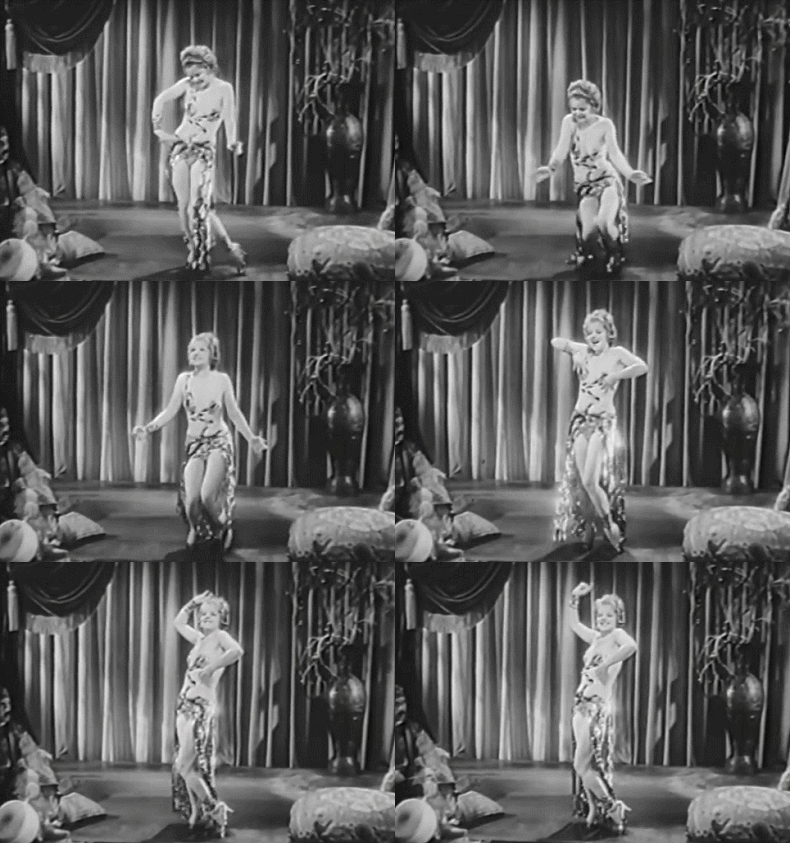
Há alguns momentos que seriam impossíveis de encontrar num filme feito após a adoção do Código Hays: uma câmera foca no rosto de Clara enquanto ela tira a roupa e coloca uma camisola. Depois disso ela divide uma cama com outra mulher, nada nua num lago e ainda dança com roupas minúsculas.


There are a few moments that wouldn’t be possible in a movie made under the Hays Code: a camera focuses on Clara’s face while she undresses to put on her nightgown. Afterwards she shares a bed with another woman, then she goes swimming naked in a lake and later dances in minimal clothes.

“Lábios de Fogo” é um destes curiosos filmes que mostram o romance de uma mulher mais velha com um homem mais novo. Richard Cromwell era cinco anos mais novo que Clara Bow, o que não é muito – Bow tinha apenas 28 anos quando fez este último filme. A carreira de Cromwell durou de 1930 a 1948, quando se aposentou. Ele foi o primeiro marido de Angela Lansbury.


“Hoopla” is a curious case of a movie depicting romance between a young man and an older woman. Richard Cromwell was five years younger than Clara Bow, which was not much – Bow was only 28 at the time she filmed this swan song. Cromwell’s career lasted from 1930 to 1948, when he retired. He was Angela Lansbury’s first husband.


Aos 28, Clara Bow se aposentou das telas e teve dois filhos que adorava. A felicidade não foi uma constante em sua vida, mas de Hollywood ela estava farta. Para nós, que nunca estamos fartos de Clara Bow, alguns de seus filmes ainda existem e mostram a superestrela em sua melhor forma.


At 28, Clara Bow retired from screen and would go on to have two sons who she adored. Happiness wasn’t a constant in her later life, but she had had enough of Hollywood. For us, who never have enough of Clara Bow, some of her films still exist and show the superstar in great shape.


This is my contribution to the Screen Debuts and Last Hurrahs blogathon, hosted by the Classic Movie Blog Association.

Friday, March 31, 2023

O Mosqueteiro (1922) / The Three Must-Get-Theres (1922)


Quanto de ação pode ser contida em alguns minutes de projeção de um filme? Se você é fã de filmes mudos, você sabe que a resposta para esta pergunta é MUITA AÇÃO. Há milhares de exemplos de filmes de um ou dois rolos cheios de ação feitos na era muda. Mas hoje vamos além deles e analisamos um filme de cinco rolos cheio de ação feito por Max Linder - seu mais conhecido trabalho filmado em Hollywood.

How much action can you pack in a few minutes of film? If you are a silent movie fan, you know the answer is A LOT. There are thousands of examples of action-packed one-reelers and two-reelers in silent cinema. But today we go beyond and analyze an action-packed five reeler by Max Linder - his best known effort in Hollywood.

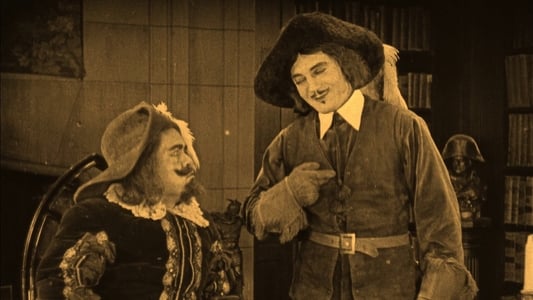
Dart-In-Again (Max Linder) recebe uma espada de seu pai e sai para conquistar o mundo. Seu destino é Paris, onde reina o Rei Luís XIII (Frank Cooke). Há diversas intrigas em andamento na corte: a Rainha Anne (Caroline Rankin) tem um amante, enquanto o conselheiro do rei, Cardeal Richie-Loo (Bull Montana), está conspirando contra o monarca.

Dart-In-Again (Max Linder) receives a spear from his father and leaves to conquer the world. His destination is Paris, where King Louis XIII (Frank Cooke) reigns. There are several intrigues going on at the court: Queen Anne (Caroline Rankin) has a lover, while the King’s counselor Cardinal Richie-Loo (Bull Montana) is conspiring against the King.

Dart-In-Again demonstra sua bravura e seus movimentos com a espada e é aceito como um dos Mosqueteiros do Rei. Ele recebe como sua primeira missão uma viagem para a Inglaterra para recuperar as jóias semipreciosas da Rainha que estão com o amante dela. Mas o Cardeal Richie-Loo tentará impedir que Dart-In-Again cumpra sua missão.

Dart-in-Again showcases his bravery and his moves with the sword and is accepted as the fourth of the King’s Musketeers. He receives as his first mission a trip to England to recover the Queen’s semi-precious jewels that are currently with her lover. But the Cardinal Richie-Loo will try to stop Dart-In-Again from accomplishing the recovery.

É óbvio que “O Mosqueteiro” é uma paródia de “Os Três Mosqueteiros” de Douglas Fairbanks, que estreou em agosto de 1921. O filme de Max Linder estreou um ano depois, em setembro de 1922 e, apesar de não ser tão atlético quanto Fairbanks, Linder consegue exibir suas habilidades como acrobata. Ele interpreta Dart-In-Again não como um bobo para alívio cômico: na verdade, o personagem se mostra mais esperto que o cardeal e seus capangas.

It’s obvious that “The Three Must-Get-Theres” is a spoof of Douglas Fairbanks’ “The Three Musketeers”, that premiered in August 1921. Max Linder’s film premiered one year later, in September of 1922, and, although not as athletic as Fairbanks, Linder manages to show off his skills as an acrobat. He plays Dart-In-Again not like a fool for comic purposes: in fact, Dart outsmarts the Cardinal and many of his foes.

O que é sim usado como alívio cômico são os anacronismos: podemos ver durante o filme diversos equipamentos - que não haviam ainda sido inventados na época do Rei Luís XIII - sendo usados pelos personagens, como o telefone em várias cenas, a máquina de escrever e a motocicleta.

What is actually used for comic purposes is anachronism: we can see throughout the movie several gadgets - that were not yet invented by the time of Louis XIII - being used by the characters, like the telephone in several moments, the typing machine and the motorcycle.

Como Connie Bonne-aux-Fieux, a criada particular da Rainha e sua confidente, temos uma atriz que foi popular na era muda, mas está quase esquecida atualmente: Jobyna Ralston. Este é um de seus primeiros filmes e ela encontraria a fama como protagonista dos filmes de Harold Lloyd a partir de 1923. Um de seus mais famosos papéis é o de Sylvia Lewis em “Asas” (1927). Depois de três filmes falados, ela abandonou o cinema, pois estava casada com seu colega de elenco de “Asas”, Richard Arlen.

As Connie Bonne-aux-Fieux, the Queen’s chambermaid and confidant, we have an actress popular in the silent era, but nearly forgotten today: Jobyna Ralston. This is one of her first movies and she would find more fame as Harold Lloyd’s leading lady starting in 1923. One of her best known roles is Sylvia Lewis in “Wings” (1927). After three talkies, she left the movie business, as she was now married to her “Wings” co-star Richard Arlen.

Max Linder foi verdadeiramente a primeira estrela de cinema internacional. Ele começou como coadjuvante  para os estúdios Pathé em 1905, e em 1911 já estava escrevendo e co-dirigindo curtas em que interpretava Max, um homem elegante sempre em apuros. Seus curtas eram sucesso por toda parte, mas veio a guerra e Max foi lutar pela França. Ele se envolveu em um sério acidente de carro, e sua vida nunca mais foi a mesma. A depressão crônica surgiu em sua vida naquele momento e jamais abandonou Max, causando problemas para trabalhar e por fim matando Max em um suicídio em 1925.

Max Linder was truly the first international movie star. He started as a supporting player for Pathé shorts in 1905, and by 1911 was already writing and co-directing shorts in which he played Max, a dapper gentleman always in trouble. His shorts found success everywhere, but the war came and Max went to fight for France. He was involved in a serious car crash, and his life was never the same again. Chronic depression appeared at the time in Linder’s life and would never leave him, causing trouble to work and ultimately killing him in a suicide in 1925.

“O Mosqueteiro” é um dos três médias-metragens feitos por Max Linder em Hollywood com sua própria produtora, sendo os outros dois “Sete Anos de Azar” e “Seja Minha Mulher”, ambos de 1921. Linder produziu, escreveu e dirigiu o filme. Ele demonstra perfeito domínio da língua inglesa, fazendo jogos de palavras com os nomes de seu e de outros personagens, além de adicionar diversos trocadilhos às cartelas de texto. Infelizmente, muitos destes trocadilhos se perdem com a tradução: na versão a que eu assisti, o tradutor escolheu eliminar todos os nomes com trocadilhos, usando no lugar os nomes reais dos personagens verídicos e dos mosqueteiros.

“The Three Must-Get-Theres” is one of three featurettes made by Max Linder in Hollywood under his own production company, the two others being “Seven Years Bad Luck” and “Be my Wife”, both from 1921. Linder produced, wrote and directed the film. He shows perfect knowledge of the English language, doing wordplay with his and other characters’ names, as well as adding several puns to the title cards. Unfortunately, many of these puns get lost in translation: in the version I saw, the translator chose to eliminate all punny names, using instead the real names of historical characters and the musketeers.

No começo do filme aparece um aviso de que a versão norte-americana do filme se perdeu, e o que podemos ver hoje é uma restauração feita usando como base a versão no Netherlands Filmmuseum. A restauração e gravação da nova trilha sonora foram feitas em 2008. Não há por que se perguntar qual a causa do desaparecimento da versão norte-americana: o filme não foi um sucesso de bilheteria, o que deixou Linder desapontado e achando que ele não era mais engraçado.

In the beginning of the film, there is a disclaimer that the American version of the film has disappeared, and what we can see today is a restoration made using as basis the version at the Netherlands Filmmuseum. The restoration and recording of the new soundtrack were made in 2008. There is no wonder to why the American version of the film disappeared: it wasn’t a box-office success, which left Linder disappointed and thinking he just wasn’t funny anymore.

Admirado por Charles Chaplin - que se referia a ele como “Professor” em algumas fotos autografadas - Max Linder merece o reconhecimento que vem recebendo agora, mais de um século após experimentar pela primeira vez o estrelato. Se você nunca viu Linder em ação, ou se ainda tem dúvidas sobre por que ele foi a primeira estrela de cinema internacional, não precisa procurar outro filme: “O Mosqueteiro” foi totalmente concebido por ele e é uma amostra perfeita do talento único que Linder tinha para a comédia.

Admired by Charles Chaplin - who called him his “Professor” in some autographed photos - Max Linder deserves the recognition he is receiving now, more than a century after he first experienced stardom. If you have never seen Linder in action, or if you still have doubts about why he was the first international movie star, look no further: “The Three Must-Get-Theres” is wholly his brainchild and a perfect showcase of Linder’s unmatched talent for comedy.

Related Posts Plugin for WordPress, Blogger...