} Crítica Retrô: cinema mudo

Tradutor / Translator / Traductor / Übersetzer / Traduttore / Traducteur / 翻訳者 / переводчик

Showing posts with label cinema mudo. Show all posts

Thursday, September 24, 2026

12 filmes mudos que valem a pena ver


12 silents worth checking out 

Um dia especial se avizinha: o Dia do Cinema Mudo em 29 de setembro! Quer você seja um fã veterano do cinema mudo ou um novato nesta arte incrível, vou recomendar 12 filmes mudos que valem a pena ver!

There is a special date arriving: Silent Movie Day on September 29th! Whether you’re a seasoned Silent Film fan or a newcomer to this amazing art, I’ll recommend 12 silent movies worth checking out!


And the Villain Still Pursued Her or The Author’s Dream (1906)

O Primeiro Cinema pode ser fascinante e às vezes muito louco. Em sete minutos, este filme tem paquera, duelo e o ato de serrar uma cabeça para remover uma bala. Há uma perseguição e o clímax é num balão de ar quente com ótimos efeitos especiais. São coisas que é preciso ver para crer!  

And the Villain Still Pursued Her or The Author’s Dream (1906)

Early cinema can be fascinating and often very crazy. In seven minutes, there is flirting, dueling and sewing a head to remove a bullet. There is a chase and the climax is at a hot air balloon with great special effects. Things that definitely need to be seen to be believed!


Amor Pedestre (1914)

Este curta do comediante e diretor Marcel Perez é único, e por causa disso muito precioso. Focalizando apenas nos pés dos atores, ele conta uma história de amor, completa com paixão, paquera e ciúmes. Tem apenas seis minutos de duração que podem não mudar sua vida, mas que mostram que o cinema mudo pode ser tão surpreendente e divertido quanto os filmes modernos. 

Amor Pedestre (1914)

This short film by the comedian and director Marcel Perez is unique, and for this very precious. Focusing only on the feet of the actors, it tells a whole love story, complete with passion, flirting and jealousy. Its only six minutes might not change your life, but they show that silent cinema can be as surprising and fun as modern movies.


O Pássaro Azul (1918)

Um dos filmes mais visualmente impactantes que já vi. É uma adaptação da obra do filósofo e Prêmio Nobel de Literatura Maurice Maeterlinck. É sobre o sentido da vida, tantas vezes buscado e já muito filmado. Foi feito pelo diretor esquecido Maurice Tourneur e fotografado por Jon van der Broek, que faleceu pouco depois de fazer este filme e, pelo trabalho que fez aqui, pode ser considerado uma perda trágica. É um filme sobre perda, mas sobretudo sobre felicidade. 

The Blue Bird (1918)

One of the most visually stunning movies I’ve ever seen. It’s an adaptation of the work by philosopher and Literature Nobel Prize winner Maurice Maeterlinck. It’s about the meaning of life, so often searched out there and already many times filmed. It was made by forgotten director Maurice Tourneur and photographed by Jon van der Broek, who died soon after making this movie and, by the work he did here, it could be considered a tragic loss. It’s a movie about loss, but mainly about happiness.

Amazonas, o Maior Rio do Mundo (1918)

Perdido por mais de um século, este filme brasileiro redescoberto num arquivo em Praga é todo sobre o Rio Amazonas. Assim como muitos documentários clássicos, é uma janela para o passado e nos oferece um vislumbre das cidades cortadas pelo rio, e também de todo o comércio e atividade extrativista possibilitados pelo rio. Se ainda não caiu a ficha, vale mencionar: “Amazonas…” é o mais antigo documentário de longa-metragem! Curiosidade: o filme sobreviveu porque um exibidor viajou pela Europa dizendo que ele havia feito o filme, mas o crédito é do português Silvino Santos!

Amazonas, o Maior Rio do Mundo (1918)

Lost for over a century, this Brazilian film rediscovered in an archive in Prague is all about the Amazon river. Like most classic documentaries, it’s a window to the past and offers us a glimpse of the cities near the river as well as all the commerce and extractive activity made possible by the river. If it didn’t ring a bell, it’s worth mentioning: “Amazonas…” is the first ever documentary feature! Fun fact: the film survived because an exhibitor toured Europe claiming he made the film, but the credit belongs to Portuguese filmmaker Silvino Santos!


La Tempesta in un Cranio (1921)

Este filme louco tem um significado especial para mim: escrevendo sobre ele, ganhei o Prêmio Russell Merritt no Festival de Cinema Mudo de Pordenone. Além de ser intrigante, é muito divertido. Quando um grupo de amigos decide convencer um homem de que ele não é louco, muitas loucuras acontecem, e o diretor e protagonista Carlo Campogalliani brilha e nos mostra por que já foi um dia tão popular quanto Douglas Fairbanks, com quem seu estilo de comédia pode ser comparado.

La Tempesta in un Cranio (1921)

This mad movie has a special meaning for me: writing about it, I won the Russell Merritt Prize at the Pordenone Silent Film Festival. Besides being intriguing, it’s also a laugh riot. When a group of friends decide to convince a man that he isn’t insane, many crazy things happen, and the director and lead actor Carlo Campogalliani shines and shows why one day he was as popular as Douglas Fairbanks, with whom his comedy style can be compared.

O Sinal Alto (1921)

Por muitos anos eu diria que meu curta favorito de Buster Keaton era “Uma Semana”, que também é engraçado, mas assisti a “O Sinal Alto” e o considerei ainda mais divertido. Buster consegue um trabalho honesto numa galeria de tiro num parque de diversões, e com ele vem um trabalho sujo de matar um homem de negócios. Este foi o primeiro curta feito por Keaton, mas não o primeiro a estrear, e seu título se refere ao código usado pela gangue pra reconhecer seus membros.

The High Sign (1921)

For many years I’d say that my favorite Buster Keaton short was “One Week”, which is also fun, but I watched “The High Sign” and found it even funnier. Buster gets an honest job in a shooting gallery at an amusement park, and a riskier task of killing a businessman. The first short made by Keaton, but not the first released, its title refers to the code the gang used to recognize members.

Fool’s Paradise (1921)

Nos últimos anos vi alguns e fiquei muito fã dos filmes mudos de DeMille. Estes espetáculos estrondosos são alguns dos maiores esforços visuais feitos na era muda. Vi “Fool’s Paradise” como parte do Festival de Cinema Mudo de Pordenone em 2021 e foi o melhor filme do festival para mim. Há confusão de identidade, tragédia, um triângulo amoroso e uma sequência de tirar o fôlego no exótico Sião.   

Fool’s Paradise (1921)

In the past few years I’ve seen more and became a huge fan of DeMille’s silent films. These lavish spectacles are some of the finest visual efforts made in the silent era. I saw “Fool’s Paradise” as part of the Pordenone Silent Film Festival in 2021 and it was the highlight of that festival for me. There are mistaken identities, tragedy, a love triangle and a breathtaking sequence in exotic Siam.

Mighty Like a Moose (1926)

Este curta é simplesmente hilário! Fui apresentada a ele durante a Silent Comedy Watch Party, que me manteve mais ou menos sã durante a pandemia - obrigada, Ben e Steve! No curta, marido e mulher passam por modificações - uma cirurgia plástica e um implante dentário - e, sem reconhecerem um ao outro, começam a flertar e pensam estar cometendo uma traição! Os protagonistas, Charley Chase e Vivien Oakland, estão perfeitos e o curta foi dirigido por Leo McCarey!  

Mighty Like a Moose (1926)

This short is simply hilarious! I was introduced to it during the Silent Comedy Watch Party, which kept me more or less sane during the pandemic - thanks, Ben and Steve! In the short, husband and wife go through changes - a plastic surgery and new teeth - and, not recognizing each other, they start flirting and think they’re cheating! The leads, Charley Chase and Vivien Oakland, are perfect and the short was directed by Leo McCarey!

Early to Bed (1928)

Um curta d’O Gordo e o Magro que é um pouco diferente. Stan Laurel e Oliver Hardy não são amigos aqui: Ollie herda uma fortuna e contrata Stan como seu mordomo. Ao chegar tarde uma noite, Ollie tenta pregar uma peça em Stan, mas ele submete seu empregador a todo tipo de dificuldade e o clímax é numa fonte. MUITA. DIVERSÃO.

Early to Bed (1928)

A Laurel and Hardy short that plays differently. Stan and Ollie aren’t friends here: Ollie inherits a fortune and hires Stan as his butler. Arriving late at night, Ollie tries to prank Stan, but he submits his employer to all sorts of difficult situations and the climax is at a fountain. SO. MUCH. FUN.

Suzy Saxophone (1928)

Mais uma descoberta de Pordenone, esta me mostra que a maioria das escolhas desta lista são comédias e não dá para errar com uma comédia muda. Este filme alemão traz Anny Ondra - que faria “Chantagem e Confissão” de Hitchcock um ano depois - como uma moça que engana os pais para ser dançarina. É divertido e cheio da energia da Era do Jazz. 

Suzy Saxophone (1928)

Yet another Pordenone discovery, this shows me that most choices in this list are comedies and you can’t go wrong with a silent comedy. This German film brings Anny Ondra - who would make Hitchcock’s “Blackmail” one year later - as a girl tricking her parents to be a dancer. It’s funny and it’s full of the energy of the jazz age.

O Artista (2011)

Não revisito este filme mudo moderno há um tempo, mas me lembro de como me senti ao ver UM FILME MUDO na tela grande. “O Artista” é um tributo àqueles dias há muito passados, tanto que Jean Dujardin agradeceu a Douglas Fairbanks em seu discurso ao receber o Oscar de Melhor Ator. O filme é sobre um grande astro do cinema mudo conforme o som chega a Hollywood, ameaçando sua carreira. Ao contrário do que alguns imaginaram, este filme não inaugurou uma nova leva de filmes mudos nos cinemas, infelizmente.

The Artist (2011)

I haven’t revisited this modern silent for a while, but I still remember how it felt to watch an ACTUAL SILENT MOVIE on the big screen. “The Artist” is a tribute to those days long gone, so much that Jean Dujardin thanked Douglas Fairbanks in his Best Actor Oscar acceptance speech. The movie follows a huge silent film star as sound comes to Hollywood, threatening his entire career. Contrary to what some people thought, this film didn’t inaugurate a new era of silent films hitting theaters, unfortunately.

Blancanieves (2012)

Considero este ainda melhor que “O Artista” mas ele chegou a poucas pessoas. Uma nova versão da Branca de Neve, mas a Branca de Neve é uma toureira! Podia ficar melhor? E fica: os sete anões TAMBÉM são toureiros! O diretor Pablo Berger imaginou “Blancanieves” como uma carta de amor ao cinema mudo europeu, especialmente seu ídolo Abel Gance. E desde então Berger fez outro grande filme mudo: a animação “Meu Amigo Robô” de 2023, que também vale a pena ver.

Blancanieves (2012)

I considered this one even better than “The Artist” and it flew under the radar of so many. A retelling of the Snow White fairy tale, but Snow White is a bullfighter. Could it get any better? And it does: The dwarfs are ALSO bullfighters! Director Pablo Berger imagined “Blancanieves” as a love letter to European silent cinema, especially his idol Abel Gance. And since then Berger made another great silent film: the animation “Robot Dreams” from 2023, also worth checking out.

Friday, September 4, 2026

Dois filmes mudos no Stummfilmtage Bonn 2026


Two silents at the Stummfilmtage Bonn 2026

Alguns dias atrás percebi que algumas pessoas que eu seguia no Letterboxd haviam logado alguns filmes mudos dos quais eu nunca havia ouvido falar. Em seus comentários, eu encontrei o link para o Stummfilmtage Bonn 2026 - que em alemão é o mesmíssimo título da Giornate del Cinema Muto é em italiano: Dias de Cinema Mudo. Além da versão presencial na Alemanha, eles tinham uma programação online grátis! Eu cheguei bem no fim da festa, mas pude assistir a três filmes mudos intrigantes. O primeiro, “Béhula” (1921), será analisado mais profundamente no meu blog Lost and Found films, por isso vamos focar nos outros dois filmes. 

A few days ago I noticed that some people I followed on Letterboxd had logged some silent films I had never heard of. In their reviews, I found the link to the Stummfilmtage Bonn 2026 - which in German is the very same as is the title for Le Giornate del Cinema Muto in Italian: Days of Silent Cinema. Besides its onsite version in Germany, they provided an online program that was free! I arrived pretty late for the party, but I could watch three intriguing silents. The first, “Béhula” (1921), will be analyzed deeper on my blog Lost and Found Films, so let’s dive into the other two movies.

Ambos tinham referências bíblicas em seus títulos e ambos não puderam ser exibidos no evento presencial por causa do mau tempo. Um deles tinha uma trilha pré-gravada, enquanto o outro foi exibido totalmente silencioso. Um veio de Hollywood, o outro da Tchecoslováquia.

Both had biblical references in their titles and both couldn’t be screened at the onsite event due to bad weather. One had a soundtrack pre-recorded, while the other was screened totally silent. One came from Hollywood, the other from Czechoslovakia.

Em “The Garden of Eden” (1928), somos apresentados a Toni (Corinne Griffith), uma garota de Viena que quer ser cantora de ópera. Ela recebe uma carta de Budapeste convidando-a para cantar no Palácio de Paris; uma carta assinada por M. Bauer. Chegando lá, ela descobre que Bauer (Maude George) é uma mulher que administra um show de mau gosto. Ela aceita cantar mesmo assim, mas é humilhada em seu primeiro número, o que a leva a ser despedida junto à costureira do local, Rosa (Louise Dresser), que defendeu a menina.  

In “The Garden of Eden” (1928), we’re introduced to Toni (Corinne Griffith), a girl from Vienna who wants to be an opera singer. She receives a letter from Budapest inviting her to sing at the Palais de Paris; a letter signed by M. Bauer. Arriving there, she finds out that Bauer (Maude George) is a woman who manages a show house of poor taste. She accepts to sing anyway, but is humiliated in her first number, which leads to her firing alongside the house seamstress Rosa (Louise Dresser), who defended her.

Rosa é na verdade uma Baronesa e, amadrinhando Toni, a leva para Monte Carlo no Hotel Eden para viver com pompa e circunstância duas semanas patrocinadas pela pensão de viúva de guerra. Lá, elas conhecem o Coronel Dupont (Edward Martindel) e seu sobrinho Richard (Charles Ray), e ambos se apaixonam por Toni, ou melhor, a Baronesa Antoinette. 

Rosa is actually a Baroness and, taking Toni under her wing, takes her to Monte Carlo to Hotel Eden to live lavishly two weeks from her war widow pension. There, they meet the Colonel Dupont (Edward Martindel) and his nephew Richard (Charles Ray), and both fall for Toni, or better, Baroness Antoinette.

Em “Adam and Eva” (1922), somos apresentados aos gêmeos chamados Adam e Eva, ambos interpretados por Suzanne Marwille. Ela é sapeca, sempre pregando peças nos outros, especialmente no irmão. Quando ambos têm dezesseis anos, Adam decide ensinar uma lição para Eva e se veste como ela para seduzir o vizinho. Eva então se veste de Adam para se vingar da vingança dele. 

In “Adam and Eva” (1922), we’re introduced to twins named Adam and Eva, both played by Suzanne Marwille. She is the mischievous one, always pranking other people and especially her brother. When they’re sixteen, Adam decides to teach Eva a lesson and dresses like her to seduce a neighbor. Eva then dresses as Adam to take revenge on his revenge.

Somos informados por uma cartela de texto que “The Garden of Eden” tinha uma sequência de sonho em Technicolor no primeiro rolo que atualmente está perdida. “Adam e Eva” termina de maneira abrupta, o que nos leva a imaginar se não tem nada faltando. Esses detalhes, entretanto, não impactaram as sessões, e agora eu sei que há outro maravilhoso festival de cinema mudo para nós amantes dessa arte.

We are informed by a title card that “The Garden of Eden” had a Technicolor dream sequence in the first reel that’s currently lost. “Adam and Eva” ends abruptly and lets us imagine if there isn’t anything missing. These things, however, didn’t make the viewing experience any worse, and now I know that there is another wonderful silent film festival for us lovers of this art.

Friday, February 27, 2026

David, o Caçula (1921) / Tol'able David (1921)


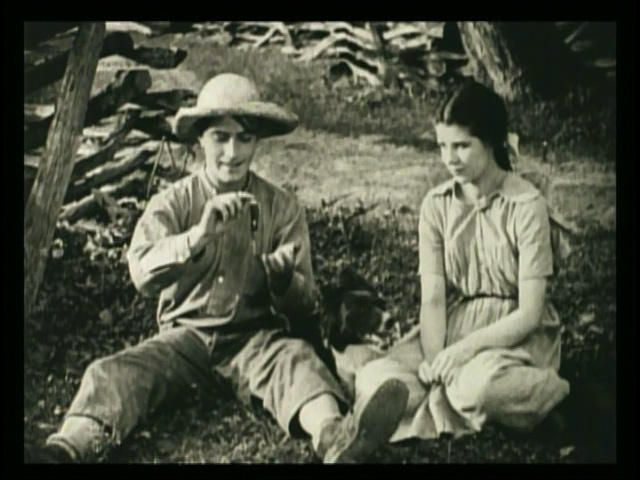
Anos atrás, escrevi um perfil de Richard Barthelmess para uma publicação conhecida como The Pre-Code Companion. Considerando o título, foquei mais nas performances de Richard em filmes pre-Code, e assim descobri um novo filme favorito, “Fome por Glória” de 1933. Mas ele fez 81 filmes, numa carreira que durou décadas. Alguns filmes me escaparam na época, e decidi assisti-los depois. Um deles é “David, o Caçula”, e o momento de assisti-lo é agora.  

Years ago, I wrote a profile of Richard Barthelmess for a publication known as The Pre-Code Companion. Given the title, I focused more on Richard’s performances in pre-Code films, and by doing this I discovered a new favorite, 1933’s “Heroes for Sale”. But he made 81 movies in a career that spanned decades. Some movies couldn’t fit my schedule, so I decided to watch them later. One of them was “Tol’able David”, and the moment to watch it is now.

A família Kinemon vive alegremente em Greenstream. Os pais têm dois filhos: Allan (Warner Richmond), o mais velho que já trabalha como carteiro, e David (Barthelmess), o filhinho da mamãe. Há também uma família de malfeitores, os Hatburns, formada por pai e dois filhos. Os Hatburns decidem visitar um primo, que é vizinho dos Kinemon e avô de Esther (Gladys Hulette), interesse amoroso de David. 

The Kinemon family lives happily in Greenstream. Ma and Pa have two sons: Allan (Warner Richmond), the oldest and already working as a mailman, and David (Barthelmess), mother’s boy. There is also a family of wrongdoers, the Hatburns, comprised of father and two sons. The Hatburns decide to visit a cousin, who is the Kinemon’s neighbor and the grandfather of Esther (Gladys Hulette), David’s love interest.

David não é adulto ainda, ele é apenas o caçula. Esther também não o vê como um adulto. Quando seu irmão é ferido pelos Hatburn e seu pai morre, David tem de crescer e se tornar o novo Homem da Casa. Isso inclui tomar para si a obrigação do irmão de entregar as cartas.

David isn’t an adult yet, he’s only “Tol’able” as an adult. Esther doesn’t see him as an adult either. When his brother is wounded by the Hatburns and his father dies, David has to grow up and become the new Man of the House. This includes taking as his the brother’s obligation to deliver the mail.

Um “ator” que merece destaque é o cachorro da família Kinemon, Rocket. Ele rouba as calças de David quando o garoto vai nadar, acompanha-o nas aventuras com ou sem Esther, David quase senta nele, mas o cachorro não se importa. O IMDb dá o crédito de Rocket para um cão chamado Lassie, que fez mais dois filmes. 

One “performer” to highlight is the Kinemon dog, Rocket. It steals David’s pants when the boy is swimming, accompanies David in his adventures with or without Esther, David almost sits on it, but the dog is fine with it. IMDb credits a dog named Lassie as Rocket, with two other film appearances.

No começo do filme David e Esther jogam um jogo chamado Mumblety-Peg, que eu desconhecia. Numa busca pela internet, o curioso site The Art of Manliness me informou que o jogo consiste em jogar uma faca para o ar e ver quem consegue fazê-la cair com a lâmina furando o chão. O vencedor afunda um graveto ou parafuso no chão, que o perdedor precisa tirar com os dentes. 

Early in the movie David and Esther play a game called Mumblety-Peg, which I didn’t know. In a web search, the website weirdly titled The Art of Manliness informed me that the game consists in throwing up a knife and seeing who can get it to stick to the ground. The winner plants a stick on the ground and the loser has to remove the stick with his teeth.

“David, o Caçula” foi feito pela Inspiration Pictures e é claramente um melodrama, mesmo com um momento engraçado não-intencional quando a mãe de David está esperando por ele toda arrumada e com um sorrisinho enquanto ele está envolvido numa briga com um Hatburn. Inspiration Pictures era a produtora de Richard Barthelmess e “David, o Caçula” foi seu primeiro crédito como produtor.

“Tol’able David” was made by Inspiration Pictures and it’s clearly a melodrama, even though there is an unintentional funny moment with David’s mom waiting for him all dolled up and with a silly smile while he is involved in a fistfight with a Hatburn. Inspiration Pictures was Richard Barthelmess’s own production company and “Tol’able David” was his first credit as a producer.  

O diretor e co-roteirista Henry King começou no cinema como ator em 1912 e três anos depois dirigiu seu primeiro filme. Ele dirigiu mais de 100 filmes tanto na era muda quanto após a chegada do cinema falado. Ele foi um dos fundadores da Academia, o órgão que organiza o Oscar. Ele próprio foi indicado a dois Oscars, mas não ganhou nenhum. Em “David, o Caçula”, King emula o estilo cinematográfico de Griffith, que foi o primeiro a receber a oferta para adaptar o livro para as telas mas recusou a oportunidade.

Director and co-screenwriter Henry King started as an actor in film in 1912 and three years later had his first directing credit. He directed over 100 movies both in the silent era and later with the talkies. He was one of the founders of the Academy, the organ that presents the Oscars. King himself was nominated for two Oscars, but failed to win both. In “Tol’able David” King emulates Griffith’s filmmaking style, as Griffith was first offered to adapt the novel to the screen but refused the opportunity.

Barthelmess, que fez um par de filmes com Griffith, traz a quantia certa de charme jovial e ambição para o papel. Mesmo assim, David é tão delicado que chuta uma porta, abrindo-a, e não entra no recinto, só fica do lado de fora parado, sem saber o que fazer. Mas ele é nosso herói e sabemos que ele triunfará no final desta história sobre o que acontece quando meninos se tornam homens.

Barthelmess, who appeared in a couple of Griffith’s films, brings the right amount of young charm and ambition to the lead. Even so, David is so delicate that he kicks a door open and doesn’t enter the room, just stands outside without knowing what to do. But he is our hero and we know he’ll triumph in the end of this story of what happens when boys become men.

Monday, December 29, 2025

Retrospectiva Retrô 2025 / 2025: Year in Review


Mais um ano chega ao fim e outro está prestes a começar! É hora de fazer planos para melhorar, mas também olhar para trás e reconhecer as coisas boas que aconteceram neste ano. Entre as coisas boas, estão os bons filmes, e aqui listo os favoritos mês a mês. Escolhi apenas filmes que não tinha visto antes, pois estou revendo diversos clássicos para meu próximo livro. E sim, o livro está entre meus planos para 2026. Agora é hora de olhar para 2025:

Another year is over and a new one is about to begin! It’s time to make plans for a better year, but also to look back and recognize the good things that happened this year. Among the good things, there are the good movies, listed here month by month. I chose only movies I hadn’t seen before, because I’m rewatching several classics for my upcoming book. And yes, the book is among my plans for 2026. Now to a look back to 2025:


Janeiro: O Auto da Compadecida 2 (2024)

Minha primeira ida ao cinema este ano foi para ver um filme muito esperado: a continuação, 25 anos depois, de uma das obras mais amadas do cinema brasileiro. Fui de mente aberta e não me decepcionei!  “O Auto da Compadecida 2” não é uma continuação per se, mas uma homenagem ao primeiro filme e por isso foi um grande acerto.

January: A Dog’s Will 2 (2024)

My first trip to the movie theater this year was to see a film I had been waiting for: the sequel, made 25 years after the first one, of a beloved Brazilian film. I went with an open mind and open heart and wasn’t disappointed! “A Dog’s Will 2” isn’t really a sequel, but a tribute to the first movie, a choice that proved to be the right one.

Fevereiro: No país das Amazonas (1922)

Um filme feito para substituir o roubado “Amazonas, o Maior Rio do Mundo” (1918), é uma peça de propaganda e uma janela para o passado. O filme de 1918, hoje redescoberto e restaurado, entrou no meu Top 12 de 2024, e seu substituto, mais longo mas igualmente rico dos pontos de vista imagético e narrativo, é um deleite para os olhos e uma lição de História muito agradável. Mais sobre o filme AQUI.

February: In the land of the Amazons (1922)

A movie made to replace the stolen “Amazon, the Biggest River of the World” (1918), this is a piece of propaganda and a window to the past. The 1918 movie, now rediscovered and restored, was in my Top 12 from 2024, and its replacement, longer but equally rich from both imagetic and narrative points of view, is easy on the eyes and is also a very pleasant History lesson. More about the movie HERE.

Março: Cidade dos Ventos (2008)

Costumo não gostar muito de filmes “coming of age”, por não me ver retratada neles, talvez por ser autista. Também não encontrei identificação neste “coming of age” ambientado na derrocada da União Soviética, mas foi um deleite assistir ao amadurecimento dos personagens.

March: Vanished Empire (2008)

I’m not very fond of “coming of age” movies as I usually don’t see myself in them, probably because I’m autistic. I also haven’t seen myself in this “coming of age” set in the downfall of the Soviet Union, but it was great to watch the characters mature.

Abril: Saneamento Básico, o Filme (2007)

Há muito tempo eu não ria tanto num filme! Meu interesse veio após um Tweet do Jornal Nota e me apaixonei por esta comédia logo nos primeiros minutos. A história de um grupo de pessoas comuns que quer dinheiro para fazer uma fossa mas só encontram um edital para fazer um filme nasce como uma ideia genial e original. Eles terão de fazer o filme, apesar de serem completamente leigos em tudo que envolve cinema. Mais sobre o filme AQUI.

April: Basic Sanitation, the Movie (2007)

It has been a long time since I laughed so much with a movie! My curiosity came from a tweet and I fell in love with this comedy in the opening minutes. The story is of a group of regular people who want money for a sewage system but all they can find is a call to make a movie. It’s a genius original idea. They have to make a movie, even though they know nothing about moviemaking.

Maio: Sempre Garotas (2024)

Quem diria que viria mais um coming of age para minha listinha? O que permaneceu de “Sempre Garotas” foi o retrato da mãe da protagonista. A menina está passando por um crescimento e amadurecimento, inclusive sexual, mas a mãe não assiste a tudo de braços cruzados. Ela é uma personagem complexa, também com desejos e necessidades. Mais sobre o filme AQUI.

May: Girls Will Be Girls (2024)

Who would have told me that another coming of age would make my list? What remained from “Girls Will Be Girls” was the portrayal of the lead’s mother. The girl is growing up, with sexual maturity included, but the mother is not there watching everything with her arms crossed. She is a complex character, with desires and needs. 

Junho: Homem com H (2025)

Num mês com ótimos filmes, incluindo “Tatami” (2023) e a comédia romântica soviética “Romance de Escritório” (1977), meu favorito foi um filme muito aguardado, mais que uma cinebiografia: uma belíssima homenagem a um dos maiores artistas do Brasil. Jesuíta Barbosa, canceriano arretado, se metamorfoseia e está perfeito no papel principal.

June: Latin Blood - The Ballad of Ney Matogrosso (2025)

In a month with great films, such as “Tatami” (2023) and the Soviet rom-com “Office Romance” (1977), my favorite was a movie I’d been waiting for, more than a biopic: a gorgeous tribute to one of the biggest artists in Brazil. Jesuíta Barbosa, with the same star sign as me, goes through a metamorphosis and is perfect in the lead role.

Julho: Compasso de Espera (1973)

Filme apresentado para mim através de um curso muito proveitoso sobre racismo no cinema e na literatura, ele conversa com “Adivinhe Quem Vem para Jantar” (1967), mas quem julga aqui o casal interracial são todos, inclusive desconhecidos. O Mito da Democracia Racial é brilhantemente destruído por uma sequência de entrevista no começo do filme e por si só já vale a sessão inteira.

July: Compasso de Espera (1973)

This film was introduced to me by a very good course I took about racism in cinema and literature. It establishes a dialogue with “Guess Who’s Coming to Dinner” (1967), but here the interracial couple is judged by all, even people who don’t know them. The myth of racial democracy - that says that people from all “races” live together peacefully in Brazil - is beautifully destroyed in an interview sequence in the beginning and this alone is worth the admission price.

Agosto: Guerra Civil (2024)

Muitas pessoas não gostaram deste filme, mas eu gostei. E o que eu mais gostei foi que apresentaram uma história de guerra diferente, ao acompanhar fotógrafos de guerra, em geral vítimas esquecidas dos conflitos. Temas como lealdade e sacrifício, tão comuns nos filmes de guerra, estavam aqui também presentes. Outro tema importante foi o conflito geracional, entre a repórter veterana e calejada e a fotógrafa novata cheia de sonhos e ambição.

August: Civil War (2024)

Many people disliked this movie, but I enjoyed it. And what I liked the most is that it’s about a different view on wars, as the movie follows war photographers, who are usually the forgotten victims of the conflicts. Themes such as loyalty and sacrifices, so common in war movies, were here too. Another important theme was the generational conflict, between the veteran reporter with trauma and the newcomer who is full of dreams and ambition.

Setembro: O Último Episódio (2025)

No último dia do mês de setembro, assisti ao melhor do mês: mais um triunfo da produtora Filmes de Plástico, “O Último Episódio”. Uma espécie de coming of age - olha ele aí de novo!  - que surfa bem na onda da nostalgia, escrevi mais e melhor sobre ele AQUI.

September: O Último Episódio (2025)

On the last day of September, I watched the best of the month: another triumph by the production company Filmes de Plástico, “O Último Episódio”. A kind of coming of age - here’s it again! - that is nostalgic and magic.

Outubro: Totto-Chan: A Menina na Janela (2023)

Uma raridade: não saiu da Giornate del Cinema Muto o meu favorito de outubro, mas sim de uma cabine de imprensa, vista alguns dias antes de o festival começar. Este filme traz frescor a um tema praticamente batido - a Segunda Guerra Mundial - ao contar uma história real tirada de um livro best-seller. Focar numa infância durante a guerra é verossímil e acertado. Escrevi sobre este filme AQUI.

October: Totto-Chan: The Little Girl at the Window (2023)

A rarity: my favorite film from October didn’t come from the Giornate del Cinema Muto. It came from a screener seen a few days before the festival started. This film is a fresh take in a much explored theme - World War II - as it tells a real story directly from a best-selling book. Focusing on a childhood during the war is believable and a good choice.

Novembro: O Agente Secreto (2025)

O filme mais premiado da edição de 2025 do Festival de Cannes veio do Brasil e é uma obra-prima. Eu já sabia que esse badalado filme seria o melhor do mês, e minha ida ao cinema, ainda que acompanhada de apenas duas outras pessoas na sessão, não me decepcionou.

Wagner Moura interpreta Marcelo, de volta ao Recife para conseguir um visto e ir com o filho para o exterior. É 1977 e Marcelo está sendo perseguido pela ditadura militar brasileira. E aqui vale notar um detalhe muito importante: ele não é perseguido por sua posição política, mas sim por uma pontual desavença com um homem poderoso. Um dos pontos altos deste grande filme é quando aparece Dona Sebastiana (Tânia Maria) ao lado dos “refugiados” que ela abriga. 

November: The Secret Agent (2025)

The most awarded movie from the 2025 Cannes Film Festival comes from Brazil and it’s a masterpiece. I already knew that this would be the best of the month, and as I went to the movie theater, even though it was a session with only two other people, it didn’t let me down.

Wagner Moura plays Marcelo, back at Recife to get a visa and go with his son to live abroad. It’s 1977 and Marcelo is a target for the Brazilian military dictatorship. And here an important detail: he didn’t become a target because of his political leaning, but because of a small misunderstanding with a powerful man. One of the climaxes in this great movie is the presence of Dona Sebastiana (Tânia Maria) next to her “refugees”. I wrote about the context and the small details from the movie HERE.

Dezembro: Lumière! A Aventura Continua (2024)

Um dos filmes mais lindos que vi nos últimos anos, “Lumière! A Aventura Começa” de 2016 mereceu uma crítica no Letterboxd em que disse que meu desejo era que a sessão nunca acabasse. Bem, pelo menos agora ela ganhou uma parte 2.

O filme é composto por 120 curtas dos irmãos Lumière, feitos há mais de 120 anos. Os comentários de Thierry Frémaux da Cinemateca Francesa não apenas dão contexto, mas chamam a atenção para detalhes que poderiam passar despercebidos.

Nesta sequência, o fio condutor é justamente a trajetória dos Lumière, que prenunciam Rossellini e a Nouvelle Vague. Dos primeiros filmes posados aos primeiros making-offs, essa foi mais uma jornada extraordinária.

December: Lumière! The Adventure Continues (2024)

One of the most beautiful movies I’ve watched in the past few years, “Lumière!” from 2026, deserved a review on Letterboxd in which I said my wish was for the film to never be over. Well, at least now I got a sequel.

The movie is made of 120 shorts from the Lumière brothers, made over 120 years ago. The comments by Thierry Frémaux from the French Cinematheque give not only context, but call attention to details that might have been overlooked otherwise.

In this sequel, the link is the Lumières’ trajectory, the seed for Rossellini and the Nouvelle Vague. From the first acted movies to the first making-offs, this was another extraordinary journey.

Menção honrosa: Câncer com ascendente em virgem (2025)

Pelas comunicações que recebia da assessoria de imprensa, praticamente acompanhei todo o feitio deste filme, o que me deixou curiosa para assistir. Como mulher a pouco tempo da primeira mamografia, sei o peso que um diagnóstico de câncer de mama tem, e me imaginar na situação da protagonista é angustiante. Nela, aliás, encontrei ecos de minha própria família: professora de matemática como minha mãe, vivendo na mesma casa com avó e filha, como é na minha casa. Com o filme, aprendi que o câncer não apaga a totalidade de quem aquela mulher é, e pode ser algo angustiante, sim, e que toda ajuda é bem-vinda, o que me preocupa enquanto mulher sem rede de apoio. Mas é uma história leve, de esperança. Daquilo que mais precisamos em 2025 e adiante.

Honorable mention: Cancer with Virgo rising (2025)

Through the emails from the press I basically followed closely the making of this movie, and that made me curious to check it out. As a woman nearing the age of the first mammogram, I know the weight of a breast cancer diagnosis, and imagining myself in the lead’s shoes is exhilarating. In her, by the way, I found echoes of my own family: she is a math teacher like my mom,  she lives with her mother and her daughter, like us. With the movie, I learned that cancer can’t erase the whole of a woman, and it can be exhilarating, but all help is welcome, something that bothers me as a woman without a support network. But it’s a light story, one of hope. Hope, what we need the most in 2025 and beyond.


E, claro, meu maior trunfo de 2025: tem começado o blog Lost and Found Films! Se você lê em inglês, visite-o AQUI.

And, of course, my Top achievemente in 2025: starting the Lost and Found Films blog! Have you visited it yet? You can do it HERE.

Related Posts Plugin for WordPress, Blogger...