} Crítica Retrô: 1920

Tradutor / Translator / Traductor / Übersetzer / Traduttore / Traducteur / 翻訳者 / переводчик

Showing posts with label 1920. Show all posts

Thursday, January 23, 2025

Ana Bolena (1920) / Anna Boleyn (1920)


Um dos fatos mais significativos que aprendemos na escola aqui no Brasil sobre o século XVI é o casamento do rei inglês Henrique VIII com Ana Bolena e a fratura que isso causou na Inglaterra, criando a religião Anglicana. Como a boa aluna que fui e a historiadora que sou, estava ansiosa para ver a versão de Ernst Lubitsch para a história, filmada em 1920, e provavelmente o primeiro longa-metragem sobre Ana Bolena.

One of the most significant things we learn at school here in Brazil about the 16th century is the marriage of English King Henry VIII with Anna Boleyn and the fracture it caused in England, creating the Anglican religion. As the good student I was and the historian I am, I was anxious to check out Ernst Lubitsch’s version of this story, made in 1920, and probably the first feature film about Anna Boleyn.

Henrique VIII é apresentado como um glutão, assim como D. João VI, que veio de Portugal para o Brasil em 1808. Ele é interpretado por Emil Jannings, antes ainda de seus anos nazistas, mas não menos perturbador. Henrique é um mulherengo que não se importa com sua esposa, a Rainha Catarina (Hedwig Pauly-Winterstein). Seu primeiro encontro com a nova donzela da Corte, Ana Bolena (Henny Porten), começa estranho mas logo ele o faz se tornar predatório.

Henry VIII is presented as a glutton, like D. João VI who came from Portugal to Brazil in 1808. He is played by Emil Jannings, still before his Nazi years, but this doesn’t make him less creepy. Henry is a womanizer who doesn’t care about his wife, Queen Catherine (Hedwig Pauly-Winterstein). His first meeting with the new damsel in Court, Anna Boleyn (Henny Porten), starts awkward but soon becomes predatory from his part.

A próxima coisa que vemos é Ana jogando peteca com o Rei. Ela é imediatamente ostracizada pelos nobres e desprezada pelo seu amado Henrique Norris (Paul Hartmann). O Rei quer se casar com Ana para ter com ela o filho homem que não teve com Catarina. Para isso, primeiro ele precisará de um divórcio – sem a autorização do Papa, um escândalo!

The next thing we see is Anna playing badminton with the King. She’s immediately ostracized by the nobles and despised by her beloved Henry Norris (Paul Hartmann). The King wants to marry Anna to have with her the male child he didn’t have with Catherine. For this, he would first need a divorce – without the Pope’s consent, a scandal!

Tendo seu pedido negado pelo Papa, Henrique VIII se declara Chefe Supremo da Igreja na Inflaterra e consegue o divórcio. Ainda um pouco reticente com isso, Ana se casa com Henrique VIII, mas ela não o ama: ela o teme. O amor entre eles florescerá após a Festa da Primavera ou Henrique VIII voltará aos seus velhos hábitos?

With his wish denied by the Pope, Henry VIII declares himself Supreme Chief of the Church in England and gets the divorce. Although a bit unsure about it, Anna marries Henry VIII, but she doesn’t love him: she fears him. Will their love blossom after the Spring Party or will Henry VIII return to his old habits?

Você deve ter ouvido falar de Emil Jannings, mas não de Henny Porten... mas todos nós deveríamos conhecê-la. Ela não foi apenas uma das primeiras estrelas de cinema do mundo, fazendo sua estreia em 1906, mas também teve uma carreira que durou seis décadas. Ela já era viúva quando fez “Ana Bolena” e seu amor por seu segundo marido, que era judeu, a colocou contra o regime Nazista. Seu pai, Franz, foi diretor, ator e roteirista, mesmas funções da irmã de Henny, Rosa.

You might have heard about Emil Jannings, but not of Henny Porten... but we all should. She was not only one of the first film stars in the world, making her debut in 1906, but also had a career that spanned six decades. She was already a widow when she made “Anna Boleyn” and her love for her second husband, who was Jewish, made her clash with the Nazis. Her father Franz was a diretor, writer and actor, just like her sister Rosa.
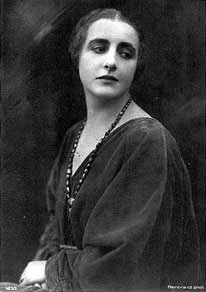
Muito antes de se tornar conhecido pelo “toque de Lubitsch” em Hollywood, Ernst Lubitsch já era um mestre do cinema. Ele havia começado como ator no cinema em 1913 e no ano seguinte já estava dirigindo curtas. Em “Ana Bolena”, Lubitsch brincou com alguns enquadramentos astutos e ousados. Graças a este filme, Lubitsch foi para os EUA: Mary Pickford gostou tanto de “Ana Bolena” que exigiu, dois anos depois, que Lubitsch dirigisse seu filme “Rosita”. Sobre este filme, Pickford declarou, para a revista Photoplay: “um exemplo de direção magnífica e atuação esplêndida, especialmente a de Emil Jannings. Foi a primeira vez nas telas que um Rei foi humanizado. Tem humor sutil e satírico”.

Way before he became known for the “Lubitsch touch” in Hollywood, Ernst Lubitsch was already a master of cinema. He had started as an actor on film in 1913 and in the following year he was already directing shorts. In “Anna Boleyn” Lubitsch played with a few clever and bold framings. Thanks to this film, Lubitsch went to America: Mary Pickford liked “Anna Boleyn” so much that she demanded, two years later, that Lubitsch directed her vehicle “Rosita”. About this film, Pickford declared, for Photoplay magazine: “an example of superb direction and splendid acting, especially that of Emil Jannings. It was the first time on the screen that a King had been made human. It has subtle, satirical humor”.

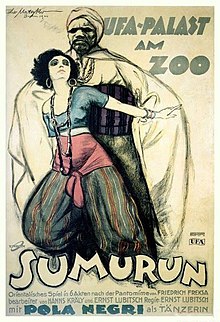
Muitas críticas no Letterboxd mencionaram “Sumurun”, também de 1920, como um filme com temas semelhantes. Então decidi assistí-lo para escrever uma crítica mais completa. Ambos os filmes foram dirigidos por Lubitsch e têm nomes de mulheres no título, mas tirando isso, não vi muitas semelhanças entre os filmes. “Sumurun” traz duas histórias. A primeira é de uma dançarina interpretada por Pola Negri que faz um tipo de Serpentine Dance e rouba os corações de muitos homens, incluindo o jovem Xeque. A segunda é sobre Sumurun (Jenny Hasselqvist), a favorita no harém do velho Xeque, que se apaixona por um mercador. “Sumurun” tem um final melhor e a presença luminosa de Pola Negri, além de Lubitsch também como ator, mas no geral preferi “Ana Bolena.

Many reviews on Letterboxd mentioned “Sumurun”, also from 1920, as a film with similar themes. I then watched it to write a more complete review. Both movies not only were directed by Lubitsch, both have in their title the name of a woman; apart from those two things, I didn’t see many similarities between the films. “Sumurun” brings two stories. The first is about a dancer, played by Pola Negri, who performs some kind of Serpentine Dance and steals the hearts of many men, including the young Sheik. The second is about Sumurun (Jenny Hasselqvist), the favorite in the old Sheik’s harem, who falls in love with a salesman. “Sumurun” has a better ending and the luminous presence of Pola Negri, and also Lubitsch playing a character, but overall I preferred “Anna Boleyn”.
Este é o tipo de história que deveria ficar no passado: de um mulherengo que exige fidelidade da esposa, e detesta as filhas mulheres. Podemos dizer que Ana Bolena é retroativamente um ícone feminista? De certa maneira, sim, porque ela foi vítima de uma das mais fortes manifestações do patriarcado, a monarquia absolutista, e foi vista apenas como um ser para reprodução. O fato de que ela defendia mais tempo de educação formal para mulheres só adiciona argumentos para o caso.

This is a kind of story that should remain in the past: of a womanizer who demands fidelity from his wife, and despises his children who are not male. Could we say that Anna Boleyn was retroactively a feminist icon? In a sense, yes, because she was the victim of one of the strongest manifestations of patriarchy, the absolute monarchy, and was seen only as a being for reproduction. The fact that she supported more years of formal education for women only adds to the case.

Com impressionantes cenas de multidão, especialmente na sequência da coroação, e lindos cenários e figurinos, “Ana Bolena” é um deleite para os olhos. Amantes de História vão amar. Aqueles que só conhecem Lubitsch por seus filmes posteriores podem até se desapontar, mas nunca poderão reclamar de tédio.

With impressive crowd scenes, especially in the coronation sequence, and gorgeous sets and wardrobe, “Anna Boleyn” is a feast for the eyes. History buffs will have a blast.  Those who know Lubitsch from his later films may be a little disappointed, but, for sure, not for a minute bored.

Friday, July 14, 2023

O Último dos Moicanos (1920) / The Last of the Mohicans (1920)


“O Último dos Moicanos” é um clássico, sobre isso não há dúvida. A história foi adaptada para as telas muitas vezes, sendo a adaptação mais famosa provavelmente aquela feita em 1992 estrelando Daniel Day-Lewis. Mas hoje focamos numa adaptação bem mais velha, de 1920.


“The Last of the Mohicans” is a classic, no doubt about that. The story was adapted to the screen many times, being the most famous adaptation probably the one made in 1992 and starring Daniel Day-Lewis. But today we focus on a much older adaptation, from 1920.


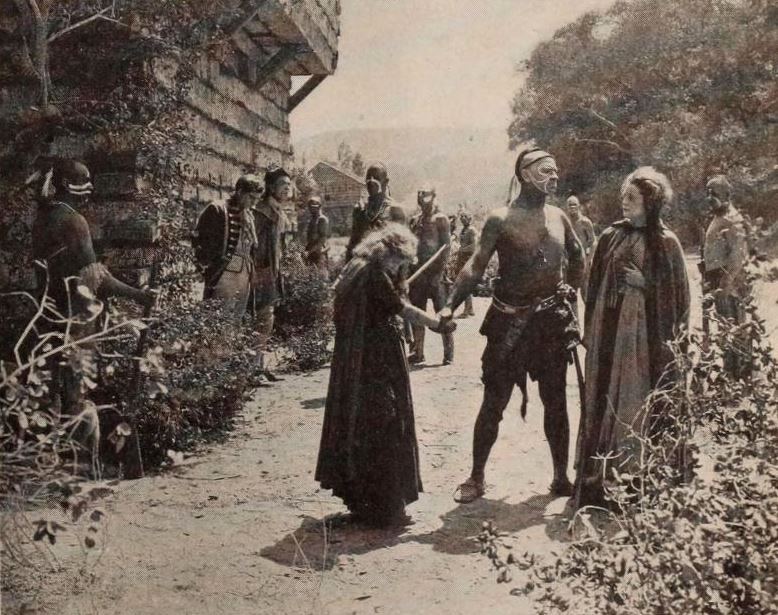
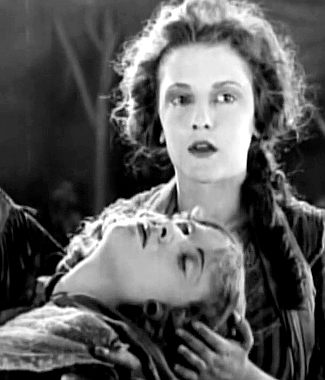
A história acontece em 1757, quando postos das Treze Colônias estavam sendo invadidos pelo exército francês. O coronel Munro (James Gordon) está em um destes postos, o Forte William Henry, e suas duas filhas Cora (Barbara Bedford) e Alice (Lillian Hall) estão no Forte Edward. As duas garotas vão se encontrar com o pai, passando por um atalho pela floresta com a ajuda do guia indígena Magua (Wallace Beery). No meio do caminho, Magua as abandona porque tem outros planos.  Felizmente, elas encontram o último dos moicanos, Uncas (Alan Roscoe).


The story takes place in 1757, when outposts in the Thirteen Colonies were being invaded by the French Army. Colonel Munro (James Gordon) is at one of these outposts, Fort William Henry, and his two daughters Cora (Barbara Bedford) and Alice (Lillian Hall) are at Fort Edward. The two girls go meet their father, going through a shortcut in the forest with the help of Indian guide Magua (Wallace Beery). In the middle of the journey, Magua deserts them as he has other plans. Luckily, they meet the last of the Mohicans, Uncas (Alan Roscoe).

As garotas chegam em segurança, mas os franceses estão próximos e os britânicos são incapazes de pará-los. Mulheres e crianças deixam o forte, mas são capturadas ou mortas pela tribo do Hurons. Magua também está lá, e quer Cora, que agora só tem olhos para Uncas.


The girls arrive safely, but the French are nearby and the British can’t stop them.
Women and children leave the fort, but are taken captive and / or killed by the Huron tribe. Magua is there too, and he wants Cora, who now only has eyes for Uncas.

#NemTodoÍndio é malvado, mas os Hurons com certeza são. Eles desobedeceram à promessa do cacique para os britânicos, que disse que mulheres e crianças poderiam atravessar o território deles e não seriam maltratadas. Pelo bel-prazer de estuprar e matar, eles atacam estas mulheres e jogam crianças pelos ares, matando-as. Os moicanos eram os índios bons, como no começo é dito que eles eram amigos dos caras-pálidas.


#NotAllIndians are bad, but the Hurons certainly are. They disobeyed their Chief’s promise to the British, that women and children could pass their territory and would leave unharmed. For the sheer pleasure of raping and killing, they attack those women and throw children up in the air to their deaths. The Mohicans were the good Indians, as in the beginning it’s said that they were friends with white people.

“O Último dos Moicanos” teve dois diretores: Maurice Tourneur e Clarence Brown. Tourneur – que dirigiu um dos meus filmes mudos favoritos, “O Pássaro Azul” (1918) – adoeceu durante as filmagens e Clarence Brown, que trabalhava como editor e diretor assistente, tomou seu lugar para completar o filme. É por isso que o produto final parece mais um amálgama de dois estilos e não um espetáculo digno de Tourneur.


“The Last of the Mohicans” had two directors: Maurice Tourneur and Clarence Brown. Tourneur - who directed one of my favorite silent films, “The Blue Bird” (1918) - became ill during shooting and Clarence Brown, who was working as editor and assistant director, stepped up to complete the film. That’s why the final product seems more like an amalgamation of two styles and not a full Tourneur spectacle.

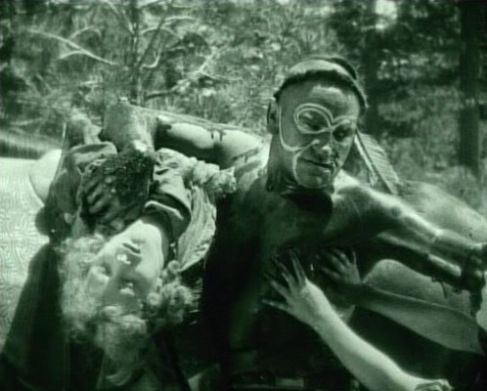
Wallace Beery precisa de muita maquiagem para interpretar Magua. Diz-se que Boris Karloff interpreta também um índio neste filme, mas foi impossível reconhecê-lo. Estes eram os tempos em que se valia da yellowface para que atores brancos interpretassem personagens não-brancos, como indígenas. Tendo isto em mente, Beery é um bom – leia-se detestável – vilão. Alan Roscoe também usa a yellowface. Roscoe dividiu as telas com Theda Bara em pelo menos sete filmes, e é mais conhecido por este “O Último dos Moicanos”, pois morreu relativamente jovem em 1933.


Wallace Beery plays Magua relying on heavy makeup. 
It’s said that Boris Karloff plays an Indian in this film, but it’s impossible to recognize him. These were the times of yellowface used so white actors could play non-white roles, such as Indians. This point being noticed, Beery makes a good - read here detestable - villain. Alan Roscoe also uses yellowface. Roscoe was Theda Bara’s leading man in at least seven films, and is better known for this “The Last of the Mohicans”, as he died fairly young in 1933.

Barbara Bedford foi casada com Alan Roscoe – duas vezes! Primeiro no período entre 1922 e 1928, quando tiveram uma filha, e novamente entre 1930 e 1933, quando ele faleceu. Barbara esteve em diversos filmes na era muda, e permaneceu trabalhando como figurante quando os filmes sonoros chegaram em Hollywood.


Barbara Bedford was married to Alan Roscoe - twice! First in the period between 1922 and 1928, when they had a daughter, and again from 1930 to 1933, when he passed away. Barbara appeared in several films in the silent era, and remained working as an extra when sound came to Hollywood.

Eu me empolguei e também assisti à versão de 1936 de “O Último dos Moicanos”. Este filme B, produzido pelo estúdio Reliance Pictures, tem como estrela Randolph Scott interpretando Hawkeye, que se torna o herói da história. Na versão de 1920, Hawkeye só é citado brevemente. Dado o poder do nome de Randolph Scott na época, podemos entender a mudança de foco, mas a história de Cora permanece como a mais interessante.


I got carried away and also watched the 1936 version of “The Last of the Mohicans”. This B-movie, produced by Reliance Pictures, stars Randolph Scott as Hawkeye, who becomes the lead of the story. In the 1920 version, Hawkeye is only briefly mentioned. Given Scott’s star power at the time, we can understand the shift of focus, but Cora’s plot remains the most interesting.

Os escritos de James Fenimore Cooper já foram adaptados tanto para as telonas quanto para as telinhas 43 vezes, de acordo com o IMDb, com uma futura adaptação de “O Último dos Moicanos”, sua obra mais famosa, em produção como série de TV. Visualmente bela, a versão de 1920 da história com certeza agradará a todos os públicos.


James Fenimore Cooper’s writings were adapted to the big and small screen 43 times already, according to IMDb, with an upcoming adaptation of “The Last of the Mohicans”, his most famous story, in the works as a TV series. Visually stunning, the 1920 version of the story is sure one to please all the audiences.


This is my contribution to the 2023 Classic Literature on Film Blogathon, hosted by Paul at Silver Screen Classics.


Saturday, September 24, 2022

As Aventuras Cinematográficas de Huckleberry Finn

The Cinematic Adventures of Huckleberry Finn

De acordo com o IMDb, a novela de Mark Twain “As Aventuras de Huckleberry Finn” já foi adaptada para o cinema e a TV mais de 20 vezes, começando com “Huck and Tom” – com Jack Pickford como Tom Sawyer – em 1918. Eu escolhi assistir e resenhar três destas adaptações, todas feitas antes de 1940, e comparar com o livro, que eu li há alguns anos. Por isso este post também é por si só, uma aventura – literária e cinematográfica.

According to IMDb, Mark Twain’ novel “The Adventures of Huckleberry Finn” has been adapted to movies and TV shows, so far, more than 20 times, starting with “Huck and Tom” – that had Jack Pickford as Tom Sawyer – in 1918. I chose to watch and review three of those adaptations, all made before 1940, and compare with the book that I have read a few years ago. That’s why this post is, in itself, an adventure – a literary and cinematographic adventure, that is.

O livro, publicado em 1884, conta as muitas aventuras de Huckleberry Finn, camarada de Tom Sawyer, junto ao escravo em fuga Jim ao longo do rio Mississippi. Antes que a aventura comece, Huck é sequestrado pelo pai, um alcoólatra, que quer o dinheiro que Huck ganhou no livro anterior. Todas as versões que eu vi seguem esta história.

The book, published in 1884, tells the many adventures of Huckleberry Finn, Tom Sawyer’s comrade, alongside the runaway slave Jim through the Mississippi River. Before the adventures start, Huck is kidnapped by his alcoholic father, who wants the money Huck got in the previous book. All versions I’ve watched follow this plot.

Encontrei no Internet Archive apenas a primeira metade da versão de 1920, um filme dirigido por William Desmond Taylor que se destaca por ter sido a primeira adaptação do livro solo para o cinema. Aqui, Huck é interpretado por Lewis Sargent, Tom por Gordon Griffith e Jim por George Reed. Esta primeira metade mostra como Huck foi sequestrado por seu pai alcoólatra e como escapou do cativeiro, e termina quando ele encontra Jim, que havia sido vendido para um homem mau e também escapou. Um ponto importante é que a senhora Watson maltrata Jim, se transformando ela própria em um tipo de vilã.

I could find on the Internet Archive only the first half of the 1920 version, a film directed by William Desmond Taylor that was important for being the very first adaptation exclusively of the novel to the big screen. Huck here is played by Lewis Sargent, Tom by Gordon Griffith and Jim by George Reed. This first half shows how Huck was kidnapped by his alcoholic father and escaped captivity, and it ends when he meets Jim, who had been sold to a bad man and also escaped. Something that calls the attention is how harsh Mrs Watson treats Jim, becoming a villainess in her own right.

A versão de 1931 da Paramount, intitulada no Brasil “Mocidade Feliz”, tem Jackie Coogan como Tom Sawyer, Junior Durkin como Huck e Clarence Muse como Jim. Dirigida por Norman Taurog, esta versão toma um bom tempo mostrando as desventuras de Huck na escola antes do sequestro. Jim e Tom resgatam Huck e os três partem para viver aventuras – afinal, não dava para desperdiçar o poder do nome de Jackie Coogan, ainda um grande astro 10 anos após ser descoberto por Chaplin em “O Garoto”. Coogan, Durkin e a maioria do elenco repetem os papéis que interpretaram em “Aventuras de Tom Sawyer” em 1930. Já que Tom é parte da aventura, muitas mudanças foram feitas na história do livro, e apenas uma história é contada: dois homens que dizem ser um Duque e um Rei fingem ser os tios estrangeiros de duas garotas órfãs. Mesmo assim, esta versão conta com um bom elenco, com Coogan, Durkin (que tragicamente morreu poucos anos depois em um acidente de carro), Jane Darwell e Eugene Pallette.

The 1931 version, from Paramount Pictures, has Jackie Coogan as Tom Sawyer, Junior Durkin as Huck and Clarence Muse as Jim. Directed by Norman Taurog, this version takes a good time showing us Huck’s misadventures at school before his kidnapping. Jim and Tom rescue Huck and the three go on to live adventures - after all, you can’t waste Jackie Coogan’s star power, still strong 10 years after his discovery in Chaplin’s “The Kid”. Coogan, Durkin and most of the cast are repeating the roles they played in “Tom Sawyer” in 1930. Since Tom is part of the whole adventure, a lot of changes were made from the book, and only one story is told: two men who say they are a Duke and a King pose as the foreign uncles for two orphaned girls. Nevertheless, this version brings a good cast, with Coogan, Durkin (who tragically died only a few years later in a car crash), Jane Darwell and Eugene Pallette.

E em 1939 a MGM tinha o astro perfeito para ser o protagonista de “As Aventuras de Huck”: Mickey Rooney. Com Rex Ingram como Jim e nada de Tom Sawyer à vista, Rooney é brilhante como o menino-herói. Nesta versão, Huck não é sequestrado pelo pai, mas aceita ir com ele pois Huck está prestes a desapontar a viúva Douglass (Elizabeth Risdon) e a senhorita Wtason (Clara Blandick), que estavam tomando conta dele. Quando Huck deixa o pai, Jim é falsamente acusado de assassinar o garoto, e os dois descem o Mississippi, até que encontram o Rei e o Duque, que primeiro fazem um show e depois fingem ser os tios das órfãs. Este filme tem algumas escolhas estranhas – se vistas com os olhos de hoje – como mostrar como algo positivo o fato de Huck fumar cachimbo e todo um discurso de Huck sobre Jim ser escravo porque foi esse o destino dado a ele por Deus. Há também dois momentos em que Mickey Rooney se veste de menina.

And in 1939 MGM had the perfect star to be the lead of “The Adventures of Huckleberry Finn”: Mickey Rooney. With Rex Ingram as Jim and no Tom Sawyer in sight, Rooney is outstanding as the boy-hero. In this version, Huck isn’t kidnapped by his father, but agrees to go with him as he’s about to disappoint the Widow Douglass (Elizabeth Risdon) and Miss Watson (Clara Blandick), who had been taking care of him. When Huck escapes his father, Jim is falsely accused of murdering the boy, and the two go down the Mississippi, until they meet the King and the Duke, who first put on a show and later impersonate the orphans’ uncles. This movie has some odd choices – as seen nowadays – like showing Huck smoking a pipe as something nice and a whole speech by Huck about Jim being a slave because this was what God intended for him. There are also two moments in which Mickey Rooney dresses in drag.

Houve uma adaptação da história para o programa de TV Climax em 1955, na qual Jim foi completamente apagado. E então, no final dos anos 50, um cão azul andarilho que cantava Querida Clementina foi criado, e batizado de Dom Pixote – Huckleberry Hound no original. William Hanna e Joseph Barbera quase batizaram Zé Colmeia de Huckleberry Bear, mas mudaram de ideia no último minuto. Além do estilo de vida aventureiro, Dom Pixote tem pouco em comum com Huckleberry Finn.

There was an adaptation of the story for the TV show Climax in 1955, in which Jim was completely erased. And then, in the late 1950s, a blue dog wandering and singing Oh My Darling Clementine was created, and baptized Huckleberry Hound. William Hanna and Joseph Barbera almosted baptized Yogi Bear as Huckleberry Bear, but changed their minds in the last minute. Other than his lifestyle, Huckleberry Hound has little in common with Huckleberry Finn.

E então outras adaptações foram feitas. Houve uma em 1960 dirigida por Michael Curtiz (abaixo), com Buster Keaton em um pequeno papel. J. Lee Thompson dirigiu uma versão em 1974 para a tela grande  e no ano seguinte uma adaptação foi feita para a TV, com Ron Howard como Huck. A versão mais recente da história é um curta-metragem de 2020, mas uma nova adaptação para o cinema já está em pré-produção!

And then other adaptations were made. There was one in 1960 directed by Michael Curtiz (below), with Buster Keaton in a small role. J. Lee Thompson directed a version in 1974 for the big screen and the next year a version was made for the small screen, with Ron Howard as Huck. The most recent version of the story is a short film from 2020 and there is another adaptation in the works!

O relacionamento e a camaradagem entre Huck e Jim é uma das coisas mais importantes no livro, e foi traduzida para as telas de maneiras diferentes. Não houve momentos suficientes de Huck-e-Jim no fragmento de 1920 para que eu pudesse ver como os dois personagens interagiam. Na versão de 1931, a presença de Tom Sawyer por todo o filme eclipsou a relacão de Jim e Huck. Há uma verdadeira amizade retratada no filme de 1939, mesmo que o roteiro reforce que Jim não é uma pessoa muito esperta, sendo inclusive infantil algumas vezes.

The rapport and the camaraderie between Huck and Jim is one of the most important things in the book, and it was translated to the screen in different ways. There wasn’t enough of Huck-and-Jim moments in the 1920 fragment for us to see how the two characters interacted. In the 1931 version, the presence of Tom Sawyer all through the movie eclipsed Jim and Huck’s relationship. There is a true friendship portrayed in the 1939 film, even though they reinforce that Jim is a not-so-bright person, even childish at times.

Eu entendo que “As Aventuras de Huckleberry Finn” é um clássico norte-americano e leitura obrigatória em muitas escolas  - mesmo o livro tendo sido envolvido em polêmicas e até mesmo banido em alguns lugares! Eu li o livro já adulta, tentando agigantar meus horizontes quando o assunto é literatura mundial. Eu gostei muito do livro e agora, dando o veredicto sobre as duas adaptações e meia que vi, tenho que dizer que a versão de 1939 com Mickey Rooney é a melhor delas. E a MGM faz magia novamente!

I understand that “The Adventures of Huckleberry Finn” is an American classic and mandatory reading in many schools – even though the book has been involved in polemics and even banned in some places! I read the novel when I was already an adult, broadening my understanding of world literature. I really enjoyed the novel and now, giving the verdict about the two-and-a-half adataptations I watched, I have to say that the 1939 version with Mickey Rooney is the best of them. MGM does it again, folks!

This is my contribution to the Classic Literature in Film blogathon, hosted by Paul at Silver Screen Classics.

Tuesday, February 19, 2019

O Pesado (1920) / The Saphead (1920)


Uma peça da Broadway chamada “The New Henrietta” permitiu que dois dos maiores atores do cinema mudo renovassem suas carreiras. Depois de estrelar a peça na Broadway em 1915, Douglas Fairbanks era a escolha óbvia para protagonizar a adaptação para o cinema, “The Lamb” (1915) - seu primeiro filme. Quando um remake foi feito em 1920, Fairbanks, já um ídolo das telas, recomendou que Buster Keaton fizesse seu papel. E “O Pesado” (1920) foi o primeiro longa-metragem de Keaton.

A Broadway play called “The New Henrietta” allowed two of the biggest silent actors to do new things with their careers. Having starred the play on Broadway in 1915, Douglas Fairbanks was the obvious choice to star the film adaptation, “The Lamb” (1915) - his first film. When the film was remade in 1920, Fairbanks, already an established screen idol, recommended Buster Keaton for his role. And “The Saphead” (1920) was Keaton’s first feature film.


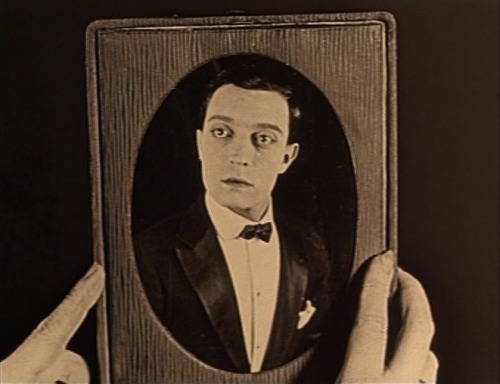
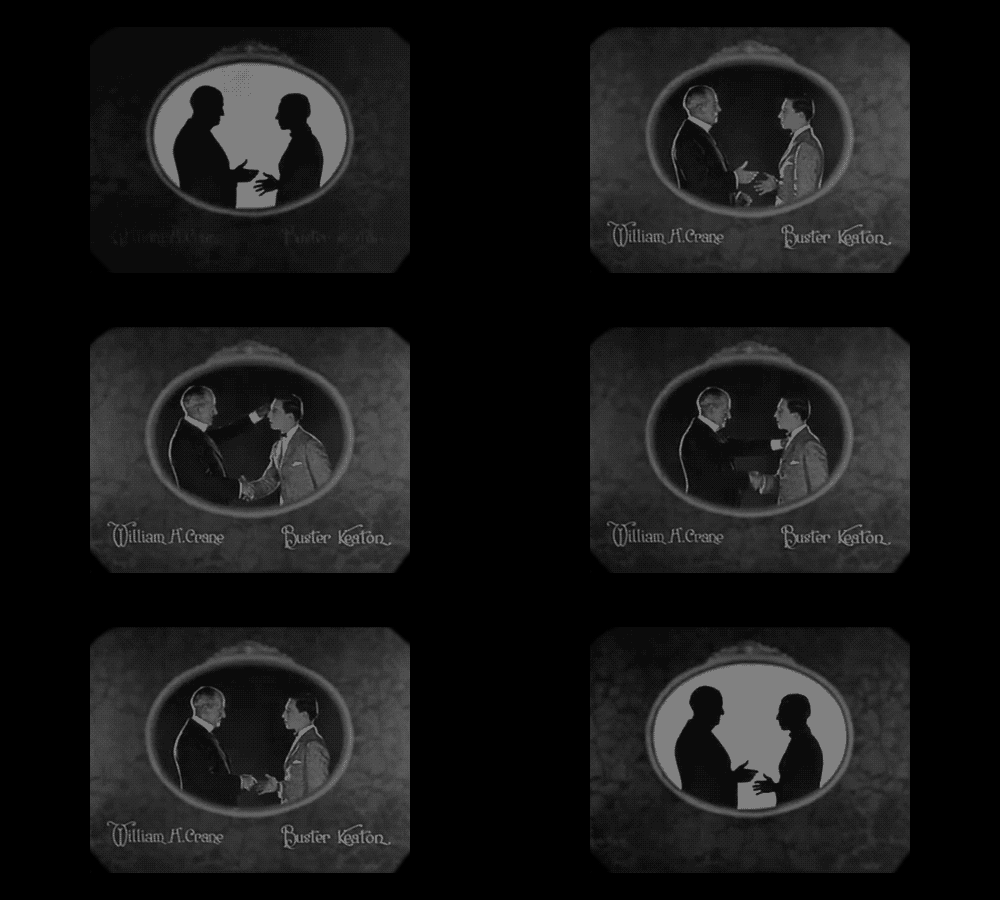
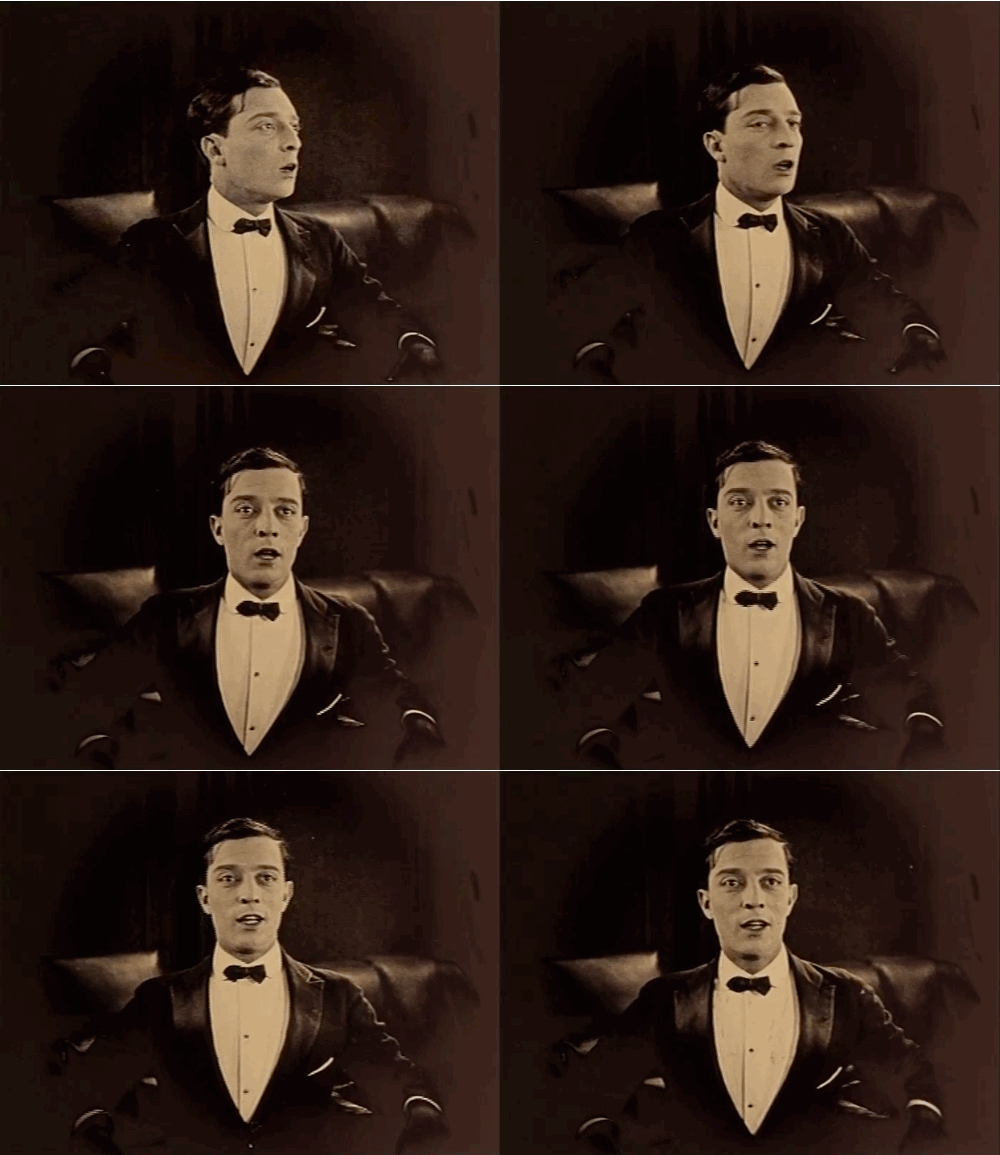
Os créditos não podiam ser mais fofos. Os perfis dos atores aparecem em pequenas janelas ovais, semelhantes a camafeus, então se movem e desaparecem, até aparecer o maior dos camafeus com o perfil de Buster. Nosso Buster é Bertie Van Alstyne, o filho do ricaço Nick de Wall Street (William H. Crane). O pai dele pode ser um magnata, mas a única preocupação de Bertie é conquistar uma garota adotada por seu pai, Agnes (Beulah Booker). A outra filha de Nick é Rose (Carol Holloway), casada com Mark Turner (Irving Cummings). Mark tem um grande problema: sua amante, Henrietta, tem vários cartas de amor para incriminá-lo.

The credits couldn’t be cuter. The actors’ profiles appear in little oval windows, like cameos, become animated and fade, until the biggest cameo, that has Buster. Our Buster is Bertie Van Alstyne, the son of the rich Nick of the Street, Wall Street of course (William H. Crane). His father may be a mogul, but Bertie’s only affliction is conquering his father’s protégé, Agnes (Beulah Booker). Nick’s other child is Rose (Carol Holloway), married to Mark Turner (Irving Cummings). Mark has a huge problem: his lover, Henrietta, has a lot of incriminatory love letters.


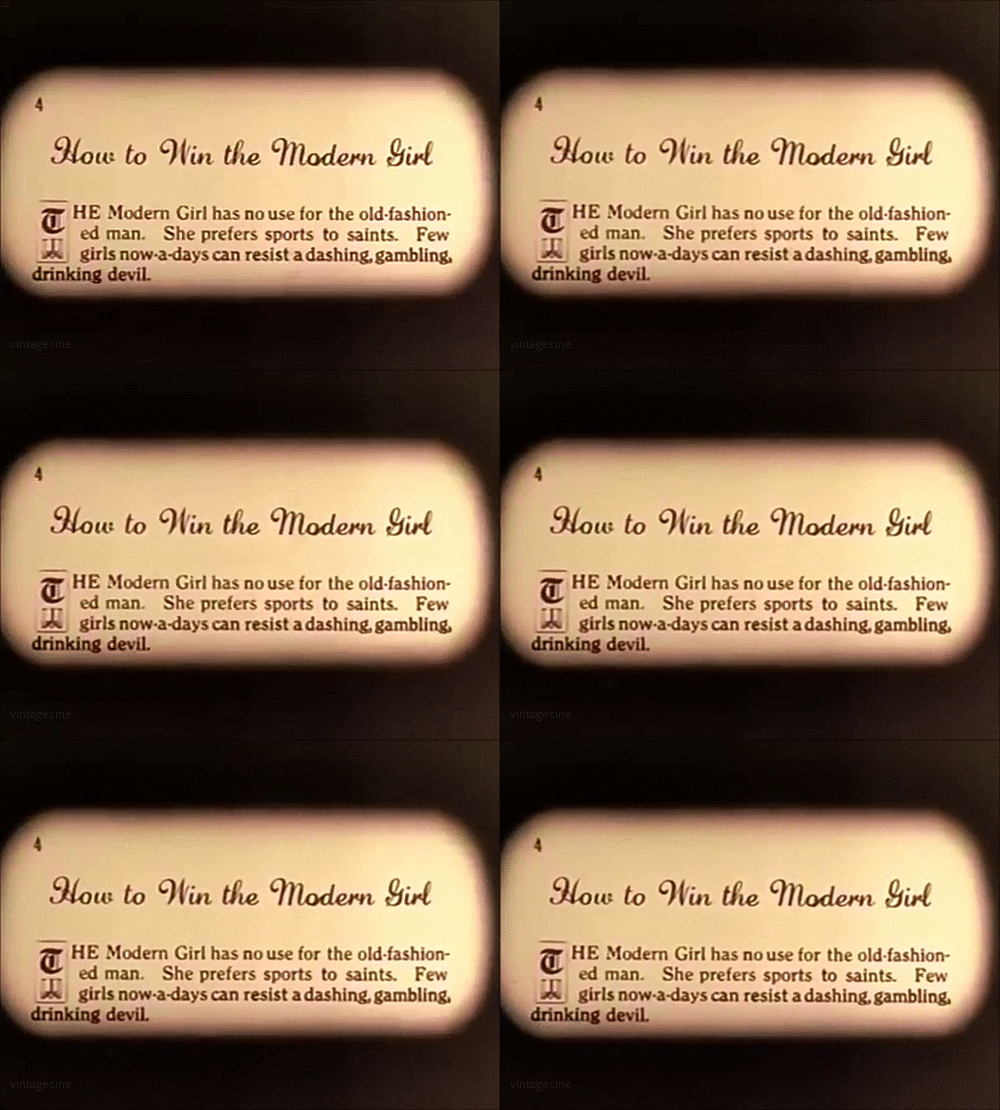
Bertie leu um manual para conquistar a mulher moderna, e por isso decide que precisa de reputação de bad boy, que fuma e joga, quando ele não consegue encontrar Agnes na estação de trem - porque ele foi à estação errada - ele decide sair com os amigos e ir até um cassino ilegal. Agnes fica com a impressão de que ele passa as noites com garotas, o que a entristece, porque ela também é apaixonada por Bertie.

Bertie has been reading a manual to win the modern lady, and wants to build a bad boy reputation, by gambling and smoking. When he can’t meet Agnes at the train station - because he went to the wrong station - he decides to go out with friends and go to an illegal gambling palace. Agnes gets the impression that he spends nights with other girls and becomes heartbroken, because she, too, loves Bertie.


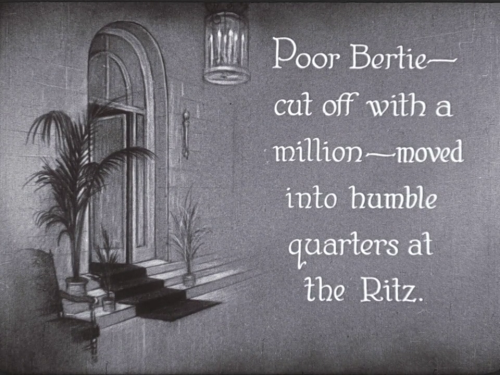
Quando as coisas com Agnes parecem se acertar, Bertie é expulso de casa pelo pai, que não gostou de ver o filho envolvido no escândalo do cassino clandestino. Nick dá a seu filho parcos um milhão de dólares para que ele sobreviva até encontrar um emprego. Bertie estabelece sua nova residência no Hotel Ritz e passa a ser investidor na Bolsa de Valores - e quem poderia imaginar que os membros da Bolsa eram tão infantis? Enquanto isso, Mark está disposto a fazer qualquer coisa para não deixar a verdade sobre sua relação com Henrietta vir à tona. Para piorar as coisas, Nick passa a vender as ações de uma mina de ouro também chamada Henrietta.

When things with Agnes seem to be settled, Bertie is expelled from home by his father, who didn’t like Bertie involved in the scandal of the clandestine casino. Nick gives son only a million dollars so he can survive until he gets a job. Bertie establishes his new residence at the Ritz and becomes a stock broker - and who could have imagined that Stock Exchange members were so childish? Meanwhile, Mark is willing to do anything to not let the truth about his relationship with Henrietta surface. To make things worse, Nick starts handling the stock papers of a gold mine also called Henrietta.


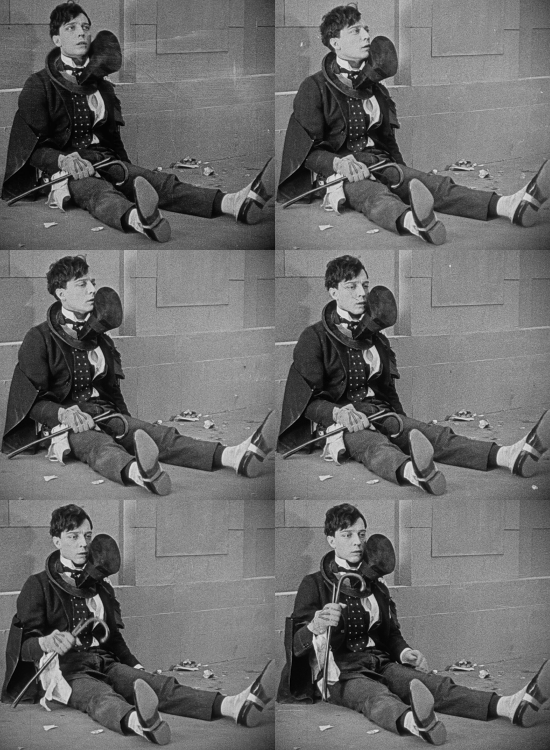
Em “O Pesado” não há a mesma quantidade de comédia física a que um fã de Buster Keaton está acostumado. Claro, Buster cai da escada uma vez e dá uma cambalhota, mas é só isso. Pode não haver muito slapstick, mas mesmo assim a comédia em “O Pesado” é muito boa. Isso se deve ao cérebro perspicaz por trás do roteiro: June Mathis. June foi uma roteirista autodidata que se tornou a primeira executiva da história de Hollywood quando ela se tornou chefe do departamento de roteiros da Metro em 1918. June também foi responsável por lançar a carreira de Rodolfo Valentino. Ela faleceu em 1927, aos 40 anos, de ataque cardíaco, e foi enterrada ao lado de Valentino, que havia morrido no ano anterior.

There is not in “The Saphead” the common amount of physical comedy that a Keaton fan is used to. Sure, Keaton falls down the stairs once and does one somersault, but that’s it. There may not be so much slapstick, but the comedy in “The Saphead” is very good nonetheless. This is because of a witty mind behind the screenplay: June Mathis. June was a self-taught screenwriter who became the first female film executive in Hollywood when she became the head of the scenario department at Metro in 1918. June was also responsible for launching Rudolph Valentino’s career. She passed away in 1927, aged 40, from a heart attack, and was interred next to Valentino, who died the prior year.

June Mathis
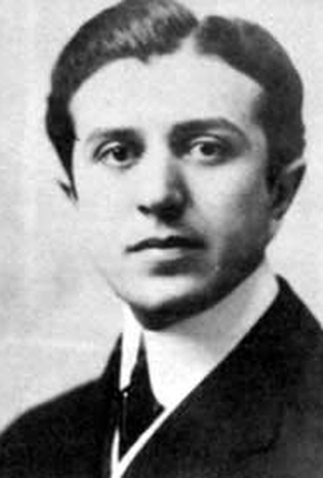
O nome Irving Cummings soa familiar para você? Para mim ele certamente soou: nos anos 30 e 40, Cummings dirigiu diversos filmes na Fox, como “A Pequena Órfã” (1935) com Shirley Temple, “A vida de Alexander Graham Bell” (1939) e “Serenata Tropical” (1940). Cummings começou a dirigir em 1921, e foi indicado ao Oscar por “No Velho Arizona” (1928).

Is the name Irving Cummings familiar to you? He was certainly familiar to me: in the 1930s and 40s, Cummings directed several movies at Fox, like Shirley Temple’s “Curly Top” (1935), “The Story of Alexander Graham Bell” (1939) and “Down Argentine Way” (1940). Cummings started directing in 1921, and was nominated for an Oscar for “In Old Arizona” (1928).
 
Irving Cummings
O diretor de “O Pesado” é Herbert Blaché, o marido de Alice Guy. Ele e Alice fundaram a companhia Solax Film Co. em 1910. Em dezembro de 1919 os estúdios da companhia pegaram fogo, e Alice dirigiu seu último filme em 1920. Herbert, que trabalhava mais como produtor, passou a trabalhar mais como diretor a partir de então. Ele e Alice se divorciaram em 1922.

The director of “The Saphead” is Herbert Blaché, Alice Guy’s husband. He and Alice founded the Solax Film Co. in 1910. In December 1919 the Solax Studios caught fire, and Alice directed her last movies in 1920. Herbert, who had been working more as producer, started directing more from then on. He and Alice divorced in 1922.


Eu amei a decoração dos intertítulos. Desenhar intertítulos era uma arte - não nos esqueçamos de que Hitchcock começou no cinema nessa função. As figuras nos intertítulos não são espirituosas, mas escolhas óbvias, e mesmo assim elas adicionam charme a um filme já charmoso.

I loved how some title cards were decorated. Writing title cards was an art in itself - let’s not forget that Hitchcock started in movies by doing exactly that. The figures in the intertitles are more obvious than clever, bot they add a charming touch to an already charming movie.


Fairbanks pode não ter feito “O Pesado”, mas sua ausência não foi uma grande perda. Como Bertie, Buster Keaton é fofo, simpático e nós torcemos por ele. Não nos esqueçamos de que tanto Fairbanks quanto Keaton eram homens bastante atléticos - pensando assim, podemos concluir que eles não eram tão diferentes no final das contas.

Fairbanks didn’t do “The Saphead”, but his absence was not a big loss. As Bertie, Buster Keaton is cute, sympathetic and we root for him. Let’s not forget that both Fairbanks and Keaton were very athletic men - thinking like this, we can conclude that they weren’t so different after all.


Mesmo se você não conhece nada da Bolsa de Valores - assim como eu - você pode se divertir muito com “O Pesado”. O público de 1920 com certeza se divertiu: o filme foi um sucesso de bilheteria e Buster passou a ter seu nome no topo dos créditos a partir de então. “O Pesado” é diferente de tudo o que você já viu de Buster, e é também um marco em sua incrível carreira.

Even if you know nothing of the stock market - like me - you can enjoy immensely “The Saphead”. The 1920’s audiences sure did: the film was a box-office hit and Buster started receiving top billing from then on. “The Saphead” is different from everything you’ve seen Buster in, and it also was a milestone in his amazing career.

This is my contribution to the Fifth Annual Buster Keaton blogathon, hosted by Lea at Silent-ology.


Sunday, May 20, 2018

Laurel & Hardy


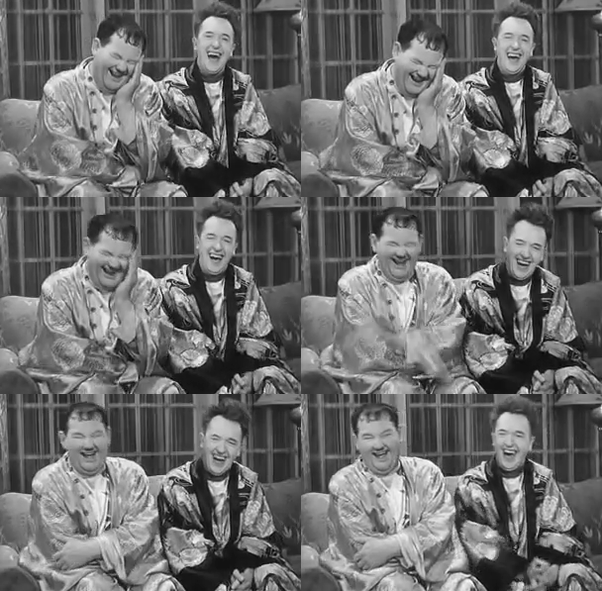
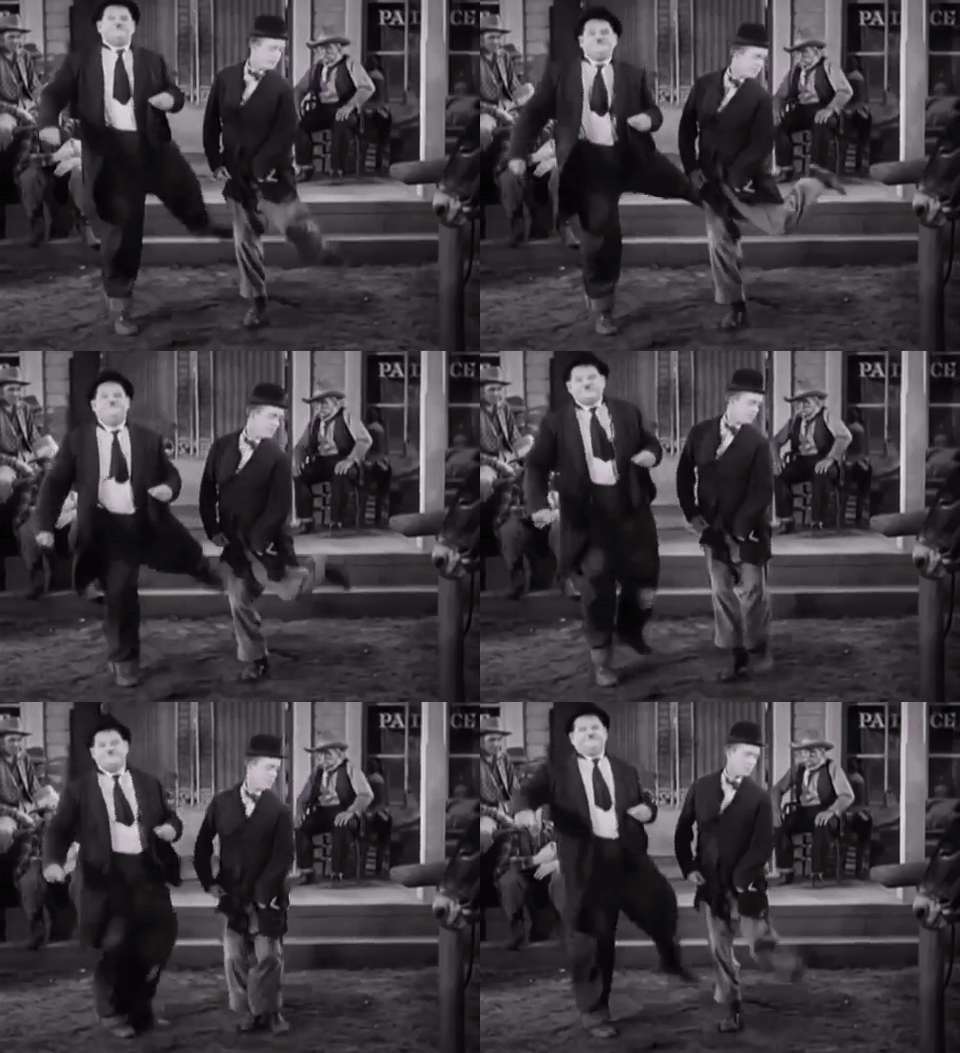
Em 13 de março de 1927, um curta-metragem chamado “Duck Soup” estreou e mudou as carreiras de Stan Laurel e Oliver Hardy para sempre. Ambos já eram comediantes estabelecidos, embora algo desiludidos, mas estavam prestes a se tornar não apenas ídolos do público, mas lendas do cinema.

On March 13th, 1927, a short film called “Duck Soup” was released and it changed the careers of Stan Laurel and Oliver Hardy forever. Both were already established comedians, yet a little sour with their little success, but they were about to become not only movie idols, but also film legends.


Ollie antes de Stan / Hardy before Laurel

Norvell Hardy nasceu na Georgia em 1892. Em 1913, já usando o nome Oliver, que era o primeiro nome do seu pai, Hardy entrou no cinema por trás das câmeras. Primeiro, ele abriu sua própria sala de cinema - Hardy foi o mais jovem gerente de sala de cinema nos Estados Unidos!
Mudando-se para a Florida, para os estúdios Lubin, Hardy se tornou responsável por varias coisas, como objetos de cena e iluminação. Ele apareceu em seu primeiro filme em 1914.
De 1914 a 1926, Hardy fez centenas de filmes, geralmente como coadjuvante e quase sempre como valentão, vilão ou personagem muito nervoso.


Norvell Hardy was born in Georgia in 1892. In 1913, already using the name Oliver, that was his father’s first name, Hardy entered the movie business behind the cameras. First, he opened his own movie theater - Hardy was the youngest movie theater manager in the United States!
Moving to the Lubin studio in Florida, Hardy became responsible for several things, like props and lighting. He appeared in his first film in 1914.
From 1914 until 1926, Hardy made hundreds of films, often as a supporting character and usually as a bully, villain or really nervous character.

Stan antes de Ollie / Laurel before Hardy

Arthur Stanley Jefferson nasceu em Lancashire, Inglaterra, em 1890. Ele veio de uma família do teatro, foi uma criança tímida, fez sua estreia nos palcos quando tinha quase 16 anos e, aos 19, foi contratado pela companhia de Fred Karno como substituto de um cara chamado Charles Chaplin.
Em 1912 a companhia fez um tour pelos EUA, e Stan decidiu ficar por lá - Chaplin só migraria para os EUA dois anos depois. Stan trabalhou no teatro por cinco anos, e em 1917 fez sua primeira aparição no cinema.
Stan normalmente era “escada” para as piadas de outros comediantes - como Larry Semon - e em seus filmes de meados dos anos 1920 já é possível vê-lo interpretando personagens ingênuos.


Arthur Stanley Jefferson was born in Lancashire, England, in 1890. He came from a theater family, was a shy kid, made his stage debut when he was about to turn 16 and, at 19, was employed by Fred Karno’s company as an understudy for a little fella called Charles Chaplin.
In 1912 the company toured the US, and Stan decided to stay - Chaplin would only migrate to the US two years later. Stan worked in theater the five following years, and in 1917 he made his first film appearance.
Stan often played second fiddle to other comedians - such as Larry Semon - and in films from the mid-1920s it’s already possible to see him playing naïve characters.

O primeiro encontro: The Lucky Dog (1921) / The first meeting: The Lucky Dog (1921)

Algumas coisas são questão de timing, não de ocasião. Por exemplo: no primeiro filme juntos, “The Lucky Dog” (1921): Oliver Hardy roubou, espancou e ameaçou Stan Laurel com uma arma. Neste filme. “Stanley Laurel” era um homem que havia sido recém-despejado de uma hospedaria, e encontrava um vira-lata que o ajudava a conquistar uma jovem rica. “Babe Hardy” era um ladrão.
“The Lucky Dog” foi filmado alguns anos antes, provavelmente em 191. Podemos afirmar isso por causa da maquiagem nos olhos de Stan - tendência chamada de “kohl eyes” - algo que ele usava apenas nos seus primeiros filmes na década de 1910.
O segundo filme deles foi “45 Minutes From Hollywood” (1926), mas eles não tinham cenas juntos.


Some things are a matter of timing, not chance. For instance: in their first screen appearance together, in “The Lucky Dog” (1921), Oliver Hardy robbed, punched and threatened Stan Laurel with a gun. In this film, “Stanley Laurel” was a man who had just been expelled from a boarding house, and found a stray dog that helped him conquer a young heiress. “Babe Hardy” was a thief.
“The Lucky Dog” was shot a few years earlier, probably in 1919. We can say that because of Stan’s strong eye makeup- “kohl eyes” -, something he used only in his earlier movies of the 1910s.
Their second film was “45 Minutes From Hollywood” (1926), but they didn’t appear in scenes together.

A dupla e o legado / The duo and the legacy 

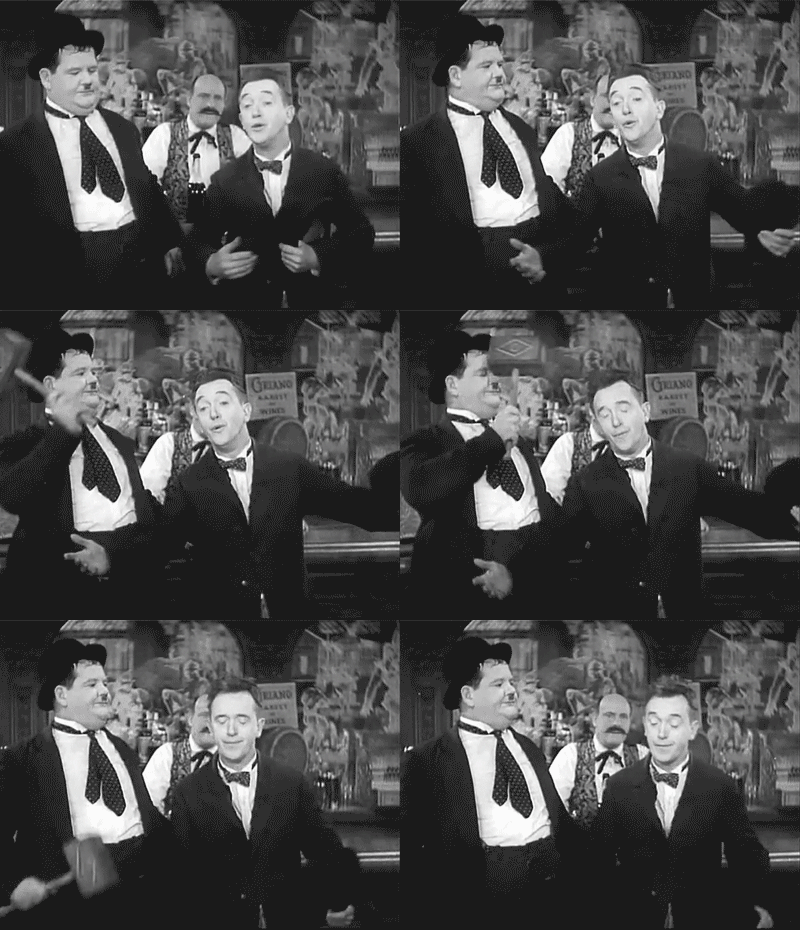
Em 1926, tanto Laurel quanto Hardy foram contratados por Hal Roach - Laurel como roteirista, Hardy como coadjuvante. Normalmente se diz que quem sugeriu que eles formassem uma dupla foi Leo McCarey, então funcionário de Hal Roach. Roach preferia dizer que foi ele mesmo que juntos os extremos para fazer rir. Não importa quem foi. A parceria funcionou. E como!

In 1926, both Laurel and Hardy were hired by Hal Roach - Laurel as a screenwriter, Hardy as a supporting player. It’s often said that their pairing was suggested by Leo McCarey, then a Hal Roach employee. Roach preferred to say it was him that brought the extremes together for laughs. No matter who did it, the partnership worked. And how!


Laurel e Hardy fizeram tanto curtas quanto longas-metragens, tanto filmes mudos quanto filmes falados, e trabalharam em vários estúdios, como o de Roach, MGM e Fox. “Caixa de Música” (1932), feito nos estúdios de Roach e distribuído pela MGM, é um curta-metragem maravilhoso dirigido por James Parrott - irmão de Charley Chase - com gags diversas, variadas e fugindo do óbvio. “Caixa de Música” ganhou o primeiríssimo Oscar de Melhor Curta-metragem.

Laurel and Hardy did both short and feature films, both silents and talkies, and worked in several studios, like Roach’s, MGM and Fox. “The Music Box” (1932), made at Hal Roach studios and distributed by MGM, is a superior short film directed by James Parrott - Charley Chase’s brother - with several varied, not so obvious, gags. “The Music Box” went to win the first ever Oscar for Best Short Film.


No cinema eles amavam comédia física e slapstick, e também experimentaram com trocadilhos e humor verbal nos longas-metragens. As histórias de Laurel e Hardy se expandiram para outros meios, como histórias em quadrinhos e, mais tarde, desenhos animados - aliás, Walt Disney gostava muito deles. Eles também eram favoritos nas redes de televisão e nas reprises, e em alguns lugares ainda é possível encontrar filmes deles sendo exibidos. Desta maneira, muitas gerações cresceram com Laurel e Hardy.

In movies they loved physical comedy and slapstick, and also experimented with puns and verbal humor in feature films. Laurel and Hardy’s stories expanded to other media, such as comic books and, later, cartoons- by the way, Walt Disney liked them very much. They were also favorites for reruns on television and syndication, and in some places they are exhibited until today. This way, many generations grew up with Laurel and Hardy.

Laurel and Hardy cartoon from the 1960s
Mas há muitos de nós que não os conhecemos como “Stan e Ollie”. Aqui no Brasil a duplo foi batizada de “O Gordo e o Magro”, o mesmo nome dos países que falam espanhol (“El Gordo y El Flaco”). Na Alemanha, eles eram “Dick und Doof” (“o Gordo e o Bobo”) e em Portugal, “Bucha e Estica”.

But there are many of us who don’t know them as “Stan and Ollie”. Here in Brazil the duo was baptized as “O Gordo e o Magro”, the same as it was in Spanish-speaking countries (“El Gordo y El Flaco”). In Germany, they were “Dick und Doof” (“Fat and Dumb”) and in Portugal they were “Bucha e Estica” (slangs for someone fat and someone slim).

Brazilian cartoonist Angelo France transformed Timon and Pumbaa in Laurel and Hardy 

Não importa como você os chama, você não pode negar que eles eram uma grande dupla. Não importa onde você vá, lá você vai encontrar lembrancinhas, estátuas e muitas, muitas pessoas que têm doces memórias envolvendo Laurel e Hardy.

No matter how you call then, you can’t deny they were a great duo. No matter where you go, you can find memorabilia, statues and many, many people with tender memories involving Laurel e Hardy.


Disney artist Hank Porter drew Laurel, Hardy and the Three Little Pigs in the early 1930s

This is my contribution to the Dynamic Duos in Classic Film blogathon, hosted by Aurora and Annmarie at Once upon a Screen and Classic Movie Hub.
Related Posts Plugin for WordPress, Blogger...