} Crítica Retrô: Emil Jannings

Tradutor / Translator / Traductor / Übersetzer / Traduttore / Traducteur / 翻訳者 / переводчик

Showing posts with label Emil Jannings. Show all posts

Monday, April 27, 2026

Figuras de Cera (1924) / Waxworks (1924)


Este gabinete veio depois do de Doutor Caligari. As figuras de cera não ganham vida à noite, como na trilogia “Uma Noite no Museu”: elas ganham vida graças à imaginação de um escritor contratado para fazer propaganda do gabinete de figuras de cera com histórias instigantes. O resultado é um triunfo de direção para Paul Leni e de atuação para Conrad Veidt e Emil Jannings, anos antes de os três irem para Hollywood. 

This cabinet came after Doctor Caligari’s. The wax figures don’t become alive at night, like in the “Night at the Museum” trilogy: they come alive thanks to the imagination of a writer hired to advertise the waxworks cabinet with engaging stories. The result is a triumph of directing for Paul Leni and acting for Conrad Veidt and Emil Jannings, years before the three went to Hollywood.

O Califa Haroun Al-Raschid (Emil Jannings) odeia monotonia, por isso ele tem uma esposa para cada dia do ano - mas nenhuma delas é mais bonita que a esposa do padeiro, Zarah, que passa a ser cortejada pelo Grande Vizir e gosta da paquera, pois está infeliz com o casamento. Para mudar a situação, o padeiro promete roubar um anel mágico do Califa. Mas ele não sabe que o Califa vai até a sua casa bem na hora em que ele leva a cabo o roubo no palácio. 

The Caliph Haroun Al-Raschid (Emil Jannings) hates monotony, so he has one wife for each day of the year - but none is more beautiful than the baker’s wife, Zarah, who starts being coveted by the Grand Vizier and likes being coveted, as she’s unhappy in her marriage. To change the situation, the baker vows to steal the Caliph’s Wishing Ring. Unbeknownst to him, the Caliph goes to his house while the baker goes to the palace to steal the ring.

Ivan, o Terrível (Conrad Veidt) está especialmente interessado em venenos e outras maneiras de eliminar seus inimigos. Como ele fez muitos inimigos, bola um plano para viajar sem que haja a possibilidade de ser assassinado - mas o perigo o ronda assim mesmo.

Ivan the Terrible (Conrad Veidt) is especially interested in poisons and other means to eliminate his enemies. Since he has made so many enemies, he plots a plan to travel without the possibility of being murdered - but danger lurks anyway.

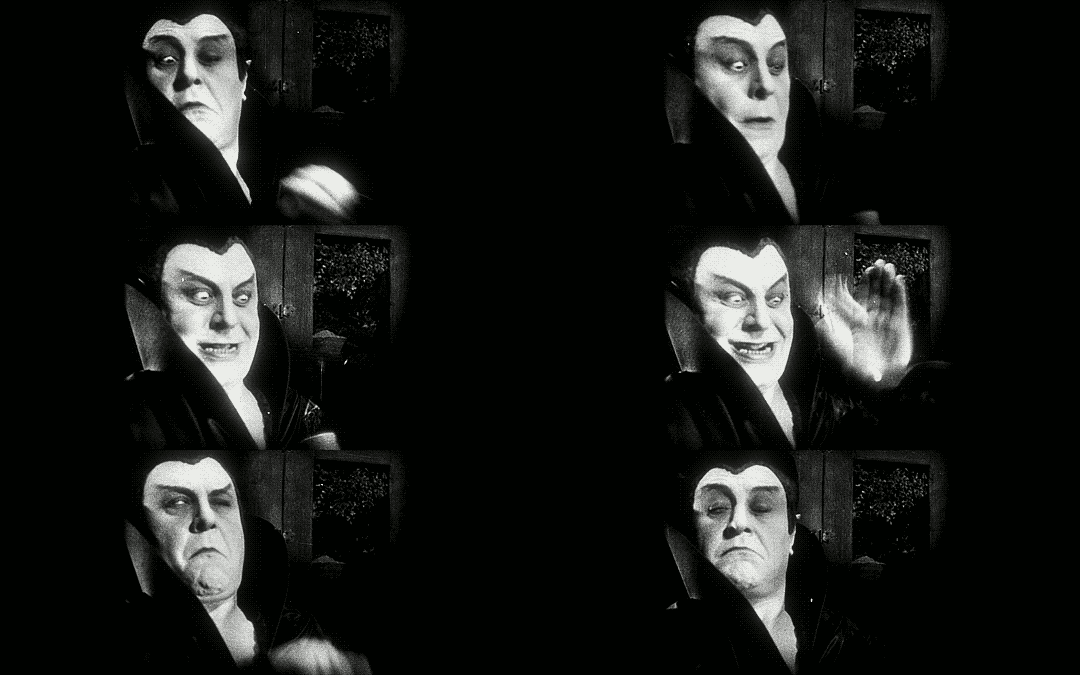
E então Jack, o Estripador (Werner Krauss) volta à vida

And then Jack the Ripper (Werner Krauss) becomes alive.

Este é um filme de antologia, algo que sempre foi um pouco raro no mundo do cinema, mas que chama a atenção de muitos - e eu me incluo neste grupo - quando são feitos. Um exemplo também do cinema de Weimar é “A Morte Cansada” (1921), de Fritz Lang. Originalmente, “Figuras de Cera” contaria quatro histórias mas não sobrou dinheiro para fazer a última, porque o plano era gravar este episódio na Itália. 

This is an anthology movie, something that has always been a bit rare in the movie world, but drives the interest of many - me included - when they’re made. One early example, also from Weimar Cinema, is Fritz Lang’s “Destiny” (1921). Originally, “Waxworks” would have four stories told, but there wasn’t enough money to do the fourth, because the plan was to shoot this episode in Italy.

Emil Jannings foi um verdadeiro camaleão que se tornou o primeiro agraciado com o Oscar de Melhor Ator. Conrad Veidt tinha olhos líquidos inimitáveis. Mas gostaríamos de destacar outro intérprete: Werner Krauss. O próprio Doutor Caligari do filme de 1920, Krauss apareceu em diversos clássicos do cinema mudo e teve uma transição tranquila para o cinema falado… até que fez o filme de propaganda antissemita “Judeu Suss” em 1940. Após a queda do Nazismo, ele declarou que foi coagido a fazer o filme, mas mesmo assim foi considerado um criminoso de guerra menor e teve de se mudar para a Áustria, onde continuou trabalhando mas morreu relativamente esquecido em 1959 - como deveria acontecer com todo nazista. 

Emil Jannings was a true chameleon who became the first Best Actor Oscar recipient. Conrad Veidt had unmistakable liquid eyes. But here we’d like to showcase someone else: Werner Krauss. THE Doctor Caligari in the 1920 film, Krauss made appearances in several classic silent movies and transitioned well to talkies… until he appeared in the antissemitic propaganda film “Jud Suess” in 1940. After the fall of Nazism, he proclaimed that he was coerced into making the movie, nevertheless he was considered a minor war criminal and had to move to Austria, where he kept working until he died in relative obscurity in 1959 - which should happen to all Nazis.

Outro intérprete digno de destaque é William Dieterle, que faz o Poeta que escreve todas as histórias para as figuras de cera, e também Assad o Padeiro na história do Califa e um Boiardo na história de Ivan. Ele começou a atuar aos dezesseis anos e logo se tornou um favorito do diretor de teatro Max Reinhardt, trabalhando ao seu lado entre 1919 e 1924. Tendo feito seu primeiro filme como ator em 1921 e o primeiro como diretor em 1923, ele foi bem-sucedido em ambas as funções. Indo para Hollywood em 1930 para fazer versões dubladas para o alemão de filmes norte-americanos, ele em vez disso se tornou um prolífico diretor. No IMDb, ele conta com 67 créditos como ator e 91 como diretor. 

Another performer to showcase is William Dieterle, who plays The Poet who writes all the stories for the wax figures, and also Assad the Baker in the Caliph story and a Boyar in Ivan’s story. He started acting at age sixteen and soon became a favorite of theater director Max Reinhardt, who worked with him between 1919 and 1924. Making his first film as an actor in 1921 and the first as director in 1923, he was successful in both functions. Going to Hollywood in 1930 to make German-dubbed versions of North American films, he instead became a prolific director. On IMDb, he has 67 credits as an actor and 91 as director.

Com uma mistura perfeita de terror e comédia, “Figuras de Cera” foi escrito por Henrik Galeen, também responsável pelo roteiro de “Nosferatu” (1922). Como um exemplo tardio do Expressionismo Alemão, pode não ser tão lembrado quanto Caligari, que é uma obra-prima, mas este é um filme interessante que sabe entreter.

With a perfect mix of horror and comedy, “Waxworks” was written by Henrik Galeen, also responsible for the screenplay of “Nosferatu” (1922). As a late German Expressionism flick, it is not as well remembered as Caligari, which is a masterpiece, but this is an interesting and entertaining film.

Thursday, January 23, 2025

Ana Bolena (1920) / Anna Boleyn (1920)


Um dos fatos mais significativos que aprendemos na escola aqui no Brasil sobre o século XVI é o casamento do rei inglês Henrique VIII com Ana Bolena e a fratura que isso causou na Inglaterra, criando a religião Anglicana. Como a boa aluna que fui e a historiadora que sou, estava ansiosa para ver a versão de Ernst Lubitsch para a história, filmada em 1920, e provavelmente o primeiro longa-metragem sobre Ana Bolena.

One of the most significant things we learn at school here in Brazil about the 16th century is the marriage of English King Henry VIII with Anna Boleyn and the fracture it caused in England, creating the Anglican religion. As the good student I was and the historian I am, I was anxious to check out Ernst Lubitsch’s version of this story, made in 1920, and probably the first feature film about Anna Boleyn.

Henrique VIII é apresentado como um glutão, assim como D. João VI, que veio de Portugal para o Brasil em 1808. Ele é interpretado por Emil Jannings, antes ainda de seus anos nazistas, mas não menos perturbador. Henrique é um mulherengo que não se importa com sua esposa, a Rainha Catarina (Hedwig Pauly-Winterstein). Seu primeiro encontro com a nova donzela da Corte, Ana Bolena (Henny Porten), começa estranho mas logo ele o faz se tornar predatório.

Henry VIII is presented as a glutton, like D. João VI who came from Portugal to Brazil in 1808. He is played by Emil Jannings, still before his Nazi years, but this doesn’t make him less creepy. Henry is a womanizer who doesn’t care about his wife, Queen Catherine (Hedwig Pauly-Winterstein). His first meeting with the new damsel in Court, Anna Boleyn (Henny Porten), starts awkward but soon becomes predatory from his part.

A próxima coisa que vemos é Ana jogando peteca com o Rei. Ela é imediatamente ostracizada pelos nobres e desprezada pelo seu amado Henrique Norris (Paul Hartmann). O Rei quer se casar com Ana para ter com ela o filho homem que não teve com Catarina. Para isso, primeiro ele precisará de um divórcio – sem a autorização do Papa, um escândalo!

The next thing we see is Anna playing badminton with the King. She’s immediately ostracized by the nobles and despised by her beloved Henry Norris (Paul Hartmann). The King wants to marry Anna to have with her the male child he didn’t have with Catherine. For this, he would first need a divorce – without the Pope’s consent, a scandal!

Tendo seu pedido negado pelo Papa, Henrique VIII se declara Chefe Supremo da Igreja na Inflaterra e consegue o divórcio. Ainda um pouco reticente com isso, Ana se casa com Henrique VIII, mas ela não o ama: ela o teme. O amor entre eles florescerá após a Festa da Primavera ou Henrique VIII voltará aos seus velhos hábitos?

With his wish denied by the Pope, Henry VIII declares himself Supreme Chief of the Church in England and gets the divorce. Although a bit unsure about it, Anna marries Henry VIII, but she doesn’t love him: she fears him. Will their love blossom after the Spring Party or will Henry VIII return to his old habits?

Você deve ter ouvido falar de Emil Jannings, mas não de Henny Porten... mas todos nós deveríamos conhecê-la. Ela não foi apenas uma das primeiras estrelas de cinema do mundo, fazendo sua estreia em 1906, mas também teve uma carreira que durou seis décadas. Ela já era viúva quando fez “Ana Bolena” e seu amor por seu segundo marido, que era judeu, a colocou contra o regime Nazista. Seu pai, Franz, foi diretor, ator e roteirista, mesmas funções da irmã de Henny, Rosa.

You might have heard about Emil Jannings, but not of Henny Porten... but we all should. She was not only one of the first film stars in the world, making her debut in 1906, but also had a career that spanned six decades. She was already a widow when she made “Anna Boleyn” and her love for her second husband, who was Jewish, made her clash with the Nazis. Her father Franz was a diretor, writer and actor, just like her sister Rosa.

Muito antes de se tornar conhecido pelo “toque de Lubitsch” em Hollywood, Ernst Lubitsch já era um mestre do cinema. Ele havia começado como ator no cinema em 1913 e no ano seguinte já estava dirigindo curtas. Em “Ana Bolena”, Lubitsch brincou com alguns enquadramentos astutos e ousados. Graças a este filme, Lubitsch foi para os EUA: Mary Pickford gostou tanto de “Ana Bolena” que exigiu, dois anos depois, que Lubitsch dirigisse seu filme “Rosita”. Sobre este filme, Pickford declarou, para a revista Photoplay: “um exemplo de direção magnífica e atuação esplêndida, especialmente a de Emil Jannings. Foi a primeira vez nas telas que um Rei foi humanizado. Tem humor sutil e satírico”.

Way before he became known for the “Lubitsch touch” in Hollywood, Ernst Lubitsch was already a master of cinema. He had started as an actor on film in 1913 and in the following year he was already directing shorts. In “Anna Boleyn” Lubitsch played with a few clever and bold framings. Thanks to this film, Lubitsch went to America: Mary Pickford liked “Anna Boleyn” so much that she demanded, two years later, that Lubitsch directed her vehicle “Rosita”. About this film, Pickford declared, for Photoplay magazine: “an example of superb direction and splendid acting, especially that of Emil Jannings. It was the first time on the screen that a King had been made human. It has subtle, satirical humor”.

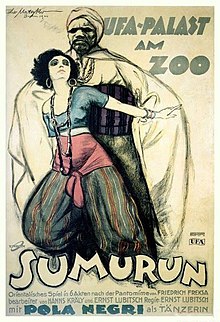
Muitas críticas no Letterboxd mencionaram “Sumurun”, também de 1920, como um filme com temas semelhantes. Então decidi assistí-lo para escrever uma crítica mais completa. Ambos os filmes foram dirigidos por Lubitsch e têm nomes de mulheres no título, mas tirando isso, não vi muitas semelhanças entre os filmes. “Sumurun” traz duas histórias. A primeira é de uma dançarina interpretada por Pola Negri que faz um tipo de Serpentine Dance e rouba os corações de muitos homens, incluindo o jovem Xeque. A segunda é sobre Sumurun (Jenny Hasselqvist), a favorita no harém do velho Xeque, que se apaixona por um mercador. “Sumurun” tem um final melhor e a presença luminosa de Pola Negri, além de Lubitsch também como ator, mas no geral preferi “Ana Bolena.

Many reviews on Letterboxd mentioned “Sumurun”, also from 1920, as a film with similar themes. I then watched it to write a more complete review. Both movies not only were directed by Lubitsch, both have in their title the name of a woman; apart from those two things, I didn’t see many similarities between the films. “Sumurun” brings two stories. The first is about a dancer, played by Pola Negri, who performs some kind of Serpentine Dance and steals the hearts of many men, including the young Sheik. The second is about Sumurun (Jenny Hasselqvist), the favorite in the old Sheik’s harem, who falls in love with a salesman. “Sumurun” has a better ending and the luminous presence of Pola Negri, and also Lubitsch playing a character, but overall I preferred “Anna Boleyn”.

Este é o tipo de história que deveria ficar no passado: de um mulherengo que exige fidelidade da esposa, e detesta as filhas mulheres. Podemos dizer que Ana Bolena é retroativamente um ícone feminista? De certa maneira, sim, porque ela foi vítima de uma das mais fortes manifestações do patriarcado, a monarquia absolutista, e foi vista apenas como um ser para reprodução. O fato de que ela defendia mais tempo de educação formal para mulheres só adiciona argumentos para o caso.

This is a kind of story that should remain in the past: of a womanizer who demands fidelity from his wife, and despises his children who are not male. Could we say that Anna Boleyn was retroactively a feminist icon? In a sense, yes, because she was the victim of one of the strongest manifestations of patriarchy, the absolute monarchy, and was seen only as a being for reproduction. The fact that she supported more years of formal education for women only adds to the case.

Com impressionantes cenas de multidão, especialmente na sequência da coroação, e lindos cenários e figurinos, “Ana Bolena” é um deleite para os olhos. Amantes de História vão amar. Aqueles que só conhecem Lubitsch por seus filmes posteriores podem até se desapontar, mas nunca poderão reclamar de tédio.

With impressive crowd scenes, especially in the coronation sequence, and gorgeous sets and wardrobe, “Anna Boleyn” is a feast for the eyes. History buffs will have a blast.  Those who know Lubitsch from his later films may be a little disappointed, but, for sure, not for a minute bored.

Monday, February 20, 2023

Madame DuBarry (1919)


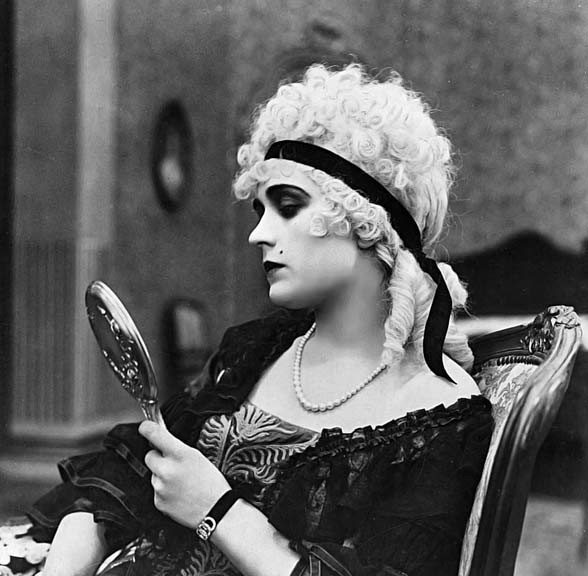
Onde estão as mulheres da História? Comumente negadas posições de poder e apagadas dos relatos, elas podem ser encontradas em livros de História como notas de rodapé ou por causa de sua ligação com homens poderosos. Uma das mulheres deste último grupo é Madame DuBarry (1743-1793), amante do Rei Luís XV e uma das múltiplas vítimas da guilhotina na Revolução Francesa.  A vida de Madame DuBarry foi tão interessante que era óbvio que serviria de inspiração para os cineastas. Um destes cineastas inspirados foi Ernst Lubitsch, que filmou sua versão da história em 1919, num filme estrelado por Pola Negri.


Where are the women in History? Often denied positions of power and erased from accounts, they can be found in History books as either footnotes or in mentions thanks to their liaisons with powerful men. One woman from the latter group is Madame DuBarry (1743-1793), King Louis XV’s mistress and one of many people to die in the guillotine during the French Revolution. Madame DuBarry’s life was so interesting that it’d be obvious that it would inspire filmmakers. One of the filmmakers inspired was Ernst Lubitsch, who made his own version of her story in 1919, starring Pola Negri.


Foi por acaso que a chapeleira Jeanne Vaubernier (Pola Negri) se aproximou da realeza francesa. Uma caixa de chapéus que ela levava foi pisoteada pelo cavalo do espanhol Don Diego (Magnus Stifter). Mesmo estando em um relacionamento com Armand (Harry Liedtke), ela aceitou o convite de Don Diego para ir até a casa dele numa tarde de domingo - e lá ela conheceu o Conde DuBarry (Eduard von Winterstein). Quando Armand mata Don Diego num duelo improvisado durante um baile, Jeanne rapidamente corta relações com Armand e vai viver com o Conde DuBarry, mesmo ele sendo abusivo com ela.


It was by chance that hatmaker Jeanne Vaubernier (Pola Negri) became close to French royalty. Her hatbox was stomped by the horse belonging to Spaniard Don Diego (Magnus Stifter). Despite being in a relationship with Armand (Harry Liedtke), she accepted Don Diego’s invitation to go to his residence on Sunday afternoon - and there she met the Count DuBarry (Eduard von Winterstein). When Armand kills Don Diego in an improvised duel during a ball, Jeanne quickly cuts ties with Armand and goes to live with Count DuBarry, even though he’s abusive towards her.


Um dia, o Rei Luís XV (Emil Jannings) vê Jeanne nos jardins reais. Ela é levada até o rei e os dois logo começam um relacionamento. Jeanne fica falada e, para ser respeitável novamente, ela se casa com o irmão do Conde DuBarry, Wilhelm. Agora Madame DuBarry, condessa, ela é a mulher mais poderosa da França, uma vez que é também amante do rei. Igualmente desprezada pelas mulheres da corte e pela gente comum, Madame DuBarry também esconde o fato de que ainda nutre sentimentos por Armand.


One day, King Louis XV (Emil Jannings) sees Jeanne in the royal gardens. She is brought to the king’s presence and the two soon start an affair. Jeanne becomes the talk of the town and, in order to be respectable again, she marries Count DuBarry’s brother Wilhelm. Now Madame DuBarry, a countess, she’s the most powerful woman in France, as she’s also the king’s mistress. Equally despised by the women in the court and by the common folks, Madame DuBarry also hides the feelings she still had for Armand.

“Madame DuBarry” foi dirigido por Ernst Lubitsch - sim, o mesmo Lubitsch que anos mais tarde encantou Hollywood com o “toque de Lubitsch”. Lubitsch havia começado sua carreira como ator, fazendo seu primeiro filme em frente às câmeras em 1913. Seu primeiro filme atrás das câmeras foi feito no ano seguinte, e até 1920 Lubitsch alternava trabalhos como diretor e ator. Ele teve grande êxito fazendo tanto dramas históricos - como “Madame DuBarry” - e comédias durante a era muda.


“Madame DuBarry” was directed by Ernst Lubitsch - yes, the same Lubitsch who years later amazed Hollywood with the “Lubitsch touch”. Lubitsch had started his career as an actor, making his first film in front of the cameras in 1913. His first film behind the cameras was made the following year, and until 1920 Lubitsch alternated works as director and actor. He found great success with both historical dramas - like “Madame DuBarry” - and comedies during the silent era.


Pola Negri é perfeita para o papel-título icônico. Flertando o tempo todo, ela tem um momento bastante breve para brilhar ao se vestir de homem para espionar os planos revolucionários de Armand. Sua cena mais curiosa, entretanto, acontece quando ela perde a cabeça ao ver o caixão de Luís XV. Muitos relatos afirmam que Pola também perdeu a cabeça no funeral de seu então namorado Rodolfo Valentino em 1926, então esta cena basicamente prevê um dos momentos mais icônicos da vida real de Pola Negri.


Pola Negri is perfect for the iconic title role. Flirtatious all the time, she has a too brief moment to shine when dressed as a male to spy on Armand’s revolutionary plans. Her most curious scene, however, happens when she loses her mind when she sees Louis XV’s coffin. Many accounts tell us that Pola also made a huge scene in the funeral of her then beau Rudolph Valentino in 1926, so this scene basically foresees one of Pola’s most iconic real life moments.


Os figurinos e cenários são, obviamente, o destaque. O vestido que Pola Negri usa quando Madame DuBarry é apresentada à corte é de tirar o fôlego, perfeitamente exagerado. Também gostei de ver um homem com “papilotes” no cabelo. As cenas com multidões são muito bem dirigidas e a pessoa responsável pela direção de arte foi Kurt Richter, um colaborador constante de Ernst Lubitsch.


The costumes and sets are, of course, outstanding. The dress Pola Negri wears when Madame DuBarry is introduced to the court is breathtaking, as well as perfectly exaggerated. I also liked seeing a guy with “papilottes” on his hair. The scenes with crowds are beautifully staged and the person responsible for the art direction was Kurt Richter, a constant collaborator of Ernst Lubitsch.


A versão de “Madame DuBarry” que eu vi tinha cartelas de texto tanto em alemão quanto em francês, e também legendas em português. Desta forma, pude praticar meu alemão enquanto assistia a esta bela restauração levada a cabo pelo Instituto F.W. Murnau em 2013. Melhorar meu alemão é uma das grandes metas que tenho para 2023, e é ainda melhor que eu possa fazer isso com filmes.


The version of “Madame DuBarry” I watched had title cards in both German and French, and also Portuguese closed captions. This way, I could improve my German while watching this beautiful restoration made by the F.W. Murnau Institute in 2013. Improving my German is one big goal I have for 2023, and it’s even better if I can do this with movies.


Suntuoso e divertido, “Madame DuBarry” é um ótimo filme com dois grandes nomes da época do cinema mudo: o diretor Lubitsch e a atriz Pola Negri. O filme foi um grande sucesso em Hollywood quando estreou em 1921, sob o título “Paixão”. Pode não ser um filme “obrigatório” para os fãs de cinema mudo, mas é uma maravilhosa produção de encher os olhos.


Lavish and entertaining, “Madame DuBarry” is a great silent film with two big players in the silent film era: director Lubitsch and actress Pola Negri. The film was a huge success in Hollywood when it arrived in 1921 under the title “Passion”. It may not be a “mandatory” viewing for silent film fans, but it’s a wonderful production and a feast for the eyes.

Tuesday, February 3, 2015

Um perfil de Emil Jannings

A profile of Emil Jannings

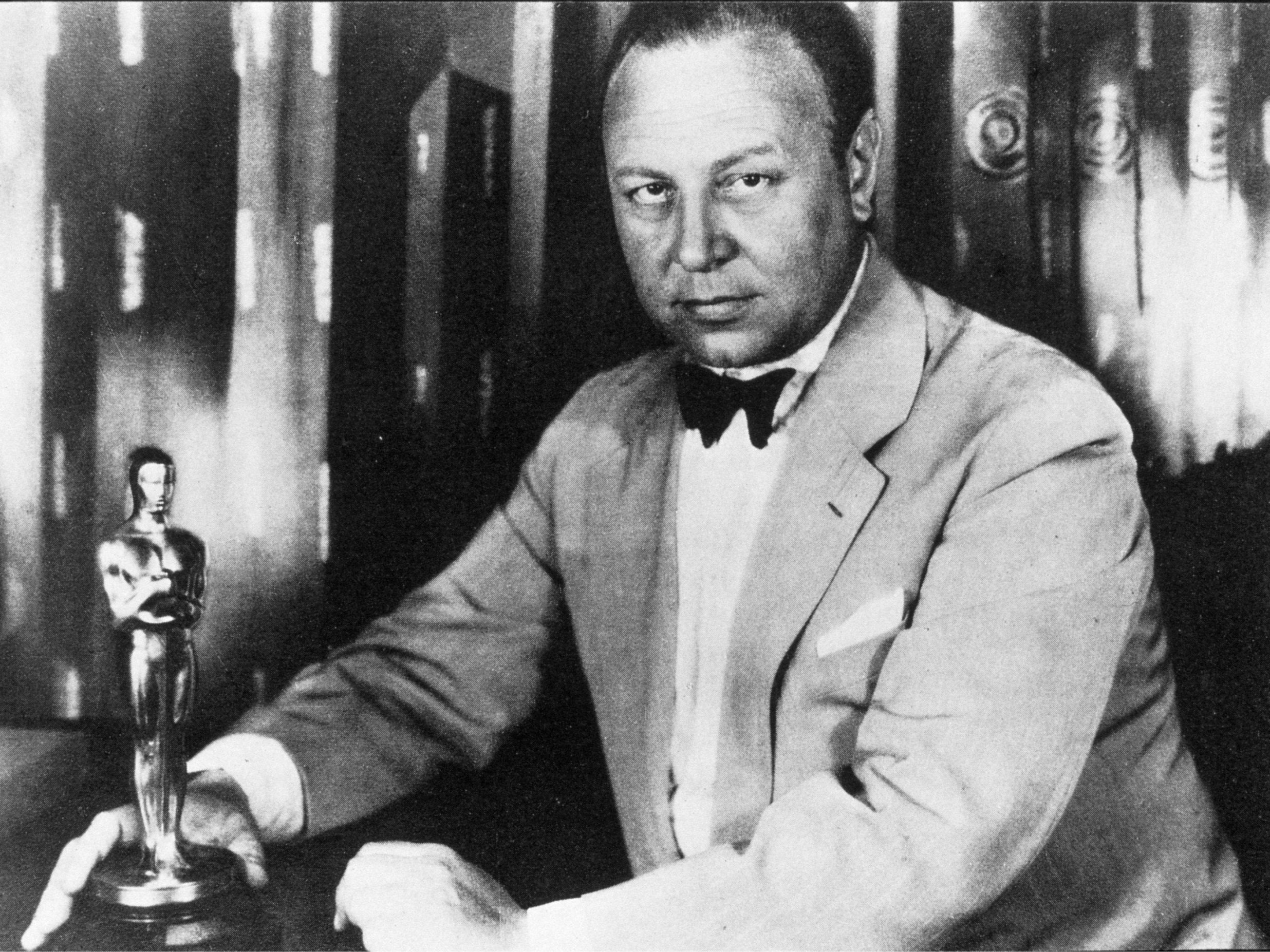
Hoje Emil Jannings é mais lembrado por ter sido o primeiro ganhador do Oscar de Melhor Ator, em 1929. Mas Jannings foi um homem de muitas honras: contracenou com Pola Negri, Marlene Dietrich, Conrad Veidt e Lya De Putti. Foi dirigido por Josef von Sternberg, Ernst Lubitsch, Paul Leni, King Vidor e F. W. Murnau. Chegou a ser considerado o melhor intérprete do mundo. Sua queda foi vertiginosa e muito triste por ter se ligado à pior política do século XX. Mas os verdadeiros fãs do bom cinema saberão apreciar o talento deste homem inconfundível. 

Today Emil Jannings is better remembered as the first winner of the Best Actor Oscar, in 1929. But Jannings was a man of many honors: he worked alongside Pola Negri, Marlene Dietrich, Conrad Veidt and Lya De Putti. He was directed by Josef von Sternberg, Ernst Lubitsch, Paul Leni, King Vidor and F.W. Murnau. He was even considered the best actor of the world. But his fall was huge and sad because he chose the side of the worst force of the 20th century. But the true fans of good cinema will know how to talk about the talents of this remarkable man.

Começamos destruindo um mito: Jannings não era alemão. Theodor Friedrich Emil Janenz nasceu na Suíça em 1884. Pouco encontrei sobre sua infância e juventude, a não ser a informação de que seu pai era americano. Aos 30 anos, em 1914, estreou no cinema e em 1918 já estava com Pola Negri e Ernst Lubitsch trabalhando em “Olhos da Múmia”, em que interpreta um árabe vingativo. Sua carreira oscilou entre papéis de vítima e de vilão.

We start by destroying a myth: Jannings wasn’t German. Theodor Friedrich Emil Janenz was born in Switzerland in 1884. I could not find much about his early years, except the fact that his father was American. At age 30, in 1914, hem ade his film debut and in 1918 he was already with Pola Negri and Ernst Lubitsch working on “The Eyes of the Mummy”, in which he plays a vindictive Arab man. His career alternated roles as a villain and a victim.

Fausto, 1926

Com “A Última Gargalhada” (1924), F. W. Murnau provou que o bom cinema não dispensava apenas diálogos, mas toda e qualquer palavra. Porque os únicos escritos em quase 90 minutos de projeção são o título do filme, o nome do diretor e do ator principal. É um filme psicodélico e cheio de significado, que parte da simples figura de um porteiro de hotel cuja profissão, única glória e alegria, lhe é tirada.

With “The Last Laugh” (1924), F.W. Murnau proved that good cinema didn’t need dialogues nor any written world. Because the only words in almost 90 minutes are the title of the film and the names of the director ando f the main actor. This is a psychodelic movie full of meaning, that brings the journey of a hotel clerk whose profession, his only glory and joy, is taken from him.    

A biógrafa de Rin Tin Tin (porque, sim, o astro canino tinha uma biógrafa) afirma que foi Rin Tin Tin o ganhador do primeiro Oscar de Melhor Ator, em 1929. A maioria dos votos era do cachorro mais popular das telas. Entretanto, receando que, se o prêmio recém-criado fosse entregue a um astro de quatro patas, o Oscar nunca seria levado a sério, a Academia entregou o troféu ao segundo colocado, este humano: Emil Jannings. Para Rin Tin Tin sobrou a honra de morrer no colo de Jean Harlow (quem não iria querer morrer naquele colo?).

Rin Tin Tin’s biographer (because, yes, the dog star had a biographer) claims that Rin Tin Tin was the winner of the Best Actor Oscar, in 1929. Most votes were for the most popular dog on the screen. However, feeling that, if the brand new award was given to a four-legged star, the Oscar would never be taken seriously, the Academy gave the award to the second place, a human: Emil Jannings. For Rin Tin Tin the glory that was left was to die on Jean Harlow’s lap (and who wouldn’t want to that on that lap?).  

Mas Jannings mereceu o Oscar. Posso ser parcial ao falar isso, porque “A Última Ordem / The Last Command” (1928) é um dos meus filmes mudos favoritos, mas a atuação de Jannings é ESPETACULAR. Uma imagem vale mais que mil palavras, e nem três trilhões de artigos como este seriam suficientes para descrever o real valor deste filme e da atuação de seu protagonista. Um ex-guarda do czar, agora radicado em Hollywood, tem a oportunidade de reviver seu passado ao trabalhar como extra em um filme sobre a Rússia.

But Jannings deserved the award. I may be biased to say that, because “The Last Command” (1928) is one of my favorite silente movies, but Jannings’s performance in SPECTACULAR. An image is worth more than a thousand words, but not even three trillions of articles like this one would be enough to describe the real value of this film and its lead’s performance. A former Czarist guard, now in Hollywood, has the chance to relive his past while working as an extra in a film about Russia.

Entretanto, Jannings não ganhou o Oscar apenas por sua atuação primorosa em “A Última Ordem”. No primeiro ano do prêmio, a Academia permitiu que a indicação fosse feita considerando o trabalho do ator / atriz em múltiplos filmes do ano anterior. E aqui entra uma curiosidade triste: Jannings é o único ator já indicado ao Oscar cujo filme que lhe valeu a indicação (e a vitória) está perdido: “Tortura da Carne / The Way of All Flesh” (1927). Mas há quem dê esperanças de existir uma cópia dele por aí.

However, Jannings didn’t win the Oscar only for his great performance in “The Last Command”. In the first year of the award, the Academy allowed the nomination to be made considering the perfomer’s work in multiple films from the previous year. And here comes a sad curiosity: Jannings is the only actor nominated for an Oscar whose nominated film is lost: “The Way of All Flesh” (1927). But there are those who give us hope that a copy still exists somewhere.

Falando em filmes perdidos, Jannings também foi a estrela de “O Patriota” (1928), dirigido por King Vidor e só pelo trailer que sobrou dá para perceber que era maravilhoso. Tomara que seja encontrada alguma cópia dele nos porões de algum lugar do mundo!

Since we’re talking about lost movies, Jannings was also the star of “The Patriot” (1928), directed by King Vidor and whose trailer is enough to let us know that it was great. We can only hope that a copy of it is found in a basement somewhere!

A era do cinema mudo acabava e Jannings já colecionava glórias e elogios. Ainda viria seu filme mais famoso, e sua ainda mais famosa derrocada. Com a chegada do som em Hollywood, ele voltou para a Alemanha. Ele e Von Sternberg, diretor de “A Última Ordem”, se reuniram para mais uma obra-prima: “O Anjo Azul”, de 1930, em que Jannings interpreta o professor Rath, que se apaixona pela cantora Lola Lola (Marlene Dietrich), uma femme fatale primitiva.

The silent movie era was ending and Jannings already collected glories and compliments. His most famous film was yet to come, and his even more famous downfall. With sound coming to Hollywood, he went back to Germany. He and Vn Sternberg, the director of “The Last Command”, reunited for another masterpiece: “The Blue Angel”, from 1930, in which Jannings plays professor Rath, who falls in love with the singer Lola Lola (Marlene Dietrich), a primitive femme fatale.  

“O Anjo Azul” foi proibido quando os nazistas chegaram ao poderem 1933. Marlene Dietrich sairia definitivamente da Alemanha. Josef von Sternberg, nascido na Áustria, também não mais pisaria em solo alemão. E aqui Jannings cometeu seu grande erro: seguiu trabalhando para o cinema de propaganda nazista, tendo a seu lado, por exemplo, a ex-esposa de Fritz Lang, Thea von Harbou.

“The Blue Angel” was banned when the Nazis came to power in 1933. Marlen Dietrich would once and for all leave Germany. Josef von Sternberg, born in Austria, also would never again set foot in German soil. And here Jannings made his big mistake: kept working for Nazi propaganda films, having alongside him, for instance, Fritz Lang’s ex, The von Harbou.

Emil Jannings morreu em 2 de janeiro de 1950. Nunca conseguiu se livrar da mácula que foi ter trabalhado para o Terceiro Reich. Entretanto, seus filmes estão aí (os que sobraram) para provar que o talento de Emil Jannings foi muito maior que seu maior erro.

Emil Jannings died on January 2nd, 1950. He would never see himself free of the mark gained when he worked for the Third Reich. Nevertheless, his films are there (some of them) to prove that Emil Jannings’s talento was bigger than his biggest mistake.

This is my first contribution to the 31 Days of Oscar Blogathon, hosted by mighty trio Aurora, Kellee and Paula at Once Upon a Screen, Outspoken & Freckled and Paula’s Cinema Club.

Sunday, October 14, 2012

Aos mestres, com carinho


Além do Dia dos professores, comemorado neste quinze de outubro, os mestres têm outro dia este mês para comemorar, embora a maioria não saiba disso: o Dia Mundial do Professor, 5 de outubro. Como uma imagem vale mais que mil palavras, ao invés de escrever longamente deixo um vídeo e uma galeria com 16 professores notáveis da sétima arte e mais alguns que aparecem no vídeo que abre esta postagem. 

  • O Professor de “Inocente Pecadora / Way Down East” (1920), que estudava borboletas.
  • Emil Janings em “O Anjo Azul” (1931)
  • Cary Grant em “Levada da Breca / Bringing up Baby” (1938)
  •  Robert Donat em “Adeus, Mr Chips / Goodbye Mr Chips” (1939)
Peter O'Toole também interpretou Mr. Chips em 1969
  •  Marie (Greer Garson) e Pierre Curie (Walter Pidgeon) em “Madame Curie” (1943)
  • William Holden em “Nascida Ontem / Born Yesterday” (1951)
  • Glenn Ford em “Sementes da Violência / Blackboard Jungle” (1956)
  • Deborah Kerr em “O Rei e Eu / The King and I” (1956)
  • Anne Bancroft em “O Milagre de Anne Sullivan / The Miracle Worker” (1962)
  • Jerry Lewis no original “O Professor Aloprado / The Nutty Professor” (1963)

  • Rex Harrison em “My Fair Lady” (1964)
  • Sidney Poitier no inesquecível “Ao mestre, com carinho / To sir, with love”(1968)
  • Indiana Jones (Harrison Ford) na série homônima
  • William Hurt em “Filhos do Silêncio / Children of a Lesser God” (1986)

  • Edward James Olmos em “O Preço do Desafio / Stand and Deliver” (1987)
  • Robin Williams em “Sociedade dos Poetas Mortos / Dead Poets Society” (1989) 
E vocês, leitores, quem gostariam de ter como mestres nessa notável galeria? 

Friday, February 11, 2011

Preparação para o Oscar – O pioneiro

Alô, cinéfilos de plantão! Estamos a poucos dias de conhecer os felizardos ganhadores do prêmio mais cobiçado do cinema. Mas nem sempre foi assim. Quando a premiação surgiu, era apenas chamada de “prêmio de mérito”. Mais do que isso: as primeiras estatuetas foram entregues em cinco minutos e não houve nem emoção: os vencedores tinham sido anunciados três meses antes do evento. Houve até um prêmio que hoje soa meio bizarro: Melhor Entretitulagem (nos filmes mudos, narração e diálogos aparecaim nos entrertítulos), que só durou aquele ano e foi para Joseph Farnham.Veja mais algumas curiosidades:


Primeiro Oscar de Melhor Filme:
Na primeira cerimônia não houve prêmio de Melhor Filme: foram dois: Produção (Asas) e Produção Artística e Notável (Aurora). No entanto, numa convenção posterior, Asas se tornou oficialmente o primeiro ganhador do prêmio devido às revisões nas regras do Oscar. E Adivinhe qual filme ainda é assistido e glorificado até hoje?


Primeiro Melhor Ator (protagonista): 
Emil Jannings (um conhecido simpatizante do Nazismo e, depois, publicitário da causa) ficou com o primeiro Oscar de Melhor ator por The Last Command (dirigido Josef von Sternberg, o queridinho da Marlene Dietrich).O ator tinha de voltar à Europa antes da cerimônia, por isso sua premiação foi adiantada, o que faz dele e primeiríssimo a receber o Oscar.


Primeira Melhor Atriz:
Janet Gaynor pode se gabar de ser a primeira Melhor Atriz, mas ganhou por seu árduo trabalho em 3 filmes: Aurora, sétimo Céu e Anjo das Ruas. Na foto, ela está com Frank Borzage, ganhador como Melhor Diretor - Drama. Janet disse na cerimônia : "se eu posso fazer isso, qualquer uma pode". Obrigada, Janet, por alimentar minhas esperanças! :)


Primeira Celebração e Apresentador:
A primeiríssima cerimônia de entrega do Oscar aconteceu em 16 de maio de 1929 no Hotel Roosevelt e o anfitrião foi Douglas Fairbanks (OK, o hotel era dele). Foi uma pequena reunião de 270 pessoas.


Isso é tudo, pessoal! Esperem por mais fatos curiosos sobre o Oscar!
Lê ^_^
Related Posts Plugin for WordPress, Blogger...