} Crítica Retrô: 1927

Tradutor / Translator / Traductor / Übersetzer / Traduttore / Traducteur / 翻訳者 / переводчик

Showing posts with label 1927. Show all posts

Friday, October 24, 2025

O Gato e o Canário (1927) / The Cat and the Canary (1927)


O que podemos esperar de um filme que começa com seu cenário sendo descrito como “a grotesca mansão de um milionário excêntrico”? Sustos, arrepios na espinha e diversão: tudo isso em apenas 87 minutos. Este é “O Gato e o Canário”.

What can we expect from a movie that starts with its setting described as “the grotesque mansion of an eccentric millionaire”? Thrills, shills and fun: this all packed in 87 minutes. This is “The Cat and the Canary”.

Quando estava morrendo, Cyrus West sentiu que seus parentes eram como gatos em torno de um canário, isto é, predadores. No vigésimo aniversário de sua morte, esses parentes se reúnem na mansão para finalmente abrirem seu testamento. Todos estão com os nervos à flor da pele por estarem numa mansão mal-assombrada, mas a curiosidade sobre quem ficará com o dinheiro é maior que qualquer medo.

When he was dying, Cyrus West felt that his relatives were like cats around a canary, that is, predators. On the 20th anniversary of his death, these relatives reunite in his mansion to finally hear the reading of his will. Everybody is nervous to be in a haunted mansion, but the wish to know who gets the money is bigger than any fear.

O vencedor leva tudo, e a vencedora é Annabelle West (Laura La Plante). Mas há uma condição: a nova herdeira deve ser examinada por um médico e declarada mentalmente sã, ou o dinheiro irá para outra pessoa. Annabelle e os outros estão se preparando para passar a noite na mansão quando o retrato de Cyrus cai da parede:  é um mau pressentimento, algo terrível acontecerá naquela noite, diz a governanta. Annabelle é agora o canário em meio aos gatos.

Winner takes it all, and the winner is Annabelle West (Laura La Plante). But there is a condition: the new heiress must be examined by a doctor and be declared mentally sane, or the money will go to someone else. Annabelle and the others prepare to spend the night at the mansion when Cyrus’s portrait falls from the wall: it’s a bad omen, something terrible will happen that night, says the housekeeper. Annabelle is now the canary among the cats.

Para ter mais emoção, um guarda chega com a notícia de que um louco fugiu do hospício e provavelmente está escondido em algum canto da mansão. Este louco pensa que é um gato e destrói as suas vítimas como se fossem canários indefesos. Mais essa agora: os convidados começam a suspeitar que Annabelle está louca, até que ela prova que há na mansão passagens secretas e quartos ocultos.

To spice things up, a guard arrives with the news that a lunatic escaped and is probably hidden somewhere inside the mansion. This lunatic thinks he’s a cat and destroys his victims as if they were defenseless canaries. More than that: the guests start suspecting that Annabelle is crazy, until she proves there are secret passages and hidden rooms in the mansion.

Algumas cartelas de texto são muito engraçadas, brincando não apenas com o significado das palavras, mas também com a forma delas e com sua distribuição na tela. O design dos intertítulos era uma arte e o homem responsável por eles neste filme foi Walter Anthony, que estreou nos cinemas fazendo as cartelas de texto para “Esposas Ingênuas” (1922) de Stroheim e trabalhou para além da morte: quatro anos após ele morrer ainda eram feitos curtas que ele escrevera.

Some title cards are very funny, playing not only with the meaning of the words, but also with their shapes and how they’re distributed on screen. Title card design was truly an art and the man responsible for them in this movie was Walter Anthony, who debuted in films doing the title cards for Stroheim’s “Foolish Wives” (1922) and worked beyond his death: four years after he died short films written by him were still being made.

As mãos são um motif importante no filme. Há, obviamente, as mãos que saem da parede para roubar o colar de diamantes de Annabelle, um símbolo que praticamente representa o filme porque permanece nas nossas mentes após o fim da projeção. Mas há também as mãos do médico consultando Annabelle: elas aparecem em close-up na frente do rosto dele, elas sentem o pulso da mulher, elas abrem os olhos dela. Há outros momentos, mas mencioná-los seria dar spoiler. A dúvida permanece: pelas mãos de quem Annabelle perecerá? 

Hands are an important motif in the movie. There are, of course, the hands that come out of the wall to steal Annabelle’s diamond necklace, a symbol that practically represents the film as it remains in our minds after the projection is over. But there are also the hands of the doctor who is analyzing Annabelle: they appear in close-up in front of his face, they feel the woman’s pulse, they open her eyes. There are other handy moments (LOL), but they configure as spoilers. The doubt lingers: by whose hands will Annabelle perish?

“O Gato e o Canário” teve origem como peça de teatro do dramaturgo John Willard. O roteiro é de Robert F. Hill, que também serviu como diretor assistente, e Alfred A. Cohn, com o mesmo sobrenome do editor Martin G. Cohn, e ambos com o mesmo sobrenome de Harry Cohn, o chefão dos estúdios Columbia - os três não eram parentes de sangue e este filme foi feito pelos estúdios Universal. 

“The Cat and the Canary” originated as a stage play by John Willard. The scenario was by Robert F. Hill, who also served as assistant director, and Alfred A. Cohn, who shares a last name with editor Martin G. Cohn, and both shared the last name with Harry Cohn, the big boss at Columbia studios - they weren’t related by blood and this film was made at Universal. 

A tia Susan é interpretada por uma atriz que você deveria conhecer: Flora Finch. Metade de uma das primeiras duplas dinâmicas na História do cinema, a alta e magra Finch foi colocada ao lado do gorducho John Bunny seguindo a lógica de que opostos se atraem. Seus curtas eram chamados de “Bunnyfinches”. Em “O Gato e o Canário”, é possível ver que Flora era uma grande comediante, que fez mais de 270 filmes entre 1908 e 1939, com a maioria de seu trabalho nos talkies sendo como figurante. 

Aunt Susan is played by an actress you must know: Flora Finch. One half of one of the very first dynamic duos in the History of cinema, the tall and thin Finch was paired with the chubby John Bunny following the notion that opposites attract each other. Their shorts were nicknamed “Bunnyfinches”. In “The Cat and the Canary”, you can see that Flora was a pro at comedy, making over 270 movies from 1908 to 1939, and most of her later works were uncredited. 

“O Gato e o Canário” tem a dose certa de suspense. Tem ainda um romance entre Annabelle e Paul Jones, interpretado por Creighton Hale. Um filme perfeito para ver no Halloween, este foi um dos últimos trabalhos do grande diretor Paul Leni, que morreu em 1929 aos 44 anos de complicações causadas por um dente infeccionado. A mistura de horror e humor era uma marca registrada de Leni e é uma pena que ele não tenha vivido mais para nos legar outros grandes filmes. 

“The Cat and the Canary” has just the right amount of spookiness. There is even romance between Annabelle and Paul Jones, played by Creighton Hale. A perfect film to kickstart Halloween season, this was one of the last works of the great director Paul Leni, who died in 1929 at age 44 from complications caused by an untreated tooth infection. The mix of humor and horror was one of Leni’s trademark and it’s a shame that he didn’t live longer to make other great movies like this one.

This is my contribution to the Secret Places and Trippy Houses blogathon, hosted by Rebecca at Taking Up Room.

Monday, March 31, 2025

O Cantor de Jazz (1927) / The Jazz Singer (1927)


É mentira que eu nunca assisti a “O Cantor de Jazz”. Uma vez eu assisti à metade dele numa aula. Com metade do spoiler, aqui estou eu para escrever sobre este filme que mudou a História. “Esperem um minuto, esperem um minuto! Vocês ainda não ouviram nada” foram as palavras que mudaram tudo. O cinema finalmente podia falar.

It’s a lie that I had never watched “The Jazz Singer”. I once watched about half of it in a class. Half-spoiled, here I am to review this movie that was a game changer. “Wait a minute, wait a minute! You ain’t heard nothing yet” were the words that changed everything. Cinema finally could talk.

Espera-se que Jakie Rabinowitz (Robert Gordon) se torne um Cantor como seu pai (Warner Oland) - seguindo cinco gerações na mesma profissão. Um Cantor ou Hazzan é um músico judeu que apresenta rezas na sinagoga na forma de canções. Para justificar a recusa do menino em se tornar um Cantor, sua mãe (Eugenie Besserer) diz “ele tem todos os hinos na cabeça, mas não no coração”. O pai encontra Jakie cantando ragtime num bar e, trazendo o garoto de forma violenta até em casa, bate nele. Jakie sai de casa e promete nunca mais voltar.

It’s expected that Jakie Rabinowitz (Robert Gordon) becomes a Cantor like his father (Warner Oland) - and five generations before him. A Cantor or Hazzan is a Jewish musician who presents prayers in the synagogue in the form of songs. To justify the boy’s refusal to step up as a Cantor, his mother (Eugenie Besserer) says “he has all the hymns in his head, but not in his heart”. The father finds Jakie singing ragtime tunes at a bar and, violently bringing him home, spanks his son. Jakie leaves home and vows to never return.

Anos depois, encontramos Jack Robin (Al Jolson) como cantor de jazz. Ele tem como fã e amante a bela Mary (May McAvoy), que descreve a maneira como ele canta como “com uma lágrima na voz”. Ela também é artista e arranja um lugar para Jack em seu show. Depois de uma turnê pelo país, eles voltam a Nova York, onde Jack enfrentará seu passado e tomará uma decisão que afetará seu futuro.

Years later, we find Jack Robin (Al Jolson) as a jazz singer. He finds a fan as well as a lover in Mary Dale (May McAvoy), who describes his singing as “having a tear in his voice”. She is an artist too and finds a spot for Jack in her revue. After touring the country, they go back ton New York, where Jack will face his past and make a decision that will affect his future.

Al Jolson, nascido Asa Yoelson no que hoje é a Lituânia, era conhecido como “o Maior Artista do Mundo” em seu auge. O homem que mudou para sempre a Broadway com sua maneira de cantar nos anos 1920, após o ataque a Pearl Harbor se tornou o primeiro cantor a se apresentar para as tropas no front. Al Jolson começou sua carreira no circo e logo galgou seu caminho no vaudeville, na Broadway e no cinema, quase fazendo seu primeiro filme em 1923: “Mammy’s Boy” de D.W. Griffith nunca foi completado. Sua segunda incursão no cinema foi “O Cantor de Jazz”. Influenciando cantores como Bing Crosby, Al Jolson transformava em ouro tudo em que tocava.

Al Jolson, born Asa Yoelson in what is now Lithuania, was known as “the World’s Greatest Entertainer” in his heyday. Forever changing Broadway with his singing style in the 1920s, after Pearl Harbor he became the first singer to entertain the troops overseas. Al Jolson started his career in the circus and quickly moved up to vaudeville, Broadway and cinema, almost making his first film in 1923: D.W. Griffith’s “Mammy’s Boy” was never completed. His second attempt at cinema was “The Jazz Singer”. Influencing crooners such as Bing Crosby, everything that Jolson touched became gold.

Num momento daqueles que você pisca e já passou, é possível ver Myrna Loy como corista no teatro, dizendo sobre Jack: “Ele não tem chance com Mary”. Nascida em 1905, Loy havia sido escalada quase que exclusivamente para interpretar vamps no cinema mudo, mas sua imagem mudou para a de “esposa perfeita” nos anos 1930, culminando com sua escolha como Rainha do Cinema em 1938. A estrela de “O Cantor de Jazz” tomou um caminho diferente: comumente citada como “a menos talentosa entre as protagonistas do cinema mudo”, May McAvoy detestou os papéis que a Warner Bros escolheu para ela após este filme, e se aposentou ao casar em 1929.

In a “blink and you miss it” moment you can see Myrna Loy as a chorus girl at the theater, saying about Jack: “He hasn’t a chance with Mary”. Born in 1905, Loy had been typecast as a vamp in silent movies, but her image changed to a “perfect wife” type in the 1930s, culminating with her being voted the Queen of the Movies in 1938. The lead of “The Jazz Singer” had a different path: often cited as “the least-talented leading lady in silents”, May McAvoy disliked the roles Warner Bros chose for her after this movie, and retired when she got married in 1929.

Parte filme silencioso, parte falado, não é de se espantar que o público enlouquecesse quando de repente ouvissem a voz de Al Jolson. Só que não foi essa a primeira coisa que o público ouviu, aos 22 minutos de projeção. Antes houve músicas interpretadas pelo jovem Jakie e o mais velho Jack, além de um hino judeu. O som sincronizado não era novidade - era possível encontrar efeitos sonoros em filmes anteriores, como em “Don Juan” de 1926 -, a novidade era o diálogo sincronizado à ação. Como curiosidade, devemos citar que tanto Myrna Loy quanto Warner Oland também estavam em “Don Juan”.

Part silent, part talkie, it’s no wonder that the audience would go crazy when suddenly they heard Al Jolson’s voice. Except that this wasn’t the first thing the audience heard, at the 22 minute mark. Before there were songs performed by the young Jakie and the older Jack, as well as a Jewish hymn. Synchronized sound was not new - you could find sound effects in previous films, such as 1926’s “Don Juan” -, the novelty was the synchronized dialogue. As a curiosity, we must sign that both Myrna Loy and Warner Oland also appeared in “Don Juan”.

Mas o plano não incluía ter diálogos sincronizados: só as canções deveriam ter sido gravadas no estúdio. Quando Al Jolson improvisou o “Esperem um minuto…” depois da primeira canção, o produtor Sam Warner gostou tanto que insistiu para manter a frase e mais um pouco de diálogo improvisado. Isso viria com um preço: a produção foi tão estressante para Sam Warner que ele faleceu um dia antes de o filme ser apresentado concluído para o elenco e equipe. O filme estreou nos cinemas muitos meses depois.

But the plan wasn’t to have synchronized dialogue as well: only songs were supposed to be recorded at the studio. When Al Jolson ad-libbed “Wait a minute…” after the first song, film producer Sam Warner liked it so much that he insisted on keeping the line and other improvised dialogue. This would come with a cost: production was so strenuous on Sam Warner that he died the day before the film was released to the cast and crew. The film premiered to the general public many months later.

Tudo é muito divertido até que chegamos a um ponto crítico: de repente lá está ela, a sequência com Al Jolson fazendo blackface. Essa prática deplorável não era condenada em 1927 e podia ser considerada uma forma de retratar a assimilação cultural. Jakie era judeu e, assim como a população negra, considerado um cidadão de segundo categoria. Jolson era um ativista pelos direitos civis em seu tempo - que era obviamente diferente de sê-lo nos anos 1960 - e vê-lo em blackface era como ver alguém se tornar completamente americano. Sim, em certo sentido o blackface definiu o que era a América durante um tempo.

Everything is fun and games until we reach a critical point: suddenly there it is, the infamous sequence of Al Jolson in blackface. This deplorable practice wasn’t frowned upon in 1927 and it could be seen as a way of portraying cultural assimilation. Jakie was Jewish and, like the black population, considered a second-rate citizen. Jolson was a civil rights advocate in his time - that is obviously different from the actors who were civil rights activists in the 1960s - and seeing him in blackface is seeing someone become truly American. Yes, in a sense blackface defined America in its time.

“O Cantor de Jazz” é um filme sobre a luta entre o velho e o novo, a tradição e a modernidade. Em breve, por causa deste filme, o cinema como um todo enfrentaria o mesmo dilema. Um comentário no Letterboxd disse que, se outro filme tivesse dado o passo em direção ao som sincronizado, “O Cantor de Jazz” seria hoje esquecido, e não estava errado. O filme seguinte de Jolson, “A Última Canção” (1928), foi um megassucesso de bilheteria, mas raramente se fala sobre ele hoje. Algumas coisas simplesmente têm que ser, e este filme teve de entrar para a História.

“The Jazz Singer” is a film about the fight between old and new, tradition and modernity. Soon, because of this film, cinema as a whole would face the same dilemma. A Letterboxd comment said that, if another movie had made the leap from silence to synchronized sound, “The Jazz Singer” would be forgotten today, and this is not wrong. Jolson’s subsequent film, “The Singing Fool” (1928), was a box office smash but is rarely talked about today. Some things are simply meant to be, and this film was meant to be enshrined in History.

Saturday, January 22, 2022

O Príncipe Estudante (1927) / The Student Prince in Old Heidelberg (1927)


Reza a lenda que, no funeral de Ernst Lubitsch, os diretores William Wyler e Billy Wilder estavam conversando. Wyler disse: “Nunca mais teremos Lubitsch”, ao que Wilder respondeu: “Pior ainda. Nunca mais teremos filmes de Lubitsch”. Lubitsch era muito estimado por seus colegas de profissão, graças ao que hoje é chamado de “o toque de Lubitsch”. Muitos críticos e historiadores tentaram definir este toque, e a maioria concorda que ele envolve sofisticação, sabedoria e sutileza. Podemos encontrar o toque de Lubitsch já nos filmes mudos do diretor? Vamos dar uma olhada em um destes filmes, “O Príncipe Estudante” (1927).

There is a story that goes like this: at Ernst Lubitch’s funeral, fellow film directors William Wyler and Billy Wilder were chatting. Wyler said “No more Lubitsch”, to which Wilder answered: “Worse than that. No more Lubitsch pictures”. Lubitsch was highly estimated among his peers, thanks to what is now called “the Lubitsch touch”. Many critics and historians tried to define this touch, and most of them agree that it involves sophistication, wit and subtlety. Can we find the Lubitsch touch already in the director’s silent movies? Let’s take a look at one of those movies, “The Student Prince in Old Heidelberg” (1927).

Karl Heinrich (Philippe De Lacy) é sobrinho do rei de Karlsburg, Karl VII (Gustav von Seyffertitz) e herdeiro do trono. Ao ver uma foto de Karl Heinrich na vitrine de uma loja, um garoto diz que deve ser ótimo ser um príncipe. Mas a vida não é tão boa para Karl Heinrich, que apenas queria ser uma criança normal. Em vez de brincar lá fora, ele tem lições de bom comportamento com o Dr Jüttner (Jean Hersholt), um tutor gentil.

Karl Heinrich (Philippe De Lacy) is the nephew of the king of Karlsburg, Karl VII (Gustav von Seyffertitz) and the heir to the throne. Upon seeing a picture of Karl Heinrich in a store window, a boy says that it must be great to be a prince. But it isn’t so great for Karl Heinrich, who only wishes to be a normal kid. Instead of playing outside, he’s taught how to behave by Dr Jüttner (Jean Hersholt), a kind tutor.

Os anos passam, e o já crescido Karl Heinrich (Ramon Novarro) sabe que não dá para se divertir com seu tio, mas é sempre bom passar um tempo com o Dr Jüttner. Mas o jovem rapaz terminou seus estudos, o que significa que o Dr Jüttner terá de ir embora em breve. Entretanto, ambos são surpreendidos quando o rei Karl VII decide mandar Karl Heinrich para Heidelberg e manda Jüttner como acompanhante.

The years pass, and the grown-up Karl Heinrich (Ramon Novarro) knows that there is no fun with his uncle, but you can always have a good time with Dr Jüttner. But the young man has finished high school, which means that Dr Jüttner will have to leave soon. However, both are surprised when King Karl VII decides to send Karl Heinrich to Heidelberg and tells Jüttner to accompany him.

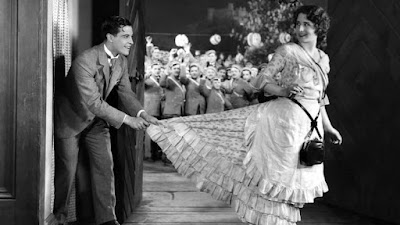
Em Heidelberg, Karl Heinrich se apaixona instantaneamente por Kathi (Norma Shearer), que trabalha em uma pousada local – e ela se apaixona por ele também! Todos sabem que Kathi é a garota mais bonita de Heidelberg, e que consegue beber uma garrafa cheia de cerveja de uma só vez, o que impressiona o príncipe. O problema é que Kathi é meio noiva, já que ela não sabe se ama seu noivo. E Karl Heinrich também já está comprometido com outra pessoa.

In Heidelberg, Karl Heinrich instantly falls in love with Kathi (Norma Shearer), who works at a local inn – and she falls for him too! Everybody knows that Kathi is the prettiest girl in Heidelberg, and someone who can drink a full mug of beer at once, which amazes the prince. The problem is that Kathi is kind of engaged, because she doesn’t know if she loves the guy. And Karl Heinrich was also promised to marry someone else.

O príncipe faz amizade com um grande grupo de estudantes e passa a festejar e beber com eles. Ele se aproxima de Kathi e os dois saem juntos e fazem planos. A diversão deles é interrompida pela notícia de que o rei Karl VII está doente, o que significa que Karl Heinrich precisa voltar imediatamente para Karlsburg.

The prince befriends a large group of students and starts drinking and partying hard with them. He becomes close to Kathi and the two go out and make plans. Their fun is interrupted by the news that king Karl VII is ill, which means that Karl Heinrich must return immediately to Karlsburg.

Há relativamente poucas cartelas de texto no filme, quando comparado a outros filmes do período – em especial os de Griffth! Alguns momentos poderiam ser melhorados com a adição de uma ou duas cartelas de texto – como quando Kathi está declamando um poema para o príncipe e se esquece do final. As pessoas creditadas como designs de títulos são Marian Ainslee e Ruth Cummings. No IMDb, não há muito sobre Ainslee, apenas que ela trabalhou majoritariamente como design de títulos, e na era sonora sua maior contribução foi ter dado a ideia para o filme “Dance Comigo” (1938), de Astaire e Rogers. Ruth Cummings era casada com o diretor Irving Cummings e mãe do roteirista Irving Cummings Jr.

There are relatively few title cards in this movie, when compared with others from the period – especially Griffith’s! Some moments could be better with the addition of a title card or two – like when Kathi is saying a poem to the prince and forgets the ending. The people credited as title designers are Marian Ainslee and Ruth Cummings. On IMDb, there is not much on Ainslee, only that she worked mostly making title cards for movies, and in the talkie era her main credit was “based on an original idea by” in the Astaire-Rogers vehicle “Carefree” (1938). Ruth Cummings was married to director Irving Cummings and mother of screenwriter Irving Cummings Jr.

Cedric Gibbons é uma das duas pessoas responsáveis pela decoração dos sets. Os sets são simples mas decorados com bom gosto. Há, entretanto, um belo campo artificial usado em uma cena de amor. Nós – e a comitiva do príncipe – esperávamos que ele ficasse em um resort ou hotel chique em Heidelberg, mas é numa pousada comum que ele encontrou amor e felicidade.

Cedric Gibbons is one of two people responsible for the sets. The sets are simple yet decorated in a pleasant manner. There is, however, a beautiful artificial field used in the famous love scene. We – and the prince’s entourage – expected him to stay in a fancy resort or hotel in Heidelberg, but it is in a common inn that he found love and happiness. 

Tanto Ramon Novarro quanto Norma Shearer já eram grandes estrelas em 1927. Novarro estava mais bonito em two-strip Technicolor em “Ben-Hur” (1925), mas está bem aqui também. Shearer teria seus melhores trabalhos – e um Oscar – nos anos posteriores a “O Príncipe Estudante”. Curiosidade interessante:: Lubitsch achava que tanto Novarro quanto Shearer foram péssimas escolhas para os protagonistas do filme!

Both Ramon Novarro and Norma Shearer were already big stars in 1927. Novarro had looked better in two-strip Technicolor in “Ben-Hur” (1925), but looks good here too. Shearer would find her best work – and an Oscar – in the years after “The Student Prince in Old Heidelberg”, during the pre-Code era. Interesting trivia: Lubitsch thought that both Novarro and Shearer were miscast as the leads!

Gustav von Seyffertitz já é um velho conhecido dos fãs de cinema mudo. Entre seus trabalhos mais lembrados destacamos sua atuação como o vilão que inferniza a vida de Mary Pickford em “Aves Sem Ninho” (1926). Jean Hersholt era um ator dinamarquês que começou a atuar nos cinemas em 1906 e interpretou principalmente vilões em seus primeiros anos em Hollywood – bem diferente de seu papel em “O Príncipe Estudante”!

Gustav von Seyffertitz is already an old acquaintance of silent film fans. Among his best remembered works we highlight his turn as the bad guy making Mary Pickford’s life miserable in “Sparrows” (1926). Jean Hersholt was a Danish actor who started acting in movies in 1906 and played mainly villains in his first few years in Hollywood – so far away from his character in “The Student Prince in Old Heidelberg”!

O Príncipe Estudante” teve um remake em 1954, com Edmund Purdom e Ann Blyth. Este foi um musical, pois a história havia se originado em uma opereta em 1902. O filme, entretanto, não manteve todas as canções da opereta e mudou a maioria das letras das canções que manteve. A voz de Edmund Purdom, nos momentos de cantoria, foi dublada por Mario Lanza.

The Student Prince in Old Heidelberg” was remade in 1954 with Edmund Purdom and Ann Blyth. This was a musical, as the story originated in an operetta in 1902. The film, however, didn’t keep all the songs from the operetta and changed most of the lyrics. Edmund Purdom’s singing was dubbed by Mario Lanza.

O Príncipe Estudante” é um filme mais complexo e melancólico do que aparenta ser de início. Como dito no site do TCM, é mais próximo dos filmes que Lubitsch fez na Alemanha do que dos filmes que ele faria em Hollywood. Baseado apenas neste filme, diríamos que o toque de Lubitsch é como o de Chaplin: um sorriso e, talvez, uma lágrima. Mas, talvez, possamos dizer outra coisa: que Lubitsch é muito mais que seu famoso toque.

The Student Prince in Old Heidelberg” is a more complex and melancholic movie than it seems at first. As the TCM website mentions, it’s closer to the movies Lubitsch did in Germany than the ones he’d make in Hollywood. Based solely on this film, we would say that Lubitsch’s touch is like Chaplin’s: a laugh and perhaps a tear. But, maybe, we could say something else: Lubitsch was much more than his touch.

This is my contribution to the Odd or Even blogathon, hosted by Gill and Rebecca at Realweegiemidget Reviews and Taking Up Room.

Wednesday, December 14, 2016

Lon Chaney vai ao circo / Lon Chaney goes to the circus: tragedy follows

Ah, o circo! O picadeiro maravilhoso, o mágico que tira o coelho da cartola, o palhaço sempre tão feliz! O cheiro da pipoca ou do cachorro-quente embala a ideia de que tudo pode acontecer ali. Todos adoram o mundo mágico do circo. Mas, se Lon Chaney fizer parte do espetáculo, tome cuidado: algo trágico está próximo.
Oh, the circus! The wonderful show, the magician taking off a rabbit from his hat, the clown who is always so happy! The smell of popcorn or hot-dog and the sensation that everything can happen there. Everybody loves the wonderful world of the circus. But, if Lon Chaney is part of the show, beware: something tragic will happen.
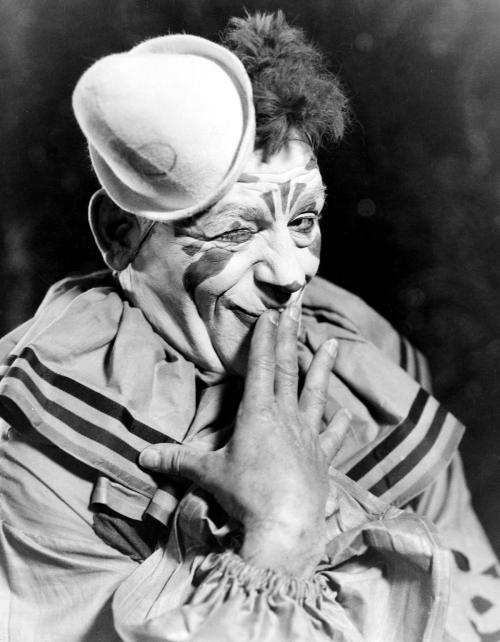
Quando Chaney trabalha no circo, a história em geral envolve amor não-correspondido, segredos do passado, obsessão e morte. Alguns dos melhores filmes de Chaney se passam no circo, entre eles a obra-prima do ator e do diretor Tod Browning: “O Montro do Circo”, de 1927.
When Chaney works at the circus, the story in general involves unrequited love, secrets from the past, obsession and death. Some of Chaney's best films have the circus as background, among them the masterpiece he and director Tod Browning made together: “The Unknown”, from 1927.
Muitas vezes os palhaços são representados como pessoas que têm como profissão fazer os outros sorrirem, mas que são muito infelizes ou que sofreram algum grande trauma. Isso acontece em “Lágrimas de Palhaço” (1924), e ninguém pode imaginar o passado de glórias e a grande humilhação que levaram o triste Paul Beaumont (Chaney) a se tornar um palhaço de circo. E o filme ainda envolve um triângulo amoroso (que evolui para um quadrilátero amoroso) com Chaney, Norma Shearer e John Gilbert.
In many occasions clowns are portrayed as the ones who make other people laugh all the time, but are, in real life, very sad people, who suffered a deep trauma. This happens in “He who gets slapped” (1924), and no one can imagine the glories of the past and the huge trauma that made Paul Beaumont (Chaney) run away with the circus. The film also involves a love triangle (that evolves into a love quadrilateral) with Chaney, Norma Shearer and John Gilbert.
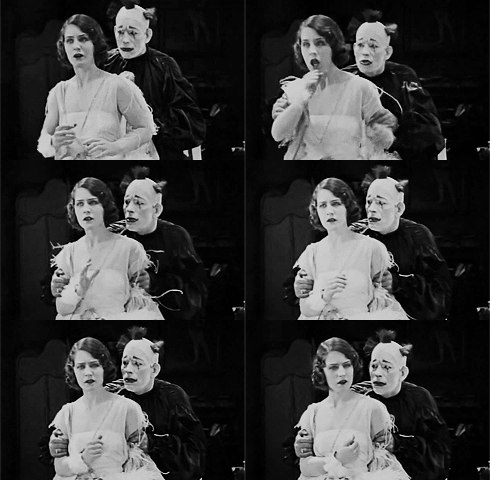
Quando o circo chega à cidade em “Ridi, Pagliacci!” (1928), a vida para e nada é mais importante que o espetáculo. O tal circo pode ser apenas uma dupla de palhaços, mas a alegria é garantida com Flik e Flok, ou melhor, Tito (Lon Chaney) e Simon (Sam Spiegel). Tudo muda quando Tito encontra uma garotinha abandonada à beira do rio e decide adotá-la. Chamada de Simonetta, ela cresce no meio circense e Tito finalmente percebe que a ama – e não como um pai adotivo.
When the circus arrives in town in “Laugh, Clown, Laugh” (1928), life stops and nothing is more important than the show. The said circus is only made of two clowns, but alughs are guaranteed with Flik and Flok, or better, Tito (Lon Chaney) and Simon (Sam Spiegel). Everything changes when Tito finds a little girl abaonded near a river and decides to adopt her. Called Simonetta, she grows up among the circus people and Tito finally realizes that he loves her – and not like a foster father.
Em “O Monstro do Circo”, Chaney é o atirador de facas Alonzo, que se apaixona pela filha do dono do circo, Nanon (Joan Crawford). O detalhe que torna o truque interessante é que Alonzo não tem braços, de modo que ele atira as facas com os pés, e na verdade ele está apenas no circo para fugir da polícia. Nanon, por ser muito bonita, tem de lidar com cantadas indesejadas e tem pavor de que homens a abracem... o que é uma grande vantagem para Alonzo.
In “The Unkonwn”, Chaney is the knife-thrower Alonzo, who falls in love with the circus owner's daughter, Nanon (Joan Crawford). The detail that makes the trick interesting is that Alonzo has no arms, só he has to throw the knives with his feet, and he actually joined the circus to escape the police. Because Nanon is very pretty, she has to deal with men approaching her without invitation and she has developed a fear of being hugged – which is a great advantage for Alonzo.
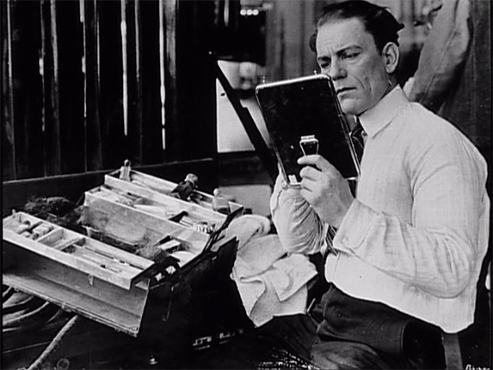
Ao contrário de muitos pioneiros do cinema, Lon Chaney não começou a carreira no circo. Por ser filho de pais surdos, ele era muito bom com mímica, e começou a trabalhar diretamente no vaudeville em 1902. Em pouco tempo ele conheceu sua esposa, Cleva, também artista de vaudeville. Chaney fez seu primeiro filme em 1913, mas alcançou o estrelato apenas em 1919, com o filme “The Miracle Man”, que hoje está perdido.
Unlike many other film pioneers, Lon Chaney didn't have a circus background. Being a CODA (child of deaf adults), he was very good with pantomime, and started directly in vaudeville in 1902. It wasn't long until he met his wife, Cleva, also a vaudevillian. Chaney started making movies in 1913, but achieved stardom in 1919, with the now lost film “The Miracle Man”.
O circo é um lugar de mágica, sorrisos, gargalhadas, mas também de emoções e mesmo algumas lágrimas. Os três filmes de crico de Lon Chaney, aqui citados, merecem ser vistos, sendo “O Monstro do Circo” o mais surpreendente de todos. Eu não posso elogiar Chaney o suficiente. Ele foi, de fato, o Homem de Mil Faces, e 500 toneladas de talento.
The circus is a place of magic, smiles, laugh but also of thrills and even a few tears. Lon Chaney's three circus films, covered here, are all worth-watching, being “The Unknown” the most surprising of them all. I can't praise Lon Chaney enough. He was, indeed, the Man of a Thousand Faces, and 500 tons of talent.
This is my contribution to the At The Circus Blogathon – The Grand Finale, hosted by Summer at Serendipitous Anachronisms and me right here.

Sunday, November 20, 2016

Chicago (1927)

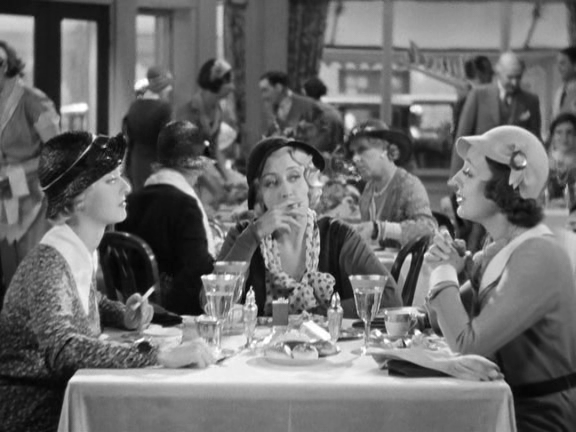
O tema era amizade. Dezenas de filmes passaram pela minha cabeça. Todos com algo em comum: eram sobre amizade entre homens. Há muitos filmes sobre “bromances”, camaradas, grupos de homens cultivando a amizade. E há poucos clássicos sobre amizade entre mulheres, sendo “Os Homens Preferem as Loiras” (1953) o mais conhecido deles. Quando duas mulheres são colocadas lado a lado, com a mesma importância, em geral elas são rivais no amor, e não amigas.  Será que só Lorelei e Dorothy conseguiram ser amigas num filme clássico?

The subject was friendship. I could think of dozens of movies. All of them with one thing in common: they were about friendship between men. There are a lot of films about bromances, camaraderie, groups of men who are good friends. And there are few classic films about friendship between women, and “Gentlemen Prefers Blondes” (1953) is the best known of them all. When two women are put side by side, with the same importance, in general they are rivals, not friends. Were Lorelei and Dorothy the only two girl pals in classic film?


Havia muitas duplas ou trios de amigas na era pre-Code, mas uma sempre se sobressaía e a outra ficava como alívio cômico, de lado, às vezes até esquecida ao longo do filme. É isso que acontece, por exemplo, em “Três... Ainda é Bom” (1932), com a personagem de Ann Dvorak ganhando destaque em detrimento das amigas Bette Davis, a moça simples, e Joan Blondell, a amiga bem-humorada.

There were a lot of female duos and trios in the pre-Code era, but one of them was the lead and the other was only comic relief and could be forgotten as the movie progressed. This happens, for instance, in“ Three on a Match” (1932), with Ann Dvorak’s character being the lead and his other two girl friends, Bette Davis, the simple girl, and Joan Blondell, the wisecrack friend, being left behind.


Não há poucos filmes sobre amizade feminina porque não havia amizades femininas inspiradoras na Old Hollywood. Podemos citar, por exemplo, as amigas Joan Crawford e Barbara Stanwyck, e também Bette Davis e Olivia de Havilland. Aparentemente, as rivalidades inspiravam muito mais que as amizades.

We can’t blame the lack of films about female friendship on the inexistence of real inspiring female friendships in Old Hollywood. We can cite BFFs Joan Crawford and Barbara Stanwyck, and also Bette Davis and Olivia de Havilland. But, apparently, rivalries were much more inspiring than friendships.


E é por isso que a minoria das produções mais famosas da Old Hollywood passam no teste de Bechdel. Poucas mulheres protagonistas, ou mesmo relevantes na história. A maioria das personagens femininas só existiam porque gravitavam ao redor de um homem, e duas personagens importantes femininas em um mesmo filme só podiam estar lá para disputar o personagem masculino. Mas vamos ao nosso filme.

And that’s why few Old Hollywood productions pass the Bechdel Test. Few female leads, or even few females with an important role. Most female characters existed because they gravitated around a man, and two important female characters in the same film could only be there to fight for the male character. But let’s see our film of choice.

O nome “Chicago” deve lembrar para você aquele musical que ganhou o Oscar de Melhor Filme em 2003 – tirando o prêmio merecido de “Gangues de Nova York” do deus Scorsese. Não é coincidência que o filme de 1927 tenha o mesmo título: é (quase) a mesma história.

The name “Chicago” may remind you of that musical that won the Best Picture Oscar in 2003 – stealing the deserved prize from “Gangs of New York”, directed my Our Lord Scorsese. It is not a coincidence that the 1927 film has the same title: it is (almost) the same story.


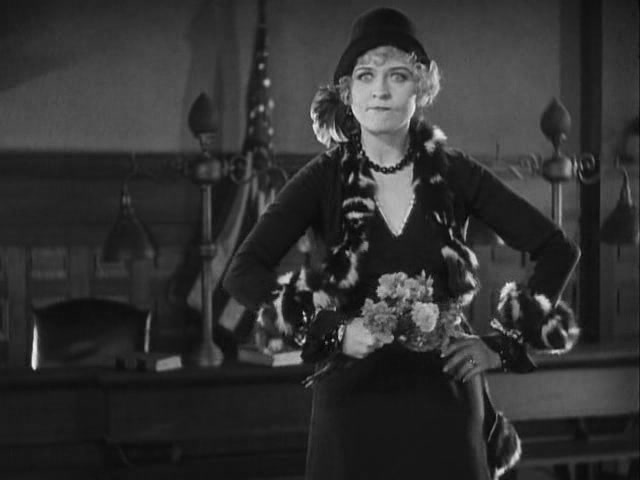
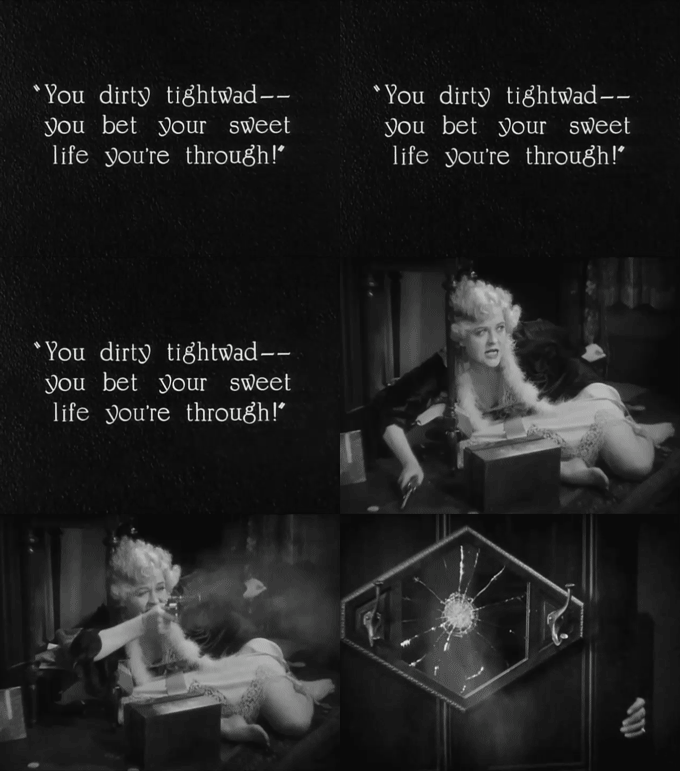
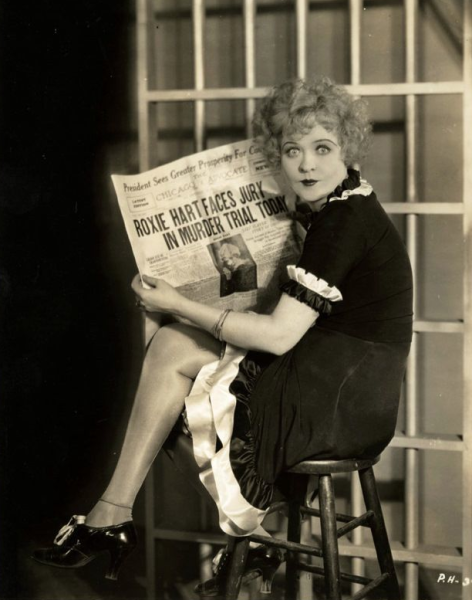
Amos Hart (Victor Varconi) é o marido perfeito, mas isso não impede sua esposa Roxie (Phyllis Haver) de ter um amante, Casely (Eugene Pallette). Após uma discussão sobre dinheiro, Casely anuncia que vai embora e Roxie, irada, atira nele. Desesperada por tê-lo matado, ela liga para Amos, que está disposto a assumir o crime mesmo depois de descobrir que Roxie o traía.

Amos Hart (Victor Varconi) is the perfect husband, but this doesn’t stop his wife Roxie (Phyllis Haver) from having a lover, Casely (Eugene Pallette). After an argument about money, Casely says he’ll leave Roxie and she, full of rage, shoots him. Desperate, she calls Amos, who is willing to confess the crime even after he finds out that Roxie was cheating on him.


Mas uma jogada de um investigador faz Roxie confessar, sem querer, que foi ela que deu o tiro, e ela vai para uma cadeia feminina. Amos precisa de cinco mil dólares para pagar um advogado para defendê-la no tribunal. Roxie vê tudo isso como um jeito ótimo de se tornar famosa.

But an investigator’s move leads Roxie to confess that she was the one who shot Casely, and she goes to an all-female prison. Amos needs five thousand dollars to pay a lawyer to defend her at the court. Roxie sees the entire situation as a great way to become famous.


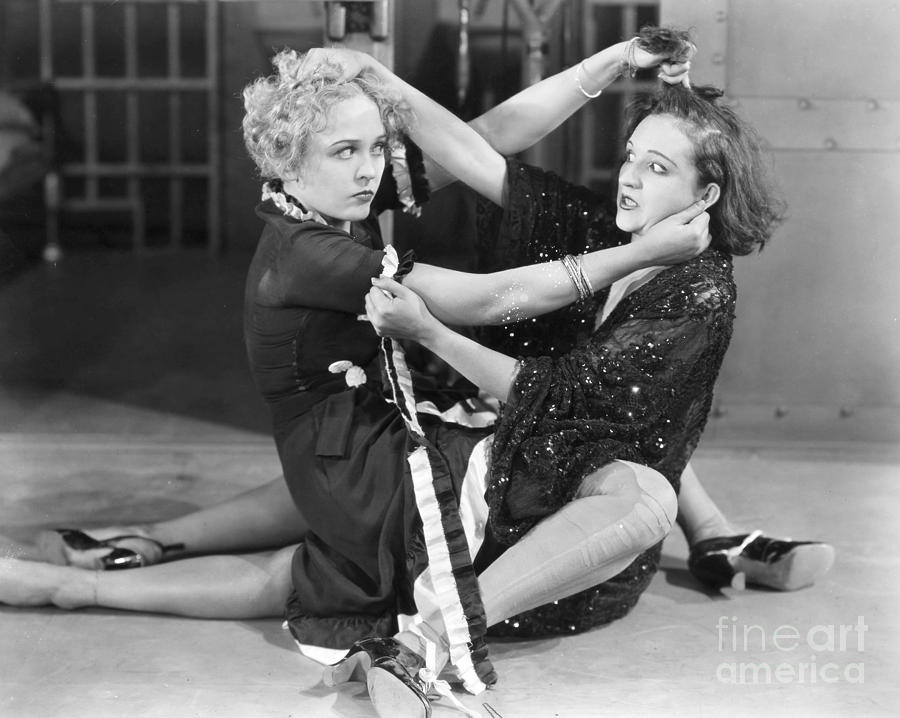
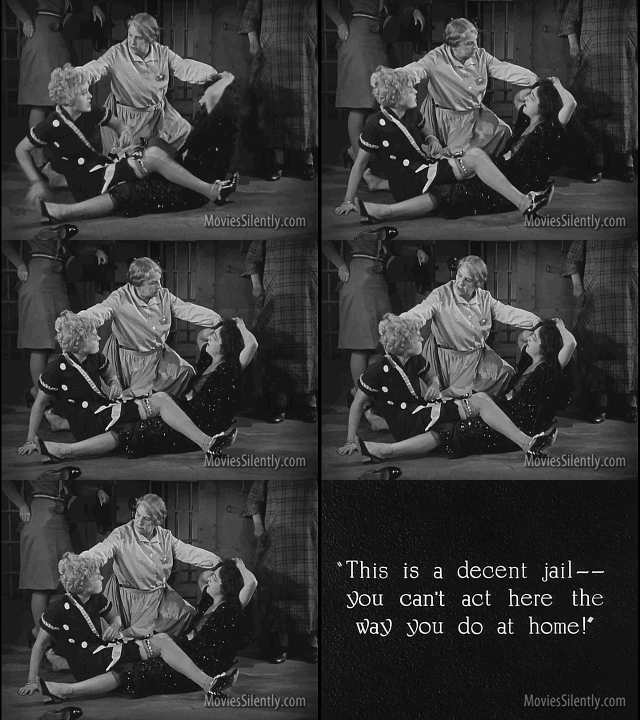
Onde entra a amizade na história? Este é o problema: ela não entra. Minha intenção era ver como a relação de frenemies de Roxie Hart e Velma Kelly foi mostrada no filme de 1927, mas Velma, interpretada por Julia Faye, tem apenas uma cena, na qual provoca Roxie e as duas acabam brigando na cadeia.

Where is friendship in our story? That’s the question: it isn’t there. My intention was to see how the frenemies relationship between Roxie Hart and Velma Kelly was portrayed in the 1927 film. However, Velma, played by Julia Faye, has only a scene, in which she teases Roxie and the two end up fighting in jail.

GIF via Movies, Silently

A história voltou às telas como comédia em 1942, sob o título “Roxie Hart”. Ginger Rogers vive Roxie no filme, e mais uma vez Velma aparece apenas para brigar com nossa protagonista por causa de popularidade.

The story went back to the screen as a comedy in 1942, under the title “Roxie Hart”. Ginger Rogers plays Roxie in the movie, and once again Velma is there only to fight with our lead because of popularity.


A peça de teatro foi escrita por uma mulher. A história foi adaptada para as telas em 1927 por uma mulher. Mas a peça de teatro não é igual ao musical conhecido: ele veio bem depois. A dramaturga, repórter e roteirista Maurine Dallas Watkins faleceu em 1969, e pouco depois os direitos de sua peça foram vendidos para Bob Fosse, que idealizou o musical como o conhecemos – e que serviu de base para o filme de 2002.

The theater play was written by a woman. The story was adapted to the screen in 1927 by a woman. But the theater play is not the same as the well-known musical: it came years later. The play writer, reporter and screenwriter Maurine Dallas Watkins died in 1969, and soon the rights for her play were sold to Bob Fosse, who idealized the musical as we know it – the one that was the basis for the 2002 film.

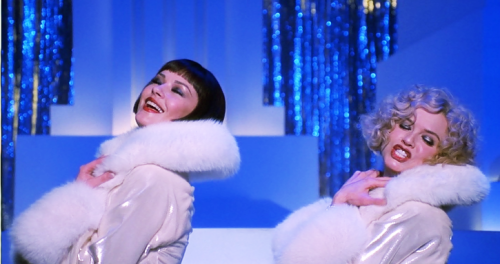
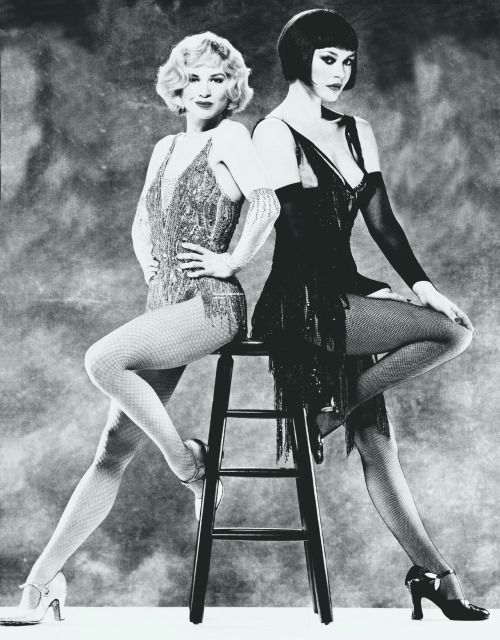
Neste filme, Roxie (Renée Zellweger) e Velma (Catherine Zeta-Jones) têm uma relação conturbada. Velma é o ídolo de Roxie, Roxie tenta ser amiga dela ao chegar à prisão, mas é esnobada. A partir de então elas começam uma disputa por espaço na mídia, mas ao final se tornam amigas.

In this film, Roxie (Renée Zellweger) and Velma (Catherine Zeta-Jones) have a difficult relationship. Velma is Roxie’s idol, Roxie attempts to become friends with her when she arrives in the prison, but she is snobbish. From then on they start a dispute for media space, but in the end they become friends. 


O filme de 1927 foca no sacrifício dramático de Amos, interpretado pelo belo húngaro Victor Varconi, e deixa Roxie como personagem cômica, sendo a excelente Phyllis Haver o destaque do filme. Em 1942, Ginger Rogers e Adolphe Menjou, que interpreta o advogado Billy Flynn, são os melhores em cena. Em 2002, é inegável a presença luminosa de Catherine Zeta-Jones como Velma.

The 1927 film focuses on the dramatic sacrifice of Amos, played by the handsome Hungarian Victor Varconi, and leaves Roxie as a comic character, being the excellent Phyllis Haver simply outstanding. In 1942, Ginger Rogers and Adolphe Menjou, who plays the lawyer Billy Flynn, are the best in scene. In 2002, Catherine Zeta-Jones’s luminous presence as Velma is undeniable.


Todas as versões da história são igualmente interessantes, e o recém-restaurado filme de 1927 vale muito a pena ser visto. É uma pena que existam tão poucos filmes clássicos sobre amizade entre mulheres, mas isto prova algo: amizade feminina é complexa, imprevisível e com muitos altos e baixos.

All the versions of the story are equally interesting, and the recently restored 1927 film is worth watching. It’s a pity that there are so very few classic films about female friendship, but this proves a point: female friendship is complex, unpredictable and with lots of ups and downs.

This is my contribution to the You Gotta Have Friends Blogathon, hosted by Debbie at Moon in Gemini.

Related Posts Plugin for WordPress, Blogger...