} Crítica Retrô: História

Tradutor / Translator / Traductor / Übersetzer / Traduttore / Traducteur / 翻訳者 / переводчик

Showing posts with label História. Show all posts

Thursday, June 18, 2026

Alô Alô Carnaval (1936)


Todo filme clássico pode ser considerado uma janela para o passado, para outro tempo e lugar - um artefato histórico. Mas alguns personificam o “artefato histórico” mais que outros. Musicais, por exemplo: tem jeito melhor ou mais prazeroso de descobrir as músicas que nossos antepassados ouviam e gostavam do que assistindo a um musical? Na minha opinião, não tem. Tendo estreado há 90 anos, o musical brasileiro “Alô Alô Carnaval” é um retrato de mais de uma arte num passado distante, mas não esquecido. 

Every classic film can be considered a window to the past, to another time and place - a historical artifact. But there are some that personify the “historical artifact” more than others. Musicals, for instance: is there a better or more pleasant way to discover the songs that our forefathers listened to and liked than by watching a successful musical? In my opinion, there isn’t. Released 90 years ago, the Brazilian musical “Alô Alô Carnaval” is a portrait of more than one art in a past long gone, but not forgotten.

Dois homens, o Sr Prata e o Sr Tomé, querem organizar um espetáculo. A primeira tentativa deles é negada porque o dono do teatro disse que viria uma companhia estrangeira para usar o teatro. Os dois homens então vão para um cassino. Lá, eles bebem, flertam, apostam. O dono do teatro os procura no outro dia para dizer que a companhia estrangeira não virá e eles podem organizar o show no Cassino Mosca Azul. Essa é a história. 

Two men, Mr Prata and Mr Tomé, want to put on a show. Their first attempt is denied because the patron said he had a foreign company coming to use his theater. The two men then go to a casino. There, they drink, they flirt, they gamble. The patron comes back another day and says the foreign company isn’t coming after all and they can put on the show at the Blue Fly Casino. And that’s the plot.

Mais da metade do filme é usado para mostrar o espetáculo. Há um pianista e uma cantora lírica, mas a maioria das canções são sambas. Tem um samba em particular que começa com os versos de Os Lusíadas, o mais famoso poema épico da língua portuguesa. Isso mostra que o samba é muito mais que um ritmo, é cultura pura. Isso também pode ser visto durante o Carnaval com os desfiles das escolas de samba: não é só um show - mesmo sendo sempre um espetáculo para os olhos -, é uma aula de cultura. 

Over half of the movie is used to showcase the spectacle. There is a pianist and a lyrical singer, but most of the songs are sambas. There is one particular samba that starts with verses from Os Lusíadas, the most famous epic poem in the Portuguese language. This shows that samba is much more than a rhythm, it’s pure culture. This can also be seen during Carnaval with the parades of samba schools: it’s not just a show - and it always is a feast for the eyes -, it’s a whole lesson in culture.

Prata e Tomé apostam no Cassino Mosca Azul, uma diversão comum na época, mas que logo seria proibida. Dez anos após este filme estrear, os cassinos foram proibidos no Brasil após um pedido da muito religiosa Primeira Dama, esposa do novo presidente Eurico Gaspar Dutra. Ela também pediu que o Comunismo fosse banido no país e que fosse construída uma capela dentro da residência presidencial. Todos os pedidos se tornaram realidade graças ao seu querido marido.

Prata and Tomé gamble at the Blue Fly casino, a common diversion of the time, but it would soon be ruled out. Ten years after this movie was released, gambling was banned in Brazil per request of the very religious First Lady, wife of the new president Eurico Gaspar Dutra. She also asked for Communism to be banned in the country and for the construction of a chapel inside the presidential residence. All requests were accepted by her darling husband.

Obviamente, o destaque é Carmen Miranda. Ela primeiro canta, na metade do filme, uma canção com sua irmã Aurora e mais tarde volta para um número solo. “Alô Alô Carnaval” é importante porque é o único filme atualmente conhecido e preservado feito por Carmen Miranda no Brasil - preservação audiovisual é um tópico delicado aqui, pois muitos filmes estão perdidos: todos os de ficção feitos antes de 1913 e muitos outros de anos mais recentes.

Of course, the highlight is Carmen Miranda. She first sings, in the middle of the film, a tune with her sister Aurora and later comes back for a solo number. “Alô Alô Carnaval” is important because it’s the only known extant and preserved film made by Carmen Miranda in Brazil - film preservation is a delicate topic here, as so many movies were lost: all fictional ones made before 1913 and many more from most recent years.

Eu gostaria de destacar outra dupla: as Irmãs Pagãs - aqui creditadas literalmente Pagan I e Pagan II. Elvira Pagã e Rosina Pagã, juntas, gravaram 13 discos nos anos 1930, se separando quando Elvira se casou em 1940. Elvira, entretanto, continuou sua carreira solo e se tornou uma famosa vedete. 

I’d like to highlight another duo: the Pagan sisters - here credited literally as Pagan I and Pagan II. Elvira Pagã and Rosina Pagã, together, recorded 13 albums in the 1930s, splitting when Elvira got married in 1940. Elvira, however, continued her solo career and became a famous “vedete” - actress from musical theatre.

Com um papel breve de alívio cômico, temos o comediante Oscarito. Nascido na Espanha em 1906 como Oscar Lorenzo Jacinto de la Inmaculada Concepción Teresa Díaz, ele fez turnê com o circo trabalhando como palhaço, acrobata e violinista. Ele fez seu primeiro filme em 1935, mas apenas nos anos 1950 chegaria ao seu ápice como comediante, quando formou dupla com outro ator popular, Grande Otelo

With a brief role as comic relief, we have comedian Oscarito. Born in Spain in 1906 as Oscar Lorenzo Jacinto de la Inmaculada Concepción Teresa Díaz , he toured with the circus working as a clown, an acrobat and a violin player. He made his first film in 1935, but only in the 1950s he would reach his peak as a comedian, when he was paired with another popular actor, Grande Otelo.  

O filme foi feito pelos estúdios da Cinédia no Rio de Janeiro. O estúdio foi planejado como uma construção moderna feita para colocar o Brasil em pé de igualdade com os grandes no mundo do cinema. O diretor Humberto Mauro fez o filme inaugural e muitos outros se seguiram, como “Limite” de Mário Peixoto e “O Ébrio” de Gilda de Abreu em 1946. O estúdio também foi utilizado por Orson Welles para gravações de “É Tudo Verdade”. O estúdio ainda existe como locação e centro de memória. 

This film was made by the studios Cinédia from Rio de Janeiro.  The studio was planned as a modern facility built to make Brazil become a big player in the cinema world. Director Humberto Mauro made the inaugural film there and many more came, such as Mário Peixoto’s “Limite” and Gilda de Abreu’s “O Ébrio” (“The Drunkard”, 1946). It was also used by Orson Welles in shootings for “It’s All True”. The studio still stands as a location and memorial center.

Podemos dizer que Prata e Tomé eram um casal “queer coded”, como fica claro quando saem de casa ambos de pijama. Eles brincam, antes desta cena, que a dupla cantando no cassino era um “casal”. Não havia nada parecido com o Código Hays no cinema brasileiro, mas devemos nos lembrar de que o Brasil é o maior país católico do mundo e o conservadorismo está entranhado nas nossas raízes, infelizmente. Pessoas LGBTQ foram e são comumente tratadas como piada.

We could say that Prata and Tomé were a “queer coded” couple, as it is clearer in the sequence where they leave their house both in pajamas. They joke, before that scene, that the duo singing at the casino were a “couple”. There wasn’t anything like the Hays Code in Brazilian cinema, but we must remember that Brazil is the biggest catholic country in the world and conservatism is deep in our roots, unfortunately. LGBTQ people were and are often treated as a joke.

“Alô Alô Carnaval” circula no YouTube como uma versão de 60 minutos que por vezes fica difícil de ver ou escutar. Em geral pensamos como filmes mudos como a maioria dos filmes perdidos, mas em países onde a memória é menosprezada filmes mais recentes também podem estar perdidos. O Brasil tem um problema de memória, não apenas cinematográfica. Como historiadora, estou lutando para mudar isso e essa blogagem coletiva é um bom pontapé inicial.

“Alô Alô Carnaval” circulates on YouTube as a 60-minute version that sometimes is hard to see and hard to hear. We usually think about silent films as most lost films, but in countries where memory is taken for granted more recent movies can be lost as well. Brazil has an issue with its memory not only in the movie world. As a historian, I’m fighting for change and this blogathon is a good starting point.

This is my contribution to the 6th Luso World Cinema blogathon, hosted by me here at Crítica Retrô and by my friend Beth at Spellbound with Beth Ann.


Wednesday, November 26, 2025

Os Abutres Têm Fome (1970) / Two Mules for Sister Sara (1970)


A expectativa de vida vem crescendo e hoje temos muitas pessoas vivendo para além dos 90 anos de idade, incluindo algumas pessoas famosas. Algumas delas ainda estão trabalhando, e outras aproveitando a aposentadoria. Clint Eastwood pertence ao primeiro grupo, de nonagenários ativos, enquanto Shirley MacLaine pode não ser tão ativa quanto ele, com sua última aparição tendo sido em “Only Murders in the Building”. Cinquenta e cinco anos atrás, eles formaram uma estranha dupla no faroeste “Os Abutres Têm Fome”.

Life expectancy is growing and now we have many people living over the barrier of 90 years old, including some famous people. Some of them are still working, some are enjoying their retirement. Clint Eastwood belongs to the first group, of active nonagenarians, while Shirley MacLaine may not be as active as he is, but she still acts, with her last appearance being in “Only Murders in the Building”. Fifty-five years ago, they formed an unlikely duo in the western “Two Mules for Sister Sara”.

Numa terra cheia de animais peçonhentos e esqueletos, um caubói resgata uma mulher de um trio que queria estuprá-la e matá-la. O caubói é Hogan (Clint Eastwood) e a mulher, surpreendendo a ele e ao público, é uma freira chamada Irmã Sara (Shirley MacLaine). A freira está em fuga: fugindo do exército francês porque eles descobriram que ela estava ajudando o exército mexicano.  

In a land full of poisonous animals and skeletons, a cowboy rescues a woman from a trio that wanted to rape and kill her. The cowboy is Hogan (Clint Eastwood) and the woman, a surprise for him and the audience, is a nun called Sister Sara (Shirley MacLaine). The nun is on the run: she’s running away from the French army because they found out that she was helping the Mexican army.

Esta dupla estranha bola um plano: ele quer ir até Chihuahua, de onde ela partiu, e destruir o quartel-general francês que fica lá. Eles têm oito dias para executar o plano. Isso muda quando eles ficam sabendo de um trem com carregamento para os franceses e decidem, juntos, explodir uma ponte. Mas não se engane: isso é só uma pequena mudança de rota!

This unlikely duo comes up with a plan: he wants to go to Chihuahua, where she came from, and destroy the French headquarters there. They have eight days to execute the plan. This shifts when they learn about a train carrying goods for the French, and instead decide to, together, blow up a bridge. But don’t be fooled: this is just a small detour!

Hogan pensa que uma mulher como Sara ser freira é um “desperdício” e, uma vez bêbado, confessa seus sentimentos pela Irmã Sara numa sequência tensa na qual pensamos que ele vai beijá-la, afinal, eles estão perigosamente perto. Mas ela é uma mulher de fé e uma mulher razoável: ela sabe que as palavras dele podem vir do coração, mas só saíram por causa do álcool. 

Hogan thinks that a woman like Sara being a nun is a “waste” and, when drunk, confesses his feelings for Sister Sara in a tense sequence in which we think he will kiss her, after all, they’re dangerously close. But she is a woman of faith and also a reasonable woman: she knows his words may come from his heart, but we’re only enabled by the alcohol.

Uma atriz proeminente desde o fim dos anos 1950, Shirley MacLaine vê seu nome primeiro nos créditos e após ela, mas ainda acima do título, vem Clint Eastwood. Em “Os Abutres Têm Fome”, Shirley fala inglês, obviamente, mas também um pouco de francês e espanhol com forte sotaque. O papel havia sido oferecido primeiro para Elizabeth Taylor, que o recusou, e Shirley MacLaine não se deu bem com o diretor Don Siegel. 

A prominent actress since the late 1950s, Shirley MacLaine is first billed and behind her, but still above the title, comes Clint Eastwood. In “Two Mules for Sister Sara”, Shirley speaks English, of course, but also a bit of French and Spanish with a heavy accent. The role was first offered to Elizabeth Taylor, who turned it down, and Shirley MacLaine didn’t get along with director Don Siegel.

A música é do grande Ennio Morricone, que na época já tinha carreira sólida. Ele fez a trilha de mais de 550 filmes e séries de TV, começando sua carreira no cinema em 1961. Sobre seu começo, ele declarou: “Meus primeiros filmes foram comédias leves ou filmes que época que precisavam de trilhas simples que eram facilmente criadas, um gênero que eu nunca abandonei por completo quando fui trabalhar em filmes muito mais importantes com grandes diretores”. Como sempre, sua trilha é um ponto alto em “Os Abutres Têm Fome”.

The music is by the great Ennio Morricone, who at the time had already a solid career. He scored more than 550 films and TV shows, starting his film career in 1961. He talked about his beginnings: "My first films were light comedies or costume movies that required simple musical scores that were easily created, a genre that I never completely abandoned even when I went on to much more important films with major directors". As always, Morricone’s score is a high point in “Two Mules for Sister Sara”.

O diretor Don Siegel começou sua carreira no cinema como bibliotecário no acervo da Warner Bros e aprendeu a editar no estúdio. Ele trabalhou em diversos gêneros, tanto em filmes B como em “filmes A”. Sua primeira colaboração com Clint Eastwood foi em”Meu Nome é Coogan” em 1968. Juntos eles fizeram cinco filmes e o faroeste de Clint “Os Imperdoáveis”, que estreou um ano após a morte de Siegel, foi dedicado ao mentor.

Director Don Siegel started his film career as a film librarian at Warner Bros and learned editing there. He worked in a plethora of genres, both B-movies and A-listers. His first collaboration with Clint Eastwood was in “Coogan’s Bluff” in 1968. Together they made five movies and Clint’s western “Unforgiven”, released one year after Siegel’s death, was dedicated to his mentor.

“Os Abutres Têm Fome” foi filmado no México, e isso pode ser notado pelos créditos, com todos os latinos em papéis coadjuvantes. A história se passa quando os franceses estavam forçando para que o México se tornasse colônia francesa, após a Guerra Civil Americana. A Irmã Sara está ajudando os Juaristas, isto é, os seguidores do político Benito Juárez García, que se tornaria o primeiro presidente indígena do México. Como sempre, cinema também é cultura!

“Two Mules for Sister Sara” was filmed in Mexico, and a hint is in the credits with all the Latinos in supporting roles. The story is set when the French were forcing Mexico to become their colony following the American Civil War. Sister Sara is aiding the Juaristas, that is, the followers of politician Benito Pablo Juárez García, who would become the first Indigenous president of Mexico. As always, cinema is also culture!

Não importa se você acredita em milagres como a Irmã Sara ou apenas em acidentes como Hogan: se você gosta de faroestes, e faroestes dirigidos por mestres como Don Siegel, “Os Abutres Têm Fome” deveria estar no seu radar. Já que todo mundo tem direito de ser um otário uma vez, não desperdice sua chance ao deixar passar este filme!

No matter if you believe in miracles like Sister Sara or only in accidents like Hogan: if you like westerns, and westerns directed by masters such as Don Siegel, “Two Mules for Sister Sara” should be in your radar. Since everybody has the right to be a sucker once, don’t waste your chance by not watching this movie!

Saturday, July 19, 2025

Cavalgada (1933) / Cavalcade (1933)


ESTA CRÍTICA TEM SPOILERS

THIS ARTICLE HAS SPOILERS 

Um dos episódios mais curiosos da História do Oscar aconteceu em 1934, quando “Frank” foi chamado ao palco pelo apresentador Will Rogers para receber a estatueta de Melhor Diretor. Frank Capra caminhava alegremente até o palco, quando percebeu que o vencedor na verdade era Frank Lloyd. O filme pelo qual o hoje quase esquecido Lloyd ganhou o prêmio é nosso foco de hoje: o épico “Cavalgada”.

One of the most curious episodes in Oscar history happened in 1934, when “Frank” was called to the stage by presenter Will Rogers to receive the Best Director award. Frank Capra was happily walking to the stage, when he realized the real winner was Frank Lloyd. The film for which the now almost forgotten Lloyd won the award is our focus today: the epic “Cavalcade”.

É véspera de Ano Novo, em 1899. O ano de 1900 e um novo século projetam uma sombra sobre a casa dos Marryot. Robert (Clive Brook) e seu empregado Alfred Bridges (Herbert Mundin) devem ir para a África do Sul lutar na Segunda Guerra dos Bôeres assim que o dia raiar. De repente, as brincadeiras das crianças passam a envolver soldados e guerras, e a nova atividade de Jane Marryot (Diana Wynyard) é procurar o nome do marido na lista de vítimas.

It’s New Year’s Eve, 1899. The year 1900 and a new century cast a dark shadow upon the Marryot house. The master Robert (Clive Owen) and his employee Alfred Bridges (Herbert Mundin) must go to South Africa to fight in the Second Boer War the first thing in the morning. Suddenly, the kids’ play becomes all about soldiers and wars, and Jane Marryot’s (Diana Wynyard) new activity is checking if her husband’s name is in the casualty list.

Robert e Alfred voltam ilesos da guerra. A Rainha Vitória morre. Alfred passa a administrar um bar ao lado da esposa Ellen (Una O’Connor) - e também começa a beber em demasia. Os meninos dos Marryot, Edward e Joey, crescem, assim como a menina dos Bridges, Fanny. Em seu caminho eles encontram tragédias, guerra, pesares e têm alguns encontros fortuitos.

Robert and Alfred return safely from the war. Queen Victoria dies. Alfred starts running a pub alongside his wife Ellen (Una O’Connor) - and he also starts overdrinking. The Marryot boys, Edward and Joey, grow up, as does the Bridges girl, Fanny. In their way through life, they meet with tragedy, war, sorrows and a few chance encounters.

A sequência do Titanic foi sem dúvida na época mais chocante do que é agora. Meros 20 anos após o acontecimento, a tragédia ainda estava fresca na memória das pessoas - é a mesma coisa que hoje fazer filmes contendo o ataque às Torres Gêmeas. Edward (John Warburton) e sua esposa Edith (Margaret Lindsay) passam a lua-de-mel em um cruzeiro, e ela diz palavras que soam como adivinhos, como que ela não se importaria se eles morressem naquela noite, e que ela não tinha medo do que o futuro lhes reservava. É o fato de nós sabermos o que acontece em seguida que nos causa angústia - a mesma sensação causada quando Robert diz que uma guerra mundial em 1914 duraria apenas três meses. 

The Titanic sequence was without a doubt at the time more shocking than it is now. A mere 20 years after it happened, the tragedy was still fresh in people’s minds - it’s the same as movies with the World Trade Center attacks for us. Edward (John Warburton) and his new wife Edith (Margaret Lindsay) are spending their honeymoon on a cruise, and she says foretelling words, such as that she wouldn’t mind if they died that night, and that she wasn’t afraid of the future. It’s us knowing what happens next that causes anguish - the same thing when Robert says that a world war in 1914 would last only for three months.


As mulheres da família Bridges, Ellen e Fanny, são dignas de nota. Ellen é interpretada por Una O’Connor, amada atriz coadjuvante. O papel foi escrito especialmente para ela, que interpretou a personagem nos palcos e nas telas. Ela é mais lembrada por seus papéis como mulheres nervosas e histéricas em filmes de monstros, como em “A Noiva de Frankenstein” (1935), mesmo tendo feito 91 filmes.

The Bridges women, Ellen and Fanny, are worth highlighting. Ellen is played by Una O’Connor, a beloved character actress. The role was written specifically for her, who played the character both on stage and on screen. She is best remembered for her roles of nervous screaming women in monster movies, such as “The Bride of Frankenstein” (1935), even though she appeared in 91 films.

Quando criança, Fanny é interpretada por Bonita Granville, uma garota com um nome auspicioso. Nascida em 1923 e tendo começado sua carreira nos palcos ao lado dos pais, artistas do vaudeville, ela fez 81 filmes entre 1932 e 1981. Foi indicada ao Oscar com apenas 14 anos. Tendo se casado com um milionário em 1947, ela passou a atuar como produtora e filantropa. 

As a kid, Fanny is played by Bonita Granville, a girl with an auspicious name - Bonita means “pretty” in Portuguese. Born in 1923 and starting her stage career alongside her vaudevillian parents when she was three, she appeared in 81 movies between 1932 and 1981. She was nominated for an Oscar at only 14. Married to a millionaire in 1947, she became a producer and philanthropist.

No começo de “Cavalgada”, não pude deixar de pensar nas semelhanças com a série “A Idade Dourada”, pois ambas mostram os problemas privados de pessoas da alta sociedade e de seus empregados como igualmente importantes. Tanto o filme quanto a série já foram comparados com outra série, mais famosa: “Downton Abbey”, que eu confesso nunca ter visto.

In the beginning of “Cavalcade”, I couldn’t stop thinking about its similarities with the series “The Gilded Age”, as both show the private affairs of rich people and their servants as equally interesting. Both the movie and the series have been compared to another, more hyped and famous series: “Downton Abbey”, which I confess I never watched.

Outro filme relacionado é o obscuro porém muito bom “E o Mundo Marcha”, de 1934. Feito pelo grande diretor John Ford, aqui acompanhamos as sagas de famílias de diferentes países, dos dias das plantações de algodão até os perigos que o mundo enfrentava no começo dos anos 1930.

Another connection I made is with the obscure but very good “The World Moves On”, from 1934. Made by the great director John Ford, here we accompany the sagas of families from different countries, from the days of cotton plantations until the dangers the world was facing in the early 1930s. 

Por que um filme sobre o começo do século XX para um bando de ingleses seria tão bem-sucedido nos EUA, ganhando até mesmo o Oscar de Melhor Filme? É porque este filme é uma rara oportunidade de ver na frente dos nossos olhos o declínio de um império. Ver o seu passado é, como no discurso de Jane ao final, desejar que um dia o país reencontre sua dignidade, grandeza e paz.

Why would a movie about the early 1900s for a bunch of English people be so successful in the USA, winning even the Best Picture Oscar? It’s because this movie is a rare opportunity of seeing in front of your eyes the decline of an empire. Seeing its past is, like in Jane’s speech at the very ending, wishing that one day the country finds its dignity, greatness and peace again. 

“Cavalgada” é também um triunfo da técnica, meros seis anos após a chegada do som sincronizado nos cinemas. Como preparação para as filmagens, o departamento de newsreels dos estúdios Fox gravou a peça montada em Londres e escrita pelo grande Noël Coward. Os cenários brilhantemente decorados deram ao filme, além dos prêmios de Melhor Filme e Melhor Diretor, o Oscar de Melhor Direção de Arte.

“Cavalcade” is also a triumph of technique, a mere six years after synchronized sound arrived in movies. As a preparation for shooting, the Fox studios newsreels recorded the live play staged in London, written by the great Noël Coward. The impressively decorated sets gave the film, besides the Best Picture and Director awards, the Oscar for Best Art Direction.

Frank Lloyd

O responsável pelas cenas de guerra foi o diretor de arte William Cameron Menzies. Sua sequência da Primeira Guerra Mundial é uma elaborada montagem de bombas explodindo e soldados marchando e caindo. A sequência é dinâmica, emocionante e uma ótima maneira de apresentar a passagem do tempo.

The person responsible for the war scenes was art director William Cameron Menzies. His World War I sequence is an elaborate montage of bombs exploding and soldiers marching and falling. The sequence is dynamic, thrilling and a great way to present the passage of time.

No Instagram outro dia, quando o assunto eram filmes difíceis de assistir até o final, um usuário comentou que “todos os ganhadores de Melhor Filme antes de 1950” eram assim. Eu discordo totalmente. Eles são uma janela para o passado, para os gostos das pessoas do passado e, neste caso, o passado comentando sobre um passado ainda mais remoto. “Cavalgada” não é o pior ganhador do Oscar de Melhor Filme, nem o mais chato nem o mais obscuro. Pode ser um filme para completistas, mas dar uma chance a ele é uma maneira melhor de aprender História do que enfiar a cara nos livros.

On Instagram the other day, when the topic was films difficult to watch through, an user commented that “all Best Picture winners before 1950” were like this. I completely disagree. They are a window to the past, to the tastes of people from the past and, in this case, the past talking about a further past. “Cavalcade” isn’t the worst Best Picture winner, the most boring or the most obscure. It may be a film for completists, but checking it out is a better way to learn History than staring at textbooks.

This is my contribution to the Titanic in Pop Culture blogathon, hosted by Rebecca at Taking Up Room.

Thursday, January 23, 2025

Ana Bolena (1920) / Anna Boleyn (1920)


Um dos fatos mais significativos que aprendemos na escola aqui no Brasil sobre o século XVI é o casamento do rei inglês Henrique VIII com Ana Bolena e a fratura que isso causou na Inglaterra, criando a religião Anglicana. Como a boa aluna que fui e a historiadora que sou, estava ansiosa para ver a versão de Ernst Lubitsch para a história, filmada em 1920, e provavelmente o primeiro longa-metragem sobre Ana Bolena.

One of the most significant things we learn at school here in Brazil about the 16th century is the marriage of English King Henry VIII with Anna Boleyn and the fracture it caused in England, creating the Anglican religion. As the good student I was and the historian I am, I was anxious to check out Ernst Lubitsch’s version of this story, made in 1920, and probably the first feature film about Anna Boleyn.

Henrique VIII é apresentado como um glutão, assim como D. João VI, que veio de Portugal para o Brasil em 1808. Ele é interpretado por Emil Jannings, antes ainda de seus anos nazistas, mas não menos perturbador. Henrique é um mulherengo que não se importa com sua esposa, a Rainha Catarina (Hedwig Pauly-Winterstein). Seu primeiro encontro com a nova donzela da Corte, Ana Bolena (Henny Porten), começa estranho mas logo ele o faz se tornar predatório.

Henry VIII is presented as a glutton, like D. João VI who came from Portugal to Brazil in 1808. He is played by Emil Jannings, still before his Nazi years, but this doesn’t make him less creepy. Henry is a womanizer who doesn’t care about his wife, Queen Catherine (Hedwig Pauly-Winterstein). His first meeting with the new damsel in Court, Anna Boleyn (Henny Porten), starts awkward but soon becomes predatory from his part.

A próxima coisa que vemos é Ana jogando peteca com o Rei. Ela é imediatamente ostracizada pelos nobres e desprezada pelo seu amado Henrique Norris (Paul Hartmann). O Rei quer se casar com Ana para ter com ela o filho homem que não teve com Catarina. Para isso, primeiro ele precisará de um divórcio – sem a autorização do Papa, um escândalo!

The next thing we see is Anna playing badminton with the King. She’s immediately ostracized by the nobles and despised by her beloved Henry Norris (Paul Hartmann). The King wants to marry Anna to have with her the male child he didn’t have with Catherine. For this, he would first need a divorce – without the Pope’s consent, a scandal!

Tendo seu pedido negado pelo Papa, Henrique VIII se declara Chefe Supremo da Igreja na Inflaterra e consegue o divórcio. Ainda um pouco reticente com isso, Ana se casa com Henrique VIII, mas ela não o ama: ela o teme. O amor entre eles florescerá após a Festa da Primavera ou Henrique VIII voltará aos seus velhos hábitos?

With his wish denied by the Pope, Henry VIII declares himself Supreme Chief of the Church in England and gets the divorce. Although a bit unsure about it, Anna marries Henry VIII, but she doesn’t love him: she fears him. Will their love blossom after the Spring Party or will Henry VIII return to his old habits?

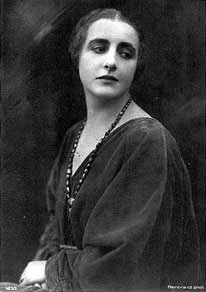
Você deve ter ouvido falar de Emil Jannings, mas não de Henny Porten... mas todos nós deveríamos conhecê-la. Ela não foi apenas uma das primeiras estrelas de cinema do mundo, fazendo sua estreia em 1906, mas também teve uma carreira que durou seis décadas. Ela já era viúva quando fez “Ana Bolena” e seu amor por seu segundo marido, que era judeu, a colocou contra o regime Nazista. Seu pai, Franz, foi diretor, ator e roteirista, mesmas funções da irmã de Henny, Rosa.

You might have heard about Emil Jannings, but not of Henny Porten... but we all should. She was not only one of the first film stars in the world, making her debut in 1906, but also had a career that spanned six decades. She was already a widow when she made “Anna Boleyn” and her love for her second husband, who was Jewish, made her clash with the Nazis. Her father Franz was a diretor, writer and actor, just like her sister Rosa.

Muito antes de se tornar conhecido pelo “toque de Lubitsch” em Hollywood, Ernst Lubitsch já era um mestre do cinema. Ele havia começado como ator no cinema em 1913 e no ano seguinte já estava dirigindo curtas. Em “Ana Bolena”, Lubitsch brincou com alguns enquadramentos astutos e ousados. Graças a este filme, Lubitsch foi para os EUA: Mary Pickford gostou tanto de “Ana Bolena” que exigiu, dois anos depois, que Lubitsch dirigisse seu filme “Rosita”. Sobre este filme, Pickford declarou, para a revista Photoplay: “um exemplo de direção magnífica e atuação esplêndida, especialmente a de Emil Jannings. Foi a primeira vez nas telas que um Rei foi humanizado. Tem humor sutil e satírico”.

Way before he became known for the “Lubitsch touch” in Hollywood, Ernst Lubitsch was already a master of cinema. He had started as an actor on film in 1913 and in the following year he was already directing shorts. In “Anna Boleyn” Lubitsch played with a few clever and bold framings. Thanks to this film, Lubitsch went to America: Mary Pickford liked “Anna Boleyn” so much that she demanded, two years later, that Lubitsch directed her vehicle “Rosita”. About this film, Pickford declared, for Photoplay magazine: “an example of superb direction and splendid acting, especially that of Emil Jannings. It was the first time on the screen that a King had been made human. It has subtle, satirical humor”.

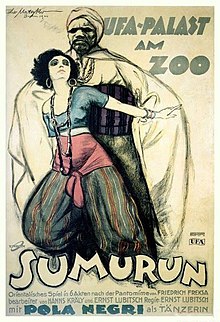
Muitas críticas no Letterboxd mencionaram “Sumurun”, também de 1920, como um filme com temas semelhantes. Então decidi assistí-lo para escrever uma crítica mais completa. Ambos os filmes foram dirigidos por Lubitsch e têm nomes de mulheres no título, mas tirando isso, não vi muitas semelhanças entre os filmes. “Sumurun” traz duas histórias. A primeira é de uma dançarina interpretada por Pola Negri que faz um tipo de Serpentine Dance e rouba os corações de muitos homens, incluindo o jovem Xeque. A segunda é sobre Sumurun (Jenny Hasselqvist), a favorita no harém do velho Xeque, que se apaixona por um mercador. “Sumurun” tem um final melhor e a presença luminosa de Pola Negri, além de Lubitsch também como ator, mas no geral preferi “Ana Bolena.

Many reviews on Letterboxd mentioned “Sumurun”, also from 1920, as a film with similar themes. I then watched it to write a more complete review. Both movies not only were directed by Lubitsch, both have in their title the name of a woman; apart from those two things, I didn’t see many similarities between the films. “Sumurun” brings two stories. The first is about a dancer, played by Pola Negri, who performs some kind of Serpentine Dance and steals the hearts of many men, including the young Sheik. The second is about Sumurun (Jenny Hasselqvist), the favorite in the old Sheik’s harem, who falls in love with a salesman. “Sumurun” has a better ending and the luminous presence of Pola Negri, and also Lubitsch playing a character, but overall I preferred “Anna Boleyn”.

Este é o tipo de história que deveria ficar no passado: de um mulherengo que exige fidelidade da esposa, e detesta as filhas mulheres. Podemos dizer que Ana Bolena é retroativamente um ícone feminista? De certa maneira, sim, porque ela foi vítima de uma das mais fortes manifestações do patriarcado, a monarquia absolutista, e foi vista apenas como um ser para reprodução. O fato de que ela defendia mais tempo de educação formal para mulheres só adiciona argumentos para o caso.

This is a kind of story that should remain in the past: of a womanizer who demands fidelity from his wife, and despises his children who are not male. Could we say that Anna Boleyn was retroactively a feminist icon? In a sense, yes, because she was the victim of one of the strongest manifestations of patriarchy, the absolute monarchy, and was seen only as a being for reproduction. The fact that she supported more years of formal education for women only adds to the case.

Com impressionantes cenas de multidão, especialmente na sequência da coroação, e lindos cenários e figurinos, “Ana Bolena” é um deleite para os olhos. Amantes de História vão amar. Aqueles que só conhecem Lubitsch por seus filmes posteriores podem até se desapontar, mas nunca poderão reclamar de tédio.

With impressive crowd scenes, especially in the coronation sequence, and gorgeous sets and wardrobe, “Anna Boleyn” is a feast for the eyes. History buffs will have a blast.  Those who know Lubitsch from his later films may be a little disappointed, but, for sure, not for a minute bored.

Related Posts Plugin for WordPress, Blogger...