} Crítica Retrô: 1965

Tradutor / Translator / Traductor / Übersetzer / Traduttore / Traducteur / 翻訳者 / переводчик

Showing posts with label 1965. Show all posts

Saturday, October 28, 2023

Aquele Gato Danado (1965) / That Darn Cat! (1965)


Todo mundo sabe que gatos de estimação gostam de trazer coisas estranhas para seus donos como presentes. Normalmente eles trazem ratos ou passarinhos mortos, às vezes uma pedra ou uma folha. Mas o que aconteceria se seu gato trouxesse para casa um relógio de pulso com a palavra “AJUDA” gravada? Então uma odisseia se inicia, ou pelo menos é exatamente isso que aconteceu com Hayley Mills em seu último filme feito para a Disney, “Aquele Gato Danado!” (1965).    


It is well-known that pet cats like to bring weird stuff to their owners as gifts. Usually they bring dead mice or birds, sometimes a rock or a leaf. But what if your cat brought home one night a wristwatch with the word “HELP” engraved? Then an odyssey starts, or at least that’s exactly what happened to Hayley Mills in her last Disney film, “That Darn Cat!” (1965).

Houve um grande roubo a um banco. Não há mistério sobre quem foi o culpado: foi Iggy (Frank Gorshin), o primeiro humano que vemos no filme. Ele e seu cúmplice Dan (Neville Brand) estão mantendo uma funcionária do banco, Margaret Miller (Grayson Hall), refém em uma casa.  O gato da família Randall, DC, enquanto zanzava uma noite, entra na tal casa e Margaret, desesperada para ser resgatada, troca a coleira do gato por seu relógio de pulso.


There has been a big robbery in a bank. There is no mystery about who did it: it was Iggy (Frank Gorshin), the first human we see in the film. He and his accomplice Dan (Neville Brand) are keeping a bank teller, Margaret Miller (Grayson Hall), hostage in a house. The Randall family cat, DC, while wandering one night, enters said house and Margaret, desperate for a rescue, changes the cat’s collar for her wristwatch.

Na primeira vez em que encontramos Patti (Hayley Mills) e seu amigo Canoe Henderson (Tom Lowell), eles estão voltando do cinema e ela está reclamando sobre todos os filmes de “surfistas” que são exatamente um igual aos outros - em uma crítica não tão sutil a todos os filmes de “praia” feitos na época, dirigidos por William Asher para a American International Pictures e estrelando uma ex-estrela da Disney, Annette Funicello. Para manter as coisas ainda mais estranhas para os surfistas, a garota do tempo na TV que fala sobre condições meteorológicas na praia usa um traje de banho.


The first time we meet Patti (Hayley Mills) and her friend Canoe Henderson (Tom Lowell), they are coming back from the movies, and she’s complaining about all the “surfer” movies that are exactly the same – in a not so subtle critic to all the “beach” movies being made at the time, directed by William Asher for American International Pictures and starring a former Disney star, Annette Funicello. To keep things weirder for surfers, the weather girl on TV who talks about meteorological conditions at the beach wears a bathing suit.

Patti finalmente encontra o relógio de pulso em DC e, imaginando que o grito de socorro veio de Margaret, ela vai ao FBI e fala diretamente com o agente Zeke Kelso (Dean Jones), que é então escolhido para a investigação - apesar de ser alérgico a gatos! Jones é excelente fingindo espirros e até mesmo uma voz fanhosa.


Patti eventually finds the wristwatch on DC and, imagining the cry for help came from Margaret, goes to the FBI and speaks directly to agent Zeke Kelso (Dean Jones), who is then assigned the case – no matter if he’s allergic to cats! Jones is excellent faking sneezes and even a twangy voice.

Na casa dos Randall encontramos Patti e sua irmã mais velha Ingrid (Dorothy Provine), porque os pais das meninas estão viajando. Na casa ao lado vivem os MacDougalls (Elsa Lanchester e William Deamrest), e a senhor MacDougall adora espionar os vizinhos. Os MacDougalls, junto com Canoe e a breve aparição do Sr Hofstedder (Ed Wynn), servem de alívio cômico.


In the Randall house we can find Patti and her older sister Ingrid (Dorothy Provine), because the girls’ parents are travelling. Next door lives the MacDougalls (Elsa Lanchester and William Demarest) and Mrs MacDougall loves to spy on her neighbors. The MacDougalls, together with Canoe and the brief appearance of Mr Hofstedder (Ed Wynn), serve as comic relief.

Observando Kelso trabalhar, Patti diz: “Você é bem jovem para fazer este tipo de trabalho, não é?”, ao que ele responde: “Eu não sou realmente tão jovem”. Quando o filme estreou, Dean Jones tinha 34 anos e estava fazendo seu primeiro filme para a Disney, enquanto Hayley Mills tinha 19 e fazia seu sexto e último filme para o estúdio. Um romance entre eles não seria improvável naqueles tempos - você se lembra de Audrey Hepburn e Gary Cooper, com 30 anos de diferença de idades, em “Amor na Tarde” (1957)? - mas felizmente isso não acontece aqui. Tom Lowell, que interpreta Canoe, tem apenas cinco anos a mais que Hayley Mills.


While observing Kelso doing his work, Patti says: “You’re very young to be doing this kind of work, aren’t you?” To which he answers: “I’m really not that young”. When the movie was released, Dean Jones was 34, making his first film for Disney, and Hayley Mills was 19, making her sixth and final film for Disney. A romance between them wouldn’t be improbable for the standards of the time – remember Audrey Hepburn and Gary Cooper with their 30-year age gap in “Love in the Afternoon” (1957)? – but luckily this doesn’t happen here. Tom Lowell, who plays Canoe, is only five years older than Hayley Mills.

O roteiro foi escrito por The Gordons e Bill Walsh, baseado num livro da dupla, “Undercover Cat”. The Gordons eram na verdade veteranos autores de livros de mistério e crime, e muitas mudanças foram necessárias no roteiro para fazer um filme de família da Disney. Um exemplo de mudança feita da página para as telas: Patti era a irmã mais velha no livro, e tinha como pares românticos Gregory (Roddy McDowall) e o agente Kelso.


The screenplay was written by The Gordons and Bill Walsh, based on a book by the duo, “Undercover Cat”. The Gordons were actually seasoned writers of mystery and crime books, and several changes of tone were necessary in the script to make a Disney family movie. One example of change made from page to screen: Patti was the older sister in the book, and romanced both Gregory (Roddy McDowall) and agent Kelso.

O diretor foi Robert Stevenson, que dirigiu clássicos da Disney como “Meu Melhor Companheiro” (1957) e “Mary Poppins” (1964). Por seu trabalho, ele é considerado um dos diretores principais na Era de Ouro dos live-actions da Disney. Antes de trabalhar na Disney, Stevenson já tinha uma carreira de 25 anos no cinema e na televisão, tendo também dirigido sete episódios de “Alfred Hitchcock Apresenta”.


The director was Robert Stevenson, who directed Disney classics such as “Old Yeller” (1957) and “Mary Poppins” (1964). For his work, he is considered one of the key directors in the Golden Age of Disney live-action movies.  Before working for Disney, Stevenson had already a 25-year career on film and television, having also directed seven episodes of “Alfred Hitchcock Presents”.

No começo do filme, junto com os créditos iniciais, há uma balada cantada por Bobby Darin. Só a Disney conseguiria fazer uma canção sobre “aquele gato danado”. A canção foi composta pelos irmãos Sherman, Robert e Richard, que foram também compositores em “Mary Poppins” e muitos outros filmes da Disney. Apesar de Robert ter falecido em 2012, as canções deles continuam a ser usadas em filmes, como no remake de 2016 de “Mogli”.


In the beginning, together with the opening credits, there is a ballad sung by Bobby Darin. Only Disney could pull of a song about “that darn cat”. The song was composed by the Sherman brothers, Robert and Richard, who were also composers in “Mary Poppins” and many other Disney films. Despite Robert having passed away in 2012, their songs keep being used in film, such as the 2016 remake of “The Jungle Book”.

Um momento muito divertido para fãs de cinema mudo como eu: ao falar sobre o relatório de Kelso, o chefe dele diz que as únicas coisas que estavam faltando eram “Chester Conklin e as Bathing Girls de Mack Sennett”! Adolescentes da época provavelmente não entenderiam a piada - ao menos que eles tivessem assistido a muitas reprises de curtas mudos na TV -, mas seus pais com certeza entenderiam!


A very funny remark for silent film buffs like me: when talking about Kelso’s report, his boss said that the only things missing were “Chester Conklin and the Mack Sennett Bathing Girls”! Teenagers of the time probably wouldn’t understand the reference – unless they watched reruns of silent shorts on TV –, but their parents certainly would!

Esta não é a primeira nem a última vez que jovens ficaram no caminho de uma gangue em filmes da Disney. O exemplo que me vem logo à cabeça quando falo sobre esse caso é “A Gangue da Tortinha de Maçã” (1975). Esta também não é a primeira nem a última vez que um gato atrapalhou planos de criminosos, pois a mesma coisa acontece na animação francesa “Um Gato em Paris” (2010). “Aquele Gato Danado” não é um filme exclusivo, e tudo é bastante previsível, mas é um filme divertido e certamente traz as alegrias - e as surpresas - de ter um amigo felino por perto.


This isn’t the first nor the last time that Disney youngsters got in the way of a gang. The example I think about quicker when talking about this trope is “The Apple Dumpling Gang” (1975). This also isn’t the first nor the last time that a cat screwed criminals’ plans, as the same happens in the French animation “A Cat in Paris” (2010). “That Darn Cat” isn’t a unique movie, and things are quite predictable, but it’s a fun movie and it certainly brings out the joys - and the surprises - of having a feline friend around.


This is my contribution to the Friends Fur Life blogathon, hosted by Rachel at Hamlette’s Soliloquy and Quiggy at The Midnite Drive-In.

Thursday, April 25, 2019

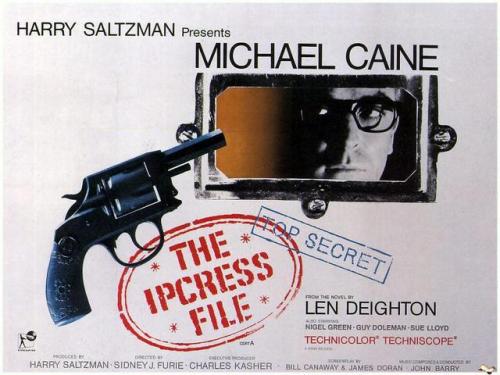
Ipcress: Arquivo Confidencial (1965) / The Ipcress File (1965)


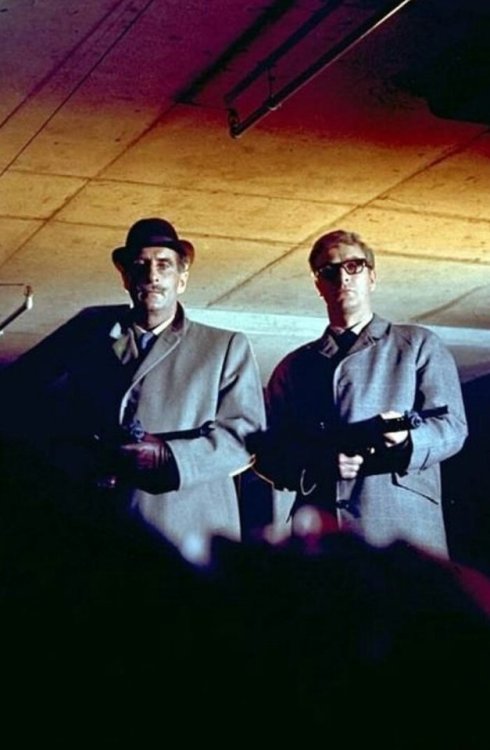
O investigador Harry Palmer foi criado para ser o oposto de James Bond. Ele deveria ser um homem comum que não usa engenhocas em suas missões e que nem sempre se ocupa de seduzir mulheres bonitas. Até seu nome deveria ser bobo: Harry Palmer foi o nome mais bobo em que Michael Caine conseguiu pensar para o personagem. Mas o primeiro filme de Harry Palmer, “Ipcress – Arquivo Confidencial” (1965), não tem nada de bobo.

Investigator Harry Palmer was created to be an anti-Bond. He is supposed to be a common man who does not use gadgets in his missions and who is not always seducing beautiful women. Even his name is supposed to be boring: Harry Palmer was the most boring name Michael Caine could come with for the character. But Harry Palmer’s first film, “The Ipcress File” (1965), is not boring at all.


O ótimo porém insolente sargento Harry Palmer (Michael Caine) é transferido pelo coronel Ross (Guy Doleman) para uma nova função, ficando no lugar de um homem que foi morto recentemente. Este homem estava investigando a aposentadoria repentina de grandes cientistas que estavam bem e de repente perderam suas habilidades.

Great yet insolent sergeant Harry Palmer (Michael Caine) is transferred by Colonel Ross (Guy Doleman) to a new position, replacing a man who had just been killed. This deceased man was investigating the sudden retirement of top-notch scientists who were just fine and suddenly couldn't function anymore.


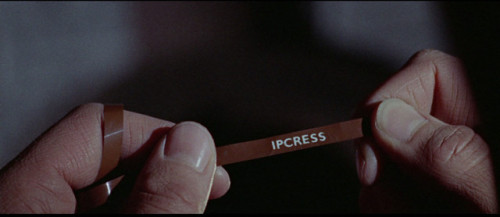
Harry pode estar trabalhando para o major Dalby (Nigel Green), mas ele ainda prefere suas velhas técnicas de investigação. Não importa o que Harry faça, Dalby acha que “não é bom o suficiente”. Isso acontece até que Harry e a equipe encontram uma fita de áudio onde está escrito “Ipcress”.

Harry might be working for major Dalby (Nigel Green) now, but he still prefers his old investigation techniques. No matter what Harry does, Dalby thinks “It's not good enough”. This happens until Harry and the team find an audiotape with “Ipcress” written on it.


Descobrir a função da fita não será o único desafio de Harry: ele também se envolverá com uma agente, descobrirá que tanto Rossa quanto Dalby querem a fita e será cobaia em um experimento torturante. Para tornar tudo um pouco pior, Harry será seguido por um homem com óculos de armação quebrada.

Finding out what the tape does won't be Harry's only challenge: he will also get involved with a female agent, he will find out that both Ross and Dalby want the tape and he will go through a torturing experience. To make things a bit worse, Harry will be followed everywhere by a man with broken glasses.


“Ipcress – Arquivo Confidencial” é um filme com uma trama muito complexa – quase tão complexa quanto a de “O Espião que Sabia Demais” (2011). Mesmo assim, há espaço para humor quando Harry e seu chefe conversam, de maneira não muito amigável, enquanto fazem compras de supermercado. Há também uma sequência de muito suspense em uma garagem subterrânea onde um homem ferido é resgatado.

“The Ipcress File” is a film with a very complex plot – almost as complex as “Tinker Taylor Soldier Spy” (2011). Nevertheless, there is room for humor as Harry and his boss talk, not exactly in an amicable way, while they do grocery shop. There is also a very suspenseful sequence in an underground parking lot as a hurt man is traded by cash.


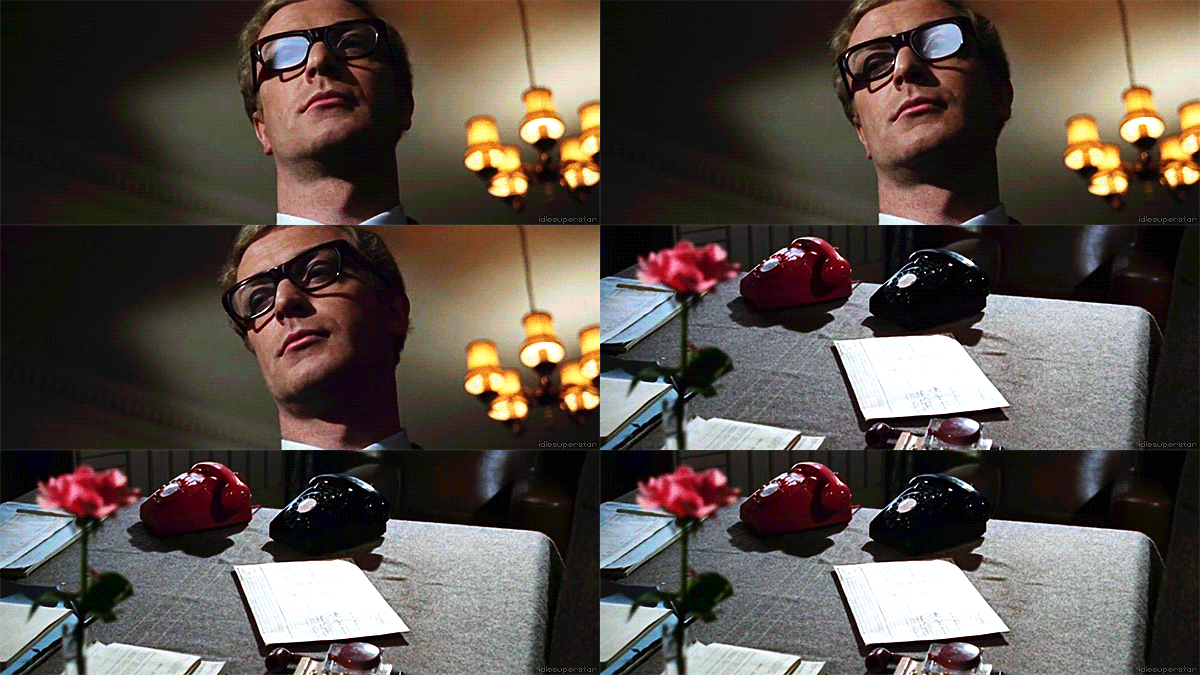
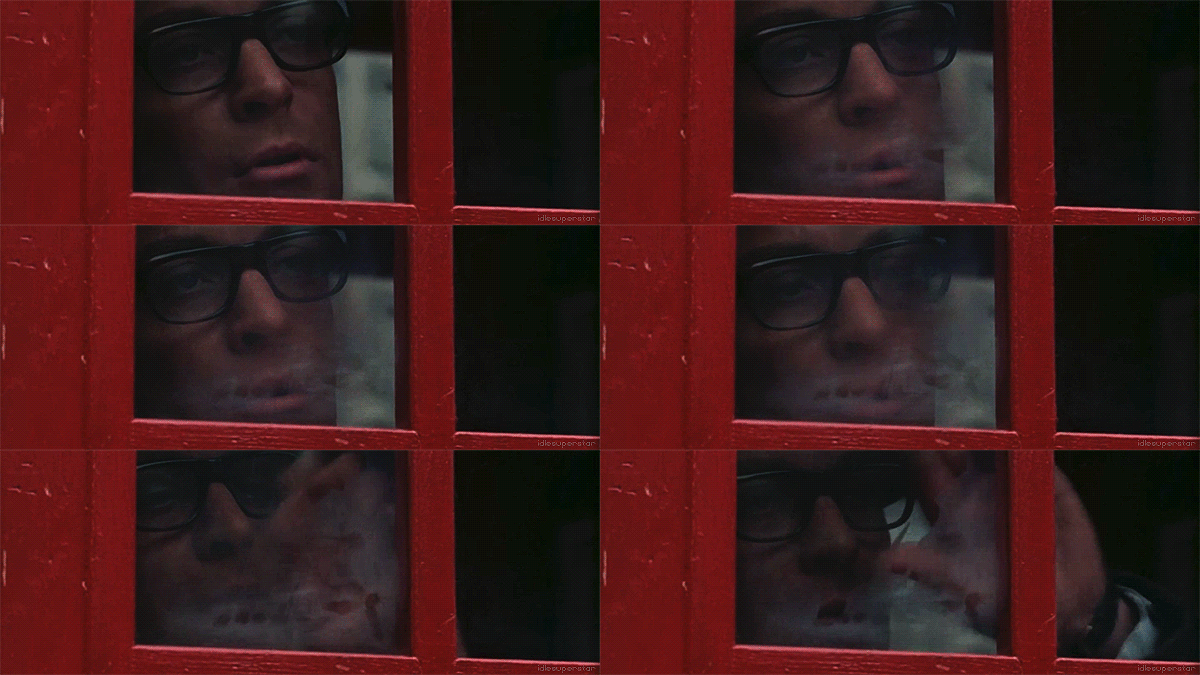
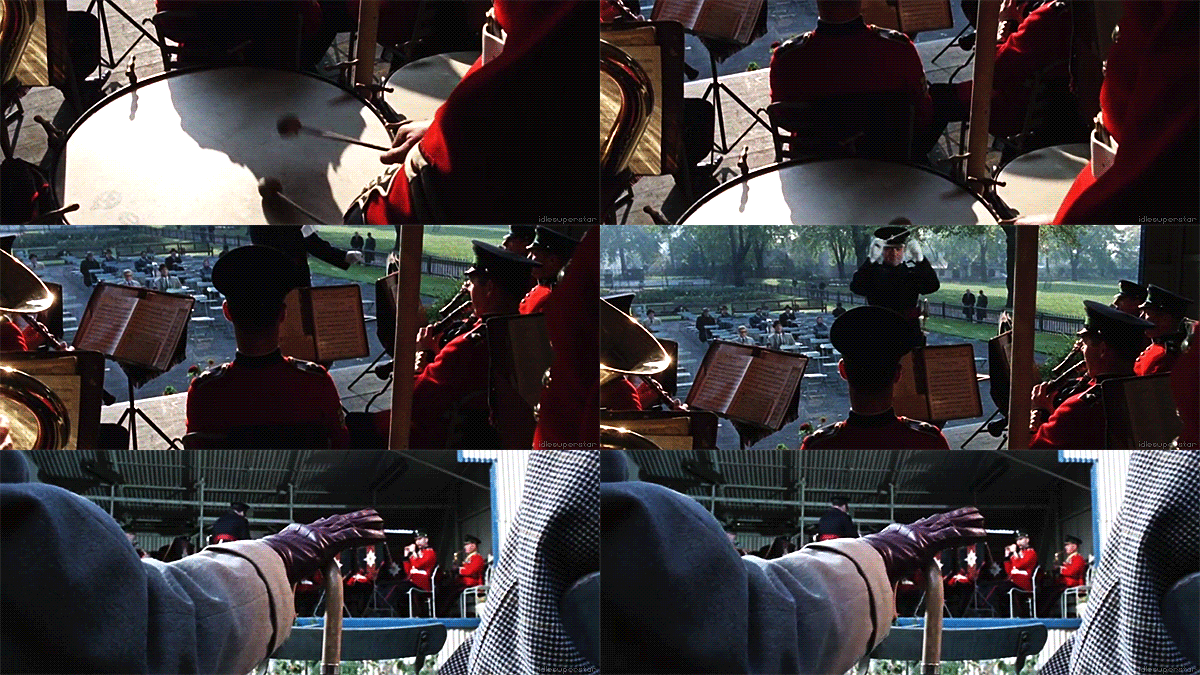
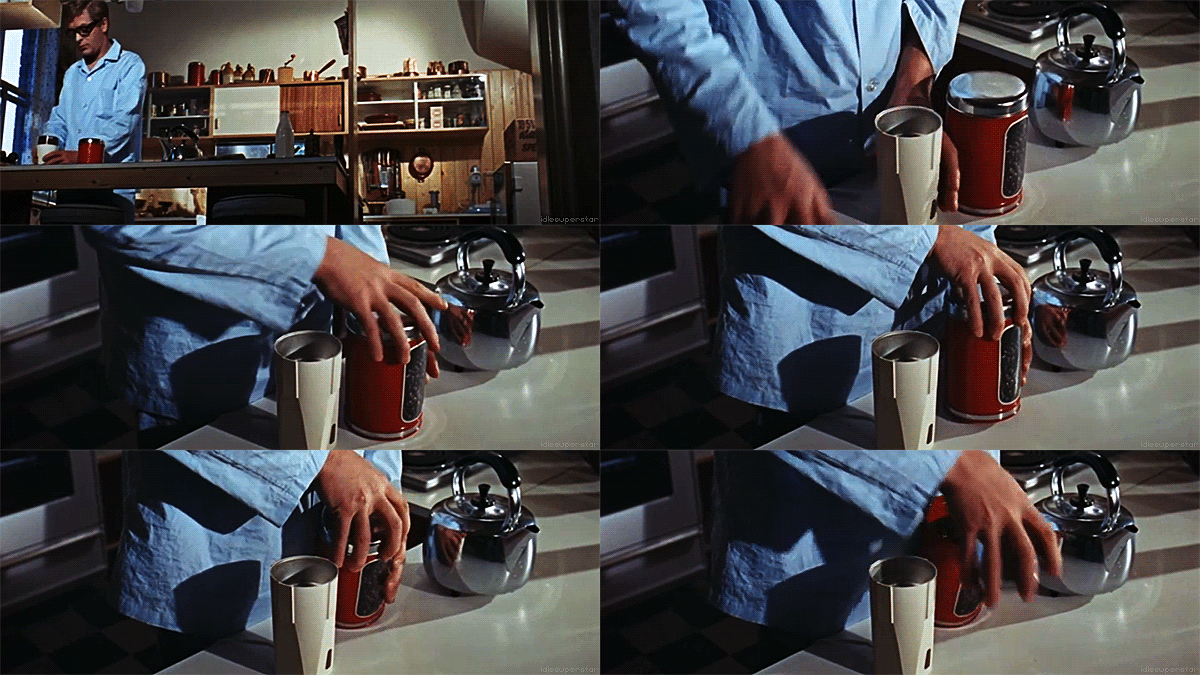
Há uma boa quantidade de ângulos criativos, que nos fazem ver a ação através de lentes de óculos, cabines telefônicas transparentes, pequenas aberturas e buracos nas paredes. De acordo com Michael Caine, o diretor Sidney Furie decidiu filmar as cenas como se o público estivesse seguindo a ação detrás de alguma coisa, como um agente escondido.

There is a fine amount of creative shots, making us see the action through glass lenses, transparent telephone boots, small apertures and holes in walls. According to Michael Caine, director Sidney Furie deliberately chose to shoot the film as the public was following the action hiding behind something, as an undercover agent.


Havia muitas pessoas trabalhando em “Ipcress – Arquivo Confidencial” que haviam trabalhado em filmes do 007:  o produtor Harry Saltzman, o editor Peter Hunt, o designer de produção Ken Adam e o compositor John Barry. Sendo profissionais versáteis, eles conseguiram criar uma atmosfera muito diferente da dos filmes de James Bond – a diferença mais perceptível é a música.

There were many people working on “The Ipcress File” who had also worked in Bond movies: producer Harry Saltzman, editor Peter Hunt, production designer Ken Adam and composer John Barry. As versatile professionals, they managed to create an atmosphere as far from the Bond movies as possible – the most perceptible difference is the soundtrack.


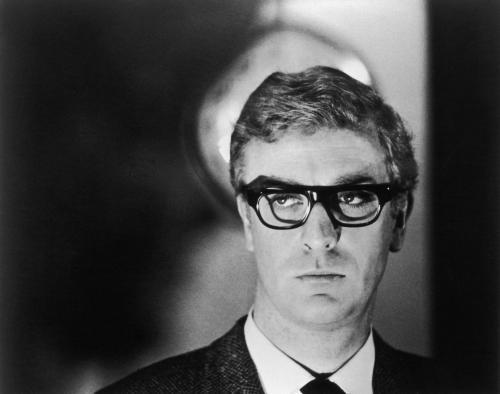
“Ipcress – Arquivo Confidencial” foi um livro escrito por Len Deighton e publicado em 1962. No livro, narrado em primeira pessoa, o agente principal não tem nome. Já que é raro para uma película ser filmada com ponto de vista de primeira pessoa – a primeira metade de “Prisioneiro do Passado” (1947) é uma exceção – os produtores precisavam de um nome para nosso anti-herói. Michael Caine sugeriu o nome, e usou o sobrenome de seu colega de escola mais chato. Caine também escolheu manter os óculos que o personagem usava no livro para fazer Palmer mais humano – e para ajudar na caracterização de Caine, já que o ator usa óculos na vida real. Como alguém que usa óculos, fico feliz em ver um investigador cuja vista é tão ruim quanto a minha.

“The Ipcress File” was a book written by Len Deighton and published in 1962. In the book, narrated in the first person, the lead agent had no name. Since it’s rare for a movie to be filmed with a first person point-of-view – with the first half of “Dark Passage” (1947) being one exception – the producers needed a name for our anti-hero. Michael Caine suggested the name, and took the surname from his most boring school classmate. Caine also chose to keep the glasses the character used in the novel as a way to make Palmer more down-to-Earth – and to help Caine’s characterization, as the actor wears glasses in real life. As someone who wears glasses, I’m happy to see an investigator whose sight is as bad as mine.


“Ipcress – Arquivo Confidencial” deu origem a uma pequena série de filmes – foram seis no total. Michael Caine não interpretou o protagonista em apenas um deles, “Spy Story” (1976), no qual o protagonista recebeu outro nome. Os dois últimos filmes da série não oficial de Harry Palmer foram feitos diretamente para a TV.

“The Ipcress File” originated a small series of films – there were six in total. Michael Caine didn’t play the lead in only one of the films, “Spy Story” (1976), in which the lead was also renamed. The last two films of the unofficial Harry Palmer series were made for TV in the 1990s.


“Ipcress – Arquivo Confidencial” foi um grande sucesso. E como foi também o primeiro filme de Michael Caine como protagonista, ele logo se tornou uma grande estrela – e ele nem era a primeira opção do produtor: Saltzman queria Christopher Plummer para o papel, mas Plummer preferiu fazer “A Noviça Rebelde”. Em 1999, “Ipcress – Arquivo Confidencial” foi escolhido o 59º melhor filme inglês pelo Instituto de Cinema Britânico. E, mesmo com Harry Palmer tendo sido criado para ser o oposto de James Bond, temos de concordar que Michael Caine é tão bacana quanto qualquer ator que fez 007, não?

“The Ipcress File” was a huge success. As it was Michael Caine’s first time as he lead, he soon became a superstar – and he wasn’t even the producer’s first choice: Saltzman wanted Christopher Plummer for the role, but Plummer chose to do “The Sound of Music” instead. In 1999, “The Ipcress File” was voted the 59th best British film ever by the British Film Institute. And, even though Harry Palmer was created to be an anti-Bond, we all can agree that Michael Caine is as cool as any actor who played agent 007, isn’t he?

This is my contribution to the Second Marvellous Michael Caine blogathon, hosted by Gill at Realweegiemidget Reviews.


Thursday, May 19, 2016

Puxe a Alavanca, Max! Professor Fate e a vilania

Pull the Button, Max! Professor Fate and villainy

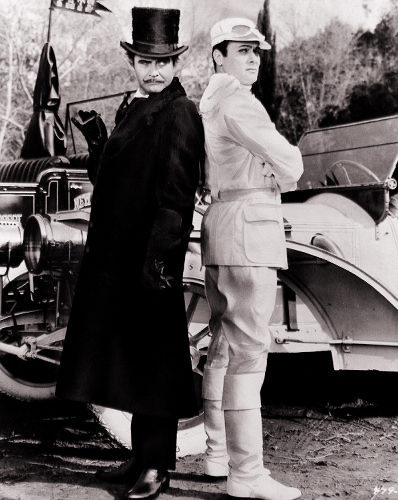
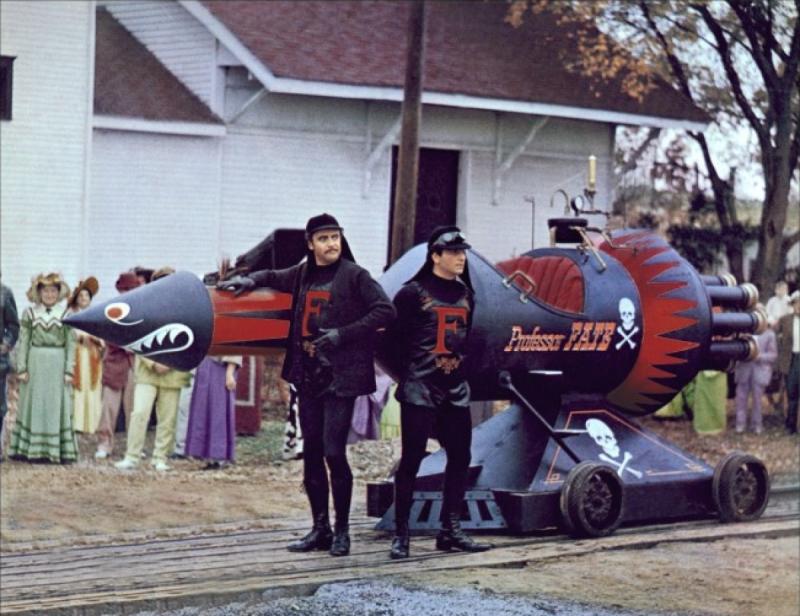
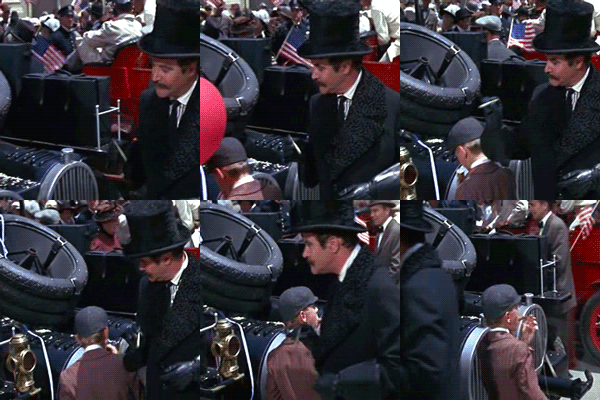
Um grande filme de comédia feito por um dos melhores diretores do gênero. Um filme que é, além do mais, uma ode ao cinema mudo. Um vilão que é simplesmente mau – e adora isso. E mais: um vilão que serviu de molde para outros tantos. A atuação que Jack Lemmon considerava sua melhor. São estes os ingredientes de “A Corrida do Século”, um filme dominado pelo maravilhoso vilão Professor Fate.

A great comedy movie made by one of the best directors in the genre. A film that is also an ode to silent film. A villain that is simply up to no good – and loves it! And more: a villain that was an inspiration to many others. It’s the performance Jack Lemmon considered his best. These are the ingredients of “The Great Race”, a film dominated by the wonderful villain Professor Fate.
O Grande Leslie (Tony Curtis) entra em uma corrida transcontinental de Nova York a Paris. A repórter Maggie DuBois (Natalie Wood) faz de tudo para cobrir o grande evento, como jornalista e como participante. Quem quer atrapalhar a proeza de Leslie é o Professor Fate (Jack Lemmon), e ele será capaz de todas as trapaças imagináveis, sempre com a ajuda (ou os atos atrapalhados) de Max (Peter Falk).

The Great Leslie (Tony Curtis) joins a transcontinental car race from New York to Paris. Journalist Maggie DuBois (Natalie Wood) also wants to take part in the event, both as a reporter and a competitor. And to stop Leslie from winning we have Professor Fate (Jack Lemmon), a man willing to do any kind of cheating, always with Max’s (Peter Falk) help (or rather the confusing acts).
O filme é ambientado em 1908, e foi concebido por Blake Edwards como uma homenagem às comédias do cinema mudo. A grande guerra de tortas, a confusão das portas e os créditos são as homenagens mais óbvias. Entretanto, o que não ajuda muito na reputação do cinema silencioso é a construção estereotipada do Professor Fate como vilão. Ele é uma cópia óbvia de Snidely Whiplash, o antagonista de Dudley Do-Right criado em 1961, em uma paródia dos filmes mudos. É de Snidely que vem a imagem errada de que os vilões dos filmes de 100 anos atrás se limitavam a amarrar moças na linha do trem.

The film is set in 1908 and was envisioned by Blake Edwards as a tribute to silent film comedies. The huge pie fight, the confusion of the doors and the credits are the most obvious tributes. However, something that does not help with the reputation of silent films is the stereotyped construction of Professor Fate as a villain. He is an obvious copy of Snidely Whiplash, the villain who fought Dudley Do-Right since 1961, in a silent film parody. From Snidely we see coming the wrong image of silent film villains tying girls to railroad tracks.
E Maggie está muito longe de ser uma donzela indefesa. A personagem é a mais bem construída do filme, e sua independência ressoa bem tanto em 1965 quanto hoje.

Maggie is far from being a damsel in distress. Her character is the best one in the movie, and her independence makes a good impression both in 1965 and nowadays.

Talvez mais interessante ainda que “A Corrida do Século” seja o desenho animado que ela inspirou. Sim, eu estou falando da inesquecível Corrida Maluca. O Professor Fate inspirou Dick Vigarista, seu incompetente capanga Max deu origem a Muttley, o grande Leslie se tornou Peter Perfeito e, obviamente, Maggie DuBois foi a inspiração para Penélope Charmosa.

Even more interesting than “The Great Race” is the cartoon it inspired. Yes, I'm talking about the unforgettable Wacky Races. Professor Fate inspired Dick Dastardly, his incompetent minion Max originated the dog Muttley, the Great Leslie became Peter Perfect and, obviously, Maggie DuBois was the inspiration for Penelope Pitstop.
Professor Fate e Dick Vigarista nos ajudaram a acostumar desde cedo com a ideia de que os vilões podem também ser os personagens mais importantes. Para quem cresceu, como eu, cercado de Disney, contos de fadas, lutas do bem contra o mal e esperanças de “felizes para sempre”, torcer para o vilão era um ato de rebeldia. Mas torcer para um vilão que humano e bastante atrapalhado é totalmente aceitável.

Professor Fate and Dick Dastardly helped us get acquainted since an early age with villains that are also the most important characters in a film or cartoon. If you, like me, grew up with Disney, fairy tales, bad against evil and hopes of “happily ever after”, rooting for a villain was an act of rebellion. But rooting for a human, goofy villain is perfectly OK.  

A persona do vilão todo vestido de preto, com capa, cartola e bigode, e sempre pronto para vilanias vem de 1940, da sátira “O Vilão Ainda a Perseguia”. Silas Cribbs, interpretado por Alan Mowbray, quer destruir o personagem de Richard Cromwell, quebrando com frequência a quarta parede para compartilhar seus planos malignos com a plateia. Todas as atuações neste filme são muito exageradas e Silas definitivamente não é um vilão para ser levado a sério.
The image of the villain all dressed in black, with cape, top hat and a moustache, always ready to be bad, comes from 1940, from the satire “The Villain Still Pursued Her”. Silas Cribbs, played by Alan Mowbray, wants to destroy Richard Cromwell’s character, and frequently breaks the fourth wall to share his evil plans with the audience. All the performances in this film are much exaggerated, and Silas definitely isn’t a villain to be taken seriously.
Silas Cribbs, Snidely Whiplash, Dick Vigarista, Professor Fate: quatro vilões com muito em comum. São carismáticos, engraçados e fadados ao fracasso. São vilões que são simplesmente maus – não há explicação para a vilania. Eles nasceram vilões, morrerão vilões e farão maldades enquanto viverem. Agora, se o plano maligno vai ou não funcionar, esta é outra história.

Silas Cribbs, Snidely Whiplash, Dick Dastardly, Professor Fate: four villains with a lot in common. They are charismatic, funny and always fail. They are simply mean villains – there is no explanation for their preference of evil. They were born villains, will die villains and will do villainies as long as they live. But, will the evil plan work? That’s another story!

This is my contribution to the Third Annual Great Villain Blogathon, hosted by evil trio Ruth, Kristina and Karen at Silver Screenings, Speakeasy and Shadows and Satin.

Tuesday, January 21, 2014

E se... Skyfall fosse protagonizado por Sean Connery?

O ano é 1965. Já estreou “007 contra o satânico Dr No / Dr No” em 1962, Bond já fez seu esforço anti-soviético em “Moscou contra 007 / From Russi with Love” em 1963 e já surgiu nas telas talvez o mais icônico filme do agente, “007 contra Goldfinger / Goldfinger” em 1964. Imagine que os livros de Ian Fleming não são mais interessantes e a ideia é criar uma história original com o personagem. Sim, porque o roteiro de “007 – Operação Skyfall / Skyfall”, de 2012, é original, e com certeza muitos saudosistas assistiram a esse filme pensando: “Sean Connery foi o melhor James Bond!”. Bem , e se Skyfall fosse feito em 1965?

James Bond (Daniel Craig): Sean Connery
M (Judi Dench): Marlene Dietrich
Silva (Javier Barden): Anthony Perkins
Eve Moneypenny (Naomie Harris): Rita Moreno
Gareth Mallory (Ralph Fiennes): Bing Crosby
Q (Ben Whishaw): Dean Stockwell

Na década de 1960, eram poucas as atrizes que chegavam à meia-idade e continuavam com bons papéis. Ou era interpretar a vovozinha ou aposentadoria. Mas não para Marlene Dietrich. A alemã nunca se curvou aos estereótipos de Hollywood e continuou com papéis marcantes, como em “Testemunha de Acusação / Witness for the Prosecution” (1957) e “O Julgamento de Nuremberg / Judgement in Nuremberg” (1960). Ela seria perfeita para o papel de M, a chefe meio mãe de 007.
E que clichê temos aqui? Considero Anthony Perkins um ator muito versátil, mas que não conseguiu escapar do fantasma de Norman Bates. E, se pensarmos bem, o vilão Silva tem algo em comum com Norman...
Hoje 007 tem uma companheira mulata, mas isso seria pouco provável na década de 1960. Mesmo assim, o papel de fica com Rita Moreno, cuja carreira estava no auge após receber o Oscar em 1962.
Mallory, personagem de Ralph Fiennes, é o presidente do Comitê de Inteligência e Segurança, e está cotado para ficar no lugar de M. Acredito que Fiennes tem uma pequena semelhança com Bing Crosby. E quem não gostaria de ver Bing e Marlene Dietrich brigando pelo cargo de chefe do MI6?
Dean Stockwell, um dos poucos atores mirins que prosperaram na carreira, seria o jovem gênio do MI6, Q, o responsável pelas geringonças mirabolantes usadas por Bond.
Sean Connery teria muitas oportunidades para mostrar seu físico e seu peito peludo nas mesmas situações que Daniel Craig o fez. Passando pela China, Turquia e pela velha propriedade da família Bond, o 007 original teria árias cenas de ação a serem filmadas.
Ah, antes que eu me esqueça: a música ganhadora do Oscar, Skyfall, seria cantada por Dusty Springfield.

Seria ou não um sucesso?

Related Posts Plugin for WordPress, Blogger...