} Crítica Retrô: Anthony Perkins

Tradutor / Translator / Traductor / Übersetzer / Traduttore / Traducteur / 翻訳者 / переводчик

Showing posts with label Anthony Perkins. Show all posts

Thursday, June 11, 2026

A Flor que não Morreu (1959) / Green Mansions (1959)


De vez em quando as estrelas se alinham e dois de seus atores favoritos fazem um filme juntos. Isso foi o que aconteceu com “A Flor que não Morreu”, infelizmente considerado um dos piores filmes das carreiras de dois de meus favoritos: Audrey Hepburn e Anthony Perkins. Sim, eles só interagem pela primeira vez após mais de 30 minutos de projeção, mas a química entre eles não foi o que decepcionou a maioria da plateia e deu má fama ao filme. Vejamos o que aconteceu. 

Sometimes the stars align and two of your favorites make a movie together. This is what happened in “Green Mansions”, unfortunately considered one of the worst films in the careers of two of my favorites: Audrey Hepburn and Anthony Perkins. Yes, they only interact for the first time after the 30-minute mark, but their chemistry is not what displeased the majority of the audience and gave this movie bad fame. Let’s see what happened.

Somos informados de que no começo do século XX W.H. Hudson viveu nas selvas da Venezuela e contou ao mundo uma história de amor que se tornou um clássico contemporâneo. Ah… se a queda d’água nos créditos iniciais parece familiar, é porque também apareceu em “Up! - Altas Aventuras” da Disney - outro clássico contemporâneo.

We’re informed that in the early 20th century W.H. Hudson lived in the jungles of Venezuela and told the world a love story that became a modern classic. Oh…If the waterfall in the opening credits seems familiar, it’s because it was also portrayed in Disney’s “Up!” - another modern classic.

Abel (Anthony Perkins) é um homem da capital da Venezuela, Caracas, em busca de vingança. E para isso ele precisa de ouro. Embrenhando-se na floresta, ele é ao mesmo tempo salvo e capturado por um grupo de nativos. Como o filho do Chefe fala inglês, Abel não corre perigo. Na verdade, ele recebe uma missão: entrar na selva e matar o Espírito da Floresta. Enquanto ele está lá, é picado por uma cobra coral mas salvo por Rima (Audrey Hepburn). Levado até a cabana dela, Abel se recupera e começa a acreditar que o avô de Rima pode saber onde há ouro. 

Abel (Anthony Perkins) is a man from the capital of Venezuela, Caracas, who is looking for revenge. And for this he needs gold. Entering the innermost of the jungle, he is both saved and captured by a group of natives. Since the Chief’s son speaks English, Abel is in no danger. In fact, he receives a mission: to enter the jungle and kill the Spirit of the Forest. While he’s there, he’s bitten by a coral snake but saved by Rima (Audrey Hepburn). Taken to her hut, Abel recovers and starts to believe Rima’s grandfather may know where there’s gold.

Audrey Hepburn fez mais de uma dúzia de filmes antes de “A Flor que não Morreu” e ganhou o Oscar de Melhor Atriz por sua estreia em Hollywood, “A Princesa e o Plebeu” (1953). Anthony Perkins era uma estrela em ascensão, tendo estreado em 1953 com um papel em “Papai Não Quer”. Para fazer este filme, Hepburn recusou o papel principal em “O Diário de Anne Frank” (1959) e Perkins recusou um papel em “Quanto Mais Quente Melhor” (1959). A canção “Green Mansions” é cantada pelo próprio Perkins, que na época estava tentando uma carreira dupla como ator e cantor. E ele cantava muito bem!

Audrey Hepburn had made over a dozen films before “Green Mansions”, and won the Best Actress Oscar for her Hollywood debut “Roman Holiday” (1953). Anthony Perkins was a rising star, having debuted in 1953 with a role in “The Actress”. To appear in this film, Hepburn refused the lead role in “The Diary of Anne Frank” (1959) and Perkins refused a role in “Some Like It Hor” (1959). The song “Green Mansions” is sung by Perkins himself, who at the time was trying a double career as actor and singer. He is not bad at singing at all!

É estranho, entretanto, acreditar que nosso elenco é venezuelano. Isso fica mais difícil com os atores interpretando os nativos, como o japonês Sessue Hayakawa (abaixo) e Henry Silva, vindo do Brooklyn. A língua que eles falam é mais próxima do japonês do que das línguas dos nativos amazônicos. Bem, é a Velha Hollywood tratando quem é diferente como exótico mais uma vez. 

It’s weird, however, to believe our cast is Venezuelan. This gets even harder for the actors playing natives, such as the Japanese Sessue Hayakawa (below) and Brooklyn-born Henry Silva. Their spoken language is closer to Japanese than to the languages of Amazon natives. Well, it’s Old Hollywood treating the different people as exotic once again.

Aqui tenho uma surpresa agradável: uma “música especial” foi criada para o filme pelo meu conterrâneo Heitor Villa-Lobos. Deixe-me contar uma ou duas coisas sobre ele. O compositor de mais de duas mil obras começou tocando em cinemas no início do século XX. Seu trabalho foi influenciado tanto pela música europeia quanto pela música popular brasileira. Na verdade, Villa-Lobos baseou sua trilha para “A Flor que não Morreu” no livro que serviu de base para o filme, publicado em 1904. O compositor polonês Bronislau Kaper foi convidado a refazer a trilha, mas manteve alguns trechos de Villa-Lobos, que por sua vez apresentou sua composição completa mais tarde naquele ano em Nova York como a cantata Floresta do Amazonas.  

Here’s a welcome surprise: “special music” was created for the film by my fellow Brazilian Heitor Villa-Lobos. Let me tell you a thing or two about him. The composer of over 2,000 works started playing songs for films in the early 20th century. His work was influenced by both European music and Brazilian folk music. Villa-Lobos actually based his “Green Mansions” score on the 1904 source book, not the completed film. The Polish composer Bronislau Kaper was asked to do the complete score, but retained some of Villa-Lobos’ tunes, who in turn presented his full composition later that year in New York as the cantata Forest of the Amazon.

“A Flor que não Morreu” foi dirigido pelo então marido de Audrey, Mel Ferrer. Uma ideia de adaptação do livro nos anos 1930 com Dolores Del Rio foi desconsiderada. Vincente Minnelli foi depois considerado para dirigir, mas um teste mal sucedido com Pier Angeli como Rima fez com que Ferrer fosse escolhido no seu lugar. Ferrer viajou para a Venezuela e gravou uma hora de material que foi incorporado ao filme. “A Flor que não Morreu” seria o primeiro projeto com Ferrer dirigindo e Audrey estrelando, mas o fracasso comercial abortou o plano.

“Green Mansions” was directed by Audrey’s then-husband Mel Ferrer. An idea for an adaptation of the book in the 1930s with Dolores Del Rio was dropped. Vincente Minnelli was then attached to direct, but an unsuccessful test with Pier Angeli as Rima led to Ferrer being chosen instead. Ferrer traveled to Venezuela and shot one hour of material that was incorporated into the film as background. “Green Mansions” was supposed to be the first project with Ferrer directing and Hepburn starring, but the commercial failure aborted the plan.

Mais famoso que este filme é provavelmente o pequeno veado que Audrey adotou como mascote durante as filmagens. Ela o chamou de Pippin e várias fotos dos dois podem ser encontradas online. Mel Ferrer havia levado o animal à sua casa em Hollywood para deixá-lo acostumado com Hepburn nas cenas em que teriam de interagir.

More famous than this movie is probably the little fawn Audrey adopted as a pet while filming. She named it Pippin and several photos of the two can be found online. Mel Ferrer had brought the fawn to his Hollywood home to make it acquainted to Hepburn in the scenes in which they had to interact. 

Eu assisti à maioria dos filmes de Audrey Hepburn, escrevi sobre alguns deles e posso dizer que esse não é o pior da sua carreira - “Amor na Tarde” (1957), por exemplo, envelheceu muito mal. Há também muitos filmes modernos piores que este. O filme também recebe o crédito por ser o primeiro a utilizar o processo Panavision no cinema. E tem mais: com “A Flor que não Morreu”, uma história de amor que teria sido há muito esquecido foi imortalizada pelo cinema.

I’ve watched most of Audrey Hepburn’s movies, reviewed a good amount of them and can say that this isn’t her worst effort - “Love in the Afternoon” (1957), for example, aged awfully. There are plenty of modern movies worse than it, as well. The movie also gets the credit of debuting the Panavision process in cinema. And there’s more: with “Green Mansions”, a love story that would have been long forgotten was immortalized by cinema.

Para terminar este post, uma coisa diferente: quando eu comecei a explorar o YouTube, muitos anos atrás, fiz um par de vídeos explorando a carreira completa de algumas de minhas estrelas favoritas. Eu sempre quis fazer um para Audrey Hepburn. Esta semana encontrei o tempo e a motivação para fazê-lo. Então aqui está, “The Whole Career: Audrey Hepburn”. Vamos torcer para que eu não precise esperar mais 15 anos para fazer um destes vídeos! 

To finish this post, something different: when I started exploring YouTube, many years ago, I did a couple of videos showcasing the entire career of some of my favorite stars. I’ve always wanted to make one for Audrey Hepburn. This week I found the time and reason to do it. So here it is, “The Whole Career: Audrey Hepburn”. Let’s only hope I don’t wait 15 years to make another of these videos!


This is my contribution to the Audrey Hepburn blogathon, hosted by Maddy at Classic Film and TV Corner

Saturday, June 24, 2017

Oito razões para admirar Anthony Perkins

 Eight reasons to admire Anthony Perkins

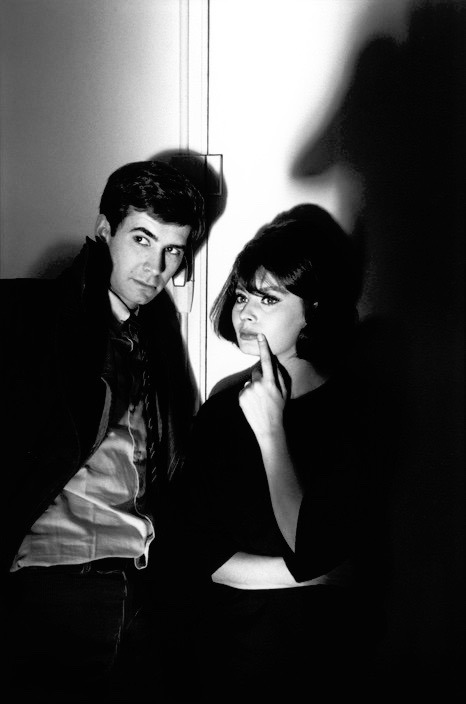
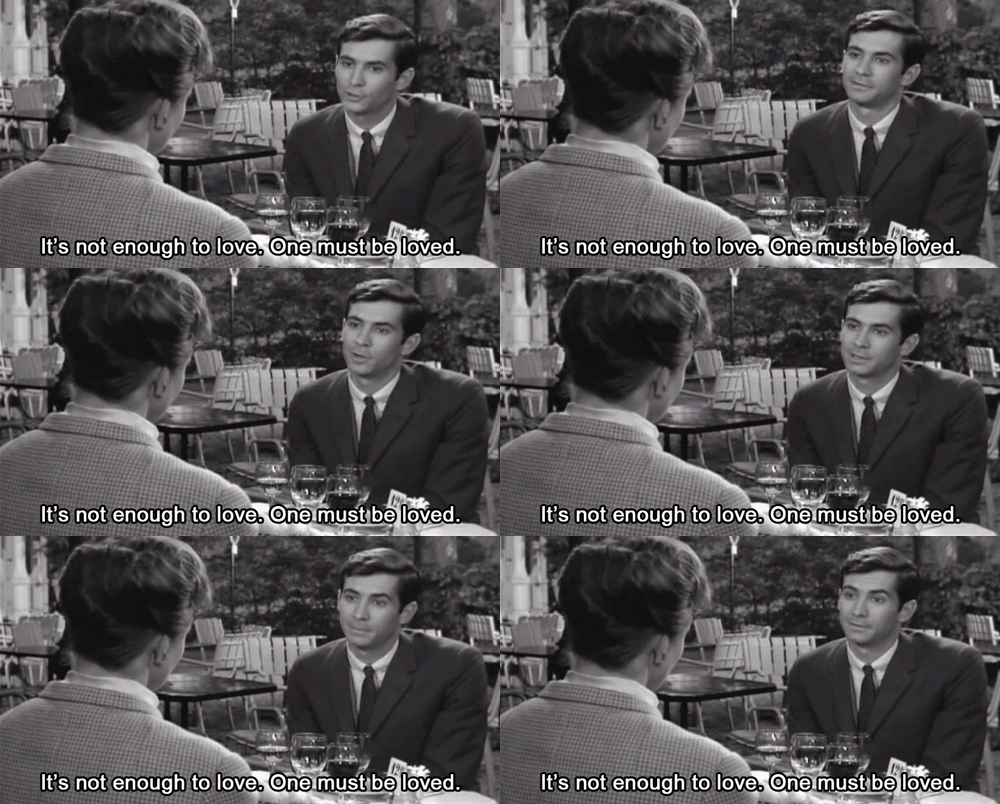
O que a maioria das pessoas sabe sobre Anthony Perkins é que ele interpretou Norman Bates na obra-prima “Psicose” (1960) e em três sequências esquecíveis. De fato, quando buscamos por seu nome no Tumblr, a maior parte dos resultados são GIFs de Psicose.

What most people know about Anthony Perkins is that he played Norman Bates in the masterpiece “Psycho” (1960) and in three other not-so-good sequels. Indeed, when we look for his name on Tumblr, most of the content is about Psycho. 
Outras pessoas, interessadas em tanatologia ou fofocas, devem saber que ele morreu de AIDS em 1992. E eu acho incrivelmente triste que este grande homem seja lembrado por estas duas coisas. Por isso fiz uma lista com oito razões para admirar meu crush alto, magro e fofo Anthony Perkins:

Other people, who are interested in thanatology or gossip, may know that he died of AIDS in 1992. And I think it's incredibly sad that this great guy is remembered by these two things. That's why I made this list with eight reasons to admire the tall, thin and cute man who I have a crush on, Anthony Perkins:
1- O sorriso: Fala sério, olha para essa coisinha fofa. Quando Tony sorri, você pode perceber um tom de brincadeira e timidez em seu rosto – como se ele tivesse vergonha de demonstrar sua felicidade. Eu considero timidez algo fofo, mas entendo que deve ter sido um problema para ele durante toda a vida – em especial em Hollywood.

1- His SMILE: Come on, look at that cuteness. When Tony smiles, you can see some goofiness and shyness in his face – as if he was ashamed to be showing happiness. I find his shyness cute, but I understand it must have been a problem for him during his life – especially in Hollywood.
2- Um grande talento para atuar: Anthony Perkins fez dramas, westerns, filmes românticos e, claro, filmes de terror. Ele trouxe humanidade a todos os personagens que interpretou, e fez todos críveis. Bem, ele até fez o público se importar com um psicopata!

2- The man had a great acting range: Anthony Perkins did dramas, westerns, romantic movies and, of course, horror films. He brought warmth to all the characters he played, and made them believable. Well, he even made the public care for a psycopath! 

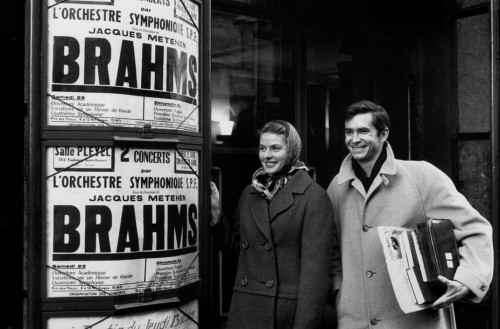
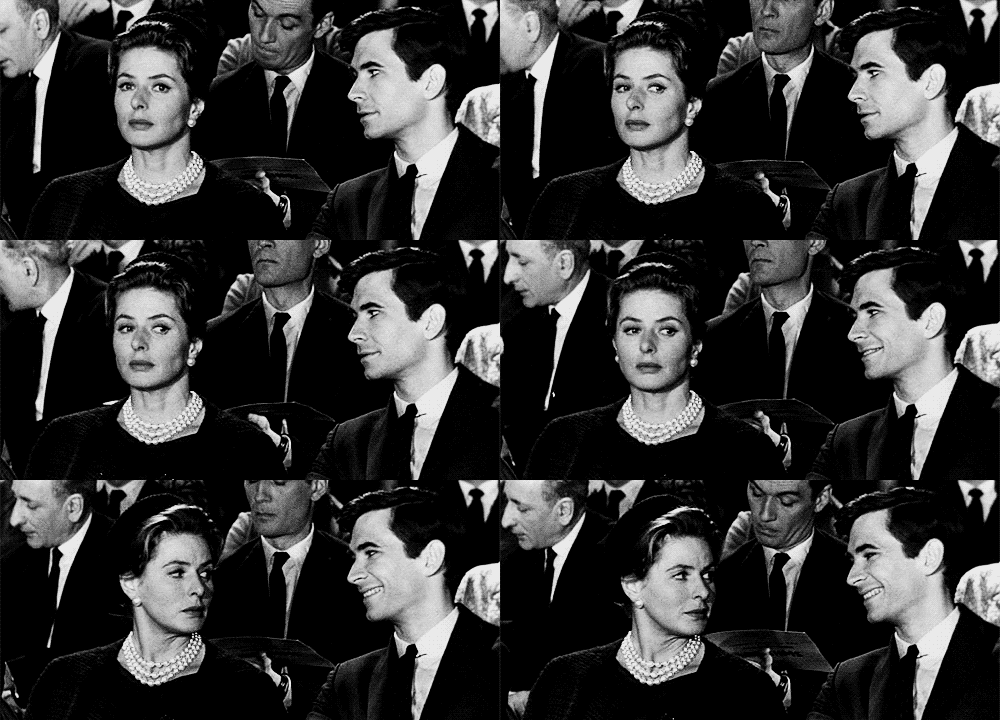
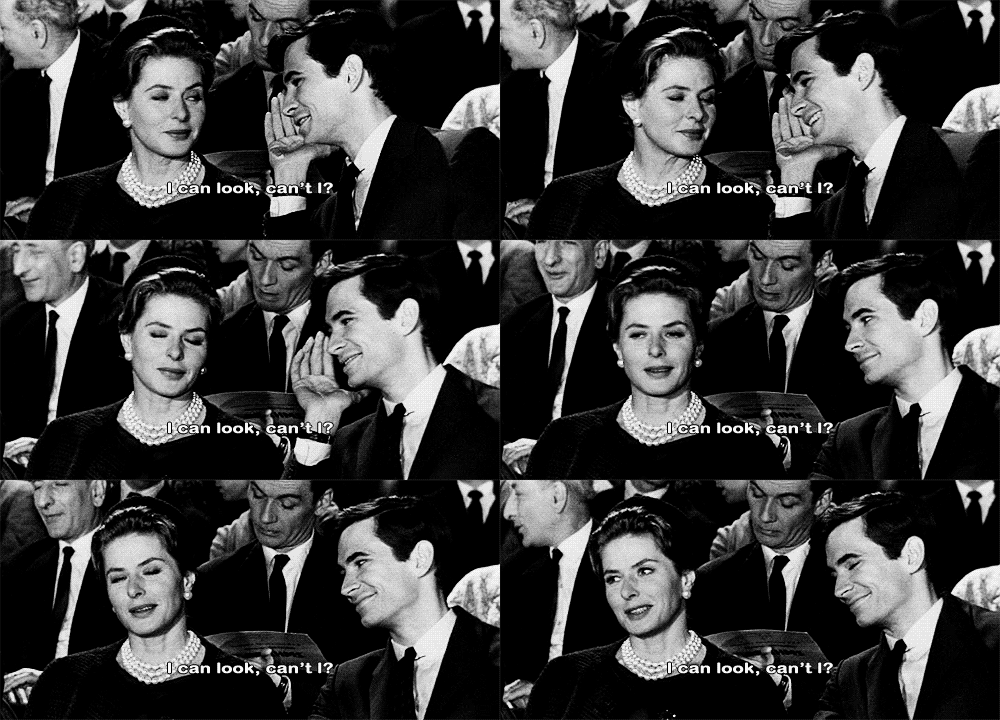
Ele trabalhava bem ao lado de atores já famosos, como Henry Fonda e Ingrid Bergman, sem ser obscurecido por eles. Ele até ganhou o prêmio de melhor ator em Cannes por “Mais uma vez, adeus”, um filme maravilhoso de 1961 em que contracena com Bergman.

He could hold up well next to established actors, like Henry Fonda and Ingird Bergman, without being overshadowed by them. He even won the best actor award at Cannes for “Goodbye Again”, a marvelous 1961 film in which he acts with Bergman.
3- Ele também trabalhou como diretor: Seguindo os passos de Orsons Welles, quem ele admirava imensamente, Perkins também trabalhou como diretor. Infelizmente, ele dirigiu apenas dois filmes: “Psicose III” (1986) e “Lucky Stiff” (1988). Eu fico imaginando que outros filmes ele poderia ter dirigido se tivesse vivido mais!

3- He also worked as a director: Following the footsteps of Orson Welles, who he great admired, Perkins also worked as a director. Unfortunately, he only directed two movies: “Psycho III” (1986) and “Lucky Stiff” (1988). I wonder what else he could have done if he had lived longer!
4- Ele também foi roteirista: Perkins e o amigo Stephen Sondheim escreveram o roteiro que se tornou o filme “O Fim de Sheila” (1973). Herbert Ross, o diretor, foi quem convenceu a dupla a transformar os “jogos de mistério e assassinatos” que eles jogavam em uma história.

4- He ALSO wrote a screenplay: Perkins and his friend Stephen Sondheim wrote a screenplay that became the 1973 film “The Last of Sheila”. Herbert Ross, who directed the film, was the one who encouraged the duo to turn their usual “murder mystery parlor games” into a story for the screen.
5- Ele falava francês: Você deve saber, por experiência própria ou pelas sábias palavras de Maurice Chevalier, que francês é a língua da paixão – l'amour!

5- He spoke French: You must know, through your own experience or through the wise words of Maurice Chevalier, that French is the language of romance – l'amour!

Nos anos 60, Perkins fez alguns fimes na Europa, deu entrevistas em Cannes e gravou algumas músicas em francês.

In the 1960s, Perkins made a few films in Europe, gave interviews while in Cannes and recorded some songs in French.
6- Ele lutou contra os estereótipos: Ele conseguiu apenas papéis estereotipados, ao estilo Norman Bates, depois de “Psicose”, mas ele procurou maneiras de mostrar seu talento em outros trabalhos que não fossem dentro do gênero horror.

6- He fought typecasting: He was forever typecast in movies after “Psycho”, but he looked for ways to show his talent in other works that did not belong to the horror genre.

Perkins foi o protagonista de duas comédias da Broadway nos anos 60, e na década seguinte esteve na montagem original de Equus substituindo Anthony Hopkins no papel principal. Seu trabalho na Europa também foi uma tentativa de escapar dos estereótipos.

Perkins was the lead in two Broadway comedies in the 1960s, and on the following decade he was on the original production of Equus replacing Anthony Hopkins as the lead. His work in Europe was also an attempt to escape typecasting.
With Sophia Loren in 1962
7- Ele sabia cantar: Nem todo mundo sabe disso, mas Anthony Perkins amava música e até gravou alguns CDs! Ele não era nenhum Sinatra, mas acho que era um cantor muito bom. Ouça:

7- He could SING: Not everybody knows about this, but Anthony Perkins loved music and even recorded a few CDs! He was no Sinatra, but I think his singing was pretty decent. Listen:
8- Ele lutou corajosamente contra a AIDS: A mídia não é nojenta? O preconceito não é horrível? Nos anos 50, Perkins não podia se assumir homossexual e tinha de ir a encontros arranjados com jovens atrizes para convencer os tabloides de que ele era hétero – esta prática, inclusive, ainda é comum entre as estrelas de TV brasileiras.

8- He fought AIDS with courage: Isn't the media disgusting? Isn't prejudice horrible? In the 1950s, Perkins couldn't be his true homosexual self and had to go on arranged dates with starlets to make tabloids convinced that he was straight – this practice is still common with Brazilian television stars now.

Perkins começou a se odiar e tentou encontrar uma cura para sua “doença”. Ele acabou se casando com Berry Berenson, e com ela teve dois filhos. Mas não seriam felizes para sempre: em 1990, um tabloide teve acesso a um exame de sangue de Perkins e publicou que o ator tinha AIDS. Sim, Tony e a família ficaram sabendo do diagnóstico através de um jornal.

Perkins went on to hate himself and try to find a cure for his “disease”. He ultimately married Berry Berenson and had two sons with her. But there would be no happily ever after: in 1990, a tabloid got access to his blood exam records and published that he had AIDS. Yes, Tony and his family found out through a newspaper.
Dali em diante, os jornalistas cercavam a casa deles o tempo todo, e seguiam os funcionários da família para tentar descobrir mais sobre a doença de Tony. Apesar deste inferno, Perkins continuou trabalhando até sua morte, em 12 de setembro de 1992.

From them on, journalists would be in front of their house 24/7 and follow their employees, wanting to know details about Tony's disease. Nevertheless, Perkins kept on working until his death, on September 12th, 1992.

Não posso deixar de pensar em quantas outras coisas Anthony Perkins poderia ter feito com seu talento se o mundo tivesse sido mais bondoso com ele. E eu imagino quantas pessoas como Tony não conseguem atingir seu potencial e têm de viver atormentados porque, todos os dias, o mundo não é bondoso com eles.

I can't avoid but wonder how much more Anthony Perkins could have accomplished if the world had been kinder to him. And I wonder how many people like Tony can't fulfill their potential and have to live tormented lives because the world isn't kind to them every day.

This is my contribution to the Reel Infatuation blogathon, hosted by Silver Screenings and Font and Frock.

Saturday, August 27, 2016

Mais uma Vez, Adeus (1961) / Goodbye Again (1961)

Eu nunca falei isso no blog, mas adoro Anthony Perkins. OK, OK, preciso confessar: tenho um crush nele. Fofo, talentoso, mas desperdiçado pelo preconceito e pelos estereótipos. E mesmo com toda essa admiração, nunca havia escrito nenhuma crítica de um filme estrelado por ele. Está na hora de mudar isso.

I never said this on this blog, but I adore Anthony Perkins. OK, OK, I must confess: I have a crush on him. Cute, talented, but wasted thanks to prejudice and stereotyping. And even with all my admiration, I had never written about a film starring him. It’s time to change this. 
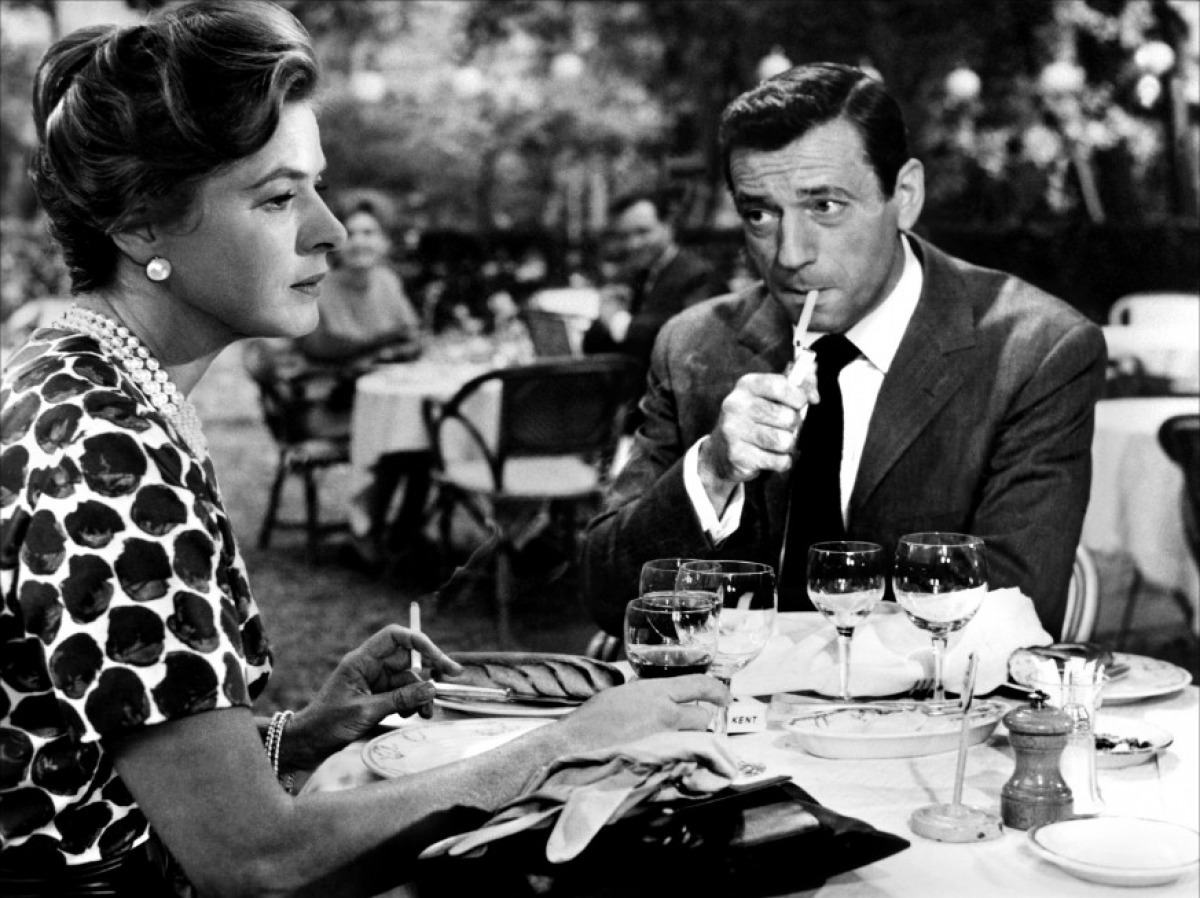
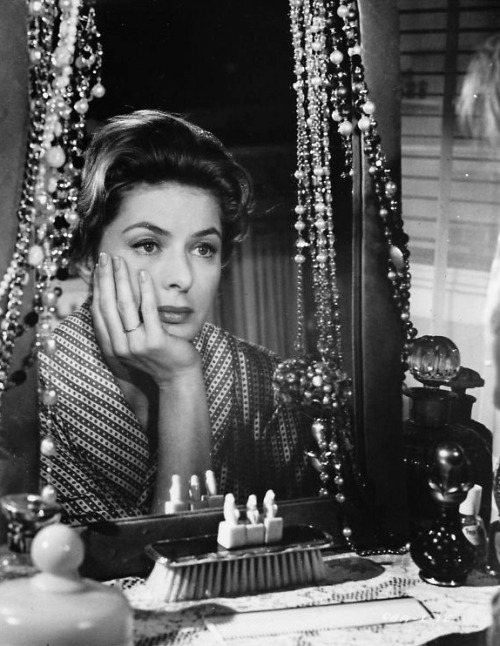
Paula Tessier (Ingrid Bergman) é uma decoradora de 40 anos, divorciada e aparentemente bem resolvida, vivendo em Paris. Ela tem um moderníssimo relacionamento aberto com Roger Desmarest (Yves Montand), e eles não pensam em casamento.

Paula Tessier (Ingrid Bergman) is a 40-year-old interior decorator, divorced and apparently happy who lives in Paris. She is in an über-modern open relationship with Roger Desmarest (Yves Montand), and they don’t think about getting married so soon – or ever.
Roger indica Paula para decorar o novo apartamento da excêntrica e distraída Teresa Van der Besh (Jessie Royce Landis). Com ela mora o filho playboy, Philip (Anthony Perkins), de 25 anos, que se apaixona por Paula. Tudo que ele precisa para conquistá-la é fazer uma pergunta: “você gosta de Brahms?”.

Roger sends Paula to decorate the new apartment bought by excenrtic and absent-minded Teresa Van der Besh (Jessie Royce Landis). Her carefree son Philip (Anthony Perkins) lives with her, and the 25-year-old young man falls in love with Paula. All he needs to do to conquer her is to make one question: “do you like Brahms?”.
O filme, apesar de ter sido feito há 55 anos, é moderníssimo. Com as investidas do rapaz, Paula passa a questionar se realmente ama Roger, e se ele a ama de volta. A relação de Paula e Roger, aliás, é algo que não se vê com frequência na ficção: sem meias palavras, completamente honesta.

The film was released more than 55 years ago, but it is incredibly modern. With the young man’s flirting, Paula starts to question if she really loves Roger, and if he loves her back. Paula and Roger’s relationship, by the way, is something we don’t see frequently in fiction: without white lies, completely honest.
Paula não tem medo de dizer o que pensa e o que sente, mesmo que o mais esperado era que ela escondesse que nutre afetos também por Philip. Ela é uma mulher incrível, e quando Roger se sente incomodado por ela passar tempo com Philip, ela retruca: e quando você fica falando dos seus casos com outras menininhas? A resposta dele? “Pelo menos isso é normal”. É uma frase muito machista, mas a dura verdade é que muitos homens pensavam assim em 1961 – e pensam ainda hoje. O filme está cheio de duras verdades.

Paula is not afraid to say what she thinks and feels, although the expected attitude was her hiding her feelings about Philip. She is an incredible woman, and when Roger feels uncomfortable because she spends time with Philip, she tells him: “You always made sure that I hear yours [stories about his love life] with your girls”. His answer? “At least that’s normal”. It is a very sexist sentence, but the bitter truth is that many men had this mentality in 1961 – and think the same even today. The film is full of bitter truths.
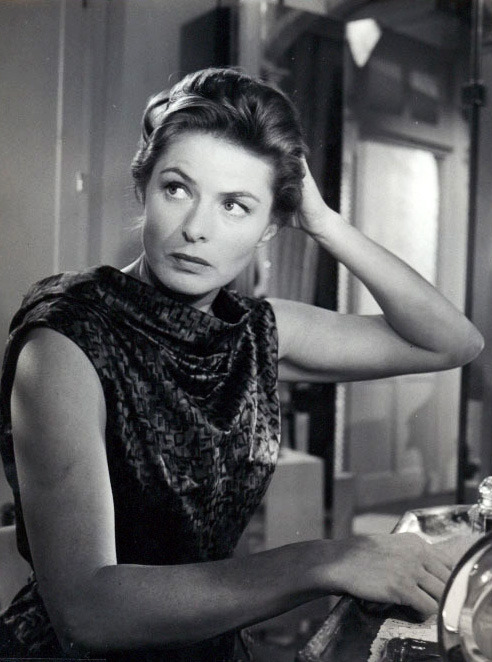
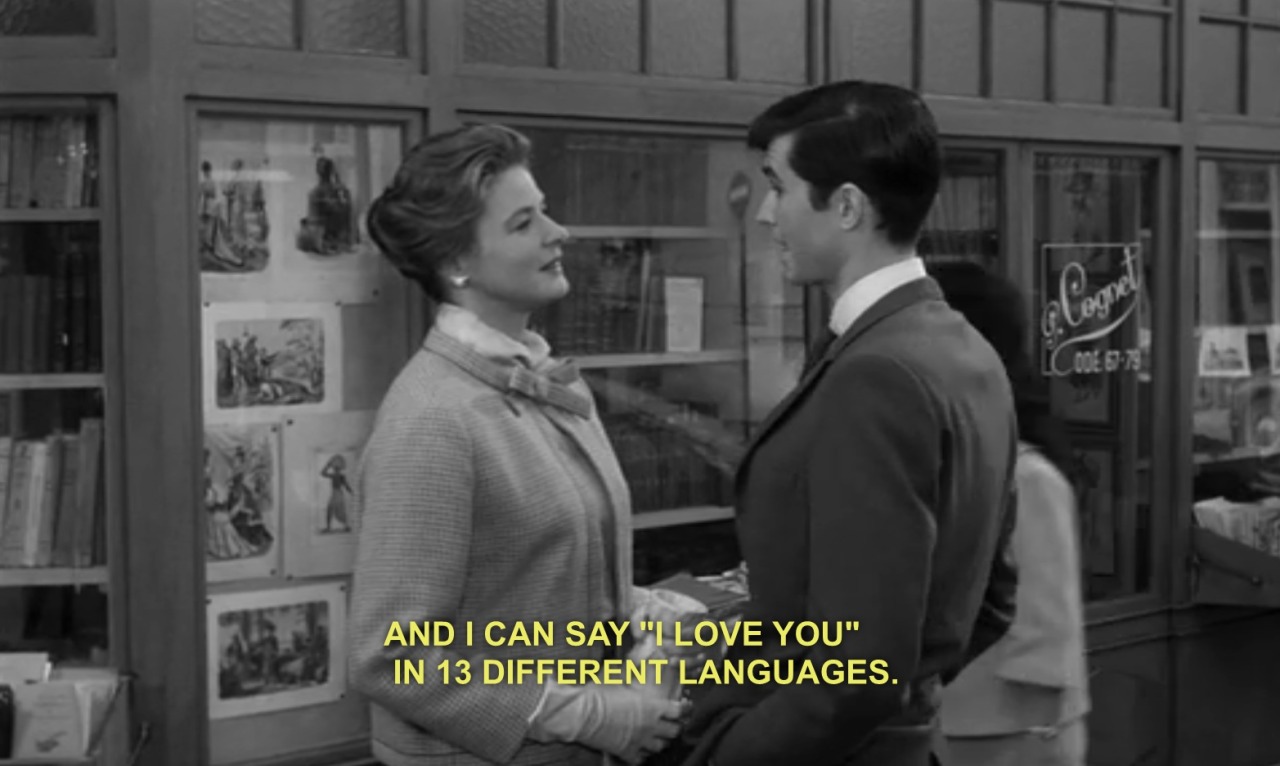
É interessante que a protagonista desta história seja interpretada justamente por Ingrid Bergman, uma mulher que não deixou falsos moralismos impedirem-na de viver um romance. É ainda mais interessante que Philip diz para Paula que sabe falar “eu te amo” em 13 línguas, quando o que Ingrid escreveu para o diretor Roberto Rossellini em uma carta foi: “de uma atriz [...] que em italiano só sabe falar 'ti amo' e que está pronta para ir até você e fazer um filme juntos”.

It’s interesting that the leading lady is played by Ingrid Bergman, a woman who didn’t let false moralism stay between her and romance. It’s also interesting that Philip could mention to Paula he can say “I love you” in 13 languages, when in real life Ingrid wrote the following to Italian director Roberto Rossellini in a letter: “a Swedish actress […] in Italian knows only ‘ti amo’, I am ready to come and make a film with you.”. 
E é também curioso que Ingrid esteja no centro daquele que provavelmente é o mais famoso triângulo amoroso da história do cinema: Rick Blaine, Ilsa Lund e Victor Laszlo em “Casablanca” (1942). O triângulo de “Mais uma Vez, Adeus” é tão confuso quanto o de “Casablanca”, e só poderia ter sido criado pela mente sagaz da escritora Françoise Sagan.

And it is also curious noting that Ingrid was in the center of the most famous love triangle in film history: Rick Blaine, Ilsa Lund and Victor Laszlo in “Casablanca” (1942). The love triangle in “Goodbye Again” is as complicated as the one in “Casablanca”, and could only have been created by the sagacious mind of novelist Françoise Sagan.
E Perkins? Bem, Anthony Perkins está muito convincente como Philip, e inclusive ganhou o prêmio de Melhor Ator no Festival de Cannes por sua performance. Mas Ingrid, vestida por Dior, é quem brilha sempre neste filme pouco conhecido, mas tão bom quanto Casablanca.

What about Perkins? Well, Anthony Perkins is very convincing as Philip, and his performance earned him the Best Actor prize in the Cannes Festival. But Ingrid, dressed by Dior, is the one who shines in every moment of this little known film. Little known, but as good as Casablanca.

This is my contribution to the 2nd Wonderful Ingrid Bergman Blogathon, hosted by Virginie at The Wonderful World of Cinema. 

Tuesday, January 21, 2014

E se... Skyfall fosse protagonizado por Sean Connery?

O ano é 1965. Já estreou “007 contra o satânico Dr No / Dr No” em 1962, Bond já fez seu esforço anti-soviético em “Moscou contra 007 / From Russi with Love” em 1963 e já surgiu nas telas talvez o mais icônico filme do agente, “007 contra Goldfinger / Goldfinger” em 1964. Imagine que os livros de Ian Fleming não são mais interessantes e a ideia é criar uma história original com o personagem. Sim, porque o roteiro de “007 – Operação Skyfall / Skyfall”, de 2012, é original, e com certeza muitos saudosistas assistiram a esse filme pensando: “Sean Connery foi o melhor James Bond!”. Bem , e se Skyfall fosse feito em 1965?

James Bond (Daniel Craig): Sean Connery
M (Judi Dench): Marlene Dietrich
Silva (Javier Barden): Anthony Perkins
Eve Moneypenny (Naomie Harris): Rita Moreno
Gareth Mallory (Ralph Fiennes): Bing Crosby
Q (Ben Whishaw): Dean Stockwell

Na década de 1960, eram poucas as atrizes que chegavam à meia-idade e continuavam com bons papéis. Ou era interpretar a vovozinha ou aposentadoria. Mas não para Marlene Dietrich. A alemã nunca se curvou aos estereótipos de Hollywood e continuou com papéis marcantes, como em “Testemunha de Acusação / Witness for the Prosecution” (1957) e “O Julgamento de Nuremberg / Judgement in Nuremberg” (1960). Ela seria perfeita para o papel de M, a chefe meio mãe de 007.
E que clichê temos aqui? Considero Anthony Perkins um ator muito versátil, mas que não conseguiu escapar do fantasma de Norman Bates. E, se pensarmos bem, o vilão Silva tem algo em comum com Norman...
Hoje 007 tem uma companheira mulata, mas isso seria pouco provável na década de 1960. Mesmo assim, o papel de fica com Rita Moreno, cuja carreira estava no auge após receber o Oscar em 1962.
Mallory, personagem de Ralph Fiennes, é o presidente do Comitê de Inteligência e Segurança, e está cotado para ficar no lugar de M. Acredito que Fiennes tem uma pequena semelhança com Bing Crosby. E quem não gostaria de ver Bing e Marlene Dietrich brigando pelo cargo de chefe do MI6?
Dean Stockwell, um dos poucos atores mirins que prosperaram na carreira, seria o jovem gênio do MI6, Q, o responsável pelas geringonças mirabolantes usadas por Bond.
Sean Connery teria muitas oportunidades para mostrar seu físico e seu peito peludo nas mesmas situações que Daniel Craig o fez. Passando pela China, Turquia e pela velha propriedade da família Bond, o 007 original teria árias cenas de ação a serem filmadas.
Ah, antes que eu me esqueça: a música ganhadora do Oscar, Skyfall, seria cantada por Dusty Springfield.

Seria ou não um sucesso?

Friday, October 28, 2011

Halloween & coisas assustadoras do cinema clássico (na minha opinião)

Quem não tem uma lembrança sinistra de um filme? Mesmo aqueles mais bobos ou que não causariam medo algum às vezes fazem as crianças ficarem noites sem dormir. O próprio Gregory Peck, por exemplo, disse certa vez que sua primeira memória relacionada ao cinema era de quando foi ver “O Fantasma da Ópera / The Phantom of the Opera” (1925) e ficou tão assustado que sua avó teve de dormir com ele aquela noite.
Comigo não foi diferente. Em uma época de menos maturidade e quase nenhuma cinefilia, alguns contatos com o cinema clássico foram amedrontadores...

Primeiros filmes (ou melhor, “Serpentine Dance”): Os primeiros filmes me dão uma sensação desagradável, talvez por pensar que aqueles pioneiros viveram há tanto tempo e não tiveram a oportunidade de ver em que a arte que estavam desenvolvendo se transformou. Isso acontece no breve “Rounday Garden Scene” (1888) e na dança com figurinos bizarros “Serpentine Dance”. 

Os Vampiros / Les Vampires (1915): A primeira vez em que folheei uma edição de “1001 filmes que você deveria ver antes de morrer” levei um susto com a foto de página inteira da atriz Musidora. Embora seja a imagem-símbolo do longuíssimo filme, ela ainda não me agrada.

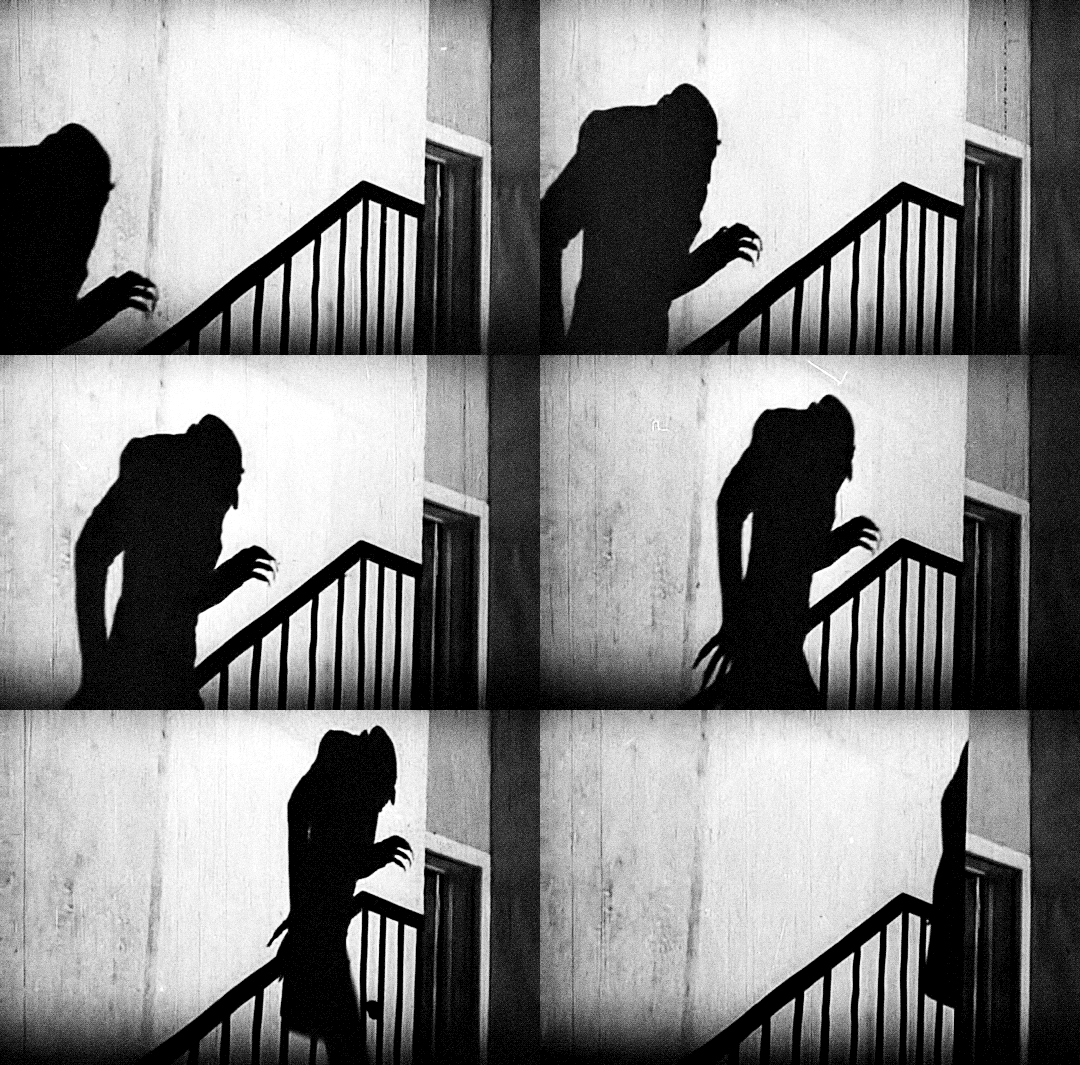
Nosferatu (1922): O cinema mudo de terror lida com as emoções mais primitivas de qualquer ser humano. As produções causam medo através de sons estranhos e imagens assustadoras. Quem não teve medo daquela sombra que atire a primeira pedra!

Closes no cinema mudo: Também pelo motivo do primeiro tópico. Além disso, o olhar das moças da década de 1910 parece-me bastante forte, mesmo em fotografias (como se elas fossem capazes de enxergar lá dentro de nós...). Meu close menos favorito é o de Constance Talmadge, logo no início de sua bela atuação em “Intolerância” (1916). 
Até ela teve medo do próprio close

Monstros / Freaks (1932): O primeiro contato com esse filme se deu quando eu nem era tão cinéfila assim. Em uma lista dos 10 filmes mais impressionantes, este vinha em décimo. A imagem do Torso ficou em minha mente, durante dias, me assombrando...

O Homem Elefante (1980): A triste trajetória real de Joseph Merrick é, por si só, assombrosa. Contada pelo cinema, então, tem seu impacto elevado à milésima potência. Uma produção em preto-e-branco, em plena década de 80, só podia sair das mãos de David Lynch... E é outro que eu ainda não criei coragem para assitir.

Como toda regra tem exceção...
O lanchinho é cortesia do Bates Motel


Aí está um exemplo de quem algumas pessoas passam a temer depois de assistir a “Psicose” (1960). Eu não tive essa reação. Na verdade, continuei achando Norman Bates uma fofura. Que importa se ele é um pouco perturbado? Sua “adorável psicose” compensa tudo!


Related Posts Plugin for WordPress, Blogger...