} Crítica Retrô: Casablanca

Tradutor / Translator / Traductor / Übersetzer / Traduttore / Traducteur / 翻訳者 / переводчик

Showing posts with label Casablanca. Show all posts

Wednesday, March 22, 2017

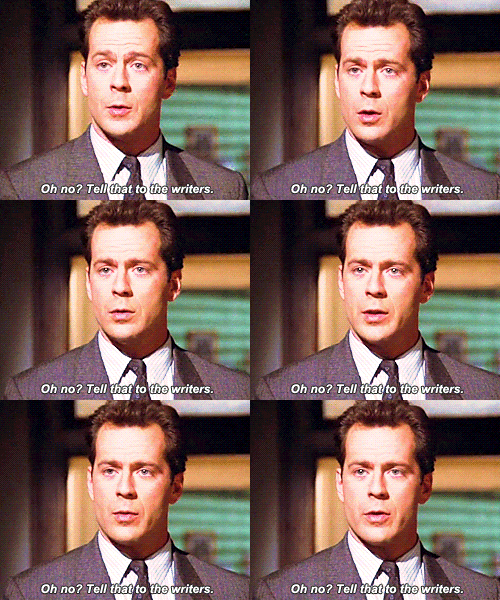
“A Gata e o Rato” e a paródia de Casablanca / Moonlighting and the Casablanca parody

Nos anos 80 e 90, era comum que as séries de TV, em especial sitcoms, tivessem “episódios de antologia”. Estes episódios não faziam a trama avançar e podiam até ser ignorados pelo público. Alguns deles eram simples coleções de clipes de episódios anteriores. Outros eram paródias de filmes famosos. Vamos falar de um episódio deste último tipo.

In the 1980s and 1990s, it was common for TV series, in special sitcoms, to have some “anthology episodes”. These episodes didn't advance the plot and could even be skipped by the public. Some of them were a collection of clips from previous episodes. Others were parodies of famous movies. We're talking about an example of the later.
Os personagens principais da série romântica / de suspense / de comédia “A Gata e o Rato” eram Madelyn ‘Maddie’ Hayes (Cybill Shepherd) e David Addison (Bruce Willis), os dois principais investigadores da agência de detetives Blue Moon, da qual Maddie é proprietária. Entre os personagens coadjuvantes recorrentes estava a secretária atrapalhada e adorável, Agnes DiPesto (Allyce Beasley).

The main characters in the romantic / thriller / comedy Moonlighting were Madelyn 'Maddie' Hayes (Cybill Shepherd) and David Addison (Bruce Willis), the two main detectives in the Blue Moon agency, that Maddie also owns. Among the recurrent characters there was the clumsy secretary with a heart of gold, Agnes DiPesto (Allyce Beasley).

O público aprendeu a amar Agnes DiPesto. Ela ganhou mais tempo em cena, um par romântico – Herbert ‘Bert’ Viola (Curtis Armstrong) – e alguns episódios focados só nela. Bem, isso aconteceu porque ela era popular, obviamente, mas também porque aconteceram alguns atrasos nas gravações quando Bruce Willis machucou o ombro e Cybill Shepherd deu à luz gêmeos. Curiosamente, os dois episódios mais marcantes para mim têm tudo a ver com filmes clássicos.

The public learned to love Agnes DiPesto. She got more screen time, she got a romantic interest – Herbert ‘Bert’ Viola (Curtis Armstrong) – and she got some episodes focused on herself. Well, this happened because she was popular, sure, but also because there were some delays when Willis broke his shoulder and Shepherd had twins. Curiously, the two episodes I remember best have everything to do with classic movies.
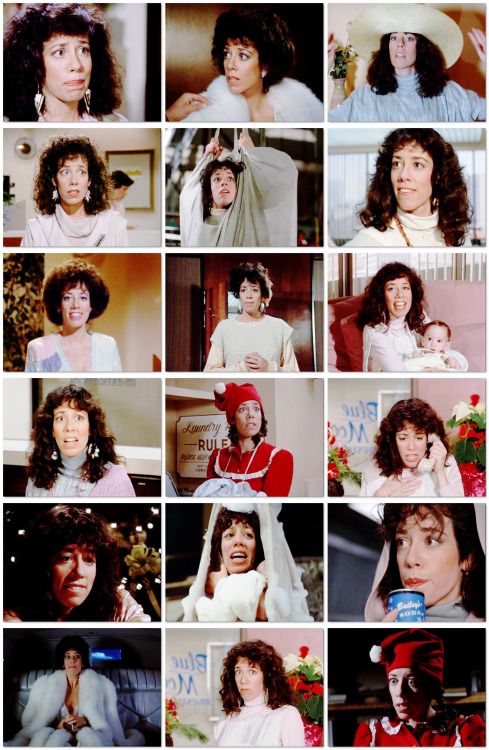
Um deles é “In ‘N Outlaws” (temporada 5, episódio 11), uma espécie de “12 Homens e uma Sentença” com um toque romântico. Nele Agnes é parte de um júri e é a única que acredita na inocência do réu. Ela então conta sua teoria e narra suas experiências com a relação complicada de Maddie e David para convencer os outros jurados da inocência do réu.

One of them, “In ‘N Outlaws” (S5E11), is some kind of romantic “12 Angry Men”. In it Agnes is part of a jury and is the only one who believes in the man's innocence. She then tells her theories and her experience with the on-again off-again couple Maddie and David to convince the other jurors of his innocence.
O outro episódio também foi romântico, e lidou com a relação de Agnes e Herbert. Eles eram ambos tímidos, loucamente apaixonados um pelo outro, mas não tinham coragem para dizer o que realmente sentiam, nem para dar grandes passos e avançar o relacionamento. No episódio “Here’s Living with You, Kid” (temporada 4, episódio 13), Herbert sugere que ele e Agnes vão morar juntos. Bert meio que recebe um não como resposta, e a partir daí tem fantasias envolvendo filmes clássicos.

The other episode was romantic as well, and dealt with Agnes and Herbert's relationship. They were both shy people, madly in love with each other, but without the necessary courage neither to tell what they really felt nor to take risks in the relationship. In the episode “Here’s Living with You, Kid” (S4E13), after asking if Agnes wants to move in with him and kind of receiving “no” as an answer, Herbert has fantasies involving classic films.

Primeiro Bert fantasia com “O Sheik” (1921), provavelmente o primeiro filme da história a glorificar a síndrome de Estocolmo. O sonho acordado é um filme mudo completo, sem diálogos mas com intetítulos.

First Bert fantasizes with “The Sheik” (1921), probably the first film to glorify the Stockholm syndrome in the history of movies. The daydream is a complete silent movie without dialog and with intertitles.
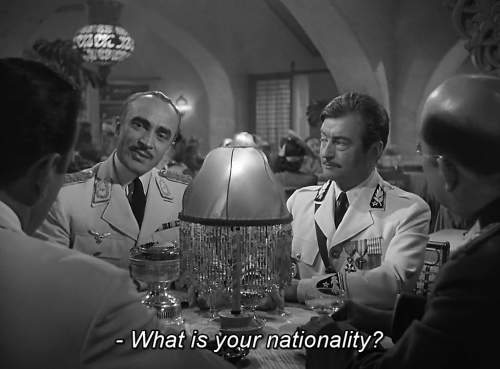
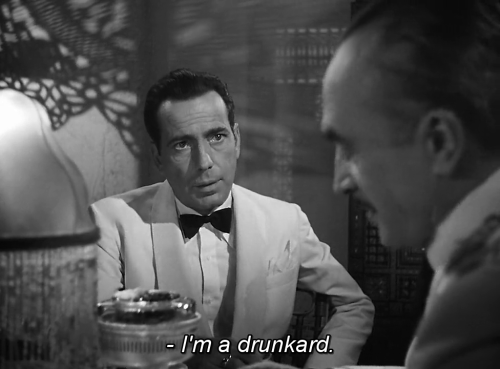
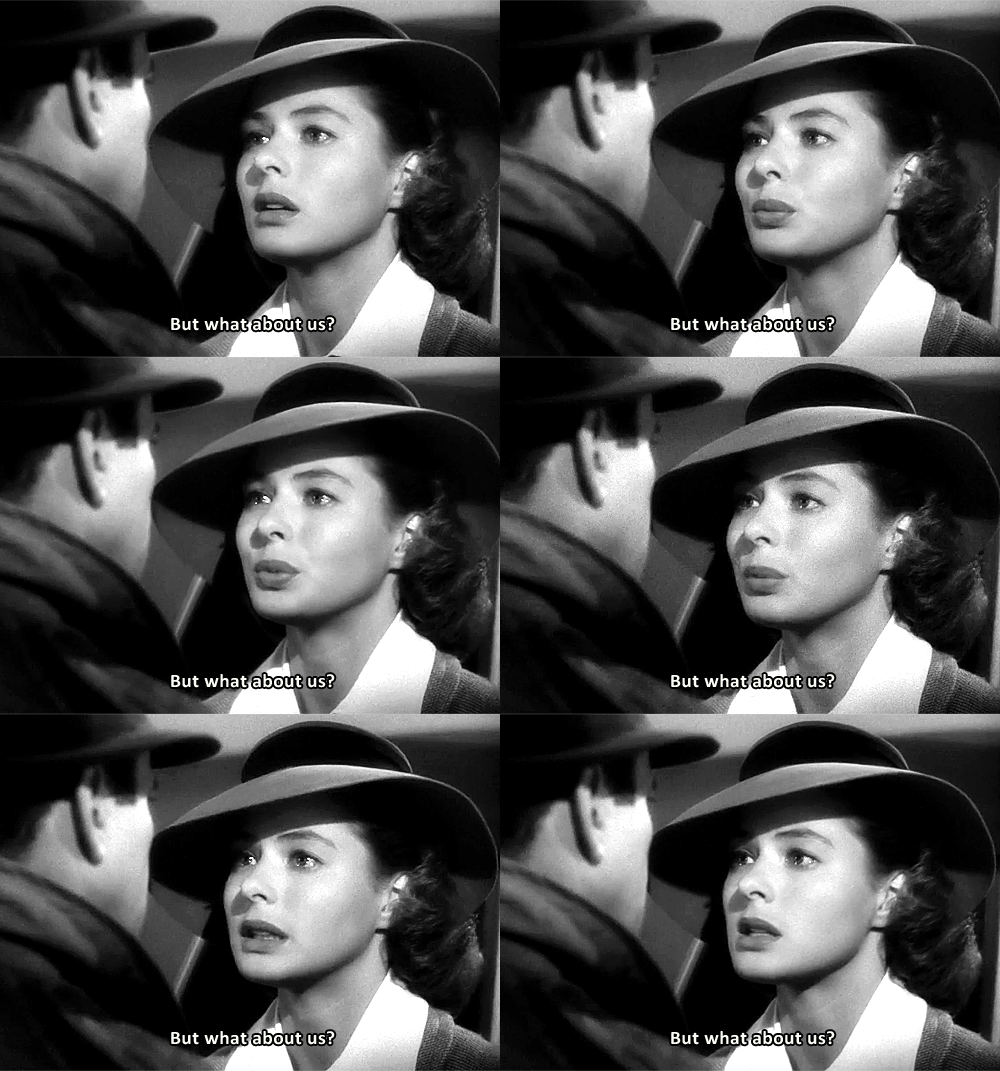
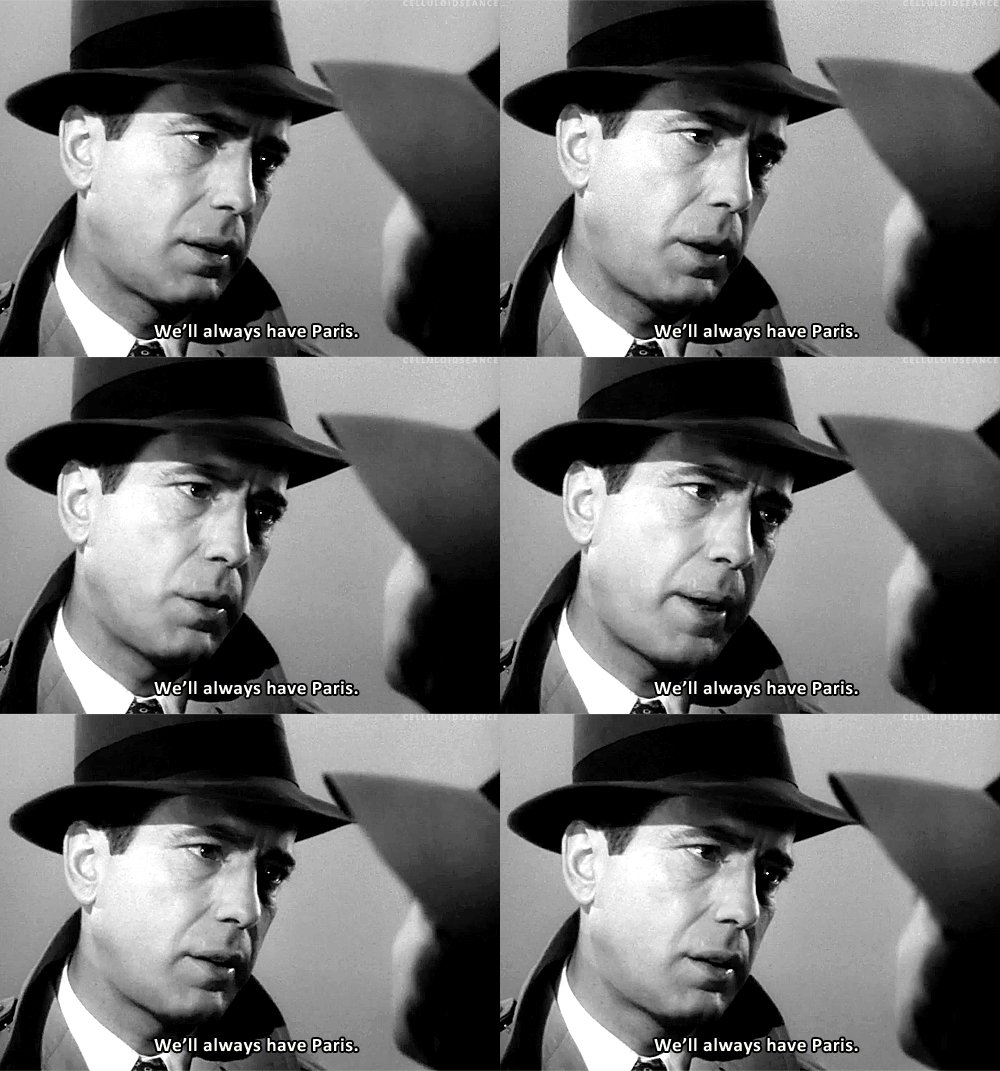
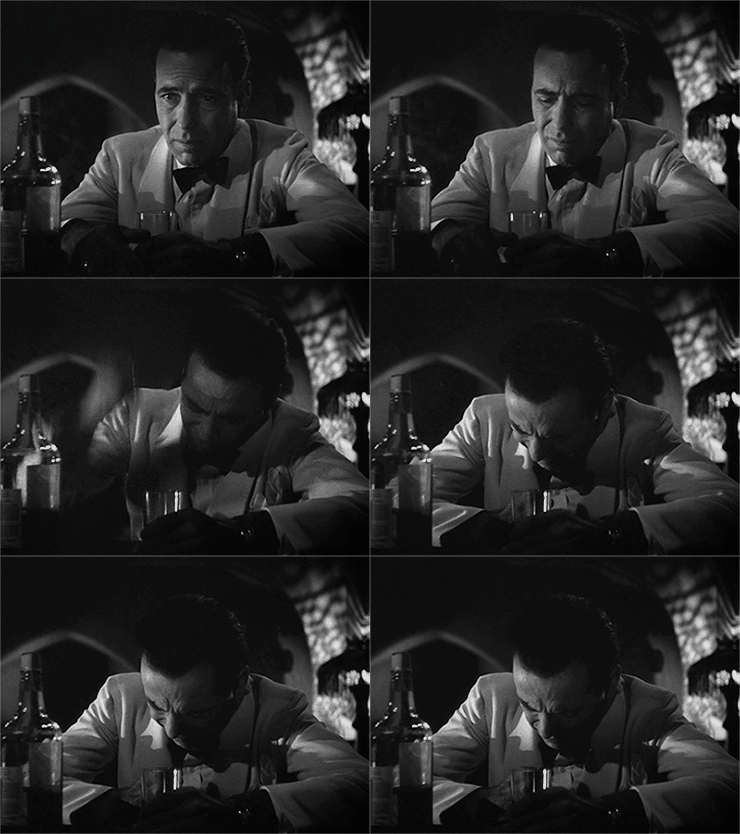
Então Bert fantasia com Casablanca. Herbert é Rick, Agnes é Ilsa. De todos os bares de todas as cidades do mundo, ela teve de entrar logo no dele. Este devaneio é mais longo, e também mais divertido, pois zoa com as cenas mais famosas de Casablanca. Veja abaixo, com legendas:

Then Bert fantasizes with Casablanca. Herbert is Rick, Agnes is Ilsa. Of all the gin joints in all the towns in all the world, Agnes walks into his. This daydream sequence is longer, and also funnier, because of the way it mocks with the most famous scenes in Casablanca. See below, with Portuguese subtitles:


“A Gata e o Rato” teve cinco temporadas, de 1985 a 1989. Eu assistia às reprises no canal TCM a partir de 2011. Eu adorava a série, em especial as paródias, os momentos em que a quarta parede era quebrada e as deliciosas situações em que os personagens demonstravam que sabiam que faziam parte de um programa de TV.

Moonlighting lasted five seasons, from 1985 to 1989. I watched the reruns from 2011 onwards. I really, really loved the show, and I adored their spoofs, whenever they broke the fourth wall and the amazing tongue-in-cheek moments when the characters made clear they knew it was only a show.

Agora as séries não têm mais episódios de antologia. Agora as séries transmitidas na TV têm entre 22 e 23 episódios por temporada, enquanto as séries via streaming têm 13 ou 10 episódios ou até menos. Eu também aprecio a maneira moderna de se fazer séries, mas fico pensando: como minhas séries atuais favoritas lidariam com episódios de antologia e quais clássicos eles se atreveriam a parodiar?

Now the series have no more anthology episodes. Now the series airing on TV have about 22 or 23 episodes per season, while the ones on streaming have 13, 10 or even fewer. I like the modern model as well, but sometimes I wonder how some of my favorite series would tackle anthology episodes and which classics they could spoof.

You can watch the full “Here’s Living with You, Kid” episode on Dailymotion.

This is my contribution to the 3rd Annual Favourite TV Show Episode Blogathon, hosted by my friend Terence at A Shroud of Thoughts.

Thursday, January 26, 2017

#TheResistance at the movies: Horas de Tormenta (1943) / Watch on the Rhine (1943)

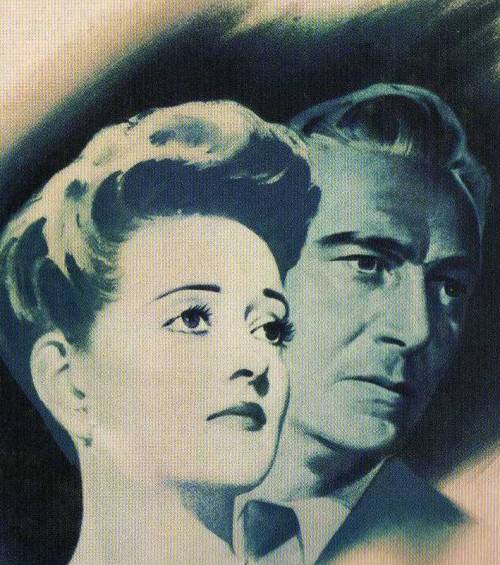
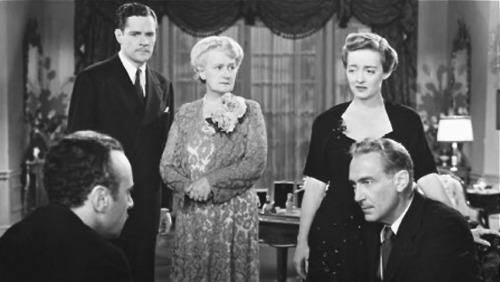
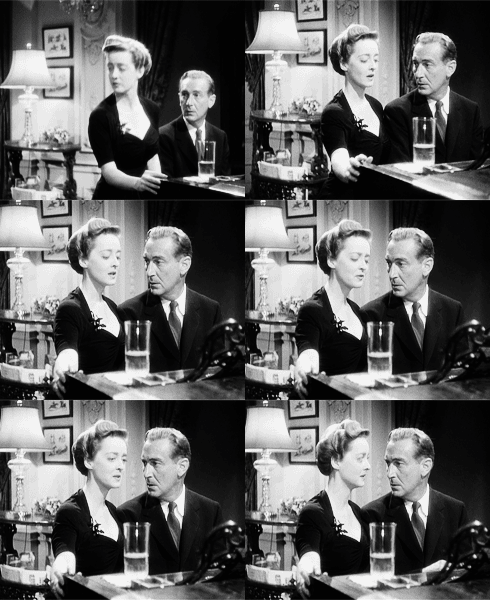
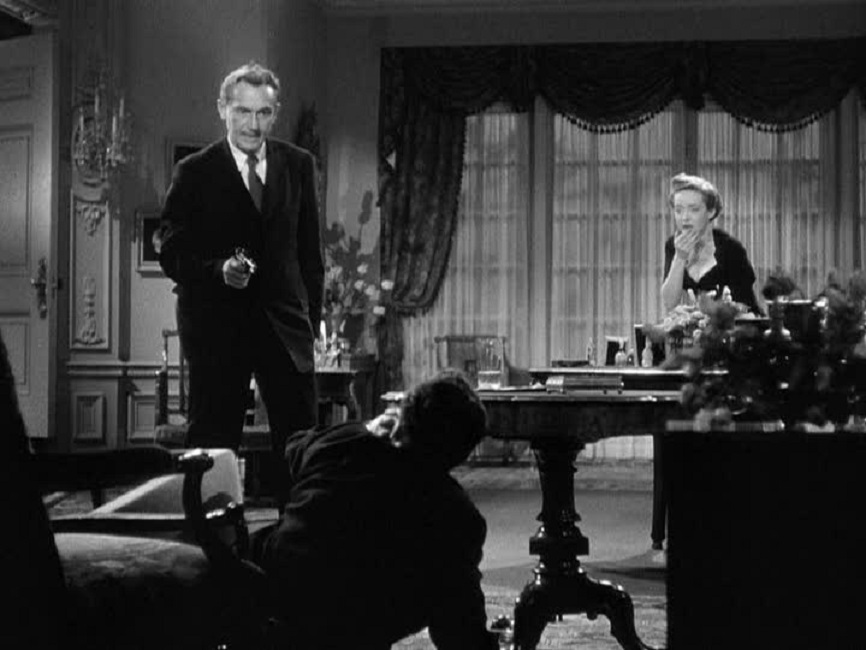
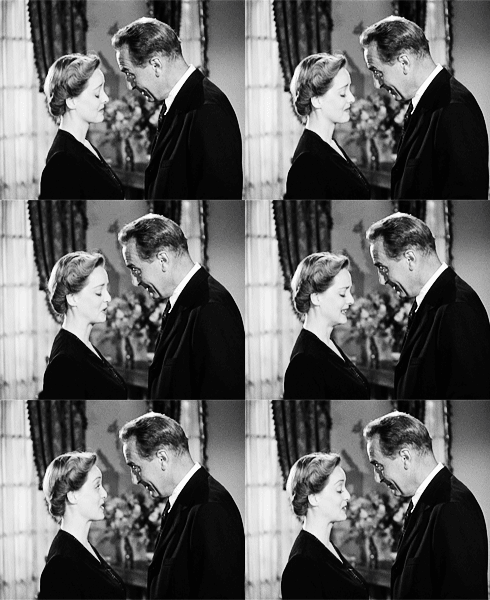
“Horas de Tormenta” é mais conhecido por ser o filme que fez Paul Lukas ganhar um Oscar de Melhor ator quando Humphrey Bogart também concorria ao prêmio por sua interpretação de Rick Blaine em Casablanca. Mas o filme merece ser conhecido por outros atributos. É verdade que Paul Lukas interpreta o melhor personagem, deixando até Bette Davis em segundo plano, e ele é também o mais inspirador – e deveria ser nossa inspiração nos tempos sombrios que estamos vivendo.

“Watch on the Rhine” is best remembered for being the film that made Paul Lukas win an Oscar over Humphrey Bogart’s portrayal of Rick Blaine in Casablanca. But the movie deserves to be remembered for more than this. It’s true that Paul Lukas is the greatest character onscreen, overshadowing even Bette Davis, and he’s also the most inspirational – and one that should be our inspiration in times as somber as the ones we live in.

Em 1943, o Oscar foi todo sobre #TheResistance. Embora o filme com mais indicações e prêmios tenha sido “A Canção de Bernadette”, podemos ver o tema comum e combater o mal em “Horas de Tormenta”, “Casablanca” e “Por quem os sinos dobram”, um filme que levou apenas a estatueta de Melhor Atriz Coadjuvante. E os três ativistas lutando pelo prêmio de Melhor Ator eram o ativista discreto Rick, de Bogart, o ativista sem medo Kurt, de Lukas, e o ativista que punha a mão na massa Robert Jordan, de Gary Cooper.

In 1943, the Oscars were all about #TheResistance. Although the film with the most nominations and wins was “The Song of Bernadette”, we can sense a common theme of fighting evil in both “Watch on the Rhine”, “Casablanca” and “For whom the bell tolls”, a film that ultimately got the Best Supporting Actress award. As for the three activists battling for the Best Actor statuette, we get the quiet activist on Bogart’s Rick, the outspoken one in Lukas’ Kurt and the go-getter in Gary Cooper’s Robert Jordan.  
Nós não estamos novamente neste momento artisticamente, mas certamente precisamos resistir ao fascismo, assim como o personagem de Paul Lukas, Kurt Muller, faz em “Horas de Tormenta”. Então aí vão 10 lições sobre ativismo por Paul Lukas (as falas retiradas diretamente do filme estão em negrito):

We’re not again at this moment artistically, but we certainly are in need of resisting against fascism, just like Paul Lukas’ character, Kurt Muller, does in “Watch on the Rhine”. So here we have 10 lessons on activism by Paul Lukas (quotes taken directly from the film are in bold):

1- Nós seriamente precisamos de pessoas como ele: o texto no início do filme elogia quem lutou contra o fascismo desde sua gênese, e não apenas quando o mal chegou o poder. Seria você uma destas pessoas?

1- We seriously need people like him: The text at the beginning praises the people who have fought fascism since its genesis, and not only when it rose to power. Are you one of those people?
2- “O mundo mudou, e algumas pessoas nele são perigosas”: Sara (Bette Davis) se refere aos nazistas que chegaram ao poder no começo dos anos 30 e estavam então em guerra contra os aliados, mas eu aposto que você consegue citar ao menos três pessoas perigosas no mundo atualmente.

2- “The world has changed, and some people in it are dangerous”: Sara (Bette Davis) is talking about the Nazis that rose to power in the early 1930s and were then at war against the Allies, but I bet you can cite at least three dangerous people living in the world right now.

3- “Soa tão grande. E é tão pequeno. Eu sou um anti-fascista”: Kurt não tem medo de contar à família de sua esposa qual é sua profissão. Mais do que isso: ele não tem nem vergonha nem orgulho do que faz. Ele odeia ser chamado de “um homem nobre” apenas porque ele luta contra o fascismo. É apenas o trabalho dele.

3- “It sounds so big. And it is so small. I’m an anti-fascist”: Kurt is not afraid to tell his in-laws what he does for a living. More than that: he’s neither ashamed nor proud of what he does. He hates being described as “a noble man” only because he fights fascism. It’s only his job.
4- “Antes da tempestade nazista… Eu descobri que apenas a esperança não é suficiente”: como podemos ter esperança se não lutamos? Você vai depender da luta dos outros? E, desculpem-me as pessoas religiosas, mas ações dizem mais e fazem mais que simples orações.

4- “Before the Nazi storm… I find out that hope by itself is not enough”: how can you have hope if you don’t fight? Will you rely on the fight of others? And, I apologize to religious people, actions speak louder and do more than simple prayers.
5- “Os homens que sabem por que eles lutam vão lutar com mais afinco”: autoexplicativo. Informação é poderosa. Informação gera raiva e medo, os combustíveis da mudança.

5- “Given men who know what they fight for, and will fight hard”: self-explanatory. Information is powerful. Information generates anger and fear, the fuels for change.

6- “A vontade de lutar não pode ser inserida em um homem, mas quando ela já está lá...”: ela só é extinta com a morte.

6- “The willingness to fight cannot be put in a man, but when it is there…”: it’s only extinguished with death.
7- “Você não sabe o que é estar com medo. Infelizmente, acho que você vai ter de aprender”: uma mensagem para nossos tempos, quando o fascismo está ganhando espaço novamente. É também uma mensagem para as famílias dos ativistas mais apaixonados, que terão medo por seus entes queridos, mas terão de aceitar o fato de que lutar é a missão deles.

7- “You don’t know what it is to be frightened. Unfortunately, I think you’ll have to learn”: a message for our times, when fascism is rising once again. It’s also a message for the families of the most passionate activists, who will fear for their loved ones, but will have to accept that fighting is their mission.

8- “Bem, é o que em geral acontece com os heróis, infelizmente”: falando de seu amigo e ativista Max Freidank, que havia acabado de ser capturado pelos nazistas e perdeu um braço na luta. Esta frase de Kurt nos mostra uma verdade dura e amedrontadora, mas lembre-se: há muitos ativistas, mas poucos heróis. Você pode lutar por uma causa, mas isso não significa que você terá de se sacrificar por ela se este não for seu destino.

8- “Well, it’s what often happens to heroes, unfortunately”: speaking of his friend and activist Max Freidank, who had just been captured by Nazis after losing an arm. This quote by Kurt tells us a harsh, chilling truth, but remember: there are many activists, but few heroes. You can be a fighter for a cause, but it doesn’t mean you’ll have to sacrifice yourself for it if this is not your destiny.
9- “Os únicos homens que fazem valer seu tempo na Terra são aqueles que lutam por outros homens”: seja um deles. Esteja do lado correto da história.

9- “The only men on Earth worth their time on Earth were the men who would fight for other men”: be one of them. Be in the right side of history.

10- “Eu devo tomar meu lugar. Não posso fazer mais nada. Deus me ajude. Amém”: esta frase de Lutero é citada por Kurt e deve ser seguida por todos os não-conformistas.

10- “I must make my stand. I can do nothing else. God help me. Amen”: this quote by Luther is cited by Kurt and should be followed by all non-conformists.
Além de tudo isso, Kurt e Sara nos lembram que fascistas não são aliens: são pessoas como nós, feitas de carne e osso, não são invencíveis e podem ser destruídas. (SPOILERS) Ironicamente, o escritório do Código Hays queria que Kurt morresse no fim porque ele atirou em um fascista, afinal, o personagem teria de pagar por seu crime! Isso em muito se parece com o recente debate sobre “é certo socar um nazista”. Fico feliz em dizer que Kurt terminou bem, então tudo bem para nós lutarmos contra os nazistas como bem entendermos.

Besides all that, Kurt and Sara reminds us that fascists are not aliens: they are human beings like us, made of flesh and bone, not invincible, and can be destroyed. (SPOILERS) Ironically, the Hays Office wanted Kurt to die in the end because he shot a fascist, after all, he had to pay for his crime! This is very much like the recent “is it OK to punch a Nazi” debate. I’m happy to inform that, for Kurt it ended up OK, so it’s OK for us to fight Nazis any way we want. 

Saturday, September 3, 2016

Resenha: Casablanca – A criação de uma obra-prima involuntária do cinema, de Renzo Mora

Book review: Casablanca – Creating an involuntary masterpiece, by Renzo Mora

Comumente escrevo aqui sobre filmes cujos bastidores são tão ou mais interessantes que o produto final que chegou às telas. As histórias de como elenco e equipe foram reunidos, como interagiram e como deram à luz o filme que vemos geralmente não transparecem na tela, mas o making-off pode surgir anos depois, como é o caso deste livro.

I often write about movies whose backstage stories are even more interesting than the final feature film: there are tales of how cast and crew were escalated, how they interacted with each other and how, in spite of a lot of troubles, some great movies were done. We usually don’t see the animosity translated to the screen, but the making-off can surface years later, like in this book.

“Casablanca” surgiu como mais um produto de uma linha de montagem. Nada em sua gênese indicava que seria um filme especial. A história veio de uma peça fracassada e pouco conhecida chamada “Everybody comes to Ricky’s”. O elenco era o time habitual da Warner Brothers, com uma ou outra alteração no meio do caminho (George Raft, por exemplo, recusou o papel de Rick Blaine). Havia uma música-tema, que quase foi cortada porque era velha, tola e em nada contribuía para o avanço da história. Aí tudo se juntou, e o resultado foi um dos filmes mais amados do mundo.

“Casablanca” was just another product from an assembly line. Nothing in its genesis indicated it would be a special film. The story came from a theater text that was a failure and soon forgotten, called “Everybody Comes to Ricky’s”. The cast was made by the usual team working at Warner Brothers, with one change or another along the way (George Raft, for instance, refused the role of Rick Blaine). There was a theme song, but it was almost cut because it was old, silly and didn’t do anything to advance the plot. Then everything got together, and the result was one of the most beloved films in the world.


O subtítulo do livro é “A criação de uma obra-prima involuntária do cinema”, mas bem que poderia ser “Tudo que você queria saber sobre Casablanca mas não tinha a quem perguntar”. O livro é fruto de uma grande pesquisa do autor Renzo Mora, e em muitas vezes se apresenta realmente como isto: uma pesquisa científica. Embora seja classificado na categoria “ensaio sobre cinema”, o livro tem muitas citações de outras obras, como uma tese ou artigo científico também tem.

The subtitle of the book is “Creating an involuntary masterpiece”, but it could be “Everything you wanted to know about Casablanca but was afraid to ask”. The book was written after author Renzo Mora did an intense research, and in many occasions it really looks like the result of a scientific research. It is classified as “movie essay”, but the book has many citations from other sources, like a thesis or scientific article does. 

O conteúdo é amplo: um pouco da vida e da carreira dos atores e do diretor Michael Curtiz, com destaque, óbvio, para Bergman e Bogart; a narrativa toda do filme, a música, os coadjuvantes, o contexto histórico, a repercussão de Casablanca, o Oscar, as influências, uma linha do tempo, uma coleção de falas memoráveis do filme e, obviamente, muitas imagens. É conteúdo para todos os gostos.

The content is variated: a little bit about the actors' lives and careers, focusing obviously on Bergman and Bogart, an overview of director Michael Curtiz's work, the whole plot recounted, the soundtrack, the supporting players, the historical context, the reception of Casablanca, the influences, a timeline, a collection of memorable quotes and, of course, a lot of images. It is content enough to please all tastes.


Tamanha pesquisa descobre algumas narrativas que não encontramos facilmente na internet, como o reencontro de Bogie e Ingrid na Itália em 1954, ou como o playboy brasileiro Jorginho Guinle presenciou a memorável cena de “As Time Goes By” sendo gravada graças a uma feliz coincidência.

This huge research discovers some stories we can't easily find on the internet, like when Bogie and Ingrid met in Italy in 1954 or how Brazilian playboy Jorginho Guinle watched the recording of the famous “As Time Goes By” sequence totally by chance.

De fácil leitura, com pouco mais de cem páginas, este livro é recomendadíssimo, ainda mais em tempos de muito plágio e pouca checagem dos fatos em todas as áreas, mas no jornalismo cinematográfico em particular.

Easy to read, with a little more than 100 pages, this book is recommended, even more so when we consider that we are living in times when plagiarism is king and so few people bother to check the facts. Bad times for journalism in general, and film criticism in particular.


This book review is part of Raquel's 2016 Summer Reading Classic Film Book Challenge.

Related Posts Plugin for WordPress, Blogger...