} Crítica Retrô: anos 60

Tradutor / Translator / Traductor / Übersetzer / Traduttore / Traducteur / 翻訳者 / переводчик

Showing posts with label anos 60. Show all posts

Thursday, March 19, 2026

Série Retrô: O Vigilante Rodoviário


A televisão surgiu nos anos 1920, após décadas de experimentação envolvendo a transmissão de imagens. A BBC começou a transmitir seus programas em 1931. A CBS apareceu em 1937. No Brasil, a inauguração da primeira rede de TV aconteceu em 1950. A primeira série de TV da história foi “The Queen’s Messenger” (O Mensageiro da Rainha), de 1928 - um clipe da gravação pode ser encontrado AQUI. A primeira sitcom feita nos EUA foi “Mary Kay e Johnny”, de 1947 a 1950. O primeiro seriado de TV no Brasil foi “O Vigilante Rodoviário”. Falaremos dele hoje. 

Television appeared in the 1920s, after decades of experiments involving the transmission of images. BBC started its broadcasting in 1931. CBS appeared in 1937. In Brazil, the inauguration of the first TV network happened in 1950. The first TV series ever was “The Queen’s Messenger”, from 1928 - a clip of its recording can be found HERE. The first sitcom made in the USA was “Mary Kay and Johnny” from 1947 to 1950. The first TV show in Brazil was “O Vigilante Rodoviário” (The Road Vigilante). We’ll talk about it today.

“O Vigilante Rodoviário” foi exibido a partir de 1961, com 38 episódios no total. No seriado, o inspetor Carlos (Carlos Miranda) mantém a lei e a ordem numa rodovia com a ajuda de seu fiel cão Lobo e seu amigo, o garoto Tuca (Reginaldo Vieira). Quase todas as cenas externas foram gravadas na mesma altura da Rodovia Anhanguera, onde o sol era mais forte e mais constante independente da estação.

“O Vigilante Rodoviário” aired from 1961 onwards, 38 episodes total. In the series, Inspector Carlos (Carlos Miranda) maintains the law and the order in a highway with the help of his faithful dog Lobo and his kid friend Tuca (Reginaldo Vieira). Almost all external scenes were shot in the same spot of the Rodovia Anhanguera highway, where the sun was brighter and more constant no matter the season.

A série foi criada por Ary Fernandes, que também foi o diretor, roteirista e compositor da música-tema. Desejando mostrar um herói 100% brasileiro, Fernandes já era um prolífico diretor de cinema quando criou a série. Diversos episódios foram mais tarde editados juntos para serem exibidos como um filme.

The series was created by Ary Fernandes, who served also as director, co-writer and compositor of the theme song. Longing for a 100% Brazilian hero, Fernandes was already a prolific cinema director when he created the series. Several episodes were later edited together for exhibition at movie theaters.

Houve um crossover entre “O Vigilante Rodoviário” e outra série de TV do mesmo criador, intitulada “Águias de Fogo”. E mais uma coisa que “O Vigilante Rodoviário” fez antes de Hollywood: foi traduzido para outras mídias, com a criação de uma história em quadrinhos, um documentário, um fanzine, uma fanfic e teve diversos brinquedos inspirados no seriado.

There was a crossover between “O Vigilante Rodoviário” and other TV show from the same creator, called “Águias de Fogo” (Fire Eagles). And, another thing in which “O Vigilante Rodoviário” predated Hollywood: it was translated to several different media, with the creation of a comic book, a documentary, a fanzine, a fanfic and several toys inspired by the show.


Eu encontrei dois episódios de “O Vigilante Rodoviário” no Internet Archive. Vamos analisá-los.

I found two episodes of “O Vigilante Rodoviário” at the Internet Archive. Let’s analyze them.

Episódio 16 foi “O Invento”. Nele, cientistas inventam um supermotor que faria os carros da polícia andarem mais rápido. O Vigilante tem de guardar a invenção durante a noite, porque testes seriam feitos no dia seguinte e a invenção não podia cair em mãos erradas. Mas é um dos cientistas que pode trair o outro e a polícia quando fotografa a fórmula desenvolvida.

Episode 16 was “O Invento” (The Invention). In it, scientists invent a super motor that would make police cars faster. The Vigilante has to keep an eye on the invention overnight, because tests would be run the next day and the invention can’t fall in wrong hands. But it’s one of the scientists that may betray the other and the police by photographing the formula.


Episódio 26 foi “A Chantagem”. Começamos com pessoas sendo espancadas por três homens que cobram dívidas. A próxima vítima é um dono de cafeteria que já esteve preso. O filho deste homem, o garoto Eduardo, fica chocado ao saber que seu pai já foi preso e corre para contar para seu amigo, o Vigilante. Juntos, eles bolam um plano para capturar os chantagistas. 

Episode 26 was “A Chantagem” (The Blackmail). We start with people being beaten by three men collecting debts. Their next victim is a cafe owner who once has been in jail. The man’s son, young Eduardo, is shocked to find out his father was a prisoner and runs to tell his friend, the Vigilante. Together, they make a plan to catch the blackmailers.

Durando cerca de 20 minutos cada um, os episódios eram simples, com narrativas diretas e a certeza de que o Vigilante venceria no final. Dos dois episódios a que assisti, “A Chantagem” estava em piores condições e era um pouco difícil de escutar. Gostei mais de “O Invento” por causa da narrativa de espionagem industrial e os muitos truques daquele que roubou a cena, o cão Lobo, super fofinho! Depois disso percebi que havia uma playlist com muitos outros episódios da série, então talvez um dia eu veja mais alguns.

Clocking at around 20 minutes each, the episodes were simple, with straightforward plots and the certainty that the Vigilante would win in the end. Out of the two episodes I watched, “A Chantagem” had worse sound conditions and was difficult to hear. I liked “O Invento” best because of its plot of industrial espionage and the many tricks and scene-stealing moments including Lobo, who was very cute! I then realized that there was a playlist with many more episodes of the series, so maybe someday I’ll watch more.

Com suas botas na altura dos joelhos, jaqueta de couro e óculos por cima do quepe, o Vigilante Rodoviário foi mais que um herói de ação: foi um ícone fashion. Depois do final da série, o ator Carlos Miranda se tornou policial, o que garantiu um lugar no Guinness Book como o único ator a se tornar seu personagem na vida real. Ele faleceu recentemente aos 91 anos, numa cidade próxima à minha. Mas meu personagem favorito continua sendo o cão Lobo! 

With his knee-high boots, leather jacket and goggles over his cap, the Vigilante Rodoviário was more than an action hero: he was a fashion icon. After the series ended, actor Carlos Miranda really became a cop, which led him to be included in the Guinness Book as the only actor to become his character in real life. He died recently at age 91, in a city close to mine. But my favorite character is still Lobo the dog!

This is my contribution to the 12th Annual Favourite TV Show Episode blogathon, hosted by Terence at A Shroud of Thoughts. 

Friday, March 22, 2024

Série Retrô: A Família Addams


Retro Series: The Addams Family


Você já deve ter ouvido falar do bloco de programação Nick at Nite, do canal de TV Nickelodeon, que exibia coisas retrô. O bloco foi criado nos EUA em 1985, mas chegou aqui ao Brasil somente em 2006 – exatamente quando eu era uma jovenzinha em busca de algo mais antigo para assistir. Eu passei todas as minhas férias assistindo ao Nick at Nite, onde eu conheci alguns dos meus programas de televisão favoritos, como “Mork & Mindy”. Eu também gostava das outras séries, entre elas aquela de que falaremos hoje: a série clássica da “Família Addams”, dos anos 60.


You might have heard about the programming block Nick at Nite, at the TV channel Nickelodeon, that exhibited retro attractions. The block was created in the US in 1985, but arrived here in Brazil only in 2006 – exactly when I was a wee teenager looking for older content to watch. I spent my whole vacation watching Nick at Nite, where I got to know some of my favorite TV shows, like “Mork & Mindy”. I also enjoyed the other shows, among them the one we’re talking about today: the classic series “The Addams Family”, from the 1960s.

Esta família de arrepiar foi criada pelo cartunista Charles Addams, mas nas tirinhas eles não tinham nomes. Os personagens foram batizados por Addams em 1964, quando uma série de TV sobre eles estreou. A série duraria apenas dois anos, com 64 episódios no total, mas a influência dos Addams no mundo do entretenimento estava apenas começando.


This spooky family was created by cartoonist Charles Addams, but in the cartoons they didn’t have names. The characters were named by Addams in 1964, when a TV show about them premiered. The show would run for only two years, having 64 episodes total, but their influence in the entertainment world was just starting.

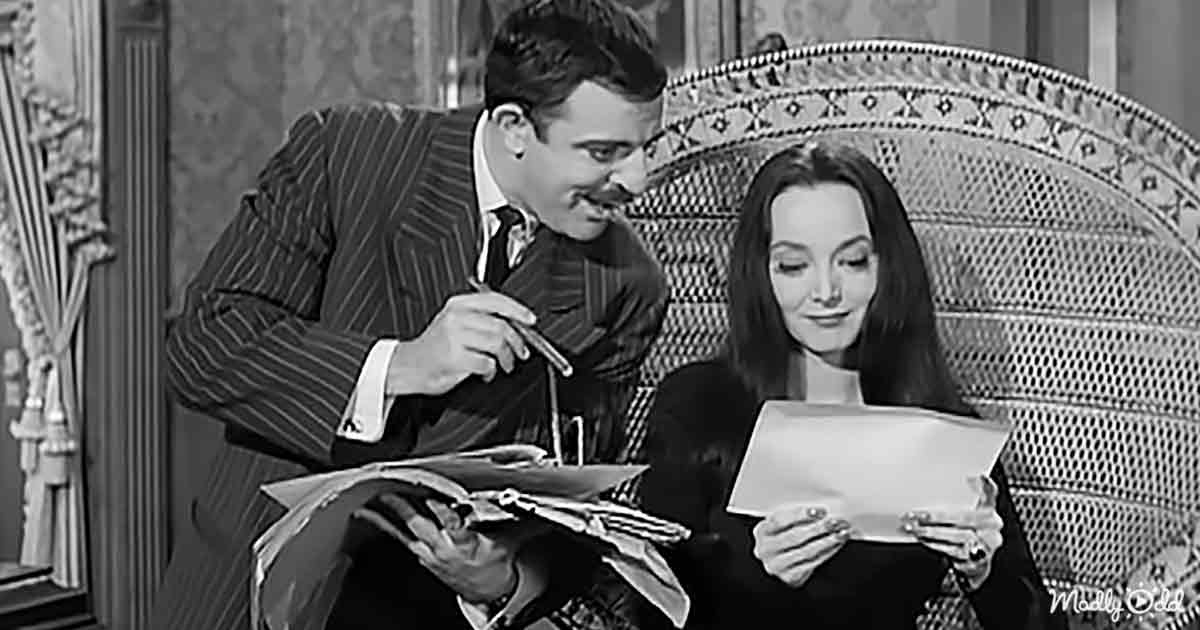
O patriarca é Gomez Addams (interpretado por John Astin), um milionário excêntrico cuja aparência e maneirismos foram baseados em Groucho Marx. A matriarca é a sensual Mortícia (Carolyn Jones), que enlouquece o marido com seu charme e beleza. Eles têm dois filhos: Feioso (Ken Weatherwax) e Wandinha (Lisa Loring) e dividem a casa com, entre outros, Tio Chico (Jackie Coogan – sim, o menininho do filme de Chaplin “O Garoto”). Completando o rol de moradores da casa temos Mãozinha, uma mão sem corpo que ajuda a todos, e Tropeço (Ted Cassidy), o mordomo que viveu um sucesso musical assim como Wandinha viveria anos mais tarde – mas já chegamos lá.


The patriarch is Gomez Addams (played by John Astin), an eccentric millionaire whose appearance and manners were based on Groucho Marx. The matriarch is the sexy Morticia (Carolyn Jones), who makes her husband crazy with her good looks and charm. They have two children: Pugsley (Ken Weatherwax) and Wednesday (Lisa Loring) and share the house, among others, with Uncle Fester (Jackie Coogan – yes, the little boy from Chaplin’s “The Kid”). Completing the household are Thing, a helpful disembodied hand, and Lurch (Ted Cassidy), the butler who even had a musical hit just like Wednesday would have years later – but we’ll get there.

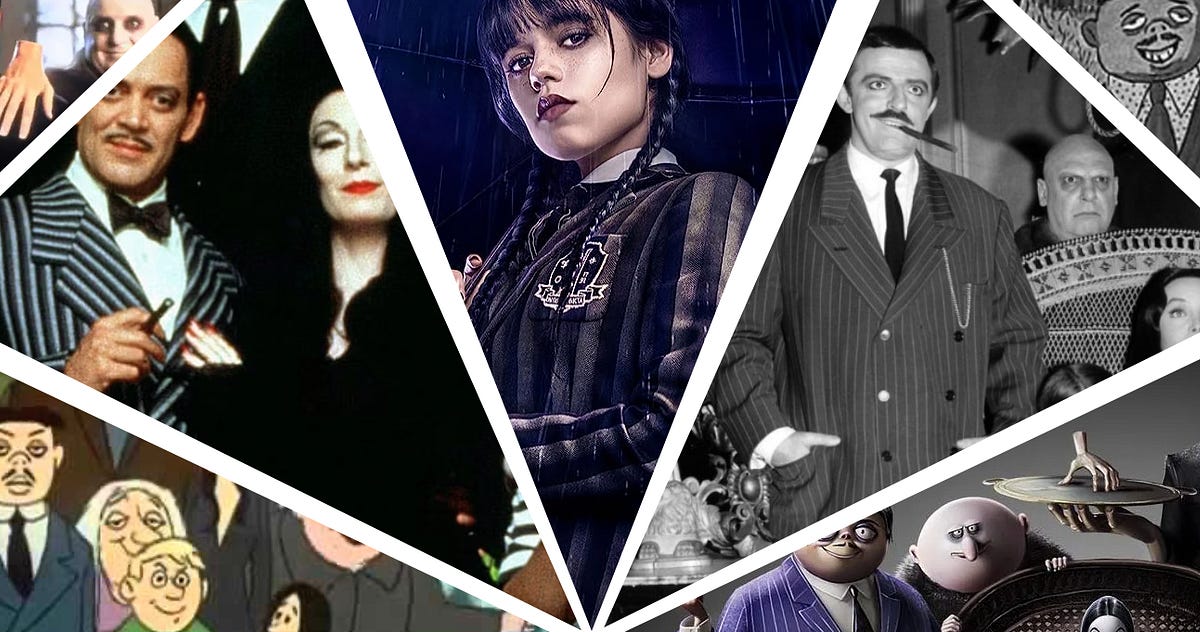
A família Addams se tornou tamanha sensação com o passar dos anos que, além da série dos anos 60, foi assunto de mais filmes, desenhos animados, espetáculos da Broadway e vídeo-games. A atração mais recente à família da Família Addams foi a série da Netflix “Wandinha”. Nela, a filha adolescente dos Addams (interpretada por Jenna Ortega) frequenta uma escola especial para encantados e poderosos. Lá, ela faz amigos e inimigos, e se torna sensação com sua dança no baile da escola.


The Addams Family became such a sensation over the years that, besides the 1960s series, it was the subject for more movies, animated shows, Broadway shows and video games. The most recent addition to The Addams Family family was the Netflix show “Wednesday”. In it, the teenage daughter of the Addams (played by Jenna Ortega) attends a special school for the enchanted and powerful. There, she makes friends and enemies, and becomes a sensation with her dance at the local ball.

Ao me preparar para assistir a “Wandinha”, eu revisitei alguns episódios desta série que me divertiu tanto na adolescência. Um episódio em consonância com a série de 2022 da Netflix é o piloto, “The Addams Femily Goes to School”. Nele, um oficial da educação força Wandinha e Feioso a frequentar uma escola pela primeira vez na vida, com consequências hilárias. 


In preparation to watch “Wednesday”, I revisited some episodes of this series that entertained me so much when I was a teenager. An episode in consonance with the 2022 Netflix series is the pilot, “The Addams Family Goes to School”. In it, a school office forces Wednesday and Pugsley to attend school for the first time in their lives, with hilarious consequences.

O episódio apresenta para nós todas as estranhezas familiares ao fazer com que os personagens percorram a casa em companhia do Sr Hilliard (Allyn Joslyn). Gomez apoia o ensino domiciliar – como ele diz para Hilliard “por que ter filhos só para nos livrarmos deles?” – e quem dá as lições é a Vovó (interpretada por Blossom Rock). Quando as crianças finalmente começam a frequentar a escola, Wandinha volta para casa chateada porque, num conto de fadas, o dragão é morto!


The episode introduces all the familiar oddities to us by having the characters show around the house to the officer Mr Hilliard (Allyn Joslyn). Gomez is a supporter of homeschooling – as he says to Hilliard, “why to have children just to get rid of them?” – and the one in charge of the lessons is Grandmama (played by Blossom Rock). When the kids finally start attending school, Wednesday comes back home upset because, in the fairy tale, the dragon gets killed!

Este episódio foi dirigido por Arthur Hiller. Ele tem 76 créditos como diretor no IMDb, sendo o mais importante o bem-sucedido “Love Story” (1970). Ele começou sua carreira na televisão em 1954, mas só dirigiu este episódio para “A Família Addams”.


This episode was directed by Arthur Hiller. He gets 76 directing credits on IMDb, being the most important the sensation “Love Story” (1970). He started his career on television in 1954, but for “The Addams Family” this was the only episode he directed.

Eu sempre gostei de todos os personagens de A Família Addams, mas tinha uma pequena preferência por Wandinha, por ser uma garota como eu, uma pequena estranha. Fico feliz que Wandinha seja o foco do segundo filme de animação dos Addams, que estreou em 2021. Também gostei muito da série da Netflix. Eu estava esperando ver mais da personagem neste episódio da série dos anos 60, mas eu entendo que ele sirva mais como uma apresentação da família do que qualquer outra coisa.


I’ve always liked all the characters from the Addams Family, but had a small preference for Wednesday, being a girl myself and thinking I was odd growing up. I’m glad Wednesday was the focus of the second animated “The Addams Family” movie, released in 2021. The Netflix series also pleased me a lot. I was expecting to see m0re of her in this episode of the 1960s series, but I know it was more of an introduction to the family than anything else.

Ao colocar o público no lugar do Sr Hilliard, o primeiro episódio da série nos oferece um vislumbre de todas as excentricidades que nos fariam amar os Addams nos anos vindouros, um amor que ainda hoje prevalece.


By putting the audience in the place of Mr Hilliard, the first episode of the series offers us a glimpse of all the eccentricities that would make we love the Addams in the years to come, a love that hasn’t diminished today.


This is my contribution to the 10th Annual Favourite TV Show Episode blogathon, hosted by Terence at A Shroud of Thoughts.

Friday, May 15, 2020

TOP 6 – Meus filmes favoritos da década de 1960

TOP 6 – My favorite films of the 1960s

Ah, os psicodélicos anos 60! O mundo estava mudando e o cinema também se modificava. O Sistema de Estúdio estava vivendo seus últimos anos. A categoria de Melhor Filme em Língua Estrangeira havia sido introduzida no Oscar na década anterior, e os filmes de língua não-inglesa ficavam cada vez melhores e mais acessíveis. Novas estrelas surgiam e algumas estrelas antigas se reinventavam. Muitos filmes divertidos, inspiradores, ousados e mesmo malucos foram feitos nesta década. Por isso foi uma tarefa difícil escolher meus seis filmes favoritos dos anos 60. Curiosamente, acabei com uma lista com dois dramas e quatro comédias!

Oh, the swinging 60s! The world was changing, and the movie world was changing as well. The Studio System was living its last years. The Best Foreign Language Movie category had been created the decade before at the Oscar, and films not English were getting better and more widespread. New stars were blossoming and some old ones were reinventing themselves. Many funny, thoughtful, daring and even psychdelic movies were made during this decade. That's why it was a hard mission to choose my six favorite movies of the 1960s. Curiously, I ended up with two dramas and four comedies!

Menções honrosas: “Cupido Não Tem Bandeira” (1961), “Anjos Rebeldes” (1966) e “Descalços no Parque” (1967).

Honorable mentions: “One, Two, Three” (1961), “The Trouble with Angels” (1966) and “Barefoot in the Park”(1967).

E os filmes escolhidos, em ordem cronológica:

And the chosen movies, in chronological order:

Nunca aos Domingos (1960): Este filme é absolutamente delicioso. O diretor Jules Dassin interpreta um intelectual que quer compreender a decadência da civilização grega. Ele acredita que a Grécia não é mais o berço de artistas e filósofos como no passado porque os gregos modernos se divertem demais. Ele inicia uma cruzada para fazer a Grécia séria novamente, focando na prostituta Ilya (Melina Mercouri, esposa de Dassin), uma amante da diversão. O filme ganhou o Oscar de Melhor Canção Original, sendo a primeira vez que uma música cantada em línguadiferente do inglês levou o prêmio.

Never on Sunday (1960): This film is an absolute delight. Director Jules Dassin also stars as a scholar who wants to comprehend the downfall of Greek civilization. He thinks that Greece is no longer producing artists and philosophers like it once did because the modern Greeks have too much fun. He starts a crusade to make Greece serious again, focusing his case in the prostitute Ilya (Melina Mercouri, Dassin’s wife), a fun-loving woman. The film won the Best Original Song Oscar, and it was the first time a song not in English received the award.

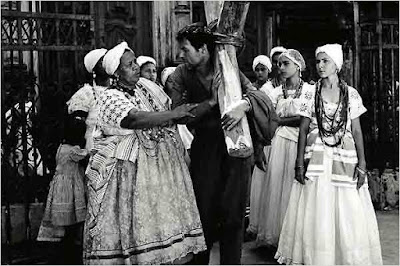
O Pagador de Promessas (1962): Zé do Burro (Leonardo Villar) prometeu doar sua terra e carregar uma enorme cruz – como a cruz de Cristo – de sua casa até uma igreja caso seu melhor amigo fosse curado de uma doença grave. O amigo é curado, e Zé está a caminho da igreja... O problema é que seu melhor amigo é um burro, e isso causa frisson, especialmente, no clero: qual será o impacto para a igreja se deixarmos este homem fazer tamanho sacrifício por causa de um insignificante burro? Outras questões como intolerância a religiões de origem africana, sensacionalismo da imprensa e reforma agrária são discutidos no filme. Se este filme tivesse sido feito na Itália, seria matéria obrigatória em todos os cursos de cinema do mundo. “O Pagador de Promessas” não é uma curiosidade do cinema latino-americano. É uma obra-prima.

The Given Word aka O Pagador de Promessas (1962): Zé do Burro (Leonardo Villar) promised to give away his land and carry a huge cross – like Jesus’ cross – from his house to a church if his best friend was cured from a serious disease. His friend is cured, and Zé is en route to the church… The problem is that his best friend is a donkey, and this fact causes uproar, mainly, in the clergy: what will the impact on the church be if we let a man make such a sacrifice for an insignificant donkey? Other issues like intolerance against African religions, sensationalist press and land reform are tackled in this movie. If this film was made in Italy, it’d be mandatory viewing in all film courses in the world. “The Given Word” is not a curiosity from Latin-American cinema. It’s a masterpiece.

A Pantera Cor de Rosa (1963): Sim, o original. Com Peter Sellers e seu Stradivarius, Claudia Cardinale, Capucine, Herbert Lom, David Niven e Robert Wagner. Ah, e também uma certa pantera nos créditos iniciais. Há uma coleção de ótimas gags clássicas nesta comédia deliciosa, e o clímax da ação acontece numa festa à fantasia com uma perseguição. O que mais eu – ou qualquer pessoa – poderia desejar?

The Pink Panther (1963): Yes, the original. With Peter Sellers and his Stradivarius, Claudia Cardinale, Capucine, Herbert Lom, David Niven and Robert Wagner. And, oh, also a certain panther in the opening credits. There is a collection of great classic gags in this delightful comedy, and all the action climaxes in a costume party with a chase. What else could I – or anyone – ask for?

A Senhora e seus Maridos (1964): Louisa (Shirley MacLaine) se casou quatro vezes com caras simples que de repente se tornaram muito ricos. A riqueza trouxe infelicidade e a morte prematura para os quatro homens. Os maridos da senhora foram Dick van Dyke, Paul Newman, Dean Martin e Gene Kelly, e a vida de casada com cada um deles é mostrada como um tipo diferente de minifilme – filme mudo, filme francês sensual, musical extravagante... Um filme hilário, inventivo e visualmente incrível, “A Senhora e seus Maridos” é uma fábrica de sorrisos.

What a Way to Go! (1964): Louisa (Shirley MacLaine) got married four times to simple fellows who suddenly became very rich. Their wealth brought sadness and their premature deaths. Her husbands were Dick van Dyke, Paul Newman, Dean Martin and Gene Kelly, and each married life is seen as a different kind of mini-movie – silent movie, French sexy movie, lavish musical... A hilarious, inventive and visually stunning film, “What a Way to Go!” is a smile factory.

Robin Hood de Chicago (1964): Este filme mistura dois dos meus gêneros favoritos: musicais e filmes de gângster. Ele também traz os talentos vocais e cômicos de Frank Sinatra, Bing Crosby, Sammy Davis Jr e Dean Martin. Com uma trama um bocado complicada, envolve oficiais corruptos, guerra de gangues, casas de jogo ilegais e, no meio disso tudo, Robbo (Sinatra), um gângster que rouba dos ricos para dar aos pobres – nesse caso, ele dá dinheiro a um orfanato. Há muitas canções memoráveis neste filme pouco conhecido, e “Style” é a minha favorita entre elas.

Robin and the 7 Hoods (1964): This film mixes two of my favorite genres: musicals and gangster movies. It also brings the vocal and comic talents of Frank Sinatra, Bing Crosby, Sammy Davis Jr and Dean Martin. With a rather complicated plot, it involves corrupt officers, gang wars, illegal gambling joints and, in the middle of all this, Robbo (Sinatra), a gangster who robs from the rich and gives to the poor – in this case, he gives money to a boys' orphanage. There are many memorable songs in this little known film, and “Style” is probably my favorite among them.

Doutor Jivago (1965): A Revolução Russa sempre foi um tema de me fascinou. “Doutor Jivago” me permitiu a oportunidade de ver como as pessoas viveram e reagiram à revolução – sim, claro que eu entende que a experiência de Yuri (Omar Sharif) e de sua família foram apenas um lado da história. Como historiadora, acho interessante comparar “Doutor Jivago” com os filmes feitos na União Soviética sobre o período e a vida durante e após a revolução. A verdade sobre a vida na Revolução Russa está em algum lugar entre essas duas narrativas – ou talvez ambas sejam verdadeiras. De qualquer forma, “Doutor Jivago” é um épico com uma fotografia maravilhosa, uma história de amor inesquecível e o incomparável Omar Sharif.

Doctor Zhivago (1965):The Russian Revolution was always a theme that fascinated me. “Doctor Zhivago” provided me with the opportunity to see how people lived and reacted to the revolution – yes, of course I understand Yuri's (Omar Sharif) and his family's experiences were only one side of the story. As a historian, I find it interesting to compare “Doctor Zhivago” to the films made in the Soviet Union about the period and the life during and after the revolution. The truth about living through the Russian Revolution is somewhere between these two narratives – or maybe both are true. Anyway, “Doctor Zhivago” is a beautifully shot epic with an unforgettable love story and the incomparable Omar Sharif.

This is my contribution to the 6 from the ‘60s blogathon, hosted by Rick at Classic Film & TV Cafe for National Classic Movie Day.

Saturday, March 21, 2020

Desenho Retrô: Manda-Chuva

Retro Cartoon: Top Cat


Um dos meus desenhos favoritos de quando eu tinha uns oito anos de idade era “Manda-Chuva”. Não sei dizer exatamente o porquê de eu gostar tanto deste desenho – talvez porque era muito bacana e colorido? Talvez porque os gatos do beco usavam roupas? De qualquer forma, eu fiquei surpresa quando, recentemente, percebi que “Manda-Chuva” teve apenas UMA temporada – só 30 episódios! E, mesmo assim, deixou uma grande marca nas mentes dos amantes de desenhos – inclusive em minha mente.

One of my favorite cartoons as a kid of about eight years old was “Top Cat”. I can't exactly say why I liked that cartoon so much – maybe because it was so groovy and colorful? Maybe because the alley cats wore clothes? Well, anyway, I was surprised when, recently, I realized “Top Cat” only had ONE season – only 30 episodes! And, nevertheless, it left a huge mark on the minds of cartoon lovers – including my mind.


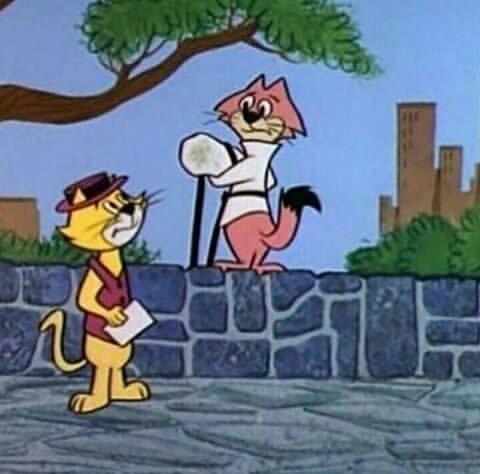
Dos seis gatos principais, meu favorito é o Xuxu. Ele é rosa, quieto, dramático e – a principal razão de eu gostar dele – ele usa um suéter branco de gola rulê. Xuxu é um cara blasé, calmo e elegante. Na verdade, meu episódio favorito de “Manda-Chuva” tem Xuxu como protagonista da ação: é o episódio 24, “Xuxu Fica Gagá”.

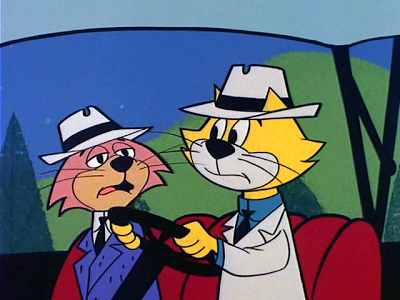
Out of the six main cats, my favorite is Choo-Choo. He is pink, quiet, dramatic and – the main reason why I like him – he wears a white sweater with a turtleneck. Choo-Choo is a blasé, calm, fashion guy. In fact, my favorite “Top Cat” episode puts Choo-Choo front and center in the action: it's episode 24, “Choo-Choo Goes Ga-Ga”.


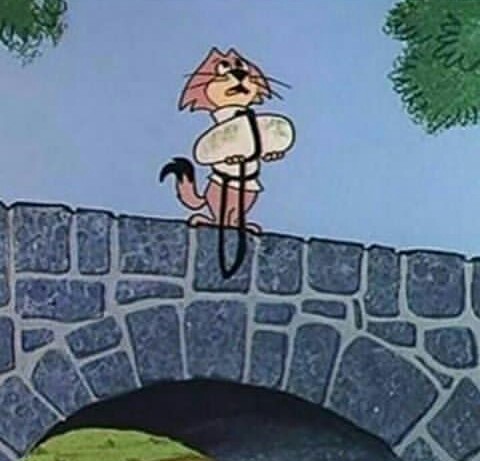
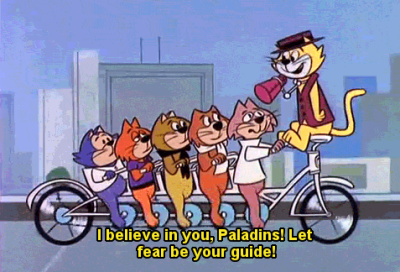
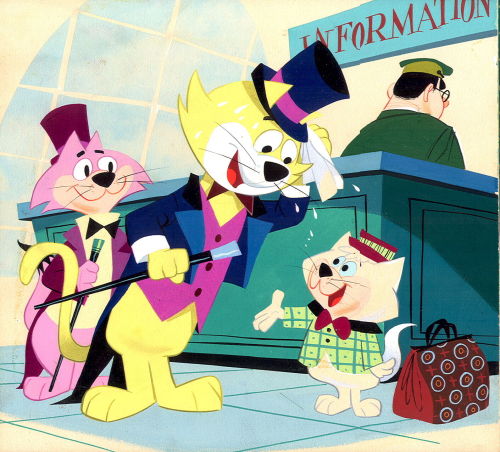
O episódio começa com Manda-Chuva levando seus amigos Gênio, Bacana, Espeto e Batatinha para o parque para ver gatinhas. Eles não encontram gatinhas, mas veem Xuxu, que está prestes a pular da ponte porque está apaixonado pela estrela de cinema felina Lola Glamour e não consegue declarar seu amor por ela.

The episode begins with Top Cat taking his pals Brain, Fancy-Fancy, Spook and Benny to the park to see pretty kittens. They find no kittens there, but they see Choo-Choo, who is about to jump from a bridge because he's in love with feline movie star Lola Glamour and can't confess his feelings for her.


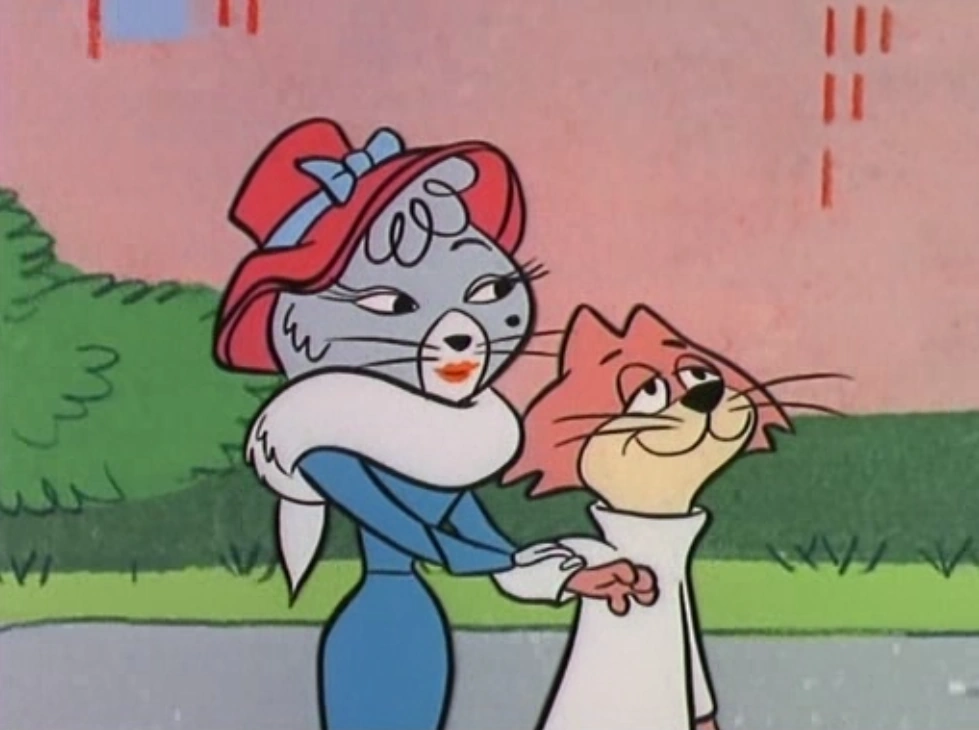
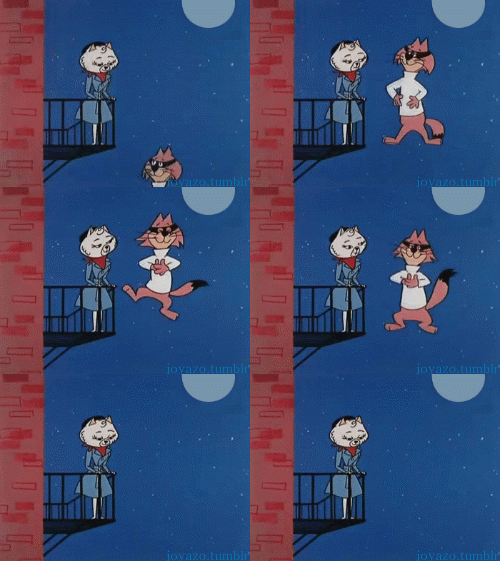
Lola mora no Hotel Ritzy Plaza. Ela toma café da manhã na cama, sempre recebe presentes dos admiradores, sai com marajás e barões e possui montes de joias. Ela também é um pouco antipática. Xuxu será capaz de conquistá-la? O primeiro desafio será entrar no hotel, mas Manda-Chuva se encarregou desta missão. Ele também dirá a Lola que Xuxu é na verdade o Conde Chooch – um milionário que é dono do Texas. O maior desafio será Xuxu vencer sua timidez.

Lola lives at the Ritzy Plaza Hotel. She eats breakfast in bed, always receives presents from admirers, goes out with barons and maharajahs and owns tons of jewels. She is a bit unsympathetic, too. Can Choo-Choo woo her? The first challenge will be to enter the hotel, but Top Cat got this mission. He will also tell Lola that Choo-Choo is actually Count Chooch – a millionaire who is the owner of Texas. The bigger challenge will be for Choo-Choo to overcome his shyness.


Esta não foi a primeira vez que Xuxu se apaixonou. Em um episódio anterior – “O Romance de Xuxu” - o gato rosa se apaixona por uma gata francesa chamada Goldie. No início, Manda-Chuva crê que o romance de Xuxu não pode dar certo, porque se der certo ele abandonará o grupo, mas quando descobre que Goldie tem um namorado, ele insiste em ajudar Xuxu a impressioná-la – primeiro ao salvá-la de bandidos, depois ao escrever poemas de amor.

This was not the first time Choo-Choo fell in love. In a previous episode – “Choo-Choo's Romance” - the pink cat becomes infatuated with a French kitten called Goldie. At first, Top cat thinks Choo-Choo's romance must sink, because if it is successful he'll abandon the group, but once he finds out Goldie has a boyfriend, he insists on helping Choo-Choo woo her – first by saving her from criminals, then by writing love poems.


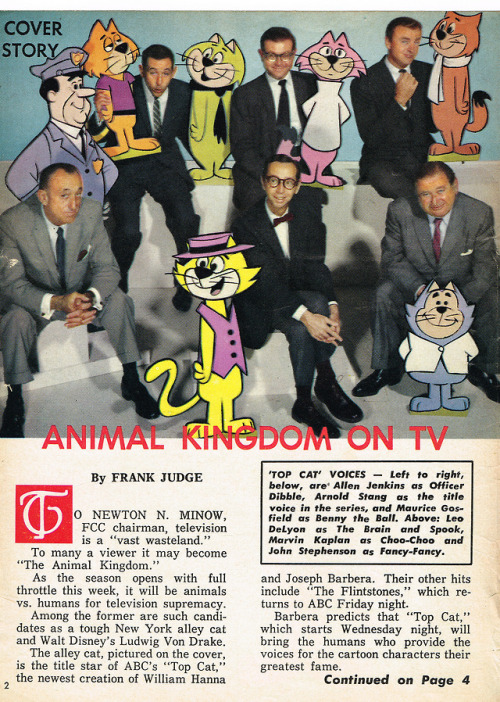
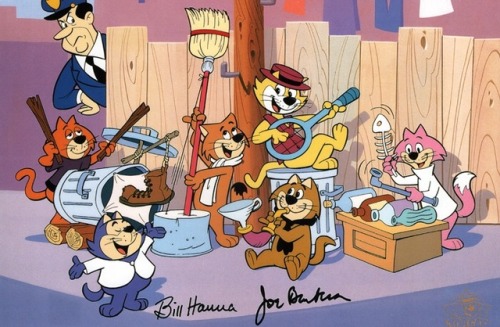
“Manda-Chuva” foi inspirado pelos East Side Kids – um grupo de jovens atores originado nos Dead End Kids dos anos 1930 –, “The Phil Silvers Show”, que foi ao ar entre 1955 e 1959 e ao desenho de Hanna-Barbera “Joca e Dingue-Lingue”. Os gatos no desenho estavam sempre armando esquemas para enriquecer rápido ou conseguir uma boa refeição de graça. O Guarda Belo estava sempre por perto monitorando a gangue felina.

“Top Cat” was inspired by the East Side Kids – a group of youg actors originated in the 1930s Dead End Kids –, “The Phil Silvers Show”, that was broadcast between 1955 and 1959 and the Hanna-Barbera cartoon “Hokey Wolf”. The cats in the cartoon were always scheming some way to get rich quick or get a good meal for free. Officer Dibble was always around monitoring the feline gang.


Nos EUA, Arnold Stang dublava Manda-Chuva e Marvin Kaplan dublava Xuxu. Como curiosidade, a atriz Jean Vander Pyl dublou Goldie e Lola, as duas gatas por quem Xuxu se apaixona.  No Brasil, o ator Lima Duarte, então no começo da carreira, dublou Manda-Chuva e Espeto, com um sotaque bem diferente. O dublador Waldir Guedes dublou Xuxu e Bacana.

In the US, Arnold Stang voiced Top Cat and Marvin Kaplan voiced Choo-Choo. As a curiosity, actress Jean Vander Pyl voiced Goldie and Lola, the two cats Choo-Choo falls in love with. In Brazil, actor Lima Duarte, then in the beginning of his career, voiced Top Cat and also Spook, with a very different accent. Voice artist Waldir Guedes voiced both Choo-Choo and Fancy-Fancy.


Rever “Manda-Chuva” já adulta me permitiu rir de piadas que eu não compreendi quando era criança. Eu acredito que a maioria dos desenhos tem um pouco de conteúdo só para adultos, porque crianças não entendem algumas piadas e trocadilhos. Conforme eu revia o desenho, eu também vi que talvez, eu goste de Xuxu porque ele é como eu: quieto, dramático, tímido e muito elegante (hahaha).

Rewatching “Top Cat” as an adult allowed me to laugh at jokes that fell flat when I was a kid. I believe most cartoons really have a bit of their content made for adults only, because kids can't understand some jokes or puns. As I rewatched the cartoon, I also saw that, maybe, I like Choo-Choo because he is like me: quiet, dramatic, shy, and with great fashion sense (LOL).


Piadas à parte, eu acredito que “Manda-Chuva” foi cancelado cedo demais. Com seus episódios simples mas interessantes, eu posso imaginar o desenho durante muitas temporadas sem cansar. Infelizmente, o desenho teve muito mais sucesso na América Latina do que nos EUA. “Manda-Chuva” sobreviveu por uma década como história em quadrinhos e foi revivido por um estúdio de animação mexicano para dois longas em 2011 e 2015. Os novos filmes não foram grandes sucessos – e nós nunca saberemos que outras aventuras nossos amigos gatos poderiam ter vivido no desenho se ele tivesse durado mais um pouco.

Jokes aside, I believe “Top Cat” was cancelled too soon. With its simple yet amusing episodes, I could see the cartoon lasting many seasons without getting boring. Unfortunately, it was way more successful in Latin America than in the US. “Top Cat” survived for over a decade as a comic book and was revived by a Mexican animated studio for two features in 2011 and 2015. The revival was not very successful – and we'll never know the further adventures our cat friends could have lived in the cartoon if it had lasted longer.


This is my contribution to the 6th Annual Favourite TV Show Episode Blogathon, hosted by Terry at At Shroud of Thoughts.

Related Posts Plugin for WordPress, Blogger...