} Crítica Retrô: televisão

Tradutor / Translator / Traductor / Übersetzer / Traduttore / Traducteur / 翻訳者 / переводчик

Showing posts with label televisão. Show all posts

Thursday, March 19, 2026

Série Retrô: O Vigilante Rodoviário


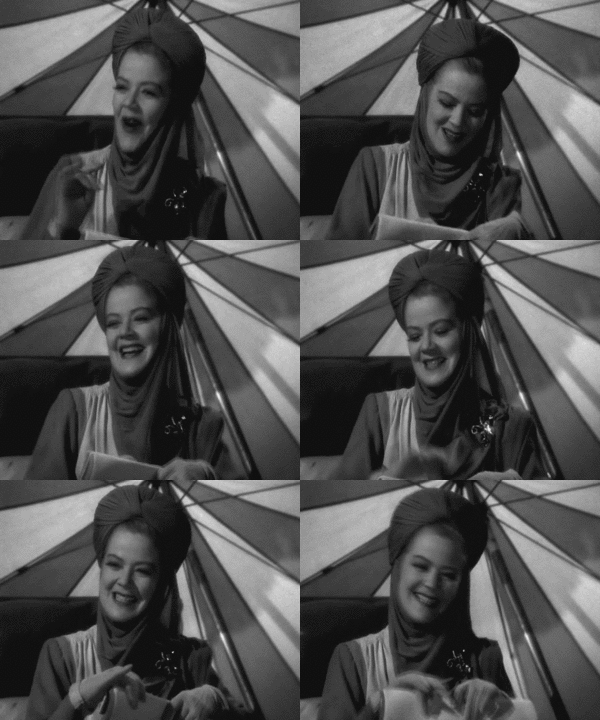
A televisão surgiu nos anos 1920, após décadas de experimentação envolvendo a transmissão de imagens. A BBC começou a transmitir seus programas em 1931. A CBS apareceu em 1937. No Brasil, a inauguração da primeira rede de TV aconteceu em 1950. A primeira série de TV da história foi “The Queen’s Messenger” (O Mensageiro da Rainha), de 1928 - um clipe da gravação pode ser encontrado AQUI. A primeira sitcom feita nos EUA foi “Mary Kay e Johnny”, de 1947 a 1950. O primeiro seriado de TV no Brasil foi “O Vigilante Rodoviário”. Falaremos dele hoje. 

Television appeared in the 1920s, after decades of experiments involving the transmission of images. BBC started its broadcasting in 1931. CBS appeared in 1937. In Brazil, the inauguration of the first TV network happened in 1950. The first TV series ever was “The Queen’s Messenger”, from 1928 - a clip of its recording can be found HERE. The first sitcom made in the USA was “Mary Kay and Johnny” from 1947 to 1950. The first TV show in Brazil was “O Vigilante Rodoviário” (The Road Vigilante). We’ll talk about it today.

“O Vigilante Rodoviário” foi exibido a partir de 1961, com 38 episódios no total. No seriado, o inspetor Carlos (Carlos Miranda) mantém a lei e a ordem numa rodovia com a ajuda de seu fiel cão Lobo e seu amigo, o garoto Tuca (Reginaldo Vieira). Quase todas as cenas externas foram gravadas na mesma altura da Rodovia Anhanguera, onde o sol era mais forte e mais constante independente da estação.

“O Vigilante Rodoviário” aired from 1961 onwards, 38 episodes total. In the series, Inspector Carlos (Carlos Miranda) maintains the law and the order in a highway with the help of his faithful dog Lobo and his kid friend Tuca (Reginaldo Vieira). Almost all external scenes were shot in the same spot of the Rodovia Anhanguera highway, where the sun was brighter and more constant no matter the season.

A série foi criada por Ary Fernandes, que também foi o diretor, roteirista e compositor da música-tema. Desejando mostrar um herói 100% brasileiro, Fernandes já era um prolífico diretor de cinema quando criou a série. Diversos episódios foram mais tarde editados juntos para serem exibidos como um filme.

The series was created by Ary Fernandes, who served also as director, co-writer and compositor of the theme song. Longing for a 100% Brazilian hero, Fernandes was already a prolific cinema director when he created the series. Several episodes were later edited together for exhibition at movie theaters.

Houve um crossover entre “O Vigilante Rodoviário” e outra série de TV do mesmo criador, intitulada “Águias de Fogo”. E mais uma coisa que “O Vigilante Rodoviário” fez antes de Hollywood: foi traduzido para outras mídias, com a criação de uma história em quadrinhos, um documentário, um fanzine, uma fanfic e teve diversos brinquedos inspirados no seriado.

There was a crossover between “O Vigilante Rodoviário” and other TV show from the same creator, called “Águias de Fogo” (Fire Eagles). And, another thing in which “O Vigilante Rodoviário” predated Hollywood: it was translated to several different media, with the creation of a comic book, a documentary, a fanzine, a fanfic and several toys inspired by the show.


Eu encontrei dois episódios de “O Vigilante Rodoviário” no Internet Archive. Vamos analisá-los.

I found two episodes of “O Vigilante Rodoviário” at the Internet Archive. Let’s analyze them.

Episódio 16 foi “O Invento”. Nele, cientistas inventam um supermotor que faria os carros da polícia andarem mais rápido. O Vigilante tem de guardar a invenção durante a noite, porque testes seriam feitos no dia seguinte e a invenção não podia cair em mãos erradas. Mas é um dos cientistas que pode trair o outro e a polícia quando fotografa a fórmula desenvolvida.

Episode 16 was “O Invento” (The Invention). In it, scientists invent a super motor that would make police cars faster. The Vigilante has to keep an eye on the invention overnight, because tests would be run the next day and the invention can’t fall in wrong hands. But it’s one of the scientists that may betray the other and the police by photographing the formula.


Episódio 26 foi “A Chantagem”. Começamos com pessoas sendo espancadas por três homens que cobram dívidas. A próxima vítima é um dono de cafeteria que já esteve preso. O filho deste homem, o garoto Eduardo, fica chocado ao saber que seu pai já foi preso e corre para contar para seu amigo, o Vigilante. Juntos, eles bolam um plano para capturar os chantagistas. 

Episode 26 was “A Chantagem” (The Blackmail). We start with people being beaten by three men collecting debts. Their next victim is a cafe owner who once has been in jail. The man’s son, young Eduardo, is shocked to find out his father was a prisoner and runs to tell his friend, the Vigilante. Together, they make a plan to catch the blackmailers.

Durando cerca de 20 minutos cada um, os episódios eram simples, com narrativas diretas e a certeza de que o Vigilante venceria no final. Dos dois episódios a que assisti, “A Chantagem” estava em piores condições e era um pouco difícil de escutar. Gostei mais de “O Invento” por causa da narrativa de espionagem industrial e os muitos truques daquele que roubou a cena, o cão Lobo, super fofinho! Depois disso percebi que havia uma playlist com muitos outros episódios da série, então talvez um dia eu veja mais alguns.

Clocking at around 20 minutes each, the episodes were simple, with straightforward plots and the certainty that the Vigilante would win in the end. Out of the two episodes I watched, “A Chantagem” had worse sound conditions and was difficult to hear. I liked “O Invento” best because of its plot of industrial espionage and the many tricks and scene-stealing moments including Lobo, who was very cute! I then realized that there was a playlist with many more episodes of the series, so maybe someday I’ll watch more.

Com suas botas na altura dos joelhos, jaqueta de couro e óculos por cima do quepe, o Vigilante Rodoviário foi mais que um herói de ação: foi um ícone fashion. Depois do final da série, o ator Carlos Miranda se tornou policial, o que garantiu um lugar no Guinness Book como o único ator a se tornar seu personagem na vida real. Ele faleceu recentemente aos 91 anos, numa cidade próxima à minha. Mas meu personagem favorito continua sendo o cão Lobo! 

With his knee-high boots, leather jacket and goggles over his cap, the Vigilante Rodoviário was more than an action hero: he was a fashion icon. After the series ended, actor Carlos Miranda really became a cop, which led him to be included in the Guinness Book as the only actor to become his character in real life. He died recently at age 91, in a city close to mine. But my favorite character is still Lobo the dog!

This is my contribution to the 12th Annual Favourite TV Show Episode blogathon, hosted by Terence at A Shroud of Thoughts. 

Saturday, March 23, 2019

Fred Flintstone faz um filme / Fred Flintstone makes a movie


“Os Flintstones” é uma série de animação revolucionária. Ela durou seis temporadas e foi a primeira animação a ser exibida no horário nobre da TV norte-americana – ou melhor, a primeira série animada com histórias contadas em episódios de meia hora, e não episódios curtos que duravam entre dois e oito minutos. Qual o segredo dos Flintstones? Era fácil se identificar com eles.

“The Flintstones” is a groundbreaking animated series. It lasted six seasons and was the first animated series to be shown during prime time on American TV – that is, the first animated series with a half-an-hour episode arc, not short episodes lasting two to eight minutes. What was the secret of “The Flintstones”'s success? They were relatable.


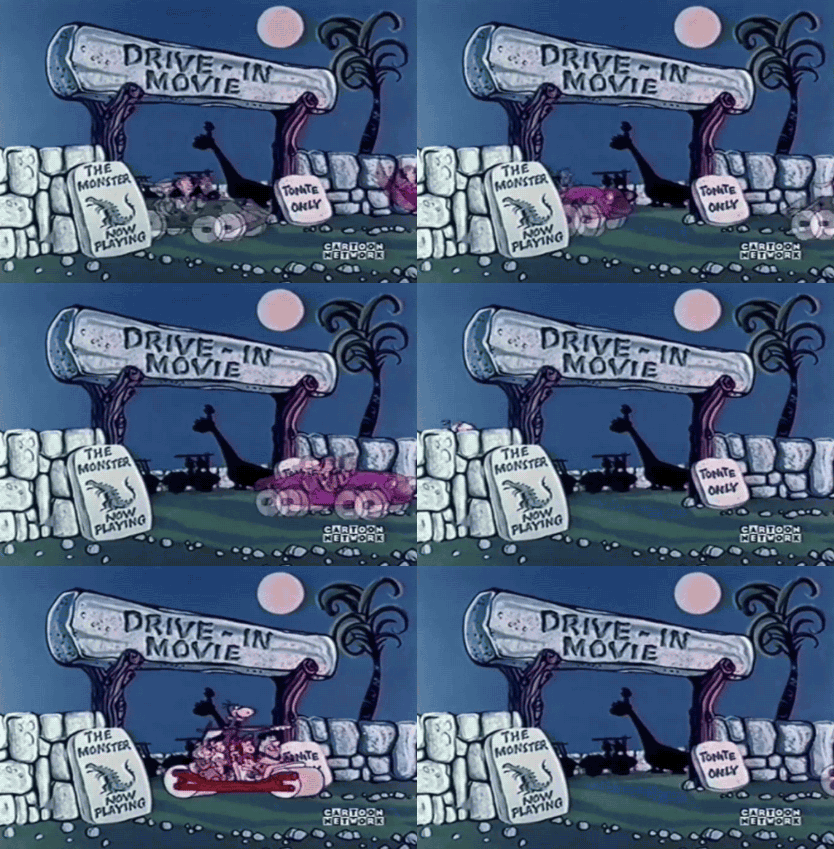
Fred, Wilma, Barney, Betty e Dino podem viver em 10000 a.C, mas eles são gente como a gente. Fred e Barney trabalham e são casados com as donas de casa Wilma e Betty, respectivamente. Os casais brigam às vezes, e há inclusive rivalidade entre os amigos. Os personagens gostam de se divertir, fazer compras e comer churrasco de brontossauro. Bem, eles até comemoram o Natal! E eles vão ao cinema – como a sequência de abertura introduzida em 1962 mostra, quando eles vão ao drive-in. Por isso, não era incomum que os Flintstones falassem sobre cinema.

Fred, Wilma, Barney, Betty and Dino may live in 10,000 BC, but they are folks like us. Fred and Barney work and are happily married with housewives Wilma and Betty, respectively. The couples quarrel sometimes, and there is even rivalry between friends. The characters like to have fun, shop and eat brontosaur barbecue. Well, they evn celebrate Christmas! And they go the movies – as the opening sequence introduced in 1962 attests, when they go to the drive-in. So, it was not uncommon for “The Flintstones” to talk about the film world.


Já na primeira temporada houve uma conexão com o cinema. O sexto episódio da primeira temporada, “The Monster from the Tar Pits” (“O Monstro dos Fossos de Piche”) é sobre fazer um filme – e Fred tem um papel nesse filme.

Already in season one there was a film connection. Episode six of season one, “The Monster from the Tar Pits” is about the making of a movie – and the role Fred plays in it.


Começamos o episódio em Hollyrock vendo o estúdio Miracle Oictures, cujo slogan é 'se é um bom filme – é um milagre!'. Um diretor com sotaque tenta vender a um executivo a história para um novo filme, “O Monstro dos Fossos de Piche”, sobre um monstro que se apaixona por uma bela garota. No filme, temos as estrelas Gary Granito, Rock Pile e uma nova garota, chamada Wednesday Tuesday ou talvez Tuesday Wednesday – nomes que soam como Cary Grant, Rock Hudson e Tuesday Weld, não?

We begin the episode in Hollyrock with a view of Miracle Pictures, a studio whose slogan is 'if it's a good picture - it's a miracle!'. A director with an accent tries to sell the executive the story for a new movie, “The Monster from the Tar Pits”, about a monster that falls in love with a beautiful girl. In the movie, we have the stars Gary Granite, Rock Pile and a new girl, called either Wednesday Tuesday or Tuesday Wednesday – names that sound like Cary Grant, Rock Hudson and Tuesday Weld, maybe?


Em vez de construir uma cidade em estúdio, o executivo Sr Sandstone diz ao diretor para filmar em uma cidade real e, por acaso, em um mapa da terra plana – ah, a ironia de ver isso nos tempos modernos – eles escolhem Bedrock, onde vivem os Flintstones. Excitadas com a presença das estrelas de cinema, Wilma e Betty decidem fazer um teste para o filme só por diversão. Barney concorda com isso, mas Fred não fica feliz.

Instead of building a town set, the executive Mr Sandstone tells the director to film in a real town, and by chance, in a map of the flat world – oh, the irony watching this right now – they choose Bedrock, where the Flintstones live. Infatuated with the presence of the movie stars, Wilma and Betty decide to audition for the film just for fun. Barney is OK with that, but Fred is less than thrilled.


Mesmo assim, Fred e Barney vão ao aeroporto ver as estrelas de cinema chegando e de lá eles vão ver os testes. Betty imita pássaros e Wilma apresenta um número de sapateado. Barney apoia as duas, mas elas não são escolhidas. Então, Fred decide reclamar e humilhar o diretor, e acaba sendo escolhido para fazer o papel principal: o do monstro dos fossos de piche.

Nevertheless, Fred and Barney go to the airport to see the film stars arriving and from then they go see the auditions. Betty imitates birds and Wilma tap dances. Barney supports them both, but they are not chosen. Then, Fred decides to complain and to call the director names, and he ends up being chosen to play the lead role: the one of the monster from the tar pits.


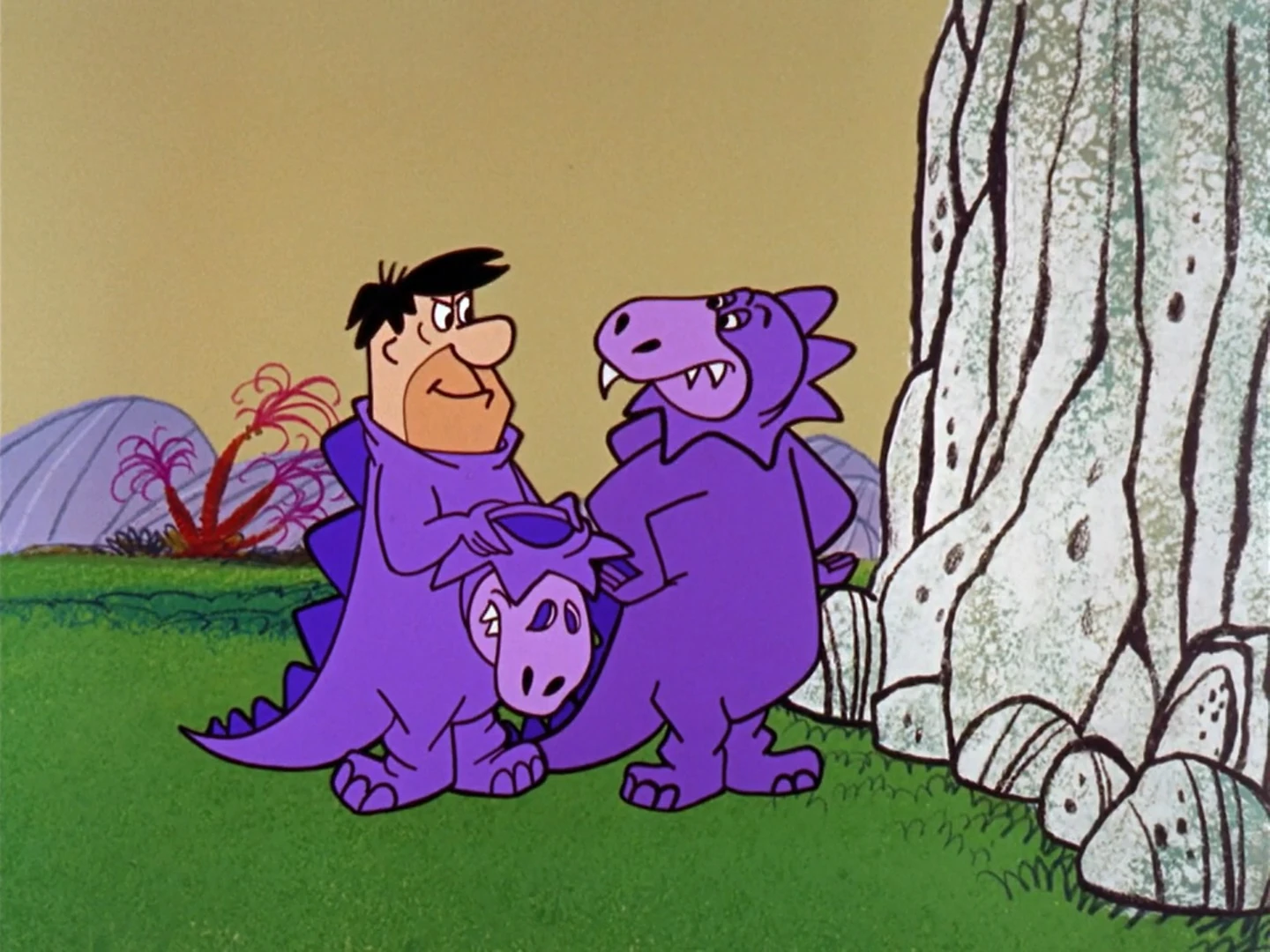
Na verdade, Fred será o dublê de Gary Granito – mas nosso homem das cavernas favorito acredita mesmo que ele vai ser a estrela. O pobre Fred acaba fazendo todo o trabalho duro e recebendo golpes na cabeça e por todo o corpo, pois o departamento de objetos cênicos decidiu economizar e usar tacos e pedras de verdade em vez de falsos nas cenas perigosas.

In reality, Fred will be the body double for Gary Granite – but our favorite caveman believes he is really going to be the star. Poor Fred ends up doing all the hard working and receiving blows in the head and all over his body, as the prop department decided to save money and use real clubs and rocks instead of fake ones in the dangerous scenes.


O filme estreia um dia depois do final das filmagens e o rádio anuncia que a equipe voltaria para Bedrock no dia seguinte para começar a trabalhar na sequência, “O Filho do Monstro dos Fossos de Piche”. Fred, que havia ficado chateado por ser um simples dublê, fica novamente animado com a possibilidade de reprisar seu maior papel.

The film premieres the day after filming resumes and the radio announces that the crew would go back to Bedrock the next day to begin working in the sequence, “The Son of the Monster from the Tar Pits”. Fred, who was upset for being only a double, gets excited again to reprise his biggest role.


Nos anos 50 e 60, filmes com criaturas e monstros se tornaram muito populares. Influenciando diretamente este episódio dos Flintstones, podemos citar “O Monstro da Lagoa Negra” (1954). Os monstros não estavam em alta apenas em Hollywood: no Japão eles também experimentavam sua era de ouro, com “Godzilla” (1954) e “Mothra” (1961).

In the 1950s and 1960s, films with creatures and monsters became quite popular. Directly influencing this episode of “The Flintstones”, we can mention “Creature from the Black Lagoon” (1954). Not only in Hollywood monsters were in vogue: in Japan they were also experiencing a golden age, with “Godzilla” (1954) and “Mothra” (1961).


Este episódio não foi o único dos Flintstones com ligação com o cinema. Alguns episódios se originaram de roteiros de filmes do Gordo e o Magro – como o episódio em que Fred e Barney se juntam à Leal Ordem dos Búfalos D’Água, em referência a “Os Filhos do Deserto” (1933). Muitas estrelas do cinema também dublaram personagens na série, e alguns foram retratados em estilo pré-histórico, como o Stoney Curtis abaixo:

This episode wasn’t the only one in “The Flintstones” with a connection to the movie world. Some episodes derived from Laurel and Hardy film plots – like the episode about Fred and Barney joining the Loyal Order of the Water Buffalo, a nod to “Sons of the Desert” (1933). Many classic film stars also did voiceover at the series, and some of them were portrayed in stone-age style, like Stoney Curtis below:


Eu gostaria que a história do episódio analisado tivesse sido melhor desenvolvida, talvez com um arco durante dois episódios. Mais do que qualquer coisa, “The Monster from the Tar Pits” nos mostra como é difícil a vida dos dublês!

I wish the plot in this particular episode was better developed, maybe with a two-episode arc. If not much else, “The Monster from the Tar Pits” shows us that the life of film doubles is hard!

This is my contribution to the 5th Annual Favourite TV Show Episode Blogathon, hosted by Terry at A Shroud of Thoughts.


Sunday, December 16, 2018

It might as well be Spring (Byington)


Ela podia ser a vizinha enxerida porém amável. Ela podia ser uma amiga carinhosa. Ela podia ser uma duquesa ou uma dama – ou mesmo uma empregada. Ela podia ser a forte e cuidadosa matriarca – um papel que ela interpretou várias vezes, e que encantava o público. O que mais pode fazer alguém chamada Spring (primavera) que não seja encantar? Assim como a estação, sua persona cinematográfica era sempre alegre, às vezes cômica, raramente odiosa. Estereotipada, talvez, talentosa, com certeza.

She could be the nosy yet lovely neighbor. She could be a supporting friend. She could be a duchess or a lady – or even a servant. She could be the strong and caring matriarch – a role she played over and over, and one that the audiences adored. What else can come from someone named Spring? As the season, her screen persona was always cheerful, sometimes comic, rarely enraging. Typecasted, maybe, talented, for sure.

“Pode soar banal, mas eu sou atriz apenas porque eu gosto de fazer isso – e porque eu não sei fazer mais nada muito bem.”

“It may sound trite but I’m an actress strictly because I enjoy it - and because I can’t do anything else very well.”

"Do Mundo Nada Se Leva / You Can't Take it With You" (1938)
Spring Dell Byington nasceu em 1886 no Colorado. Ela sempre amou atuar e começou um tour com uma companhia de teatro ainda na juventude. Entre 1903 e 1916, ela viajou pela América do Sul, representando em espanhol e em português. Em 1909, ela se casou com o gerente da companhia de teatro, Roy Chandler, e com ele teve duas filhas. Eles se divorciaram em 1920.

Spring Dell Byington was born in 1886 in Colorado. She always loved acting and started touring with acting company in her youth. Between 1903 and 1916, she toured through South America, performing in both Spanish and Portuguese. In 1909, she married the theater company manager Roy Chandler, and had two daughters with him. They divorced in 1920.


Ela fez sua primeira peça na Broadway quando tinha 28 anos. Seu primeiro filme, fez aos 34. Talvez fosse velha demais para explorar novos horizontes? Não, ela não era. Em uma coincidência curiosa, ela interpretou uma mãe em seu primeiro filme, o curta-metragem “Papa’s Slay Ride” (1930). Seu próximo papel no cinema foi como a matriarca da família March em “Quatro Destinos” (1933).

Her first Broadway credit came when she was 28. Her first film credit, when she was 34. Maybe too old to explore new horizons? Not for Spring. In a curious coincidence, she played a mother in her first film, the short subject “Papa’s Slay Ride” (1930). Her next film role was as the March family matriarch in “Little Women” (1933).


A partir de 1936, Spring Byington estrelou uma série de filmes de baixo orçamento, com 60 minutos ou menos, sobre a família Jones. O primeiro de um total de 17 filmes foi “Every Saturday Night), e o último foi “On their Own”, que estreou em 1940. Byington interpretava a senhora John Jones, enquanto Jed Prouty interpretava John Jones, Florence Roberts era a vovó Jones e os quatro filhos foram interpretados por vários atores diferentes. Dois dos filmes da família Jones foram escritos por Buster Keaton.

Starting in 1936, Spring Byington starred in a series of low-budget family films with 60 minutes or less about the Jones family. The first film of a total of 17 was “Every Saturday Night”, and the last was “On their Own”, release in 1940. Byington played Mrs John Jones, while Jed Prouty played John Jones, Florence Roberts was Granny Jones and the four children were played by several different actors. Two of the Jones family movies were written by Buster Keaton.


Eu já falei demais sobre Spring Byington. Vou deixar que ela – ou melhor, as personagens que ela interpretou – fale por si mesma. Veja o humor e o calor nas frases abaixo:

Enough of me talking about Spring Byington. I’ll let her – or rather, the characters she played – talk for herself. Notice the humor and the warmth in the lines below:


“Agora, Coronel, você está me deixando tão lisonjeada quando o querido Lorde Melbourne me deixou uma vez quando nos sentamos lado a lado em um banquete insuportável. “Lady Warrenton”, ele disse”, “você tem o poder de enlouquecer os homens.”” – Como Lady Octavia Warrenton em “A Carga da Brigada Ligeira”, 1936

“Now, Colonel, you’re flattering me just as dear Lord Melbourne did once when we sat next to each other at an intolerable meal call banquet. “Lady Warrenton”, he said, “you have the power to drive men mad.”” – As Lady Octavia Warrenton in “The Charge of the Light Brigade”, 1936


“Ei, ei. Não briguem, crianças. Pelo menos esperem para brigar depois do casamento.” – Como tia Ella em “Somos do Amor”, 1937

“Now, now. Don’t fight, children. At least until after you’re happily married” – As Aunt Ella in “It’s Love I’m After”,1937


“É o que você sempre diz, Mytyl, que você sente muito. Mas no dia seguinte você faz a mesma coisa, tudo de novo.” – Como Mamãe Tyl em “O Pássaro Azul”, 1940

“That’s what you always say, Mytyl, that you’re sorry. But the next day you do the same thing right over again.” – As Mummy Tyl in “The Blue Bird”, 1940


“Seu coração sempre foi maior do que a carteira do seu pai.” – Como Bertha Van Cleve em “O Diabo Disse Não”, 1943

“Your heart’s always bigger than your father’s pocketbook” – As Bertha Van Cleve in “Heaven Can Wait”, 1943


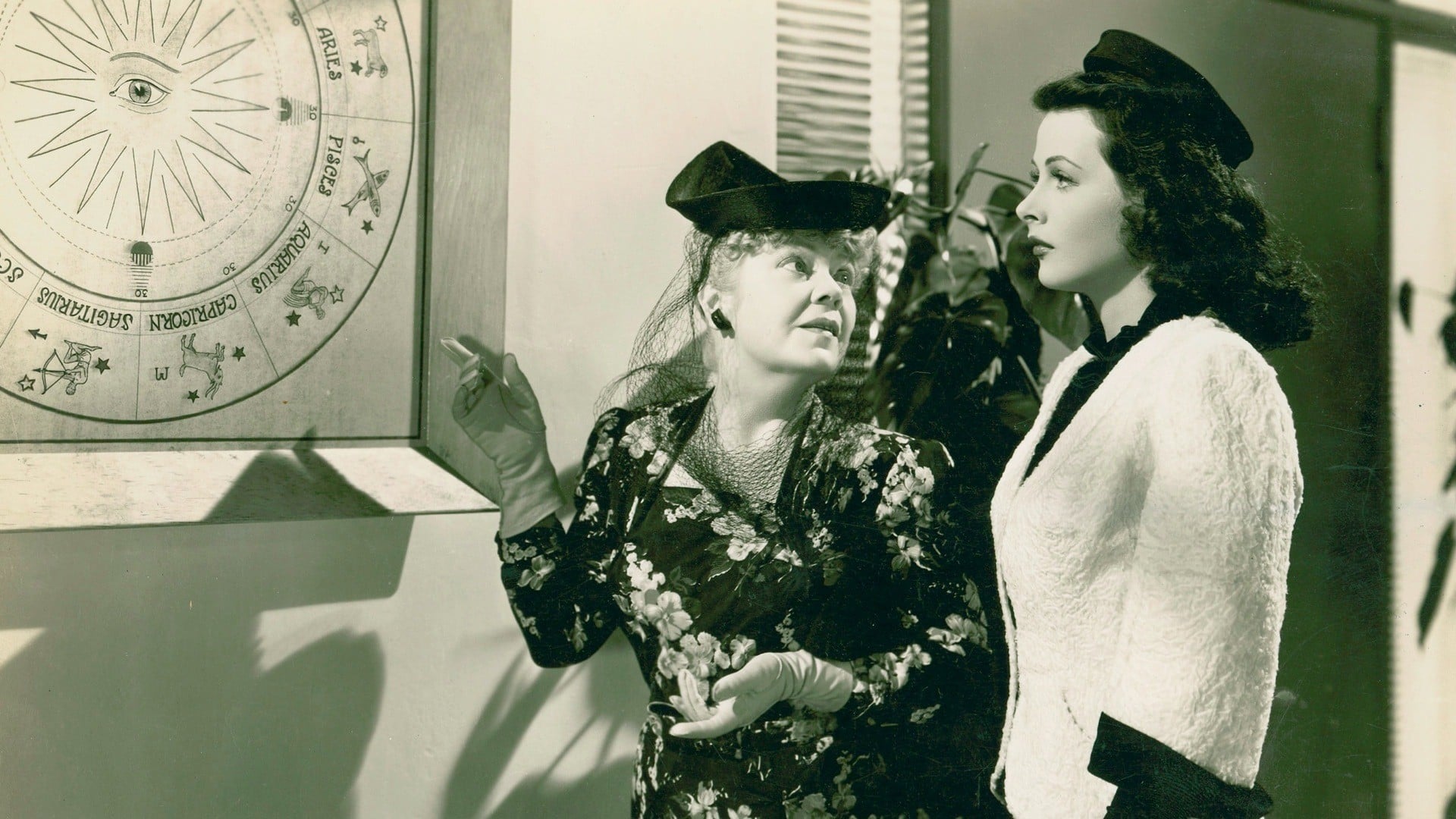
“Você fala como se astrologia fosse algo de que se envergonhar, como bruxaria ou ser Democrata.” – Como Nancy Potter em “Um Rival nas Alturas”, 1944

 “You talk as if astrology is something to be ashamed of, like witchcraft or being a Democrat.” – As Nancy Potter in “The Heavenly Body”, 1944


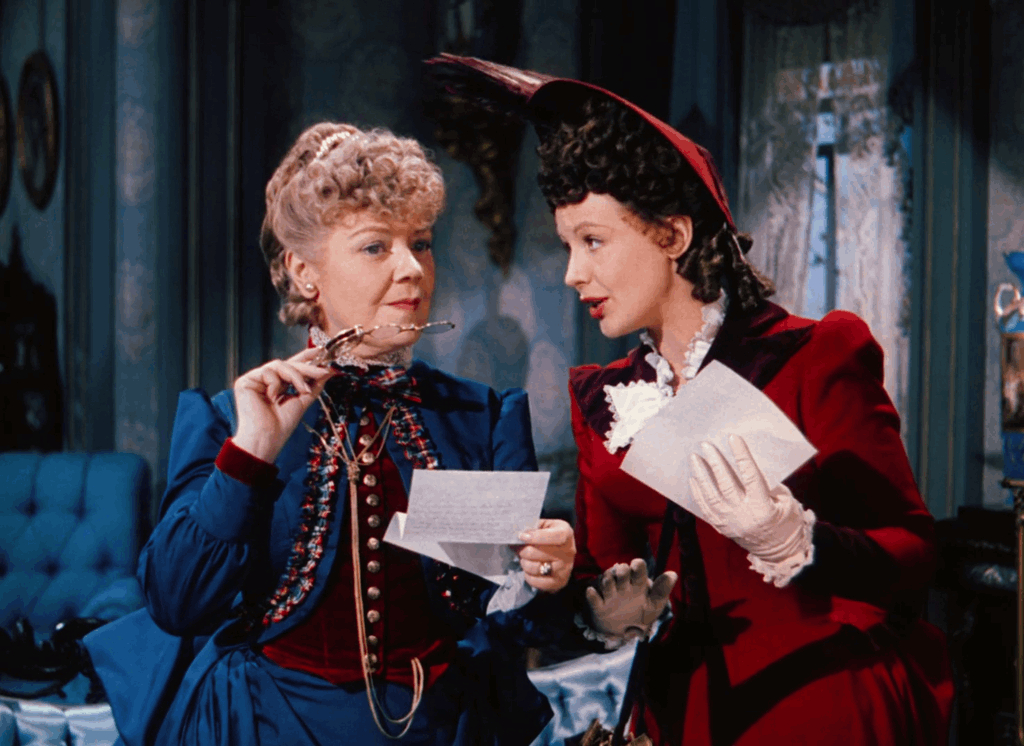
“Você não deve me levar a sério, senhorita. Ninguém me leva.” – Como Magda em “O Solar de Dragonwyck”, 1946

“You mustn’t take me seriously, Miss. No one ever does.” – As Magda in “Dragonwyck”, 1946


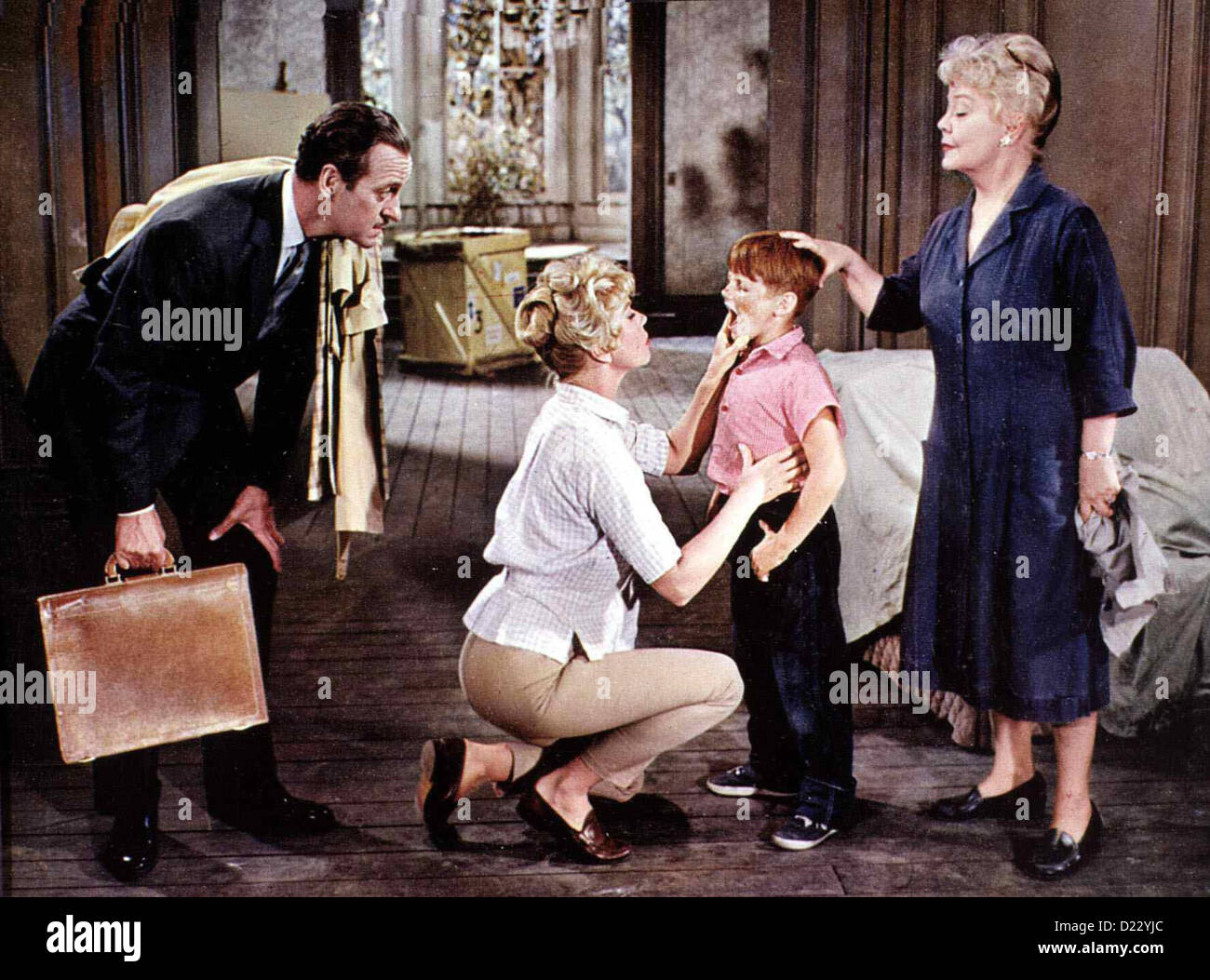
“Eu não te conheço tão bem quanto conhecia quando você era criança, mas você foi uma das crianças mais burras que eu já conheci!” – Como Suzie Robinson, falando com sua filha, em “Já Fomos Tão Felizes”, 1960

 “I don’t know you as well as I did when you were a child, but you were one of the dumbest children I ever met!” – As Suzie Robinson, saying to her daughter, in “Please, don’t eat the daisies”, 1960


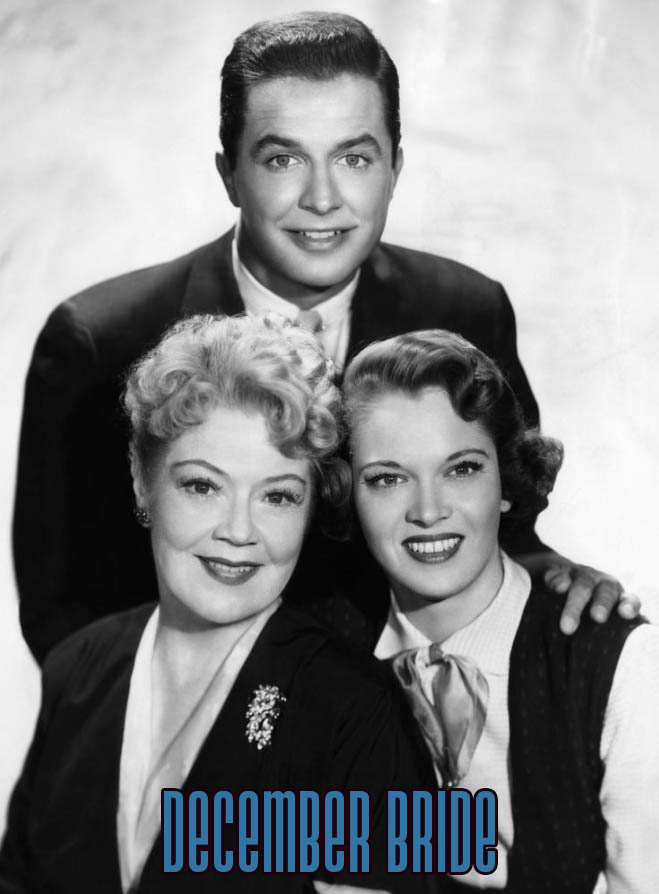
Spring Byington apareceu em diversos filmes B e em fracassos de bilheteria. Entre 1954 e 1959, entretanto, ela teve seu próprio programa de TV, “December Bride”. A série teve origem no rádio, onde Spring também fazia o papel, e a companhia Desilu a escolheu para ser transposta para o novo meio. Durante a temporada de 1956-157, “December Bride” foi a quinta atração mais popular da televisão.

Spring Byington was in several B-movies and box-office failures. From 1954 to 1959, however, she starred in her own TV show, “December Bride”. The series was originated in the radio, where Spring also starred, and picked by the Desilu production company for the new medium. During the 1956-1957 season, “December Bride” was the fifth most popular show on TV.


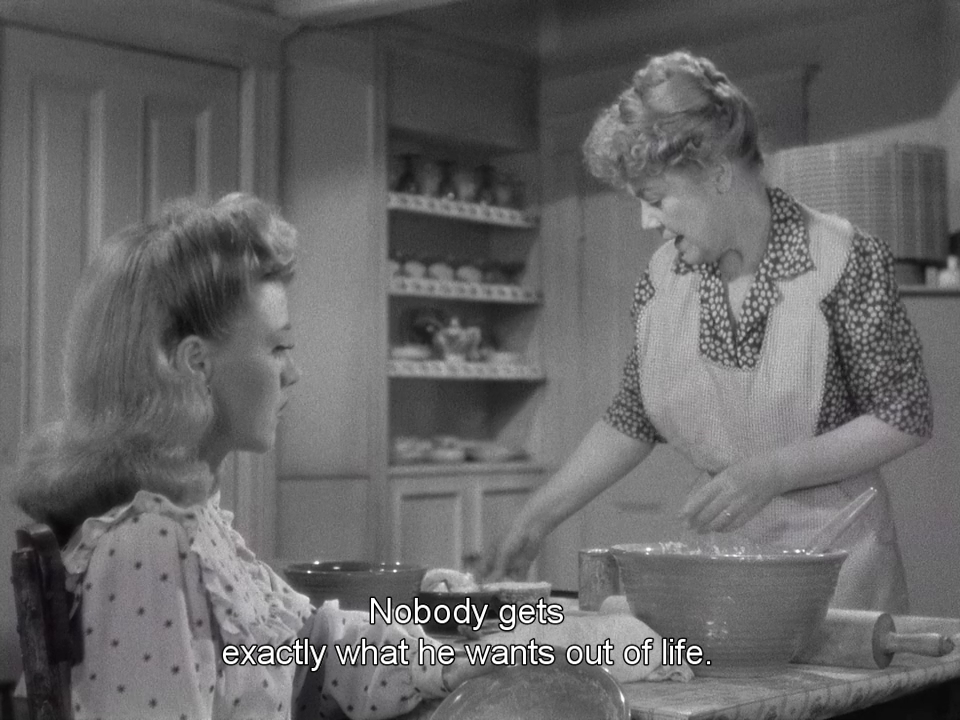
Embora ela interpretasse esposas e mães com tanta frequência, em uma época em que a maioria das mulheres só podia aspirar a ser esposa e mãe, Spring Byington desafiou as expectativas. Divorciada com 24 anos de idade, ela nunca se casou, e dedicou toda sua energia à sua carreira. Ela foi ousada e sábia, e eu deixei exatamente sua frase mais sábia, de “Ver-te-ei Outra Vez” (1944), para fechar esta homenagem:

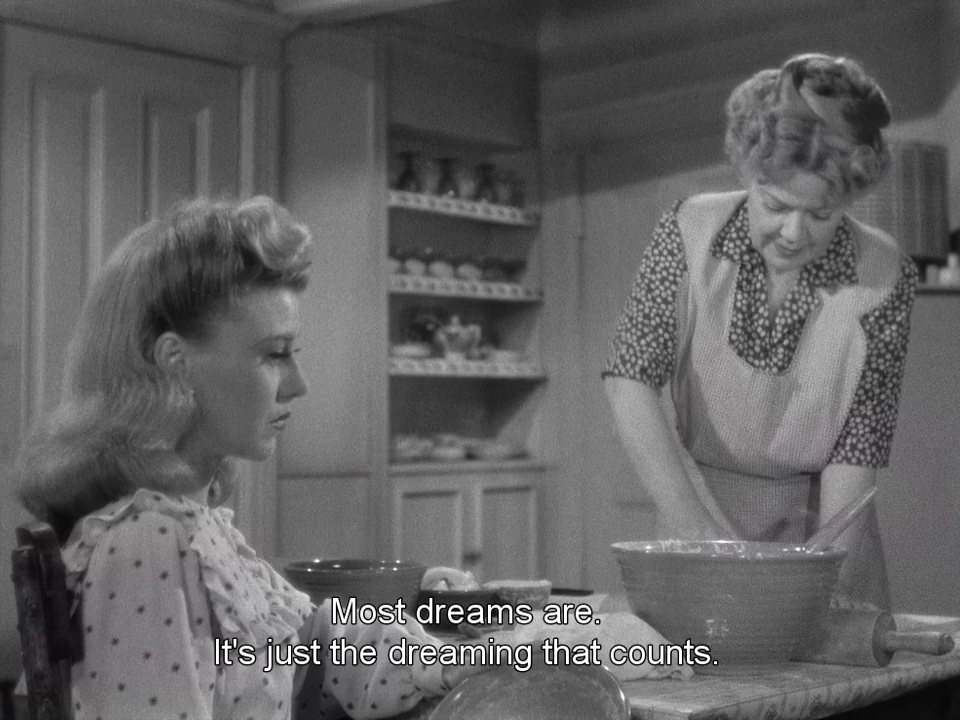
Although she played a wife and mother so often, in a time when most women could online aspire to be wives and mothers, Spring Byington defied the expectations. Divorced at 24, she never remarried, and dedicated all her energy to her work. She was bold and wise, and I left exactly her wisest quote, from “I’ll Be Seeing You” (1944), to finish this tribute:

"A maioria dos sonhos é [impossível]. É o ato de sonhar que vale."

"Ninguém consegue exatamente o que quer na vida." 
This is my contribution to the Seventh What a Character! Blogathon, hosted by Aurora, Kellee and Paula at Once Upon a Screen, Outspoken & Freckled and Paula’s Cinema Club.

Saturday, March 24, 2018

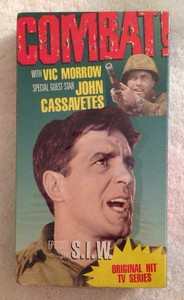
Série Retrô: Combat! - Self-Inflicted Wound (S.I.W.)


Eu fiz faculdade à distância – e mais ou menos ao mesmo tempo, comecei a escrever este blog. Depois de uma época difícil no ensino médio, de repente me vi com liberdade e tempo livre na faculdade. Eu não tinha mais que acrodar às cinco da manhã, não tinha apenas uma hora para ir para casa, almoçar e voltar para a escola, eu tinha finalmente tempo para descansar e respirar. E eu tinha as manhãs livres!

I got a college degree online – at about the same time, I started writing on this blog. After a hard time in high school, I suddenly found myself with freedom and free time in college. I didn't have to wake up at 5 a.m., I didn't have one hour to go home, eat lunch and go back to school, I actually had time to rest and to breathe. And I had free mornings!
Eu usava estas manhãs para assistir à TV. Havia diversas sitcoms no canal Sony – Seinfeld, The Nanny, Married… With Children, Mad About You, Will & Grace e outras – e o TCM brasileiro também exibia algumas séries antigas.  Eu me lembro de que o horário das 10 era ocupado por uma rara série em preto e branco, Combate!, que eu via de vez em quando.

I spent those mornings watching TV. There were several sitcoms at the Sony channel – Seinfeld, The Nanny, Married… with Children, Mad About You, Will & Grace and others – and Brazilian TCM  also had a few TV series. I remember the 10 a.m. time slot on TCM had a rare black and white TV series, Combat!, that I would watch every now and then.
Obviamente, a primeira coisa que chama a atenção quando você vê Combate! é o nome de Vic Morrow. Na época, eu já havia lido sobre o terrível e fatal acidente envolvendo Vic, um helicóptero e duas crianças nas filmagens de “No Limite da Realidade” em 1982. A morte de Vic ganhou mais destaque que sua vida e seu legado – e por falar em legado, você sabia que uma das filhas de Vic Morrow é a atriz Jennifer Jason Leigh? Eu só descobri isso enquanto escrevia este artigo. Mesmo assim, ele foi um ator popular e também diretor, e Combate! é seu trabalho mais famoso.

Of course, the first thing that calls your attention when you watch Combat! is Vic Morrow's name. At the time, I had already read about his terrible fatal accident involving a helicopter and two children while filming “Twilight Zone: The Movie” in 1982. Morrow's death overshadowed his life and legacy – talking about legacy, did you know that one of Vic Morrow's daughters is the actress Jennifer Jason Leigh? I only got to know that when writing this article. Nevertheless, he was a successful and popular actor and director, and Combat! is his best remembered work.
Dos poucos episódios que eu vi, me lembro de dois claramente: um deles tinha uma enfermeira interpretada por uma atriz que se parecia muito com Greta Garbo – eu fiquei longo tempo pensando se ela ERA Garbo, mesmo sabendo que isso era impossível porque Garbo se aposentou em 1941, e Combate! estreou em 1962. O outro episódio de que me lembro bem é “S.I.W.” – que significa “Self-Inflicted Wound”, ou ferida autoprovocada.

From the few episodes I watched, I remember two clearly: one of them had a nurse played by an actress who looked a lot like Greta Garbo – I kept wondering if she was Garbo, even knowing that it was impossible because Garbo retired in 1941, and Combat! started airing in 1962. The other episode I remember well is “S.I.W.” – or Self-Inflicted Wound.
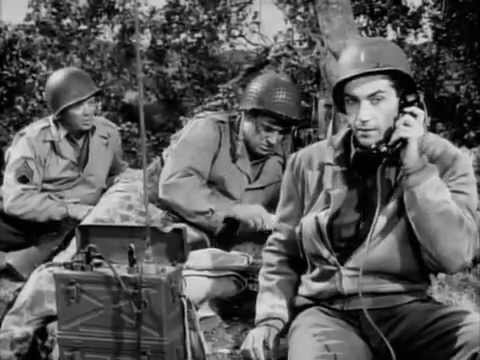
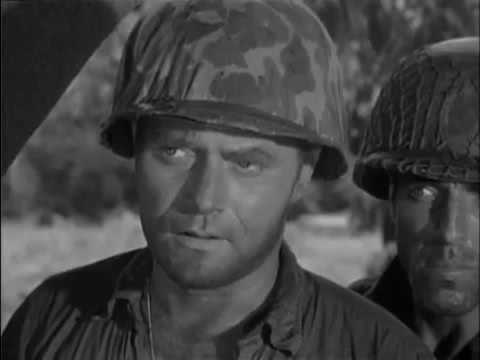
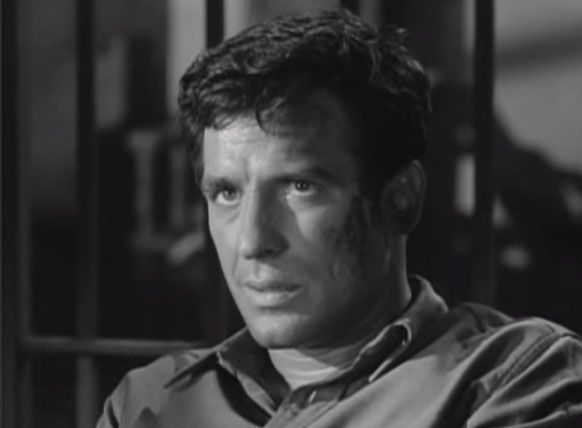
“S.I.W.” é o terceiro episódio da quarta temporada, e foi ao ar originalmente em 28 de setembro de 1965. Nele, o soldado Kalb (John Cassavetes) tem uma má reputação: ele foi acusado de se acovardar e fugir, deixando todos os seus companheiros de batalhão morrer em duas missões diferentes. Agora ele é um substituto no esquadrão do sargento Saunders (Vic Morrow). Um dia, ele é ferido em uma vila abandonada, e todos acreditam que ele mesmo se feriu para poder ser liberado do combate. O tenente Hanley (Rick Jason) é aquele que mais firmemente acredita que Kalb está mentindo.

“S.I.W.” is the third episode of season four, and it first aired on September 28th, 1965. In it, Soldier Kalb (John Cassavetes) has already been accused of cowardice and of letting all his comrades die in two different missions. Now he is a replacement at Sgt Saunders’ (Vic Morrow) squad. One day, he is wounded in an abandoned village, and everybody believes he wounded himself so he could leave the front. Lt. Hanley (Rick Jason) is the one who believes the most in the lie hypothesis.
Kalb insiste que foi um soldado alemão de óculos que o feriu durante uma luta, o que parece improvável – quem vai para a guerra usando óculos pouco práticos? Se sua ferida foi autoprovocada, Kalb será punido.

Kalb insists that a German soldier wearing glasses wounded him during a physical fight, which seems improbable – who goes to war wearing impractical glasses? If his wound in self-inflicted, he'll be punished.
Quando eu assisti a “S.I.W.” pela primeira vez, eu não usava óculos. Agora eu uso. Óculos são estes maravilhosos pedacinhos de vidro que ajudam você a enxergar melhor. E se eles já ficam embaçados com neblina ou um pouquinho de chuva, você pode imaginar como é ir para a guerra, com lama e poeira e gás, e ter de usar óculos para lutar pela sua vida?

When I watched “S.I.W.” for the first time, I didn't wear glasses. Now I do. Glasses are those wonderful, literal pieces of glass that help you see better. And if they get blurry with the fog or a little bit of rain can you imagine going to war, full of mud and powder and gas, and have to wear glasses to fight for your life?
Felizmente, eu não sou a única que pensou em quão absurdo é ir para a guerra usando óculos. Esta questão (em inglês) do Quora traz alguns veteranos do Vietnã contando como eles lidaram com seus problemas de visão durante a guerra. Mas nós estamos considerando, assim como é mostrado na série, o que um soldado de óculos experimentaria na Segunda Guerra Mundial, e para este caso temos um esclarecedor artigo (também em inglês) sobre o assunto, provando que podemos encontrar quase tudo na internet.

Fortunately, I'm not the only one who thought about the absurdity of going to war wearing glasses. In this Quora thread, some Vietnam veterans talk about how they coped with their bad eyesight during combat. But we are considering, as the series did, what a soldier with glasses would go through in the Second World War, and for this we have this enlightening blog post about the issue, proving that you can find almost anything in the Internet.
Actual footage of me imagining how it is
to go to war wearing glasses
“S.I.W.” é um episódio tenso sobre julgamento e tomada de decisões sob pressão – um dos muitos desafios que o sargento Saunders teve de enfrentar durante a guerra. O episódio também mostra que John Cassavetes era um ótimo ator, embora hoje ele seja mais lembrado por seu trabalho como diretor.

“S.I.W.” is a tense episode about judgment and making decisions under pressure – one of the many challenges Saunders had to face during the war. It also shows how good John Cassavetes was as an actor, although he is best remembered by his work as a director.
Combate! foi uma série muito popular. Ela era muito elogiada pelo realismo das cenas de batalha. Combate! inclusive deu origem a um livro de colorir e a um jogo de tabuleiro. “S.I.W.” está apenas na trigésima quarta posição no ranking de episódios da série no IMDb. Mesmo assim, foi o episódio que nunca saiu da minha cabeça.

Combat! was a very popular series. It was often praised by the realism of the battle scenes. Combat! even generated a coloring book and a board game. “S.I.W.” was just in number 34 in the IMDb episodes ranking for the series. Yet, it was the one that never left my mind.

This is my contribution to the 4th Annual Favourite TV Show Episode Blogathon, hosted by Terence at A Shroud of Thoughts.

Related Posts Plugin for WordPress, Blogger...