Ela podia
ser a vizinha enxerida porém amável. Ela podia ser uma amiga carinhosa. Ela
podia ser uma duquesa ou uma dama – ou mesmo uma empregada. Ela podia ser a
forte e cuidadosa matriarca – um papel que ela interpretou várias vezes, e que
encantava o público. O que mais pode fazer alguém chamada Spring (primavera)
que não seja encantar? Assim como a estação, sua persona cinematográfica era
sempre alegre, às vezes cômica, raramente odiosa. Estereotipada, talvez,
talentosa, com certeza.
She could be the nosy yet lovely neighbor. She
could be a supporting friend. She could be a duchess or a lady – or even a
servant. She could be the strong and caring matriarch – a role she played over
and over, and one that the audiences adored. What else can come from someone
named Spring? As the season, her screen persona was always cheerful, sometimes
comic, rarely enraging. Typecasted, maybe, talented, for sure.

“Pode soar banal,
mas eu sou atriz apenas porque eu gosto de fazer isso – e porque eu não sei
fazer mais nada muito bem.”
“It may sound trite but I’m an actress strictly because I enjoy it
- and because I can’t do anything else very well.”
 |
| "Do Mundo Nada Se Leva / You Can't Take it With You" (1938) |
Spring Dell
Byington nasceu em 1886 no Colorado. Ela sempre amou atuar e começou um tour
com uma companhia de teatro ainda na juventude. Entre 1903 e 1916, ela viajou
pela América do Sul, representando em espanhol e em português. Em 1909, ela se
casou com o gerente da companhia de teatro, Roy Chandler, e com ele teve duas
filhas. Eles se divorciaram em 1920.
Spring Dell Byington was born in 1886 in
Colorado. She always loved acting and started touring with acting company in
her youth. Between 1903 and 1916, she toured through South America, performing
in both Spanish and Portuguese. In 1909, she married the theater company
manager Roy Chandler, and had two daughters with him. They divorced in 1920.
.jpg/220px-Spring_byington_(1).jpg)
Ela fez sua primeira peça na Broadway quando tinha 28 anos. Seu primeiro filme, fez aos 34. Talvez fosse velha demais para explorar novos horizontes? Não, ela não era. Em uma coincidência curiosa, ela interpretou uma mãe em seu primeiro filme, o curta-metragem “Papa’s Slay Ride” (1930). Seu próximo papel no cinema foi como a matriarca da família March em “Quatro Destinos” (1933).
Her first Broadway credit came when she was 28.
Her first film credit, when she was 34. Maybe too old to explore new horizons?
Not for Spring. In a curious coincidence, she played a mother in her first
film, the short subject “Papa’s Slay Ride” (1930). Her next film role was as
the March family matriarch in “Little Women” (1933).

A partir de
1936, Spring Byington estrelou uma série de filmes de baixo orçamento, com 60
minutos ou menos, sobre a família Jones. O primeiro de um total de 17 filmes
foi “Every Saturday Night), e o último foi “On their Own”, que estreou em 1940.
Byington interpretava a senhora John Jones, enquanto Jed Prouty interpretava
John Jones, Florence Roberts era a vovó Jones e os quatro filhos foram
interpretados por vários atores diferentes. Dois dos filmes da família Jones
foram escritos por Buster Keaton.
Starting in 1936, Spring Byington starred in a
series of low-budget family films with 60 minutes or less about the Jones
family. The first film of a total of 17 was “Every Saturday Night”, and the
last was “On their Own”, release in 1940. Byington played Mrs John Jones, while
Jed Prouty played John Jones, Florence Roberts was Granny Jones and the four
children were played by several different actors. Two of the Jones family
movies were written by Buster Keaton.

Eu já falei
demais sobre Spring Byington. Vou deixar que ela – ou melhor, as personagens
que ela interpretou – fale por si mesma. Veja o humor e o calor nas frases
abaixo:
Enough of me talking about Spring Byington.
I’ll let her – or rather, the characters she played – talk for herself. Notice
the humor and the warmth in the lines below:
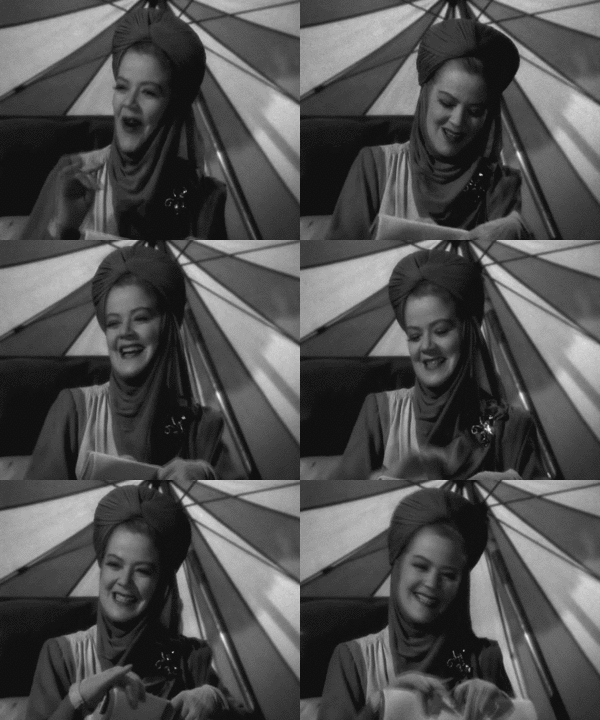
“Agora,
Coronel, você está me deixando tão lisonjeada quando o querido Lorde Melbourne
me deixou uma vez quando nos sentamos lado a lado em um banquete insuportável. “Lady
Warrenton”, ele disse”, “você tem o poder de enlouquecer os homens.”” – Como Lady
Octavia Warrenton em “A Carga da Brigada Ligeira”, 1936
“Now, Colonel, you’re flattering me just as
dear Lord Melbourne did once when we sat next to each other at an intolerable
meal call banquet. “Lady Warrenton”, he said, “you have the power to drive men
mad.”” – As Lady Octavia Warrenton in “The Charge of the Light Brigade”, 1936

“Ei, ei. Não briguem, crianças. Pelo menos esperem para
brigar depois do casamento.” – Como tia Ella em “Somos do Amor”, 1937
“Now, now. Don’t fight, children. At least
until after you’re happily married” – As Aunt Ella in “It’s Love I’m After”,1937

“É o que
você sempre diz, Mytyl, que você sente muito. Mas no dia seguinte você faz a
mesma coisa, tudo de novo.” – Como Mamãe Tyl em “O Pássaro Azul”, 1940
“That’s what you always say, Mytyl, that
you’re sorry. But the next day you do the same thing right over again.” – As
Mummy Tyl in “The Blue Bird”, 1940

“Seu
coração sempre foi maior do que a carteira do seu pai.” – Como Bertha Van Cleve
em “O Diabo Disse Não”, 1943
“Your heart’s always bigger than your father’s
pocketbook” – As Bertha Van Cleve in “Heaven Can Wait”, 1943
-screenshot.jpg)
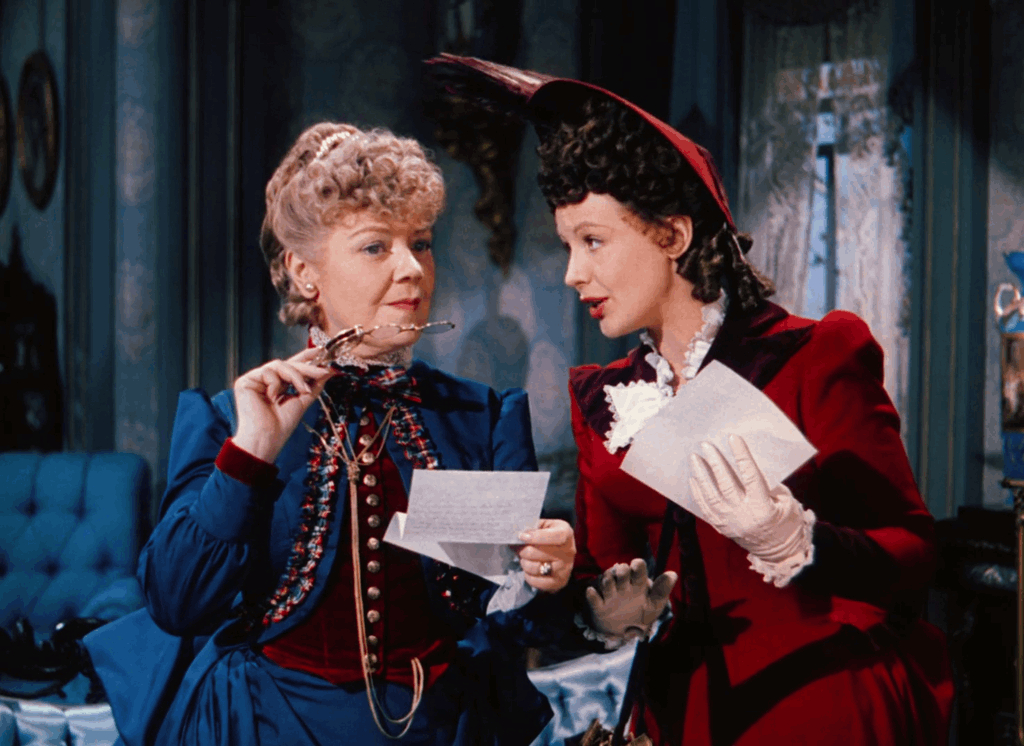
“Você fala
como se astrologia fosse algo de que se envergonhar, como bruxaria ou ser
Democrata.” – Como Nancy Potter em “Um Rival nas Alturas”, 1944
“You talk as if astrology is something to be
ashamed of, like witchcraft or being a Democrat.” – As Nancy Potter in “The Heavenly Body”, 1944
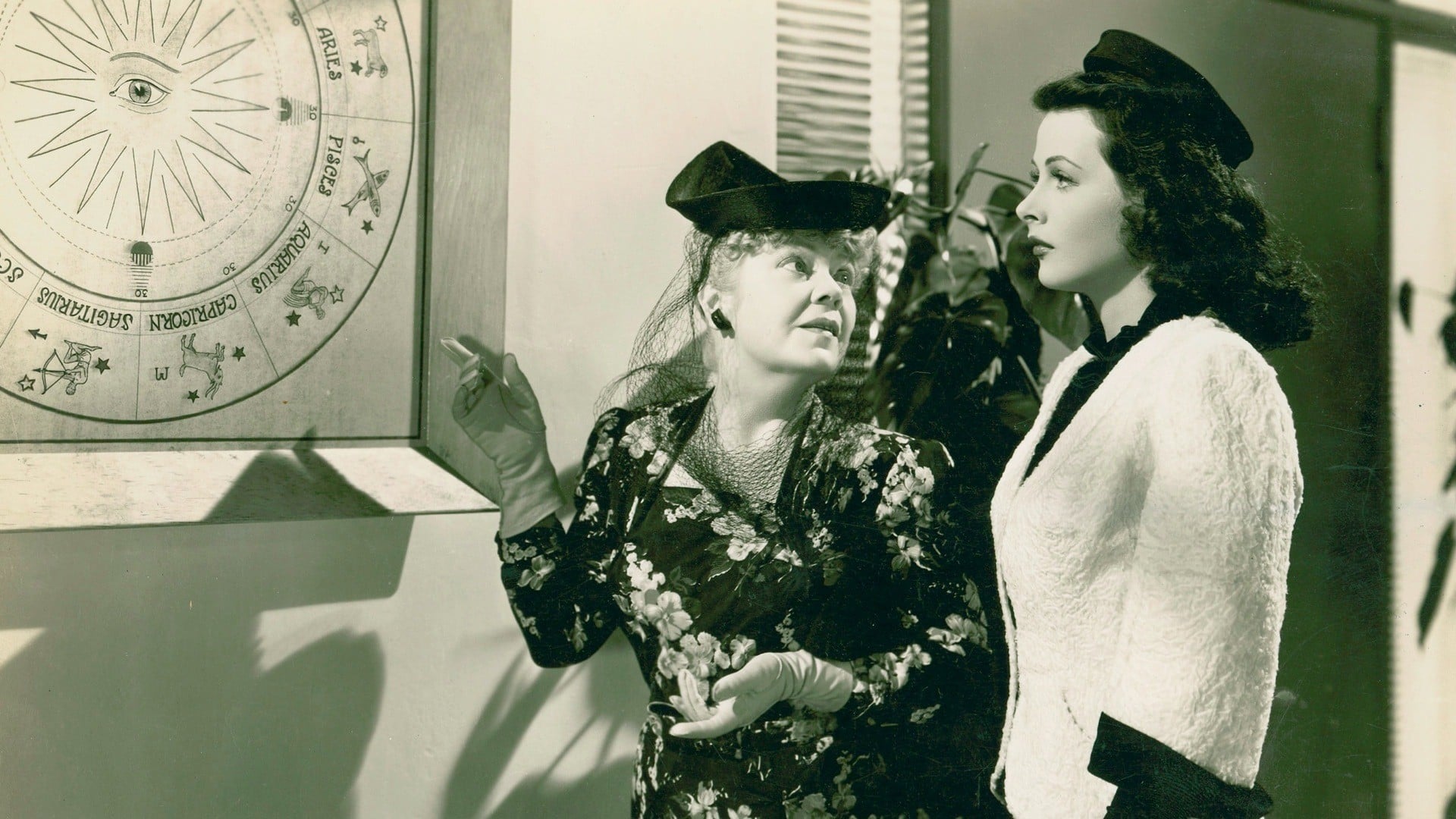
“Você não
deve me levar a sério, senhorita. Ninguém me leva.” – Como Magda em “O Solar de
Dragonwyck”, 1946
“You mustn’t take me seriously, Miss. No one
ever does.” – As Magda in “Dragonwyck”, 1946

“Eu não te
conheço tão bem quanto conhecia quando você era criança, mas você foi uma das
crianças mais burras que eu já conheci!” – Como Suzie Robinson, falando com sua
filha, em “Já Fomos Tão Felizes”, 1960
“I don’t know you as well as I did when you
were a child, but you were one of the dumbest children I ever met!” – As Suzie
Robinson, saying to her daughter, in “Please, don’t eat the daisies”, 1960
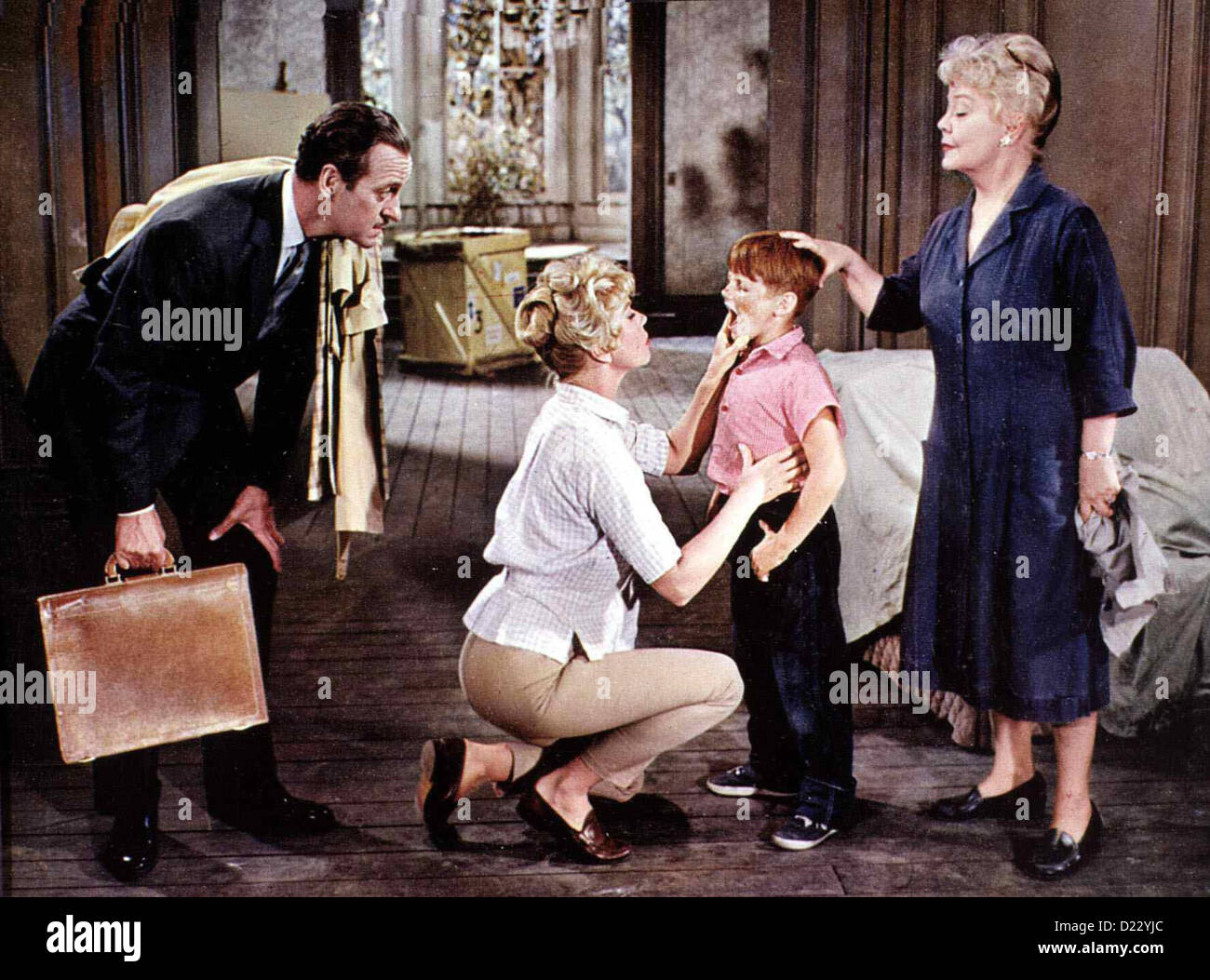
Spring
Byington apareceu em diversos filmes B e em fracassos de bilheteria. Entre 1954
e 1959, entretanto, ela teve seu próprio programa de TV, “December Bride”. A
série teve origem no rádio, onde Spring também fazia o papel, e a companhia
Desilu a escolheu para ser transposta para o novo meio. Durante a temporada de
1956-157, “December Bride” foi a quinta atração mais popular da televisão.
Spring Byington was in several B-movies and
box-office failures. From 1954 to 1959, however, she starred in her own TV
show, “December Bride”. The series was originated in the radio, where Spring
also starred, and picked by the Desilu production company for the new medium.
During the 1956-1957 season, “December Bride” was the fifth most popular show
on TV.
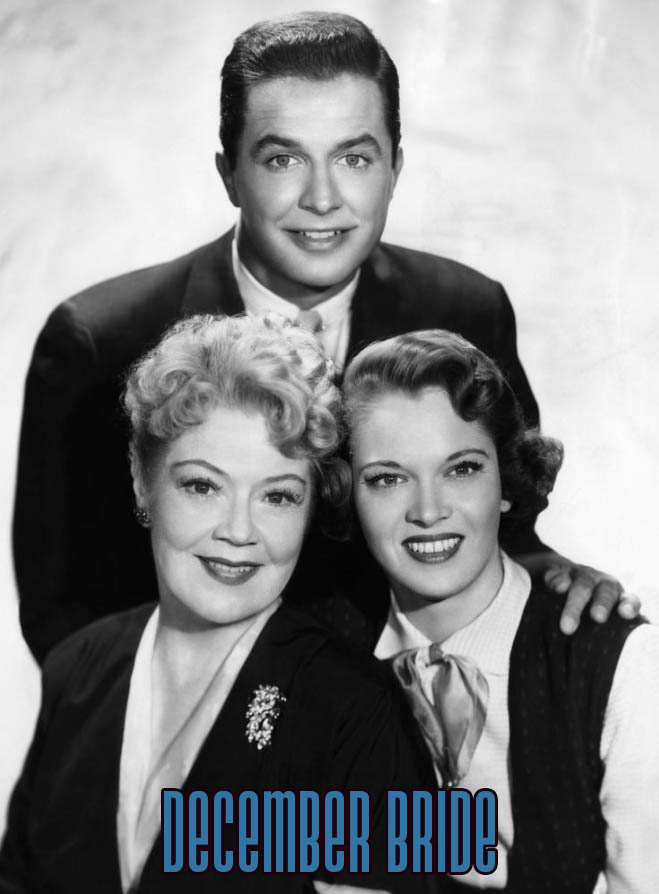
Embora ela interpretasse esposas e mães com tanta frequência, em uma época em que a
maioria das mulheres só podia aspirar a ser esposa e mãe, Spring Byington
desafiou as expectativas. Divorciada com 24 anos de idade, ela nunca se casou,
e dedicou toda sua energia à sua carreira. Ela foi ousada e sábia, e eu deixei
exatamente sua frase mais sábia, de “Ver-te-ei Outra Vez” (1944), para fechar
esta homenagem:
Although she played a wife and mother so
often, in a time when most women could online aspire to be wives and mothers,
Spring Byington defied the expectations. Divorced at 24, she never remarried,
and dedicated all her energy to her work. She was bold and wise, and I left
exactly her wisest quote, from “I’ll Be Seeing You” (1944), to finish this
tribute:
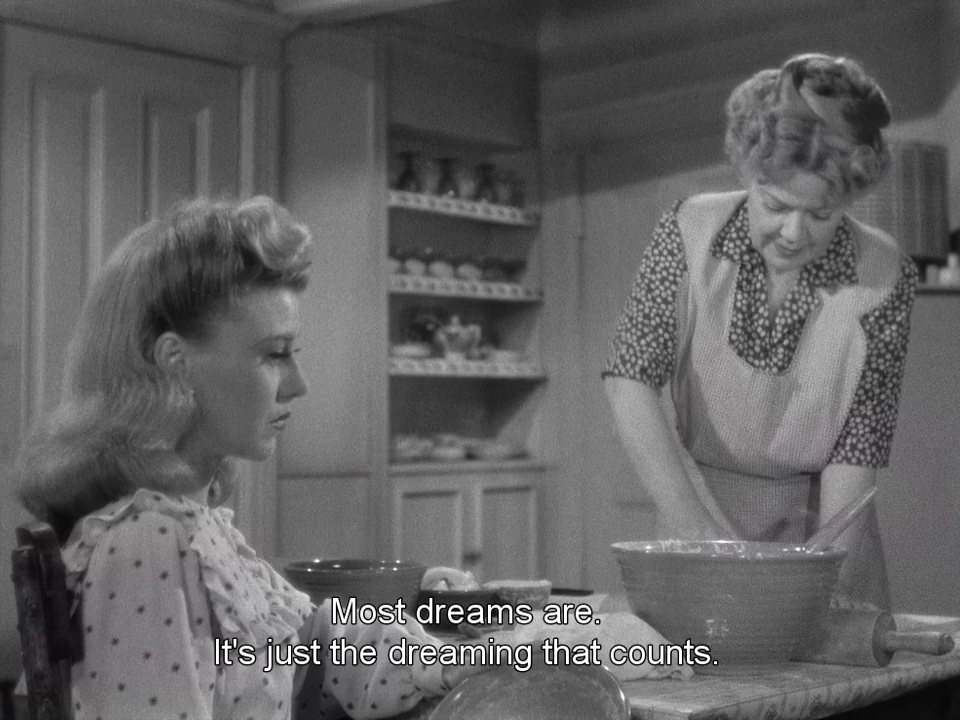 |
| "A maioria dos sonhos é [impossível]. É o ato de sonhar que vale." |
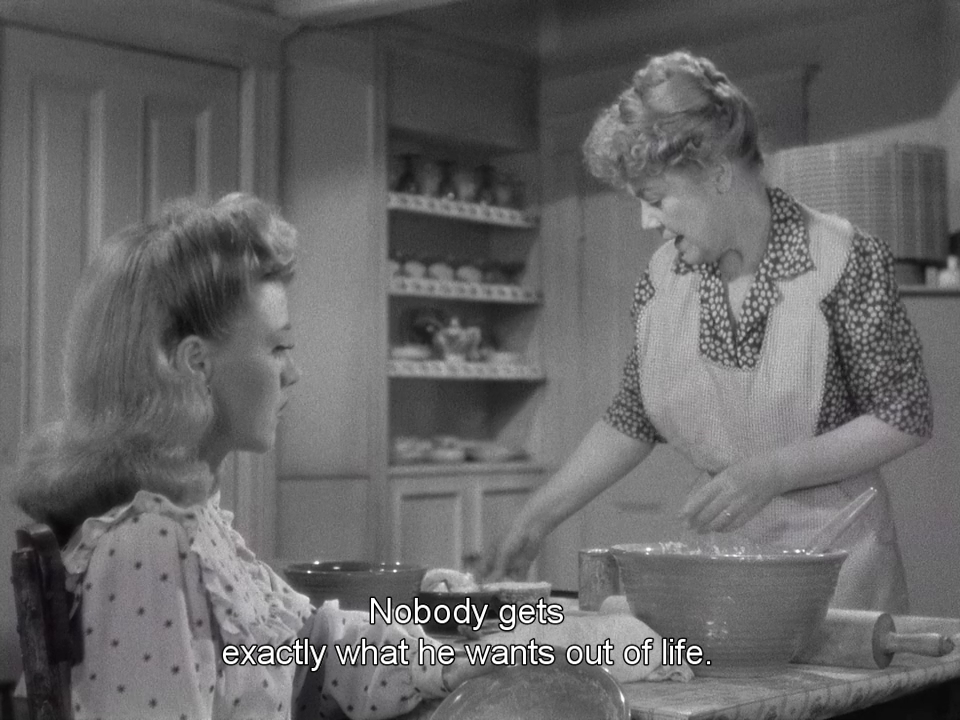 |
| "Ninguém consegue exatamente o que quer na vida." |
This is my contribution to the Seventh What a Character!
Blogathon, hosted by Aurora, Kellee and Paula at Once Upon a Screen, Outspoken & Freckled and Paula’s Cinema Club.