} Crítica Retrô: screwball comedy

Tradutor / Translator / Traductor / Übersetzer / Traduttore / Traducteur / 翻訳者 / переводчик

Showing posts with label screwball comedy. Show all posts

Saturday, June 17, 2023

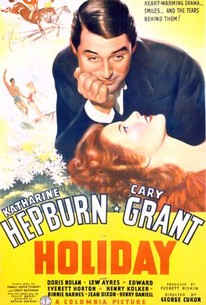
Boêmio Encantador (1938) / Holiday (1938)

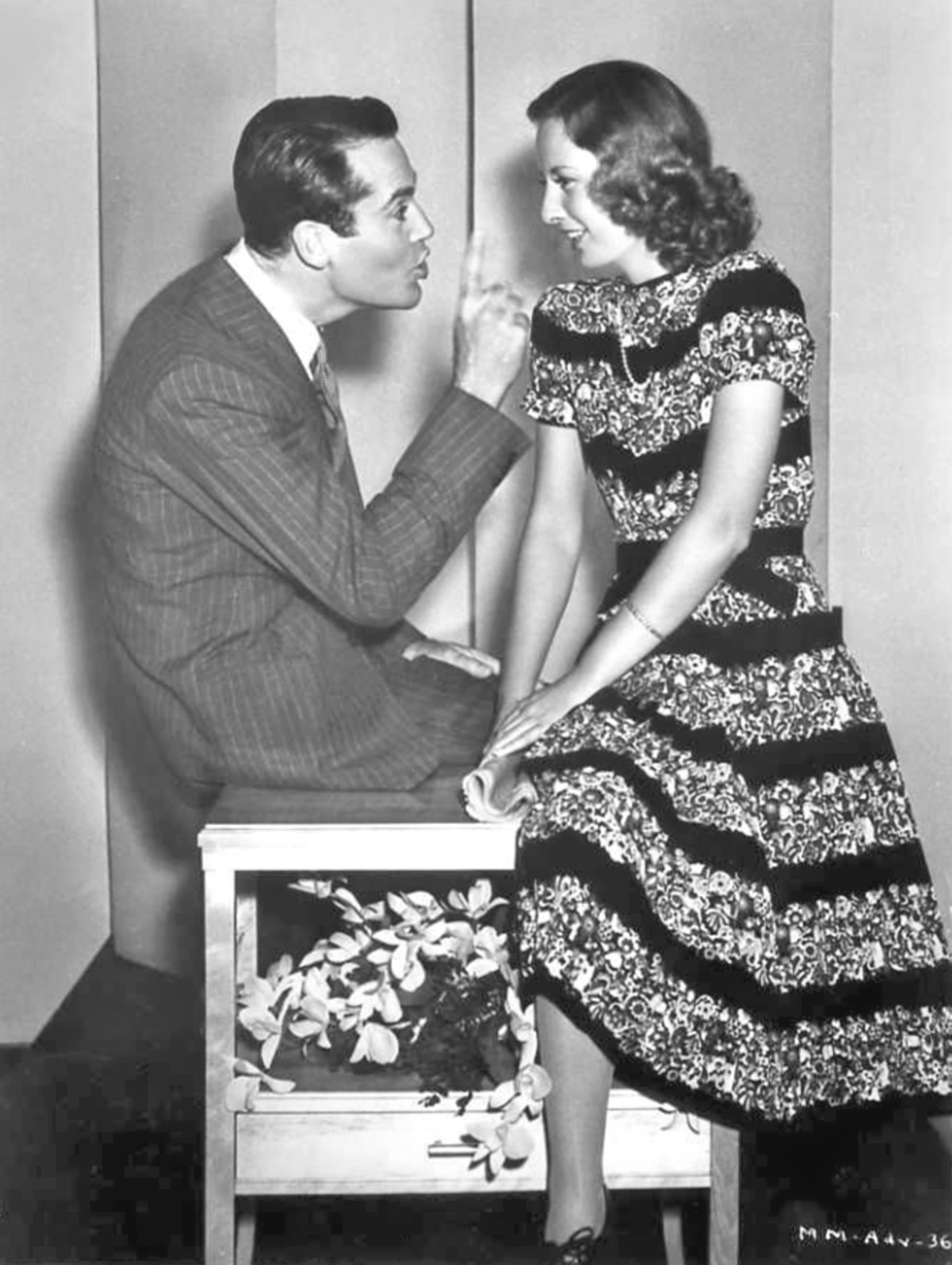
 “Boêmio Encantador” é o terceiro de quatro filmes que Katharine Hepburn e Cary Grant fizeram juntos. Os outros três são “Vivendo em Dúvida” (1935), “Levada da Breca” (1938) e “Núpcias de Escândalo” (1940). “Boêmio Encantador” é o pior do quarteto, e isso pode ser porque ele é teatral demais – mas ainda é um filme bacana.


“Holiday” is the third of four movies Katharine Hepburn and Cary Grant made together. The other three are “Sylvia Scarlett” (1935), “Bringing Up Baby” (1938) and “The Philadelphia Story” (1940). “Holiday” is the worst of the bunch, and this may be because it’s too theatrical – but still a nice movie.

A trama é bem simples. Johnny Case (Grant) conhece Julia Seton (Doris Nolan) há apenas dez dias, mas acredita que está pronto para se casar com ela. O que ele não esperava descobrir é que Julia vem de uma família extremamente rica – sua casa é tão grande que tem um elevador – e que o pai dela tem tudo preparado para o casal: ele planejou a futura casa deles e quer que seu futuro genro aceite um emprego no banco dele... mas o pobre Johnny só quer sair de férias para clarear as ideias.


The plot is pretty simple. Johnny Case (Grant) has known Julia Seton (Doris Nolan) for ten days, but believes he’s ready to marry her. What he didn’t expect to discover is that Julia comes from an extremely rich family – her house is so big that it has an elevator – and her father has everything prepared for the soon-to-be newlyweds: he’s planned their future house and wants his future son-in-law to take a job at his bank… but poor Johnny only wants a holiday to clear his mind.

A família da noiva é fora de série: temos o irmão mais novo de Julia, o alcoólatra Ned (Lew Ayres) e a vivaz irmã mais nova Linda (Hepburn). Linda queria dar uma festa de noivado simples e íntima para Julia e Johnny, mas o pai dela decide dar uma imensa festa de véspera de Ano Novo para anunciar o noivado para toda a alta sociedade. Esta festa é o assunto da maior parte do filme.


The future in-laws Johnny meets are out of this world: there is Julia’s alcoholic younger brother Ned (Lew Ayres) and vivacious younger sister Linda (Hepburn). Linda wanted to throw a simple and intimate engagement party to Julia and Johnny, but her father decides to throw a huge New Year’s Eve party to announce their engagement to all of high society. This party takes the biggest bulk of the film.

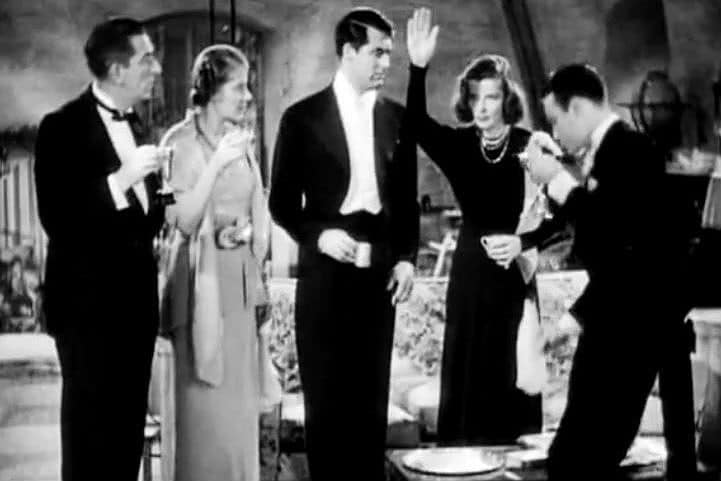
Linda decide não se juntar à festa e fica na sala de jogos da casa, onde podemos encontrar vários brinquedos da infância dos irmãos – um tempo mais simples e mais feliz para eles. No meio da festa se juntam a ela os amigos de Johnny, Nick e Susan Potter, interpretados por Edward Everett Horton e Jean Dixon. Logo Johnny e Ned também se juntam a eles na sala de jogos, onde a verdadeira diversão está – e talvez também o amor verdadeiro.


Linda decides to not join the party and stays in the house’s playroom, where we can find several toys from the siblings’ childhood – a simpler, happier time for them. In the middle of the party she’s joined by Johnny’s close friends Nick and Susan Potter, played by Edward Everett Horton and Jean Dixon. Soon Johnny and Ned also join them in the playroom, where the true fun is – and maybe also true love.

“Boêmio Encantador” foi uma peça de teatro que estreou em 1928 e teve 229 performances. Donald Ogden Stewart, que escreveu o roteiro do filme, havia interpretado Nick Potter no teatro, e Katharine Hepburn foi substituta na peça. A peça de Philip Barry – que também escreveu “Núpcias de Escândalo” – já havia sido adaptada para as telas em 1930, e Edward Everett Horton também interpretou Nick Potter neste filme.


“Holiday” was a theater play that opened in 1928 and ran for 229 performances. Donald Ogden Stewart, who wrote the screenplay for the movie, had played Nick Potter in the theater, and Katharine Hepburn was an understudy in the play as well. The play by Philip Barry – who also wrote “The Philadelphia Story” – had already been adapted to the screen in 1930, and Edward Everett Horton was in this film as Nick Potter.

Katharine Hepburn não foi a primeira escolha para o papel de Linda. O papel era supostamente de Irene Dunne, e Ginger Rogers e Joan Bennett também foram nomes cotados antes de Hepburn ser emprestada da RKO para a Columbia - o que foi ótimo, uma vez que ela está perfeita no papel. O diretor George Cukor queria que Rita Hayworth interpretasse Julia, mas a novata foi considerada sem experiência suficiente para o papel, que ficou com Doris Nolan.


Katharine Hepburn wasn’t the first choice to play Linda. The role was supposed to go to Irene Dunne, and Ginger Rogers and Joan Bennett were also considered before Hepburn was loaned from RKO to Columbia - a great deal, as she is perfect in the role. Director George Cukor wanted Rita Hayworth to play Julia, but the newcomer wasn’t considered to be too inexperienced for the role, that went to Doris Nolan.

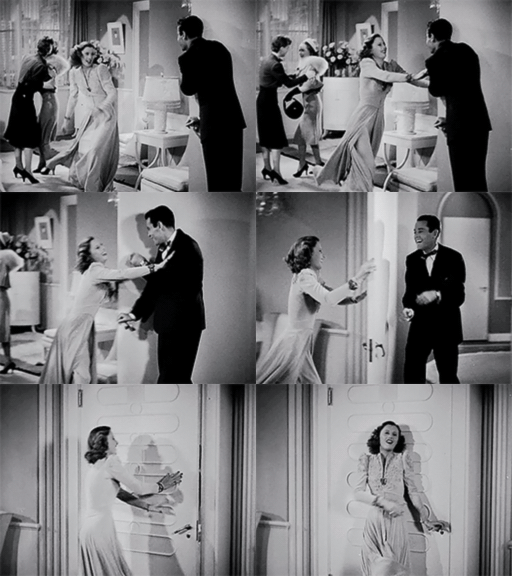
“Boêmio Encantador” é certamente um filme sofisticado, mas também verborrágico. Há muita falação – especialmente quando estão solucionando a situação toda – e só um pouco de ação. O momento com mais ação é a acrobacia de Grant e Hepburn, um momento que você pode já ter visto em forma de GIF. Menos famoso que os outros três filmes feitos pela dupla dinâmica Grant e Hepburn, “Boêmio Encantador” pode ser charmoso, mas também é um pouco chato e previsível. Uma pena, mas nem todos os filmes podem ser obras-primas.


“Holiday” is certainly a sophisticated film, but also a “talky” one. There is too much talking – especially when they are solving the whole situation – and just a little action. The moment with the most action is Grant’s and Hepburn’s tumbling trick, a moment you might have already seen as a GIF. Less famous than the other three films made by the dynamic duo Grant and Hepburn, “Holiday” may be charming, but it’s also a bit boring and predictable. Too bad, but we can’t have only masterpieces.


 This is my contribution to The Intruder blogathon, hosted by Silver Scenes. 

Friday, December 30, 2022

Lost in Translation: odd classic film titles in Portuguese - screwball comedy edition


Here we are again, at yet another edition of the beloved - at least by me - series “Lost in Translation”. This time we talk about one of the most cherished film genres, that produced movies that made people laugh and forget their troubles. Many screwball masterpieces were also a box-office failure when they were first exhibited, but they stood the test of time and are now considered some of the best movies ever made by critics, filmmakers and cinephiles.

One curious tidbit is that there is no direct translation of “screwball comedy” in Portuguese. We either refer to the original term or try an approximation - I usually say “zany” or “wacky” comedies whe talking about screwball. Now let’s see some fun titles in Brazilian Portuguese:    

“Bombshell” (1933) received the title “Mademoiselle Dynamite” (“Mademoiselle Dinamite”)

“The Thin Man” (1934) is here “The Accused’s Supper” (“A Ceia dos Acusados”)

“Mr Deeds Goes to Town” (1936) got the title “The Dashing Mr Deeds” (“O Galante Mr Deeds”)

“My Man Godfrey” (1936) became “Irene, the Stubborn” (“Irene, a Teimosa”)

“Libeled Lady” (1936) is here “Married to my Fiancée” (“Casado com Minha Noiva”)

“Easy Living” (1937) received the title “Lucky Girl” (“Garota de Sorte”)

“The Awful Truth” (1937) is known as “Cupid is a Stubborn Brat” (“Cupido é Moleque Teimoso”)

“Bringing Up Baby” (1938) received the title “Mischievous” (“Levada da Breca” is a hard-to-translate slang)

“You Can’t Take It with You” (1938) was translated as “From the World You Take Nothing” (“Do Mundo Nada se Leva”)

“The Philadelphia Story” (1940) got the title “Wedding of Scandal” (“Núpcias de Escândalo”)

“His Girl Friday” (1940) is known as “Fasting of Love” (“Jejum de Amor”)

“The Lady Eve” (1941) became “The Three Nights of Eve” (“As Três Noites de Eva”)

“Sullivan’s Travels” (1941) received the title “Human Contrasts” (“Contrastes Humanos”)

“The Palm Beach Story” (1942) is known as “A Real Woman” (“Mulher de Verdade”)  

“The Man who Came to Dinner” (1942) received the title “Satan Dines with Us” (“Satã Janta Conosco”)

“The More the Merrier” (1943) is here “Original Sin” (“Original Pecado”)

“Arsenic and Old Lace” (1944) became “This World is a Loony House” (“Este Mundo é um Hospício”)

“Christmas in Connecticut” (1945) got the title “Indiscretion” (“Indiscrição”)

Wednesday, January 16, 2019

Quando Elas Teimam (1938) / The Mad Miss Manton (1938)


Todo gênero cinematográfico tem algumas pérolas bem conhecidas e algumas joias escondidas. E todo gênero tem também muitos filmes irregulares, pedras brutas que só precisariam de um pouco mais de polimento para se tornarem joias. “Quando elas Teimam” entra na segunda categoria. Assim como “Levada da Breca”, também de 1938, trata-se de uma comédia amalucada cuja protagonista é uma herdeira doidinha. E o filme tem também um enredo de mistério, assim como “A Ceia dos Acusados” (1934). Uma mistura curiosa, não?

Every genre has a few well-known gems and a few hidden gems. And every genre also has a lot of irregular films that needed just a little more polishing to become gems. “The Mad Miss Manton” falls in the second category. Just like “Bringing Up Baby”, also from 1938, it is a screwball comedy whose main character is a zany heiress. And it has a mystery plot, just like “The Thin Man” (1934). An odd mix, isn’t it?


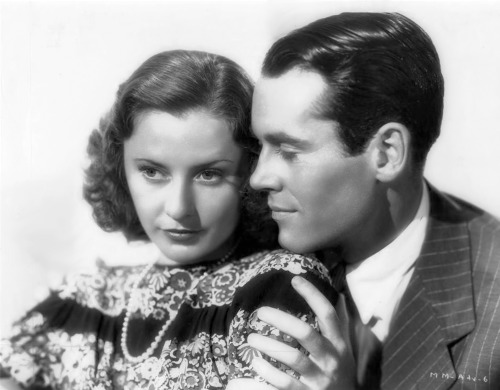
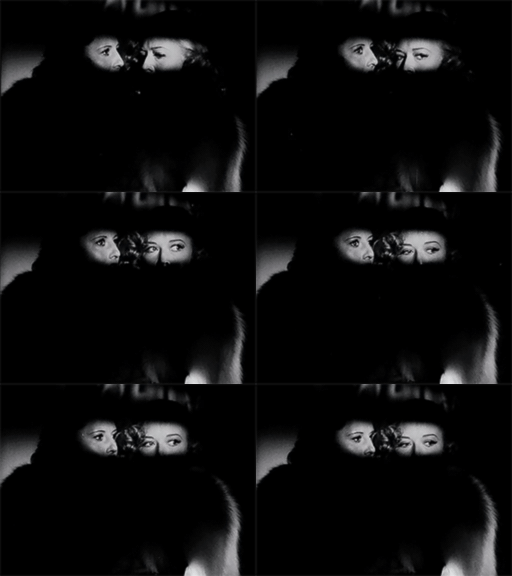
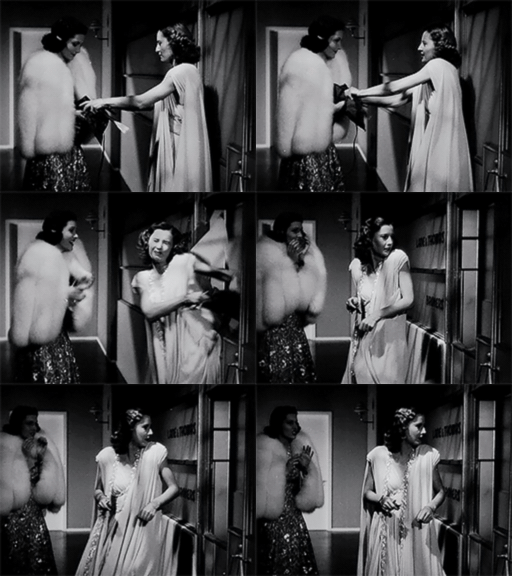
Depois de uma festa à fantasia, a herdeira Melsa Manton (Barbara Stanwyck) decide levar seus cachorros para passear mesmo sendo tarde da noite. Ela está em um beco quando vê um homem saindo de uma casa que está para alugar. Ela entra na casa e encontra um homem morto lá dentro, e junto com ele uma joia. Ela chama a polícia, mas como ela é conhecida por pregar peças, ninguém acredita nela – até porque a polícia não encontra nenhum corpo na casa.

After a costume party, heiress Melsa Manton (Barbara Stanwyck) decides to walk her dogs late at night. She is in an alley when she sees a man running out of a house that is up for rent. She enters the house and finds a dead man inside, together with a beautiful jewel. She calls the police, but since she is a well-known prankster, nobody believes her – even more when the police find no dead man.


No dia seguinte ela vira assunto de um artigo de jornal escrito por Peter Ames (Henry Fonda), que a ridiculariza e critica seu grupo de herdeiras que gostam de pregar peças para chamar a atenção para a caridade. Ela fica muito brava com ele e decide investigar o caso com a ajuda de suas amigas ricas. Quando elas encontram um segundo corpo, Peter e a polícia se envolvem também na investigação, mas as garotas querem solucionar o mistério sem a ajuda deles.
  
The following day she is the subject of a newspaper article written by Peter Ames (Henry Fonda), ridiculing her and her group of heiresses / pranksters who like to call the attention for charity. She gets mad at him and decides to investigate the case alongside her rich girl friends. As they find a second body, Peter and the police also enter the investigation, but the girls want to solve the mystery without their help.


É interessante notar que, em “Quando Elas Teimam”, o homem é quem se apaixona primeiro. Depois de dois encontros peculiares, Peter diz que está começando a gostar de Melsa, e logo ele afirma que vai se casar com ela. Ele então se torna um jornalista correndo atrás de uma garota, e não de um furo de reportagem, enquanto a garota passa a maior parte do tempo relutante em relação às investidas dele.

It’s interesting to notice that, in “The Mad Miss Manton”, the man is the first one to fall in love. After a couple of crazy meetings, Peter says he’s starting to like Melsa, and soon he says he’ll marry her. He then becomes a journalist running after a girl, not a scoop, while the girl spends most of the time reluctant to let him woo her.


Melsa e as outras garotas são as principais investigadoras, deixando a polícia para trás em questão de esperteza e rapidez. As garotas são inteligentes, engraçadas, às vezes covardes e sempre vestidas com os melhores vestidos de noite. É como se Nora Charles tivesse chamado suas amigas da alta sociedade para resolver crimes em vez de deixar Nick fazer isso.

Melsa and the other girls are the lead investigators, leaving the police behind in both wisdom and quickness. The girls are clever, funny, sometimes coward and always dressed with the best evening gowns. It is as if Nora Charles had called her high society friends to solve crimes instead of letting Nick do it.


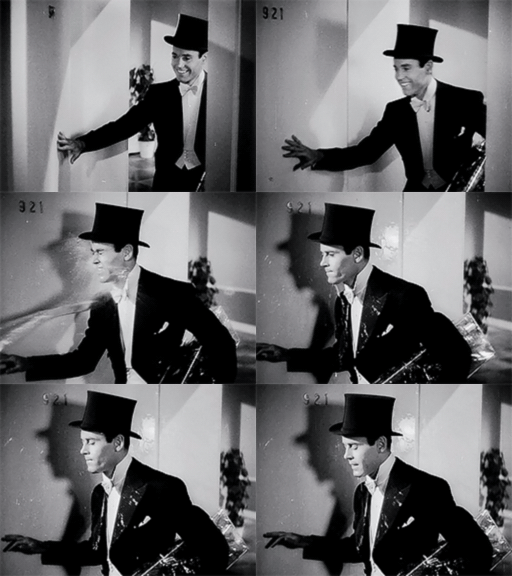
Interpretando Hilda, a empregada, está Hattie McDaniel – creditada como “McDaniels”. Hilda trabalha para Melsa e não suporta mais o comportamento excêntrico da patroa. Sim, Hilda é o estereótipo da empregada sem cultura, mas uma empregada furiosa que normalmente reclama de seu trabalho e das ordens que recebe – como a ordem de jogar água na cara de Henry Fonda se ele aparecer na porta do apartamento de Melsa.

We have, as Hilda the maid, Hattie McDaniel – billed as “McDaniels”. Hilda works for Melsa and can’t take her antics anymore. Yes, Hilda is the uncultured mammy stereotype, but an angry mammy that is often complaining about her job and the orders she receives – like to throw water at Henry Fonda’s face if he appears in Melsa’s door.


Aliás, podemos falar em como Henry Fonda era fofo no final dos anos 30 e começo dos anos 40? Em “Quando Elas Teimam” ele não alcança o mesmo nível de fofura de “As Três Noites de Eva” (1941), porque seu Peter não é um personagem fofo e desprotegido, mesmo tendo, em determinado momento, sido feito de refém pelas garotas.

By the way, can we talk how cute Henry Fonda was in the later 1930s and early 1940s? In “The Mad Miss Manton” he doesn’t achieve the same level of cuteness as in “The Lady Eve” (1941), because his Peter Ames is not a cute clueless character, even if he is, in a particular moment, a gentleman in distress as the girls keep him hostage.


Mesmo assim, com todos estes ótimos ingredientes, há algo faltando – ou talvez algo sobrando – em “Quando Elas Teimam”. O timing cômico é problemático, e eu pude perceber que estava perdendo algumas piadas que eram contadas enquanto eu ainda estava rindo da última piada. A mistura de comédia e mistério, entretanto, é boa, e o diretor de fotografia Nicholas Musuraca já mostra seu talento para trabalhar com contraste, talento que seria explorado mais tarde no filme noir. Só é uma pena que o diretor Leigh Jason não tenha um toque de Midas como o de Prestonb Sturges!

Yet, with all those great ingredients, there is something missing – or rather something in excess – in “The Mad Miss Manton”. The comedic timing is problematic, and I could tell I was missing some jokes that were being told while I was till laughing from the last joke. The mix of comedy and mystery is good, though, and cinematographer Nicholas Musuraca already shows the talents for contrast he would later explore in film noir. It’s just a pity that director Leigh Jason didn’t have the same Midas touch and Preston Sturges!


“Quando Elas Teimam” é uma produção da RKO. O filme deveria ser estrelado por Katharine Hepburn, mas ela o recusou, pois havia acabado de fazer “Levada da Breca” – um filme que foi, na época, um fracasso de bilheteria. Stanwyck herdou o papel, e Fonda foi pego emprestado do pequeno estúdio Walter Wanger Productions. Fonda detestou fazer o filme, e mais tarde disse “Eu estava tão bravo com esse filme – eu estava ressentido”.

“The Mad Miss Manton” is an RKO production. It was supposed to star Katharine Hepburn, but she refused, having just finished “Bringing Up Baby” – a film that was, then, a box-office failure. Stanwyck inherited the role, and Fonda was borrowed from the small Walter Wanger Productions studio. Fonda just hated doing the film, and later said “I was so mad on this picture – I resented it”.


Fofo e interessante, mas não perfeito, “Quando Elas Teimam” bebe da fonte de “A Ceia dos Acusados” e “Levada da Breca” e acaba sendo inferior a ambos. Barbara Stanwyck é a estrela e faz a personagem mais interessante e, ao lado de suas amigas, herdeiras da Park Avenue, pregadoras de peças / detetives, ele é vivaz e esperta. E quem não gostaria de ver garotas da alta sociedade solucionando crimes?

Cute and interesting, but not perfect, “The Mad Miss Manton” drinks from both “The Thin Man” and “Bringing Up Baby” and ends up being inferior to both. Barbara Stanwyck is the clear star and most interesting character, and, alongside her Park Avenue Pranksters / detectives, she is vivacious and smart. And who wouldn’t want to see eight society girls solving crimes?

 This is my contribution to the Second Remembering Barbara Stanwyck Blogathon, hosted by Crystal and Maddy at In the Good Old Days of Classic Hollywood and Maddy Loves Her Classic Films.

Monday, December 31, 2018

2018 em retrospecto / 2018 in retrospect


Foi difícil escolher uma palavra para definer 2018.  O dicionário Oxford escolheu “tóxico”. O site Dictionary.com escolheu “desinformação”, e o Merriam-Webster escolheu “justice”. Alguns textos no Medium apontaram outras opções, como “trauma” e “luto”. De certa maneira, todas estas palavras estão corretas. 2018 não foi um ano fácil para a sociedade, em especial para nós que vimos com horror a ascensão do fascismo mais uma vez – para uma historiadora como eu, é como se um filme de horror passasse pelos meus olhos, mas agora não é ficção.

It was hard to choose one word to define 2018. Oxford Dictionaries chose “toxic”. Dictionary.com chose “misinformation”, and Merriam-Webster chose “justice”. Some think pieces on Medium pointed other options, such as “trauma” and “grief”. In a way, all these words are correct. 2018 wasn’t easy for as a society, in special for those of us who watch with horror the rise of fascism all over again – for a historian like me, it’s like a little horror movie being shown in front of my eyes, but not in the movie slot, but at the TV news.
 
NOPE
E mesmo assim, na minha vida pessoal, 2018 foi bom – ei, eu escrevi um capítulo de um livro sobre Alfred Hitchcock! E foi bom por causa do cinema. Eu estou cada vez mais convencida de que nós temos as artes em geral e o cinema em particular para nos salvar da excruciante dor da realidade.

And yet, in my personal life, 2018 was goo – hey, I wrote a book chapter about Alfred Hitchcock! And it was good because of the movies. I’m more and more convinced that we have the arts in general and the movies in particular to save us from the excruciating pain of reality.


That's the book
That's me
Estes foram os melhores filmes que eu vi em cada mês – os filmes que me ajudaram a escapar da realidade:

These are the best films I’ve watched each month – the films that helped me escape reality:
My 2018 film notebook
Janeiro: “A Senhora e seus Maridos” (1964) é uma das mais deliciosas comédias que eu já vi. Sua estrela é Shirley MacLaine, interpretando uma garota que só quer ser feliz, mas acaba casada com vários homens, um após o outro, que de repente se tornam ricos, famosos e infelizes. Como seus maridos, temos Dick Van Dyke, Paul Newman, Dean Martin, Gene Kelly e Robert Mitchum.

January: “What a Way to Go!” (1964) is one of the most delightful comedies I’ve ever seen. It stars Shirley MacLaine as a girl who only wants to be happy, but ends up marrying a series of men who suddenly become rich, famous and unhappy. As her husbands, we have Dick Van Dyke, Paul Newman, Dean Martin, Gene Kelly and Robert Mitchum.


Menção honrosa para “Meu Querido Maluco” (1941), um filme que deveria aparecer no topo de todas as listas de melhores screwball comedies. Suas estrelas são a incrível dupla Myrna Loy e William Powell!

Honorable mention to “Love Crazy” (1941), a film that should be up there in the list of best screwball comedies. It stars the amazing duo Myrna Loy and William Powell!


Fevereiro: O primeiro ganhador do Oscar de Melhor Filme, “Asas” (1927) me impressionou de várias maneiras. As sequências aéreas, a estupidez da guerra, a amizade entre os dois protagonistas, a cena do balanço: estas poderiam ser as quatro razões pelas quais William A. Wellman foi um dos melhores diretores de todos os tempos.

February: The first Best Picture Oscar winner, “Wings” (1927) mesmerized me in more than one way. The aerial sequences, the stupidity of war, the friendship between the two leads, the swing scene: these could be the four main reasons why William A. Wellman was one of the best directors ever.


Março: Você já ouviu falar do filme tcheco-eslovaco “Tomorrow I’ll Wake Up and Scald Myself with Tea”, de 1977? Eu também não o conhecia até que a Ruth do blog Silver Screenings escreveu sobre ele. Como o filme estava disponível online, eu decidi lhe dar uma chance, e ri mais com ele do que ri no ano inteiro. O filme é sobre o piloto Charles (Petr Kostka), que é parte de um plano para viajar no tempo e fazer a Alemanha ganhar a Segunda Guerra Mundial. Charles morre de repente e seu irmão gêmeo, John (também Petr Kostka), assume a missão. É preciso ver para crer.

March: Have you ever heard about the Czechoslovakian film “Tomorrow I’ll Wake Up and Scald Myself with Tea”, from 1977? I also hadn’t heard about it until Ruth from Silver Screenings wrote about the film. Since it was available online, I decided to give it a chance and, boy, I laughed more than I had in a long time. The film is about pilot Charles (Petr Kostka), who is part of a plan to travel in time and make German win World War Second. Charles dies suddenly and his twin brother, John (also Petr Kostka) assumes his mission. It needs to be seen to be believed.


Menção honrosa para “A Grande Ilusão” (1949), um filme tão atual que chega a doer. Minha avó também viu o filme e disse que era chato. Ela não é mais minha avó...
Brincadeirinha.

Honorable mention to “All the King’s Men” (1949), a film so modern it hurts. Also, my grandmother also watched this and thought it was boring. She is no longer my grandmother…
 Just kidding.

Abril: O filme de estreia de Doris Day, “Romance em Alto Mar” (1948), pode melhorar o humor de qualquer um. Este amável musical também conta com Janis Paige, Jack Carson e números coreografados por Busby Berkeley.

April: Doris Day’s debut, “Romance on the High Seas”(1948) can be the definition of a feel-good movie. This sweet musical also stars Janis Paige, Jack Carson and has numbers staged by Busby Berkeley.


Menção honrosa para a adorável comédia “A Incrível Jornada de Jacqueline” (2016), sobre um homem que atravessa a França a pé acompanhado de sua vaca.

Honorable mention to the delightful comedy “La Vache” (2016), about a man in a cross-country trip with his cow.


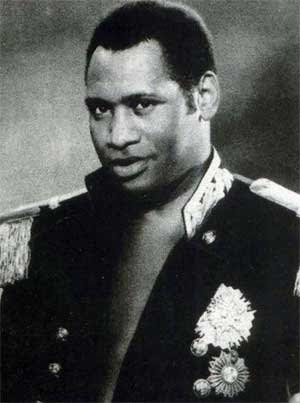
Maio: “A Canção da Liberdade” (1936) é o filme que iniciou minha obsessão com Paul Robeson. Eu também fiquei obcecada com a canção “Lonely Road” e escutei-a sem parar no Spotify. Paul Robeson pode não ser muito popular hoje, mas foi um grande ator, cantor e ser humano.

May: “Song of Freedom” (1936) is the film that started my obsession with Paul Robeson. I became obsessed with his song “Lonely Road” and listened to it on loop on Spotify. Paul Robeson may be not remembered that well, but he was a great actor, singer and human being.


Menção honrosa para “O Homem que Não Vendeu sua Alma” (1966) e a atuação inspirada de Paul Scofield.

Honorable mention to “A Man for All Seasons” (1966) and Paul Scofield’s inspired performance.


Junho: “Melodia da Broadway” (1929) foi o primeiro musical e ganhar o Oscar de Melhor Filme e eu o vi como parte do curso TCM – Mad About Musicals. O filme pode parecer primitivo, mas certamente é um marco na história de Hollywood. Além disso, Bessie Love é um amorzinho.

June: “The Broadway Melody” (1929) was the first musical to win the Best Picture Oscar and I watched it as part of the Mad About Musicals TCM course. It may seem primitive, but it was certainly a landmark in the history of Hollywood. Also, Bessie Love is love.


Menção honrosa para “As Boas Maneiras” (2017), um filme de brasileiro de horror e fantasia que me deixou sem fôlego.

Honorable mention to “The Good Manners” (2017), a Brazilian horror-fantasy that just took my breath away.


Julho: “A Porta de Ouro” (1941) é sobre imigrantes presos na fronteira, sem poder entrar nos EUA. Mais um filme com um tema muito atual – e que filme emocionante!

July: “Hold Back the Dawn” (1941) is about immigrants trapped in the border, not being able to enter the US. Another film with a very modern theme – and such a touching one!


Agosto: Até agosto, eu nunca tinha visto “Grande Hotel” (1932) e não sabia o que estava perdendo! Amei o filme, em particular as maneiras como ele trata de temas como solidão, ganância e do poder que o dinheiro tem de destruir pessoas.

August: Until August, I hadn’t watched “Grand Hotel” (1932) and, wow, I was missing a lot! I loved the film, in particular the themes of solitude, greed and the power money has to destroy people.


Menção honrosa para “Ao Sul do Pacífico” (1959), um filme cuja trilha sonora se tornou minha obsessão.

Honorable mention to “South Pacific” (1959), a film whose soundtrack became my obsession.


Setembro: Reassistir a “Fome por Glória” (1933), meu filme favorito com Richard Barthelmess, foi recompensador. Em apenas 76 minutos, ele lida com temas como o abandono dos veteranos de guerra, vício em drogas, socialismo, a Grande Depressão e muito mais.

September: Rewatching “Heroes for Sale” (1933), my favorite Richard Barthelmess film, proved to be rewarding. In only 76 minutes, it manages to deal with war veterans being abandoned, drug addiction, socialism, the Depression and much more.


Outubro: “Estrela Ditosa” (1929) tem o melhor do cinema mudo: atuações charmosas, uma dupla com muita química – Janet Gaynor e Charles Farrell – e ótima direção de arte. Frank Borzagefoi realmente um mestre.

October: “Lucky Star” (1929) has the best of silent films: charming performances, a duo with great chemistry – Janet Gaynor and Charles Farrell – and great art direction. Frank Borzage was really a master.


Novembro: “Eu Acuso!” (1919) estreou apenas seis meses após o fim da Primeira Guerra Mundial e é impressionante. Suas quase três horas de projeção passam muito rápido.

November: “J’Accuse” (1919) was released only six months after the end of World War I and it is breathtaking. Its nearly three hours passed by quick and easy.

Menção honrosa para “O Fugitivo” (1932), um filme que vale ser revisto sempre.

Honorable mention to “I am a Fugitive from aChain Gang” (1932), a film always worth revisiting.


Dezembro: Meu querido “Inimigo Público” (1931) provou que continua bom depois de ser reassistido… quatro vezes.

December: My dear “The Public Enemy” (1931) proved to be as good the… fourth time around.


Menção honrosa para “Becket – O Favorito do Rei’ (1964), um grande filme histórico com a carismática dupla Peter O’Toole e Richard Burton.

Honorable mention to “Becket” (1964), a great historical flick with the charismatic duo Peter O’Toole and Richard Burton.


Que não nos faltem bons filmes em 2019!

May 2019 be filled with good movies!

Related Posts Plugin for WordPress, Blogger...