} Crítica Retrô: mistério

Tradutor / Translator / Traductor / Übersetzer / Traduttore / Traducteur / 翻訳者 / переводчик

Showing posts with label mistério. Show all posts

Saturday, December 2, 2023

The Mystery of the Mary Celeste aka Phantom Ship (1935)

 Ele pode ser mais conhecido por interpretar o papel principal de “Drácula” (1931), mas Bela Lugosi fez 113 filmes numa carreira que durou quatro décadas. Ele fez seu primeiro filme mudo na sua Hungria natal em 1917, depois de ter feito 172 peças em palcos húngaros. De seu primeiro filme até o último - “Plano 9 do Espaço Sideral” (1957) - ele criou personagens variados, muitas vezes sinistros, como o marinheiro na produção britânica de 1935 “The Mystery of the Mary Celeste”.


He may be better known for playing the title role in “Dracula” (1931), but Bela Lugosi appeared in 113 films in a career that spanned four decades. He made his first silent film in his native Hungary in 1917, after appearing in 172 plays on the Hungarian stages. From this first film until the very last - “Plan 9 From Outer Space” (1957) - he created varied characters, often sinister, like the sailor in the 1935 British production “The Mystery of the Mary Celeste”.

Um porto em Nova York, 1872. O capitão Bnjamin Briggs (Arthur Margetson) está prestes a zarpar com seu navio, o Mary Celeste, levando consigo sua noiva, Sarah (Shirley Grey), que será a única mulher no navio. A notícia do noivado deles incomoda o amigo de Benjamin, o também capitão Jim Morehead (Clifford McLaglen).


A harbor in New York, 1872. Captain Benjamin Briggs (Arthur Margetson) is ready to sail with his ship, the Mary Celeste, taking as personal cargo his fiancée, Sarah (Shirley Grey), who will be the only woman in the ship. The news about their engagement upset Benjamin’s friend, also Captain, Jim Morehead (Clifford McLaglen).

Entre os homens escolhidos para fazer parte da tripulação do Capitão Briggs temos A. Gotlieb (Bela Lugosi), um marinheiro de um braço só que havia desaparecido por um tempo mas magicamente reapareceu nas docas uma noite. Apesar de sua presença sinistra, a viagem começa como planejado, até mesmo com marinheiros cantando. Não demora para que a primeira briga a bordo aconteça, algo que horroriza Sarah. A verdade é que o Capitão Briggs não tem a melhor tripulação porque os bons marinheiros se recusaram a zarpar com o Mary Celeste.  

 
Among the men chosen to be part of Captain Briggs’ crew there is one-armed A. Gotlieb (Bela Lugosi), a mate who had disappeared for a while before magically reappearing at the docks one night. Despite his eerie presence, the voyage begins as planned, even with singing sailors. It doesn’t take long for the first on-deck fight to happen, something that horrifies Sarah. The truth is that Captain Briggs doesn’t have the best crew because the good men refused to sail in the Mary Celeste.

Quando o Mary Celeste zarpa, a morte está a bordo do navio. É isso que Gotlieb - que não é quem diz ser - diz para Sarah quando as coisas começam a ficar estranhas a bordo. E elas ficaram estranhas mesmo: o filme é baseado em um mistério real! Em cinco de dezembro de 1872, o Mary Celeste, um navio norte-americano, foi encontrado à deriva e completamente abandonado perto das ilhas Açores. Nenhum sinal dos dez passageiros a bordo - o que incluía o Capitão Briggs, sua esposa, sua filha de dois anos e sete marinheiros -, algo que levantou hipóteses sobre o destino destes desaparecidos.


When the Mary Celeste sails, death goes on board in the ship. This is what Gotlieb - who isn’t who he says he is - says to Sarah when things start to get weird on board. And they sure did: the film is based on a real mystery! On December 5th, 1872, the Mary Celeste, an American ship, was found drifting and derelict near the Azores islands. No sign of the ten passengers inside - including Captain Briggs, his wife, two-year old daughter and seven crew members -, something that arose hypothesis about the fate of those people.

O mistério logo serviu de inspiração para obras de ficção. Em 1884, um aspirante a escritor de 25 anos de idade chamado Arthur Conan Doyle escreveu um conto sobre o navio Marie Celeste e o intrigante desaparecimento da sua tripulação no meio do oceano. A história fez sucesso e ajudou a espalhar mitos sobre o navio, incluindo a maneira como seu nome era grafado.


The mystery soon became inspiration for fictional works. In 1884, a 25-year old aspiring writer named Arthur Conan Doyle wrote a short story about the ship Marie Celeste and the intriguing disappearance of its crew mid-ocean. The story was a success and helped spread myths about the ship, including about the spelling of its name.

A história inspirou duas peças para o rádio nos anos 1930, e uma peça de teatro inspirada numa dessas peças de rádio em 1949. Foi também contada no curta-metragem de 1938 “The Snip That Died” e até mesmo num episódio do Doctor Who de 1965.


The story inspired two radio plays in the 1930s, and a theater play based on one of those radio plays in 1949. It was also chronicled in the 1938 short film “The Snip That Died” and even featured in a Doctor Who episode in 1965.

E foi, obviamente, a inspiração para o filme “The Mystery of the Mary Celeste”. Com apenas 62 minutos de duração, não é uma obra-prima, mas diverte. Foi um dos primeiríssimos filmes lançados pela recém-nascida - fundada em 1934 - Hammer Productions Ltd. Por causa disso, o filme gera curiosidade e interessa a quem quer completar a filmografia de Lugosi e da Hammer, e também quem se intriga com o desaparecimento do Mary Celeste há mais de 150 anos - um mistério ainda não solucionado.


And it was, of course, the inspiration for the film “The Mystery of the Mary Celeste”. At only 62 minutes long, it’s not a masterpiece, but it can be enjoyed. It was one of the very first films issued by the newborn - founded in 1934 - Hammer Productions Ltd. Because of this, the movie is a curious piece, one that interests Lugosi and Hammer completists, as well as those intrigued by the disappearance of the Mary Celeste over 150 years ago - a mystery not yet solved.


“The Mystery of the Mary  Celeste” can be watched on YouTube.
 

This is my contribution to the Fourth Hammer and Amicus blogathon, hosted by Gill and Barry at Realweegiemidget Reviews and Cinematic Catharsis


Saturday, June 13, 2020

Sherlock Holmes (1939) / The Adventures of Sherlock Holmes (1939)

De acordo com o Livro Guinness dos Recordes, Sherlock Holmes é “o personagem literário humano com mais aparições no cinema e na TV”. Em 2012, quando ele foi reconhecido pelo Guinness, havia 254 filmes e séries envolvendo Sherlock, e isso inclui tanto as adaptações diretas do trabalho de Conan Doyle quanto paródias. Um dos atores mais inesquecíveis a interpretar Holmes foi Basil Rathbone, que encarnou o detetive em 14 filmes, começando em 1939, quando “O Cão dos Baskervilles” e “Sherlock Holmes” estrearam.

According to the Guinness Book, Sherlock Holmes is “the most portrayed literary human character in film & TV”. In 2012, when he was awarded by the Guinness, there had been 254 films and TV shows involving Holmes, no matter if they were direct adaptations of Conan Doyle's work or parodies. One of the most unforgettable actors to portray Holmes was Basil Rathbone, who played the detective 14 times, beginning with  in 1939, when both “The Hound of the Baskervilles” and “The Adventures of Sherlock Holmes” were released.

Descrito como “uma incursão no terror”, “O Cão dos Baskervilles” traz Sherlock (Rathbone) e o doutor Watson (Nigel Bruce) ao encontro do Sir Henry Baskerville (Richard Greene), um herdeiro que está prestes a se mudar para uma mansão em Devonshire após a morte do antigo proprietário. Dr Mortimer (Lionel Atwill) tem certeza de que o tal antigo proprietário, Sir Charles, foi assassinado por um cão colossal, por isso ele contratou Sherlock. Esta primeira aventura foi um grande sucesso, e o segundo filme da dupla chegou aos cinemas em menos de seis meses.

Described as “an incursion in terror”, “The Hound of the Baskervilles” brings Sherlock (Rathbone) and Doctor Watson (Nigel Bruce) to meet Sir Henry Baskerville (Richard Greene), a heir who is about to move to a mansion in Devonshire after the previous owner was found dead. Dr. Mortimer (Lionel Atwill) is certain that the former owner, Sir Charles, was murdered by a canine beast, that's why he hired Holmes. This first adventure was so successful that the second film of the duo hit the theaters within six months.  

Em “Sherlock Holmes”, o nefário Professor Moriarty (George Zucco) acaba de ser absolvido em um julgamento. Seu inimigo, Sherlock Holmes (Rathbone) chega tarde ao tribunal com algumas novas provas, mas Moriarty já está livre. Holmes e Moriarty conversam amigavelmente e dividem uma carruagem ao sair do prédio, mas prometem ficar de olho um no outro. Em casa, Moriarty cuida de suas flores e arquiteta um novo plano infalível para cometer o crime do século.

In “The Adventures of Sherlock Holmes”, the nefarious Professor Moriarty (George Zucco) has just been found not guilty of a few crimes. His nemesis, Sherlock Holmes (Rathbone) arrives late at the court with some new evidence, but Moriarty is already free. Holmes and Moriarty amiably chat and share a carriage as they leave the building, but they promise to keep an eye on each other. At home, Moriarty takes care of his flowers and plots a new infallible plan to commit the crime of the century.

Em casa, Sherlock recebe uma carta e mais tarde a visita de Ann Brandon (Ida Lupino), que acredita que seu irmão recebeu uma ameaça de morte através de um desenho enigmático. Quando Ann e Sherlock estão conversando, Jerrold Hunter (Alan Marshal), noivo e advogado de Ann, chega para dizer que ela está exagerando. Holmes decide investigar o caso mesmo assim – exatamente como Moriarty imaginou que ele faria. Enquanto Sherlock se disfarça para proteger Ann, Watson se torna guardião das joias da Coroa.

At home, Sherlock receives a letter and later the visit of Ann Brandon (Ida Lupino), who believes her brother received a death threat through an enigmatic drawing. When Ann and Sherlock are talking, Jerrold Hunter (Alan Marshal), Ann’s fiancé and solicitor, arrives to say she’s overreacting. Holmes decides to take the case anyway – just like Moriarty imagined he’d do. While Holmes even disguises himself in order to protect Ann, Watson becomes a guardian of the Crown Jewels.

Essa história parece um pouco familiar? Ela já havia sido filmada antes: em 1916, com William Gillette, que escreveu a peça “Sherlock Holmes” baseado nas obras de Conan Doyle, e em 1922, com John Barrymore como Sherlock. Bem, não foi esta história em particular que já havia sido filmada antes: o filme de 1939 faz algumas modificações, como a adição dos personagens Ann Brandon e Jerrold Hunter, e também a trama com as joias da Coroa.

Does this story sound a bit familiar? It had already been filmed before: in 1916, with William Gillette, who wrote the play “Sherlock Holmes” based on Conan Doyle’s works, and in 1922, with John Barrymore as Holmes. Well, it wasn’t this story in particular that was filmed before: the 1939 movie makes a few changes, like adding the characters Ann Brandon and Jerrold Hunter, and also the plot involving the Crown Jewels.

Nestes dois filmes, Watson serve mais como alívio cômico, sendo um homem simplório sempre pasmo com as deduções de Sherlock – e, em “Sherlock Holmes”, ele inclusive tem ciúmes de um garoto esperto, Billy (Terry Kilburn). Watson já foi de tudo no cânone de Sherlock: originalmente o narrador das aventuras, ele já foi o melhor amigo, o ajudante, o alívio cômico e até o interesse amoroso. Se você viu a série Sherlock da BBC, você sabe que até a senhora Hudson insinua que Sherlock e Watson são um casal.

In these two films, Watson is more like comic relief, being a silly man always baffled by Sherlock's deductions – and, in “The Adventures of Sherlock Holmes”, even jealous of a clever child, Billy (Terry Kilburn). Watson has been all kinds of things in the Sherlock canon: originally the narrator of the adventures, he has been the best friend, the sidekick, the comic relief and even the romantic interest. If you have seen the BBC series Sherlock, you know even Mrs Hudson insinuates that Sherlock and Watson are a couple.

Estes dois filmes de Sherlock de 1939 foram produzidos por Darryl Zanuck na 20th Century Fox e têm cerca de 80 minutos de duração cada um. Ambas as histórias se passam no final do século XIX, quando Conan Doyle escreveu suas obras, e ambos os filmes têm um design de produção incrível. Entretanto, havia um problema: estes filmes eram caros demais! Por isso a Fox dispensou Holmes e Watson e os outros 12 filmes com Rathbone e Bruce interpretando os personagens foram produzidos pela Universal e ambientados nos tempos modernos.

These two Sherlock films from 1939 were produced by Darryl Zanuck at 20th Century Fox and run at about 80 minutes each. Both stories are set in the late 19th century, when Conan Doyle wrote the stories, and both movies have great production design. However, there was a problem: those films were too expensive! That's why Fox ditched Holmes and Watson and the other 12 films with Rathbone and Bruce playing the characters were produced at Universal and set in modern times.

“Sherlock Holmes” não foi o primeiro filme a usar a frase “Elementar, meu caro Watson” – “A Volta de Sherlock Holmes” de 1929 foi o primeiro – mas foi este filme que popularizou a frase. Ao contrário do que muitos acreditam, a frase não existe em nenhuma história de Conan Doyle: é uma invenção do cinema.

“The Adventures of Sherlock Holmes” was not the first film to use the quote “Elementary, my dear Watson” – “The Return of Sherlock Holmes” from 1929 introduced it – but it was the movie that made the quote popular. Contrary to popular belief, the quote can’t be found in Conan Doyle’s work: it is a purely cinematic invention.

Basil Rathbone não encabeçava sequer os créditos em “O Cão dos Baskervilles” – o nome de Richard Greene aparecia primeiro porque era uma estrela mais conhecida em 1939. Até Nigel Bruce tinha mais tempo em cena do que Rathbone no primeiro filme! Mas Basil Rathbone, com charme, sabedoria, um violino, um cachimbo e um robe – que foram abandonados nos filmes feitos na Universal – deixou sua marca como Sherlock Holmes, e sempre será lembrado como um dos atores que melhor personificou o famoso detetive.

Basil Rathbone wasn’t even first billed in “The Hound of the Baskervilles” – Richard Greene was, because he was a more established star in 1939. Even Nigel Bruce had more screen time than Rathbone in the first film! But Basil Rathbone, with charm, wittiness, a fiddle, a pipe and a robe – that were abandoned in the movies made by Universal – left his mark as Sherlock Holmes, and will be forever remembered for being one of the actors who perfectly embodied the famous detective.

This is my contribution to The Suave Swordsman: Basil Rathbone blogathon, hosted by Gabriela at Pale Writer.


Thursday, June 13, 2019

Dr Morelle: O Caso da Herdeira Desaparecida (1949)


Dr Morelle: The Case of the Missing Heiress (1949)


Poderia ter sido Agatha Christie e sua Miss Marple. Poderia ter sido Hitchcock e os protagonistas de “A Dama Oculta” (1938). E poderíamos ter sido nós. Este é o grande trunfo de histórias sobre pessoas normais que investigam crimes: poderíamos ser nós. São histórias emocionantes, cheias de suspense, e fáceis de criar identificação. O filme da Hammer de 1949, “Dr Morelle: O Caso da Herdeira Desaparecida” é um destes filmes sobre pessoas normais que se tornam investigadoras. No caso, essas pessoas são o Dr Morelle e em especial sua assistente, Miss Fraley.

It could have been Agatha Christie and her Miss Marple. It could have been Hithcock and the leads of “The Lady Vanishes” (1938). And it could have been us. This is the great thing about stories that involve normal people investigating crimes: they could have been us. They're chilling, thrilling, and incredibly relatable. The 1949 Hammer film “Dr Morelle: The Case of the Missing Heiress” is one of those films about normal people turned investigators. In this case, Dr Morelle and in special his assistant, Miss Fraley.


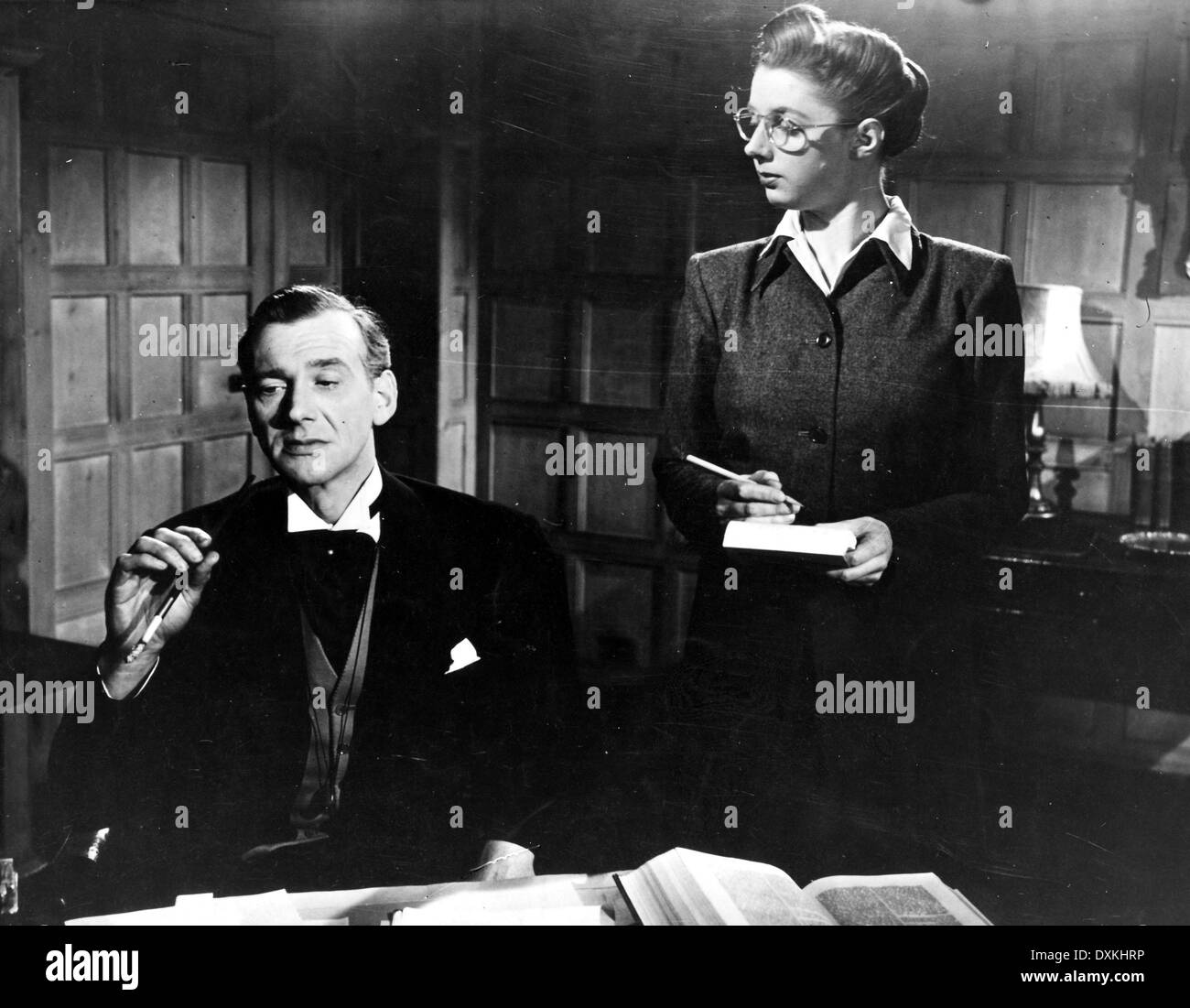
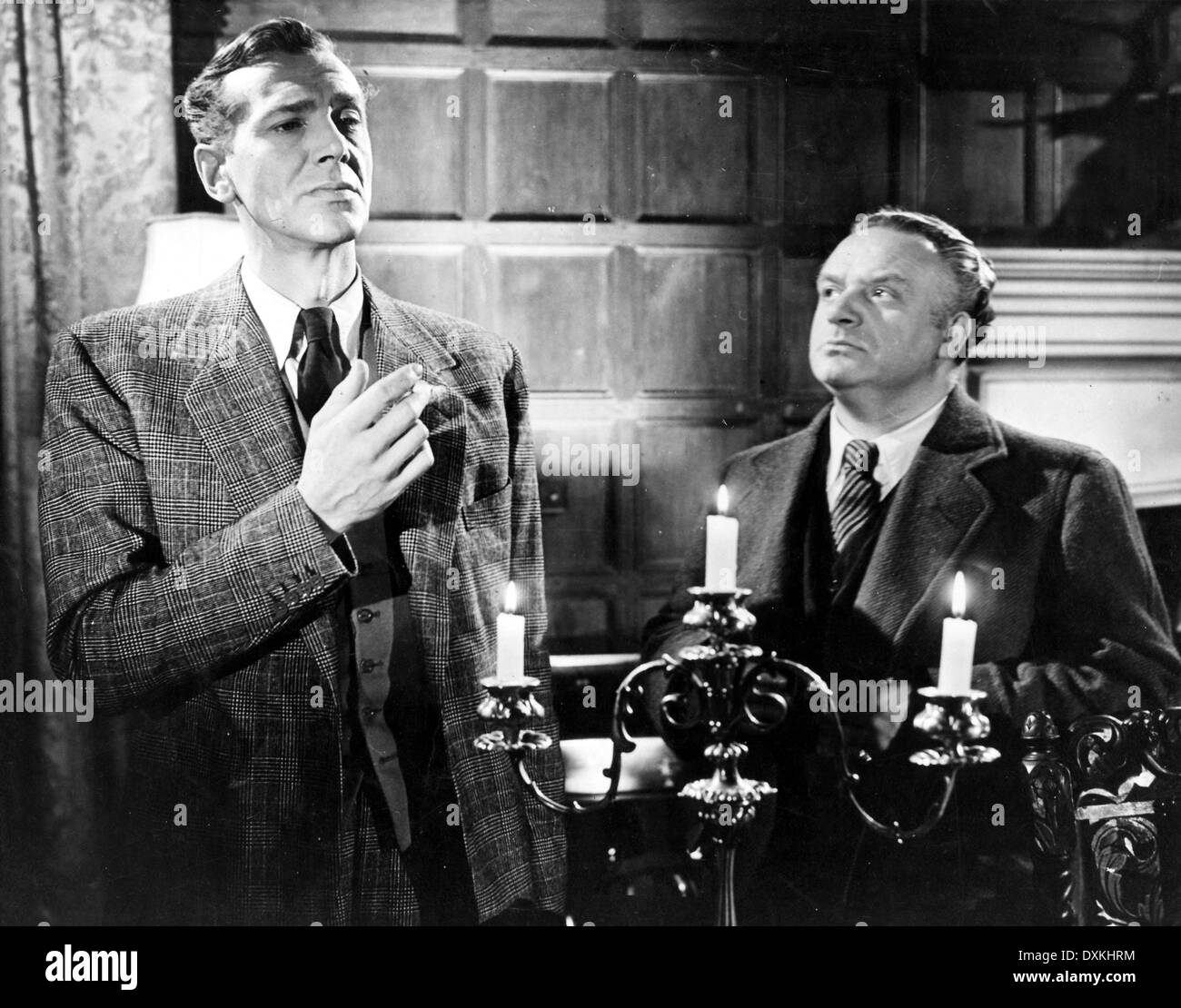
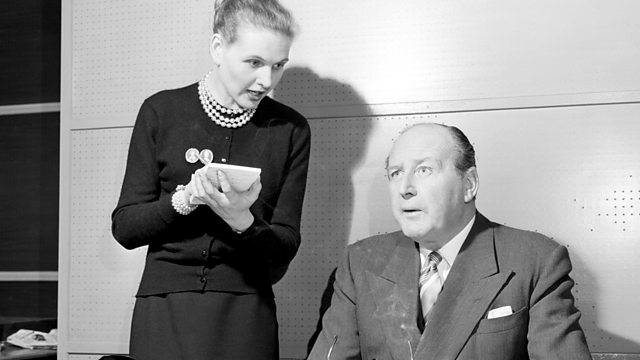
O filme começa com Dr Morelle (Valentine Dyall) ditando uma história para sua assistente, Miss Frayle (Julia Lang). O resto da história é contada em flashback. Em uma velha mansão, Cynthia Mason (Jean Lodge) discute com seu padrasto, Kimber (Philip Leaver), porque ela quer se casar com Peter Lorimer (Peter Drury). Ela está disposta a deixar todo seu dinheiro para o padrasto, mas Peter é contra essa ideia. Cynthia desaparece enquanto Peter está falando com o padrasto dela – e sendo hipnotizado por ele!

The film begins with Dr Morelle (Valentine Dyall) dictating a story to his assistant, Miss Frayle (Julia Lang). The rest of the story is told as a flashback. In an old mansion, Cynthia Mason (Jean Lodge) argues with her stepfather, Kimber (Philip Leaver), because she wants to marry Peter Lorimer (Peter Drury). She is willing to leave all her money to her stepfather, but Peter is against it. Cynthia disappears while Peter is talking to her stepfather – and being hypnotized by him!


A melhor amiga de Cynthia, Miss Frayle, decide investigar o desaparecimento. Ela vai até a mansão e diz que é a nova empregada. Lá ela recebe uma estranha ajuda do mordomo Bensall (Hugh Griffth), um homem peculiar e sinistro que passeia com um cachorro invisível – já que seu cachorro morreu há 15 anos.

Cynthia's best friend, Miss Frayle, decides to investigate the disappearance. She goes to the mansion and says she's the new housemaid. There she receives some weird kind of help from the butler Bensall (Hugh Griffth), a peculiar, sinister man who walks an invisible dog – since his dog has been dead for 15 years.


Infelizmente, Miss Frayle é um desastre enquanto empregada. Quando as coisas ficam muito perigosas na investigação, ela chama o Dr Morelle para ajudar. Para obter pistas, o Dr Morelle irá assumir outras identidades e também usar hipnose.

Unfortunately, Miss Frayle is a disaster as a housemaid. When things get too dangerous in her investigation, she calls Dr Morelle to help. To obtain clues, Dr Morelle will assume other identities and use hypnotism too.

Dr Morelle pode ser tão esperto quanto Sherlock Holmes, mas neste filme ele parece ser uma pessoa horrível. Sempre que pode, ele diminui e humilha Miss Frayle, sua inteligência e sua tentativa de investigação. E eu me surpreendi ao descobrir que a misoginia era um traço de personalidade da personagem desde o início.

Dr Morelle may be as smart as a Sherlock Holmes, but in this film he sounds like a horrible person. Whenever possible, he diminishes and humiliates Miss Frayle's intelligence and attempts to investigate. And I was surprised to find out his misogyny was a trait the character had since he was created.

Dr Morelle, assim como o Sherlock Holmes de Conan Doyle e a Miss Marple de Agatha Christie, é uma personagem que surgiu no mundo literário. Ernest Dudley, ator que virou escritor, conceber a personagem durante um bombardeio na Inglaterra da Segunda Guerra Mundial. Dudley baseou os traços do Dr Morelle em Erich von Stroheim, que ele havia conhecido brevemente, e Miss Frayle foi baseada na própria esposa de Dudley, a atriz Jane Grahame.

Dr Morelle, like Conan Doyle's Sherlock Holmes and Agatha Christie's Miss Marple, is a character the first appeared in literary form. Actor-turned-novelist Ernest Dudley conceived the character during an air raid in wartime England. Dudley based Dr Morelle's traits in Erich von Stroheim, whom he had briefly met, and Miss Frayle was based in Dudley's own wife, actress Jane Grahame.

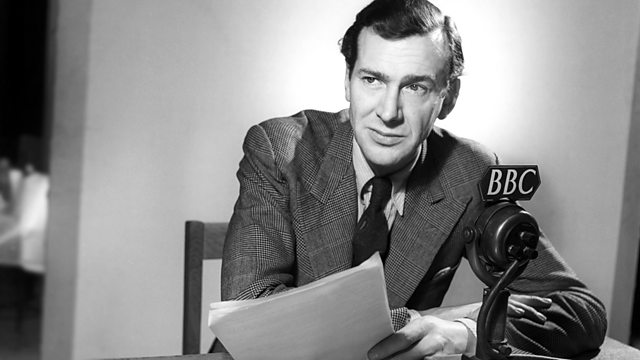
As histórias do Dr Morelle se tornaram uma sensação do rádio dos anos 40 aos anos 60, com Jane Grahame interpretando Miss Frayle nos primeiros anos do programa. Dudley anunciava o protagonista como “O homem que vocês amam odiar” – e a audiência subai a cada semana. Fazer um filme era, naturalmente, o próximo passo.

Dr Morelle's stories became a radio sensation from the 1940s until the 1960s, with Jane Grahame playing Miss Frayle in the first years of the radio show. Dudley advertised the character as “The man you love to hate” - and the ratings only increased from week to week. Making a film was the natural next step.
 
Dr Morelle no rádio / Dr Morelle on the radio
Dudley teve pouco envolvimento com o filme. Para o papel principal, foi escolhido Valentine Dyall – um homem com uma voz icônica e uma presença sinistra que lhe renderam o apelido de “Vincent Price britânico”. Mais tarde, Dyal trabalharia em alguns filmes de terror dos estúdios Hammer e Amicus. Como Miss Frayle, temos Julia Lang, uma atriz competente, mas praticamente esquecida. É uma pena que ela seja mais como uma donzela em perigo no filme, embora tenha momentos de grande perspicácia.

Dudley had very little involvement with the film. For the lead role, Valentine Dyall was chosen – a man with such an iconic voice and such a sinister presence he was once called “the British Vincent Price”. Dyall would later work in some Hammer and Amicus horror films. As Miss Frayle, we have Julia Lang, a competent yet nearly forgotten actress. Too bad she is more of a damsel in distress in this film, although she has some moments of acumen.


Hugh Griffith foi o mais sortudo do elenco – embora seu personagem não tenha tido muita sorte no filme. Griffith pode ser lembrado como o Sheik Ilderim de “Bem-Hur” (1959), um papel que deu a ele o Oscar de Melhor Ator Coadjuvante. O site IMDb lista 103 créditos como ator para Griffith, em um intervalo de 40 anos, tanto em Hollywood quanto na Inglaterra, tanto no cinema quanto na TV.

Hugh Griffith had the best luck of all the cast – although his character wasn't lucky in the film. Griffith can be remembered as the Sheik Ilderim in “Ben-Hur” (1959), a role that gave him the Best Supporting Actor Oscar. IMDb lists 103 credits as an actor for him, spanning 40 years, in both Hollywood and England, and in both film and TV.


Há algumas características de filme noir em “Dr Morelle: O Caso da Herdeira Desaparecida”. Alguns ângulos de câmera são bastante ousados, como a câmera no teto que vê toda a sala de estar da mansão, assim como os ângulos de câmera que mostram os corredores da mansão. Há também uma excelente tomada de Julia Lang descendo as escadas, com a câmera baixa (contra-plongée). O diretor de fotografia Cedric Williams trabalhou pouco no cinema, mas aqui podemos ver o tamanho de seu talento.

There are some noir traits in “Dr. Morelle: The Case of the Missing Heiress”. Some camera angles are very bold, like the camera on the roof that oversees the whole living room of the mansion, as well as the camera angles that show the mansion aisle. There is also a great shot of Julia Lang going down the stairs, filmed from a low angle. Cinematographer Cedric Williams had few credits to his name, but here we can see how talented he was.


“O Caso da Herdeira Desaparecida” é o único filme do Dr Morelle. O estúdio Hammer e outros estúdios não mostraram interesse em fazer mais filmes com a personagem, e é fácil ver o porquê. Em um tempo em que mulheres eram porcentagem importante da plateia dos cinemas, uma personagem tão misógina não seria muito popular. Sim, eu sei que outros detetives / gênios da ficção são também figuras pouco simpáticas – Sherlock Holmes inclusive se define como um “sociopata altamente funcional” – mas Dr Morelle está à beira da ojeriza. Poderia haver mais filmes com ele? Talvez, se ele melhorasse muito – e aprendesse a tratar as mulheres como seres humanos.

“The Case of the Missing Heiress” is the only Dr Morelle film. Hammer and other film studios showed no interest in making more films with the character, and I can see why. In a time when female moviegoers were an important part of the audience, such a misogynistic character wouldn't be very popular. Yes, I know some other fictional detectives / geniuses are also unsympathetic figures – Sherlock even calls himself a “high-functioning sociopath” – but Dr Morelle is on the verge of disgusting. Could there be more films with him? Maybe, if he improved a lot – and learned to treat women like human beings.

"Dr Morelle: The Case of the Missing Heiress" is available on Internet Archive.

This is my contribution to the 2nd Great Hammer and Amicus blogathon, hosted by Gill and Barry at RealWeegieMidget Reviews and Cinematic Catharsis.


Thursday, April 25, 2019

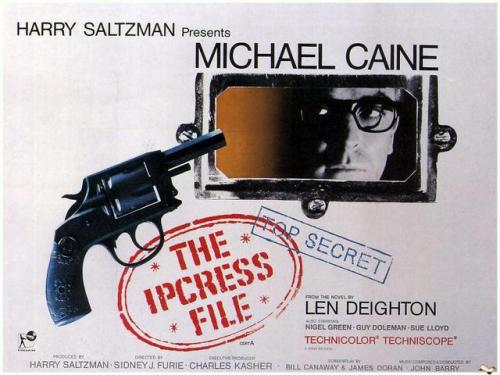
Ipcress: Arquivo Confidencial (1965) / The Ipcress File (1965)


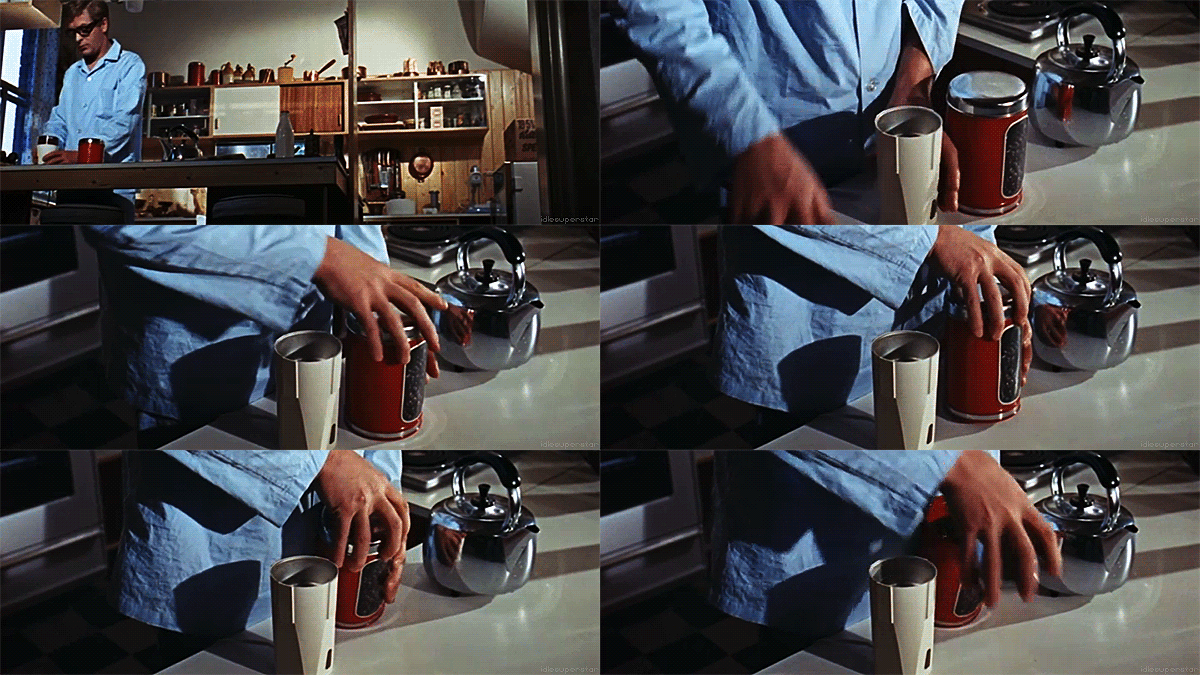
O investigador Harry Palmer foi criado para ser o oposto de James Bond. Ele deveria ser um homem comum que não usa engenhocas em suas missões e que nem sempre se ocupa de seduzir mulheres bonitas. Até seu nome deveria ser bobo: Harry Palmer foi o nome mais bobo em que Michael Caine conseguiu pensar para o personagem. Mas o primeiro filme de Harry Palmer, “Ipcress – Arquivo Confidencial” (1965), não tem nada de bobo.

Investigator Harry Palmer was created to be an anti-Bond. He is supposed to be a common man who does not use gadgets in his missions and who is not always seducing beautiful women. Even his name is supposed to be boring: Harry Palmer was the most boring name Michael Caine could come with for the character. But Harry Palmer’s first film, “The Ipcress File” (1965), is not boring at all.


O ótimo porém insolente sargento Harry Palmer (Michael Caine) é transferido pelo coronel Ross (Guy Doleman) para uma nova função, ficando no lugar de um homem que foi morto recentemente. Este homem estava investigando a aposentadoria repentina de grandes cientistas que estavam bem e de repente perderam suas habilidades.

Great yet insolent sergeant Harry Palmer (Michael Caine) is transferred by Colonel Ross (Guy Doleman) to a new position, replacing a man who had just been killed. This deceased man was investigating the sudden retirement of top-notch scientists who were just fine and suddenly couldn't function anymore.


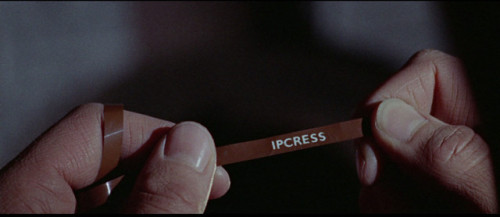
Harry pode estar trabalhando para o major Dalby (Nigel Green), mas ele ainda prefere suas velhas técnicas de investigação. Não importa o que Harry faça, Dalby acha que “não é bom o suficiente”. Isso acontece até que Harry e a equipe encontram uma fita de áudio onde está escrito “Ipcress”.

Harry might be working for major Dalby (Nigel Green) now, but he still prefers his old investigation techniques. No matter what Harry does, Dalby thinks “It's not good enough”. This happens until Harry and the team find an audiotape with “Ipcress” written on it.


Descobrir a função da fita não será o único desafio de Harry: ele também se envolverá com uma agente, descobrirá que tanto Rossa quanto Dalby querem a fita e será cobaia em um experimento torturante. Para tornar tudo um pouco pior, Harry será seguido por um homem com óculos de armação quebrada.

Finding out what the tape does won't be Harry's only challenge: he will also get involved with a female agent, he will find out that both Ross and Dalby want the tape and he will go through a torturing experience. To make things a bit worse, Harry will be followed everywhere by a man with broken glasses.


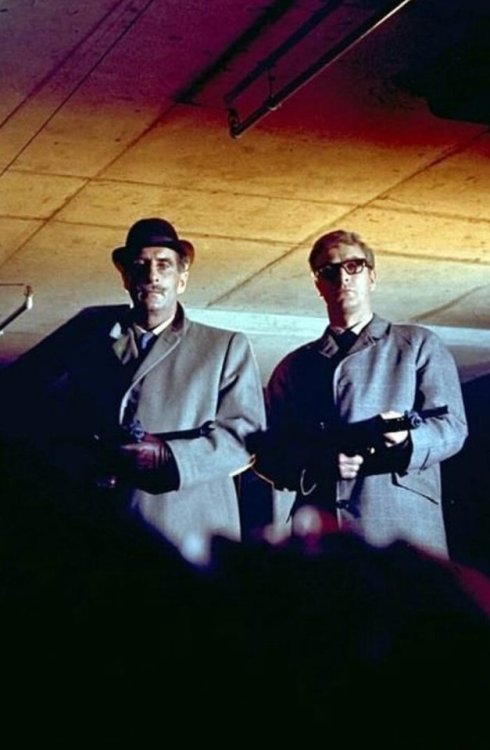
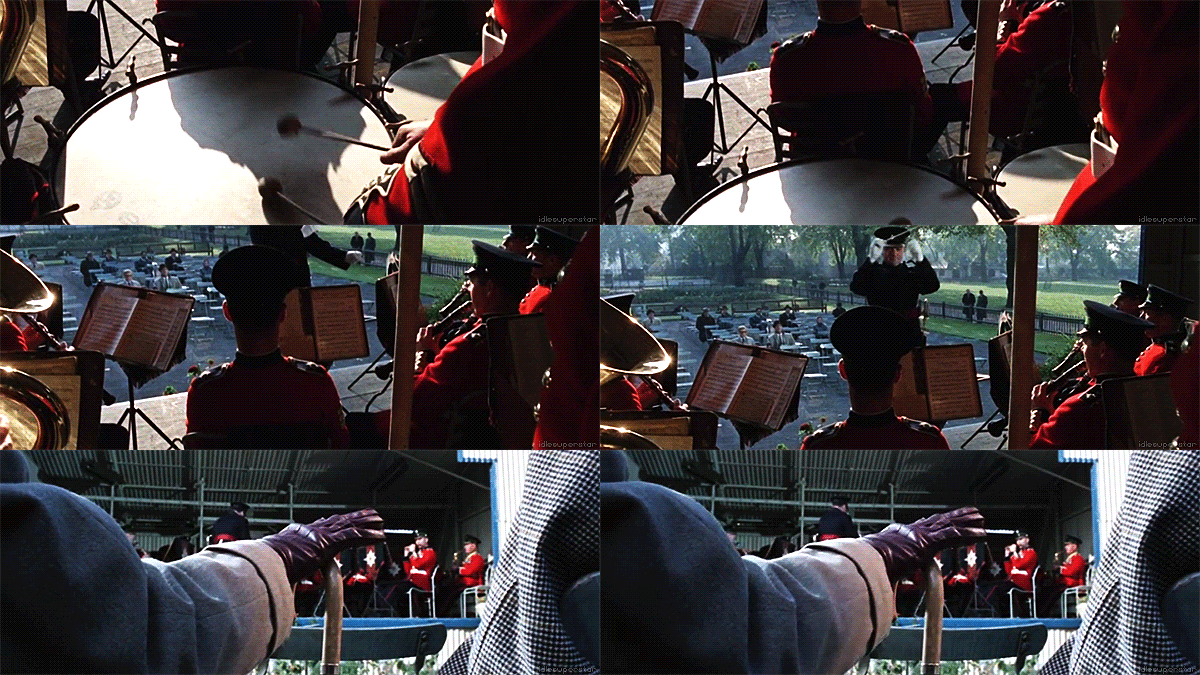
“Ipcress – Arquivo Confidencial” é um filme com uma trama muito complexa – quase tão complexa quanto a de “O Espião que Sabia Demais” (2011). Mesmo assim, há espaço para humor quando Harry e seu chefe conversam, de maneira não muito amigável, enquanto fazem compras de supermercado. Há também uma sequência de muito suspense em uma garagem subterrânea onde um homem ferido é resgatado.

“The Ipcress File” is a film with a very complex plot – almost as complex as “Tinker Taylor Soldier Spy” (2011). Nevertheless, there is room for humor as Harry and his boss talk, not exactly in an amicable way, while they do grocery shop. There is also a very suspenseful sequence in an underground parking lot as a hurt man is traded by cash.


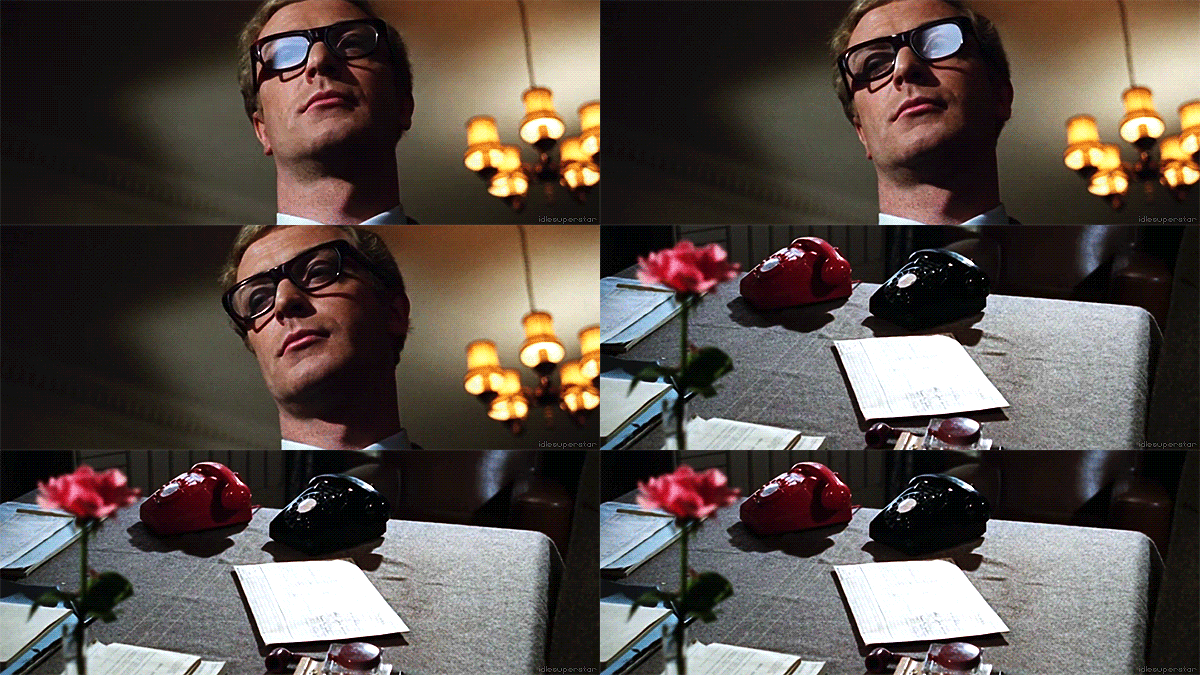
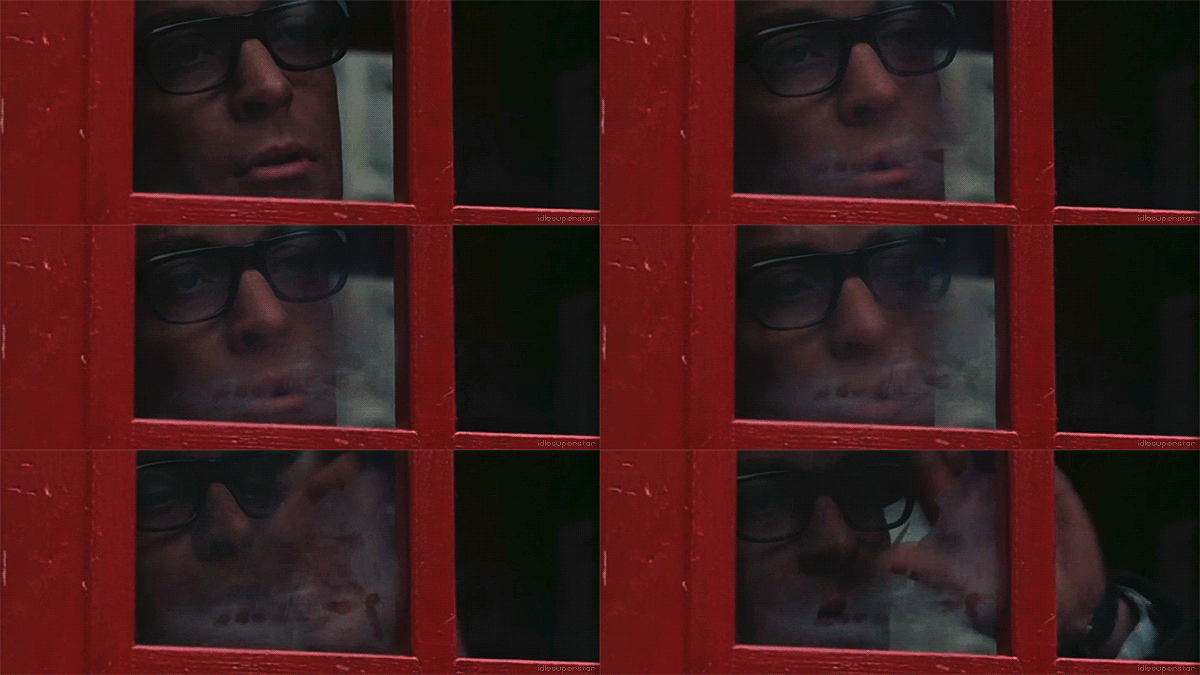
Há uma boa quantidade de ângulos criativos, que nos fazem ver a ação através de lentes de óculos, cabines telefônicas transparentes, pequenas aberturas e buracos nas paredes. De acordo com Michael Caine, o diretor Sidney Furie decidiu filmar as cenas como se o público estivesse seguindo a ação detrás de alguma coisa, como um agente escondido.

There is a fine amount of creative shots, making us see the action through glass lenses, transparent telephone boots, small apertures and holes in walls. According to Michael Caine, director Sidney Furie deliberately chose to shoot the film as the public was following the action hiding behind something, as an undercover agent.


Havia muitas pessoas trabalhando em “Ipcress – Arquivo Confidencial” que haviam trabalhado em filmes do 007:  o produtor Harry Saltzman, o editor Peter Hunt, o designer de produção Ken Adam e o compositor John Barry. Sendo profissionais versáteis, eles conseguiram criar uma atmosfera muito diferente da dos filmes de James Bond – a diferença mais perceptível é a música.

There were many people working on “The Ipcress File” who had also worked in Bond movies: producer Harry Saltzman, editor Peter Hunt, production designer Ken Adam and composer John Barry. As versatile professionals, they managed to create an atmosphere as far from the Bond movies as possible – the most perceptible difference is the soundtrack.


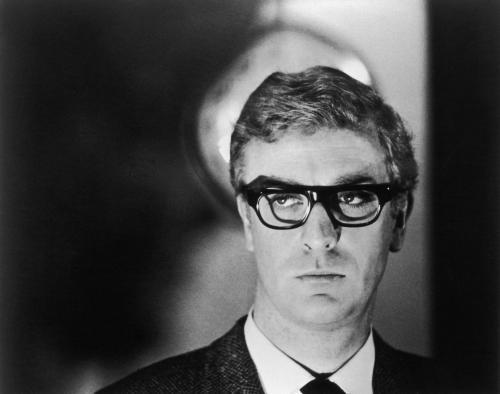
“Ipcress – Arquivo Confidencial” foi um livro escrito por Len Deighton e publicado em 1962. No livro, narrado em primeira pessoa, o agente principal não tem nome. Já que é raro para uma película ser filmada com ponto de vista de primeira pessoa – a primeira metade de “Prisioneiro do Passado” (1947) é uma exceção – os produtores precisavam de um nome para nosso anti-herói. Michael Caine sugeriu o nome, e usou o sobrenome de seu colega de escola mais chato. Caine também escolheu manter os óculos que o personagem usava no livro para fazer Palmer mais humano – e para ajudar na caracterização de Caine, já que o ator usa óculos na vida real. Como alguém que usa óculos, fico feliz em ver um investigador cuja vista é tão ruim quanto a minha.

“The Ipcress File” was a book written by Len Deighton and published in 1962. In the book, narrated in the first person, the lead agent had no name. Since it’s rare for a movie to be filmed with a first person point-of-view – with the first half of “Dark Passage” (1947) being one exception – the producers needed a name for our anti-hero. Michael Caine suggested the name, and took the surname from his most boring school classmate. Caine also chose to keep the glasses the character used in the novel as a way to make Palmer more down-to-Earth – and to help Caine’s characterization, as the actor wears glasses in real life. As someone who wears glasses, I’m happy to see an investigator whose sight is as bad as mine.


“Ipcress – Arquivo Confidencial” deu origem a uma pequena série de filmes – foram seis no total. Michael Caine não interpretou o protagonista em apenas um deles, “Spy Story” (1976), no qual o protagonista recebeu outro nome. Os dois últimos filmes da série não oficial de Harry Palmer foram feitos diretamente para a TV.

“The Ipcress File” originated a small series of films – there were six in total. Michael Caine didn’t play the lead in only one of the films, “Spy Story” (1976), in which the lead was also renamed. The last two films of the unofficial Harry Palmer series were made for TV in the 1990s.


“Ipcress – Arquivo Confidencial” foi um grande sucesso. E como foi também o primeiro filme de Michael Caine como protagonista, ele logo se tornou uma grande estrela – e ele nem era a primeira opção do produtor: Saltzman queria Christopher Plummer para o papel, mas Plummer preferiu fazer “A Noviça Rebelde”. Em 1999, “Ipcress – Arquivo Confidencial” foi escolhido o 59º melhor filme inglês pelo Instituto de Cinema Britânico. E, mesmo com Harry Palmer tendo sido criado para ser o oposto de James Bond, temos de concordar que Michael Caine é tão bacana quanto qualquer ator que fez 007, não?

“The Ipcress File” was a huge success. As it was Michael Caine’s first time as he lead, he soon became a superstar – and he wasn’t even the producer’s first choice: Saltzman wanted Christopher Plummer for the role, but Plummer chose to do “The Sound of Music” instead. In 1999, “The Ipcress File” was voted the 59th best British film ever by the British Film Institute. And, even though Harry Palmer was created to be an anti-Bond, we all can agree that Michael Caine is as cool as any actor who played agent 007, isn’t he?

This is my contribution to the Second Marvellous Michael Caine blogathon, hosted by Gill at Realweegiemidget Reviews.


Wednesday, January 16, 2019

Quando Elas Teimam (1938) / The Mad Miss Manton (1938)


Todo gênero cinematográfico tem algumas pérolas bem conhecidas e algumas joias escondidas. E todo gênero tem também muitos filmes irregulares, pedras brutas que só precisariam de um pouco mais de polimento para se tornarem joias. “Quando elas Teimam” entra na segunda categoria. Assim como “Levada da Breca”, também de 1938, trata-se de uma comédia amalucada cuja protagonista é uma herdeira doidinha. E o filme tem também um enredo de mistério, assim como “A Ceia dos Acusados” (1934). Uma mistura curiosa, não?

Every genre has a few well-known gems and a few hidden gems. And every genre also has a lot of irregular films that needed just a little more polishing to become gems. “The Mad Miss Manton” falls in the second category. Just like “Bringing Up Baby”, also from 1938, it is a screwball comedy whose main character is a zany heiress. And it has a mystery plot, just like “The Thin Man” (1934). An odd mix, isn’t it?


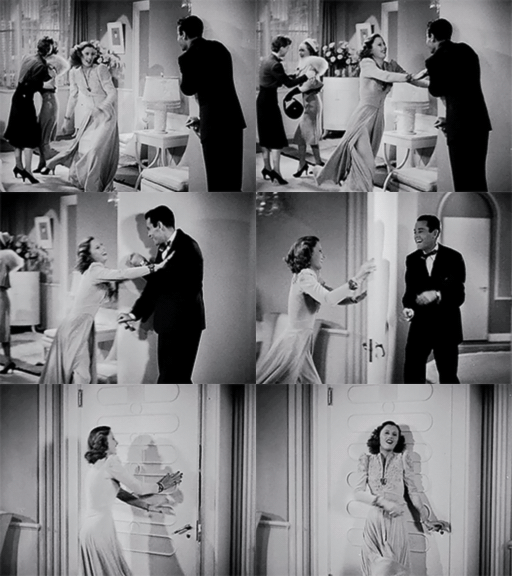
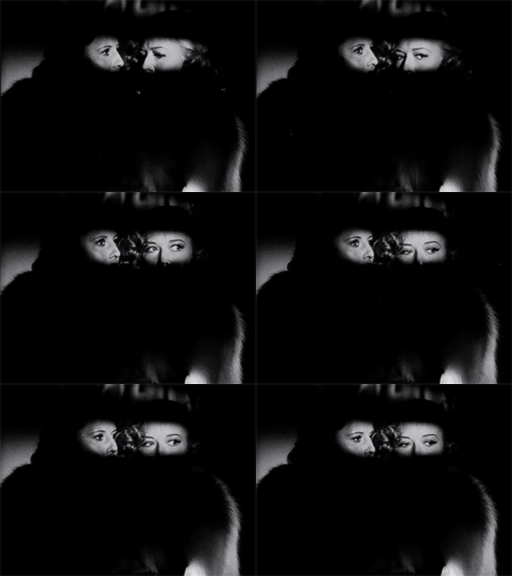
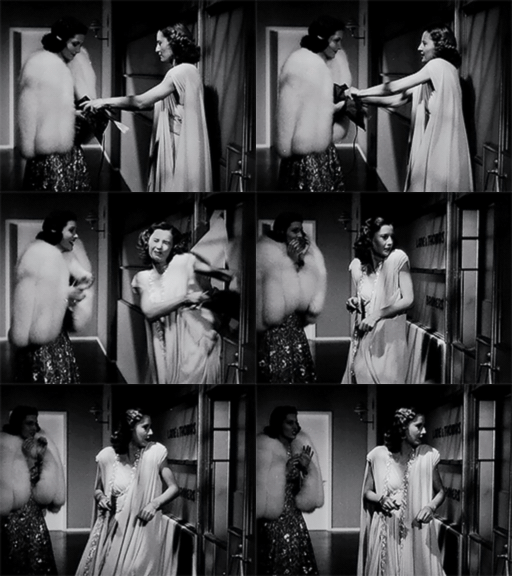
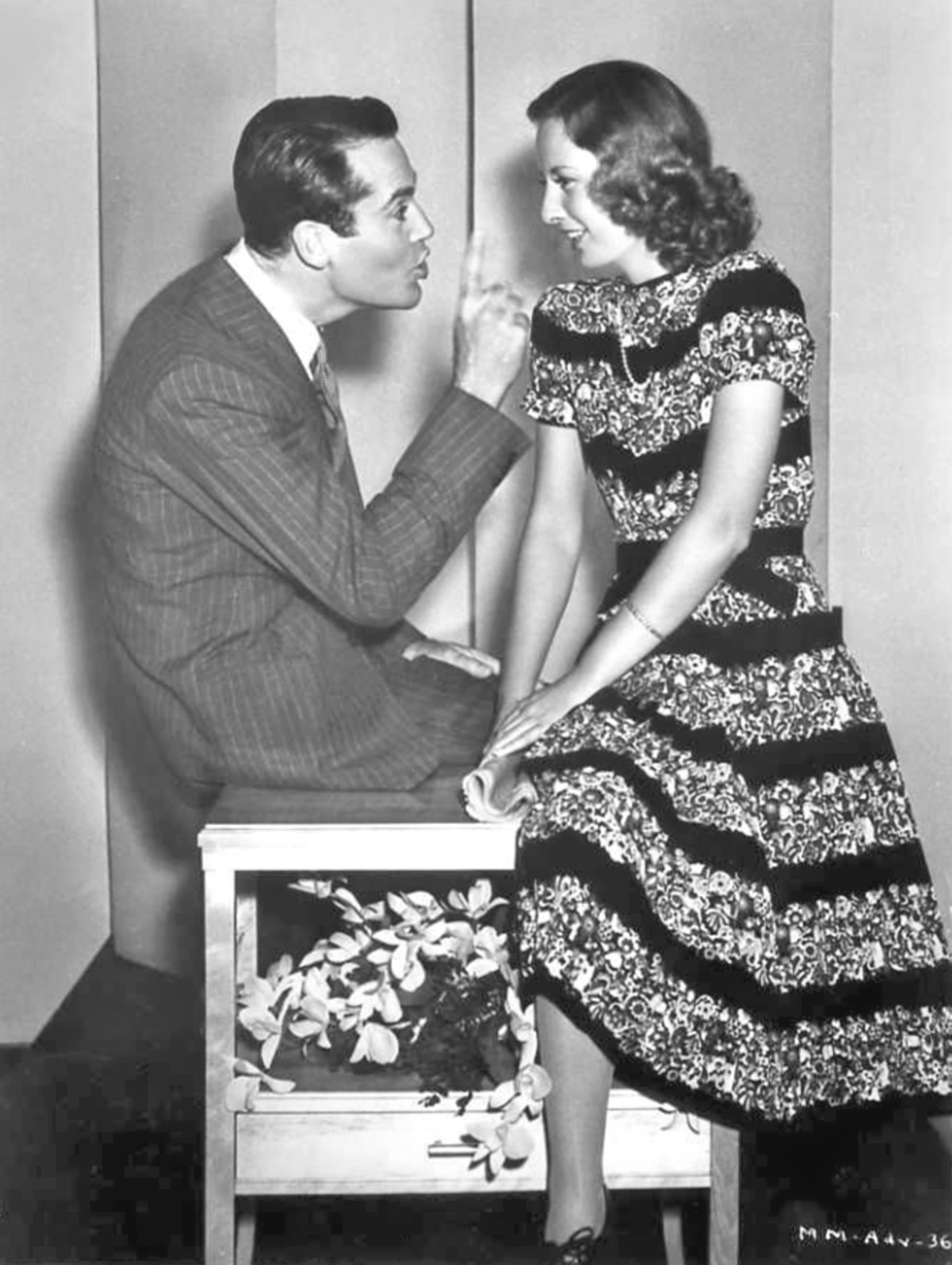
Depois de uma festa à fantasia, a herdeira Melsa Manton (Barbara Stanwyck) decide levar seus cachorros para passear mesmo sendo tarde da noite. Ela está em um beco quando vê um homem saindo de uma casa que está para alugar. Ela entra na casa e encontra um homem morto lá dentro, e junto com ele uma joia. Ela chama a polícia, mas como ela é conhecida por pregar peças, ninguém acredita nela – até porque a polícia não encontra nenhum corpo na casa.

After a costume party, heiress Melsa Manton (Barbara Stanwyck) decides to walk her dogs late at night. She is in an alley when she sees a man running out of a house that is up for rent. She enters the house and finds a dead man inside, together with a beautiful jewel. She calls the police, but since she is a well-known prankster, nobody believes her – even more when the police find no dead man.


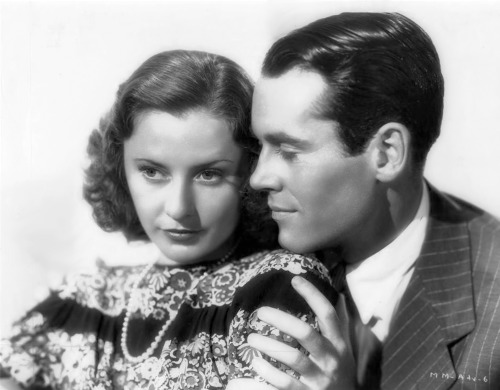
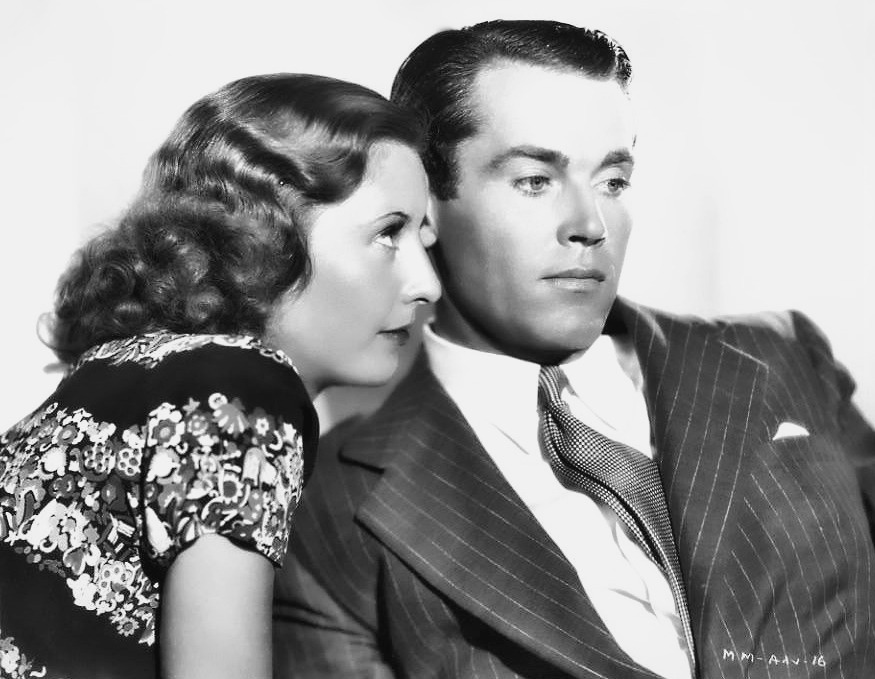
No dia seguinte ela vira assunto de um artigo de jornal escrito por Peter Ames (Henry Fonda), que a ridiculariza e critica seu grupo de herdeiras que gostam de pregar peças para chamar a atenção para a caridade. Ela fica muito brava com ele e decide investigar o caso com a ajuda de suas amigas ricas. Quando elas encontram um segundo corpo, Peter e a polícia se envolvem também na investigação, mas as garotas querem solucionar o mistério sem a ajuda deles.
  
The following day she is the subject of a newspaper article written by Peter Ames (Henry Fonda), ridiculing her and her group of heiresses / pranksters who like to call the attention for charity. She gets mad at him and decides to investigate the case alongside her rich girl friends. As they find a second body, Peter and the police also enter the investigation, but the girls want to solve the mystery without their help.


É interessante notar que, em “Quando Elas Teimam”, o homem é quem se apaixona primeiro. Depois de dois encontros peculiares, Peter diz que está começando a gostar de Melsa, e logo ele afirma que vai se casar com ela. Ele então se torna um jornalista correndo atrás de uma garota, e não de um furo de reportagem, enquanto a garota passa a maior parte do tempo relutante em relação às investidas dele.

It’s interesting to notice that, in “The Mad Miss Manton”, the man is the first one to fall in love. After a couple of crazy meetings, Peter says he’s starting to like Melsa, and soon he says he’ll marry her. He then becomes a journalist running after a girl, not a scoop, while the girl spends most of the time reluctant to let him woo her.


Melsa e as outras garotas são as principais investigadoras, deixando a polícia para trás em questão de esperteza e rapidez. As garotas são inteligentes, engraçadas, às vezes covardes e sempre vestidas com os melhores vestidos de noite. É como se Nora Charles tivesse chamado suas amigas da alta sociedade para resolver crimes em vez de deixar Nick fazer isso.

Melsa and the other girls are the lead investigators, leaving the police behind in both wisdom and quickness. The girls are clever, funny, sometimes coward and always dressed with the best evening gowns. It is as if Nora Charles had called her high society friends to solve crimes instead of letting Nick do it.


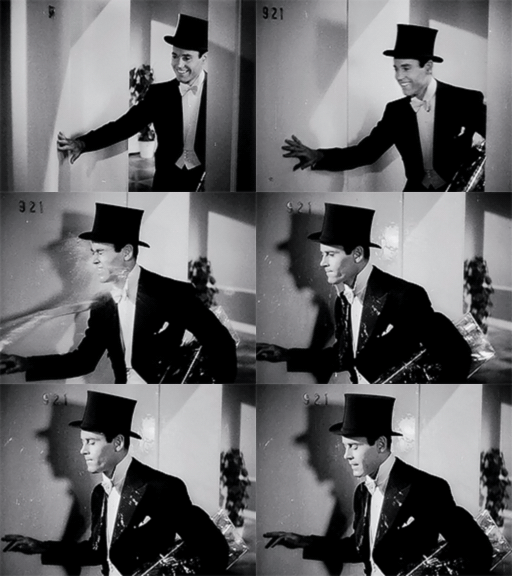
Interpretando Hilda, a empregada, está Hattie McDaniel – creditada como “McDaniels”. Hilda trabalha para Melsa e não suporta mais o comportamento excêntrico da patroa. Sim, Hilda é o estereótipo da empregada sem cultura, mas uma empregada furiosa que normalmente reclama de seu trabalho e das ordens que recebe – como a ordem de jogar água na cara de Henry Fonda se ele aparecer na porta do apartamento de Melsa.

We have, as Hilda the maid, Hattie McDaniel – billed as “McDaniels”. Hilda works for Melsa and can’t take her antics anymore. Yes, Hilda is the uncultured mammy stereotype, but an angry mammy that is often complaining about her job and the orders she receives – like to throw water at Henry Fonda’s face if he appears in Melsa’s door.


Aliás, podemos falar em como Henry Fonda era fofo no final dos anos 30 e começo dos anos 40? Em “Quando Elas Teimam” ele não alcança o mesmo nível de fofura de “As Três Noites de Eva” (1941), porque seu Peter não é um personagem fofo e desprotegido, mesmo tendo, em determinado momento, sido feito de refém pelas garotas.

By the way, can we talk how cute Henry Fonda was in the later 1930s and early 1940s? In “The Mad Miss Manton” he doesn’t achieve the same level of cuteness as in “The Lady Eve” (1941), because his Peter Ames is not a cute clueless character, even if he is, in a particular moment, a gentleman in distress as the girls keep him hostage.


Mesmo assim, com todos estes ótimos ingredientes, há algo faltando – ou talvez algo sobrando – em “Quando Elas Teimam”. O timing cômico é problemático, e eu pude perceber que estava perdendo algumas piadas que eram contadas enquanto eu ainda estava rindo da última piada. A mistura de comédia e mistério, entretanto, é boa, e o diretor de fotografia Nicholas Musuraca já mostra seu talento para trabalhar com contraste, talento que seria explorado mais tarde no filme noir. Só é uma pena que o diretor Leigh Jason não tenha um toque de Midas como o de Prestonb Sturges!

Yet, with all those great ingredients, there is something missing – or rather something in excess – in “The Mad Miss Manton”. The comedic timing is problematic, and I could tell I was missing some jokes that were being told while I was till laughing from the last joke. The mix of comedy and mystery is good, though, and cinematographer Nicholas Musuraca already shows the talents for contrast he would later explore in film noir. It’s just a pity that director Leigh Jason didn’t have the same Midas touch and Preston Sturges!


“Quando Elas Teimam” é uma produção da RKO. O filme deveria ser estrelado por Katharine Hepburn, mas ela o recusou, pois havia acabado de fazer “Levada da Breca” – um filme que foi, na época, um fracasso de bilheteria. Stanwyck herdou o papel, e Fonda foi pego emprestado do pequeno estúdio Walter Wanger Productions. Fonda detestou fazer o filme, e mais tarde disse “Eu estava tão bravo com esse filme – eu estava ressentido”.

“The Mad Miss Manton” is an RKO production. It was supposed to star Katharine Hepburn, but she refused, having just finished “Bringing Up Baby” – a film that was, then, a box-office failure. Stanwyck inherited the role, and Fonda was borrowed from the small Walter Wanger Productions studio. Fonda just hated doing the film, and later said “I was so mad on this picture – I resented it”.


Fofo e interessante, mas não perfeito, “Quando Elas Teimam” bebe da fonte de “A Ceia dos Acusados” e “Levada da Breca” e acaba sendo inferior a ambos. Barbara Stanwyck é a estrela e faz a personagem mais interessante e, ao lado de suas amigas, herdeiras da Park Avenue, pregadoras de peças / detetives, ele é vivaz e esperta. E quem não gostaria de ver garotas da alta sociedade solucionando crimes?

Cute and interesting, but not perfect, “The Mad Miss Manton” drinks from both “The Thin Man” and “Bringing Up Baby” and ends up being inferior to both. Barbara Stanwyck is the clear star and most interesting character, and, alongside her Park Avenue Pranksters / detectives, she is vivacious and smart. And who wouldn’t want to see eight society girls solving crimes?

 This is my contribution to the Second Remembering Barbara Stanwyck Blogathon, hosted by Crystal and Maddy at In the Good Old Days of Classic Hollywood and Maddy Loves Her Classic Films.

Related Posts Plugin for WordPress, Blogger...