} Crítica Retrô: Michael Caine

Tradutor / Translator / Traductor / Übersetzer / Traduttore / Traducteur / 翻訳者 / переводчик

Showing posts with label Michael Caine. Show all posts

Monday, August 19, 2024

Ensina-me a Querer (1987) / Surrender (1987)


Em se tratando de comédias românticas, há pessoas que dizem que, se você viu uma, viu todas. Do primeiro contato tempestuoso até o triunfo do amor ao final, o gênero é comumente previsível… mas ainda entretém. Filmes como “Ensina-me a Querer” (1987) não trazem exatamente frescor ao gênero da comédia romântica, pois não acrescentam nada de novo. Mas, mais uma vez, são bom entretenimento.


When it comes to romantic comedies, there are people who say that if you’ve seen one you’ve seen them all. From the tempestuous first encounter to the triumph of love in the end, the genre is often predictable… but still enjoyable. Films like “Surrender” (1987) aren’t exactly a breath of fresh air in the romantic comedy movie genre, as they bring nothing new to it. But, again, it’s still an enjoyable ride.
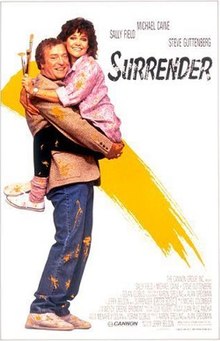
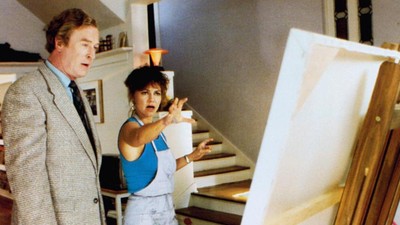
Sean (Michael Caine) viu alguns relacionamentos terminando mal, em audiências perante a um tribunal – afinal, ele é um escritor que usou como inspiração suas companheiras e por causa disso estas mulheres mereciam parte dos lucros com as vendas dos livros. Daisy (Sally Field) é uma pintora que trabalha numa espécie de linha de produção, criando pinturas que são todas iguais para clientes não muito exigentes. Ele não quer um novo relacionamento, enquanto ela está presa em um sem futuro. Eles se conhecem numa festa beneficente que acaba mal, com uma invsão de bandidos armados que mantêm os convidados reféns. Sean e Daisy são amarrados juntos pelados, no mais ridículo primeiro encontro de todos os tempos.


Sean (Michael Caine) has had a few failed relationships that ended in settlements in court – after all, he is a writer who took inspiration from his partners and therefore these women deserved a share of the profits from the novels. Daisy (Sally Field) is a painter who works in a kind of art assembly line, creating paintings that are all equal for non-demanding clients. He doesn’t want another relationship, she is currently stuck in one that has no future. They meet at a fundraiser party gone incredibly wrong, as it is invaded by armed bandits who hold the partygoers hostage. Sean and Daisy are tied together naked, in the most ridiculous meet-cute ever.

Sean se apaixona à primeira vista – isso vai acontecer logo com ele, que preferia entrar num elevador com um cão bravo a entrar num com qualquer mulher. Ele vai atrás de Daisy e eles fazem tudo rapidamente: têm um encontro, se beijam, transam, fazem planos para o futuro. Duas semanas incríveis se passam até que o velho namorado de Daisy, Marty (Steve Guttenberg) volta de uma missão. Detalhe: durante essas duas semanas, para testar Daisy e ver se ela não é egoísta, Sean diz a ela que está falido, quando na verdade é um autor best-seller.


Sean falls in love at first sight – this happening to him, who would rather ride an elevator with an angry dog than with any woman. He goes after Daisy and they do it all quickly: they go on a date, kiss, make love, make plans for their future. Two amazing weeks go by until Daisy’s old boyfriend Marty (Steve Guttenberg) comes back from a mission. Detail: during these two weeks, to test to see if Daisy is selfish, Sean tells her he’s broke, when in reality he is a best-selling author.

Ensina-me a Querer” nos faz pensar sobre as vidas e dificuldades de pessoas criativas. Sean diz que está sofrendo de bloqueio criativo, enquanto Daisy não consegue sobreviver vendendo sua arte. Sean diz que praticamente desistiu de escrever, enquanto Daisy não consegue terminar nenhuma de suas pinturas autorais. Sabemos que é tudo mentira de Sean, mas coisas como bloqueio criativo devem ser discutidos no cinema – como já aconteceu em “Poderia Me Perdoar?” (2018) e mesmo em “O Iluminado” (1980). Outro assunto interessante neste filme é a inspiração artística: no final, Sean percebe que não foi roubado por suas mulheres, mas sim as roubou, no sentido de que ele se inspirou nas mulheres de sua vida e só foi pagá-las por essa inspiração após determinação de um juiz.


Surrender” makes us think about the lives and difficulties of creative people. Sean says is suffering from writer’s block, while Daisy can’t survive by selling her art. Sean says he has virtually quit writing, while Daisy can’t finish a single painting of her own. We know it’s all bullshit with Sean, but things like writer’s block should be discussed in movies – as it has been in “Can You Ever Forgive Me?” (2018) and even in “The Shining” (1980). Other interesting issue found in this film is artistic inspiration: in the end, Sean realizes he wasn’t robbed by women, but he has robbed them, in the sense that he took inspiration from the women in his life and wasn’t willing to pay them until this was decided by a judge.


No pequeno papel de Ace Morgan temos o ex-ator mirim Jackie Cooper. Ele conseguiu seu primeiro papel no cinema em 1929, aos sete anos, e naquele mesmo ano passou a fazer parte da turminha dos Little Rascals de Hal Roach. Seu papel mais lembrado dessa época foi em “O Campeão”, de 1931. Aos trinta e poucos anos de idade ele começou a dirigir principalmente para a televisão, mas ainda atuava em papéis pequenos em filmes como “Ensina-me a Querer”, seu último papel como ator.


In the small role of Ace Morgan we have former child star Jackie Cooper. He got his first acting job in 1929, aged seven, and at that very same year he got a spot in Hal Roach’s Little Rascals. His best remembered juvenile role was in 1931’s “The Champ”. In his thirties he started directing especially for television, but still played small parts in movies such as “Surrender”, his last role as an actor.

Ensina-me a Querer” foi produzido pelo lendário produtor Aaron Spelling. No IMDb podemos encontrar mais de 200 créditos para Aaron como produtor, numa carreira que durou cinquenta anos, mais 22 créditos como escritor / criador. Seus programas de TV mais populares incluem “Dinastia”, “O Barco do Amor”, “Casal 20” e, obviamente, “As Panteras”. Seus programas de TV geralmente tinham personagens femininas fortes, algo que só acontece em “Ensina-me a Querer” perto do final, quando o jogo vira para Daisy.


Surrender” was produced by the legendary producer Aaron Spelling. IMDb has more than 200 credits for Aaron as producer in a career that lasted fifty years, plus 22 credits as writer / creator. His most popular produced TV shows are “Dynasty”, “The Love Boat”, “Hart to Hart” and, of course, “Charlie’s Angels”. His television shows often had strong female characters, something that happens in “Surrender” only near the end, when tides turn for Daisy.

O título em português – “Ensina-me a Querer” – é sem dúvida inspirado no título brasileiro para “Harold and Maude” (1971), que é “Ensina-me a Viver”. Na Espanha, o título do filme é “Uma Namorada para Dois” (“Una Novia para Dos”) e na Alemanha Ociental o título dado foi “Agora Não, Querido” (“Nicht Jetzt, Liebling”).


The title in Portuguese - “Teach Me How to Desire” - is without a doubt inspired by the Brazilian title for “Harold and Maude” (1971), that is “Teach Me How to Live”. In Spain, the film is titled “A Girlfriend for Two” (“Una Novia para Dos”) and in West Germany it got the title “Not Now, Darling” (“Nicht jetzt, Liebling”).

A comédia romântica que melhor tratou de problemas com dinheiro e casamentos morganáticos – isto é, casamentos entre duas pessoas de classes sociais diferentes – é “Irene, a Teimosa” (1936). Comparado a esta obra-prima com Carole Lombard, “Ensina-me a Querer” tem como único elementos comum a diferença monetária entre os dois protagonistas. A Variety comparou o filme a produções como “Confidências à Meia-Noite” (1959), declarando que “os problemas são de alguma forma atualizados, mas os personagens ainda pensam como Doris Day e Rock Hudson”. Um grande elogio, diga-se de passagem.


The romantic comedy that best dealt with money issues and morganatic marriages – that is, marriages between two people from different social groups – is “My Man Godfrey” (1936). Compared to this masterpiece with Carole Lombard, “Surrender” finds as only common element the money differences between the leads. Variety compared the film to the likes of “Pillow Talk” (1959), stating that “the issues are somewhat updated, but the characters still think like Doris Day and Rock Hudson”. A huge compliment, if you ask me.


This is my contribution to the (Aaron) Spellingverse blogathon, hosted by Gill at Realweegiemidget Reviews.

Sunday, February 28, 2021

O Enxame (1978) / The Swarm (1978)


Melissofobia ou apifobia é o medo de abelhas. Quando eu era criança, eu tinha medo de abelhas, até o momento em que compreendi que, se eu não incomodasse as abelhas, elas não me incomodariam – não que eu tenha cutucado uma colmeia ou coisa parecida. Mas se eu tivesse assistido ao filme de desastre “O Enxame” de 1978 quando eu era criança, meu medo de abelhas – e possíveis alucinações com abelhas – seria justificado. Isto é, se, como criança, eu não compreendesse que “O Enxame” é um filme muito ridículo.

Melissophobia or apiphobia is the fear of bees. When I was a kid I used to be afraid of bees, until I understood that if I didn't bother them they wouldn’t bother me – not that I had poked a beehive or something like this. But if I had watched the 1978 disaster movie “The Swarm” as a kid, my fear of bees – and possible hallucinations with bees – would be justified. That is, if, as a kid, I couldn't understand how ridiculous “The Swarm” is.
 

O filme começa com uma equipe do exército chegando a uma base de mísseis. Duas pessoas que também chegam ao local são o General Slater (Richard Widmark) e o entomologista Bradford Crane (Michael Caine). A maioria dos trabalhadores da base é encontrada morta, a médica Helena Anderson (Katharine Ross) está cuidando dos seis sobreviventes, e a causa da morte é motivo de debate entre Slater e Crane, pois Crane tem certeza de que um enxame de abelhas africanas assassinas atacou o lugar.

The film starts with a military team arriving at a missile base. Two people also arriving there are General Slater (Richard Widmark) and the entomologist Bradford Crane (Michael Caine). Most of the workers at the missile base are found dead, with doctor Helena Anderson (Katharine Ross) taking care of six survivors, and the cause of death is debated by Slater and Crane, as Crane is sure that a swarm of African killer bees has attacked the place.

Mais pessoas estão investigando o que aconteceu. Um homem num helicóptero menciona uma massa negra vindo em sua direção, e alguém em outro helicóptero identifica que a massa é feita de milhões de abelhas. Infelizmente, os dois helicópteros colidem com as abelhas, caindo e explodindo. Crane estava certo e, para desgosto de Slater, ele é colocado no comando de uma guerra contra as abelhas – nome dado pelo próprio Crane. Slater diz ao Major Baker (Bradford Dillman) para ficar de olho em Crane, pois ele acha suspeito que o cientista estivesse passando por acaso pelo local quando o ataque ocorreu.

More people are investigating what happened. A man in a helicopter mentions a black mass coming in his direction, and someone in another helicopter identify the mass as being made of millions of bees. Unfortunately, the two helicopters collapse when they meet the bees, crashing and exploding. Crane was right and, to Slater’s dismay, he is put in the command of what he calls a war against bees. Slater tells Major Baker (Bradford Dillman) to keep an eye on Crane, as he thinks it’s too suspicious that the scientist just happened to be passing by when the attack occurred. 

As abelhas saem da base nuclear e vão para os campos floridos na cidade mais próxima, onde matam os pais do pequeno Paul (Christian Juttner). Não demorará para que as abelhas entrem na cidade, criando caos numa escola onde trabalha Maureen (Olivia de Havilland), numa sequência que lembra a invasão de pássaros na escola de Bodega Bay em “Os Pássaros” (1963), mas numa escala muito maior. Para piorar as coisas, quem não morre instantaneamente por causa das picadas das abelhas pode ter uma recaída fatal...

The bees move from the nuclear facility to the flower fields surrounding the nearest town, and there they victimize young boy Paul’s (Christian Juttner) parents. It won’t be long until the bees reach town, wrecking havoc in a school where Mauren (Olivia de Havilland) works, in a sequence that reminds the invasion of birds in the Bodega Bay school in “The Birds” (1963), but in a much bigger scale. To make things worse, those who don’t die instantly from the bee stings may have a fatal relapse later...

Pode haver uma ameaça no ar - literalmente – mas também sobra lugar para romance em “O Enxame”. Há uma tensão sexual óbvia entre Bradford Crane e Helena Anderson. Enquanto isso, há um triângulo amoroso com idosos: tanto o prefeito Clarence Tuttle (Fred MacMurray) quanto o aposentado Felix Austin (Ben Johnson) estão apaixonados por Maureen! E há também a garçonete Rita (Patty Duke), que perde o marido no primeiro ataque das abelhas e, estando grávida, se apaixona por seu médico.

There may be a menace on the air - literally - but there is still a place for romance in “The Swarm”. There is obvious sexual tension between Bradford Crane and Helena Anderson. Meanwhile, there is a love triangle involving the elderly: both the mayor Clarence Tuttle (Fred MacMurray) and the retiree Felix Austin (Ben Johnson) are in love with Maureen! And there is also the waitress Rita (Patty Duke), who loses her husband in the first bee attack and, being pregnant, falls in love with her doctor.

Bradford Crane chamou outros peritos para fazer parte do time, e um deles é seu mentor, Dr Walter Krim (Henry Fonda). Outro perito, Dr Hubbard (Richard Chamberlain) diz que as abelhas africanas assassinas agora são chamadas de abelhas brasileiras porque elas sofreram uma mutação no Brasil, e Crane responde que o nome não importa se a ameaça é a mesma. O mesmo pode ser dito da gripe espanhola, ou da COVID-19 / coronavírus – o nome não importa, o que importam são os impactos nas pessoas. Mas aqui precisamos falar que topônimos como abelhas africanas / brasileiras, gripe espanhola e a expressão claramente racista “vírus chinês” causam ainda mais dano, porque grupos de pessoas são associados à doença, fazendo com que esses grupos sejam alvo de ataques de ódio – e ódio é uma pandemia bem mais difícil de controlar.

Bradford Crane has called other experts to be part of his team, one of them being his mentor, Dr Walter Krim (Henry Fonda). Another expert, Dr Hubbard (Richard Chamberlain) says that the African killer bees are now being called Brazilian bees because they suffered a mutation in Brazil, to which Crane replies that the name doesn’t matter if the threat is the same. The same can be said about the Spanish flu, or the COVID-19 / coronavirus – the name doesn’t matter, the impacts they have on people matter. But here we must address that toponyms like African / Brazilian bees, Spanish flu and the clearly racist expression “Chinese virus” cause even more harm, because groups of people become associated with the disease, making them more likely to be the target of hate attacks – and hate is a pandemic much harder to control. 

Slater que jogar pesticidas nas abelhas, e Crane fica furioso com ele, porque a ideia mataria as abelhas assassinas e também as abelhas normais. Slater diz que o dano colateral causado nas pessoas e nas outras abelhas seria “o menor dos males”. Crane diz para Slater e para todo o público que as abelhas são importantes para o meio-ambiente e para os humanos – e, mais de 40 anos depois, ainda não aprendemos. Um terço da comida produzida no mundo depende da polinização feita pelas abelhas. Mesmo assim, as abelhas estão morrendo por causa da destruição de seu habitat, das mudanças climáticas e do uso de pesticidas. É por isso que não devemos matar abelhas – e “O Enxame” inclusive termina com uma nota para o público lembrando da importância das abelhas:

Slater wants to drop pesticides on the bees, to which Crane reacts furiously, as the idea would kill the normal bees as well as the killer bees. Slater refers to the collateral damage to people and other bees as “the lesser of two evils”. Crane reminds Slater and the whole audience of the importance of bees to environment and to humans – and, over 40 years later, we still haven’t learned. One third of the world's food production depends on the pollination process made by bees. Nevertheless, bees are dying because of the loss of their habitat, climate change and the use of pesticides. That's why we shouldn't kill bees – and “The Swarm” even ends with a note for the audience about the importance of bees:

O Enxame” é um filme de sua época, outro filme de desastre cheio de estrelas do cinema, como muitos outros dos anos 1970, entre eles “O Destino do Poseidon” (1972), “Terremoto” (1974) e “Inferno na Torre” (1974). Poseidon e “Inferno na Torre” também foram produzidos por Irwin Allen, que produziu e dirigiu “O Enxame”, o primeiro de três grandes fracassos que acabaram dizimando o sub-gênero filme de desastre.

The Swarm” is a film of its time, another all-star disaster movie made in the 1970s, like “The Poseidon Adventure” (1972), “Earthquake” (1974) and “The Towering Inferno” (1974). Poseidon and “Towering Inferno” were also produced by Irwin Allen, who produced and directed “The Swarm”, the first of three huge flops that ultimately killed the disaster movie subgenre at the time.

O grande problema com “O Enxame”, pelo menos para mim, foi o elenco cheio de grandes nomes, com a maioria dos personagens sem desenvolvimento, pois têm pouco tempo em cena. Rita, por exemplo: nós não a vemos com seu marido antes dele morrer – mas temos de acreditar que ela está devastada – e que simplesmente desaparece quando seu bebê nasce. Além disso, os veteranos do cinema não tinham muito o que fazer com o diálogo pouco inspirado – escrito, surpreendentemente, por Stirling Silliphant, que escreveu o roteiro de “No Calor da Noite” (1967).

The greatest problem about “The Swarm”, at least for me, was the all-star cast, as most characters aren’t developed as they have little time on screen. Take Rita, who we don't see with her husband before he dies – even though we're supposed to believe she's devastated – and who simply disappears from the movie as her baby is born. Besides that, all the film veterans had little to do with the uninspired dialog – written, surprisingly, by Stirling Silliphant, who wrote the screenplay of “In the Heat of the Night” (1967).


Alguns momentos são extremamente ridículos. Há uma tomada do ponto de vista de uma abelha - como a tomada do ponto de vista da mosca em “A Mosca da Cabeça Branca” (1958) - e pessoas correndo e se esquivando em câmera lenta quando as abelhas invadem a cidade. Algumas pessoas inclusive começam a ter alucinações com abelhas, e eu definitivamente não vou contar a razão pela qual as abelhas foram atraídas para a base nuclear para começo de conversa – é algo muito ridículo e você provavelmente ficará pasmo.

Some moments are extremely ridiculous. There is a shot from the bee’s point of view - like the fly’s point of view in “The Fly” (1958) - and people running and ducking in slow-motion when the bees invade the town. Some people even start hallucinating with bees, and I definitely won’t tell the reason why the bees were attracted to the nuclear facility in the first place – it’s too ridiculous and you’ll probably be surprised.

Para tornar tudo mais difícil, devo informá-lo que você não será capaz de ver a versão compacta de “O Enxame” que estreou em 1978, pois esta versão de 116 minutos foi mais tarde substituída na TV, DVD e em Blu-Ray por uma versão mais longa, com 155 minutos. Sim, são 39 minutos extras de abelhas africanas assassinas. Mas nem tudo é ruim: você pode ver “O Enxame” se você quiser ter a chance de ver Michael Caine usando roupas em cores neutras ou, melhor ainda, Richard Widmark com um lança-chamas. Você também pode ver Olivia de Havilland de volta à Warner Brothers 34 anos após ter processado o estúdio. Ou você pode ver que, mais uma vez, é um ser diminuto que coloca o futuro da humanidade em risco – se é que você precisava ser lembrado disso.

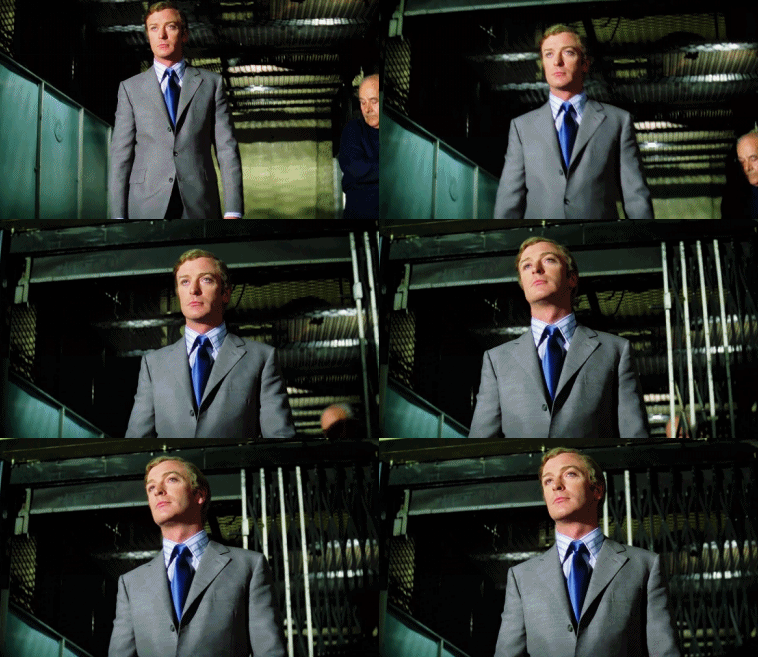
To make things more unbearable, I must inform that you won't be able to watch the compact version of “The Swarm” that hit theaters in 1978, as the 116 minutes was later replaced on TV, DVD and Blu-Ray for a longer version, with 155 minutes. Yes, it's 39 extra minutes of African killer bees. But it's not all bad: you can watch “The Swarm” if you want a chance to see Michael Caine wearing clothes in neutral colors or, better yet, Richard Widmark with a flamethrower. You can also see Olivia de Havilland going back to the Warner Brothers backlot 34 years after her lawsuit against the studio. Or you can see that, once again, it's a tiny being that puts the future of mankind in jeopardy – that is, if you needed to be reminded of that.

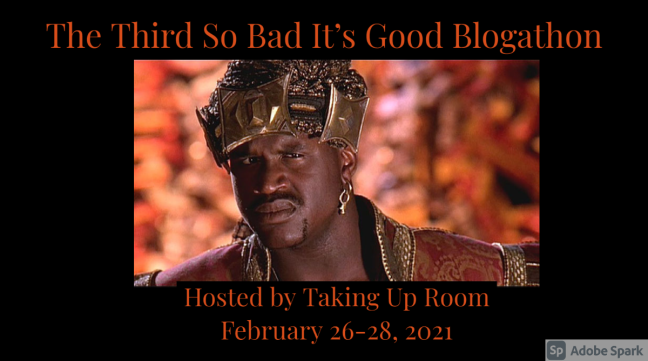
This is my contribution to the Third So Bad It's Good blogathon, hosted by Rebecca at Taking Up Room.


Thursday, April 25, 2019

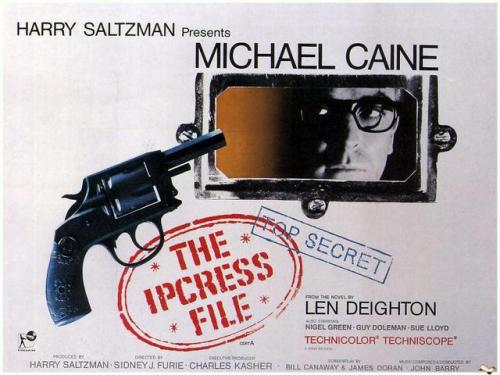
Ipcress: Arquivo Confidencial (1965) / The Ipcress File (1965)


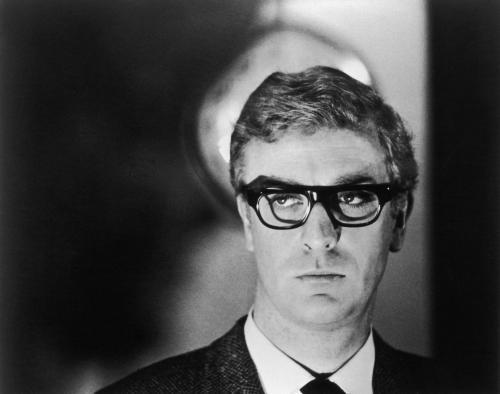
O investigador Harry Palmer foi criado para ser o oposto de James Bond. Ele deveria ser um homem comum que não usa engenhocas em suas missões e que nem sempre se ocupa de seduzir mulheres bonitas. Até seu nome deveria ser bobo: Harry Palmer foi o nome mais bobo em que Michael Caine conseguiu pensar para o personagem. Mas o primeiro filme de Harry Palmer, “Ipcress – Arquivo Confidencial” (1965), não tem nada de bobo.

Investigator Harry Palmer was created to be an anti-Bond. He is supposed to be a common man who does not use gadgets in his missions and who is not always seducing beautiful women. Even his name is supposed to be boring: Harry Palmer was the most boring name Michael Caine could come with for the character. But Harry Palmer’s first film, “The Ipcress File” (1965), is not boring at all.


O ótimo porém insolente sargento Harry Palmer (Michael Caine) é transferido pelo coronel Ross (Guy Doleman) para uma nova função, ficando no lugar de um homem que foi morto recentemente. Este homem estava investigando a aposentadoria repentina de grandes cientistas que estavam bem e de repente perderam suas habilidades.

Great yet insolent sergeant Harry Palmer (Michael Caine) is transferred by Colonel Ross (Guy Doleman) to a new position, replacing a man who had just been killed. This deceased man was investigating the sudden retirement of top-notch scientists who were just fine and suddenly couldn't function anymore.


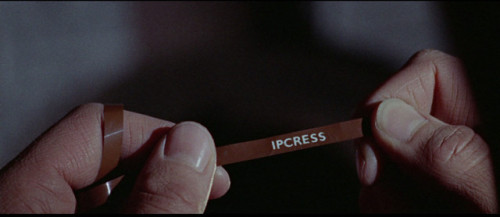
Harry pode estar trabalhando para o major Dalby (Nigel Green), mas ele ainda prefere suas velhas técnicas de investigação. Não importa o que Harry faça, Dalby acha que “não é bom o suficiente”. Isso acontece até que Harry e a equipe encontram uma fita de áudio onde está escrito “Ipcress”.

Harry might be working for major Dalby (Nigel Green) now, but he still prefers his old investigation techniques. No matter what Harry does, Dalby thinks “It's not good enough”. This happens until Harry and the team find an audiotape with “Ipcress” written on it.


Descobrir a função da fita não será o único desafio de Harry: ele também se envolverá com uma agente, descobrirá que tanto Rossa quanto Dalby querem a fita e será cobaia em um experimento torturante. Para tornar tudo um pouco pior, Harry será seguido por um homem com óculos de armação quebrada.

Finding out what the tape does won't be Harry's only challenge: he will also get involved with a female agent, he will find out that both Ross and Dalby want the tape and he will go through a torturing experience. To make things a bit worse, Harry will be followed everywhere by a man with broken glasses.


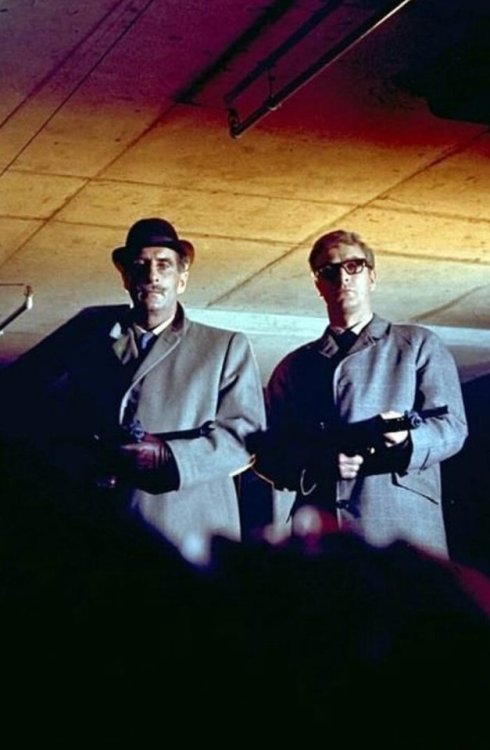
“Ipcress – Arquivo Confidencial” é um filme com uma trama muito complexa – quase tão complexa quanto a de “O Espião que Sabia Demais” (2011). Mesmo assim, há espaço para humor quando Harry e seu chefe conversam, de maneira não muito amigável, enquanto fazem compras de supermercado. Há também uma sequência de muito suspense em uma garagem subterrânea onde um homem ferido é resgatado.

“The Ipcress File” is a film with a very complex plot – almost as complex as “Tinker Taylor Soldier Spy” (2011). Nevertheless, there is room for humor as Harry and his boss talk, not exactly in an amicable way, while they do grocery shop. There is also a very suspenseful sequence in an underground parking lot as a hurt man is traded by cash.


Há uma boa quantidade de ângulos criativos, que nos fazem ver a ação através de lentes de óculos, cabines telefônicas transparentes, pequenas aberturas e buracos nas paredes. De acordo com Michael Caine, o diretor Sidney Furie decidiu filmar as cenas como se o público estivesse seguindo a ação detrás de alguma coisa, como um agente escondido.

There is a fine amount of creative shots, making us see the action through glass lenses, transparent telephone boots, small apertures and holes in walls. According to Michael Caine, director Sidney Furie deliberately chose to shoot the film as the public was following the action hiding behind something, as an undercover agent.


Havia muitas pessoas trabalhando em “Ipcress – Arquivo Confidencial” que haviam trabalhado em filmes do 007:  o produtor Harry Saltzman, o editor Peter Hunt, o designer de produção Ken Adam e o compositor John Barry. Sendo profissionais versáteis, eles conseguiram criar uma atmosfera muito diferente da dos filmes de James Bond – a diferença mais perceptível é a música.

There were many people working on “The Ipcress File” who had also worked in Bond movies: producer Harry Saltzman, editor Peter Hunt, production designer Ken Adam and composer John Barry. As versatile professionals, they managed to create an atmosphere as far from the Bond movies as possible – the most perceptible difference is the soundtrack.


“Ipcress – Arquivo Confidencial” foi um livro escrito por Len Deighton e publicado em 1962. No livro, narrado em primeira pessoa, o agente principal não tem nome. Já que é raro para uma película ser filmada com ponto de vista de primeira pessoa – a primeira metade de “Prisioneiro do Passado” (1947) é uma exceção – os produtores precisavam de um nome para nosso anti-herói. Michael Caine sugeriu o nome, e usou o sobrenome de seu colega de escola mais chato. Caine também escolheu manter os óculos que o personagem usava no livro para fazer Palmer mais humano – e para ajudar na caracterização de Caine, já que o ator usa óculos na vida real. Como alguém que usa óculos, fico feliz em ver um investigador cuja vista é tão ruim quanto a minha.

“The Ipcress File” was a book written by Len Deighton and published in 1962. In the book, narrated in the first person, the lead agent had no name. Since it’s rare for a movie to be filmed with a first person point-of-view – with the first half of “Dark Passage” (1947) being one exception – the producers needed a name for our anti-hero. Michael Caine suggested the name, and took the surname from his most boring school classmate. Caine also chose to keep the glasses the character used in the novel as a way to make Palmer more down-to-Earth – and to help Caine’s characterization, as the actor wears glasses in real life. As someone who wears glasses, I’m happy to see an investigator whose sight is as bad as mine.


“Ipcress – Arquivo Confidencial” deu origem a uma pequena série de filmes – foram seis no total. Michael Caine não interpretou o protagonista em apenas um deles, “Spy Story” (1976), no qual o protagonista recebeu outro nome. Os dois últimos filmes da série não oficial de Harry Palmer foram feitos diretamente para a TV.

“The Ipcress File” originated a small series of films – there were six in total. Michael Caine didn’t play the lead in only one of the films, “Spy Story” (1976), in which the lead was also renamed. The last two films of the unofficial Harry Palmer series were made for TV in the 1990s.


“Ipcress – Arquivo Confidencial” foi um grande sucesso. E como foi também o primeiro filme de Michael Caine como protagonista, ele logo se tornou uma grande estrela – e ele nem era a primeira opção do produtor: Saltzman queria Christopher Plummer para o papel, mas Plummer preferiu fazer “A Noviça Rebelde”. Em 1999, “Ipcress – Arquivo Confidencial” foi escolhido o 59º melhor filme inglês pelo Instituto de Cinema Britânico. E, mesmo com Harry Palmer tendo sido criado para ser o oposto de James Bond, temos de concordar que Michael Caine é tão bacana quanto qualquer ator que fez 007, não?

“The Ipcress File” was a huge success. As it was Michael Caine’s first time as he lead, he soon became a superstar – and he wasn’t even the producer’s first choice: Saltzman wanted Christopher Plummer for the role, but Plummer chose to do “The Sound of Music” instead. In 1999, “The Ipcress File” was voted the 59th best British film ever by the British Film Institute. And, even though Harry Palmer was created to be an anti-Bond, we all can agree that Michael Caine is as cool as any actor who played agent 007, isn’t he?

This is my contribution to the Second Marvellous Michael Caine blogathon, hosted by Gill at Realweegiemidget Reviews.


Wednesday, March 14, 2018

Um Golpe à Italiana (1969) / The Italian Job (1969)


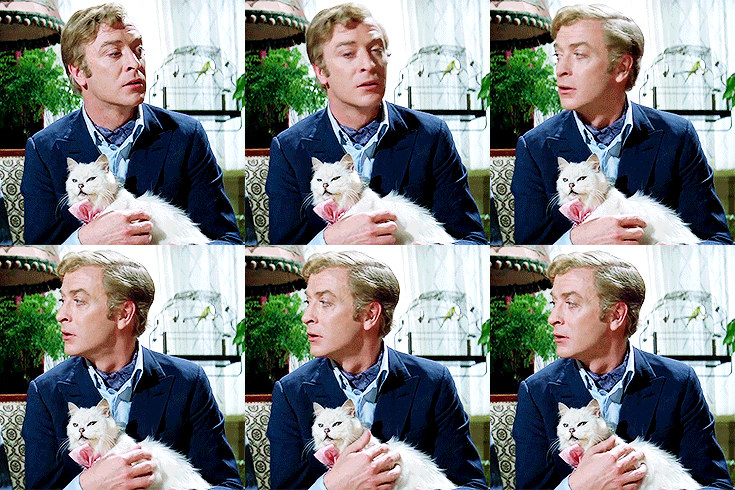
Charlie Croker (Michael Caine) acaba de sair da cadeia e já está envolvido em um novo plano de roubo. Cabe a Charlie encontrar um novo “patrocinador” para o golpe, e isto não é muito difícil: Mr. Bridger (Noel Coward), companheiro de prisão de Charlie, mostra-se interessado.

Charlie Croker (Michael Caine) just got out of jail and is already involved in a new heist plan. His mission is to find someone to “sponsor” the heist, and it is not something difficult to do: Mr. Bridger (Noel Coward), Charlie's mate from the prison, is interested in the business.
O plano é arriscado: para roubar 4 milhões de euros em ouro de um carro-forte em Turim, na Itália, é necessário parar completamente o trânsito da cidade. Para isso uma gangue é reunida, e um dos momentos mais divertidos é a “captura” do estranho cientista Simon Peach (Benny Hill), que está internado em uma espécie de hospício. 

The heist is risky: in order to steal 4 million Euros from an armored car in Turin, Italy, they have to completely stop the traffic in town. So, lots of bandits are hired for the dirty job including the strange scientist Simon Peach (Benny Hill), who was an intern in a mental asylum.
Mais perigosa que a polícia é a máfia italiana, que já havia apagado o mentor inicial do plano milionário logo nos primeiros minutos do filme e agora promete dar trabalho para a equipe de Charlie. Um confronto na fronteira, onde o caminho é estreito e as rochas, escarpadas, promete muitos momentos de suspense e alguns carros destruídos. Aliás, o que não falta é uma boa aniquilação de vários carros bonitos, todos oferecidos pela Fiat, que em troca teve seu nome veiculado junto ao roteiro do filme. Talvez tenha sido “marketing de destruição”?

But the Italian mob is more dangerous than the thieves: they had already killed the first mentor of the heist in the beginning of the movie, and won't make things easy for Charlie's team. A confront in the borders, where the highways are tiny and the mountains have sharp edges, will give us a lot of suspense and many destroyed cars. By the way, what “The Italian Job” has the most is destroyed cars – beautiful Fiat cars, because the brand allowed their Mini Coopers to be destroyed in order to be mentioned in the screenplay. “Destruction marketing”, maybe?
Dos 95 minutos do filme, cerca de 30 se concentram na louca fuga pelas ruas e galerias de Turim. São três Mini Coopers, carros bem britânicos, e uma van colorida. Três pilotos / dublês muito habilidosos passam com os carros por túneis, cachoeiras, escadarias, restaurantes e inclusive saltam de um telhado para o outro! É adrenalina pura, pois de uma maneira ou de outra simpatizamos com aquela gangue. Ah, e preste atenção: como Michael Caine não sabia dirigir, ele nunca é visto atrás do volante e sua dublê nestas cenas é uma mulher (mas Michael finalmente aprendeu a dirigir... em 1983).

The film is 95 minutes long, and about 30 minutes are spent in the crazy runaway in the middle of the streets and galleries in Turin. Three Mini Coopers and a colorful van are  involved. Three very skilled actors / doubles drive the cars through tunnels, waterfalls, staircases, restaurants and even cross the air from one roof to the other! Its pure adrenaline, because they may be thieves, but they made us root for them. And pay attention: because Michael Caine couldn't drive, he is never seen directly behind the wheels, and his double in this scenes is a woman (but Michael finally learned how to drive... in 1983).
Quem gosta de algo menos violento se satisfaz com a excelente trilha sonora, que ficou por conta de Quincy Jones que, aliás, nasceu no mesmo dia, mês e ano que Michael Caine. Embora o filme comece com a charmosa canção “On days like these”, cantada por Matt Monro, a que fica na cabeça do espectador é “The self-preservation society”, entoada durante a fuga. E fique de ouvidos atentos: Caine é um dos cantores!

If you're not into stealing, running away and doing violent things, don't worry: the soundtrack may appeal to you. The man responsible for the music was Quincy Jones, who, in a nice coincidence, was born in the same day, month and year as Michael Caine. Althouh the film starts with the charming song “On days like these”, sung by Matt Monro, the song that is the real earworm is “The self-preservation society”, sung during the escape. And keep your ears wide open: Michael Caine is one of the singers!
Uma produção quase familiar: Noel Coward era padrinho do diretor, e este sempre dava à esposa um pequeno papel porque a presença dela trazia sorte. Mas sorte foi o que faltou a “Um Golpe à Italiana” nos Estados Unidos: a ideia era usar Robert Redford como protagonista, o que tornaria a película mais fácil de ser vendida para o resto do mundo. Mas não é a ausência de Redford que fez o filme afundar em terras ianques, mas sim a péssima publicidade, que sugeria um filme sobre crimes e sedução, e não uma comédia com poucas personagens femininas e muita ação. Foi esse fracasso na terra de Hollywood que impediu que fosse feita uma continuação de “Um Golpe à Italiana”.

Almost a family production: Noel Coward was the director's godfather, and always gave his wife a small role believing her presence was a lucky charm. But “The Italian Job” lacked luck in the US: the initial idea was to have Robert Redford as the lead, because he would attract more public than Michael Caine. However, it was not Redford's absence that made the film a failure in the US: the advertising campaing was misleading, because it promised a thriller about crimes an seduction, and not what the film really was – a British comedy with few female characters and a lot of action. It was because of the Hollywood failure that “The Italian Job” didn't get a sequel.
E Michael Caine não parou completamente com os golpes. Um de seus filmes mais recentes, “Despedida em Grande Estilo” (2017), é uma comédia deliciosa sobre três idosos (Caine, Morgan Freeman e Alan Arkin) que decidem roubar um banco para pegar as indenizações que deveriam ter sido pagas a eles. O filme, um remake de uma produção de 1979 com Lee Strasberg, Art Carney e George Burns, é um exemplo de puro entretenimento perfeito para uma tarde chuvosa e preguiçosa. Em uma referência adorável, um dos veículos de fuga considerados pelo trio é um Mini Cooper – igualzinho aos usados em “Um Golpe à Italiana”. Não há prova melhor que essa de que Michael Caine nunca perdeu suas habilidades de fora da lei.

And Michael Caine didn't stop completely with his heists. One of his more recent films, “Going in Style” (2017), is a delightful comedy about three elder citizens (Caine, Morgan Freeman and Alan Arkin) who decide to rob a bank in order to take back the pension funds they had the right to receive. This film, a remake of a 1979 heist movie with Lee Strasberg, Art Carney and George Burns, is an example of light entertainment, and an attraction perfect for a lazy rainy afternoon. In a nice nod, one of the escape vehicles considered by the old trio is a Mini Cooper – just like the ones in “The Italian Job”. There is no better proof than this that Michael Caine never lost his outlaw skills.
With time, Michael Caine improved his driving skills and experimented with other vehicles

This is my contribution to The Marvelous Michael Caine blogathon, hosted by Gill at RealWeegieMidget Reviews.

Related Posts Plugin for WordPress, Blogger...