Dez anos depois de sua última
parceria, “Sabrina” (1954), William Holden e Audrey Hepburn se encontraram
novamente em um estúdio de cinema – ou melhor, em dois estúdios de cinema.
“Quando Paris Alucina” (1964) é um filme metalinguístico, ou seja, é um filme
sobre fazer filmes, e ele tem um filme dentro de outro filme. Pode parecer
confuso, mas a película é na verdade muito boa para ajudar as pessoas a
compreenderem como os filmes são feitos – e como esse processo pode ser
caótico.
Ten years
after their previous collaboration, “Sabrina” (1954), William Holden and Audrey
Hepburn met again on a movie set – or better, at two movie sets. “Paris When It
Sizzles” (1964) is a metalinguistic film, that is, a film about making films,
and it has a film inside other film. It may sound confusing, but the movie is
actually a very good one to make people understand how films are made – and how
chaotic this process can be.
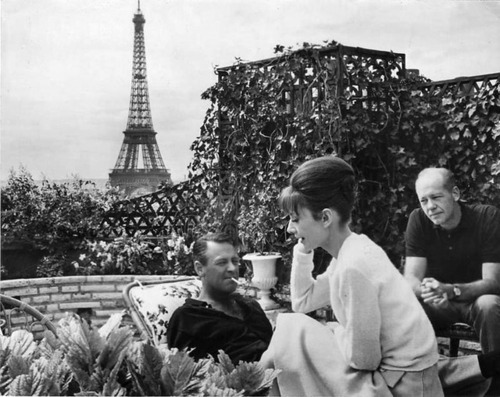
Richard Benson (William Holden) é um
roteirista que está trabalhando no roteiro do seu próximo filme, chamado “A
Garota que Roubou a Torre Eiffel”. Ou ele deveria estar trabalhando: ele passou
cinco meses se divertindo, bebendo, tomando sol e procrastinando e agora ele só
tem dois dias para entregar um roteiro de 130 páginas.
Richard
Benson (William Holden) is a screenwriter who is working on the screenplay for
his next film, called “The Girl who Stole the Eiffel Tower”. Or he should be
working: he spent five months partying, drinking, sunbathing and
procrastinating, and now he only has two days to deliver a 130-page script.

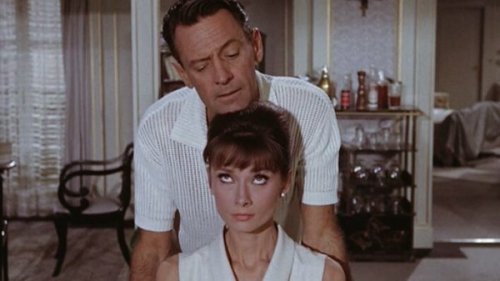
Uma datilógrafa, Gabrielle Simpson
(Audrey Hepburn), é enviada para ajudá-lo a digitar o roteiro. Ele confessa
para ela que não tem nada pronto, embora ele descreva o filme com
grandiosidade, como uma mistura gloriosa de gêneros. Gabrielle fica surpresa
com a situação incomum, mas mesmo assim eles começam a trabalhar juntos, com
Richard jogando cara ou coroa para tomar decisões sobre o filme – como, por
exemplo, se a cena inicial se passará durante o dia ou à noite.
A typist,
Gabrielle Simpson (Audrey Hepburn), is sent to help him type his script. He
confesses to her that he has nothing ready, although he describes his film with
grandiosity as glorious a mix of genres. Even though Gabrielle is surprised
with the uncommon situation, they start working together, with Richard tossing
a coin to decide some things about his movie – like if the opening scene will
be set by day or at night.

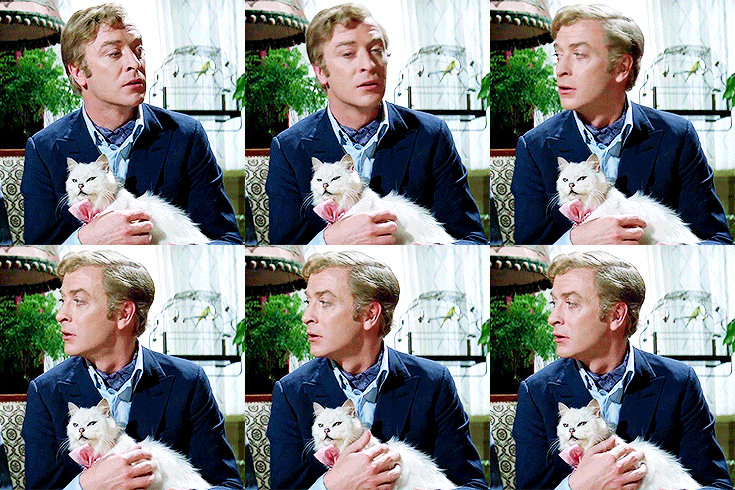
As coisas não vão bem. Chateado,
Richard começa a conversar com Gabrielle e decide usar a história dela como
inspiração. “A Garota que Roubou a Torre Eiffel” será sobre uma jovem
trabalhadora festejando o Dia da Bastilha depois que seu amigo, Maurice,
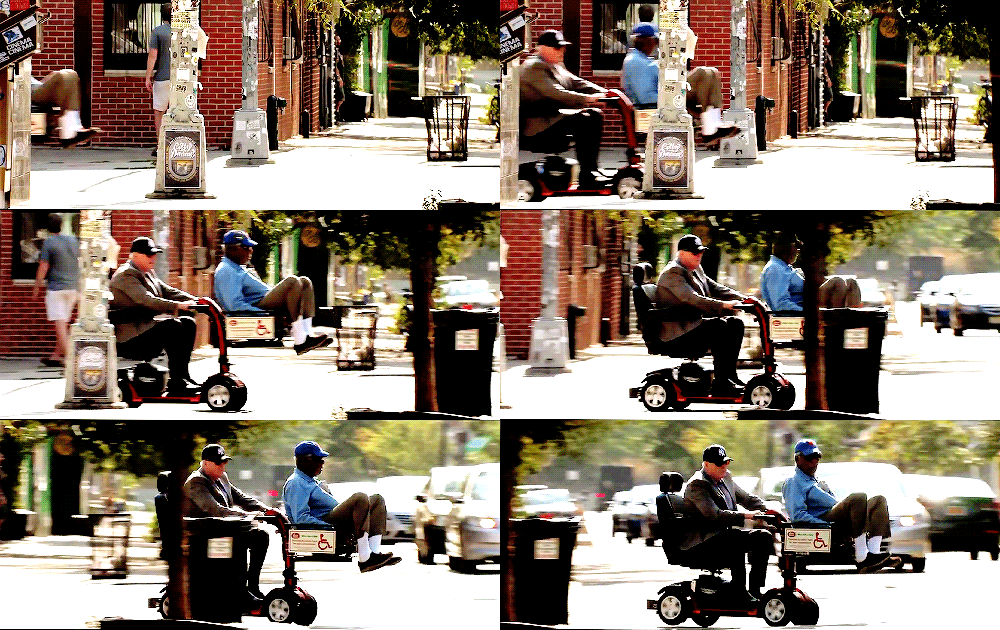
cancela o encontro que eles tinham. Conforme Richard imagina a ação, ela se
desenrola na frente dos nossos olhos. É o filme dentro do filme.
Things are
not going well. Upset, Richard starts talking to Gabrielle and decides to use
her story as an inspiration. “The Girl who Stole the Eiffel Tower” will be
about a working girl spending the Bastille Day festivities after her date, Maurice,
dumps her. As Richard envisions the action, it develops in front of our eyes.
It's the film within the film.
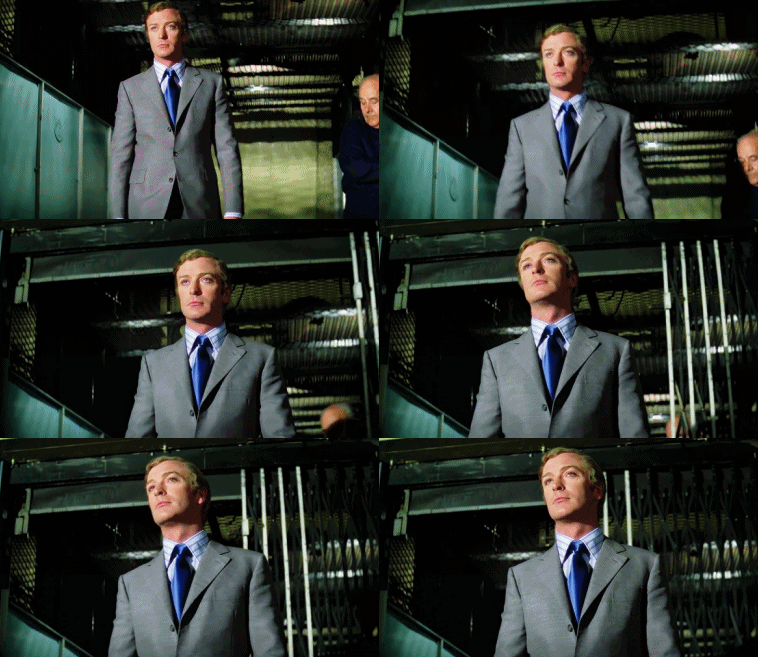
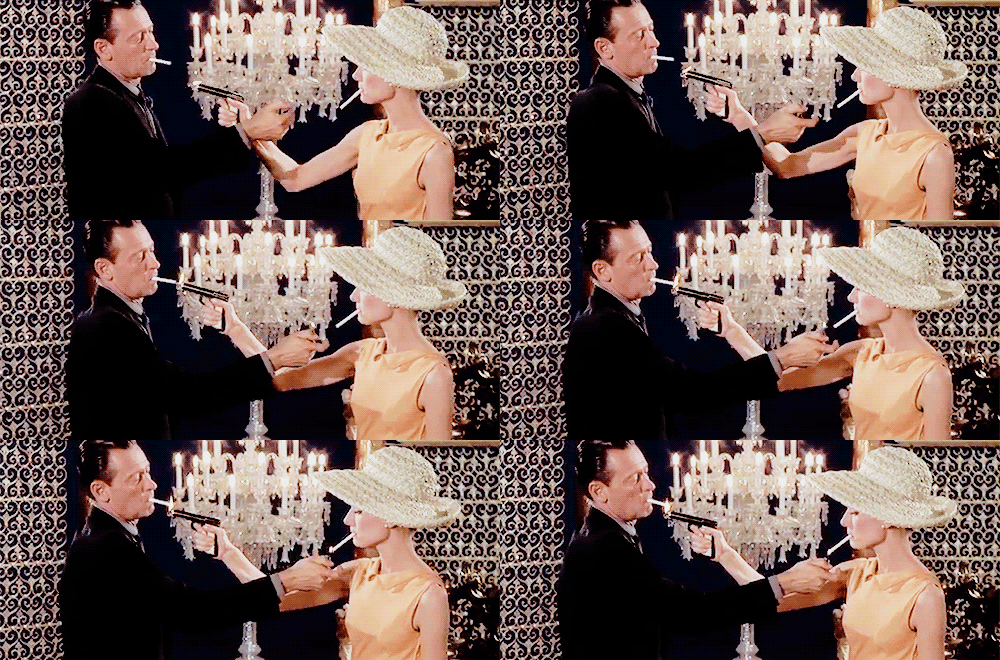
A garota,
Gabby, também é interpretada por Audrey Hepburn. Maurice, seu amigo narcisista, é interpretado por Tony Curtis em uma
participação hilária. Mas um homem misterioso, Rick, interpretado por William
Holden, decide levá-la para passar um dia divertido com ele. Agora eles
precisam decidir o que acontecerá a seguir. “A Garota que Roubou a Torre
Eiffel” será um filme de romance? De aventura? De suspense? De horror? Ou
talvez de comédia?
The girl,
Gabby, is played by Audrey Hepburn as well. Maurice, her narcissistic date, is
played by Tony Curtis in an hilarious cameo. But a mysterious man, Rick, played
by William Holden, decides to take her out for a fun day. Now they have to
decide what will happen next. Will “The Girl who Stole the Eiffel Tower” be a
romantic movie? An adventure? Spy thriller? Horror film? Or maybe a comedy?
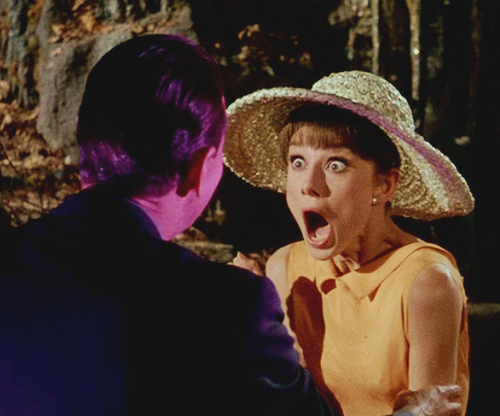
Filmes metalinguísticos são meu tipo
de filme favorito. Além de apreciar “Quando Paris Alucina”, eu também me vi
retratada em muitas situações. Primeiro, Richard é um procrastinador. Assim
como ele, eu também estou acostumada a fazer minhas tarefas quando a data
limite está próxima. Como eu não gosto da palavra “procrastinação”, eu prefiro
dizer que não sou boa em administrar meu tempo, mas não importa qual termo eu
uso: o resultado é o mesmo.
Metalinguistic
films are my favorite kind of film. Besides enjoying “Paris When It Sizzles”, I
also saw myself in many situations. First, Richard is a procrastinator. Like
him, I am also used to doing my things when the deadline is approaching. As I
don't like the world “procrastinating”, I prefer to say that I'm not good at
managing my time, but no matter the term I use: the result is the same.
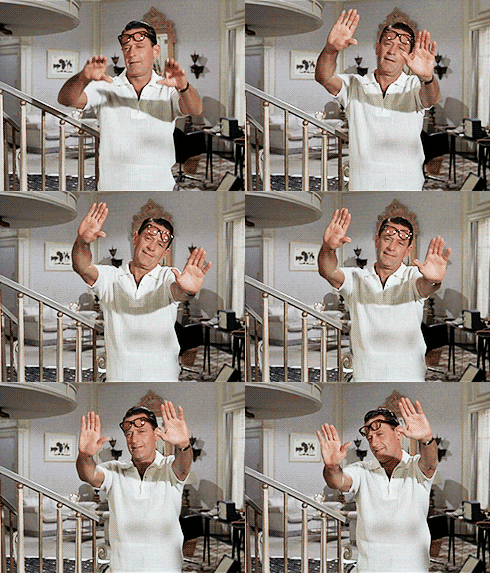
Segundo, Richard é um escritor que
gosta de visualizar as cenas que ele está criando. Eu, sempre que escrevo
ficção, também gosto de visualizar a ação se desenvolvendo na minha mente, por
isso eu escolho alguns atores, vivos ou mortos, e às vezes até pessoas que eu
conheço, para imaginá-los interpretando as cenas na minha cabeça. É mais fácil
ver se o que você escreveu é verossímil se você pode, bem, ver a ação se
desenrolar na sua mente.
Second,
Richard is a writer who likes to visualize the scenes he's creating. I,
whenever I write fiction, also like to visualize the action developing in my
mind, so I “cast” some actors, dead or alive, and sometimes even people I know,
to imagine them playing the scenes in my head. It's easier to see if what you
wrote is believable if you can, well, see it unfolding in your mind.
Há muitas, muitas piadas envolvendo o
mundo do cinema. Para começar, Gabrielle conta a Richard que seu último
trabalho foi com um cineasta em cujos filmes a coisa mais importante era a ação
que NÃO estava acontecendo – e eu logo pensei em Buñuel e filmes europeus
experimentais.
There are
many, many jokes involving the film world. To begin with, Gabrielle tells
Richard that she last worked for a filmmaker in whose films the important thing
was what was NOT going on – and I instantly thought about Buñuel and
experimental European flicks.
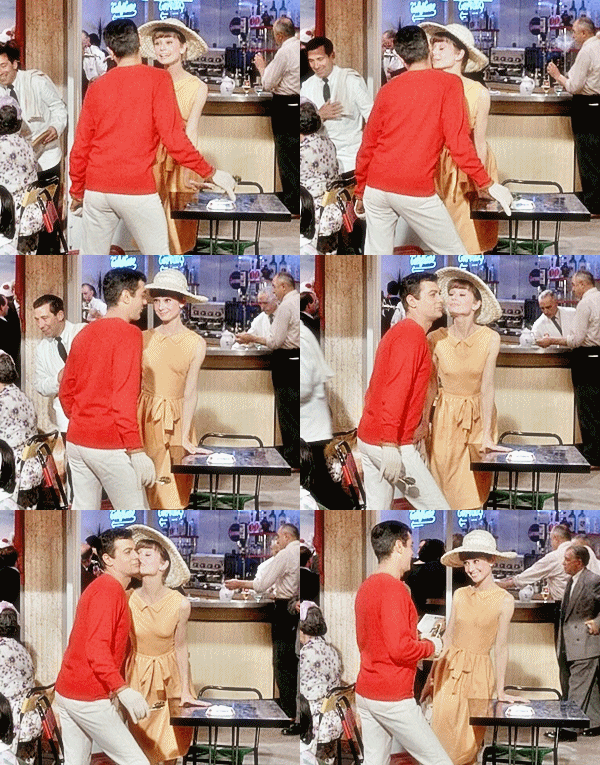 |
| Tony Curtis and Audrey Hepburn |
Depois, Richard zomba dos atores que
seguem o Método. Assim que Richard começa a visualizar o filme dentro do filme,
os créditos rolam e neles está escrito “little person” no lugar dos nomes de
profissionais como diretor de arte e decorador. No filme dentro do filme, Gabby
diz não gostar dos filmes da Nouvelle Vague (chamados de New Wave pelos
norte-americanos) porque nada acontece neles. Há algumas referências a
“Bonequinha de Luxo” (1961), outro filme de Audrey. E há algumas participações
especiais, incluindo Marlene Dietrich, Mel Ferrer e as participações vocais de Frank Sinatra e Fred Astaire!
Next, Richard
mocks Method actors. As Richard starts envisioning the film-within-the-film,
the credits appear and they have “little person” written for behind-the-cameras
professionals like art director and set decorator. In the film-within-the-film,
Gabby says that she doesn't like those New Wave movies because nothing happens
in them. There are a few hints to Audrey’s movie “Breakfast at Tiffany's”
(1961). And there are a few cameos, including Marlene Dietrich, Mel Ferrer and the vocal cameos of Frank Sinatra and Fred Astaire!
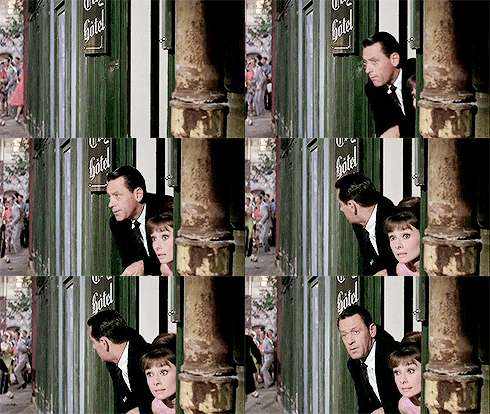
Mais do que isso, “Quando Paris
Alucina” é uma lição na arte de fazer filmes. Os novatos aprendem o significado
de fade in, fade out e do efeito de dissolver (“dissolve”). Nós literalmente
vemos um roteiro ganhar vida na nossa frente. Nós testemunhamos o processo de
brainstorm que gera um filme, e podemos ter certeza de que muitos dos, se não
todos, filmes que vimos e apreciamos surgiram através deste exercício de
imaginação.
More than
that, “Paris When It Sizzles” is a filmmaking lesson. Beginners get to know the
meaning of fade in, fade out and the dissolve effect. We literally see a script
becoming alive in front of us. We witness the brainstorm process that gives
birth to a movie, and we can be sure that many, if not all, flicks we've seen
and enjoyed came to be through this exercise of imagination.
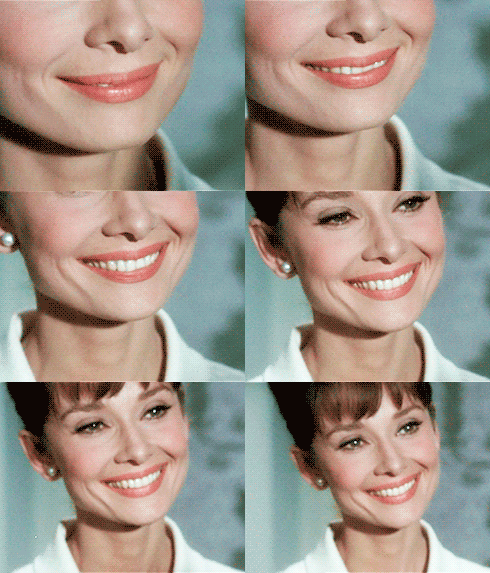
Audrey adiciona um toque infantil à
sua Gabrielle que bem pode ser chamado de “serendipidade”, uma palavra ensinada
a ela por Richard. Como Gabby, a heroína do filme dentro do filme, ela é como
uma moleca, parecendo ingênua mas usando sua sagacidade sempre que precisa
fugir de problemas – ela é feita do mesmo material das heroínas de cinema mudo
interpretadas por Ossi Oswalda. Audrey parecia estar se divertindo muito
enquanto gravava o filme.
Audrey adds a
childlike touch to her Gabrielle that can be called “serendipity”, a word
Richard teaches her. As Gabby, the heroine of the film-within-the-film, she is
like a gamine, looking naïve but using her brains whenever she needs to escape
some trouble – she is made from the same material of silent film heroines
played by Ossi Oswalda. Audrey really seemed to be having a lot of fun while
doing the film.
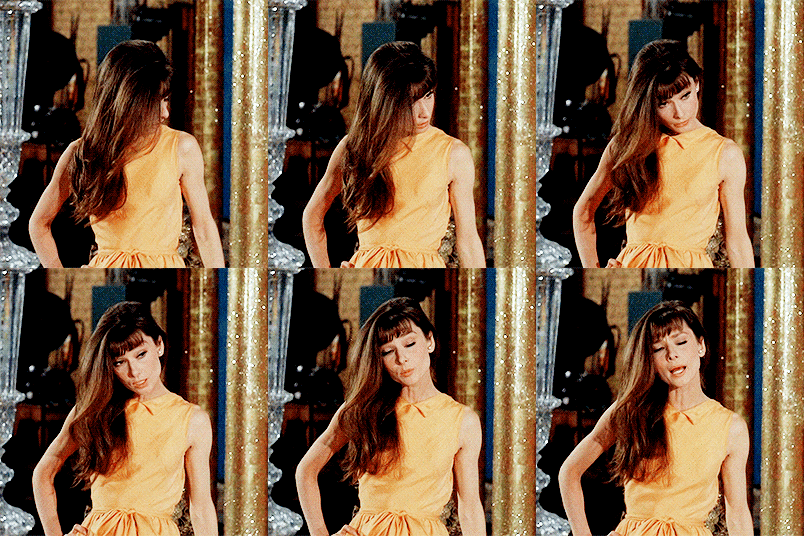
“Quando Paris Alucina” não foi um
sucesso entre os críticos. Mesmo hoje, muitos fãs de cinema não gostam muito do
filme. Eu, por outro lado, acho-o bastante divertido – e, mais importante, um
retrato em forma de paródia da indústria do cinema e do processo criativo.
“Paris When
It Sizzles” was not a success among critics. Even nowadays, many film fans are
not very fond of the film. I, on the other hand, find it very entertaining –
and, more important, a tongue-in-cheek portrait of the film industry and the
creative process.
This is my contribution
to the Audrey at 90: The Salute to Audrey Hepburn blogathon, hosted by Janet at
Sister Celluloid.

As our friend
Kate Gabrielle mentioned, Audrey would have loved if, as a birthday gift, we
donated some money – any quantity – to UNICEF. You can donate HERE.
 |
| Holden deu a Audrey esta joia charmosa depois do final das filmagens |
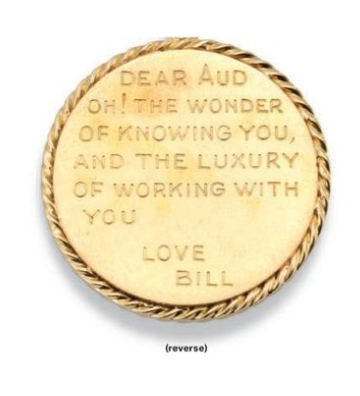 |
| Holden gave Audrey this charming jewel after the film wrapped |