} Crítica Retrô: Audrey Hepburn

Tradutor / Translator / Traductor / Übersetzer / Traduttore / Traducteur / 翻訳者 / переводчик

Showing posts with label Audrey Hepburn. Show all posts

Thursday, June 11, 2026

A Flor que não Morreu (1959) / Green Mansions (1959)


De vez em quando as estrelas se alinham e dois de seus atores favoritos fazem um filme juntos. Isso foi o que aconteceu com “A Flor que não Morreu”, infelizmente considerado um dos piores filmes das carreiras de dois de meus favoritos: Audrey Hepburn e Anthony Perkins. Sim, eles só interagem pela primeira vez após mais de 30 minutos de projeção, mas a química entre eles não foi o que decepcionou a maioria da plateia e deu má fama ao filme. Vejamos o que aconteceu. 

Sometimes the stars align and two of your favorites make a movie together. This is what happened in “Green Mansions”, unfortunately considered one of the worst films in the careers of two of my favorites: Audrey Hepburn and Anthony Perkins. Yes, they only interact for the first time after the 30-minute mark, but their chemistry is not what displeased the majority of the audience and gave this movie bad fame. Let’s see what happened.

Somos informados de que no começo do século XX W.H. Hudson viveu nas selvas da Venezuela e contou ao mundo uma história de amor que se tornou um clássico contemporâneo. Ah… se a queda d’água nos créditos iniciais parece familiar, é porque também apareceu em “Up! - Altas Aventuras” da Disney - outro clássico contemporâneo.

We’re informed that in the early 20th century W.H. Hudson lived in the jungles of Venezuela and told the world a love story that became a modern classic. Oh…If the waterfall in the opening credits seems familiar, it’s because it was also portrayed in Disney’s “Up!” - another modern classic.

Abel (Anthony Perkins) é um homem da capital da Venezuela, Caracas, em busca de vingança. E para isso ele precisa de ouro. Embrenhando-se na floresta, ele é ao mesmo tempo salvo e capturado por um grupo de nativos. Como o filho do Chefe fala inglês, Abel não corre perigo. Na verdade, ele recebe uma missão: entrar na selva e matar o Espírito da Floresta. Enquanto ele está lá, é picado por uma cobra coral mas salvo por Rima (Audrey Hepburn). Levado até a cabana dela, Abel se recupera e começa a acreditar que o avô de Rima pode saber onde há ouro. 

Abel (Anthony Perkins) is a man from the capital of Venezuela, Caracas, who is looking for revenge. And for this he needs gold. Entering the innermost of the jungle, he is both saved and captured by a group of natives. Since the Chief’s son speaks English, Abel is in no danger. In fact, he receives a mission: to enter the jungle and kill the Spirit of the Forest. While he’s there, he’s bitten by a coral snake but saved by Rima (Audrey Hepburn). Taken to her hut, Abel recovers and starts to believe Rima’s grandfather may know where there’s gold.

Audrey Hepburn fez mais de uma dúzia de filmes antes de “A Flor que não Morreu” e ganhou o Oscar de Melhor Atriz por sua estreia em Hollywood, “A Princesa e o Plebeu” (1953). Anthony Perkins era uma estrela em ascensão, tendo estreado em 1953 com um papel em “Papai Não Quer”. Para fazer este filme, Hepburn recusou o papel principal em “O Diário de Anne Frank” (1959) e Perkins recusou um papel em “Quanto Mais Quente Melhor” (1959). A canção “Green Mansions” é cantada pelo próprio Perkins, que na época estava tentando uma carreira dupla como ator e cantor. E ele cantava muito bem!

Audrey Hepburn had made over a dozen films before “Green Mansions”, and won the Best Actress Oscar for her Hollywood debut “Roman Holiday” (1953). Anthony Perkins was a rising star, having debuted in 1953 with a role in “The Actress”. To appear in this film, Hepburn refused the lead role in “The Diary of Anne Frank” (1959) and Perkins refused a role in “Some Like It Hor” (1959). The song “Green Mansions” is sung by Perkins himself, who at the time was trying a double career as actor and singer. He is not bad at singing at all!

É estranho, entretanto, acreditar que nosso elenco é venezuelano. Isso fica mais difícil com os atores interpretando os nativos, como o japonês Sessue Hayakawa (abaixo) e Henry Silva, vindo do Brooklyn. A língua que eles falam é mais próxima do japonês do que das línguas dos nativos amazônicos. Bem, é a Velha Hollywood tratando quem é diferente como exótico mais uma vez. 

It’s weird, however, to believe our cast is Venezuelan. This gets even harder for the actors playing natives, such as the Japanese Sessue Hayakawa (below) and Brooklyn-born Henry Silva. Their spoken language is closer to Japanese than to the languages of Amazon natives. Well, it’s Old Hollywood treating the different people as exotic once again.

Aqui tenho uma surpresa agradável: uma “música especial” foi criada para o filme pelo meu conterrâneo Heitor Villa-Lobos. Deixe-me contar uma ou duas coisas sobre ele. O compositor de mais de duas mil obras começou tocando em cinemas no início do século XX. Seu trabalho foi influenciado tanto pela música europeia quanto pela música popular brasileira. Na verdade, Villa-Lobos baseou sua trilha para “A Flor que não Morreu” no livro que serviu de base para o filme, publicado em 1904. O compositor polonês Bronislau Kaper foi convidado a refazer a trilha, mas manteve alguns trechos de Villa-Lobos, que por sua vez apresentou sua composição completa mais tarde naquele ano em Nova York como a cantata Floresta do Amazonas.  

Here’s a welcome surprise: “special music” was created for the film by my fellow Brazilian Heitor Villa-Lobos. Let me tell you a thing or two about him. The composer of over 2,000 works started playing songs for films in the early 20th century. His work was influenced by both European music and Brazilian folk music. Villa-Lobos actually based his “Green Mansions” score on the 1904 source book, not the completed film. The Polish composer Bronislau Kaper was asked to do the complete score, but retained some of Villa-Lobos’ tunes, who in turn presented his full composition later that year in New York as the cantata Forest of the Amazon.

“A Flor que não Morreu” foi dirigido pelo então marido de Audrey, Mel Ferrer. Uma ideia de adaptação do livro nos anos 1930 com Dolores Del Rio foi desconsiderada. Vincente Minnelli foi depois considerado para dirigir, mas um teste mal sucedido com Pier Angeli como Rima fez com que Ferrer fosse escolhido no seu lugar. Ferrer viajou para a Venezuela e gravou uma hora de material que foi incorporado ao filme. “A Flor que não Morreu” seria o primeiro projeto com Ferrer dirigindo e Audrey estrelando, mas o fracasso comercial abortou o plano.

“Green Mansions” was directed by Audrey’s then-husband Mel Ferrer. An idea for an adaptation of the book in the 1930s with Dolores Del Rio was dropped. Vincente Minnelli was then attached to direct, but an unsuccessful test with Pier Angeli as Rima led to Ferrer being chosen instead. Ferrer traveled to Venezuela and shot one hour of material that was incorporated into the film as background. “Green Mansions” was supposed to be the first project with Ferrer directing and Hepburn starring, but the commercial failure aborted the plan.

Mais famoso que este filme é provavelmente o pequeno veado que Audrey adotou como mascote durante as filmagens. Ela o chamou de Pippin e várias fotos dos dois podem ser encontradas online. Mel Ferrer havia levado o animal à sua casa em Hollywood para deixá-lo acostumado com Hepburn nas cenas em que teriam de interagir.

More famous than this movie is probably the little fawn Audrey adopted as a pet while filming. She named it Pippin and several photos of the two can be found online. Mel Ferrer had brought the fawn to his Hollywood home to make it acquainted to Hepburn in the scenes in which they had to interact. 

Eu assisti à maioria dos filmes de Audrey Hepburn, escrevi sobre alguns deles e posso dizer que esse não é o pior da sua carreira - “Amor na Tarde” (1957), por exemplo, envelheceu muito mal. Há também muitos filmes modernos piores que este. O filme também recebe o crédito por ser o primeiro a utilizar o processo Panavision no cinema. E tem mais: com “A Flor que não Morreu”, uma história de amor que teria sido há muito esquecido foi imortalizada pelo cinema.

I’ve watched most of Audrey Hepburn’s movies, reviewed a good amount of them and can say that this isn’t her worst effort - “Love in the Afternoon” (1957), for example, aged awfully. There are plenty of modern movies worse than it, as well. The movie also gets the credit of debuting the Panavision process in cinema. And there’s more: with “Green Mansions”, a love story that would have been long forgotten was immortalized by cinema.

Para terminar este post, uma coisa diferente: quando eu comecei a explorar o YouTube, muitos anos atrás, fiz um par de vídeos explorando a carreira completa de algumas de minhas estrelas favoritas. Eu sempre quis fazer um para Audrey Hepburn. Esta semana encontrei o tempo e a motivação para fazê-lo. Então aqui está, “The Whole Career: Audrey Hepburn”. Vamos torcer para que eu não precise esperar mais 15 anos para fazer um destes vídeos! 

To finish this post, something different: when I started exploring YouTube, many years ago, I did a couple of videos showcasing the entire career of some of my favorite stars. I’ve always wanted to make one for Audrey Hepburn. This week I found the time and reason to do it. So here it is, “The Whole Career: Audrey Hepburn”. Let’s only hope I don’t wait 15 years to make another of these videos!


This is my contribution to the Audrey Hepburn blogathon, hosted by Maddy at Classic Film and TV Corner

Saturday, December 18, 2021

Robin e Marian (1976) / Robin and Marian (1976)


Costumamos focar tanto na aventura que em geral esquecemos que a lenda de Robin Hood também é uma história de amor. Maid Marian, a garota de Robin Hood, foi interpretada por Olivia de Havilland em “As Aventuras de Robin Hood” (1938) e retratada como uma raposa de vestido rosa e lilás em “Robin Hood” (1973) da Disney, mas o relacionamento deles nunca foi o foco do filme. Corta para 1976, quando os superastros Sean Connery e Audrey Hepburn – que estava longe das telas desde 1967 – foram escalados como Robin e Marian maduros em um filme que mostra que o amor pode ser a maior aventura de todas.

We focus so much in the adventure side of the tale that we often forget that the Robin Hood legend is also a love story. Maid Marian, Robin Hood’s girl, was played by Olivia de Havilland in “The Adventures of Robin Hood” (1938) and portrayed as a fox in a pink and lilac dress in Disney's “Robin Hood” (1973), but their relatioship was never the focus of the movie. Cut to 1976, when superstars Sean Connery and Audrey Hepburn – who had been far from the screens since 1967 – were cast as older Robin and Marian in a film that shows that love may be the biggest adventure there is.

Depois de 20 anos seguindo o rei Ricardo Coração de Leão (Richard Harris), Robin Hood (Sean Connery) o desobedece pela primeira vez. Parece que o coração de Ricardo não era tão bom assim, pois ele ordena que Robin destrua um castelo francês ocupado apenas por mulheres, crianças e um velho. Por sua desobediência, Robin é enviado para um calabouço com seu braço direito, Little John (Nicol Williamson). No dia seguinte, pouco antes de morrer, o rei Ricardo liberta Robin e John.

After 20 years following king Richard the Lionheart (Richard Harris), Robin Hood (Sean Connery) disobeys him for the first time. It looks like Richard’s heart is not so good after all, as he orders Robin to destroy a French castle that has only women, children and an old man inside. For his disobedience, Robin is sent to the dungeons with his right-hand man, Little John (Nicol Williamson). The following day, just before dying, king Richard lets Robin and John go.

Atravessando as florestas rumo à Inglaterra, Robin e John encontram velhos amigos, como Friar Tuck (Ronnie Barker), para quem Robin pergunta sobre Marian, alguém em quem, ele afirma, ele não havia pensado por anos. Marian ainda está nas redondezas, e o mesmo se aplica ao Xerife de Nottingham (Robert Shaw). Robin vai atrás dela e se surpreende ao descobrir que Maid Marian (Audrey Hepburn) é agora uma freira que ajuda os doentes.

Going through the woods back to England, Robin and John meet old friends, such as Friar Tuck (Ronnie Barker), to whom Robin inquires about Marian, someone who, he claims, he hasn’t thought about in years. Marian is still around, and so is the Sheriff of Nottingham (Robert Shaw). Robin goes after her and is surprised to find out that maid Maid Marian (Audrey Hepburn) is now a nun helping the sick.

O Xerife de Nottingham ordenou a prisão de Marian num ato de intolerância religiosa, e ela está disposta a ir sem lutar. Robin não deixa que ela seja presa e a leva para a floresta e, acampados junto aos amigos de Robin e a outras freiras resgatadas, eles reiniciam seu romance enquanto esperam pelo confronto com o Xerife de Nottingham.

The Sheriff of Nottingham has ordered Marian’s arrest in an act of religious intolerance, and she’s willing to go without fighting. Robin doesn’t let her and takes her to the woods and, camping along Robin’s friends and other rescued nuns, they reignite their romance while waiting for the confront with the Sheriff of Nottingham.

"Robin e Marian” foi dirigido por Richard Lester, que também dirigiu “Os Reis do Iê-iê-iê” (1964) e “Help!” (1965), entre outros filmes. Aqui, ele está muito mais contido e escolhe tons de marrom e bege como predominantes na fotografia. Como Roger Ebert escreveu em sua crítica, “ele fotografa a Floresta de Sherwood e seus personagens com um bom realismo que é melhor que a solenidade pretensiosa que às vezes vemos em filmes históricos”.

"Robin and Marian” was directed by Richard Lester, who also directed “A Hard Day’s Night” (1964) and “Help!” (1965), among other movies. Here, he is much more restrained and chooses tones of brown and beige as predominant in the photography. As Roger Ebert wrote in his review, “he photographs Sherwood Forest and its characters with a nice off-hand realism that's better than the pretentious solemnity we sometimes get in historical pictures.”

A trilha sonora foi composta por John Barry. Ele também compôs a trilha de 11 filmes de James Bond e foi responsável por dar forma ao inconfundível tema musical de 007. Barry escolheu “007 Contra Goldfinger” (1964) como sua trilha sonora favorita e “007 Contra o Homem com a Pistola de Ouro” (1974) como a que menos gostou, pois teve apenas três semanas para compô-la.

The soundtrack was composed by John Barry. He also composed the soundtrack of 11 James Bond movies, and was responsible for shaping the now unmistakable 007 theme song. Barry has chosen “Goldfinger” (1964) as his favorite score, and “The Man with the Golden Gun” (1974) as his least favorite, because he had only three weeks to work on it.

Esta não é a primeira vez em que Audrey Hepburn interpreta uma freira. Em 1959 ela fez “Uma Cruz à Beira do Abismo”, sobre as dificuldades enfrentadas por uma jovem ingênua ao entrar para o convento. Em “Robin e Marian”, ela interpreta uma freira mais independente, e tem ótima química com Sean Connery – o que é bastante curioso, porque os produtores queriam que Connery interpretasse Little John, com Albert Finney como Robin Hood.

This is not the first time Audrey Hepburn has played a nun. In 1959 she did “A Nun’s Story”, about the hardships a young and naïve woman faces when she joins a nunnery. In “Robin and Marian”, she plays a more independent nun, and has a great chemistry with Sean Connery – which is quite curious, since the producers wanted Connery to play Little John, with Albert Finney as Robin Hood.

A Wikipedia diz que “Robin e Marian” foi a primeira vez na cultura popular que o rei Ricardo Coração de Leão foi retratado como uma figura menos-que-perfeita. Na vida real, Ricardo realmente morreu com uma flechada no pescoço por pensar que não precisava usar armadura durante o cerco de um castelo. Ricardo Coração de Leão também é conhecido como Ricardo I da Inglaterra, e foi rei por apenas 10 anos, de 1189 a 1199.

Wikipedia says that “Robin and Marian” was the first time in popular culture that king Richard the Lionheart was portrayed as a less-than-perfect figure. In real life, Richard did die from an arrow in his neck because he thought he didn’t need to wear armor while besieging a castle. Richard the Lionheart is also known as Richard I of England, and was king for only ten years, from 1189 to 1199.

"Robin e Marian” tem um equilíbrio perfeito de romance e aventura. Há beijos e promessas de amor, mas também paredes sendo escaladas, luta de espadas e muitas flechadas. Parcialmente filmado na Espanha, o estilo do filme é um destaque e “Robin e Marian” acerta em tantos aspectos que se mostra uma excelente adição ao cânone de Robin Hood.

“Robin and Marian” has the right balance of romance and adventure. There’s kissing and love promises, but there is also wall climbing, sword fights and many arrows shot. Partially shot in Spain, the looks of the movie are a highlight and “Robin and Marian” does it right in so many aspects that ends up being a great addition to the Robin Hood canon.

This is my contribution to the You Knew my Name: The Bond Not Bond blogathon, hosted by Gill and Gabriella at Realweegiemidget Reviews and Pale Writer.

Monday, May 6, 2019

Quando Paris Alucina (1964) / Paris When It Sizzles (1964)


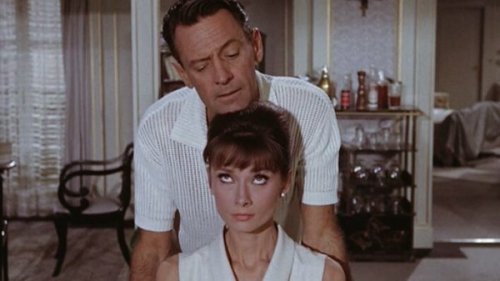
Dez anos depois de sua última parceria, “Sabrina” (1954), William Holden e Audrey Hepburn se encontraram novamente em um estúdio de cinema – ou melhor, em dois estúdios de cinema. “Quando Paris Alucina” (1964) é um filme metalinguístico, ou seja, é um filme sobre fazer filmes, e ele tem um filme dentro de outro filme. Pode parecer confuso, mas a película é na verdade muito boa para ajudar as pessoas a compreenderem como os filmes são feitos – e como esse processo pode ser caótico.

Ten years after their previous collaboration, “Sabrina” (1954), William Holden and Audrey Hepburn met again on a movie set – or better, at two movie sets. “Paris When It Sizzles” (1964) is a metalinguistic film, that is, a film about making films, and it has a film inside other film. It may sound confusing, but the movie is actually a very good one to make people understand how films are made – and how chaotic this process can be.


Richard Benson (William Holden) é um roteirista que está trabalhando no roteiro do seu próximo filme, chamado “A Garota que Roubou a Torre Eiffel”. Ou ele deveria estar trabalhando: ele passou cinco meses se divertindo, bebendo, tomando sol e procrastinando e agora ele só tem dois dias para entregar um roteiro de 130 páginas.

Richard Benson (William Holden) is a screenwriter who is working on the screenplay for his next film, called “The Girl who Stole the Eiffel Tower”. Or he should be working: he spent five months partying, drinking, sunbathing and procrastinating, and now he only has two days to deliver a 130-page script.


Uma datilógrafa, Gabrielle Simpson (Audrey Hepburn), é enviada para ajudá-lo a digitar o roteiro. Ele confessa para ela que não tem nada pronto, embora ele descreva o filme com grandiosidade, como uma mistura gloriosa de gêneros. Gabrielle fica surpresa com a situação incomum, mas mesmo assim eles começam a trabalhar juntos, com Richard jogando cara ou coroa para tomar decisões sobre o filme – como, por exemplo, se a cena inicial se passará durante o dia ou à noite.

A typist, Gabrielle Simpson (Audrey Hepburn), is sent to help him type his script. He confesses to her that he has nothing ready, although he describes his film with grandiosity as glorious a mix of genres. Even though Gabrielle is surprised with the uncommon situation, they start working together, with Richard tossing a coin to decide some things about his movie – like if the opening scene will be set by day or at night.


As coisas não vão bem. Chateado, Richard começa a conversar com Gabrielle e decide usar a história dela como inspiração. “A Garota que Roubou a Torre Eiffel” será sobre uma jovem trabalhadora festejando o Dia da Bastilha depois que seu amigo, Maurice, cancela o encontro que eles tinham. Conforme Richard imagina a ação, ela se desenrola na frente dos nossos olhos. É o filme dentro do filme.

Things are not going well. Upset, Richard starts talking to Gabrielle and decides to use her story as an inspiration. “The Girl who Stole the Eiffel Tower” will be about a working girl spending the Bastille Day festivities after her date, Maurice, dumps her. As Richard envisions the action, it develops in front of our eyes. It's the film within the film.


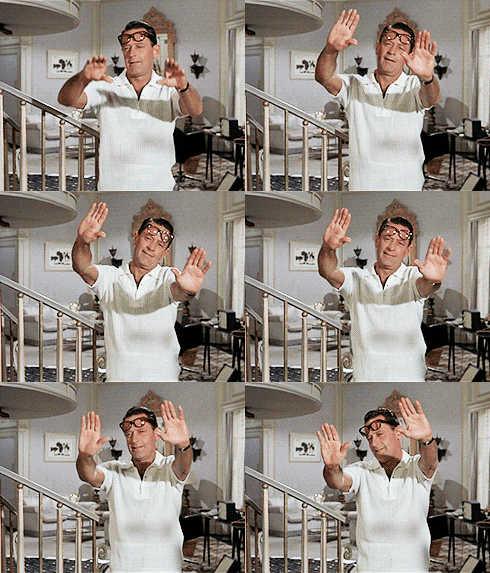
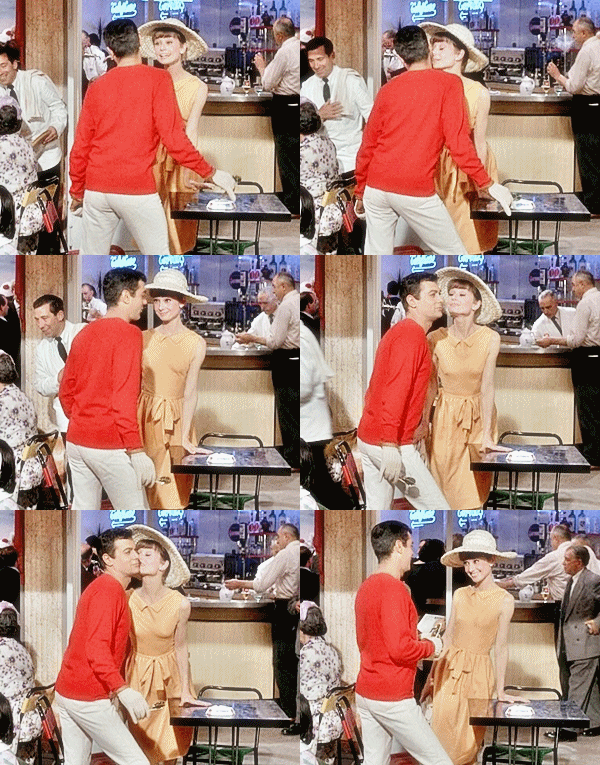
A garota, Gabby, também é interpretada por Audrey Hepburn. Maurice, seu amigo narcisista, é interpretado por Tony Curtis em uma participação hilária. Mas um homem misterioso, Rick, interpretado por William Holden, decide levá-la para passar um dia divertido com ele. Agora eles precisam decidir o que acontecerá a seguir. “A Garota que Roubou a Torre Eiffel” será um filme de romance? De aventura? De suspense? De horror? Ou talvez de comédia?

The girl, Gabby, is played by Audrey Hepburn as well. Maurice, her narcissistic date, is played by Tony Curtis in an hilarious cameo. But a mysterious man, Rick, played by William Holden, decides to take her out for a fun day. Now they have to decide what will happen next. Will “The Girl who Stole the Eiffel Tower” be a romantic movie? An adventure? Spy thriller? Horror film? Or maybe a comedy?


Filmes metalinguísticos são meu tipo de filme favorito. Além de apreciar “Quando Paris Alucina”, eu também me vi retratada em muitas situações. Primeiro, Richard é um procrastinador. Assim como ele, eu também estou acostumada a fazer minhas tarefas quando a data limite está próxima. Como eu não gosto da palavra “procrastinação”, eu prefiro dizer que não sou boa em administrar meu tempo, mas não importa qual termo eu uso: o resultado é o mesmo.

Metalinguistic films are my favorite kind of film. Besides enjoying “Paris When It Sizzles”, I also saw myself in many situations. First, Richard is a procrastinator. Like him, I am also used to doing my things when the deadline is approaching. As I don't like the world “procrastinating”, I prefer to say that I'm not good at managing my time, but no matter the term I use: the result is the same.


Segundo, Richard é um escritor que gosta de visualizar as cenas que ele está criando. Eu, sempre que escrevo ficção, também gosto de visualizar a ação se desenvolvendo na minha mente, por isso eu escolho alguns atores, vivos ou mortos, e às vezes até pessoas que eu conheço, para imaginá-los interpretando as cenas na minha cabeça. É mais fácil ver se o que você escreveu é verossímil se você pode, bem, ver a ação se desenrolar na sua mente.

Second, Richard is a writer who likes to visualize the scenes he's creating. I, whenever I write fiction, also like to visualize the action developing in my mind, so I “cast” some actors, dead or alive, and sometimes even people I know, to imagine them playing the scenes in my head. It's easier to see if what you wrote is believable if you can, well, see it unfolding in your mind.


Há muitas, muitas piadas envolvendo o mundo do cinema. Para começar, Gabrielle conta a Richard que seu último trabalho foi com um cineasta em cujos filmes a coisa mais importante era a ação que NÃO estava acontecendo – e eu logo pensei em Buñuel e filmes europeus experimentais.

There are many, many jokes involving the film world. To begin with, Gabrielle tells Richard that she last worked for a filmmaker in whose films the important thing was what was NOT going on – and I instantly thought about Buñuel and experimental European flicks.
 
Tony Curtis and Audrey Hepburn
Depois, Richard zomba dos atores que seguem o Método. Assim que Richard começa a visualizar o filme dentro do filme, os créditos rolam e neles está escrito “little person” no lugar dos nomes de profissionais como diretor de arte e decorador. No filme dentro do filme, Gabby diz não gostar dos filmes da Nouvelle Vague (chamados de New Wave pelos norte-americanos) porque nada acontece neles. Há algumas referências a “Bonequinha de Luxo” (1961), outro filme de Audrey. E há algumas participações especiais, incluindo Marlene Dietrich, Mel Ferrer e as participações vocais de Frank Sinatra e Fred Astaire!

Next, Richard mocks Method actors. As Richard starts envisioning the film-within-the-film, the credits appear and they have “little person” written for behind-the-cameras professionals like art director and set decorator. In the film-within-the-film, Gabby says that she doesn't like those New Wave movies because nothing happens in them. There are a few hints to Audrey’s movie “Breakfast at Tiffany's” (1961). And there are a few cameos, including Marlene Dietrich, Mel Ferrer and the vocal cameos of Frank Sinatra and Fred Astaire!


Mais do que isso, “Quando Paris Alucina” é uma lição na arte de fazer filmes. Os novatos aprendem o significado de fade in, fade out e do efeito de dissolver (“dissolve”). Nós literalmente vemos um roteiro ganhar vida na nossa frente. Nós testemunhamos o processo de brainstorm que gera um filme, e podemos ter certeza de que muitos dos, se não todos, filmes que vimos e apreciamos surgiram através deste exercício de imaginação.

More than that, “Paris When It Sizzles” is a filmmaking lesson. Beginners get to know the meaning of fade in, fade out and the dissolve effect. We literally see a script becoming alive in front of us. We witness the brainstorm process that gives birth to a movie, and we can be sure that many, if not all, flicks we've seen and enjoyed came to be through this exercise of imagination.


Audrey adiciona um toque infantil à sua Gabrielle que bem pode ser chamado de “serendipidade”, uma palavra ensinada a ela por Richard. Como Gabby, a heroína do filme dentro do filme, ela é como uma moleca, parecendo ingênua mas usando sua sagacidade sempre que precisa fugir de problemas – ela é feita do mesmo material das heroínas de cinema mudo interpretadas por Ossi Oswalda. Audrey parecia estar se divertindo muito enquanto gravava o filme.

Audrey adds a childlike touch to her Gabrielle that can be called “serendipity”, a word Richard teaches her. As Gabby, the heroine of the film-within-the-film, she is like a gamine, looking naïve but using her brains whenever she needs to escape some trouble – she is made from the same material of silent film heroines played by Ossi Oswalda. Audrey really seemed to be having a lot of fun while doing  the film.


“Quando Paris Alucina” não foi um sucesso entre os críticos. Mesmo hoje, muitos fãs de cinema não gostam muito do filme. Eu, por outro lado, acho-o bastante divertido – e, mais importante, um retrato em forma de paródia da indústria do cinema e do processo criativo.

“Paris When It Sizzles” was not a success among critics. Even nowadays, many film fans are not very fond of the film. I, on the other hand, find it very entertaining – and, more important, a tongue-in-cheek portrait of the film industry and the creative process.

This is my contribution to the Audrey at 90: The Salute to Audrey Hepburn blogathon, hosted by Janet at Sister Celluloid.


As our friend Kate Gabrielle mentioned, Audrey would have loved if, as a birthday gift, we donated some money – any quantity – to UNICEF. You can donate HERE.


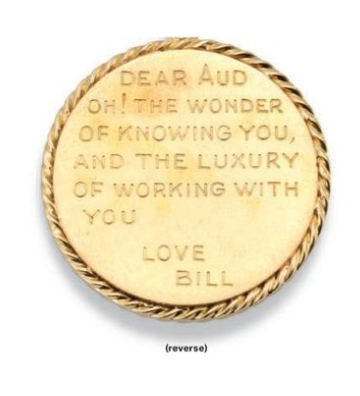
Holden deu a Audrey esta joia charmosa depois do final das filmagens
Holden gave Audrey this charming jewel after the film wrapped

Friday, March 2, 2018

Figurinos do cinema clássico que eu usaria / Classic film outfits I’d wear


Em muitos filmes, temos um personagem silencioso, em contato constante com atores e atrizes, com destaque em diversas cenas e que pode dizer mais que mil palavras: o figurino. Há aqueles filmes, muitos deles da Era de Ouro de Hollywood, que nos impressionam pela beleza dos figurinos. Mas beleza não é suficiente para que uma pessoa como eu compre uma roupa: comodidade e estilo também contam.

In many movies, there is a silent character, constantly touching the actors and actresses, being a key piece in several scenes and worth more than a thousand words: the outfit. There are those films, many of them made during Hollywood’s Golden Age, that surprise us by how beautiful the outfits are. But beauty is not enough to make me buy clothes: they should also be comfortable and respect my style.
Por isso, são relativamente poucos os figurinos do cinema clássico que entraram na minha lista de desejos. Não apenas por seus preços exorbitantes, mas também porque não fazem meu estilo. Aqui está minha lista de figurinos do cinema que eu não pensaria duas vezes antes de vestir:

That’s why relatively few classic film outfits enter my wishlist. It’s not only because they’re probably very expensive, but because they don’t fit my personal style. Here is my list of film outfits I’d wear without thinking twice:

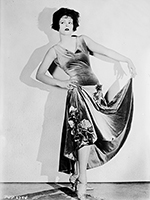
Qualquer coisa que Louise Brooks e Clara Bow usaram:
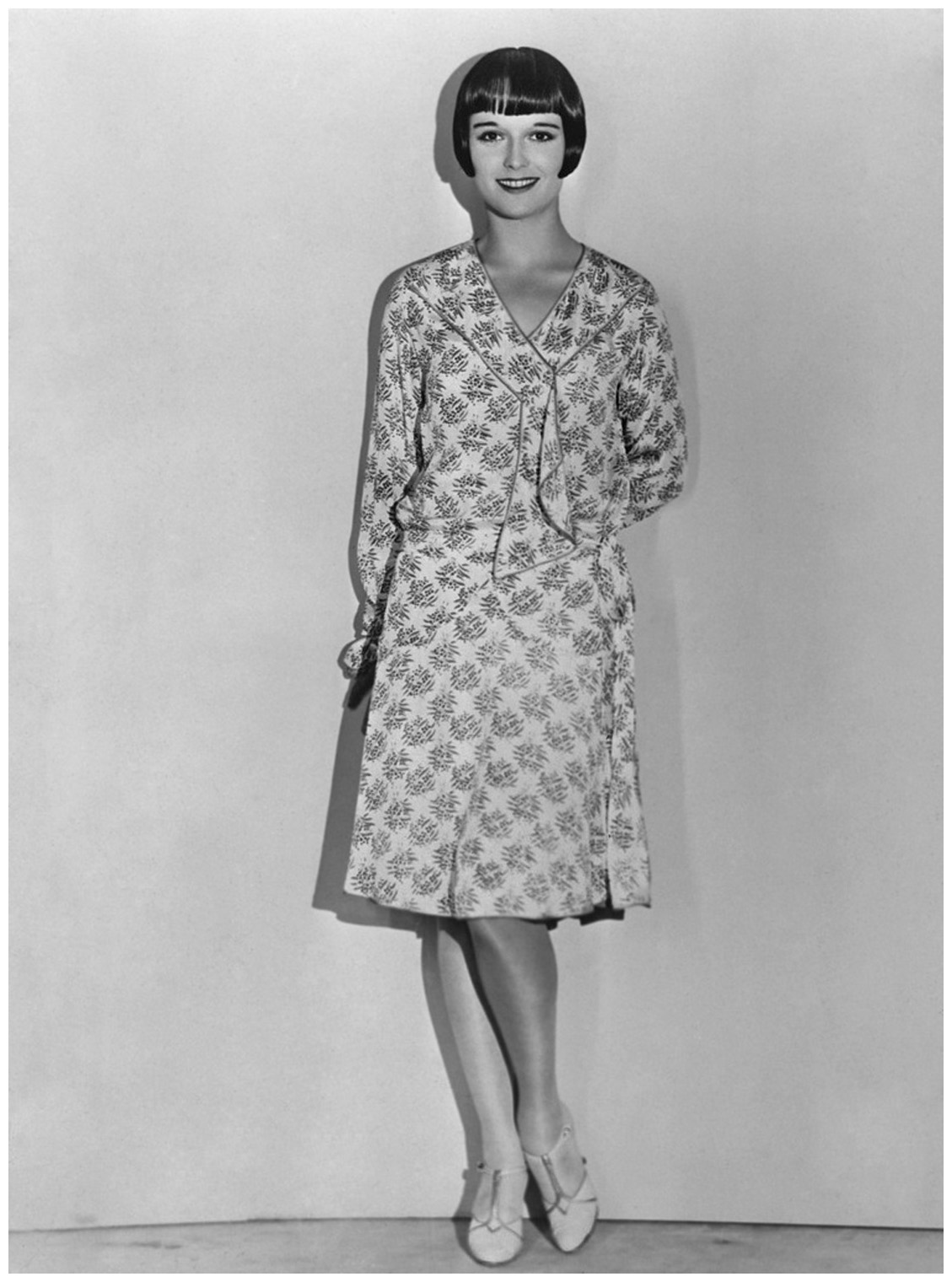
Não há dúvidas do porquê de essas moças serem ainda hoje consideradas ícones de estilo. Eu adoro quando elas usam vestidos e saias mais curtos, tanto em filmes – como Clara Bow em “Asas” (1927) – e no dia a dia – olhe para este lindo conjunto de marinheira!

Anything worn by Louise Brooks and Clara Bow:
No wonder these girls are still style icons. I love when they wear shorter dresses and skirts, both in movies – like Clara Bow in “Wings” (1927) and in daily life – look at that sailing suit!
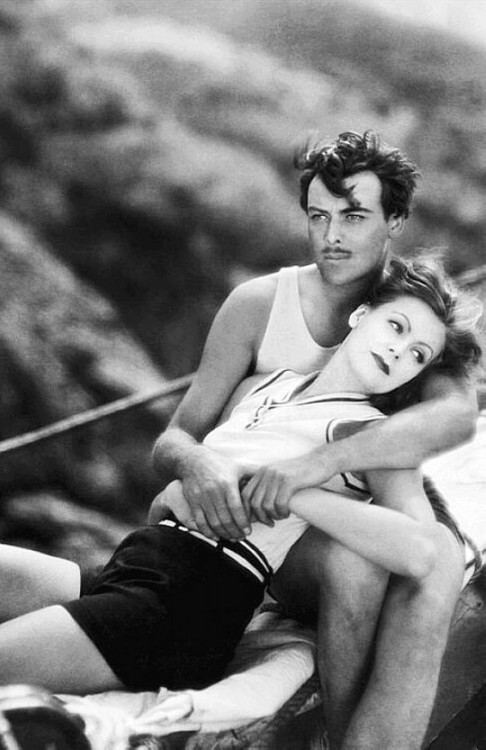
Roupas de Greta Garbo em “Mulher Singular” (1929):
Estas roupas são andróginas – e também ótimas para praticar esportes. Eu não faço o estilo atleta, mas as roupas com certeza parecem confortáveis e práticas. Bônus: o responsável por elas foi o lendário designer Adrian!

Greta Garbo’s outfits from “The Single Standard” (1929):
These clothes are androgynous – and also great for sports. I’m not very athletic, but they certainly look comfy and practical. Bonus points: designed by Adrian!
Vestido de Paulette Goddard em “Tempos Modernos” (1936):
O cabelo de Paulette em “Tempos Modernos” está praticamente do comprimento do meu agora, mas isso não é minha coisa favorita sobre a personagem. Para mim, a melhor roupa que ela usa é este vestido brilhante no show do restaurante. Eu o usaria para ir até a padaria? Provavelmente não. Para uma festa? Aí sim.

Paulette Goddard’s dress from “Modern Times” (1936):
Paulette’s hair in “Modern Times” is the same length as mine right now, but this is not what I love the most about her gamine character. For me, the greatest outfit she wears is this flamboyant dress in the restaurant show. Would I wear it to go the bakery? Probably not. To a party? Oh yes.
Mini-smoking de Judy Garland em “Casa, comida e carinho” (1950): 
Olhe este terninho adorável. Eu amo usar shorts. Eu aprecio um bom blazer. Judy e eu temos quase a mesma altura. O figurino foi usado em uma cena deletada de “Desfile de Páscoa” (1948), e reutilizado para o número musical “Get Happy”, filmado muitos meses após o fim das gravações.

Judy Garland’s short suit from “Summer Stock” (1950):
Look at that lovely suit. I love shorts. I enjoy blazers. Judy and I are about the same height. The outfit was previously used in a deleted scene from “Easter Parade” (1948), and re-used for the musical number “Get Happy”, shot many months after production wrapped.
Traje de banho em “Cantando na Chuva” (1952):
No número “Beautiful Girl” há um desfile de modas. Algumas roupas são exageradas, mas outras são realmente bonitas – como o vestido de casamento, a roupa de luto, os vestidos vermelho e roxo e, em especial, o traje de banho.

Swimming suit from “Singin’ in the Rain” (1952):
In the “Beautiful Girl” number there is a fashion show. Some of the clothes are exaggerated, but some are truly nice – like the wedding gown, the widow gown, the red dress, the purple dress and, in special, the swimming suit.
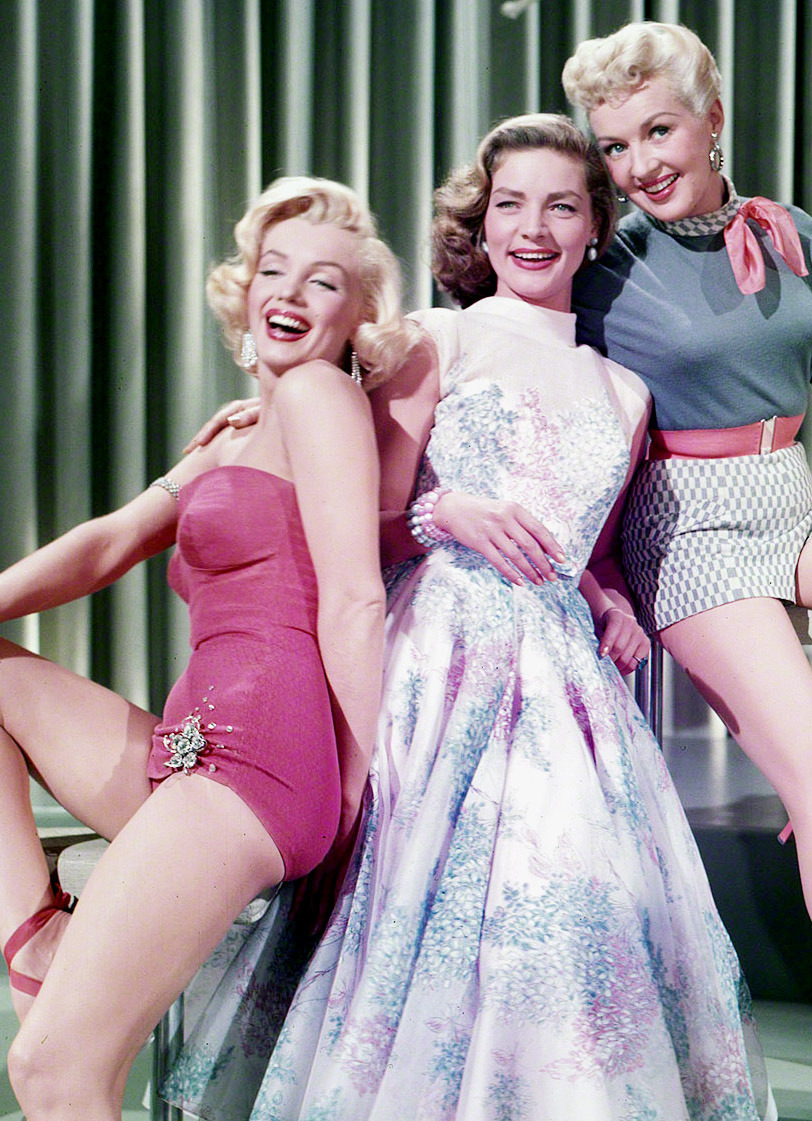
Short e blusa de Betty Grable em “Como agarrar um milionário” (1953):
Mais um desfile de moda, mais uma roupa maravilhosa: os shorts de Betty Grable, com um cinto cor de salmão e aquela blusa linda que completa o conjunto – esta é provavelmente meu figurino favorito da lista.

Betty Grable’s short and blouse from “How to Marry a Millionaire” (1953):
Another fashion show, another must have: Betty Grable’s amazing shorts, with a salmon belt and that wonderful blouse – this is probably my favorite outfit from the whole list.
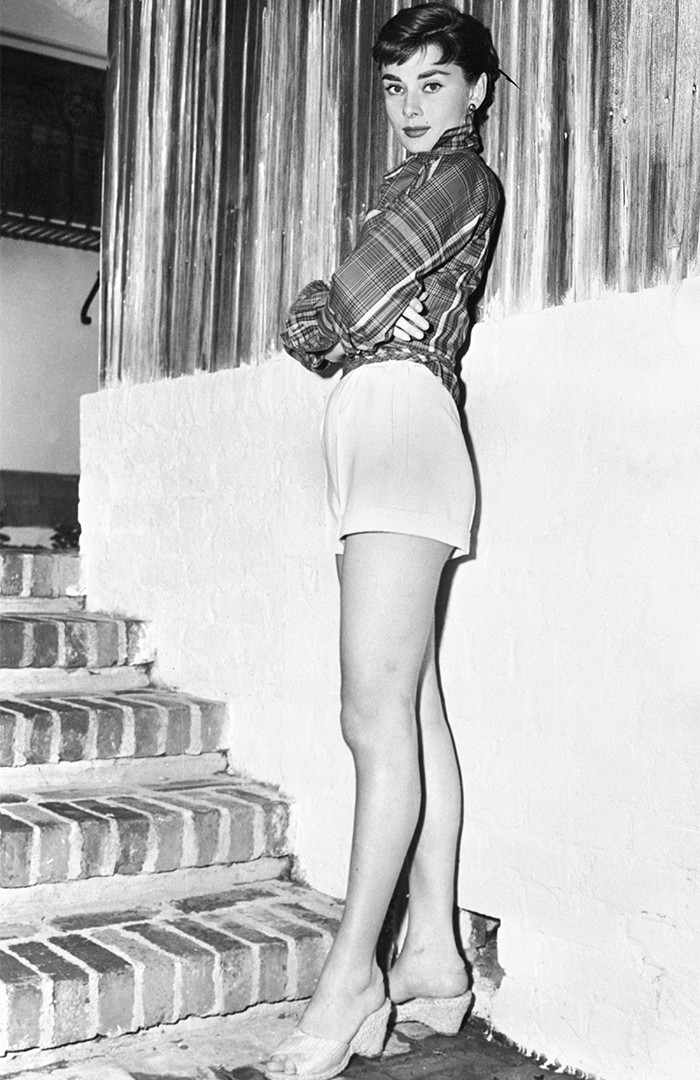
A maioria das roupas usadas por Audrey Hepburn:
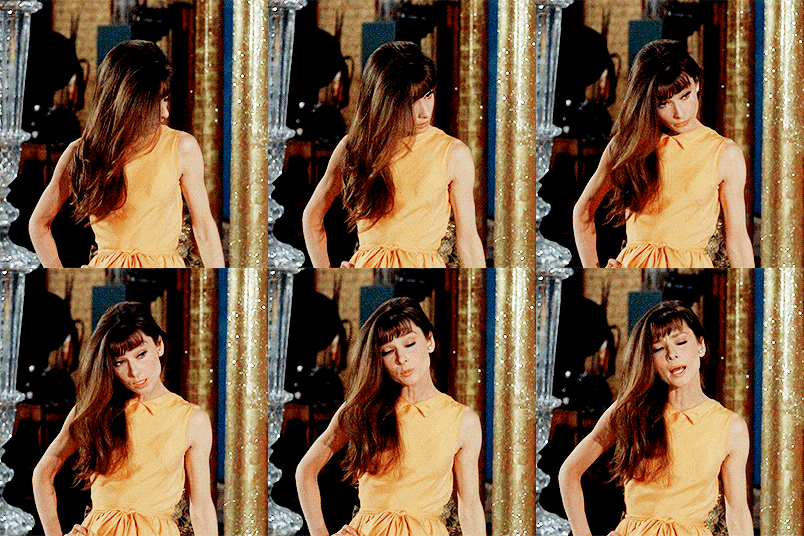
Audrey também é um ícone de estilo que me inspira – embora eu não queira usar nada de Givenchy. Eu adoro a saia e blusa que ela usa durante sua aventura em “A Princesa e o Plebeu” (1953), mas eu gostaria mais se a saia fosse mais curta. Suas roupas em “Cinderela em Paris” (1957) e “Um Caminho para Dois” (1967) são lindas. E seu estilo do dia a dia também é inspirador: dê-me calças cigarrete, sapatilhas, blusas de gola alta ou camisas xadrez e eu serei uma menina estilosa e feliz!

Most of Audrey Hepburn’s clothes:
Audrey is also a style icon that inspires me – although I don’t want to dress any Givenchy. I love the skirt and blouse she wears during her adventure in “Roman Holiday” (1953), but I’d prefer a shorter skirt. Her clothes in “Funny Face” (1957) and “Two for the Road” (1967) are gorgeous. And her everyday style is also a must: give me cropped trousers, ballet flats, turtlenecks or plaid shirts and I’ll be a happy – and well-dressed – girl!
This is my contribution to the Free For All blogathon, hosted by Theresa at CineMaven’s Essays from the Couch.
Related Posts Plugin for WordPress, Blogger...