} Crítica Retrô: 1926

Tradutor / Translator / Traductor / Übersetzer / Traduttore / Traducteur / 翻訳者 / переводчик

Showing posts with label 1926. Show all posts

Saturday, December 30, 2023

O Prêmio de Beleza (1926) / Ella Cinders (1926)

Uma história tão velha quanto o tempo, mas não é A Bela e a Fera. Hoje nosso assunto é Cinderela e todos os elementos familiares que vêm com o conto de fadas: a Fada Madrinha, a abóbora que se transforma em carruagem, o encantamento que acaba à meia-noite, o sapatinho de cristal que é deixado para trás e que o Príncipe experimenta nas mulheres. Todos estes elementos estavam lá quando Georges Méliès fez a primeira Cinderela do cinema, em 1899. Eles estavam todos lá em 1914, quando Mary Pickford estrelou sua própria versão adorável do conto. Mas a era do cinema mudo nem havia chegado ao fim quando a história foi modernizada e subvertida no hilário filme “O Prêmio de Beleza” (1926).


A tale as old as time, but not Beauty and the Beast. Today we talk about Cinderella and all the familiar bits that come in the story: the Fairy Godmother, the pumpkin that becomes a carriage, the enchantment that ends at midnight, the glass slipper lost and left for the Prince to try on the women. They were all there, when Georges Méliès did the first Cinderella in film history, in 1899. They were all there in 1914, when Mary Pickford starred in her own adorable version of the tale. But the silent film era wasn’t over yet when the story was modernized and subverted in the hilarious "Ella Cinders" (1926).

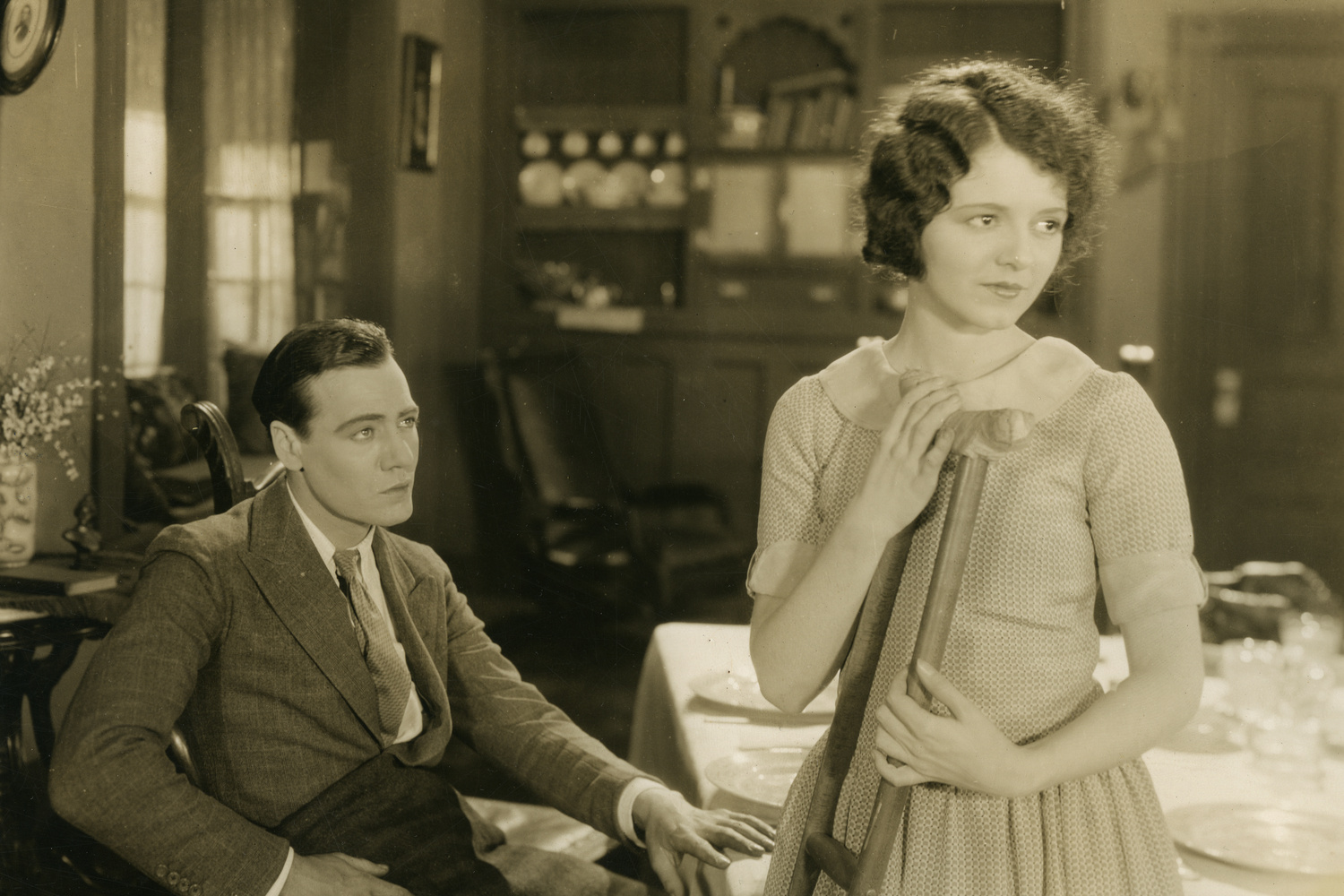
Na cidade de Roseville mora a família Cinder, cuja filha adotiva Ella (Colleen Moore) faz todas as tarefas em casa. Quando chega a notícia de que um concurso de beleza será feito na cidade, com o prêmio sendo uma quantia em dinheiro e uma passagem para Hollywood, todas as garotas ficam animadas, incluindo Ella. Ela economiza dinheiro para tirar uma foto para o concurso, mas não tem roupa para ir ao baile onde a vencedora será anunciada.


In the city of Roseville live the Cinders, whose stepdaughter Ella (Colleen Moore) does all the chores in her house. When news come that a beauty contest is about to take place in town, with the prize being a sum of money and a ticket to Hollywood, all girls get excited, including Ella. She saves money to take a picture for the contest, but has no clothes to go to the ball where the winner will be announced.

Ella só vai ao baile por insistência de seu amigo Waite (Lloyd Hughes), vendedor de gelo. Lá ela é humilhada e deixa seu sapatinho para trás. No dia seguinte, os jurados do concurso chegam à casa dos Cinder procurando pela filha deles. Ella ganhara o concurso e o resto do filme conta suas aventuras em Hollywood.


Ella only goes to the ball because of the insistence of her friend Waite (Lloyd Hughes), the iceman. There she is humiliated and leaves her shoe behind. The next day, the jurors of the contest arrive at the Cinders’ house in search for their daughter. Ella has won the contest and the remainder of the movie chronicles her misadventures in Hollywood.

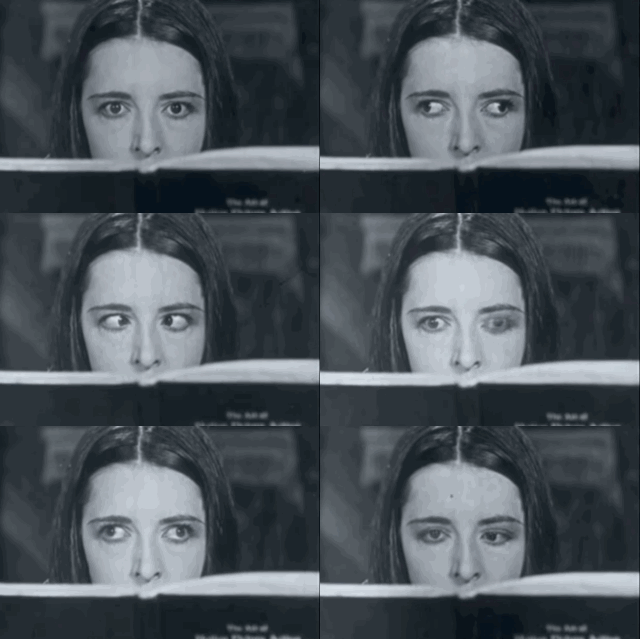
A cena mais icônica do filme chega na marca de 10 minutos: Ella Cinders vesga lendo um livro que ela roubara da meio-irmã Lotta (Doris Baker). De acordo com o IMDb, o truque foi feito de maneira até fácil: um pedaço de papel preto foi colocado num lado da câmera e os movimentos de olho foram filmados, depois o pedaço de papel passava para a outra metade da câmera e o movimento do outro olho era filmado. Quando juntadas as partes, a mágica acontecia.  


The most iconic scene from the movie comes at the 10 minute mark: Ella Cinders cross-eyed over a book she had stolen from her stepsister Lotta (Doris Baker). According to IMDb, the trick was achieved in a rather easy way: a black piece of paper taped half of the camera and the eye movement was recorded, then the piece of paper was moved to the other half of the camera and the other eye movement was then filmed. When the scene played combining the parts, the magic happened.

O conto da Cinderela vem de um livro de 1697 publicado por Charles Perrault, mas a história não surgiu da cabeça dele. O conto em si é muito antigo e passava de geração em geração, mas Perrault foi o primeiro a compilar contos como este e também o pi0neiro em duas outras coisas: chamar a personagem de Cinderela – no francês original, “Cendrillon” – e a mencionar que ela estava usando um sapatinho de cristal – um calçado bem desconfortável. Mas o filme não derivou diretamente do conto de fadas.


The tale of Cinderella came from a 1697 book released by Charles Perrault, but it didn’t come from his mind. The tale itself was very old and passed through several generations, but Perrault was the first to compile tales such as this one and also the first one to both name the character Cinderella – in the original French, “Cendrillon” – and to mention that she was wearing a glass slipper – a rather uncomfortable kind of footwear. But the movie didn’t come directly from the fairy tale.

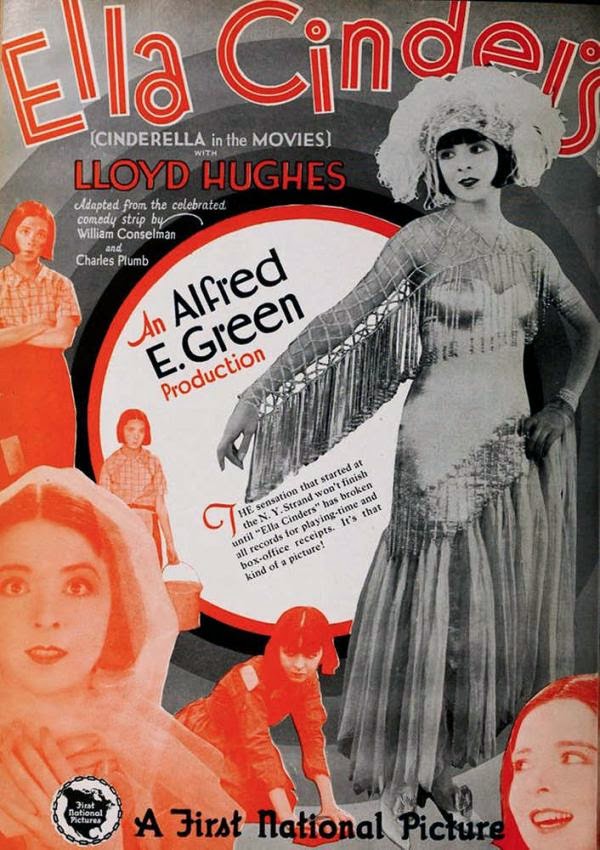
“O Prêmio de Beleza” foi adaptado de uma tirinha de jornal! A tirinha foi publicada entre 1925 e 1961 e foi criada por Charles Plumb e William M. Conselman do departamento de arte do Los Angeles Times. Um dos roteiristas responsáveis pela adaptação foi Mervin LeRoy, um ex-ator de vaudeville que se tornaria um prolífico diretor em Hollywood. A principal diferença das tirinhas para o filme é que nas tirinhas Ella tem um irmão mais novo chamado Blackie, que não aparece no filme.


“Ella Cinders” was adapted from a comic strip! The strip was published from 1925 to 1961 in American newspapers and was created by Charles Plumb and William M. Conselman from the Los Angeles Times art department. One of the screenwriters responsible for the adaptation was Mervin LeRoy, a former vaudevillian who would become a prolific director in Hollywood. The main difference from the source material is that Ella has a kid brother, Blackie, in the comic strip that is totally absent from the movie.

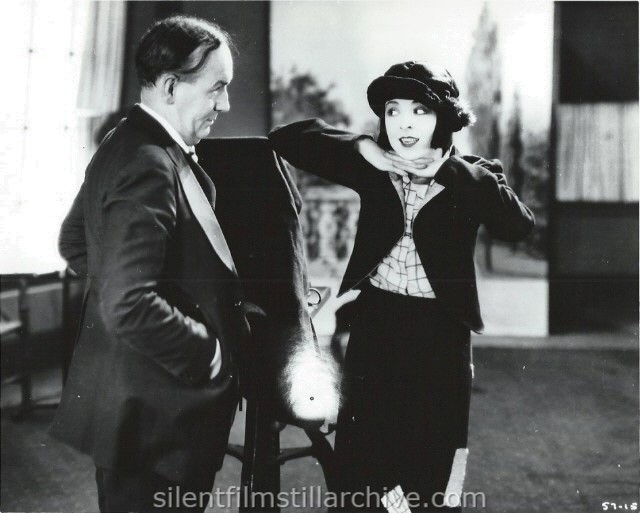
“O Prêmio de Beleza” foi distribuído pela First National Pictures, produtora e distribuidora que existiu em Holywood entre 1917 e 1936. O diretor é Alfred E. Green, que entrou no cinema como ator em 1912 e dirigiu seu primeiro longa em 1917. Green também aparece em “O Prêmio de Beleza”, interpretando um diretor no estúdio. Já que estamos falando de diretores, devemos mencionar que Frank Capra dirigiu a breve sequência em que Harry Langdon faz uma participação especial.


“Ella Cinders” was made by First National Pictures, a producing and distribution company that existed in Hollywood between 1917 and 1936. The director is Alfred E. Green, who entered films as an actor in 1912 and directed his first feature in 1917. Green also appears in “Ella Cinders”, playing a film director in the studio. Since we’re talking about directors, we should mention that Frank Capra directed the brief sequence with Harry Langdon’s cameo.

“O Prêmio de Beleza” é hoje o mais famoso filme estrelando Colleen Moore. Com apenas 26 anos quando o filme foi rodado, Moore já estava trabalhando no cinema desde os 18 e já havia influenciado milhões de “flappers” a cortarem o cabelo igual ao dela. O produtor de “O Prêmio de Beleza”, John McCormick, era marido de Moore na época, e Lloyd Hughes, que interpreta o par romântico, já havia feito outros quatro filmes com Moore entre 1923 e 1926. Depois de uma pausa na carreira quando o som chegou ao cinema, Moore fez seus últimos filmes nos anos 1930, aposentando-se em 1934.


“Ella Cinders” is now the most famous movie starring Colleen Moore. Only 26 when the film was shot, Moore already had been working in films since she was 18 and had influenced millions of flappers to cut their hair like hers. The producer of “Ella Cinders”, John McCormick, was Moore’s husband at the time, and Lloyd Hughes, who plays the love interest, had appeared in four other films with Moore between 1923 and 1926. After a career pause when sound came to cinema, Moore made her final films in the early 1930s, retiring in 1934.

Em 2013, “O Prêmio de Beleza” foi selecionado para ser preservado pela Biblioteca do Congresso norte-americano, em uma lista chamada National Film Registry. A versão animada de “Cinderela”, feita por Walt Disney em 1950, também foi selecionada para preservação. O conto foi adaptado dezenas de vezes, mas “O Prêmio de Beleza” traz um retrato fresco da história da moça pobre que triunfa e se mantém aprazível após quase um século de sua estreia, em parte por causa da performance jovial de Colleen Moore como a sonhadora Ella.


In 2013, “Ella Cinders” was selected to be preserved by the Library of Congress in their National Film Registry. The animated version of “Cinderella”, made by Walt Disney in 1950, is also in the Registry. The tale was adapted to the screen dozens of times, but “Ella Cinders” brings a fresh portrait of the rags-to-riches story and remains enjoyable after almost a century from its original release, in part because of Colleen Moore’s jovial performance as the dreamer Ella.


This is my contribution to the Party Like It’s 1899 Blogathon, hosted by Erica at Poppity Talks Classic Film.

Saturday, April 22, 2023

Nana (1926)


Eu sou apaixonada por muitas coisas, e o cinema francês é uma delas. Eu tento ver o máximo de filmes franceses que consigo, cubro estréias francesas para a Revista Eletrônica Ambrosia e aprendi mais que algumas palavrinhas em francês só assistindo a tantos filmes made in France. Eu aprendi muito sobre os mestres do cinema francês, e Jean Renoir é um deles. Por isso, não podia deixar passar a oportunidade de ver um dos primeiros filmes de Renoir e procurar o gênio em formação em “Nana” (1926).

I’m passionate about many things, and French cinema is one of them. I try to watch as many French films as I can, I cover French film premieres at the electronic magazine Ambrosia and I’ve learned more than a few French words by watching so many French films. I’ve learned a lot about the masters of French cinema, and Jean Renoir is one of them. So, I couldn’t say “no” to the opportunity of seeing one of Renoir’s early work, and finding the genius blossoming in “Nana” (1926).

Nana (Catherine Hessling) é descrita como “uma garota bonita, sem voz ou talento” mas ainda assim “a ídola do boulevard”. Ela enfeitiça todos os homens da plateia, do mais pobre ao mais rico, incluindo condes e jornalistas. Uma noite, depois do espetáculo, ela recebe no camarim o Conde Muffat (Werner Krauss), que se apaixona por ela. A Condessa Muffat (Jacqueline Forzane), por sua vez, está aproveitando a presença de Fauchery (Claude Autant-Lara), jornalista e dramaturgo.

 Nana (Catherine Hessling) is described as “a pretty girl, without a voice or talent”, but still “the idol of the boulevard”. She bewitches all men in the audience, from the poorest to the richest, and including counts and journalists. One night, after the show, she receives backstage the Count Muffat (Werner Krauss), who falls in love with her. Countess Muffat (Jacqueline Forzane), on the other hand, is enjoying the presence of Fauchery (Claude Autant-Lara), journalist and playwright.

De início, Nana recusa os avanços do Conde, mas ela muda de ideia quando perde o cobiçado papel da Pequena Duquesa numa peça para outra atriz, Rose Mignon (Jacqueline Ford). Nana pede que o Conde intervenha, e ele decide investir na peça contanto que Nana tenha o papel principal. Fauchery, que escreveu a peça, não fica feliz com a mudança, mas tem de concordar com o que o dono do teatro, Bordenave (Pierre Lestringuez), decidiu na negociação com o Conde. A peça é um fracasso e Nana abandona o teatro para se tornar cortesã. Em vez de aplausos, agora ela vai colecionar amantes.  

 At first, Nana refuses the Count’s approach, but she changes her mind when she loses the coveted role of The Little Duchess in a play to another actress, Rose Mignon (Jacqueline Ford). Nana asks the Count for intervention, and he decides to invest in the play as long as Nana plays the lead. Fauchery, who wrote the play, is not happy with the change, but has to agree with what the theater owner, Bordenave (Pierre Lestringuez), has decided in a negotiation with the Count. The play is a failure and Nana abandons the theater to become a courtesan. Instead of applauses, now she will collect lovers.

Catherine Hessling era esposa e musa de Jean Renoir. Não é um simples caso de nepotismo: Hessling é muito boa, seja seduzindo um homem, sofrendo ou dançando can-can. Sempre com olhos muito maquiados e boca pintada em formato de coração, Hessling podia interpretar personagens trágicas - como em “A Dama da Água” (1925) - e fez 14 filmes em uma carreira que durou de 1925 a 1925, quando, já separada de Renoir, ela se aposentou.

Catherine Hessling was Jean Renoir’s wife and muse. It’s not simply a case of nepotism: Hessling is really good, no matter if she’s seducing a man, suffering or dancing the can-can. Always with heavy eye makeup and heart-shaped lips, Hessling could play well tragic characters - like in “Whirlpool of Fate” (1925) - and appeared in 14 movies in a career that lasted 10 years, from 1925 to 1935, when, already divorced from Renoir, she retired.

Nos créditos é dito que o filme foi inspirado no romance de Emile Zola. O IMDb lista 13 adaptações da “Nana” de Zola, da era muda aos dias de hoje, incluindo longas-metragens, curtas e séries de TV. O roteiro do filme de Renoir foi escrito por Pierre Lestringuez, que também interpreta Bordenave. Tendo começado suas carreira como roteirista com a estreia de Renoir na direção, “A filha da Água”, Lestringuez escreveu 25 roteiros até sua morte em 1950. Sua carreira como ator foi bem mais curta, sendo ele creditado em apenas seis performances em frente às câmeras.

In the credits it’s said that the film was inspired by the novel by Emile Zola. IMDb lists 13 adaptations of Zola’s “Nana”, from the silent era to nowadays, including features, shorts and TV series. The scenario for Renoir’s film was written by Pierre Lestringuez, who also plays Bordenave. Starting his career as a screenwriter with Renoir’s debut “Whirlpool of Fate”, Lestringuez went on to write 25 scenarios until his death in 1950. His career as an actor was much shorter, as he’s credited with only six performances in front of the camera.

“Nana” se passa no final da década de 1860, o que pode ser percebido pelas roupas usadas pelas mulheres. O figurino é decente, mas os cenários luxuosos são o verdadeiro destaque. Pode se tratar de um passado recente - pelo menos o era na década de 1920 -, mas algumas coisas não mudaram, como por exemplo o medo da varíola.

 “Nana” is set in the late 1860s, which can be told by the clothes the women are wearing. The clothes are nice, but the lavish sets are truly outstanding. It may be a near past - near to 1920s, that is - but some things remained the same, like the fear of smallpox.

A parte com Nana no teatro é mais interessante que seu tempo como cortesã. Há também uma subtrama sobre apostas em corridas de cavalos que deveria ser emocionante, mas não é. Infelizmente, a parte no teatro é a mais curta, o que faz o filme parecer muito longo - e é realmente longo, com quase três horas de duração. Pode ser descrito como um Renoir ousado, mas ainda não o Renoir genal que conhecemos mais tarde em sua carreira.

The bit with Nana in the theater is more interesting than her times as a courtesan. There is also a whole subplot about bets in horse races that is supposed to be exciting, but isn’t really. Unfortunately, the theater bit is the shortest, which makes the film feel too long - and it’s long indeed, as it’s nearly three hours long. It can be described as a bold Renoir, but not yet the genius Renoir we all knew later in his career.

Thursday, November 7, 2019

A Águia Azul (1926) / The Blue Eagle (1926)


Há filmes mudos de todos os tamanhos e durações. Além disso, não é regra que, quando um diretor começa a fazer longas-metragens, ele pare de fazer filmes mais curtos. Veja John Ford, por exemplo. Ford começou como diretor em 1917 e, em 1926, ele já havia dirigido dezenas de filmes, incluindo o impressionante épico “O Cavalo de Ferro”, de 1924, que tem mais de duas horas de duração. Ford não teve vergonha de voltar a fazer filmes menores e mais intimistas, e foi exatamente isso que ele fez em 1926 com “A Águia Azul”.

Silent film comes in all shapes and sizes. Furthermore, it’s not a rule that, once a director graduates to feature films, he never comes back to shorter films. Take John Ford, for instance. Ford started directing movies in 1917 and, in 1926, he had already directed dozens of films, including the impressive epic “The Iron Horse”, from 1924, that is over two hours long. Ford wasn’t ashamed to go back to more intimate films, made in a smaller scale, and this was exactly what he did in 1926 with “The Blue Eagle”.


George Darcy (George O'Brien, completamente lambuzado com óleo para parecer que está suando) e Big Tim Ryan (William Russell, igualmente lambuzado com óleo) estão servindo no mesmo navio na Primeira Guerra Mundial, mas eles são rivais na cidade natal. Juntos na guerra, eles vivenciam as batalhas, a adrenalina e a perda de companheiros. Mas assim que a guerra acaba, a velha rivalidade ressurge.

George Darcy (George O’Brien, completely covered in oil to look like he’s sweating) and Big Tim Ryan (William Russell, equally covered in oil) are shipmates during World War I, but back at home they’re rivals. Together at war, they experience the battles, the adrenaline and the loss of shipmates. But once the war is over, the old grudge comes back.


Darcy e Ryan vivem perto das docas, em um bairro pobre dominado por gangues rivais, algo que também pode ser visto em “Anjos de Cara Suja” (1938) e “Sindicato de Ladrões” (1954). Darcy e Ryan pertencem a gangues rivais – Darcy aos Terriers e Ryan aos Rats – e ambos estão apaixonados pela mesma mulher, Rose Kelly (Janet Gaynor), filha do policial Sargento Kelly (Lew Short). No bairro deles, problemas com drogas estão crescendo, e o Padre Joe (Robert Edeson), também ex-marinheiro, decide pedir para Darcy e Ryan ajudarem a polícia a prender os traficantes.

Darcy and Ryan are from the waterfront – a rather poor neighborhood dominated by rival gangs, something that can be seen in films like “Angels with Dirty Faces” (1938) and “On the Waterfront” (1954). Darcy and Ryan belong to rival gangs – Darcy’s Terriers and Ryan’s Rats – and they both are in love with the same woman, Rose Kelly (Janet Gaynor), daughter of police Sergeant Kelly (Lew Short). In their neighborhood, problems with drugs are on the rise, and Father Joe (Robert Edeson), also a former Marine, decides to ask both Darcy and Ryan to help the police arrest the smugglers.


Num mundo em que traficantes têm um SUBMARINO e gangues são formadas apenas para intimidar parte de um bairro, é de se esperar que haja uma mistura de gêneros, algumas subtramas que não vão a lugar algum – qual a importância dos irmãos gêmeos de Rose na narrativa? - e conclusões rápidas. Afinal, “A Águia Azul” tem menos de uma hora de duração!

In a world where drug dealers have a SUBMARINE and gangs are formed only to intimidate part of a neighborhood, it's expected a mix of genres, a few subplots that go nowhere – what is the use of Rose's twin brothers in the narrative? - and quick conclusions. After all, “The Blue Eagle” is less than one hour long!


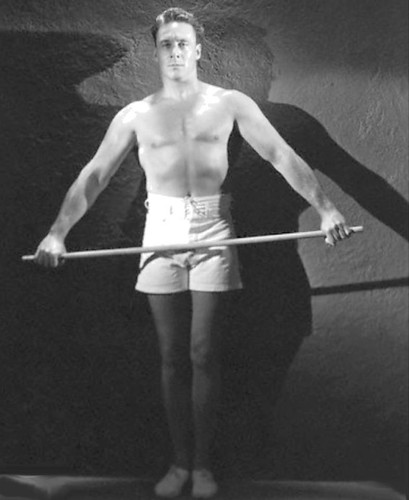
George O'Brien foi um galã popular na década de 1920 e estrela de faroestes nos anos 30, e seu filme mais famoso é a obra-prima “Aurora” (2927), também com Janet Gaynor. Foi através do filme “O Cavalo de Ferro” de Ford que O'Brien alcançou o estrelato – embora ele desejasse, quando chegou em Hollywood, ser operador de câmera!

George O'Brien was a popular leading man in the 1920s and western star in the 1930s, and his most famous film is the masterpiece “Sunrise” (1927), also with Janet Gaynor. It was through Ford's “The Iron Horse” that O'Brien achieved stardom – although his only wish when he went to Hollywood was to become a cameraman!


As aventuras anteriores de George O'Brien ajudaram-no muito em “A Águia Azul”: ele serviu na Marinha norte-americana durante a Primeira Guerra Mundial, e foi condecorado por bravura, e depois da guerra ele se tornou campeão de boxe. Ele se alistou novamente na Marinha durante a Segunda Guerra. O título do filme “A Águia Azul” vem do fato de os marinheiros norte-americanos serem conhecidos como “águias azuis”. George O'Brien tinha orgulho de seu serviço na Marinha e deste filme em particular porque, mais tarde, lhe foi perguntado que filme ele queria que fosse exibido em uma mostra retrospectiva de sua carreira, e ele escolheu “A Águia Azul”.

George O'Brien's previous life adventures helped him a lot in “The Blue Eagle”: he had been in the US Navy during World War I, and was decorated for bravery, and after the war he became a boxing champion. He re-enlisted in the Navy during World War II. The title of the film “The Blue Eagle” comes from the fact that the US Marines are often referred to as Blue Eagles. George O'Brien was fond of his time at the Navy and of this film in particular because, later in his life, he was asked which film he wanted to see showed in a career retrospective festival honoring him, and he chose “The Blue Eagle”.


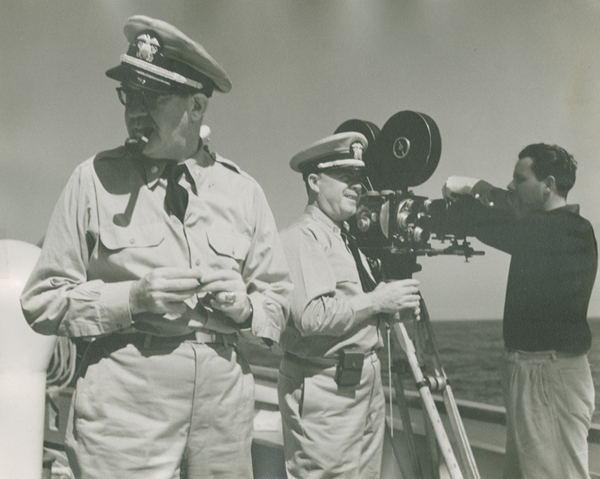
John Ford também teve uma ligação íntima com a Marinha, mas apenas depois de fazer “A Águia Azul”. Durante a Segunda Guerra Mundial, Ford trabalhou com a Marinha fazendo documentários de guerra. Um destes documentários é “A Batalha de Midway” (1942), ganhador de um Oscar. Ford foi uma testemunha ocular do Dia D em 1944, mas a maioria das imagens que ele filmou do Dia D foi considerada forte demais para ser exibida para o público.

John Ford also had a close link with the Navy, but only after making “The Blue Eagle”. During World War II, Ford worked with the Navy Department doing war documentaries. One of these documentaries is “The Battle of Midway” (1942), that won an Oscar. Ford was an eyewitness of the D-Day in 1944, but most of his footage shot on D-Day was considered too gruesome to be released to the public.


Janet Gaynor também fez outro filme com John Ford em 1926, “A Folha do Trevo”. Este é mais um pequeno filme que mistura comédia, drama e esporte – desta vez, corrida de cavalos. Com Janet Gaynor em um papel mais substancial e também um pouco de racismo, “A Folha do Trevo” é considerado o primeiro filme de John Ford que se passa na Irlanda.

Janet Gaynor also appeared in another John Ford film from 1926, “The Shamrock Handicap”. This is another small scale film that mixes drama, romance and sports – this time, it’s horse race. With Janet Gaynor in a more substantial role and also a bit of racism, “The Shamrock Handicap” is considered  the first John Ford film set in Ireland.
 
The Shamrock Handicap
Dois personagens muito importantes – aqueles que convencem Darcy e Ryan a declararem uma trégua – são o irmão deficiente de Darcy, Limpy (Philip Ford, sobrinho de John Ford), e o amigo bobão de Ryan, Dizzy (David Butler). Tanto Ford quanto Butler tiveram carreiras curtas como atores e mais tarde se tornaram prolíficos diretores.

Two very important characters – the ones that convince Darcy and Ryan to declare a truce – are Darcy’s handicapped brother, aptly named Limpy (Philip Ford, John Ford’s nephew), and Ryan’s good and dumb friend Dizzy (David Butler). Both Ford and Butler had brief careers as actors and later became prolific directors.


“A Águia Azul” tem atrativos para todos os públicos: romance, ação na guerra, drama urbano, um pouco de humor e até uma luta de boxe. Além disso, amantes de belos cenários, prestem atenção às luzes da cidade quando os personagens estão no cais. Infelizmente, as cenas com as batalhas navais ainda estão perdidas, o que torna o filme menos emocionante de ver hoje do que foi quando estreou. Mesmo assim, o filme nos traz o mais próximo que temos de um filme de gângster de John Ford, e por isso já merece ser visto.

The Blue Eagle” has something for everyone in the audience: romance, war action, urban drama, a bit of humor and even a boxing match. Also, lovers of beautiful scenery, pay attention to the city lights when the characters are on the waterfront. Unfortunately, the scenes with the sea battles are currently lost, which makes the film less exciting to see today than when it was originally released. Nevertheless, it brings the closest we have from a John Ford gangster picture, and for this alone it is worth a watch.

This is my contribution to the Send in the Marines blogathon, hosted by Gill and J-Dub at RealWeegieMidget Reviews and Dubsism.


Saturday, September 28, 2019

Garras de Oro (1926) e as garras do imperialismo norte-americano


Garras de Oro (1926) and the golden claws of American imperialism


Este é um artigo sobre o filme mais enigmático do mundo. Ninguém sabe quem estava por trás do filme “Garras de Oro”, de 1926: os atores não foram creditados, e a equipe usou pseudônimos. O estúdio que produziu “Garras de Oro”, Cali Films, nunca fez outro filme. Tanto mistério tem justificativa: o filme trata de uma questão geopolítica que ainda estava fresca na mente dos colombianos, e o tom crítico fez com que o filme fosse banidos nos EUA. “Garras de Oro” é, acima de tudo, um filme que exemplifica perfeitamente a maneira como os EUA trataram a América Latina no século XX.

This is an article on the most enigmatic film in the world. Nobody knows who were the minds behind 1926's “Garras de Oro”: the actors were uncredited, and the crew worked under pseudonyms. The company that produced “Garras de Oro”, Cali Films, never made another film. So much mystery is justified: the film is about a polemic geopolitical question that was still fresh on the minds of Colombians, and the critic tone of the film made it be banned in the US. “Garras de Oro” is, above all, a film that perfectly exemplifies the way the US treated Latin America in the 20th century.


“Garras de Oro” é ao mesmo tempo uma denúncia e uma catarse. É a história de como, em 1903, a Colômbia perdeu boa parte de seu território graças à atuação dos EUA – e este território ficou conhecido como Panamá. Na versão dramatizada dos fatos, os EUA são chamados de “Yanquilandia”, e os cineastas não poderiam ser mais claros sobre o alvo de suas críticas. Teddy Roosevelt continua sendo o presidente da Yanquilandia, e para derrotar William Taft na eleição ele decide roubar o Panamá da Colômbia.

“Garras de Oro” (Golden Claws) is at the same time a denunciation and a catharsis. It is the story of how, in 1903, Colombia lost a good amount of its territory thanks to the United States – and this territory became known as Panama. In the dramatized version of the facts, the US is called “Yanquilandia” (Yankee Land), and the filmmakers couldn’t be clearer about who they are criticizing. Teddy Roosevelt remains president of Yanquilandia, and to beat William Taft in the election he decides to steal Panama from Colombia.


Em Yanquilandia há uma cidade chamada Rasca-Cielos (Arranha-Céus) e o jornal local, chamado de The World, está contra o plano de Roosevelt. Um homem colombiano, señor González, mora em Rasca-Cielos e tem uma filha, Berta. Ela está apaixonada por Paterson, um americano que pode ser repórter investigativo do The World ou mesmo espião trabalhando para Roosevelt. Corrupção, poder, espionagem e sexo são elementos importantes na disputa geopolítica pelo Panamá.

In Yanquilandia there is a city called Rasca-Cielos (Skyscrapers) and the local newspaper, called The World, is against Roosevelt’s plan. A Colombian man, señor González, lives in Rasca-Cielos and has a daughter, Berta. She is in love with Paterson, an American man who can either be an investigative reporter for The World or a spy working for Roosevelt. Corruption, power, espionage and sex play important roles in the geopolitical dispute for Panama.


É basicamente este o enredo de “Garras de Oro”, mas o filme era, originalmente, muito maior: hoje apenas 55 minutos sobrevivem, e temos só uma versão truncada do que a película era para ser – a estimativa é de que 15% do filme ainda está perdido. Novamente, há uma explicação pra isso: banido nos EUA, o filme foi exibido na Colômbia em 1927 e depois esquecido por 60 anos, quando foi parcialmente redescoberto e restaurado.

That’s basically it for “Garras de Oro”, but the film was originally much more: today only 55 minutes survive, and we have only a truncated version of what it was meant to be – it’s estimated that 15% of the film is still lost. Again, there is an explanation for this: the film was banned in the US, exhibited in Colombia in 1927 and then forgotten for 60 years, when it was partially found and restored.


No final do século XIX e início do XX, os EUA basearam sua expansão imperialista na Doutrina Monroe – definida pelo slogan “América para os americanos”, que na realidade queria dizer “América para os norte-americanos”. Isso significava que os EUA apoiariam a independência dos outros países americanos de colonizadores europeus com o único intuito de influenciar a economia e a política destes novos países. O imperialismo norte-americano era diferente daquele praticado pelos países europeus: era uma colonização ideológica, não territorial.

In the end of the 19th century and the beginning of the 20th, the US based its imperialistic expansion on the Monroe Doctrine – defined by the slogan “America for Americans”, that really meant “America for North Americans”. This meant that the US would support the independence of other American countries from their European colonizers with the sole purpose of influencing these new countries in issues like economy and politics. North-American imperialism was different from the one practiced by European countries: it was ideological colonization, not territorial colonization.

"Cowboy" Teddy Roosevelt
O Panamá tentou se tornar independente da Colômbia em muitas ocasiões, e finalmente houve uma guerra em 1899, chamada de Guerra dos Mil Dias – naquela época, a Colômbia era chamada de Nova Granada. Até então, os EUA haviam ajudado a Colômbia / Nova Granada a manter o Panamá sob sua jurisdição. Em 1903 tudo mudou, pois o Panamá declarou independência em três de novembro, e os EUA foram o primeiro país a reconhecer esta independência – com a clara intenção de explorar o novo país e colocá-lo sob suas asas ideológicas. De fato, logo após reconhecer a independência do Panamá, os EUA ganharam o controle do canal transcontinental que seria construído no novo país. O presidente norte-americano que apoiou a independência do Panamá foi Teddy Roosevelt.

Panama tried to become independent from Colombia several times, and they eventually started a war in 1899, called The War of a Thousand Days – at that time, Colombia was called Nova Granada. Up until then, the US actually had helped Colombia / Nova Granada to keep Panama under its jurisdiction. In 1903, things changed, as Panama declared independence on November 3rd, and the US was the first country to recognize its independence – with the clear intention of exploring the new country and put it under its ideological wings. Indeed, right after recognizing Panama’s independence, the US gained control of the trans-continental canal that would be built in the new country. The US president who supported the independency of Panama was Teddy Roosevelt.
 
1903 cartoon from Sunday Times

Em inglês o filme ficou conhecido como “Alvorada de Justiça” por causa de seu conteúdo catártico – um título bem mais inofensivo do que os títulos prévios “A Vingança da Colômbia” e “A Morte Política de Teddy Roosevelt”. Os EUA pagaram 25 milhões de dólares como indenização para a Colômbia pelo Panamá e seu canal. No final de “Garras de Oro”, o Tio Sam deposita esta mesma quantia na balança da Justiça personificada, mas os pratos da balança não se movem: afinal, a justiça deveria ser cega e mostrar que a razão sempre esteve com os colombianos.

In English the film became known as “Dawn of Justice” because of its cathartic content – a title that is more inoffensive than the two working titles “Colombia’s Revenge” and “The Political Death of Teddy Roosevelt”. The US paid Colombia 25 million dollars to Colombia as indemnity for Panama and its canal. In the very end of “Garras de Oro”, Uncle Sam deposits the same amount in Lady Justice’s scale, but the scale does not move: after all, Justice should be blind and should show that the Colombians were right to be bitter.


Você lembra que todos os envolvidos com o filme “Garras de Oro” ou não receberam crédito ou usaram pseudônimos? Agora a história se complica. Há uma teoria que diz que “Garras de Oro” sequer foi filmado na Colômbia, mas sim na Itália. Mais recentemente, a identidade do diretor PP Jambrina, também fundador da Cali Films, foi descoberta: ele era Alfonso Martínez Velasco, um político, jornalista e empresário. As únicas outras pessoas creditadas em “Garras de Oro” são dois diretores de fotografia com sobrenomes italianos, e a atriz italiana Lucia Zanussi pode ter sido parte do elenco. Assim como o nome dos outros membros do elenco e o restante da trama, é possível que nunca saibamos a verdade sobre o local de filmagem.

Do you remember that everyone involved in the making of “Garras de Oro” was either uncredited or used pseudonyms? Now the plot thickens. A theory says that “Garras de Oro” may not have been shot in Colombia at all, but in Italy. More recently, the identity of director PP Jambrina, also founder of Cali Films, was discovered: he was Alfonso Martínez Velasco, politician, journalist and entrepreneur. The only other credited people in “Garras de Oro” were two cinematographers with Italian last names, and Italian actress Lucia Zanussi is rumored to be part of the cast. Just like the name of other cast members and the rest of the plot, the place it was shot is something we might never know for sure.
 
PP Jambrina
Durante o século XX, os EUA usaram o cinema como arma imperialista: por todo o mundo, e na América Latina em especial, o cinema norte-americano dominava e disseminava os valores norte-americanos. Hoje, este fenômeno é irreversível, mas felizmente os EUA e Hollywood se abriram para as estrelas latinas. Agora em Hollywood temos alguns colombianos fazendo sucesso, como Sofía Vergara, Isabella Gomez e John Leguizamo. A animosidade causada por “Garras de Oro” há quase 100 anos parece ter sido deixada no passado, mas temos sorte porque parte do filme sobreviveu para contar uma história real sob uma perspectiva única: do ponto de vista dos colonizados.

As the 20th century progressed, the US used cinema as a huge imperialist weapon: all over the world, and in Latin America in special, US cinema dominated and disseminated American values. Today, this phenomenon is irreversible, but fortunately the US and Hollywood became more open to Latin stars. Now in Hollywood we have a few Colombians thriving, like Sofía Vergara, Isabella Gomez and John Leguizamo. The animosity caused by “Garras de Oro” nearly 100 years ago seems to have been left in the past, but we’re lucky that part of the film survives to tell a real story in such a unique perspective: from the point of view of the colonized people.
 
Hand-colored Colombian flag from "Garras de Oro"
This is my contribution to the Hollywood’s Hispanic Heritage blogathon, hosted by Aurora at Once Upon a Screen.


Wednesday, November 22, 2017

O Diabo e a Carne (1926) / Flesh and the Devil (1926)

Nós, enquanto cinéfilos, estamos sempre fazendo escolhas. Temos de escolher nosso filme favorito, atriz, ator, diretor, roteirista, dupla e década favorita da história do cinema. E então vamos um passo adiante e temos de escolher nosso filme favorito com nosso ator ou atriz favorita – ou talvez listar um TOP 5. Felizmente, fazer esta escolha não é muito difícil para mim.

We, as cinephiles, are always making choices. We have to choose our favorite film, actress, actor, director, screenwriter, screen duo and favorite decade for movies. And then we go a step further and have to choose a favorite film from our favorite actress and actor – or maybe a top 5. Thankfully, making this choice is not so difficult for me.
Greta Garbo é uma das minhas atrizes favoritas. Conforme eu explorava a lista AFI 100 anos – 100 lendas do cinema, encontrei um nome familiar no quinto lugar: Greta Garbo. E então quando eu a vi, eu fiquei muito surpresa. Eu nunca havia visto uma pessoa tão bonita na minha vida – eu tinha então 16 anos e, caramba, até hoje ainda não vi ninguém tão bonito quanto ela. Eu nunca havia visto a perfeição, mas eu descobri que ela existiu, e trabalhou em Hollywood entre 1925 e 1941. 

Greta Garbo is one of my favorite actresses. As I perused the AFI 100 years – 100 legends list, I found a familiar name in the fifth place: Greta Garbo. And then when I saw her, I was incredibly surprised. I had never seen such a beautiful person in my life – I was then 16 years old, and damn, I still haven’t seen anyone as beautiful as her. I had never seen perfection, but I found out it existed, and worked from 1925 until 1941 in Hollywood.
Se eu tivesse que escolher meu filme favorito com Garbo, eu responderia, sem pensar duas vezes: “O Diabo e a Carne” (1926). Mais do que um drama ou um romance, este é um filme maravilhosamente executado, e que apresenta alguns dos mais belos efeitos já produzidos pelo cinema mudo.
If I had to choose my favorite Garbo film, I would answer without second thought: “Flesh and the Devil” (1926). More than a drama or a romance, this is a beautifully crafted movie, and one that shows some of the best effects the silent cinema has produced.
Greta Lovisa Gustafsson começou a trabalhar em filmes publicitários quando tinha 15 anos. Aos 16 ela foi aceita na Academia Real de Arte Dramática de Estocolmo. Seu filme de 1924, “A Saga de Gosta Berling”, foi um sucesso internacional. No ano seguinte, Louis B. Mayer contratou o diretor do filme, Mauritz Stiller – e Stiller exigiu que Garbo também fosse contratada.

Greta Lovisa Gustafsson started working in advertising films when she was 15. At 16 she was accepted at the Royal Dramatic Theater Academy in Stockholm. Her 1924 film, “Gösta Berlings Saga”, was an international success. The following year, Louis B. Mayer hired the director of the film, Mauritz Stiller – and Stiller demanded Garbo to be hired with him.
Mayer disse que poderia transformar a jovem atriz sueca em uma estrela. E ele conseguiu. Stiller tinha dúvidas sobre ir para Hollywood ou trabalhar na Alemanha. Greta inclusive fez um filme alemão, “Rua das Lágrimas” (1925), no qual tem um bom papel, mas a real estrela do filme é Asta Nielsen. Garbo voltou da Alemanha mais bem vestida e mais segura de si.

Mayer said he could turn the young Swedish actress into a star. And he did. Stiller had doubts about going to Hollywood or working in German. Greta actually went to make a German film, “Joyless Street” (1925), in which she has a good role, but the real star of the picture is Asta Nielsen. Garbo came back from Germany better dressed and more secure.
Isso foi pouco comparado com as mudanças pelas quais ela passou em Hollywood. Ao chegar aos Estados Unidos em 1925, Garbo perdeu peso, mudou o corte de cabelo e consertou os dentes. Seu primeiro teste de câmera não interessou a ninguém na MGM, mas o segundo, seguindo algumas dicas da atriz Lillian Gish, foi um sucesso.

This was little compared to the change Hollywood would make. Arriving in the US in 1925, Garbo lost weight, changed her hairstyle and had her teeth fixed. Her first screen test didn’t interest anyone at MGM, but her second one, following some tips by actress Lillian Gish, was a success.
Os caminhos de Lillian Gish e Greta Garbo se cruzariam novamente. Elas se conheceram no set de “La Bohème”, e mais tarde Greta visitou Lillian no set de “A Letra Escarlate”. Lillian quase conseguiu o papel principal em “O Diabo e a Carne”, mas Garbo foi escalada para o papel – de uma vamp. Você consegue imaginar Lillian Gish como uma vamp? Nem eu.

Lillian Gish’s and Greta Garbo’s paths would cross again. They first met on the set of “La Bohème”, and later Garbo visited Gish on the set of “The Scarlett Letter”. Gish was considered for the lead role of “Flesh and the Devil”, but Garbo was cast instead – as a vamp. Could you imagine Lillian Gish playing a vamp? Me neither.
O Diabo e a Carne” foi o terceiro filme de Garbo em Hollywood. Ele fala sobre dois amigos de infância, Leo (John Gilbert) e Ulrish (Lars Hanson), que se apaixonam pela mesma mulher, Felicitas (Garbo). Ironicamente, Felicitas significa “sorte” – algo que os amigos não terão após conhecê-la.

Flesh and the Devil” was Garbo’s third Hollywood movie. It was about two childhood friends, Leo (John Gilbert) and Ulrich (Lars Hanson), who fall in love with the same woman, Felicitas (Garbo). Ironically, Felicitas means “good fortune” – something the friends won’t have after knowing her.
Quando Leo e Felicitas se conhecem, é amor à primeira vista. Temos aqui a rara oportunidade de ver não apenas dois personagens, mas duas pessoas se apaixonando – como Garbo e Gilbert fizeram na vida real. Era um tempo difícil para Garbo, que estava trabalhando muito e foi proibida de ir à Suécia para o funeral de sua irmã. Ela não queria trabalhar em “O Diabo e a Carne”, mas tudo mudou quando ela conheceu Gilbert.

When Leo and Felicitas first meet, it is love at first sight. We have here the rare opportunity to see not only two characters, but two people fall in love – like Garbo and Gilbert did in real life. It was a difficult time for Garbo, who was over-worked and was forbidden go to Sweden to attend her sister’s funeral. She didn’t want to work on “Flesh and the Devil”, but things changed when she met Gilbert. 
Gilbert era mais conhecido e influente que Garbo, então ele ensinou diversas técnicas de atuação para ela e a apresentou para seu empresário, Harry Edington. Com o sucesso de “O Diabo e a Carne” e a ajuda de Edington, Garbo pôde renegociar seu salário e escolher os tipos de papéis que fazia.

Gilbert was more famous and influent than Garbo, so he coached her acting and introduced her to his business manager, Harry Edington. With the success of “Flesh and the Devil” and Edington’s help, Garbo could renegotiate her salary and choose the kinds of roles she played.
Aqueles efeitos incríveis em “O Diabo e a Carne” foram criados pelo director de fotografia William H. Daniels. Daniels havia estreado no cinema com “Esposas Ingênuas” (1922) e se tornaria o diretor de fotografia favorito de Garbo. Além de deixá-la o mais bonita possível através de um jogo de luz e sombra, Daniels também trabalhou para criar duas cenas incríveis: o momento em que Garbo e Gilbert dividem uma chama e o duelo visto pelas sombras.

Those amazing effects in “Flesh and the Devil” were crafted by cinematographer William H. Daniels. Daniels had started with “Foolish Wives” (1922) and would become Garbo’s favorite director of photography. Besides making her the most beautiful he could through light, Daniels also worked to create two great scenes: the lighting of the cigarette and the duel in shadows.
Podemos dizer que a maior parte do que conhecemos como Greta Garbo – talvez um toque Garbo? – começou a se desenvolver em “O Diabo e a Carne”. Não é apenas o nascimento de uma lenda do cinema, de uma verdadeira estrela – é um clímax na própria arte de fazer filmes.

We can say that most that was later known as Garbo – maybe a Garbo touch? – started being developed in “Flesh and the Devil”. It’s not only the birth of a film legend, a real star – it is a climax in filmmaking itself.

This is my contribution to the Greta Garbo blogathon, hosted by Crystal at In the Good Old Days of Classic Hollywood.
Related Posts Plugin for WordPress, Blogger...