} Crítica Retrô: Colleen Moore

Tradutor / Translator / Traductor / Übersetzer / Traduttore / Traducteur / 翻訳者 / переводчик

Showing posts with label Colleen Moore. Show all posts

Saturday, July 18, 2026

Variações sobre um mesmo tema: A Letra Escarlate (1926 e 1934)


Variations on the same theme: The Scarlet Letter (1926 and 1934)

Eu não sei do que eu gosto mais: de ler ou ver filmes. É ótimo quando posso juntar esses interesses, e não estou falando em ler as legendas ou cartelas de título. Estou falando em ler um livro e depois assistir à adaptação para os cinemas e comparar ambas as obras. O caso mais recente: “A Letra Escarlate” de Nathaniel Hawthorne. Sim, faz mais de dez anos que li o livro, mas ainda me lembrava da trama.

I don’t know what I like the most: reading or watching movies. It’s good when I can join them, and I’m not talking about reading the closed captions or intertitles. I’m talking about reading a book and then watching the adaptation to compare both. The most recent case: Nathaniel Hawthorne’s “The Scarlet Letter”. Sure, it was more than ten years ago that I read the novel, but I still had the plot in my mind. 


Nathaniel Hawthorne publicou “A Letra Escarlate” em 1850 e a história se passa duzentos anos antes. A primeira adaptação para os cinemas foi feita em 1908, escrita e estrelando a pioneira Gene Gauntier. Aqui vou focar em duas adaptações, uma da era muda (1926) e outra dos primeiros anos da era falada (1934) 

Nathaniel Hawthorne published “The Scarlet Letter” in 1850 and the story is set two centuries before. The first film adaptation was made in 1908, written for the screen and starring the pioneer Gene Gauntier. Here I’ll focus on two adaptations, one from the silent era (1926) and another from the first years of sound film (1934).

1926: uma Hester virginal

1926: a virginal Hester

Na puritana colônia de Boston, Hester Prynne (Lillian Gish) é censurada por pecados como pular e correr no sábado e não esconder roupas íntimas quando lava essas peças imorais de roupa. Quem fica responsável por puni-la é o reverendo Arthur Dimmesdale (Lars Hanson), mas ele se apaixona por ela. 

In the puritan colonial Boston, Hester Prynne (Lillian Gish) is censored for sins such as skipping and running on Sabbath and not hiding underwear when she washes these immoral pieces of clothing. The one responsible for punishing her is the Reverend Arthur Dimmesdale (Lars Hanson), but he falls in love with her.


Arthur quer se casar e ir para a Inglaterra, mas um obstáculo terrível e escandaloso surge: Hester já é casada! Arthur parte para a Inglaterra sozinho. Quando ele volta, Hester teve um bebê - um bebê dele! - e por tê-lo sem ser casada ela será punida, tendo de usar nas roupas uma escarlate letra A - de adúltera. 

Arthur wants to get married and leave for England, but a terrible, scandalous obstacle appears: Hester is already married! Arthur leaves for England alone. When he returns, Hester has had a child - his child! - and for this out-of-wedlock birth she is to be punished by wearing embroidered in her clothes a red letter A - for adulteress.


Hester e sua filha Pearl (Joyce Coad) vivem como párias e Arthur sofre por muitos motivos. Por sua omissão num momento que requeria coragem. Por ser amado por um povo que odeia sua filha. E o que ninguém esperava acontece: o marido ausente de Hester, Roger (Henry B. Walthall), volta e quer vingança!

Hester and her daughter Pearl (Joyce Coad) live as pariahs and Arthur suffers for many reasons. For his omission when courage was needed. For being loved by the people who hate his daughter. And what nobody was expecting happens: Hester’s estranged husband Roger (Henry B. Walthall) comes back, and he wants revenge!

Lillian Gish está excelente como sempre. Seu rosto atua por ela. Ela só tem que arregalar os olhos para que saibamos que Hester está implorando para Arthur não confessar que ele é pai da filha dela. Saindo debaixo das asas de Griffith, Gish tinha poder em seu novo estúdio, a MGM, e pessoalmente sugeriu que ela estrelasse nesta adaptação. Ela também escolheu o diretor. 

Lillian Gish is outstanding as always. Her face acts for her. She only has to open her eyes a little wider for us to know that Hester is imploring for Arthur to not confess he’s her child’s father. Departing from her Griffith-directed roles, Gish was a powerhouse for her new studio, MGM, and personally suggested to star in this adaptation. She also chose the director.


Este é o primeiro de dois filmes que o diretor Victor Sjöström fez com Lillian Gish - eles voltariam a se encontrar dois anos depois para “Vento e Areia”, também com Lars Hanson e Frances Marion. Sjöström foi para Hollywood em 1923 e foi escolhido pessoalmente por Lillian Gish para este projeto, um filme lindamente fotografado, e não apenas por causa da sequência com o reflexo na água no começo.

This is the first of two movies director Victor Sjöström made with Lillian Gish - they would reteam two years later for “The Wind”, also with Lars Hanson and Frances Marion. Sjöström went to Hollywood in 1923 and was handpicked by Lillian Gish for this project that ended up being a beautifully shot film, and not only for the brief water mirror sequence in the beginning.

1934: Hester a flapper

1934: Hester the flapper 

A versão de 1934 é bem mais curta e começa com Hester Prynne (Colleen Moore) sendo punida por adultério em praça pública. Quem chega a tempo de ver o espetáculo é seu marido ausente, Roger (Henry B. Walthall), que ela reconhece do cadafalso. Só mais tarde somos informados de que o reverendo Arthur Dimmesdale (Hardie Albright) foi quem engravidou Hester. 

The 1934 version is much shorter and begins with Hester Prynne (Colleen Moore) being punished for adultery at the village’s square. Arriving just in time is her estranged husband Roger (Henry B. Walthall), who she recognizes from the scaffold. Only later we’re informed that Reverend Arthur Dimmesdale (Hardie Albright) is the man who wronged Hester.


A mulher marcada e sua filha Pearl (Cora Sue Collins) vivem felizes juntas. As outras crianças não querem que Pearl brinque com elas, mas não importa porque ela tem a companhia da mãe o tempo todo. Mas o governo da colônia de Boston quer tirar Pearl da mãe e dá-la para que uma mulher temente a Deus a crie e eduque. 

The marked woman and her child Pearl (Cora Sue Collins) live happily together. Other children don’t want Pearl to play with them, but it’s okay because she has the company of her mother all the time. But the government of the Boston colony wants to take Pearl away from her mother and give the child to a God-fearing woman to educate and care for.


A voz de Colleen Moore é bem mais grave do que eu imaginei assistindo seus filmes mudos leves. Talvez tenha sido o contexto. Moore fez 64 filmes entre 1916 e 1934, com um hiato entre 1929 e 1933. Ela era a flapper clássica nos anos 1920, junto a Clara Bow. O IMDb diz que ela era a melhor amiga de Lillian Gish, e a Wikipedia que ela entrou para o cinema porque queria ser uma segunda Lillian Gish. Não importa qual versão seja verdade - talvez não é nenhuma - o que importa é que Colleen Moore interpretou Hester muito bem. Depois deste filme, ela se aposentou de vez das telas.

Colleen Moore’s voice sounded much deeper than I had imagined by watching her light silent films. Maybe it was the context. Moore made 64 films between 1916 and 1934, with a hiatus between 1929 and 1933. She was the quintessential flapper in the 1920s, alongside Clara Bow. IMDb said she was Lillian Gish’s best friend, and Wikipedia claims that she entered movies with the hopes of becoming a second Lillian Gish. No matter which one is true - or maybe both are false - Colleen Moore played Hester really well. After this movie, she retired from the screens for good. 

Nesta versão há uma dupla para alívio cômico, Bartholomew (Alan Hale) e Sampson (William Kent). Eles podem ser vistos por aí consertando a roda de uma carroça ou fazendo a corte a uma mulher. Eles poderiam ser um contraponto ao triângulo amoroso envolvendo Hester, Arthur e Roger, mas na minha opinião eles não adicionam nada ao filme, feito pela Majestic Pictures Corporation, um estúdio de segunda linha dos anos 1930 que às vezes fazia alguns filmes mais elaborados que os filmes B de sempre. 

In this version there is a duo for comic relief, Bartholomew (Alan Hale) and Sampson (William Kent). They can be found fooling around, fixing a wheel of a carriage or courting a woman. They could be a counterpoint to the love triangle involving Hester, Arthur and Roger, but in my opinion they add nothing to the film, made by Majestic Pictures Corporation, a Poverty Row studio from the 1930s that sometimes made more elaborate movies than the regular B-movie productions.  

Comparação

Comparison

O que diferencia as duas versões é, acima de tudo, o roteiro. É a mesma história contada de maneiras diferentes. A roteirista responsável pela adaptação do romance em 1926 foi ninguém menos que a grande Frances Marion, que também escreveu as poéticas cartelas de texto. A dupla adaptando o livro para as telas era formada por dois homens, e isso é óbvio: a versão de 1934 não é muito sobre Hester, mas sobre os homens ao redor dela, como Roger, Arthur e a dupla de alívio cômico.

What differs the two versions is, above all, the writing. It’s the same story told in different ways. The screenwriter responsible for the adaptation of the romance in 1926 was none other than the great Frances Marion, who also wrote the very poetic titles. The duo adapting the book to the screen in 1934 was formed by two men, and it shows: the 1934 version is not so much about Hester, but more about the men around her, such as Roger, Arthur and even the comic relief duo.


E se há outro elo entre as duas versões, é a presença de Henry B. Walthall em ambas como Roger. Tendo estreado no cinema em 1908 e sido presença constante nos filmes de Griffith, Henry fracassou como produtor quando criou a The Union Feature Film Company, para produzir longas-metragens antes que houvesse interesse por filmes mais longos. Ele fez uma boa passagem para o cinema falado e fez seu último filme semanas antes de morrer em 1936.

And if there is another thing that unites both versions, it is the presence of Henry B. Walthall in both as Roger. Having debuted in films in 1908 and becoming a regular at Griffith’s movies, Henry failed to become a producer when he formed The Union Feature Film Company, to produce features before the interest for them appeared. He transitioned well to talkies and made his final film weeks before dying in 1936.

Só podemos agradecer porque as coisas mudaram desde a época em que se passa a história. Era uma época de superstição religiosa generalizada, um tempo em que adultos podiam odiar uma criança e dizer que ela estava “possuída pelo demônio”, um tempo que não podemos deixar voltar - nem mesmo se esse tempo, como o filme de 1934 diz na introdução, ajudou “a moldar o destino de uma nação”. Mas devo confessar que a torturaaquática com uma mulher que tomava conta da vida dos outros foi bacana. O que podemos levar da história é o que uma cartela de texto da versão de 1926 diz: “por que somos ensinados a ter vergonha do amor?” 

We can only be happy because things have changed since the time the story is set in. It was a time with widespread religious superstition, a time when adults could hate a child and call her “possessed by the devil”, a time we cannot let come back - no matter if it, like the 1934 movie says in the intro, helped “shape the destiny of a nation”. But I must confess that the aquatic torture with a woman who took care of other people’s lives was pleasing to watch. What we can take from the story is what a title card in the 1926 movie says: “why are we taught to be ashamed of love?”

This is my contribution to the 2026 Classic Literature on Film blogathon, hosted by Paul at Silver Screen Classics.

Saturday, December 30, 2023

O Prêmio de Beleza (1926) / Ella Cinders (1926)

Uma história tão velha quanto o tempo, mas não é A Bela e a Fera. Hoje nosso assunto é Cinderela e todos os elementos familiares que vêm com o conto de fadas: a Fada Madrinha, a abóbora que se transforma em carruagem, o encantamento que acaba à meia-noite, o sapatinho de cristal que é deixado para trás e que o Príncipe experimenta nas mulheres. Todos estes elementos estavam lá quando Georges Méliès fez a primeira Cinderela do cinema, em 1899. Eles estavam todos lá em 1914, quando Mary Pickford estrelou sua própria versão adorável do conto. Mas a era do cinema mudo nem havia chegado ao fim quando a história foi modernizada e subvertida no hilário filme “O Prêmio de Beleza” (1926).


A tale as old as time, but not Beauty and the Beast. Today we talk about Cinderella and all the familiar bits that come in the story: the Fairy Godmother, the pumpkin that becomes a carriage, the enchantment that ends at midnight, the glass slipper lost and left for the Prince to try on the women. They were all there, when Georges Méliès did the first Cinderella in film history, in 1899. They were all there in 1914, when Mary Pickford starred in her own adorable version of the tale. But the silent film era wasn’t over yet when the story was modernized and subverted in the hilarious "Ella Cinders" (1926).

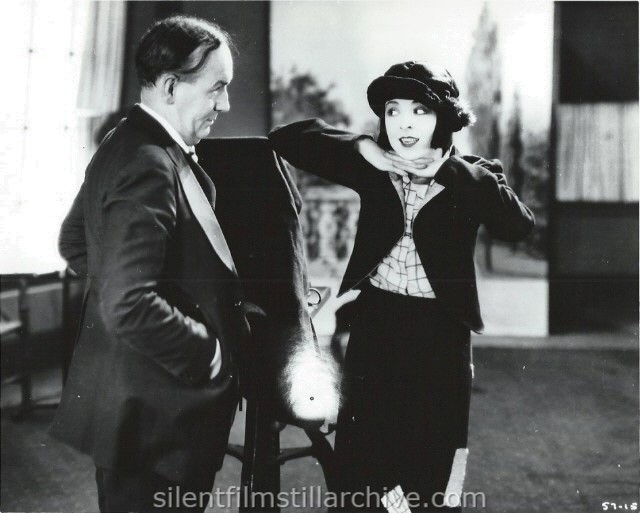
Na cidade de Roseville mora a família Cinder, cuja filha adotiva Ella (Colleen Moore) faz todas as tarefas em casa. Quando chega a notícia de que um concurso de beleza será feito na cidade, com o prêmio sendo uma quantia em dinheiro e uma passagem para Hollywood, todas as garotas ficam animadas, incluindo Ella. Ela economiza dinheiro para tirar uma foto para o concurso, mas não tem roupa para ir ao baile onde a vencedora será anunciada.


In the city of Roseville live the Cinders, whose stepdaughter Ella (Colleen Moore) does all the chores in her house. When news come that a beauty contest is about to take place in town, with the prize being a sum of money and a ticket to Hollywood, all girls get excited, including Ella. She saves money to take a picture for the contest, but has no clothes to go to the ball where the winner will be announced.

Ella só vai ao baile por insistência de seu amigo Waite (Lloyd Hughes), vendedor de gelo. Lá ela é humilhada e deixa seu sapatinho para trás. No dia seguinte, os jurados do concurso chegam à casa dos Cinder procurando pela filha deles. Ella ganhara o concurso e o resto do filme conta suas aventuras em Hollywood.


Ella only goes to the ball because of the insistence of her friend Waite (Lloyd Hughes), the iceman. There she is humiliated and leaves her shoe behind. The next day, the jurors of the contest arrive at the Cinders’ house in search for their daughter. Ella has won the contest and the remainder of the movie chronicles her misadventures in Hollywood.

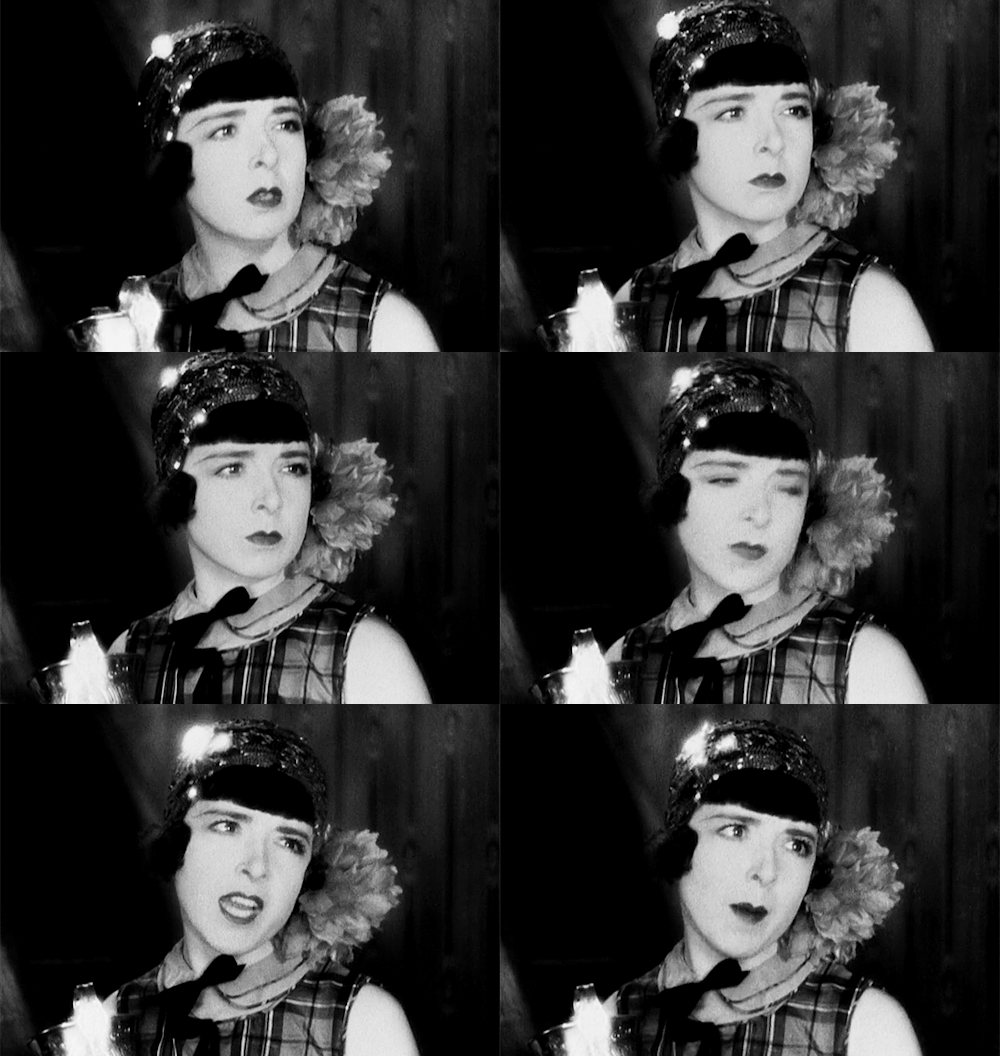
A cena mais icônica do filme chega na marca de 10 minutos: Ella Cinders vesga lendo um livro que ela roubara da meio-irmã Lotta (Doris Baker). De acordo com o IMDb, o truque foi feito de maneira até fácil: um pedaço de papel preto foi colocado num lado da câmera e os movimentos de olho foram filmados, depois o pedaço de papel passava para a outra metade da câmera e o movimento do outro olho era filmado. Quando juntadas as partes, a mágica acontecia.  


The most iconic scene from the movie comes at the 10 minute mark: Ella Cinders cross-eyed over a book she had stolen from her stepsister Lotta (Doris Baker). According to IMDb, the trick was achieved in a rather easy way: a black piece of paper taped half of the camera and the eye movement was recorded, then the piece of paper was moved to the other half of the camera and the other eye movement was then filmed. When the scene played combining the parts, the magic happened.

O conto da Cinderela vem de um livro de 1697 publicado por Charles Perrault, mas a história não surgiu da cabeça dele. O conto em si é muito antigo e passava de geração em geração, mas Perrault foi o primeiro a compilar contos como este e também o pi0neiro em duas outras coisas: chamar a personagem de Cinderela – no francês original, “Cendrillon” – e a mencionar que ela estava usando um sapatinho de cristal – um calçado bem desconfortável. Mas o filme não derivou diretamente do conto de fadas.


The tale of Cinderella came from a 1697 book released by Charles Perrault, but it didn’t come from his mind. The tale itself was very old and passed through several generations, but Perrault was the first to compile tales such as this one and also the first one to both name the character Cinderella – in the original French, “Cendrillon” – and to mention that she was wearing a glass slipper – a rather uncomfortable kind of footwear. But the movie didn’t come directly from the fairy tale.

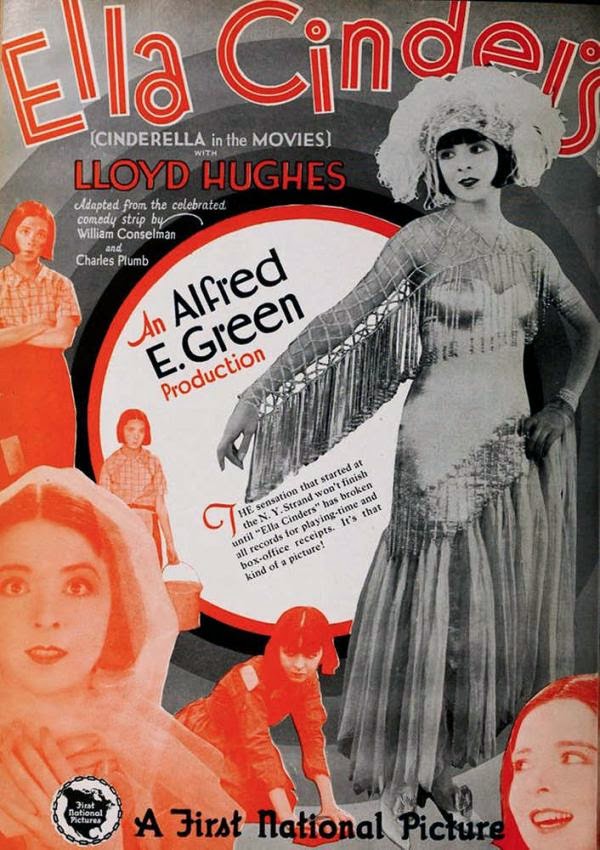
“O Prêmio de Beleza” foi adaptado de uma tirinha de jornal! A tirinha foi publicada entre 1925 e 1961 e foi criada por Charles Plumb e William M. Conselman do departamento de arte do Los Angeles Times. Um dos roteiristas responsáveis pela adaptação foi Mervin LeRoy, um ex-ator de vaudeville que se tornaria um prolífico diretor em Hollywood. A principal diferença das tirinhas para o filme é que nas tirinhas Ella tem um irmão mais novo chamado Blackie, que não aparece no filme.


“Ella Cinders” was adapted from a comic strip! The strip was published from 1925 to 1961 in American newspapers and was created by Charles Plumb and William M. Conselman from the Los Angeles Times art department. One of the screenwriters responsible for the adaptation was Mervin LeRoy, a former vaudevillian who would become a prolific director in Hollywood. The main difference from the source material is that Ella has a kid brother, Blackie, in the comic strip that is totally absent from the movie.

“O Prêmio de Beleza” foi distribuído pela First National Pictures, produtora e distribuidora que existiu em Holywood entre 1917 e 1936. O diretor é Alfred E. Green, que entrou no cinema como ator em 1912 e dirigiu seu primeiro longa em 1917. Green também aparece em “O Prêmio de Beleza”, interpretando um diretor no estúdio. Já que estamos falando de diretores, devemos mencionar que Frank Capra dirigiu a breve sequência em que Harry Langdon faz uma participação especial.


“Ella Cinders” was made by First National Pictures, a producing and distribution company that existed in Hollywood between 1917 and 1936. The director is Alfred E. Green, who entered films as an actor in 1912 and directed his first feature in 1917. Green also appears in “Ella Cinders”, playing a film director in the studio. Since we’re talking about directors, we should mention that Frank Capra directed the brief sequence with Harry Langdon’s cameo.

“O Prêmio de Beleza” é hoje o mais famoso filme estrelando Colleen Moore. Com apenas 26 anos quando o filme foi rodado, Moore já estava trabalhando no cinema desde os 18 e já havia influenciado milhões de “flappers” a cortarem o cabelo igual ao dela. O produtor de “O Prêmio de Beleza”, John McCormick, era marido de Moore na época, e Lloyd Hughes, que interpreta o par romântico, já havia feito outros quatro filmes com Moore entre 1923 e 1926. Depois de uma pausa na carreira quando o som chegou ao cinema, Moore fez seus últimos filmes nos anos 1930, aposentando-se em 1934.


“Ella Cinders” is now the most famous movie starring Colleen Moore. Only 26 when the film was shot, Moore already had been working in films since she was 18 and had influenced millions of flappers to cut their hair like hers. The producer of “Ella Cinders”, John McCormick, was Moore’s husband at the time, and Lloyd Hughes, who plays the love interest, had appeared in four other films with Moore between 1923 and 1926. After a career pause when sound came to cinema, Moore made her final films in the early 1930s, retiring in 1934.

Em 2013, “O Prêmio de Beleza” foi selecionado para ser preservado pela Biblioteca do Congresso norte-americano, em uma lista chamada National Film Registry. A versão animada de “Cinderela”, feita por Walt Disney em 1950, também foi selecionada para preservação. O conto foi adaptado dezenas de vezes, mas “O Prêmio de Beleza” traz um retrato fresco da história da moça pobre que triunfa e se mantém aprazível após quase um século de sua estreia, em parte por causa da performance jovial de Colleen Moore como a sonhadora Ella.


In 2013, “Ella Cinders” was selected to be preserved by the Library of Congress in their National Film Registry. The animated version of “Cinderella”, made by Walt Disney in 1950, is also in the Registry. The tale was adapted to the screen dozens of times, but “Ella Cinders” brings a fresh portrait of the rags-to-riches story and remains enjoyable after almost a century from its original release, in part because of Colleen Moore’s jovial performance as the dreamer Ella.


This is my contribution to the Party Like It’s 1899 Blogathon, hosted by Erica at Poppity Talks Classic Film.

Monday, January 1, 2018

Resoluções cinematográficas 2017 – Resultado / 12 classics for 2017 – results

Eu falhei.

I failed.
Pela primeira vez desde que me comprometi a cumprir esta tarefa hercúlea, três anos atrás, eu falhei e não assisti a todos os filmes da minha lista. E não foi minha culpa: eu simplesmente não consegui encontrar uma cópia de “Cilada Amorosa” (1929). Ele nunca saiu em DVD onde eu moro e eu não consegui encontrar o filme mesmo através de, hum, meios nem sempre legalizados. Mas eu não desisti: ainda estou procurando por “Cilada Amorosa” como quem procura o Santo Graal, e um dia eu assistirei ao filme e completarei esta lista.

For the first time since I took on this yearly Herculean task, three years ago, I failed to watch all the films on my list. And it was not my fault: I simply couldn't find a copy of “The Love Trap” (1929). It was never released on DVD where I live and it couldn't even be found in, er, less than legal ways. I haven't given up: I'm still looking for “The Love Trap” as one looks for a Holy Grail, and one day I intend to watch it and complete my list.

Agora, vamos esquecer minha vergonha por um momento e ler minhas impressões sobre cada clássico que eu vi pela primeira vez em 2017:

Now, let's forget my shame for a while and read my thoughts on each of the classics I saw for the first time in 2017:

Judith of Bethulia (1914): Esta é a história bíblica de como Jerusalém foi salva quando a mística Judith (Blanche Sweet) seduziu e matou o príncipe Holofernes (Henry B. Walthall.) Não seo fã de Griffith, e não estava tão familiarizada com a história quanto o público de 1914 provavelmente estava, mas este filme me lembrou do estilo das novelas da Record.

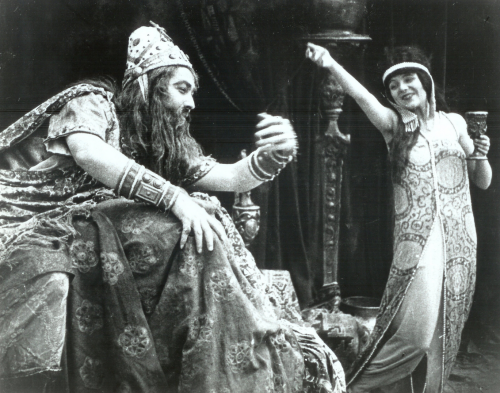
Judith of Bethulia (1914): This is the biblical story of how Jerusalem was saved when mystical Judith (Blanche Sweet) seduced and killed prince Holofernes (Henry B. Walthall). I’m not a Griffith fan, and I was not as familiar with story as the 1914 moviegoers probably were, but this film reminded me of the production values of a corny biblical soap opera.
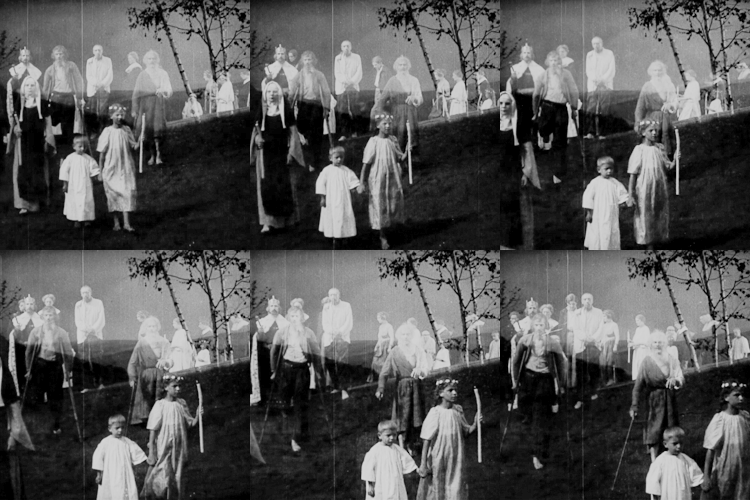
Himmelskibet (1918): É basicamente o que o título em inglês diz – uma viagem para Marte – mas é muito impressionante para algo feito em 1918. E é ainda mais surpreendente o fato de que eles acertaram o tempo que leva uma viagem da Terra à Marte – cerca de seis meses! Os efeitos especiais são muito bons, e você se surpreenderá ao descobrir como os marcianos vivem. Eu também adorei os nomes dos personagens em Latim – Planetaros, Corona, Dubius.

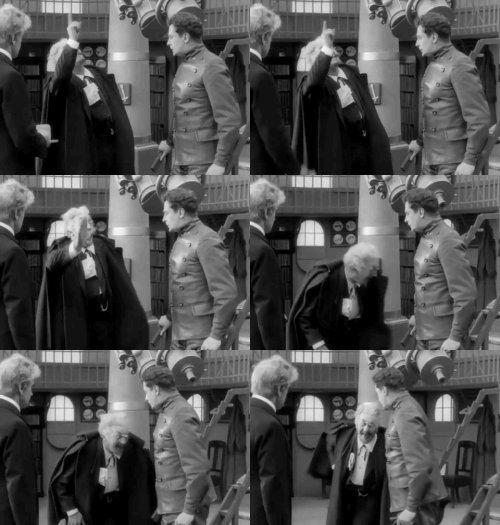
A Trip to Mars / Himmelskibet (1918): It’s basically that – A Trip to Mars – but very impressive for 1918. And it’s even more impressive that they got right the time to travel from Earth to Mars – about six months! The special effects are very good, and you’ll be surprised to find out how Martians live. I also loved the Latin names– Planetaros, Corona, Dubius.
A Morte Cansada / Der Müde tod (1921): Este feito só poderia ter sido feito durante o Expressionismo Alemão. Em Hollywood, o filme teria um final feliz, mais facilmente digerível, mas nada realista. Na Alemanha, a história da mulher (Lil Dagover) que tenta salvar uma das três almas em diferentes lugares e épocas com o intuito de trazer seu amado de volta dos mortos é contada com perfeição – como se “Intolerância” (1916) tivesse sido bem feito.

Destiny / Der Müde Tod (1921): This film could only be made during the German Expressionism movement. In Hollywood, it would have been pushed to a palatable, but not realistic, happy ending. In Germany, the story of a woman (Lil Dagover) who tries to save one of three souls in different places and times to have her boyfriend back from the dead is perfectly developed – like an “Intolerance” (1916) done right.
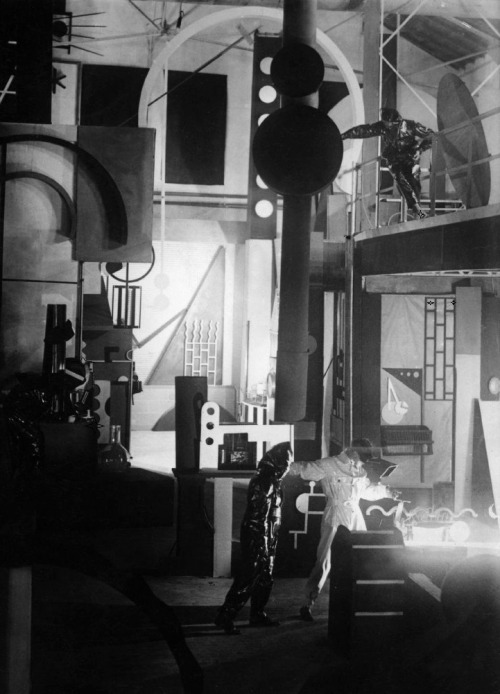
L’Inhumaine (1924): A história envolve uma cantora fria, Claire (Georgette Leblanc) e seus muitos admiradores. Há um toque dramático e ao fim o filme se transforma em ficção científica. Mas os cenários são a verdadeira atração: idealizados por dois diretores de arte (o brasileiro Alberto Cavalcanti e o francês Claude Autant-Lara), os cenários são ousados, futuristas, assimétricos, cubistas, assustadores e tão impressionantes quanto os de “Metrópolis” (1927) – ou até um pouco mais.

The New Enchantment / L’inhumaine (1924): The story involves a cold singer, Claire (Georgette Leblanc) and her many admirers. There is a dramatic touch and then it becomes science fiction. But the sets are the real attraction here: designed by two art directors (Brazilian Alberto Cavalcanti and French Claude Autant-Lara), they’re bold, futuristic, cubist, asymmetric, awe-inducing and as impressive as the sets in “Metropolis” (1927) – maybe even more.
Uma Página de Loucura (1926): Este clássico japonês é contado sem intertítulos e é, por causa disso e de outras coisas, fascinante. O final é maravilhoso, e trata-se de um filme que você deve assistir muitas vezes para apreciá-lo por completo. Leia minha crítica completa AQUI.

A Page of Madness (1926): This Japanese classic is told without intertitles and is, because of this and other things, fascinating. The ending is wonderful, and it is one film you should watch many times to fully appreciate it. My full review is HERE.
Aurora / Sunrise (1927): Eu devo confessar que na metade do filme pensei ser estranho e até sexista o fato de que a esposa (Janet Gaynor) havia perdoado o marido (George O’Brien) e estava se divertindo muito com ele algumas horas depois de ele ter tentado matá-la. Mas então os 15 minutos finais me deixaram sem palavras. Que surpresa. Bravo, Murnau, você merece ser aplaudido de pé.

Sunrise (1927): I must confess that in the middle of the film I thought it was weird and even sexist the fact that the wife (Janet Gaynor) forgave her husband (George O’Brien) and was having the time of her life with him some mere hours after he tried to kill her. But then the final 15 minutes came and OH MY. What a plot twist. Bravo, Murnau, I ended up giving you a standing ovation.
Cilada Amorosa / The Love Trap (1929)

Ver para Crer / Why Be Good? (1929): Este filme tem um subtexto feminista e Colleen Moore arrasa na pista de dança. Ela é Pert Kelly, uma vendedora que adora festejar – e cuja reputação a prejudica quando o filho de seu patrão (Neil Hamilton) se apaixona por ela. Eu pretendo escrever mais sobre este filme.

Why Be Good? (1929): This film has a feminist subtext and Colleen Moore rocks some dance movements. She’s Pert Kelly, a salesgirl who loves to party – and whose reputation precedes her when the boss’s son (Neil Hamilton) falls in love with her. I intend to write more about this movie.
O Presídio / The Big House (1930): Este filme foi escrito por Frances Marion – a primeira mulher a ganhar um Oscar de roteiro e também a primeira mulher a ganhar um Oscar em categorias diferentes da atuação. É a história de Kent (Robert Montgomery), que dirigia embriagado e matou um homem atropelado, e seus companheiros de cela durões: Butch (Wallace Beery) e Morgan (Chester Morris). O filme também deu a Douglas Shearer o primeiro Oscar de Mixagem Som da história.

The Big House (1930): This film was written by the great Frances Marion – the first woman to win a Screenplay Oscar and also the first woman to win a non-acting Oscar. It’s the story of Kent (Robert Montgomery), who killed a man by driving drunk, and his though cell companions: Butch (Wallace Beery) and Morgan (Chester Morris). The film also gave Douglas Shearer the first Best Sound Mixing Oscar ever.
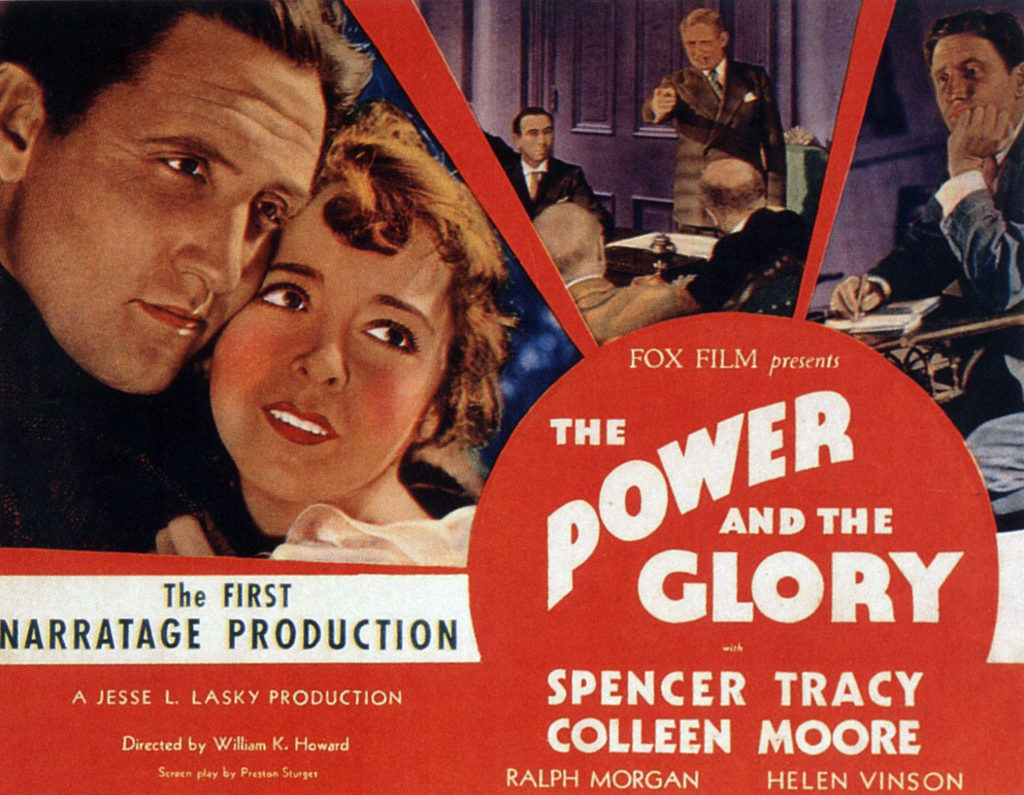
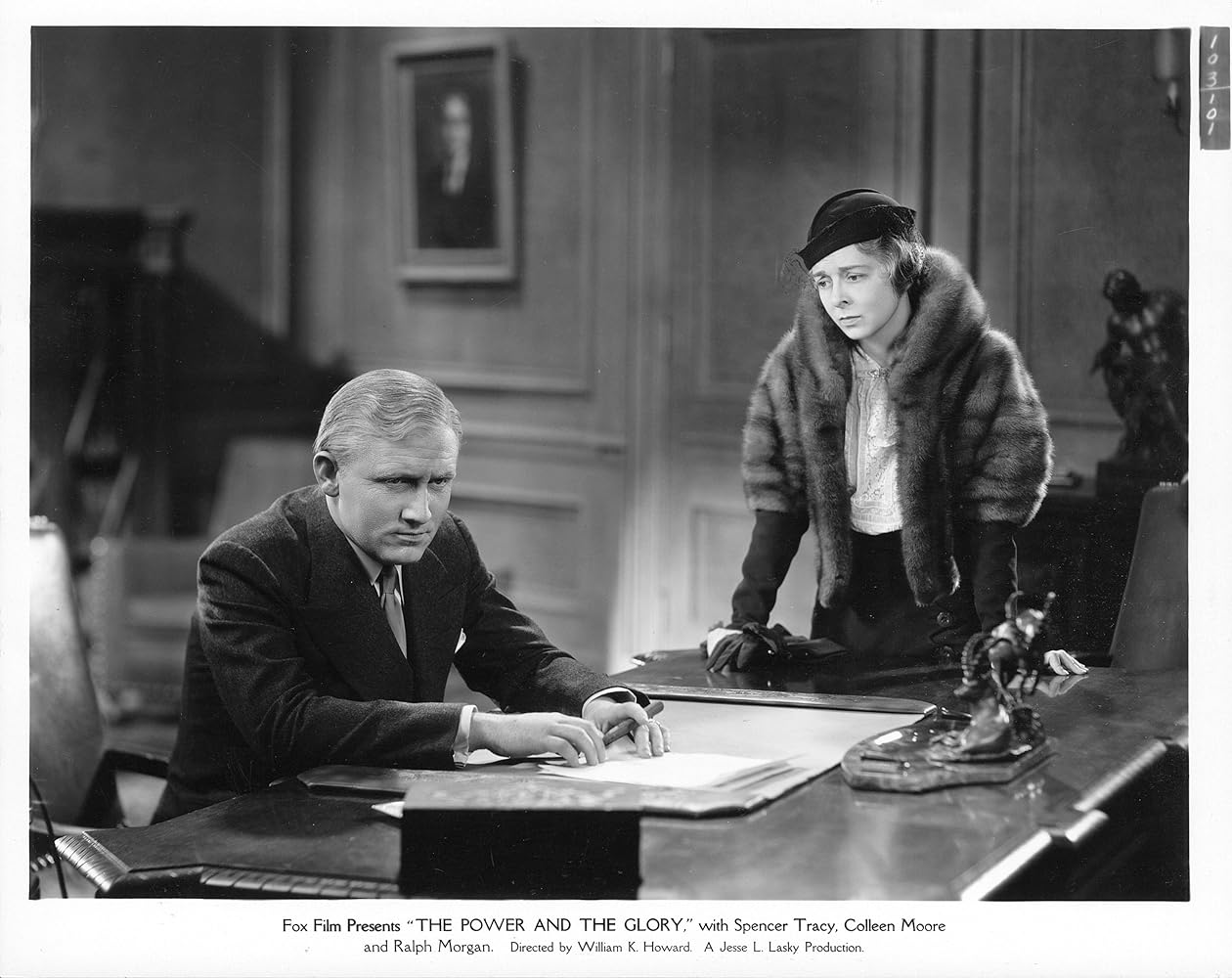
Glória e Poder / The Power and the Glory (1933): É Cidadão Kane oito anos antes de Cidadão Kane – ou quase isso. Este filme tem um excelente roteiro – obrigada, Preston Sturges! – e traz Colleen Moore naquele que é provavelmente seu melhor momento. Crítica completa AQUI.

The Power and the Glory (1933): It is Citizen Kane eight years before Citizen Kane – kind of. This film is beautifully written – thanks, Preston Sturges! – and showcases Colleen Moore at probably her best moment. Full review HERE.
A Mulher de Branco / Woman in White (1948): É místico, e se parece muito com um conto de fadas noir. O filme também trata de alienação e roubo. Crítica completa AQUI.

Woman in White (1948): It’s mystical, and it’s much like a noir fairy tale. It also involves alienation and robbery. Eleanor Parker is amazing. Full review HERE.
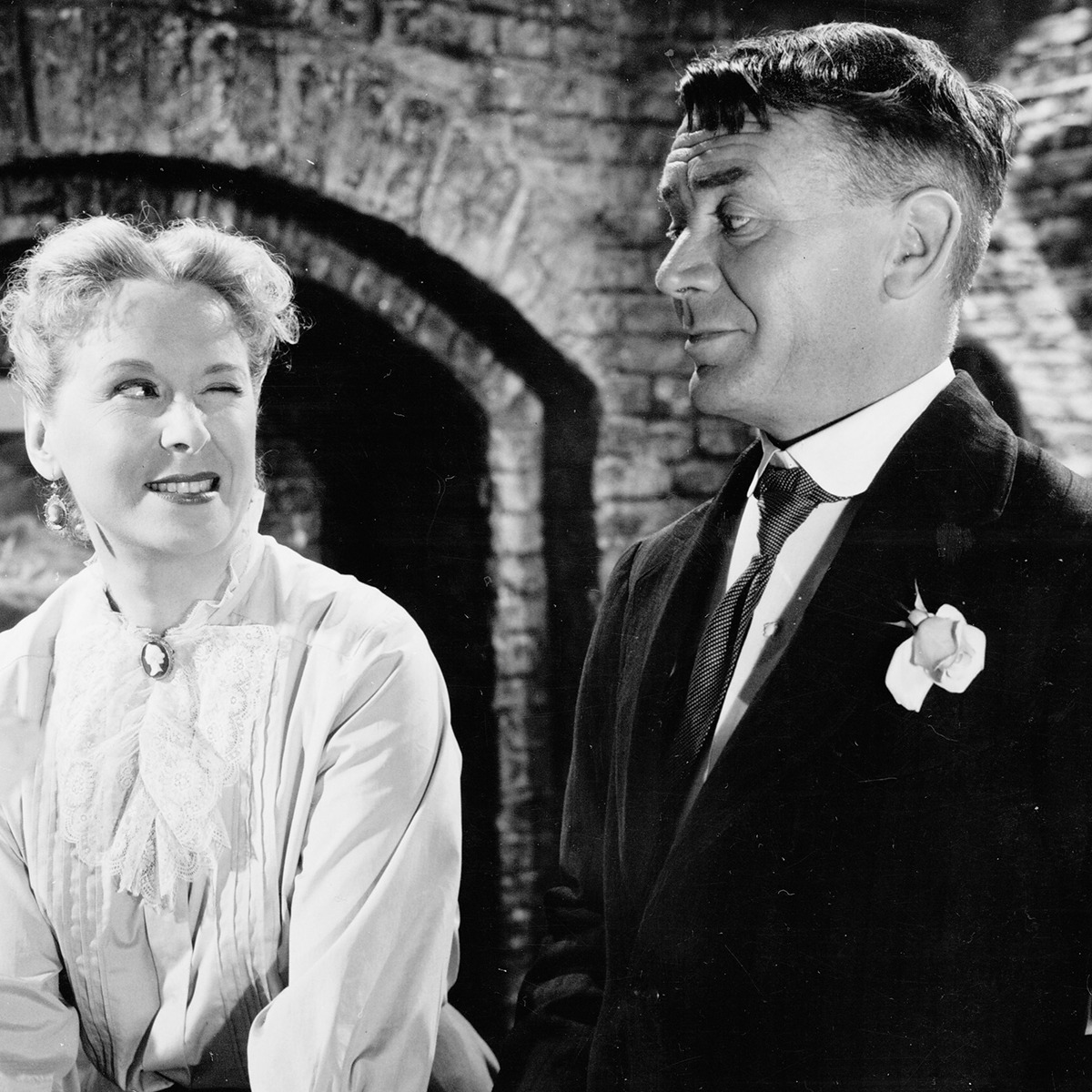
Papai é do Contra / Hobson’s Choice (1954): Charles Laughton está ótimo como o conservador Hobson, mas eu gostei especialmente de Brenda de Banzie como sua esperta filha mais velha e do brilhante John Mill como um funcionário talentoso porém ingênuo. Crítica completa AQUI.


Hobson’s Choice (1954): Charles Laughton is great as old-fashioned Hobson, but I especially loved Brenda de Banzie as his smart older daughter and brilliant John Mills as a talented but naïve employee. Full review HERE.

Saturday, August 19, 2017

Glória e Poder / The Power and the Glory (1933)

O filme começa em um funeral. Então, a história de vida de um magnata é contada em flashback, começando com um episódio de sua infância. O filme é “Cidadão Kane” (1941), certo? ERRADO. É na realidade “Glória e Poder”, um filme feito oito anos antes de Kane e com Spencer Tracy como um magnata das ferrovias.

The movie starts at a funeral. Then, the life story of a mogul is told in flashback, starting with a glimpse of his childhood. The movie is “Citizen Kane” (1941), right? WRONG. It’s actually “The Power and the Glory”, a film made eight years before Kane and with Spencer Tracy as a railway mogul.
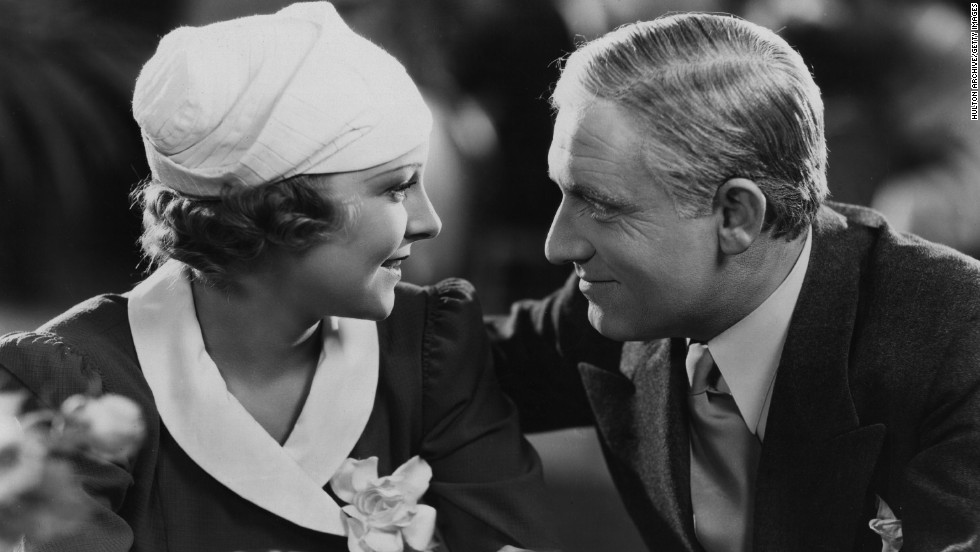
Thomas 'Tom' Garner (Tracy) não frequentou a escola, e aos 20 anos era ainda analfabeto. Mas ele era determinado, e por causa de seu amigo de infância Henry (Ralph Morgan), ele vai aprender com a professorinha local, Sally (Colleen Moore). Tom e Sally se casam, e ela o transforma: de fiscal de trilhos ele se torna engenheiro – com muito sacrifício por parte dela, é claro.

Thomas ‘Tom’ Garner (Tracy) didn’t go to school, and at age 20 he couldn’t read or write. But he was brave, and because of his childhood friend Henry (Ralph Morgan) he starts having lessons with the local schoolteacher, Sally (Colleen Moore). Tom and Sally get married, and she turns him from a track walker into an engineer – with a lot of her sacrifice, of course.
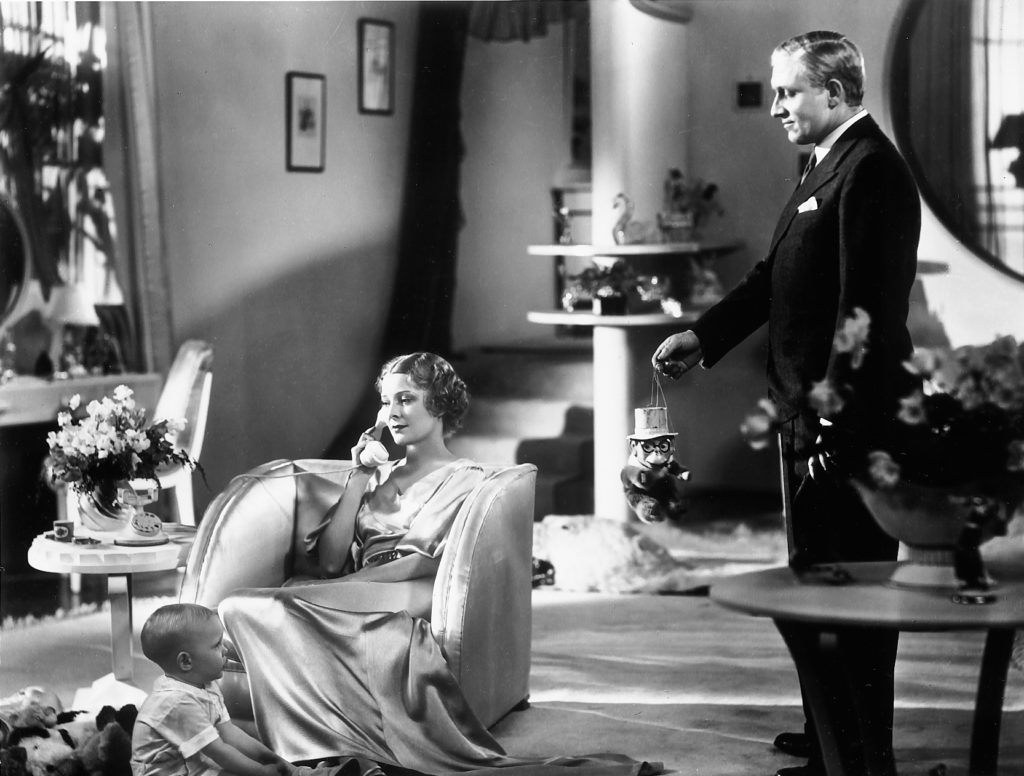
Mas o que glória e poder podem fazer com um homem? Tom se torna ambicioso graças a Sally, e consegue cada vez mais poder dentro da companhia ferroviária. Ele se torna o presidente da companhia, um magnata multimilionário, com um filho mimado e uma amante – bem ao estilo Kane, não?

But what can the power and the glory do to a man? Tom becomes ambitious thanks to Sally, and gets more and more power in the railway company. He becomes the president of the company, a multimillionaire mogul, with a spoiled young son and a mistress – very Kane-ish, ain’t it?
É difícil acreditar de Ralph Morgan é mais novo que Spencer Tracy – Morgan era quase 17 anos mais velho que ele, e percebe-se. Talvez seja o bigode de Morgan, né? Com o intuito de fazer ambos parecerem mais velhos, tanto Spencer Tracy quanto Colleen Moore, nas cenas que representam a máxima riqueza de Tom, têm cabelos grisalhos e murchos. Ambos tinham pouco mais de 30 anos, mas interpretavam personagens com cerca de 50. O resultado é um Spencer Tracy estranho aos nossos olhos... e platinado!

It’s hard to believe that Ralph Morgan is younger than Spencer Tracy – Morgan was almost 17 years older than him, and it showed. Maybe it’s Morgan’s moustache, right? In order to make them appear older, both Spencer Tracy and Colleen Moore, in the scenes featuring Tom’s maximum wealth, had their hairs painted gray and styled differently. Both were in their early 30s, but playing characters who were about 50. The result is that we have an odd-looking platinum blonde Spencer Tracy!
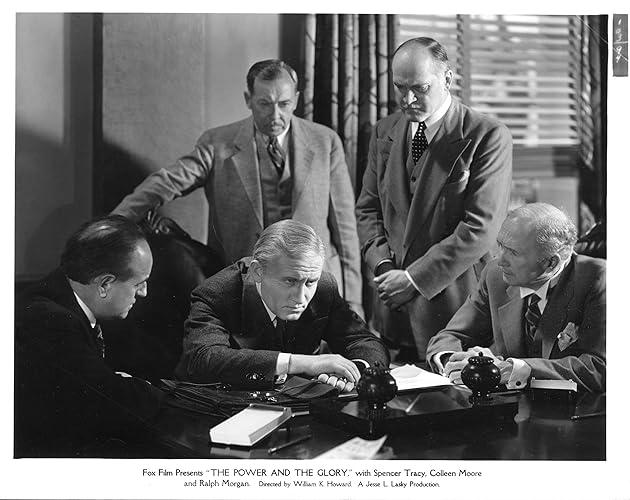
Não há muito acontecendo com os funcionários da rodovia – nós vemos apenas o drama do magnata, e o único funcionário que está sempre lá é Henry, que trabalha como secretário de Tom. Nós não vemos como de fato o ambiente de trabalho da ferrovia é – desculpe, não há grandes festas como as dadas por Charles Foster Kane. Os maiores problemas para quem trabalha nos trilhos são as greves e os perigos.

There is not much happening to the employees of the railway – we only see the mogul’s drama, and the only employee always there is Henry, who works as Tom's secretary. We don’t really see how the workplace of the railway is – sorry, there are no big wild parties like the ones Charles Foster Kane threw. The biggest troubles for those who work on the rails are the strikes and the dangers.
Bad mood
Good mood
Henry é o narrador da história, e os momentos com sua narração sobreposta às cenas e diálogos – como o pedido de casamento – são muito bons. O estúdio batizou esta técnica de narração como “narratage”. É incrível ver os momentos indo e voltando no tempo durante a narrativa, sem seguir a ordem esperada. Os eventos seguem a ordem da memória – e são contados conforme são lembrados por Henry e sua esposa.

Henry narrates the story, and the moments with voiceover narration over scenes and dialogues – like the wedding proposal – are very good. The studio named this voiceover narration technique “the narratage”. It’s great to see that the moments come back and forth in the narrative, not following an ordinary order. The events follow the order of memory – they are told as they are remembered by Henry and his wife.
Spencer e Colleen brilham mesmo estando em momentos muito diferentes da carreira. Tracy estava só começando, e sua carreira duraria mais 34 anos. Colleen estava terminando sua carreira: ela se aposentou em 1934, apenas um ano após fazer “Glória e Poder”. No filme, ambos são ótimos e têm atuações poderosas – mas eu atrevo a dizer que Colleen é a melhor em cena. Mas ela própria discordou de mim: ela disse que Tracy foi o melhor e mais talentoso ator com quem contracenou.

Spencer and Colleen are the ones who shine, even though they are in very different moments of their careers. Tracy was just beginning his career, one that would last for 34 more years. Colleen was ending hers: she retired in 1934, only one year after “The Power and the Glory” was made. In the movie, they are amazing and deliver powerful performances – but I dare saying that Colleen was the best in the movie. But the girl herself disagreed with me: she said Tracy was the best and most talented male co-star she ever had.
De onde veio uma história tão boa? Se havia Orson Welles por trás de “Cidadão Kane”, a grande mente por trás de “Glória e Poder” era ninguém mais ninguém menos que Preston Sturges, que recebeu pelo roteiro incríveis 17500 dólares (equivalente a mais de 320 mil dólares hoje). Jesse L. Lasky, um dos fundadores dos estúdios Paramount – originalmente chamados Famous Players-Lasky – foi mandado embora de seu estúdio e então contratado pela Fox. Lasky gostou tanto do roteiro de Sturges que exigiu que ele fosse filmado pelo diretor William K. Howard sem nenhuma modificação – e graças a Deus ele fez esta exigência.

Where did such a great story came from? If there was Orson Welles behind “Citizen Kane”, the great mind behind “The Power and the Glory” was no other than Preston Sturges, who received for the script amazing 17,500 dollars (more than 320,000 dollars, adjusted to inflation). Jesse L. Lasky, one of the founders of Paramount Studios – originally called Famous Players-Lasky – was kicked out of his studio and then hired by Fox. Lasky liked Sturges’s script so much that he demanded it to be filmed by director William K. Howard without any changes – and thank God he did.
Preston Sturges
Orson Welles viu “Glória e Poder”? O filme estreou quando ele tinha 18 anos, então há uma chance de que ele tenha visto. Welles pode ter ganhado o Oscar de Melhor Roteiro Original quando fez Kane, mas precisamos notar que sua maior conquista com sua obra-prima foi uma conquista técnica. Ironicamente, Welles ganhou o prêmio no ano seguinte à vitória de Sturges – aquele que foi o primeiro a contar uma história emocionante de glória, poder, infelicidade e ruína.

Did Orson Welles see “The Power and the Glory”? The film was released when Welles was 18, so there is a good chance he did. Welles might have won the Best Original Screenplay Oscar when he did Kane, but we have to agree that his biggest accomplishment with his masterpiece was a technical one. Ironically, Welles won the award right after Sturges – who was the first one to tell a moving story of power, glory, unhappiness and decay.

This is my contribution to the Workplace in Film and TV Blogathon, hosted by Debra at Moon in Gemini.
Related Posts Plugin for WordPress, Blogger...