} Crítica Retrô: Cinderela

Tradutor / Translator / Traductor / Übersetzer / Traduttore / Traducteur / 翻訳者 / переводчик

Showing posts with label Cinderela. Show all posts

Monday, September 28, 2026

O Fruto Proibido (1921) / Forbidden Fruit (1921)


Este filme não tem Charles Chaplin, Buster Keaton, Harold Lloyd, Clara Bow ou Gloria Swanson. As estrelas dele estão praticamente esquecidas hoje. Qual o apelo deste filme, você pode perguntar? Para mim, foi vê-lo citado por Alfred Hitchcock numa entrevista como um de seus 10 filmes favoritos quando ele chegou em Hollywood em 1939. Além disso, é uma adição à minha nova apreciação dos maravilhosos filmes mudos de Cecil B. DeMille. Vejamos o que “O Fruto Proibido” tem a nos oferecer.

This movie has no Charles Chaplin, Buster Keaton, Harold Lloyd, Clara Bow or Gloria Swanson. Their stars are all basically forgotten today. What’s the appeal of this movie, you may ask? For me, it was seeing it being cited by Alfred Hitchcock in an interview as part of his 10 favorite movies when he arrived in Hollywood in 1939. Besides that, it speaks to my newfound appreciation of Cecil B. DeMille’s wonderful silents. Let’s see what “Forbidden Fruit” has in store for us.

Grace Harrington Mallory (Kathlyn Williams) é infeliz no casamento, mas quer ajudar o marido, Jim (Theodore Roberts). Ele está interessado em fechar negócio com um herdeiro, Sr Rogers (Forrest Stanley), que Grace convida para jantar. O plano dela é apresentar o Sr Rogers a uma bela mulher, mas quem ela tem em mente não pode comparecer ao jantar. Grace então faz uma oferta à sua costureira Mary Maddock (Agnes Ayres), também infeliz no casamento com o vagabundo Steve (Clarence Burton), para que ela seja a convidada especial para o jantar.

Grace Harrington Mallory (Kathlyn Williams) is unhappily married, but wants to help her husband, Jim (Theodore Roberts). He is interested in settling a deal with an heir, Mr Rogers (Forrest Stanley), who Grace invites for dinner. Her plan is to pair Mr Rogers with a beautiful young woman, but the one she had in mind can’t come to dinner. Grace then makes an offer to her poor seamstress, Mary Maddock (Agnes Ayres), also unhappily married to bum Steve (Clarence Burton), to be at the party as a special guest.

Para Mary, é a chance de viver uma história de Cinderela. Participando da festa como Miss Natalie Webb de Washington, ela seduz o Sr Rogers, que se apaixona. Quando é hora de acabar com o faz-de-conta, Grace convida o Sr Rogers para passar o fim de semana com ela e Miss Webb. Naquele momento, Mary percebe que a vida pode ser mais que sua existência miserável com Steve.

For Mary, it’s her chance to live a Cinderella story. Attending the party as Miss Natalie Webb from Washington, she charms Mr Rogers, who becomes infatuated. When it’s time to end the make-believe, Grace invites Mr Rogers to spend the weekend with her and Miss Webb. At that moment, Mary realized that there can be more to life besides her miserable existence with Steve.

Vamos dar uma olhada mais de perto na estrela de “O Fruto Proibido”, Agnes Ayres. Nascida em Illinois em 1892, ela teve sua primeira experiência no cinema como extra em 1914. Daria o grande passo e começaria a ser creditada, ainda como Agnes Eyre, apenas em 1917. Em 1920 ela começou um relacionamento com o produtor Jesse Lasky, que fez lobby para que ganhasse papéis em diversos filmes de prestígio, incluindo alguns com DeMille. Quando o romance arrefeceu, sua carreira sofreu. Quando o som chegou, ela foi para o vaudeville mas tentou voltar às telas em 1936, entretanto, ela só conseguiu pequenos papéis sem crédito e se aposentou de vez. Ela faleceu três anos depois. Seu trabalho mais lembrado é como a protagonista de “O Sheik” (1921), ao lado de Valentino.

Let’s take a closer look at the star of “Forbidden Fruit”, Agnes Ayres. Born in 1892 in Illinois, she had her first film experience in a bit part in 1914. She would make the leap to being credited, still as Agnes Eyre, only in 1917. In 1920 she started a relationship with film producer Jesse Lasky, who lobbied for parts in several prestige pictures, including a few with DeMille. When the romance waned, so did her career. As sound arrived, she turned to vaudeville but tried a comeback in 1936, however, she only got uncredited parts and retired for good in 1937. She died three years later. Her best remembered role was as the female lead in Valentino’s “The Sheik” (1921).

Embora também produzido por DeMille, “O Fruto Proibido” é nos créditos apresentado como “Uma SuperProdução Famous Players-Lasky”. Em 1913, DeMille, que ainda não havia dirigido um filme sequer, fundou com Jesse Lasky e Samuel Goldfish uma companhia produtora para fazer longas-metragens. Em 1916 veio a fusão com uma companhia fundada por Adolph Zukor chamada Famous Players e a empresa resultante cresceu exponencialmente nos anos seguintes. Samuel Goldfish foi embora, adotou o sobrenome Goldwyn e em 1924 seria um dos fundadores da Metro-Goldwyn-Mayer.

Although also produced by DeMille, “Forbidden Fruit” is in the credits presented as “A Famous Players-Lasky SuperProduction”. In 1913, DeMille, still without directing a single film, founded with Jesse Lasky and Samuel Goldfish a production company to make feature films. In 1916, it merged with a company founded by Adolph Zukor named Famous Players and it grew exponentially in the following years. Samuel Goldfish left, took the last name Goldwyn and in 1924 would be one of the founders of Metro-Goldwyn-Mayer.
Steve é rude e violento, mas Mary não pode deixá-lo porque no casamento prometeu companheirismo “na alegria e na tristeza”. Steve representa a Tristeza, mas ela ficaria com ele se fosse na Alegria, não é? Um raciocínio como este manteve mulheres em casamentos sem amor e abusivos por tempo demais. Esta é outra razão pela qual eu amo o cinema mudo, mas não gostaria de ter vivido na época em que estes filmes eram feitos!

Steve is rude and violent, yet Mary can’t leave him because in their wedding vows they said they’d stay together “for better or for worse”. Steve represents the Worse part, but she would stay with him if he was in the Better part of life, wouldn’t she? Reasonings like those kept women trapped in loveless, abusive marriages for too long. This is another reason why I like silent movies, but would never want to have lived when these movies were being made!

Falando de muito tempo atrás, nos anos 1920 você podia ver um filme nos cinemas muitas vezes, mas uma vez que as sessões acabassem você talvez não veria o filme novamente por décadas - ou talvez nunca mais. Filmes favoritos eram diferentes na época: não eram os filmes que você revisitar várias vezes, mas aqueles que ficavam em você mesmo anos após tê-los visto. O que ficou de “O Fruto Proibido” em Hitchcock? O jogo de dados perto do final tem muito suspense, mas é a ideia do duplo que pode ter ficado com o Mestre do Suspense. Mary ser também Miss Webb pode não ser a mesma coisa que ter uma irmã gêmea, mas Hitchcock usaria gêmeas em “The White Shadow” (1924), no qual trabalhou sem receber crédito como roteirista e diretor. 

Speaking of a time long gone, in the 1920s you could catch a movie at the theater several times, but once its showing was over you might not watch it again for decades - or maybe forever. Favorite movies were something else back then: not the movies you revisit time and time again, but those that stuck with you even years after you saw them. What stuck from “Forbidden Fruit” in Hitchcock’s work? The dice game near the end has a lot of suspense, but it’s the idea of the double that might have stuck with the Master of Suspense. Mary being also Miss Webb may not be the same of having a twin sister, but Hitchcock would use twins in “The White Shadow” (1924), where he worked uncredited as screenwriter and director. 
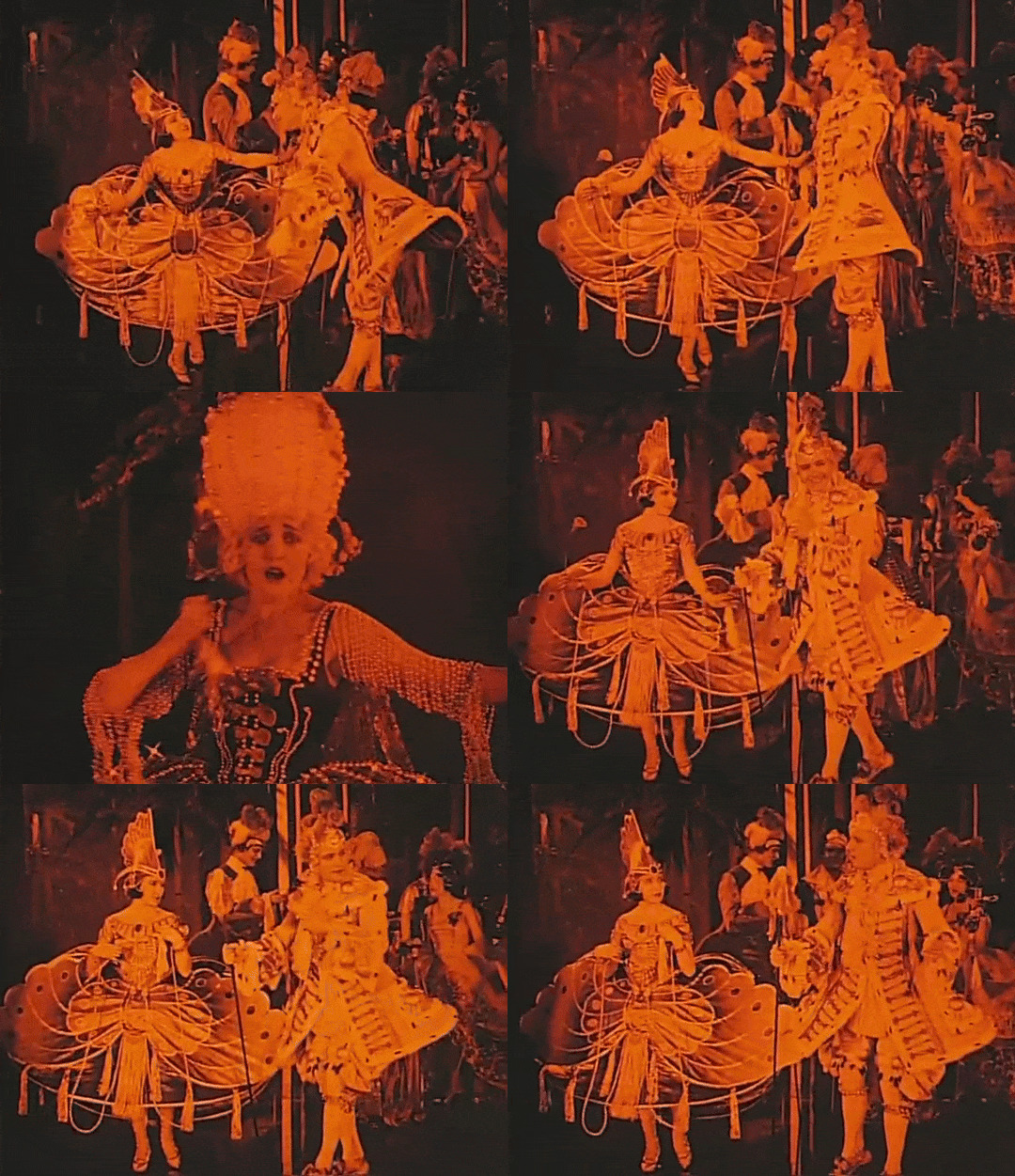
As sequências de Cinderela - com figurinos de Natacha Rambova, a senhora Rudolph Valentino - são as mais visualmente impressionantes no filme e o exemplo perfeito do que se esperava de uma produção de DeMille. Mais uma vez, meu amigo Cecil não me desapontou e, mesmo sem ser recheado de estrelas, “O Fruto Proibido” é um filme muito bom.

The Cinderella sequences - with costumes by Natacha Rambova a.k.a. Mrs Rudolph Valentino - are the most visually impressive in the movie, and the best that could come from a DeMille production - we could even say that it was by the time even expected from a DeMille production! Once again, my homeboy Cecil didn’t disappoint me and, although not full of stars, “Forbidden Fruit” is an immensely enjoyable silent film.

This is my contribution to The Return of the Silent Movie Day blogathon, hosted by Lea at Silent-ology and Shawn at The Everyday Cinephile.

Saturday, December 30, 2023

O Prêmio de Beleza (1926) / Ella Cinders (1926)

Uma história tão velha quanto o tempo, mas não é A Bela e a Fera. Hoje nosso assunto é Cinderela e todos os elementos familiares que vêm com o conto de fadas: a Fada Madrinha, a abóbora que se transforma em carruagem, o encantamento que acaba à meia-noite, o sapatinho de cristal que é deixado para trás e que o Príncipe experimenta nas mulheres. Todos estes elementos estavam lá quando Georges Méliès fez a primeira Cinderela do cinema, em 1899. Eles estavam todos lá em 1914, quando Mary Pickford estrelou sua própria versão adorável do conto. Mas a era do cinema mudo nem havia chegado ao fim quando a história foi modernizada e subvertida no hilário filme “O Prêmio de Beleza” (1926).


A tale as old as time, but not Beauty and the Beast. Today we talk about Cinderella and all the familiar bits that come in the story: the Fairy Godmother, the pumpkin that becomes a carriage, the enchantment that ends at midnight, the glass slipper lost and left for the Prince to try on the women. They were all there, when Georges Méliès did the first Cinderella in film history, in 1899. They were all there in 1914, when Mary Pickford starred in her own adorable version of the tale. But the silent film era wasn’t over yet when the story was modernized and subverted in the hilarious "Ella Cinders" (1926).

Na cidade de Roseville mora a família Cinder, cuja filha adotiva Ella (Colleen Moore) faz todas as tarefas em casa. Quando chega a notícia de que um concurso de beleza será feito na cidade, com o prêmio sendo uma quantia em dinheiro e uma passagem para Hollywood, todas as garotas ficam animadas, incluindo Ella. Ela economiza dinheiro para tirar uma foto para o concurso, mas não tem roupa para ir ao baile onde a vencedora será anunciada.


In the city of Roseville live the Cinders, whose stepdaughter Ella (Colleen Moore) does all the chores in her house. When news come that a beauty contest is about to take place in town, with the prize being a sum of money and a ticket to Hollywood, all girls get excited, including Ella. She saves money to take a picture for the contest, but has no clothes to go to the ball where the winner will be announced.

Ella só vai ao baile por insistência de seu amigo Waite (Lloyd Hughes), vendedor de gelo. Lá ela é humilhada e deixa seu sapatinho para trás. No dia seguinte, os jurados do concurso chegam à casa dos Cinder procurando pela filha deles. Ella ganhara o concurso e o resto do filme conta suas aventuras em Hollywood.


Ella only goes to the ball because of the insistence of her friend Waite (Lloyd Hughes), the iceman. There she is humiliated and leaves her shoe behind. The next day, the jurors of the contest arrive at the Cinders’ house in search for their daughter. Ella has won the contest and the remainder of the movie chronicles her misadventures in Hollywood.

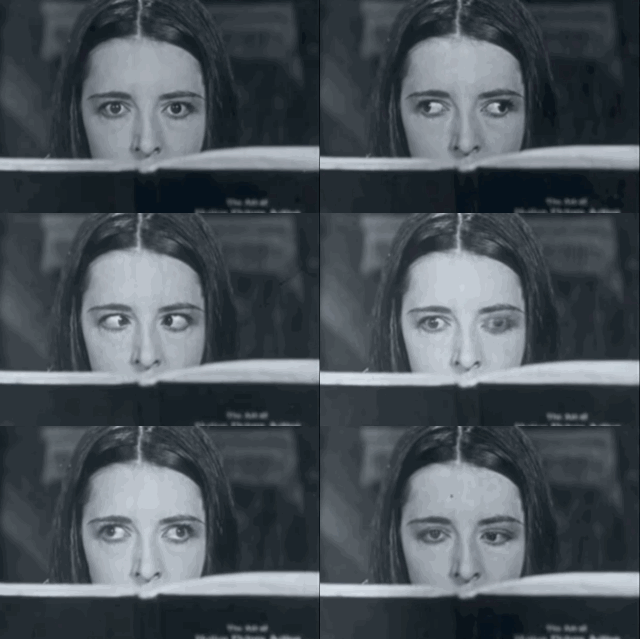
A cena mais icônica do filme chega na marca de 10 minutos: Ella Cinders vesga lendo um livro que ela roubara da meio-irmã Lotta (Doris Baker). De acordo com o IMDb, o truque foi feito de maneira até fácil: um pedaço de papel preto foi colocado num lado da câmera e os movimentos de olho foram filmados, depois o pedaço de papel passava para a outra metade da câmera e o movimento do outro olho era filmado. Quando juntadas as partes, a mágica acontecia.  


The most iconic scene from the movie comes at the 10 minute mark: Ella Cinders cross-eyed over a book she had stolen from her stepsister Lotta (Doris Baker). According to IMDb, the trick was achieved in a rather easy way: a black piece of paper taped half of the camera and the eye movement was recorded, then the piece of paper was moved to the other half of the camera and the other eye movement was then filmed. When the scene played combining the parts, the magic happened.

O conto da Cinderela vem de um livro de 1697 publicado por Charles Perrault, mas a história não surgiu da cabeça dele. O conto em si é muito antigo e passava de geração em geração, mas Perrault foi o primeiro a compilar contos como este e também o pi0neiro em duas outras coisas: chamar a personagem de Cinderela – no francês original, “Cendrillon” – e a mencionar que ela estava usando um sapatinho de cristal – um calçado bem desconfortável. Mas o filme não derivou diretamente do conto de fadas.


The tale of Cinderella came from a 1697 book released by Charles Perrault, but it didn’t come from his mind. The tale itself was very old and passed through several generations, but Perrault was the first to compile tales such as this one and also the first one to both name the character Cinderella – in the original French, “Cendrillon” – and to mention that she was wearing a glass slipper – a rather uncomfortable kind of footwear. But the movie didn’t come directly from the fairy tale.

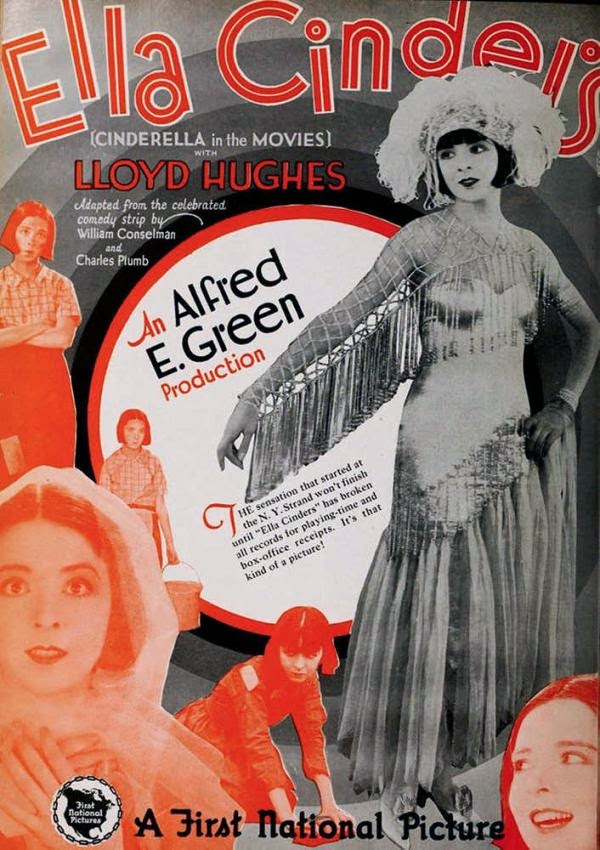
“O Prêmio de Beleza” foi adaptado de uma tirinha de jornal! A tirinha foi publicada entre 1925 e 1961 e foi criada por Charles Plumb e William M. Conselman do departamento de arte do Los Angeles Times. Um dos roteiristas responsáveis pela adaptação foi Mervin LeRoy, um ex-ator de vaudeville que se tornaria um prolífico diretor em Hollywood. A principal diferença das tirinhas para o filme é que nas tirinhas Ella tem um irmão mais novo chamado Blackie, que não aparece no filme.


“Ella Cinders” was adapted from a comic strip! The strip was published from 1925 to 1961 in American newspapers and was created by Charles Plumb and William M. Conselman from the Los Angeles Times art department. One of the screenwriters responsible for the adaptation was Mervin LeRoy, a former vaudevillian who would become a prolific director in Hollywood. The main difference from the source material is that Ella has a kid brother, Blackie, in the comic strip that is totally absent from the movie.

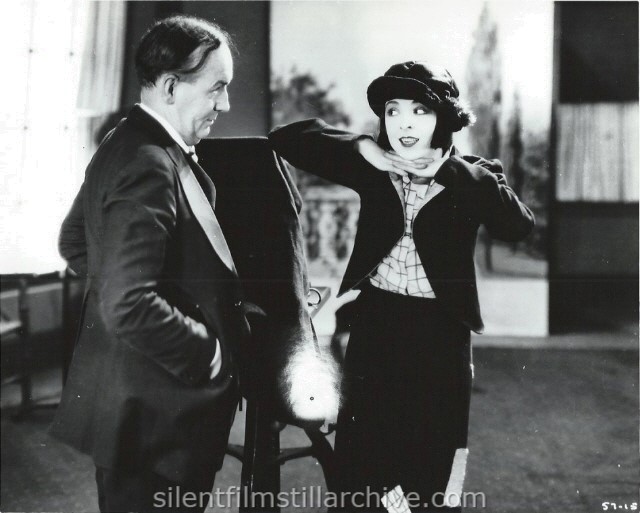
“O Prêmio de Beleza” foi distribuído pela First National Pictures, produtora e distribuidora que existiu em Holywood entre 1917 e 1936. O diretor é Alfred E. Green, que entrou no cinema como ator em 1912 e dirigiu seu primeiro longa em 1917. Green também aparece em “O Prêmio de Beleza”, interpretando um diretor no estúdio. Já que estamos falando de diretores, devemos mencionar que Frank Capra dirigiu a breve sequência em que Harry Langdon faz uma participação especial.


“Ella Cinders” was made by First National Pictures, a producing and distribution company that existed in Hollywood between 1917 and 1936. The director is Alfred E. Green, who entered films as an actor in 1912 and directed his first feature in 1917. Green also appears in “Ella Cinders”, playing a film director in the studio. Since we’re talking about directors, we should mention that Frank Capra directed the brief sequence with Harry Langdon’s cameo.

“O Prêmio de Beleza” é hoje o mais famoso filme estrelando Colleen Moore. Com apenas 26 anos quando o filme foi rodado, Moore já estava trabalhando no cinema desde os 18 e já havia influenciado milhões de “flappers” a cortarem o cabelo igual ao dela. O produtor de “O Prêmio de Beleza”, John McCormick, era marido de Moore na época, e Lloyd Hughes, que interpreta o par romântico, já havia feito outros quatro filmes com Moore entre 1923 e 1926. Depois de uma pausa na carreira quando o som chegou ao cinema, Moore fez seus últimos filmes nos anos 1930, aposentando-se em 1934.


“Ella Cinders” is now the most famous movie starring Colleen Moore. Only 26 when the film was shot, Moore already had been working in films since she was 18 and had influenced millions of flappers to cut their hair like hers. The producer of “Ella Cinders”, John McCormick, was Moore’s husband at the time, and Lloyd Hughes, who plays the love interest, had appeared in four other films with Moore between 1923 and 1926. After a career pause when sound came to cinema, Moore made her final films in the early 1930s, retiring in 1934.

Em 2013, “O Prêmio de Beleza” foi selecionado para ser preservado pela Biblioteca do Congresso norte-americano, em uma lista chamada National Film Registry. A versão animada de “Cinderela”, feita por Walt Disney em 1950, também foi selecionada para preservação. O conto foi adaptado dezenas de vezes, mas “O Prêmio de Beleza” traz um retrato fresco da história da moça pobre que triunfa e se mantém aprazível após quase um século de sua estreia, em parte por causa da performance jovial de Colleen Moore como a sonhadora Ella.


In 2013, “Ella Cinders” was selected to be preserved by the Library of Congress in their National Film Registry. The animated version of “Cinderella”, made by Walt Disney in 1950, is also in the Registry. The tale was adapted to the screen dozens of times, but “Ella Cinders” brings a fresh portrait of the rags-to-riches story and remains enjoyable after almost a century from its original release, in part because of Colleen Moore’s jovial performance as the dreamer Ella.


This is my contribution to the Party Like It’s 1899 Blogathon, hosted by Erica at Poppity Talks Classic Film.

Related Posts Plugin for WordPress, Blogger...