} Crítica Retrô: cinema europeu

Tradutor / Translator / Traductor / Übersetzer / Traduttore / Traducteur / 翻訳者 / переводчик

Showing posts with label cinema europeu. Show all posts

Friday, October 16, 2026

45ª Le Giornate del Cinema Muto / 45th Pordenone Silent Film Festival


A melhor semana do ano chegou e foi embora rapidamente, provando que o tempo voa quando estamos nos divertindo. A semana que prova que tanto do que foi feito durante a era do cinema mudo foi perdido, mas muito, MUITO mesmo, ainda está aí para ser visto e apreciado. Estou falando, obviamente, da Giornate del Cinema Muto, o Festival de Cinema Mudo de Pordenone. Mais uma vez acompanhei as exibições online e aqui estão minhas opiniões. Ah, antes, um pedido de desculpas: como o site não permitia tirar prints da tela, tive de tirar fotos com meu iPad e a qualidade não ficou tão boa.

The best week of the year arrived and went by quickly, proving that time flies when we’re having fun. The week that proves that so much of what was made during the silent film era is lost but there is also a lot, really A LOT, to be seen and enjoyed. I’m talking about, of course, the Giornate del Cinema Muto, the Pordenone Silent Film Festival. Once again I accompanied the online screenings and here are my thoughts. Oh, before that, I need to say I’m sorry: as the site didn’t allow to print the screen, I had to take photos with my iPad and the quality ended up a bit poor.

Uma das sessões mais intrigantes para mim desde o anúncio foi a “Weimar Sem Censura: Tabus e Transgressões no Cinema Alemão, 1919-1920”, formada por filmes feitos enquanto não havia censura na Alemanha, logo após a Primeira Guerra Mundial. O filme de abertura da Giornate online veio desta sessão: “A Igreja do Diabo” de 1919, produzido por uma companhia chamada, olhe só, Lucifer Film. Nele, duas pessoas vendem sua alma para o Diabo (Paul Rehkopf): Ane (Agnes Straub), que quer ter um filho próprio, e o Reverendo (Hans Mierendoff), que quer construir uma igreja grandiosa. O final foi um pouco decepcionante, mas foi um bom começo para a 45ª Giornate.

One of the most intriguing sections to me since it was announced was the “Weimar Uncensored: Taboos and Transgression in German Cinema, 1919-1920”, comprised of the films made when there was no censorship in Germany, right after World War I. The opening film from the online Giornate came from this program: 1919’s “The Devil’s Church”, produced by a company aptly titled Lucifer Film. In it, two people sell their souls to the Devil (Paul Rehkopf): Ane (Agnes Straub), in order to conceive her own child, and the local Reverend (Hans Mierendorff), in order to build a huge church for himself. The ending was a bit of a downer, but it was a good start for the 45th Giornate.


Lucifer Film on top

Também da sessão Weimar Sem Censura veio “Veneno Loiro” (1919), banido pouco depois de estrear. A causa é óbvia: o filme é sobre a vamp Loni (Hedda Vernon), que seduz, entre outros homens, seu amigo de infância Rolf (Ernst Deutsch) e consome a maior parte da herança do moço. Eu adoraria ver mais de Hedda Vernon, e poderia admitir que esse foi um dos meus filmes favoritos, ainda mais com aquele final!

Also from the Weimar Uncensored section came “Blonde Poison” (1919), banned shortly before it was released. The cause is unmistakable: it’s about vamp Loni (Hedda Vernon), who seduces, among other men, her childhood friend Rolf (Ernst Deutsch) and consumes most of his inheritance. I’d love to see more of Hedda Vernon, and I’d go on to say that this was one of my favorite screenings, especially for the ending!


Outra sessão intrigante só foi possível graças à colaboração entre arquivos espanhóis para exibir o que ainda existe do cinema mudo espanhol até 1919. Na oferta online o longa apresentado foi “La Voluntad que Vence” (1919), um filme tão cheio de ação e reviravoltas que pode ser comparado aos seriados da época. Escrevi com mais detalhes sobre ele no meu blog em inglês Lost and Found Films.

Another intriguing section was made possible by the groundbreaking collaboration between Spanish film archives to showcase what is extant from Spanish silent cinema up until 1919. In the online offer the feature presented was “La voluntad que vence” (1919), a film so full of action and twists that it could be compared to a serial. I wrote in more detail about it on my blog Lost and Found Films.


Gloria Swanson é o rosto do poster e catálogo da 45ª Giornate. Ela fez sua aparição no programa online através do quase completo “The Humming Bird” de 1924. Aqui Gloria interpreta um ladrão que todos acreditam ser um garoto, com base nas roupas que usa. Ainda há sequências faltando no filme que foram reconstruídas através de imagens, mas algo da emoção original foi perdida graças à perda das sequências originais.

Gloria Swanson is the face of the 45th Giornate poster and catalogue. She appeared in the online program in the form of the mostly found “The Humming Bird” from 1924. Here Gloria plays a thief that everybody believes to be a young boy, based on the clothes he wears. There were still missing sequences in the movie that were reconstructed through stills, but some of the original thrills for sure were lost with the loss of the original sequences.


Outra superestrela está de volta à Giornate online: Mary Pickford! Ela está aqui porque fez cinco filmes com um diretor que o festival está homenageando: Marshall Neilan, que Gloria Swanson descreveu como “o homem mais encantador de Hollywood!”. O filme aqui foi “M’Liss” (1918), a última colaboração entre Neilan, Pickford, a roteirista Frances Marion e o diretor de fotografia Walter Stradling. Pickford interpreta M’Liss – apelido de Melissa, se você, como eu, estava se perguntando – uma moleca que se apaixona pelo novo professor (Thomas Meighan) até que ele é acusado de matar  o pai bêbado da garota. Um filme adorável de Pickford, como sempre, além de uma oportunidade para ver uma galinha chamada Hildegarde em cenas cômicas!

Another female superstar is back to the online Giornate: Mary Pickford! She is here because she made five films with a director the festival is paying tribute to: Marshall Neilan, who Gloria Swanson described as “the most bewitching man in Hollywood!”. The film of choice was “M’Liss” (1918), the last collaboration between Neilan, Pickford, screenwriter Frances Marion and cinematographer Walter Stradling. Pickford plays M’Liss – short for Melissa, if you were wondering like I was – a tomboy who falls in love with the new schoolmaster (Thomas Meighan) until he’s accused of murdering her drunken father. A lovely Pickford as always, plus the opportunity to see a hen named Hildegarde in fun gags!


E mais uma diva do cinema mudo está presente: Italia Almirante Manzini, que ganhou uma retrospectiva nos últimos dois anos, em seu último filme mudo, “L’Arzigogolo” de 1924. É um evento especial porque as cartelas de texto estavam em português, pois uma cópia quase completa foi encontrada na Cinemateca Brasileira sob o título “O Bobo ou Amor que Redime”. Manzini interpreta uma mulher nobre casada chamada Violante que se apaixona pelo Bobo-da-Corte que trabalha para um homem que a cobiça. Ambientado em tempos medieavais, é um deleite para os olhos, com seus cenários e figurinos suntuosos!

And yet another silent screen diva is present: Italia Almirante Manzini, subject of a two-year retrospective, in her final silent film, 1924’s “L’Arzigogolo”. It is special because the title cards are in Portuguese, as a near complete copy was found in the Brazilian cinematheque under the title “O Bobo ou Amor que Redime” (The Jester or Love that Redeems). Manzini is a married noblewoman named Violante who falls in love with a Jester who entertains a man that covets her. Set in Medieval times, it was a Marvel to look at, complete with sultry sets and costumes!

Curtas-metragens são uma grande parte da Giornate. Houve “Uma Vítima das Circunstâncias” (1913), dos estúdios Thanhouser, um dos primeiros filmes a mostrar o procedimento que se segue à prisão de alguém. Outro curta veio da Espanha: “Miss Ledyia” de 1916, sobre uma mulher de férias na Galícia tentando evitar que a Rainha seja assassinada por um anarquista!

Shorts are a big part of the Giornate. There was “A Victim of Circumstances” (1913), from the Thanhouser Studio, one of the first to show what happens when one is arrested. Another short came from Spain: “Miss Ledyia” from 1916, about a woman on vacation in Galicia trying to stop the assassination of a Queen by an anarchist!

A Victim of Circumstances (1913)

Miss Ledyia (1916)

Por falar em curtas, houve uma seleção deles feitos pela dupla cômica formada pelo Sr e a (segunda) Sra Sidney Drew, provando que a comédia de situação, ou “sitcom”, não foi inventada pela televisão: ela apareceu na era muda como um contraponto à comédia pastelão ou “slapstick”. Outro ponto interessante é que Lucille McVey, a segunda Sra Sidney Drew, dirigiu quatro dos cinco curtas apresentados! Eu já havia assistido a um deles como parte da Silent Comedy Watch Party, então para mim esta sessão foi como reencontrar velhos amigos.

Speaking of shorts, there was a selection of them by the comedic duo Mr and (second) Mrs Sidney Drew, proving that the situation comedy, or “sitcom”, wasn’t invented by television: it appeared in the silent era as a counterpoint to slapstick comedy. Another interesting point is that Lucille McVey, the second Mrs Sidney Drew, directed four of the five shorts presented! I had already watched one of them as part of the Silent Comedy Watch Party, so for me it was like meeting old friends once again.

Seguindo em frente, a sessão de filmes de vanguarda este ano trouxe cinco curtas tchecos – dois deles eram filmes promocionais, o que significa que homens de negócios naquela época não tinham medo de contratar cineastas experimentais para anunciar seus negócios! Entre a seleção, foi ótimo assisitir a “Hands on Tuesday” (1935), que estabelece um diálogo com um dos meus filmes mudos preferidos de todos os tempos, “Amor Pedestre” de 1914. Mas o melhor de todos foi o filme pacifista, “The Story of a Soldier”, de 1934, sobre um soldado que tem de voltar ao front depois dos horrors da Primeira Guerra Mundial. Ah, se eles soubessem!

Moving forward, the section of Avant-Garde films this year brought five Czech shorts – two of them were promotional films, meaning that businessmen back then weren’t afraid of hiring experimental filmmakers to advertise their businesses! Among the selection, it was great to watch “Hands on Tuesday” (1935), which establishes a dialogue with one of my favorite silent films ever, 1914’s “Amor Pedestre”. But the best of the batch was the pacifist film, “The Story of a Soldier”, from 1934, about a soldier having to go back to the front after the nightmares of World War I. If only they knew!

Prague in the Glow of Lights (1928)


Fechando a seleção de curtas houve a apresentação de cinco filmes da região do Lácio, onde se localiza Roma. Tivemos um grande drama romântico (meu favorito), um micro-épico religioso, uma história pós-Medieval de recusa e vingança, uma propaganda para carros da Fiat e um filme caseiro. Agora é uma boa hora para mencionar que muitos dos longas eram precedidos por “phantom tram rides”, ou seja, curtas bem curtinhos feitos acoplando uma câmera na frente de um bonde e deixando ela graver as paisagens urbanas e rurais. Foi divertido!

Closing the selection of shorts there were five films from the region of Lazio, where Rome is. There was a great drama of love (my favorite from the batch), a religious micro-epic, a post-Medieval story of refusal and revenge, an ad for Fiat cars and a home movie. Now it’s a good time to mention that many screenings were preceded by phantom tram rides, that is, split-reel films obtained by attaching a camera in front of a tram and let it record the landscapes, both urban and rural. They were amusing!   

Le Roman de Magdalena (1913)

San Paolo (1910)

One of the phantom tram rides

Além de “The Story of a Soldier”, outro curta que eu amei foi “Stellina, la Pêcheuse de Venise” de 1912, porque não era apenas emocionante, mas também colorido! Este curta foi o filme de abertura para o longa sueco “The Gyurkovics Boys” (1920), sobre os filhos mais velhos de uma família de 12. Enquanto Bandi (Nils Asther) toma conta da propriedade, Géza (Gösta Ekman) se torna um cadete e vive aventuras amorosas. Eu fiquei particularmente impressionada com a atriz e co-roteirista Pauline Brunius. Se eu não puder aprender mais sobre ela, eu vou dar um tiro na testa (uma referência para quem viu o filme)!

Besides “The Story of a Soldier”, another short I loved was “Stellina, la Pêcheuse de Venise” from 1912, because it wasn’t only engaging, but also stencil-colored! This short opened for the Swedish feature “The Gyurkovics Boys” (1920) about the oldest boys in a family of 12 kids. While Bandi (Nils Asther) takes care of the property, Géza (Gösta Ekman) becomes an officer cadet and lives amorous adventures. I was particularly impressed by actress and co-screenwirter Pauline Brunius. If I can’t learn more about her, I’ll shoot myself on the forehead (a reference for those who watched the film)!

Stellina (1912)

Pauline Brunius gracing my screen

Terminando o festival com sucesso, tivemos mais uma vez Marshall Neilan, desta vez como ator – no exclusivo para o streaming “Don’t Monkey with the Buzz Saw” (1914) – e finalmente como o diretor do filme de Colleen Moore “Apuros da Nobreza” (1927). Moore interpreta uma órfã decidida que quer ser parte da alta sociedade. As cartelas de texto eram hilárias. E assim chega ao fim mais uma edição da Giornate, e começa minha espera pela próxima – mas vou assisti-la online ou presencialmente?  

Finishing the festival successfully, we had once again Marshall Neilan, this time as an actor – in the streaming-exclusive short “Don’t Monkey with the Buzz Saw” (1914) – and finally as the director of Colleen Moore’s vehicle “Her Wild Oat” (1927). Moore plays a feisty orphan wanting to be part of high society. The title cards were hilarious! And like this another edition of the Giornate came to an end, and my wait for the next edition begins – but will I attend it online or in person?

Neilan as an actor

Poor Colleen

Rich Colleen


Friday, January 19, 2024

O Abismo (1910) / The Abyss (1910) / Afgrunden (1910)


Muito tempo atrás, as estrelas de cinema não recebiam crédito nem no começo nem ao final dos filmes. Esta foi a maneira que os primeiros cineastas encontraram para evitar que atores e atrizes ficassem famosos demais, o que os faria demandar salários maiores. Mas logo antes de descobrirem que a Cachinhos Dourados era a atriz canadense Mary Pickford, que iria se tornar uma superestrela nos EUA, outra superestrela apareceu do outro lado do Atlântico: Asta Nielsen. Com uma dança lasciva em seu primeiro filme, “O Abismo / Afgrunden” de 1910, Nielsen se tornou uma sensação do dia para a noite.


Once upon a time, film stars didn’t receive credit on screen. It was the way the first filmmakers found to not let the actors and actresses become too famous, which would lead to a claim for higher salaries. But just before Little Goldilocks was discovered to be Canadian actress Mary Pickford, who would become a superstar in American cinema, another superstar emerged on the other side of the Atlantic: Asta Nielsen. With a lascivious dance in her first film, 1910’s “The Abyss / Afgrunden”, Nielsen became an overnight sensation.

Um homem e uma mulher se conhecem num bonde. O homem é Knud Svane (Robert Dinesen) e a mulher é Magda Vang (Asta Nielsen). Knud convida Magda para passar uns dias em sua casa de campo durante o verão, e lá ela o convence a assistir a uma performance de um circo itinerante. No circo Magda conhece o artista Rudolf Stern (Paul Reumert), se apaixona e foge com ele. Ela terá seu felizes para sempre? Veremos depois de 38 minutos de projeção.


A man and a woman meet on a trolley. The man is Knud Svane (Robert Dinesen) and the woman is Magda Vang (Asta Nielsen). Knud invites Magda to his country home during summer, and there she convinces him to watch a performance from a traveling circus. At the circus Magda meets performer Rudolf Stern (Paul Reumert), falls in love and runs away with him. Will she get a happily ever after? After 38 minutes of projection, we shall see.

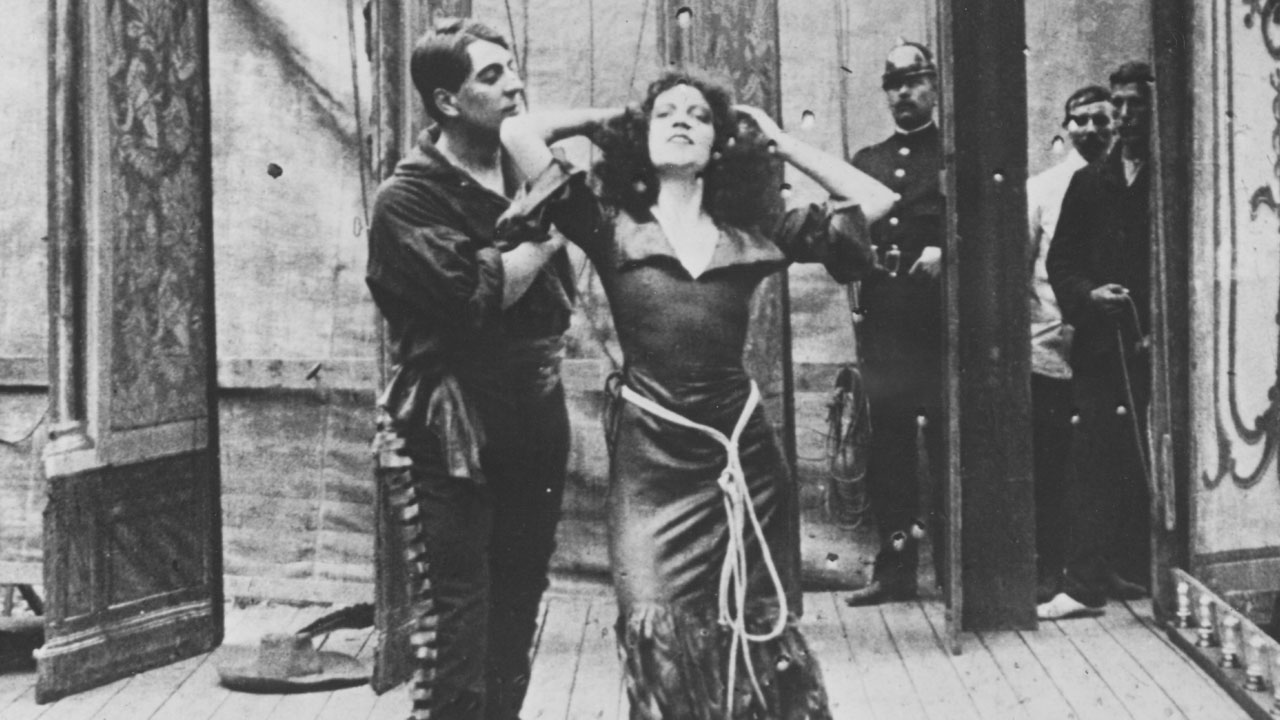
A sequência de dança sugestiva, chamada de “dança Gaucho”, envolve Asta Nielsen esfregando seu corpo, totalmente vestida, num homem que está amarrado por uma corda. A sequência foi considerada escandalosa e censurada nos EUA, Noruega e Suécia, mas foi uma sensação no resto da Europa. Hoje, não vemos nada de errado nem mesmo de sensual na sequência, o que mostra como os tempos mudaram.


The suggestive dance sequence, called “the Gaucho dance”, involves Asta Nielsen rubbing her fully dressed body in a man who is tied with a rope. The sequence was considered scandalous and censored in the US, Norway and Sweden but was a sensation in the rest of Europe. Nowadays, we see nothing wrong nor even sensual about the sequence, a sign of how times have changed.

“O Abismo” foi escrito e dirigido por Urban Gad, que se casaria com Asta em 1912. Eles se mudariam para a Alemanha no mesmo ano, onde Nielsen teria uma bem-sucedida carreira, com Gad dirigindo-a em 30 filmes. Eles se separaram em 1918, quando também terminou a parceria profissional. Asta Nielsen ficou tão famosa em tão pouco tempo que em 1911 foi eleita a maior estrela de cinema numa enquete feita na Rússia.


“The Abyss” was written and directed by Urban Gad, who would marry Asta in 1912. They would move to German that same year, where Nielsen enjoyed a successful career, with Gad directing her in 30 movies. They split in 1918, when the professional partnership also ended. Asta Nielsen became so famous and so quickly that in 1911 she was voted the biggest film star in a poll held in Russia.

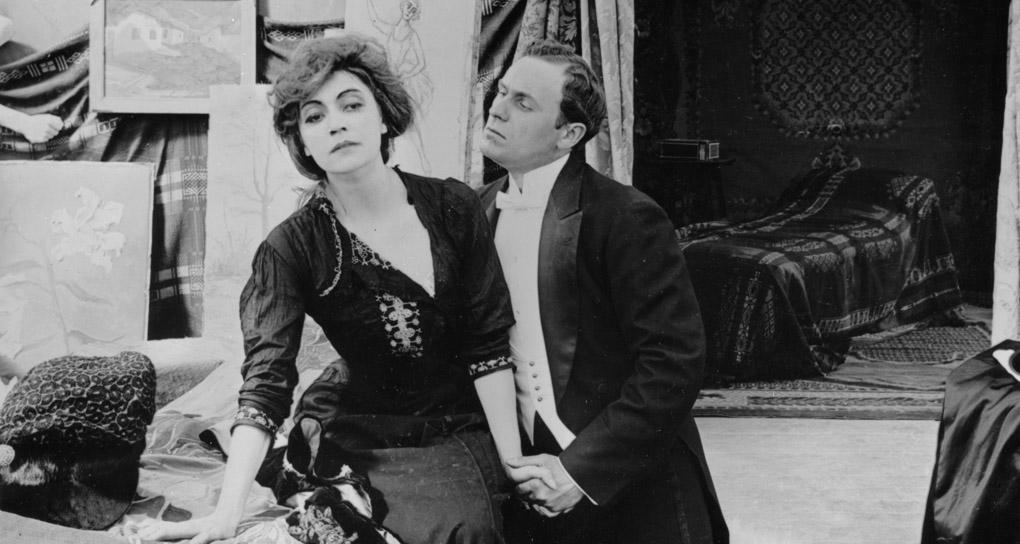
Em 1911, Nielsen fez “A Bailarina / Balletdanserinden” com o diretor August Blom, logo antes de partir para Berlim. Neste filme, ela interpreta Camille, uma bailarina que faz sucesso nos palcos, mas sua vida pessoal é mais complicada: ela está apaixonada por Jean (Johannes Poulsen), que a trai com uma mulher casada, Yvette Simon (Karen Poulsen). Depois de posar para um pintor, Paul (Valdemar Psilander), ela fica dividida entre os dois homens.


In 1911, Nielsen made “The Ballet Dancer / Balletdanserinden” with director August Blom, just before leaving to Berlin. In this movie, she plays Camille, a ballet dancer who finds professional success on stage, but her personal life is more complicated: she is in love with Jean (Johannes Poulsen), who cheats on her with a married woman, Yvette Simon (Karen Poulsen). After posing for a painter, Paul (Valdemar Psilander), she becomes torn between the two men.

Também de 1911 é “O Sonho Negro / Den Sorte Drøm”, um dos mais antigos longas-metragens preservados, no qual Nielsen interpreta a acrobata equestre Stella, por quem dois homens se apaixonam. Ela escolhe o Conde Waldberg (Valdemar Psilander), desprezando o joalheiro Hirsch (Gunnar Helsengreen). Há um duelo entre os dois homens num jogo de cartas, no qual Waldberg perde todas as suas posses, e Stella tem de intervir, sem que ele saiba, roubando um colar de Hirsch. O ciúme consome Waldberg e o que se segue é uma tragédia.


Also from 1911 is “The Black Dream / Den Sorte Drøm”, one of the earliest surviving feature-length films, in which Nielsen plays the equestrian acrobat Stella, with whom two men fall in love. She chooses Count Waldberg (Valdemar Psilander) over the jeweler Hirsch (Gunnar Helsengreen). There is a duel between the two men in the card table, when Waldberg loses all his possessions, and Stella has to intervene, without him knowing, by stealing a necklace from Hirsch. Jealousy consumes Waldberg and tragedy follows.

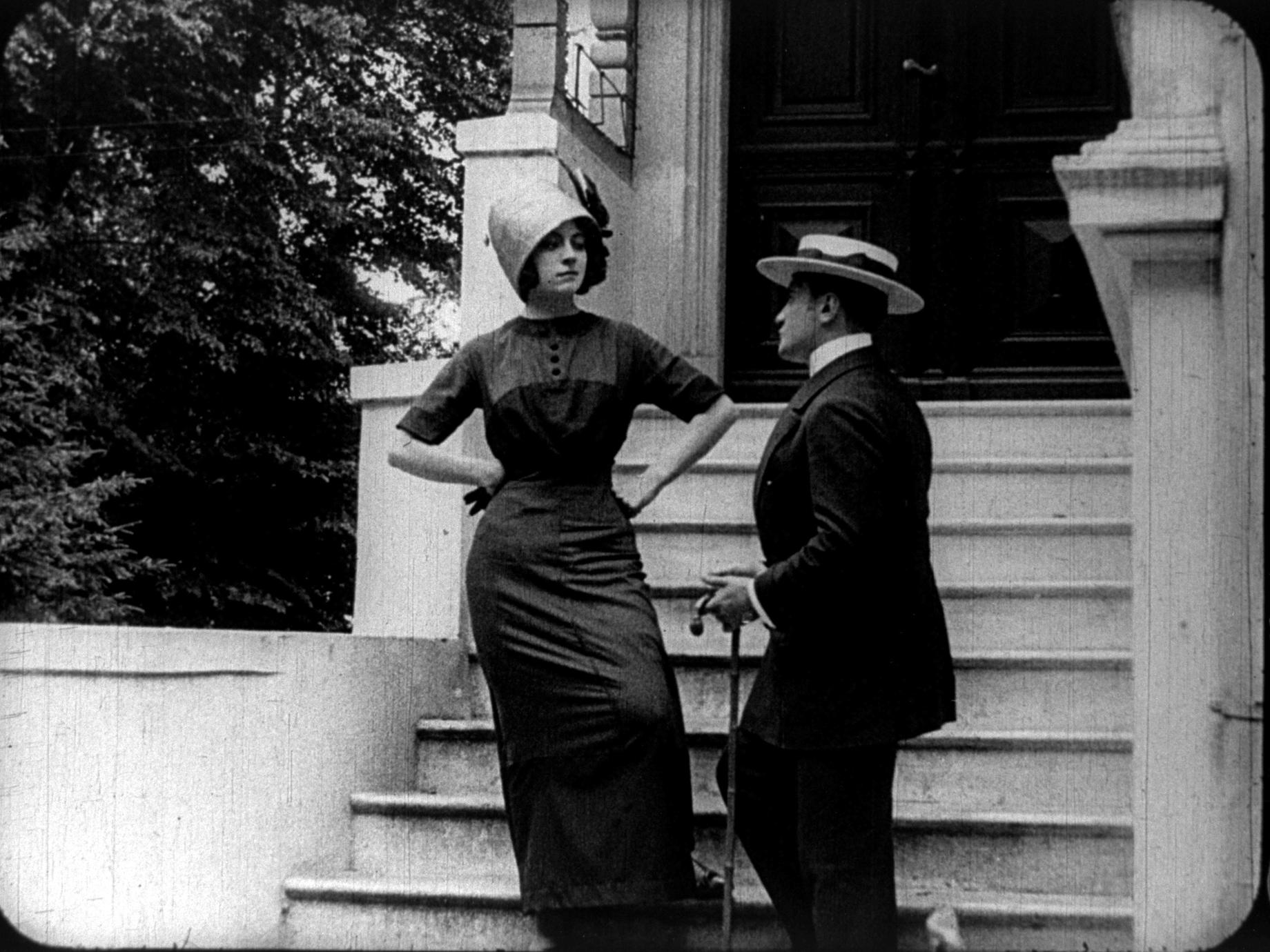
Já na Alemanha em 1912, Asta Nielsen e Urban Gad fizeram o melodrama “Pobre Jenny / Die Arme Jenny”, no qual ela interpreta o papel-título, uma jovem mulher que precisa cuidar de seus irmãozinhos. Um dia ela é beijada por um homem, Eduard Reinhold (Leo Peukert) contra a vontade dela, mas ela aceita sair com ele. Depois de passar a noite com o homem, ela é expulsa de casa. Ela então vai para a cidade grande e se torna dançarina... até que ela reencontra Eduard e percebe que não esqueceu seu primeiro amor.


Already in German in 1912, Asta Nielsen and Urban Gad made the melodrama “Poor Jenny / Die Arme Jenny”, in which she plays the title role, a young woman who has to take care of her little siblings. One day she is kissed by a man, Eduard Reinhold (Leo Peukert), against her will, but agrees to go out with him. After spending the night with him, she is expelled from home. She then goes to the big city and becomes a dancer… until she meets Eduard again and realizes she didn’t forget her first love.

Também em 1912, Nielsen e Gad se juntaram novamente para fazer “A Garota sem Pátria / Das Mädchen ohne Vaterland”. Neste curta, Asta interpreta a cigana Zidra, que é contratada por um homem do exército para uma missão secreta. Esperteza e sedução serão suas armas, mas ela não imaginava que se apaixonaria pelo tenente que tem de espionar.


Also in 1912, Nielsen and Gad teamed up again to make “A Romany Spy / Das Mädchen ohne Vaterland”. In this short, Asta plays gypsy girl Zidra, who is hired by a military man for a secret mission. Smartness and seduction will be her weapons, but she didn’t imagine that she would fall in love with the lieutenant she was supposed to spy on.

Os filmes de Asta Nielsen do começo da década de 1910 não apenas mostram por que ela se tornou uma superestrela mas também nos convencem de que o primeiro cinema é muito mais sofisticado do que o senso comum nos faz acreditar. As histórias são atraentes, com tramas complexas, e as técnicas do fazer cinematográfico ainda estavam sendo desenvolvidas, por isso há muita experimentação. Acima de tudo, há Asta Nielsen e sua persona cinematográfica sexy e ousada, perfeita para a primeira superestrela do cinema.


Asta Nielsen’s films from the early 1910s not only show why she became a superstar but also convince us that early cinema is much more sophisticated than the common sense made us believe. The storytelling is compelling, with complex plots, and the filmmaking techniques were still being developed, so there is experimentation. Above all, there is Asta Nielsen and her sexy, bold screen persona, perfect for the first female film superstar.

Friday, December 22, 2023

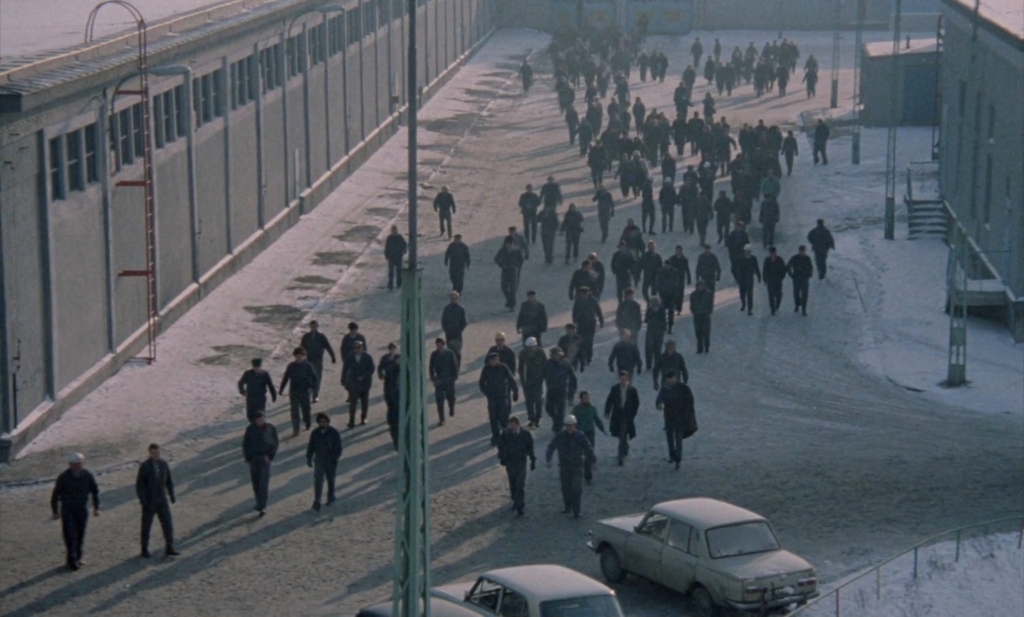
A Cicatriz (1976) / The Scar (1976)


Alguns nomes são incontornáveis quando estudamos a História do Cinema - sim, com letras maiúsculas. Um destes nomes é difícil de escrever: Krzysztof Kieslowski. Já havia assistido à sua Trilogia das Cores - “A Liberdade é Azul” é meu favorito dos três – mas eu não havia tido acesso a seu trabalho anterior... até agora.

There are some names that you must stumble upon when studying Film History - yes, with capital letters.
One of these names is hard to spell: Krzysztof Kieslowski. I had already watched his Three Colors trilogy - being “Blue” my favorite from the trio - but I hadn’t got access to his earlier work… until now.

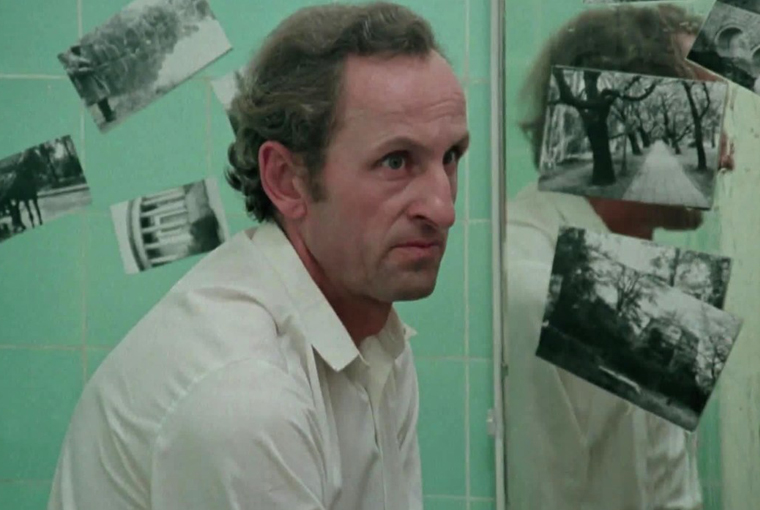
Uma nova fábrica vai ser instalada na cidade de Olecko e Stefan Bednarz (Fransciszek Pieczka) será o chefe. Mas não é sua primeira vez em Olecko: ele já esteve lá vinte anos antes, quando se envolveu em um incidente com sua esposa e um homem chamado Stasiu Lech. Ele encontra Lech novamente, trabalhando na fábrica.


A new factory is going to be installed in the city of Olecko and Stefan Bednarz (Fransciszek Pieczka) will be the boss. But it’s not his first time in Olecko: he had been there twenty years earlier, when he got involved in an incident with his wife and a man named Stasiu Lech. He finds Lech again, working at the factory.

Em Olecko, sem a esposa, Stefan é visitado pela filha Eva (Joanna Ozerskkowska), uma jovem adulta de quem ele não é muito próximo. Para adicionar conflito, muitas pessoas em Olecko são contra a construção da fábrica, dizendo que as cidades e seus habitantes ficarão muito melhor sem ela.


In Olecko, without his wife, Stefan is visited by his daughter Eva (Joanna Ozerszkowska), a young adult with whom he is not very close. To add to the conflict, many people in Olecko are against the building of the factory, claiming that the city and its inhabitants are better off without it.

Este filme é baseado em um livro escrito pelo próprio Kieslowksi, junto com Romuald Karas. Kieslowski já tinha muita experiência com documentários em curta-metragem, enquanto Romuald era conhecido como escritor – na verdade, “A Cicatriz” é o principal crédito de Karas no cinema.


This movie is based on a novel written by Kieslowski himself, together with Romuald Karas. Kieslowski had already a lot of experience in documentary shorts, while Romuald was known as a writer – in fact, “The Scar” is the main film credit for Karas.

“A Cicatriz” recebeu dois prêmios no Festival de Cinema Polonês: Melhor Ator e Prêmio Especial do Júri. Tem atualmente 86% de aprovação dos críticos no Rotten Tomatoes, com 68% de aprovação dos usuários do mesmo site.


“The Scar” received two awards at the Polish Film Festival: Best Actor and the Special Jury Award. It holds an 86% Fresh rating from critics on Rotten Tomatoes, with a 68% audience score.

Kieslowski uma vez disse que “A Cicatriz” é um filme de contradição, comprometimento e hipocrisia, e estes podem ser algumas das várias cicatrizes às quais o título se refere. Outra possível cicatriz pode ser o conflito entre o pessoal e o profissional sentido pelo protagonista ao voltar para uma cidade onde ele viveu uma situação desagradável no passado – algo que, apesar de nunca explicado, certamente deixou nele uma cicatriz.


Kieslowski once said that “The Scar” is a film of contradiction, compromise and hypocrisy, and these can be some of the many of the scars that the title refers to. Another possible scar may be the conflict between personal and professional that the lead feels when he gets back to a town where he lived an unpleasant situation in the past – one that, although never explained, certainly left him “scarred”.

“A Cicatriz” é o filme mais fraco de Kieslowski que vi até agora – além da Trilogia das Cores, também assisti este ano a “Amador” (1979). Este também foi o primeiro longa do diretor a estrear nos cinemas. Bem, nem todos os diretores são como Orson Welles e podem dizer que estrearam com uma obra-prima.


 “The Scar” is the weakest Kieslowski film I’ve seen - besides the Three Colors trilogy, I also watched this year “Amador” (1979). It’s also his first feature to receive a theatrical release. Well, not all directors are like Orson Welles and can claim that they debuted with a masterpiece.

Friday, June 12, 2020

Os Últimos Dias de Pompeia (1913) / The Last Days of Pompeii (1913)

ESTE ARTIGO CONTÉM SPOILERS

THIS ARTICLE HAS SPOILERS

Você tem medo de vulcões? Quer dizer, quem não tem? E se eu disser que você pode já ter passado por lugares que já foram vulcões – ou pode até viver num local criado por um vulcão? Na verdade, eu nasci em uma cidade cujo terreno foi criado por atividade vulcânica milhões de anos atrás. Bem radical, né? Mas não precisa ter medo. Quando aprendemos mais sobre vulcões, nossas preocupações desaparecem. Há vulcões em todos os continentes, e cerca de 1500 deles ainda estão ativos – e pelo menos 12 estão ativos nesse momento. Há muito menos vulcões agora do que há algumas centenas de milhões de anos. Não há com o que se preocupar... a menos que você viva perto do Vesúvio.

Are you afraid of volcanoes? I mean, who isn’t? What if I tell you that you might have been to places that were once volcanoes – or you might even live in a place created by a volcano? As a matter of fact, I was born in a city whose landscape was created by volcano activity millions of years ago. Pretty rad, isn’t it? But don’t be afraid. When we learn more about volcanoes, our worries fade away. There are volcanoes on every continent, and about 1,500 of them are still active – and at least a dozen are active on any given day. This is much less than the number of volcanoes on Earth some hundred million years ago. There is nothing to worry about... unless you live near the Vesuvius.

Não há dúvida de que a tragédia mais famosa causa da por um vulcão aconteceu em 79 d.C., quando o Vesúvio arrasou a cidade de Pompeia – e também a cidade vizinha de Herculano, mas em geral essa segunda parte é esquecida. É um fato tão famoso que muitas histórias foram contadas sobre o povo de Pompeia que encontrou a morte naquele dia. Muitos filmes foram feitos sobre a tragédia. Na verdade, só em 1913, dois filmes com o mesmo enredo narraram os últimos dias de Pompeia: um filme, hoje mais conhecido, foi produzido por Ambrosio e o outro por Pasquali.

There is no doubt that the most famous tragedy caused by a volcano happened in 79 a.D., when the Vesuvius erased the city of Pompeii – and also the neighboring town of Herculaneum, but people tend to forget this second part. It is such a famous occurrence that many stories were told about the people of Pompei who found death that day. Many films were made about the tragedy. In fact, in 1913 alone, two movies with the same plot told the last days of Pompeii: one film, better known today, was produced by Ambrosio and the other by Pasquali.

Ambrosio poster

A escrava cega Nidia é enviada para dançar na festa de Arbaces, sacerdote de Ísis. Quando o anfitrião tenta assediá-la, Nidia foge. O forte e belo Glauco vê tudo e decide comprar Nidia, deixando-a livre – ou quase isso.

The blind slave Nidia is sent to dance at Arbaces’, the priest of Isis, party. When the host tries to harass her, Nidia runs away. Strong and handsome Glauco sees everything and decides to buy Nidia from her master, freeing her – almost.

Pasquali

Glauco tem um bom coração e também um problema amoroso. Julia está apaixonada por ele, mas ele ama Ione – e Ione é cobiçada por Arbaces. Para conquistar Ione, Arbaces diz a ela que Glauco ama Nidia. Para mostrar que isso não é verdade, Glauco dá Nidia de presente para Ione – mesmo Nidia estando apaixonada por ele! Parece que Glauco não tinha um coração tão bom.

Glauco has a good heart, and also a romantic problem. Julia is in love with him, but he loves Ione – and Ione is coveted by Arbaces. In order to conquer Ione, Arbaces tells her that Glauco loves Nidia. To show this is not true, Glauco gives Nidia to Ione as a present – even though Nidia is in love with him! Well, it looks like Glauco didn’t have such a good heart after all.

Ambrosio

Quando Glauco e Ione ficam noivos, a invejosa Julia convida Glauco para jantar, com o objetivo de dar a ele uma poção do amor – que Arbaces trocou por uma poção que o deixará insano. O plano completo de Arbaces inclui acusar Glauco de assassinato e mandá-lo para a arena lutar com os leões até a morte. Mas ninguém imaginava que o Vesúvio entraria em erupção naquele dia.

When Glauco and Ione get engaged, jealous Julia invites Glauco for dinner in order to give him a love potion – that Arbaces exchanges for an insanity potion. Arbaces’ extended plan involves accusing Glauco of murder and sending him to the arena to fight with lions until death. But nobody imagined that the Vesuvius would awake that day.

Ambrosio

É interessante comparar as duas produções. “Jone ovvero gli ultimi giorni di Pompei” (Ione ou Os Últimos Dias de Pompeia) foi produzido por Ernesto Maria Pasquali e tem 99 minutos de duração. Por outro lado, “Os Últimos Dias de Pompeia” foi produzido por Arturo Ambrosio e tem 88 minutos. Ambas foram baseadas num romance escrito por Edward Bulwer-Lytton.

It’s interesting to compare both productions. “Jone ovvero gli ultimi giorni di Pompei” (Ione or The Last Days of Pompeii) was produced by Ernesto Maria Pasquali and runs 99 minutes. On the other hand, “Gli ultimi giorni di Pompei” was produced by Arturo Ambrosio and is 88 minutes long. Both were based on a novel written by Edward Bulwer-Lytton.

Ambrosio

Não há dúvida de que a versão de Pasquali é a mais bonita esteticamente – em especial se você tiver acesso a uma cópia restaurada. Os figurinos e penteados são mais elaborados e os interiores, mais ricamente decorados. As cenas exteriores também são belas e há até um pequeno desfile de bigas na arena. No entanto, a versão de Ambrosio usa de maneira inteligente uma split screen quando Arbaces tenta iludir Ione no templo de Ísis.

There is no doubt that the Pasquali version is the most aesthetically appealing – in special if you can see a restored copy. The costumes and hairstyles are more elaborate and the interiors are more richly decorated. The exterior scenes are beautiful as well and there is even a small chariot parade at the arena. However, the Ambrosio production has a clever use of split screen when Arbaces tries to trick Ione at the temple of Isis.

Pasquali

Embora tenha um visual mais rústico, a versão de Ambrosio tem uma protagonista melhor. Como Nidia, Fernanda Negri Pouget é mais convincente e não tão desorientada quanto Suzanne de Labroy da versão de Pasquali, que parece ter acabado de ficar cega. A versão de Ambrosio apresenta Arbaces como um egípcio, uma “ameaça estrangeira”, e também dispensa a personagem Julia.

Although with a rawer look, the Ambrosio version has a better lead. As Nidia, Fernanda Negri Pouget is more believable and not as disoriented as Suzanne de Labroy from the Pasquali version, who seems like she had just become blind. The Ambrosio version presents Arbaces as an Egyptian, a “foreign menace”, and it also ditches the character Julia.

Pasquali

Arturo Ambrosio dirigiu um curta-metragem em 1908 sobre os últimos dias de Pompeia, também seguindo o romance de Bulwer-Lytton. Ambrosio teve uma carreira bem longa: seu perfil no IMDb lista mais de 1300 filmes como produtor! Ambrosio é considerado o pai da indústria cinematográfica italiana. Aliás, Ernesto Maria Pasquali trabalhou para Ambrosio no começo da carreira, antes de criar sua própria produtora. Tanto Ambrosio quanto Pasquali sofreram com a guerra, quando a indústria do cinema na Itália foi basicamente destruída e os filmes norte-americanos dominaram o mercado. Pasquali faleceu em 1919, e Ambrosio viveu até 1960.

Arturo Ambrosio had actually directed a 1908 short about the last days of Pompeii, also following the Bulwer-Lytton novel. Ambrosio had a very long career: his IMDb profile lists over 1,300 titles as producer! Ambrosio is considered the father of the Italian film industry. In fact, Ernesto Maria Pasquali had worked for Ambrosio in the beginning of his career, before creating his own production company. Both Ambrosio and Pasquali suffered the blow from the war, when the Italian film industry was basically destroyed and US films dominated the market. Pasquali passed away in 1919, while Ambrosio lived until 1960.

Arturo Ambrosio

É curioso que os amantes consigam, com a ajuda de Nidia, fugir e sobreviver à tragédia, enquanto o malvado Arbaces morre sufocado – ou esmagado por uma coluna na versão de Ambrosio. Claro, isso foi feito para agradar ao público, mas parece quase com uma traição. Ora, tanto pessoas boas quanto más morrem em tragédias. Vemos isso o tempo todo. Estamos vendo isso agora. A tragédia é democrática: não escolhe vítimas.

I find it curious that the lovers are able to run away, with Nidia’s help, and survive the tragedy, while the evil Arbaces dies suffocated – or crushed by a column in the Ambrosio version. Of course, this was made to please the audiences, but it is almost a betrayal. Come on, both good people and bad people die in tragedies. We see this all the time. We’re seeing this now. Tragedy is democratic: it does not choose the victims.

Ernesto Maria Pasquali

Já que estamos falando sobre coisas desagradáveis, se você assistir a ambas as versões, e a de Pasquali em particular, você perceberá que os romanos têm um jeito curioso de cumprimentar: levantando um braço em direção à outra pessoa. Sim, é o cumprimento nazista sendo feito em 1913. Na época, acreditava-se que os romanos antigos faziam esse tipo de cumprimento, e foi por isso que os fascistas copiaram o cumprimento - porque eles queriam resgatar a época de ouro da Roma Antiga na Itália moderna – e os nazistas copiaram o cumprimento dos fascistas. Não há evidência de que os romanos antigos faziam este gesto, pois ele foi visto pela primeira vez apenas em 1784 numa pintura do francês Jacques-Louis David.

Since we’re talking about unpleasant things, if you watch both versions, and the Pasquali version in particular, you’ll notice the Romans have an odd way of greeting each other: by raising an arm to the other person. Yes, it is the Nazi salute being done in 1913. Back then, it was believed that Ancient Romans used that kind of greeting, and this was the reason why fascists copied the greeting – because they wanted to rescue the golden times of Ancient Rome in modern Italy – and Nazis copied the salute from fascists. There is no evidence that Ancient Romans did this salute, as it was first seen only in 1784 in a painting by Frenchman Jacques-Louis David.

Ambrosio

Filmes de catástrofe sempre foram um sucesso – ambos os filmes italianos de 1913 foram exibidos nos EUA, por exemplo. Não sou capaz de dar uma resposta psicologicamente correta do porquê gostamos de ver desastres na tela, mas acredito que o fato de estarmos em um ambiente seguro como um cinema ou na frente da TV, sabendo que tudo aquilo é atualmente ficção, tem algo a ver com nosso apreço por este tipo de filme. Ninguém gosta de viver uma tragédia. Ninguém quer enfrentar um terremoto ou acidente aéreo ou navio afundando ou uma epidemia ou um vulcão em erupção.

Catastrophe movies have always been successful – both these Italian movies from 1913 were shown in the US, for instance. I can’t give a psychologically appropriate reason why we love to see disasters on the screen, but I believe that being in a safe environment like a movie theater or in front of the TV and knowing all that is currently fiction plays a role in our liking of those movies. Nobody likes to live a tragedy. Nobody wants to face an earthquake or a plane crash or a ship sinking or a plague or an awake volcano.

Ambrosio

A destruição de Pompeia provavelmente não foi a pior tragédia causa da pelo Vesúvio. Considerando seu ciclo e a estimativa de que o vulcão entra em erupção a cada 2500 anos aproximadamente, o Vesúvio pode entrar em erupção a qualquer momento. Ninguém vai querer estar lá para presenciar isso. Mas certamente haverá milhões de pessoas dispostas a ver o filme que será feito sobre a tragédia – como sempre ocorre.

The destruction of Pompeii probably wasn’t the worst tragedy the Vesuvius caused. Considering its cycle and the estimation that the volcano awakes every 2,500 years or so, the Vesuvius can awake any day now. Nobody will want to be there to witness it. But there will certainly be millions of people willing to see the film that will be made about the tragedy – as it always happens.

This is my contribution to The Disaster Blogathon, hosted by Quiggy and J-Dub at The Midnite Drive-In and Dubsism.

Related Posts Plugin for WordPress, Blogger...