} Crítica Retrô: épico

Tradutor / Translator / Traductor / Übersetzer / Traduttore / Traducteur / 翻訳者 / переводчик

Showing posts with label épico. Show all posts

Sunday, June 12, 2022

A Arca de Noé (1928) / Noah’s Ark (1928)


Às vezes temos uma grata surpresa com um filme ou alguns filmes. Isso acontece quando um filme épico, cuja narrativa é ambientada no passado, mostra paralelos com o presente. Este é o caso do magnífico “Os Dez Mandamentos” de DeMille de 1923 - melhor que o remake sonoro de 1956, na minha opinião. Nele, há a história de Moisés seguida por uma história sobre os perigos de não se seguir os Dez Mandamentos neste mundo moderno e louco. Outro filme mudo que é um épico religioso mas faz comparações com o presente é “A Arca de Noé” (1928).  

Sometimes we’re pleasantly surprised by a movie or a couple of movies. This happens to me when an epic film, whose story is set in the past, shows parallels to the present. This is the case of DeMille’s magnificent “The Ten Commandments” from 1923 - better than the 1956 sound remake, in my opinion. In it, there is the Moses story followed by a story about the dangers of not following the Ten Commandments even in this modern, crazy world. Another silent movie that is a religious epic but draws comparisons with the present is “Noah’s Ark” (1928).

Nos primeiros minutos de projeção, as cartelas de texto, retiradas diretamente da Bíblia, nos contam sobre a construção da Torre de Babel e a adoração do Bezerro de Ouro. Corta para os tempos modernos, e as pessoas ainda estão adorando o dinheiro em bolsas de valores - lembre-se, este filme foi feito um ano antes da quebra da bolsa de Wall Street em 1929. Mas a história moderna que veremos começa antes, em 1914.

In the first minutes of projection, the title cards, taken directly from the Bible, tell us about the building of the Tower of Babel and the worship of the Golden Calf. Cut to modern times, and people are still worshipping money in stock markets - remember, this movie was made one year before the 1929 crash of Wall Street. But the modern story we’re following starts earlier, in 1914.

Um grupo de pessoas muito diferentes está viajando no Expresso do Oriente. Um pastor (Paul McAllister) está lendo a Bíblia na viagem e chama a atenção das pessoas ao seu redor. Todos zombam dele, dizendo que Deus não existe. De repente, um raio atinge e destrói uma ponte, causando um acidente com o trem. Muitos descrentes morrem no local, mas o norte-americano Travis (George O’Brien) e seu amigo Al (Guinn Williams) sobrevivem e ajudam uma garota alemã chamada Marie (Dolores Costello) a encontrar abrigo numa taverna.

A group of very different people is travelling aboard the Orient Express. A Minister (Paul McAllister) is reading the Bible while travelling and calls the attention of people around him. Everybody mocks him, saying there is no God. Suddenly, a thunder strikes and destroys a bridge, causing an accident with the train. Many non-believers die on the spot, but the American Travis (George O’Brien) and his friend Al (Guinn Williams) survive and help a German girl named Marie (Dolores Costello) to reach shelter in a tavern.

A guerra é declarada naquela noite, e Marie tem de fugir do local por ser alemã. Durante algum tempo, Al, Travis e Marie vivem felizes em Paris, intocados pela guerra. Quando os EUA declaram guerra, Al decide se alistar e Travis o segue, mesmo não querendo lutar contra os alemães por causa de Marie. Marie, que é artista, se junta a um grupo para entreter as tropas. Adivinha quem mais está neste grupo? Myrna Loy!  

War is declared that night, and Marie has to flee the place because she’s German. For a while, Al, Travis and Marie live happily in Paris, untouched by the war. When the United States declares war, Al decides to enlist and Travis follows him, even though he didn’t want to fight the Germans because of Marie. When the two boys are gone, Marie, who is an artist, joins a group to entertain the troops. Guess who else is there in the group? Myrna Loy!

E quando a arca de Noé entra na história, você deve estar se perguntando. Com quase 60 minutos de projeção, quando os personagens estão em uma situação muito difícil, nosso velho amigo pastor conta a velha história e diz que a guerra, assim como o dilúvio, veio para exterminar o ódio e o mal no mundo - se ele soubesse que uma guerra ainda pior estava para acontecer! A história bíblica então se desenrola em frente aos nossos olhos, com os mesmos atores da história principal interpretando os papéis, por exemplo: Paul McAllister como Noé, George O’Brien como Japheth, filho de Noé, e Dolores Costello como Miriam, criada de Noé e apaixonada por Japheth.

And when does Noah’s Ark enter the story, you might be asking. At almost the 60 minute mark, when the characters are in a very difficult situation, our old friend the Minister tells the ages-old story and says that the war, like the flood, came to end hate and wickedness in the world - if only he knew a worse war was coming! The Biblical story then unfolds in front of our eyes, with the same actors from the main story playing the parts, for instance: Paul McAllister as Noah, George O’Brien as Japheth, Noah’s son, and Dolores Costello as Miriam, Noah’s handmaid in love with Japheth.

“A Arca de Noé” é um destes curiosos filmes parcialmente falados que estrearam pouco depois de “O Cantor de Jazz” (1927). Há efeitos sonoros, canções e até mesmo alguns diálogos no filme. Como você deve imaginar, isso acontece porque o filme foi planejado como uma produção silenciosa, mas o cinema falado surgiu e houve uma mudança de planos. Com 135 minutos em sua estreia, “A Arca de Noé” sofreu diversos cortes, com muitas sequências com diálogos que não funcionavam bem sendo cortadas, e agora a única versão disponível tem 105 minutos de duração.

“Noah’s Ark” is one of those odd part-talkies released a little while after “The Jazz Singer” (1927). There are sound effects, songs and even some spoken dialogue in the film. As you might have imagined, this happens because the movie was planned to be a silent production, but sound came and the plans changed. Running 135 minutes in its release, “Noah’s Ark” suffered several cuts, with many talking sequences that didn’t work well being cut, and now the only version available is 105 minutes long.

As estrelas deste filme parcialmente falado tiveram experiências variadas com o cinema sonoro. Dolores Costello fez apenas alguns filmes falados, porque ela se casou com John Barrymore no mesmo ano em que “A Arca de Noé” foi feito. Eles se divorciaram em 1935, quando Dolores voltou para o cinema para fazer mais nove filmes antes de se aposentar definitivamente. George O’Brien, mais conhecido hoje como o protagonista de “Aurora” (1927), teve uma longa carreira na era sonora, se aposentando apenas em 1964.

The stars of this part-talkie had varied experiences with sound films. Dolores Costello made only a handful of them, because she got married to John Barrymore the same year “Noah’s Ark” was made. They divorced in 1935, when Dolores went back to cinema to make nine more movies before retiring for good. George O’Brien, better known today as the lead of “Sunrise” (1927), had a long career in the sound era, retiring only in 1964.

Noah Beery, que interpreta dois papéis vilanescos, trabalhava no cinema desde 1913 e fez uma boa transição para o falado, trabalhando em todo tipo de filme até sua morte em 1946. Paul McAllister teve em “A Arca de Noé” seu melhor papel, e trabalhou quase sempre sem receber crédito na era sonora. Louise Fazenda, que tem um pequeno papel neste filme, trabalhou também nos filmes falados, mas não com o mesmo sucesso que teve no cinema mudo. Dito isto, podemos afirmar que a pessoa mais bem-sucedida nos filmes sonoros que também esteve neste filme foi Myrna Loy, que tem duas falas aqui mas que se tornou uma das mais amadas estrelas na década seguinte.

Noah Beery, who plays two villainous roles, had been working in movies since 1913 and transitioned well to talkies, working in all kinds of movies until his death in 1946. Paul McAllister had in “Noah’s Ark” his best role, and worked almost always uncredited in the sound era. Lousie Fazenda, who has a small role in this movie, worked in the sound era as well, but not with the same success she had in silents. That being said, we can affirm that the most successful person in the sound era who was also in this movie was Myrna Loy, who has a couple of lines here but went on to become one of the most beloved actresses of the following decade.

Noah Beery

Assim como a maioria dos épicos da Era de Ouro de Hollywood, “A Arca de Noé” foi muito caro. Na parte da história bíblica, há grandes multidões de pecadores, cenários imensos e até um grande livro escrito com fogo. Obviamente, a sequência do dilúvio é o ápice, e também a parte mais comentada do filme. Várias fontes dizem que três figurantes se afogaram filmando a cena, um teve que amputar a perna e quase uma dúzia quebrou costelas e sofreu outros traumas. A quantidade de água utilizada foi cerca da mesma quantidade de uma piscina olímpica.

Like most epic films from the Golden Age of Hollywood, “Noah’s Ark” was very expensive. In the Biblical story part, there are big crowds of sinners, huge sets and even a massive book written with fire. Of course, the flood sequence is the highlight, and also the most talked about part of the movie. Various sources say that three extras drowned while filming the scene, one had to have his leg amputated and almost a dozen suffered broken ribs and other injuries. The amount of water used is said to be the same of an Olympic-sized swimming pool.

Há uma sequência silenciosa muito poderosa com o exército norte-americano marchando através de Paris. Marie assiste o desfile e podemos sentir seu desconforto, afinal, aqueles homens estavam indo matar o povo dela. Travis, animado no começo, olha em volta e vê um soldado sem uma perna e mulheres em luto pela perda de seus filhos e maridos na guerra. Quando ele vê Al, Travis decide se juntar também ao exército, deixando para trás Marie de coração partido. Ao se juntar ao desfile, Travis pergunta “Para onde vamos?” e recebe como resposta “Quem sabe ou se importa?”.  

There is a very powerful silent sequence featuring the North American army marching through Paris. Marie watches the parade and we can feel her discomfort, after all, those men are about to kill her people. Travis, excited at first, looks around and sees a soldier without a leg and women mourning the loss of their sons and husbands in the war. When he sees Al, Travis decides to join the army as well, leaving behind a broken-hearted Marie. As Travis joins the parade, he asks “Where to?” and receives as an answer “Who knows or cares?”.

Além do desastre criado por Deus, o grande dilúvio, “A Arca de Noé” fala de desastres criados pelo homem que são igualmente prejudiciais. Obviamente, a guerra é o maior desastre feito pelo homem, mas há também a adoração de falsos deuses. Quando o filme compara o dilúvio divino com a guerra, ele cria um precedente muito perigoso: ele chama a guerra de vontade de Deus, praticamente inocentando os líderes mundiais que começaram a guerra ou mesmo dizendo que eles estavam seguindo as ordens de Deus. Este é um discurso extremamente nocivo que o filme infelizmente apoia.

Besides the God-made disaster of the great flood, “Noah’s Ark” talks about man-made disasters that are as harmful. Of course, the war is the biggest man-made disaster, but there is also the worshipping of fake gods. When the movie compares the divine flood with the war, it creates a very dangerous precedent: it calls the war a will of God, practically saying that the world leaders who started the war were innocent or were simply following God’s orders. This is an extremely dangerous discourse that the film unfortunately backs up.

“A Arca de Noé” foi o primeiro trabalho de Darryl F. Zanuck como produtor e, tendo apenas 26 anos de idade, ele prometeu “fazer o maior filme já feito”. Seu grande filme foi um fracasso de bilheteria e também não agradou aos críticos. Entretanto, não é um filme ruim. Considerada a primeira produção notável dirigida por Michael Curtiz em Hollywood, “A Arca de Noé” é uma surpresa agradável que mistura - embora com resultados estranhos - o passado e o presente de uma maneira quase única.

“Noah’s Ark” was Darryl F. Zanuck’s first assignment as a producer and, being only 26 years old, he promised to “make the greatest picture ever made”. His great film was a box-office failure and didn’t please the critics either. However, it’s not a bad film. Considered to be the first notable production directed in Hollywood by Michael Curtiz, “Noah’s Ark” is a pleasant surprise that mixes - although with odd results - the past and the present in an almost unique way.

This is my contribution to the Second Disaster blogathon, hosted by Dubsism and Pale Writer.    

Friday, June 12, 2020

Os Últimos Dias de Pompeia (1913) / The Last Days of Pompeii (1913)

ESTE ARTIGO CONTÉM SPOILERS

THIS ARTICLE HAS SPOILERS

Você tem medo de vulcões? Quer dizer, quem não tem? E se eu disser que você pode já ter passado por lugares que já foram vulcões – ou pode até viver num local criado por um vulcão? Na verdade, eu nasci em uma cidade cujo terreno foi criado por atividade vulcânica milhões de anos atrás. Bem radical, né? Mas não precisa ter medo. Quando aprendemos mais sobre vulcões, nossas preocupações desaparecem. Há vulcões em todos os continentes, e cerca de 1500 deles ainda estão ativos – e pelo menos 12 estão ativos nesse momento. Há muito menos vulcões agora do que há algumas centenas de milhões de anos. Não há com o que se preocupar... a menos que você viva perto do Vesúvio.

Are you afraid of volcanoes? I mean, who isn’t? What if I tell you that you might have been to places that were once volcanoes – or you might even live in a place created by a volcano? As a matter of fact, I was born in a city whose landscape was created by volcano activity millions of years ago. Pretty rad, isn’t it? But don’t be afraid. When we learn more about volcanoes, our worries fade away. There are volcanoes on every continent, and about 1,500 of them are still active – and at least a dozen are active on any given day. This is much less than the number of volcanoes on Earth some hundred million years ago. There is nothing to worry about... unless you live near the Vesuvius.

Não há dúvida de que a tragédia mais famosa causa da por um vulcão aconteceu em 79 d.C., quando o Vesúvio arrasou a cidade de Pompeia – e também a cidade vizinha de Herculano, mas em geral essa segunda parte é esquecida. É um fato tão famoso que muitas histórias foram contadas sobre o povo de Pompeia que encontrou a morte naquele dia. Muitos filmes foram feitos sobre a tragédia. Na verdade, só em 1913, dois filmes com o mesmo enredo narraram os últimos dias de Pompeia: um filme, hoje mais conhecido, foi produzido por Ambrosio e o outro por Pasquali.

There is no doubt that the most famous tragedy caused by a volcano happened in 79 a.D., when the Vesuvius erased the city of Pompeii – and also the neighboring town of Herculaneum, but people tend to forget this second part. It is such a famous occurrence that many stories were told about the people of Pompei who found death that day. Many films were made about the tragedy. In fact, in 1913 alone, two movies with the same plot told the last days of Pompeii: one film, better known today, was produced by Ambrosio and the other by Pasquali.

Ambrosio poster

A escrava cega Nidia é enviada para dançar na festa de Arbaces, sacerdote de Ísis. Quando o anfitrião tenta assediá-la, Nidia foge. O forte e belo Glauco vê tudo e decide comprar Nidia, deixando-a livre – ou quase isso.

The blind slave Nidia is sent to dance at Arbaces’, the priest of Isis, party. When the host tries to harass her, Nidia runs away. Strong and handsome Glauco sees everything and decides to buy Nidia from her master, freeing her – almost.

Pasquali

Glauco tem um bom coração e também um problema amoroso. Julia está apaixonada por ele, mas ele ama Ione – e Ione é cobiçada por Arbaces. Para conquistar Ione, Arbaces diz a ela que Glauco ama Nidia. Para mostrar que isso não é verdade, Glauco dá Nidia de presente para Ione – mesmo Nidia estando apaixonada por ele! Parece que Glauco não tinha um coração tão bom.

Glauco has a good heart, and also a romantic problem. Julia is in love with him, but he loves Ione – and Ione is coveted by Arbaces. In order to conquer Ione, Arbaces tells her that Glauco loves Nidia. To show this is not true, Glauco gives Nidia to Ione as a present – even though Nidia is in love with him! Well, it looks like Glauco didn’t have such a good heart after all.

Ambrosio

Quando Glauco e Ione ficam noivos, a invejosa Julia convida Glauco para jantar, com o objetivo de dar a ele uma poção do amor – que Arbaces trocou por uma poção que o deixará insano. O plano completo de Arbaces inclui acusar Glauco de assassinato e mandá-lo para a arena lutar com os leões até a morte. Mas ninguém imaginava que o Vesúvio entraria em erupção naquele dia.

When Glauco and Ione get engaged, jealous Julia invites Glauco for dinner in order to give him a love potion – that Arbaces exchanges for an insanity potion. Arbaces’ extended plan involves accusing Glauco of murder and sending him to the arena to fight with lions until death. But nobody imagined that the Vesuvius would awake that day.

Ambrosio

É interessante comparar as duas produções. “Jone ovvero gli ultimi giorni di Pompei” (Ione ou Os Últimos Dias de Pompeia) foi produzido por Ernesto Maria Pasquali e tem 99 minutos de duração. Por outro lado, “Os Últimos Dias de Pompeia” foi produzido por Arturo Ambrosio e tem 88 minutos. Ambas foram baseadas num romance escrito por Edward Bulwer-Lytton.

It’s interesting to compare both productions. “Jone ovvero gli ultimi giorni di Pompei” (Ione or The Last Days of Pompeii) was produced by Ernesto Maria Pasquali and runs 99 minutes. On the other hand, “Gli ultimi giorni di Pompei” was produced by Arturo Ambrosio and is 88 minutes long. Both were based on a novel written by Edward Bulwer-Lytton.

Ambrosio

Não há dúvida de que a versão de Pasquali é a mais bonita esteticamente – em especial se você tiver acesso a uma cópia restaurada. Os figurinos e penteados são mais elaborados e os interiores, mais ricamente decorados. As cenas exteriores também são belas e há até um pequeno desfile de bigas na arena. No entanto, a versão de Ambrosio usa de maneira inteligente uma split screen quando Arbaces tenta iludir Ione no templo de Ísis.

There is no doubt that the Pasquali version is the most aesthetically appealing – in special if you can see a restored copy. The costumes and hairstyles are more elaborate and the interiors are more richly decorated. The exterior scenes are beautiful as well and there is even a small chariot parade at the arena. However, the Ambrosio production has a clever use of split screen when Arbaces tries to trick Ione at the temple of Isis.

Pasquali

Embora tenha um visual mais rústico, a versão de Ambrosio tem uma protagonista melhor. Como Nidia, Fernanda Negri Pouget é mais convincente e não tão desorientada quanto Suzanne de Labroy da versão de Pasquali, que parece ter acabado de ficar cega. A versão de Ambrosio apresenta Arbaces como um egípcio, uma “ameaça estrangeira”, e também dispensa a personagem Julia.

Although with a rawer look, the Ambrosio version has a better lead. As Nidia, Fernanda Negri Pouget is more believable and not as disoriented as Suzanne de Labroy from the Pasquali version, who seems like she had just become blind. The Ambrosio version presents Arbaces as an Egyptian, a “foreign menace”, and it also ditches the character Julia.

Pasquali

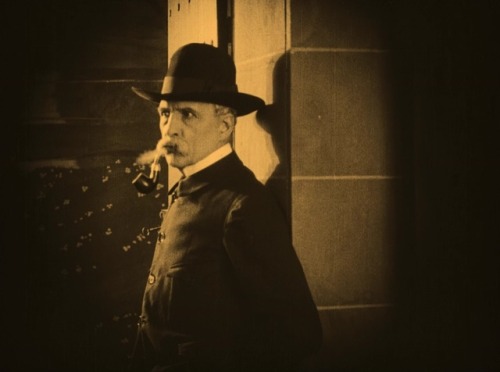
Arturo Ambrosio dirigiu um curta-metragem em 1908 sobre os últimos dias de Pompeia, também seguindo o romance de Bulwer-Lytton. Ambrosio teve uma carreira bem longa: seu perfil no IMDb lista mais de 1300 filmes como produtor! Ambrosio é considerado o pai da indústria cinematográfica italiana. Aliás, Ernesto Maria Pasquali trabalhou para Ambrosio no começo da carreira, antes de criar sua própria produtora. Tanto Ambrosio quanto Pasquali sofreram com a guerra, quando a indústria do cinema na Itália foi basicamente destruída e os filmes norte-americanos dominaram o mercado. Pasquali faleceu em 1919, e Ambrosio viveu até 1960.

Arturo Ambrosio had actually directed a 1908 short about the last days of Pompeii, also following the Bulwer-Lytton novel. Ambrosio had a very long career: his IMDb profile lists over 1,300 titles as producer! Ambrosio is considered the father of the Italian film industry. In fact, Ernesto Maria Pasquali had worked for Ambrosio in the beginning of his career, before creating his own production company. Both Ambrosio and Pasquali suffered the blow from the war, when the Italian film industry was basically destroyed and US films dominated the market. Pasquali passed away in 1919, while Ambrosio lived until 1960.

Arturo Ambrosio

É curioso que os amantes consigam, com a ajuda de Nidia, fugir e sobreviver à tragédia, enquanto o malvado Arbaces morre sufocado – ou esmagado por uma coluna na versão de Ambrosio. Claro, isso foi feito para agradar ao público, mas parece quase com uma traição. Ora, tanto pessoas boas quanto más morrem em tragédias. Vemos isso o tempo todo. Estamos vendo isso agora. A tragédia é democrática: não escolhe vítimas.

I find it curious that the lovers are able to run away, with Nidia’s help, and survive the tragedy, while the evil Arbaces dies suffocated – or crushed by a column in the Ambrosio version. Of course, this was made to please the audiences, but it is almost a betrayal. Come on, both good people and bad people die in tragedies. We see this all the time. We’re seeing this now. Tragedy is democratic: it does not choose the victims.

Ernesto Maria Pasquali

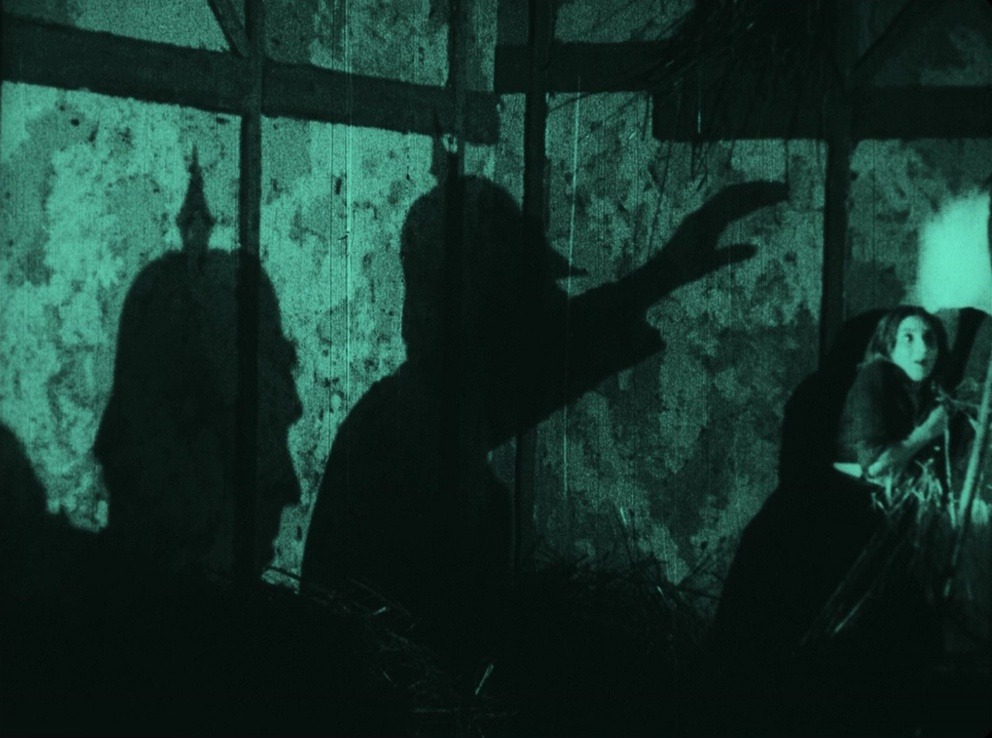
Já que estamos falando sobre coisas desagradáveis, se você assistir a ambas as versões, e a de Pasquali em particular, você perceberá que os romanos têm um jeito curioso de cumprimentar: levantando um braço em direção à outra pessoa. Sim, é o cumprimento nazista sendo feito em 1913. Na época, acreditava-se que os romanos antigos faziam esse tipo de cumprimento, e foi por isso que os fascistas copiaram o cumprimento - porque eles queriam resgatar a época de ouro da Roma Antiga na Itália moderna – e os nazistas copiaram o cumprimento dos fascistas. Não há evidência de que os romanos antigos faziam este gesto, pois ele foi visto pela primeira vez apenas em 1784 numa pintura do francês Jacques-Louis David.

Since we’re talking about unpleasant things, if you watch both versions, and the Pasquali version in particular, you’ll notice the Romans have an odd way of greeting each other: by raising an arm to the other person. Yes, it is the Nazi salute being done in 1913. Back then, it was believed that Ancient Romans used that kind of greeting, and this was the reason why fascists copied the greeting – because they wanted to rescue the golden times of Ancient Rome in modern Italy – and Nazis copied the salute from fascists. There is no evidence that Ancient Romans did this salute, as it was first seen only in 1784 in a painting by Frenchman Jacques-Louis David.

Ambrosio

Filmes de catástrofe sempre foram um sucesso – ambos os filmes italianos de 1913 foram exibidos nos EUA, por exemplo. Não sou capaz de dar uma resposta psicologicamente correta do porquê gostamos de ver desastres na tela, mas acredito que o fato de estarmos em um ambiente seguro como um cinema ou na frente da TV, sabendo que tudo aquilo é atualmente ficção, tem algo a ver com nosso apreço por este tipo de filme. Ninguém gosta de viver uma tragédia. Ninguém quer enfrentar um terremoto ou acidente aéreo ou navio afundando ou uma epidemia ou um vulcão em erupção.

Catastrophe movies have always been successful – both these Italian movies from 1913 were shown in the US, for instance. I can’t give a psychologically appropriate reason why we love to see disasters on the screen, but I believe that being in a safe environment like a movie theater or in front of the TV and knowing all that is currently fiction plays a role in our liking of those movies. Nobody likes to live a tragedy. Nobody wants to face an earthquake or a plane crash or a ship sinking or a plague or an awake volcano.

Ambrosio

A destruição de Pompeia provavelmente não foi a pior tragédia causa da pelo Vesúvio. Considerando seu ciclo e a estimativa de que o vulcão entra em erupção a cada 2500 anos aproximadamente, o Vesúvio pode entrar em erupção a qualquer momento. Ninguém vai querer estar lá para presenciar isso. Mas certamente haverá milhões de pessoas dispostas a ver o filme que será feito sobre a tragédia – como sempre ocorre.

The destruction of Pompeii probably wasn’t the worst tragedy the Vesuvius caused. Considering its cycle and the estimation that the volcano awakes every 2,500 years or so, the Vesuvius can awake any day now. Nobody will want to be there to witness it. But there will certainly be millions of people willing to see the film that will be made about the tragedy – as it always happens.

This is my contribution to The Disaster Blogathon, hosted by Quiggy and J-Dub at The Midnite Drive-In and Dubsism.

Sunday, November 11, 2018

Eu Acuso! (1919) / J’Accuse! (1919)


Como historiadora, eu considero a Primeira Guerra Mundial um dos assuntos mais fascinantes para estudar. O imperialismo deu origem a uma guerra que não se desenrolou apenas no front, mas também nas cidades, através de ataques e bombardeios - foi uma mistura de guerra civil e “guerra comum”. Milhões morreram durante o conflito, milhões ficaram deficientes ou desfigurados, e muitos outros milhões morreram porque, após a guerra, aqueles que voltaram para casa ajudaram a espalhar o vírus da Gripe Espanhola.

As a historian, I consider World War I to be one of the most fascinating periods to be studied. Imperialism led to a war that not only developed at the front, but also at the cities, through attack and bombings - it was a mix of civil war and “regular war”. Millions died during conflict, millions became handicapped or disfigured, and many more millions died because, after the war, those who returned home helped spread the Spanish flu virus.


No final, não valeu a pena ter lutado na guerra. Os sobreviventes formaram a Geração Perdida, viveram como boêmios na Europa ou foram recebidos como heróis nos EUA, apenas para ver o governo virar as costas para eles quando eles passaram a lutar contra o vício, o trauma ou o desemprego chegada a Grande Depressão. E o que mais fascinante é que a guerra e seus desdobramentos foram filmados.

In the end, it was not a war worth fighting. The war survivors became the Lost Generation, living like bohemians in Europe or being received like heroes in the US, only to see the government turn back on them when they suffered from addiction, PTSD or lost their jobs with the Depression. And what is more fascinating is that the war and its unfolding were caught on film.


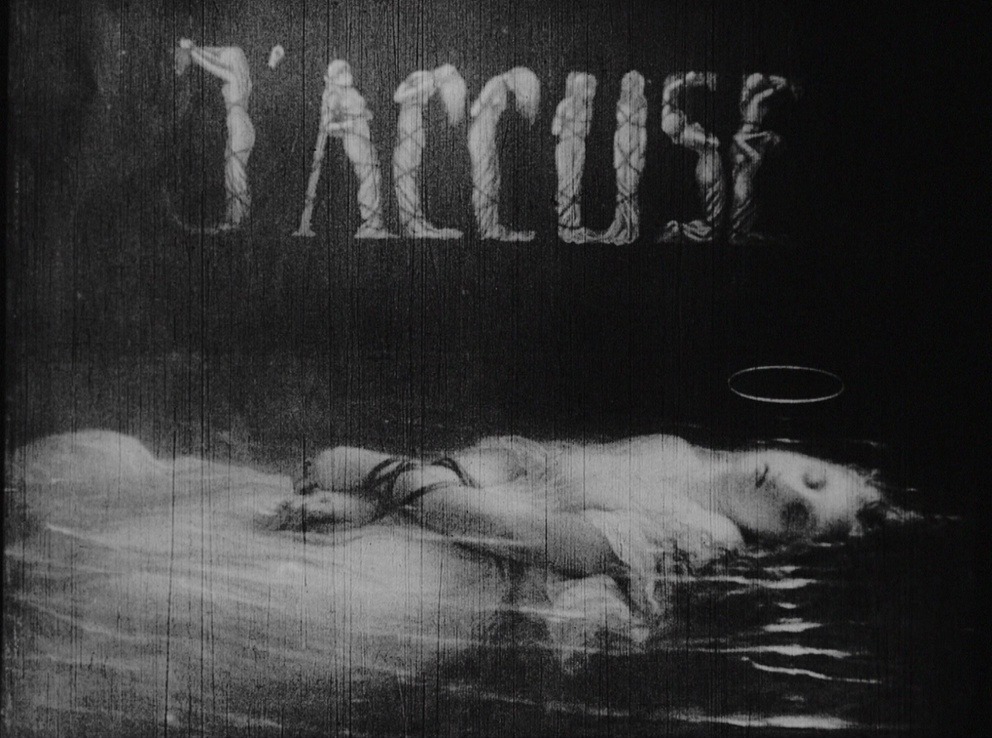
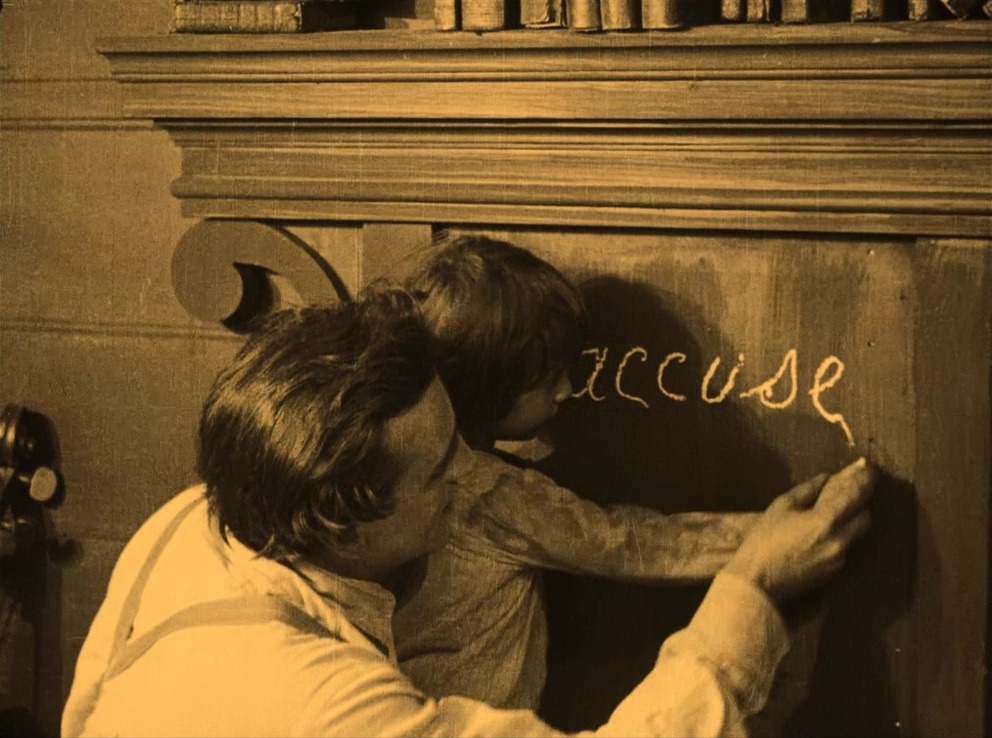
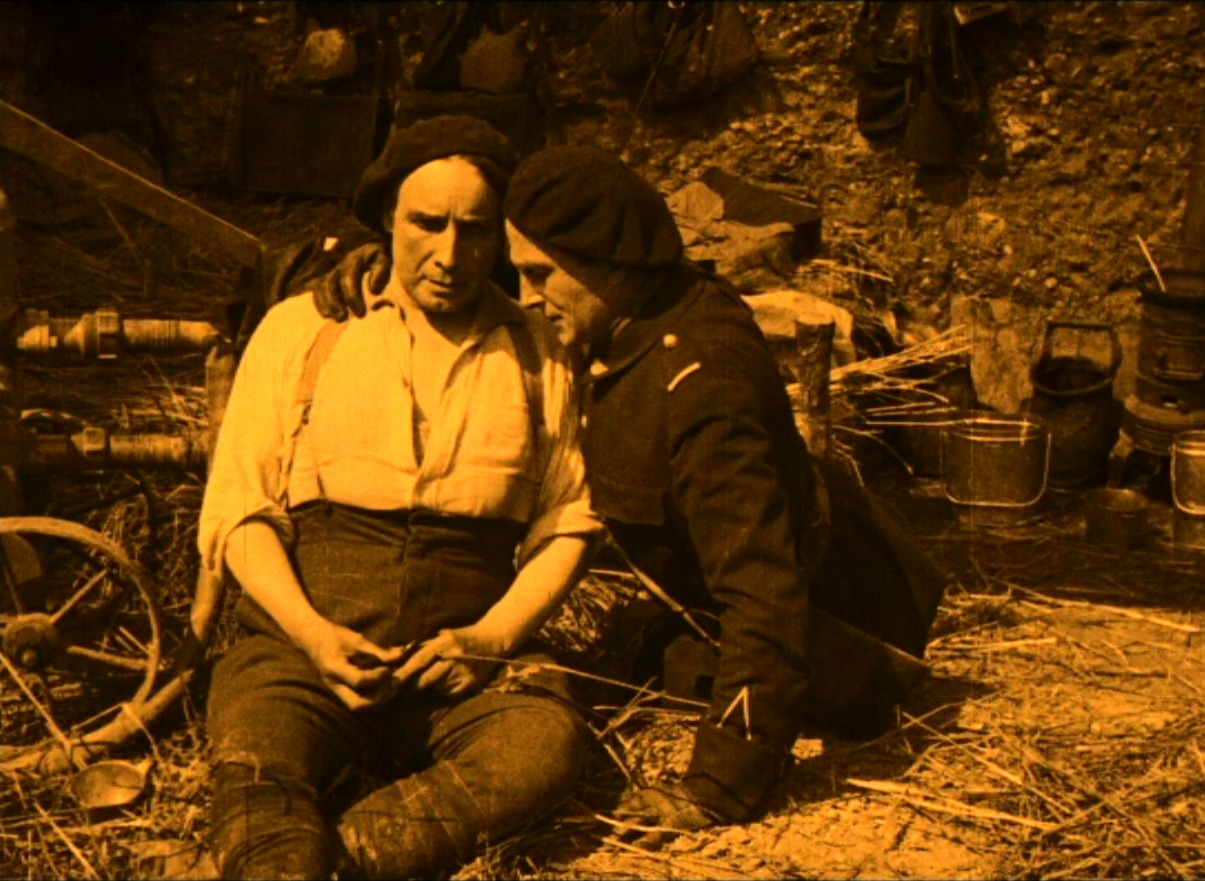
O épico francês “Eu Acuso!” é um desses filmes. Ele tem algumas cenas gravadas na verdadeira batalha de Saint-Mihiel, gravadas com a ajuda das tropas norte-americanas. É um poderoso filme antiguerra, que estreou somente seis meses depois do fim do conflito.

The French epic “I Accuse” is one of those films. It has a few scenes from the real battle of St. Mihiel, shot with the help of the American troops. It is a powerful anti-war film, released only six months after the conflict ended.


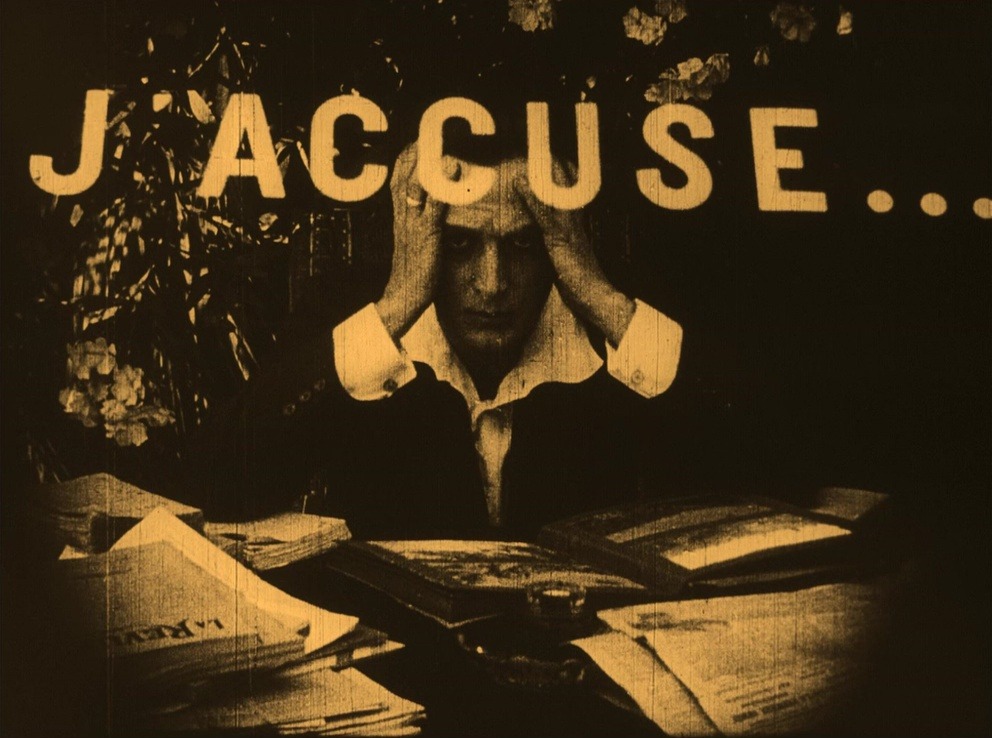
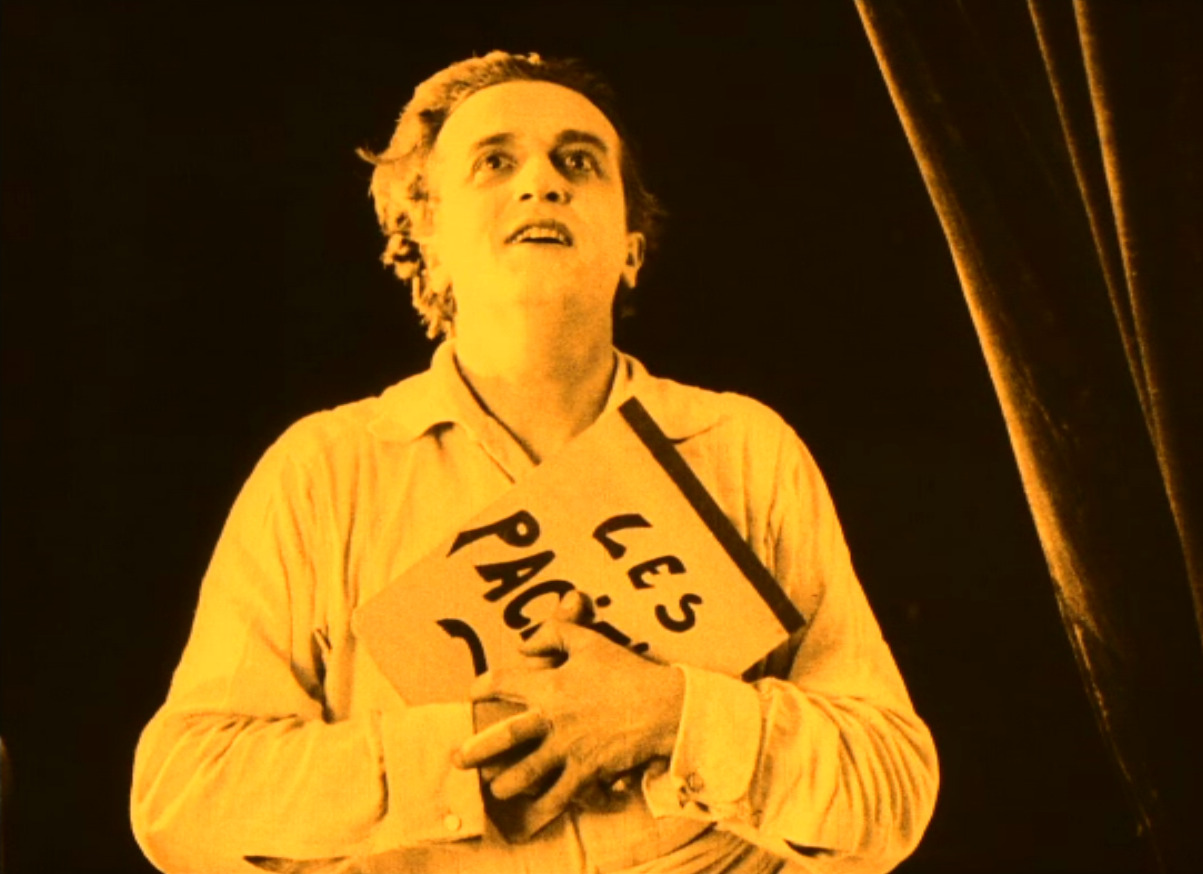
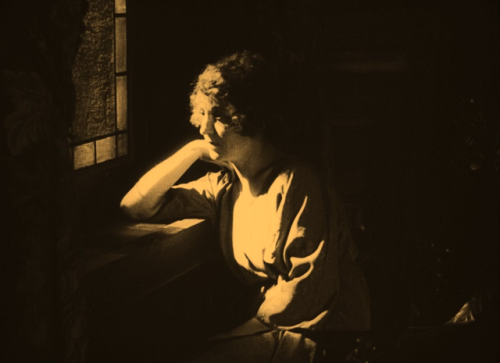
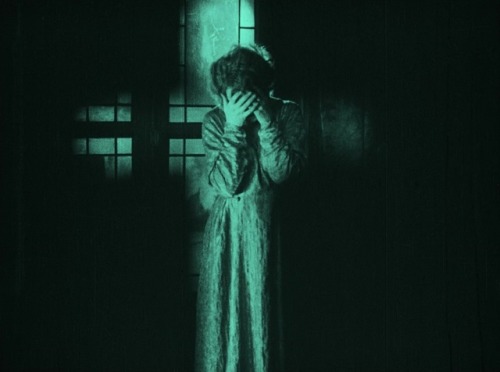
Jean Diaz (Romuald Joubé), nosso herói e poeta, é apresentado como sendo a personificação da França, todo inteligência e melancolia. Jean ama Edith (Maryse Dauvray), que é casada com um homem bêbado e violento, François (Sevérin-Mars).

Jean Diaz (Romuald Joubé), our hero and poet, is presented as the personification of France, all intelligence and melancholy. The first time we see him, the song we hear is Clair de la Lune - as French as it comes. Jean loves Edith (Maryse Dauvray), who is married to a drunken and violent man, François (Sevérin-Mars).


A vila onde eles moram está celebrando a véspera do dia de São João - Edith não está celebrando porque o marido a deixou trancada em casa - e o mal agouro foi avistado: uma coruja apareceu, avisando que a tragédia estava prestes a atingir a todos. Nós sabemos que tal tragédia é a guerra vindoura, e a guerra de fato chega, anunciada por uma criança que ouviu a palavra e a repetiu sem conhecer seu significado.

Their village is celebrating the Eve of St. John’s at the village - Edith is not celebrating because her husband kept her locked in the house - and bad omen was in sight: an owl appeared, announcing that tragedy was about to strike on them. We know the tragedy is the upcoming war, and the war indeed arrives, announced by a child that heard the word and repeated it without knowing the meaning.


François fica maravilhado com a notícia. Jean, que estava escrevendo uma coletânea de poemas sob o título ‘Os Pacíficos’, fica desolado. O pai de Edith, Maria Lazare (Maxime Desjardins), um herói da guerra de 1870 contra a Alemanha, também fica animado com a nova guerra, embora seja velho demais para se alistar. François manda Edith ficar com a família dele, porque ele vai partir imediatamente para o fronte, e Jean ficará na vila por mais um mês antes de partir.

François is delighted by news. Jean, who had been writing a collection of poems under the title ‘The Pacific Ones’, is desolated. Edith’s father, Maria Lazare (Maxime Desjardins), a former hero from the 1870 war against Germany, is also excited with the new war, even though he is too old to enlist. François sends Edith to stay with his family, because he will leave immediately for the front, and Jean will stay for another month before leaving.

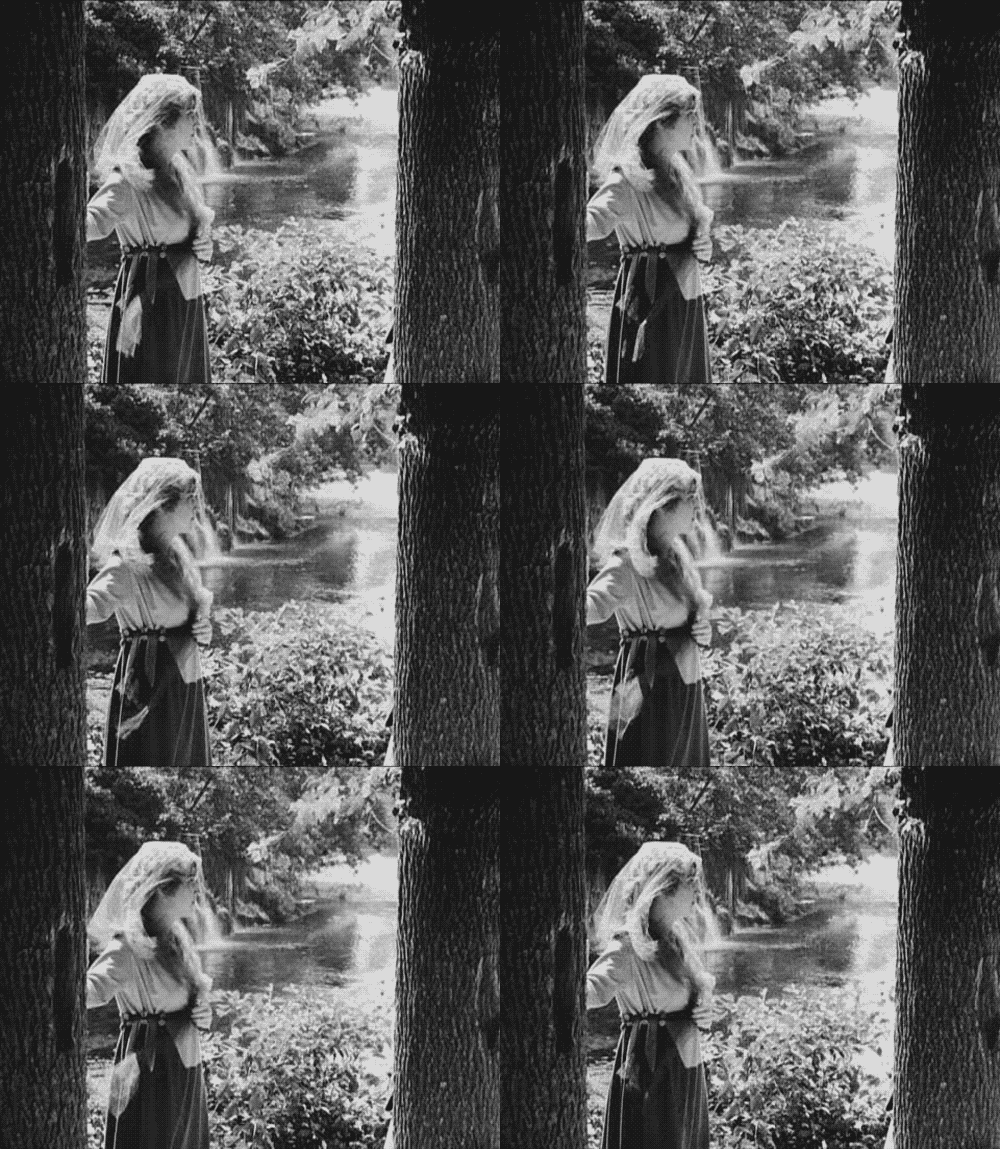
No entanto, quando Edith é sequestrada pelos inimigos, Jean se junta ao exército imediatamente e acaba se tornando tenente na companhia de François. Por causa do amor que sentem por Edith, os dois pouco a pouco se tornam camaradas. Em casa, o pai de Edith se aproxima da mãe de Jean.

However, when Edith is taken captive by the enemies, Jean joins the army immediately and ends up as the lieutenant in François’s company. Because of the love they have for Edith, they slowly become comrades. At home, Edith’s father bonds with Jean’s mother.


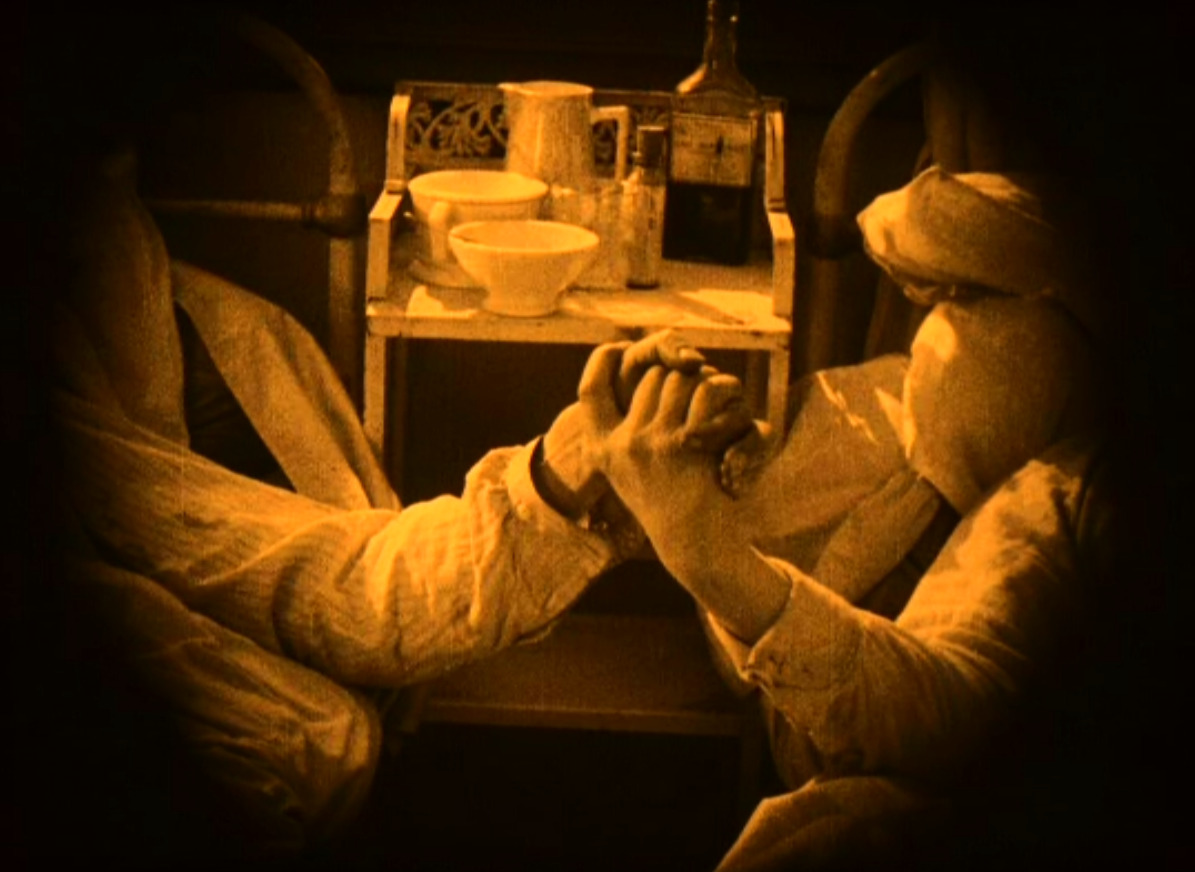
O filme é dividido em três partes. Por causa de seus 166 minutos no total, muitas pessoas podem considerar que a segunda parte - que se passa na vila, com Jean liberado por causa de doença e Edith de volta após fugir do cativeiro - é desnecessária, mas ela não é. Filmes de guerra raramente focam em personagens do gênero feminino porque as mulheres não vão para a batalha como soldados, mas elas sofrem tanto quanto qualquer soldado. Mulheres são sequestradas pelo inimigo, estupradas, espancadas. Mulheres sofrem porque seus amigos, maridos, pais e filhos estão no campo de batalha - e estes homens podem não voltar. Embora Edith seja uma donzela em perigo, ela é uma vítima comum da guerra.

The film is divided in three parts. Because it has, in total, 166 minutes, many people may consider the second part - set back home, with Jean on sick leave and Edith back from captivity - unnecessary, but it isn’t. War movies rarely focus on female characters because women don’t go to the front as soldiers, but they suffer just as much as any soldier. Even if they are not nurses or are not directly involved in the war, they suffer. Women are held captive by the enemy, raped, beaten. Women suffer because their friends, husbands, fathers and sons are at the front - and these men might not come back. As much as Edith is a damsel in distress, she is a common female victim of the war.


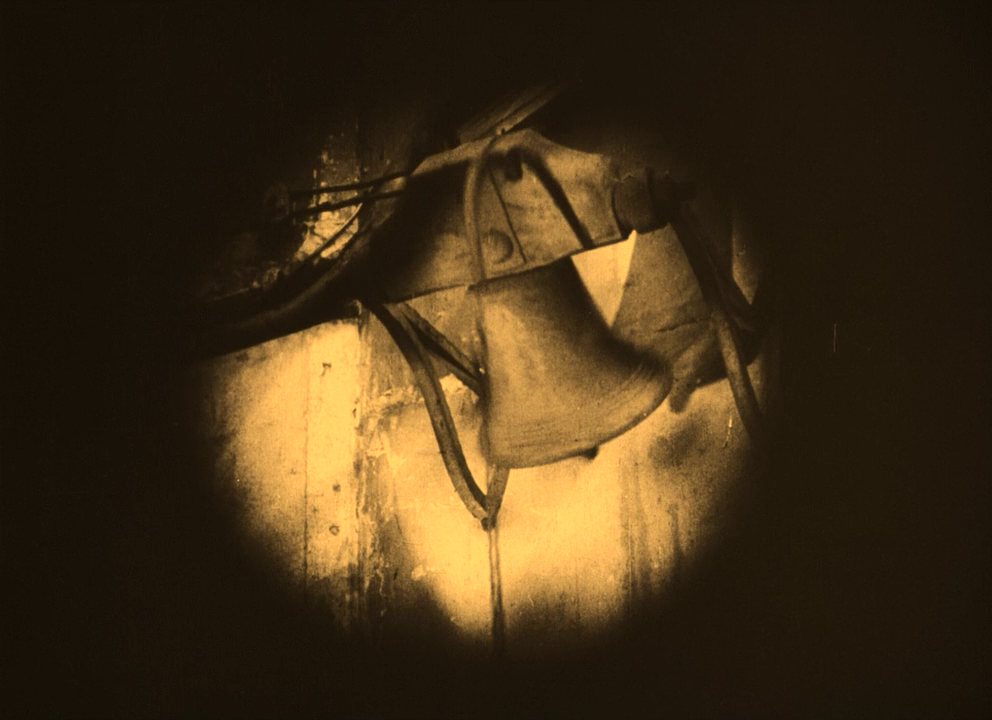
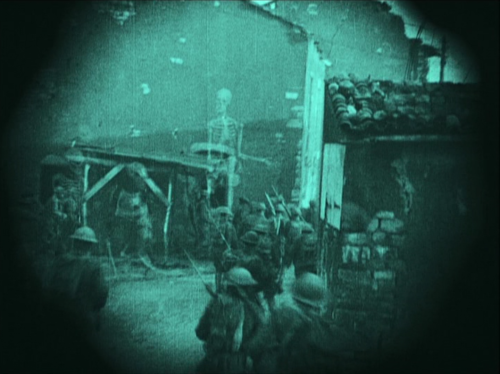
No começo, há muitos efeitos de “dissolver” que surpreendem o espectador. Ao longo do filme, o enquadramento chamado de “Iris shot” predomina - é o zoom-in, zoom-out ou close-up em forma de círculo. O close-up com Iris shot é particularmente poderoso para atrair nosso olhar para um único elemento da cena, destacando-o dos demais.

In the beginning, there are many “dissolving” effects that surprise the viewer. Throughout the movie, the Iris Shot predominates - the circle-shaped zoom-in, zoom-out or close-up. The Iris close-up is particularly powerful to make us look at only one element in the scene, making it stand out from the rest.


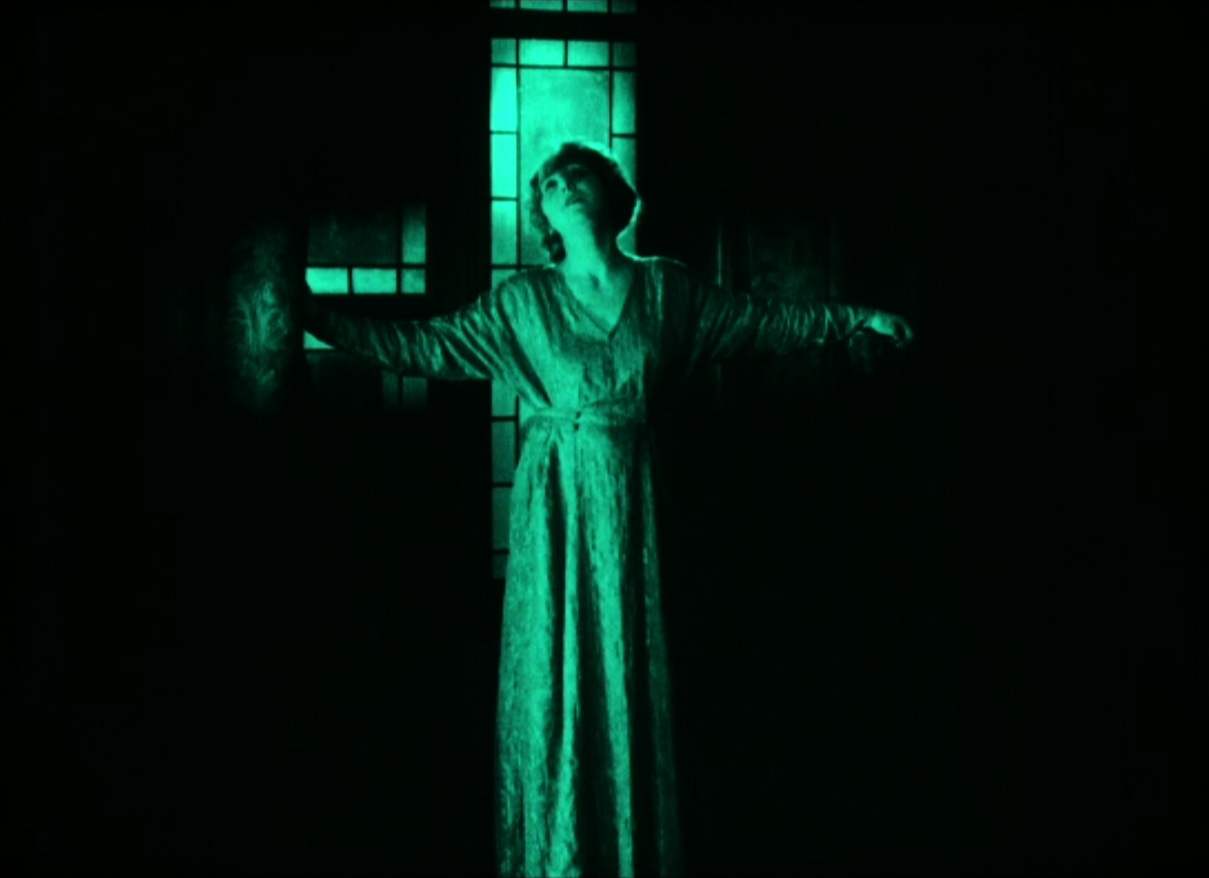
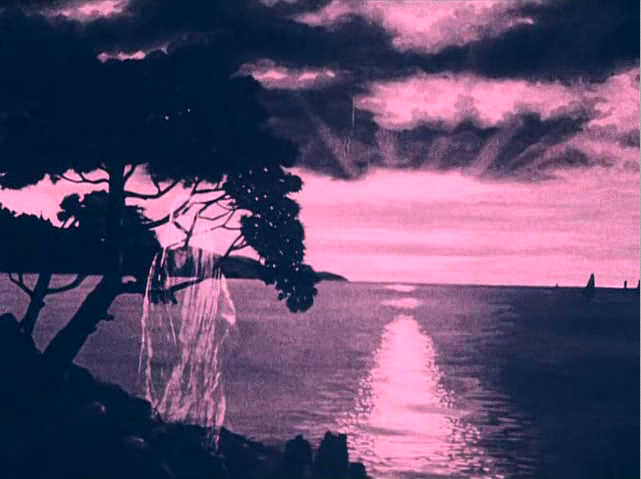
Um dos poemas de Jean - a Ode ao Sol - é particularmente importante para a narrativa. Entretanto, nós nunca chegamos a conhecer as palavras que compõem o poema. Abel Gance escolheu, em vez disso, usar motifs visuais do nascer do sol, pôr do sol e do sol espelhado nas águas enquanto o poema é recitado por Jean. Nós podemos inventar as palavras - ou não, porque elas não importam. As imagens foram suficientes para traduzir o que Jean quis dizer com seu poema.

One of Jean’s poems - the Ode to the Sun - is particularly important to the narrative. However, we never get to know the words that compose the poem. Abel Gance chose, instead, to use visual motifs of the sunrise, the sunset and the sun mirrored in the water when the poem was recited by Jean. We can make up the words - or maybe not, because they don’t matter. The images were enough to translate whatever Jean wanted to say with his poem.


E a verdadeira literatura surge, sem querer, como trechos de cartas de soldados. Eu imagino que, porque o filme foi feito logo depois da guerra, estas cartas não sejam reais, mas certamente são tocantes. E, desde então, tivemos acesso a cartas reais de soldados e vimos que elas são em geral emocionantes. É prova de que a beleza pode surgir de grandes doses de horror e dor.

And then the real, yet unpremeditated, literature appears as bits of letters from the soldiers. I imagine that, because the film was made so little after the war, those letters are not real ones, but they certainly are touching. And, since then, we got access to real soldiers’ letters and saw that they are usually very moving. It’s proof that beauty can appear from the utmost horror and pain.


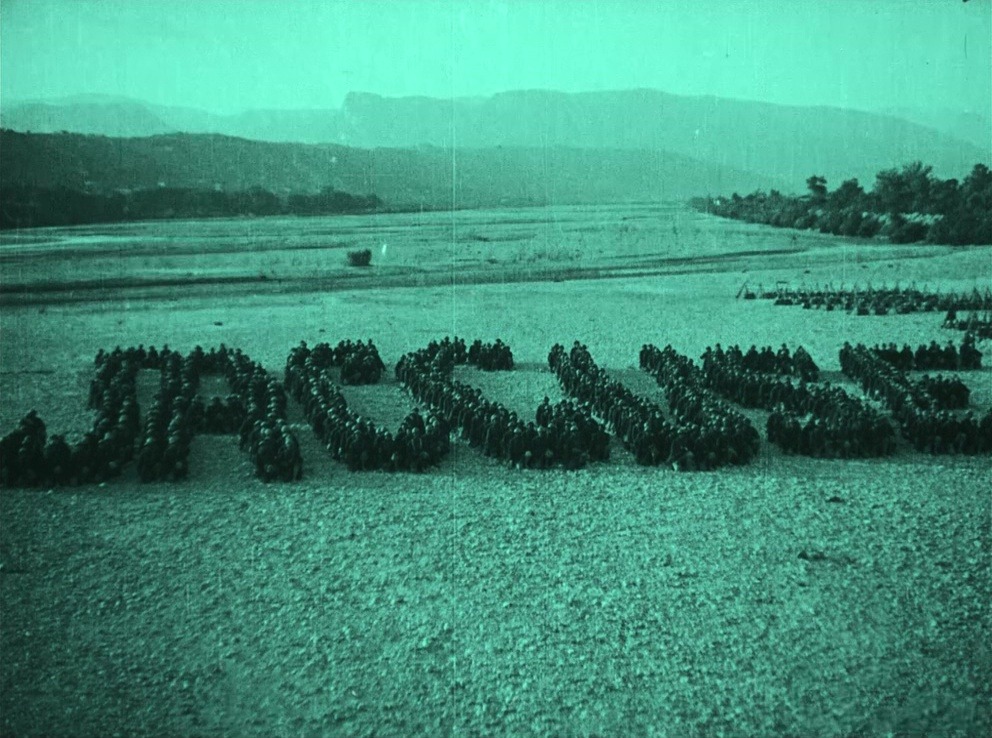
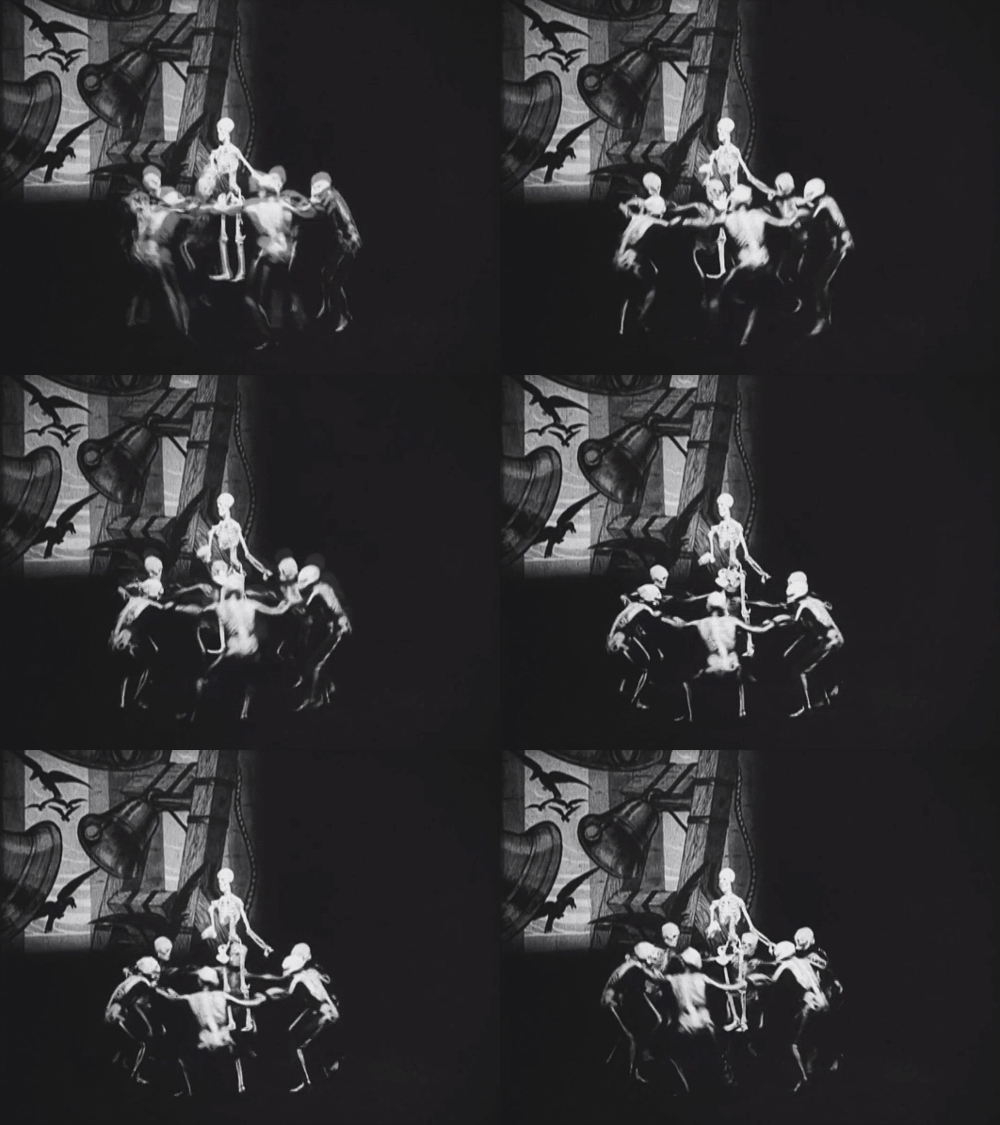
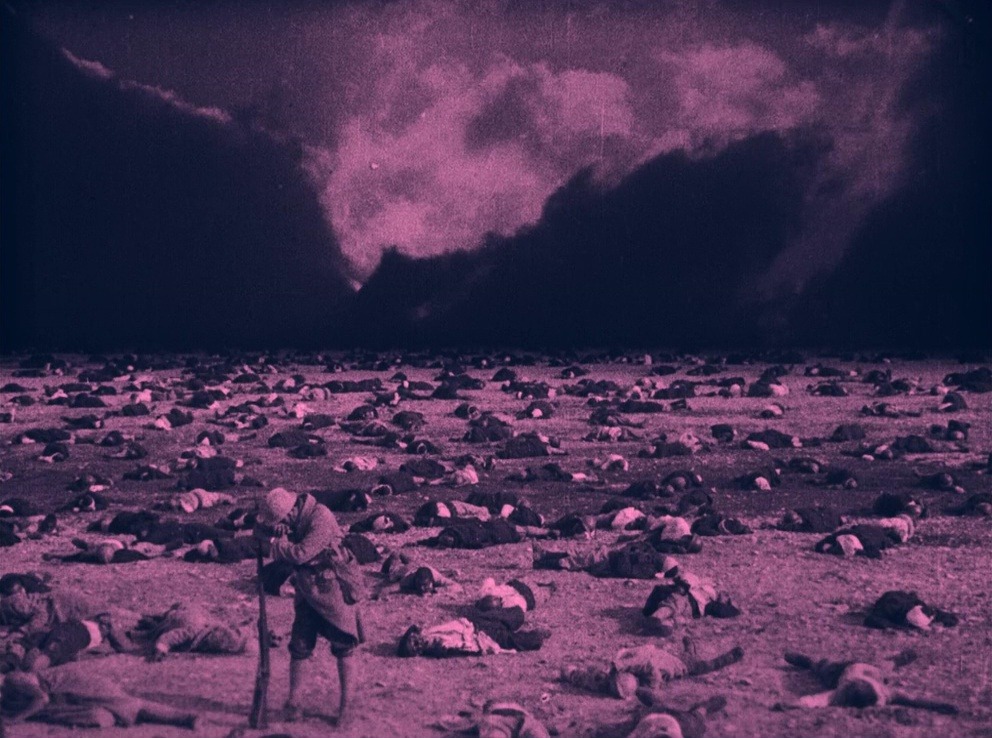
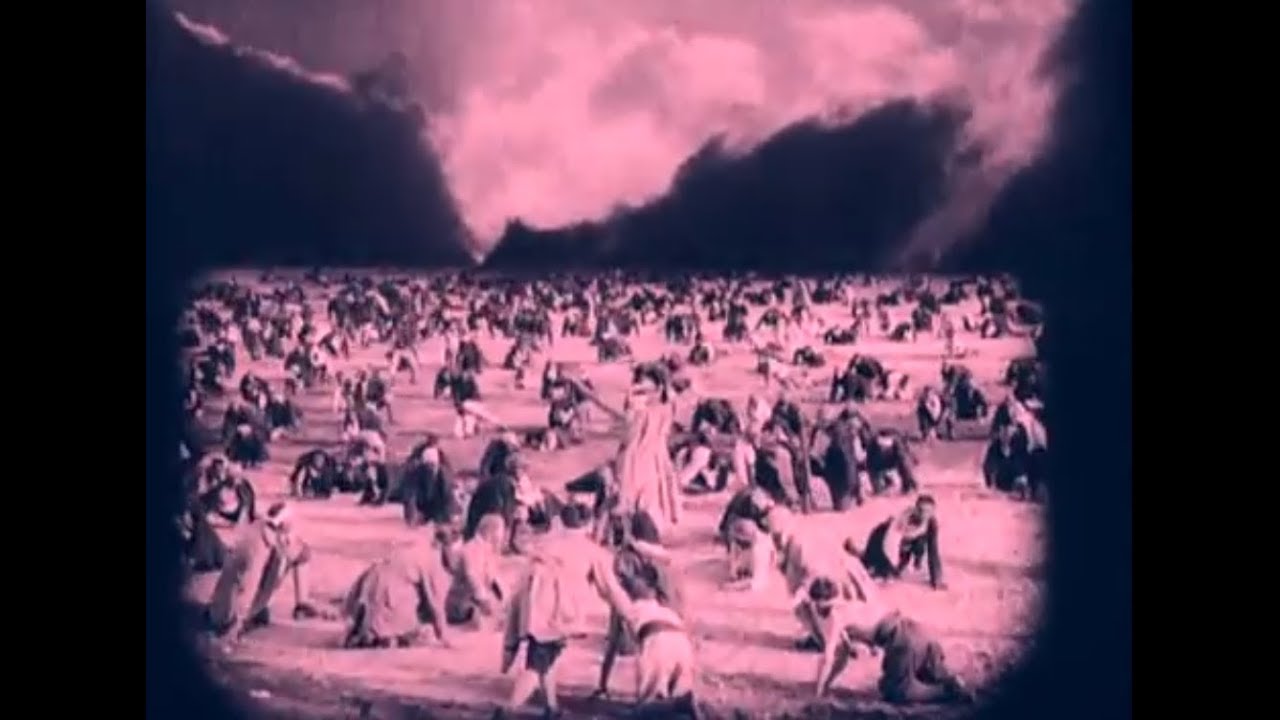
A sequência mais impressionante, na qual os mortos retornam de seus túmulos para marchar para a vila e ver se o sacrifício foi em vão, foi filmado com 2000 figurantes que eram na verdade soldados de folga. Eles haviam acabado de sair de Verdun e tinham oito dias de folga antes da volta para a luta no campo de batalha. Mais tarde, o diretor Abel Gance calculou que 80% dos homens da cena da marcha morreram em batalha.

The most impressive sequence, in which the dead return from their graves to march to the village to see if their sacrifice was in vain, was shot with 2000 extras who were actual soldiers on leave. They had just come from Verdun and had eight days off until they came back to the front to fight again. Later, director Abel Gance calculated that 80% of the men in the march footage really died in battle.


“Eu Acuso” foi um filme antiguerra pioneiro. Mais do que isso, foi um filme com técnicas de edição e cinematografia tão ousadas e pede feitas que deixariam o suposto mestre D.W. Griffith com muita inveja. É longo, complexo e brinca com nossos sentimentos. Melodramático, talvez. Necessário, sem dúvida. É uma obra de arte maravilhosa. Afinal, a arte é sobre experiências universais, como o amor, a morte, e a mistura das duas: a guerra.

“J’Accuse” was a pioneering anti-war movie. More than that, it was a film with editing techniques and cinematography so daring and perfect that would make the so-called great master D.W. Griffith incredibly jealous. It’s long, complex and it plays with our emotions. Melodramatic, maybe. Necessary, without a doubt. It’s a wonderful work of art. After all, art is about universal experiences, like love, death and the mix of these two: war.

This is my contribution to the World War One on Film Blogathon, hosted by Maddy at Maddy Loves Her Classic Films.

Related Posts Plugin for WordPress, Blogger...