} Crítica Retrô: religião

Tradutor / Translator / Traductor / Übersetzer / Traduttore / Traducteur / 翻訳者 / переводчик

Showing posts with label religião. Show all posts

Wednesday, May 15, 2024

Entre Deus e o Pecado (1960) / Elmer Gantry (1960)

 Quando um filme garante um Oscar a um ator, nós cinéfilos rapidamente ficamos interessados neste filme. Quando o ator que ganhou o Oscar tem uma carreira tão prolífica e interessante quanto a de Burt Lancaster, só podemos imaginar que sua performance em tal filme foi incrível. “Entre Deus e o Pecado” deu a Lancaster seu único Oscar de Melhor Ator, e também deu a Shirley Jones o Oscar de Melhor Atriz Coadjuvante.


When a film gives an actor the Oscar, we cinephiles quickly become interested in this film. When the actor who won the Oscar has such a prolific and interesting career as Burt Lancaster’s, we can only imagine that his performance in said film was nothing but superb. “Elmer Gantry” (1960) gave Lancaster his only Best Actor Oscar, and also gave Shirley Jones a Best Supporting Actress Oscar. 

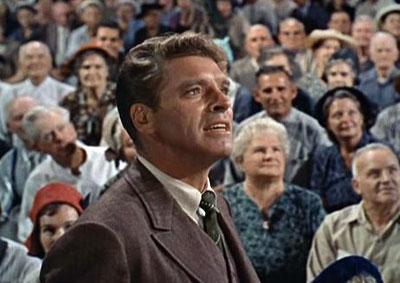
Elmer Gantry (Lancaster) é um bêbado, praticamente um mendigo, que passa a véspera de Natal com uma prostituta e pela manhã mente para sua mãe, dizendo que havia ido à igreja. Mas ele demonstra conhecer hinos de louvor quando participa de um culto com pessoas negras adorando ao Senhor. A sua alma ainda pode ser salva, no final das contas!


Elmer Gantry (Lancaster) is a drunkard, practically a hobo, who spends Christmas Eve with a prostitute and in the morning lies to his mother that he has gone to church. But he proves to know church hymns when he attends a gathering of black people worshipping the Lord. His soul can be saved, after all!
Na verdade, Elmer é um caixeiro viajante e, numa cidade, ele decide participar de um culto comandado pela Irmã Sharon Falconer (Jean Simmons). Ele não quer rezar, mas sim se juntar à Irmã Sharon contando sua “história de salvação”. Eles logo se tornam parceiros e amantes.


In reality, Elmer is a travelling salesman and, in one town, he decides to attend a religious gathering commanded by Sister Sharon Falconer (Jean Simmons). He doesn’t want to pray, but to join Sister Sharon telling his “salvation story”. They soon become partners and lovers.

Acompanhando Elmer e a Irmã Sharon na “peregrinação” temos Jim Lefferts (Arthur Kennedy), um jornalista que acaba escrevendo um artigo chamado “Santos ou Patifes” sobre a dupla. O artigo é lido por Lulu Bains (Shirley Jones), antiga amante de Elmer que agora é prostituta, que decide que quer vê-lo novamente.


Accompanying Elmer and Sister Sharon in their “pilgrimage” there is Jim Lefferts (Arthur Kennedy), a journalist who ends up writing an article called “Saints or Scoundrels” about the duo. The article is read by Lulu Bains (Shirley Jones), Elmer’s former lover and now a prostitute, who then decides she wants to see him again.

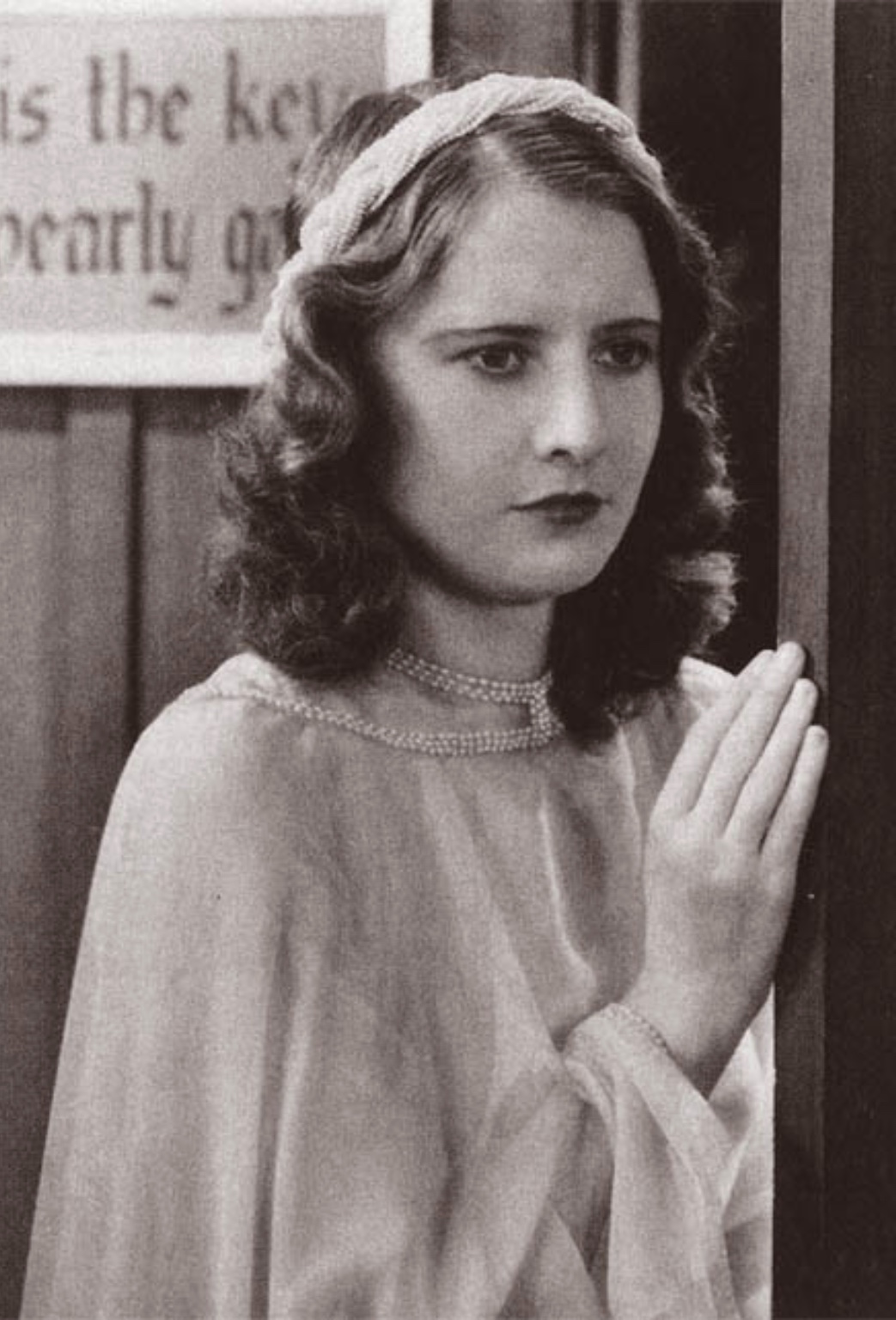
Os paramentos da Irmã Sharon me lembraram de outras figuras religiosas dos anos 1920 e 1930. A primeira é uma figura real: a Irmã Aimée Semple McPherson, que inspirou a Irmã Florence Fallon de Barbara Stanwyck em “A Mulher Miraculosa” (1931), e Irmã Alice de Tatiana Maslany no novo “Perry Mason” e foi retratada no cinema no excelente indie “A Mulher Milagrosa” (2019).


Sister Sharon’s vestments reminded me of other religious figures from the 1920s and 1930s. The first is a real-life figure: Sister Aimée Semple McPherson, who inspired Barbara Stanwyck’s Sister Florence Fallon in “The Miracle Woman” (1931), Tatiana Maslany’s Sister Alice in the new “Perry Mason” and was portrayed in movies in the excellent indie “Sister Aimée” (2019).

Ambos os protagonistas tiveram papéis semelhantes antes e depois de “Entre Deus e o Pecado”. Jean Simmons interpretou uma missionária no musical “Eles e Elas” (1955), enquanto Burt Lancaster esteve em outro filme que lida com religião e consumo de álcool em “Nas Trilhas da Aventura” (1965).


Both leads had similar roles before and after “Elmer Gantry”. Jean Simmons played a missionary in the musical “Guys and Dolls” (1955), while Burt Lancaster was in another film that deals with religion and alcohol consumption in “The Hallelujah Trail” (1965).

Burt Lancaster interpreta Elmer Gantry num tom histriônico, com zero sutileza, como o papel pedia. Ele deve ser um palhaço de circo e sabe desta demanda. Curiosamente, anos após a estreia do filme, Lancaster recebeu uma carta de um amigo de infância contando-lhe que sua performance no filme é o mais perto que ele chegou da maneira como ele se comportava na infância.


Burt Lancaster plays Elmer Gantry in a histrionic tone, with zero subtlety, as the role demanded. He must be a circus clown and he is aware of that. Curiously, years after the film premiered, Lancaster received a letter from a childhood friend telling him his performance in the movie is the closest to the way he behaved as a kid.

A trilha sonora inspirada é de André Previn. Nascido na Alemanha em 1929, ele e a família migraram para os EUA em 1938. Sua carreira em Hollywood começou quando ainda estava no Ensino Médio, em 1946. Ele ganharia quatro Oscars – dois antes de “Entre Deus e o Pecado”, dois depois – e é mais conhecido por ter sido o segundo marido de Mia Farrow, com quem ela ficou por nove anos, teve três filhos e adotou mais três. Previn faleceu aos 89 anos em 2019.


The inspired soundtrack is from André Previn. Born in Germany in 1929, he and his family flew to the US in 1938. His career in Hollywood began while he was still in high school, in 1946. He would go on to win four Oscars – two before “Elmer Gantry”, two after – and may be best known as Mia Farrow’s second husband, with whom she stayed for nine years, had three children and adopted three more. Previn passed away aged 89 in 2019.
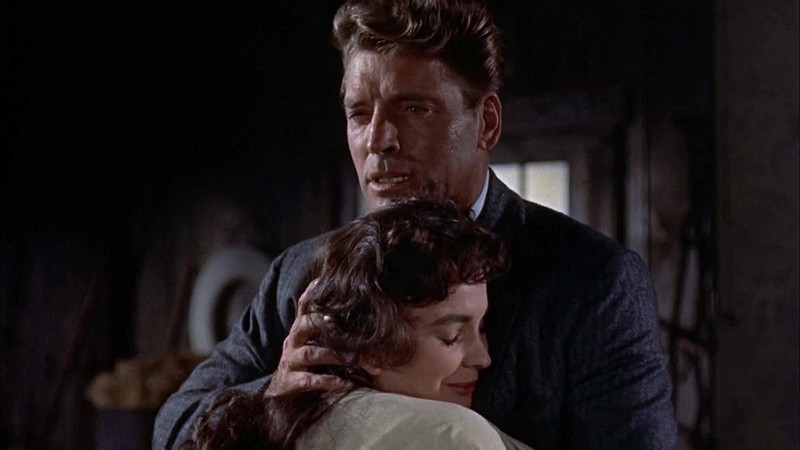
A Irmã Sharon é uma Revivalista, algo que Jim não consegue definir, mas cujo poder consegue sentir. As questões religiosas discutidas em “Entre Deus e o Pecado” são mais atuais do que nunca. Antes do filme começar, uma nota explicativa diz que “Liberdade Religiosa não é licença para abusar da fé das pessoas!”. E depois Lulu pergunta a Elmer “como pode que certas pessoas só encontram ódio na Bíblia?”.


Sister Sharon is a Revivalist, something Jim can’t quite define, but feels its power. The religious issues discussed in “Elmer Gantry” are more current than ever. Before the film starts, an awareness note says that “Freedom of Religion is not license to abuse the faith of the people!”. And then Lulu asks Elmer “how is that some people can only find hate in the Bible?”.

“Entre Deus e o Pecado” foi um destes filmes que comecei a assistir sem saber nada sobre e simplesmente não vi o tempo passar. É envolvente, emocionante, com ótimas performances de todo o elenco. É também catalisador para reflexões, pois muito mudou e ao mesmo tempo nada mudou nos últimos cema anos.


“Elmer Gantry” was one of those movies I started watching without knowing anything about and simply didn’t see time pass. It’s compelling, thrilling, with lots of great performances by the whole cast. It’s food for thought, because so much has changed and yet nothing has changed in the last 100 years.


This is my contribution to the It’s in the Name of the Title blogathon, hosted by Rebecca and Gill at Taking Up Room and Realweegiemidget Reviews.

Sunday, June 12, 2022

A Arca de Noé (1928) / Noah’s Ark (1928)


Às vezes temos uma grata surpresa com um filme ou alguns filmes. Isso acontece quando um filme épico, cuja narrativa é ambientada no passado, mostra paralelos com o presente. Este é o caso do magnífico “Os Dez Mandamentos” de DeMille de 1923 - melhor que o remake sonoro de 1956, na minha opinião. Nele, há a história de Moisés seguida por uma história sobre os perigos de não se seguir os Dez Mandamentos neste mundo moderno e louco. Outro filme mudo que é um épico religioso mas faz comparações com o presente é “A Arca de Noé” (1928).  

Sometimes we’re pleasantly surprised by a movie or a couple of movies. This happens to me when an epic film, whose story is set in the past, shows parallels to the present. This is the case of DeMille’s magnificent “The Ten Commandments” from 1923 - better than the 1956 sound remake, in my opinion. In it, there is the Moses story followed by a story about the dangers of not following the Ten Commandments even in this modern, crazy world. Another silent movie that is a religious epic but draws comparisons with the present is “Noah’s Ark” (1928).

Nos primeiros minutos de projeção, as cartelas de texto, retiradas diretamente da Bíblia, nos contam sobre a construção da Torre de Babel e a adoração do Bezerro de Ouro. Corta para os tempos modernos, e as pessoas ainda estão adorando o dinheiro em bolsas de valores - lembre-se, este filme foi feito um ano antes da quebra da bolsa de Wall Street em 1929. Mas a história moderna que veremos começa antes, em 1914.

In the first minutes of projection, the title cards, taken directly from the Bible, tell us about the building of the Tower of Babel and the worship of the Golden Calf. Cut to modern times, and people are still worshipping money in stock markets - remember, this movie was made one year before the 1929 crash of Wall Street. But the modern story we’re following starts earlier, in 1914.

Um grupo de pessoas muito diferentes está viajando no Expresso do Oriente. Um pastor (Paul McAllister) está lendo a Bíblia na viagem e chama a atenção das pessoas ao seu redor. Todos zombam dele, dizendo que Deus não existe. De repente, um raio atinge e destrói uma ponte, causando um acidente com o trem. Muitos descrentes morrem no local, mas o norte-americano Travis (George O’Brien) e seu amigo Al (Guinn Williams) sobrevivem e ajudam uma garota alemã chamada Marie (Dolores Costello) a encontrar abrigo numa taverna.

A group of very different people is travelling aboard the Orient Express. A Minister (Paul McAllister) is reading the Bible while travelling and calls the attention of people around him. Everybody mocks him, saying there is no God. Suddenly, a thunder strikes and destroys a bridge, causing an accident with the train. Many non-believers die on the spot, but the American Travis (George O’Brien) and his friend Al (Guinn Williams) survive and help a German girl named Marie (Dolores Costello) to reach shelter in a tavern.

A guerra é declarada naquela noite, e Marie tem de fugir do local por ser alemã. Durante algum tempo, Al, Travis e Marie vivem felizes em Paris, intocados pela guerra. Quando os EUA declaram guerra, Al decide se alistar e Travis o segue, mesmo não querendo lutar contra os alemães por causa de Marie. Marie, que é artista, se junta a um grupo para entreter as tropas. Adivinha quem mais está neste grupo? Myrna Loy!  

War is declared that night, and Marie has to flee the place because she’s German. For a while, Al, Travis and Marie live happily in Paris, untouched by the war. When the United States declares war, Al decides to enlist and Travis follows him, even though he didn’t want to fight the Germans because of Marie. When the two boys are gone, Marie, who is an artist, joins a group to entertain the troops. Guess who else is there in the group? Myrna Loy!

E quando a arca de Noé entra na história, você deve estar se perguntando. Com quase 60 minutos de projeção, quando os personagens estão em uma situação muito difícil, nosso velho amigo pastor conta a velha história e diz que a guerra, assim como o dilúvio, veio para exterminar o ódio e o mal no mundo - se ele soubesse que uma guerra ainda pior estava para acontecer! A história bíblica então se desenrola em frente aos nossos olhos, com os mesmos atores da história principal interpretando os papéis, por exemplo: Paul McAllister como Noé, George O’Brien como Japheth, filho de Noé, e Dolores Costello como Miriam, criada de Noé e apaixonada por Japheth.

And when does Noah’s Ark enter the story, you might be asking. At almost the 60 minute mark, when the characters are in a very difficult situation, our old friend the Minister tells the ages-old story and says that the war, like the flood, came to end hate and wickedness in the world - if only he knew a worse war was coming! The Biblical story then unfolds in front of our eyes, with the same actors from the main story playing the parts, for instance: Paul McAllister as Noah, George O’Brien as Japheth, Noah’s son, and Dolores Costello as Miriam, Noah’s handmaid in love with Japheth.

“A Arca de Noé” é um destes curiosos filmes parcialmente falados que estrearam pouco depois de “O Cantor de Jazz” (1927). Há efeitos sonoros, canções e até mesmo alguns diálogos no filme. Como você deve imaginar, isso acontece porque o filme foi planejado como uma produção silenciosa, mas o cinema falado surgiu e houve uma mudança de planos. Com 135 minutos em sua estreia, “A Arca de Noé” sofreu diversos cortes, com muitas sequências com diálogos que não funcionavam bem sendo cortadas, e agora a única versão disponível tem 105 minutos de duração.

“Noah’s Ark” is one of those odd part-talkies released a little while after “The Jazz Singer” (1927). There are sound effects, songs and even some spoken dialogue in the film. As you might have imagined, this happens because the movie was planned to be a silent production, but sound came and the plans changed. Running 135 minutes in its release, “Noah’s Ark” suffered several cuts, with many talking sequences that didn’t work well being cut, and now the only version available is 105 minutes long.

As estrelas deste filme parcialmente falado tiveram experiências variadas com o cinema sonoro. Dolores Costello fez apenas alguns filmes falados, porque ela se casou com John Barrymore no mesmo ano em que “A Arca de Noé” foi feito. Eles se divorciaram em 1935, quando Dolores voltou para o cinema para fazer mais nove filmes antes de se aposentar definitivamente. George O’Brien, mais conhecido hoje como o protagonista de “Aurora” (1927), teve uma longa carreira na era sonora, se aposentando apenas em 1964.

The stars of this part-talkie had varied experiences with sound films. Dolores Costello made only a handful of them, because she got married to John Barrymore the same year “Noah’s Ark” was made. They divorced in 1935, when Dolores went back to cinema to make nine more movies before retiring for good. George O’Brien, better known today as the lead of “Sunrise” (1927), had a long career in the sound era, retiring only in 1964.

Noah Beery, que interpreta dois papéis vilanescos, trabalhava no cinema desde 1913 e fez uma boa transição para o falado, trabalhando em todo tipo de filme até sua morte em 1946. Paul McAllister teve em “A Arca de Noé” seu melhor papel, e trabalhou quase sempre sem receber crédito na era sonora. Louise Fazenda, que tem um pequeno papel neste filme, trabalhou também nos filmes falados, mas não com o mesmo sucesso que teve no cinema mudo. Dito isto, podemos afirmar que a pessoa mais bem-sucedida nos filmes sonoros que também esteve neste filme foi Myrna Loy, que tem duas falas aqui mas que se tornou uma das mais amadas estrelas na década seguinte.

Noah Beery, who plays two villainous roles, had been working in movies since 1913 and transitioned well to talkies, working in all kinds of movies until his death in 1946. Paul McAllister had in “Noah’s Ark” his best role, and worked almost always uncredited in the sound era. Lousie Fazenda, who has a small role in this movie, worked in the sound era as well, but not with the same success she had in silents. That being said, we can affirm that the most successful person in the sound era who was also in this movie was Myrna Loy, who has a couple of lines here but went on to become one of the most beloved actresses of the following decade.

Noah Beery

Assim como a maioria dos épicos da Era de Ouro de Hollywood, “A Arca de Noé” foi muito caro. Na parte da história bíblica, há grandes multidões de pecadores, cenários imensos e até um grande livro escrito com fogo. Obviamente, a sequência do dilúvio é o ápice, e também a parte mais comentada do filme. Várias fontes dizem que três figurantes se afogaram filmando a cena, um teve que amputar a perna e quase uma dúzia quebrou costelas e sofreu outros traumas. A quantidade de água utilizada foi cerca da mesma quantidade de uma piscina olímpica.

Like most epic films from the Golden Age of Hollywood, “Noah’s Ark” was very expensive. In the Biblical story part, there are big crowds of sinners, huge sets and even a massive book written with fire. Of course, the flood sequence is the highlight, and also the most talked about part of the movie. Various sources say that three extras drowned while filming the scene, one had to have his leg amputated and almost a dozen suffered broken ribs and other injuries. The amount of water used is said to be the same of an Olympic-sized swimming pool.

Há uma sequência silenciosa muito poderosa com o exército norte-americano marchando através de Paris. Marie assiste o desfile e podemos sentir seu desconforto, afinal, aqueles homens estavam indo matar o povo dela. Travis, animado no começo, olha em volta e vê um soldado sem uma perna e mulheres em luto pela perda de seus filhos e maridos na guerra. Quando ele vê Al, Travis decide se juntar também ao exército, deixando para trás Marie de coração partido. Ao se juntar ao desfile, Travis pergunta “Para onde vamos?” e recebe como resposta “Quem sabe ou se importa?”.  

There is a very powerful silent sequence featuring the North American army marching through Paris. Marie watches the parade and we can feel her discomfort, after all, those men are about to kill her people. Travis, excited at first, looks around and sees a soldier without a leg and women mourning the loss of their sons and husbands in the war. When he sees Al, Travis decides to join the army as well, leaving behind a broken-hearted Marie. As Travis joins the parade, he asks “Where to?” and receives as an answer “Who knows or cares?”.

Além do desastre criado por Deus, o grande dilúvio, “A Arca de Noé” fala de desastres criados pelo homem que são igualmente prejudiciais. Obviamente, a guerra é o maior desastre feito pelo homem, mas há também a adoração de falsos deuses. Quando o filme compara o dilúvio divino com a guerra, ele cria um precedente muito perigoso: ele chama a guerra de vontade de Deus, praticamente inocentando os líderes mundiais que começaram a guerra ou mesmo dizendo que eles estavam seguindo as ordens de Deus. Este é um discurso extremamente nocivo que o filme infelizmente apoia.

Besides the God-made disaster of the great flood, “Noah’s Ark” talks about man-made disasters that are as harmful. Of course, the war is the biggest man-made disaster, but there is also the worshipping of fake gods. When the movie compares the divine flood with the war, it creates a very dangerous precedent: it calls the war a will of God, practically saying that the world leaders who started the war were innocent or were simply following God’s orders. This is an extremely dangerous discourse that the film unfortunately backs up.

“A Arca de Noé” foi o primeiro trabalho de Darryl F. Zanuck como produtor e, tendo apenas 26 anos de idade, ele prometeu “fazer o maior filme já feito”. Seu grande filme foi um fracasso de bilheteria e também não agradou aos críticos. Entretanto, não é um filme ruim. Considerada a primeira produção notável dirigida por Michael Curtiz em Hollywood, “A Arca de Noé” é uma surpresa agradável que mistura - embora com resultados estranhos - o passado e o presente de uma maneira quase única.

“Noah’s Ark” was Darryl F. Zanuck’s first assignment as a producer and, being only 26 years old, he promised to “make the greatest picture ever made”. His great film was a box-office failure and didn’t please the critics either. However, it’s not a bad film. Considered to be the first notable production directed in Hollywood by Michael Curtiz, “Noah’s Ark” is a pleasant surprise that mixes - although with odd results - the past and the present in an almost unique way.

This is my contribution to the Second Disaster blogathon, hosted by Dubsism and Pale Writer.    

Thursday, July 16, 2020

A Mulher Miraculosa (1931) / The Miracle Woman (1931)

Nas últimas semanas, minhas noites de domingo têm sido dedicadas ao reboot de “Perry Mason” exibido na HBO. Embora Mason seja um personagem conhecido e o protagonista da série, desde o começo a personagem que me chamou a atenção foi a Irmã Alice, interpretada por Tatiana Maslany. Quando eu a vi pregando no trailer da série, só consegui pensar numa coisa: ela é exatamente igual à Barbara Stanwyck em “A Mulher Miraculosa” (1931), um filme subestimado de Frank Capra no qual, na minha opinião, Stanwyck tem uma de suas melhores performances.

In the last few weeks, my Sunday nights have been occupied by the HBO reboot of “Perry Mason”. Although Mason is a well-known character and the lead of the show, since the beginning the character who called my attention was Sister Alice, played by Tatiana Maslany. When I saw her preaching in the trailer, I could only think about one thing: she was exactly like Barbara Stanwyck in “The Miracle Woman” (1931), an underrated Frank Capra film in which Stanwyck delivers, in my opinion, one of her best performances.

Em “A Mulher Miraculosa”, Stanwyck interpreta Florence Fallon, a filha de um pastor. Os serviços de seu pai não são mais necessários na igreja, e ele morre antes de fazer seu último sermão para os fiéis. Florence é incumbida de ler o último sermão, mas entra em colapso no meio da leitura e começa a dizer algumas verdades inconvenientes para os fiéis, que abandonaram o pai dela quando ele ficou doente e agora ele nem pode ter um enterro decente. Ela chama os fiéis de hipócritas e pecadores e todos eles deixam o recinto porque não aguentam ouvir a verdade.

In “The Miracle Woman”, Stanwyck plays Florence Fallon, the daughter of a preacher. Her father’s services are no longer needed by the church, and he dies before addressing his people for the last time. Florence receives the mission to read his final speech, but she breaks in the middle of it and starts telling inconvenient truths to the churchgoers, who abandoned her father when he got ill and now he can’t even have a decent burial. She calls the churchgoers hypocrites and sinners and they all leave because they can’t handle the truth.

Um homem chamado Bob Hornsby (Sam Hardy) estava de passagem pela igreja naquele dia e, depois que o ataque de fúria de Florence termina, ele oferece uma parceria: com a administração dele e os conhecimentos que ela tem da Bíblia, eles podem criar uma nova igreja. Sem nada a perder, Florence aceita a oferta e o Templo da Felicidade surge.

A man called Bob Hornsby (Sam Hardy) happened to be at the church that day and, after Florence’s rage is over, he offers her a business partnership: with his management and her knowledge of the Bible, they can create a new church. Without anything to lose, Florence accepts the offer and the Temple of Happiness is born.

Em pouco tempo o templo está cheio e as pregações dela estão sendo transmitidas pelo rádio. Um dia, um homem cego ouve uma dessas pregações através do rádio da vizinha e muda de ideia sobre seu suicídio iminente. O homem é John Carson (David Manners), um ex-aviador e atualmente músico desempregado. As palavras de Florence – ou da Irmã Fallon – dão a ele esperança e ele decide não apenas continuar perseguindo o sucesso, mas também que deve conhecer a pregadora.

Soon her temple is full and her addresses are being broadcasted in the radio. One day, a blind man listens to one of these addresses through his neighbor’s radio and changes his mind about committing suicide. The man is John Carson (David Manners), a former aviator and currently unemployed musician. Florence’s – or Sister Fallon’s – words give him hope in the future and he decides not only to keep going after success, but also to meet the preacher.

A proprietária do apartamento de John, Senhora Higgins (Beryl Mercer), o leva ao templo logo no dia em que a Irmã Fallon está fazendo um showzinho dentro de uma jaula com leões. John se oferece para entrar na jaula quando Florence garante que aqueles que acreditam em Deus não serão atacados pelos leões. Ela usa o fato de John ser cego na performance e promete que ele voltará a ver – mas não diz quando – porque ele é um homem de fé.

John’s landlady Mrs Higgins (Beryl Mercer) takes him to the temple and they happen to go on the day Sister Fallon is performing a stunt inside a cage full of lions. John volunteers to enter the cage when Florence guarantees that people who believe in God won’t be attacked by the lions. She uses the fact that John is blind in her performance and promises that he shall see again – but doesn’t give him a date – because he is a faithful man.

Em seguida vemos Bob, o braço direito de Florence, dando bronca em algumas pessoas que ele contratou para participar de alguns milagres, incluindo dois homens que deveriam interpretar paralíticos mas que estavam com problemas para “entrar no personagem”. É então que Florence descobre que John não era mais um ator contratado por Bob, mas um homem cego de verdade que realmente acreditou nela. Ela já demonstra insatisfação com a maneira como Bob está conduzindo os negócios.

We next see her right hand Bob lecturing some people he had hired to participate in some miracles, including two men who should play paralyzed people but are having trouble “entering into character”. That’s when Florence learns that John wasn’t another actor hired by Bob, but a real blind man who actually believed in her. She already shows disappointment by how Bob is conducting the business.

Naquela noite, em vez de ir à festa de Bob, Florence encontra John do lado de fora da igreja. Está chovendo e ela oferece uma carona até a casa dele. Ele a convida para subir para seu apartamento e ela aceita, o que inicia uma noite agradável com eles cantando, jogando cartas e com John fazendo um show com um boneco de ventríloquo – que é meio bizarro. Como Judy menciona no site Movie Classics, o boneco é uma metáfora para como Florence está sendo manipulada e manipulando outros em seus sermões, mas isso não torna a cena menos bizarra. Ao final da noite, Florence descobriu que John desistiu do suicídio após ouvi-la, John é contratado para escrever um hino religioso para Florence e eles se beijam.

That night, instead of attending Bob's wild party, Florence bumps into John outside the church. It’s raining so she offers him a ride home. He invites her to his apartment and she accepts, which leads to a pleasant evening singing, playing cards and seeing John do an act with a ventriloquist dummy – which is kind of creepy. As Judy mentions at Movie Classics, the dummy is a metaphor for Florence serving as a mouthpiece only in her addresses, but it doesn't make the dummy less creepy. By the end of the night, Florence had learned that John had given up the idea of suicide after listening to her, John is hired to compose a religious hymn for Florence and they kiss.

Um momento-chave é quando John diz que o pai de Florence deve estar orgulhoso do sucesso dela como pastora. Ela então se mostra completamente desolada com o caminho que escolheu, mas abandonar este caminho será muito difícil porque Bob começa a chantageá-la. Ela alcançará a redenção ou perecerá na tragédia?

A triggering moment happens when John says that Florence’s father must be proud of her success as a preacher. She then achieves full disappointment with her chosen path, but abandoning this path will be very difficult because Bob starts blackmailing Florence. Will she achieve redemption or perish in a tragedy?

É interessante notar que, enquanto o povo entra na igreja, a música que toca é o hino patriótico “Over There”, composto por George M. Cohan durante a Primeira Guerra Mundial. Esta mistura de religião e patriotismo para tirar dinheiro das pessoas é uma velha técnica que ainda vem sendo usada, quase 90 anos depois da estreia de “A Mulher Miraculosa”. Achamos que evoluímos - como sociedade, como humanidade - muito no último século, mas não é verdade: continuamos caindo nos mesmos velhos truques.

It’s interesting to notice that, while the people enter the church, the music playing is the patriotic hymn “Over There”, composed by George M. Cohan during World War I. This mix of religion and patriotism to take money away from people is an old technique and one that is still being used, almost 90 years after “The Miracle Woman” was made. We think we - as a society, as mankind - evolved a lot in the last century, but it’s not true: we are still falling for the same old tricks.

Como Danny do site Pre-Code.com escreveu, “A Mulher Miraculosa” nasceu de uma década de dor. Após a Primeira Guerra Mundial, o charlatanismo cresceu através de pregadores falsos e do espiritualismo – afinal, milhões de pessoas queriam entrar em contato com entes queridos que morreram na guerra ou foram vítimas da Gripe Espanhola. O filme foi baseado em uma peça chamada “Bless You, Sister”, escrita por Robert Riskin, que se tornaria um colaborador constante de Frank Capra, mas que não se envolveu na adaptação da peça para o cinema. Quando o Código Hays foi imposto, filmes como “A Mulher Miraculosa” não mais poderiam ser feitos – provando que a censura não era apenas sobre moralidade, mas também sobre política e religião.

As Danny from PreCode.com wrote, “The Miracle Woman” is born out of the fabric of a decade of pain. After World War I, charlatanism grew in the forms of fake preachers and spiritualism – after all, millions of people wanted to contact the loved ones they lost at the war or because of the Spanish flu. The film was based on a play called “Bless You, Sister”, written by Robert Riskin, who would go on to become Capra's constant collaborator, but had nothing to do with the adaptation of the play to the screen. Once the Hays Code was enforced, films like “The Miracle Woman” couldn't be made anymore – proving that the censorship wasn't only about morality, but also about politics and religion. 

Ao rever este filme, percebi que estava certa: a Irmã Alice de “Perry Mason” tem muito em comum com Florence de “A Mulher Miraculosa”. Ambas usam robes brancos esvoaçantes para parecerem puras e sobrenaturais, uma mistura de anjo e apóstolo. Ambas obedecem a pessoas mais inescrupulosas e ambiciosas que elas: Florence obedece a Bob e Alice obedece à mãe, Birdy, interpretada por Lili Taylor. Ambas fazem falsos milagres. A única diferença é a cor do cabelo! É por isso que “A Mulher Miraculosa” deve ter sido uma inspiração para “Perry Mason”, pois a série tem início na Véspera do Ano Novo de 1932 e o filme é de 1931. Uma inspiração para ambas as pregadoras fictícias é a pregadora Aimée Semple McPherson (1890-1944), uma das fundadoras da Igreja Quadrangular.

By rewatching this film, I realized I was right: Sister Alice from “Perry Mason” has a lot in common with Florence from “The Miracle Woman”. Both wear flowing white robes during their addresses, in order to look otherworldly and pure, a mix of angel and apostle. Both obey more unscrupulous and greedy people: Florence obeys Bob, while Alice obeys her mother, Birdy, played by Lili Taylor. Both perform fake miracles. Their only difference is the hair color! That’s why “The Miracle Woman” must have been an inspiration for “Perry Mason”, as the series starts on New Year’s Eve of 1932, and the film is from 1931. One inspiration for both fictional preachers is the preacher Aimée Semple McPherson (1890-1944), one of the founders of the Foursquare Church.

Aimée Semple McPherson / Sister Alice in "Perry Mason"

John sabe ler Braille, mas para se comunicar com Florence ele pede que ela escreva cartas formando as palavras com letras cortadas, uma a uma, de revistas e jornais, para que ele possa reconhecer as formas. Eu particularmente nunca havia visto nada parecido, apesar de fazer sentido. David Manners se sai bem como um homem cego, sem exagerar ou nos fazer duvidar da cegueira de John. Manners é mais conhecido por ter feito filmes de terror nos estúdios Universal. Ele se aposentou do cinema em 1936.

John knows how to read Braille, but to communicate with Florence he asks her to write letters by making the words from letters cut, one by one, from magazines and newspapers, so he can recognize the shapes. I particularly had never witnessed something like that, but it makes sense. David Manners does well as a blind man, never exaggerating or making it hard for us to believe John is blind. Manners is best known for appearing in horror movies at Universal studios. He retired from the screen in 1936.

Embora “A Mulher Miraculosa” tenha seus problemas – e eu estou, sim, falando do boneco de ventríloquo – é inegável que Barbara Stanwyck mostra uma força imensa como protagonista toda vez que ela sobe ao púlpito e se dirige aos fiéis. Florence é ambígua, por vezes confusa e irada, e muito humana. “A Mulher Miraculosa” - este excelente, pouco comentado e tão atual filme – é a prova perfeita de que o melhor ainda estava por vir para Barbara Stanwyck.

Although “The Miracle Woman” has its problems – I’m looking at you, dummy – it’s undeniable that Barbara Stanwyck shows immense strength as the lead whenever she goes to the pulpit and addresses the churchgoers. Florence is ambiguous, sometimes confused and enraged, and very human. “The Miracle Woman” - this excellent seldom mentioned and very modern movie – is the proof that the best was yet to come for Barbara Stanwyck.

This is my contribution to The Queen of Sass: Barbara Stanwyck blogathon, hosted by Gabriela at Pale Writer.

Related Posts Plugin for WordPress, Blogger...