} Crítica Retrô: Arthur Kennedy

Tradutor / Translator / Traductor / Übersetzer / Traduttore / Traducteur / 翻訳者 / переводчик

Showing posts with label Arthur Kennedy. Show all posts

Wednesday, May 15, 2024

Entre Deus e o Pecado (1960) / Elmer Gantry (1960)

 Quando um filme garante um Oscar a um ator, nós cinéfilos rapidamente ficamos interessados neste filme. Quando o ator que ganhou o Oscar tem uma carreira tão prolífica e interessante quanto a de Burt Lancaster, só podemos imaginar que sua performance em tal filme foi incrível. “Entre Deus e o Pecado” deu a Lancaster seu único Oscar de Melhor Ator, e também deu a Shirley Jones o Oscar de Melhor Atriz Coadjuvante.


When a film gives an actor the Oscar, we cinephiles quickly become interested in this film. When the actor who won the Oscar has such a prolific and interesting career as Burt Lancaster’s, we can only imagine that his performance in said film was nothing but superb. “Elmer Gantry” (1960) gave Lancaster his only Best Actor Oscar, and also gave Shirley Jones a Best Supporting Actress Oscar. 

Elmer Gantry (Lancaster) é um bêbado, praticamente um mendigo, que passa a véspera de Natal com uma prostituta e pela manhã mente para sua mãe, dizendo que havia ido à igreja. Mas ele demonstra conhecer hinos de louvor quando participa de um culto com pessoas negras adorando ao Senhor. A sua alma ainda pode ser salva, no final das contas!


Elmer Gantry (Lancaster) is a drunkard, practically a hobo, who spends Christmas Eve with a prostitute and in the morning lies to his mother that he has gone to church. But he proves to know church hymns when he attends a gathering of black people worshipping the Lord. His soul can be saved, after all!
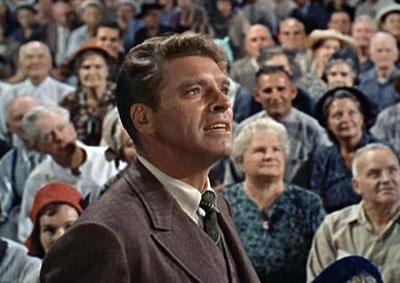
Na verdade, Elmer é um caixeiro viajante e, numa cidade, ele decide participar de um culto comandado pela Irmã Sharon Falconer (Jean Simmons). Ele não quer rezar, mas sim se juntar à Irmã Sharon contando sua “história de salvação”. Eles logo se tornam parceiros e amantes.


In reality, Elmer is a travelling salesman and, in one town, he decides to attend a religious gathering commanded by Sister Sharon Falconer (Jean Simmons). He doesn’t want to pray, but to join Sister Sharon telling his “salvation story”. They soon become partners and lovers.

Acompanhando Elmer e a Irmã Sharon na “peregrinação” temos Jim Lefferts (Arthur Kennedy), um jornalista que acaba escrevendo um artigo chamado “Santos ou Patifes” sobre a dupla. O artigo é lido por Lulu Bains (Shirley Jones), antiga amante de Elmer que agora é prostituta, que decide que quer vê-lo novamente.


Accompanying Elmer and Sister Sharon in their “pilgrimage” there is Jim Lefferts (Arthur Kennedy), a journalist who ends up writing an article called “Saints or Scoundrels” about the duo. The article is read by Lulu Bains (Shirley Jones), Elmer’s former lover and now a prostitute, who then decides she wants to see him again.

Os paramentos da Irmã Sharon me lembraram de outras figuras religiosas dos anos 1920 e 1930. A primeira é uma figura real: a Irmã Aimée Semple McPherson, que inspirou a Irmã Florence Fallon de Barbara Stanwyck em “A Mulher Miraculosa” (1931), e Irmã Alice de Tatiana Maslany no novo “Perry Mason” e foi retratada no cinema no excelente indie “A Mulher Milagrosa” (2019).


Sister Sharon’s vestments reminded me of other religious figures from the 1920s and 1930s. The first is a real-life figure: Sister Aimée Semple McPherson, who inspired Barbara Stanwyck’s Sister Florence Fallon in “The Miracle Woman” (1931), Tatiana Maslany’s Sister Alice in the new “Perry Mason” and was portrayed in movies in the excellent indie “Sister Aimée” (2019).

Ambos os protagonistas tiveram papéis semelhantes antes e depois de “Entre Deus e o Pecado”. Jean Simmons interpretou uma missionária no musical “Eles e Elas” (1955), enquanto Burt Lancaster esteve em outro filme que lida com religião e consumo de álcool em “Nas Trilhas da Aventura” (1965).


Both leads had similar roles before and after “Elmer Gantry”. Jean Simmons played a missionary in the musical “Guys and Dolls” (1955), while Burt Lancaster was in another film that deals with religion and alcohol consumption in “The Hallelujah Trail” (1965).

Burt Lancaster interpreta Elmer Gantry num tom histriônico, com zero sutileza, como o papel pedia. Ele deve ser um palhaço de circo e sabe desta demanda. Curiosamente, anos após a estreia do filme, Lancaster recebeu uma carta de um amigo de infância contando-lhe que sua performance no filme é o mais perto que ele chegou da maneira como ele se comportava na infância.


Burt Lancaster plays Elmer Gantry in a histrionic tone, with zero subtlety, as the role demanded. He must be a circus clown and he is aware of that. Curiously, years after the film premiered, Lancaster received a letter from a childhood friend telling him his performance in the movie is the closest to the way he behaved as a kid.

A trilha sonora inspirada é de André Previn. Nascido na Alemanha em 1929, ele e a família migraram para os EUA em 1938. Sua carreira em Hollywood começou quando ainda estava no Ensino Médio, em 1946. Ele ganharia quatro Oscars – dois antes de “Entre Deus e o Pecado”, dois depois – e é mais conhecido por ter sido o segundo marido de Mia Farrow, com quem ela ficou por nove anos, teve três filhos e adotou mais três. Previn faleceu aos 89 anos em 2019.


The inspired soundtrack is from André Previn. Born in Germany in 1929, he and his family flew to the US in 1938. His career in Hollywood began while he was still in high school, in 1946. He would go on to win four Oscars – two before “Elmer Gantry”, two after – and may be best known as Mia Farrow’s second husband, with whom she stayed for nine years, had three children and adopted three more. Previn passed away aged 89 in 2019.
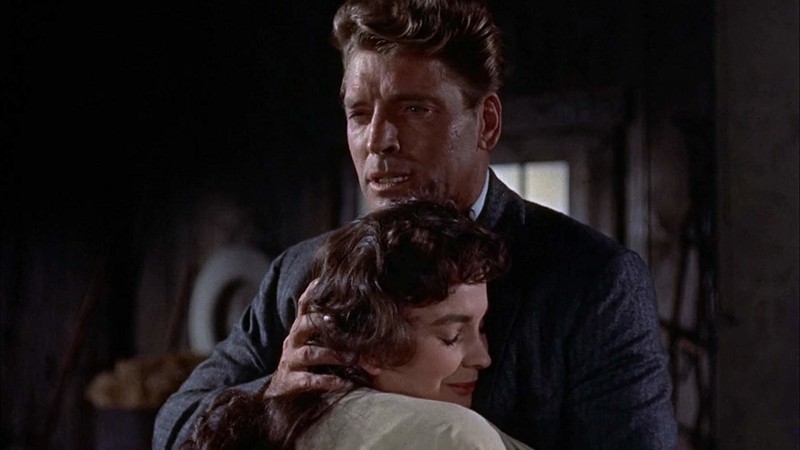
A Irmã Sharon é uma Revivalista, algo que Jim não consegue definir, mas cujo poder consegue sentir. As questões religiosas discutidas em “Entre Deus e o Pecado” são mais atuais do que nunca. Antes do filme começar, uma nota explicativa diz que “Liberdade Religiosa não é licença para abusar da fé das pessoas!”. E depois Lulu pergunta a Elmer “como pode que certas pessoas só encontram ódio na Bíblia?”.


Sister Sharon is a Revivalist, something Jim can’t quite define, but feels its power. The religious issues discussed in “Elmer Gantry” are more current than ever. Before the film starts, an awareness note says that “Freedom of Religion is not license to abuse the faith of the people!”. And then Lulu asks Elmer “how is that some people can only find hate in the Bible?”.
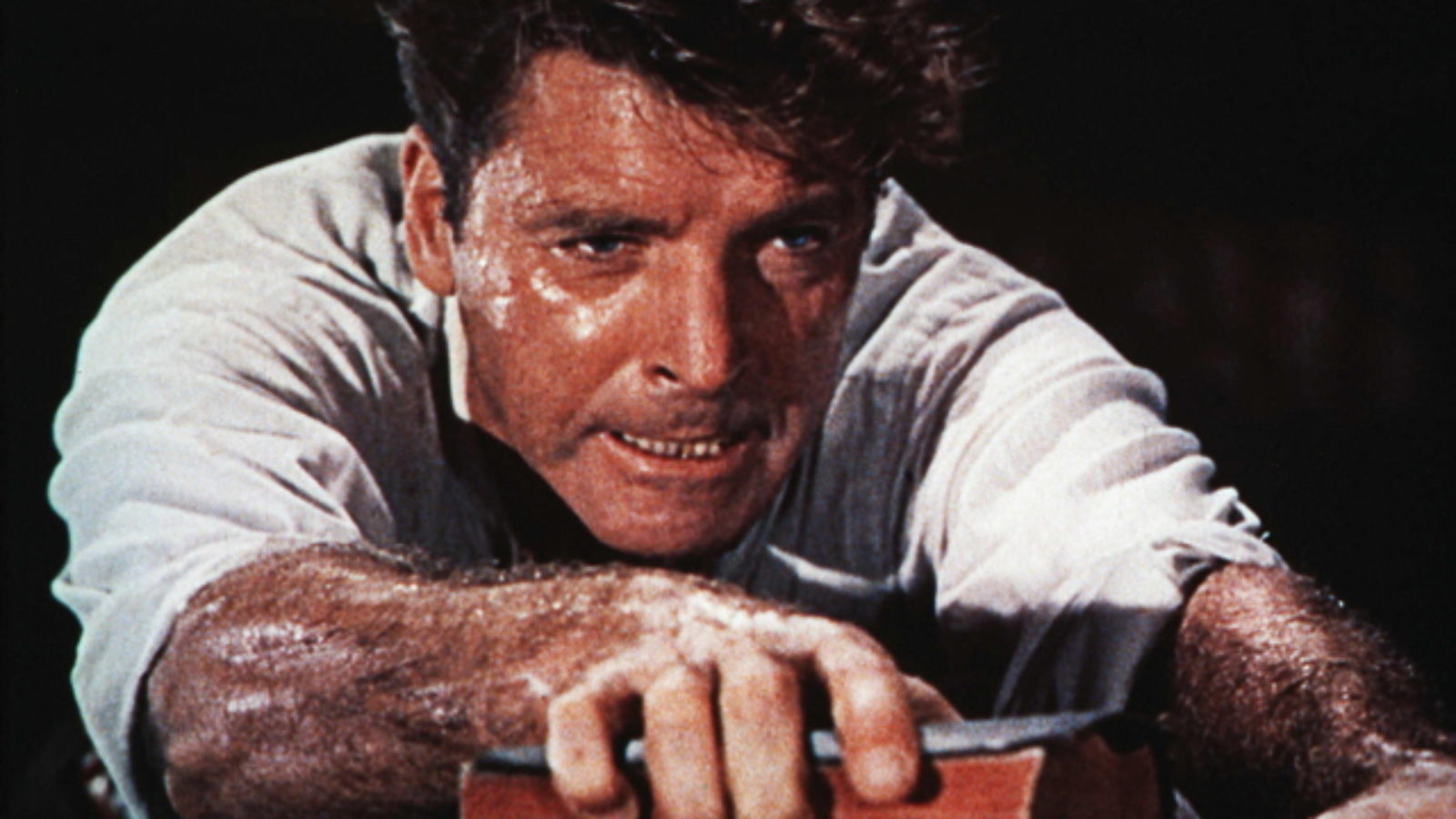
“Entre Deus e o Pecado” foi um destes filmes que comecei a assistir sem saber nada sobre e simplesmente não vi o tempo passar. É envolvente, emocionante, com ótimas performances de todo o elenco. É também catalisador para reflexões, pois muito mudou e ao mesmo tempo nada mudou nos últimos cema anos.


“Elmer Gantry” was one of those movies I started watching without knowing anything about and simply didn’t see time pass. It’s compelling, thrilling, with lots of great performances by the whole cast. It’s food for thought, because so much has changed and yet nothing has changed in the last 100 years.


This is my contribution to the It’s in the Name of the Title blogathon, hosted by Rebecca and Gill at Taking Up Room and Realweegiemidget Reviews.

Sunday, February 17, 2019

A Fúria dos Justos (1955) / Trial (1955)


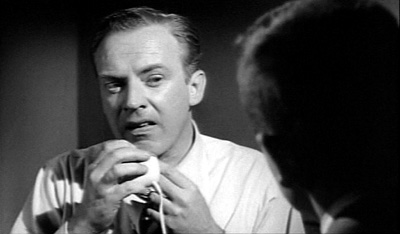
Quando passamos a assistir muitos filmes, vemos além dos grandes atores de praxe e começamos a prestar atenção nos coadjuvantes que roubam a cena. No pouco conhecido “A Fúria dos Justos” (1955), um desses coadjuvantes brilha: é Anthony Kennedy, que nos faz sentir todo tipo de emoção através de seu personagem.

Once we start watching more and more movies, we get past the usual great actors and start paying attention to character actors and supporting actors who are scene stealers. In the little known film “Trial” (1955), one of these supporting actors shines: Arthur Kennedy, who makes us feel all kinds of emotions through his character.


Quando uma adolescente morre em circunstâncias misteriosas, o suspeito óbvio é o garoto que estava com ela, o adolescente latino Angel Chavez (Rafael Campos). Isto é horrível para o menino e para a mãe dele, que de repente se veem no centro da raiva de uma cidade inteira, mas é uma grande oportunidade para David Blake (Glenn Ford), um professor universitário que ia ser demitido porque não tinha experiência em julgamentos. Agora, com a ajuda do amigo Barney (Arthur Kennedy), ele pode ganhar a experiência necessária ajudando Chavez.

When a teenager girl dies in mysterious circumstances, the obvious suspect is the boy who was with her, Latino teen Angel Chavez (Rafael Campos). This is horrible for the boy and his mother, suddenly in the center of the rage of the whole town, but it is a great opportunity for David Blake (Glenn Ford), a college professor who was about to be dismissed because of his lack of experience in trials. Now, with his friend Barney's (Arthur Kennedy) help, he can earn his experience by defending Chavez.


Logo se aglomera uma multidão raivosa na frente da prisão, com o objetivo de linchar o garoto – assim como em “O Sol é para Todos” (1962). A multidão acaba não fazendo nada, mas a cidade inteira está de olho em David – e o país inteiro está de olho na pequena cidade, esperando para ver como eles irão punir o criminoso. E aqui está uma das preocupações de David: desde o início, todos estão prontos para punir o garoto, sem sequer ouvir a defesa dele.

Soon there is an angry mob in front of the prison wanting to lynch the boy – just like in “To Kill a Mockingbird” (1962). The mob does nothing, but the whole town is watching David – and the whole country is watching the tiny town, waiting to see how they punish a criminal. And here lies one of David's preoccupations: since the beginning, everybody is ready to punish the boy, without listening to his defense.


Ajudando David temos a secretária Abbe (Dorothy McGuire), e acusando o garoto temos o promotor Armstrong (John Hodiak), um homem cuja futura carreira política depende do seu sucesso no caso. Como podemos ver, há muito mais em jogo do que apenas a justiça.

Helping David we have the secretary Abbe (Dorothy McGuire), and accusing the boy we have attorney Armstrong (John Hodiak), a man looking for a political career that will depend of his success in the case. As we can see, there is much more than simple justice at stake.


Em “A Fúria dos Justos”, não vemos apenas o julgamento, mas também o que acontece nos bastidores. Muito dinheiro precisa ser arrecadado, em comícios que parecem comícios políticos, mas são na verdade um circo. No maior comício, outro problema surge, pois David e Barney aceitam doações do Partido de Todos os Povos, um grupo comunista.

In “Trial” we don't see only the trial, but also what happens backstage. A lot of money needs to be raised, in rallies that look a lot like political rallies, but are more like circuses. At the biggest rally, another problem arises as David and Barney accept donations from the All Peoples' Party, a communist group.


Vemos a parte suja do direito quando ele envolve a política. O funeral da vítima se torna um comício de supremacistas brancos quando o local é invadido por um grupo que quer explorar a morte dela para espalhar a ideologia racista deles. O discurso do supremacista branco sobre dividir as “raças”, desenhar uma linha divisória e buscar voltar aos velhos tempos é algo que poderia ter sido escrito ontem em um fórum da deep web ou em um tweet de Trump.

We see the dirty part of practicing law when politics get involved. The funeral of the victim becomes a white supremacy rally when invaded by a group wanting to exploit her death to spread their racist ideology. The white supremacist's speech about dividing the races, drawing a line and looking for the old times is something that could have been written yesterday in a deep web forum or in a Trump tweet.


Barney é mentor de David, é um advogado truculento, um showman, um manipulador, um homem histriônico e que sempre rouba atenção para si. Arthur Kennedy, indicado para um Oscar de Melhor Ator Coadjuvante pelo papel, lida bem com um personagem tão complexo, enquanto Glenn Ford interpreta um personagem mais ingênuo e simpático. Kennedy foi indicado a cinco Oscars – quatro dessas indicações aconteceram em filmes dirigidos por Mark Robson, diretor de “A Fúria dos Justos” – mas ele nunca ganhou o prêmio. Entretanto, ele ganhou o Globo de Ouro por sua performance em “A Fúria dos Justos”.

Barney is David's mentor, a truculent lawyer, a showman, a manipulator, a histrionic speaker and a scene / attention stealer. Arthur Kennedy, nominated for a Best Supporting Actor Oscar for this role, handles well such a complex character, while Glenn Ford plays a more naïve and sympathetic one. Kennedy was nominated for five Oscars – four of those nominations were in movies directed by Mark Robson, director of “Trial” - but he never won. He won a Golden Globe for his performance in “Trial”, though.


Outra grande atuação é de Katy Jurado, que interpreta a mãe desesperada de Angel, Consuelo Chavez. O que mais se pode esperar de uma atriz que interpreta uma mãe cujo filho pode ser condenado à morte se for considerado culpado? Como Abbe, Dorothy McGuire interpreta uma secretária cuja mente é tão afiada quanto a de um advogado, e que também está sofrendo com a desilusão por causa da ética de trabalho de Barney – ou pela falta de ética dele.

Another great performance comes from Katy Jurado, who plays Angel's desperate mother, Consuelo Chavez. What else can you expect from an actress that plays a mother whose son can be hanged if he is guilty if not a lot of emotion? As Abbe, Dorothy McGuire plays a secretary whose mind is as sharp as any lawyer's, and who is also disillusioned with Barney's work ethic – or lack of one.


Os assuntos como o racismo contra Angel Chavez e o comunismo não são muito bem desenvolvidos – especialmente se considerarmos o MacCarthismo que se espalhava nos anos 50. Mesmo assim, “A Fúria dos Justos” é um ótimo filme, uma mistura única de “O Sol é para Todos” e “A Grande Ilusão” (1949) e, apesar de raramente aparecer nas listas de melhores filmes de julgamento, deveria com certeza figurar nas primeiras posições destas listas.

The issues like racism against Angel Chavez and communism are not so well developed – especially considering the MacCarthism going on in the 1950s. Nevertheless, “Trial” is a great movie, an unique mix of “To Kill a Mockingbird” and “All the King’s Men” (1949), and one that rarely appear in the list of best trial movies, but for sure deserved to figure in the first positions of those lists.

This is my contribution to the Arthur Kennedy’s Conquest of the Screen blogathon, hosted by Virginie at The Wonderful World of Cinema.

Related Posts Plugin for WordPress, Blogger...