Como historiadora, eu considero a
Primeira Guerra Mundial um dos assuntos mais fascinantes para estudar. O
imperialismo deu origem a uma guerra que não se desenrolou apenas no front, mas
também nas cidades, através de ataques e bombardeios - foi uma mistura de
guerra civil e “guerra comum”. Milhões morreram durante o conflito, milhões
ficaram deficientes ou desfigurados, e muitos outros milhões morreram porque,
após a guerra, aqueles que voltaram para casa ajudaram a espalhar o vírus da
Gripe Espanhola.
As a historian, I consider World War I to be one of
the most fascinating periods to be studied. Imperialism led to a war that not
only developed at the front, but also at the cities, through attack and
bombings - it was a mix of civil war and “regular war”. Millions died during
conflict, millions became handicapped or disfigured, and many more millions
died because, after the war, those who returned home helped spread the Spanish flu virus.
No final, não valeu a pena ter lutado
na guerra. Os sobreviventes formaram a Geração Perdida, viveram como boêmios na
Europa ou foram recebidos como heróis nos EUA, apenas para ver o governo virar
as costas para eles quando eles passaram a lutar contra o vício, o trauma ou o
desemprego chegada a Grande Depressão. E o que mais fascinante é que a guerra e
seus desdobramentos foram filmados.
In the end, it was not a war worth fighting. The
war survivors became the Lost Generation, living like bohemians in Europe or
being received like heroes in the US, only to see the government turn back on
them when they suffered from addiction, PTSD or lost their jobs with the
Depression. And what is more fascinating is that the war and its unfolding were
caught on film.
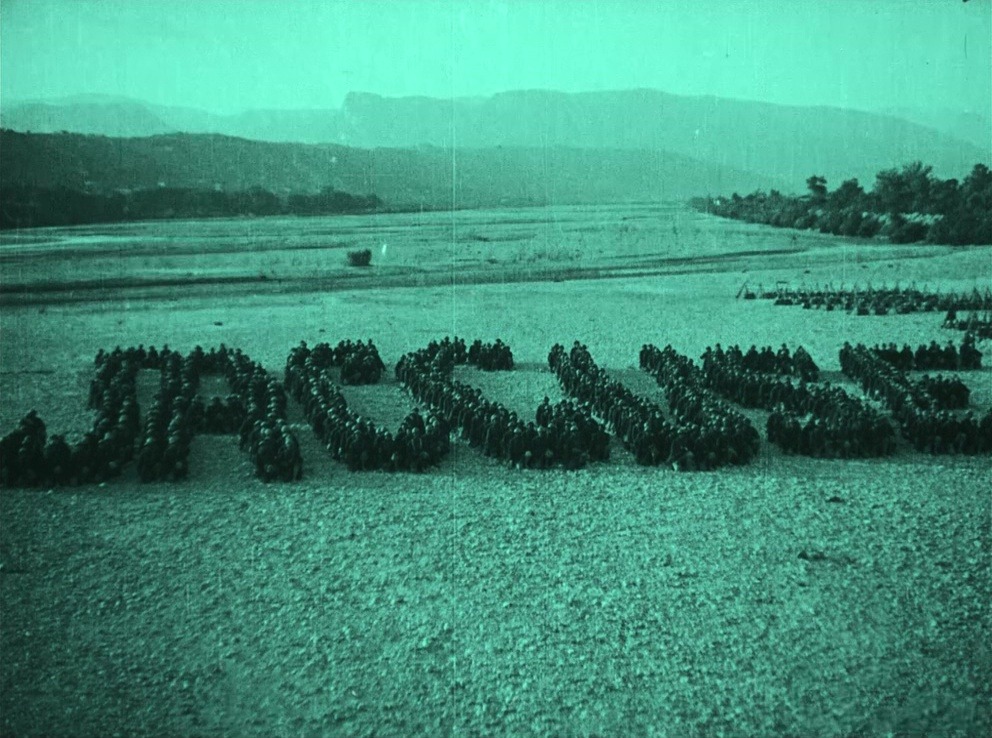
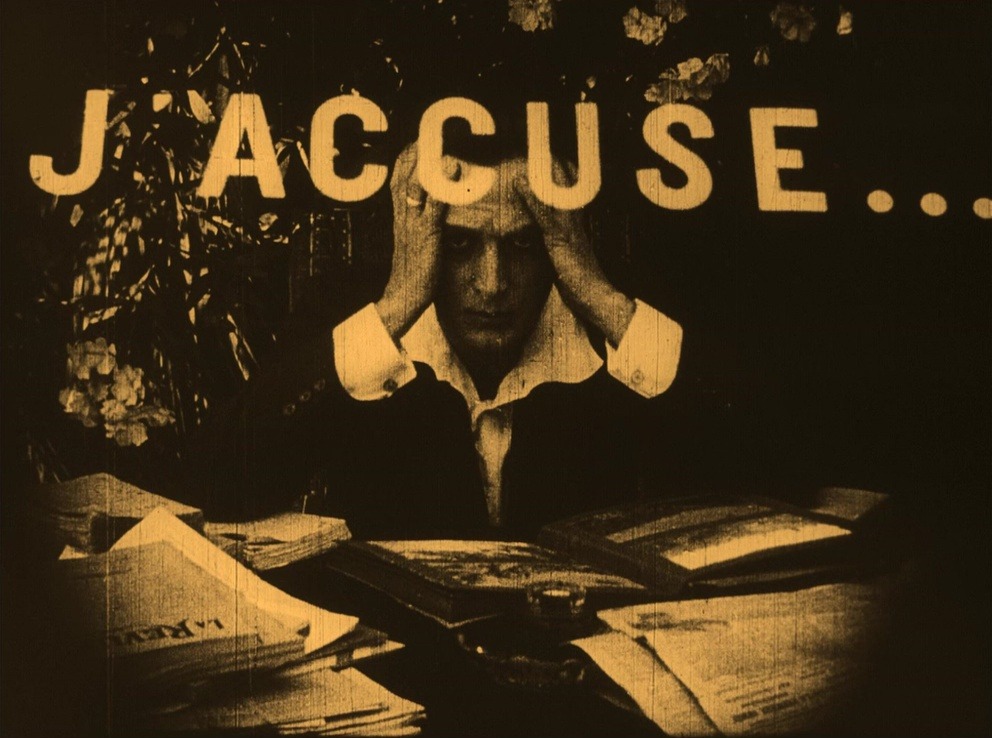
O épico francês “Eu Acuso!” é um
desses filmes. Ele tem algumas cenas gravadas na verdadeira batalha de
Saint-Mihiel, gravadas com a ajuda das tropas norte-americanas. É um poderoso
filme antiguerra, que estreou somente seis meses depois do fim do conflito.
The French epic “I Accuse” is one of those films.
It has a few scenes from the real battle of St. Mihiel, shot with the help of
the American troops. It is a powerful anti-war film, released only six months
after the conflict ended.
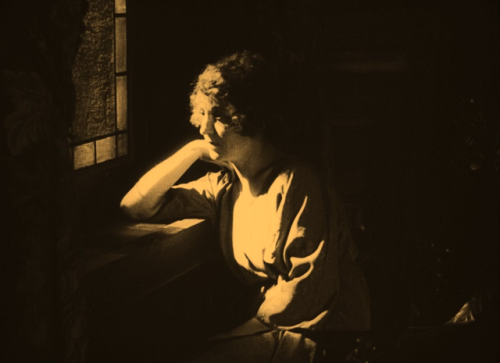
Jean Diaz (Romuald Joubé), nosso
herói e poeta, é apresentado como sendo a personificação da França, todo
inteligência e melancolia. Jean ama Edith (Maryse Dauvray), que é casada com um
homem bêbado e violento, François (Sevérin-Mars).
Jean Diaz (Romuald Joubé), our hero and poet, is
presented as the personification of France, all intelligence and melancholy.
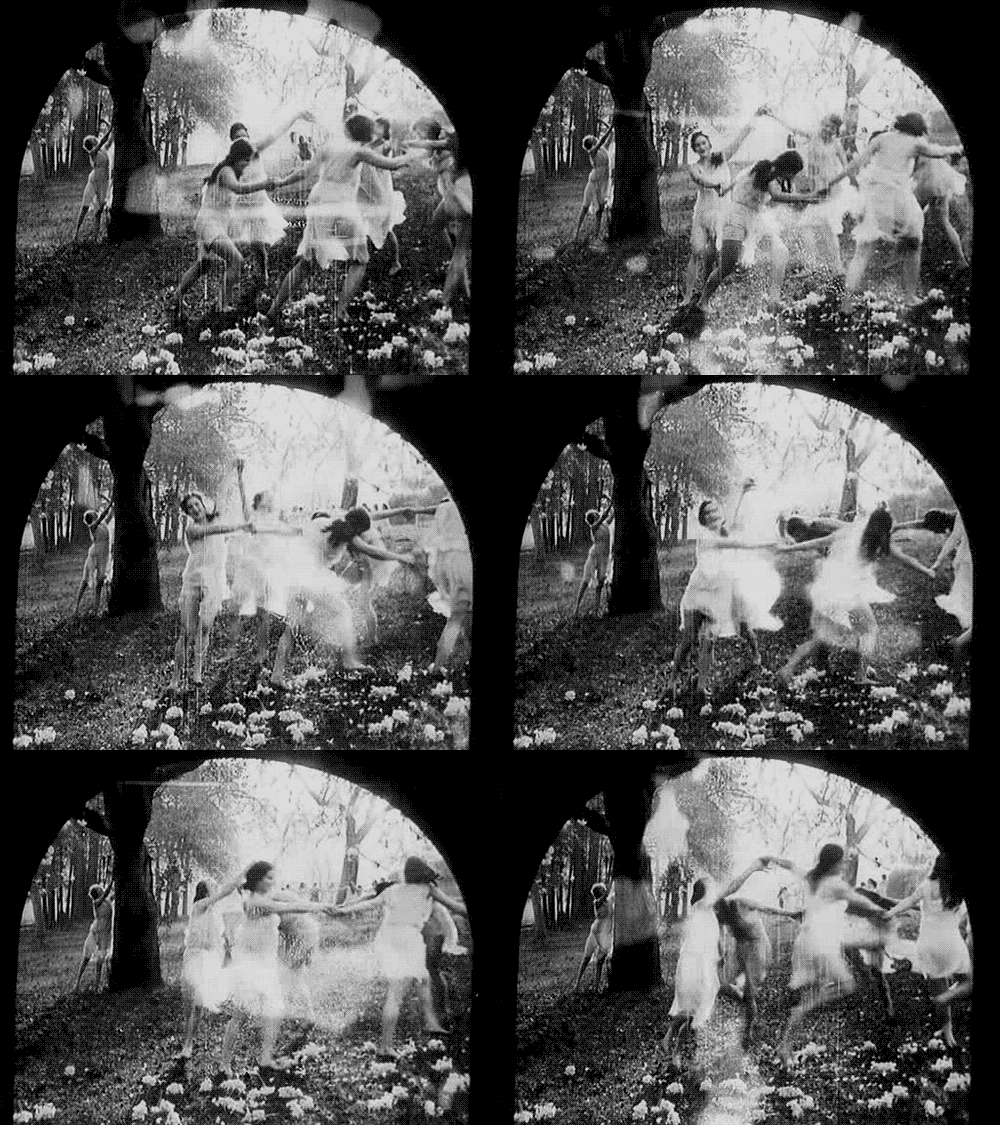
The first time we see him, the song we hear is Clair de la Lune - as French as
it comes. Jean loves Edith (Maryse Dauvray), who is married to a drunken and
violent man, François (Sevérin-Mars).
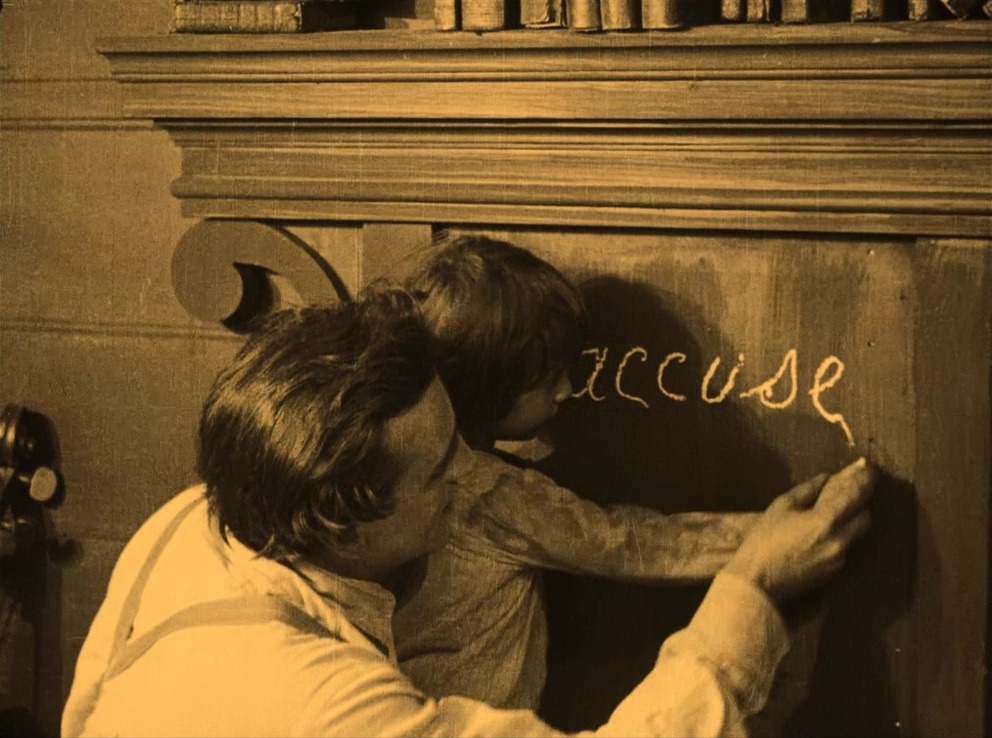
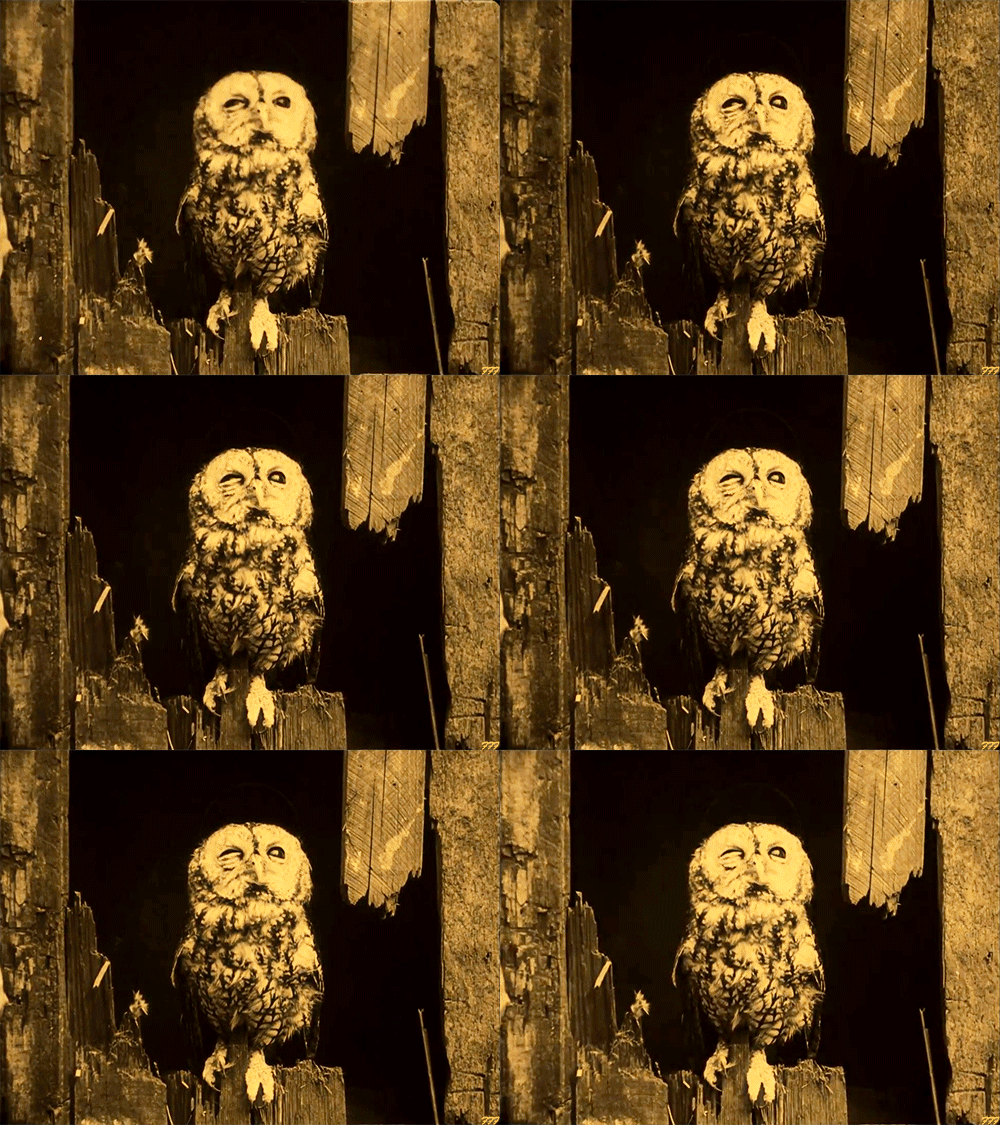
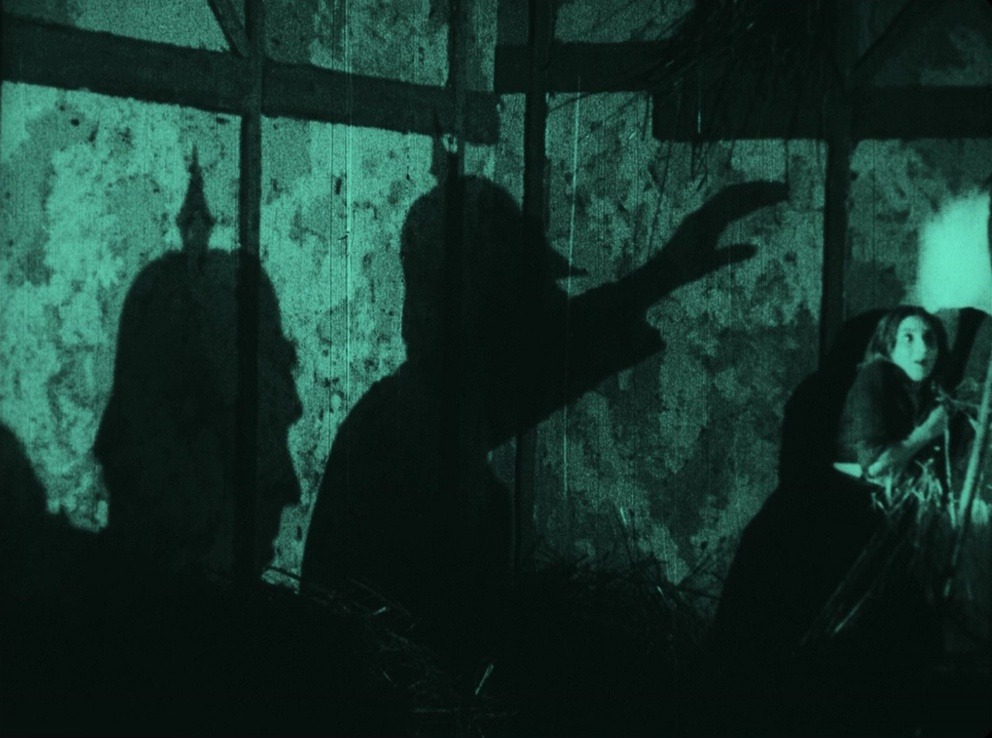
A vila onde eles moram está
celebrando a véspera do dia de São João - Edith não está celebrando porque o
marido a deixou trancada em casa - e o mal agouro foi avistado: uma coruja
apareceu, avisando que a tragédia estava prestes a atingir a todos. Nós sabemos
que tal tragédia é a guerra vindoura, e a guerra de fato chega, anunciada por
uma criança que ouviu a palavra e a repetiu sem conhecer seu significado.
Their village is celebrating the Eve of St. John’s
at the village - Edith is not celebrating because her husband kept her locked
in the house - and bad omen was in sight: an owl appeared, announcing that
tragedy was about to strike on them. We know the tragedy is the upcoming war,
and the war indeed arrives, announced by a child that heard the word and
repeated it without knowing the meaning.
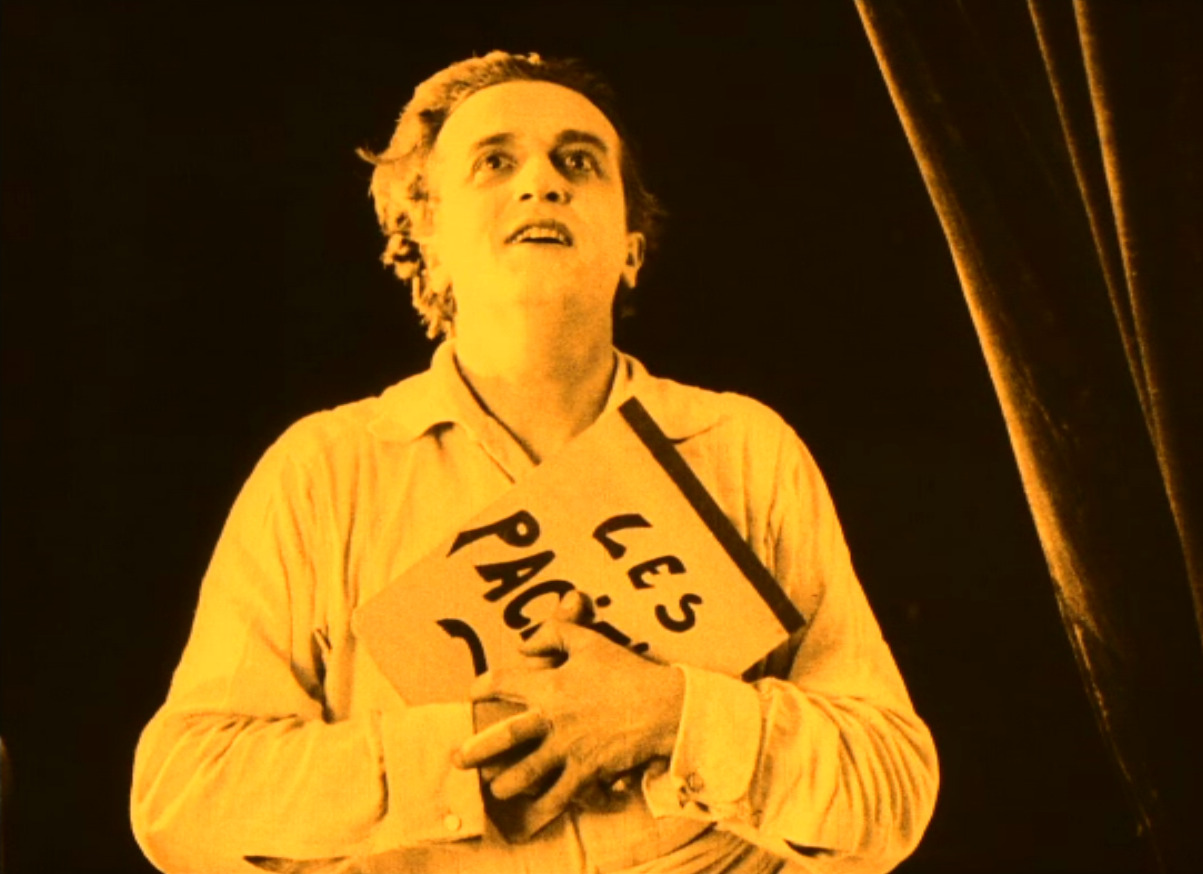
François fica maravilhado com a
notícia. Jean, que estava escrevendo uma coletânea de poemas sob o título ‘Os
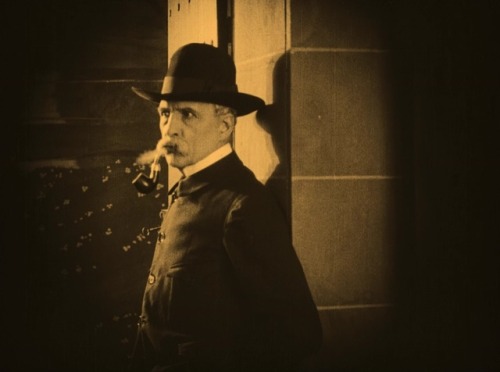
Pacíficos’, fica desolado. O pai de Edith, Maria Lazare (Maxime Desjardins), um
herói da guerra de 1870 contra a Alemanha, também fica animado com a nova
guerra, embora seja velho demais para se alistar. François manda Edith ficar
com a família dele, porque ele vai partir imediatamente para o fronte, e Jean
ficará na vila por mais um mês antes de partir.
François is delighted by news. Jean, who had been
writing a collection of poems under the title ‘The Pacific Ones’, is desolated.
Edith’s father, Maria Lazare (Maxime Desjardins), a former hero from the 1870
war against Germany, is also excited with the new war, even though he is too
old to enlist. François sends Edith to stay with his family, because he will
leave immediately for the front, and Jean will stay for another month before
leaving.
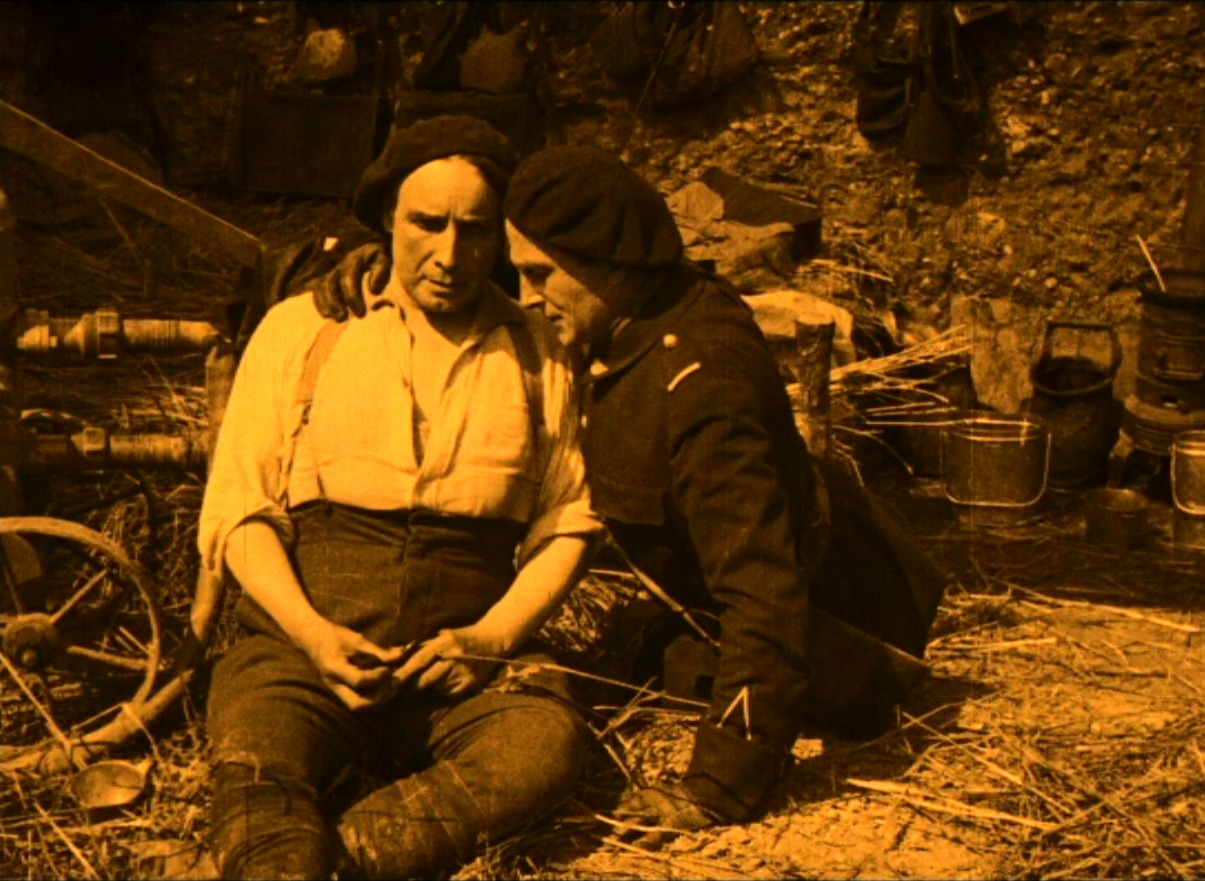
No entanto, quando Edith é
sequestrada pelos inimigos, Jean se junta ao exército imediatamente e acaba se
tornando tenente na companhia de François. Por causa do amor que sentem por
Edith, os dois pouco a pouco se tornam camaradas. Em casa, o pai de Edith se
aproxima da mãe de Jean.
However, when Edith is taken captive by the
enemies, Jean joins the army immediately and ends up as the lieutenant in
François’s company. Because of the love they have for Edith, they slowly become
comrades. At home, Edith’s father bonds with
Jean’s mother.
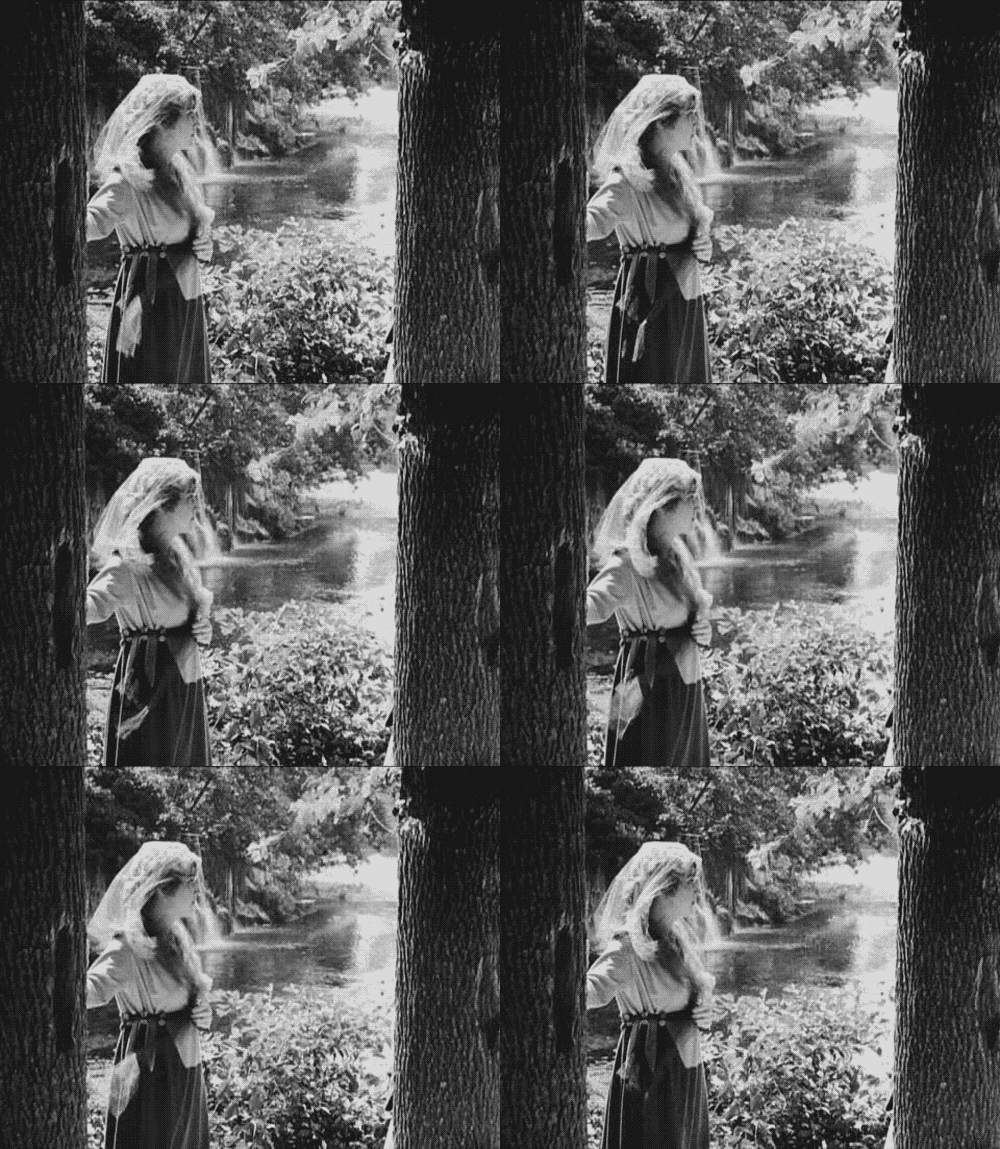
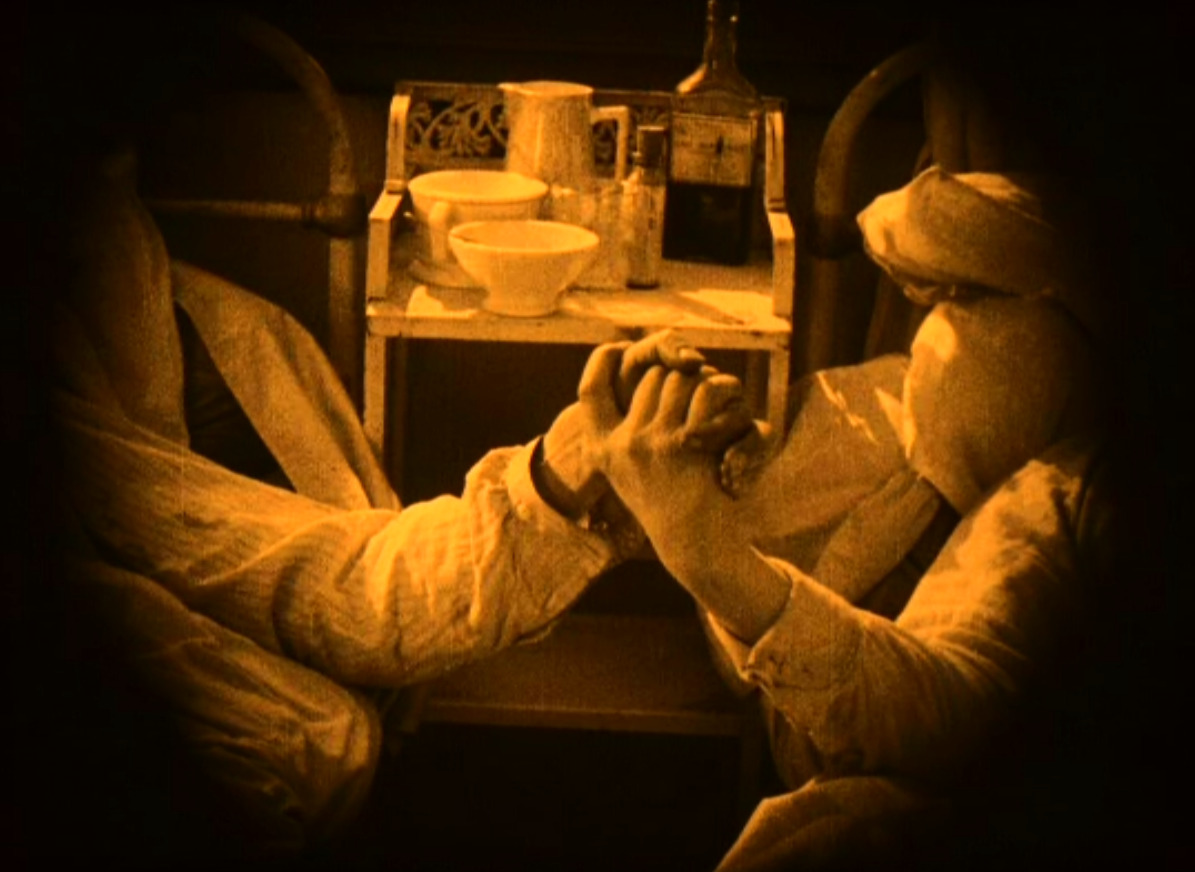
O filme é dividido em três partes.
Por causa de seus 166 minutos no total, muitas pessoas podem considerar que a
segunda parte - que se passa na vila, com Jean liberado por causa de doença e
Edith de volta após fugir do cativeiro - é desnecessária, mas ela não é. Filmes
de guerra raramente focam em personagens do gênero feminino porque as mulheres
não vão para a batalha como soldados, mas elas sofrem tanto quanto qualquer
soldado. Mulheres são sequestradas pelo inimigo, estupradas, espancadas.
Mulheres sofrem porque seus amigos, maridos, pais e filhos estão no campo de
batalha - e estes homens podem não voltar. Embora Edith seja uma donzela em
perigo, ela é uma vítima comum da guerra.
The film is divided in three parts. Because it has,
in total, 166 minutes, many people may consider the second part - set back
home, with Jean on sick leave and Edith back from captivity - unnecessary, but
it isn’t. War movies rarely focus on female characters because women don’t go
to the front as soldiers, but they suffer just as much as any soldier. Even if
they are not nurses or are not directly involved in the war, they suffer. Women
are held captive by the enemy, raped, beaten. Women suffer because their
friends, husbands, fathers and sons are at the front - and these men might not
come back. As much as Edith is a damsel in distress, she is a common female
victim of the war.
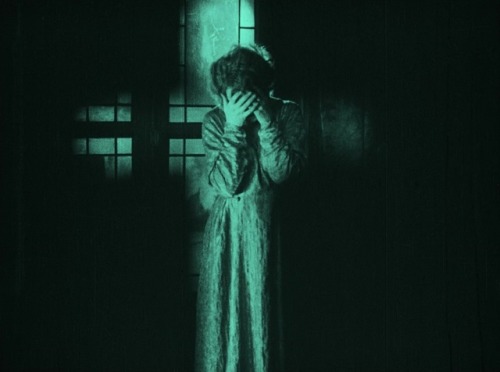
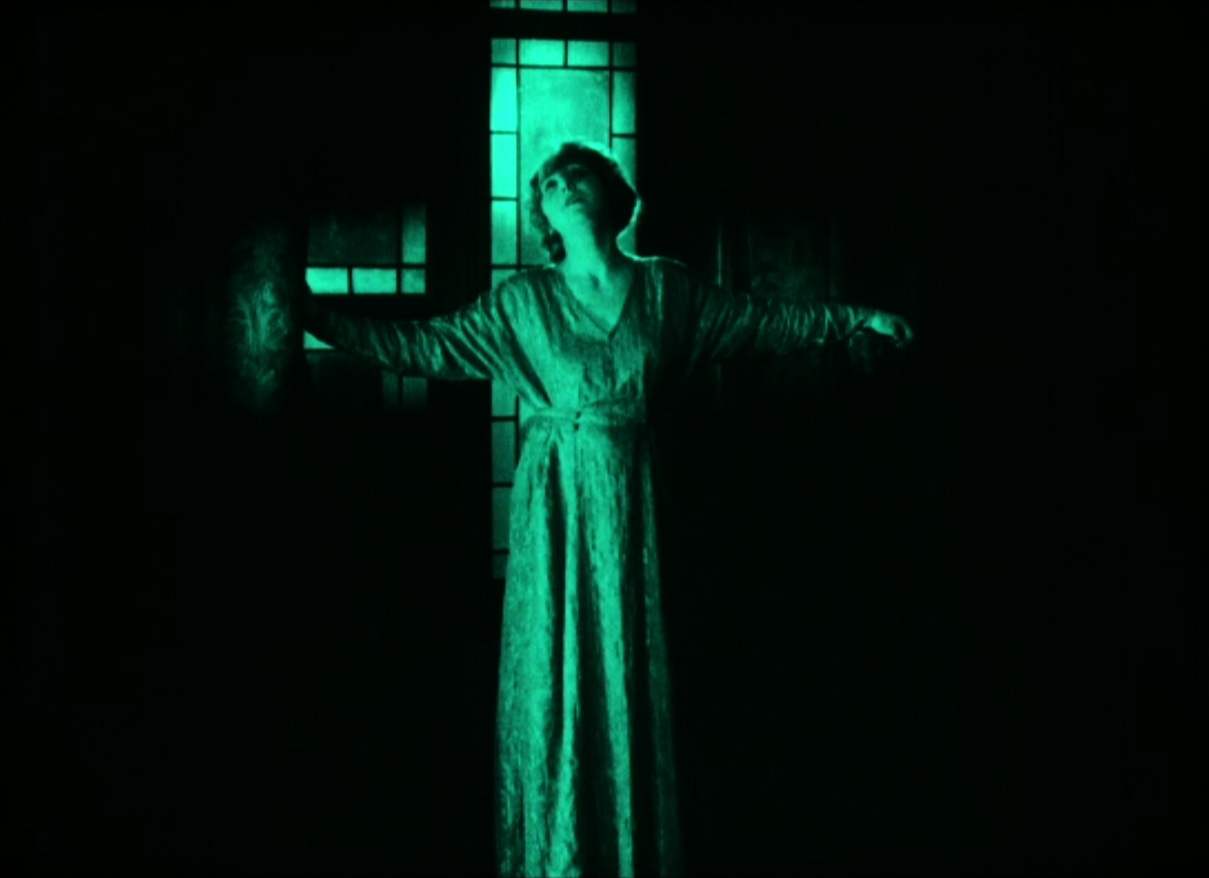
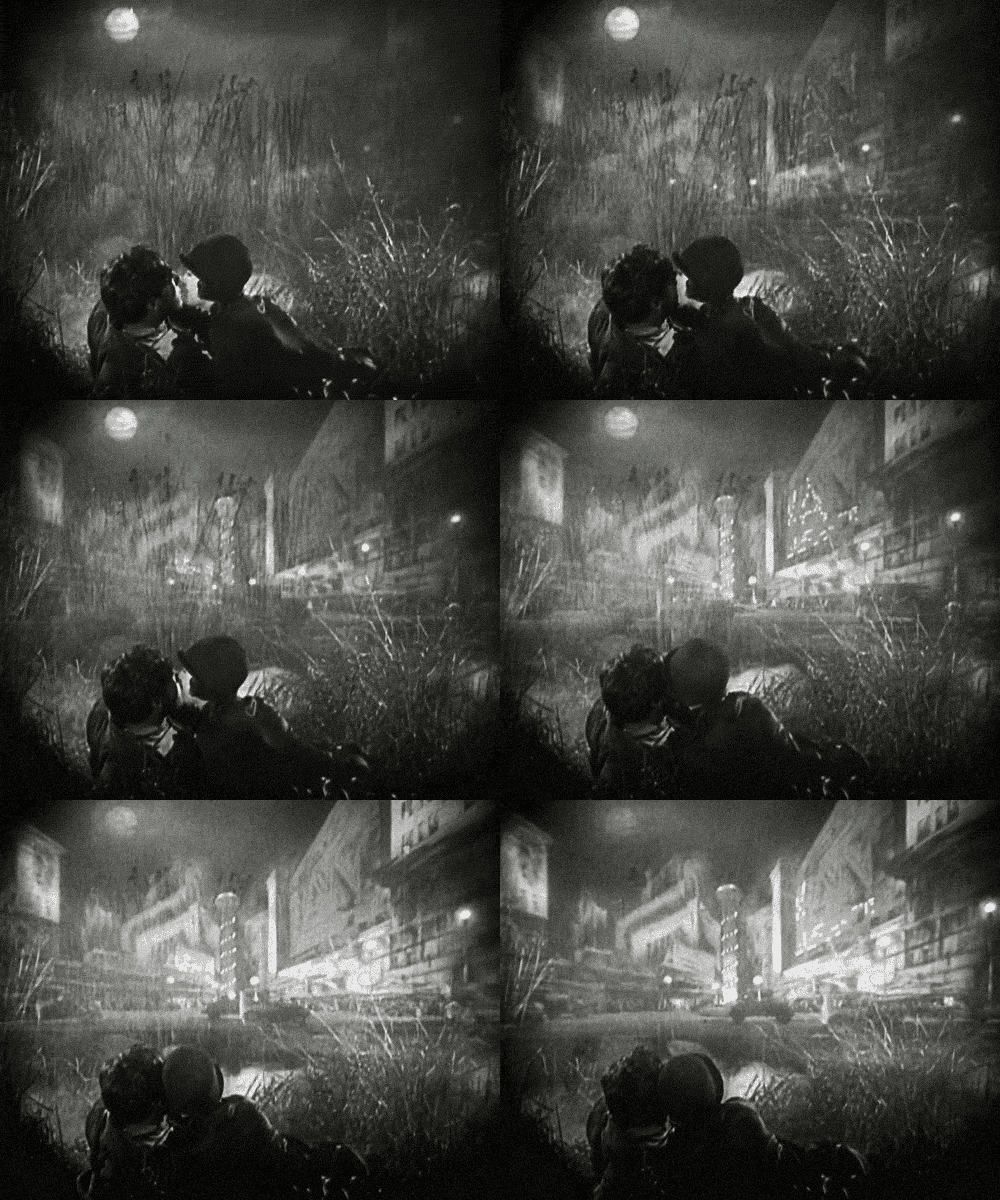
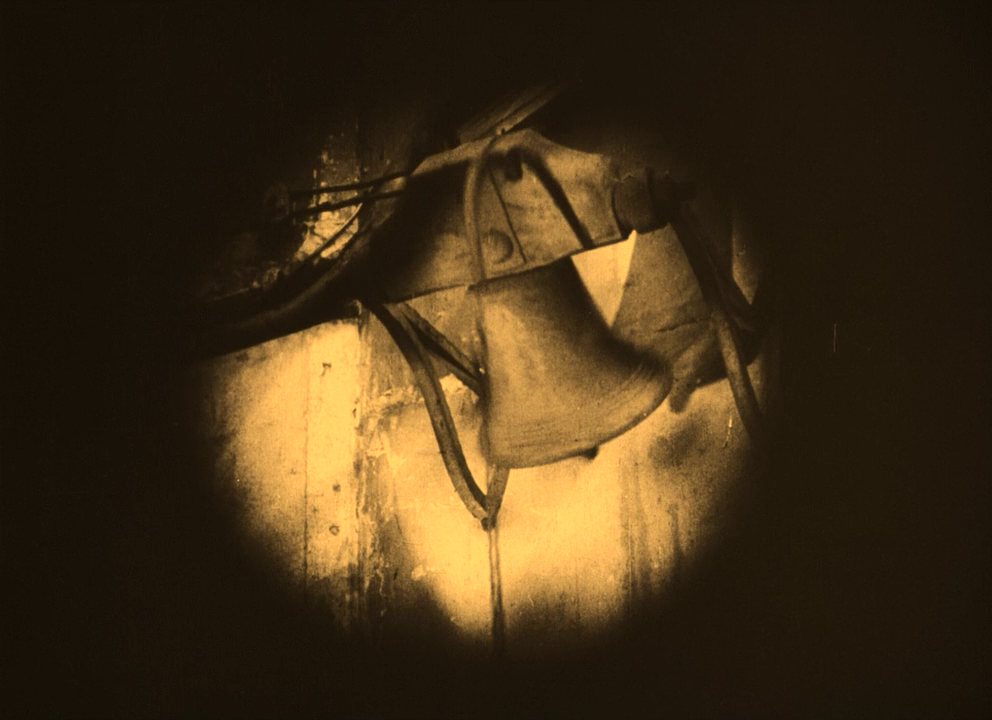
No começo, há muitos efeitos de
“dissolver” que surpreendem o espectador. Ao longo do filme, o enquadramento
chamado de “Iris shot” predomina - é o zoom-in, zoom-out ou close-up em forma
de círculo. O close-up com Iris shot é particularmente poderoso para atrair
nosso olhar para um único elemento da cena, destacando-o dos demais.
In the beginning, there are many “dissolving”
effects that surprise the viewer. Throughout the movie, the Iris Shot
predominates - the circle-shaped zoom-in, zoom-out or close-up. The Iris
close-up is particularly powerful to make us look at only one element in the
scene, making it stand out from the rest.
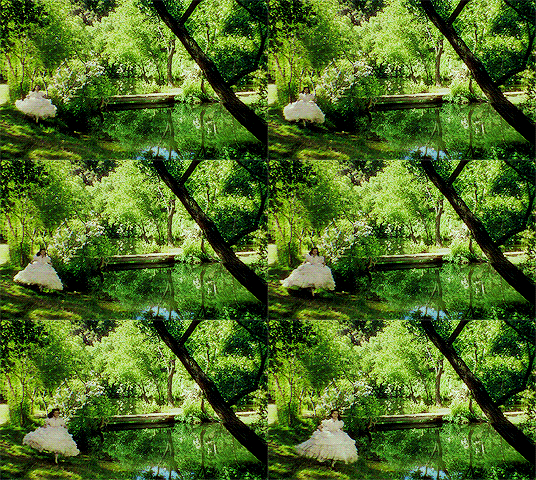
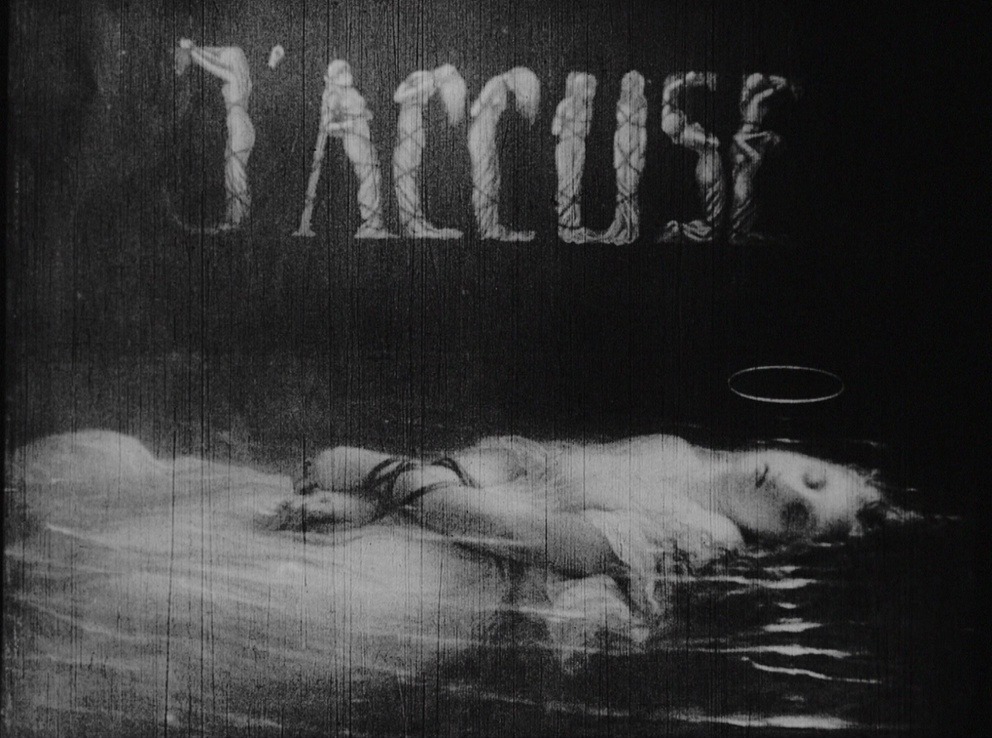
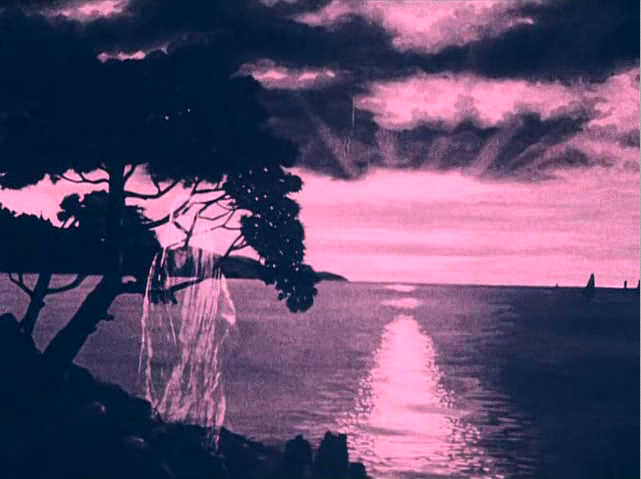
Um dos poemas de Jean - a Ode ao Sol
- é particularmente importante para a narrativa. Entretanto, nós nunca chegamos
a conhecer as palavras que compõem o poema. Abel Gance escolheu, em vez disso,
usar motifs visuais do nascer do sol,
pôr do sol e do sol espelhado nas águas enquanto o poema é recitado por Jean.
Nós podemos inventar as palavras - ou não, porque elas não importam. As imagens
foram suficientes para traduzir o que Jean quis dizer com seu poema.
One of Jean’s poems - the Ode to the Sun - is
particularly important to the narrative. However, we never get to know the
words that compose the poem. Abel Gance chose, instead, to use visual motifs of
the sunrise, the sunset and the sun mirrored in the water when the poem was
recited by Jean. We can make up the words - or maybe not, because they don’t
matter. The images were enough to translate whatever Jean wanted to say with
his poem.
E a verdadeira literatura surge, sem
querer, como trechos de cartas de soldados. Eu imagino que, porque o filme foi
feito logo depois da guerra, estas cartas não sejam reais, mas certamente são
tocantes. E, desde então, tivemos acesso a cartas reais de soldados e vimos que
elas são em geral emocionantes. É prova de que a beleza pode surgir de grandes
doses de horror e dor.
And then the real, yet unpremeditated, literature
appears as bits of letters from the soldiers. I imagine that, because the film
was made so little after the war, those letters are not real ones, but they
certainly are touching. And, since then, we got access to real soldiers’
letters and saw that they are usually very moving. It’s proof that beauty can
appear from the utmost horror and pain.
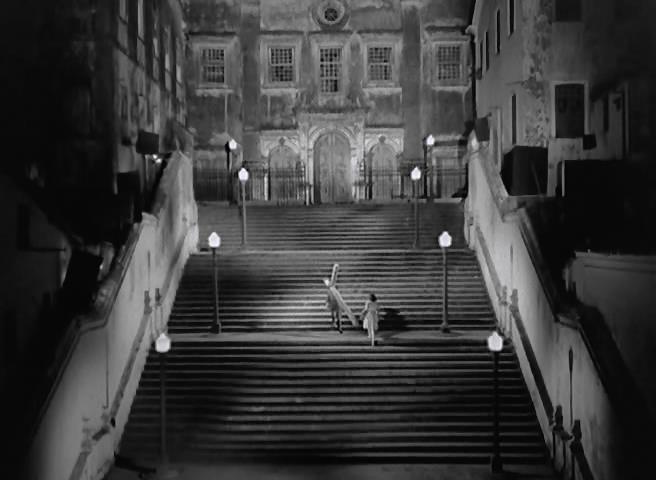
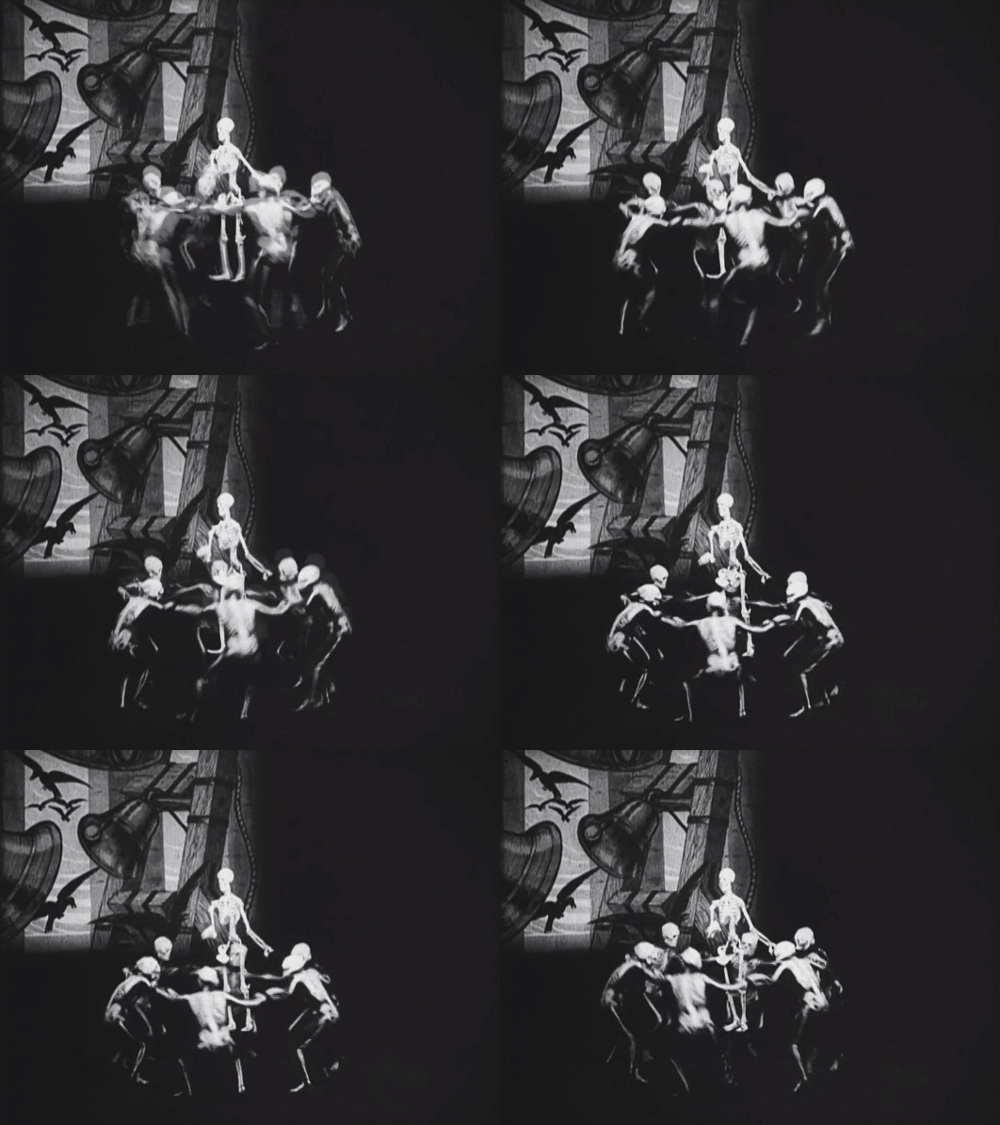
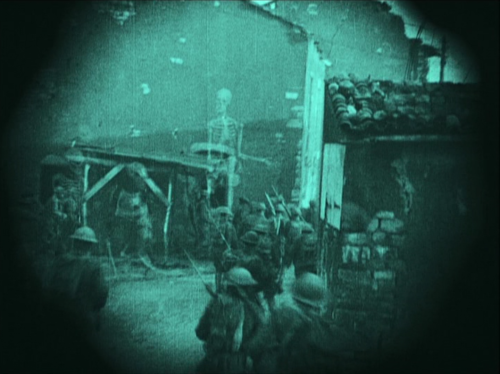
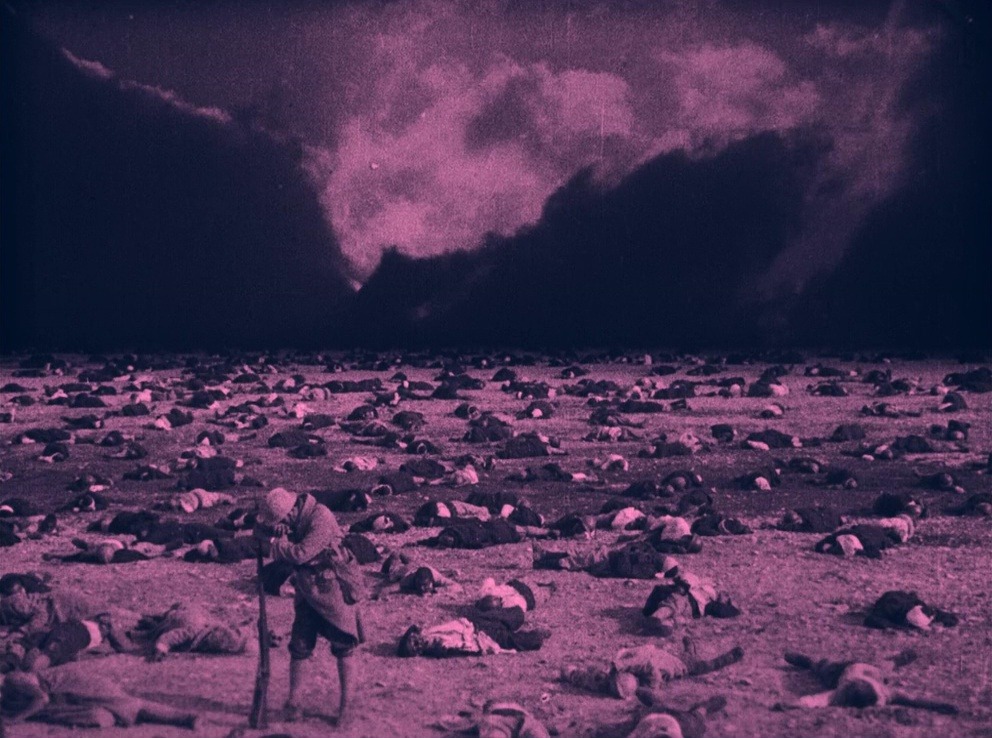
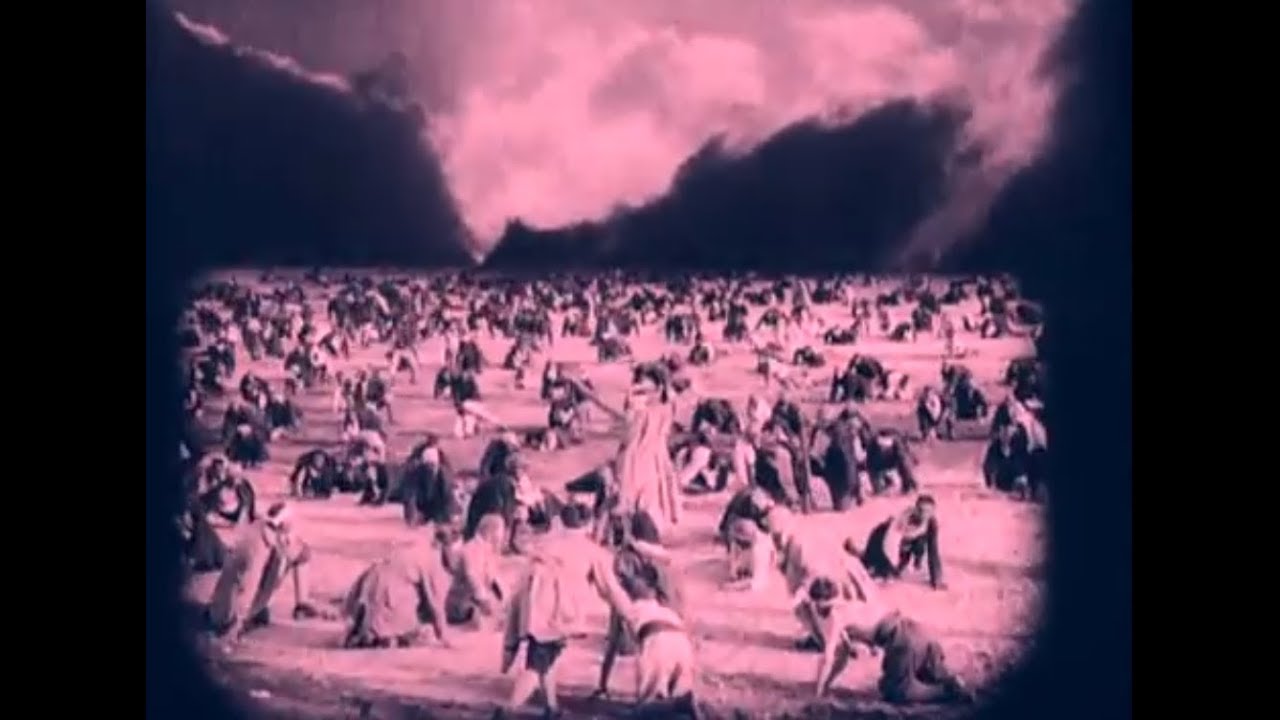
A sequência mais impressionante, na
qual os mortos retornam de seus túmulos para marchar para a vila e ver se o
sacrifício foi em vão, foi filmado com 2000 figurantes que eram na verdade
soldados de folga. Eles haviam acabado de sair de Verdun e tinham oito dias de
folga antes da volta para a luta no campo de batalha. Mais tarde, o diretor
Abel Gance calculou que 80% dos homens da cena da marcha morreram em batalha.
The most impressive sequence, in which the dead
return from their graves to march to the village to see if their sacrifice was
in vain, was shot with 2000 extras who were actual soldiers on leave. They had
just come from Verdun and had eight days off until they came back to the front
to fight again. Later, director Abel Gance calculated that 80% of the men in
the march footage really died in battle.
“Eu Acuso” foi um filme antiguerra
pioneiro. Mais do que isso, foi um filme com técnicas de edição e
cinematografia tão ousadas e pede feitas que deixariam o suposto mestre D.W.
Griffith com muita inveja. É longo, complexo e brinca com nossos sentimentos.
Melodramático, talvez. Necessário, sem dúvida. É uma obra de arte maravilhosa.
Afinal, a arte é sobre experiências universais, como o amor, a morte, e a
mistura das duas: a guerra.
“J’Accuse” was a pioneering anti-war movie. More
than that, it was a film with editing techniques and cinematography so daring
and perfect that would make the so-called great master D.W. Griffith incredibly
jealous. It’s long, complex and it plays with our emotions. Melodramatic,
maybe. Necessary, without a doubt. It’s a wonderful work of art. After all, art
is about universal experiences, like love, death and the mix of these two: war.