} Crítica Retrô: resoluções

Tradutor / Translator / Traductor / Übersetzer / Traduttore / Traducteur / 翻訳者 / переводчик

Showing posts with label resoluções. Show all posts

Saturday, January 3, 2026

Resoluções Cinematográficas 2026 / 12 classics for 2026


É Ano Novo e hora de escolher 12 clássicos - ou nem tão clássicos assim - que me escaparam para finalmente assistir e escrever sobre, um por mês, sem estresse. São estes os títulos que escolhi para 2026:

It’s a New Year and time to choose 12 classic - or not so classic - movies that have escaped me to finally watch and review, one per month, no stress. These are the titles I came up with for 2026:

Idílio Desfeito / Tillie’s Punctured Romance (1914)

David, o Caçula / Tol’able David (1921)

A Carruagem Fantasma / The Phantom Carriage (1921)

Figuras de Cera / Waxworks (1924)

Guerra! Flagelo de Deus / Westfront 1918 (1930)

Dixiana (1930)

Manequim / Mannequin (1937)

A Oitava Esposa de Barba-Azul / Bluebeard’s Eighty Wife (1938)

Ser ou Não Ser / To Be or Not to Be (1942)

O Pecado de Cluny Brown / Cluny Brown (1946)

A Revolução dos Bichos / Animal Farm (1954)

Sementes de Violência / Blackboard Jungle (1955)


Friday, January 3, 2025

Resoluções Cinematográficas 2025 / 12 classics for 2025


2024 foi ótimo e 2025 já começa com resoluções! Estas são bem fáceis de cumprir: 12 clássicos que quero ver, um por mês, com críticas a serem publicadas aqui no blog. Preparar, apontar, começar!


2024 was great and 2025 already begins with resolutions! These are pretty easy to succeed: 12 classics I want to see, one a month, with reviews to be published here on the blog. Ready, set, go!


Ana Bolena / Anna Boleyn (1920)

No país das Amazonas (1922)

O Cantor de Jazz / The Jazz Singer (1927)

A Turba / The Crowd (1928)

O Campeão / The Champ (1931)

Hollywood / What Price Hollywood? (1932)

Magnólia: O Barco das Ilusões / Show Boat (1936)

Kismet (1944)

Porgy & Bess (1959)

Adivinhe quem vem para jantar / Guess Who’s Coming to Dinner (1967)

Os Abutres têm Fome / Two Mules for Sister Sara (1970)

Banzé no Oeste / Blazing Saddles (1974)


Wednesday, January 3, 2024

Resoluções Cinematográficas 2024 / 12 classics for 2024


Depois do imenso sucesso das minhas resoluções cinematográficas de 2023, com um filme por mês sendo visto e resenhado aqui, eu volto com minha lista para 2024. São 12 filmes, feitos entre 1910 e 1982, dos mais obscuros títulos ao grande clássico que me escapou até agora. Mais uma vez, escolho entre filmes que tenho em DVD e que gravei na televisão, e outros que quero ver faz tempo. 2024 vai ser massa. E o cinema fará parte disso, com certeza.

After the huge success of my 12 classics for 2023, with one film every month to be seen and written about, I’m back with my 2024 list. There are 12 films, made between 1910 and 1982, from the most obscure titles until the great classic that had evaded me until now. Once more, I choose between films I had on DVD and that I had recorded on my VCR and others that I’ve been meaning to see for a long time. 2024 will be a great year. And cinema for sure will be part of it.

Minha lista / My list:


O Abismo / The Abyss / Afgrunden (1910)


Seja Minha Mulher / Be My Wife (1921)


Os Espiões / Spies / Spione (1928)


A Daughter of Destiny / Alraune (1928)


O Demônio da Algéria / Pépé le Moko(1937)


Beco sem Saída/ Dead End (1937)


Na Noite do Passado / Random Harvest (1942)


Mortalmente Perigosa / Gun Crazy (1950)


Play Time - Tempo de Diversão / Play Time (1967)


Adeus, Mr Chips / Goodbye Mr Chips (1969)


Duas Inglesas e o Amor / Two English Girls (1971)


Blade Runner (1982)


Wednesday, January 4, 2023

Resoluções Cinematográficas 2023 / 12 classics for 2023


Depois de um intervalo de cinco anos, elas voltaram: minhas resoluções de Ano Novo, consistindo em assistir a 12 clássicos que ainda não vi. Este ano, além de preencher alguns buracos relativos aos meus conhecimentos sobre cinema, eu decidi duas coisas.

After a five-year hiatus, they are back: my New Year’s Resolutions to watch 12 classics I haven’t already checked. This year, besides diminishing the gap of my film knowledge, I decided two other things.

A primeira é que vou escolher filmes que podem não ser clássicos “obrigatórios”, mas que mesmo assim estão ao meu redor em DVDs que não vi ou em gravações. É uma chance d tirar títulos da minha watchlist... para dar lugar a mais filmes! E, escrevendo sobre um deles todo mês, evito um problema que sempre acontecia: eu chegava em dezembro com vários dos 12 clássicos ainda por assisitir.

The first one is that I’ll choose films that may not be “mandatory” classics, but nevertheless are around me on DVDs I haven’t touched or DVR recordings. It’s a chance to get things of my watchlist… to have more room for more films! And, by doing one every month, I don’t have the problem that always happened: I arrived in December with still several of my 12 classics to watch.

A segunda coisa é, já disse, que vou escrever sobre um filme da lista por mês aqui no blog. Conforme minha carreira como crítica de cinema evoluiu, passei a escrever menos neste blog, focando mais nos filmes que estreavam e escrevendo para outros sites. Mas o Crítica Retrô é o começo de tudo, e meu amor pelos clássicos não mudou. Esses artigos são também uma maneira de sacudir as coisas neste blog, pois venho escrevendo aqui principalmente para blogathons.

The second one is that, as I said, I’ll review one film from the list every month here on the blog. As my career as a film critic evolved, I’ve written less on this blog, focusing more on films that are premiering now and writing for other websites. But Crítica Retrô is the beginning of everything, and my love for classics hasn’t changed. These reviews are also a way to shake things up on this blog, as I’ve been writing here mainly for blogathons.


Então aqui estão: os meus 12 clássicos para 2023:

So here they are: my 12 classics for 2023:


The End of the World / Verdens Undergang (1916)

Madame DuBarry (1919)

O Mosqueteiro / The Three Must-Get-Theres (1922)

Nana (1926)

Vozes do Coração / Torch Singer (1933)

Como Gosteis / As You Like It (1936)

Seu Último Refúgio / High Sierra (1941)

Uma Aventura em Paris / Reunion in France (1942)

Os Contos de Hoffmann / Tales of Hoffmann(1951)

O Almoço sobre a Relva / Picnic on the Grass (1959) 

Por que deu a louca no Sr R? / Where Does Herr R. Run Amok? (1970)

A Cicatriz / The Scar (1976)

Monday, January 1, 2018

Resoluções cinematográficas 2017 – Resultado / 12 classics for 2017 – results

Eu falhei.

I failed.
Pela primeira vez desde que me comprometi a cumprir esta tarefa hercúlea, três anos atrás, eu falhei e não assisti a todos os filmes da minha lista. E não foi minha culpa: eu simplesmente não consegui encontrar uma cópia de “Cilada Amorosa” (1929). Ele nunca saiu em DVD onde eu moro e eu não consegui encontrar o filme mesmo através de, hum, meios nem sempre legalizados. Mas eu não desisti: ainda estou procurando por “Cilada Amorosa” como quem procura o Santo Graal, e um dia eu assistirei ao filme e completarei esta lista.

For the first time since I took on this yearly Herculean task, three years ago, I failed to watch all the films on my list. And it was not my fault: I simply couldn't find a copy of “The Love Trap” (1929). It was never released on DVD where I live and it couldn't even be found in, er, less than legal ways. I haven't given up: I'm still looking for “The Love Trap” as one looks for a Holy Grail, and one day I intend to watch it and complete my list.

Agora, vamos esquecer minha vergonha por um momento e ler minhas impressões sobre cada clássico que eu vi pela primeira vez em 2017:

Now, let's forget my shame for a while and read my thoughts on each of the classics I saw for the first time in 2017:

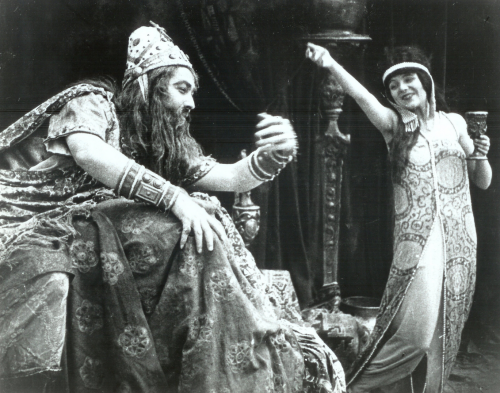
Judith of Bethulia (1914): Esta é a história bíblica de como Jerusalém foi salva quando a mística Judith (Blanche Sweet) seduziu e matou o príncipe Holofernes (Henry B. Walthall.) Não seo fã de Griffith, e não estava tão familiarizada com a história quanto o público de 1914 provavelmente estava, mas este filme me lembrou do estilo das novelas da Record.

Judith of Bethulia (1914): This is the biblical story of how Jerusalem was saved when mystical Judith (Blanche Sweet) seduced and killed prince Holofernes (Henry B. Walthall). I’m not a Griffith fan, and I was not as familiar with story as the 1914 moviegoers probably were, but this film reminded me of the production values of a corny biblical soap opera.
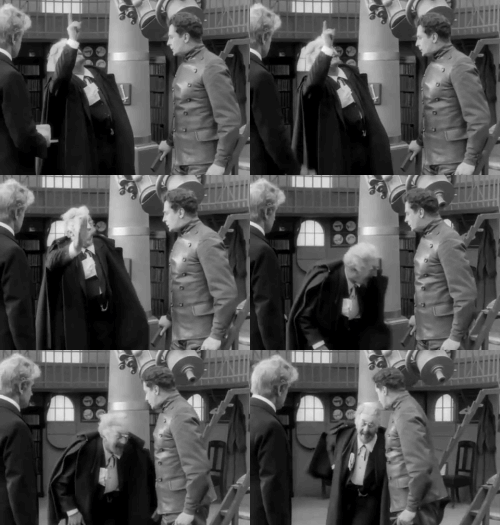
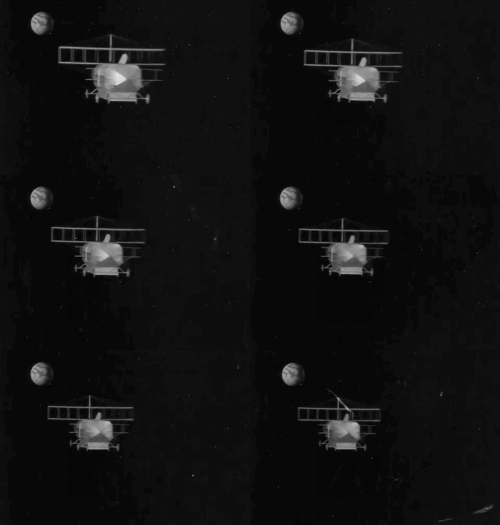
Himmelskibet (1918): É basicamente o que o título em inglês diz – uma viagem para Marte – mas é muito impressionante para algo feito em 1918. E é ainda mais surpreendente o fato de que eles acertaram o tempo que leva uma viagem da Terra à Marte – cerca de seis meses! Os efeitos especiais são muito bons, e você se surpreenderá ao descobrir como os marcianos vivem. Eu também adorei os nomes dos personagens em Latim – Planetaros, Corona, Dubius.

A Trip to Mars / Himmelskibet (1918): It’s basically that – A Trip to Mars – but very impressive for 1918. And it’s even more impressive that they got right the time to travel from Earth to Mars – about six months! The special effects are very good, and you’ll be surprised to find out how Martians live. I also loved the Latin names– Planetaros, Corona, Dubius.
A Morte Cansada / Der Müde tod (1921): Este feito só poderia ter sido feito durante o Expressionismo Alemão. Em Hollywood, o filme teria um final feliz, mais facilmente digerível, mas nada realista. Na Alemanha, a história da mulher (Lil Dagover) que tenta salvar uma das três almas em diferentes lugares e épocas com o intuito de trazer seu amado de volta dos mortos é contada com perfeição – como se “Intolerância” (1916) tivesse sido bem feito.

Destiny / Der Müde Tod (1921): This film could only be made during the German Expressionism movement. In Hollywood, it would have been pushed to a palatable, but not realistic, happy ending. In Germany, the story of a woman (Lil Dagover) who tries to save one of three souls in different places and times to have her boyfriend back from the dead is perfectly developed – like an “Intolerance” (1916) done right.
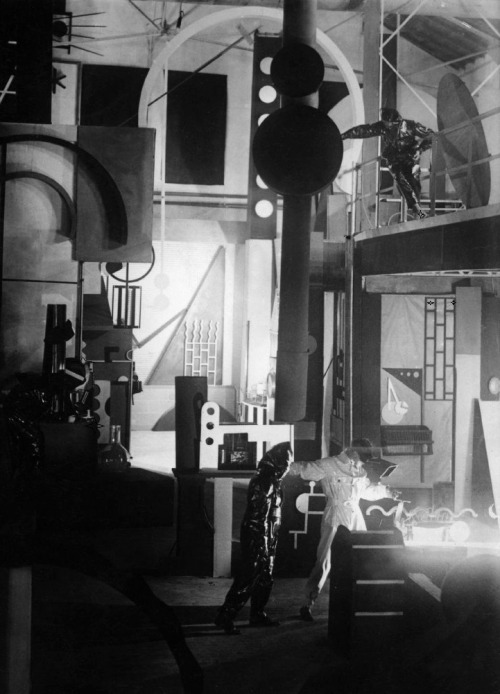
L’Inhumaine (1924): A história envolve uma cantora fria, Claire (Georgette Leblanc) e seus muitos admiradores. Há um toque dramático e ao fim o filme se transforma em ficção científica. Mas os cenários são a verdadeira atração: idealizados por dois diretores de arte (o brasileiro Alberto Cavalcanti e o francês Claude Autant-Lara), os cenários são ousados, futuristas, assimétricos, cubistas, assustadores e tão impressionantes quanto os de “Metrópolis” (1927) – ou até um pouco mais.

The New Enchantment / L’inhumaine (1924): The story involves a cold singer, Claire (Georgette Leblanc) and her many admirers. There is a dramatic touch and then it becomes science fiction. But the sets are the real attraction here: designed by two art directors (Brazilian Alberto Cavalcanti and French Claude Autant-Lara), they’re bold, futuristic, cubist, asymmetric, awe-inducing and as impressive as the sets in “Metropolis” (1927) – maybe even more.
Uma Página de Loucura (1926): Este clássico japonês é contado sem intertítulos e é, por causa disso e de outras coisas, fascinante. O final é maravilhoso, e trata-se de um filme que você deve assistir muitas vezes para apreciá-lo por completo. Leia minha crítica completa AQUI.

A Page of Madness (1926): This Japanese classic is told without intertitles and is, because of this and other things, fascinating. The ending is wonderful, and it is one film you should watch many times to fully appreciate it. My full review is HERE.
Aurora / Sunrise (1927): Eu devo confessar que na metade do filme pensei ser estranho e até sexista o fato de que a esposa (Janet Gaynor) havia perdoado o marido (George O’Brien) e estava se divertindo muito com ele algumas horas depois de ele ter tentado matá-la. Mas então os 15 minutos finais me deixaram sem palavras. Que surpresa. Bravo, Murnau, você merece ser aplaudido de pé.

Sunrise (1927): I must confess that in the middle of the film I thought it was weird and even sexist the fact that the wife (Janet Gaynor) forgave her husband (George O’Brien) and was having the time of her life with him some mere hours after he tried to kill her. But then the final 15 minutes came and OH MY. What a plot twist. Bravo, Murnau, I ended up giving you a standing ovation.
Cilada Amorosa / The Love Trap (1929)

Ver para Crer / Why Be Good? (1929): Este filme tem um subtexto feminista e Colleen Moore arrasa na pista de dança. Ela é Pert Kelly, uma vendedora que adora festejar – e cuja reputação a prejudica quando o filho de seu patrão (Neil Hamilton) se apaixona por ela. Eu pretendo escrever mais sobre este filme.

Why Be Good? (1929): This film has a feminist subtext and Colleen Moore rocks some dance movements. She’s Pert Kelly, a salesgirl who loves to party – and whose reputation precedes her when the boss’s son (Neil Hamilton) falls in love with her. I intend to write more about this movie.
O Presídio / The Big House (1930): Este filme foi escrito por Frances Marion – a primeira mulher a ganhar um Oscar de roteiro e também a primeira mulher a ganhar um Oscar em categorias diferentes da atuação. É a história de Kent (Robert Montgomery), que dirigia embriagado e matou um homem atropelado, e seus companheiros de cela durões: Butch (Wallace Beery) e Morgan (Chester Morris). O filme também deu a Douglas Shearer o primeiro Oscar de Mixagem Som da história.

The Big House (1930): This film was written by the great Frances Marion – the first woman to win a Screenplay Oscar and also the first woman to win a non-acting Oscar. It’s the story of Kent (Robert Montgomery), who killed a man by driving drunk, and his though cell companions: Butch (Wallace Beery) and Morgan (Chester Morris). The film also gave Douglas Shearer the first Best Sound Mixing Oscar ever.
Glória e Poder / The Power and the Glory (1933): É Cidadão Kane oito anos antes de Cidadão Kane – ou quase isso. Este filme tem um excelente roteiro – obrigada, Preston Sturges! – e traz Colleen Moore naquele que é provavelmente seu melhor momento. Crítica completa AQUI.

The Power and the Glory (1933): It is Citizen Kane eight years before Citizen Kane – kind of. This film is beautifully written – thanks, Preston Sturges! – and showcases Colleen Moore at probably her best moment. Full review HERE.
A Mulher de Branco / Woman in White (1948): É místico, e se parece muito com um conto de fadas noir. O filme também trata de alienação e roubo. Crítica completa AQUI.

Woman in White (1948): It’s mystical, and it’s much like a noir fairy tale. It also involves alienation and robbery. Eleanor Parker is amazing. Full review HERE.
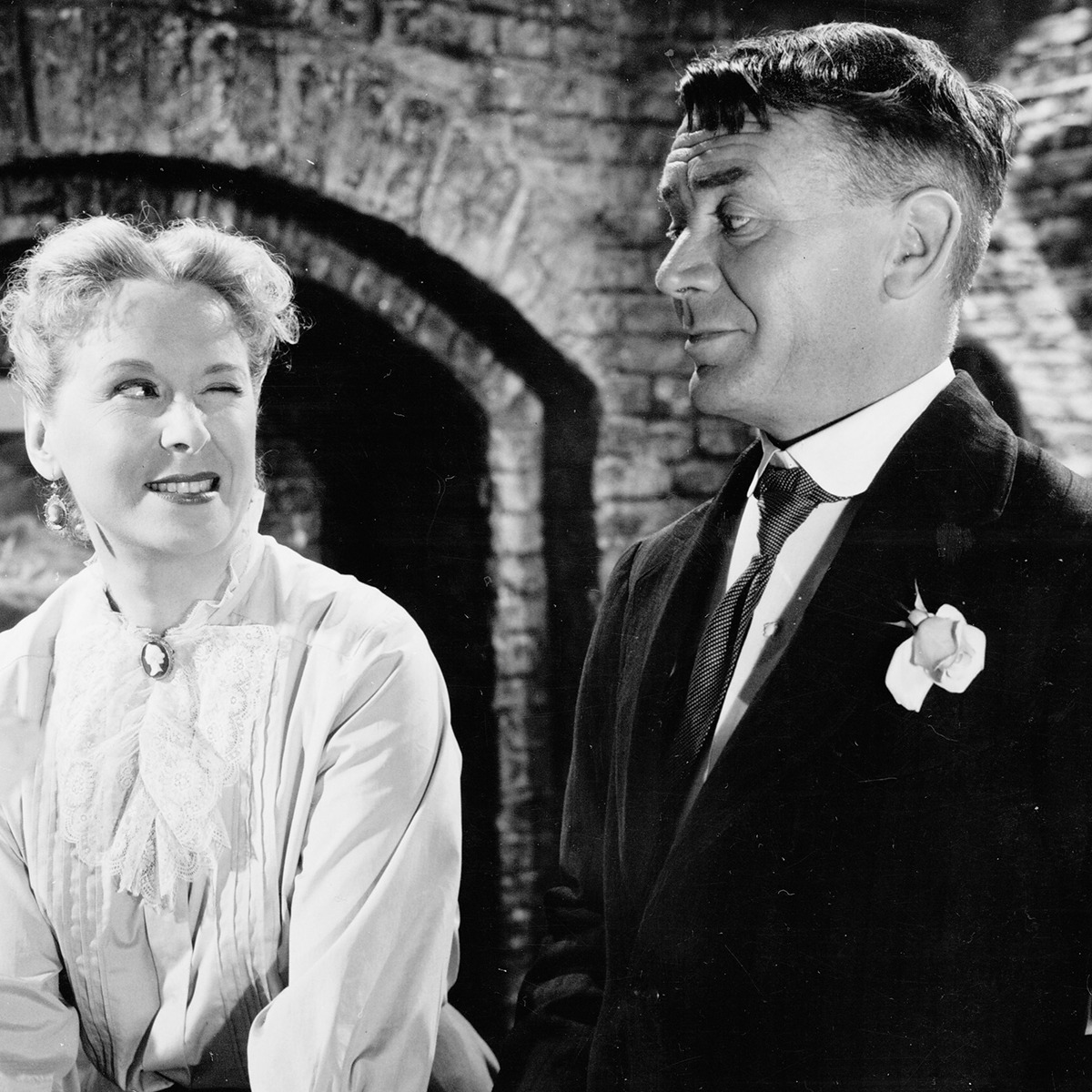
Papai é do Contra / Hobson’s Choice (1954): Charles Laughton está ótimo como o conservador Hobson, mas eu gostei especialmente de Brenda de Banzie como sua esperta filha mais velha e do brilhante John Mill como um funcionário talentoso porém ingênuo. Crítica completa AQUI.


Hobson’s Choice (1954): Charles Laughton is great as old-fashioned Hobson, but I especially loved Brenda de Banzie as his smart older daughter and brilliant John Mills as a talented but naïve employee. Full review HERE.

Friday, January 6, 2017

Resoluções cinematográficas 2017 / 12 classics for 2017

There are certain things that are like an addiction. Making lists is one of them. Who doesn’t love to make lists? That’s why, once again, I did my list of 12 classics I’ll see for the first time in 2017. This tradition was originated by some blogging friends, like Raquel and Laura, and now there is an organized event called Blind Spot at The Matinee for the bloggers who want to watch and review one new film a month. 

Without further ado, here’s my 12 classics for 2017:

Judith of Bethulia (1914)
Himmelskibet (1918)
Destiny (1921)
L’inhumaine (1924)
Uma Página de Loucura / A Page of Madness (1926)
Aurora / Sunrise (1927)
Cilada Amorosa / The Love Trap (1929)
Ver para Crer / Why Be Good? (1929)
O Presídio / The Big House (1930)
O Poder e a Glória / The Power and the Glory (1933)
A Mulher de Branco / Woman in White (1948)
Papai é do Contra / Hobson’s Choice (1954)

Wednesday, January 4, 2017

Resoluções cinematográficas 2016 – Resultados

2016 film resolutions - Results

Se as resoluções cinematográficas de 2015 só foram completadas nos primeiros dias de 2016, as de 2016 foram cumpridas a tempo – ainda que aos 45 do segundo tempo. Sim, deixei mais uma vez a maioria dos filmes para ver em dezembro, e precisei correr para terminar a lista no dia 31. Mas tive gratas surpresas, com filmes proféticos, ainda atuais e alguns que já entraram na minha lista de favoritos de todos os tempos. Vamos a um resumo de cada um deles:

The 2015 film resolutions were only completed in the first days of 2016, but the ones from 2016 were completed in time – in the last minute, to be fair. Yes, once again I left most films to be seen in December, and I had to hurry to end the list on the 31st. But I had good surprises, with prophetical films, some very modern ones, and the ones that already entered my list of all-time favorites. Let's discover a little bit about them:

The Doll (1919): Este adorável filme com Ossi Oswalda, dirigido por Ernst Lubitsch, conta a história de um homem rico e mimado que decide se casar com uma boneca para parar de ser importunado por pretendentes. O problema é que a boneca que ele escolhe é na verdade feita de carne e osso. Difícil de entender? Leia a crítica completa AQUI.

Die Puppe (1919): This lovely film with Ossi Oswalda, directed by Ernst Lubitsch, tells the story of a rich and spoiled young man who decides to marry a doll to stop being harassed by women. The issue is that the doll he chooses is actually made of flesh and bone. Sounds complicated? Read the review HERE.
A ópera dos pobres (1931): Drama, musical e um pouquinho de comédia se misturam para contar a história de Mackie Navalha (Rudolf Forster), um bandido comum que se casa com a filha do dono de uma rede de mendicância em Londres.

The Threepenny opera (1931): Drama, musical and a little bit of comedy are put together to tell the story of Mackie Messer (Rudolf Forster), a common criminal who marries the daughter of an owner of a begging business in London.
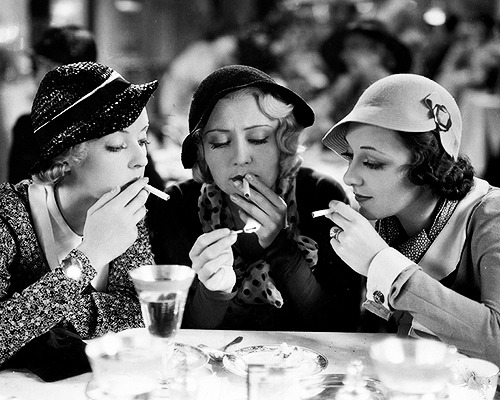
Três… Ainda é Bom (1932): Ann Dvorak está aqui quase – quase – tão boa quanto em “Scarface”. Acima de tudo, este pre-Code curtinho é uma lição para as mulheres que pensam em buscar a felicidade for a do casamento. Crítica completa AQUI.

Three on a Match (1932): Ann Dvorak is here almost – almost – as good as she was in “Scarface”. Above all, this short pre-Code is a cautionary tale about women who think about seeking happiness outside the sacred institution of marriage. Full review HERE.
Stella Dallas, Mãe Redentora (1937): Barbara Stanwyck prova que uma mãe é capaz de fazer tudo, tudo mesmo, para ver sua filha feliz – mesmo que a filha não agradeça à mãe pelos sacrifícios. Veja com lencinhos ao alcance.

Stella Dallas (1937): Barbara Stanwyck proves thst a mother can do anything, anything at all, to see her daughter happy – even if the daughter doesn't appreciate the sacrifices her mother makes. Watch it with tissues near you.
A Bela e a Fera (1946): Na versão de Jean Cocteau, Bela (Josette Day) tem até irmãs malvadas e um proto-Gaston, mas o destaque fica por conta do mágico e quase assustador castelo da Fera (Jean Marais). Um filme esteticamente perfeito. 

La Belle et La Bête (1946): In Jean Cocteau's version, Belle (Josete Day) has even evil sisters and a proto-Gaston after her, but pay attention to the magic and nearly scaring Beast's (Jean Marais) castle. It's an aesthetically perfect movie.
Neste Mundo e no Outro (1946): Às vezes o mensageiro da morte erra, e não leva quem deveria. Mas e quando o amor entra em cena antes que o erro seja consertado? Leia a crítica desta maravilhosa película, uma das melhores que vi em 2016, AQUI.

A Matter of Life and Death (1946): Sometimes the grim reaper makes a mistake, and the one about to be dead ends up living. But hat if love blossoms before the mistake is erased? Read the review of this wonderful film, one of the best I've seen in 2016, HERE.
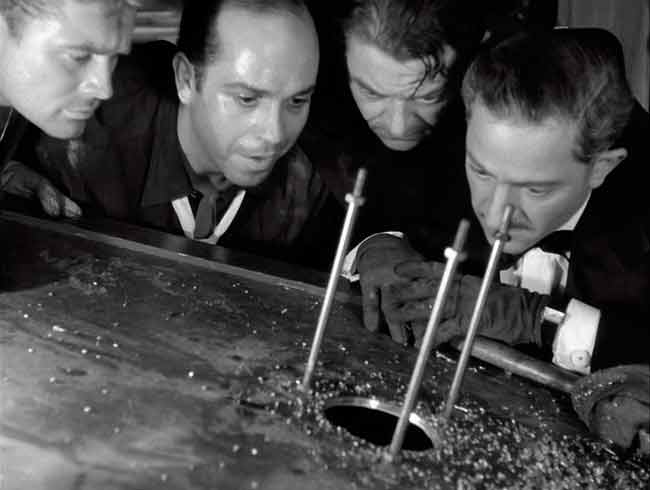
Rififi (1955): O grande filme de crime francês foi dirigido por Jules Dassin, que também atua como Cesare, com um orçamento minúsculo. Você já deve imaginar que a moral do filme é que o crime não compensa, mas mesmo assim ficará boquiaberto com a tensa e longa sequência de roubo, durante a qual nenhum ruído é ouvido na tela.

Rififi (1955): The great French heist film was directed by Jules Dassin, who also plays Cesare, with a tiny budget. You must already imagine that the moral of the story is that crime does not pay, but you'll still be speechless with the tense and long heist sequence – totally silent 20 minutes.
Galante e Sanguinário(1957): Um western tenso, de luta contra o relógio à exemplo de “Matar ou Morrer” (1952). Glenn Ford, em um papel diferente do habitual, e Van Heflin são bandido e mocinho, um esperando para ser libertado por sua gangue, outro em busca de uma recompensa.

3:10 to Yuma (1957): A tense western, about a race against time just like in “High Noon” (1952). Glenn Ford, playing againsy type, and Van Heflin are outlaw and good guy, one waiting to be rescued by his gang, the other working to collect a reward.
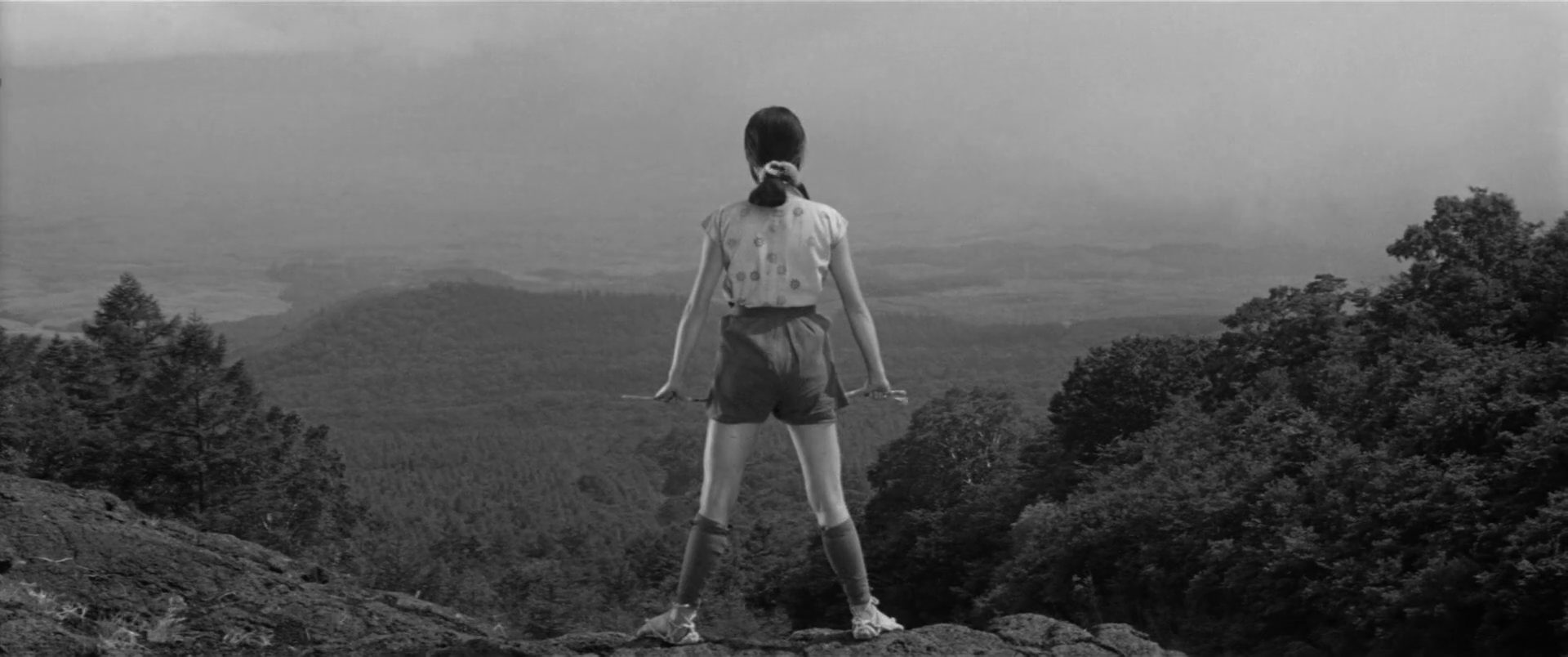
A Fortaleza Escondida (1958): O filme que pode ter retirado “Rashomon” (1950) da condição de meu filme favorito de Kurosawa. Dois covardes se juntam a um general (Toshiro Mifune) para resgatar uma princesa e levá-la em segurança até as terras de um clã aliado. Parece familiar? Sim, este filme influenciou – e muito – George Lucas ao criar “Star Wars” (1977).

The Hidden Fortress (1958): The film that may have taken “Rashomon” (1950) away from the top of my favorite Kurosawa's film list. Two cowards and a general (Toshiro Mifune) go to rescue a princess and tke her safely until an alied clan's territory. Does it sound familiar? Yes, this film was a big – huge – influence to George when he created Star Wars (1977).
Sob o Domínio do Mal (1962): Lutas políticas, fraudes, lavagem cerebral, trauma. 55 anos depois, os temas de “Sob o Domínio do Mal” estão mais atuais do que nunca. Frank Sinatra estrela como o ex-combatente que descobre que seu antigo chefe foi hipnotizado e está sendo usado para eleger seu padrasto presidente. Isso soa familiar, não?

The Manchurian Candidate (1962): Poilitical disputes, brain washing, trauma. 55 years later, the themes in “The Manchurian Candidate” are more modern than ever. Frank Sinatra stars as the former soldier who finds out that his old boss was hipnotized and is being used to help elect his stepfather president. This sounds familar, doesn't it?
Jules e Jim: Uma mulher para Dois (1962): Jules (Oskar Werner) e Jim (Henri Serre) são melhores amigos de nacionalidades diferentes às vésperas da Primeira Guerra Mundial. Como se isso não bastasse, eles conhecem Catherine (Jeanne Moreau), uma mulher livre e contestadora que mexerá com a cabeça e o coração de ambos.

Jules et Jim (1962): Jules (Oskar Werner) and Jim (Henri Serre) are best friends from different countries and the First World War is about to begin. As if  it was not enough, they meet Catherine (Jeanne Moreau), a free and outspoken woman who will enter both their minds and hearts.
THX 1138 (1971): A ficção científica pode, às vezes, nos dar uma percepção do futuro ou mesmo do presente que deixam um gosto amargo na boca. O futuro monocromático e hiper-controlado mostrado em THX 1138 é horrível de ser visto, e a busca do personagem principal por liberdade é inspiradora, em especial no momento em que vivemos.

THX 1138 (1971): Science fiction can, sometimes, give us a bitter perception of the future or even the present. The one-color, über-controlled future shown in THX 1138 is difficult to be seen, and the main character's search for liberty is inspiring, especially considering the moment we live in.
Related Posts Plugin for WordPress, Blogger...