2016 film resolutions - Results
Se as
resoluções cinematográficas de 2015 só foram completadas nos primeiros dias de
2016, as de 2016 foram cumpridas a tempo – ainda que aos 45 do segundo tempo.
Sim, deixei mais uma vez a maioria dos filmes para ver em dezembro, e precisei
correr para terminar a lista no dia 31. Mas tive gratas surpresas, com filmes
proféticos, ainda atuais e alguns que já entraram na minha lista de favoritos
de todos os tempos. Vamos a um resumo de cada um deles:
The
2015 film resolutions were only completed in the first days of 2016, but the
ones from 2016 were completed in time – in the last minute, to be fair. Yes,
once again I left most films to be seen in December, and I had to hurry to end
the list on the 31st. But I had good surprises, with prophetical films, some
very modern ones, and the ones that already entered my list of all-time
favorites. Let's discover a little bit about them:
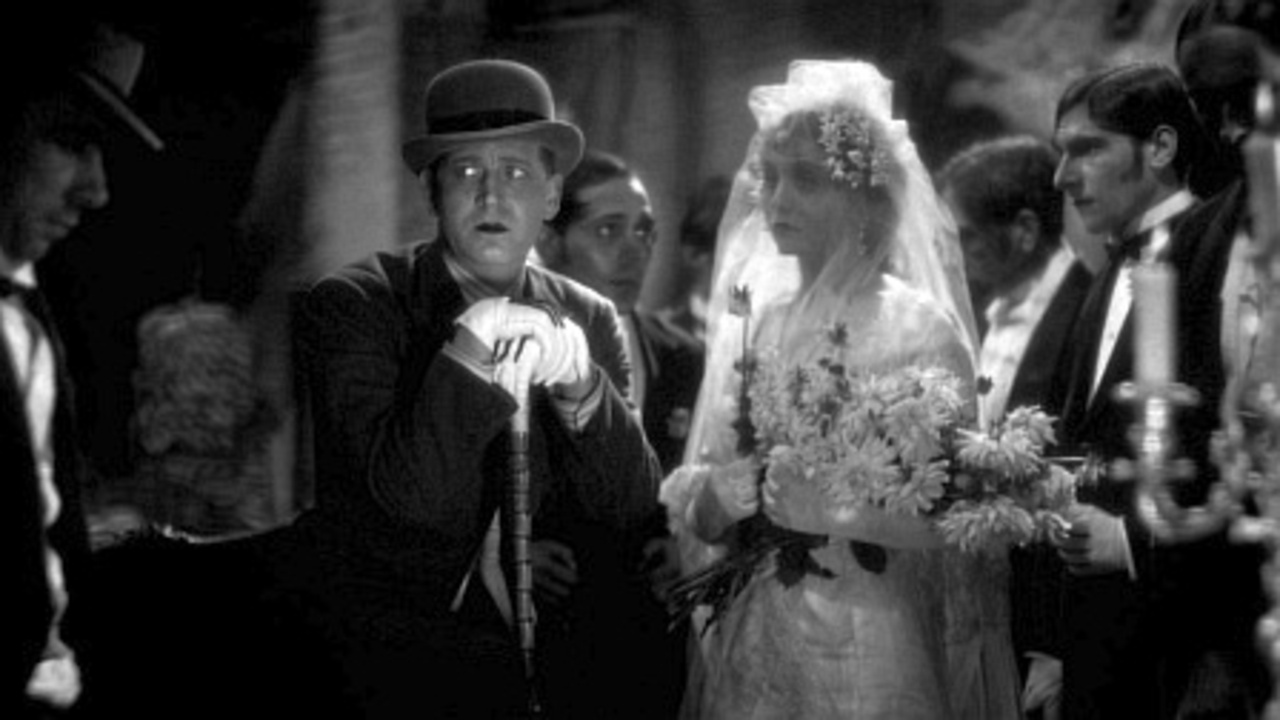
The Doll (1919): Este adorável filme com Ossi Oswalda, dirigido por Ernst Lubitsch,
conta a história de um homem rico e mimado que decide se casar com uma boneca
para parar de ser importunado por pretendentes. O problema é que a boneca que
ele escolhe é na verdade feita de carne e osso. Difícil de entender? Leia a
crítica completa AQUI.
Die Puppe (1919): This lovely film with Ossi Oswalda, directed by Ernst Lubitsch,
tells the story of a rich and spoiled young man who decides to marry a doll to
stop being harassed by women. The issue is that the doll he chooses is
actually made of flesh and bone. Sounds complicated? Read the review HERE.

A ópera
dos pobres (1931): Drama, musical e um pouquinho de comédia se misturam para
contar a história de Mackie Navalha (Rudolf Forster), um bandido comum que se
casa com a filha do dono de uma rede de mendicância em Londres.
The
Threepenny opera (1931): Drama, musical and a little bit of comedy are put
together to tell the story of Mackie Messer (Rudolf Forster), a common criminal
who marries the daughter of an owner of a begging business in London.
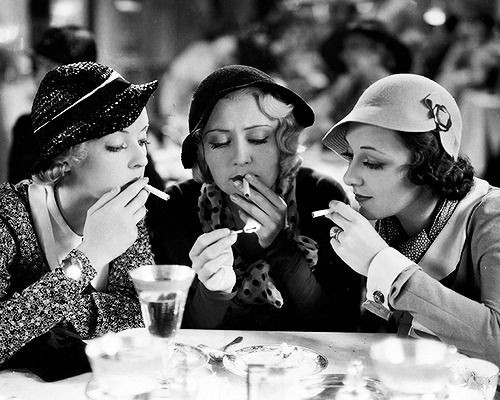
Três… Ainda é Bom (1932): Ann Dvorak está aqui quase – quase
– tão boa quanto em “Scarface”. Acima de tudo, este pre-Code curtinho é uma
lição para as mulheres que pensam em buscar a felicidade for a do casamento.
Crítica completa AQUI.
Three on a Match (1932): Ann Dvorak is here almost –
almost – as good as she was in “Scarface”. Above all, this short pre-Code is a
cautionary tale about women who think about seeking happiness outside the
sacred institution of marriage. Full review HERE.
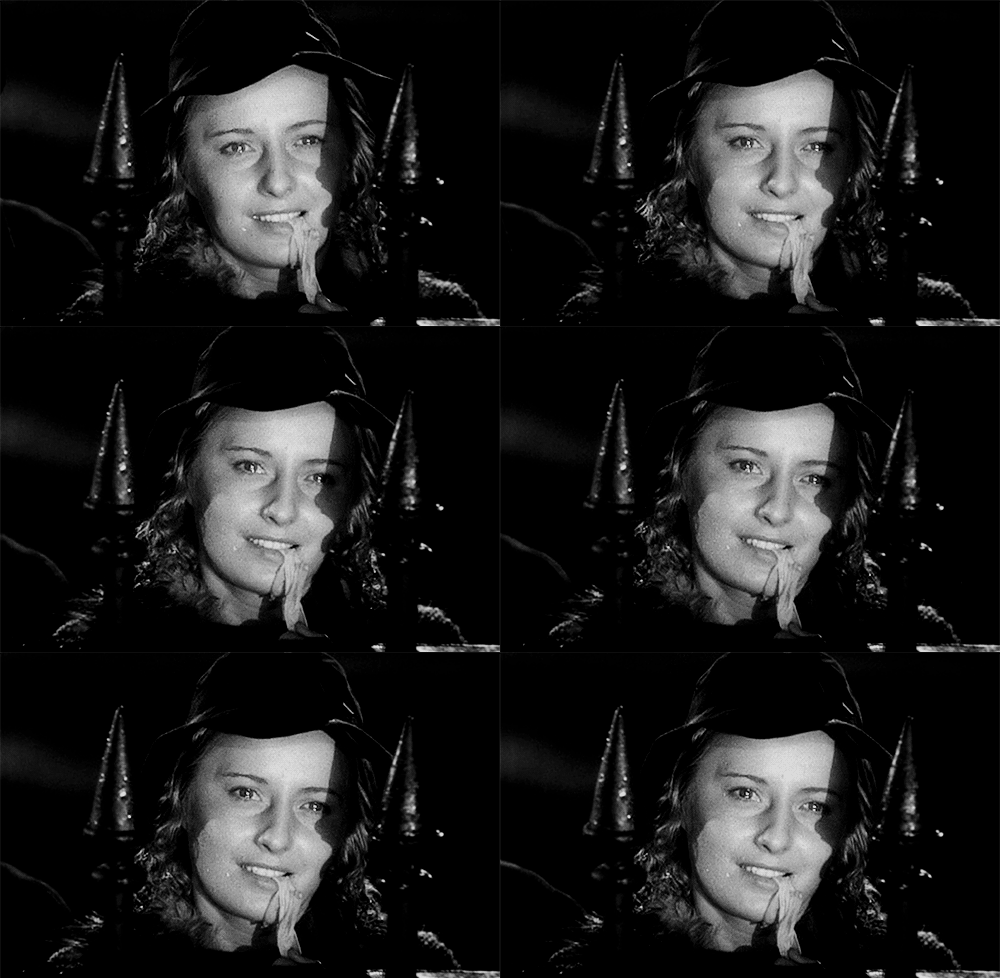
Stella Dallas, Mãe Redentora (1937): Barbara Stanwyck
prova que uma mãe é capaz de fazer tudo, tudo mesmo, para ver sua filha feliz –
mesmo que a filha não agradeça à mãe pelos sacrifícios. Veja com lencinhos ao
alcance.
Stella Dallas (1937): Barbara Stanwyck proves thst a
mother can do anything, anything at all, to see her daughter happy – even if
the daughter doesn't appreciate the sacrifices her mother makes. Watch it with
tissues near you.
A Bela
e a Fera (1946): Na versão de Jean Cocteau, Bela (Josette Day) tem até irmãs
malvadas e um proto-Gaston, mas o destaque fica por conta do mágico e quase
assustador castelo da Fera (Jean Marais). Um filme esteticamente perfeito.
La
Belle et La Bête (1946): In Jean Cocteau's version, Belle (Josete Day) has even
evil sisters and a proto-Gaston after her, but pay attention to the magic and
nearly scaring Beast's (Jean Marais) castle. It's an aesthetically perfect
movie.

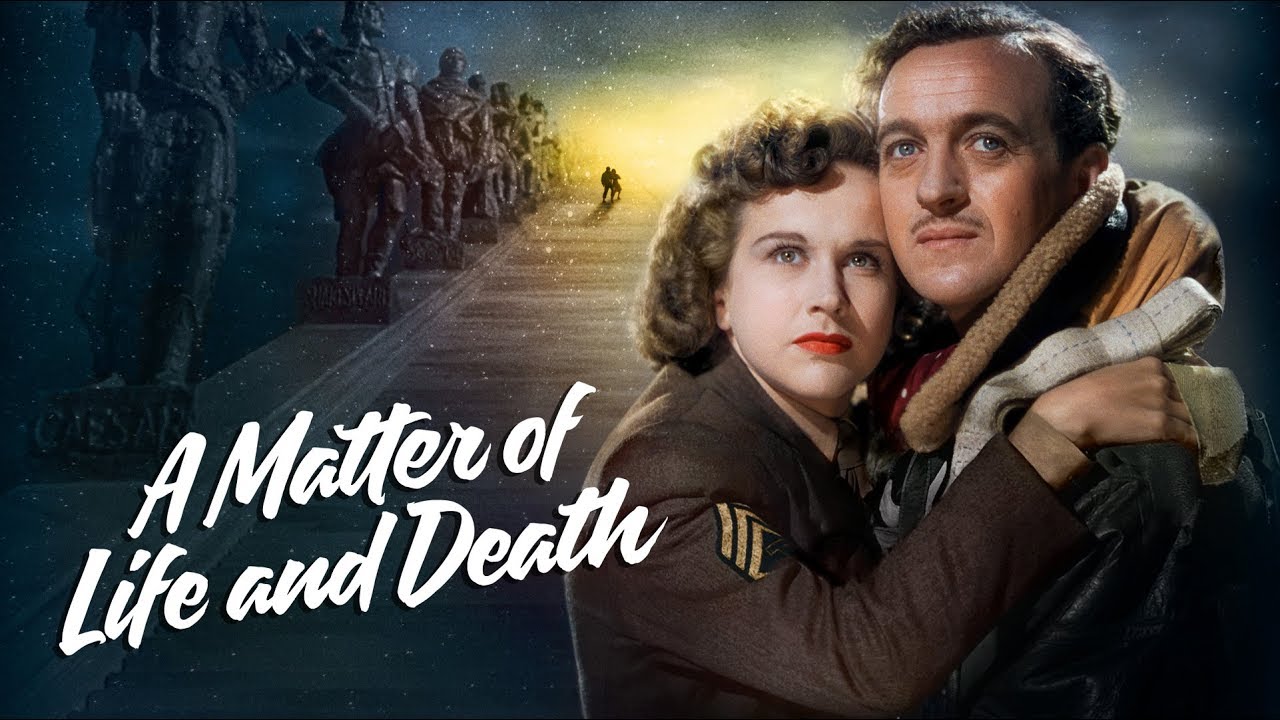
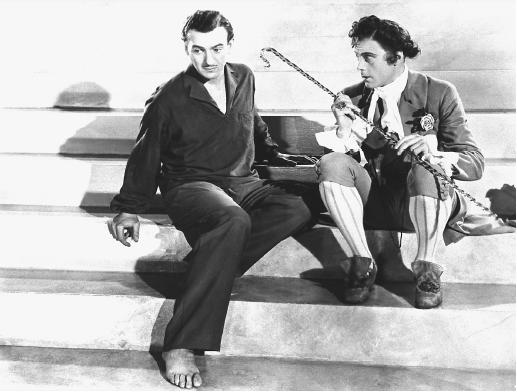
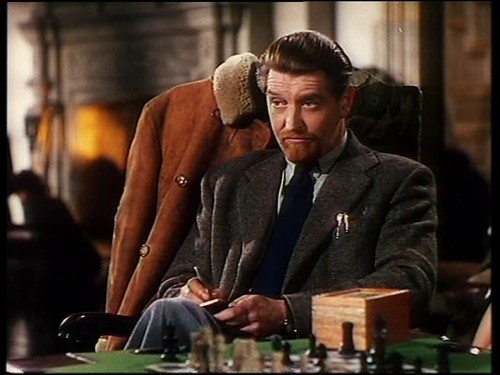
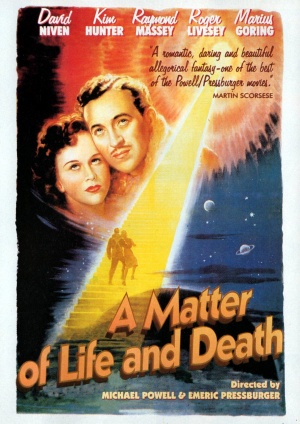
Neste Mundo e no Outro (1946): Às vezes o mensageiro
da morte erra, e não leva quem deveria. Mas e quando o amor entra em cena antes
que o erro seja consertado? Leia a crítica desta maravilhosa película, uma das
melhores que vi em 2016, AQUI.
A Matter of Life and Death (1946): Sometimes the grim
reaper makes a mistake, and the one about to be dead ends up living. But hat if
love blossoms before the mistake is erased? Read the review of this wonderful
film, one of the best I've seen in 2016, HERE.

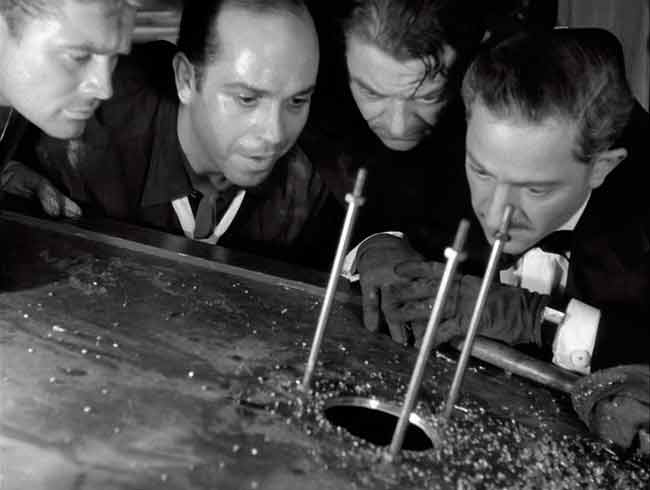
Rififi
(1955): O grande filme de crime francês foi dirigido por Jules Dassin, que
também atua como Cesare, com um orçamento minúsculo. Você já deve imaginar que
a moral do filme é que o crime não compensa, mas mesmo assim ficará boquiaberto
com a tensa e longa sequência de roubo, durante a qual nenhum ruído é ouvido na
tela.
Rififi
(1955): The great French heist film was directed by Jules Dassin, who also
plays Cesare, with a tiny budget. You must already imagine that the moral of
the story is that crime does not pay, but you'll still be speechless with the
tense and long heist sequence – totally silent 20 minutes.
Galante
e Sanguinário(1957): Um western tenso, de luta contra o relógio à exemplo de
“Matar ou Morrer” (1952). Glenn Ford, em um papel diferente do habitual, e Van
Heflin são bandido e mocinho, um esperando para ser libertado por sua gangue,
outro em busca de uma recompensa.
3:10 to
Yuma (1957): A tense western, about a race against time just like in “High
Noon” (1952). Glenn Ford, playing againsy type, and Van Heflin are outlaw and
good guy, one waiting to be rescued by his gang, the other working to collect a
reward.

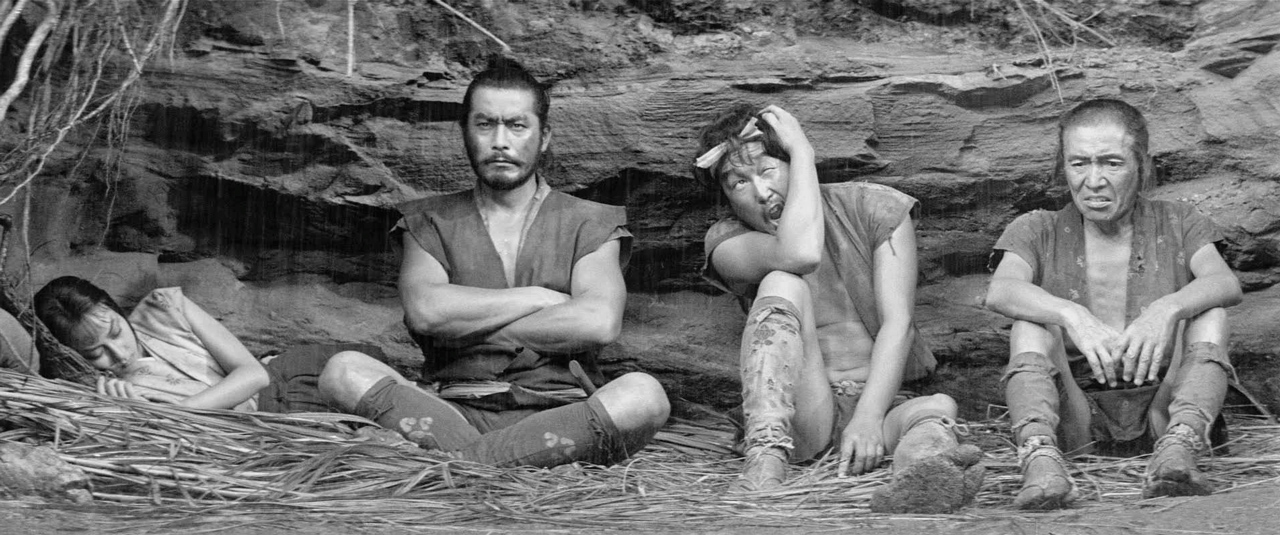
A
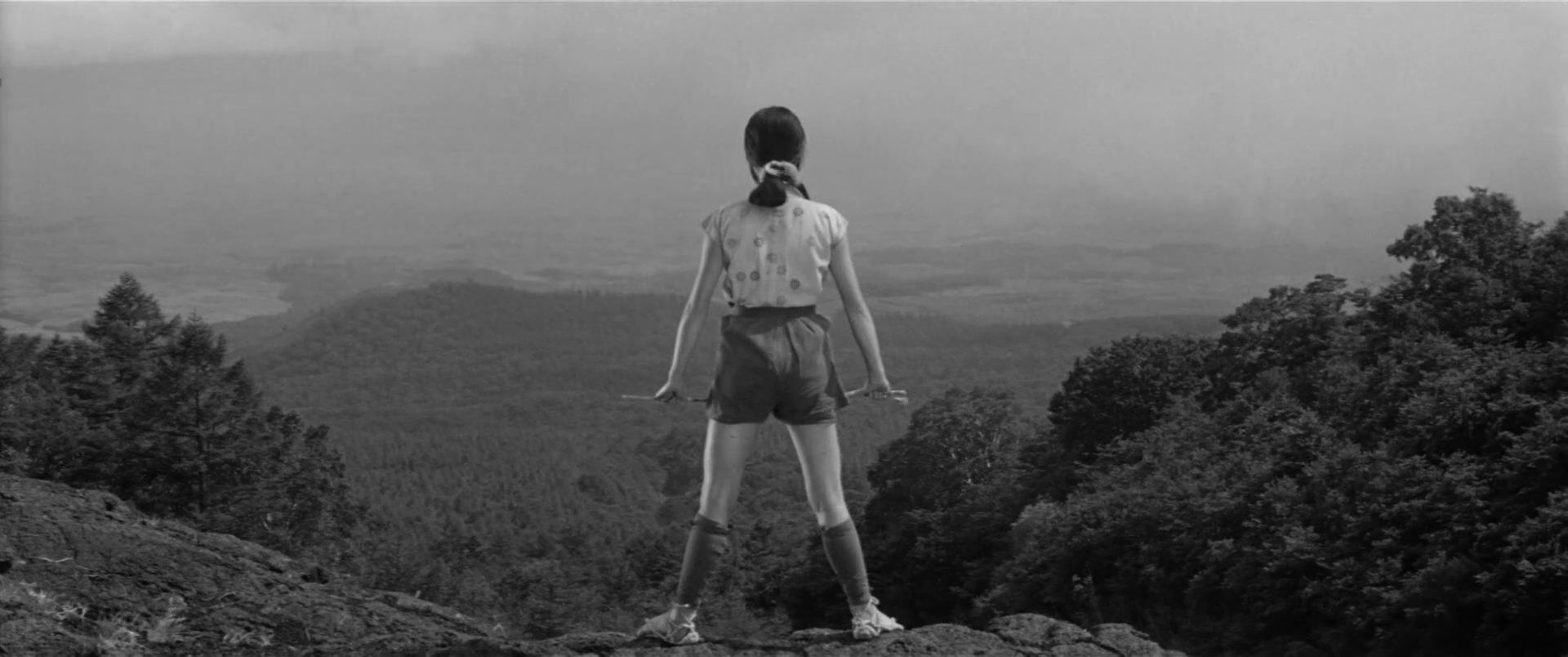
Fortaleza Escondida (1958): O filme que pode ter retirado “Rashomon” (1950) da
condição de meu filme favorito de Kurosawa. Dois covardes se juntam a um
general (Toshiro Mifune) para resgatar uma princesa e levá-la em segurança até
as terras de um clã aliado. Parece familiar? Sim, este filme influenciou – e
muito – George Lucas ao criar “Star Wars” (1977).
The
Hidden Fortress (1958): The film that may have taken “Rashomon” (1950) away
from the top of my favorite Kurosawa's film list. Two cowards and a general
(Toshiro Mifune) go to rescue a princess and tke her safely until an alied
clan's territory. Does it sound familiar? Yes, this film was a big – huge –
influence to George when he created Star Wars (1977).
Sob o
Domínio do Mal (1962): Lutas políticas, fraudes, lavagem cerebral, trauma. 55
anos depois, os temas de “Sob o Domínio do Mal” estão mais atuais do que nunca.
Frank Sinatra estrela como o ex-combatente que descobre que seu antigo chefe
foi hipnotizado e está sendo usado para eleger seu padrasto presidente. Isso
soa familiar, não?
The
Manchurian Candidate (1962): Poilitical disputes, brain washing, trauma. 55
years later, the themes in “The Manchurian Candidate” are more modern than
ever. Frank Sinatra stars as the former soldier who finds out that his old boss
was hipnotized and is being used to help elect his stepfather president. This
sounds familar, doesn't it?

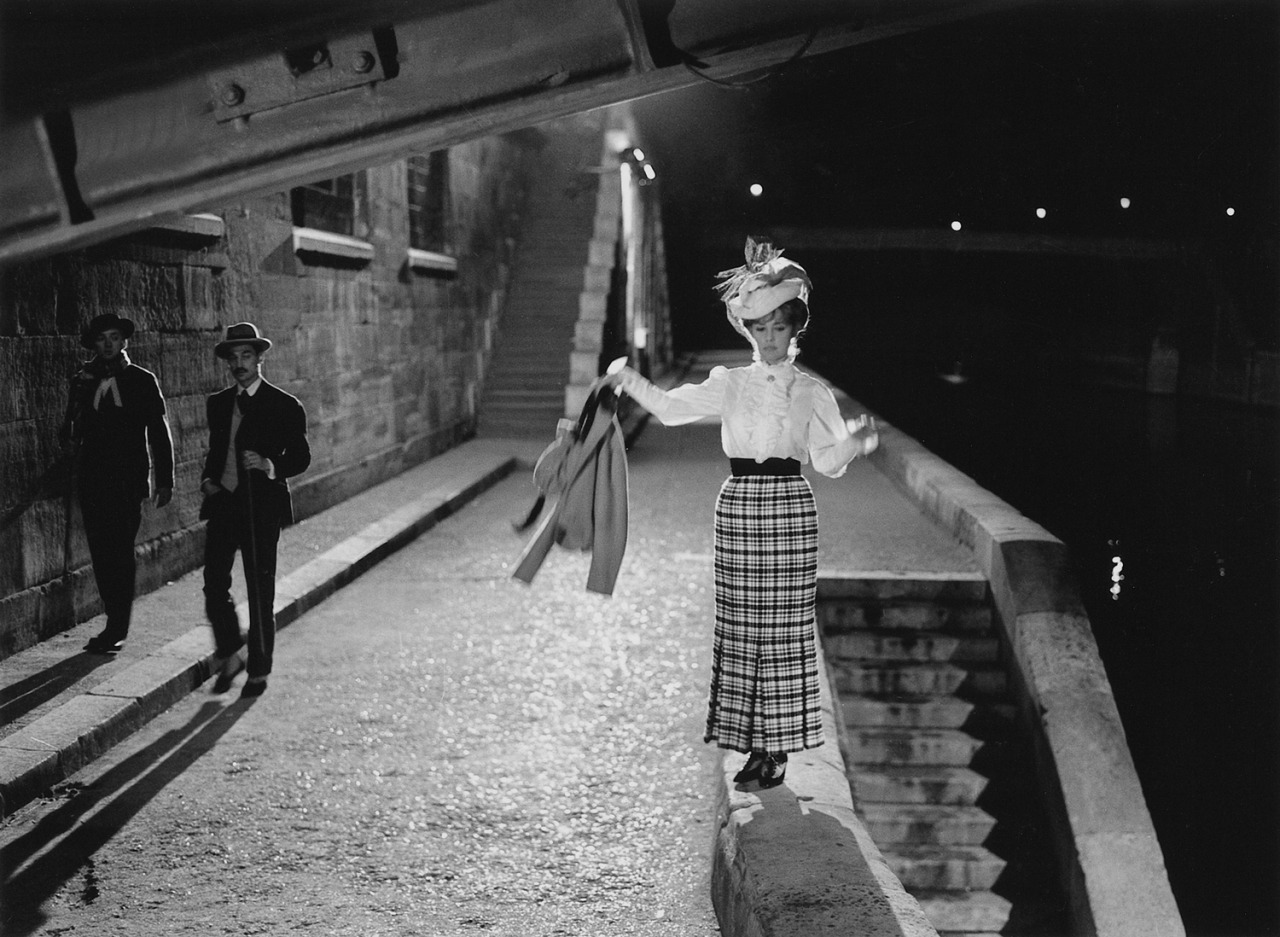
Jules e
Jim: Uma mulher para Dois (1962): Jules (Oskar Werner) e Jim (Henri Serre) são
melhores amigos de nacionalidades diferentes às vésperas da Primeira Guerra
Mundial. Como se isso não bastasse, eles conhecem Catherine (Jeanne Moreau),
uma mulher livre e contestadora que mexerá com a cabeça e o coração de ambos.
Jules
et Jim (1962): Jules (Oskar Werner) and Jim (Henri Serre) are best friends from
different countries and the First World War is about to begin. As if it was not enough, they meet Catherine
(Jeanne Moreau), a free and outspoken woman who will enter both their minds and
hearts.
THX
1138 (1971): A ficção científica pode, às vezes, nos dar uma percepção do
futuro ou mesmo do presente que deixam um gosto amargo na boca. O futuro
monocromático e hiper-controlado mostrado em THX 1138 é horrível de ser visto,
e a busca do personagem principal por liberdade é inspiradora, em especial no
momento em que vivemos.
THX
1138 (1971): Science fiction can, sometimes, give us a bitter perception of the
future or even the present. The one-color, über-controlled future shown in THX
1138 is difficult to be seen, and the main character's search for liberty is
inspiring, especially considering the moment we live in.