} Crítica Retrô: Michael Powell

Tradutor / Translator / Traductor / Übersetzer / Traduttore / Traducteur / 翻訳者 / переводчик

Showing posts with label Michael Powell. Show all posts

Friday, September 29, 2023

Os Contos de Hoffmann (1951) / The Tales of Hoffmann (1951)


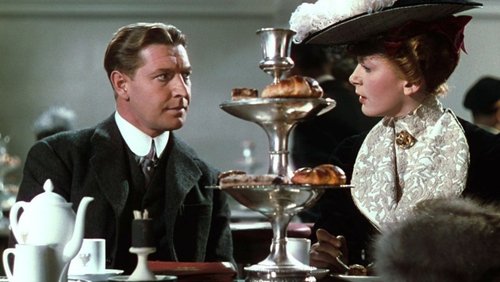
Eu confio em Martin Scorsese. Ele não é apenas um excelente cineasta, mas também ama o cinema profundamente. Ele tem uma fundação para restaurar e exibir filmes de todo o mundo que sejam culturalmente significantes. E por causa disso ele tem um ótimo gosto para filmes. Foi através de uma entrevista com Scorsese que eu pela primeira vez ouvi falar de “Os Contos de Hoffmann” (1951), um filme escrito, produzido e dirigido pela dupla dinâmica Michael Powell e Emeric Pressburger – o filme que é considerado o último triunfo deles antes da separação em 1957.


In Martin Scorsese we trust. He’s not only a great filmmaker, but also loves cinema deeply. He has a foundation to restore and exhibit movies from all over the world that are culturally significant. And because of this he has a very good taste in movies. It was through an interview with Scorsese that I first heard about “The Tales of Hoffmann” (1951), a film written, produced and directed by the mighty duo of Michael Powell and Emeric Pressburger – a film that is considered to be their last hurrah before they split in 1957.

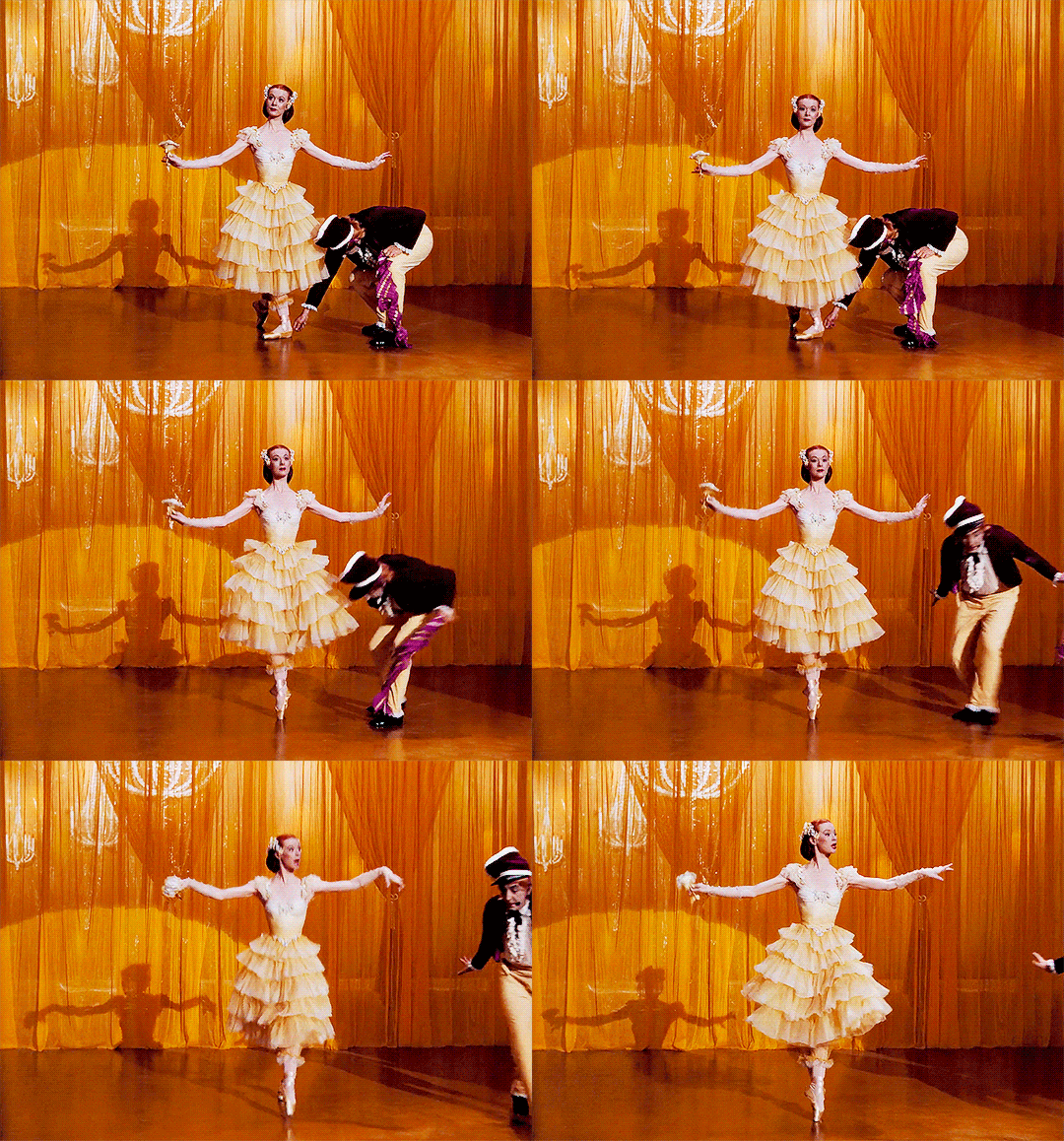
O filme consiste em três histórias contadas por E.T.A. Hoffmann (Robert Rounseville) durante o intervalo de um espetáculo de dança do qual sua amada Stella (Moira Shearer) é a estrela. Stella também é objeto de desejo do rival de Hoffmann, Lindorf (Robert Helpmann).


The movie consists in three tales told by E.T.A. Hoffmann (Robert Rounseville) during the interval of a dance spectacle where his beloved Stella (Moira Shearer) is the star. Stella is also the object of desire of Hoffmann’s rival, Lindorf (Robert Helpmann).

Primeiro temos A História de Olympia. Em Paris, um jovem Hoffmann se apaixona por Olympia (Moira Shearer), uma boneca.


First we have The Tale of Olympia. In Paris, a young Hoffmann falls in love with Olympia (Moira Shearer), an automaton.
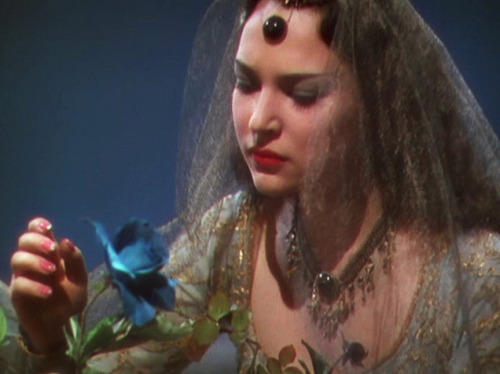
Depois há A História de Giulietta. Em Veneza, Hoffmann encontra a cortesã Giulietta (Ludmilla Tchérina) num baile de máscaras. Giulietta rouba almas e reflexos e gosta de usar joias suntuosas. Aqui podemos ouvir a Barcarolle, provavelmente a música mais famosa em “Os Contos de Hoffmann”.


Next there is The Tale of Giulietta. In Venice, Hoffmann meets the courtesan Giulietta (Ludmilla Tchérina) in a masquerade. Giulietta steals souls and reflections and likes to wear lavish jewelry. Here we can hear the Barcarolle, probably the most famous song in “The Tales of Hoffmann”.

A última história é A História de Antonia. Numa ilha grega, Antonia (Ann Ayars), uma cantora de ópera, vive com seu pai, um maestro amargo que quer que ela pare de cantar por causa de uma doença incurável.


The final tale is The Tale of Antonia. On a Greek island, Antonia (Ann Ayars), an opera singer, lives with her father, a bitter conductor who wants her to stop singing because of an incurable disease.

Além de Robert Rounseville, outros atores aparecem em todas as histórias, como Robert Helpmann e Léonide Massine. Eu estava esperando que todas as mulheres amadas por Hoffmann fossem interpretadas por Moira Shearer, para repetir o que acontece em outro filme de Powell e Pressburger, “Coronel Blimp: Vida e Morte” (1943), no qual todos os interesses amorosos do protagonista são interpretados pela mesma atriz, no caso Deborah Kerr. Eu vejo por que a mudança ocorreu em “Os Contos de Hoffmann”, especialmente na última história, que pedia uma cantora de ópera.


Besides Robert Rounseville, other actors appear in all stories, such as Robert Helpmann and Léonide Massine. I was expecting all women loved by Hoffmann to be played by Moira Shearer, to repeat what happens in another Powell and Pressburger movie, “The Life and Death of Colonel Blimp” (1943), in which all the lead’s love interests are played by the same actress, in this case Deborah Kerr. I see why the change is present in “The Tales of Hofmann”, especially in the last story, that required a real opera singer.

Um personagem que chamou minha atenção foi Nicklaus, fiel amigo de Hoffmann que está sempre ao seu lado em suas aventuras, interpretado por Pamela Brown. É claramente um personagem andrógino, que na ópera original também era interpretado por uma mulher. Nicklaus canta em alguns momentos – nos quais a voz de Brown é dublada pela popular cantora Monica Sinclair. Pamela Brown, apesar de ter artrite, o que limitava sua mobilidade, foi uma atriz de sucesso e teve um relacionamento com Michael Powell entre 1962 e a morte dela em 1975.


One character who called my attention was Nicklaus, Hoffmann’s faithful friend who is always accompanying him in his adventures, played by Pamela Brown. It’s clearly an androgynous character, that in the original opera was also played by a woman. Nicklaus had a few singing moments – in which Brown’s voice was dubbed by the popular singer Monica Sinclair. Pamela Brown, despite having an arthritic condition that limited her mobility, was a successful actress and was in a relationship with Michael Powell from 1962 until her death in 1975.

“Os Contos de Hoffmann” é originalmente uma ópera de 1881 de Jacques Offenbach, inspirada pelos contos de E.T.A. Hoffmann – sim, ele foi uma pessoa real! Além de inspirar esta ópera, os escritos de Hoffmann também serviram de inspiração para “O Quebra-Nozes” de Tchaikovsky e o balé “Coppelia”. Nada mau, considerando que Hoffmann foi também compositor.


“The Tales of Hoffmann” is originally an opera by Jacques Offenbach from 1881, coming from three short stories by E.T.A. Hoffmann – yes, he was a real person! Besides inspiring this opera, Hoffmann’s writings also inspired Tchaikovsky’s “The Nutcracker” and the ballet “Coppelia”.  Not bad, considering that Hoffmann was also a composer.

O processo de edição foi um pouco diferente neste filme. A ópera completa foi pré-gravada, criando a trilha sonora, e mais tarde o filme foi editado seguindo a música. “Os Contos de Hoffmann” realiza o sonho de Powell de criar um filme que complementaria música já composta. Foi o maestro Thomas Beecham que apresentou a ópera de Offenbach para Powell. Por causa da trilha pré-gravada, toda a cantoria foi filmada através de lip-synch, o que aproxima a produção dos filmes mudos, algo difícil de se imaginar no caso de um musical.


The editing process was a bit different in this film. The whole opera was pre-recorded, creating the soundtrack, and later the film was edited following the music. “The Tales of Hoffmann” fulfils Powell’s dream to create a movie that would complement music already composed. It was the conductor Thomas Beecham who introduced Powell to the Offenbach opera. Because of the pre-recorded soundtrack, all singing was lip-synched, which makes the production closer to silent films than we could imagine it would be.  

O diretor de fotografia do filme foi Christopher Challis, o que significa que Powell e Pressburger escolheram não dar continuidade à parceria com Jack Cardiff. Challis foi operador de câmera em outros filmes da dupla e era um mestre na fotografia de filmes coloridos. Sobre ele, Scorsese disse: “Chris Challis trouxe uma vibração à paleta de celuloide que foi inteiramente sua, e que ajudou a fazer da Inglaterra liderança naquele longo e glorioso período de cinema clássico mundial.”


The film was photographed by Christopher Challis, which means that Powell and Pressburger chose not to repeat their partnership with Jack Cardiff. Challis had been a camera operator in other films by the duo and was a master at shooting color films. About him, Scorsese said: “Chris Challis brought a vibrancy to the celluloid palette that was entirely his own, and which helped make Britain a leader in that long, glorious period of classic world cinema."

Quando “Hamilton” (2020) foi barrado no Oscar por ser “teatro filmado”, um debate teve início. “Os Contos de Hofmann”, que poderiam similarmente ser chamado de “ópera filmada”, foi indicado a dois Oscars em 1952: Melhor Direção de Arte – Cor e Melhor Design de Figurino – Cor – ambos os prêmios foram para outro musical, “Sinfonia de Paris”. E não podemos dizer que a produção de 1951 era simplesmente “ópera filmada”, pois tem edição – uma técnica exclusiva do cinema – e usa composições e ângulos de câmera que não representam a visão de um espectador num teatro.


When “Hamilton” (2020) was barred from the Oscars for being “filmed theater”, a debate ignited. “The Tales of Hoffmann”, that could similarly be called “filmed opera”, was nominated for two Oscars in 1952: Best Art Direction – Color and Best Costume Design – Color – both awards went to another musical, “An American in Paris”. And we can’t say that the 1951 production was simply “filmed opera”, as it has editing – a technique exclusive to cinema – and uses compositions and camera angles that don’t represent a viewer’s view in a theater.

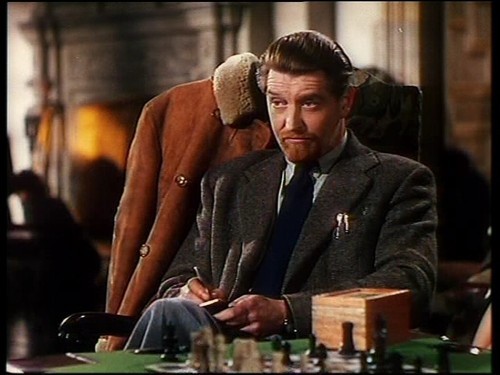
Fico feliz por finalmente ter assistido a “Os Contos de Hoffmann”, embora eu desejasse tê-lo visto na tela grande, para aproveitar o espetáculo, e com legendas, para melhor entender o que estava sendo cantado. Ele não entrou no meu Top 3 de Powell e Pressburger – que consiste de “Coronel Blimp: Vida e Morte” (1943), “Os Sapatinhos Vermelhos” (1948) e meu grande favorito “Neste Mundo e no Outro” (1946).


I’m happy I finally watched “The Tales of Hoffmann”, although I wish it was on the big screen, to see the spectacle, and with subtitles, to better understand what was being sung. It didn’t enter my Powell and Pressburger Top 3 – that consists of “The Life and Death of Colonel Blimp”(1943), “The Red Shoes” (1948) and my big favorite “A Matter of Life and Death”(1946).

Friday, January 10, 2020

Coronel Blimp: Vida e Morte (1943) / The Life and Death of Colonel Blimp (1943)


ESTE ARTIGO TEM SPOILERS
THIS ARTICLE HAS SPOILERS

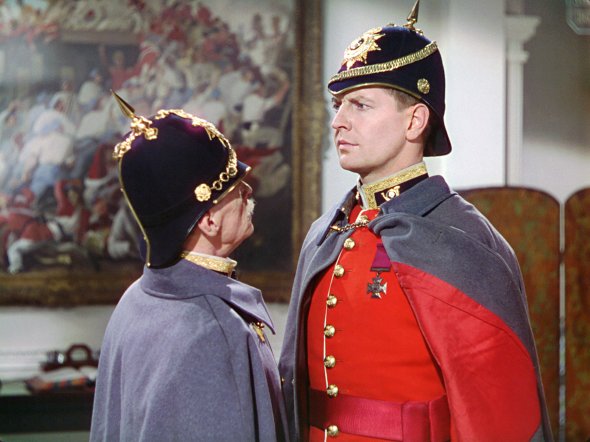
“A guerra começa à meia-noite!” Mesmo com esse protesto, o General Clive Candy é levado como prisioneiro de um grupo de soldados ingleses em treinamento. Assim que Candy cai numa piscina num banho turco, ele – e nós – revisitamos sua vida em uma série de flashbacks.

“War starts at midnight!” Even with this protest, Major-General Clive Candy is taken as prisoner of an English group of soldiers in training. As Candy falls in a pool in a Turkish bath, he – and we – revisits his life in a series of flashbacks.


Durante a Segunda Guerra dos Bôeres (1899-1902), Clive Candy (Roger Livesey) participou de um tipo diferente de ação. Como um tenente de folga, ele recebeu uma carta de uma mulher inglesa que trabalhava em Berlim, Edith Hunter (Deborah Kerr). Ela reclama que Kaunitz, um alemão, está espalhando propaganda contra a Inglaterra. Como os superiores de Clive não se importam com o assunto, ele decide parar Kaunitz sozinho.

During the Second Boer War (1899-1902), Clive Candy (Roger Livesey) saw a different kind of action. As a lieutenant on leave, he receives a letter from an English woman working in Berlin, Edith Hunter (Deborah Kerr). She complains that Kaunitz, a German, is spreading anti-British propaganda. As Candy's superiors don't care about the matter, he decides to stop Kaunitz himself.


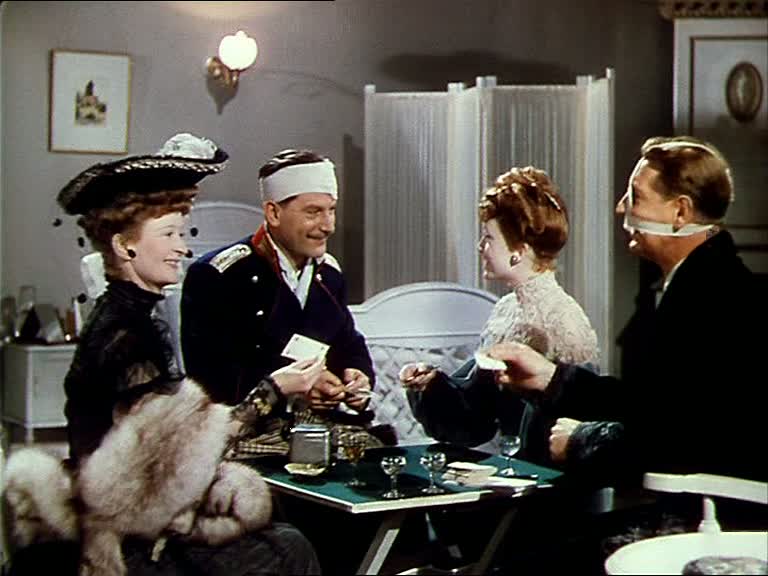
Candy conhece Edith e, com ela, confronta Kaunitz (David Ward) e acaba causando um grande incidente diplomático. Ele é mandado para duelar com um oficial alemão, Theo Kretschmar-Schuldorff (Anton Walbrook). Ambos são feridos no duelo – e se tornam amigos.

Candy meets Edith and, with her, confronts Kaunitz (David Ward) and ends up causing a minor diplomatic incident. He is sent to duel with a German officer, Theo Kretschmar-Schuldorff (Anton Walbrook). Both are wounded in the duel – and they become friends.


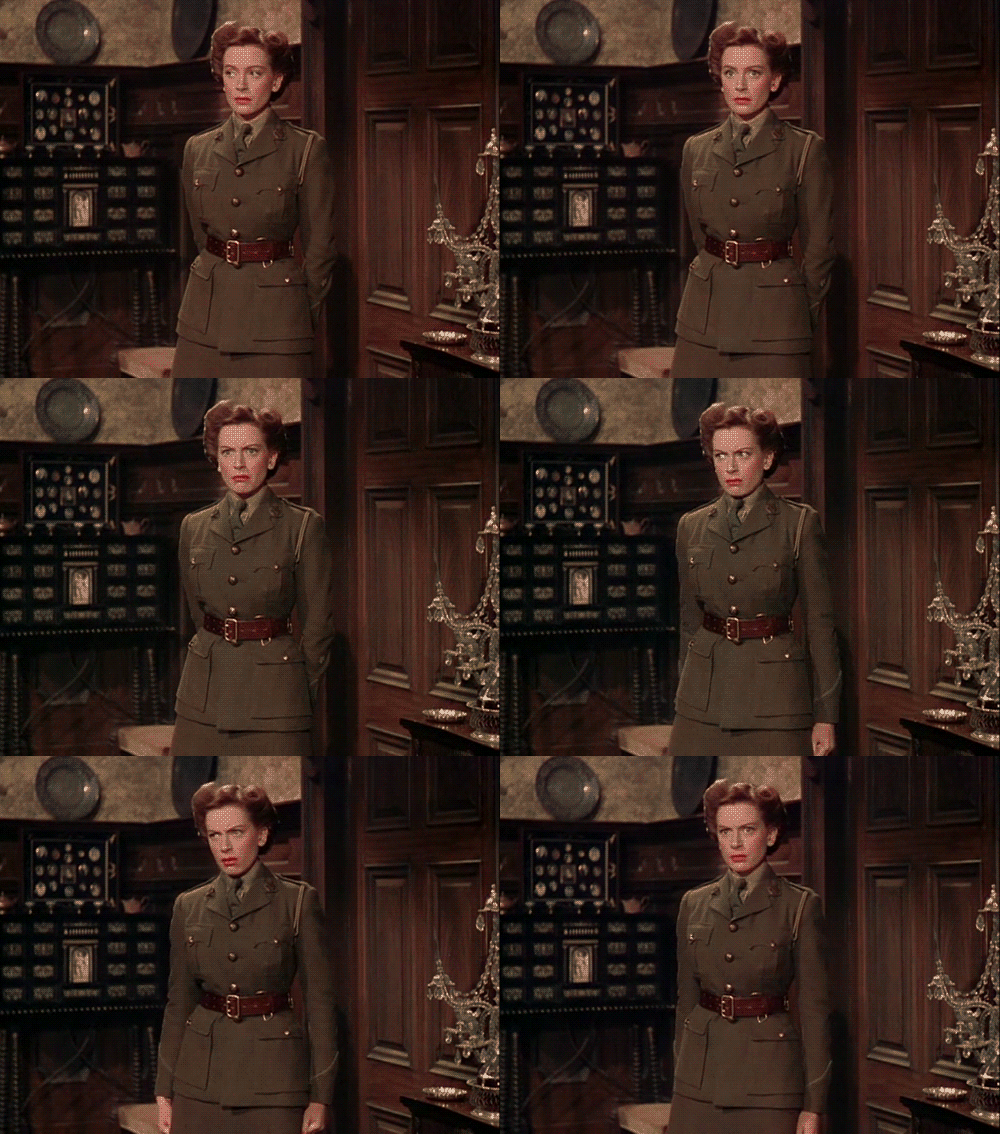
Candy vai para a África. Uma montagem cheia de cabeças empalhadas de animais mortos por Candy mostra a passagem do tempo – uma sequência destas não seria aceita hoje. Agora a Primeira Guerra Mundial (1914-1918) está em curso. O agora General Candy, com um bigode, está em Flandres com seu mordomo Murdoch (John Laurie) pouco antes da assinatura do Armistício. Numa base da Cruz Vermelha ele conhece a enfermeira Barbara Wynne (também Deborah Kerr), e se apaixona por ela por causa de sua semelhança com Edith. Mesmo sendo 20 anos mais nova que ele, ela aceita o pedido de casamento.

Candy leaves to Africa. A montage full of heads of animals shot by Candy show the passage of time – such a sequence wouldn’t be accepted today. Now World War I (1914-1918) is underway. The now General Candy, with a moustache, is in Flanders with his butler Murdoch (John Laurie) a while before the Armistice is signed. In a Red Cross base he meets nurse Barbara Wynne (also Deborah Kerr), and falls in love with her because of the resemblance she bears with Edith. Despite being 20 years younger than him, she accepts his proposal.


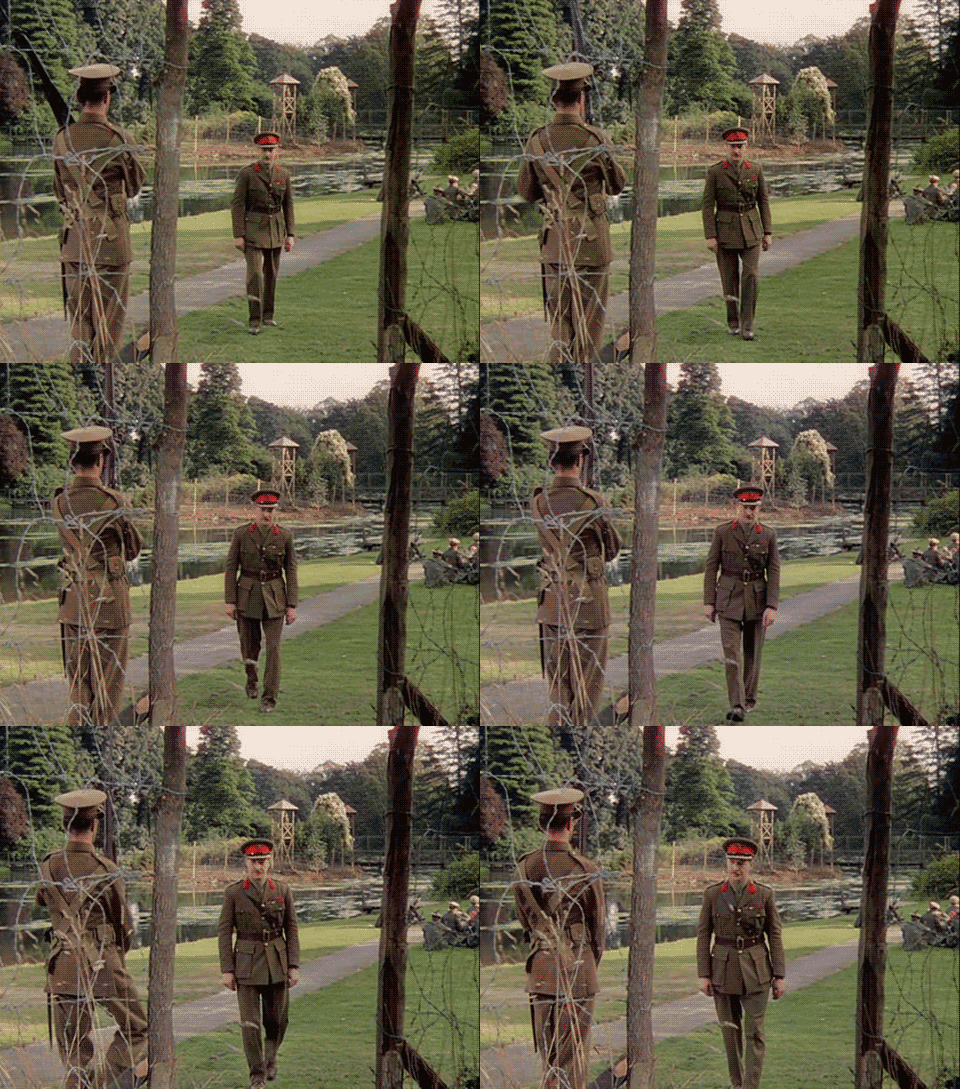
Quando a guerra acaba, Candy encontra Theo em um campo de prisioneiros de guerra. A relação deles é, à primeira vista, impactada, mas Theo é libertado e vai jantar com Candy. Theo é mandado de volta para a Alemanha, enquanto Candy e sua esposa Barbara viajam pelo mundo.

When the war is over, Candy tracks down Theo in a prisoner of war camp. Their relationship is at first shaken, but Theo is freed and they have dinner together. Theo is sent back to German, while Candy and his wife Barbara travel the world.


Barbara morre em 1926, sem deixar filhos. Candy volta a caçar animais selvagens e novamente enche as paredes de casa com as cabeças empalhadas. Logo é 1939, e Theo, agora um químico aposentado, está na Inglaterra após ter enviuvado e ter visto os dois filhos se tornarem nazistas.  Candy encontra Theo no escritório de imigração e o leva para sua casa, onde Theo conhece a motorista de Candy, Angela (adivinhe quem? Deborah Kerr) e se impressiona com a semelhança entre ela, Edith, e Barbara. O filme volta para o começo.

Barbara dies in 1926, leaving no children. Candy starts hunting wild animals again and filling his walls with their heads. Soon it’s 1939, and Theo, now a retired chemist, is in England after becoming a widower himself and seeing his two sons become Nazis. Candy meets Theo at the immigration office and takes him to his home, where Theo meets Candy’s driver, Angela (guess who? Deborah Kerr) and gets impressed with her resemblance with both Edith and Barbara. The film finally comes full circle.


A lógica diz que um filme como “Coronel Blimp: Vida e Morte” não poderia ser feito durante a guerra. É um filme colorido – portanto, mais caro – que tem um personagem alemão simpático e um oficial inglês não muito nobre, e que está ficando obsoleto. A lógica diz que um filme como “Lawrence da Arábia” poderia ser feito durante a guerra, para contar os feitos de um herói de guerra e inspirar os jovens soldados. Mas o mundo do cinema nem sempre segue a lógica.

Logic says that a film like “The Life and Death of Colonel Blimp” couldn't and shouldn’t be made in wartime England. This is a color film – therefore, more expensive – that has a sympathetic German character and a not so noble English officer, who is becoming obsolete. Logic says that a film like “Lawrence of Arabia” would be made in wartime England, to chronicle the deeds of a war hero and inspire the young soldiers. But the film world does not always follow logic.


Winston Churchill se recusou a dar um visto de exportação para o filme depois que ele ficou a par da história que seria contada – por causa disso, o filme só estreou nos EUA em 1945, e numa versão editada. Algumas teorias dizem que Churchill sentiu que Candy era uma sátira dele, mas não há prova disso. Mesmo assim, “Coronel Blimp: Vida e Morte” estreou na Inglaterra com sucesso.

Winston Churchill refused to give a visa for the film after he got to know the story that was being told – because of that, the film only premiered in the US in 1945, and in an edited version. Some theories say that Churchill felt that Candy was a character made to satirize him, but there is no proof of that. Nevertheless, “The Life and Death of Colonel Blimp” premiered in England and was a success.


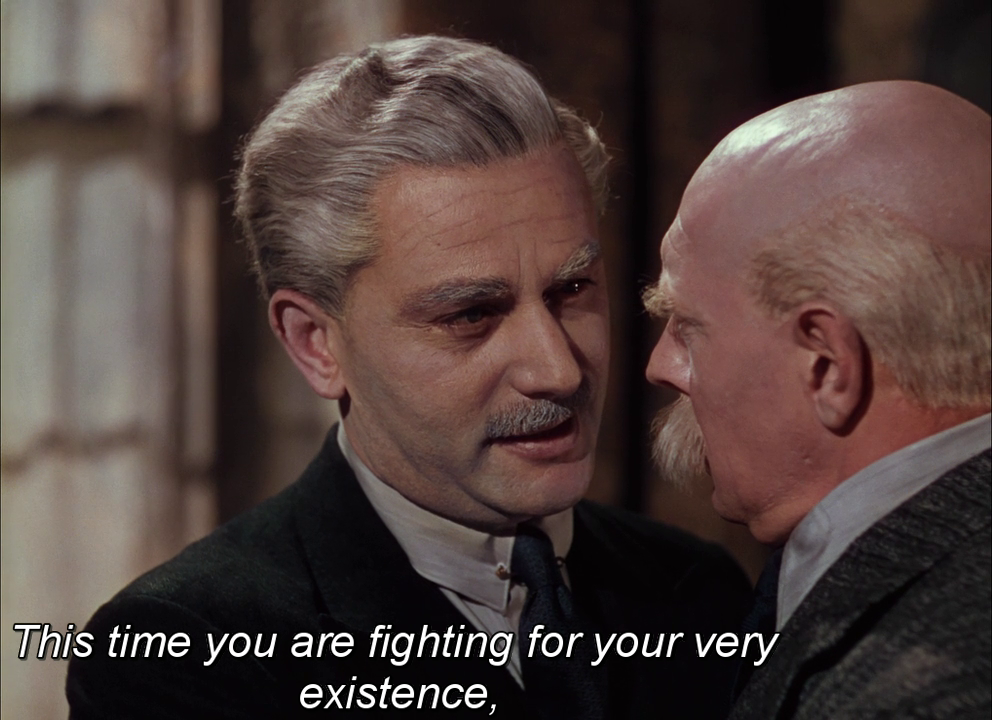
Embora Clive Candy seja o protagonista do filme, creio que Theo é o personagem mais interessante. Primeiro, ele é um soldado alemão com um forte senso de dever e que fala apenas duas expressões em inglês. Isso não impede que uma amizade entre ele e Candy surja. Depois da Primeira Guerra Mundial, Theo está amargo e não é bem recebido entre os amigos de Candy. Além disso, ele não tem certeza sobre como a Alemanha será tratada no Tratado de Versalhes – alerta de spoiler: a Alemanha foi tratada injustamente. E é durante a Segunda Guerra Mundial que seu personagem brilha. Por ter perdido seus dois filhos para o nazismo, ele sabe que combater os nazistas não será como combater qualquer outro inimigo. Numa época em que todos os filmes de guerra retratavam os alemães como uma massa de inimigos, ter um personagem alemão não-judeu como a voz da razão é uma surpresa. E Anton Walbrook, ele próprio um refugiado, é talentoso e bonito.

Although Clive Candy is the lead of the film, I found Theo to be the most interesting character. First, he’s a German soldier with a strong sense of duty who just speaks two expressions in English. This doesn’t prevent a friendship between him and Candy to blossom. After World War I, Theo is bitter and is not well-received among Candy’s friends. Furthermore, he is uncertain about how German would be treated by the Treaty of Versailles – spoiler alert: Germany wasn’t treated fairly. And it’s during World War II that his character shines. Having lost his two sons to Nazism, he knows fighting Nazis won’t be like fighting any other enemy. In a time when all war movies portrayed German people as a mass of enemies, to have a non-Jewish German character as the voice of reason is a surprise. It also doesn’t hurt that Anton Walbrook, a refugee himself, is both talented and handsome.


Os três papéis de Deborah Kerr podem ser associados com a ideia de duplos ou doppelgangers. De acordo com um estudo de 2016 de uma universidade australiana, há apenas uma chance em 135 de você ter um doppelganger exato. Por isso, a chance de Candy conhecer três mulheres que são exatamente iguais, todas na Europa, em um período de 40 anos, é muito, muito pequena. Mas, de novo, os filmes seguem uma lógica diferente.

Deborah Kerr’s three roles can be associated with the idea of doppelgangers. According to a 2016 study from an Australian university, there is only a 1 in 135 chance that there is an exact pair of doppelgangers. So, the chance of Candy having met three women who look exactly the same, all in Europe, in a 40-year period is very, very small. But, again, movies follow a different logic.


Dito isto, é uma pena que nenhuma das personagens de Deborah Kerr seja bem desenvolvida. Eu entendo que o foco seja, primeiro, em Clive Candy e, segundo, em sua amizade com Theo. Angela é a única das personagens que mostra mais independência, pois ela tem um emprego e contradiz Candy para apoiar a opinião de Theo sobre a guerra. Deborah Kerr foi escalada para o filme depois que Wendy Hiller engravidou e teve de deixar o projeto. Michael Powell se apaixonou por Deborah e traduziu muito de sua obsessão para a obsessão de Candy por uma “mulher ideal”.

This being said, it’s a pity that none of Deborah Kerr’s characters is well developed. I understand the focus was, first, on Clive Candy and second on his friendship with Theo. Angela is the only Kerr character that shows more independence as she has a job and contradicts Candy in order to support Theo’s views about the war. Deborah Kerr was cast in the picture after Wendy Hiller got pregnant and had to drop out. Michael Powell fell in love with Deborah and translated a lot of his obsession to Candy’s obsession for an “ideal woman”.


O diretor, produtor e roteirista Emeric Pressburger disse que “Coronel Blimp: Vida e Morte” foi o seu filme favorito de sua parceria com Michael Powell. Eu teria escolhido “Os Sapatinhos Vermelhos” (1948) ou o brilhante “Neste Mundo e no Outro” (1946) como o melhor de Powell e Pressburger, mas não posso negar que Coronel Blimp é um filme luminoso, intrigante e surpreendente.

Director, producer and screenwriter Emeric Pressburger said that “The Life and Death of Colonel Blimp” was the favorite film of his partnership with Michael Powell. Although I’d choose “The Red Shoes” (1948) or the brilliant “A Matter of Life and Death” (1946) as Powell’s and Pressburger’s best, I can’t deny that Colonel Blimp is a luminous, intriguing and surprising film.

This is my contribution to the Second Deborah Kerr blogathon, hosted by Maddy from Maddy Loves Her Classic Films.


Friday, August 5, 2016

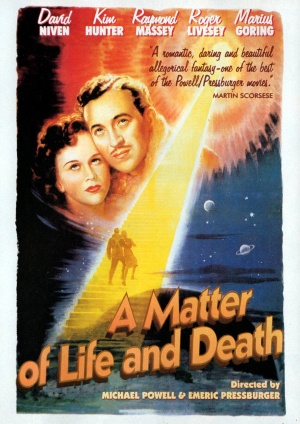
Neste Mundo e no Outro (1946) / A Matter of Life and Death (aka Stairway to Heaven, 1946)

Eu nunca vou me esquecer da emoção que senti quando vi “Os Sapatinhos Vermelhos” (1948) pela primeira vez. Uma verdade pouco repetida é que a cor é algo muito poderoso a ser usado no cinema, e com este musical os ingleses Michael Powell e Emeric Pressburger atingiram seu auge de criação e execução técnicas. Mas Powell e Pressburger fizeram outros belos filmes antes de contar a jornada da bailarina em 1948. Escolhi um deles, “Neste mundo e no outro” (1946) como um dos 12 clássicos que quero ver em 2016. E é curioso que em um filme em que as cores são tão importantes, a primeira pergunta feita é: “seria possível se apaixonar por uma voz?”.

I’ll never forget the emotion I felt the first time I saw “The Red Shoes” (1948). A truth not often told if that color is a very powerful element in the cinema, and with this musical the English gentlemen Michael Powell and Emeric Pressburger had their greatest technical achievement. But Powell and Pressburger made other wonderful movies before telling the ballerina’s journey in 1948. I chose one of them, “A Matter of Life and Death” (1946) as one of the 12 classic films I want to see in 2016. And it is curious that a movie in which colors are so important begins with the question: “can someone fall in love with a voice”?


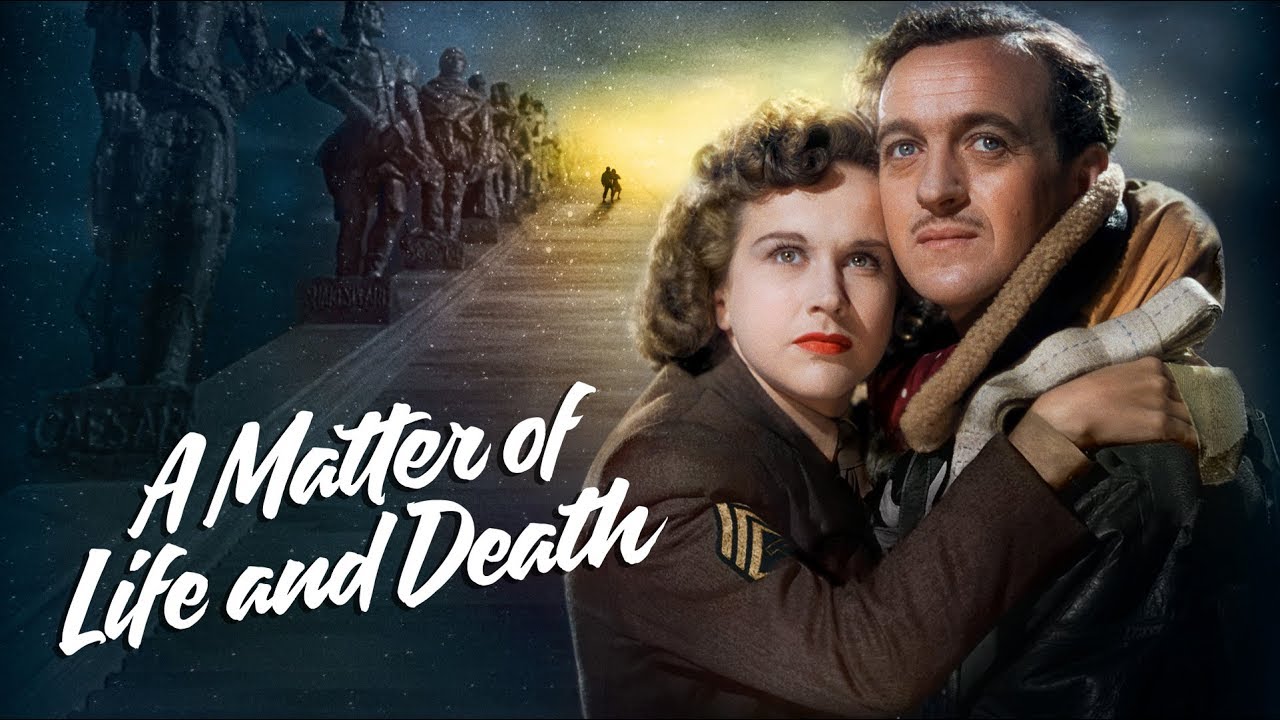
Logo na sequência inicial, o avião de Peter Carter (David Niven) está em chamas, e seu rosto é iluminado apenas pelo fogo. Ele estabelece contato com a base aérea, e dita para a controladora June (Kim Hunter) um telegrama que ela deve enviar para a mãe dele. Ele quer tão somente que a mãe saiba que ele a amava. E, anotando o recado, June tem seus olhos cobertos, a boca e o microfone iluminados, e fica em choque com a tranquilidade de Peter, que está prestes a pular do avião sem paraquedas.

In the opening sequence, Peter Carter’s (David Niven) plane is on fire, and his face is lightened only by fire. He is able to contact the aerial base, and dictates to American WAC June (Kim Hunter) a telegram she is supposed to send his mother. He only wants his mother to know how much he loved her. And, taking the note, June has her eyes covered by darkness, the mouth and the microphone lightened, and is disturbed by Peter’s calm, after all, he is about to jump without a parachute.


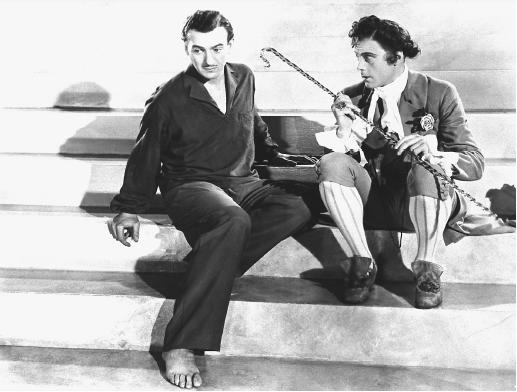
Peter deveria chegar ao céu. Deveria. O céu é todo em preto e branco, muito organizado, um lugar onde não há mais hierarquia militar: no céu, todos são irmãos. Mas Peter não chega ao céu por causa de um erro do Condutor 71 (Marius Goring, com muito batom), que então precisa ir até a Terra para corrigir seu erro.

Peter should go to Heaven. He should. Heaven is all in black and white, a very organized place, a place where there is no more military hierarchy: in Heaven, all men are brothers. But Peter doesn’t go to Heaven due to a mistake made by Condutor 71 (Marius Goring, with a lot of lipstick). The Conductor now must visit Earth to correct his mistake.


Peter pulou do avião, mas caiu no mar e foi levado pelas ondas até à praia. Ele estava pronto para morrer, mas vive e vai atrás de June. É amor à primeira vista. Mas a felicidade é perturbada pelas duas visitas do Condutor, e June decide pedir ajuda ao doutor Reeves (Roger Livesey), um neurologista, para tratar das “alucinações” de Peter.

Peter jumped from the airplane, but he fell at the sea and was taken by the waves to the beach. He was ready to die, but he lives and goes after June. It is love at first sight. But their happiness is disturbed by the Conductor, and June decides to ask doctor Reeves (Roger Livesey), a neurologist, for help with Peter’s “hallucinations”.


Há uma esperança: o caso de Peter será julgado no tribunal celestial, e o doutor Reeves arranja um ótimo cirurgião para fazer uma complicada cirurgia cerebral em Peter. O julgamento não será nada fácil com Abraham Farlan (Raymond Massey) na promotoria, e o caso será muito mais sobre a rivalidade entre ingleses e americanos que sobre o caráter de Peter. É muito interessante notar isso num filme inglês, feito no último grande momento de supremacia da Inglaterra como superpotência mundial.

But there is hope: Peter’s case will be judged in Heavenly court, and doctor Reeves convinces a great surgeon to operate Peter’s brain, even though it is a complicated procedure. The judgment won’t be easy with Abraham Farlan (Raymond Massey) as the prosecutor, and the case will be much more about the rivalry between the English and the American than about Peter’s character. It is very interesting to notice such a conflict in an English movie made in the last great moment of England’s world dominance.


Em um mundo em guerra, cinzento e insuportável, esperava-se que o céu ao menos fosse colorido e alegre. Mas não no caso de Peter: ao conhecer June ele voltou a ver beleza neste mundo, e o outro representa apenas a separação deles. O que a defesa de Peter precisa provar? Que ele e June se amam de verdade, e que é o amor a única coisa que constrói no mundo: uma mensagem fundamental em tempos tão sombrios.

In a world that was at war and everything was gray and sad, it was expected that at least Heaven would be colorful and bright. But not in Peter’s case: when he met June he once again saw beauty in this world, and the other world represents to him only a painful separation. What must Peter’s defense prove? That he and June truly love each other, and that love is the only thing that can build in the world: a fundamental message in somber times.


Além do uso das cores, a trilha sonora é o destaque. A música também é diferente no céu e na terra, e cada nota traduz perfeitamente as emoções dos personagens. Mas só cores, sons e a história juntos podem criar aquele que o próprio Michael Powell apontou como o favorito de seus filmes. Você ainda não viveu a magia do cinema se não viu “Neste mundo e no outro”.

Besides the use of colors, the soundtrack is also outstanding. The music is different for Heaven and Earth, and each not translates perfectly what the characters are feeling. But only colors, sounds and the story put together could create the movie appointed by Michael Powell himself as the favorite of his filmography. You haven’t lived true cinematic magic if you haven’t watched “A matter of life and death”.

This is my contribution to the 3rd Annual British Invaders Blogathon, hosted by my friend Terence at A Shroud of Thoughts.

Friday, July 8, 2011

O Ladrão de Bagdá / The Thief of Bagdad (1940)

Primeira versão sonorizada e em cores do filme estrelado em 1924 por Douglas Fairbanks, O Ladrão de Bagdá é uma história de amizade, malandragem, cobiça, magia e, como não podia deixar de ser, amor.

This is the first sound and color version of the film starred in 1924 by Douglas Fairbanks. “The Thief of Bagdad” is a tale of friendship, mischief, greed, magic and, of course, love.
O estreante John Justin é Ahmad, príncipe que, amaldiçoado pelo rival Jaffar (Conrad Veidt), fica cego e passa a viver como mendigo. Sabu é Abu, o ladrão do título que, ao contrário da versão original, nada quer com a princesa, aqui interpretada por June Duprez, substituindo Vivien Leigh.

Newcomer John Justin plays Ahmad, a prince that was cursed by his rival Jaffar (Conrad Veidt), becomes blind and has to live as a beggar. Sabu plays Abu, the thief referred to in the title. Contrary to the original version, the thief has nothing to do with the princess, played by June Duprez, but a role intended for Vivien Leigh.
Cinco diretores assinam o filme, com destaque para Michael Powell que, através da produtora The Archers e da parceria com Emerich Pressburger, faria grandes filmes como “Os Sapatinhos Vermelhos” (1948) e “Narciso Negro” (1946). A trilha sonora é de Miklós Rósza, contratado após a ideia de usar valsas vienenses ter sido descartada. O filme teve cenas rodadas na Inglaterra e nos Estados Unidos, por isso os cinco diretores. Essa diferença é facilmente notada: nas partes gravadas em solo norte-americano, por conta da censura, as personagens estão mais vestidas e com decotes menores.

Five directors sign the movie. We highlight Michael Powell who, with the production company The Archers and his partner Emeric Pressburger, would still make great movies such as “The Red Shoes” (1948) and “Black Narcissus” (1946). The soundtrack was composed by Miklós Rósza, who was hired after nobody agree with the use of waltzes from Vienna in the soundtrack. The film was shot both in England and in the United States, with the five directors divided on the two continents. This difference is visible: in the scenes shot in the US, due to censorship, the characters show less cleavage and have more clothes on.  
No ano seguinte, o filme levou três prêmios Oscar: melhores fotografia, efeitos especiais e direção de arte. De fato, apesar dos olhos críticos e cínicos do público (notadamente da juventude) atual desdenharem dos efeitos da época, são eles que criam a magia até hoje crível, fazendo da película uma espécie de Alladin do tempo dos nossos avós.

The following year, the movie took home three Oscars: best Cinematography, Special Effects and Art Direction. Indeed, although critical and cynical eyes from the modern viewer usually disdain the dated special effects, it is because of these effects that the film exhales a magic that remains fresh more than 70 years after the original release. “The Thief of Bagdad” becomes, with its special effects, an Alladin from the times of our grandparents. 
Tudo o que vem à nossa mente ao mencionarmos a Arábia e As Mil e Uma Noites pode ser encontrado em O Ladrão de Bagdá. Tapetes voadores, feiticeiros, sultões, dançarinas de véu, cavalos alados, gênios da lâmpada que concedem três pedidos.  E mais algumas mágicas cinematográficas fora do mundo árabe, como uma aranha gigante ou a transformação do menino em cachorro. Um truque usado até hoje foi usado pela primeira vez neste filme: a gravação em fundo azul para depois colocar o cenário colorido durante a edição. Técnicas e Technicolor para criar o melhor clima de ação e aventura possível.

Everything that comes to our minds when we think about the Arab world and the 1001  Nights can be found in “The Thief of Bagdad”. Flying carpets, magicians, sultans, veil dancers, horses with wings, lamp genies that grant three wishes. And also some film magics outside the Arab world, like a giant spider or a boy being transformed in a dog. A trick used until today was created for the film: the chroma key, the scene shot in front of a blue background in order to add the scenario during the editing process. Techniques and Technicolor to create the best mood of action and adventure.

Sabu, carismático ator indiano sempre em papéis exóticos como o luxurioso príncipe de Narciso Negro e o menino lobo Mogli (1942, 25 anos antes de Walt Disney colocá-lo para dançar entre os animais da floresta em desenho animado), é o destaque como o divertido, espirituoso e leal ladrão. Conrad Veidt, o alemão com cara de mau que esteve nos clássicos O Gabinete do Dr. Caligari (1919) e Casablanca (1942), convence como vilão. John e June estão bem como o casal principal, mas infelizmente suas carreiras não progrediram. Não podemos dizer o mesmo das técnicas de efeitos especiais que, embora tenham feito progresso, perderam a real magia que só os sonhos ou os filmes como O Ladrão de Bagdá mantém.

Sabu was a charismatic Indian actor who always played exotic roles such as the luxurious prince from “Black Narcissus” and Mowgli (from the 1942 “The Jungle Book”, made 25 years before Walt Disney put Mowgli to dance amidst the jungle animals in the cartoon). Here Sabu is the scene stealer as the fun, witty and loyal thief. Conrad Veidt, the German with an evil face that was in classics like “The Cabinet of Doctor Caligari” (1919) and “Casablanca” (1942), is great and convincing as the villain. John and June perform well as the main couple, but unfortunately they didn't have much success in their later careers. But we can't say the special effects weren't successful! Although there was great progress in the field through the years, there was a loss of the real magic that only dreams or movies like “The Thief of Bagdad” can have.

Related Posts Plugin for WordPress, Blogger...