} Crítica Retrô: Alexander Korda

Tradutor / Translator / Traductor / Übersetzer / Traduttore / Traducteur / 翻訳者 / переводчик

Showing posts with label Alexander Korda. Show all posts

Saturday, September 21, 2024

O Marido Ideal (1947) / An Ideal Husband (1947)


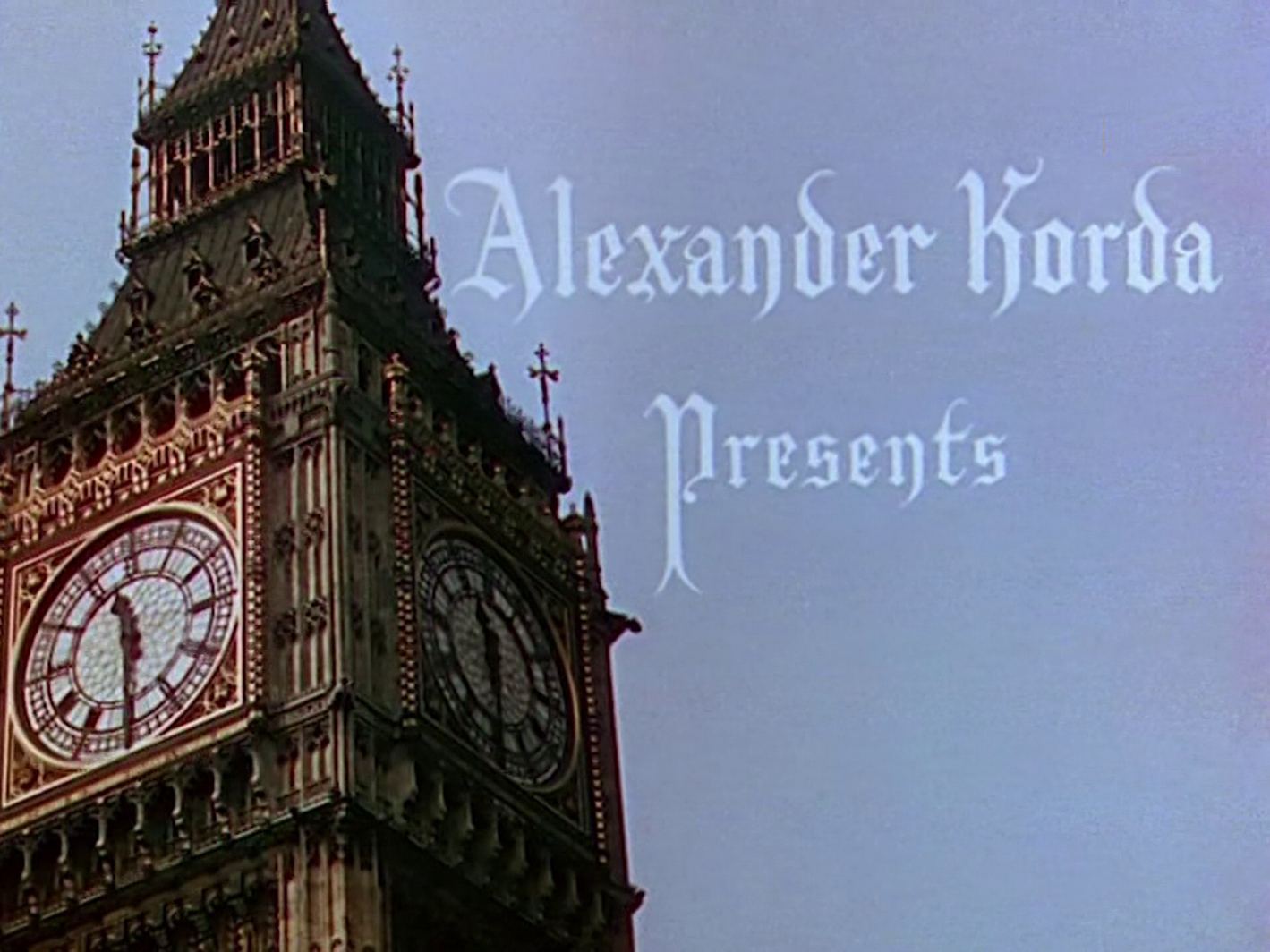
A melhor coisa que pode acontecer quando você começa a assistir a um filme britânico é ver na abertura o alvo redondo que indica que o filme a que você assistirá é uma produção The Archers, companhia de Powell e Pressburger. A segunda melhor coisa que pode acontecer na mesma situação é ver o Big Bem, indicando que você assistirá a uma produção de Alexander Korda. Esta segunda coisa acontece no começo de “O Marido Ideal” (1947), produzido e dirigido por Korda.


The best thing that can happen when you start watching a British film is seeing in the opening the round target that indicates that the film you’ll watch was a production of The Archers, the production company for Powell and Pressburger. The second best thing that can happen in the same situation is seeing the Big Ben, indicating that you’ll watch an Alexander Korda production. This second thing happens in the beginning of “An Ideal Husband” (1947), produced and directed by Korda.


Como diz Mabel (Glynis Johns), a (alta) sociedade de Londres é “inteiramente composta de belos idiotas e brilhantes lunáticos”. É numa festa da alta sociedade dada pela cunhada de Mabel, Gertrude (Diana Wynyard), que somos apresentados aos personagens. O anfitrião é Robert Chiltern (Hugh Williams) e vinda de Viena para falar diretamente com ele temos a senhora Cheveley (Paulette Goddard). Ao redor deles há ainda o Lorde Caversham (C. Aubrey Smith) e seu filho, o Lorde Goring (Michael Wilding).


As Mabel (Glynis Johns) says, London (high) society is “entirely composed of beautiful idiots and brilliant lunatics”. It is in a high society séance hosted by Mabel’s sister-in-law Gertrude Chiltern (Diana Wynyard) that we’re introduced to our characters. The host is Robert Chiltern (Hugh Williams) and coming from Vienna to speak directly to him is Mrs Cheveley (Paulette Goddard). Around them there are also Lord Caversham (C. Aubrey Smith) and his son, Lord Goring (Michael Wilding).


O marido ideal é Robert, mas é Gertrude que o salva de cair na teia da senhora Cheveley. A socialite de Viena queria que ele defendesse um esquema para construir um canal na Argentina, e o convenceu a fazer isso através de chantagem. Quando Gertrue fica sabendo que seu marido não era tão “ideal” quanto ela pensava, o casamento entra em crise.


The ideal husband is Robert, but it’s Gertrude who saves him from falling in Mrs Cheveley’s web. The socialite from Vienna wanted him to endorse a scheme to build a canal in Argentina, and convinced him to do so through blackmail. When Gertrude learns that her husband isn’t as “ideal” as she thought, the marriage goes into crisis.

“O Marido Ideal” é baseado em uma peça de 1895 de Oscar Wilde, e foi adaptado para as telas por Laos Biró. Há espaço para humor, como quando duas mulheres – a senhora Cheveley e a Lady Markby (Constance Collier), para ser mais precisa – com chapéus extravagantes conversam sobre moda. Nascido no que era então o Império Austro-Húngaro, Lajos Biró faleceu menos de um ano após a estreia de “O Marido Ideal” nos cinemas. Ele era o chefe de roteiros para o estúdio de Korda.


“An Ideal Husband” is based on a work from 1895 by Oscar Wilde, written for the screen by Lajos Biró. There is space for humor, like when two women – Mrs Cheveley and Lady Markby (Constance Collier), to be precise –  with extravagant hats talk about fashion. Born in what was then Austria-Hungary, Lajos Biró died less than one year after “An Ideal Husband” premiered in theaters. He was the scenario chief for Korda’s production company.


Os figurinos foram feitos por Cecil Beaton. O destaque vai para um vestido lilás extravagante com uma capa laranja usada por Goddard. Ainda havia racionamento na Inglaterra durante as filmagens, por isso Beaton teve de improvisar em muitas cenas. Para piorar a situação, o filme foi rodado no verão, com o clima deixando os vestidos ainda mais desconfortáveis. Beaton mais tarde faria vestidos semelhantes para “Gigi” (1958) e “Minha Bela Dama” (1964).


The costumes were made by Cecil Beaton. The highlight is an extravagant lilac dress with an orange cape worn by Goddard. There was still rationing in England during the period, so Beaton had to improvise in many scenes. To make things worse, the film was shot during summer, making the heavy costumes even more uncomfortable to wear. Beaton later made similar dresses for “Gigi” (1958) and “My Fair Lady” (1964).


“O Marido Ideal” foi o último filme feito por Korda como diretor, embora ele tenha continuado trabalhando como produtor. O primeiro produtor de cinema britânico a se tornar Sir, Korda produziu 82 filmes e dirigiu 69, numa carreira que começou no cinema mudo na sua Hungria natal, assim como na Áustria e na Alemanha. Ele passou dois breves períodos em Hollywood, um no final da era muda e o segundo durante a Segunda Guerra Mundial. Entre os filmes mais famosos que ele dirigiu, temos “Longe dos Olhos”(1945) e, obviamente, “O Ladrão de Bagdá” (1940).


“An Ideal Husband” was Alexander Korda’s last credit as a director, even though he continued working as a producer. The first British film producer to receive knighthood, Korda produced 82 movies and directed 69, in a career that started in silent movies in his native Hungary as well as in Austria and German. He had two brief stints in Hollywood, one in the end of the silent era and the second during World War II. Among the most famous movies he directed, we have “Vacation from Marriage” (1945) and, of course, “The Thief of Bagdad” (1940).

“O Marido Ideal” é espirituoso e charmoso, mas o destaque é o Technicolor. O assunto é bastante arriscado, mas não se arrisca em demasiado. É como se a Inglaterra estivesse seguindo o código de produção de Hollywood. Não funcionou, pois o filme não teve grande bilheteria em mercados estrangeiros, mesmo sendo um dos dez maiores sucessos de bilheteria na Inglaterra. Há certas coisas que só os nativos gostam!


“An Ideal Husband” is witty and charming, but the highlight is the Technicolor. The subejct is rather raw, but no risks are taken. It's as if England was following Hollywood’s production code. It didn’t work, as the movie performed poorly in foreign markets, despite being one of the Top 10 money-makers in England. There are certain things that only locals can enjoy!


“O Marido Ideal” está disponível no YouTube com legendas em inglês.


“An Ideal Husband” is available on YouTube.


This is my contribution to the 11th Annual Rule, Britannia Blogathon, hosted by Terence at A Shroud of Thoughts.

Sunday, July 5, 2020

O Amor Nasceu do Ódio (1937) / Knight Without Armour (1937)

Não é nem um pouco surpreendente assistir a um filme norte-americano ou britânico feito durante a Guerra Fria criticando a União Soviética e a Revolução Russa. Mas ver um filme com o mesmo tema feito antes da Segunda Guerra Mundial é uma experiência interessante. “O Amor Nasceu do Ódio”, uma produção britânica de 1937, mostra, quase 30 anos antes de “Doutor Jivago”, o sofrimento da nobreza com a chegada da revolução – e ainda tenta adicionar romance na trama!

It's not surprising at all to see an American or British movie made during the Cold War criticizing the Sovietic Union and the Russian Revolution. But seeing a pre-World War II film with the same theme is quite an interesting experience. “Knight Without Armour”, a British production from 1937, shows almost 30 years before “Doctor Zhivago” the suffering of the noble classes when the revolution came – and it also tries to wave romance into the plot!


O correspondente estrangeiro A.J. Fothergill (Robert Donat) tinha 48 horas para deixar a Rússia – sim, Rússia, porque a história começa em 1917, quando ainda havia um Czar. Felizmente, um amigo lhe apresenta outra opção: ele pode deixar a barba crescer, adotar uma nova identidade e se tornar espião! Fothergill aceita esta adorável oferta e começa a espionar alguns revolucionários. O desdobramento das coisas não sai como esperado e ele se torna um prisioneiro político.

Foreign correspondent A.J. Fothergill (Robert Donat) has 48 hours to leave Russia – yes, Russia, because the story begins in 1913, when there was still a Tsar. Luckily, a friend presents him with an option: he can grow a beard, adopt a new identity and become a spy! Fothergill accepts this lovely offer and starts spying on a few naughty revolutionaries. Things don't go so well and he becomes a political prisoner.

Enquanto isso, a condessa Alexandra Vladinoff (Marlene Dietrich) está de boa. Tão de boa que ela está descansando no jardim enquanto seus empregados leem jornais que os convocam a se unir à revolução. Quando a revolução acontece, os empregados vão embora e a mansão dela é invadida por uma multidão raivosa que ela enfrenta usando apenas uma camisola branca, parecendo uma deusa flutuante. A multidão saqueia a mansão e espera para decidir o que farão com Alexandra. Quem poderá salvá-la?

Meanwhile, Countess Alexandra Vladinoff (Marlene Dietrich) is chill. So chill that she is chilling in the garden while her servants read newspapers calling them to join the revolution. When the revolution is successful, her servants leave and her mansion is invaded by an angry crowd that she faces wearing only a white nightgown, looking like a floating goddess. The crowd loots her mansion and waits to decide what they'll do to her. Who will save Alexandra?

Se você respondeu Fothergill, você acertou. Depois de passar anos preso na Sibéria, ele e outros prisioneiros são libertados pelos revolucionários. O único inconveniente é que eles acham que Fothergill se chama Peter Ouronov e também é revolucionário. Agora como parte de uma missão oficial – e sem barba – Fothergill vai para a mansão Vladinoff para encontrar Alexandra e acompanhá-la até Petrogrado.

If you answered Fothergill, you're right. After spending years in a prison in Siberia, he and the other prisoners are freed by the revolutionaries. The only inconvenient is that they think his name is Peter Ouronov and he is a revolutionary as well. Now part of an official mission – and without a beard – Fothergill goes to the Vladinoff mansion to meet Alexandra and accompany her to Petrograd.

Infelizmente, não há mais trens para Petrogrado, e Fothergill tem de deixar Alexandra para trás pois o Exército Branco – os Mencheviques – se aproximam. Não nos esqueçamos de que Fothergill havia se tornado sem querer um membro do Exército Vermelho, ou Bolchevique. Claro, antes de partir Fothergill e Alexandra já haviam recitado poemas um para o outro e estavam apaixonados.

Unfortunately, there are no trains to Petrograd anymore, and Fothergill has to leave Alexandra behind as the White Army – the Mensheviks – comes near. Let's not forget that Fothergill had unwillingly become a member of the Red, or Bolshevik Army. Of course, before parting Fothergill and Alexandra have already recited poems to each other and are in love.

“O Amor Nasceu do Ódio” foi produzido por Alexander Korda – que há 20 anos já fazia filmes em sua terra natal, a então Áustria-Hungria. Ele chegou à Inglaterra no começo dos anos 30 após um breve período em Hollywood, e em 1942 se tornaria o primeiro produtor de cinema a ser nomeado cavaleiro. Embora às vezes ele também dirigisse filmes, Korda não dirigiu “O Amor Nasceu do Ódio”, pois quem o fez foi o belga Jacques Feyder.

“Knight Without Armour” was produced by Alexander Korda – who had been making films for 20 years in his native Austria-Hungary. He had arrived in England in the early 1930s after a brief period in Hollywood, and in 1942 he'd become the first film producer to be knighted. Although he sometimes also sat behind the director's chair, Korda didn't direct “Knight Without Armour”, as Belgian Jacques Feyder did it.

Alexander Korda

É estranho ver Marlene Dietrich como uma donzela em perigo. Em “O Amor Nasceu do Ódio”, ela precisa ser resgatada várias vezes por Robert Donat, cujo personagem pensa rápido e sempre se livra das dificuldades usando sua perspicácia – seus atos heroicos são críveis, mas sua relação com Marlene não é muito. Dietrich está lá apenas para parecer fabulosa com cílios enormes, mesmo depois de passar a noite escondida na floresta, sem nunca se mostrar resoluta ou sedutora. Sua Alexandra é o oposto da sua Lola-Lola de “O Anjo Azul” (1930).

It's weird to see Marlene Dietrich as a damsel in distress. In “Knight Without Armour” she needs to be rescued again and again by Robert Donat, whose character thinks quickly and always gets out of difficulties with his wit – his heroic acts are believable, but his relationship with Marlene isn't so much. Dietrich is only there looking fabulous with huge eyelashes, even after spending the night hidden in the forest, never being resolute or seductive. Her Alexandra is the opposite of her Lola-Lola from “The Blue Angel” (1930).

Robert Donat foi um dos principais cavalheiros ingleses do cinema clássico. Ele comumente interpretava personagens educados e com senso de justiça, às vezes ajudando quem precisava, como neste filme e também em “A Morada da Sexta Felicidade”, seu último filme. Entretanto, foi ele que precisou da ajuda de Marlene Dietrich no set de “O Amor Nasceu do Ódio”. De acordo com Robert Osborne, quando um ataque de asma o afastou do trabalho, Dietrich não deixou que Robert fosse demitido e cuidou dele até ele se recuperar.

Robert Donat was one of the quintessential English gentlemen of classic film. He usually played polite characters that could be a moral compass, sometimes helping others in need, like in this film and also in “The Inn of the Sixth Happiness”, his last film. However, he was the one who needed help from Dietrich on the set of “Knigh Without Armour”. According to Robert Osborne, when a bout of asthma prevented him to work, Dietrich didn't let anyone fire Donat and also nursed him back to health.

A grande roteirista Frances Marion foi responsável pela adaptação do livro para as telas, mas alguns problemas existem no produto final. O terceiro ato basicamente desperdiça a oportunidade de ter mais um perigo e suspense, e o principal problema que eu vejo na história é que Fothergill muda de lado muitas vezes, entretanto nunca deixa claro que era um inglês que se meteu numa grande confusão.

The great screenwriter Frances Marion was responsible to adapt the novel to the screen, but some issues arise in the final film. The third acts basically wastes an opportunity to have another thrill and danger, and the main problem I have with the story is that Fothergill changes sides many times, but never leaves it clear that he was an English man caught in the middle of a huge mess.

Jack Cardiff é creditado como operador de câmera em “O Amor Nasceu do Ódio”. Cardiff se tornaria um dos mais respeitados e admirados diretores de fotografia do cinema britânico, em especial por seu trabalho com Powell e Pressburger. Há um momento inspirado neste filme, quando Marlene está primeiramente fora do foco, mas dá um passo e entra em foco parecendo um ser mágico. Também devemos mencionar a presença de Miklós Rózsa, em sua estreia como compositor. 

Jack Cardiff is credited as camera operator in “Knight Without Armour”. Cardiff would go on to become one of the most respected and admired cinematographers of British cinema, in special for his work in Powell and Pressburger movies. There is a particular inspired moment in this film, when Marlene is at first out of focus, but she steps ahead and enters focus looking like a fierce magical being. It's also worth mentioning the presence of Miklós Rózsa, who debuted as a composer in this film.

“O Amor Nasceu do Ódio” é um filme que para entre o romance e a propaganda – para se ter uma ideia, o grande salvador é a Cruz Vermelha Americana. A maioria dos jornalistas norte-americanos, obviamente, elogiaram o filme, e o público também gostou. Mesmo assim, o sucesso não foi suficiente para compensar os gastos com o orçamento deste épico falho.

“Knight Without Armour” is a film stuck midway between romance and propaganda – mind you, the ultimate savior in the film is the American Red Cross. Most American journalists, of course, praised the film, and the public liked it as well. Nevertheless, the success wasn't enough to recover the expenses made in the massive budget for this flawed epic.

This is my contribution to the Robert Donat blogathon, hosted by Maddy at Maddy Loves Her Classic Films.

Saturday, May 28, 2016

Mogli, o Menino Lobo (1942) / The Jungle Book (1942)

Talvez você tenha ido ver a nova aventura live-action da Disney, “The Jungle Book”. É provável que você tenha tido seu primeiro contato com a história de Mogli através do desenho de 1967, que também lhe ensinou que “necessário, somente o necessário, o extraordinário é demais”. Mas é provável que você não saiba algumas coisas. Primeiro, que quem escreveu o livro “The Jungle Book” foi Rudyard Kipling. Segundo, que a primeira adaptação da história para o cinema foi em 1942, e estrelou um grande ídolo indiano.

Maybe you went to the movies to see the new Disney live-action adventure, “The Jungle Book”. There is a good chance that you had your first contact with Mowgli's story through the 1967 cartoon, that also taught you about the “bare necessities”. But there is a chance that you aren't aware about a couple of things. First, that the author of “The Jungle Book” is Rudyard Kipling. Second, that the first adaptation of the story to film was made in 1942, and starred a great Indian idol.
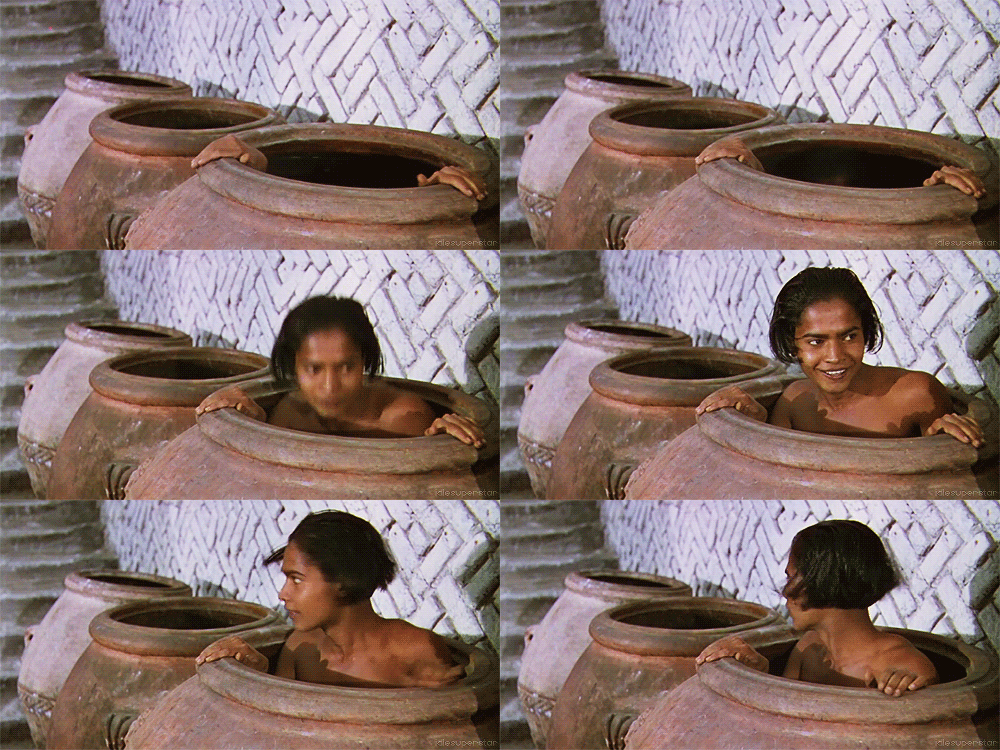
Uma turista ouve um velho senhor indiano (Joseph Calleia) contando histórias para uma multidão. Ele começa a contar especialmente para ela a história de Latu, uma criança da aldeia que ficou perdida no mato. O tigre Shere Khan matou o pai de Latu, mas o menininho foi acolhido por uma família de lobos (o que é um óbvio ponto retirado da lenda de fundação de Roma pelos irmãos Rômulo e Remo, criados por uma loba). Em meio aos lobos, o menino Latu passa a ser chamado de Mogli.

A tourist listens to an old Indian man (Joseph Calleia) who is telling a story to a crowd. He then proceeds to tell, especially to her, the story of Latu, a child from the village who got lost in the jungle. Shere Khan, the tiger, killed Latu's father, but the little boy was adopted by a family of wolves (which is obviously taken from the legend of the foundation of Rome by the brothers Romulus and Remus, raised by a wolf). Among the wolves, Latu is called Mowgli.
Doze anos se passam, e Shere Khan agora quer pegar Mogli. Um dia, sem querer, Mogli volta à sua aldeia e é pego e reconhecido pela mãe. O menino passa então algum tempo entre as pessoas, aprendendo a falar e ficando longe de sua vida selvagem. É na aldeia que ele conhece a encantadora Mahala (Patricia O'Rourke), de quem fica amigo. Mas Mogli é uma mistura única de homem e lobo, e ainda tem como objetivo se vingar de Shere Khan.

Twelve years go by, and now Shere Khan wants to catch Mowgli. One day, by accident, Mowgli goes back to his village, is captured and his mother recognizes him. The boy then spends some time among people, learning how to speak English and staying away from his wild life. In the village he meets the charming Mahala (Patricia O'Rourke), who becomes his friend. But Mowgli is an unique mix of man and wolf, and still has in mind his revenge against Shere Khan.
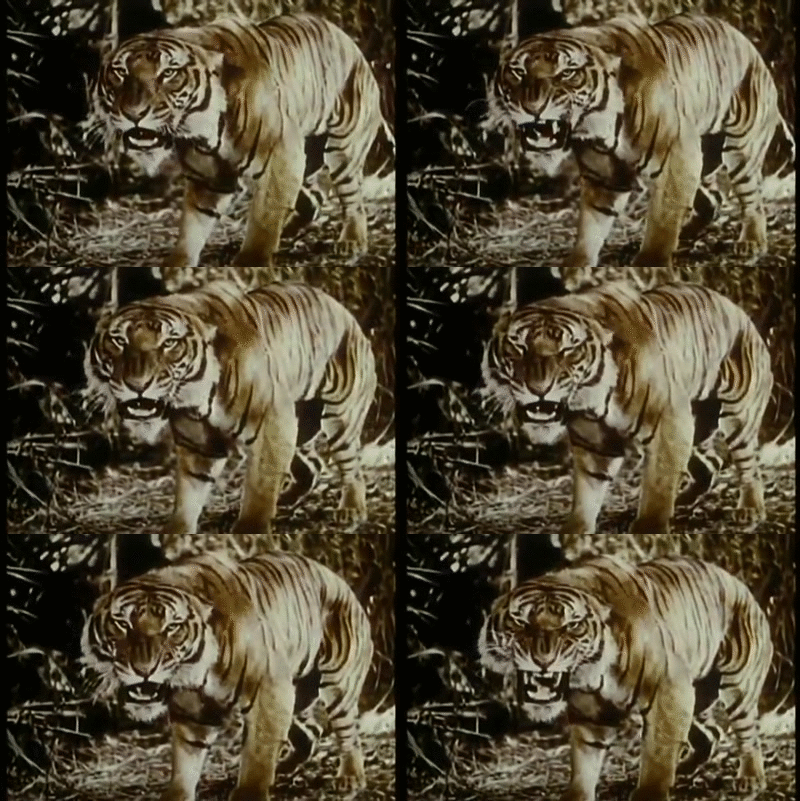
Foram usados mais de 300 animais nas filmagens: nada de CGI! Imagine a surpresa quando um tigre imenso vem se aproximando de você, na tela do cinema, pronto para atacar! Nem tudo, claro, é verdade. A cena do pequeno Mogli entrando na toca dos lobos conta com supostos filhotes de lobo... que evidentemente são cachorrinhos colocados perto da criança sem oferecer perigo. O tigre Shere Khan foi filmado da mesma maneira que o leopardo Baby em algumas cenas de “Levada da Breca” (1938), utilizando-se uma tela transparente entre o animal, os atores e a câmera.

More than 300 animals were used in the movie: no CGI! Imagine the surprise you have when a huge tiger gets nearer and nearer you, at the movie screen, and is ready to attack! Not everything, of course, was true. The scene of little Mowgli entering the wolves' cave has some wolf cubs... that are obviously puppies placed near the child in order to shoot the scene without danger. The tiger Shere Khan was film using the same technique from some scenes with the leopard from “Bringing Up Baby” (1938): using a transparent screen between the animal, actors and the camera.

Os únicos animais falantes do filme são as cobras. Aqui, Kaa só dá dicas para Mogli derrotar Shere Khan. Há também outra cobra, guardiã dos tesouros de uma cidade perdida no meio da selva que, quando descoberta, desperta a cobiça dos homens da aldeia.

The only talking animals in the film are snakes. Here, Kaa only gives tips for Mowgli to defeat Shere Khan. There is also another snake, the guardian of the treasures from a lost town in the middle of the forest. When discovered, the town makes the men from the village greedy.
É a presença dos homens neste filme que o distancia tanto da versão da Disney. Com Mogli convivendo em uma aldeia, e dividido entre a vida selvagem e a civilizada, o filme se aproxima mais das histórias mais recentes de Tarzan ou até de “George, o Rei da Floresta”.

It is the presence of men in this film that puts it far away from the Disney version. With Mowgli living in a village, and torn between wild and civilized life, the film gets closer to a modern Tarzan tale or even “George of the Jungle” (1997).

Os três irmãos Korda, responsáveis pelo grande sucesso anterior do menino Sabu, “Ladrão de Bagdá” (1940), saíram da Inglaterra para filmar nos Estados Unidos durante a guerra. Zóltan Korda foi o diretor, Alexander foi o produtor e Vincent cuidou da bela direção de arte.

The three Korda brothers were responsible for the latest big hit Sabu has appeared in, “The Thief of Bagdad” (1940), and they left England to film in the USA during the war. Zóltan Korda was the director, Alexander was the producer and Vincent was responsible by the inspired art direction.
Os temas do filme são às vezes chocantes demais para as crianças acostumadas a consumir apenas o politicamente correto. Mas são temas do cotidiano: amor, morte, cobiça e destruição. A edição e utilização das cenas de animais é fantástica e capaz de empolgar quem já deixou de ser criança faz tempo. É uma aventura maravilhosa, empolgante, que te faz voltar a ser criança – ou ao menos te envolve a ponto de você não ver o tempo passar.

The themes of the film are sometimes too shocking for children used to  “politically correct entertainment”. But they are everyday themes: love, death, greed and destruction. The edition and use of animals are fantastic and can conquer you even if you are not a child. It is a wonderful, breathtaking adventure, able to make you feel like a child again – or at least able to make you so involved that you won't see time passing.

This is my contribution to the Animals in Film Blogathon, hosted by Crystal at In the Good Old Days of Classic Hollywood. 

Friday, July 8, 2011

O Ladrão de Bagdá / The Thief of Bagdad (1940)

Primeira versão sonorizada e em cores do filme estrelado em 1924 por Douglas Fairbanks, O Ladrão de Bagdá é uma história de amizade, malandragem, cobiça, magia e, como não podia deixar de ser, amor.

This is the first sound and color version of the film starred in 1924 by Douglas Fairbanks. “The Thief of Bagdad” is a tale of friendship, mischief, greed, magic and, of course, love.
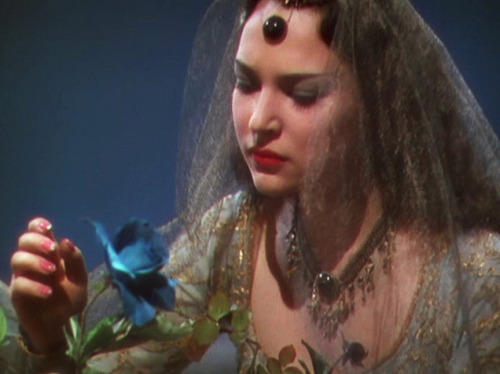
O estreante John Justin é Ahmad, príncipe que, amaldiçoado pelo rival Jaffar (Conrad Veidt), fica cego e passa a viver como mendigo. Sabu é Abu, o ladrão do título que, ao contrário da versão original, nada quer com a princesa, aqui interpretada por June Duprez, substituindo Vivien Leigh.

Newcomer John Justin plays Ahmad, a prince that was cursed by his rival Jaffar (Conrad Veidt), becomes blind and has to live as a beggar. Sabu plays Abu, the thief referred to in the title. Contrary to the original version, the thief has nothing to do with the princess, played by June Duprez, but a role intended for Vivien Leigh.
Cinco diretores assinam o filme, com destaque para Michael Powell que, através da produtora The Archers e da parceria com Emerich Pressburger, faria grandes filmes como “Os Sapatinhos Vermelhos” (1948) e “Narciso Negro” (1946). A trilha sonora é de Miklós Rósza, contratado após a ideia de usar valsas vienenses ter sido descartada. O filme teve cenas rodadas na Inglaterra e nos Estados Unidos, por isso os cinco diretores. Essa diferença é facilmente notada: nas partes gravadas em solo norte-americano, por conta da censura, as personagens estão mais vestidas e com decotes menores.

Five directors sign the movie. We highlight Michael Powell who, with the production company The Archers and his partner Emeric Pressburger, would still make great movies such as “The Red Shoes” (1948) and “Black Narcissus” (1946). The soundtrack was composed by Miklós Rósza, who was hired after nobody agree with the use of waltzes from Vienna in the soundtrack. The film was shot both in England and in the United States, with the five directors divided on the two continents. This difference is visible: in the scenes shot in the US, due to censorship, the characters show less cleavage and have more clothes on.  
No ano seguinte, o filme levou três prêmios Oscar: melhores fotografia, efeitos especiais e direção de arte. De fato, apesar dos olhos críticos e cínicos do público (notadamente da juventude) atual desdenharem dos efeitos da época, são eles que criam a magia até hoje crível, fazendo da película uma espécie de Alladin do tempo dos nossos avós.

The following year, the movie took home three Oscars: best Cinematography, Special Effects and Art Direction. Indeed, although critical and cynical eyes from the modern viewer usually disdain the dated special effects, it is because of these effects that the film exhales a magic that remains fresh more than 70 years after the original release. “The Thief of Bagdad” becomes, with its special effects, an Alladin from the times of our grandparents. 
Tudo o que vem à nossa mente ao mencionarmos a Arábia e As Mil e Uma Noites pode ser encontrado em O Ladrão de Bagdá. Tapetes voadores, feiticeiros, sultões, dançarinas de véu, cavalos alados, gênios da lâmpada que concedem três pedidos.  E mais algumas mágicas cinematográficas fora do mundo árabe, como uma aranha gigante ou a transformação do menino em cachorro. Um truque usado até hoje foi usado pela primeira vez neste filme: a gravação em fundo azul para depois colocar o cenário colorido durante a edição. Técnicas e Technicolor para criar o melhor clima de ação e aventura possível.

Everything that comes to our minds when we think about the Arab world and the 1001  Nights can be found in “The Thief of Bagdad”. Flying carpets, magicians, sultans, veil dancers, horses with wings, lamp genies that grant three wishes. And also some film magics outside the Arab world, like a giant spider or a boy being transformed in a dog. A trick used until today was created for the film: the chroma key, the scene shot in front of a blue background in order to add the scenario during the editing process. Techniques and Technicolor to create the best mood of action and adventure.

Sabu, carismático ator indiano sempre em papéis exóticos como o luxurioso príncipe de Narciso Negro e o menino lobo Mogli (1942, 25 anos antes de Walt Disney colocá-lo para dançar entre os animais da floresta em desenho animado), é o destaque como o divertido, espirituoso e leal ladrão. Conrad Veidt, o alemão com cara de mau que esteve nos clássicos O Gabinete do Dr. Caligari (1919) e Casablanca (1942), convence como vilão. John e June estão bem como o casal principal, mas infelizmente suas carreiras não progrediram. Não podemos dizer o mesmo das técnicas de efeitos especiais que, embora tenham feito progresso, perderam a real magia que só os sonhos ou os filmes como O Ladrão de Bagdá mantém.

Sabu was a charismatic Indian actor who always played exotic roles such as the luxurious prince from “Black Narcissus” and Mowgli (from the 1942 “The Jungle Book”, made 25 years before Walt Disney put Mowgli to dance amidst the jungle animals in the cartoon). Here Sabu is the scene stealer as the fun, witty and loyal thief. Conrad Veidt, the German with an evil face that was in classics like “The Cabinet of Doctor Caligari” (1919) and “Casablanca” (1942), is great and convincing as the villain. John and June perform well as the main couple, but unfortunately they didn't have much success in their later careers. But we can't say the special effects weren't successful! Although there was great progress in the field through the years, there was a loss of the real magic that only dreams or movies like “The Thief of Bagdad” can have.

Related Posts Plugin for WordPress, Blogger...