} Crítica Retrô: Robert Donat

Tradutor / Translator / Traductor / Übersetzer / Traduttore / Traducteur / 翻訳者 / переводчик

Showing posts with label Robert Donat. Show all posts

Tuesday, October 29, 2024

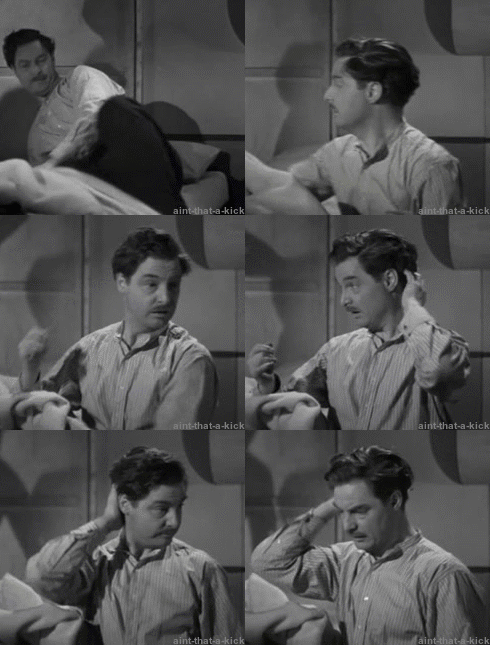
Variações sobre um mesmo tema: Adeus, Mr Chips (1939 e 1969)


Variations on the same theme: Goodbye, Mr Chips (1939 and 1969)


No dia 15 de outubro o Dia dos Professores é celebrado no Brasil. Eu fui moldada pelos professores que eu tive. Não apenas os que me deram aula, mas especialmente por minha mãe, que esteve em sala de aula por 38 anos ensinando matemática. É por causa dela que eu amo filmes sobre professores. Desta vez trago duas versões da mesma história, filmadas com 30 anos de diferença, sobre um mestre inspirador.


On October 15th, Teacher’s Day is celebrated in Brazil. I’ve been greatly shaped by the teachers I had. Not only the ones who taught me classes, but especially my mother, who was inside classrooms teaching math for 38 years. That’s why I love movies about teachers. This time I bring two versions of the same story, filmed 30 years apart, about an inspiring master.

Em 1939, Charles Chipping (Robert Donat) tem 83 anos e leciona há impressionantes 63 anos. Impossibilitado a ir a uma aula inaugural pela primeira vez por causa de uma gripe, ele rememora sua trajetória. Em seu primeiro dia, foi-lhe pregada uma peça por seus alunos e teve problemas para manter a ordem. O aluno mais difícil de controlar é Colley (Terry Kilburn).


In 1939, Charles Chipping (Robert Donat) is 83 years old and has been teaching for impressive 63 years. Unable to go to the inaugural class for the first time due to a cold, he remembers his trajectory. On his first day, he was pranked by his students and had a rough time mantaining peace and order. The hardest student to control is Colley (Terry Kilburn).

Anos depois, já um homem de meia-idade mas ainda um professor impopular, o Sr Chipping viaja para as montanhas com um colega de trabalho e lá conhece Kathy Ellis (Greer Garson em seu primeiro papel no cinema). Eles se encontram novamente em Viena, se divertem muito e se casam. Ela dá a ele o apelido “Chips” e começa a convidar os alunos dele para tomarem chá na cada deles. De repente Chips se torna um professor popular e até conta piadas na sala de aula! Os tempos mudam, a Escola Brookfield para garotos também, mas Chips não muda os tempos – então decidem aposentá-lo contra a vontade dos alunos.


Years later, already a middle-aged man but still an unpopular teacher, Mr Chipping travels to the mountains with a colleague and there he meets Kathy Ellis (Greer Garson in her film debut). They run into each other again in Vienna, have a wonderful time together and get married. She gives him the nickname “Chips” and start hosting teapartys in their residence for his students. Suddenly Chips becomes a popular teacher and even tells jokes in class! Times change, the Brookfield School for Boys too, but Chips doesn’t change with the times – so they decide to retire him against the students’ will.

Em 1969 somos informados de que nossa história começa em 1924. Arthur Chipping (Peter O’Toole) é um professor impopular na Escola Brookfield. De férias em Pompeia, ele volta a encontrar a estrela de teatro musical Katherine Bridges (Petula Clark) e eles se divertem muito juntos. De volta a Londres, eles se casam. No primeiro encontro ela já o havia apelidado de “Chips”.


In 1969 we’re informed that our story begins in 1924. Arthur Chipping (Peter O’Toole) is an unpopular teacher at the Brookfield School. While on vacation in Pompeii, he meets again the musical theater actress Katherine Bridges (Petula Clark) and have a wonderful time together. Back in London, they get married. On their first meeting she had already nicknamed him “Mr Chips”.

Por volta dos 15 minutos de projeção temos uma baita surpresa quando o Sr Chips começa a cantar. Ele canta sobre a passagem do tempo e sobre como o mundo ficou mais colorido depois que ele se casou com Kathy. Petula Clark é quem mais canta neste filme que eu não esperava ser um musical, mas Peter O’Toole foi ousado e cantou sem usar dublagem.


At around the 15-minute mark we’re greatly surprised when Mr Chips starts to sing. He sings about the passage of time and how the world got more colorful after he married Kathy. Sure, Petula Clark does the majority of the singing in this film I wasn’t expecting to be a musical, but Peter O’Toole was fierce and did his own singing.

Em 1939, o Sr Chips é Chefe do Departamento na escola durante a Primeira Guerra Mundial. Em 1969, ele vivencia a Segunda Guerra Mundial, em meio à possibilidade de ataques aéreos à escola. Em ambas as versões o Sr Chips sofre diversas perdas durante as guerras, ficando enlutado por causa de pessoas queridas.


In 1939, Mr Chips served as a headmaster of the school during World War I. In 1969, he goes through World War II, with the possibility of airplane attacks to the school. In both versions Mr Chips faces several losses during the wars, grieving those he loved.

Além do período em que se passa a história, a maior mudança de uma versão para a outra foi Kathy. Em 1939 ela tem pouco tempo em cena mas é fundamental para fazer do Sr Chips um professor e uma pessoa mais afável. Em 1969, com uma profissão e uma reputação, ela é co-protagonista e o casamento dura muito mais.


Besides the time frame, the main change from one version to the other was Kathy. In 1939 she is given little screen time but is pivotal to make Mr Chips a more likeable teacher and person. In 1969, with a profession and a reputation, she is a co-lead and her marriage lasts for a much longer time.

A versão de 1939 agradeceu nos créditos a ajuda de Sidney Franklin – diretor não-creditado do filme – e a inspiração fornecida pelo finado Irving Thalberg. O filme foi produzido por Victor Saville, que produziu alguns dos primeiros trabalhos de um jovem desconhecido chamado Alfred Hitchcock. Assim como Hitch, Saville também dirigiu filmes de suspense na Inglaterra no começo dos anos 1930. De acordo com o IMDb, ele produziu 39 filmes entre 1923 e 1962.


The 1939 version acknowledged in the credits the help of Sidney Franklin – uncredited diretor of the movie – and the inspiration of the late Irving Thalberg. The movie was produced by Victor Saville, who produced some of the early films by a then-unknown named Alfred Hitchcock. Like Hitch, Saville also directed thrillers in England in the early 1930s. According to IMDb he produced 39 movies between 1923 and 1962.

A versão de 1969 foi dirigida por Herbert Ross e produzida por Arthur Jacobs, que havia recém produzido “O Fabuloso Dr Dolittle” (1967). Esta foi a estreia de Ross na direção – ele antes trabalhava como coreógrafo. Jacobs queria Rex Harrison, que fez o papel de Dolittle, para ser o Sr Chips, mas ele recusou o papel. Outros nomes considerados foram Richard Burton, Christopher Plummer, Peter Sellers, Albert Finney, Richard Harris e Paul Scofield.


The 1969 version was directed by Herbert Ross and produced by Arthur Jacobs, who had just produced “Dr Dolittle” (1967). This is Ross’ directing debut – he had been working as a choreographer before. Jacobs wanted Rex Harrison, who played the part of Dolittle, to be Mr Chips, but he refused. Other names considered were Richard Burton, Christopher Plummer, Peter Sellers, Albert Finney, Richard Harris and Paul Scofield.
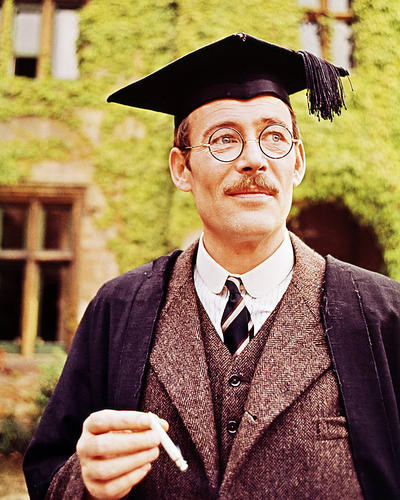
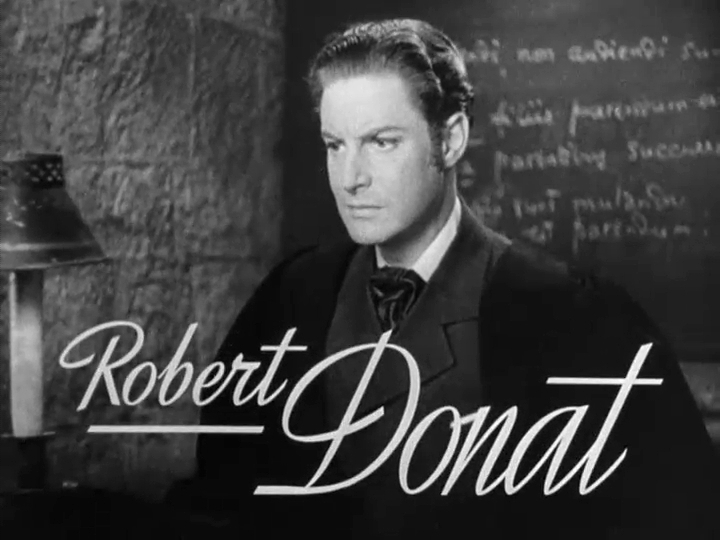
Robert Donat ganhou seu Oscar de Melhor Ator por “Adeus, Sr Chips” mas não viveu até os 83 anos como seu personagem. Na verdade, ele tinha apenas 53 anos quando morreu, depois de completar “A Moradada Sexta Felicidade” (1958). Por sua vez, Peter O’Toole foi indicado a um Oscar por sua performance como o Sr Chips e viveu até os 81 anos. O’Toole foi indicado para oito Oscars, mas nunca ganhou o prêmio.


Robert Donat won his Best Actor Oscar for “Goodbye, Mr Chips” but never lived to be 83 like his character. In fact, he died at only 53, after completing “The Inn of the Sixth Happiness” (1958). On the other hand, Peter O’Toole was nominated for an Oscar for his performance as Mr Chips and lived to be 81. O’Toole was nominated for eight Oscars, but never won the award.
Além da minha mãe, essa dupla de filmes me fez lembrar outro professor de matemática: Júlio César de Mello e Souza, conhecido pelo seu pseudônimo Malba Tahan. Um professor e também escritor de sucesso, ele faleceu poucas horas depois de dar aula. Seu aniversário, seis de maio, é celebrado como Dia Nacional da Matemática.


Besides my mother, the duo of movies reminded me of another math teacher: Júlio César de Mello e Souza, known for his pseudonym Malba Tahan. A teacher as well as a successful wirter, he died mere hours after teaching a class. His birthday, May 6th, is celebrated as National Math Day.

Em seu discurso de aposentadoria o Sr Chips conta a seus alunos que ele pode ter dificuldades de reconhece-los no futuro porque na sua cabeça eles permanecem jovens. Ele também diz que é mentira que ele nunca teve filhos: ele teve milhares deles! Quando perguntada sobre isso, minha mãe não chegou a considerar seus alunos como filhos. Eu, sua única filha, fiquei aliviada, mas ao mesmo tempo sei como ela é amada e lembrada por seus alunos por causa do jeito como ela é tratada quando encontramos algum deles. Como o Sr Chips, ela deixou seu legado.


In his departing speech Mr Chips tells his students that he may have a hard time recognizing them when they grow up because in his mind they remain young boys. He also says that it’s a lie that he didn’t have kids: he had thousands of boys! When asked about that, my mother didn’t go as far as considering her students as her children. I, as her only child, am relieved, but at the same time I know how much she is loved and remembered by her students by the way she is treated whenever we meet one of them. Like Mr Chips, she left her legacy.


O veredicto: a versão de 1939 tem 40 minutos a mais, porém é bem mais emocionante que o remake!


The verdict: the 1939 version is 40 minutes shorter but has a lot more heart than the remake!


Sunday, July 5, 2020

O Amor Nasceu do Ódio (1937) / Knight Without Armour (1937)

Não é nem um pouco surpreendente assistir a um filme norte-americano ou britânico feito durante a Guerra Fria criticando a União Soviética e a Revolução Russa. Mas ver um filme com o mesmo tema feito antes da Segunda Guerra Mundial é uma experiência interessante. “O Amor Nasceu do Ódio”, uma produção britânica de 1937, mostra, quase 30 anos antes de “Doutor Jivago”, o sofrimento da nobreza com a chegada da revolução – e ainda tenta adicionar romance na trama!

It's not surprising at all to see an American or British movie made during the Cold War criticizing the Sovietic Union and the Russian Revolution. But seeing a pre-World War II film with the same theme is quite an interesting experience. “Knight Without Armour”, a British production from 1937, shows almost 30 years before “Doctor Zhivago” the suffering of the noble classes when the revolution came – and it also tries to wave romance into the plot!


O correspondente estrangeiro A.J. Fothergill (Robert Donat) tinha 48 horas para deixar a Rússia – sim, Rússia, porque a história começa em 1917, quando ainda havia um Czar. Felizmente, um amigo lhe apresenta outra opção: ele pode deixar a barba crescer, adotar uma nova identidade e se tornar espião! Fothergill aceita esta adorável oferta e começa a espionar alguns revolucionários. O desdobramento das coisas não sai como esperado e ele se torna um prisioneiro político.

Foreign correspondent A.J. Fothergill (Robert Donat) has 48 hours to leave Russia – yes, Russia, because the story begins in 1913, when there was still a Tsar. Luckily, a friend presents him with an option: he can grow a beard, adopt a new identity and become a spy! Fothergill accepts this lovely offer and starts spying on a few naughty revolutionaries. Things don't go so well and he becomes a political prisoner.

Enquanto isso, a condessa Alexandra Vladinoff (Marlene Dietrich) está de boa. Tão de boa que ela está descansando no jardim enquanto seus empregados leem jornais que os convocam a se unir à revolução. Quando a revolução acontece, os empregados vão embora e a mansão dela é invadida por uma multidão raivosa que ela enfrenta usando apenas uma camisola branca, parecendo uma deusa flutuante. A multidão saqueia a mansão e espera para decidir o que farão com Alexandra. Quem poderá salvá-la?

Meanwhile, Countess Alexandra Vladinoff (Marlene Dietrich) is chill. So chill that she is chilling in the garden while her servants read newspapers calling them to join the revolution. When the revolution is successful, her servants leave and her mansion is invaded by an angry crowd that she faces wearing only a white nightgown, looking like a floating goddess. The crowd loots her mansion and waits to decide what they'll do to her. Who will save Alexandra?

Se você respondeu Fothergill, você acertou. Depois de passar anos preso na Sibéria, ele e outros prisioneiros são libertados pelos revolucionários. O único inconveniente é que eles acham que Fothergill se chama Peter Ouronov e também é revolucionário. Agora como parte de uma missão oficial – e sem barba – Fothergill vai para a mansão Vladinoff para encontrar Alexandra e acompanhá-la até Petrogrado.

If you answered Fothergill, you're right. After spending years in a prison in Siberia, he and the other prisoners are freed by the revolutionaries. The only inconvenient is that they think his name is Peter Ouronov and he is a revolutionary as well. Now part of an official mission – and without a beard – Fothergill goes to the Vladinoff mansion to meet Alexandra and accompany her to Petrograd.

Infelizmente, não há mais trens para Petrogrado, e Fothergill tem de deixar Alexandra para trás pois o Exército Branco – os Mencheviques – se aproximam. Não nos esqueçamos de que Fothergill havia se tornado sem querer um membro do Exército Vermelho, ou Bolchevique. Claro, antes de partir Fothergill e Alexandra já haviam recitado poemas um para o outro e estavam apaixonados.

Unfortunately, there are no trains to Petrograd anymore, and Fothergill has to leave Alexandra behind as the White Army – the Mensheviks – comes near. Let's not forget that Fothergill had unwillingly become a member of the Red, or Bolshevik Army. Of course, before parting Fothergill and Alexandra have already recited poems to each other and are in love.

“O Amor Nasceu do Ódio” foi produzido por Alexander Korda – que há 20 anos já fazia filmes em sua terra natal, a então Áustria-Hungria. Ele chegou à Inglaterra no começo dos anos 30 após um breve período em Hollywood, e em 1942 se tornaria o primeiro produtor de cinema a ser nomeado cavaleiro. Embora às vezes ele também dirigisse filmes, Korda não dirigiu “O Amor Nasceu do Ódio”, pois quem o fez foi o belga Jacques Feyder.

“Knight Without Armour” was produced by Alexander Korda – who had been making films for 20 years in his native Austria-Hungary. He had arrived in England in the early 1930s after a brief period in Hollywood, and in 1942 he'd become the first film producer to be knighted. Although he sometimes also sat behind the director's chair, Korda didn't direct “Knight Without Armour”, as Belgian Jacques Feyder did it.

Alexander Korda

É estranho ver Marlene Dietrich como uma donzela em perigo. Em “O Amor Nasceu do Ódio”, ela precisa ser resgatada várias vezes por Robert Donat, cujo personagem pensa rápido e sempre se livra das dificuldades usando sua perspicácia – seus atos heroicos são críveis, mas sua relação com Marlene não é muito. Dietrich está lá apenas para parecer fabulosa com cílios enormes, mesmo depois de passar a noite escondida na floresta, sem nunca se mostrar resoluta ou sedutora. Sua Alexandra é o oposto da sua Lola-Lola de “O Anjo Azul” (1930).

It's weird to see Marlene Dietrich as a damsel in distress. In “Knight Without Armour” she needs to be rescued again and again by Robert Donat, whose character thinks quickly and always gets out of difficulties with his wit – his heroic acts are believable, but his relationship with Marlene isn't so much. Dietrich is only there looking fabulous with huge eyelashes, even after spending the night hidden in the forest, never being resolute or seductive. Her Alexandra is the opposite of her Lola-Lola from “The Blue Angel” (1930).

Robert Donat foi um dos principais cavalheiros ingleses do cinema clássico. Ele comumente interpretava personagens educados e com senso de justiça, às vezes ajudando quem precisava, como neste filme e também em “A Morada da Sexta Felicidade”, seu último filme. Entretanto, foi ele que precisou da ajuda de Marlene Dietrich no set de “O Amor Nasceu do Ódio”. De acordo com Robert Osborne, quando um ataque de asma o afastou do trabalho, Dietrich não deixou que Robert fosse demitido e cuidou dele até ele se recuperar.

Robert Donat was one of the quintessential English gentlemen of classic film. He usually played polite characters that could be a moral compass, sometimes helping others in need, like in this film and also in “The Inn of the Sixth Happiness”, his last film. However, he was the one who needed help from Dietrich on the set of “Knigh Without Armour”. According to Robert Osborne, when a bout of asthma prevented him to work, Dietrich didn't let anyone fire Donat and also nursed him back to health.

A grande roteirista Frances Marion foi responsável pela adaptação do livro para as telas, mas alguns problemas existem no produto final. O terceiro ato basicamente desperdiça a oportunidade de ter mais um perigo e suspense, e o principal problema que eu vejo na história é que Fothergill muda de lado muitas vezes, entretanto nunca deixa claro que era um inglês que se meteu numa grande confusão.

The great screenwriter Frances Marion was responsible to adapt the novel to the screen, but some issues arise in the final film. The third acts basically wastes an opportunity to have another thrill and danger, and the main problem I have with the story is that Fothergill changes sides many times, but never leaves it clear that he was an English man caught in the middle of a huge mess.

Jack Cardiff é creditado como operador de câmera em “O Amor Nasceu do Ódio”. Cardiff se tornaria um dos mais respeitados e admirados diretores de fotografia do cinema britânico, em especial por seu trabalho com Powell e Pressburger. Há um momento inspirado neste filme, quando Marlene está primeiramente fora do foco, mas dá um passo e entra em foco parecendo um ser mágico. Também devemos mencionar a presença de Miklós Rózsa, em sua estreia como compositor. 

Jack Cardiff is credited as camera operator in “Knight Without Armour”. Cardiff would go on to become one of the most respected and admired cinematographers of British cinema, in special for his work in Powell and Pressburger movies. There is a particular inspired moment in this film, when Marlene is at first out of focus, but she steps ahead and enters focus looking like a fierce magical being. It's also worth mentioning the presence of Miklós Rózsa, who debuted as a composer in this film.

“O Amor Nasceu do Ódio” é um filme que para entre o romance e a propaganda – para se ter uma ideia, o grande salvador é a Cruz Vermelha Americana. A maioria dos jornalistas norte-americanos, obviamente, elogiaram o filme, e o público também gostou. Mesmo assim, o sucesso não foi suficiente para compensar os gastos com o orçamento deste épico falho.

“Knight Without Armour” is a film stuck midway between romance and propaganda – mind you, the ultimate savior in the film is the American Red Cross. Most American journalists, of course, praised the film, and the public liked it as well. Nevertheless, the success wasn't enough to recover the expenses made in the massive budget for this flawed epic.

This is my contribution to the Robert Donat blogathon, hosted by Maddy at Maddy Loves Her Classic Films.

Sunday, September 30, 2018

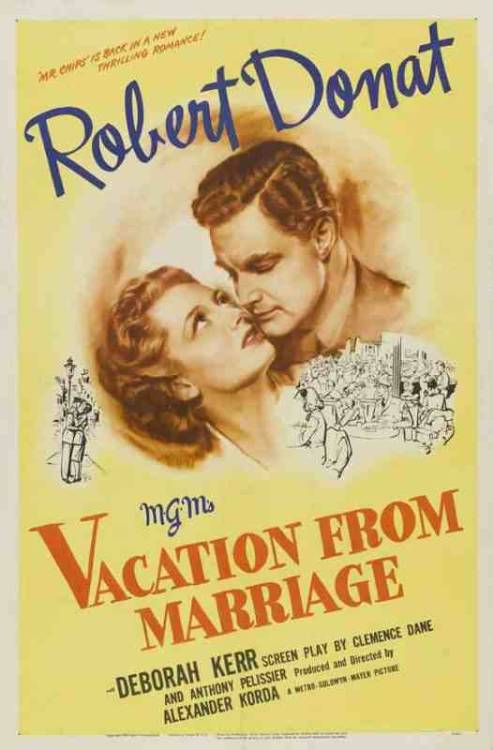
Longe dos Olhos (1945) / Vacation from Marriage (1945) / Perfect Strangers (1945)

Eu venho pesquisando sobre filmes de guerra. Eu descobri, com esta pesquisa, que filmes sobre a Segunda Guerra Mundial usam comumente a narrativa do bem contra o mal. Comumente, mas nem sempre. Às vezes, eu encontro um filme que trata a guerra sob uma óptica diferente – e isso acontece aqui, no filme inglês “Longe dos Olhos”.

I've been researching war films. I have discovered, with this research, that films about World War II are usually use the good versus evil narrative. Usually, not always. Sometimes, I find a film that talks about the war in a different light – it happens here, with the English film “Perfect Strangers”.


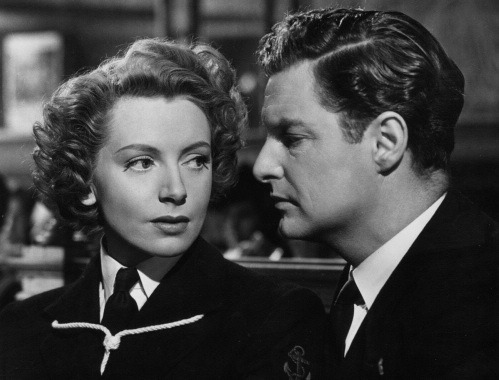
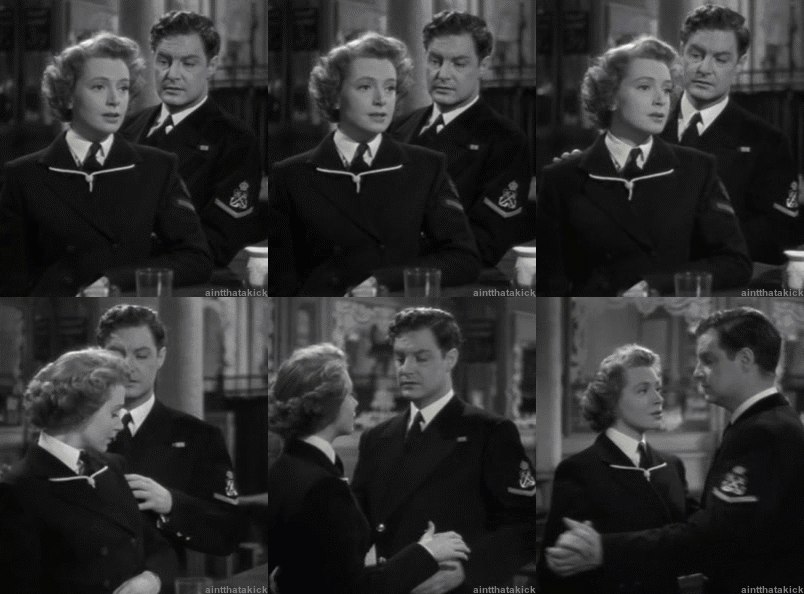
Quarta-feira, 4 de abril de 1940. Um dia sombrio em Londres. O  dia em que a aventura do casal Wilson começou, como diz o narrador – voz de Peter Lawford. Cathy Wilson (Deborah Kerr) está resfriada. Seu marido, Robert (Robert Donat) precisa enfrentar seu chefe e pedir o pagamento de oito semanas atrasadas antes de deixar o emprego para se juntar à Marinha, o que Robert fará naquela noite. Obviamente, Robert falha na missão, mesmo depois de ensaiar muito.

Wednesday, April 4th, 1940. A gloomy day in London. The day when the Wilsons adventure started, as the narrator says – it's Peter Lawford's voice. Cathy Wilson (Deborah Kerr) has a cold. Her husband, Robert Wilson (Robert Donat) needs to confront his boss and ask for the payment for eight weeks – value that his boss owes him – before Robert leaves for the Navy that night. Of course, Robert fails his mission, even after rehearsing a lot.


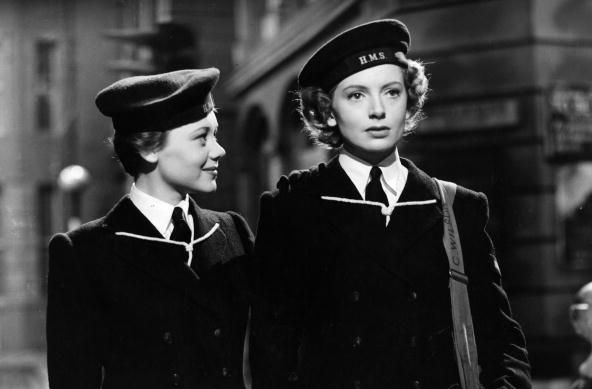
Enquanto Robert está na Marinha, Cathy se junta às Wrens, uma parte da Mrinha exclusiva para mulheres. Lá ela conhece a espevitada Dizzy Clayton (Glynis Johns). Logo, Cathhy está imitando o jeito de Dizzy, imitando o jeito dela de usar batom, colocar acessórios e cortar o cabelo. Ela não tem mais Robert para impedi-la de usar ou fazer algo de que ele não gosta. E Robert, pouco a pouco, se esquece do rosto de sua esposa.

While Richard is at the Navy, Cathy joins the Wrens, another branch of the Navy, but only for women. There she meets the no-nonsense Dizzy Clayton (Glynis Johns). Soon, Cathy is mimicking Dizzy's habits, like using lipstick, fashion choices and haircut. She doesn't have Robert there to tell her what he doesn't like her to do or wear. And Robert, little by little, forgets his wife's face.


Robert vai parar no hospital por causa de lesão por congelamento nos dedos, e lá ele se interessa pela enfermeira viúva Elena (Ann Todd). Cathy, por sua vez, sai com um engenheiro da Marinha, Richard (Roland Culver), que está apaixonado por ela. Entretanto, nada realmente acontece com eles.

Robert goes to the hospital because of several frostbite in his fingers, and there he gets interested by the recently widowed nurse Elena (Ann Todd). Cathy, on the other hand, goes out with a Navy engineer, Richard (Roland Culver), who is in love with her. But nothing materializes for any of them.


Finalmente é chegada a hora de o casal se reencontrar! Robert e Cathy recebem folga ao mesmo tempo, depois de três anos separados. Quando eles estão indo se encontrar, ambos de trem, vemos uma tomada constante de trilhos de trem se aproximando e então se distanciando novamente. É assim que o casal está agora: são meros desconhecidos indo se ver, mas incapazes de terminar a relação porque um acredita que o outro não é capaz de viver sozinho.

Finally it's time for the couple to be reunited! Robert and Cathy get a leave at the same time, after three years separated. As they go to see each other, both by train, we have a constant shot of two tracks getting near each other, and then distancing each other again. It's how they are now: different people, perfect strangers going to meet each other, but unable to end the marriage because they both believe the other can't live alone without a partner.


Quando eles se reencontram, a rua está tão escura que eles não podem se ver e não podem ver como estão diferentes – Robert tirou o bigode, e Cathy cortou o cabelo e agora usa maquiagem. Eles estão também parcialmente cegos, porque não conseguem lembrar um do outro com clareza. E eles estão em meio às ruínas de Londres, uma cidade recentemente bombardeada. Assim como Londres, o casamento deles também está em ruínas. Quantas metáforas!

When they meet again, it's so dark in the streets that they can't see each other and can't see how different they are – Robert without a mustache, Cathy with a new haircut and make-up. They are also partially blind, because they don't remember each other very well. And they are among the ruins of London, a city recently bombarded by the enemies. Like London, their marriage is also in ruins. So many metaphors!


Não é de se surpreender que um filme inglês de 1945 tenha a guerra como pano de fundo. O país precisava compreender pelo que haviam passado, e de certa maneira precisavam reviver aquilo. Mas a abordagem foi inesperada: em vez de focar nos horrores da guerra e nos atos de bravura, a dupla de roteiristas Clemence Dane e Anthony Pelissier escolheu mostrar como a guerra muda as pessoas.

There is no surprise that an English film from 1945 would have the war as one of its settings. The country needed to understand what they had been through, and in some extent relive it. But the approach was unexpected: instead of focusing on the horrors of the war and the acts of bravery, the duo of writers Clemence Dane and Anthony Pelissier chose to show how war changes people.


O nome de Robert Donat está acima do título, e em um pôster o slogan é “Mr Chips está de volta em um romance emocionante!”, fazendo referência à performance ganhadora do Oscar de Donat, alguns anos antes. Deborah Kerr havia estreado no cinema apenas quatro anos antes, e já tinha sua passagem para Hollywood garantida desde o bom desempenho triplo em “Coronel Blimp – Vida e Morte”. É engraçado notar que, ao descrever seu marido, Cathy use as palavras: “Eu não diria que ele é Clark Gable, mas ele é confiável”.

Robert Donat's name is above the title, and in one poster the slogan was “Mr Chips is Back in a New Thrilling Romance!”, referring to the Oscar-winning performance by Donat a few years before. Deborah Kerr had been in movies for only four years in 1945, and already had her passage to Hollywood guaranteed because of her triple performace in “The Life and Death of Colonel Blimp”. It's funny that, when describing her husband, Cathy says: “I wouldn't say he's Clark Gable, but he's dependable”!


Temos também a adorável Glynis Johns intepretando uma personagem com o apropriado nome de “Dizzy”. Treze anos depois, Glynis trocaria de lugar e, em vez de interpretar uma mulher independente, seria uma esposa simplória em “Vítima de uma Paixão” (1958). Nele, ela interpreta uma esposa que acaba se tornando amiga da mulher por quem seu marido se apaixonou na guerra. O marido é intepretado por Sean Connery e a outra mulher, por Lana Turner.

There is also the delightful Glynis Johns playing a character apporpriately named Dizzy. Thirteen years later, Glynis would trade places and, instead of playing an independent female, she played a simple wife in “Another Time, Another Place” (1958). In it, she plays a wife who ends up becoming friends with the woman her soldier husband had fallen in love with during the war. The husband is played by Sean Connery and the other woman is played by Lana Turner.


O título norte-americano é “Férias do Casamento”, e pode ser considerado polêmico e inapropriado – os norte-americanos consideravam que a guerra foi só um período de “férias” para os ingleses? Este título me levou a pensar que o filme fosse uma comédia sobre uma relação aberta, ou seja, uma “pausa” no casamento. Por isso eu me surpreendi com o filme, mas não foi uma surpresa ruim.

The risky and inappropriate title “Vacation from Marriage” was used in the American market only – how could the Americans think that, for the British, war was just a vacation? And this title was misleading, at least to me: I thought the film was a comedy about something like an open relationship, hence a “pause” on marriage. That's why I was surprised by the film, but not in a bad way.


Durante a guerra, muitas coisas mudaram. Obviamente, quem foi para os campos de batalha mudou muito, mas quem ficou em casa também experimentou uma nova dinâmica. As mulheres tiveram de trabalhar em fábricas para manter a produção constante, e tinham então uma jornada dupla, com o trabalho e os cuidados com a casa. Quando a guerra terminou, muitas mulheres voltaram a ser apenas criaturas domésticas, mas algumas mulheres não aceitaram  ser novamente subjugadas. Eu queria que Cathy houvesse se rebelado. O que eu posso dizer: eu adoro ver filmes com uma relação heteronormativa tradicional ruindo! ¯\_(ツ)_/¯

During the war, many things changed. Of course, people who went to the front changed a lot, but the ones who stayed at home also experimented with a new dynamics. Women had to work in factories in order to keep the country running, and they had then a double journey at work and taking care of a house. When the war ended, many women came back to being only domestic creatures, but some of them didn't accept to be subjugated again. I wished Cathy was the later. What can I say, I enjoy watching traditional hetoronormative relationships being torn apart on screen! ¯\_(ツ)_/¯


Obviamente, o final é previsível, e é por isso que o filme fez um sucesso estrondoso. Por outro lado, eu preferiria outro final. Robert era um covarde machista que nunca deixava Cathy fazer nada. Com a guerra, ele não mudou muito, e isso fica patente quando ele está de folga. Cathy, por sua vez, evoluiu e desenvolveu autoconfiança. Foi correto na época, mas nem tanto quando visto hoje, o fato de que eles precisaram se conformar e voltar aos seus velhos papéis na relação para poderem seguir em frente.

Of course the ending is predictable, and this is why the film was such a success. On the other hand, I would have preferred something else. Robert was a sexist coward who never let Cathy do anything. At the war, he really didn't change a lot, and this is shown when he is on leave. Cathy, on the other hand, evolved and developed confidence. It was right at the time, but too bad when seem today, that they had to conform to go back to their previous places in the relationship in order to go on.


This is my contribution to the Deborah Kerr Blogathon, hosted by Maddy at Maddy Loves her Classic Movies. 


Sunday, August 3, 2014

A Caixa Mágica / The Magic Box (1951)

Na minha opinião, o melhor cineasta ainda em atividade é Martin Scorsese. Não apenas porque os filmes dele são de excelente qualidade, mas principalmente porque ele ama os filmes antigos. Scorsese é um admirador e apoia as campanhas de conservação de filmes. Ele tem até uma pequena coluna no site do canal TCM. Scorsese é uma pessoa especial. E o filme que o convenceu a tornar-se cineasta tem de ser mais especial ainda: “A Caixa Mágica”.

In my opinion, the best filmmaker still working is Martin Scorsese, not only because his films are usually great, but mainly because he loves old movies. Scorsese is a movie buff and supports film preservation campaigns. He even has a small monthly column at the TCM website. Scorsese is a special person. And the film that made him want to be a filmmaker ought to be even more special: “The Magic Box”. 


Esta é a história do mais desconhecido pioneiro da sétima arte. Qualquer um conhece Méliès, Thomas Edison e os irmãos Lumière, e só os cinéfilos mais dedicados sabem quem foram Segundo de Chomón ou Eadweard Muybridge. Mas o mais obscuro dos pais do cinema ainda é William Friese-Greene (1855 – 1921), que eu mesma desconhecia até ver o filme.

This is the story of the most unknown film pioneer. Any person knows Méliès, Thomas Edison and the Lumière brothers, and only the biggest cinephiles know Segundo de Chomón or Eadweard Muybridge. But the most obscure of all film fathers still is William Friese-Greene (1855-1921), one even I didn't know until I watched his biopic.


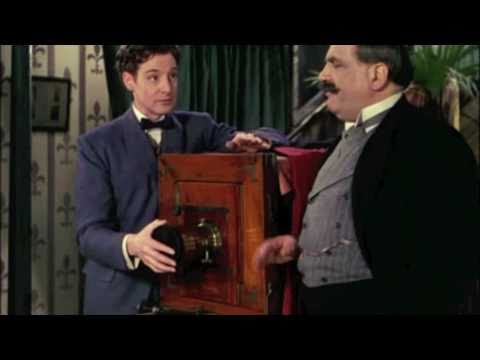
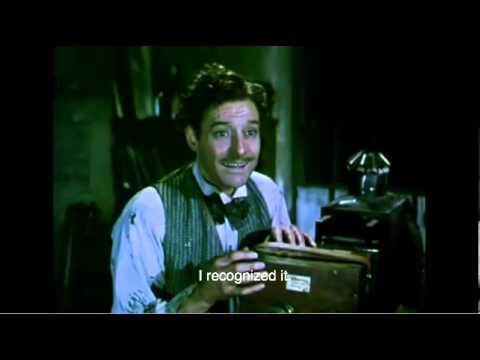
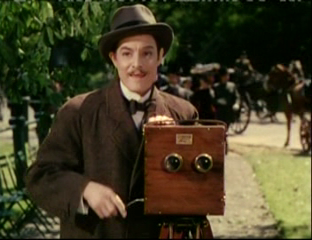
William Friese-Greene revive em flashback sua trajetória. Ele se encontra agora em uma convenção de industriais para decidir o futuro do cinema e ele próprio, um pioneiro no negócio, é desconhecido e incompreendido. Em sua juventude, William (Robert Donat) é um jovem fotógrafo cheio de ideias inovadoras que desagradam seu patrão, Maurice Guttenberg (Frederick Valk). Demitido, William começa seu próprio negócio de fotografia com a esposa Helena (Maria Schell). Mas o sonho do fotógrafo sempre foi outro: dar movimento às imagens.

William Friese-Greene tells his story in a flashback. He is now in a industrial convention to decide the future of cinema and he, a film pioneer, is unknown and misunderstood there. In his youth, William (Robert Donat) is a young photographer full of innovative ideas that displease his boss, Maurice Guttenberg (Frederick Valk). Fired, William starts his own photography business with his wife, Helena (Maria Schell). But his real dream was to make moving images. 


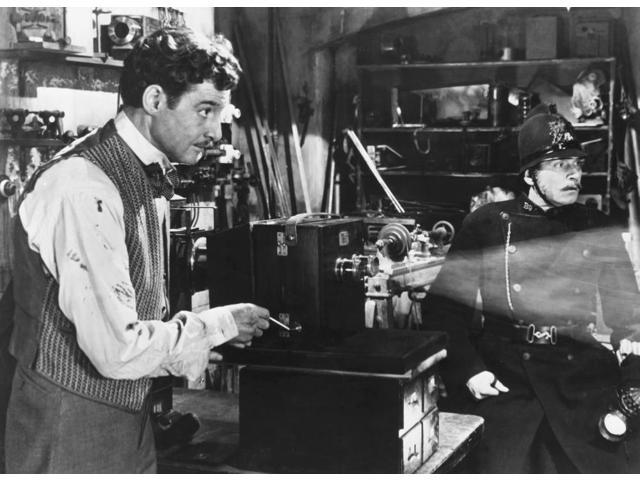
Ele passa então a se encontrar com John Arthur Roebuck Rudge e a se interessar pelas lanternas mágicas, que eram as avós do cinema (isso não é mostrado no filme) e usavam fotografias capturadas em chapas de vidro, que impediam a adição de movimento. William queria mais, e tirou dinheiro do próprio bolso para construir uma câmera que, finalmente, colocou imagens em movimento, ainda que fossem apenas 8 fotos por segundo (os filmes de hoje projetam 24 imagens por segundo). Quem assiste a essa primeira exibição histórica sem entender nada é um policial interpretado por Laurence Olivier, em uma participação muito especial (atenção: ele é um dos muitos cameos!). Mas a história nos conta algo diferente: sim, Friese-Greene conseguiu colocar imagens em movimento... em 1889, menos de um ano depois de “Roundhay Garden Scene”, de Le Prince, que contava com 10 a 12 imagens por segundo. Le Prince também “filmou” um homem virando uma esquina em 1887, e os negativos foram organizados em um pequeno filme.

He then starts meeting John Arthur Roebuck Rudge and becomes interested in magical lanterns, the precursors to cinema (something not shown in the film) that used static photographies in glass supports. William wanted more, and used his own savings to build a camera that, finally, put images in movement, even though he could only show 8 pictures per second (the modern films show 24 pictures per second). The only spectator of Friese-Greene's historical first exhibition is a police officer played by Laurence Olivier, who understands nothing that is going on (pay attention: Olivier is only one of the many cameos!). But history tells us something different: yes, Friese-Greene managed to put images in moviment... in 1889, less than a year after “Roundhay Garden Scene”, by Le Prince, that had from 10 to 12 images per second. Le Prince also “filmed” a man walking around a corner in 1887, and the negatives were organized in a small film.


Depois de ganhar um prisma da esposa, William decide que seus próximos esforços serão para adicionar cor às imagens em movimento! Quem conta essas desventuras, também em flashback, é a segunda esposa de William. Na vida real, ele desenvolveu o “Biocolour”, mas não foi adiante devido ao bizarro fato de os inventores ingleses do processo “Kinemacolor” terem patenteado os filmes coloridos... Sendo que eles próprios “roubaram” a ideia do falecido Edward Raymond Turner! Mas William lutou nos tribunais e, em 1914, recebeu o “direito” de usar seu sistema Biocolour, que na década seguinte foi melhor desenvolvido por seu filho Claude.

After he gets a prism from his wife, William decides that his next efforts will be to add color to the images in movement! The person telling these efforts, also in flashback, is William's second wife. In real life, William developed the Biocolour process, but he didn't go ahead because the Englishmen who invented the Kinemacolor process patented color films... And in reality they stole the idea from the deceased Edward Raymond Turner! But William fought in the courts and, in 1914, he received the right to use his Biocolour system, and in the following decade it was better developed by his son Claude.


No filme, William Friese-Greene tem todas as características estereotipadas do grande inventor: ele não se conforma com seu pequeno emprego, briga com o chefe cabeça-dura, é um visionário e um sonhador (o chefe chega a perguntar: “Do you think people really want to see moving pictures?”). Ele gasta tudo em seus inventos, mas não recebe o merecido reconhecimento. E tudo isso por um golpe de azar, tão comum aos pioneiros do cinema: o filme de Friese-Greene de 1889 não existe mais. Entretanto, ele conseguiu repetir o experimento em 1910, em uma disputa legal contra Thomas Edison para decidir quem era o inventor do cinematógrafo. William não apenas filmou e projetou as imagens em movimento, mas também o fez com fitas de celulose.

In the film, William Friese-Greene has all the stereotyped characteristics of a great inventor: he doesn't like his simple small job, fights with a stubborn boss, is a visionary and a dreamer (his boss even asks: “Do you think people really want to see moving pictures?”). He spends everything in his inventions, but does not receive the recognition he deserves. And all that because of the kind of bad luck that strikes many film pioneers: Friese-Greene'd 1889 film doesn't exist anymore. However, he managed to repeat his experiment in 1910, in a legal dispute against Thomas Edison to decide who invented the cinematograph. William not only filmed and exhibited the moving images, but he did that in celulose tapes. 


Mas foi Friese-Greene o real, pioneiro inventor do cinema, como ambos o filme e sua família advogam? Não exatamente. É impossível saber quem teve a ideia primeiro, em especial porque muitos documentos foram perdidos e não havia a rapidez das comunicações que temos hoje. Sim, Le Prince filmou em seu jardim em 1888, Edison (mais empresário que inventor) estava fazendo experiências em 1891, e em 1895 os irmãos Lumière faziam a primeira exibição pública de um filme. A verdade é que o cinema tem muitos pais, mas é imperdoável retirar o nome de William Friese-Greene da certidão de nascimento da sétima arte. 

Was William Friese-Greene the real, the pioneer, the inventor of cinema, as both “The Magic Box” and his family say? Not exactly. It's impossible to know who had the idea first, because many documents were lost and there weren't fast means of communication as the ones we have today. Yes, Le Prince filmed his garden in 1888, Edison (more a businessman than an inventor) was making experiences in 1891 and in 1895 the Lumière brothers made the first public exhibition of a movie. The truth is that cinema has a lot of fathers, but we can't remove William Friese-Greene's name from cinema's birth certificate.


This is my contribution to the British Invaders Blogathon, hosted by Terry Towles Canote from the blog A Shroud of Thoughts. Yes, sir!


Related Posts Plugin for WordPress, Blogger...