Desde
os primórdios do cinema, Shakespeare parece ser uma fonte
inesgotável de histórias para serem filmadas. E não houve melhor
ator para interpretar Shakespeare que Laurence Olivier. Ver a
primeira vez em que ele interpretou Shakespeare num filme é como
embarcar em uma máquina do tempo e poder ter um vislumbre de todo o
talento e potencial – e beleza! - que
ele tinha aos 29 anos. Este primeiro filme Shakespeareano é “Como
Gosteis”(1936).
Since
the dawn of cinema, Shakespeare seems to be a never-ending source for
stories to be filmed. And there was no better actor to play
Shakespeare than Laurence Olivier. Seeing the first time he played
Shakespeare in a film is like embarking on a time machine and taking
a glimpse of all the talent and potential - and handsomeness! - he
had at age 29. This first Shakespearean flick is “As You Like It”
(1936).
Nosso
herói Orlando (Olivier) é um órfão que foi posto sob a tutela do
irmão mais velho e precisa lutar por sua liberdade. Lutar
literalmente: ele desafia Charles, o homem forte do povoado, numa
luta e vence. É nesta luta que ele conhece as primas Celia (Sophie
Stewart) e Rosalind (Elisabeth Bergner), e se apaixona por esta
última.
Our
hero Orlando (Olivier) is an orphan who was put under the wings of
his older brother and needs to wrestle for his freedom. Literally
wrestle: he challenges Charles, the local strongman, in a wrestling
match and wins. It’s in that match that he meets the cousins Celia
(Sophie Stewart) and Rosalind (Elisabeth Bergner), and falls in love
with the latter.
As
coisas não saem como planejado e, fugindo da ira do irmão, Orlando
vai viver na floresta junto a um grupo de homens que foram banidos do
reino, entre eles o pai de Rosalind. Mais apaixonado a cada dia,
Orlando escreve poemas e os pendura em árvores, além de escrever o
nome “Rosalind” no tronco das árvores. Um dia, sem seu vestido
elegante, Rosalind se apresenta para Orlando como um homem, o único
que pode fazê-lo se esquecer de seu amor impossível, e os dois
iniciam um flerte esquisito e constante.
Things
don’t go as expected and, running away from his brother’s rage,
Orlando goes live in the forest with a group of men who have been
banished from the kingdom, among them Rosalind’s father. More in
love each day, Orlando writes poems and hangs them on trees, and
carves the name “Rosalind” in the trees. One day, without her
fancy dress, Rosalind presents herself to Orlando as a man, the only
one who can make him forget this impossible love, and the two start a
weird and constant flirt.
O
nome de Laurence Olivier não é o primeiro nos créditos, esta honra
pertence a Elisabeth Bergner. Nascida no Império Austro-Húngaro,
num território que hoje faz parte da Ucrância, Bergner tinha como
língua materna o alemão e de fato interpretou Rosalind nos palcos
alemães. Fugindo da Alemanha quando Hitler chegou ao poder, ela
jurou que só voltaria a interpretar Shakespeare na Inglaterra quando
tivesse dominado a nova língua. Alguns críticos disseram que seu
sotaque alemão ainda é forte no filme, mas eu discordo. Bergner fez
seu primeiro filme em 1924 e já era uma atriz indicada ao Oscar
quando fez “Como Gosteis”. Neste filme, ela é dirigida por seu
marido Paul Czinner. Curiosidade: foi um episódio da vida de Bergner
que inspirou a história de “A Malvada” (1950).
Laurence
Olivier isn’t first billed in the film, this honor belongs to
Elisabeth Bergner. Born in Austria-Hungary, in
a
territory that now is part of Ukraine, Bergner’s mother tongue was
German and she did portray Rosalind on the German stage. Fleeing
Germany when Hitler rose to power, she vowed to play Shakespeare
again in England only when she had mastered the new language. Some
critics say that her German accent was still strong in the film, but
I disagree. Bergner had made her film debut in 1924 and by the time
she made “As You Like It” she was already an Oscar-nominated
performance and was, in this film, directed by her husband Paul
Czinner. Curious
tidbit: It
was an episode of her life that inspired the short story that was the
basis for the film “All About Eve” (1950).
David
Lean trabalhou como editor neste filme. Nascido em 1908 – o que faz
dele um ano mais novo que Olivier – David Lean já trabalhava como
editor desde 1930, quando começou em cinejornais. No final dos anos
30 ele já era um conhecido e reconhecido editor. Ele co-dirigiu seu
primeiro filme em 1942, e o resto é História.
David
Lean worked as editor in this film. Born in 1908 - making him one
year younger than Olivier - David Lean had been working as an editor
since 1930, starting with newsreels. By the late 1930s Lean was
already a well-known and praised editor. He co-directed his first
film in 1942, and the rest is history.
O
IMDb diz que um terço da peça original foi removido na adaptação
para as telas, mas o epílogo permaneceu. O texto original foi
mantido, cheio de formalidades. Acredita-se que a peça foi escrita
em 1599 e é descrita como uma comédia pastoral. Foi adaptada para o
cinema por J.M. Barrie, que escreveu “Peter Pan”. Considerando
que cross-dressing – ou melhor, uma mulher se apresentando como um
homem – é um ponto principal da trama, podemos afirmar que este
filme não seria feito em Hollywood sob o Código Hays, e ainda bem
que este é um filme britânico. Às vezes só os britânicos –
como Olivier – conseguem fazer justiça a Shakespeare, e mesmo uma
de suas peças menores pode se tornar um filme agradável se feito
pelas mãos certas.
IMDb
says that one-third of the play was removed when adapted to the
screen, but they chose to retain the theatrical epilogue. The text
was kept as it was, full of “thy’s” and “thee’s”. The
play is believed to have been written in 1599 and is described as a
pastoral comedy. It was adapted to the screen by J.M. Barrie, who
wrote “Peter Pan”. Considering that cross-dressing - or rather, a
woman presenting as a man - is a main part of the plot, this film
wouldn’t be made in the US under the Hays Code, and we’re glad
this is a British film. Sometimes only the British - like Olivier -
can do their homeboy Shakespeare justice,
and even one of his lesser plays can become an enjoyable movie if
made by the right hands.
Você conhece
Jules Dassin? O nome pode não fazer sentido num primeiro momento, mas ele
merece ser conhecido. O ator / roteirista / diretor trabalhou em diversos
gêneros, nos EUA em que nasceu e no estrangeiro, e até se beneficiou por ter
sido posto na lista negra. Como Dassin foi acusado de ser comunista, teve de se
mudar de Hollywood para a Europa, onde ele dirigiu filmes como “Rififi” (1955)
e o adorável “Nunca aos Domingos” (1960). Mas no meio de seu processo na Casa
de Atividades AntiAmericanas, ele fez outra obra-prima: o complexo e tenso noir
“Sombras do Mal”.
Do you know Jules Dassin? The name might not ring
a bell at first, but it should. The actor / writer / director worked in several
genres, in his native US and abroad, and even benefited from being blacklisted.
As Dassin was accused of being a communist, he moved from Hollywood to Europe,
where he directed great movies such as “Rififi” (1955) and the lovely “Never on
Sundays” (1960). But in the middle of being blacklisted, he made another masterpiece:
the complex and tense noir “Night and the City”.
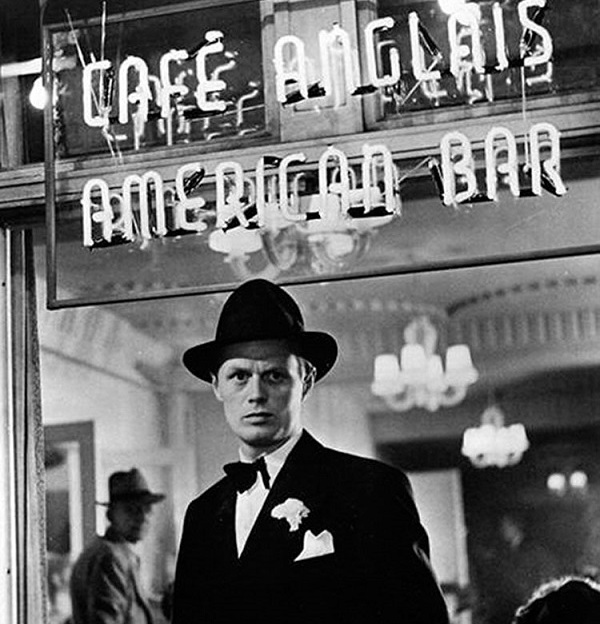
O narrador dá o tom: a noite é qualquer noite, a
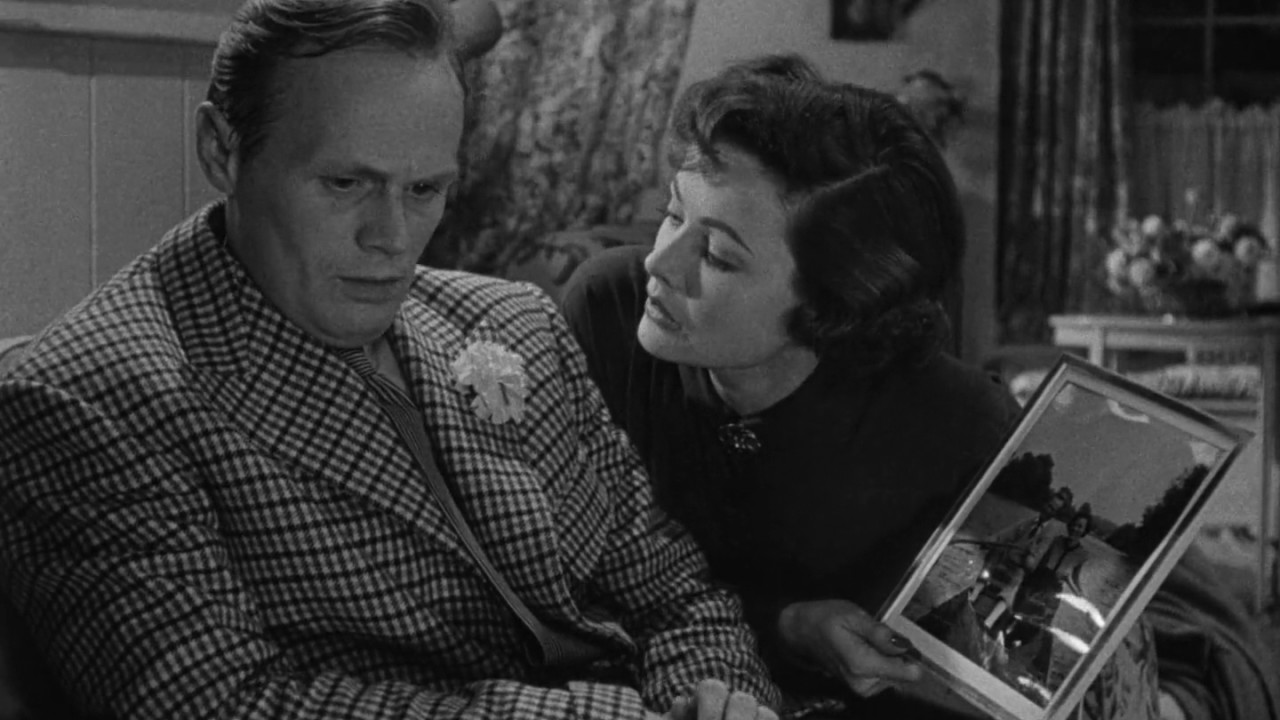
cidade é Londres. Numa noite qualquer em Londres encontramos Harry Fabian
(Richard Widmark) correndo de um “velho conhecido”? Ele chega até o apartamento
de sua namorada e, uma vez lá dentro, tenta vender seu mais novo esquema para
Mary (Gene Tierney): Uma pílula que serve como combustível. Harry quer ser
alguém na vida, enquanto Mary quer estar com alguém - com Harry, não com o
vizinho que gosta dela, Adam (Hugh Marlowe).
The narrator sets the tone: the night is any given
night, the city is London. At any given night in London we find Harry Fabian
(Richard Widmark) running from an “old acquaintance”. He reaches his girlfriend’s
apartment and, once inside, tries to sell his latest scheme to Mary (Gene
Tierney): a pill that works as fuel. Harry wants to be someone in life, while
Mary only wants to be with someone - with Harry, not with the neighbor who
likes her, Adam (Hugh Marlowe).
Oficialmente, Harry e Mary trabalham num clube
noturno que pertence a Phil (Francis L. Sullivan) e Helen (Googie Withers). Um
dia, Harry tem uma ideia brilhante envolvendo lutas e o lutador grego Gregorius
(Stanislaus Zbyszko, lutador na vida real) e seu pupilo Nikolas (Ken Richmond).
Ao tentar controlar o ramo de lutas em toda a Londres, Harry atrairá
chantagistas e assassinos.
Officially, Harry and Mary work at a nightclub
that belongs to Phil (Francis L. Sullivan) and Helen (Googie Withers). One day,
Harry has a brilliant idea that involves wrestling and the Greek wrestler
Gregorius (Stanislaus Zbyszko, a real-life wrestler) and his pupil Nikolas (Ken
Richmond). Wanting to control the wrestling scene in all of London, Harry will
attract blackmailers and killers.
Os elementos formulaicos do filme noir estão
presentes: as claramente visíveis fontes de luz, as muitas sombras criadas por
essas luzes, a fotografia em preto e branco que realça essas sombras, a
narração em voice over usada aqui só no início, escadas e ângulos de câmera
ousados. Há até uma sequência muito interessante, apesar de breve, na qual
entramos num carro com um personagem e compartilhamos do ponto de vista do
passageiro do carro. Não há flashback e, principalmente, não há femme fatale.
Gene Tierney havia interpretado uma fantástica femme fatale no noir em cores
“Amar foi a Minha Ruína” (1945), mas aqui ela é a mulher sofredora que tem
pouco tempo em cena.
The formulaic elements of film noir are there: the
clearly visible sources of lights, the many shadows created by these lights,
the black and white photography that enhances these shadows, the voice over
narration used here only in the beginning, stairs and bold camera angles. There
is even a very interesting, yet brief, sequence in which we enter a car with a character
and share the viewpoint of a passenger in the car. There is no flashback and,
mainly, there is no femme fatale. Gene Tierney had played a fantastic femme
fatale in the colorful noir “Leave Her to Heaven” (1945), but here she is the
suffering femme who has little screen time.
Uma perseguição muito importante acontece através
de Londres até que Harry chega num terreno de obras. Isso me fez lembrar de dois
outros filmes noir com perseguições em terrenos de obras: “Força do Mal” (1948)
e o noir brasileiro posterior “Na Senda do Crime” (1954). Não há dúvidas de que
um dublê foi usado em “Sombras do Mal”, e aqui precisamos dar o devido valor
aos dublês que são uma parte fundamental da história do cinema desde o início.
Mesmo assim, Richard Widmark teve de correr em várias sequências, algo que,
segundo o IMDb, fez com que ele perdesse bastante peso.
A very important persecution happens throughout
London until Harry arrives in a construction site. This reminds me of two other
noirs with persecutions in construction sites: “Force of Evil” (1948) and the
posterior Brazilian noir “Na Senda do Crime” (1954). There is no doubt that a
body double was used in “Night and the City” and here we need to give the
proper kudos to stunt men who have been a fundamental part of film history
since its dawn. Nevertheless, Richard Widmark had to run in several sequences,
something that, according to IMDb, made him lose a lot of weight.
Há uma breve sequência na qual Mary canta no
clube. Não é Gene Tierney cantando: a voz dela foi dublada pela atriz Maudie
Edwards, que já havia dublado outras estrelas de cinema como Diana Dors e
Margaret Lockwood. Maudie começou a carreira no teatro aos quatro anos de
idade, e fez diversos personagens masculinos na juventude. Sua carreira cinematográfica
durou de 1936 a 1972.
There is a brief sequence in which Mary sings in the
nightclub. It isn’t Gene Tierney singing: her voice was dubbed by actress
Maudie Edwards, who had already dubbed other film stars such as Diana Dors and
Margaret Lockwood. Maudie had first appeared on stage at four, and played many
male roles in the theater while young. Her film career lasted from 1936 to 1972.
Kristo é o filho de Gregorius e quem controla o
ramo da luta quando Harry chega. Ele é interpretado por Herbert Lom e é bem
curioso ver Lom como principal vilão de um filme. Você deve reconhecer o nome e
o rosto dos filmes da Pantera Cor de Rosa: Lom interpretou o Inspetor Dreyfus
em sete filmes com Peter Sellers como o detetive Clouseau. Nascido no que era
na época o Império Austro-Húngaro - na atual República Tcheca -, a carreira de
Lom no cinema britânico durou mais de 60 anos, nos quais interpretou também
personagens sérios e trágicos, como o Fantasma da Obra numa versão da história
em 1962.
Kristo is Gregorius’ son and the controller of the
wrestling scene when Harry arrives. He’s played by Herbert Lom and it’s quite
curious to see Lom as the main villain in a movie. You may recognize his name
and his face from the Pink Panther movies: Lom played Inspector Dreyfus to
Peter Sellers’ Clouseau in seven movies. Born in what was then Austria-Hungary
- now Czech Republic -, Lon’s career in the British cinema lasted more than
sixty years, playing also serious and tragic roles, like the Phantom of the
Opera in a 1962 version of the story.
“Sombras do Mal” é baseado em um romance de Gerald
Kersh. Jules Dassin confessou que só leu o livro depois de fazer o filme, por
isso Harry é bem mais simpático no filme do que no livro. A adaptação para as
telas foi feita pelo roteirista Jo Eisinger, que já fazia parte da história do
filme noir porque foi roteirista de “Gilda” (1946), outro noir com uma história
complexa.
“Night and the City” was based on a novel by
Gerald Kersh. Jules Dassin confessed that he only read the novel after making
the movie, that’s why Harry is a much more sympathetic character in the movie
than he is in the book. The adaptation for the screen was made by Jo Eisinger,
who was already in the film noir history because he was the screenwriter for
“Gilda” (1946), another noir with a complex story.
“Sombras do Mal” não foi bem recebido pelos
críticos quando estreou. Entretanto, como comumente acontece na história do
cinema, mais tarde o filme foi revisitado por estudiosos e pelo público e
reavaliado. Hoje um dos mais elogiados filmes noir dos anos 50, “Sombras do
Mal” e sua galeria de personagens trágicos tem o lugar que merece no panteão do
noir.
“Night and the City” wasn’t well-received by
critics when it premiered. However, as it often happens in film history, later
the movie was revisited by scholars and the public and reevaluated. Now one of
the most complimented noirs of the 1950s, “Night and the City” and its gallery
of tragic characters has the place it deserves in the noir pantheon.
O significado do nome Manuela é “Deus
está conosco”. É um nome mais comum em países de língua espanhola, por isso é
natural que o filme “Manuela”, conhecido por aqui pelo título “A Clandestina”,
comece num povoado na América do Sul.
The meaning of the name Manuela is
“God is with us”. It is a name more common in Spanish-speaking countries, so it
is only natural that the action for the film “Manuela” starts in a Spanish-speaking
pueblo in South America.
A tripulação de um navio vai à
terra firme, até um povoado próximo, porque o chefe de engenharia morreu e eles
querem que ele tenha um enterro digno em solo, não em alto-mar. Seis pessoas
estão nessa missão: o capitão James Prothero (Trevor Howard), seu subordinado
Evans (Donald Pleasence), Mario Constanza (Pedro Armendáriz) e três outros
ajudantes. Ao completarem a missão, eles decidem aproveitar a noite no povoado.
Mario é abordado por uma garota, Manuela (Elsa Martinelli), que está fugindo de
homem e quer saber se Mario consegue colocá-la a bordo do navio para a
Inglaterra, onde ela estará segura.
The crew of a ship goes ashore to a
nearby pueblo because their chief engineer died and they want him to have a
proper burial on land, not at sea. Six people are on this mission: captain
James Prothero (Trevor Howard), his subordinate Evans (Donald Pleasence), Mario
Constanza (Pedro Armendáriz) and three other helpers. When the mission is
complete, they decide to enjoy the night at the pueblo. Mario is approached by
a girl, Manuela (Elsa Martinelli), who is running away from a man and wants to
know if Mario could get her on board of the ship to England, so she can finally
be safe.
Mario termina concordando com
Manuela, não sem antes exigir sexo em troca do pequeno favor. Fica apenas
implícito que a troca foi feita, porque logo depois Manuela é levada para o
navio. O problema agora é que não há mulheres no navio, e Manuela não consegue
se disfarçar de homem. Quando o capitão descobre que ela está a bordo, Manuela
pula do navio, mas o capitão James diz à sua tripulação para resgatá-la. Então,
o calor se torna quase insuportável dentro do navio – não apenas por causa de
Manuela, mas também por causa de um problema com as caldeiras.
Mario ends up agreeing with Manuela,
not without asking for sex in exchange of this little favor. It is only implied
that the exchange was made, but the next thing you know is that Manuela is
taken on board of the ship. The problem now is that there are no women on the
ship, and Manuela can’t disguise as a boy. When the captain finds out about
her, Manuela jumps in the sea, but captain James tell his crew to rescue the
girl. Then, the heat becomes almost insufferable inside the ship – not only
because of Manuela, but also because of a problem with the furnaces.
Um grande problema com o filme –
algo que realmente me incomodou – foi que Manuela deveria ter 17 anos de idade.
Ela Martinelli tinha 22 quando o filme foi feito, e parece ainda mais madura. É
por isso que é curioso quando sua personagem diz que, aos 25 anos, as mulheres são
“velhas e gordas”. O capitão James deveria ter 43 anos e Trevor Howard, aos 44,
parece ainda mais velho. A idade de Mario nunca é mencionada, mas Pedro
Armendáriz tinha 45 quando o filme foi feito. Qualquer intimidade sugerida
entre Manuela e um dos dois é, por conta desta diferença de idade, um pouco
perturbadora.
One major problem with the movie –
something that really bothered me – is that Manuela is supposed to be
seventeen. Elsa Martinelli was 22 when the film was made, and she looks even
older. That’s why it’s so curious when her character claims that, by the time
they are 25, women are “old and fat”. Captain James was supposed to be 43, and
Trevor Howard, at 44, looks older than that. Mario’s age is never mentioned,
but Pedro Armendáriz was 45 when the film was made. Any intimacy implied
between Manuela and the two is, because of this age gap, a bit disturbing.
A trilha sonora merece destaque. As
músicas instrumentais são tocadas pela Orquestra Sinfônica de Londres, e o
diretor do departamento de música do filme é Muir Mathieson, que trabalhou em
outras películas famosas, como “Desencanto” (1945) e “Um Corpo que Cai” (1958).
Em “A Clandestina”, as músicas são perfeitas para criar uma atmosfera e
aumentar o suspense em momentos-chave.
The soundtrack is something worth
highlighting. The instrumental songs are played by the Symphonic Orchestra of
London, and the director of the music department is Muir Mathieson, who worked
in other famous movies, like “Brief Encounter” (1945) and “Vertigo” (1958). In
“Manuela”, the songs are perfect to create a mood and enhance the suspense in
key moments.
Um momento interessante acontece
quando Manuela está falando sobre seu falecido marido, que era também sócio de
seu pai: um homem brasileiro chamado... Corcovado. É praticamente impossível
encontrar aqui uma pessoa com este nome: Corcovado é o nome de um conjunto de
montanhas no Rio de Janeiro. Ao tentar destacar o que há de “exótico” na
América Latina e no Brasil, escritores e roteiristas falharam em diversas ocasiões.
A most interesting moment came when
Manuela was talking about her late husband, who was also her father’s partner:
a Brazilian man named... Corcovado. It’s nearly impossible to find a person
with such a name here: Corcovado is actually the name of a famous mountain in
Rio de Janeiro. When trying to highlight the “exotic” in Latin America and
Brazil writers and screenwriters have failed again and again.
“A Clandestina” é baseado em um
livro de William Woods, que também escreveu o roteiro junto com Ivan Foxwell e
Guy Hamilton, que eram, respectivamente, produtor e diretor do filme. Hamilton
ainda iria dirigir quatro filmes de 007. Em “A Clandestina”, vale mencionar uma
excelente escolha técnica: o contra-plongée usado quando o capitão James e Mario
estão em um barquinho, e o ângulo da câmera imita o ponto de vista de James.
“Manuela” is based on a book by
William Woods, who also wrote the script alongside Ivan Foxwell and Guy
Hamilton, who were, respectively, producer and director of the film. Hamilton
would go on to direct four James Bond films. In “Manuela”, one excellent choice
of camera angle should be mentioned: the contra-plongée used when only captain
James and Mario are in a small boat, mimicking James’ point of view.
Você já percebeu que há menção ao
sexo em muitas ocasiões em “A Clandestina”. O filme dificilmente seria aprovado
pelo Código Hays nos EUA, mas na Inglaterra a censura era um pouco diferente.
Distribuidores britânicos de filmes criaram, em 1912, o British Board of Film
Censors, originando assim a autocensura dentro da indústria britânica do
cinema. Os filmes aprovados pela junta recebiam um certificado para ser exibido
no início, algo que pode ser visto em “A Clandestina”:
You have already seen that sex is
implied in several moments in “Manuela”. The film would hardly be approved by
the Hays Code in the US, but in England censorship was a bit different. British
film distributors had created, in 1912, the British Board of Film Censors,
originating with this the self-regulation within the British film industry. The
films approved by the board received a certificate to be exhibited in the
beginning, something that we can see in “Manuela”:
“A Clandestina” não é um filme
perfeito nem uma joia escondida. É escondido, sem dúvidas, e é divertido. Você
não está perdendo muito se não viu o filme, mas se decidir vê-lo, com certeza
terá 90 minutos agradáveis.
“Manuela” isn’t a perfect film nor a
hidden gem. It’s hidden, no doubt about it, and it’s entertaining. You’re not
missing much if you haven’t watched it, but if you do decide to watch the movie,
you’ll certainly spend pleasant 90 minutes.
Você provavelmente conhece os nomes dos
pioneiros do cinema francês – os irmãos Lumière, Alice Guy-Blaché, Georges
Méliès – e também dos pioneiros norte-americanos – como Thomas Edison, que fez
uma pequena fortuna exibindo dos filmes de Méliès nos EUA sem pagar pelos
direitos autorais. Ma você consegue se lembrar de algum pioneiro do cinema
britânico? Não estou falando de Hitchcock no começo da carreira, estou falando
das pessoas que estavam trabalhando 25 anos antes de Hitchcock pisar num
estúdio de cinema. Se você assistiu ao filme “A Caixa Mágica”, de 1951, já deve
conhecer William Friese-Greene, e aqui estão outros nove pioneiros do cinema
britânico:
You probably know the names of French film
pioneers – the Lumière brothers, Alice Guy-Blaché, Georges Méliès – and also of
US film pioneers – like Thomas Edison, who made a small fortune exhibiting
Méliès’ films in the US without paying royalties. But can you name any British
film pioneer? I’m not talking about early Hitchcock, I’m talking about people
who were working 25 years before Hitchcock stepped in a film studio. If you
have watched the 1951 film “The Magic Box” you probably know William
Friese-Greene, and here are nine other British film pioneers:
Antes de continuarmos, é bom mencionar que o
francês Louis Le Prince filmou as primeiras imagens em movimento da história na
Inglaterra em 1888, mas desapareceu sem torná-las públicas.
Before we go on, it’s worth mentioning that
Frenchman Louis Le Prince shot the first motion picture ever in England in
1888, but disappeared without making it public.
Eadweard Muybridge (1830-1904):
Tecnicamente, Muybridge fez suas contribuições para o nascente cinema,
incluindo o famoso trabalho sobre um cavalo em movimento em 1878, nos EUA, mas
nasceu na Inglaterra. Muybridge sofreu um acidente de carruagem em 1860 que,
provavelmente, aumentou sua capacidade criativa. Para exibir as fotografias que
ele tirava de animais em movimento, Muybridge criou o zoopraxiscope e viajou
pelos EUA e Europa demonstrando o invento.
Eadweard Muybridge (1830-1904): Technically,
Muybridge did his contributions to early cinema, including the famous The Horse
in Motion work from 1878, in the USA, but he was born in England. Muybridge was
in a stagecoach accident in 1860 and it, probably, improved his creativity. In
order to exhibit the photographs of animals in motion he was taking, Muybridge
created the zoopraxiscope and toured the US and Europe showing this device.
Birt Acres (1854-1918): Embora
tenha nascido nos EUA, Acres deixou seu legado no cinema britânico. Este
fotógrafo inventou, junto com R.W. Paul, a primeira câmera de 35mm portátil da
Inglaterra, foi responsável pela primeira exibição cinematográfica do país em
1896 e foi o primeiro repórter cinematográfico a viajar para outros países para
fazer filmes-reportagem. Acres acreditava que o verdadeiro potencial do cinema
estava em sua capacidade de educar, não de entreter.
No já mencionado “A Caixa Mágica” há uma cena em
que William Friese-Greene, interpretado por Robert Donat, celebra o triunfo de
sua invenção com a primeira pessoa que ele encontra, um policial interpretado
por Laurence Olivier. Este episódio curioso na verdade aconteceu com Birt
Acres.
Birt Acres (1854-1918):
Although born in the USA, Acres left his impact in British cinema. This
photographer invented, alongside R.W. Paul, the first 35mm portable camera of
England, was responsible for the first film exhibition in the country in 1896
and was the first newsreel reporter to travel internationally to make his
newsreels. Acres believed that the true potential of cinema lied in its
educational purposes, not the entertainment side of the business.
In the aforementioned film “The Magic Box” there
is a scene in which William Friese-Greene, played by Robert Donat, celebrates
the triumph of his invention with the first person he meets, a policeman played
by Laurence Olivier. This colorful episode actually happened to Birt Acres.
R.W. Paul (1869-1943): Robert
William Paul filmou, com Birt Acres, “Incident at Clovelly Cottage” em 1895,
estrelando a esposa e o filho de Acres. Este primeiro filme hoje está perdido.
Paul foi durante muito tempo considerado o Pai da Indústria Cinematográfica
Britânica, mas apenas porque ele não mencionava as contribuições de Acres
quando contava suas primeiras façanhas cinematográficas, pois a parceira entre
os dois durou somente um ano e provavelmente acabou de forma pouco amistosa.
Altamente versátil, sendo inventor, produtor de
cinema, cinegrafista e exibidor, R.W. Paul inventou o Theatrograph, um projetor
de filmes de 35mm, e ficou famoso por filmar a corrida de cavalos de três de
junho de 1896 e exibir o filme para o público em apenas 24 horas. Depois de
muito sucesso com curtas e filmes-reportagem, Paul se aposentou em 1910.
R.W. Paul (1869-1943): Robert
William Paul made, with Birt Acres, “Incident at Clovelly Cotagge” in 1895,
starring Acres’s wife and son. This first film is currently missing. Paul was
for a long time considered the Father of the British Film Industry, but only
because he erased Acres’s contributions whenever he talked about his early
feats in filmmaking, as their partnership had lasted for only a year and
probably ended in a bitter note.
Highly versatile as an inventor, film producer,
cinematographer and exhibitor, R.W. Paul invented the Theatrogaph, a 35mm
projector, and became famous for shooting the June 3rd 1896 Derby and making
the film available within 24 hours for audiences. After a lot of success with
short films and newsreels covering current events, Paul retired in 1910.
James Kenyon (1859-1925) e Sagar Mitchell
(1866-1952): A companhia Mitchell e Kenyon foi fundada em
1897 e sobreviveu até 1913. No início, a dupla era contratada por proprietários
de fábricas para filmar os trabalhadores saindo das fábricas - depois os filmes
eram exibidos para estes trabalhadores, que sempre se surpreendiam ao se ver na
tela. Quando a Guerra dos Bôeres começou em 1899, Mitchell e Kenyon viram uma
nova oportunidade e começaram a recriar cenas de batalhas e filmá-las. A
maioria de seus trabalhos era comissionada.
James Kenyon (1850-1925) and Sagar Mitchell
(1866-1952): The Mitchell and Kenyon company was founded in
1897 and survived until 1913. At first, they were hired by factory owners to
film the workers leaving the factory - then they’d show the film to the
workers, who were always thrilled to see themselves on that novelty. When the
Boer War started in 1899, Mitchell and Kenyon saw a new opportunity and started
shooting re-enactments of the battles. Most of their films were commissioned.
Mitchell & Kenyon
James Williamson (1855-1933): Nascido
na Escócia, Williamson era fotógrafo, manufaturava equipamentos fotográficos e
foi um dos quatro pioneiros daquilo que ficou conhecido como Brighton School.
Ele teve seu próprio estúdio e em 1908 inventou uma geringonça que permitia que
os exibidores criassem suas próprias cartelas de textos. Mesmo que alguns de
seus filmes sejam muito inventivos – como o famoso “The Big Swallow” (1901) –
Williamson ganhou mais dinheiro com suas invenções cinematográficas do que com
seus filmes.
James Williamson (1855-1933): Born
in Scotland, Williamson was a photographer, manufacturer of photographic
equipment and one of four pioneers in what became known as the Brighton School.
He had his own studio and in 1908 invented a device that allowed exhibitors to
make their own title cards. Even though some of his films were very inventive –
like the famous trick film “The Big Swallow” (1901) –Williamson made more money from his
cinematographic inventions than from his films.
G.A. Smith (1864-1959): George
Albert Smith também era parte do grupo da Brighton School e trocava
correspondências com Méliès. Ele começou a carreira artística como hipnotizador
e, assim que adquiriu uma câmera, ele começou a fazer experimentos e a usar a
lanterna mágica para criar efeitos nos filmes. Smith decidiu focar no
processamento de filmes para outras companhias e no desenvolvimento de seu próprio
processo de coloração, Kinemacolor, que foi um sucesso entre 1910 e 1913.
G.A.
Smith (1864-1959): George
Albert Smith was also part of the Brighton School group and also a penpal of
Méliès. He started his artistic career as a hypnotist and as soon as he
acquired a camera he started experimenting with it and using magic lantern
techniques to create different effects. Smith focused on processing films for
other companies and developing his own color process, Kinemacolor, which was a
success from 1910 to 1913.
W.R. Booth (1869-1938): Walter
Robert Booth começou sua carreira trabalhando no laboratório de filmes de R.W.
Paul, o primeiro do tipo na Inglaterra. Este mágico amador trabalhou em “trick
films”, experimentou com animação e caricaturas animadas e dirigiu a primeira
adaptação para o cinema de uma obra de Charles Dickens, “Scrooge or Marley's
Ghost”, de 1901. Em 1915, ele passou
a trabalhar com curtas de publicidade.
W.R.
Booth (1869-1938): Walter
Robert Booth started his career working in R.W. Paul’s film laboratory, the
first of its kind in England. This amateur magician worked in trick films,
experimented with animation and caricatures on film and directed the first
adaptation of a Charles Dickens work for the screen, “Scrooge or Marley’s
Ghost”, in 1901. In 1915, he switched to making advertising shorts.
Cecil Hepworth (1874-1953): Autor
do primeiro livro britânico sobre cinema, “The ABC of Cinematograph”, publicado
em 1897. Em sua própria companhia, chamada Hepwix, fundada em 1899, ele
trabalhou como diretor, roteirista, produtor e até mesmo ator. Sua companhia
fez a primeira versão para o cinema de “Alice no País das Maravilhas” em 1903 e
também o imensamente popular “Rescued by Rover”, de 1905. Em 1910 Hepworth
estava fazendo experimentos com som e em 1915 a companhia já focava em
longas-metragens. A Primeira Guerra Mundial teve um grande impacto no negócio
e, após uma volta fracassada, Hepworth dirigiu trailers para os National Screen
Services e deu palestras sobre história do cinema.
Cecil
Hepworth (1874-1953): Author
of the first British book about cinema, “The ABC of the Cinematograph”,
published in 1897. In his own company, called Hepwix, founded in 1899, he
worked as director, writer, producer and even actor. His company delivered the
first screen version of “Alice in Wonderland” in 1903 as well as the immensely
popular “Rescued by Rover” in 1905. By 1910 Hepworth was experimenting with
sound and by 1915 the company focused on making features. World War I had a big
impact in the business, and after a failed comeback Hepworth directed trailers
for the National Screen Services and became a lecturer on film history.
Bonus: vale mencionar que o estúdio Vitagraph, o
primeiro estúdio de cinema moderno dos EUA, foi fundado em 1897 por dois
britânicos, o cartunista James Stuart Blackton (1875-1941) e o mágico Albert
Edward Smith (1874-1958).
Bonus:
it’s worth mentioning that Vitagraph studios, the first modern film studio in
the US, was founded in 1897 by two British guys, the cartoonist James Stuart
Blackton (1875-1941) and magician Albert Edward Smith (1874-1958).