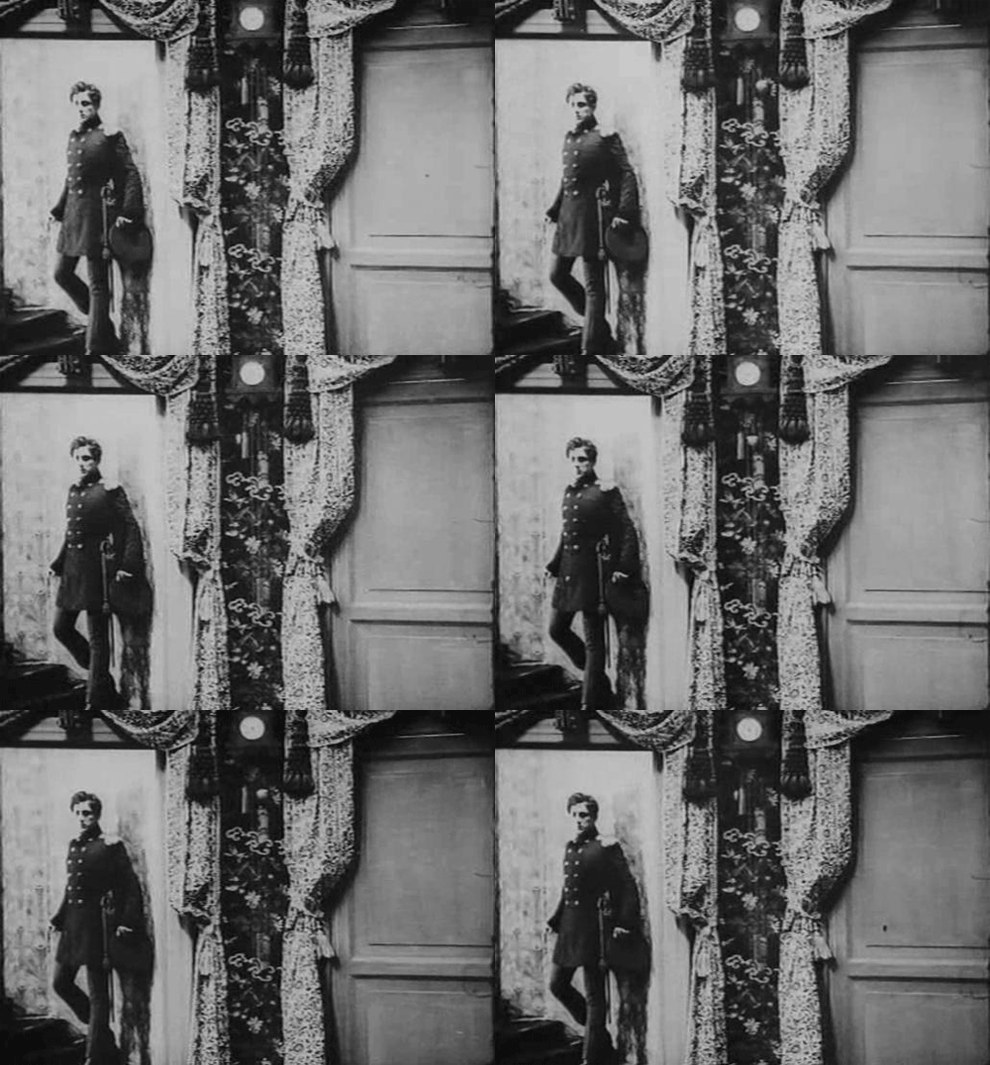
ESTE ARTIGO TEM SPOILERS
THIS ARTICLE
HAS SPOILERS
“A guerra
começa à meia-noite!” Mesmo com esse protesto, o General Clive Candy é levado
como prisioneiro de um grupo de soldados ingleses em treinamento. Assim que
Candy cai numa piscina num banho turco, ele – e nós – revisitamos sua vida em
uma série de flashbacks.
“War starts
at midnight!” Even with this protest, Major-General Clive Candy is taken as
prisoner of an English group of soldiers in training. As Candy falls in a pool
in a Turkish bath, he – and we – revisits his life in a series of flashbacks.

Durante a
Segunda Guerra dos Bôeres (1899-1902), Clive Candy (Roger Livesey) participou
de um tipo diferente de ação. Como um tenente de folga, ele recebeu uma carta
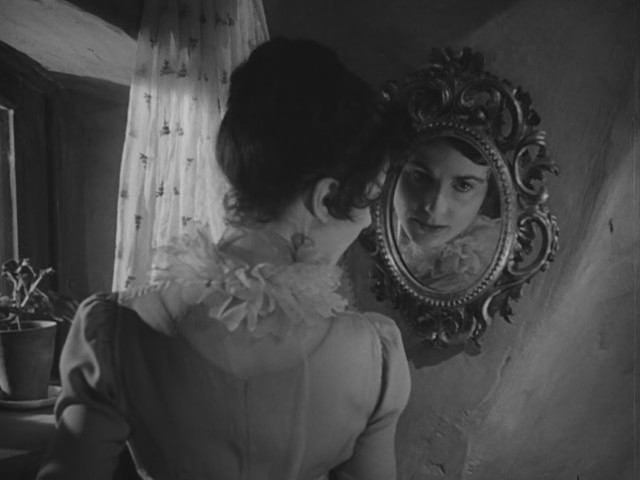
de uma mulher inglesa que trabalhava em Berlim, Edith Hunter (Deborah Kerr). Ela
reclama que Kaunitz, um alemão, está espalhando propaganda contra a Inglaterra.
Como os superiores de Clive não se importam com o assunto, ele decide parar
Kaunitz sozinho.
During the
Second Boer War (1899-1902), Clive Candy (Roger Livesey) saw a different kind
of action. As a lieutenant on leave, he receives a letter from an English woman
working in Berlin, Edith Hunter (Deborah Kerr). She complains that Kaunitz, a
German, is spreading anti-British propaganda. As Candy's superiors don't care
about the matter, he decides to stop Kaunitz himself.
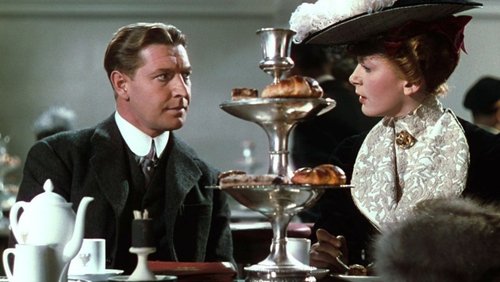
Candy
conhece Edith e, com ela, confronta Kaunitz (David Ward) e acaba causando um
grande incidente diplomático. Ele é mandado para duelar com um oficial alemão,
Theo Kretschmar-Schuldorff (Anton Walbrook). Ambos são feridos no duelo – e se
tornam amigos.
Candy meets
Edith and, with her, confronts Kaunitz (David Ward) and ends up causing a minor
diplomatic incident. He is sent to duel with a German officer, Theo
Kretschmar-Schuldorff (Anton Walbrook). Both are wounded in the duel – and they
become friends.
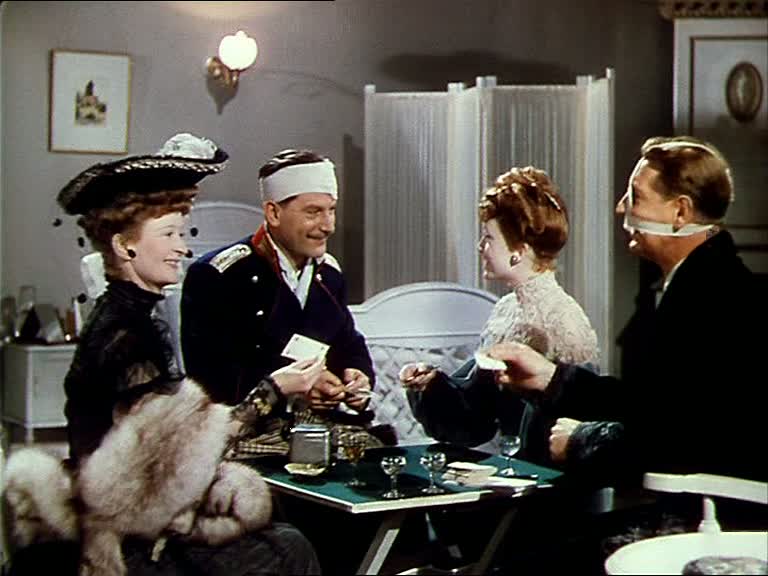
Candy vai
para a África. Uma montagem cheia de cabeças empalhadas de animais mortos por
Candy mostra a passagem do tempo – uma sequência destas não seria aceita hoje.
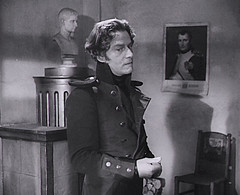
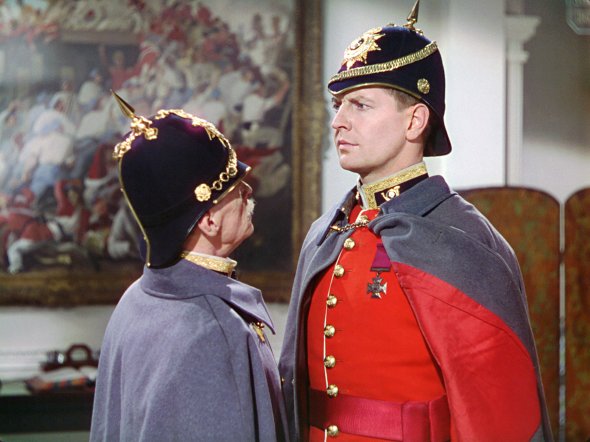
Agora a Primeira Guerra Mundial (1914-1918) está em curso. O agora General
Candy, com um bigode, está em Flandres com seu mordomo Murdoch (John Laurie)
pouco antes da assinatura do Armistício. Numa base da Cruz Vermelha ele conhece
a enfermeira Barbara Wynne (também Deborah Kerr), e se apaixona por ela por
causa de sua semelhança com Edith. Mesmo sendo 20 anos mais nova que ele, ela
aceita o pedido de casamento.
Candy leaves
to Africa. A montage full of heads of animals shot by Candy show the passage of
time – such a sequence wouldn’t be accepted today. Now World War I (1914-1918)
is underway. The now General Candy, with a moustache, is in Flanders with his butler
Murdoch (John Laurie) a while before the Armistice is signed. In a Red Cross
base he meets nurse Barbara Wynne (also Deborah Kerr), and falls in love with
her because of the resemblance she bears with Edith. Despite being 20 years
younger than him, she accepts his proposal.

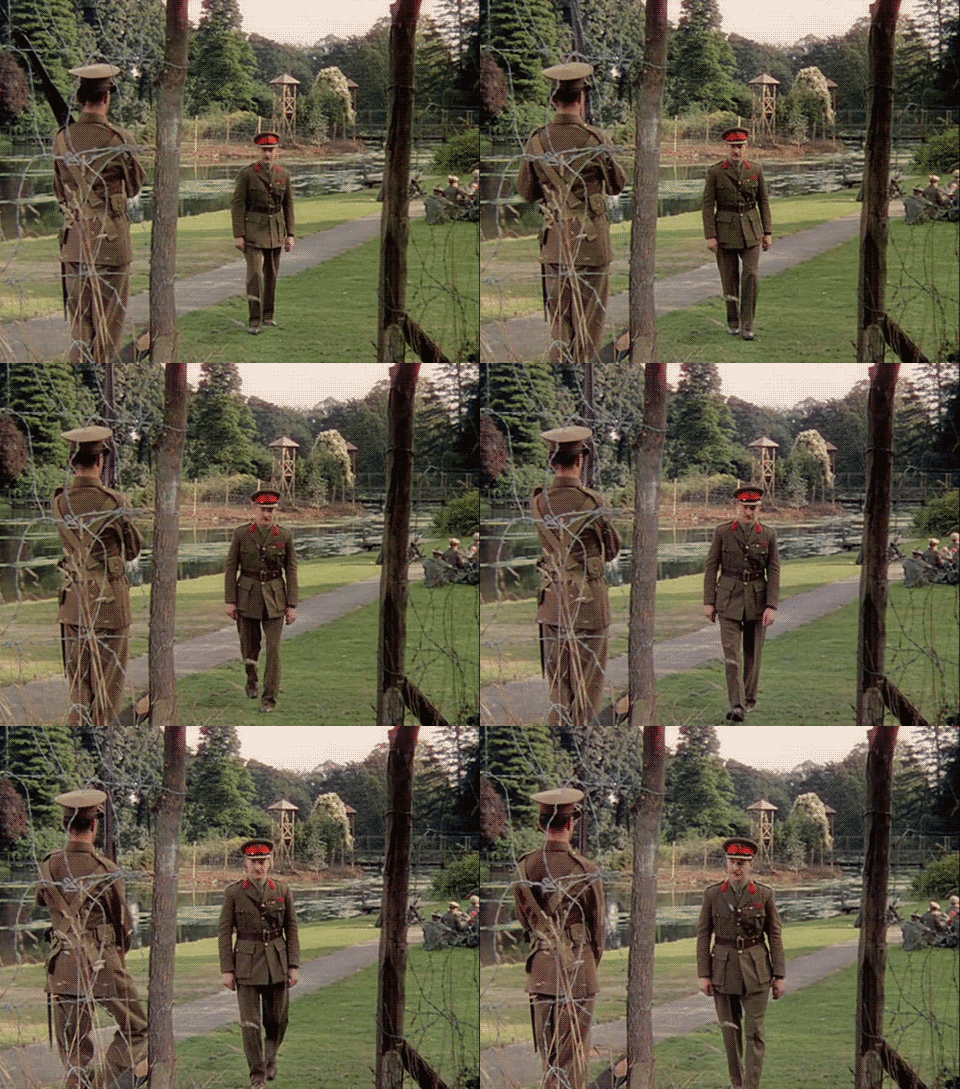
Quando a
guerra acaba, Candy encontra Theo em um campo de prisioneiros de guerra. A
relação deles é, à primeira vista, impactada, mas Theo é libertado e vai jantar
com Candy. Theo é mandado de volta para a Alemanha, enquanto Candy e sua esposa
Barbara viajam pelo mundo.
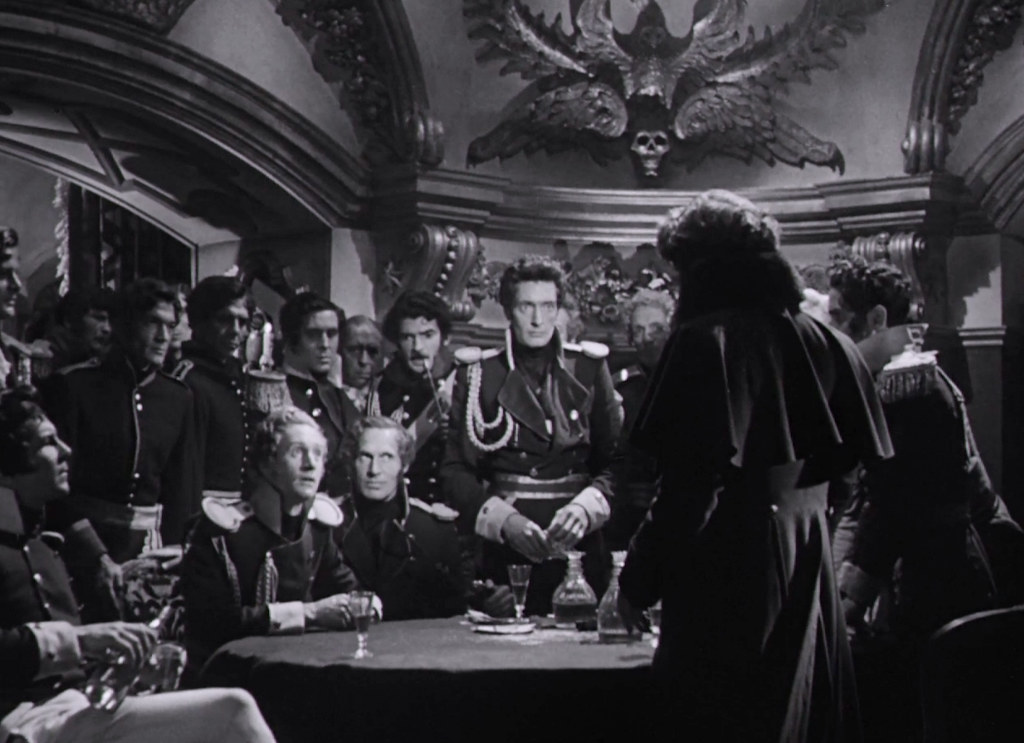
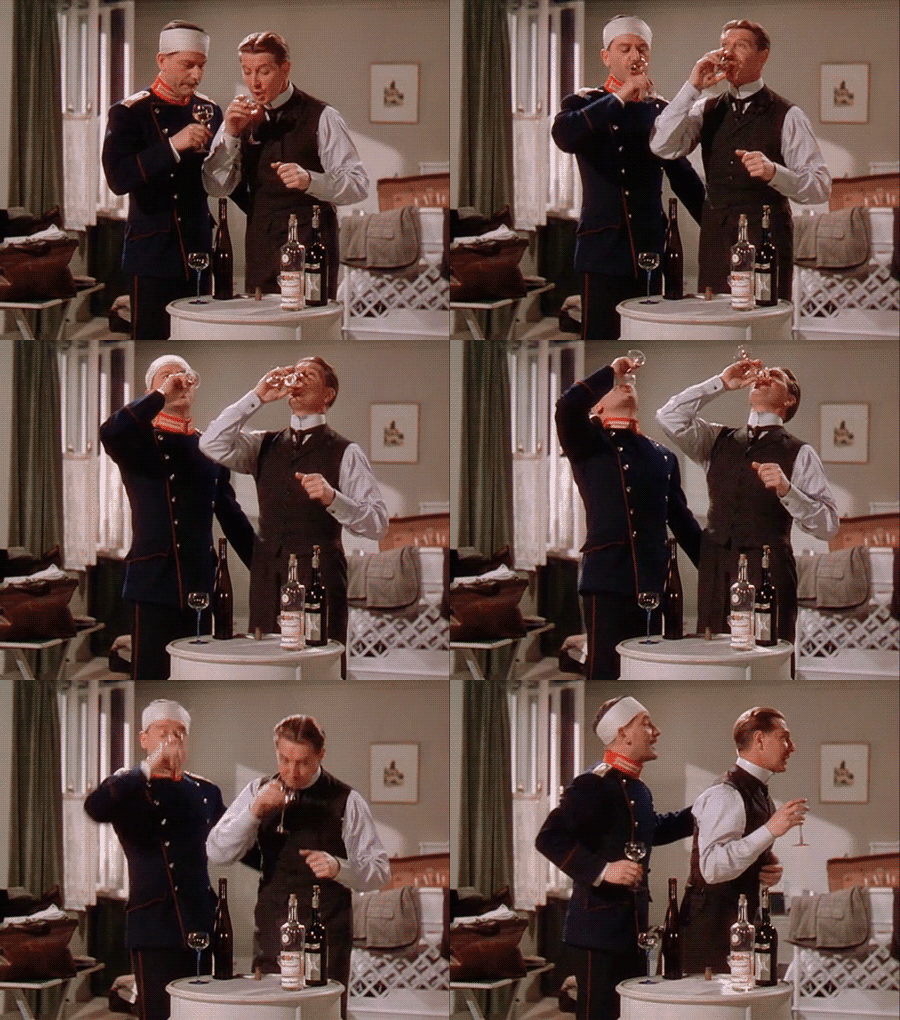
When the war is over, Candy tracks
down Theo in a prisoner of war camp. Their relationship is at first shaken, but Theo
is freed and they have dinner together. Theo is sent back to German, while
Candy and his wife Barbara travel the world.
Barbara morre
em 1926, sem deixar filhos. Candy volta a caçar animais selvagens e novamente
enche as paredes de casa com as cabeças empalhadas. Logo é 1939, e Theo, agora
um químico aposentado, está na Inglaterra após ter enviuvado e ter visto os
dois filhos se tornarem nazistas. Candy
encontra Theo no escritório de imigração e o leva para sua casa, onde Theo
conhece a motorista de Candy, Angela (adivinhe quem? Deborah Kerr) e se
impressiona com a semelhança entre ela, Edith, e Barbara. O filme volta para o
começo.
Barbara dies
in 1926, leaving no children. Candy starts hunting wild animals again and
filling his walls with their heads. Soon it’s 1939, and Theo, now a retired
chemist, is in England after becoming a widower himself and seeing his two sons
become Nazis. Candy meets Theo at the immigration office and takes him to his
home, where Theo meets Candy’s driver, Angela (guess who? Deborah Kerr) and
gets impressed with her resemblance with both Edith and Barbara. The film
finally comes full circle.

A lógica
diz que um filme como “Coronel Blimp: Vida e Morte” não poderia ser feito
durante a guerra. É um filme colorido – portanto, mais caro – que tem um
personagem alemão simpático e um oficial inglês não muito nobre, e que está
ficando obsoleto. A lógica diz que um filme como “Lawrence da Arábia” poderia
ser feito durante a guerra, para contar os feitos de um herói de guerra e
inspirar os jovens soldados. Mas o mundo do cinema nem sempre segue a lógica.
Logic says
that a film like “The Life and Death of Colonel Blimp” couldn't and shouldn’t
be made in wartime England. This is a color film – therefore, more expensive –
that has a sympathetic German character and a not so noble English officer, who
is becoming obsolete. Logic says that a film like “Lawrence of Arabia” would be
made in wartime England, to chronicle the deeds of a war hero and inspire the
young soldiers. But the film world does not always follow logic.
Winston
Churchill se recusou a dar um visto de exportação para o filme depois que ele
ficou a par da história que seria contada – por causa disso, o filme só estreou
nos EUA em 1945, e numa versão editada. Algumas teorias dizem que Churchill
sentiu que Candy era uma sátira dele, mas não há prova disso. Mesmo assim, “Coronel
Blimp: Vida e Morte” estreou na Inglaterra com sucesso.
Winston Churchill
refused to give a visa for the film after he got to know the story that was
being told – because of that, the film only premiered in the US in 1945, and in
an edited version. Some theories say that Churchill felt that Candy was a character
made to satirize him, but there is no proof of that. Nevertheless, “The Life
and Death of Colonel Blimp” premiered in England and was a success.

Embora
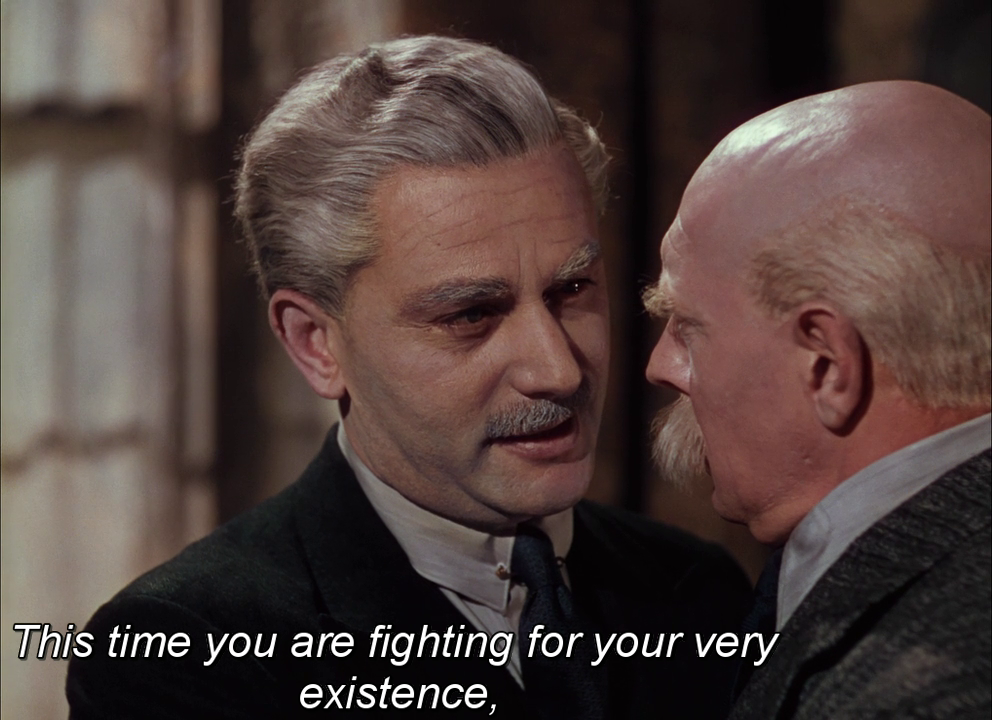
Clive Candy seja o protagonista do filme, creio que Theo é o personagem mais
interessante. Primeiro, ele é um soldado alemão com um forte senso de dever e
que fala apenas duas expressões em inglês. Isso não impede que uma amizade
entre ele e Candy surja. Depois da Primeira Guerra Mundial, Theo está amargo e
não é bem recebido entre os amigos de Candy. Além disso, ele não tem certeza
sobre como a Alemanha será tratada no Tratado de Versalhes – alerta de spoiler:
a Alemanha foi tratada injustamente. E é durante a Segunda Guerra Mundial que
seu personagem brilha. Por ter perdido seus dois filhos para o nazismo, ele
sabe que combater os nazistas não será como combater qualquer outro inimigo.
Numa época em que todos os filmes de guerra retratavam os alemães como uma massa
de inimigos, ter um personagem alemão não-judeu como a voz da razão é uma
surpresa. E Anton Walbrook, ele próprio um refugiado, é talentoso e bonito.
Although
Clive Candy is the lead of the film, I found Theo to be the most interesting
character. First, he’s a German soldier with a strong sense of duty who just
speaks two expressions in English. This doesn’t prevent a friendship between
him and Candy to blossom. After World War I, Theo is bitter and is not
well-received among Candy’s friends. Furthermore, he is uncertain about how
German would be treated by the Treaty of Versailles – spoiler alert: Germany
wasn’t treated fairly. And it’s during World War II that his character shines.
Having lost his two sons to Nazism, he knows fighting Nazis won’t be like
fighting any other enemy. In a time when all war movies portrayed German people
as a mass of enemies, to have a non-Jewish German character as the voice of
reason is a surprise. It also doesn’t hurt that Anton Walbrook, a refugee
himself, is both talented and handsome.
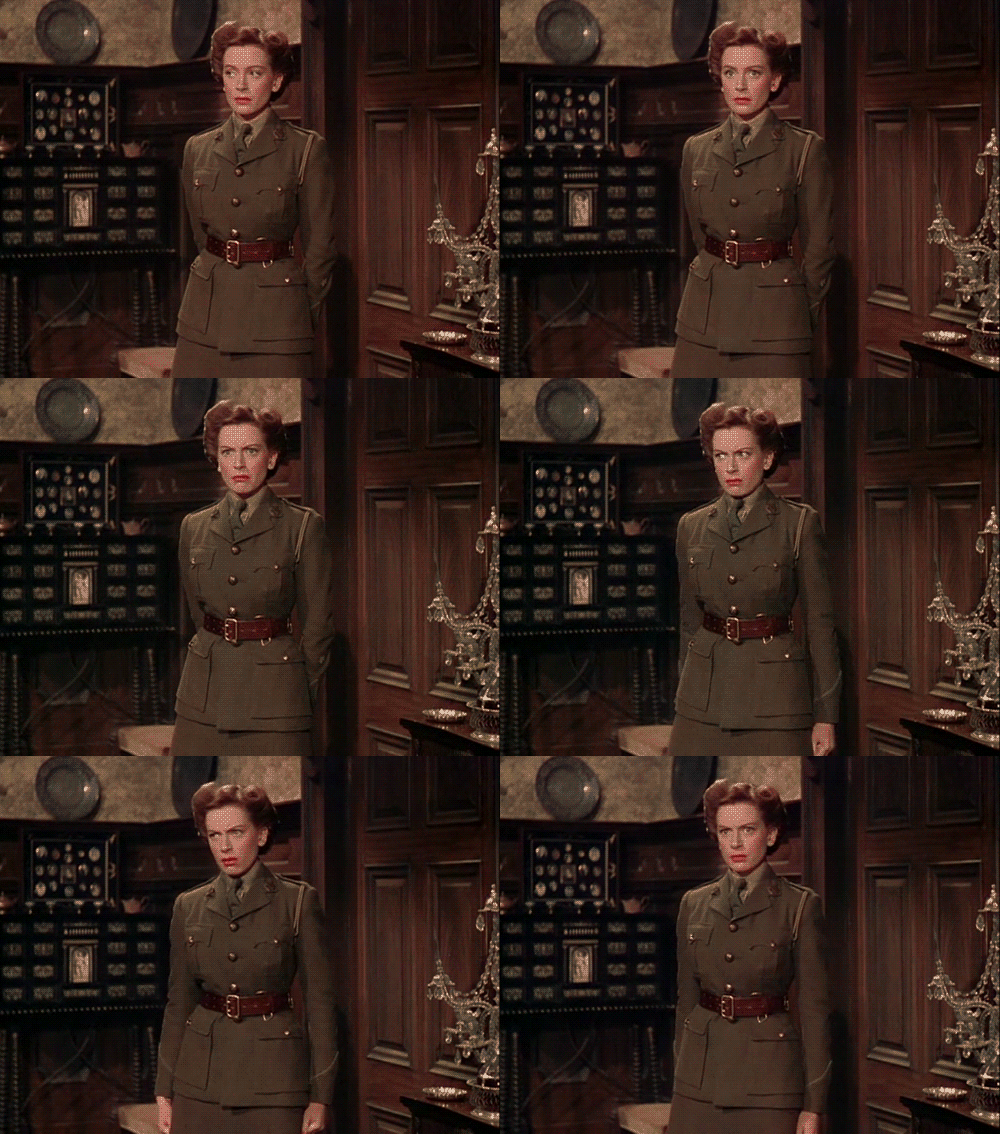
Os três
papéis de Deborah Kerr podem ser associados com a ideia de duplos ou
doppelgangers. De acordo com um estudo de 2016 de uma universidade australiana,
há apenas uma chance em 135 de você ter um doppelganger exato. Por isso, a
chance de Candy conhecer três mulheres que são exatamente iguais, todas na
Europa, em um período de 40 anos, é muito, muito pequena. Mas, de novo, os
filmes seguem uma lógica diferente.
Deborah Kerr’s
three roles can be associated with the idea of doppelgangers. According to a 2016 study from an Australian university, there is only a 1 in 135 chance that
there is an exact pair of doppelgangers. So, the chance of Candy having met
three women who look exactly the same, all in Europe, in a 40-year period is
very, very small. But, again, movies follow a different logic.

Dito isto,
é uma pena que nenhuma das personagens de Deborah Kerr seja bem desenvolvida. Eu
entendo que o foco seja, primeiro, em Clive Candy e, segundo, em sua amizade
com Theo. Angela é a única das personagens que mostra mais independência, pois
ela tem um emprego e contradiz Candy para apoiar a opinião de Theo sobre a
guerra. Deborah Kerr foi escalada para o filme depois que Wendy Hiller
engravidou e teve de deixar o projeto. Michael Powell se apaixonou por Deborah
e traduziu muito de sua obsessão para a obsessão de Candy por uma “mulher ideal”.
This being said,
it’s a pity that none of Deborah Kerr’s characters is well developed. I
understand the focus was, first, on Clive Candy and second on his friendship
with Theo. Angela is the only Kerr character that shows more independence as
she has a job and contradicts Candy in order to support Theo’s views about the
war. Deborah Kerr was cast in the picture after Wendy Hiller got pregnant and
had to drop out. Michael Powell fell in love with Deborah and translated a lot
of his obsession to Candy’s obsession for an “ideal woman”.
O diretor,
produtor e roteirista Emeric Pressburger disse que “Coronel Blimp: Vida e Morte”
foi o seu filme favorito de sua parceria com Michael Powell. Eu teria escolhido
“Os Sapatinhos Vermelhos” (1948) ou o brilhante “Neste Mundo e no Outro” (1946)
como o melhor de Powell e Pressburger, mas não posso negar que Coronel Blimp é
um filme luminoso, intrigante e surpreendente.
Director,
producer and screenwriter Emeric Pressburger said that “The Life and Death of
Colonel Blimp” was the favorite film of his partnership with Michael Powell.
Although I’d choose “The Red Shoes” (1948) or the brilliant “A Matter of Life and Death” (1946) as Powell’s and Pressburger’s best, I can’t deny that Colonel
Blimp is a luminous, intriguing and surprising film.
This is my
contribution to the Second Deborah Kerr blogathon, hosted by Maddy from
Maddy Loves Her Classic Films.