} Crítica Retrô: Jackie Cooper

Tradutor / Translator / Traductor / Übersetzer / Traduttore / Traducteur / 翻訳者 / переводчик

Showing posts with label Jackie Cooper. Show all posts

Wednesday, May 28, 2025

O Campeão (1931) / The Champ (1931)

 Maio é o mês em que celebramos as mães, as noivas… e o melodrama. Bem, pelo menos este mês de maio foi melodramático o suficiente neste blog com uma crítica de um melodrama feito por uma mulher - filmes deste gênero específico são em geral feitos PARA mulheres, mas dificilmente POR elas. Há uma mulher forte também por trás do melodrama de hoje: Frances Marion escreveu o roteiro de “O Campeão”.


May is the month we celebrate mothers, brides… and melodrama. Well, at least this May was melodramatic enough on this blog with a review of a melodrama made by a woman - movies from this specific genre are often targeted to women, but not made by them. There is one strong woman also behind today’s melodrama: Frances Marion wrote the screenplay for “The Champ”.


Os anos de glória do boxeador Andy (Wallace Beery) já passaram, mas ele ainda é conhecido como Champ (de “Champion”: campeão). Seu treinador e gerente de sua carreira é seu filho Dink (Jackie Cooper), que ainda é um garoto. Os maiores inimigos de Champ são o álcool e as apostas.


Andy (Wallace Beery) is a has-been boxer, but is still known as Champ. His trainer and career manager is his son Dink (Jackie Cooper), who is just a boy. Champ’s biggest enemies are alcohol and gambling.


Pai e filho vivem num apartamento de um quarto só com uma cama que dividem. Tem uma cadeira de balanço igualzinha à de Champ na minha casa! Numa manhã, Dink está fazendo as tarefas do lar quando Champ chega com um presente: um cavalo! Eles decidem rebatizar o animal, de Butterfly para Little Champ, e treiná-lo para se tornar um cavalo de corrida. Um dia, nas pistas de corrida, Champ encontra uma figura do passado que irá assombrá-lo.


Father and son live in a one-bedroom apartment with a shared bed. There is a rocking chair exactly like Champ’s in my house! One morning, Dink is doing the household chores when Champ arrives with a present: a horse! They decide to rename the animal, from Butterfly to Little Champ, and train it to become a race horse. One day, on the race tracks, Champ meets a figure from his past who will haunt him.


Wallace Beery ganhou o Oscar de Melhor Ator - empatado com Fredric March de “O Médico e o Monstro” - por sua interpretação de Champ, mas o filme pertence a Dink e sua ampla gama de expressões. Jackie Cooper mais tarde declarou que Beery tentou aparecer mais que ele a todo momento, mas os resultados mostram que o ator adulto falhou. O que realmente aconteceu foi a revitalização da carreira de Beery, que se tornou então o ator mais bem pago da época quando ele assinou contrato com a MGM.


Wallace Beery won the Best Actor Oscar - tied with Fredric March from “Dr Jekyll and Mr Hyde” -  for playing Champ, but the movie belongs to Dink and his wide range of expressions. Jackie Cooper later claimed that Beery tried to upstage him at all times, but results prove that the adult actor failed. What did happen was the revitalization of Beery’s career, making him the highest-paid actor of the time when he signed with MGM.


Jackie Cooper foi indicado para o Oscar um ano antes por “Skippy” e, durante a cerimônia, adormeceu encostado no ombro de Marie Dressler! Cooper ainda é a única pessoa menor de 18 anos a ser indicado ao Oscar de Melhor Ator. Frances Marion também ganhou o Oscar na categoria Melhor Roteiro - História Original. Ela havia escrito a história tendo Wallace Beery em mente para ser o protagonista.


Jackie Cooper was nominated for the Oscar one year before for “Skippy” and, during the ceremony, fell asleep on Marie Dressler’s shoulder! Cooper remains the only person under 18 to be nominated for a Best Actor Oscar. Frances Marion also won the Oscar in the category Best Writing - Original Story. She had written the story with Wallace Beery in mind to star.


Dink tem um amigo da sua idade chamado Jonah e, quando o apresenta para Linda (Irene Rich), Dick enfatiza que “ele é de cor”. Jesse Scott interpreta Jonah, no primeiro de seus seis papéis no cinema, metade deles sem receber crédito.


Dink has a friend his age named Jonah and, as he introduces him to Linda (Irene Rich), Dink emphasizes that “he’s colored”. Jesse Scott plays Jonah, in the first of six screen roles, half of them uncredited.


Como escrito na Wikipedia, “a crítica de cinema Judith Christ declarou que quase todo filme contendo um ator adulto junto a um ator mirim deve ser comparado com O Campeão em termos da química entre os atores e a eficácia do filme”. “Química” não é exatamente a melhor palavra para descrever o que havia entre Beery e Cooper, mas você não pode sentir a animosidade enquanto assiste ao filme. Talvez o melhor ator mirim desde Jackie Coogan - de “O Garoto” (1921) de Chaplin - , Cooper é o campeão real aqui.


As written in Wikipedia, “Film critic Judith Christ has argued that almost any film pairing an adult actor alongside a child actor must be compared to The Champ in terms of the chemistry between the actors and the effectiveness of the film.” “Chemistry” isn’t exactly the best word to describe what was going on between Beery and Cooper, but you can’t tell about the animosity while watching the film. Arguably the best child actor since Jackie Coogan - from Chaplin’s “The Kid” (1921) - , Cooper is the real champion here. 

Monday, August 19, 2024

Ensina-me a Querer (1987) / Surrender (1987)


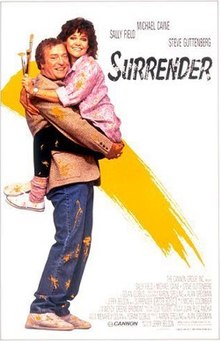
Em se tratando de comédias românticas, há pessoas que dizem que, se você viu uma, viu todas. Do primeiro contato tempestuoso até o triunfo do amor ao final, o gênero é comumente previsível… mas ainda entretém. Filmes como “Ensina-me a Querer” (1987) não trazem exatamente frescor ao gênero da comédia romântica, pois não acrescentam nada de novo. Mas, mais uma vez, são bom entretenimento.


When it comes to romantic comedies, there are people who say that if you’ve seen one you’ve seen them all. From the tempestuous first encounter to the triumph of love in the end, the genre is often predictable… but still enjoyable. Films like “Surrender” (1987) aren’t exactly a breath of fresh air in the romantic comedy movie genre, as they bring nothing new to it. But, again, it’s still an enjoyable ride.

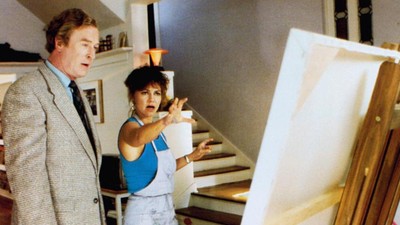
Sean (Michael Caine) viu alguns relacionamentos terminando mal, em audiências perante a um tribunal – afinal, ele é um escritor que usou como inspiração suas companheiras e por causa disso estas mulheres mereciam parte dos lucros com as vendas dos livros. Daisy (Sally Field) é uma pintora que trabalha numa espécie de linha de produção, criando pinturas que são todas iguais para clientes não muito exigentes. Ele não quer um novo relacionamento, enquanto ela está presa em um sem futuro. Eles se conhecem numa festa beneficente que acaba mal, com uma invsão de bandidos armados que mantêm os convidados reféns. Sean e Daisy são amarrados juntos pelados, no mais ridículo primeiro encontro de todos os tempos.


Sean (Michael Caine) has had a few failed relationships that ended in settlements in court – after all, he is a writer who took inspiration from his partners and therefore these women deserved a share of the profits from the novels. Daisy (Sally Field) is a painter who works in a kind of art assembly line, creating paintings that are all equal for non-demanding clients. He doesn’t want another relationship, she is currently stuck in one that has no future. They meet at a fundraiser party gone incredibly wrong, as it is invaded by armed bandits who hold the partygoers hostage. Sean and Daisy are tied together naked, in the most ridiculous meet-cute ever.

Sean se apaixona à primeira vista – isso vai acontecer logo com ele, que preferia entrar num elevador com um cão bravo a entrar num com qualquer mulher. Ele vai atrás de Daisy e eles fazem tudo rapidamente: têm um encontro, se beijam, transam, fazem planos para o futuro. Duas semanas incríveis se passam até que o velho namorado de Daisy, Marty (Steve Guttenberg) volta de uma missão. Detalhe: durante essas duas semanas, para testar Daisy e ver se ela não é egoísta, Sean diz a ela que está falido, quando na verdade é um autor best-seller.


Sean falls in love at first sight – this happening to him, who would rather ride an elevator with an angry dog than with any woman. He goes after Daisy and they do it all quickly: they go on a date, kiss, make love, make plans for their future. Two amazing weeks go by until Daisy’s old boyfriend Marty (Steve Guttenberg) comes back from a mission. Detail: during these two weeks, to test to see if Daisy is selfish, Sean tells her he’s broke, when in reality he is a best-selling author.

“Ensina-me a Querer” nos faz pensar sobre as vidas e dificuldades de pessoas criativas. Sean diz que está sofrendo de bloqueio criativo, enquanto Daisy não consegue sobreviver vendendo sua arte. Sean diz que praticamente desistiu de escrever, enquanto Daisy não consegue terminar nenhuma de suas pinturas autorais. Sabemos que é tudo mentira de Sean, mas coisas como bloqueio criativo devem ser discutidos no cinema – como já aconteceu em “Poderia Me Perdoar?” (2018) e mesmo em “O Iluminado” (1980). Outro assunto interessante neste filme é a inspiração artística: no final, Sean percebe que não foi roubado por suas mulheres, mas sim as roubou, no sentido de que ele se inspirou nas mulheres de sua vida e só foi pagá-las por essa inspiração após determinação de um juiz.


“Surrender” makes us think about the lives and difficulties of creative people. Sean says is suffering from writer’s block, while Daisy can’t survive by selling her art. Sean says he has virtually quit writing, while Daisy can’t finish a single painting of her own. We know it’s all bullshit with Sean, but things like writer’s block should be discussed in movies – as it has been in “Can You Ever Forgive Me?” (2018) and even in “The Shining” (1980). Other interesting issue found in this film is artistic inspiration: in the end, Sean realizes he wasn’t robbed by women, but he has robbed them, in the sense that he took inspiration from the women in his life and wasn’t willing to pay them until this was decided by a judge.


No pequeno papel de Ace Morgan temos o ex-ator mirim Jackie Cooper. Ele conseguiu seu primeiro papel no cinema em 1929, aos sete anos, e naquele mesmo ano passou a fazer parte da turminha dos Little Rascals de Hal Roach. Seu papel mais lembrado dessa época foi em “O Campeão”, de 1931. Aos trinta e poucos anos de idade ele começou a dirigir principalmente para a televisão, mas ainda atuava em papéis pequenos em filmes como “Ensina-me a Querer”, seu último papel como ator.


In the small role of Ace Morgan we have former child star Jackie Cooper. He got his first acting job in 1929, aged seven, and at that very same year he got a spot in Hal Roach’s Little Rascals. His best remembered juvenile role was in 1931’s “The Champ”. In his thirties he started directing especially for television, but still played small parts in movies such as “Surrender”, his last role as an actor.

“Ensina-me a Querer” foi produzido pelo lendário produtor Aaron Spelling. No IMDb podemos encontrar mais de 200 créditos para Aaron como produtor, numa carreira que durou cinquenta anos, mais 22 créditos como escritor / criador. Seus programas de TV mais populares incluem “Dinastia”, “O Barco do Amor”, “Casal 20” e, obviamente, “As Panteras”. Seus programas de TV geralmente tinham personagens femininas fortes, algo que só acontece em “Ensina-me a Querer” perto do final, quando o jogo vira para Daisy.


“Surrender” was produced by the legendary producer Aaron Spelling. IMDb has more than 200 credits for Aaron as producer in a career that lasted fifty years, plus 22 credits as writer / creator. His most popular produced TV shows are “Dynasty”, “The Love Boat”, “Hart to Hart” and, of course, “Charlie’s Angels”. His television shows often had strong female characters, something that happens in “Surrender” only near the end, when tides turn for Daisy.

O título em português – “Ensina-me a Querer” – é sem dúvida inspirado no título brasileiro para “Harold and Maude” (1971), que é “Ensina-me a Viver”. Na Espanha, o título do filme é “Uma Namorada para Dois” (“Una Novia para Dos”) e na Alemanha Ociental o título dado foi “Agora Não, Querido” (“Nicht Jetzt, Liebling”).


The title in Portuguese - “Teach Me How to Desire” - is without a doubt inspired by the Brazilian title for “Harold and Maude” (1971), that is “Teach Me How to Live”. In Spain, the film is titled “A Girlfriend for Two” (“Una Novia para Dos”) and in West Germany it got the title “Not Now, Darling” (“Nicht jetzt, Liebling”).

A comédia romântica que melhor tratou de problemas com dinheiro e casamentos morganáticos – isto é, casamentos entre duas pessoas de classes sociais diferentes – é “Irene, a Teimosa” (1936). Comparado a esta obra-prima com Carole Lombard, “Ensina-me a Querer” tem como único elementos comum a diferença monetária entre os dois protagonistas. A Variety comparou o filme a produções como “Confidências à Meia-Noite” (1959), declarando que “os problemas são de alguma forma atualizados, mas os personagens ainda pensam como Doris Day e Rock Hudson”. Um grande elogio, diga-se de passagem.


The romantic comedy that best dealt with money issues and morganatic marriages – that is, marriages between two people from different social groups – is “My Man Godfrey” (1936). Compared to this masterpiece with Carole Lombard, “Surrender” finds as only common element the money differences between the leads. Variety compared the film to the likes of “Pillow Talk” (1959), stating that “the issues are somewhat updated, but the characters still think like Doris Day and Rock Hudson”. A huge compliment, if you ask me.


This is my contribution to the (Aaron) Spellingverse blogathon, hosted by Gill at Realweegiemidget Reviews.

Sunday, November 12, 2017

O Mundo é um Teatro / Ziegfeld Girl (1941)

As mulheres frequentavam os cinemas nos anos 1930 queriam ter uma garota como melhor amiga: Joan Blondell. Esperta, divertida, espirituosa e sempre pronta para te apoiar: as personagens de Joan tinham tudo o que uma boa amiga deveria ter. As mulheres que frequentavam os cinemas nos anos 1940, por outro lado, tinham outro tipo de melhor amiga dos sonhos: Eve Arden.

Female filmgoers from the 1930s wished they had one girl as their best friend: Joan Blondell. Wise, funny, quick-witted and supportive: Joan's characters embodied everything a good pal should have. Female filmgoers from the 1940s, on the other hand, had other kind of dream best friend: Eve Arden.
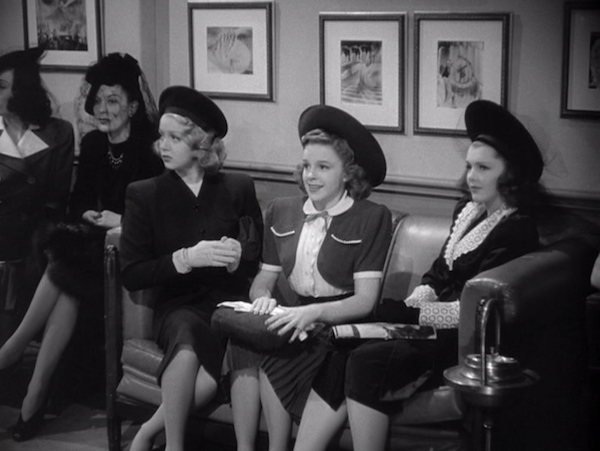
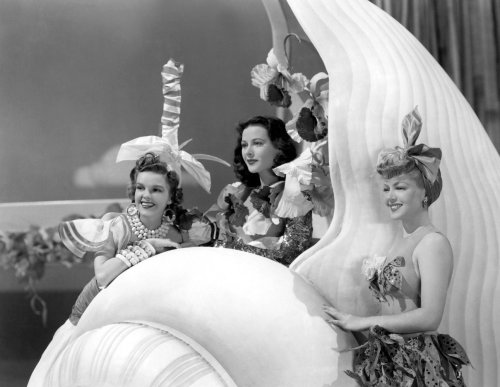
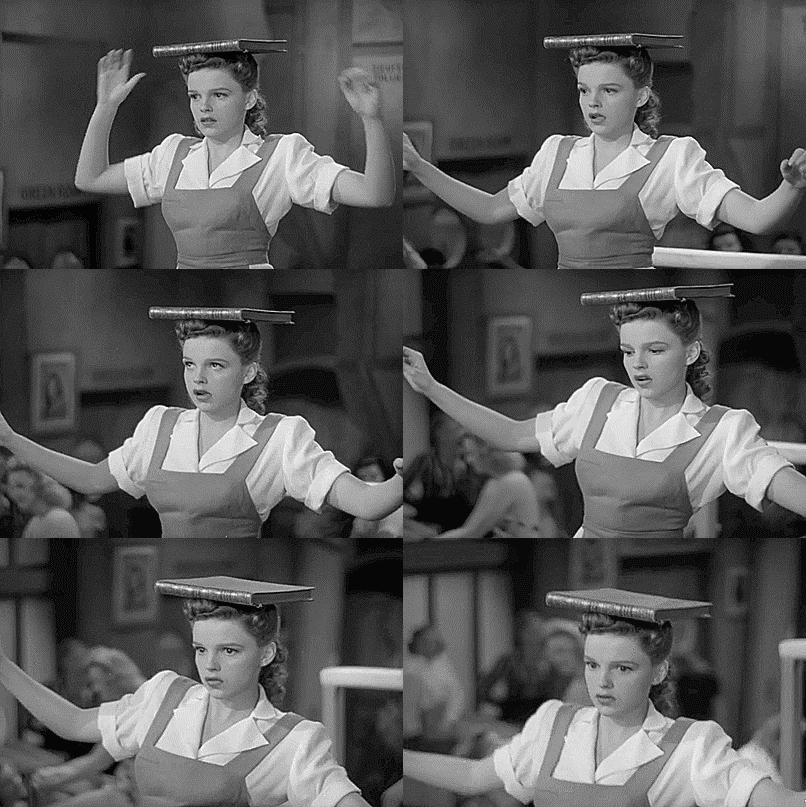
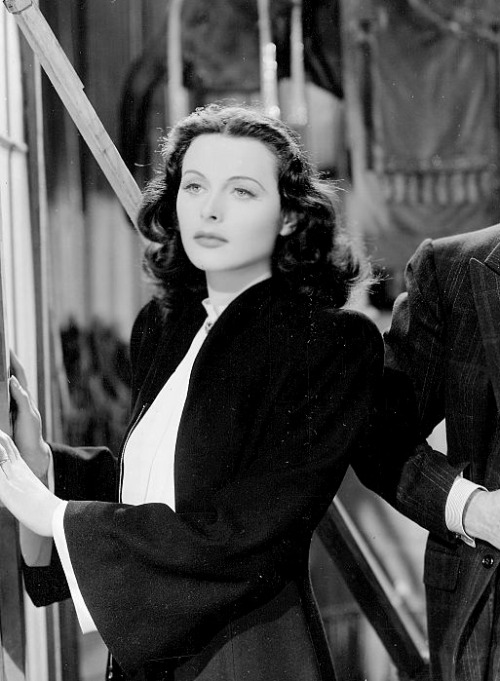
Três moças são recém-chegadas no grupo das Ziegfeld Girls. Sheila (Lana Turner) era ascensorista antes de ser descoberta pelo próprio Sr. Ziegfeld. Susie (Judy Garland) nasceu em uma família do teatro e o Sr. Ziegfeld viu o número que ela fazia com o pai, mas contratou apenas a garota. Sandra (Hedy Lamarr) estava acompanhando o marido violinista em um teste quando um cantor a viu e a mandou para o Sr. Ziegfeld. Ela aceitou o trabalho porque o casal estava passando por dificuldades.

Three women are new in the Ziegfeld Girls group. Sheila (Lana Turner) was an elevator operator before being spotted by Mr. Ziegfeld himself. Susie (Judy Garland) was born in a vaudeville family and Mr. Ziegfeld saw her number with her father, but hired only her. Sandra (Hedy Lamarr) was accompanying her violinist husband in an audition when a singer spotted her and sent her to Mr. Ziegfeld. She accepted the job as a show girl because the couple was out of money.
“O Mundo é um Teatro” é sobre as relações destas mulheres com os homens de suas vidas. Sheila tem um namorado simples, Gil (James Stewart), mas decide sair com um “benfeitor das artes”, Geoffrey Collins (Ian Hunter), que lhe presenteia com joias caras.

“Ziegfeld Girl” is all about the relationship these women have with the men in their lives. Sheila has a simple-minded boyfriend, Gil (James Stewart), but she decides to hang out with an “arts benefactor”, Geoffrey Collis (Ian Hunter), who gives her expensive jewelry.
O pai de Susie (Charles Winninger) deve encarar uma amarga verdade: ele ensinou tudo para sua garotinha, mas agora ele está acabado e o show quer contratar apenas ela. Ao mesmo tempo, Susie se interessa pelo irmão mais novo de Sheila, Jerry (Jackie Cooper).

Susie's father (Charles Winninger) must face a bitter truth: he has taught everything to his little girl, and now he's washed up and the shows only want her. At the same time, Susie becomes sweethearts with Sheila's young brother, Jerry (Jackie Cooper).
Sandra se vê dividida entre o marido Franz (Philip Dorn), que não gosta do novo trabalho dela, e o cantor Frank Merton (Tony Mayer), um conhecido mulherengo que foi responsável pela descoberta dela. Das três, Susan é aquela que tem menos tempo em cena, enquanto Sheila é a que tem mais.

Sandra becomes torn between her husband Franz (Philip Dorn), who disapproves her new job, and lead singer Frank Merton (Tony Martin), a well-known womanizer who discovered her. Out of the three, Sandra is the one that gets less screen time, while Sheila has the most.
Patsy Dixon (Eve Arden) não é uma das estrelas principais entre as Ziegfeld girls. A pobre Eve sequer é creditada no começo do filme! Patsy é uma artista que coleciona duas coisas: joias e maridos. Ela parece antipática e frívola, até que dá um conselho a Sheila em um momento delicado. E, se Eve Arden está lhe dando um conselho, é melhor escutá-la.

Patsy Dixon (Eve Arden) is not one of the main Ziegfeld girls. Poor Eve is not even credited in the beginning of the movie! Patsy is a showgirl that collects two things: jewelry and husbands. She sounds unsympathetic and frivolous, until a pivotal moment in which she gives advice to Sheila. And, if Eve Arden is giving you advice, you'd better listen to her.
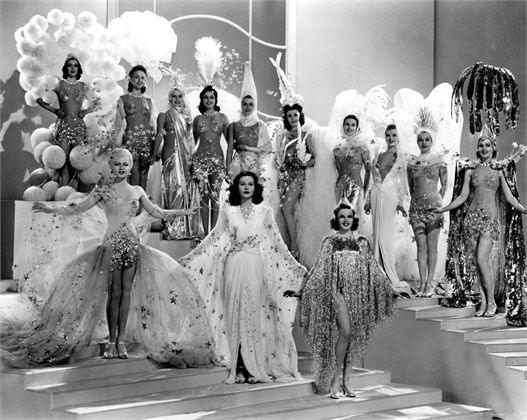
Busby Berkeley foi a escolha perfeita para dirigir os números de dança. Florenz Ziegfeld Jr não era um homem básico, e seu estilo combinou perfeitamente com o de Berkeley. Obviamente, a edição e os truques de câmera impossíveis de serem realizados no teatro deram uma pequena vantagem a Berkeley, e ele chegou um pouco mais longe de Ziegfeld com suas criações, que estão eternizadas em celuloide.

Busby Berkeley was the perfect choice to direct the dance numbers. Florenz Ziegfeld Jr wasn't a basic man at all, and his style combined perfectly with Berkeley's. Of course, editing and camera tricks that were not part of the theater world gave Berkeley a small advantage, and he went a mile further than Ziegfeld with his own creations, forever burned on celluloid.
É interessante notar que o próprio Sr. Ziegfeld nunca é visto. Quando o filme tinha data de estreia prevista para 1938, Walter Pidgeon havia sido escalado, e havia a possibilidade de William Powell reprisar o papel de Ziegfeld que já havia feito em “Ziegfeld – Criador de Estrelas” (1936). Walter Pidgeon acabou interpretando Ziegfeld em “Funny Girl – A Garota Genial” (1968). Em minha opinião, foi uma decisão sábia não mostrar o Sr. Ziegfeld no filme, ou o foco mudaria da vida das artistas, da Ziegfeld girls, para a vida do próprio showman.

It's interesting to notice that Mr. Ziegfeld is never seen. When the film was set for a 1938 release, Walter Pidgeon had been cast, and there was a chance that William Powell would recreate his role as Ziegfeld from the 1936 Oscar-winning extravaganza “The Great Ziegfeld”. Walter Pidgeon ended up playing Ziegfeld in “Funny Girl” (1968). In my opinion, it was a wise decision to not show Mr. Ziegfeld in the movie, because otherwise the focus would shift from the girls’ lives to the showman’s life.
Edward Everett Horton está adorável como sempre em seu papel de caça-talentos super-preocupado. Jackie Cooper tem pouco a fazer, apenas ser fofo ao lado de uma igualmente adorável Judy Garland, e foi particularmente bom ver o veterano do vaudeville Al Shean fazendo um número em frente às câmeras. James Stewart está muito bem e demonstra grande alcance nas técnicas de atuação.

Edward Everett Horton is his usual delightful self as the over-worried talent hunter. Jackie Cooper has little to do but to be cute to an equally adorable Judy Garland, and it was particularly nice to see vaudevillian Al Shean doing his routine for the cameras. James Stewart is very good in the movie, showing a fine acting range.
O final é previsível, mas isso não tira os méritos do filme. Se nem todas as histórias são exploradas ao máximo, “O Mundo é um Teatro” merece ser visto por causa dos incríveis números musicais, da direção de arte de Cedric Gibbons, dos figurinos fantásticos de Adrian, da boa performance de Lana Turner e da voz maravilhosa de Judy Garland.

The ending is predictable, but this doesn't take away the film's merits. If not all the stories deliver their full potential, “Ziegfeld Girl” deserves to be seen because of the amazing song and dance numbers, the art direction by Cedric Gibbons, the fantastic gowns by Adrian, Lana Turner’s good performance and Judy Garland’s marvelous voice.


This is my contribution to the Eve Arden blogathon, hosted by Laura at Phyllis Loves Classic Movies.
Related Posts Plugin for WordPress, Blogger...