} Crítica Retrô: Lana Turner

Tradutor / Translator / Traductor / Übersetzer / Traduttore / Traducteur / 翻訳者 / переводчик

Showing posts with label Lana Turner. Show all posts

Sunday, November 12, 2017

O Mundo é um Teatro / Ziegfeld Girl (1941)

As mulheres frequentavam os cinemas nos anos 1930 queriam ter uma garota como melhor amiga: Joan Blondell. Esperta, divertida, espirituosa e sempre pronta para te apoiar: as personagens de Joan tinham tudo o que uma boa amiga deveria ter. As mulheres que frequentavam os cinemas nos anos 1940, por outro lado, tinham outro tipo de melhor amiga dos sonhos: Eve Arden.

Female filmgoers from the 1930s wished they had one girl as their best friend: Joan Blondell. Wise, funny, quick-witted and supportive: Joan's characters embodied everything a good pal should have. Female filmgoers from the 1940s, on the other hand, had other kind of dream best friend: Eve Arden.
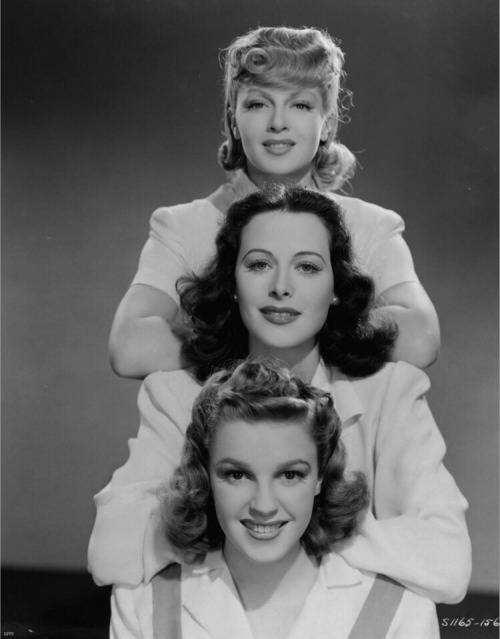
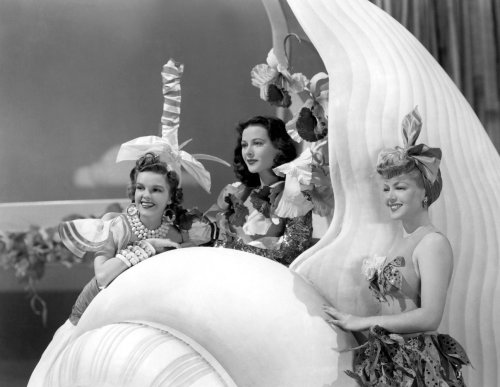
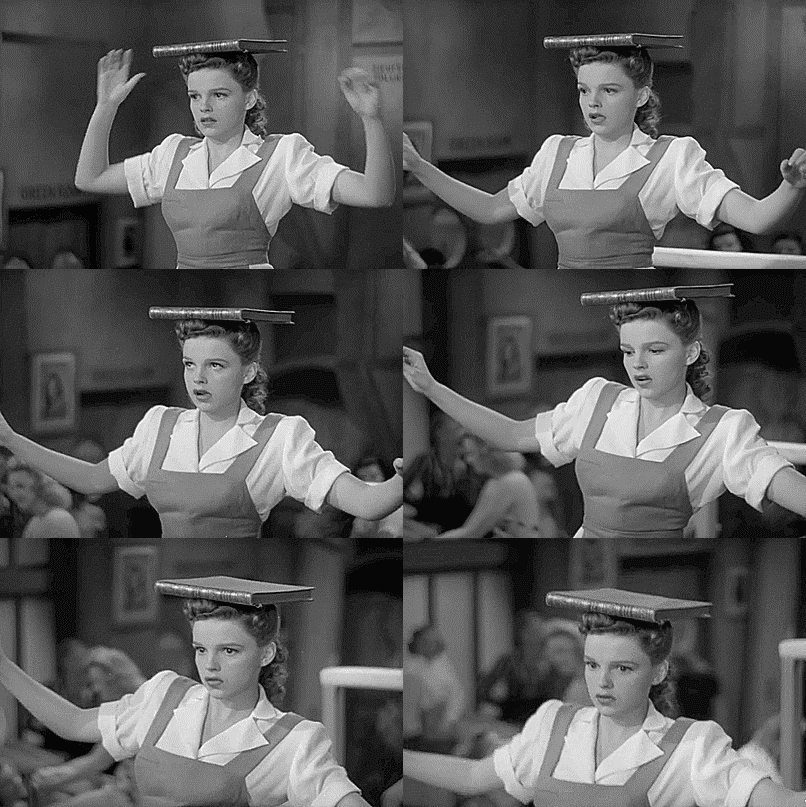
Três moças são recém-chegadas no grupo das Ziegfeld Girls. Sheila (Lana Turner) era ascensorista antes de ser descoberta pelo próprio Sr. Ziegfeld. Susie (Judy Garland) nasceu em uma família do teatro e o Sr. Ziegfeld viu o número que ela fazia com o pai, mas contratou apenas a garota. Sandra (Hedy Lamarr) estava acompanhando o marido violinista em um teste quando um cantor a viu e a mandou para o Sr. Ziegfeld. Ela aceitou o trabalho porque o casal estava passando por dificuldades.

Three women are new in the Ziegfeld Girls group. Sheila (Lana Turner) was an elevator operator before being spotted by Mr. Ziegfeld himself. Susie (Judy Garland) was born in a vaudeville family and Mr. Ziegfeld saw her number with her father, but hired only her. Sandra (Hedy Lamarr) was accompanying her violinist husband in an audition when a singer spotted her and sent her to Mr. Ziegfeld. She accepted the job as a show girl because the couple was out of money.
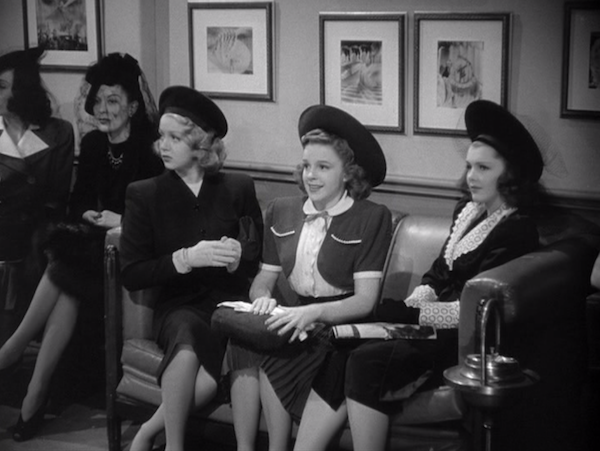
“O Mundo é um Teatro” é sobre as relações destas mulheres com os homens de suas vidas. Sheila tem um namorado simples, Gil (James Stewart), mas decide sair com um “benfeitor das artes”, Geoffrey Collins (Ian Hunter), que lhe presenteia com joias caras.

“Ziegfeld Girl” is all about the relationship these women have with the men in their lives. Sheila has a simple-minded boyfriend, Gil (James Stewart), but she decides to hang out with an “arts benefactor”, Geoffrey Collis (Ian Hunter), who gives her expensive jewelry.
O pai de Susie (Charles Winninger) deve encarar uma amarga verdade: ele ensinou tudo para sua garotinha, mas agora ele está acabado e o show quer contratar apenas ela. Ao mesmo tempo, Susie se interessa pelo irmão mais novo de Sheila, Jerry (Jackie Cooper).

Susie's father (Charles Winninger) must face a bitter truth: he has taught everything to his little girl, and now he's washed up and the shows only want her. At the same time, Susie becomes sweethearts with Sheila's young brother, Jerry (Jackie Cooper).
Sandra se vê dividida entre o marido Franz (Philip Dorn), que não gosta do novo trabalho dela, e o cantor Frank Merton (Tony Mayer), um conhecido mulherengo que foi responsável pela descoberta dela. Das três, Susan é aquela que tem menos tempo em cena, enquanto Sheila é a que tem mais.

Sandra becomes torn between her husband Franz (Philip Dorn), who disapproves her new job, and lead singer Frank Merton (Tony Martin), a well-known womanizer who discovered her. Out of the three, Sandra is the one that gets less screen time, while Sheila has the most.
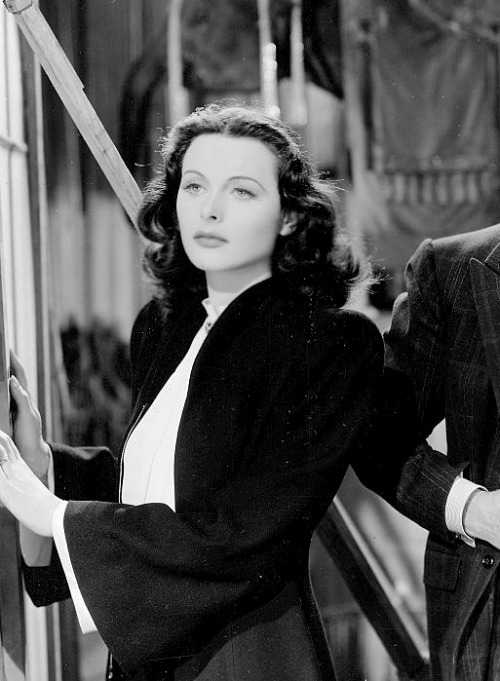
Patsy Dixon (Eve Arden) não é uma das estrelas principais entre as Ziegfeld girls. A pobre Eve sequer é creditada no começo do filme! Patsy é uma artista que coleciona duas coisas: joias e maridos. Ela parece antipática e frívola, até que dá um conselho a Sheila em um momento delicado. E, se Eve Arden está lhe dando um conselho, é melhor escutá-la.

Patsy Dixon (Eve Arden) is not one of the main Ziegfeld girls. Poor Eve is not even credited in the beginning of the movie! Patsy is a showgirl that collects two things: jewelry and husbands. She sounds unsympathetic and frivolous, until a pivotal moment in which she gives advice to Sheila. And, if Eve Arden is giving you advice, you'd better listen to her.
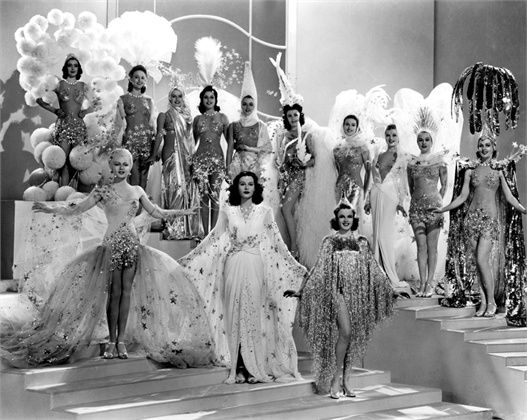
Busby Berkeley foi a escolha perfeita para dirigir os números de dança. Florenz Ziegfeld Jr não era um homem básico, e seu estilo combinou perfeitamente com o de Berkeley. Obviamente, a edição e os truques de câmera impossíveis de serem realizados no teatro deram uma pequena vantagem a Berkeley, e ele chegou um pouco mais longe de Ziegfeld com suas criações, que estão eternizadas em celuloide.

Busby Berkeley was the perfect choice to direct the dance numbers. Florenz Ziegfeld Jr wasn't a basic man at all, and his style combined perfectly with Berkeley's. Of course, editing and camera tricks that were not part of the theater world gave Berkeley a small advantage, and he went a mile further than Ziegfeld with his own creations, forever burned on celluloid.
É interessante notar que o próprio Sr. Ziegfeld nunca é visto. Quando o filme tinha data de estreia prevista para 1938, Walter Pidgeon havia sido escalado, e havia a possibilidade de William Powell reprisar o papel de Ziegfeld que já havia feito em “Ziegfeld – Criador de Estrelas” (1936). Walter Pidgeon acabou interpretando Ziegfeld em “Funny Girl – A Garota Genial” (1968). Em minha opinião, foi uma decisão sábia não mostrar o Sr. Ziegfeld no filme, ou o foco mudaria da vida das artistas, da Ziegfeld girls, para a vida do próprio showman.

It's interesting to notice that Mr. Ziegfeld is never seen. When the film was set for a 1938 release, Walter Pidgeon had been cast, and there was a chance that William Powell would recreate his role as Ziegfeld from the 1936 Oscar-winning extravaganza “The Great Ziegfeld”. Walter Pidgeon ended up playing Ziegfeld in “Funny Girl” (1968). In my opinion, it was a wise decision to not show Mr. Ziegfeld in the movie, because otherwise the focus would shift from the girls’ lives to the showman’s life.
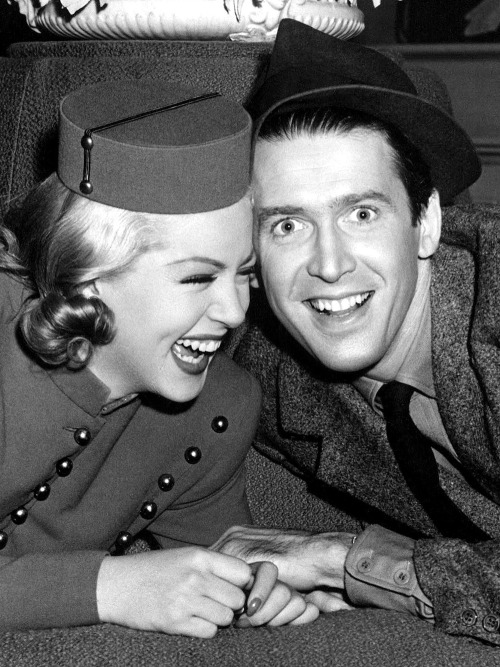
Edward Everett Horton está adorável como sempre em seu papel de caça-talentos super-preocupado. Jackie Cooper tem pouco a fazer, apenas ser fofo ao lado de uma igualmente adorável Judy Garland, e foi particularmente bom ver o veterano do vaudeville Al Shean fazendo um número em frente às câmeras. James Stewart está muito bem e demonstra grande alcance nas técnicas de atuação.

Edward Everett Horton is his usual delightful self as the over-worried talent hunter. Jackie Cooper has little to do but to be cute to an equally adorable Judy Garland, and it was particularly nice to see vaudevillian Al Shean doing his routine for the cameras. James Stewart is very good in the movie, showing a fine acting range.
O final é previsível, mas isso não tira os méritos do filme. Se nem todas as histórias são exploradas ao máximo, “O Mundo é um Teatro” merece ser visto por causa dos incríveis números musicais, da direção de arte de Cedric Gibbons, dos figurinos fantásticos de Adrian, da boa performance de Lana Turner e da voz maravilhosa de Judy Garland.

The ending is predictable, but this doesn't take away the film's merits. If not all the stories deliver their full potential, “Ziegfeld Girl” deserves to be seen because of the amazing song and dance numbers, the art direction by Cedric Gibbons, the fantastic gowns by Adrian, Lana Turner’s good performance and Judy Garland’s marvelous voice.


This is my contribution to the Eve Arden blogathon, hosted by Laura at Phyllis Loves Classic Movies.

Friday, October 9, 2015

Variações sobre um mesmo tema: Imitação da Vida / Imitation of Life (1934 e 1959)

ESTE ARTIGO CONTÉM SPOILERS.

THIS ARTICLE HAS SPOILERS.

É durante os períodos mais difíceis da vida que descobrimos quem são nossos maiores amigos e mais perigosos e inimagináveis inimigos. Claudette Colbert descobriu isso em 1934. Vinte e cinco anos depois, foi a vez de Lana Turner passar pela mesma experiência, desta vez com mais cor e algumas modificações. Trata-se de uma história de luta, preconceito, traição e muitas, muitas surpresas. E, por ser tão atual em 1934, 1959 ou 2015, tem o sugestivo nome de “Imitação da Vida”.

It is during the most difficult periods of our lives that we find out who are our biggest friends and our most dangerous, and unthinkable of, enemies. Claudette Colbert found those out n 1934. Twenty five years alter, Lana Turner went through the same experience, with more color and some changes. This is a story of struggle, prejudice, treason and many, many surprises. And because it sounds so modern in 1934, 1959 or 2015, it is called “Imitation of Life”.


O ano é 1934. Bea Pullman (Colbert) é viúva, tem de cuidar da filha pequena Jessie e levar adiante o negócio de maple sirup do falecido marido. Por engano bate à sua porta Delilah (Louise Beavers), acompanhada da filha Peola. É o destino que une as duas, pois Bea oferece comida e moradia para que Delilah trabalhe para ela. Não demora para que Bea, muito astuta, transforme uma receita de família de Delilah em um grande sucesso comercial, que muda a vida de ambas.

The year is 1934. Bea Pullman (Colbert) is a widow who has to take care of her little daughter Jessie and deal with her late husband's maple sirup business. By mistake, Delilah (Louise Beavers) and her daughter Peola knock at her door. It's destiny putting the two of them together, because Bea offers food and housing if Delilah works for her. Soon the smart Bea turns Delilah's family recipe into a commercial success, changing both their lives.


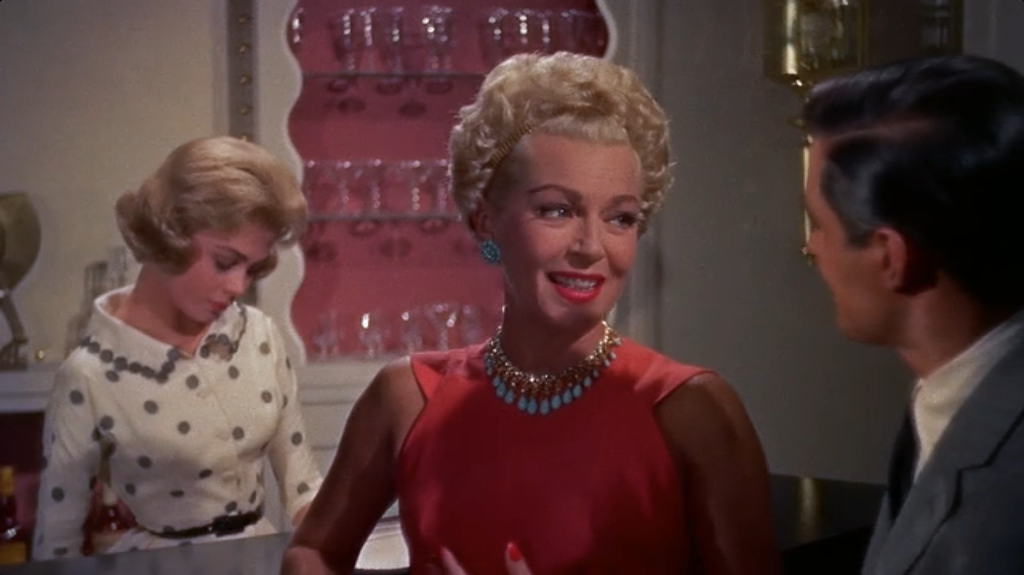
O ano é 1959. Lora Meredith (Turner) é viúva e não consegue encontrar sua filha pequena Susie na praia. Com a ajuda de Steve Archer (John Gavin), ela encontra a menina brincando com a filha de Annie (Juanita Moore), uma mulher à procura de emprego. É o destino que une as duas, pois Lora oferece que Annie fique um tempo com ela. Logo Annie se torna babá / empregada e Lora começa uma carreira de sucesso no teatro.

The year is 1959. Lora Meredith (Turner) is a widow who can't find her little daughter Susie at the beach. With the help of Steve Archer (John Gavin), she finds the girl playing with Annie's (Juanita Moore) daughter, and the woman is looking for a job. It's destiny putting the two of them together, because Lora asks Annie to stay with her. Soon Annie becomes a nanny / maid and Lora begins a successful career in the theater.  


A filha de Delilah / Annie, chamada Peola em 1934 e Sarah Jane em 1959, tem pele clara, mas desde a infância sofre por ter o sangue negro da mãe. São tempos de racismo, de segregação, de lugares separados para brancos e negros. É a garota mestiça a personagem mais profunda e sofredora da história, e sua dor não pode ser curada facilmente.

Delilah's / Annie's daughter is called Peola in 1934 and Sarah Jane in 1959. She has fair skin, but since childhood she suffers because of her mother's black blood. Those were times of  racism, segregation, different spots and buildings for white and “colored” people. The mixed-race girol is the deepest and most suffering character in this story, and her pain can't be easily cured.


Delilah fala com a cadência típica dos negros da Hollywood dos anos 1930, cópias vergonhosas dos estereótipos da época da escravidão. Delilah é simplória ao extremo, preferindo cuidar de Bea e Jessie a ter sua própria casa. Ela aceita o sofrimento causado pela rejeição da filha, rejeição esta que também causa dor a Peola, mas nada faz para reagir e voltar a viver.

Delilah speaks with the accent that most black characters did in 1930's Hollywood – a shameful copy of a racist stereotype from the slavery. Delilah is extremely simple, and prefers to take care of Bea and Jessie instead of having her own house. She accepts the suffering cause by her daughter's rejection – a rejection that also makes Peola suffer – but she does nothing to react to it or move on with her life. 


É louvável, entretanto, mostrar que não é apenas a família negra que tem graves problemas, afinal, Steve Archer (Warren William em 1934 e John Gavin em 1959) está para se casar com Bea / Lora, mas quem se apaixona por ele é sua futura enteada Jessie (Rochelle Hudson) / Susie (Sandra Dee). A criação dada pela mulher branca também não foi perfeita, e seu problema chega a ser até mais chocante que o da mulher negra.

It's great, however, to show the not only the black family has grave problems, after all, Steve Archer (Warren William in 1934 and John Gavin in 1959) is about to get married to Bea / Lora, but who falls in love with him is his future stepdaughter Jessie (Rochelle Hudson) / Susie (Sandra Dee). Her upbringing by the white woman also wasn't perfect, and her problem is even more shocking than the black woman's.


John M. Stahl, o diretor da versão de 1934, consegue congelar a segregação em uma só imagem: ricas e bem-sucedidas, Delilah e Bea vivem na mesma casa, mas a mulher branca vive no brilhante piso superior e a mulher negra fica com o piso inferior. Bea não teria enriquecido sem Delilah, e mesmo assim Delilah se resigna ao plano inferior. São apenas duas escadas, mas elas separam toda a humanidade.

John M. Stahl, the director of the 1934 version, is able to freeze segregation in only one image: rich and successful, Bea and Delilah share the same house, but the white woman lives in the shining upper floor and the black woman lives in the floor below. Bea wouldn't have gotten rich without Delilah, and yet Delilah is OK with the floor below. There are only some stairs between them, but they separate the whole mankind.


Foi bom ter Douglas Sirk, o homem das lágrimas, por trás da versão de 1959. Apesar da menor importância de Annie para o sucesso de Lora, o drama da mulher negra tem grande destaque e muitos momentos emocionantes. Outro retrocesso foi ter, no papel de Sarah Jane, a atriz Susan Kohner, filha de mãe mexicana e pai judeu. Em 1934, Peola foi interpretada por Fredi Washington, atriz mulata e militante dos direitos civis.

It was good to have Douglas Sirk, the man of the tears, behind the 1959 version. Even though Annie doesn't have so much importance to Lora's success, the black woman's drama has a lot of space and many moving moments. A downkind was the casting, as Sarah Jane, of Susan Kohner, the daughter of a Mexican mother and a Jewish father. In 1934, Peola was played by Fredi Washington, a mulatto actress and civil rights activist.


Se você tem coração, irá se emocionar com as duas versões. Se tem cérebro, irá pensar sobre as feridas que o racismo deixa. Porém, é outro o mais poderoso efeito: quando acabar o filme, você terá vontade de abraçar sua mãe com muita força e agradecê-la por tudo.

If you have a heart, you will get moved by the two versions. If you have a brain, you will think about of the unseen marks of racism. But the most powerful effect is a different one: when the film is over, you'll want to hug your mother and thank her for everything.

This is my contribution to the They Remade What? Blogathon, hosted by Laura at Phyllis Loves Classic Movies. Double takes are in!

Related Posts Plugin for WordPress, Blogger...