} Crítica Retrô: Douglas Sirk

Tradutor / Translator / Traductor / Übersetzer / Traduttore / Traducteur / 翻訳者 / переводчик

Showing posts with label Douglas Sirk. Show all posts

Saturday, October 14, 2023

O que Matou por Amor (1944) / Summer Storm (1944)


Até mesmo grandes diretores começaram dando pequenos passos. Hoje nosso foco é um filme de Douglas Sirk feito para os estúdios Angelus Pictures e Nero Film, ambos praticamente esquecidos na atualidade. Nero Film, assim como Sirk, tinha como casa a Alemanha e migrou quando os nazistas chegaram ao poder. “O que Matou por Amor” é apenas o segundo filme de Sirk feito em Hollywood, e um filme que ecoa as raízes europeias do diretor.


Even big directors started small. Today we showcase a film by Douglas Sirk made for the studio Angelus Pictures, as well as Nero Film, both nearly forgotten today. Nero Film, just like Sirk, was based in Germany and fled as Nazis came to power. “Summer Storm” is just Sirk’s second film made in Hollywood, and one that echoed his European roots.


Nossa história começa em 1919, na Rússia revolucionária, quando o ex-conde Volsky (Edward Everett Horton) procura um jornal para publicar uma história. Ele chega à sede do Times local e descobre que a nova editora é uma velha conhecida, Nadena Kalenin (Anna Lee). Ele dá a ela o manuscrito e passamos para dentro da história.


Our story starts in 1919, in revolutionary Russia, when the former Count Volsky (Edward Everett Horton) seeks a newspaper to publish a story. He arrives at the local Times headquarters and learns that the new editor is an old acquaintance, Nadena Kalenin (Anna Lee). He then hands her the manuscript and we’re immersed in the story.
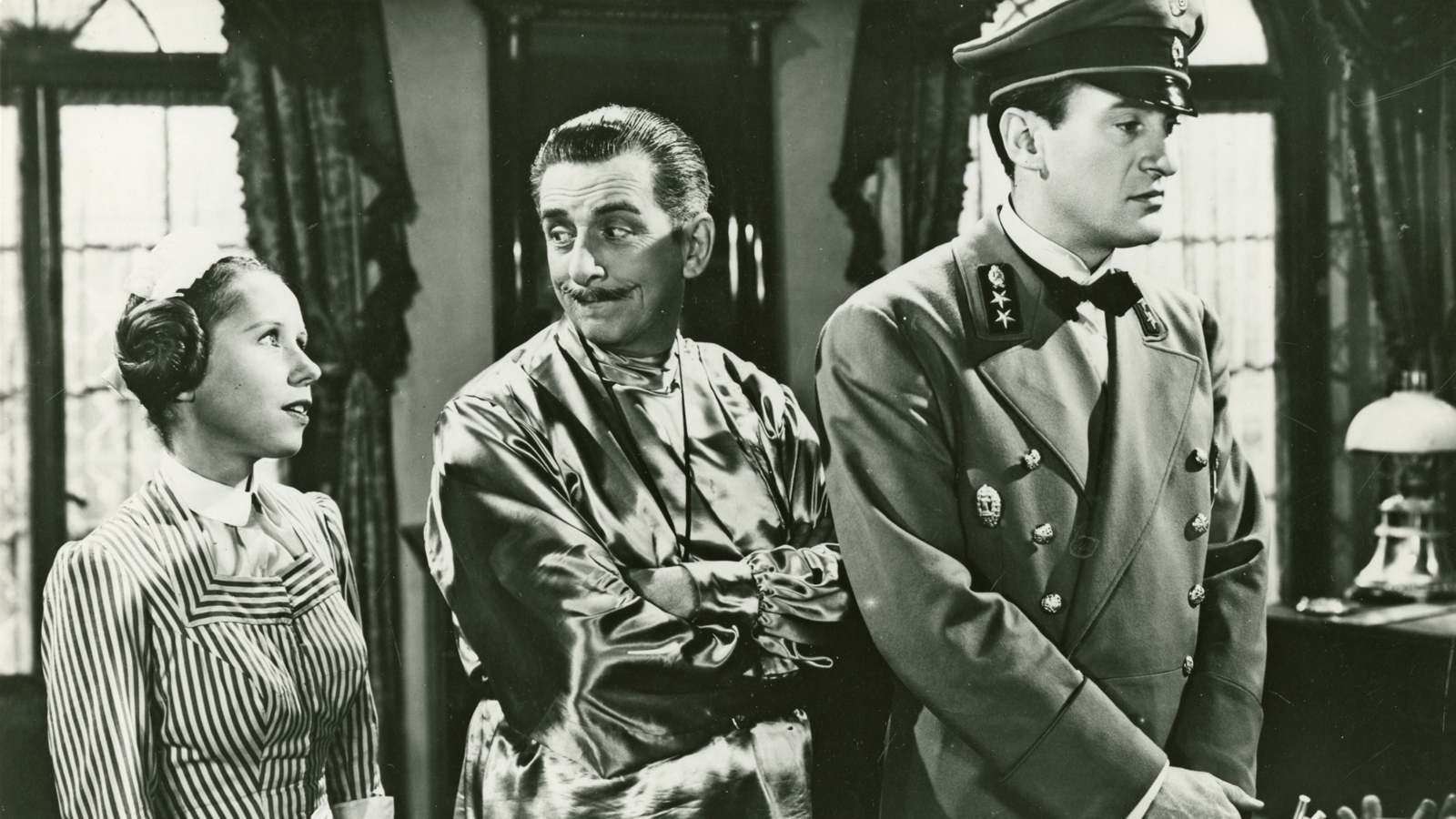

Corta para 1912, numa Rússia pré-revolucionária. Nadena acabara de ficar noiva de Fedor ‘Fedya’ Petroff (George Sanders), mas ele conhece uma camponesa encantadora, Olga (Linda Darnell), na casa de Volsky. Olga se casa com um dos empregados de Volsky, Anton Urbenin (Hugo Haas), mas ela claramente tem nojo do marido e vai atrás de Fedya. Não satisfeita, ela também seduz Volsky!


Cut to 1912, in pre-revolutionary Russia. Nadena has just gotten engaged to Fedor ‘Fedya’ Petroff (George Sanders), but he meets an enchanting peasant, Olga (Linda Darnell), at Volsky’s place. Olga marries one of Volsky’s employees, Anton Urbenin (Hugo Haas), but she’s clearly disgusted by her husband and pursues Fedya instead. Not satisfied, she also seduces Volsky!


Quando Fedya e Olga se beijam pela primeira vez, ela está mais preocupada com seu único par de botas, que ela estava segurando e que caíram de suas mãos. No segundo beijo deles – ou no segundo beijo que vemos – acontece no dia do casamento dela e de repente ela se mostra mais segura e ousada. Esta mudança de garota simples para um tipo de femme fatale parece estranha, mas faz sentido porque Olga é uma mulher endurecida por sua realidade: com um pai alcoólatra, sua única maneira de escapar de uma vida miserável é através de suas relações com os homens.


When Fedya and Olga first kiss, she’s more worried about her only pair of boots, that she was holding and fall from her hand. In their second kiss – or in the second kiss we see – it’s her wedding day and suddenly she’s more secure and bold. This transition from simple girl to a kind of femme fatale seems odd, but makes sense as Olga is a woman hardened by her reality: with an alcoholic father, her only way out of a miserable life is through her relationships with men.
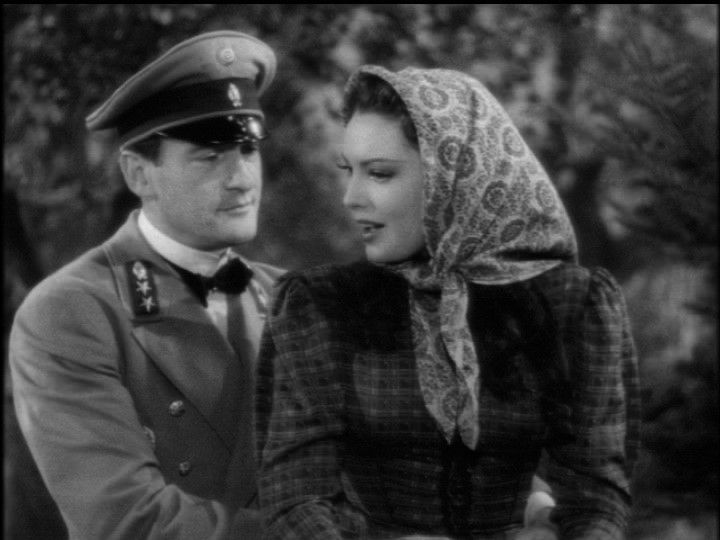
Linda Darnell tinha apenas 20 anos quando fez “O que Matou por Amor”. Nascida Monetta Eloyse Darnell em Dallas, Texas, ela foi obrigada pela mãe a começar uma carreira como modelo aos 11 anos de idade e como atriz aos 13. Ela fez seu primeiro filme em 1939 e vinha interpretando personagens inocentes... até “O que Matou por Amor”. Este filme mudou sua imagem junto ao público e a partir daí ela passou a interpretar personagens mais ambíguas, incluindo algumas femme fatales, com grande sucesso.


Linda Darnell was only 20 when she made “Summer Storm”. Born Monetta Eloyse Darnell in Dallas, Texas, she was pushed by her mother to pursue a modeling career, that started at age 11, and an acting career, starting at 13. She made her first film in 1939 and had been playing innocent characters… until “Summer Storm”. This film changed her public image and from then on she played more ambiguous characters, including a few femme fatales, with great success.


A jovem criada do conde Volsky, Clara (Laurie Lane), suspira quando vê que Fedya chegou para visitar o amigo. Ela tinha sua razão: George Sanders foi um dos atores mais charmosos da velha Hollywood. Com uma voz distinta e melódica, Sanders foi escolhido para o papel devido à sua semelhança física com o ator alemão Willy Birgel, que era a primeira escolha de Sirk quando o diretor estava desenvolvendo a adaptação do romance ainda na Alemanha. Sirk deixou o país em 1937, mas levou consigo a ideia de adaptar “The Shooting Party” para as telas.


Count Volsky’s young maid Clara (Laurie Lane) swoons when she says Fedya is there to see his friend. She had reason: George Sanders was one of the most charming actors from Old Hollywood. With a distinct, melodic voice, Sanders was chosen for the role because he looked like German actor Willy Birgel, who was Sirk’s first choice when the director was developing the adaptation of the novel still in Germany. Sirk left the country in 1937, but kept his idea of adapting “The Shooting Party” to the screen.

“O que Matou por Amor” é baseado num romance do notório escritor russo Anton Chekhov, e o texto foi adaptado para as telas por Douglas Sirk e Michael O’Hara. Mas não existia ninguém chamado Michael O’Hara: é apenas o pseudônimo de Sirk! O roteiro final é creditado a Rowland Leigh, mas ele não foi a primeira escolha de Sirk: o primeiro roteirista contratado, James M. Cain, foi demitido por Sirk porque ele fez os personagens parecerem “americanos demais”. “The Shooting Party” foi o trabalho mais longo de Chekhov e seu único romance.


“Summer Storm” is based on a novel by the notorious Russian writer Anton Chekhov, and the text was adapted to the screen by Douglas Sirk and Michael O’Hara. But there was no such person named Michael O’Hara: it’s only Sirk’s pseudonym! The final screenplay is credited to Rowland Leigh, but he wasn’t Sirk’s first choice: the first screenwriter hired, James M. Cain, was fired by Sirk because he made the characters seem “too American”. “The Shooting Party” was Chekhov’s largest work and only full-length novel.

Feito numa época em que ainda não havia animosidade em relação à Rússia e União Soviética – o país e os EUA eram aliados durante a Segunda Guerra Mundial, e a Guerra Fria ainda levaria um par de anos para começar – “O que Matou por Amor” bebe da tradição russa e nos faz imaginar que obras-primas poderiam vir se Hollywood tivesse continuado adaptando obras russas. Um veículo excelente para suas estrelas, este é certamente um filme que vale a pena ser visto se ainda não foi.


Made in a time when there wasn’t yet animosity regarding Russia and URSS – the country and the USA were allies during World War II, and the Cold War would still take a couple of years to start – “Summer Storm” drinks from Russian tradition and makes us wonder which masterpieces would come if Hollywood kept adapting Russian works. An excellent vehicle for its stars, it is surely a film to check out if you haven’t yet.


This is my contribution to the Linda Darnell Centennial blogathon, hosted by Samantha at Musings of a Classic Film Addict.


Friday, November 9, 2018

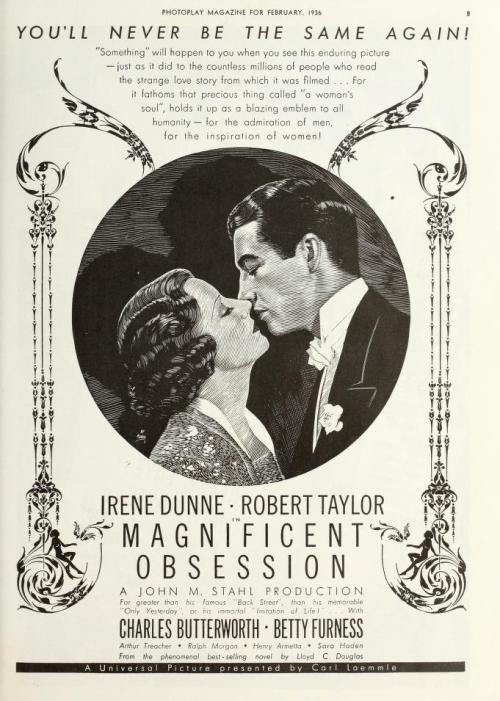
Variações sobre um mesmo tema: Sublime Obsessão / Magnificent Obsession (1935 e 1954)

ESTE ARTIGO CONTÉM SPOILERS

THIS ARTICLE HAS SPOILERS


A história de “Sublime Obsessão” é o mais melodramática possível. E quando o livro é adaptado para o cinema, ele ajuda estrelas a surgirem, ou melhor, a chamarem atenção: ambos os protagonistas masculinos, que já trabalhavam no cinema, se tornaram superestrelas após fazerem “Sublime Obsessão”.

The story of “Magnificent Obsession” is as melodramatic as it gets. And when the novel is adapted to film, it helps stars to be born, or better, paid attention to: both male leads, already working in film, became superstars after starring in “Magnificent Obsession”.


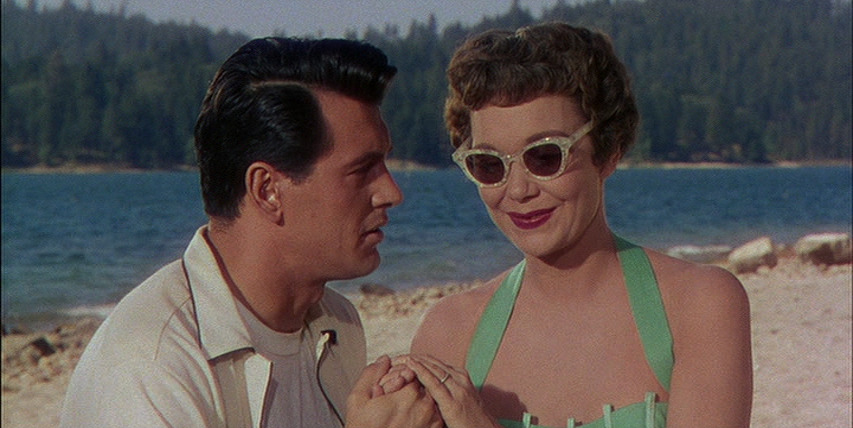
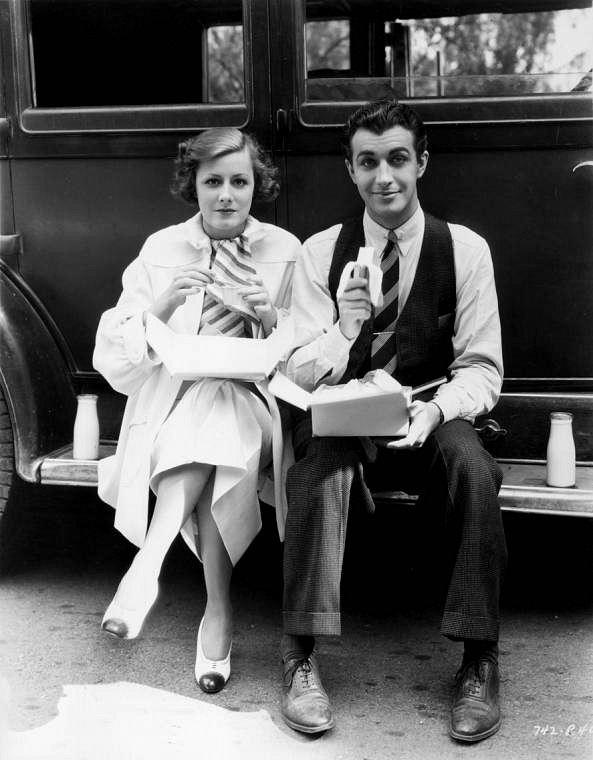
Dois homens se afogaram em um lago ao mesmo tempo. Um deles era o famoso médico Dr. Hudson, que dava um mergulho. O outro era o playboy Robert Merrick (Robert Taylor / Rock Hudson), bêbado após uma festa que durou a noite toda. Havia apenas uma máquina para ressuscitação – e ela foi usada em Robert, que foi resgatado primeiro. Dr. Hudson faleceu, deixando uma viúva muito jovem, Helen (Irene Dunne / Jane Wyman) e também muitas boas ações enquanto filantropo.

Two men drowned at a lake at the same time. One was the famous physician Dr. Hudson, out for a quick swim. The other was playboy Robert Merrick (Robert Taylor / Rock Hudson), drunk after an all-night party. There was only one lung machine – a resuscitation machine – and it was used on Robert, who was picked up first. Dr. Hudson died, leaving behind a very young widow, Helen (Irene Dunne / Jane Wyman) and many unsung works as a philantropist.


Dr. Hudson ajudava as pessoas em segredo e nunca as deixava pagar pela ajuda – até que ajudar as pessoas se tornou sua sublime obsessão. Isto é contado a Robert Merrick por Randolph (Ralph Morgan / Otto Kruger), um artista que foi tocado pela bondade do Dr. Hudson e por isso teve uma próspera carreira. Desde então, Randolph segue a filosofia de vida de fazer boas ações sem esperar nada em troca.

Dr. Hudson helped people in secret and never let them pay him back – until helping people became a magnificent obsession to him. This is told to Robert Merrick by Randolph (Ralph Morgan / Otto Kruger), an artist whose career was helped by Dr. Hudson's goodness. Ever since then, Randolph follows the life philosophy of doing good deeds without expecting a return.


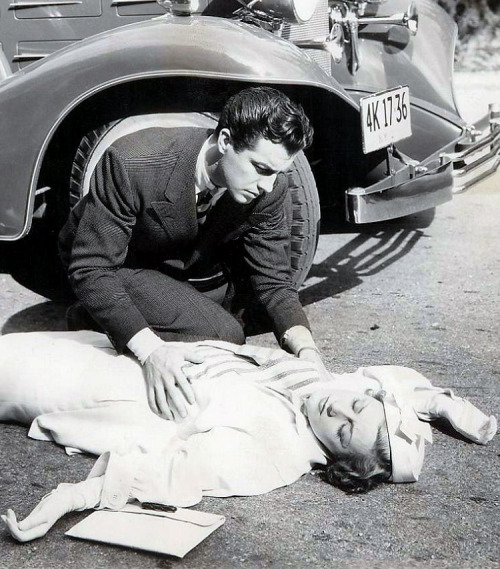
Robert também é inspirado pela filosofia, mas quer algo em troca após fazer boas ações: ele quer Helen, depois de vê-la do lado de for a do hospital e se apaixonar. Ela, como esperado, o detesta. Mas como ele não entendeu realmente a filosofia, acontece uma tragédia: ao fugir das investidas de Robert, Helen é atingida por um carro e fica cega.

Robert is inspired by the philosophy, too, but he wants something to happen after he does the good deeds: he wants to have Helen, whom he saw outside the hospital and who, as expected, loathes him. But because he didn't really understand the philosophy, tragedy strikes: as Helen is trying to run away from Robert, she is hit by a car and becomes blind.


Robert vai desistir? NÃO! Agora mais bondoso, ele se aproxima de Helen que, cega, está reaprendendo a viver, e se torna amigo dela, se apresentando como Doutor Robert. Ao mesmo tempo, ele fica inspirado e decide transformar sua mentira em realidade e volta a estudar para ser médico, cirurgião no cérebro, especialista na parte do cérebro que comanda a visão.

Will Robert give up? NO! Now kinder, he approaches the blind Helen, who is relearning to live, and becomes her friend, presenting himself as Doctor Robert. At the same time, he gets excited and decides to make his lie become true by going back to college to become a brain surgeon, specialized in the part of the brain responsible for the vision.


Uau. Que dramático. Esta história de fazer chorar teve origem no romance “Sublime Obsessão”, escrita por Lloyd C. Douglas e publicado em 1929 – o autor também escreveu o drama religioso “O Manto Sagrado”.

Wow. So dramatic. This tear-inducing story was originated in the novel “Magnificent Obsession”, written by Lloyd C. Douglas and published in 1929 – Lloyd also wrote the religious drama “The Robe”.


A diferença principal entre as duas versões é óbvia: a de 1935 é em preto e branco, enquanto a de 1954 é a cores. Além disso, em 1935 o médico é chamado de Hudson, enquanto a versão de 1954 voltou ao sobrenome original, Phillips.

The main difference from both versions is obvious: the 1935 version is in black and white, while the 1954 one is in color. Moreover, in 1935 the doctor is called Hudson, while the 1954 version got back the doctor's original last name, Phillips.


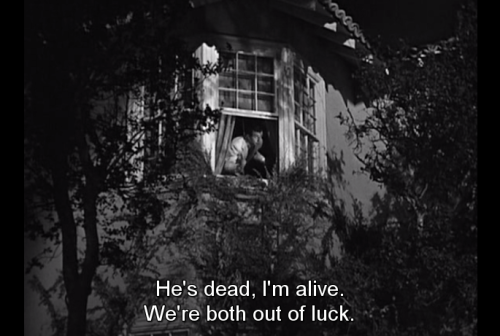
Alguns truques foram usados para que as atrizes interpretassem mulheres cegas e continuassem andando e agindo normalmente. Irene Dunne ficou olhando para baixo o tempo todo, e tinha os maiores cílios já vistos em uma mulher cega no cinema. Jane Wyman usou óculos escuros a maior parte do tempo em que interpreta Helen estando cega. Ambas são convincentes no papel, mas só Jane Wyman foi indicada ao Oscar.

There were some tricks to make the actresses play blind women but keep walking and acting normally. Irenne Dunne kept her eyes down all the time, and supported the hugest eyelashes a blind woman has ever had on screen. Jane Wyman wore mostly dark sunglasses in her blind scenes. Both are convincing when playing blind, but only Wyman was nominated for an Oscar. 


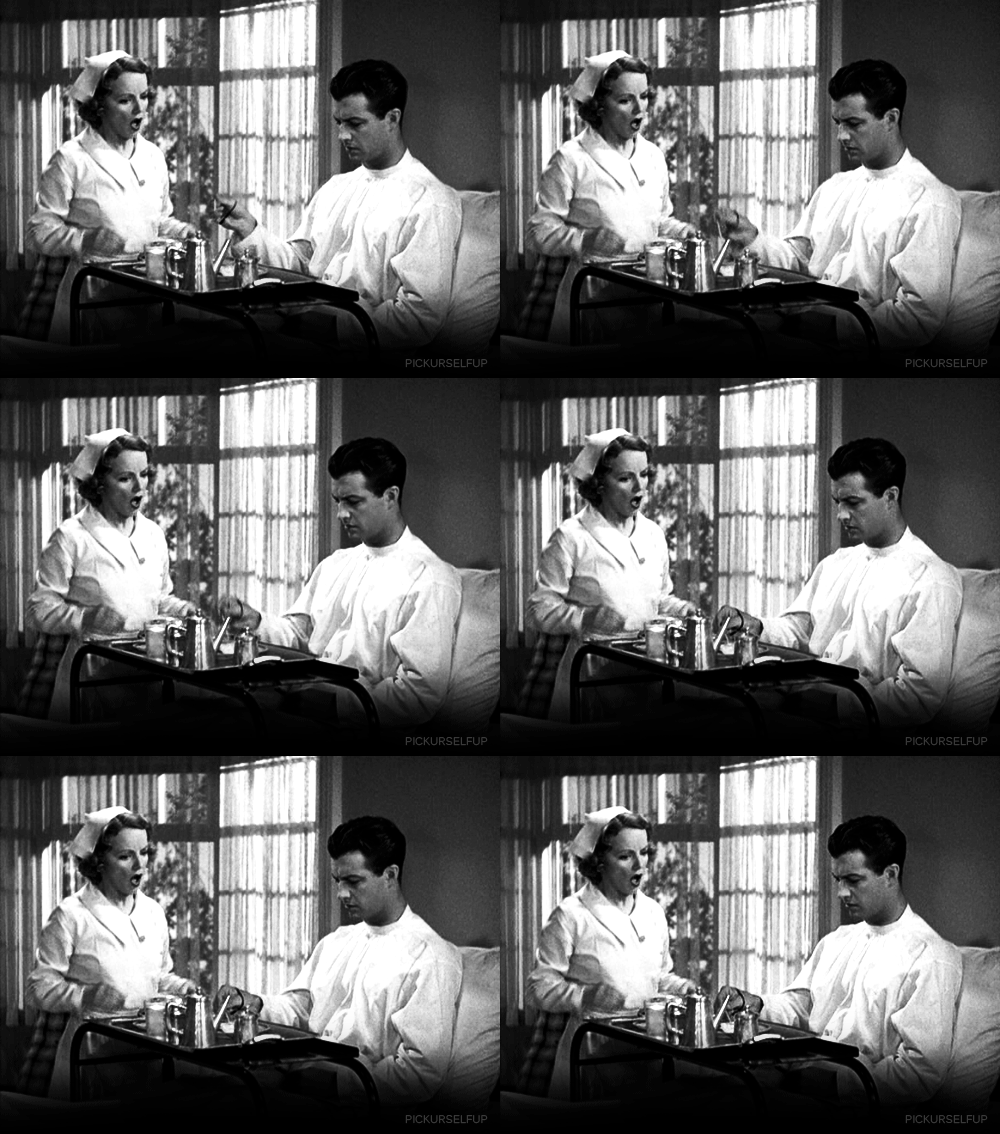
Antes de fazer “Sublime Obsessão”, Robert Taylor tinha um contrato com a MGM – contrato que começou em 1934 com um salário de 35 dólares por semana. Ele não tinha muito sucesso, por isso a MGM o emprestou para o estúdio Universal para este filme, e Robert virou um sucesso do dia para a noite – de fato, havia filas quilométricas para os cinemas, no auge do inverno americano de 1935, só para vê-lo em “Sublime Obsessão”. Ele voltou para a MGM com um salário de 2500 dólares por semana e permaneceu no estúdio com exclusividade por 24 anos. Numa conexão interessante com o filme, conta-se que médicos disseram que a mãe de Robert morreria antes dos 30 anos de idade, e então o pai dele – amigo de infância da mãe – foi estudar medicina e conseguiu curá-la, provando que os médicos estavam errados.

Before making “Magnificent Obsession”, Robert Taylor was under contract with MGM – the contract started in 1934 with 35 dollars a week. He wasn’t very successful, so MGM loaned him to Universal for the film, and Robert saw overnight success – actually, lines were huge in the American winter of 1935 to see him in “Magnificent Obsession”. He returned to MGM with a salary of 2500 dollars a week and was an exclusive actor at the studio for 24 years. In a nice connection to the movie, a story often told is that doctors once predicted that Robert’s mother would die before she was 30, so his father – a childhood sweetheart – became a doctor and cured her condition, proving the prediction wrong.


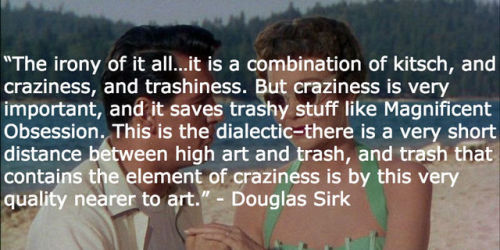
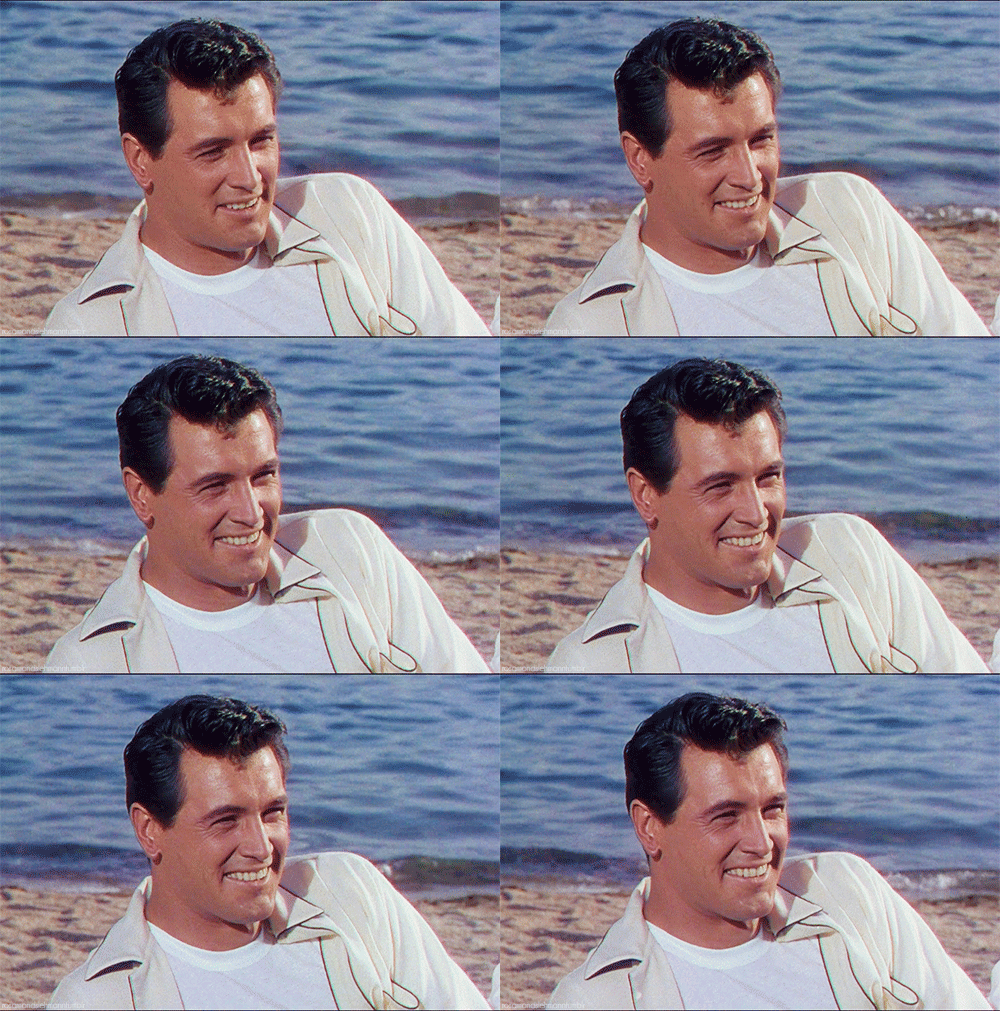
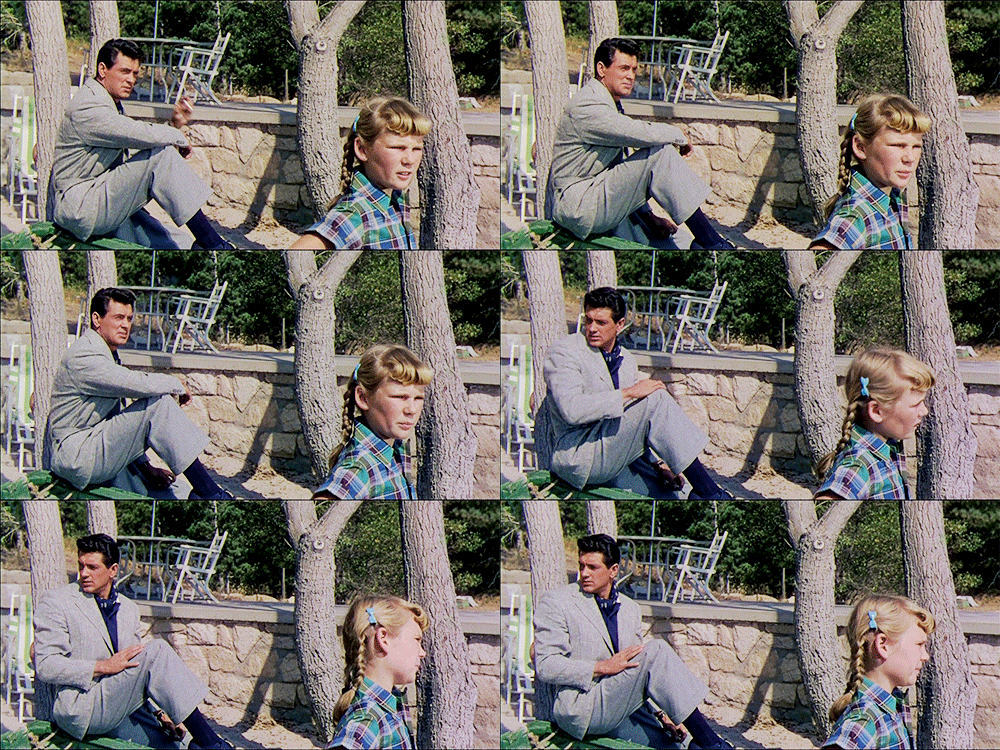
Rock Hudson também estava com problemas na carreira em 1953. Alto, moreno e bonito – embora a beleza não chamasse a atenção dos chefes de estúdio na época – ele interpretava, desde 1948, coadjuvantes, protagonistas em filmes B e, em muitas ocasiões, índios. Quando Jeff Chandler recusou o papel de Bob Merrick em “Sublime Obsessão”, tudo mudou. Rock foi convidado pelo amigo, o diretor Douglas Sirk, com quem já havia trabalhado duas vezes, e aceitou o papel. Mais uma vez, quando o filme estreou, todos os olhos se voltaram para aquele jovem charmoso. Era o começo de uma carreira de sucesso para Rock, com e sem Douglas Sirk.

Rock Hudson was also in a bad place in his career in 1953. Tall, dark and handsome – the “handsome” wasn’t really getting much attention – he had been playing, since 1948, supporting characters, leads in B-movies and often Indians. When Jeff Chandler refused the role of Bob Merrick in “Magnificent Obsession”, everything changed. Rock was invited by his friend, director Douglas Sirk, with whom he had already worked twice, and accepted the part. Once again, when the film hit the screens, all eyes paid attention to that charming young man. It was the beginning of a successful career for Rock, with and without Douglas Sirk.


Dos quatro melodramas mais famosos feitos por Douglas Sirk nos anos 50, – e que são provavelmente os filmes mais conhecidos de sua carreira – dois vieram de histórias originais – “Tudo que o céu permite” (1955) e “Palavras ao Vento” (1956) – e os outros dois eram remakes. Curiosamente, tanto “Sublime Obsessão” quanto “Imitação da Vida” tiveram suas primeiras versões dirigidas por John M. Stahl nos anos 30. Embora praticamente esquecido hoje, Stahl foi um dos fundadores da Academia do Oscar, um diretor e produtor de sucesso. Seu filme mais famoso é “Amar foi minha Ruína” (1945).

Out of Douglas Sirk's four most famous melodramas of the 1950s, – and arguably the four more famous of his whole career – two were original stories - “All that Heaven Allows” (1955) and “Written in the Wind” (1956) – and the other two were remakes. Curiously, both “Magnificent Obsession” and “Imitation of Life” were first made by John M. Stahl in the 1930s. Although almost forgotten today, Stahl was one of the founding members of AMPAS, a successful director and producer. His most famous film is “Leave her to Heaven” (1945).


Se você gosta de melodramas ou precisa chorar um pouco, ambas as versões de “Sublime Obsessão” irão servir ao propósito. Ambas prendem o espectador, são emocionantes e bem feitas, uma dirigida por um mestre celebrado, outra por um mestre obscuro. Mas preciso advertir: ver as duas versões num mesmo dia pode causar desidratação.

If you are into melodramas or in need of a good cry, both versions of “Magnificent Obsession” will please you. Both are moving, engaging and well-done, one by a celebrated master, another by an obscure one. But I must warn: watching both back-to-back may cause dehydration.

This is my contribution to The Remake of “They Remade What?!” blogathon, hosted by Laura at Phyllis Loves her Classic Movies.


Friday, October 9, 2015

Variações sobre um mesmo tema: Imitação da Vida / Imitation of Life (1934 e 1959)

ESTE ARTIGO CONTÉM SPOILERS.

THIS ARTICLE HAS SPOILERS.

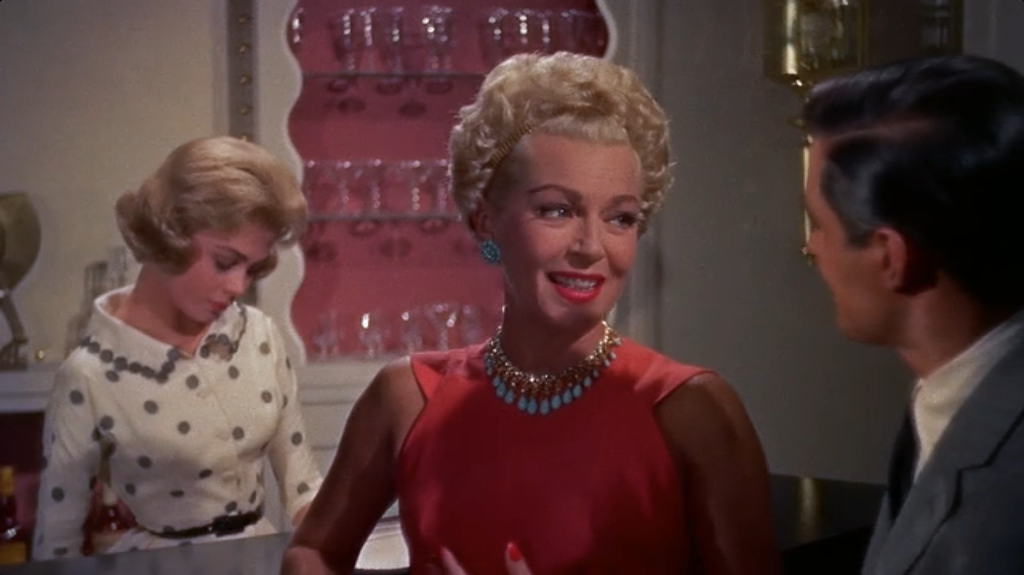
É durante os períodos mais difíceis da vida que descobrimos quem são nossos maiores amigos e mais perigosos e inimagináveis inimigos. Claudette Colbert descobriu isso em 1934. Vinte e cinco anos depois, foi a vez de Lana Turner passar pela mesma experiência, desta vez com mais cor e algumas modificações. Trata-se de uma história de luta, preconceito, traição e muitas, muitas surpresas. E, por ser tão atual em 1934, 1959 ou 2015, tem o sugestivo nome de “Imitação da Vida”.

It is during the most difficult periods of our lives that we find out who are our biggest friends and our most dangerous, and unthinkable of, enemies. Claudette Colbert found those out n 1934. Twenty five years alter, Lana Turner went through the same experience, with more color and some changes. This is a story of struggle, prejudice, treason and many, many surprises. And because it sounds so modern in 1934, 1959 or 2015, it is called “Imitation of Life”.


O ano é 1934. Bea Pullman (Colbert) é viúva, tem de cuidar da filha pequena Jessie e levar adiante o negócio de maple sirup do falecido marido. Por engano bate à sua porta Delilah (Louise Beavers), acompanhada da filha Peola. É o destino que une as duas, pois Bea oferece comida e moradia para que Delilah trabalhe para ela. Não demora para que Bea, muito astuta, transforme uma receita de família de Delilah em um grande sucesso comercial, que muda a vida de ambas.

The year is 1934. Bea Pullman (Colbert) is a widow who has to take care of her little daughter Jessie and deal with her late husband's maple sirup business. By mistake, Delilah (Louise Beavers) and her daughter Peola knock at her door. It's destiny putting the two of them together, because Bea offers food and housing if Delilah works for her. Soon the smart Bea turns Delilah's family recipe into a commercial success, changing both their lives.


O ano é 1959. Lora Meredith (Turner) é viúva e não consegue encontrar sua filha pequena Susie na praia. Com a ajuda de Steve Archer (John Gavin), ela encontra a menina brincando com a filha de Annie (Juanita Moore), uma mulher à procura de emprego. É o destino que une as duas, pois Lora oferece que Annie fique um tempo com ela. Logo Annie se torna babá / empregada e Lora começa uma carreira de sucesso no teatro.

The year is 1959. Lora Meredith (Turner) is a widow who can't find her little daughter Susie at the beach. With the help of Steve Archer (John Gavin), she finds the girl playing with Annie's (Juanita Moore) daughter, and the woman is looking for a job. It's destiny putting the two of them together, because Lora asks Annie to stay with her. Soon Annie becomes a nanny / maid and Lora begins a successful career in the theater.  


A filha de Delilah / Annie, chamada Peola em 1934 e Sarah Jane em 1959, tem pele clara, mas desde a infância sofre por ter o sangue negro da mãe. São tempos de racismo, de segregação, de lugares separados para brancos e negros. É a garota mestiça a personagem mais profunda e sofredora da história, e sua dor não pode ser curada facilmente.

Delilah's / Annie's daughter is called Peola in 1934 and Sarah Jane in 1959. She has fair skin, but since childhood she suffers because of her mother's black blood. Those were times of  racism, segregation, different spots and buildings for white and “colored” people. The mixed-race girol is the deepest and most suffering character in this story, and her pain can't be easily cured.


Delilah fala com a cadência típica dos negros da Hollywood dos anos 1930, cópias vergonhosas dos estereótipos da época da escravidão. Delilah é simplória ao extremo, preferindo cuidar de Bea e Jessie a ter sua própria casa. Ela aceita o sofrimento causado pela rejeição da filha, rejeição esta que também causa dor a Peola, mas nada faz para reagir e voltar a viver.

Delilah speaks with the accent that most black characters did in 1930's Hollywood – a shameful copy of a racist stereotype from the slavery. Delilah is extremely simple, and prefers to take care of Bea and Jessie instead of having her own house. She accepts the suffering cause by her daughter's rejection – a rejection that also makes Peola suffer – but she does nothing to react to it or move on with her life. 


É louvável, entretanto, mostrar que não é apenas a família negra que tem graves problemas, afinal, Steve Archer (Warren William em 1934 e John Gavin em 1959) está para se casar com Bea / Lora, mas quem se apaixona por ele é sua futura enteada Jessie (Rochelle Hudson) / Susie (Sandra Dee). A criação dada pela mulher branca também não foi perfeita, e seu problema chega a ser até mais chocante que o da mulher negra.

It's great, however, to show the not only the black family has grave problems, after all, Steve Archer (Warren William in 1934 and John Gavin in 1959) is about to get married to Bea / Lora, but who falls in love with him is his future stepdaughter Jessie (Rochelle Hudson) / Susie (Sandra Dee). Her upbringing by the white woman also wasn't perfect, and her problem is even more shocking than the black woman's.


John M. Stahl, o diretor da versão de 1934, consegue congelar a segregação em uma só imagem: ricas e bem-sucedidas, Delilah e Bea vivem na mesma casa, mas a mulher branca vive no brilhante piso superior e a mulher negra fica com o piso inferior. Bea não teria enriquecido sem Delilah, e mesmo assim Delilah se resigna ao plano inferior. São apenas duas escadas, mas elas separam toda a humanidade.

John M. Stahl, the director of the 1934 version, is able to freeze segregation in only one image: rich and successful, Bea and Delilah share the same house, but the white woman lives in the shining upper floor and the black woman lives in the floor below. Bea wouldn't have gotten rich without Delilah, and yet Delilah is OK with the floor below. There are only some stairs between them, but they separate the whole mankind.


Foi bom ter Douglas Sirk, o homem das lágrimas, por trás da versão de 1959. Apesar da menor importância de Annie para o sucesso de Lora, o drama da mulher negra tem grande destaque e muitos momentos emocionantes. Outro retrocesso foi ter, no papel de Sarah Jane, a atriz Susan Kohner, filha de mãe mexicana e pai judeu. Em 1934, Peola foi interpretada por Fredi Washington, atriz mulata e militante dos direitos civis.

It was good to have Douglas Sirk, the man of the tears, behind the 1959 version. Even though Annie doesn't have so much importance to Lora's success, the black woman's drama has a lot of space and many moving moments. A downkind was the casting, as Sarah Jane, of Susan Kohner, the daughter of a Mexican mother and a Jewish father. In 1934, Peola was played by Fredi Washington, a mulatto actress and civil rights activist.


Se você tem coração, irá se emocionar com as duas versões. Se tem cérebro, irá pensar sobre as feridas que o racismo deixa. Porém, é outro o mais poderoso efeito: quando acabar o filme, você terá vontade de abraçar sua mãe com muita força e agradecê-la por tudo.

If you have a heart, you will get moved by the two versions. If you have a brain, you will think about of the unseen marks of racism. But the most powerful effect is a different one: when the film is over, you'll want to hug your mother and thank her for everything.

This is my contribution to the They Remade What? Blogathon, hosted by Laura at Phyllis Loves Classic Movies. Double takes are in!

Related Posts Plugin for WordPress, Blogger...