} Crítica Retrô: Jane Wyman

Tradutor / Translator / Traductor / Übersetzer / Traduttore / Traducteur / 翻訳者 / переводчик

Showing posts with label Jane Wyman. Show all posts

Friday, August 26, 2022

Os Três Xarás (1951) / Three Guys Named Mike (1951)


Taí uma coisa que não vemos mais com frequência: garotas querendo ser comissárias de bordo. No passado, essa era uma das profissões com que as meninas e moças mais sonhavam – isto é, até que elas se casassem e se aposentassem para formar uma família. Havia um certo glamour no ato de voar e em ajudar as pessoas a ficarem confortáveis quando estavam no ar. Nos anos 1950, ser uma comissária de bordo era o sonho de muitas, incluindo o da protagonista de “Os Três Xarás” (1951) – e  foi voando que ela conheceu os três Mikes que mudariam sua vida.

Here’s something we don’t see a lot of anymore: girls wanting to become flight attendants. In the past, it was one of the most dreamed-about careers for girls and young women – that is, until they got married and retired for family life. There was a certain glamour in flying and helping people feel comfortable in the air. In the 1950s, being a flight attendant was a dream for many, including from the lead of “Three Guys Named Mike” (1951) – and it was because of flying that she got to know the three Mikes who would change her life.

Marcy Lewis (Jane Wyman) deixa sua cidade natal para ir rumo a Chicago para se tornar aeromoça. Seus estudos vão bem, e as aventuras de verdade se iniciam quando ela começa a voar. Indo para seu primeiríssimo voo, o táxi em que ela está quebra e ela pega uma carona com Mike Jamison (Howard Keel), que não conta a ela que ele é piloto de avião. Sem saber da profissão dele, enquanto eles conversam, Marcy diz a ele que aeromoças são as mais importantes num voo, porque pilotos são “apenas choferes”. Eles se encontram novamente dentro do avião.

Marcy Lewis (Jane Wyman) leaves her hometown to go to Chicago to become a stewardess. Her studies go smooth, the real adventures begin when she starts flying. On the way to her first flight ever, her cab breaks on the road and she takes a lift with Mike Jamison (Howard Keel), who doesn’t tell her he’s an airplane pilot. Without knowing his real profession, while making small talk Marcy tells him that stewardesses are the most important in a flight, because pilots are “only chauffeurs”. They meet again inside the plane.

O primeiro voo de Marcy é um desastre. Ela não somente não se dá bem com Mike Jamison, mas também esquece de pegar a comida para os passageiros do voo e o avião tem de voltar em busca das refeições. Felizmente Marcy não é demitida e começa a voar constantemente com Jamison, de quem se torna amiga. É por isso que Jamison se entristece quando Marcy passa a fazer outra rota, Chicago-Los Angeles, junto a uma velha amiga da escola de aeromoças.

Marcy’s first flight is a disaster. Not only she doesn’t get along with Mike Jamison, but she also forgets to furnish the plane with food and they have to go back to fetch the food. Luckily, Marcy is not fired and starts flying constantly alongside Jamison, developing camaraderie with him. That’s why Jamison gets sad when Marcy is assigned for a new route, Chicago-Los Angeles, and reunited with a friend from stewardess school.

Em sua nova rota Marcy conhece Mike Lawrence (Van Johnson) e com ele ela ajuda uma garotinha que não conseguia dormir durante o voo. A amiga de Marcy acredita que Lawrence é um “VIP”, mas na verdade ele é um cientista que trabalha também como bartender, e Marcy o encontra novamente em um restaurente. Agora, com três amigas, Marcy decide alugar uma casa em Los Angeles. Entra aí Mike Tracy (Barry Sullivan), um publicitário que ajuda Marcy na estrada (de novo um problema motor) e mais tarde a encontra no aeroporto.

In her new route, Marcy meets Mike Lawrence (Van Johnson) and with him she helps a little girl who can’t sleep during the flight. Marcy’s friend believes Lawrence is a “VIP”, but he actually is scientist with a side job as a bartender, who Marcy meets again at a restaurant. Now, with three of her friends, Marcy decides to rent a house in Los Angeles. Enters Mike Tracy (Barry Sullivan), an advertisement man who helps Marcy on the road (again a car issue) and later meets her at the airport.

Os três Mikes se encontram quando eles ajudam Marcy com a mudança. A confusão e o ciúme são imediatos. E as coisas definitivamente não ficam mais fáceis quando Marcy se envolve com uma das campanhas publicitárias depois de ter uma ideia brilhante.

The three Mikes meet when they help Marcy with the moving. The confusion and jealousy is instantaneous. And things definetely don’t get any easier when Marcy gets involved in one of Mike Tracy’s advertising campaign after having a brilliant idea.

Aeromoças – ou comissárias de bordo, como elas são conhecidas agora – têm de lidar com muitos problemas. Elas têm que se certificar de que todos estão confortáveis dentro do avião, às vezes lidando com uma criança (ou adulto!) com medo ou com alguém que fica nervoso voando. Elas precisam ser sempre calmas e educadas, mesmo quando há algo errado com o avião. Elas também precisam lidar com passageiros paqueradores, algo que é visto em “Os Três Xarás” como uma piada, mas essa “piada” pode ser bem desagradável.

Stewardesses – or flight attendants, as they are known now – have to deal with many issues. They have to make sure that everybody was comfortable inside the plane, sometimes dealing with a scared child (or adult!) or a nervous flier. They have to be always calm and polite, even when there is something wrong with the plane. They also have to deal with passengers hitting on them, something that is shown in “Three Guys Named Mike” as a joke, but this “joke” can be quite unpleasant.   

Uma surpresa nos créditos iniciais: quem escreveu o roteiro foi Sidney Sheldon, que se tornaria um famoso romancista nas décadas seguintes, baseado numa história de Ruth Brooks Flippen. Este é o primeiro crédito de escrita de Ruth, e ela teria ainda uma longa carreira na televisão, escrevendo para séries como “Gidget”, “A Feiticeira” e “The Brady Bunch”. A história de Ruth, por sua vez, foi baseada numa sugestão feita pela aeromoça na vida real Ethel Wells.

A surprise in the opening credits: who wrote the screenplay was Sidney Sheldon, who would become a famous novelist in the following decades, based on a story by Ruth Brooks Flippen. This is Ruth’s first writing credit, and she would go on to have a long career on television, writing for shows such as “Gidget”, “Bewitched” and “The Brady Bunch”. Ruth’s story, in turn, was based on a suggestion made by real-life stewardess Ethel Wells.

Devo confessar que, dos três Mikes, eu estava torcendo pelo que era interpretado por Van Johnson. O que realmente me pegou foi seu discurso sobre ser professor: como ser professor é o mais próximo que alguém chega da imortalidade, como uma coisa simples dita numa aula pode mudar a vida de alguém para sempre. Como filha de professora e alguém cuja vida foi mudada por alguns professores, posso dizer que este discurso todo é verdade, além de muito romântico. Claro, Mike Jamison também tem um bom discurso, sobre como ele não quer perder nada da vida, mas o discurso de Mike Lawrence me toca mais profundamente.

I have to confess that, from the three Mikes, I was rooting for the one played by Van Johnson. What really got me was his speech about teaching: how teaching is the closest from immortality that you can get, how a simple thing you say in a class might change someone’s life forever. As the daughter of a teacher and someone whose life was changed by a few teachers, I can say that his whole speech is true, and very romantic as well. Of course, Mike Jamison also has a good speech, about how he doesn’t want to miss a thing in life, but Mike Lawrence’s touches me deeper.

“Os Três Xarás” é um filme divertido, perfeito para um fim de semana ou uma tarde preguiçosa. Ele quse me fez sonhar em ser aeromoça! Ele também me lembrou, em alguns momentos, de uma das minhas séries de TV preferidas, “Crazy Ex-Girlfriend”, na qual uma garota tem três potenciais namorados. Marcy pode não ter a mesma energia caótica de Rebecca Bunch, e trata-se de um filme da década de 1950, o que significa que no final Marcy terá de escolher um dos três Mikes. Fico feliz que nós, o público, não tenhamos que escolher.

“Three Guys Named Mike” is a funny movie, perfect for a lazy weekend or evening. It almost made me dream about being a flight attendant! It also reminded me, in moments, of one of my favorite TV shows, “Crazy Ex-Girlfriend”, where a girl has three potential lovers. Marcy may not have Rebecca Bunch’s chaotic energy, and it’s a film from the 1950s, which means that in the end Marcy will have to choose one of the three Mikes. I’m glad we, the audience, don’t have to choose.

This is my contribution to the Sixth Annual Van Johnson blogathon, hosted by Michaela at Love Letters to Old Hollywood.

Sunday, August 9, 2020

Pavor nos Bastidores (1950) / Stage Fright (1950)

Primeiro, vemos nossos protagonistas fugindo da polícia. Seria ele mais um dos “homens errados” de Hitchcock, um cara sendo perseguido por causa de um crime que ele não cometeu? Talvez. Talvez não. No mundo de Hitchcock, nada é o que parece e, embora seja considerado um filme menor na filmografia do diretor, “Pavor nos Bastidores” merece ser analisado.

We first see our leads as hey are running away from the police. Is he another of Hitchcock's “wrong men”, a guy being pursued because of a crime he didn't commit? Maybe. Maybe not. In Hitchcock’s world, nothing is what it seems, and although it’s considered a lesser entry in the director’s filmography, “Stage Fright” is a film worth analyzing.

Num flashback, vemos como a atriz Charlotte (Marlene Dietrich) foi atrás do amante Jonathan (Richard Rodd) logo após matar acidentalmente o marido durante uma discussão. Ele a aconselha a ir para o teatro onde ela trabalha e agir como se nada tivesse acontecido até que alguém encontre o corpo. Mas, para ela fazer isso, ela não pode estar usando um vestido branco manchado de sangue.

In a flashback, we see how the actress Charlotte (Marlene Dietric) went to see her lover Jonathan (Richard Todd) after accidentaly killing her husband during a heated argument. He advises her to go the theater where she works and act as nothing happened until someone finds the body. But, for her to do that, she can't be wearing a white dress stained with blood.

Jonathan vai ao apartamento dela para pegar um vestido limpo. Lá, ele tenta fazer com que o lugar pareça ter sido invadido por um ladrão que também matou o marido de Charlotte, mas o plano de Joanathan falha quando a empregada Nelle (Kay Walsh) chega, encontra o corpo e vê Jonathan saindo depressa. Depois que Charlotte deixa a casa de Jonathan, a polícia chega – porque Nellie o reconheceu – e ele foge deles, levando consigo o vestido manchado de sangue.

Jonathan goes to her apartment to get a clean dress. There, he tries to make it appear like the place was invaded by a thief who then killed Charlotte's husband, but Jonathan's plan fails quickly as the maid Nellie (Kay Walsh) arrives, finds the body and sees Jonathan leaving in a hurry. After Charlotte leaves Jonathan's place, the police arrive – as Nellie has recognized him – and he runs away from them, taking the blood stained dress with him.

Jonathan então vai até a Real Academia de Arte Dramática para pedir ajuda à sua velha amiga Eve (Jane Wyman). Fica claro que ela está apaixonada por ele, e naturalmente ela o ajuda a fugir. Estamos agora de volta ao começo, com ambos no carro. Eve leva Jonathan para a casa do pai dela. Ele, o Comandante Gill (Alastair Sim) rapidamente percebe que o vestido foi manchado propositalmente de sangue – não foi apenas resultado de sangue espirrando por todos os lados. Charlotte pode estar querendo incriminar Jonathan.

Jonathan then goes to the Royal Academy of Dramatic Art to ask his old friend Eve (Jane Wyman) for help. It's crystal clear that she is in love with him, so she naturally helps him escape. We're now back to the beginning, with the two in the car. Eve takes Jonathan to her father's house. He, Commodore Gill (Alastair Sim), quickly notices that the stain in the dress was deliberately put there – it was not just blood splashing all over. Charlotte might have wanted to incriminate Jonathan.

Enxerida e apaixonada, Eve decide confrontar Charlotte. Para isso, ela bola um plano ela dirá a Nellie, a empregada, que ela é uma repórter escrevendo uma matéria sobre o caso e convencerá Nellie a deixá-la tomar seu lugar como empregada de Charlotte. Nellie aceita a ideia – e um pouco de dinheiro – mas as coisas se dificultarão porque Eve acabou de fazer amizade com o detetive do caso, Wilfred Smith (Michael Wilding), e ele sabe tudo sobre ela, como bom detetive que é.

Nosy and in love, Eve decides to confront Charlotte. For this, she develops a plan: she'll tell Nellie, the maid, that she is a reporter writing a story about the case and will convince Nellie to let her take her place as Charlotte's maid. Nellie accepts the idea – and some money – but things will be made difficult because Eve has just made an acquaintance with the detective of the case, Wilfred Smith (Michael Wilding), and he knows everything about her, as any good detective would do.

O figurino de Marlene Dietrich foi feito por Christian Dior, que não recebeu créditos no filme. Quando ela chega ao apartamento de Jonathan, seu vestido é branco e tem uma chamativa mancha de sangue, e Jonathan pega um vestido quase idêntico, porém preto, para ela se trocar. É uma escolha óbvia que mostra o lado sombrio dos dois personagens. Uma troca de roupa semelhante porém mais sutil aconteceria em “Psicose” (1960), com Marion Crane mudando a cor de seus sutiãs, também de branco para preto, para mostrar que ela mudou de ideia e decidiu ficar com os 40 mil dólares que estava transportando.

Marlene Dietrich's outfits were provided by Christian Dior, uncredited. When she arrives at Jonathan's place, her dress is white and has a prominent blood stain, and Jonathan gets a nearly identical black dress for her to change. It's an obivous choice to show the real darkness of both characters. A similar but more subtle wardrobe change would be found in Hitchcock's “Psycho” (1960), with Marion Crane changing the color of her bras, also from white to black, to show the change of heart of the character when she decides to keep the 40,000 dollars she was transporting.

A cena com Eve tentando se disfarçar é muito engraçada. Em seu quarto, ela muda o penteado, as roupas, coloca um chapei e óculos de lentes grossas. Mas ela não passa no teste principal: a mãe de Eve ainda é capaz de reconhecê-la! Ao se dar conta de que Charlotte nunca a viu, Eve não se disfarça, apenas se apresenta como Doris, prima de Nellie. Se você assistiu a alguns filmes de Hitchcock, já deve ter percebido que eles têm um lado cômico. Os personagens mais engraçados de “Pavor nos Bastidores” são os pais de Eve, interpretados por Alastair Sim, mais conhecido por “Um Conto de Natal” (1951), e Sybil Thorndike, uma conhecida atriz de cinema e teatro.

The scene with Eve trying a disguise is very funny. In her bedroom, she changes her hair, her clothes, puts on a hat and thick glasses. But she doesn't pass the main test: Eve's mother still can recognize her! Realizing that Charlotte has never seen her, Eve goes as she is, only presents herself as Doris, Nellie's cousin. If you have watched a few of Hitchcock's movies, you might have seen that they had a humorous side. The funniest characters in “Stage Fright” are Eve's parents, played by Alastair Sim, from “A Christmas' Carol” (1951) fame, and Sybil Thorndike, a celebrated stage and film actress.

Uma novata em um papel pequeno chama nossa atenção: ela é Patricia Hitchcock, filha de Alfred Hitchcock e Alma Reville. Patricia, em sua estreia no cinema, interpreta Chubby Bannister, atriz e amiga de Eve. Ela já havia feito algumas peças em Nova York e estava enão estudando na Real Academia de Arte Dramática. Patricia aparece apenas na segunda metade do filme, mas foi dublê de Jane Wyman em algumas sequências dirigindo. Algumas pessoas, como o crítico de cinema Stephen Whitty, chegam mesmo a chamar Wyman de uma “Patricia glamourizada”.

A newcomer playing a small part calls our attention: she’s Patricia Hitchcock, Alfred Hitchcock’s and Alma Reville’s daughter. Patricia, in her film debut, plays Chubby Bannister, an actress and Eve’s friend. She had already made a couple of plays in New York and was by then actually studying at the Royal Academy of Dramatic Art. Patricia only appears by the second half of the film, but served as a stand-in for Jane Wyman in some driving sequences. Some people like film critic Stephen Whitty even go as far as calling Wyman a glamourized Patricia.

O roteiro foi escrito por Alma Reville e Whitfield Cook, autor de uma peça na qual Patricia atutou. Segundo Patrick McGilligan, autor do livro “Alfred Hitchcock: A Life in Darkness and Light”, Alma e Whitfield passaram alguns meses trabalhando juntos em 1947 e tiveram um caso neste período, de acordo com os diários de Whitfield. Nenhuma outra fonte sustenta esta ideia, e a dupla trabalhou em dois roteiros adaptados para Hitchcock:   “Pacto Sinistro” (1951) e este “Pavor nos Bastidores”, baseado em um romance publicado de forma seriada numa revista. “Pavor nos Bastidores” foi o último filme em que Alma foi creditada.

The screenplay was written by Alma Reville and Whitfield Cook, who was the author of a play in which Patricia Hitchcock appeared on stage. According to Patrick McGilligan, author of the book “Alfred Hitchcock: A Life in Darkness and Light”, Alma and Whitfield spent some months working together in 1947 and had an affair in this period, based on Whitfield’s diaries. No other sources support this claim, and the duo worked in two adapted screenplays for Hitchcock: “Strangers on a Train” (1951) and this “Stage Fright”, based on a novel originally published serialized in a magazine. “Stage Fright” was the last time Alma Reville was credited for her work in a film.

Hitch and Alma

Hitchcock disse que “Pavor nos Bastidores” deu a ele a chance de explorar criticamente o trabalho do ator. Por isso, é interessante que, para Eve, atuar seja fingir ser outra pessoa – e ainda mais interessante é o fato de encontrarmos essa análise num filme feito por um diretor que dizia que “atores são como gado”. Há várias evidências de Hitchcock usando essa frase desde 1940, e quando Patricia se tornou atriz ele até disse que “Pat é o mais adorável gado que eu já vi”. Para François Truffaut, Hitchcock deu mais de uma explicação sobre a frase, mas ela permanece uma controvérsia no mundo hitchcockiano.

Hitchcock said that “Stage Fright” gave him the chance to explore critically the acting craft. So, it’s interesting that, for Eve, acting is pretending to be someone else – and even more interesting that we can find this in a film made by a director who told that “actors are cattle”. There is a lot of evidence from Hitchcock using this quote as early as 1940, and when Patricia became an actress he even said that “Pat is the nicest cattle I’ve ever seen”. For François Truffaut, Hitchcock gave more than one explanation for the quote, but it still remains a controversy in the Hitchcockian world. 

O comandante Gill analisa a situação objetivamente: Eve está tratando tudo como se fosse uma peça de teatro. “Tudo parece uma peça de teatro quando você está apaixonada pelos palcos”, ele diz. Na “Alfred Hitchcock Encycloped”, Stephen Whitty comenta que “Pavor nos Bastidores” é um dos muitos filmes de Hitchcock com sequências crucias em teatros, e chega à mórbida conclusão de que, para o diretor”, “a vida é um espetáculo, mas a maioria de nós somos espectadores simples que ficaram com os piores lugares”.

Commodore Gill analyzes the situation objectively: Eve is treating it like a play. “Everything looks like a play when you're stage struck”, he says. At the “Alfred Hitchcock Encycloped”, Stephen Whitty notices that “Stage Fright” is one of many Hitchcock films with crucial sequences happening in theaters, and reaches the morbid conclusion that, for the director, “life is a show, but most of us are simply ticketholders stuck in the cheap seats”. 

Vindo depois de quarto fracassos de bilheteria consecutivos – e a lista inclui o hoje cultuado “Festim Diabólico” (1948) – “Pavor nos Bastidores” foi chamado por Stephen Whitty de “um intervalo” na filmografia de Hitchcock. Em “Pavor nos Bastidores”, ele teve grandes atores coadjuvantes, filmou uma bela cena perto do final com destaque para os olhos de Jane Wyman e Richard Todd e também enganou o público ao quebrar uma regra crucial e subentendida dos flashbacks. Felizmente, o público perdoou Hitchcock por essa traição e, após “Pavor nos Bastidores”, ele faria alguns de seus melhores filmes.

Coming after four consecutive box-office disasters – and the list includes the now cult “Rope” (1948) – “Stage Fright” was called by Stephen Whitty as an “intermission” in Hitchcock’s body of work. In “Stage Fright”, he managed to have great supporting actors, he shot a beautiful scene near the end with Wyman’s and Todd’s eyes highlighted and he also deceived his audience by breaking a crucial unwritten rule on flashbacks. Fortunately, the public forgave Hitchcock for this deception, and, after “Stage Fright”, he’d make some of his best movies.

This is my contribution to the 4th Alfred Hitchcock blogathon, hosted by Maddy at Maddy Loves Her Classic Films.

Friday, November 9, 2018

Variações sobre um mesmo tema: Sublime Obsessão / Magnificent Obsession (1935 e 1954)

ESTE ARTIGO CONTÉM SPOILERS

THIS ARTICLE HAS SPOILERS


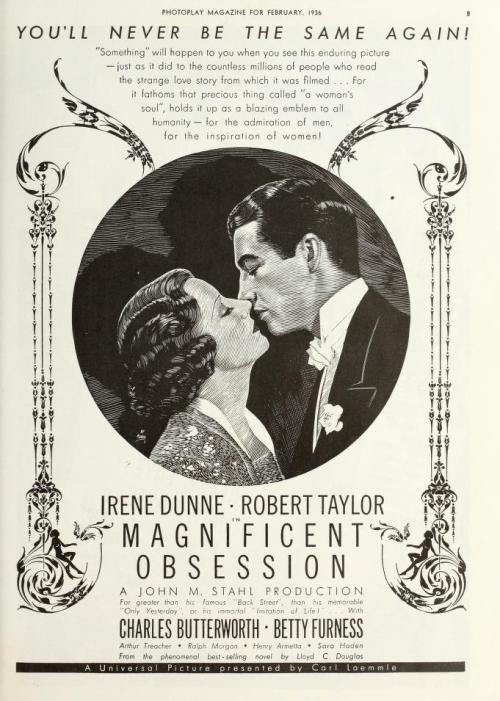
A história de “Sublime Obsessão” é o mais melodramática possível. E quando o livro é adaptado para o cinema, ele ajuda estrelas a surgirem, ou melhor, a chamarem atenção: ambos os protagonistas masculinos, que já trabalhavam no cinema, se tornaram superestrelas após fazerem “Sublime Obsessão”.

The story of “Magnificent Obsession” is as melodramatic as it gets. And when the novel is adapted to film, it helps stars to be born, or better, paid attention to: both male leads, already working in film, became superstars after starring in “Magnificent Obsession”.


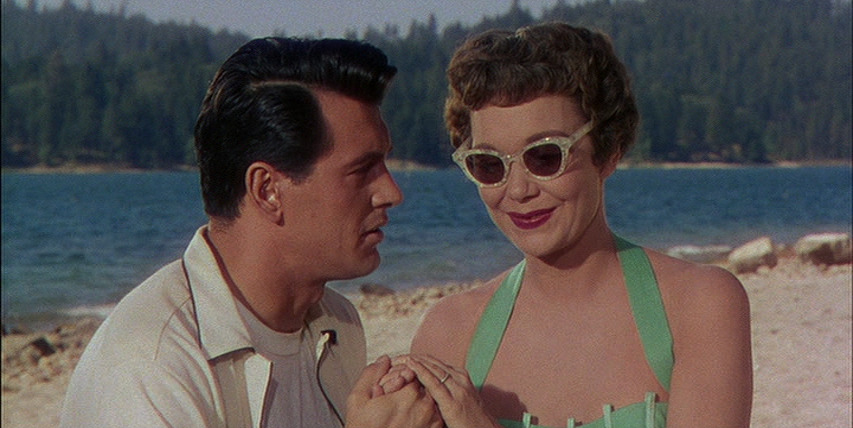
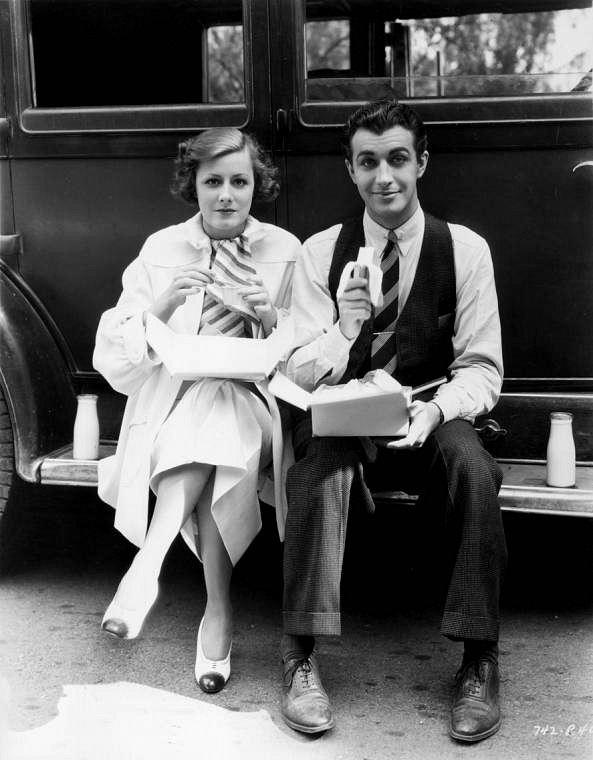
Dois homens se afogaram em um lago ao mesmo tempo. Um deles era o famoso médico Dr. Hudson, que dava um mergulho. O outro era o playboy Robert Merrick (Robert Taylor / Rock Hudson), bêbado após uma festa que durou a noite toda. Havia apenas uma máquina para ressuscitação – e ela foi usada em Robert, que foi resgatado primeiro. Dr. Hudson faleceu, deixando uma viúva muito jovem, Helen (Irene Dunne / Jane Wyman) e também muitas boas ações enquanto filantropo.

Two men drowned at a lake at the same time. One was the famous physician Dr. Hudson, out for a quick swim. The other was playboy Robert Merrick (Robert Taylor / Rock Hudson), drunk after an all-night party. There was only one lung machine – a resuscitation machine – and it was used on Robert, who was picked up first. Dr. Hudson died, leaving behind a very young widow, Helen (Irene Dunne / Jane Wyman) and many unsung works as a philantropist.


Dr. Hudson ajudava as pessoas em segredo e nunca as deixava pagar pela ajuda – até que ajudar as pessoas se tornou sua sublime obsessão. Isto é contado a Robert Merrick por Randolph (Ralph Morgan / Otto Kruger), um artista que foi tocado pela bondade do Dr. Hudson e por isso teve uma próspera carreira. Desde então, Randolph segue a filosofia de vida de fazer boas ações sem esperar nada em troca.

Dr. Hudson helped people in secret and never let them pay him back – until helping people became a magnificent obsession to him. This is told to Robert Merrick by Randolph (Ralph Morgan / Otto Kruger), an artist whose career was helped by Dr. Hudson's goodness. Ever since then, Randolph follows the life philosophy of doing good deeds without expecting a return.


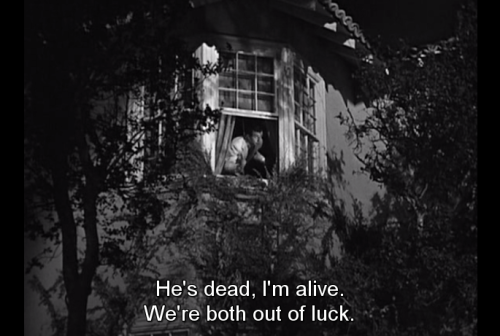
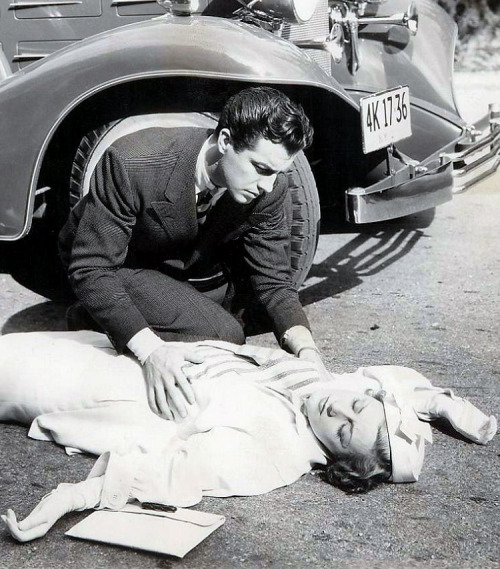
Robert também é inspirado pela filosofia, mas quer algo em troca após fazer boas ações: ele quer Helen, depois de vê-la do lado de for a do hospital e se apaixonar. Ela, como esperado, o detesta. Mas como ele não entendeu realmente a filosofia, acontece uma tragédia: ao fugir das investidas de Robert, Helen é atingida por um carro e fica cega.

Robert is inspired by the philosophy, too, but he wants something to happen after he does the good deeds: he wants to have Helen, whom he saw outside the hospital and who, as expected, loathes him. But because he didn't really understand the philosophy, tragedy strikes: as Helen is trying to run away from Robert, she is hit by a car and becomes blind.


Robert vai desistir? NÃO! Agora mais bondoso, ele se aproxima de Helen que, cega, está reaprendendo a viver, e se torna amigo dela, se apresentando como Doutor Robert. Ao mesmo tempo, ele fica inspirado e decide transformar sua mentira em realidade e volta a estudar para ser médico, cirurgião no cérebro, especialista na parte do cérebro que comanda a visão.

Will Robert give up? NO! Now kinder, he approaches the blind Helen, who is relearning to live, and becomes her friend, presenting himself as Doctor Robert. At the same time, he gets excited and decides to make his lie become true by going back to college to become a brain surgeon, specialized in the part of the brain responsible for the vision.


Uau. Que dramático. Esta história de fazer chorar teve origem no romance “Sublime Obsessão”, escrita por Lloyd C. Douglas e publicado em 1929 – o autor também escreveu o drama religioso “O Manto Sagrado”.

Wow. So dramatic. This tear-inducing story was originated in the novel “Magnificent Obsession”, written by Lloyd C. Douglas and published in 1929 – Lloyd also wrote the religious drama “The Robe”.


A diferença principal entre as duas versões é óbvia: a de 1935 é em preto e branco, enquanto a de 1954 é a cores. Além disso, em 1935 o médico é chamado de Hudson, enquanto a versão de 1954 voltou ao sobrenome original, Phillips.

The main difference from both versions is obvious: the 1935 version is in black and white, while the 1954 one is in color. Moreover, in 1935 the doctor is called Hudson, while the 1954 version got back the doctor's original last name, Phillips.


Alguns truques foram usados para que as atrizes interpretassem mulheres cegas e continuassem andando e agindo normalmente. Irene Dunne ficou olhando para baixo o tempo todo, e tinha os maiores cílios já vistos em uma mulher cega no cinema. Jane Wyman usou óculos escuros a maior parte do tempo em que interpreta Helen estando cega. Ambas são convincentes no papel, mas só Jane Wyman foi indicada ao Oscar.

There were some tricks to make the actresses play blind women but keep walking and acting normally. Irenne Dunne kept her eyes down all the time, and supported the hugest eyelashes a blind woman has ever had on screen. Jane Wyman wore mostly dark sunglasses in her blind scenes. Both are convincing when playing blind, but only Wyman was nominated for an Oscar. 


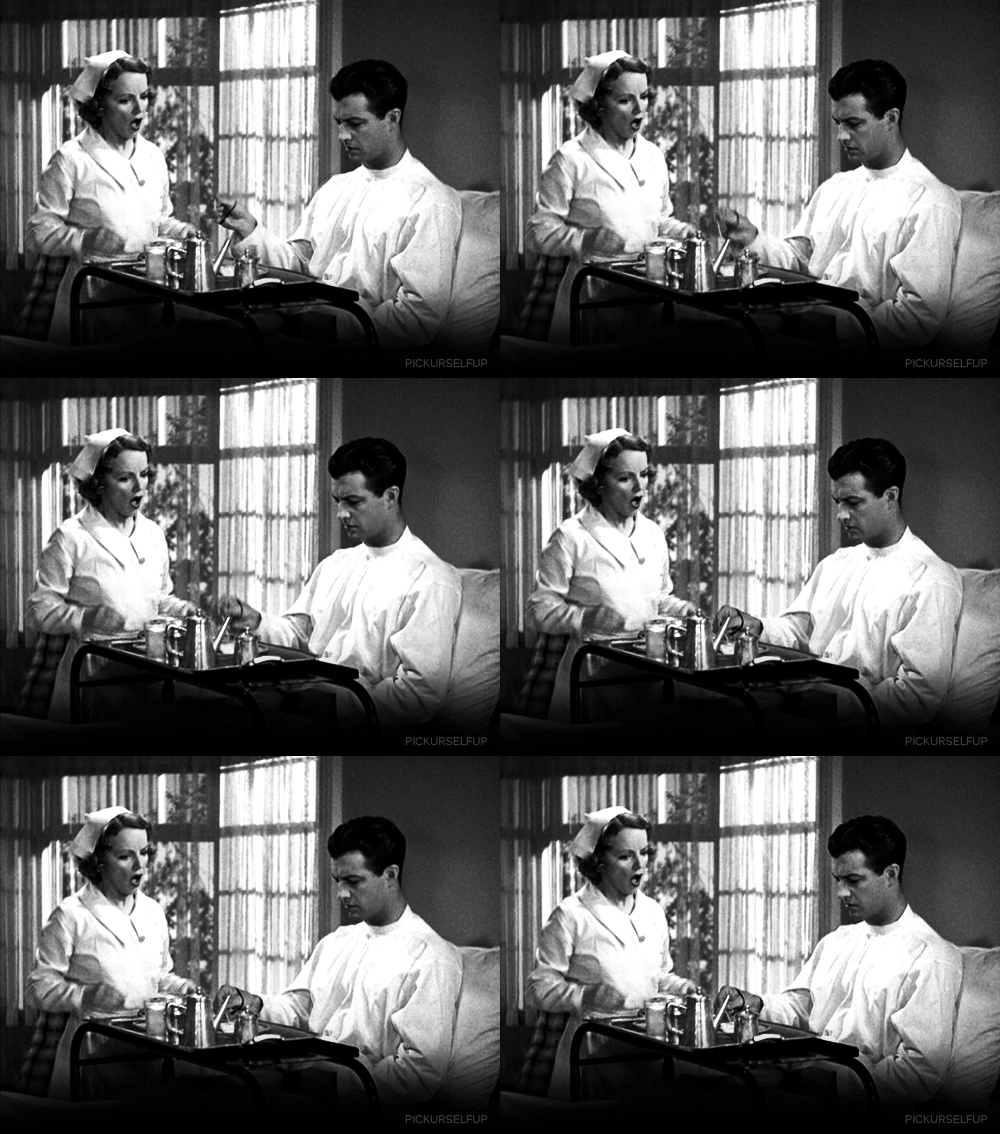
Antes de fazer “Sublime Obsessão”, Robert Taylor tinha um contrato com a MGM – contrato que começou em 1934 com um salário de 35 dólares por semana. Ele não tinha muito sucesso, por isso a MGM o emprestou para o estúdio Universal para este filme, e Robert virou um sucesso do dia para a noite – de fato, havia filas quilométricas para os cinemas, no auge do inverno americano de 1935, só para vê-lo em “Sublime Obsessão”. Ele voltou para a MGM com um salário de 2500 dólares por semana e permaneceu no estúdio com exclusividade por 24 anos. Numa conexão interessante com o filme, conta-se que médicos disseram que a mãe de Robert morreria antes dos 30 anos de idade, e então o pai dele – amigo de infância da mãe – foi estudar medicina e conseguiu curá-la, provando que os médicos estavam errados.

Before making “Magnificent Obsession”, Robert Taylor was under contract with MGM – the contract started in 1934 with 35 dollars a week. He wasn’t very successful, so MGM loaned him to Universal for the film, and Robert saw overnight success – actually, lines were huge in the American winter of 1935 to see him in “Magnificent Obsession”. He returned to MGM with a salary of 2500 dollars a week and was an exclusive actor at the studio for 24 years. In a nice connection to the movie, a story often told is that doctors once predicted that Robert’s mother would die before she was 30, so his father – a childhood sweetheart – became a doctor and cured her condition, proving the prediction wrong.


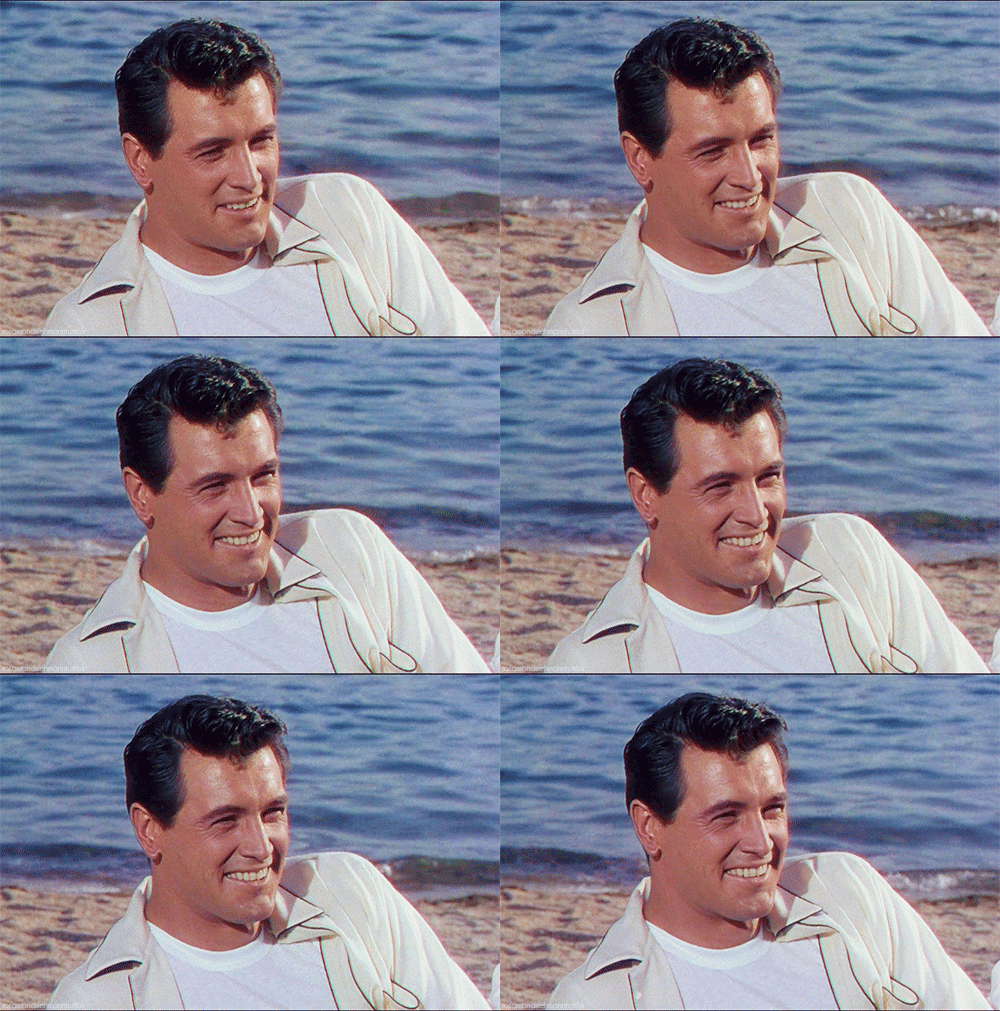
Rock Hudson também estava com problemas na carreira em 1953. Alto, moreno e bonito – embora a beleza não chamasse a atenção dos chefes de estúdio na época – ele interpretava, desde 1948, coadjuvantes, protagonistas em filmes B e, em muitas ocasiões, índios. Quando Jeff Chandler recusou o papel de Bob Merrick em “Sublime Obsessão”, tudo mudou. Rock foi convidado pelo amigo, o diretor Douglas Sirk, com quem já havia trabalhado duas vezes, e aceitou o papel. Mais uma vez, quando o filme estreou, todos os olhos se voltaram para aquele jovem charmoso. Era o começo de uma carreira de sucesso para Rock, com e sem Douglas Sirk.

Rock Hudson was also in a bad place in his career in 1953. Tall, dark and handsome – the “handsome” wasn’t really getting much attention – he had been playing, since 1948, supporting characters, leads in B-movies and often Indians. When Jeff Chandler refused the role of Bob Merrick in “Magnificent Obsession”, everything changed. Rock was invited by his friend, director Douglas Sirk, with whom he had already worked twice, and accepted the part. Once again, when the film hit the screens, all eyes paid attention to that charming young man. It was the beginning of a successful career for Rock, with and without Douglas Sirk.


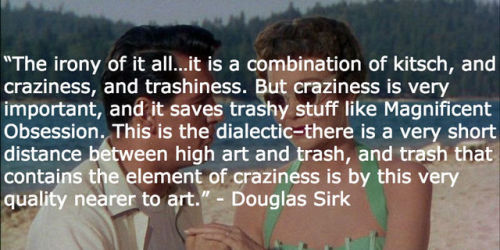
Dos quatro melodramas mais famosos feitos por Douglas Sirk nos anos 50, – e que são provavelmente os filmes mais conhecidos de sua carreira – dois vieram de histórias originais – “Tudo que o céu permite” (1955) e “Palavras ao Vento” (1956) – e os outros dois eram remakes. Curiosamente, tanto “Sublime Obsessão” quanto “Imitação da Vida” tiveram suas primeiras versões dirigidas por John M. Stahl nos anos 30. Embora praticamente esquecido hoje, Stahl foi um dos fundadores da Academia do Oscar, um diretor e produtor de sucesso. Seu filme mais famoso é “Amar foi minha Ruína” (1945).

Out of Douglas Sirk's four most famous melodramas of the 1950s, – and arguably the four more famous of his whole career – two were original stories - “All that Heaven Allows” (1955) and “Written in the Wind” (1956) – and the other two were remakes. Curiously, both “Magnificent Obsession” and “Imitation of Life” were first made by John M. Stahl in the 1930s. Although almost forgotten today, Stahl was one of the founding members of AMPAS, a successful director and producer. His most famous film is “Leave her to Heaven” (1945).


Se você gosta de melodramas ou precisa chorar um pouco, ambas as versões de “Sublime Obsessão” irão servir ao propósito. Ambas prendem o espectador, são emocionantes e bem feitas, uma dirigida por um mestre celebrado, outra por um mestre obscuro. Mas preciso advertir: ver as duas versões num mesmo dia pode causar desidratação.

If you are into melodramas or in need of a good cry, both versions of “Magnificent Obsession” will please you. Both are moving, engaging and well-done, one by a celebrated master, another by an obscure one. But I must warn: watching both back-to-back may cause dehydration.

This is my contribution to The Remake of “They Remade What?!” blogathon, hosted by Laura at Phyllis Loves her Classic Movies.


Related Posts Plugin for WordPress, Blogger...