} Crítica Retrô: Wallace Beery

Tradutor / Translator / Traductor / Übersetzer / Traduttore / Traducteur / 翻訳者 / переводчик

Showing posts with label Wallace Beery. Show all posts

Wednesday, May 28, 2025

O Campeão (1931) / The Champ (1931)

 Maio é o mês em que celebramos as mães, as noivas… e o melodrama. Bem, pelo menos este mês de maio foi melodramático o suficiente neste blog com uma crítica de um melodrama feito por uma mulher - filmes deste gênero específico são em geral feitos PARA mulheres, mas dificilmente POR elas. Há uma mulher forte também por trás do melodrama de hoje: Frances Marion escreveu o roteiro de “O Campeão”.


May is the month we celebrate mothers, brides… and melodrama. Well, at least this May was melodramatic enough on this blog with a review of a melodrama made by a woman - movies from this specific genre are often targeted to women, but not made by them. There is one strong woman also behind today’s melodrama: Frances Marion wrote the screenplay for “The Champ”.


Os anos de glória do boxeador Andy (Wallace Beery) já passaram, mas ele ainda é conhecido como Champ (de “Champion”: campeão). Seu treinador e gerente de sua carreira é seu filho Dink (Jackie Cooper), que ainda é um garoto. Os maiores inimigos de Champ são o álcool e as apostas.


Andy (Wallace Beery) is a has-been boxer, but is still known as Champ. His trainer and career manager is his son Dink (Jackie Cooper), who is just a boy. Champ’s biggest enemies are alcohol and gambling.


Pai e filho vivem num apartamento de um quarto só com uma cama que dividem. Tem uma cadeira de balanço igualzinha à de Champ na minha casa! Numa manhã, Dink está fazendo as tarefas do lar quando Champ chega com um presente: um cavalo! Eles decidem rebatizar o animal, de Butterfly para Little Champ, e treiná-lo para se tornar um cavalo de corrida. Um dia, nas pistas de corrida, Champ encontra uma figura do passado que irá assombrá-lo.


Father and son live in a one-bedroom apartment with a shared bed. There is a rocking chair exactly like Champ’s in my house! One morning, Dink is doing the household chores when Champ arrives with a present: a horse! They decide to rename the animal, from Butterfly to Little Champ, and train it to become a race horse. One day, on the race tracks, Champ meets a figure from his past who will haunt him.


Wallace Beery ganhou o Oscar de Melhor Ator - empatado com Fredric March de “O Médico e o Monstro” - por sua interpretação de Champ, mas o filme pertence a Dink e sua ampla gama de expressões. Jackie Cooper mais tarde declarou que Beery tentou aparecer mais que ele a todo momento, mas os resultados mostram que o ator adulto falhou. O que realmente aconteceu foi a revitalização da carreira de Beery, que se tornou então o ator mais bem pago da época quando ele assinou contrato com a MGM.


Wallace Beery won the Best Actor Oscar - tied with Fredric March from “Dr Jekyll and Mr Hyde” -  for playing Champ, but the movie belongs to Dink and his wide range of expressions. Jackie Cooper later claimed that Beery tried to upstage him at all times, but results prove that the adult actor failed. What did happen was the revitalization of Beery’s career, making him the highest-paid actor of the time when he signed with MGM.


Jackie Cooper foi indicado para o Oscar um ano antes por “Skippy” e, durante a cerimônia, adormeceu encostado no ombro de Marie Dressler! Cooper ainda é a única pessoa menor de 18 anos a ser indicado ao Oscar de Melhor Ator. Frances Marion também ganhou o Oscar na categoria Melhor Roteiro - História Original. Ela havia escrito a história tendo Wallace Beery em mente para ser o protagonista.


Jackie Cooper was nominated for the Oscar one year before for “Skippy” and, during the ceremony, fell asleep on Marie Dressler’s shoulder! Cooper remains the only person under 18 to be nominated for a Best Actor Oscar. Frances Marion also won the Oscar in the category Best Writing - Original Story. She had written the story with Wallace Beery in mind to star.


Dink tem um amigo da sua idade chamado Jonah e, quando o apresenta para Linda (Irene Rich), Dick enfatiza que “ele é de cor”. Jesse Scott interpreta Jonah, no primeiro de seus seis papéis no cinema, metade deles sem receber crédito.


Dink has a friend his age named Jonah and, as he introduces him to Linda (Irene Rich), Dink emphasizes that “he’s colored”. Jesse Scott plays Jonah, in the first of six screen roles, half of them uncredited.


Como escrito na Wikipedia, “a crítica de cinema Judith Christ declarou que quase todo filme contendo um ator adulto junto a um ator mirim deve ser comparado com O Campeão em termos da química entre os atores e a eficácia do filme”. “Química” não é exatamente a melhor palavra para descrever o que havia entre Beery e Cooper, mas você não pode sentir a animosidade enquanto assiste ao filme. Talvez o melhor ator mirim desde Jackie Coogan - de “O Garoto” (1921) de Chaplin - , Cooper é o campeão real aqui.


As written in Wikipedia, “Film critic Judith Christ has argued that almost any film pairing an adult actor alongside a child actor must be compared to The Champ in terms of the chemistry between the actors and the effectiveness of the film.” “Chemistry” isn’t exactly the best word to describe what was going on between Beery and Cooper, but you can’t tell about the animosity while watching the film. Arguably the best child actor since Jackie Coogan - from Chaplin’s “The Kid” (1921) - , Cooper is the real champion here. 

Friday, July 14, 2023

O Último dos Moicanos (1920) / The Last of the Mohicans (1920)


“O Último dos Moicanos” é um clássico, sobre isso não há dúvida. A história foi adaptada para as telas muitas vezes, sendo a adaptação mais famosa provavelmente aquela feita em 1992 estrelando Daniel Day-Lewis. Mas hoje focamos numa adaptação bem mais velha, de 1920.


“The Last of the Mohicans” is a classic, no doubt about that. The story was adapted to the screen many times, being the most famous adaptation probably the one made in 1992 and starring Daniel Day-Lewis. But today we focus on a much older adaptation, from 1920.


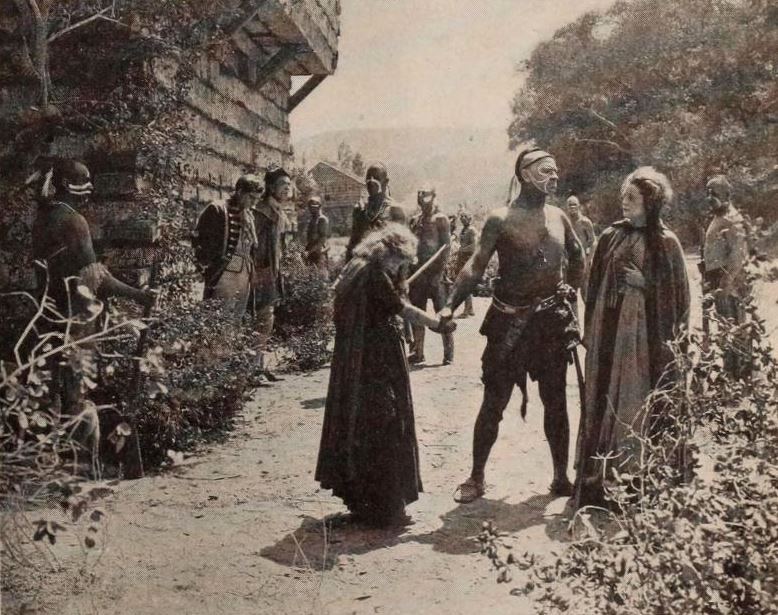
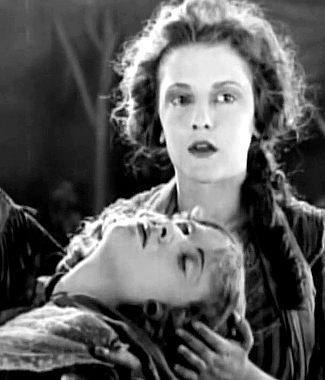
A história acontece em 1757, quando postos das Treze Colônias estavam sendo invadidos pelo exército francês. O coronel Munro (James Gordon) está em um destes postos, o Forte William Henry, e suas duas filhas Cora (Barbara Bedford) e Alice (Lillian Hall) estão no Forte Edward. As duas garotas vão se encontrar com o pai, passando por um atalho pela floresta com a ajuda do guia indígena Magua (Wallace Beery). No meio do caminho, Magua as abandona porque tem outros planos.  Felizmente, elas encontram o último dos moicanos, Uncas (Alan Roscoe).


The story takes place in 1757, when outposts in the Thirteen Colonies were being invaded by the French Army. Colonel Munro (James Gordon) is at one of these outposts, Fort William Henry, and his two daughters Cora (Barbara Bedford) and Alice (Lillian Hall) are at Fort Edward. The two girls go meet their father, going through a shortcut in the forest with the help of Indian guide Magua (Wallace Beery). In the middle of the journey, Magua deserts them as he has other plans. Luckily, they meet the last of the Mohicans, Uncas (Alan Roscoe).

As garotas chegam em segurança, mas os franceses estão próximos e os britânicos são incapazes de pará-los. Mulheres e crianças deixam o forte, mas são capturadas ou mortas pela tribo do Hurons. Magua também está lá, e quer Cora, que agora só tem olhos para Uncas.


The girls arrive safely, but the French are nearby and the British can’t stop them.
Women and children leave the fort, but are taken captive and / or killed by the Huron tribe. Magua is there too, and he wants Cora, who now only has eyes for Uncas.

#NemTodoÍndio é malvado, mas os Hurons com certeza são. Eles desobedeceram à promessa do cacique para os britânicos, que disse que mulheres e crianças poderiam atravessar o território deles e não seriam maltratadas. Pelo bel-prazer de estuprar e matar, eles atacam estas mulheres e jogam crianças pelos ares, matando-as. Os moicanos eram os índios bons, como no começo é dito que eles eram amigos dos caras-pálidas.


#NotAllIndians are bad, but the Hurons certainly are. They disobeyed their Chief’s promise to the British, that women and children could pass their territory and would leave unharmed. For the sheer pleasure of raping and killing, they attack those women and throw children up in the air to their deaths. The Mohicans were the good Indians, as in the beginning it’s said that they were friends with white people.

“O Último dos Moicanos” teve dois diretores: Maurice Tourneur e Clarence Brown. Tourneur – que dirigiu um dos meus filmes mudos favoritos, “O Pássaro Azul” (1918) – adoeceu durante as filmagens e Clarence Brown, que trabalhava como editor e diretor assistente, tomou seu lugar para completar o filme. É por isso que o produto final parece mais um amálgama de dois estilos e não um espetáculo digno de Tourneur.


“The Last of the Mohicans” had two directors: Maurice Tourneur and Clarence Brown. Tourneur - who directed one of my favorite silent films, “The Blue Bird” (1918) - became ill during shooting and Clarence Brown, who was working as editor and assistant director, stepped up to complete the film. That’s why the final product seems more like an amalgamation of two styles and not a full Tourneur spectacle.

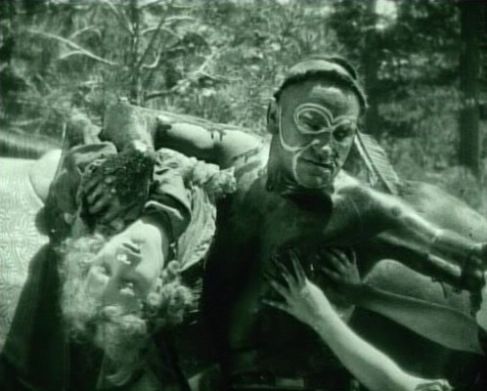
Wallace Beery precisa de muita maquiagem para interpretar Magua. Diz-se que Boris Karloff interpreta também um índio neste filme, mas foi impossível reconhecê-lo. Estes eram os tempos em que se valia da yellowface para que atores brancos interpretassem personagens não-brancos, como indígenas. Tendo isto em mente, Beery é um bom – leia-se detestável – vilão. Alan Roscoe também usa a yellowface. Roscoe dividiu as telas com Theda Bara em pelo menos sete filmes, e é mais conhecido por este “O Último dos Moicanos”, pois morreu relativamente jovem em 1933.


Wallace Beery plays Magua relying on heavy makeup. 
It’s said that Boris Karloff plays an Indian in this film, but it’s impossible to recognize him. These were the times of yellowface used so white actors could play non-white roles, such as Indians. This point being noticed, Beery makes a good - read here detestable - villain. Alan Roscoe also uses yellowface. Roscoe was Theda Bara’s leading man in at least seven films, and is better known for this “The Last of the Mohicans”, as he died fairly young in 1933.

Barbara Bedford foi casada com Alan Roscoe – duas vezes! Primeiro no período entre 1922 e 1928, quando tiveram uma filha, e novamente entre 1930 e 1933, quando ele faleceu. Barbara esteve em diversos filmes na era muda, e permaneceu trabalhando como figurante quando os filmes sonoros chegaram em Hollywood.


Barbara Bedford was married to Alan Roscoe - twice! First in the period between 1922 and 1928, when they had a daughter, and again from 1930 to 1933, when he passed away. Barbara appeared in several films in the silent era, and remained working as an extra when sound came to Hollywood.

Eu me empolguei e também assisti à versão de 1936 de “O Último dos Moicanos”. Este filme B, produzido pelo estúdio Reliance Pictures, tem como estrela Randolph Scott interpretando Hawkeye, que se torna o herói da história. Na versão de 1920, Hawkeye só é citado brevemente. Dado o poder do nome de Randolph Scott na época, podemos entender a mudança de foco, mas a história de Cora permanece como a mais interessante.


I got carried away and also watched the 1936 version of “The Last of the Mohicans”. This B-movie, produced by Reliance Pictures, stars Randolph Scott as Hawkeye, who becomes the lead of the story. In the 1920 version, Hawkeye is only briefly mentioned. Given Scott’s star power at the time, we can understand the shift of focus, but Cora’s plot remains the most interesting.

Os escritos de James Fenimore Cooper já foram adaptados tanto para as telonas quanto para as telinhas 43 vezes, de acordo com o IMDb, com uma futura adaptação de “O Último dos Moicanos”, sua obra mais famosa, em produção como série de TV. Visualmente bela, a versão de 1920 da história com certeza agradará a todos os públicos.


James Fenimore Cooper’s writings were adapted to the big and small screen 43 times already, according to IMDb, with an upcoming adaptation of “The Last of the Mohicans”, his most famous story, in the works as a TV series. Visually stunning, the 1920 version of the story is sure one to please all the audiences.


This is my contribution to the 2023 Classic Literature on Film Blogathon, hosted by Paul at Silver Screen Classics.


Saturday, February 29, 2020

Mendigos da Vida (1928) / Beggars of Life (1928)


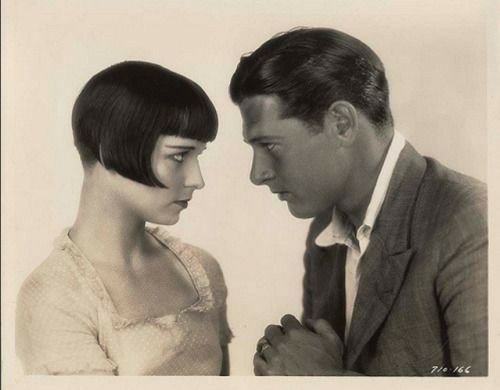
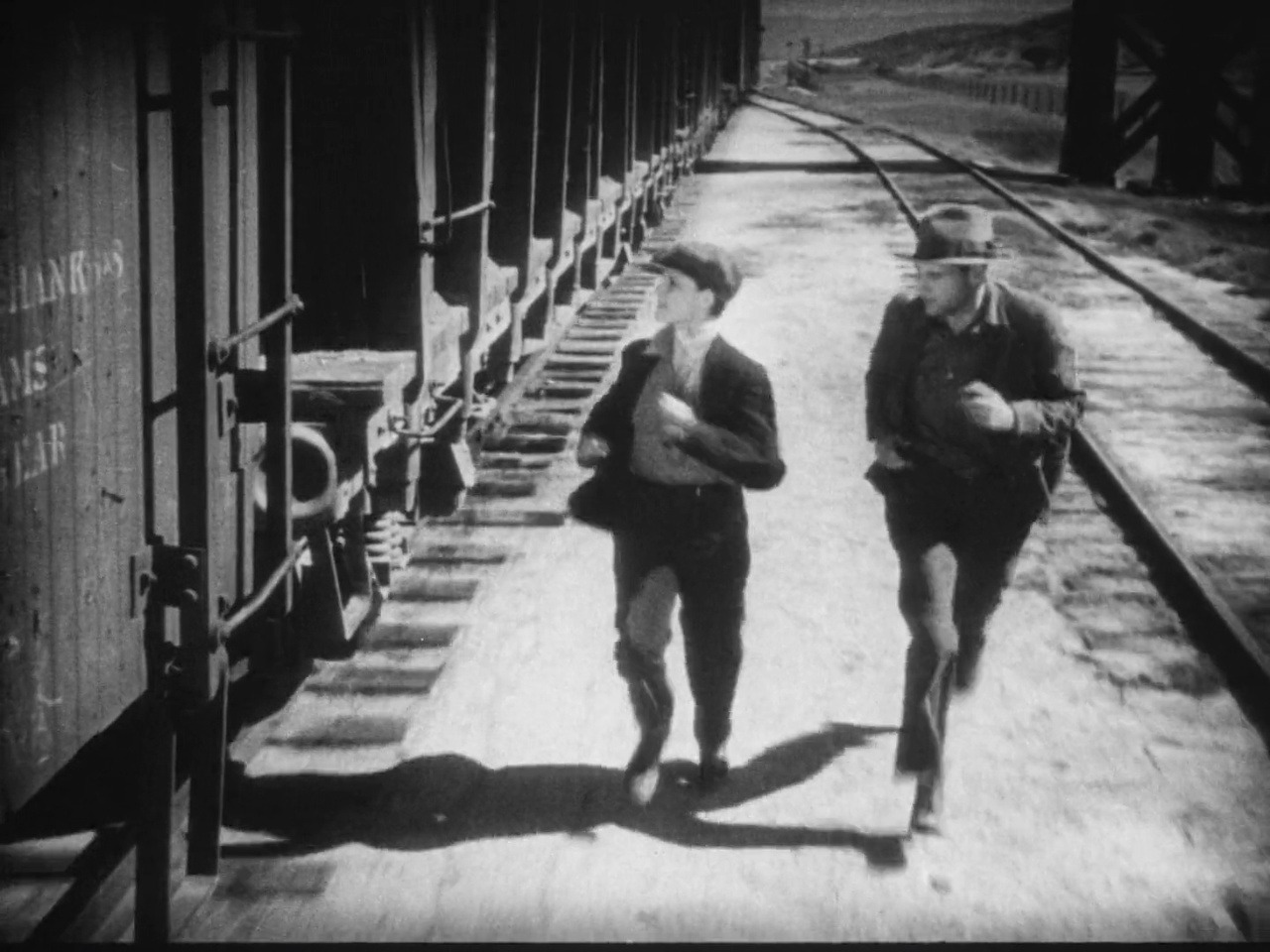
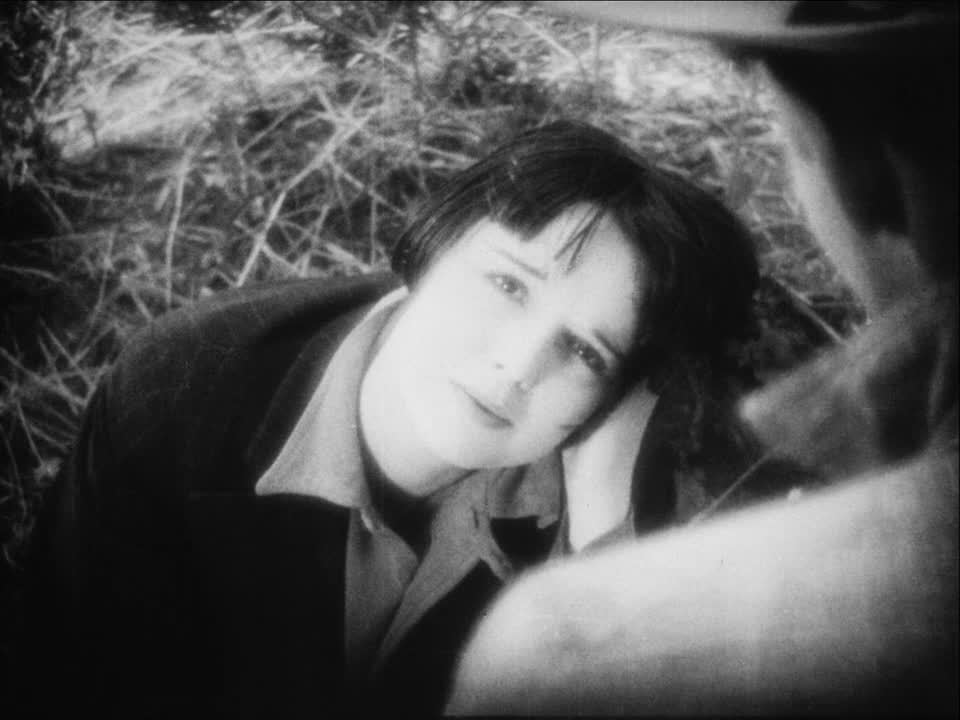
Um dia, um mendigo (Richard Arlen) chega a um chalé e vê um café da manhã apetitoso em cima de uma mesa. Ele bate na porta, entra e pede um pouco de comida para o homem sentado à mesa. O homem não responde. Ele pede de novo e de novo, até que percebe que o homem está morto – com uma bala na cabeça. Ele derruba e quebra um pote, e o assassino aparece: uma garota (Louise Brooks) confessa que ela matou o homem, seu padrasto, depois que ele tentou estuprá-la. A sequência em que ela rememora os fatos é brilhante, com imagens superimpostas dos acontecimentos e do rosto expressivo de Louise conforme ela se lembra.

One day, a hobo (Richard Arlen) arrives at a cottage and sees an appetizing breakfast on a table. He knocks on the door, enters and asks the man sitting on the table for some food. The man doesn’t answer. He asks again and again, until he realizes the man is dead – shot in the head. He drops and breaks a pot and the shooter appears: a girl (Louise Brooks) confesses she killed the man, her stepfather, after he tried to rape her. The sequence in which she recounts the facts is brilliant, with superimposed images of the happenings and of her expressive face as she remembers the things.


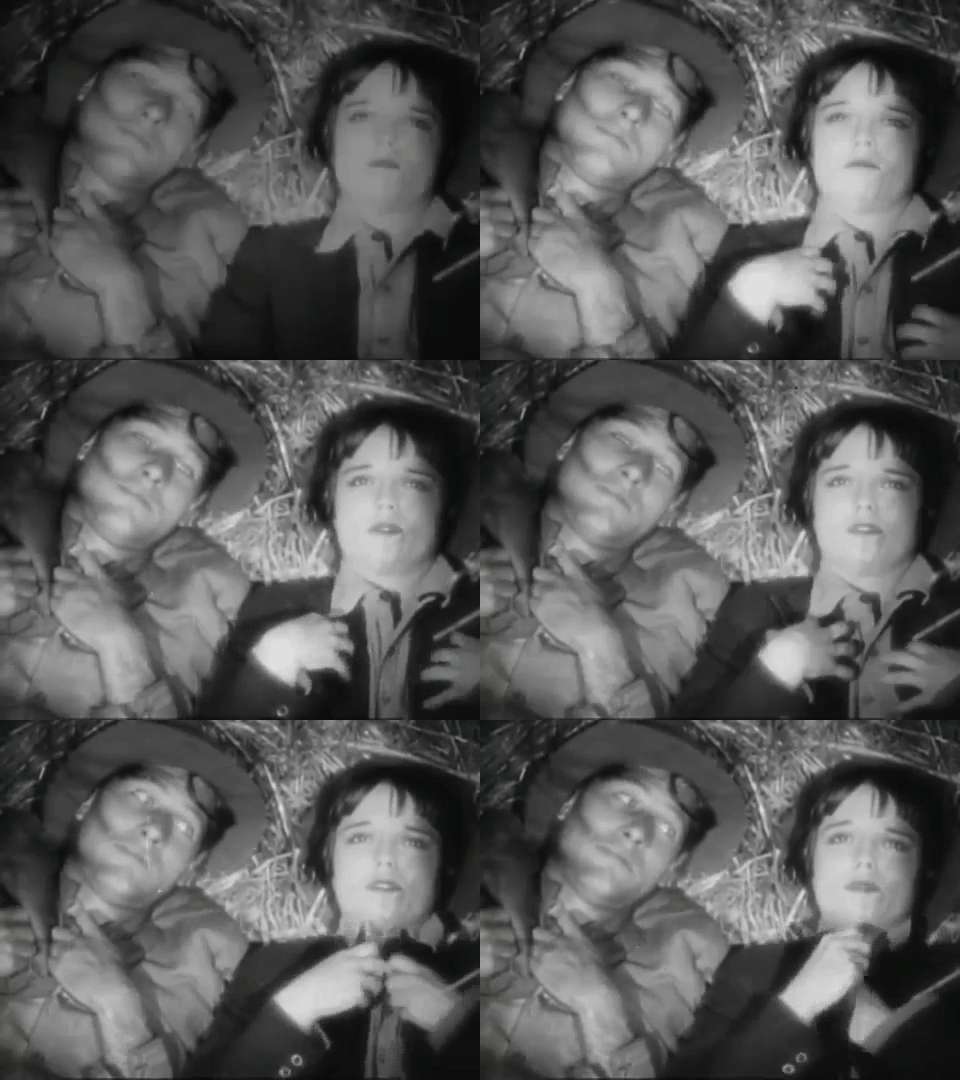
O mendigo decide ajudar a garota. Agora usando calças e escondendo seu cabelo com uma boina, a garota perde o trem que vai para o Este, mas embarca, com o mendigo, no trem que vai para o Oeste – embarcam como clandestinos, é claro. Eles são logo expulsos do trem, e têm de passar a noite num monte de feno, onde têm um diálogo profundo.

The hobo decides to help the girl. Now dressed in pants and hiding her bobbed hair with a bonnet, the girl misses the train that goes East, but embarks, with the hobo, on the train that goes West – both the girl and the hobo as stowaways, of course. They are quickly thrown out of the train, and have to spend the night under a haystack, where they have a deep conversation.


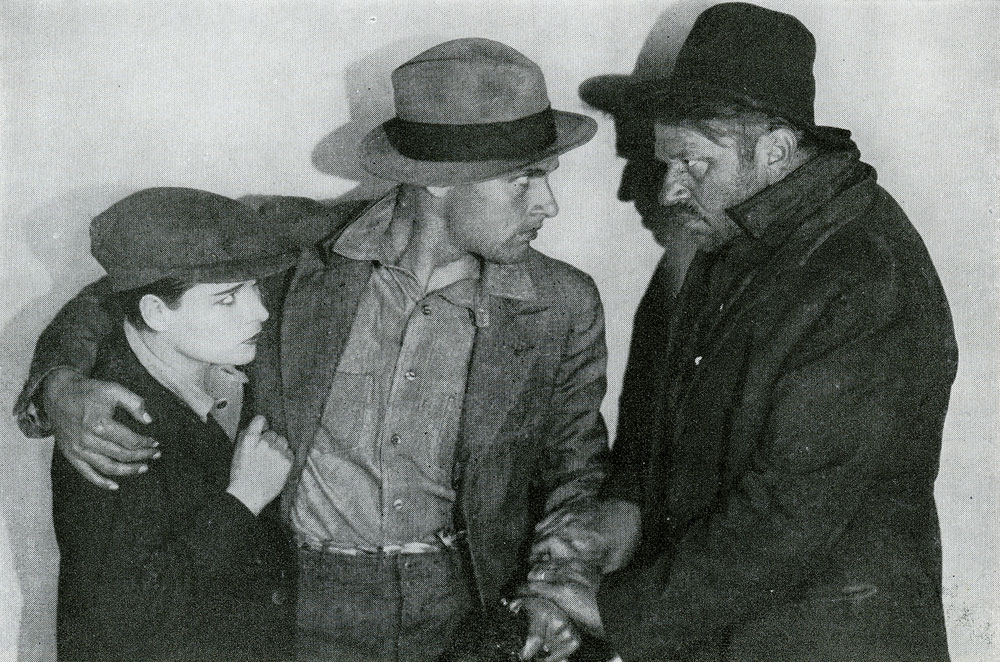
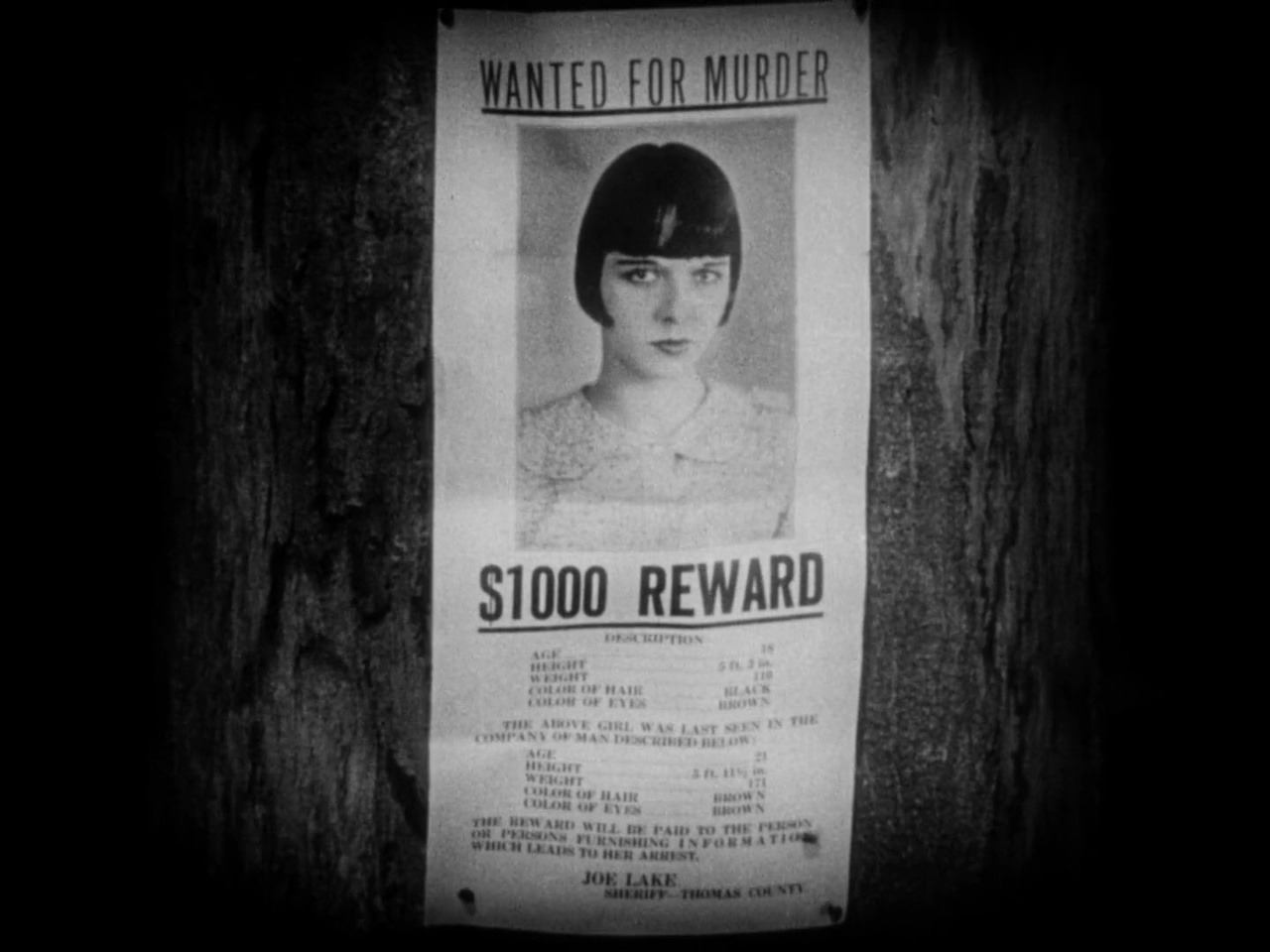
Na manhã seguinte, a polícia está procurando pela menina, e uma recompensa de mil dólares está sendo oferecida. O mendigo e a garota chegam a uma reunião de mendigos e o mais violento deles, Oklahoma Red (Wallace Beery), reconhece a garota do pôster da recompensa. Oklahoma Red deixa a menina pegar o trem com eles, mas ele quer a garota para si.

The next morning, the police is looking for the girl, and a thousand-dollar reward has been set for her. The hobo and the girl arrive at a reunion of hoboes and the most violent of them, Oklahoma Red (Wallace Beery), recognizes her from the reward poster. Oklahoma Red lets the girl catch the train with them, but he wants the girl for himself.


William A. Wellman é um dos meus diretores subestimados favorites. Trabalhando sem parar desde 1923 atrás das câmeras – ele primeiro foi ator em 1919 após ser descoberto por Douglas Fairbanks – Wellman fez sucesso com filmes mudos e falados, e em gêneros muito distintos. Para citar alguns de seus excelentes filmes: o filme de guerra “Asas” (1927, primeiro ganhador do Oscar de Melhor Filme), o de gângster “Inimigo Público” (1931), o de romance “Nasce uma Estrela” (1937), a screwball comedy "Nada é Sagrado" (1937), o faroeste único “Consciências Mortas” (1942) e o filme de desastre de aviação “Um Fio de Esperança” (1954).

William A. Wellman is one of my favorite underrated directors. Working steadily since 1923 behind the cameras – he first had an acting gig in 1919 after being discovered by Douglas Fairbanks – Wellman excelled in silents and talkies, and in very different genres. To name a few of his great movies: war movie “Wings” (1927, first Best Picture Oscar winner), gangster flick “The Public Enemy” (1931), the romantic “A Star is Born” (1927), screwball comedy “Nothing Sacred” (1937), unique western “The Ox-Bow Incident” (1942) and the plane disaster movie “The High and the Mighty” (1954).


Você sabe o que mais torna William A. Wellman tão interessante? Ele nasceu no dia 29 de fevereiro. Isso é bem raro – a chance de nascer no dia 29 de fevereiro é de 1 em 1416, ou 0,068% - mas não TÃO raro – a chance de ser atingido por um raio é de 1 em 3000. Entretanto, alguns matemáticos contestam esse número, e baixam a chance de nascer em 29 de fevereiro para 0,00066%!

Do you know what else makes William A. Wellman so interesting? He was born on Leap Day, February 29th. This is pretty rare – the odds of being born on Leap Day are 1 in 1,416, or .068 per cent – but not THAT rare – the odds of being struck by lightning are 1 in 3,000. However, some mathematicians challenge this number, and put the odds of being born on Leap Day down to .00066%!


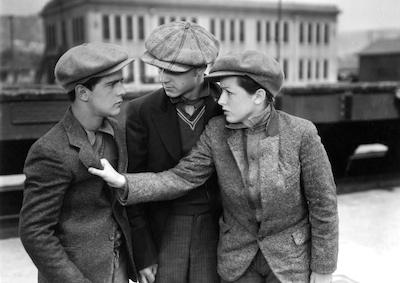
William A. Wellman – o A é de Augustus – voltaria ao tema de pessoas pobres pegando trens clandestinamente em “Idade Perigosa”, de 1933. Desta vez, Wellman contou a história de adolescentes que eram ou órfãos ou vinham de famílias empobrecidas pela Grande Depressão. Estes adolescentes, em sua maioria meninos mas também meninas vestidas de meninos, pegavam carona nos trens para chegar à cidade mais próxima e procurar vagas de emprego que, obviamente, não existiam. “Idade Perigosa” é um drama da Grande Depressão pouco comentado, mas muito eficaz.

William A. Wellman – the “A” stands for Augustus – would come back to the theme of poor people catching freight trains in 1933’s “Wild Boys of the Road”. This time, Wellman told the story of poor teens who were either orphans or came from houses impoverished by the Great Depression. Those teens, mostly boys but also some girls dressed as boys, would catch trains to arrive in the next town and look for jobs that, obviously, weren’t there. “Wild Boys of the Road” is an underrated and gripping Depression drama.


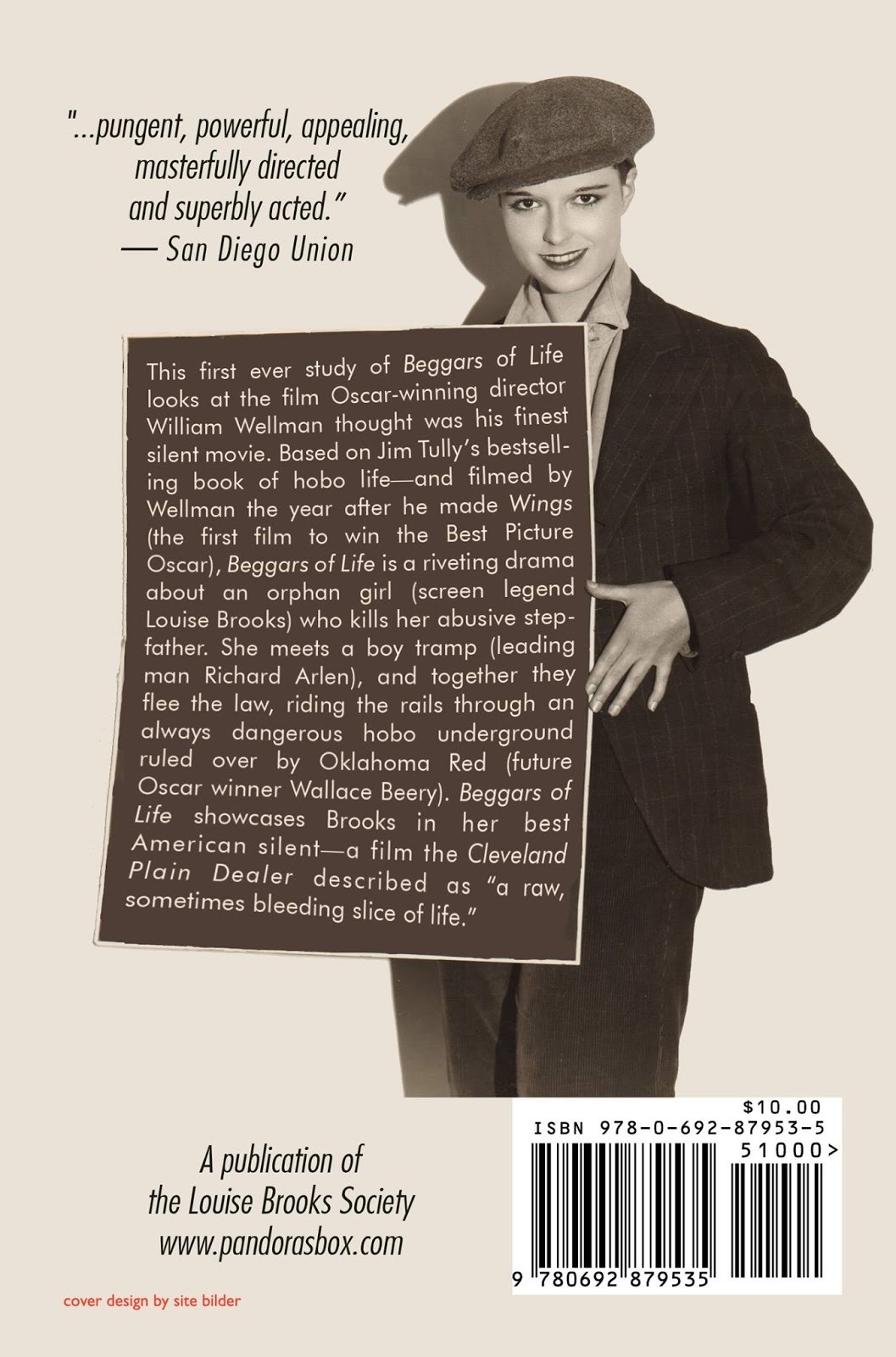
“Mendigos da Vida” é considerado o melhor filme que Louise Brooks fez nos EUA. Não foi, entretanto, uma experiência agradável para ela, que foi ofendida por um dublê – leia a história completa AQUI – e também por Richard Arlen, que disse que ela não sabia atuar. Mais tarde,  Wellman, que foi frio com ela nas gravações de “Mendigos da Vida”, lhe ofereceu um papel em “Inimigo Público”, e ela o recusou. O papel fez de Jean Harlow uma superestrela. Na última vez em que Brooks e Wellman se viram, ele compreendeu a maior verdade sobre ela: ela odiava Hollywood.

“Beggars of Life” is considered to be the best film Louise Brooks made in the US. It wasn’t, however, a pleasant experience for her, who was shamed by a stunt double – read the full story HERE – and was offended by Richard Arlen, who said she couldn’t act. Later, Wellman, who was cold towards her while making “Beggars of Life”, offered her a role in “The Public Enemy”, and she refused it. The role ended up making a superstar of Jean Harlow. The last time Brooks and Wellman met, he understood the biggest truth about her: she hated Hollywood.


Você deve se lembrar de Richard Arlen em “Asas”. Arlen havia feito parte da Aeronáutica do Canadá na Primeira Guerra Mundial, mas nunca chegou a combater. Depois da guerra, ele se tornou mensageiro para um laboratório de filme, levando e trazendo filme em uma motocicleta. Um dia, ele bateu a moto no portão da Paramount. Impressionados com sua beleza, os executivos lhe ofereceram um contrato – e chamaram um médico para cuidar da perna quebrada dele. Quando o cinema falado chegou, Richard trabalhou em filmes B, especialmente de aventura e faroeste, e também na TV. Richard Arlen e William A. Wellman fizeram três filmes juntos.

You might remember Richard Arlen from “Wings”. Arlen had been part of the Canadian Air Corps in WWI, but never saw combat. After the war, he became a motorcycle messenger for a film laboratory. One day, he crashed his motorcycle at the Paramount Studios gate. Impressed with his looks, the executives offered him a contract – and called a doctor for his broken leg, of course. When talkies came, Richard worked in B-movies, mainly adventures and westerns, and also on TV. Richard Arlen and William A. Wellman made three films together.


Vamos falar sobre as falhas de “Mendigos da Vida”. Há uma parte racista com um mendigo negro que é retratado como pouco esperto. O ator que interpreta esse papel, Blue Washington, trabalhava como policial quando não estava atuando, e era amigo de infância de Frank Capra.

Let’s talk about the flaws of “Beggars of Life”. There is a racist bit with a black hobo who is portrayed as not very smart. The actor who plays this part, Blue Washington, worked as a cop when he was not acting, and was a childhood friend of Frank Capra.


Há muitas cartelas de títulos, provavelmente mais do que a média, e isso às vezes prejudica o fluxo do filme, em especial quando todos os mendigos estão debatendo dentro do trem. Oklahoma Red é o mendigo mais verborrágico que eu já vi. “Mendigos da Vida” também foi distribuído com efeitos sonoros e uma sequência que incluía Wallace Beery cantando – Wellman detestou essa adição. Esta sequência hoje está perdida.

There are lots of title cards, probably more than the average, and this sometimes harms the flow of the picture, in special when all beggars are talking inside the train. Oklahoma Red is the most talkative hobo I’ve ever seen. “Beggars of Life” was also released as a film with sound effects and with a sequence that included Wallace Beery singing – Wellman hated this addition. This sequence is now considered lost.


Eu queria ter gostado mais de “Mendigos da Vida”. É um filme com uma bela fotografia – a sequência com os montes de feno poderia ter sido tirada de um filme de Borzage ou de Murnau – e Louise sabia SIM atuar. A redenção de Oklahoma Red foi um pouco forçada, mas o adorável diálogo dentro dos montes de feno, sob as estrelas, mostra quão sensível o bom e velho “Wild Bill” Wellman podia ser.

I wish I had liked “Beggars of Life” more than I did. It was beautifully shot – the haystack sequence could have come from a Borzage or a Murnau movie – and Louise DID know how to act. The redemption ark for Oklahoma Red felt a bit forced, but the lovely dialogue inside the haystack, under the stars, shows how much heart the good old “Wild Bill” Wellman had.


This is my contribution to the Leap Year blogathon, hosted by Rebecca at Taking Up Room. See you in four years!


Tuesday, August 14, 2018

Grande Hotel (1932) / Grand Hotel (1932)

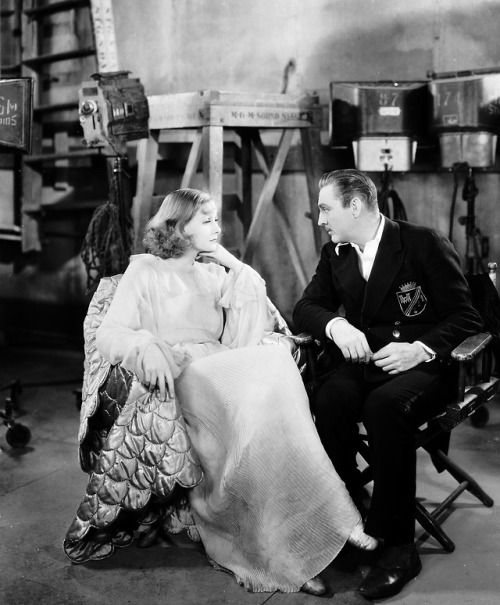
“Grande Hotel” não precisa de propaganda – nem o filme nem o local. O Grande Hotel é o hotel mais caro da Alemanha, como diz o personagem de Lionel Barrymore. “Grande Hotel”, o filme, é uma aula magna sobre o star system, e tem a estranha honra de ser o único filme a ser indicado apenas à categoria de Melhor Filme no Oscar e ganhá-la.

“Grand Hotel” doesn't need marketing – neither the film nor the place. The Grand Hotel is the most expensive one in Germany, as Lionel Barrymore's character says. “Grand Hotel”, the movie, is basically Star System 101, and has the odd glory to be the only film to receive a single Oscar nomination – for Best Picture – and win it, the most prestigious category.


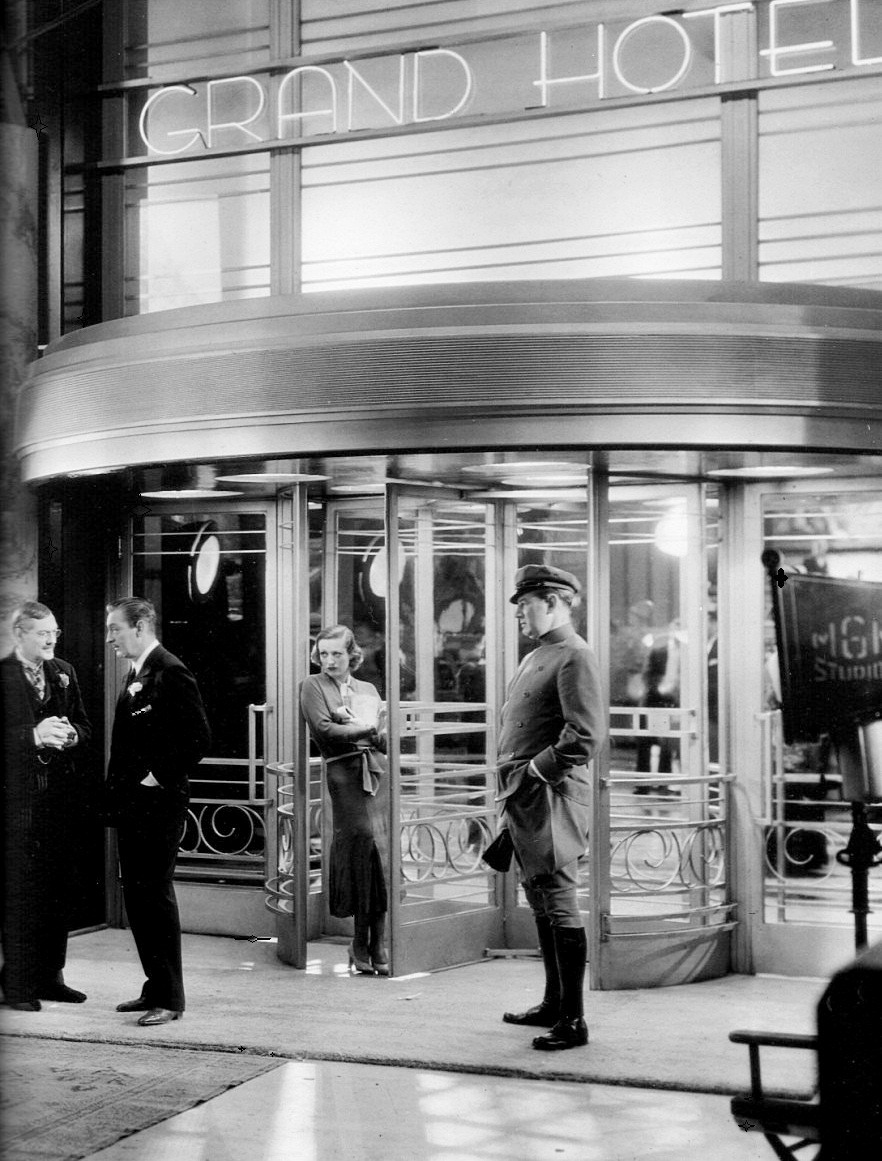
“Grande Hotel” é realmente grandioso devido à soma de suas partes – que merecem ser analisadas individualmente. Devemos começar com o visual do hotel: o estilo art déco é fantástico, e os ângulos de câmera escolhidos para mostrá-lo são de tirar o fôlego – especialmente quando estamos nos andares superiores e vemos a recepção do hotel de cima. Por trás desta façanha visual estão o diretor de fotografia William H. Daniels e, em especial, o diretor de arte Cedric Gibbons.

“Grand Hotel” is really grand because of the sum of its parts – and they are worth analyzing individually. We must start by the overall hotel look: the art déco style is amazing, and the shots used to showcase it are breathtaking – in special when we see the hotel lobby from above. The ones responsible for this impressive look are cinematographer William H. Daniels and, in special, art director Cedric Gibbons.


Os personagens nos são apresentados em uma sequência frenética, cheia de idas e vindas, passando de um para outro, conforme eles conversam ao telefone. A editora responsável por juntar todas as conversas é a legendária Blanche Sewell da MGM – se você fez o curso “Mad About Musicals” do TCM, você já está familiarizado com ela.

The characters are first presented to us in a frantic sequence, going back and forth, from one to the other, as they talk on the phone. The editor responsible for putting all the conversations together was the legendary MGM editor Blanche Sewell – if you took the Mad About Musicals TCM Course, you are familiar with her.


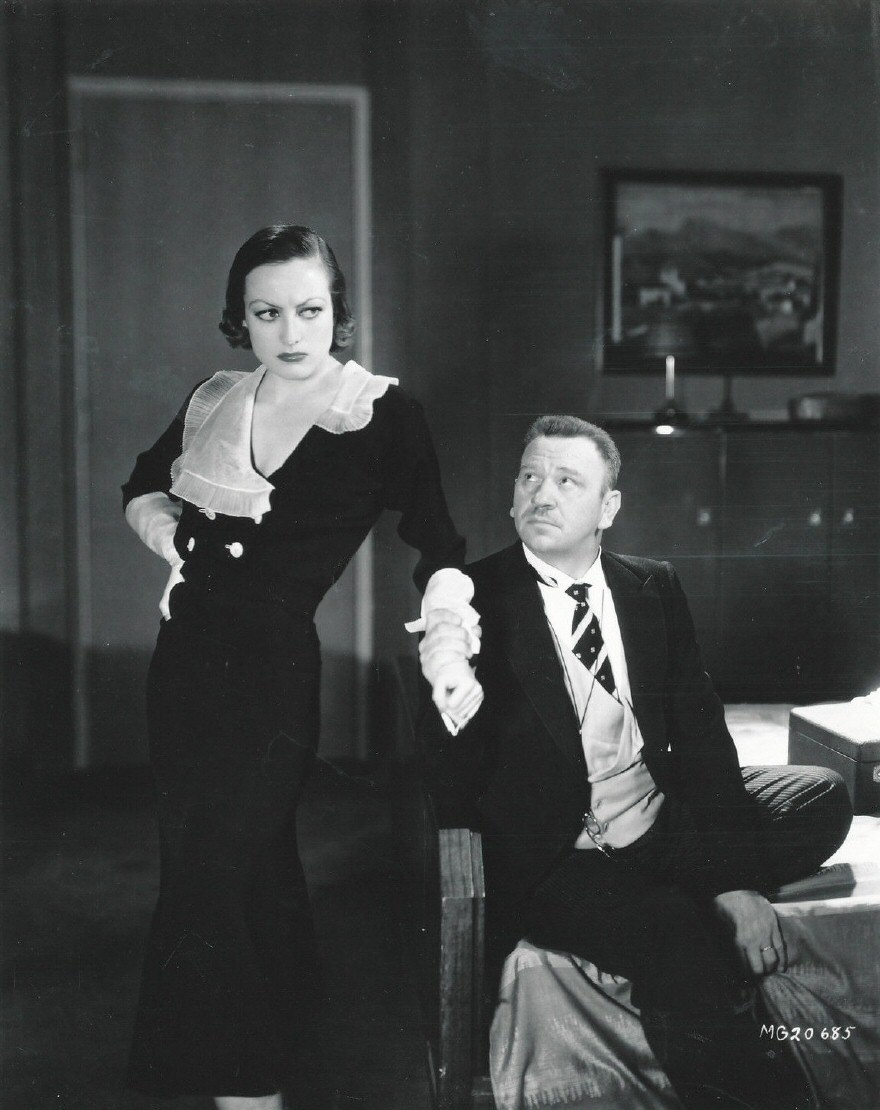
O personagem mais simpático é o simplório e pobre Otto Kringelein (Lionel Barrymore), o funcionário de uma fábrica que tem pouco tempo de vida, e decide passar suas últimas semanas no Grande Hotel. Como bônus, ele vê que seu antigo patrão, Preysing (Wallace Beery), também está hospedado lá, e decide lhe dizer na cara todas as verdades inconvenientes que ele tinha vontade de falar.

The nicest character is the simple and poor Otto Kringelein (Lionel Barrymore), a factory worker who learns he has little time to live, and decides to spend this time at the Grand Hotel. As a bonus, he sees his former employer, Preysing (Wallace Beery) there, and decides to say everything he always wanted to him – like in a bucket list.


Preysing está lá para assinar uma importante fusão de empresas, e para isso ele precisa de uma estenografa – para trabalhar para ele e também para lhe proporcionar algum “divertimento”. Ele contrata a senhorita Flaemmchen (Joan Crawford), uma moça jovem e pobre que logo atrai a atenção do Barão Felix Von Geigern (John Barrymore), um vigarista que está mais interessado na rica e deprimida bailarina Grusinskaya (Greta Garbo) – prova viva de que dinheiro e fama não trazem felicidade.

Preysing is there to sign an important merger, and for this he needs a stenographer – to both work for him and to be a pleasure toy. He hires Miss Flaemmchen (Joan Crawford), a young and penniless lady who quickly attracts the attention of the Baron Felix von Geigern (John Barrymore), a crook more interested in the rich and miserable ballerina Grusinskaya (Greta Garbo) – the living proof that fame and money don't bring happiness.


O Barão quer roubar o colar de pérolas de Grusinskaya, e quando ele finalmente consegue, ele a encontra mais triste que nunca. Pensando em voz alta, ela fala em suicídio, e o Barão intercede. O que acontece a seguir? Eles se apaixonam. Ver Greta Garbo e John Barrymore juntos na tela, interpretando um casal tão apaixonado, é uma das mais maravilhosas experiências que um cinéfilo pode vir a ter. A performance de Garbo, num primeiro momento, não parece natural, mas quando Grusinskaya se apaixona pelo Barão, ela exala uma excitação jovial, tão infantil e ao mesmo tempo tão verdadeira.

The Baron wants to steal Grusinskaya’s pearl necklace, and when he finally does it, he finds her sadder than ever. She talks about suicide to herself, and the Baron stops her. What happens next? They fall in love. Seeing Greta Garbo and John Barrymore together on the screen, playing a couple so in love, is one of the most wonderful experiences a film buff can have. Garbo’s acting is not natural at first, but when Grusinskaya falls for the Baron she exudes a youthful excitement, so silly and yet so true.


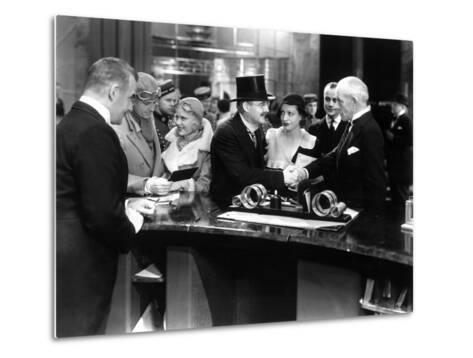
No hotel também está o doutor Otternschlag (Lewis Stone), um homem amargo que foi médico na guerra e tem uma cicatriz por causa disso – e a cicatriz foi inclusive contaminada com difteria após a guerra, o que levou o doutor Otternschlag a ficar dois anos internado, em quarentena. No hotel há também um jovem casal em lua de mel, os Hoffmans. Eles chegam no final do filme e, de fato, Mary Carlisle, que interpreta a senhora Hoffman, foi a última do elenco a fazer o check-out: ela faleceu recentemente, aos 104 anos.

At the hotel there is also Doctor Otternschlag (Lewis Stone), a bitter man who was a war doctor and has a wound to prove it – a wound that was even contaminated with diphtheria after the war, what cost Doctor Otternschlag two years institutionalized, away from society. There is also a young couple on honeymoon, the Hoffmans. They arrive by the end of the movie and, indeed, Mary Carlisle, who plays Mrs. Hoffman, was the last one of the cast to make a check-out: she just passed away recently, at 104.
 
Mary Carlisle is next to Lionel Barrymore
Otto Kringelein é meu personagem favorito. Ele é a personificação da palavra “puro”. Ele se sente feliz e sortudo pela primeira vez na vida – ele está VIVENDO pela primeira vez na vida. Kringelein gosta muito de Flaemmchen e do Barão, e é adorável ver os dois irmãos Barrymore contracenando e adicionando um pouco de amor fraternal às performances. Ah, e Kringelein também gosta muito de Louisiana Flips – um drink esquisito com rum, licor, suco de laranja, xarope de frutas vermelhas e um ovo cru... eca.

Otto Kringelein is my favorite character. He is the real definition of pure. He is feeling happy and lucky for the first time in his life – he is LIVING for the first time of his life. Kringelein is very fond of Flaemmchen and the Baron, and it’s lovely to see the two Barrymore brothers acting together and letting a little of their brotherly love be translated to the screen. Oh, and Kringelein really like Louisiana Flips – a weird drink with rum, liquor, orange juice, raspberry syrup and a raw egg… ew.


No final, Kringelein diz que “há um Grande Hotel em todos os lugares do mundo”. De fato, os temas do filme são universais – e não há dúvidas de que o tema principal é dinheiro. Para ganhar dinheiro, as pessoas fazem qualquer coisa – até mesmo renunciam às qualidades que as tornam humanas. Não importa a idade ou classe social, todos nós estamos fadados a ser escravos do dinheiro – e isso era mais que verdadeiro se considerarmos que a peça “Grande Hotel” foi escrita durante a República de Weimar. Quanto da condição escravizante do dinheiro mudou desde então? Veja esta obra-prima e tire suas próprias conclusões.

In the end, Kringelein says that “there is a Grand Hotel everywhere in the world”. Indeed, the themes of the movie are universal – and there is no doubt that the main theme is money. In order to get money, people do anything – even renouncing to what makes us humans. No matter the social class or the age, we all are doomed to be slaves to the money – and this was more than true considering that the play “Grand Hotel” was written during the Weimar Republic. How much has the enslaving condition of money changed since then? Watch this true masterpiece and take your own conclusion.

This is my contribution to the Fourth Annual Barrymore Trilogy blogathon, hosted by Crystal at In the Good Old Days of Classic Hollywood.

Related Posts Plugin for WordPress, Blogger...