} Crítica Retrô: John Barrymore

Tradutor / Translator / Traductor / Übersetzer / Traduttore / Traducteur / 翻訳者 / переводчик

Showing posts with label John Barrymore. Show all posts

Wednesday, May 13, 2020

Nita Naldi: a vamp / Nita Naldi: the vamp

Nita Naldi. Que nome perfeito para uma estrela de cinema. Se a década de 1910 teve Theda Bara, os anos 20 tiveram Nita Naldi como a vamp perfeita. Com um rosto belo e expressivo e cabelo escuro, Nita costumava interpretar mulheres exóticas. Para ela, e para muitas outras atrizes da época, tudo começou no Ziegfeld Follies.

Nita Naldi. What a perfect name for a movie star. If the 1910s had Theda Bara, the 1920s has Nita Naldi as the perfect vamp. With a beautiful, expressive face and dark hair, Nita often played exotic women. For her, and for many other actresses of her time, it all started at the Ziegfeld Follies.

Nascida em Nova York em 1894, a garota foi batizada de Mary Nonna Dooley em homenagem à sua tia-avó, que era freira. Seus pais eram irlandeses. Em 1910 o pai deixou a família e em 1915 a mãe faleceu, deixando Mary Nonna e um irmão mais novo. Ela logo se juntou ao vaudeville, e depois de fazer parte do coro no espetáculo The Passing Show of 1918, com Fred e Adele Astaire, ela se juntou ao elenco do Ziegfeld Follies em 1918. Foi nesta época que ela mudou o nome para Nita Naldi, inspirada por Maria Naldi, antiga empregada da família que Nita considerava como irmã.

Born in New York in 1894, the little girl received the name Mary Nonna Dooley as a homage to her great-aunt, who was a nun. Her parents were Irish. In 1910 her father left the family and in 1915 her mother died, leaving Mary Nonna was and a younger brother. She soon entered the vaudeville circuit, and after being a chorus girl at The Passing Show of 1918, with Fred and Adele Astaire, she became part of the Ziegfeld Follies cast in 1918. It was during this time that she changed her name to Nita Naldi, after Maria Naldi, the former maid of the family who Nita considered as a sister.

Nita Naldi não é creditada em nenhuma edição do Ziegfeld Follies do final da década de 1910 e início da década de 1920, o que nos faz acreditar que ela fazia parte do coro numeroso cuja composição sempre mudava. Ela foi apenas anunciada numa produção de Ziegfeld em 1921, quando substituiu uma atriz no espetáculo “Sally”, interpretando a Sra Ten Broek.

Nita Naldi is not credited in any of the Ziegfeld Follies revues of the late 1910s and early 1920s, which makes us believe she was part of the numerous and ever-rotating chorus. She was only advertised in a Ziegfeld production in 1921, when she appeared as a replacement in the show “Sally”, where she played Mrs Ten Broek.

Em 1919, Florenz Ziegfeld contratou o pintor Alberto Vargas para pintar retratos das Ziegfeld Girls. Nita Naldi estava entre as primeiras garotas a terem seus retratos pintados. O peruano Vargas é considerado o pai da moda pin-up, e já é possível ver a firmeza e sofisticação de seus desenhos em 1920, quanto ele tinha apenas 24 anos de idade. Ele pintou Nita nua, abraçada à estátua de um fauno.

In 1919, Florenz Ziegfeld hired painter Alberto Vargas to paint the portraits of the Ziegfeld Girls. Nita Naldi was among the first girls to be painted. Peruvian Vargas is considered the father of the pin-up fad, and you can already see how firm and sophisticated his drawings were in 1920, when he was just 24 years old. He painted Nita naked, hugging the statue of a faun.

Embora “A Divorce of Convenience” tenha sido gravado primeiro, o filme estreou apenas em 1921, por isso a estreia oficial de Nita foi em “ O Médico e o Monstro” (1920). Neste filme, ela interpreta a dançarina italiana Miss Ginna, que é vista pelo Dr Jekyll (John Barrymore) num cabaré. Mais tarde, como Hyde, ele vai atrás dela em busca de prazer carnal, e encontra algo mais no curioso anel que ela usa. Barrymore ficou amigo de Nita, e a atriz mais tarde foi como uma segunda mãe para a filha de John, Diana. Diana deixou cinco mil dólares para Nita em seu testamento.

Although “A Divorce of Convenience” was the first film she shot, it only premiered in 1921, that’s why Nita’s oficial debut was “Dr Jekyll and Mr Hyde” (1920). In this film, she plays the Italian dancer Miss Ginna, who Dr Jekyll (John Barrymore) sees in a nightclub once. Later, as Mr Hyde, he goes after her looking for carnal pleasure, and finds a little more as she carries a curious little ring. Barrymore became friends with Nita, and the actress later served as a second mother to John’s daughter Diana. Indeed, Diana left 5,000 dollars to Nita in her will.

Não há dúvidas de que o filme mais famoso de Nita é “Sangue e Areia”, de 1922, para o qual ela foi escolhida pessoalmente pelo autor Vicente Blasco Ibañez quando ela fez ele perder a dentadura durante uma festa. Neste filme ela interpreta Doña Sol, uma mulher mais velha que seduz o toureiro Juan Gallardo, interpretado por Rodolfo Valentino, que era 11 anos mais novo que ela. Para mim, Nita é o grande destaque de “Sangue e Areia”. Este foi o primeiro de três filmes que ela faria com o amigo Valentino.

There is no doubt that Naldi’s most famous film is 1922’s “Blood and Sand”, for which she was personally chosen by author Vicente Blasco Ibañez when she caused him to drop his false teeth during a party. In this film she plays Doña Sol, an older woman who seduces the young bullfighter Juan Gallardo, played by Rudolf Valentino, who was 11 years her junior. To me, Naldi is the best in scene in “Blood and Sand”. This was the first of three films she would make with her friend Valentino.

Em 1923 Nita conseguiu um papel no épico “Os Dez Mandamentos”, de Cecil B. DeMille. O filme consiste, curiosamente, de duas partes: a primeira mostra Moisés libertando seu povo do cativeiro egípcio, enquanto a segunda mostra a importância de seguir os mandamentos no mundo moderno. Nita aparece na segunda parte como Sally, uma vamp asiática que é amante do corrupto magnata da construção Dan McTavish (Rod LaRocque). Um pequeno SPOILER aqui: a cena da morte de Sally, na qual ela segura uma cortina e as argolas se soltam uma por uma, inspirou Hitchcock na composição da cena do chuveiro em “Psicose” (1926).

In 1923 Nita got a role in Cecil B. DeMille’s epic “The Ten Commandments”. The film curiously consists of two parts: the first shows Moses freeing his people from the Egyptian captivity, while the second shows the importance of following the commandments in the modern world. Nita appears in the second part as Sally, an Asian vamp who is the lover of corrupted construction mogul Dan McTavish (Rod La Rocque). A little SPOILER here: her death scene, in which she holds a curtain and it breaks little by little, inspired Hitchcock while shooting the shower scene in “Psycho” (1960).

E é aí que a vida de Nita se encontra com a de Hitchcock. Em 1926 ela foi escalada no segundo filme do diretor, “The Mountain Eagle”, como a professora Beatrice. Nita estava saindo do estereótipo da vamp pela primeira vez na vida ao interpretar esta mulher indefesa. Infelizmente, “The Mountain Eagle” foi perdido, o que não incomodou Hitchcock, que considerava o filme horrível. Nita, Hitchcock e Alma Reville se tornaram bons amigos, e o casal inclusive passou um tempo com a atriz em Paris durante a lua de mel deles.

And this is where Nita’s life intersects with Hitchcock. In 1926 she was cast in the director’s second film, “The Mountain Eagle”, as the school teacher Beatrice. Nita was playing against type for the first time in her life, as a helpless woman. Unfortunately, “The Mountain Eagle” was lost, which didn’t disappoint Hitchcock, who thought the film was awful. Nita, Hitchcock and Alma Reville became good friends, and the couple even spent time with the actress in Paris during their honeymoon.

Nita Naldi nunca fez um filme falado. Em 1929 ela se casou com J. Searle Barclay, com quem já vivia desde o começo da década. Nita então voltou ao teatro, nos anos 40 encontrou emprego principalmente em casas de show e por vezes apareceu na televisão. Sua filmografia consiste de 30 títulos, alguns deles perdidos. Ela se foi em 1961, mas não foi esquecida: os filmes e as fotos de Nita estão aí para mostrar esta mulher poderosa, sedutora e deslumbrante. Você já viu um rosto tão belo quanto o de Nita?

Nita Naldi never made a talkie. In 1929 she married J. Searle Barclay, with whom she had already been living since the beginning of the decade. Nita then went back to theater, in the 1940s found work mainly in nightclubs and sometimes appeared on TV. Her filmography consists of 30 titles, some of them lost. Gone in 1961, but never forgotten: Nita’s films and photos are there to show this powerful, seductive and breathtaking woman. Have you ever seen a face like Nita’s?

This is my contribution to The Great Ziegfeld Blogathon, hosted by Zoe at Hollywood Genes.

Tuesday, August 14, 2018

Grande Hotel (1932) / Grand Hotel (1932)

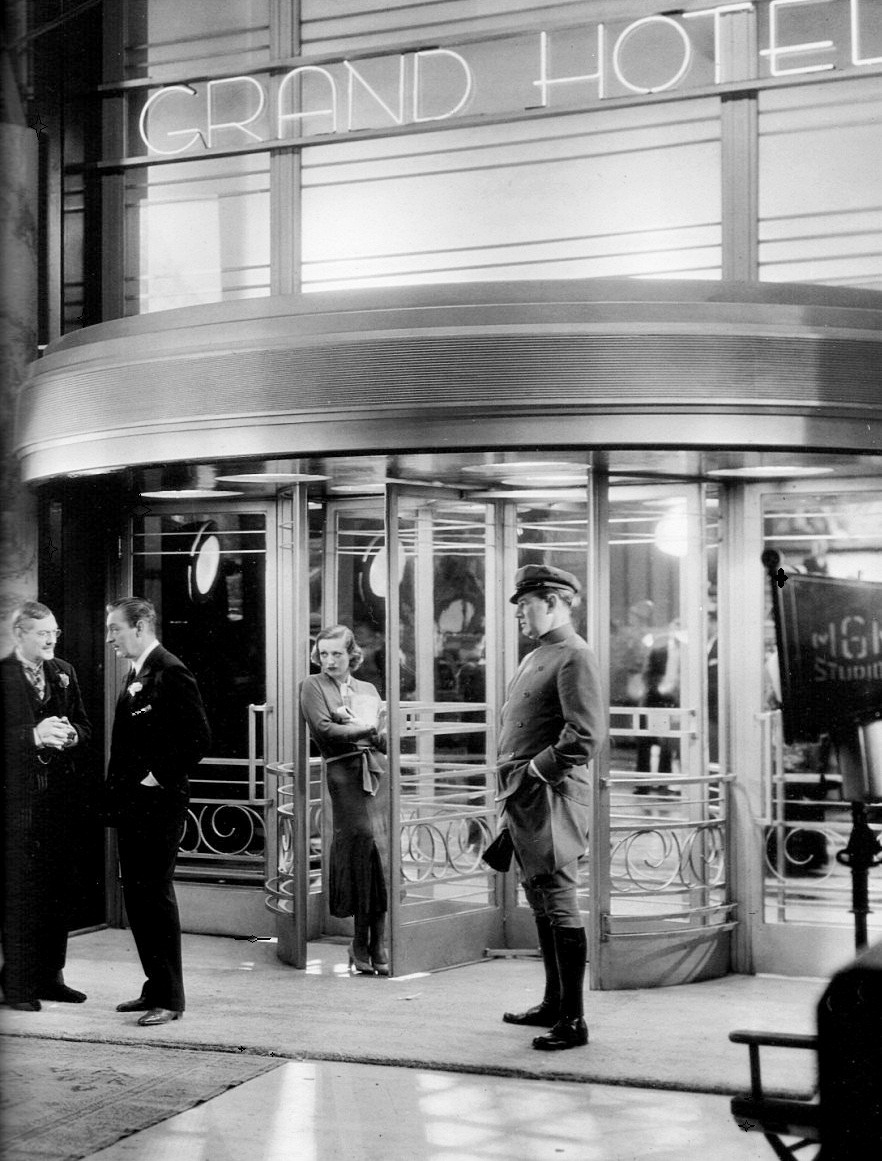
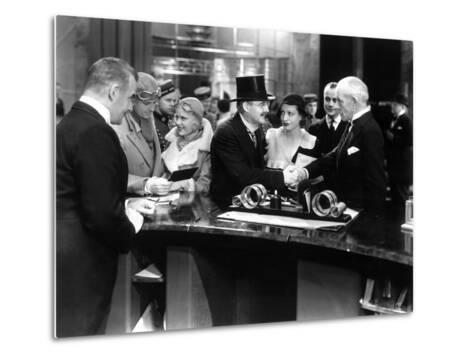
“Grande Hotel” não precisa de propaganda – nem o filme nem o local. O Grande Hotel é o hotel mais caro da Alemanha, como diz o personagem de Lionel Barrymore. “Grande Hotel”, o filme, é uma aula magna sobre o star system, e tem a estranha honra de ser o único filme a ser indicado apenas à categoria de Melhor Filme no Oscar e ganhá-la.

“Grand Hotel” doesn't need marketing – neither the film nor the place. The Grand Hotel is the most expensive one in Germany, as Lionel Barrymore's character says. “Grand Hotel”, the movie, is basically Star System 101, and has the odd glory to be the only film to receive a single Oscar nomination – for Best Picture – and win it, the most prestigious category.


“Grande Hotel” é realmente grandioso devido à soma de suas partes – que merecem ser analisadas individualmente. Devemos começar com o visual do hotel: o estilo art déco é fantástico, e os ângulos de câmera escolhidos para mostrá-lo são de tirar o fôlego – especialmente quando estamos nos andares superiores e vemos a recepção do hotel de cima. Por trás desta façanha visual estão o diretor de fotografia William H. Daniels e, em especial, o diretor de arte Cedric Gibbons.

“Grand Hotel” is really grand because of the sum of its parts – and they are worth analyzing individually. We must start by the overall hotel look: the art déco style is amazing, and the shots used to showcase it are breathtaking – in special when we see the hotel lobby from above. The ones responsible for this impressive look are cinematographer William H. Daniels and, in special, art director Cedric Gibbons.


Os personagens nos são apresentados em uma sequência frenética, cheia de idas e vindas, passando de um para outro, conforme eles conversam ao telefone. A editora responsável por juntar todas as conversas é a legendária Blanche Sewell da MGM – se você fez o curso “Mad About Musicals” do TCM, você já está familiarizado com ela.

The characters are first presented to us in a frantic sequence, going back and forth, from one to the other, as they talk on the phone. The editor responsible for putting all the conversations together was the legendary MGM editor Blanche Sewell – if you took the Mad About Musicals TCM Course, you are familiar with her.


O personagem mais simpático é o simplório e pobre Otto Kringelein (Lionel Barrymore), o funcionário de uma fábrica que tem pouco tempo de vida, e decide passar suas últimas semanas no Grande Hotel. Como bônus, ele vê que seu antigo patrão, Preysing (Wallace Beery), também está hospedado lá, e decide lhe dizer na cara todas as verdades inconvenientes que ele tinha vontade de falar.

The nicest character is the simple and poor Otto Kringelein (Lionel Barrymore), a factory worker who learns he has little time to live, and decides to spend this time at the Grand Hotel. As a bonus, he sees his former employer, Preysing (Wallace Beery) there, and decides to say everything he always wanted to him – like in a bucket list.


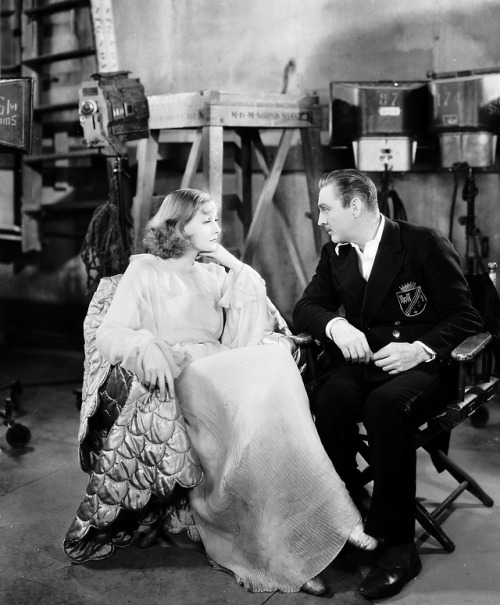
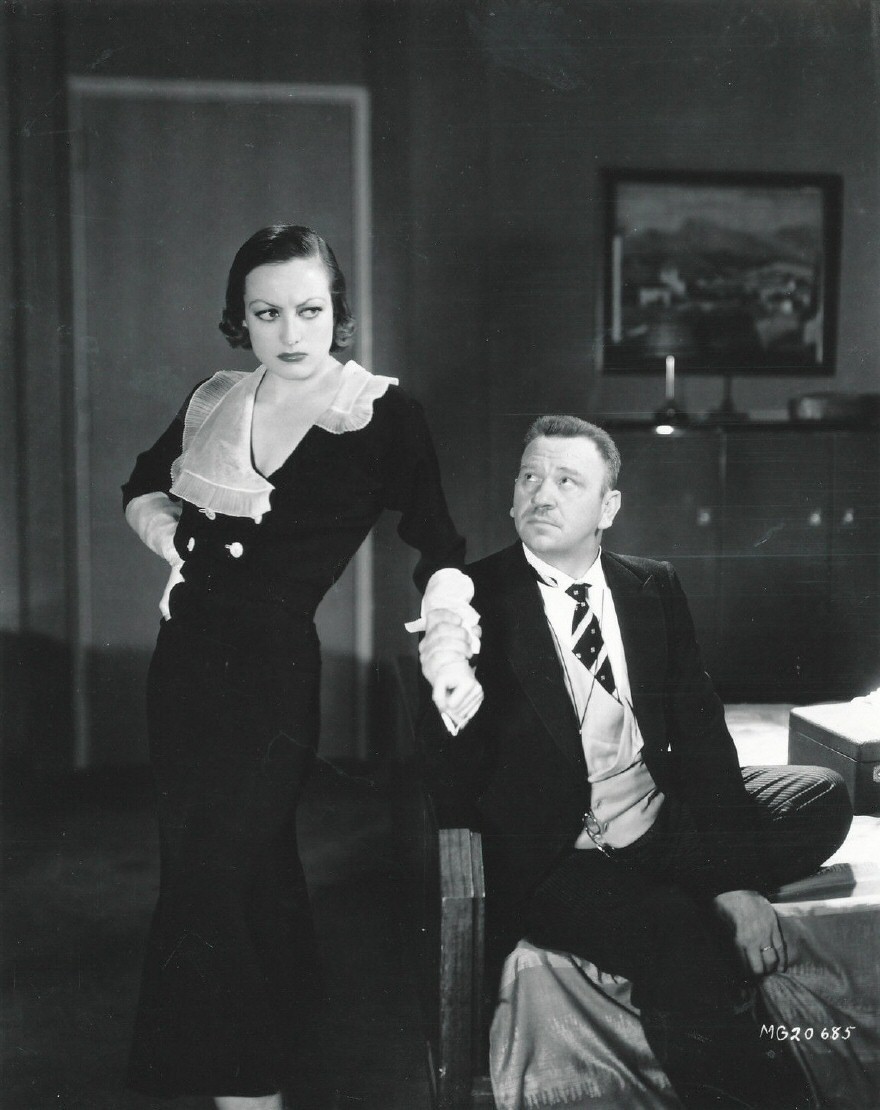
Preysing está lá para assinar uma importante fusão de empresas, e para isso ele precisa de uma estenografa – para trabalhar para ele e também para lhe proporcionar algum “divertimento”. Ele contrata a senhorita Flaemmchen (Joan Crawford), uma moça jovem e pobre que logo atrai a atenção do Barão Felix Von Geigern (John Barrymore), um vigarista que está mais interessado na rica e deprimida bailarina Grusinskaya (Greta Garbo) – prova viva de que dinheiro e fama não trazem felicidade.

Preysing is there to sign an important merger, and for this he needs a stenographer – to both work for him and to be a pleasure toy. He hires Miss Flaemmchen (Joan Crawford), a young and penniless lady who quickly attracts the attention of the Baron Felix von Geigern (John Barrymore), a crook more interested in the rich and miserable ballerina Grusinskaya (Greta Garbo) – the living proof that fame and money don't bring happiness.


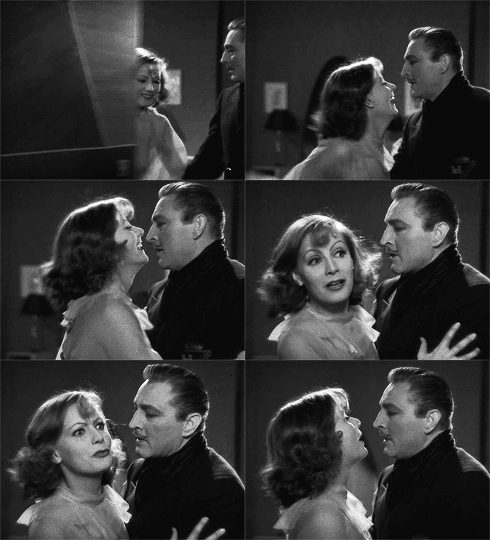
O Barão quer roubar o colar de pérolas de Grusinskaya, e quando ele finalmente consegue, ele a encontra mais triste que nunca. Pensando em voz alta, ela fala em suicídio, e o Barão intercede. O que acontece a seguir? Eles se apaixonam. Ver Greta Garbo e John Barrymore juntos na tela, interpretando um casal tão apaixonado, é uma das mais maravilhosas experiências que um cinéfilo pode vir a ter. A performance de Garbo, num primeiro momento, não parece natural, mas quando Grusinskaya se apaixona pelo Barão, ela exala uma excitação jovial, tão infantil e ao mesmo tempo tão verdadeira.

The Baron wants to steal Grusinskaya’s pearl necklace, and when he finally does it, he finds her sadder than ever. She talks about suicide to herself, and the Baron stops her. What happens next? They fall in love. Seeing Greta Garbo and John Barrymore together on the screen, playing a couple so in love, is one of the most wonderful experiences a film buff can have. Garbo’s acting is not natural at first, but when Grusinskaya falls for the Baron she exudes a youthful excitement, so silly and yet so true.


No hotel também está o doutor Otternschlag (Lewis Stone), um homem amargo que foi médico na guerra e tem uma cicatriz por causa disso – e a cicatriz foi inclusive contaminada com difteria após a guerra, o que levou o doutor Otternschlag a ficar dois anos internado, em quarentena. No hotel há também um jovem casal em lua de mel, os Hoffmans. Eles chegam no final do filme e, de fato, Mary Carlisle, que interpreta a senhora Hoffman, foi a última do elenco a fazer o check-out: ela faleceu recentemente, aos 104 anos.

At the hotel there is also Doctor Otternschlag (Lewis Stone), a bitter man who was a war doctor and has a wound to prove it – a wound that was even contaminated with diphtheria after the war, what cost Doctor Otternschlag two years institutionalized, away from society. There is also a young couple on honeymoon, the Hoffmans. They arrive by the end of the movie and, indeed, Mary Carlisle, who plays Mrs. Hoffman, was the last one of the cast to make a check-out: she just passed away recently, at 104.
 
Mary Carlisle is next to Lionel Barrymore
Otto Kringelein é meu personagem favorito. Ele é a personificação da palavra “puro”. Ele se sente feliz e sortudo pela primeira vez na vida – ele está VIVENDO pela primeira vez na vida. Kringelein gosta muito de Flaemmchen e do Barão, e é adorável ver os dois irmãos Barrymore contracenando e adicionando um pouco de amor fraternal às performances. Ah, e Kringelein também gosta muito de Louisiana Flips – um drink esquisito com rum, licor, suco de laranja, xarope de frutas vermelhas e um ovo cru... eca.

Otto Kringelein is my favorite character. He is the real definition of pure. He is feeling happy and lucky for the first time in his life – he is LIVING for the first time of his life. Kringelein is very fond of Flaemmchen and the Baron, and it’s lovely to see the two Barrymore brothers acting together and letting a little of their brotherly love be translated to the screen. Oh, and Kringelein really like Louisiana Flips – a weird drink with rum, liquor, orange juice, raspberry syrup and a raw egg… ew.


No final, Kringelein diz que “há um Grande Hotel em todos os lugares do mundo”. De fato, os temas do filme são universais – e não há dúvidas de que o tema principal é dinheiro. Para ganhar dinheiro, as pessoas fazem qualquer coisa – até mesmo renunciam às qualidades que as tornam humanas. Não importa a idade ou classe social, todos nós estamos fadados a ser escravos do dinheiro – e isso era mais que verdadeiro se considerarmos que a peça “Grande Hotel” foi escrita durante a República de Weimar. Quanto da condição escravizante do dinheiro mudou desde então? Veja esta obra-prima e tire suas próprias conclusões.

In the end, Kringelein says that “there is a Grand Hotel everywhere in the world”. Indeed, the themes of the movie are universal – and there is no doubt that the main theme is money. In order to get money, people do anything – even renouncing to what makes us humans. No matter the social class or the age, we all are doomed to be slaves to the money – and this was more than true considering that the play “Grand Hotel” was written during the Weimar Republic. How much has the enslaving condition of money changed since then? Watch this true masterpiece and take your own conclusion.

This is my contribution to the Fourth Annual Barrymore Trilogy blogathon, hosted by Crystal at In the Good Old Days of Classic Hollywood.

Wednesday, August 17, 2016

Don Juan (1926)

A sinopse do IMDb é simples, direta e engraçada: “o mulherengo misógino Don Juan se apaixona por garota do convento”. O papel do famoso Don Juan fica por conta do excelente John Barrymore, em um filme de 1926 que estava destinado a entrar para a história graças a uma ousadia pontual da Warner Brothers.

The IMDb synopse is simple, direct and laughable: “Misogynistic skirt chaser Don Juan falls for convent girl”. The role of famous womanizer Don Juan is played by brilliant John Barrymore in a 1926 film that made history because of a daring technological move from Warner Brothers.
A fama de conquistador de Don Juan vem de… um trauma de infância. Juanzito viu seu pai, Don José (também interpretado por John Barrymore) expulsar a mãe infiel de casa. Depois disso, Don José tomou gosto por orgias, até ser morto por uma de suas amantes ciumentas. Suas últimas palavras para o filho? “Conquiste o amor das mulheres pelo mundo, depois sorria e as esqueça”.

Don Juan's fame came from... a childhood trauma. Juanzito saw his father, Don Jose (also played by John Barrymore) kicking his unfaithful mother out of the house. Then Don Jose started hosting orgies, and finally was killed by one of his jealous lovers. His last words to his son? “This is my legacy to you – beware of giving your love to women. Go out into the world and take their love when it please you – smile – and forget!”
Ele segue o conselho à risca, colecionando conquistas em seu belo castelo na Espanha. Sua fama chega aos ouvidos de Lucrécia Bórgia (Estelle Taylor), que o convida para uma festa no palácio dos Bórgia. Curioso, ele vai à festa, e lá se apaixona por Adriana della Varnese (Mary Astor), uma jovem noviça que é também filha de um inimigo político dos Bórgia.

He follows dad's advice and has a collection of conquests in his veutiful castle in Spain. His reputation becomes known to Lucrezia Borgia (Estelle Taylor), who invites him to a party at the Borgia palace. He gets curious and decides to attend the party. There he falls in love with Adriana della Varnese (Mary Astor), a young convent girl who is also the daughter of a political enemy of the Borgias.
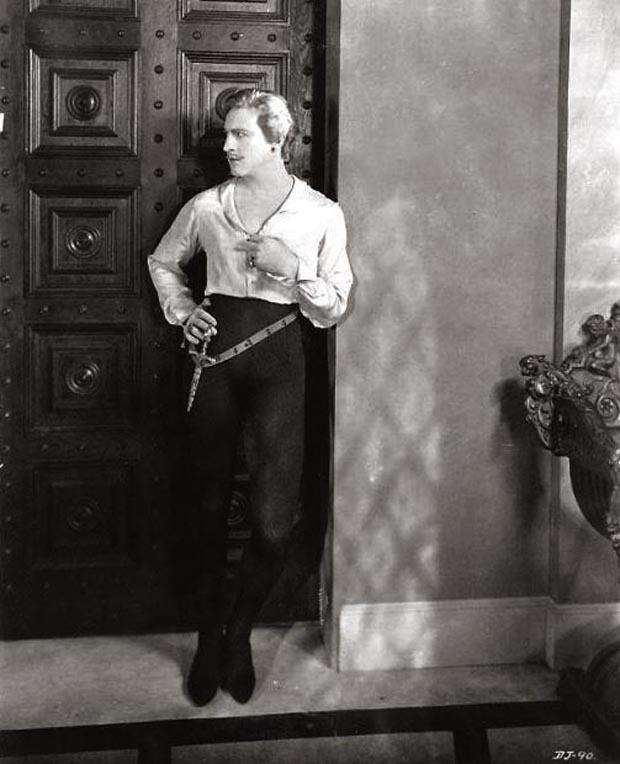
John Barrymore, atlético de legging, é sedutor, mas falta algo para ser o amante latino perfeito. Durante todo o tempo me lembrei de Douglas Fairbanks, que um ano antes também seduziu Mary Astor em “O Filho do Zorro”. John traz dramaticidade ao papel de Don Juan, mas se Douglas estivesse em seu lugar, haveria mais carisma e aventura. Seria mais fácil torcer para Don Juan se ele fosse interpretado por Douglas Fairbanks. Com John, ele é um babaca que de repente muda ao se apaixonar. Difícil de acreditar nisso.

John Barrymore, athletic in his leggings, is seductive, but there is something missing for him to be the perfect Latin lover. During all the film I was thinking about Douglas Fairbanks, who, in the previous year, also seduced Mary Astor in “Don Q Son of Zorro”. John brings drama to his Don Juan, but if Douglas was in his place, ther would be more charisma and adventure. It'd be easier to root for Don Juan if he was played by Douglas Fairbanks. With John, he is a womanizer who suddenly changes when he falls in love. It's hard to believe in it.
Os cenários são realmente deslumbrantes. Outro destaque curioso é a dama de companhia de Lucrécia, Mai, interpretada por Myrna Loy. O irmão Cesare Bórgia é interpretado por Warner Oland, ator sueco que na década seguinte interpretaria o detetive Charlie Chan.

The sets are breathtaking. Someone to keep your eyes on is Lucrezia’s lady-in-waiting, Mai, who is played by Myrna Loy. Lucrezia’s brother, Cesare Borgia, is played by Warner Oland, a Swedish actor who would play Charlie Chan in the 1930s.
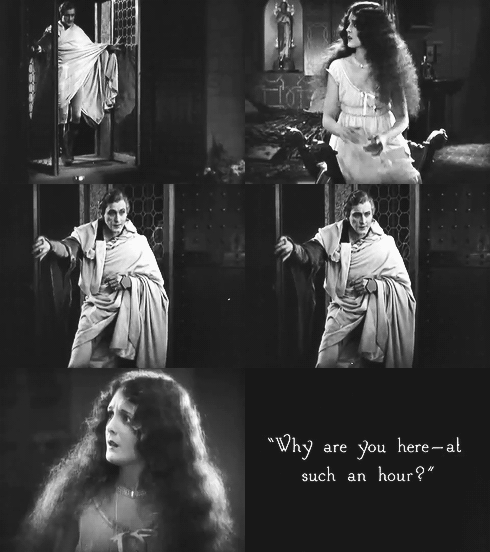
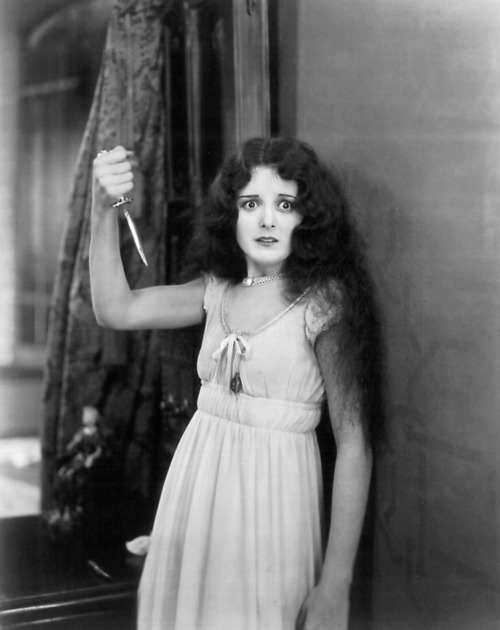
Existe química entre John Barrymore e Mary Astor? Bem, eu diria que há mais medo por parte de Adriana, que é a personificação perfeita da donzela indefesa, e uma obsessão não necessariamente saudável por parte de Don Juan. Mas John e Mary já eram velhos conhecidos: John foi o primeiro amor de Mary, quando ela tinha 17 anos e ele, 42. Eles se conheceram nas gravações de “Beau Brummel” (1924) e tiveram uma relação conturbada, impedida pela vigia constante dos pais de Mary, que estavam mais preocupados com a fonte de renda que com a felicidade da filha.

Is there chemistry between John Barrymore and Mary Astor? Well, I’d say that Adriana shows more fear than passion, making her the perfect personification of the damsel in distress. Don Juan, on the other hand, shows a not very healthy obsession with the lady. But John and Mary were old acquaintances: John was Mary’s first love, when she was 17 and he was 42 years old. They met while doing “Beau Brummel” (1924) and had a difficult relationship that wasn’t consummated because Mary’s parents were always after her. Great parenting? Not really, because they were more concerned with the loss of her career than with her happiness.

Foi Barrymore que quis contracenar com Astor em “Beau Brummel”. Dois anos depois, ele quis trabalhar novamente com ela, mas a atriz escalada para “The Sea Beast” foi Dolores Costello, por quem John também se apaixonou, desta vez, perdidamente. Ele até tentou que Dolores fosse contratada para interpretar Adriana em Don Juan, mas a quadrilha amorosa voltou ao começo com Mary Astor sendo a escolhida – e trabalhando com bastante tristeza.

It was Barrymore who wanted to work with Astor in “Beau Brummel”. Two years later, he wanted her again as his leading lady, but Dolores Costello was cast. John also fell in love with Dolores, and stated “That time I knew I was right”. He even tried to secure Dolores the role of Adriana in Don Juan, but the love story went full circle with Mary Astor being cast – and going to work heartbroken.
Don Juan merece um lugar nos livros de história do cinema porque foi o primeiro passo para a Warner revolucionar o mundo cinematográfico. Don Juan foi o primeiro filme com som sincronizado através do sistema Vitaphone, idealizado pela Warner e que no ano seguinte evoluiria para o primeiro filme com diálogos, “O Cantor de Jazz”, este sim o grande revolucionário. O Vitaphone acabou sendo abandonado pela Warner quando outro sistema, o Movietone da MGM, se mostrou superior para gravar áudio sincronizado, mas sem o Vitaphone o som demoraria um pouquinho mais para chegar ao cinema.

Don Juan deserves a place in film history books because it was the first step for Warner to revolutionize the film world. Don Juan was the first film released with a synchronized soundtrack due to the Vitaphone system, created by Warner and then developed to make the first film with spoken dialog the following year, “The Jazz Singer”. Vitaphone was abandoned by Warner when another system, MGM's Movietone, was considered superior at recording synchronized audio. But, without Vitaphone, sound would take a little longer to arrive at the movies.
Carismático e fazendo suas cenas sem dublê, Barrymore é um dos destaques do filme (além da presença sempre luminosa de Myrna, claro). Ele também foi um homem muito conquistador, embora sua trajetória tenha sido bem menos heroica. Ora, Barrymore foi, à sua maneira, um Don Juan, e sua redenção veio com seu maior talento: o de atuar.

Charismatic and doing his own stunts, Barrymore is one of the highlights in the film (besides Myrna’s luminous presence, of course). He was also a man of several women, although his life was much less heroic. Well, Barrymore was, in his own way, a Don Juan, and his redemption didn’t come from a woman, but from his greatest talent: acting.

This is my contribution to the Second Annual Barrymore Trilogy blogathon, hosted by Crystal at In the Good Old Days of Classic Hollywood.

Tuesday, August 11, 2015

Sherlock Holmes (1922)

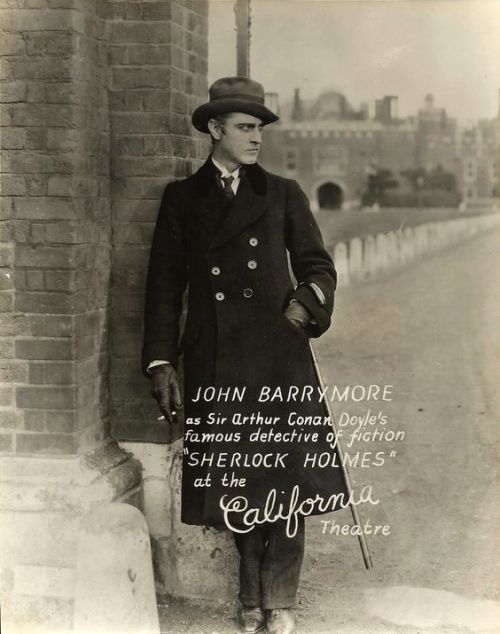
Sherlock Holmes é um dos personagens literários mais famosos do mundo. Criado por Arthur Conan Doyle em 1887, Holmes foi protagonista de 60 obras do autor e, até o presente momento, de mais de 300 filmes. Começando em 1900, Sherlock se tornou o personagem mais prolífico nas telas, segundo o livro Guinness, e já foi interpretado por mais de 70 atores. O grande John Barrymore interpretou Sherlock Holmes apenas uma vez, em 1922, mas que interpretação!

Sherlock Holmes is one of the most well known literary characters in the world. Holmes was created by Arthur Conan Doyle in 1887 and was the lead in 60 works by Doyle and, until today, more than 300 movies. Starting in 1900, Sherlock became the most portrayed character on screen, according to the Guinness Book, and was played by more than 70 actors. The great John Barrymore played Sherlock Holmes only once, in 1922, but, oh my, what a performance he gave!
Temos no filme um elenco primoroso, liderado por John Barrymore. Uma filmagem aérea de Londres. Um professor Moriarty que é a combinação de Abraham Lincoln com o Doutor Caligari. Um Nick Charles embrionário. Cinematografia belíssima. Todos os ingredientes juntos criam uma película imperdível.

We have in the movie an outstanding cast, starting with John Barrymore. Aerial footage of London. A professor Moriarty who is the combination of Abraham Lincoln and Doctor Caligary. An embrionary Nick Charles. Wonderful cinematography. All the ingredients create a must-see movie.
Era uma vez um estudante de Cambridge chamado Sherlock Holmes (John Barrymore). Seu amigo Watson (Roland Young) indica-o para resolver um problema que aflige o príncipe Alexis (Reginald Denny): vossa alteza está sendo acusado de roubar dinheiro da sociedade atlética da universidade. Este primeiro caso leva Holmes a se encontrar com o professor Moriarty (Gustav von Seyffertitz, que aterrorizou Mary Pickford em “Sparrows”, de 1926), e então nosso amigo Sherlock encontra sua vocação: trabalhar como detetive para livrar o mundo de todo o mal representado por gente como Moriarty, e então se estabelece na 221B Baker Street.

Once upon a time there was a student from Cambridge called Sherlock Holmes (John Barrymore). His friend Watson (Roland Young) refers him to solve a problem that Prince Alexis (Reginald Denny) has: your Highness is being accused of stealing money from the university’s athletic society. This first case takes Sherlock to Professor Moriarty (Gustav von Seyffertitz, who terrorized Mary Pickford in “Sparrows”, from 1926) and then our friend Sherlock finds his calling: he was born to be a detective and erase the evil off the world. Then Sherlock establishes 221B Baker Street as his headquarters.
Anos depois, estamos diante do Sherlock Holmes que conhecemos e amamos. O príncipe Alexis se tornou herdeiro do trono, desistiu do casamento com Rose Faulkner (Peggy Bayfield) e agora está sendo chantageado por Moriarty. Holmes não se importa muito com a reputação do príncipe, mas não vai perder a chance de rever Alice Faulkner (Carol Dempster), por quem se apaixonou.

Years later, we find the Sherlock Holmes we all know and love. Prince Alexis inherited the throne, broke up his engagement with Rose Faulkner (Peggy Bayfield) and is being blackmailed by Moriarty. Holmes doesn’t really care about the Prince’s reputation, but he won’t miss the opportunity to once again see Alice Faulkner (Carol Dempster), with whom he fell in love.
Sherlock in love
O diretor Albert S. Parker não teve como inspiração as histórias originais de Conan Doyle, mas sim uma peça de 1899 escrita e protagonizada por William Gillette, o maior Sherlock Holmes do teatro. Gillette levou a peça para o cinema em 1916, e por muitos anos seu Sherlock cinematográfico foi considerado perdido, mas felizmente o filme foi encontrado e restaurado em 2015.

Director Albert S. Parker didn’t adapt any of Conan Doyle’s original stories, but an 1899 play written and starred by William Gillette, the greatest Sherlock Holmes of the stage. Gillette turned his play into a movie in 1916, and for many years his film was considered lost, but fortunately it was found and restored in 2015.
William Gillette
A restauração também faz parte da história do Sherlock de 1922, pois o filme também ficou durante décadas desaparecido. Nos anos 70, uma cópia foi encontrada, mas com os takes fora de ordem. O trabalho de detetive ficou por conta do próprio diretor Albert S. Parker, que instruiu os restauradores sobre a ordem dos takes. Com falhas de memória, Parker morreu antes de o trabalho ser completado, e coube ao historiador Kevin Brownlow reconstruir a película da melhor forma possível. A restauração foi financiada por Hugh Hefner – sim, o editor da revista Playboy.

Restoration is also part of the story involving the 1922 Sherlock. This film was also considered lost for decades. In the 1970s, a copy was found, but with the takes all mixed. The detective work was made by Albert S. Parker himself, who recalled the order of the takes and helped the restaurators. His memory, however, was fading, and Parker died before the job was completed. Then historian Kevin Bowwnlow jumped into the work and rebuilt the film the best way he could. The restoration was paid by Hugh Hefner – yes, the editor of Playboy magazine.
Se o filme fosse perdido, além da interpretação de Barrymore, o mundo também ficaria para sempre sem ver uma jovem Hedda Hopper no papel secundário de Madge Larrabee, e seria perdida também a estreia de William Powell no cinema, sem bigode, interpretando um estudante de Cambridge que depois se torna um mordomo. A imagem a seguir, senhoras e senhores, é a primeira vez que o mundo viu nosso querido Bill Powell:

If the film was lost, besides Barrymore’s performance, the world would never again see a young Hedda Hopper as secondary character Madge Larrabee, and William Powell’s film debut would also be lost forever. William is here without a mustache, playing a Cambridge student who later becomes a butler. The image above, ladies and gentlemen, is the very first time the world saw our beloved Bill Powell: 
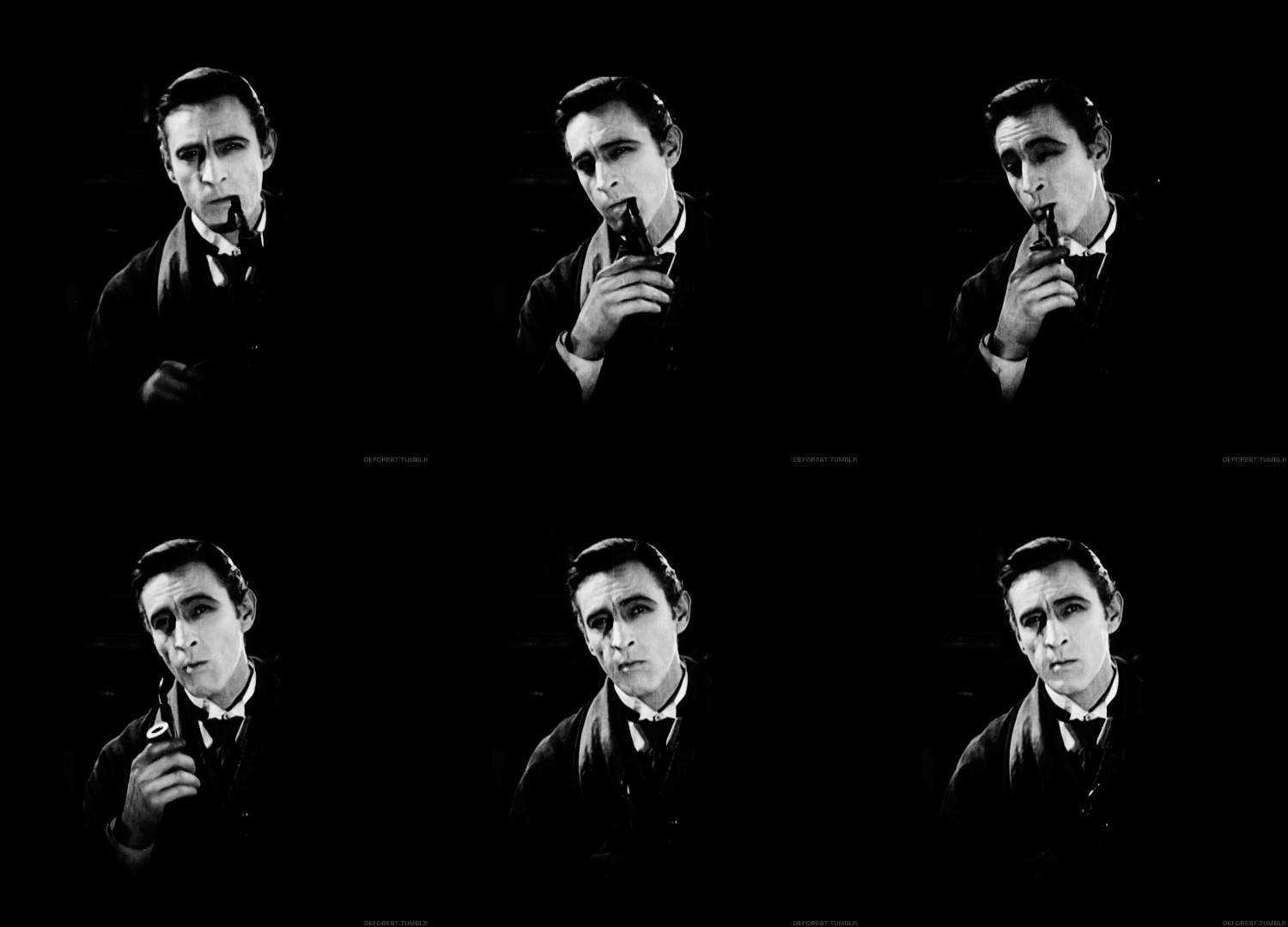
Ao final, o que temos é um veículo que faz Barrymore brilhar, desde que Sherlock aparece pela primeira vez embaixo de uma árvore, aos oito minutos de projeção. A sequência de Moriarty invadindo a casa de Holmes é orquestrada com muito suspense, mas seu desfecho é rápido demais para a tensão que foi criada - a impressão é de que estariam ainda faltando cenas. Pode ser meio estranho encontrar um estudante universitário de 40 anos de idade, mas Barrymore é um Sherlock Holmes perfeito: alto, elegante, charmoso, inteligente e habilidoso.

In the end, we have a movie in which Barrymore shines. He is the focus of the feature since the first time Sherlock appears, under a tree, at the eight minute mark. The sequence in which Moriarty invades Holmes’s house is full of suspense, but its conclusion is too fast compared to the tension that escalated – it looks like there is some scene missing. It may be weird to find a 40 year-old college student, but Barrymore is a perfect Sherlock Holmes: tall, elegant, charming, intelligent and skilled.
Watson (sentado), Holmes (em pé) e uma caveira decorando o ambiente
Watson (seating), Holmes (standing) and a skull used as decoration 
Se você gosta de Benedict Cumberbatch, Basil Rathbone ou qualquer outro Sherlock da história, perceba como todos eles devem a Barrymore a aura cavalheiresca e intelectual do personagem. William Gillette pode ter introduzido a frase “Elementar, meu caro Watson”, mas foi John Barrymorre, em sua única aventura como Sherlock Holmes, que nos mostrou o que é realmente elementar para incorporar um personagem tão icônico.

If you are a fan of Benedict Cumberbatch, Basil Rathbone or any other Sherlock, you’ll see how all of them owe to Barrymore the intellectual gentleman aura the character is famous for. William Gillette may have introduced the quote “Elementary, my dear Watson”, but it was John Barrymore, in his only adventure as Holmes, who showed what really is to incorporate such an iconic character. 

This is my contribution to the Barrymore Trilogy Blogathon, hosted by Ethel Barrymore connoisseur Crystal at In the Good Old Days of Classic Hollywood. 

Thursday, September 27, 2012

Paramount: os anos silenciosos


100 anos! E parece que foi ontem que Adolph Zukor fundou a Famous Players, companhia que se destinava a levar para as telas do cinema peças de teatro. Quatro anos mais tarde ela se juntaria a outra companhia formando a Famous Players-Lasky Corporation. O nome era muito bizarro, por isso em 1930 seus administradores decidiram adotar o nome de uma pequena distribuidora que havia sido absorvida por eles: Paramount, nome que passou a figurar em todos os filmes a partir de 1935. Mas o que aconteceu antes de a Paramount ser Paramount?  
Norma narrando sua época de estrela do cinema mudo para uma plateia atenta
O primeiro filme a ser distribuído pela companhia foi o francês “Les amours de lareine Élisabeth”, estrelado pela lendária atriz de teatro Sarah Bernhardt. A transformação de peças de teatro em filmes atraiu um novo segmento para os cinemas. Os mais ricos até então desprezavam a nova arte, considerada por eles uma forma de diversão barata (lembre-se dos nickelodeons, onde as entradas custavam apenas cinco centavos) para as camadas inferiores. Na época muitas pessoas, incluindo alguns artistas, acreditavam que o cinema era uma moda passageira.  
Quem estava lá logo no início era Cecil B. De Mille, que dirigiu, junto com Oscar Apfel, “The Squaw Man”, em 1914. De Mille lançou a moda dos remakes ao dirigir novamente o filme em 1918 e 1931, obtendo sempre sucesso. A versão de 1914 foi a primeira filmada em Hollywood. De Mille alugou um pedaço de terra na futura Meca do cinema por 75 dólares para filmar um ataque de índios e assim começou uma longa história.  De Mille e Apfel dirigiram uma série de filmes para a Famous Players, sendo que De Mille não era creditado, pois ainda estava aprendendo o ofício com Apfel. E, quando se tornou diretor exclusivo de seus filmes, fez história, por exemplo, com o primeiro filme baseado em um livro homônimo, “The Virginian” (1914).
Outro nome importante presente nos primeiros anos da Paramount foi Mary Pickford. Na nascente companhia ela fez alguns de seus filmes que são famosos até hoje, como “Cinderella” (1914) e “Madame Butterfly” (1915). Claro que não foram só sucessos. Seguindo a ideia de peças transformadas em filmes, Adolph Zukor filmou “A Good Little Devil”, peça da Broadway em que Mary trabalhava, exatamente como se fosse um teatro em 1913. Mary mais tarde se referiria ao trabalho como “um dos piores filmes que eu já fiz... foi mortal”. Foram 17 filmes em dois anos, dos quais 15 chegaram praticamente intactos à nossa era.
A ideia da Broadway para o cinema continuou com força total, e em 1916 foi feita uma versão de “Oliver Twist” (a quinta da era muda), apresentando Marie Doro no papel principal, que ela já fazia com grande sucesso na Broadway. Da obra de Charles Dickens para a dos irmãos Grimm: no mesmo ano virava filme “Branca de Neve”, versão esta que serviu de inspiração para o desenho de Walt Disney.
Grandes nomes marcaram presença na década de 20, como Gloria Swanson e John Barrymore, além do mágico Harry Houdini. Aliás, esta década, que eu considero como a maturidade do cinema mudo, foi de muitos sucessos na Paramount, incluindo até uma versão de Peter Pan em 1924. De Mille usou todo seu talento para levar às telas “Os Dez Mandamentos” em 1923. “O Grande Gatsby” foi adaptado para o cinema pela primeira vez em 1926, mas infelizmente esta versão hoje está perdida. William Powell estava neste filme, e esteve também na primeira produção falada da Paramount: “Interference”, de 1928. E novamente Bill estaria num filme importante, que marca o fim de uma era na então Famous Players-Lasky: “The Four Feathers”, o último filme mudo da companhia. A época silenciosa da Paramount acabou não sem antes render uma honra ao estúdio: o primeiro Oscar de Melhor Filme para “Asas”. Muito sucesso havia sido alcançado em menos de vinte anos e, embora esta frase tenha sido cunhada na Warner Bros., ela também se aplica a este glorioso estúdio: vocês ainda não ouviram nada!    

This entry is part of the Paramount Centennial Blogathon, hosted by Angela at The Hollywood Revue. After this introduction to silent years, go learn more about Paramount!

Related Posts Plugin for WordPress, Blogger...