} Crítica Retrô: Joan Crawford

Tradutor / Translator / Traductor / Übersetzer / Traduttore / Traducteur / 翻訳者 / переводчик

Showing posts with label Joan Crawford. Show all posts

Wednesday, July 29, 2026

Manequim (1937) / Mannequin (1937)


Muitos anos atrás, baixei alguns filmes de Frank Borzage. Um deles era “Manequim”, de 1937. Não consegui assisti-lo porque meu laptop quebrou e por algum tempo esqueci o filme. Quando fiz minha lista de Resoluções de 2026, decidi inclui-lo, afinal, não dá para dizer não para um filme com a única colaboração entre Joan Crawford e Spencer Tracy. Eu pensei que seria, dado o título, sobre o mundo da moda. Mas o que encontrei no lugar foi um drama romântico. 

Many years ago, I downloaded a bunch of Frank Borzage movies. One of the bulk was “Mannequin”, from 1937. I couldn’t watch it because my laptop broke and for a while I forgot about this film. When making my list of 2026 Resolutions, I decided to include it, after all, you can’t say no to a film with the  only collaboration between Joan Crawford and Spencer Tracy. I thought it would be, given the title, about the fashion world. But what I got instead was a romantic drama.

Jessie Cassidy (Joan Crawford) é uma operária da indústria têxtil que vive com seu irmão ingrato, pai preguiçoso e uma mãe que tem dificuldades em administrar as contas. Uma noite, ela sai com seu namorado Eddie (Alan Curtis) e decide não voltar para casa, em vez disso, ela se casa. O casal está celebrando a boda num restaurante quando seus caminhos cruzam com o do empresário naval John Hennessey (Spencer Tracy).

Jessie Cassidy (Joan Crawford) is a textile factory worker who lives with her ungrateful brother, lazy father and a mother who has trouble making ends meet. One night, she goes out with her beau Eddie (Alan Curtis) and decides not to return home and get married instead. The couple is celebrating their wedding at a restaurant when their paths cross with the boat entrepreneur John Hennessey (Spencer Tracy).

Não há lua de mel, mas há muitos sinais de alerta. Na manhã seguinte ao casamento Eddie pede dinheiro para Jessie. Ela sai do apartamento mas quando volta descobre que os donos pediram o local de volta por falta de pagamento do aluguel. Eddie confessa que é viciado em jogos. Quando ele aposta em cavalos e vai para a cadeia, Jessie precisa arranjar cem dólares para a fiança. E para conseguir o dinheiro ela vai procurar Hennessey.  

There is no honeymoon, but there are plenty of red flags. The morning after the wedding Eddie asks Jessie for money. She leaves the apartment and when she comes back she finds the owners taking it back for lack of payment of the rent. Eddie confesses he gambles. When he bets on horses and goes to jail, Jessie needs one hundred dollars to get him out. And for the money she goes after Hennessey.

Sem casa e sem horizonte, depois que o show em que ela trabalhava como corista foi encerrado, Jessie volta para a casa dos Cassidy, desta vez trazendo Eddie junto. Seu marido é igualzinho ao seu pai preguiçoso, como num círculo vicioso. Sua mãe não deixa que Jessie cometa os mesmos erros que ela cometeu, por isso a aconselha a lutar pelo que quer. E o que Eddie quer? Que Jessie seduza Hennessey em busca de mais dinheiro!

Homeless and hopeless, after the show she worked on as a chorus girl closed, Jessie goes back to the Cassidy home, this time bringing along Eddie. Her new husband is so much like her lazy father that it hurts. Her Ma doesn’t want Jessie to make the same mistakes she did, and advises her daughter to always go after what she wants. And what does Eddie want? For Jessie to seduce Hennessey in search of more money!

Quando o assunto é consentimento, o filme envelheceu mal. Hennessey não aceita os muitos “nãos” que Jessie diz para ele e temos que achar isso romântico. Mas ela se contradiz. Depois do desfile de modas - que justifica o título do filme - ela aceita sair com ele.   

When the subject is consent, the movie aged badly. Hennessey doesn’t accept the many “nos” Jessie says to him and we’re supposed to find it romantic. But she contradicts herself. After the fashion show - which justifies the title of the movie - she accepts going out with him.

No começo, Jessie canta sua canção especial com Eddie e, surpreendentemente, é de fato a voz de Joan Crawford, nos diz o IMDb. A canção, “Always and Always”, foi indicada ao Oscar de Melhor Canção Original, a única indicação ao Oscar para o filme.

In the beginning, Jessie sings her special song with Eddie and, surprisingly, it’s really Joan Crawford’s voice, per IMDb. The song, “Always and Always”, was nominated for the Best Original Song Oscar, the only Oscar nomination for the film. 

Frank Borzage foi um grande diretor - na verdade, foi o primeiríssimo ganhador do Oscar de Melhor Diretor. Ele começou como ator, em geral interpretando vilões. Dirigiu seu primeiro filme em 1913, mas encontrou a fórmula do sucesso com romances apenas na década seguinte. Esta fórmula pode ser resumida pela frase dele: “Mexa com os sentimentos da plateia, não do intérprete. Faça com que a plateia atue”.

Frank Borzage was a great director - in fact, he was the first recipient ever of the Best Director Oscar. He started as an actor, usually playing heavies. He directed his first film in 1913, but found the formula of success with romances in the following decade. This formula could be summoned in his quote: “Make the audience sentimental instead of the player. Make the audience act.”

O filme é um drama sólido, mas uma simples conversa teria resolvido tudo e teríamos um curta-metragem e não um longa. Mas o público gostou da película, tanto que arrecadou nas bilheterias o triplo de seu orçamento. Quanto aos desfiles, faltam em quantidade e qualidade. Bem, sempre teremos “Modas de 1934”.

The film is solid in its drama, but a simple conversation would have fixed everything and we’d have a short film, not a feature. But the audience liked it, so much that its box-office was three times its budget. As for fashion shows, it lacks in quantity and quality. Well, we’ll always have “Fashions of 1934”.

Tuesday, August 22, 2023

Uma Aventura em Paris (1942) / Reunion in France (1942)


Durante alguns anos, nas décadas de 1930 e 1940, Joan Crawford foi uma das atrizes mais bem-pagas de Hollywood. Nos anos 1950, John Wayne foi um dos atores mais bem-pagos de Hollywood. E um dia os dois se encontraram, mas muitas pessoas desconhecem este filme que juntou as duas superestrelas: “Uma Aventura em Paris”, uma propaganda anti-nazista de 1942 dirigida por Jules Dassin - um filme não muito inspirado.


For a while, in the 1930s and 1940s, Joan Crawford was one of the highest-paid actresses in Hollywood. In the 1950s, John Wayne was one of the highest-paid actors in Hollywood. And one day the two of them met, but many people aren’t aware of this film that brings the two superstars together: “Reunion in France”, a 1942 anti-Nazi propaganda directed by Jules Dassin - and lacking inspiration.

“Em tempos de guerra, o amor é uma ofensa digna de punição”, diz Michele de la Becque (Joan Crawford) para seu namorado, Robert Cortot (Philip Dorn), quando ele recusa o convite dela para uma escapada. Eles não têm com o que se preocupar, porque Hitler não pode invadir a França, disse um general num evento em que estava o casal. A Linha Maginot parecia intransponível, até que se provou o contrário, e numa questão de semanas a França se rendeu aos nazistas.  


“In times of war, love is a punishable offense”, says Michele de la Becque (Joan Crawford) to her boyfriend, Robert Cortot (Philip Dorn), when he refuses her invitation for an escapade. They have nothing to worry about, because Hitler can’t invade France, a general said in an event both were attending. The Maginot Line seemed insurmountable, until it wasn’t, and in a matter of weeks Paris fell under the Nazis.

Michele volta de sua escapada e encontra sua mansão “tomada de empréstimo” pelos nazistas e transformada em posto de distribuição de carvão. Ela se horroriza com o pensamento de que Robert estaria colaborando com os nazistas. Sem dinheiro, ela aceita um emprego numa loja de roupas e é saindo do trabalho que ela conhece o tenente da aeronáutica Pat Talbot (John Wayne), com quem ela se compromete: ela vai ajudá-lo a escapar da França.


Michele comes back from her escapade only to find her mansion “borrowed” by Nazis as an outpost to distribute coal. She’s truly horrified when she starts thinking that Robert is collaborating with the Nazis. Penniless, she accepts a job at a clothes store and it’s leaving her job that she meets flight lieutenant Pat Talbot (John Wayne), who she vows to help leave France.

Joan Crawford e John Wayne tinham praticamente a mesma idade - dependendo da fonte que você usa para o ano de nascimento de Joan. Entretanto, no filme a história é construída como se Michele fosse uma mulher mais velha e com mais experiência, e Pat fosse um garoto que acabou de se alistar. Já se passaram alguns anos desde a performance que transformou Wayne em estrela, em “No Tempo das Diligências” (1939), mas seu papel é de coadjuvante - “Uma Aventura em Paris” pertence a Joan Crawford, e só a ela.


Joan Crawford and John Wayne were practically the same age - depending on the source you follow for Joan’s birth date. However, in the film the story is built as if Michele was an older, experienced woman and Pat was a boy who just enlisted. It was already past Wayne’s star-making performance in “Stagecoach” (1939), but his is a supporting role - “Reunion in France” belongs to Crawford, and Crawford only.

Numa entrevista para o programa The Merv Griffin Show em 1963, Joan Crawford contou que já queria contracenar com John Wayne algum tempo antes de “Uma Aventura em Paris”, entretanto, nas próprias palavras dela: “quando nós de fato contracenamos, foi com o pior roteiro que eu já vi ou li na minha vida”. Em outra entrevista, ela foi mais além: “Oh, Deus. Se houver vida após a morte e eu tiver de ser punida por meus pecados, este é um dos filmes que eles me farão ver de novo e de novo. John Wayne e eu sofremos, não apenas por causa do roteiro bobo, mas porque éramos uma dupla sem harmonia. Tire John do cavalo, e você terá problemas”. Profundamente criticado por sua própria estrela, não é de se espantar que “Uma Aventura em Paris” seja tão pouco conhecido.
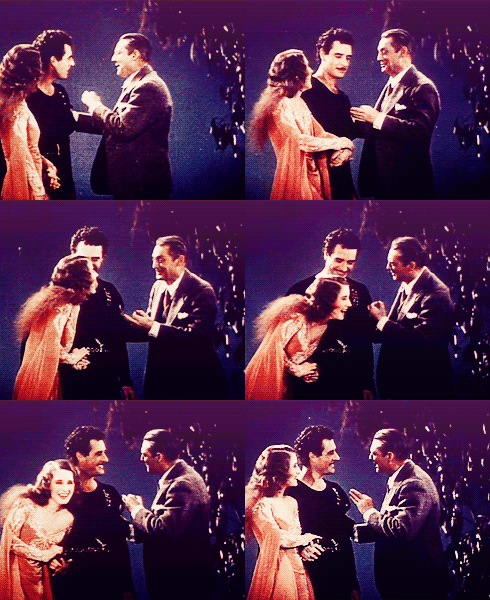
 

In an interview given a The Merv Griffin Show in 1963, Joan Crawford said that she had wanted to play opposite John Wayne for some time before “Reunion in France”, however, in her words, “when we really worked together it was the lousiest script I have ever seen or read in my life.” In another interview, she went further: “Oh God. If there is an afterlife and I am to be punished for my sins, this is one of the pictures they'll make me see over and over again. John Wayne and I both went down for the count, not just because of a silly script but because we were so mismatched. Get John out of the saddle, and you've got trouble." Deeply disliked by its star, there is no wonder “Reunion in France” isn’t a more well-known film.

Philip Dorn tem um papel de responsa como um dos protagonistas, Robert Cortot, namorado de Michele. Nascido na Holanda, ele começou a carreira sob o nome artístico de Frits van Dongen e deixou seu país natal, indo para a Alemanha, em 1938. Em 1939, semanas antes de a Segunda Guerra Mundial começar, ele se mudou para Hollywood e mudou o nome artístico para Philip Dorn. Lá, ele interpretou diversos patriotas anti-nazistas e teve relativo sucesso, o que não o impediu de voltar para a Alemanha nos anos 50.


Philip Dorn has a juicy role as one of the leads, Robert Cortot, Michele’s boyfriend. Born in the Netherlands, he started his career under the name Frits van Dongen and left his home country for Germany in 1938. In 1939, just weeks before the beginning of World War II, he moved to Hollywood and changed his stage name to Philip Dorn. There, he played several anti-Nazis patriots and had relative success, which didn’t prevent him from going back to Germany in the 1950s.

“Uma Aventura em Paris” foi dirigido por Jules Dassin, que dirigiu, de acordo com o IMDb, 25 filmes em sua carreira, em diversos idiomas.Dassin estava tendo sucesso moderado quando, em 1952, ele foi acusado de ser comunista - na verdade, ele havia abandonado o partido em 1939 - e teve de se mudar para a França, onde fez muito sucesso.


“Reunion in France” is directed by Jules Dassin, who directed, according to IMDb, 25 films in his career, in several languages. Dassin was enjoying moderate success when, in 1952, he was accused of being a communist - he had actually left the party in 1939 - and had to move to France, where he found bigger success.   

Quando ela fala sobre como alguns franceses traíram seus conterrâneos, Michele pergunta “o que será da França?” Nós vimos, nos últimos anos, algo impensável: populações sendo divididas por política, especialmente por partidos, candidatos e governos da extrema direita. Se você, como eu, vive em um país que ainda se sente dividido, você conhece a sensação quando ela diz essa frase: é de desolação e perda da esperança.  


 When talking about how some French people betrayed their fellow countrymen, Michele asks “what’s become of France?” We’ve seen, in the past few years, something unthinkable: populations being divided by politics, especially by far-right parties, candidates and governments. If you, like me, live in a country that still feels divided, you know the sensation when she utters the line: it’s of desolation and loss of hope.

“Uma Aventura em Paris” não é uma joia escondida. Pode ser curioso, interessante e agradável, mas não é um filme obrigatório nas filmografias de suas estrelas. É providencial, porque a Resistência não foi embora junto com a primeira derrota da extrema direita. É mais um melodrama que um filme de guerra, mas é, acima de tudo, um veículo para o talento de Joan Crawford.


“Reunion in France” isn’t a hidden gem. It may be curious, interesting and enjoyable, but not mandatory viewing in any of its stars’ filmography. It’s timely, as the Resistance didn’t go away in the first defeat of the far-right. It’s more of a melodrama than a war movie, but it is, above all, a Joan Crawford vehicle.


Sunday, May 12, 2019

Um Rosto de Mulher (1941) / A Woman's Face (1941)

Durante a Era de Ouro dos estúdios, sempre que um artista tinha liberdade para interpretar um personagem diferente do que estava acostumado – em geral depois de muita insistência e luta – o resultado era quase sempre maravilhoso. Por exemplo: quando a MGM deixou Joan Crawford arriscar e interpretar uma personagem marcada – em vez de mais uma mulher glamourosa – em “Um Rosto de Mulher”, ela nos legou uma performance incrível.

During the Studio Era, whenever a performer was allowed to play against type – usually after a lot of insistence and fighting – the result was almost always wonderful. For instance: when MGM let Joan Crawford take a risk and play a scarred character – instead of another glamorous woman – in “A Woman's Face”, she delivered an outstanding performance.


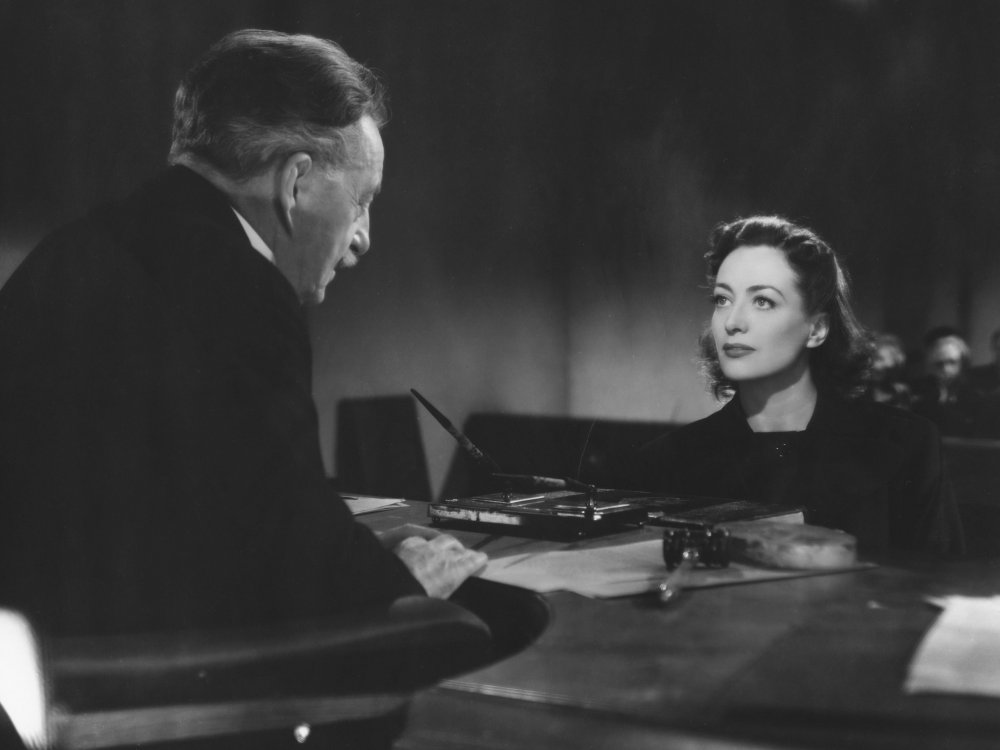
Em um tribunal em Estocolmo, o julgamento de Anna Holm (Joan Crawford) começa. Anna é acusada de assassinato. As testemunhas são chamadas e contam a história em flashback. Anna e seus “amigos” trabalhavam em um restaurante, mas este trabalho era só de fachada: eles atuavam de verdade no ramo da chantagem.

In a tribunal in Stockholm, the judgment of Anna Holm (Joan Crawford) begins. Anna is accused of murder. The witnesses are called and they tell the story in flashback. Anna and her “friends” worked in a restaurant, but this job was just a disguise: they were really active in the blackmail market.


A vítima de chantagem que vai mudar toda a história é Vera Segert (Osa Massen), cujas cartas de amor para um amante foram parar nas mãos erradas. Enquanto negocia com Vera, Anna conhece o esposo dela, Gustaf (Melvyn Douglas), quese interessa pela grande cicatriz que Anna tem no rosto. Gustav então se oferece para operar Anna e remover a cicatriz. Ao mesmo tempo, Anna se apaixona por Torsten Barring (Conrad Veidt), que a quer para executar seu próprio plano maligno.

The blackmail victim that will change everything is Vera Segert (Osa Massen), whose love letters to a lover ended up in wrong hands. While negotiating with Vera, Anna meets her husband, Gustaf (Melvyn Douglas), who gets interested in the big scar Anna has in her face. Gustav then offers to operate Anna and remove the scar. At the same time, Anna falls in love with Torsten Barring (Conrad Veidt), who wants her for an evil plan of his own.


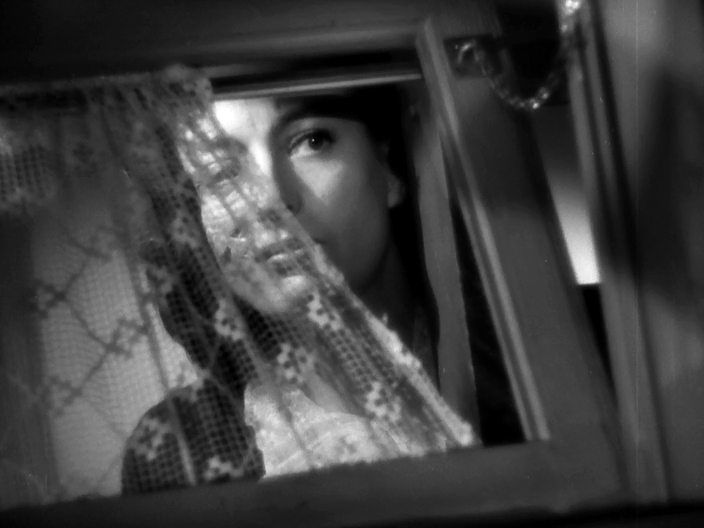
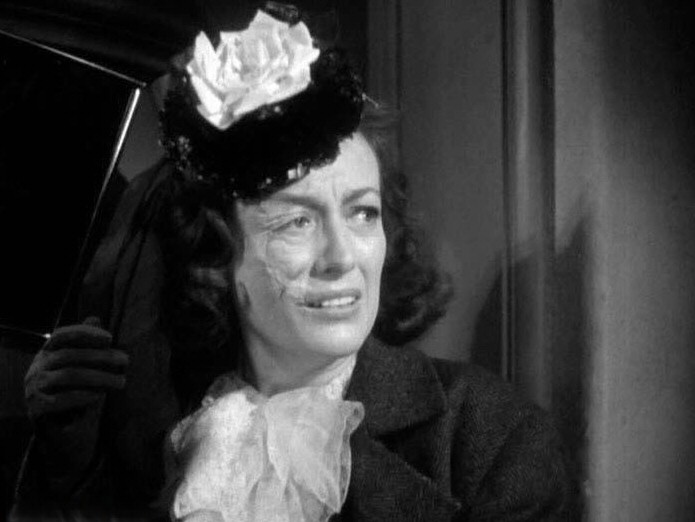
A cicatriz de Anna é decorrente de um incêndio ao qual ela sobreviveu na infância. Por causa da cicatriz, ela não conseguiu arranjar trabalho quando era adolescente e então se tornou criminosa. Anna lidava com canalhas, e em geral desconfiava de todos – não porque eles eram canalhas, mas porque ela achava que eles estavam sempre zombando de seu rosto. Toda a vida e todas as atitudes de Anna foram pautadas em sua cicatriz.

Anna got her scar after she survived a fire in her childhood. Because of the scar, she couldn't find a job as a teen and turned to crime. Anna was dealing with crooks, and she was often suspicious of everybody – not because they were crooks, but because she thought they were always mocking her appearance. All her life and her actions have been dictated by that scar.


“Um Rosto de Mulher” nos leva a refletir sobre as aparências e sobre como julgamos as pessoas pela aparência. Isso vai além das noções de bonito ou feio: aqui estamos falando de uma pessoa marcada, na mesma situação de pessoas que adquiriram uma deficiência depois de um acidente. Eu pensei muito nas pessoas que lutaram em guerras e ficaram para sempre marcadas ou deficientes porque não havia  tratamento ou cirurgia plástica na época. Estas são as vítimas do fogo, de bombas e de ataques com gás que tiveram de conviver com pessoas que não acreditavam que alguém “diferente” merecia respeito.

“A Woman's Face” leads us to think about appearances and how we judge people by their looks. This goes way beyond the notions of beautiful and ugly: here we are talking about someone scarred, in the same situation as people who were left handicapped by some accident. I thought a lot about people who had fought in wars and left permanently scarred or disabled because there was no treatment or plastic surgery in that time. These are the victims of fires, bombs, gas attacks, who then had to live among people who didn't see someone “different” as someone worth respecting.


Hollywood, desde sempre, fez remakes de sucessos internacionais, e neste caso não foi diferente. “Um Rosto de Mulher” é o remake de “A Mulher que Vendeu a Alma”, filme sueco de 1938 que revelou ao mundo uma jovem de 23 anos chamada Ingrid Bergman. Enquanto Crawford está bem no remake, não há comparação com a personagem amarga interpretada por Ingrid no original.

Hollywood, since the beginning, remade international successes, and this case was no exception. “A Woman's Face” is the remake of “En kvinnas ansikte”, a Swedish film from 1938 that introduced to the world a young 23-year-old girl named Ingrid Bergman. While Crawford is good in the remake, there is no comparison to the embittered character played by Ingrid in the original.


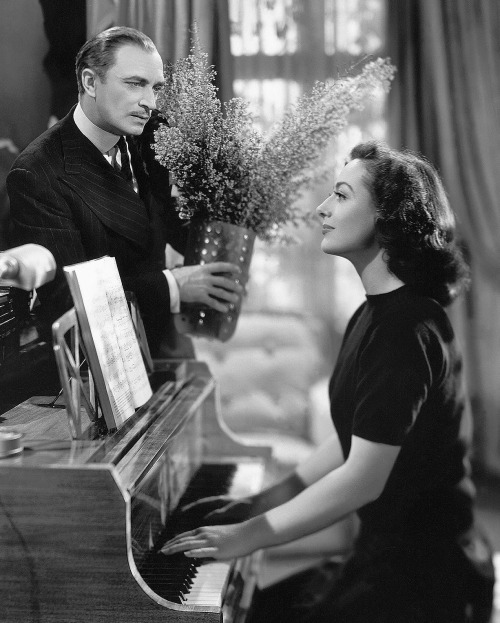
Em uma única cena no sótão, Conrad Veidt consegue ser incrivelmente assustador e sombrio – muito diferente de quando ele está dançando com Joan Crawford. Como Vera, Osa Massen ou é uma péssima atriz ou uma ótima atriz interpretando uma personagem insuportável. Alguns coadjuvantes brilham, em especial Marjorie Main e Donald Meek.

In a single scene in an attic, Conrad Veidt manages to be incredibly scary and somber – very different from when he's dancing with Joan Crawford. As Vera, Osa Massen is either a very bad actress or a very good one playing an annoying character. Some supporting players shine, in special Marjorie Main and Donald Meek.


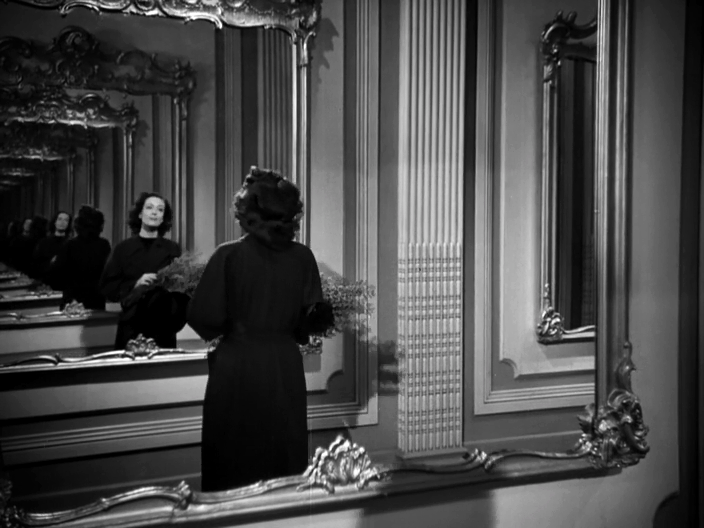
Do ponto de vista técnico, há algumas coisas a se destacar em “Um Rosto de Mulher”. Há uma cena muito interessante com diversos espelhos. Há duas sequências muito tensas e sem música – apenas com os barulhos do ambiente, e esta escolha foi muito eficiente para aumentar o suspense. E, claro, o departamento de maquiagem fez maravilhas não apenas com a criação da cicatriz de Anna, mas também com a maneira como mostram o efeito do fogo no olho dela.

From the technical point of view, there are a few things to point out about “A Woman's Face”. There is a very interesting shot with a lot of mirrors. There are a couple of very tense scenes that have no music – only the noises of the place, and this choice proved to be very effective to increase the suspense. And, of course, the make-up department did wonders not only conceiving Anna's scar, but also showing how the fire also affected her eye.


Antes do doutor Gustaf ver o resultado da cirurgia de Anna, ele diz ter medo de que ela se torne “um belo rosto sem coração”. A mudança no rosto de Anna vem junto com uma mudança no coração, e assim o filme reforça o estereótipo de Hollywood de que tudo que é belo é bondoso. “Um Rosto de Mulher” é um ótimo filme, mas eu gostaria mais dele se a aparência de Anna não tivesse mudado. Afinal, se o Corcunda de Notre Dame podia ser um cara legal mesmo sendo considerado “feio”, por que o mesmo não poderia acontecer com Anna Holm?

Before Dr. Gustaf sees the result of Anna's surgery, he says he's afraid of her ending up having “a beautiful face and no heart”. As Anna's change in her face comes with a change of heart, we see another picture that reinforces the Hollywood stereotype that beautiful equals kind. “A Woman's Face” is a great film, but I'd love it more if the Anna's appearance didn't change. After all, if the Hunchback of Notre Dame could be a great guy even being considered “ugly”, why couldn't Anna Holm be the same?


This is my contribution to the Joan Crawford blogathon, hosted by Pale Writer and Poppity Talks Classic Films.


Tuesday, August 14, 2018

Grande Hotel (1932) / Grand Hotel (1932)

“Grande Hotel” não precisa de propaganda – nem o filme nem o local. O Grande Hotel é o hotel mais caro da Alemanha, como diz o personagem de Lionel Barrymore. “Grande Hotel”, o filme, é uma aula magna sobre o star system, e tem a estranha honra de ser o único filme a ser indicado apenas à categoria de Melhor Filme no Oscar e ganhá-la.

“Grand Hotel” doesn't need marketing – neither the film nor the place. The Grand Hotel is the most expensive one in Germany, as Lionel Barrymore's character says. “Grand Hotel”, the movie, is basically Star System 101, and has the odd glory to be the only film to receive a single Oscar nomination – for Best Picture – and win it, the most prestigious category.


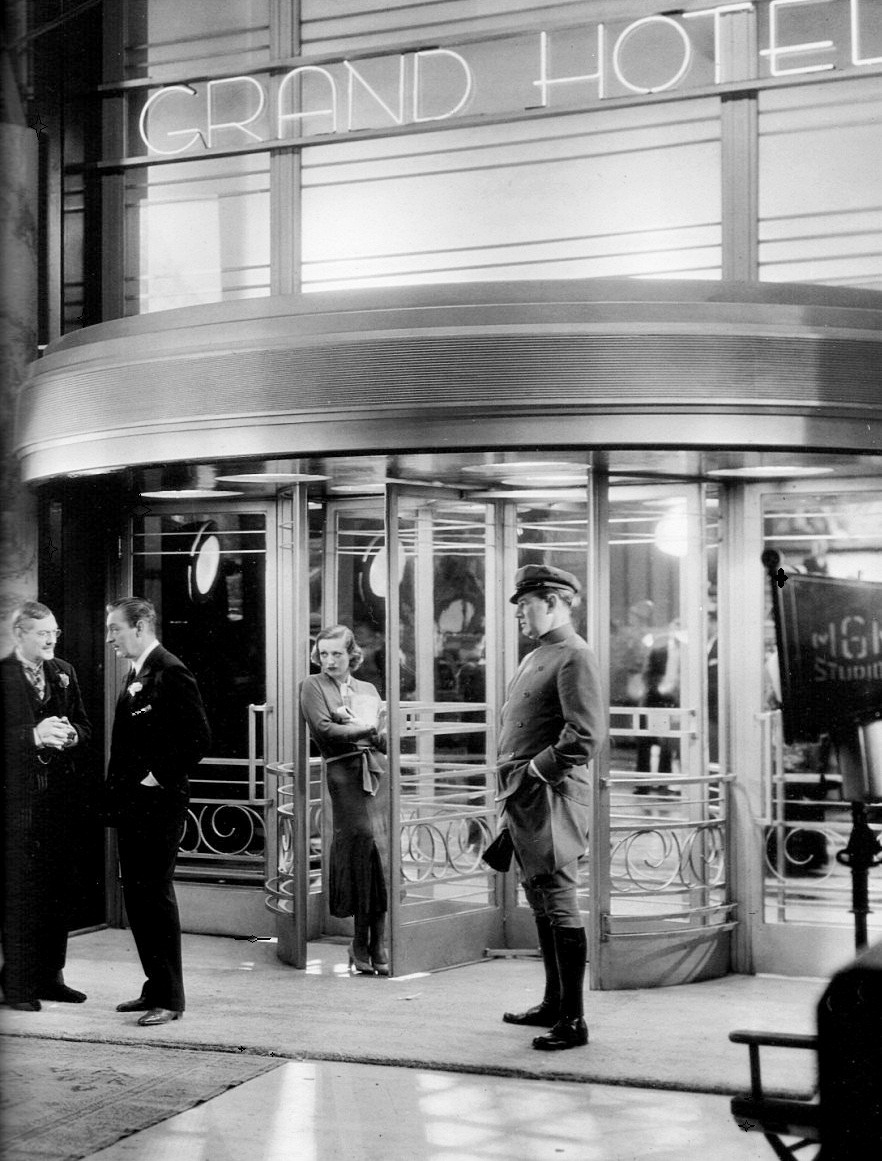
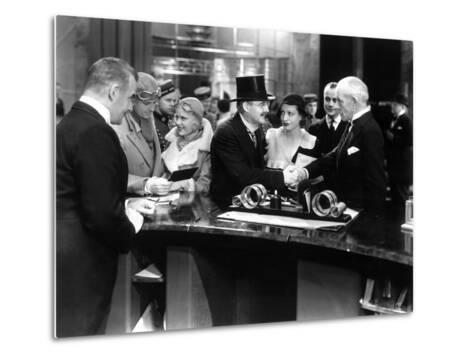
“Grande Hotel” é realmente grandioso devido à soma de suas partes – que merecem ser analisadas individualmente. Devemos começar com o visual do hotel: o estilo art déco é fantástico, e os ângulos de câmera escolhidos para mostrá-lo são de tirar o fôlego – especialmente quando estamos nos andares superiores e vemos a recepção do hotel de cima. Por trás desta façanha visual estão o diretor de fotografia William H. Daniels e, em especial, o diretor de arte Cedric Gibbons.

“Grand Hotel” is really grand because of the sum of its parts – and they are worth analyzing individually. We must start by the overall hotel look: the art déco style is amazing, and the shots used to showcase it are breathtaking – in special when we see the hotel lobby from above. The ones responsible for this impressive look are cinematographer William H. Daniels and, in special, art director Cedric Gibbons.


Os personagens nos são apresentados em uma sequência frenética, cheia de idas e vindas, passando de um para outro, conforme eles conversam ao telefone. A editora responsável por juntar todas as conversas é a legendária Blanche Sewell da MGM – se você fez o curso “Mad About Musicals” do TCM, você já está familiarizado com ela.

The characters are first presented to us in a frantic sequence, going back and forth, from one to the other, as they talk on the phone. The editor responsible for putting all the conversations together was the legendary MGM editor Blanche Sewell – if you took the Mad About Musicals TCM Course, you are familiar with her.


O personagem mais simpático é o simplório e pobre Otto Kringelein (Lionel Barrymore), o funcionário de uma fábrica que tem pouco tempo de vida, e decide passar suas últimas semanas no Grande Hotel. Como bônus, ele vê que seu antigo patrão, Preysing (Wallace Beery), também está hospedado lá, e decide lhe dizer na cara todas as verdades inconvenientes que ele tinha vontade de falar.

The nicest character is the simple and poor Otto Kringelein (Lionel Barrymore), a factory worker who learns he has little time to live, and decides to spend this time at the Grand Hotel. As a bonus, he sees his former employer, Preysing (Wallace Beery) there, and decides to say everything he always wanted to him – like in a bucket list.


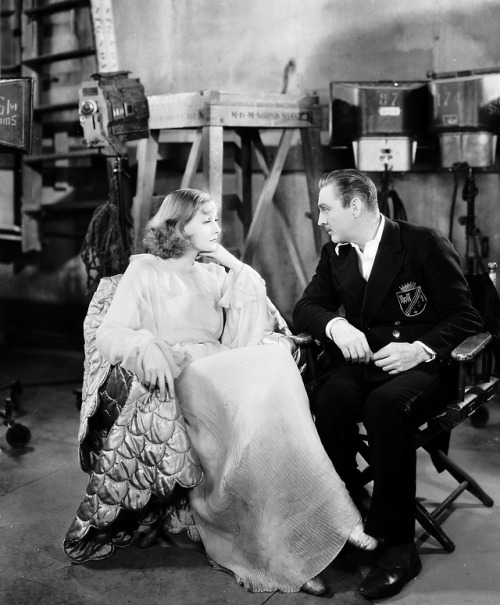
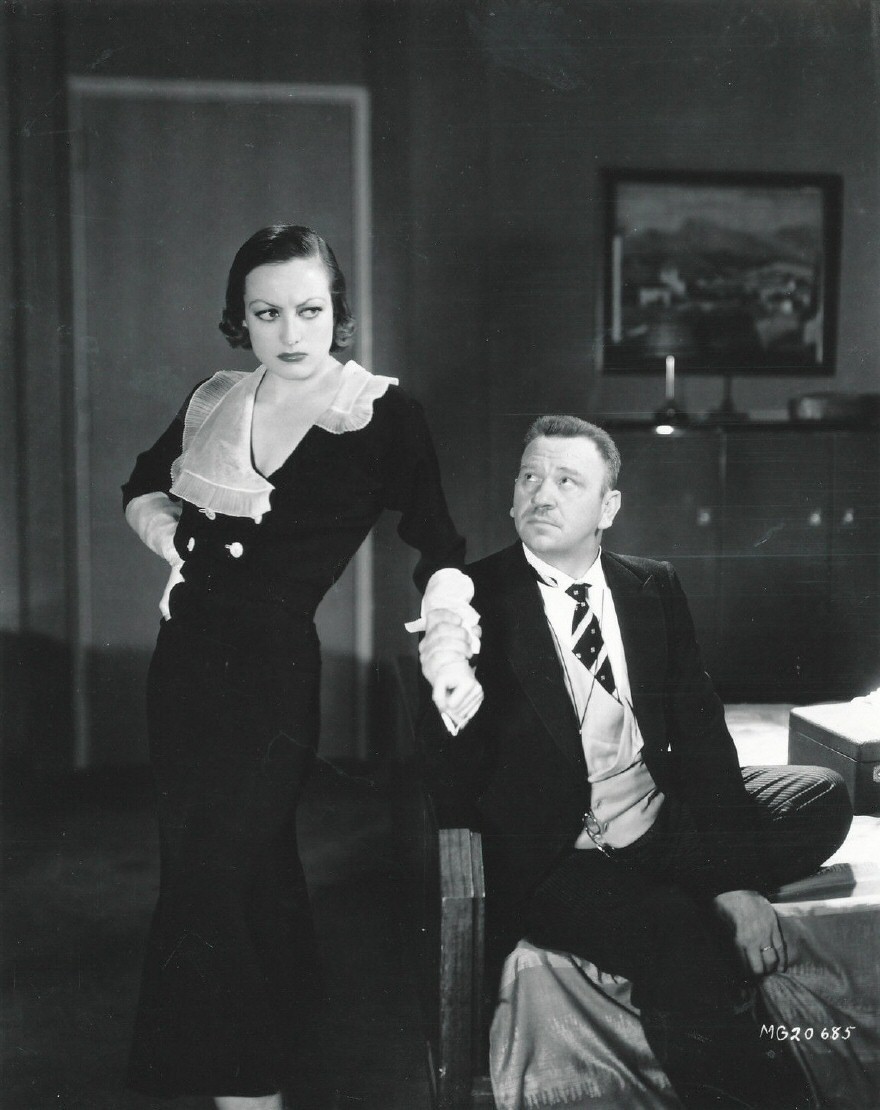
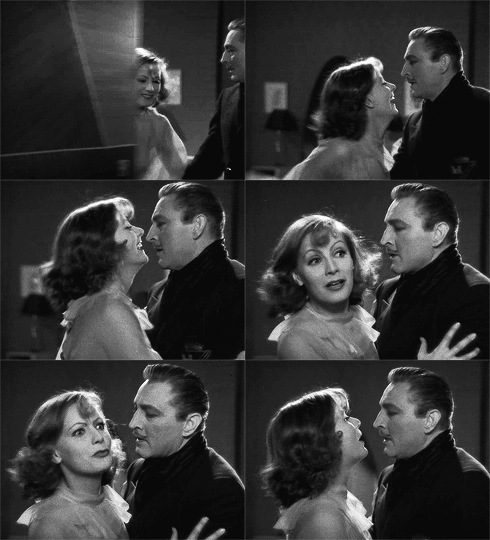
Preysing está lá para assinar uma importante fusão de empresas, e para isso ele precisa de uma estenografa – para trabalhar para ele e também para lhe proporcionar algum “divertimento”. Ele contrata a senhorita Flaemmchen (Joan Crawford), uma moça jovem e pobre que logo atrai a atenção do Barão Felix Von Geigern (John Barrymore), um vigarista que está mais interessado na rica e deprimida bailarina Grusinskaya (Greta Garbo) – prova viva de que dinheiro e fama não trazem felicidade.

Preysing is there to sign an important merger, and for this he needs a stenographer – to both work for him and to be a pleasure toy. He hires Miss Flaemmchen (Joan Crawford), a young and penniless lady who quickly attracts the attention of the Baron Felix von Geigern (John Barrymore), a crook more interested in the rich and miserable ballerina Grusinskaya (Greta Garbo) – the living proof that fame and money don't bring happiness.


O Barão quer roubar o colar de pérolas de Grusinskaya, e quando ele finalmente consegue, ele a encontra mais triste que nunca. Pensando em voz alta, ela fala em suicídio, e o Barão intercede. O que acontece a seguir? Eles se apaixonam. Ver Greta Garbo e John Barrymore juntos na tela, interpretando um casal tão apaixonado, é uma das mais maravilhosas experiências que um cinéfilo pode vir a ter. A performance de Garbo, num primeiro momento, não parece natural, mas quando Grusinskaya se apaixona pelo Barão, ela exala uma excitação jovial, tão infantil e ao mesmo tempo tão verdadeira.

The Baron wants to steal Grusinskaya’s pearl necklace, and when he finally does it, he finds her sadder than ever. She talks about suicide to herself, and the Baron stops her. What happens next? They fall in love. Seeing Greta Garbo and John Barrymore together on the screen, playing a couple so in love, is one of the most wonderful experiences a film buff can have. Garbo’s acting is not natural at first, but when Grusinskaya falls for the Baron she exudes a youthful excitement, so silly and yet so true.


No hotel também está o doutor Otternschlag (Lewis Stone), um homem amargo que foi médico na guerra e tem uma cicatriz por causa disso – e a cicatriz foi inclusive contaminada com difteria após a guerra, o que levou o doutor Otternschlag a ficar dois anos internado, em quarentena. No hotel há também um jovem casal em lua de mel, os Hoffmans. Eles chegam no final do filme e, de fato, Mary Carlisle, que interpreta a senhora Hoffman, foi a última do elenco a fazer o check-out: ela faleceu recentemente, aos 104 anos.

At the hotel there is also Doctor Otternschlag (Lewis Stone), a bitter man who was a war doctor and has a wound to prove it – a wound that was even contaminated with diphtheria after the war, what cost Doctor Otternschlag two years institutionalized, away from society. There is also a young couple on honeymoon, the Hoffmans. They arrive by the end of the movie and, indeed, Mary Carlisle, who plays Mrs. Hoffman, was the last one of the cast to make a check-out: she just passed away recently, at 104.
 
Mary Carlisle is next to Lionel Barrymore
Otto Kringelein é meu personagem favorito. Ele é a personificação da palavra “puro”. Ele se sente feliz e sortudo pela primeira vez na vida – ele está VIVENDO pela primeira vez na vida. Kringelein gosta muito de Flaemmchen e do Barão, e é adorável ver os dois irmãos Barrymore contracenando e adicionando um pouco de amor fraternal às performances. Ah, e Kringelein também gosta muito de Louisiana Flips – um drink esquisito com rum, licor, suco de laranja, xarope de frutas vermelhas e um ovo cru... eca.

Otto Kringelein is my favorite character. He is the real definition of pure. He is feeling happy and lucky for the first time in his life – he is LIVING for the first time of his life. Kringelein is very fond of Flaemmchen and the Baron, and it’s lovely to see the two Barrymore brothers acting together and letting a little of their brotherly love be translated to the screen. Oh, and Kringelein really like Louisiana Flips – a weird drink with rum, liquor, orange juice, raspberry syrup and a raw egg… ew.


No final, Kringelein diz que “há um Grande Hotel em todos os lugares do mundo”. De fato, os temas do filme são universais – e não há dúvidas de que o tema principal é dinheiro. Para ganhar dinheiro, as pessoas fazem qualquer coisa – até mesmo renunciam às qualidades que as tornam humanas. Não importa a idade ou classe social, todos nós estamos fadados a ser escravos do dinheiro – e isso era mais que verdadeiro se considerarmos que a peça “Grande Hotel” foi escrita durante a República de Weimar. Quanto da condição escravizante do dinheiro mudou desde então? Veja esta obra-prima e tire suas próprias conclusões.

In the end, Kringelein says that “there is a Grand Hotel everywhere in the world”. Indeed, the themes of the movie are universal – and there is no doubt that the main theme is money. In order to get money, people do anything – even renouncing to what makes us humans. No matter the social class or the age, we all are doomed to be slaves to the money – and this was more than true considering that the play “Grand Hotel” was written during the Weimar Republic. How much has the enslaving condition of money changed since then? Watch this true masterpiece and take your own conclusion.

This is my contribution to the Fourth Annual Barrymore Trilogy blogathon, hosted by Crystal at In the Good Old Days of Classic Hollywood.

Friday, May 18, 2018

The Hollywood Revue of 1929

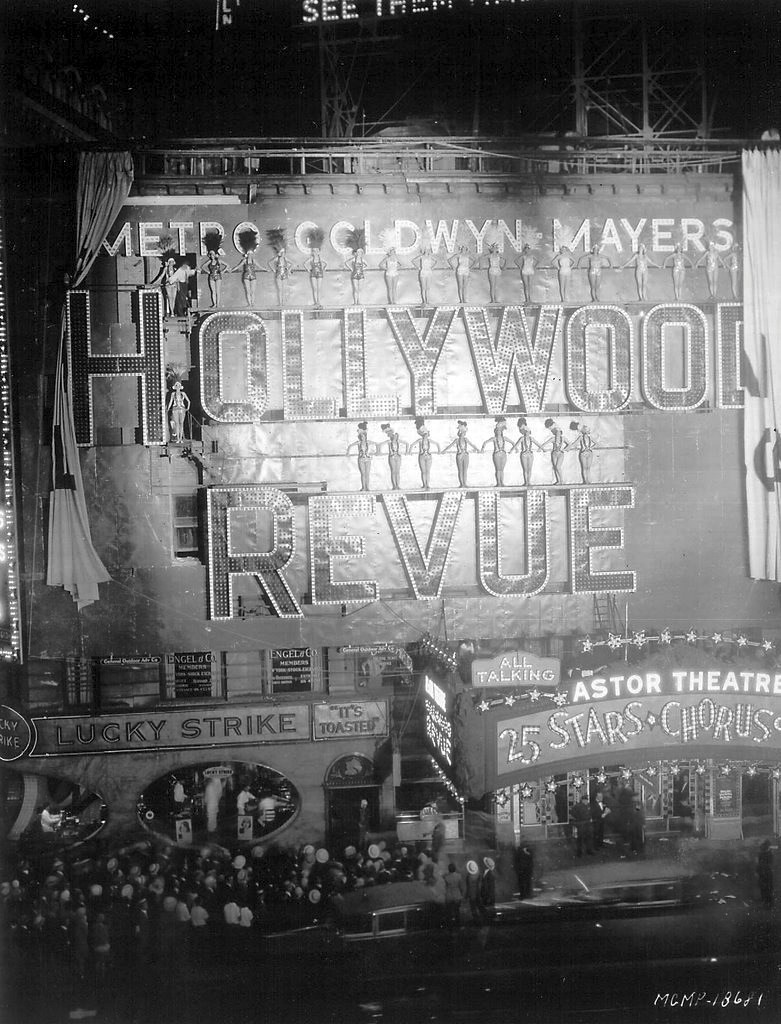
O que era moda em 1929? E o que era novidade? Para responder a ambas as perguntas, você apenas tem de assistir a “Hollywood Revue”, de 1929, que foi de fato o primeiro grande musical da MGM. O filme traz todas as grandes estrelas que tinham contrato com o estúdio – exceto Greta Garbo, Ramon Novarro e Lon Chaney, que prezavam muito pela privacidade – e ele apresenta sequências em two-strip Technicolor, efeitos especiais de encolhimento e muita música e dança.

What was in vogue in 1929? And what was brand new? To answer both these questions, you just have to watch “The Hollywood Revue of 1929”, truly MGM’s first ever extravaganza. The film brings all the big stars under contract with the studio – except Greta Garbo, Ramon Novarro and Lon Chaney, who were very worried with privacy – and it also presents sequences in two-strip Technicolor, downsizing special effects and a lot of singing and dancing.
“Hollywood Revue” é vaudeville filmado para a tela do cinema – e completo com um pequeno intervalo entre os atos. E deveria ser assim mesmo: os shows do chamado “teatro de revista” não tinham uma história única, mas sim apresentavam diversas atrações. Em um palco gigantesco e impressionante, os mestres de cerimônia Conrad Nagel e Jack Benny – representando, respectivamente, o mundo do cinema e o mundo do teatro – apresentam vários números, alguns cheios de piadas, mas a maioria musical. É como se a MGM quisesse dizer: “nossas maiores estrelas conseguem cantar, dançar e falar!”

“The Hollywood Revue of 1929” is vaudeville on the screen – complete with intermission. And of course it is this way: a “revue” is a theatrical show without a plot, presenting several attractions. In a huge, impressive stage, masters of ceremonies Conrad Nagel and Jack Benny – representing, respectively, the movie world and the theater world – present several numbers, some of them full of jokes, but the majority is all about music. It's like MGM wanted to say: “our greatest stars CAN SING, CAN DANCE AND CAN TALK!”
Joan Crawford
Não podemos negar que o tempo não foi bom com o filme, e muitas das piadas hoje não têm graça. Entretanto, Marie Dressler, Polly Moran e Bessie Love formam um trio divertido, e o Gordo e o Magro estão engraçados como sempre ao interpretarem dois mágicos atrapalhados – sendo que o Magro não fala uma palavra! Quem também não fala nada é Buster Keaton, que substitui Carla Laemmle – que usava um provocante biquíni de duas peças – como a filha dançarina de Poseidon, deus dos mares.

We can't deny that time hasn't been kind to the film, and many of the jokes fall flat nowadays. However, Marie Dressler, Polly Moran and Bessie Love make a funny trio, and Laurel and Hardy are they usual selves as two clumsy magicians – even though Laurel doesn't say a word! Another one who doesn't say a word is Buster Keaton, who replaces Carla Laemmle – who was in a risky two-piece swimsuit – as the dancing daughter of Poseidon, the god of the sea.
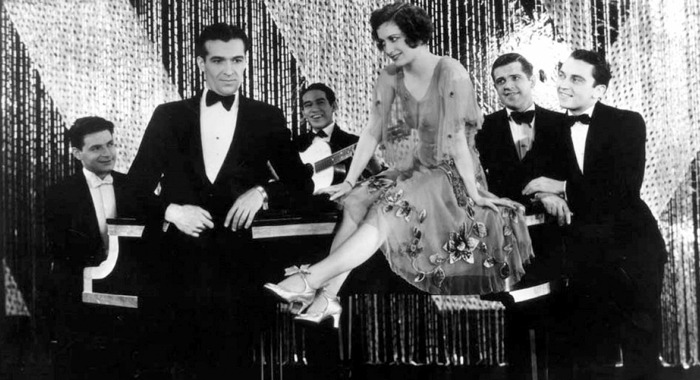
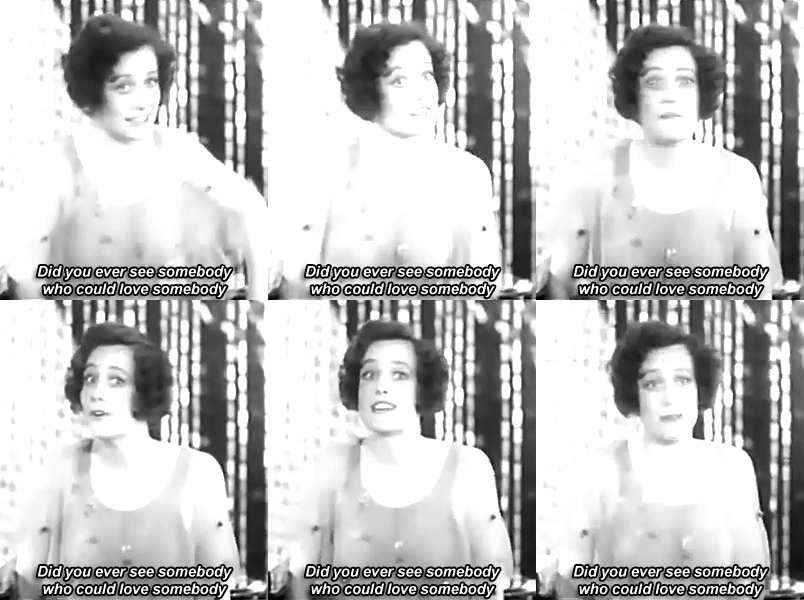
Joan Crawford é fofa cantando e dançando “Gotta Feeling for You”. Joan é melhor dançarina que cantora, e é óbvio que ela não canta e dança ao mesmo tempo, porque, mesmo havendo a música, seus lábios não se mexem. Não há nada de extraordinário no número de Joan, mas quando as dezenas de dançarinos se juntam no palco, tudo fica melhor: o trabalho de coreografia com o grupo é maravilhoso, e os dançarinos comumente chamam mais atenção que as músicas e os cantores.

Joan Crawford is cute singing and dancing “Gotta Feeling for You”. Joan is a better dancer than singer, and it’s obvious that she is not singing and dancing at the same time, because her mouth does not move, even though the song goes on. There is nothing extraordinary in Joan's number, but when the dozens of dancers join any number, things get much better: the chorus is very well-coordinated and choreographed, and they often distract us from the music and the singers.
Mas o que é aquilo no número “Lon Chaney is Gonna Get You If You Don’t Watch Out?” E uma coreografia ao estilo de Busby Berkeley! Este é um momento interessante, provavelmente influenciado pela Broadway, que é onde Berkeley trabalhava na época. É também uma coincidência curiosa, considerando que Busby Berkeley trabalhou na MGM na década de 1940.

But what is that in the number “Lon Chaney is Gonna Get You If You Don’t Watch Out”? It is a Busby Berkeley-style choreography! It's an interesting bit, much probably coming from Broadway, where Berkeley worked at the time, and a curious coincidence, considering that Berkeley worked at MGM in the 1940s.
Regular Broadway
Berkeley Broadway
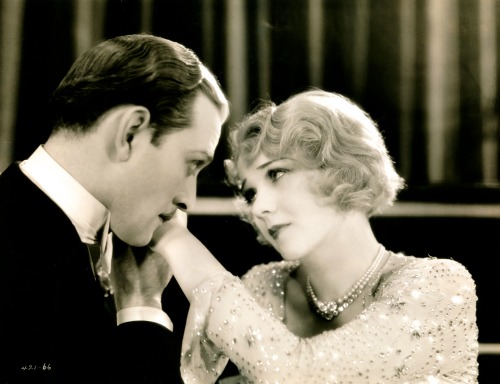
O popular cantor de vaudeville Charles King diz ao galã de cinema Conrad Nagel que “hoje, você precisa fazer amor com palavras e música”. Charles menciona uma música que ele interpretara em “Melodia da Broadway” (1929) chamada “You Were Meant For Me”. Para a surpresa de todos, e em especial de Charles, Nagel senta em um piano e interpreta lindamente a música para Anita Page. Mas era tudo um truque, nunca revelado durante o filme: na verdade, era o próprio Charles King que dublou Conrad Nagel na cena! Com ou sem dublagem, Nagel sobreviveu à chegada do cinema falado e teve uma longa carreira como coadjuvante no cinema e na televisão até 1967.

Popular vaudeville singer Charles King says movie star Conrad Nagel that “today, you've got to make love with words and music”. Charles mentions a song he interpreted in “Broadway Melody” (1929) called “You Were Meant For Me”. For everybody’s surprise, and especially Charles’, Nagel sits in a piano and sings the song beautifully to Anita Page. But it all was a trick, not revealed in the movie: actually, it was King himself who dubbed Conrad Nagel’s singing voice! With or without dubbing, Nagel survived the talkie revolution, and had a long career as a supporting player on film and TV until 1967.
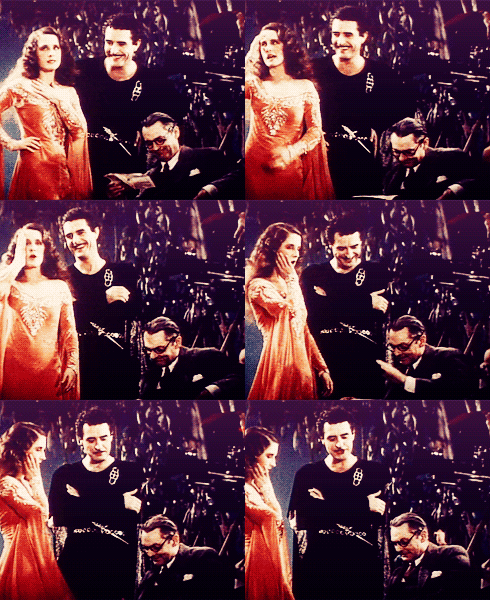
E se falamos sobre a transição do cinema mudo para o falado, precisamos mencionar a surpreendente e inteligente sequência de Romeu e Julieta. Filmada em two-strip Technicolor, suas estrelas são John Gilbert e Norma Shearer. A voz de Gilbert é boa, e esta pequena sequência já é suficiente para nos mostrar que a história sobre “a voz de taquara rachada” que é usada para justificar o fracasso de Gilbert no cinema falado é uma falácia. A sequência, já interessante, se torna ainda mais legal quando o diretor da cena, interpretado por Lionel Barrymore, diz aos atores para modernizar as falas, e eles refazem a cena da sacada de Romeu e Julieta usando gírias dos anos 1920.

If we're talking about the silent-to-talkie transition, we must mention the impressive and clever Romeo and Juliet sequence. Shot in two-strip Technicolor, it stars John Gilbert and Norma Shearer. Gilbert's voice is fine, and this simple sequence is enough to show us that the “funny voice story” that is used to justify his short career in talkies is a myth. The already cool sequence becomes even nicer when the scene's director, played by Lionel Barrymore, tells them to modernize the dialogue, and they redo the balcony scene in Romeo and Juliet with 1920's slang.
A MGM foi o primeiro estúdio a apresentar uma revista como esta, cheia de estrelas, e a fórmula foi rapidamente copiada por outros estúdios. A Warner Brothers foi o estúdio seguinte, fazendo “A Parada das Maravilhas / The Show of Shows”, filmado quase totalmente em two-strip Technicolor. Depois veio a Fox, com “Dias Felizes”, e então a Paramount com “Paramount em Grande Gala / Paramount on Parade” (1930). A Fox também fez as revistas menores “Fox Movietone Follies” em 1929 (antes da MGM, este filme foi perdido) e em 1930 (o filme sobrevive).

MGM was the first studio to present an all-star revue, and the formula was quickly copied by other studios. Warner Brothers followed with “Show of Shows”, almost fully shot in two-strip Technicolor. The next studio to make a revue was Fox, with “Happy Days”, followed by Paramount with “Paramount on Parade”, from 1930. Fox did also the smaller revues “Fox Movietone Follies” in 1929 (before “Hollywood Revue of 1919”, this film is now lost) and 1930 (still extant).
Se você não gosta de musicais, não chegue perto de “Hollywood Revue”. Quer dizer, se você não suporta um musical com uma história, você é capaz de se imaginar vendo um musical SEM uma história? Caso contrário, se você ama musicais, história do cinema ou se você é um historiador amador e curioso, “The Hollywood Revue of 1929” é um documento interessante – na falta de termos melhores. Afinal, se não é por causa das coisas estranhas que você encontra no processo, por que você estuda história?

If you don’t like musicals, don’t go near “The Hollywood Revue of 1929”. I mean, if you can’t stand a musical with a plot, can you imagine yourself sitting through a musical WITHOUT a plot? On the contrary, if you love musicals, film history or if you are a curious history buff, “The Hollywood Revue of 1929” is an interesting document – for lack of better terms. Because, if not for the weird things you find along the way, why do you study history?

This is my contribution to The MGM Musical Magic Blogathon, hosted by Annette at Hometowns to Hollywood.
Related Posts Plugin for WordPress, Blogger...