} Crítica Retrô: Frank Borzage

Tradutor / Translator / Traductor / Übersetzer / Traduttore / Traducteur / 翻訳者 / переводчик

Showing posts with label Frank Borzage. Show all posts

Wednesday, July 29, 2026

Manequim (1937) / Mannequin (1937)


Muitos anos atrás, baixei alguns filmes de Frank Borzage. Um deles era “Manequim”, de 1937. Não consegui assisti-lo porque meu laptop quebrou e por algum tempo esqueci o filme. Quando fiz minha lista de Resoluções de 2026, decidi inclui-lo, afinal, não dá para dizer não para um filme com a única colaboração entre Joan Crawford e Spencer Tracy. Eu pensei que seria, dado o título, sobre o mundo da moda. Mas o que encontrei no lugar foi um drama romântico. 

Many years ago, I downloaded a bunch of Frank Borzage movies. One of the bulk was “Mannequin”, from 1937. I couldn’t watch it because my laptop broke and for a while I forgot about this film. When making my list of 2026 Resolutions, I decided to include it, after all, you can’t say no to a film with the  only collaboration between Joan Crawford and Spencer Tracy. I thought it would be, given the title, about the fashion world. But what I got instead was a romantic drama.

Jessie Cassidy (Joan Crawford) é uma operária da indústria têxtil que vive com seu irmão ingrato, pai preguiçoso e uma mãe que tem dificuldades em administrar as contas. Uma noite, ela sai com seu namorado Eddie (Alan Curtis) e decide não voltar para casa, em vez disso, ela se casa. O casal está celebrando a boda num restaurante quando seus caminhos cruzam com o do empresário naval John Hennessey (Spencer Tracy).

Jessie Cassidy (Joan Crawford) is a textile factory worker who lives with her ungrateful brother, lazy father and a mother who has trouble making ends meet. One night, she goes out with her beau Eddie (Alan Curtis) and decides not to return home and get married instead. The couple is celebrating their wedding at a restaurant when their paths cross with the boat entrepreneur John Hennessey (Spencer Tracy).

Não há lua de mel, mas há muitos sinais de alerta. Na manhã seguinte ao casamento Eddie pede dinheiro para Jessie. Ela sai do apartamento mas quando volta descobre que os donos pediram o local de volta por falta de pagamento do aluguel. Eddie confessa que é viciado em jogos. Quando ele aposta em cavalos e vai para a cadeia, Jessie precisa arranjar cem dólares para a fiança. E para conseguir o dinheiro ela vai procurar Hennessey.  

There is no honeymoon, but there are plenty of red flags. The morning after the wedding Eddie asks Jessie for money. She leaves the apartment and when she comes back she finds the owners taking it back for lack of payment of the rent. Eddie confesses he gambles. When he bets on horses and goes to jail, Jessie needs one hundred dollars to get him out. And for the money she goes after Hennessey.

Sem casa e sem horizonte, depois que o show em que ela trabalhava como corista foi encerrado, Jessie volta para a casa dos Cassidy, desta vez trazendo Eddie junto. Seu marido é igualzinho ao seu pai preguiçoso, como num círculo vicioso. Sua mãe não deixa que Jessie cometa os mesmos erros que ela cometeu, por isso a aconselha a lutar pelo que quer. E o que Eddie quer? Que Jessie seduza Hennessey em busca de mais dinheiro!

Homeless and hopeless, after the show she worked on as a chorus girl closed, Jessie goes back to the Cassidy home, this time bringing along Eddie. Her new husband is so much like her lazy father that it hurts. Her Ma doesn’t want Jessie to make the same mistakes she did, and advises her daughter to always go after what she wants. And what does Eddie want? For Jessie to seduce Hennessey in search of more money!

Quando o assunto é consentimento, o filme envelheceu mal. Hennessey não aceita os muitos “nãos” que Jessie diz para ele e temos que achar isso romântico. Mas ela se contradiz. Depois do desfile de modas - que justifica o título do filme - ela aceita sair com ele.   

When the subject is consent, the movie aged badly. Hennessey doesn’t accept the many “nos” Jessie says to him and we’re supposed to find it romantic. But she contradicts herself. After the fashion show - which justifies the title of the movie - she accepts going out with him.

No começo, Jessie canta sua canção especial com Eddie e, surpreendentemente, é de fato a voz de Joan Crawford, nos diz o IMDb. A canção, “Always and Always”, foi indicada ao Oscar de Melhor Canção Original, a única indicação ao Oscar para o filme.

In the beginning, Jessie sings her special song with Eddie and, surprisingly, it’s really Joan Crawford’s voice, per IMDb. The song, “Always and Always”, was nominated for the Best Original Song Oscar, the only Oscar nomination for the film. 

Frank Borzage foi um grande diretor - na verdade, foi o primeiríssimo ganhador do Oscar de Melhor Diretor. Ele começou como ator, em geral interpretando vilões. Dirigiu seu primeiro filme em 1913, mas encontrou a fórmula do sucesso com romances apenas na década seguinte. Esta fórmula pode ser resumida pela frase dele: “Mexa com os sentimentos da plateia, não do intérprete. Faça com que a plateia atue”.

Frank Borzage was a great director - in fact, he was the first recipient ever of the Best Director Oscar. He started as an actor, usually playing heavies. He directed his first film in 1913, but found the formula of success with romances in the following decade. This formula could be summoned in his quote: “Make the audience sentimental instead of the player. Make the audience act.”

O filme é um drama sólido, mas uma simples conversa teria resolvido tudo e teríamos um curta-metragem e não um longa. Mas o público gostou da película, tanto que arrecadou nas bilheterias o triplo de seu orçamento. Quanto aos desfiles, faltam em quantidade e qualidade. Bem, sempre teremos “Modas de 1934”.

The film is solid in its drama, but a simple conversation would have fixed everything and we’d have a short film, not a feature. But the audience liked it, so much that its box-office was three times its budget. As for fashion shows, it lacks in quantity and quality. Well, we’ll always have “Fashions of 1934”.

Thursday, October 25, 2018

Estrela Ditosa (1929) / Lucky Star (1929)


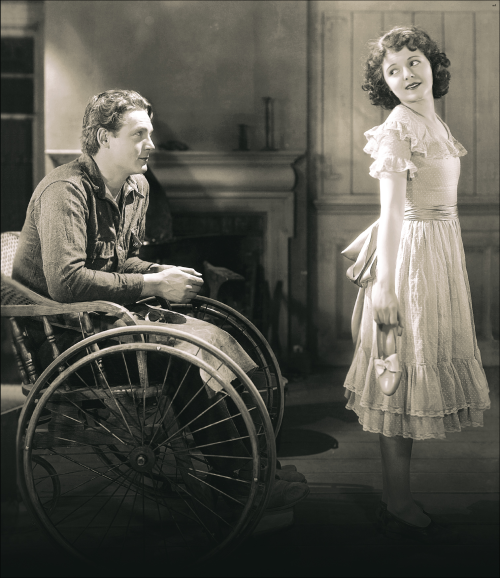
A Primeira Guerra Mundial é um período fantástico para ser estudado – e uma experiência terrível para ser vivida. Muitos soldados que sobreviveram voltaram para casa desfigurados ou permanentemente incapacitados. “Estrela Ditosa” conta a história de um destes soldados – e também é provavelmente o único filme da história a ter uma briga entre duas pessoas no topo de um poste de telefonia.

World War I is a fascinating period to be studied - and a horrible experience to have been lived. Many of the soldiers who came back returned permanently disabled or disfigured. “Lucky Star” is a story of one of these soldiers - and also probably the only film ever to have two people fighting while hanging up in a telephone line post.


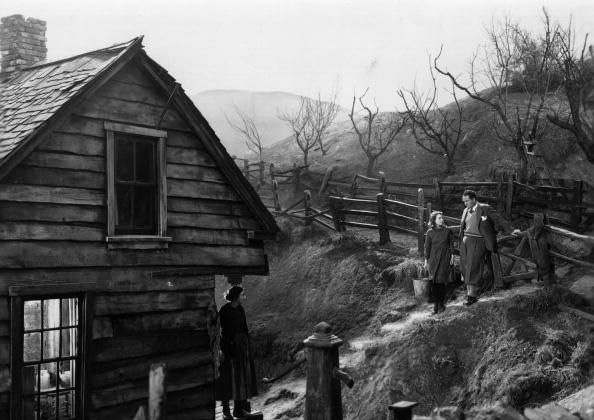
Em uma área rural pobre vivem Mary e Tim. Mary (Janet Gaynor) é uma garota que precisa cuidar dos irmãos mais novos e ainda ajudar a mãe com as tarefas da fazenda. Tim (Chares Farrell) trabalha consertando postes de telefonia, e com ele trabalha o preguiçoso Martin Wrenn (Guinn Williams). Mary e Tim se conhecem quando ela entrega dois galões de leite para os rapazes, e enquanto ela está lá tentando arrancar cinco centavos a mais de Wrenn, Tim ouve a notícia de que foi declarada guerra.

In a poor rural area live Mary and Tim. Mary (Janet Gaynor) is a girl who has to take care of her younger siblings and also help her mom with the duties in the farm. Tim (Charles Farrell) works repairing telephone posts, and his coworker is the lazy Martin Wrenn (Guinn Williams). Mary and Tim meet when she delivers two gallons of milk to the boys, and while she is in there trying to get an extra nickel from Wrenn, Tim hears the news that war has been declared.


O primeiro encontro deles não foi muito agradável. Quando Tim percebe que Mary estava mentindo sobre não receber os cinco centavos de Wrenn, ele dá uma surra nela, e a deixa possessa. Mesmo assim, ela sente falta dele e dos outros homens quando eles vão para a França. Ela escreve para Tim e Wrenn, mas é mais educada com Wrenn. Mesmo na guerra, Wrenn não mudou: ele não está interessado em seu dever cívico, mas sim em conhecer moças francesas. O contraste é claro quando temos cortes rápidos entre Wrenn, dirigindo um caminhão para encontrar mulheres, e Tim, usando um vagão movido a cavalo para levar sopa para  os soldados nas trincheiras.

Their first encounter is not that pleasant. When Tim realizes Mary was lying about not receiving Wrenn’s nickel, he spanks her, and this drives her crazy. Nevertheless, she misses him and the other guys when they leave to France. She writes to both Tim and Wrenn, but is more polite to the later. Even in war, Wrenn hasn’t changed: he is not interested in his civic duty, but in seeing French girls. The contrast is clear when we have quick cuts between Wrenn, driving a truck to see the ladies, and Tim, using a wagon propelled by a horse to take soup to the soldiers in the trenches.


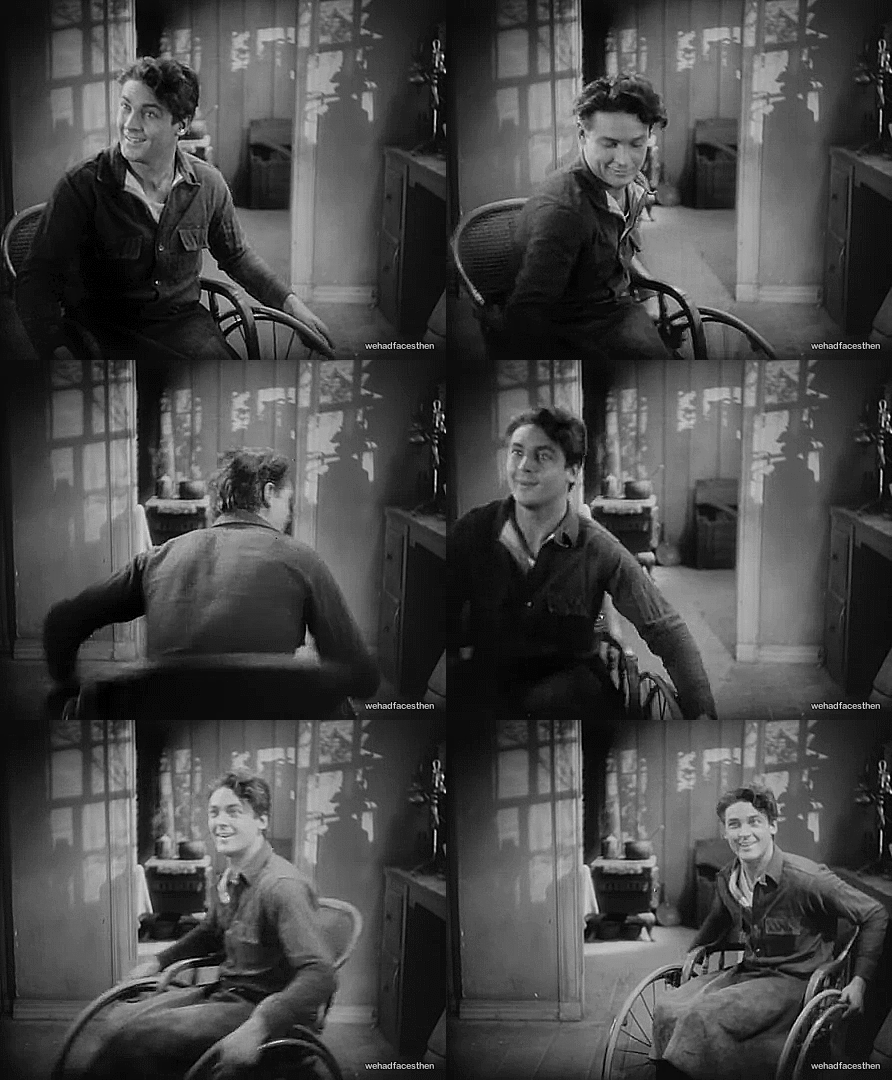
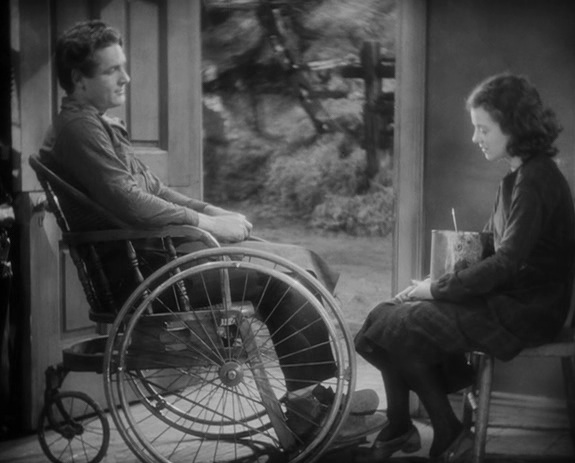
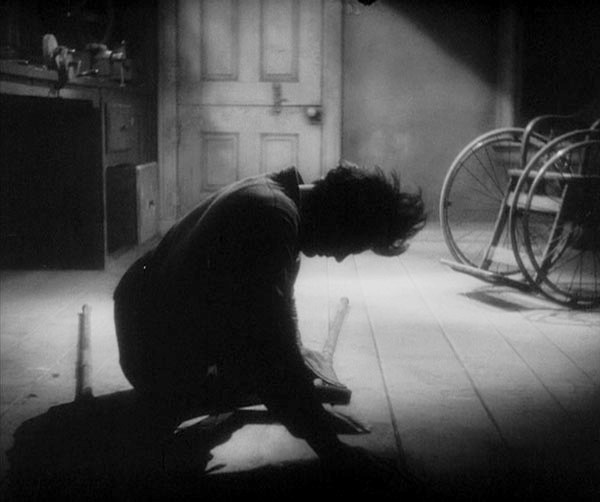
Depois de um ano a França e outro ano no hospital, Tim volta para casa em uma cadeira de rodas. Mary se surpreende ao vê-lo assim, e fica mais surpresa ainda ao ver como ele já se adaptou à cadeira de rodas – ele gira, vai para todo canto dentro de casa e até dá marcha à ré. Mary começa a visitá-lo sempre, animada para ver as coisas que ele está inventando. Tim primeiro quer protegê-la e zoá-la, como se faz com uma irmãzinha, mas depois ele percebe que está apaixonado por ela.

After a year in France and another year in the hospital, Tim comes home in a wheelchair. Mary is surprised to see him like that, and even more surprised by how skilled he already is with the wheelchair - doing loops, going everywhere inside his house and even moving backwards. Mary starts going to his house often, excited to see the things he is doing as an inventor. Tim first wants to both protect and tease her, as if she was a younger sister, but then he realizes he is in love with her.


E Wreen ainda não aprendeu nada. Ele foi expulso do exército, mas ainda usa seu uniforme – pior, ele diz à mãe de Mary que foi promovido de sargento a major. Ele usa o uniforme e promessas falsas de casamento para enganar garotas, e escolheu Mary como a próxima vítima.

And Wrenn still hasn’t learned a thing. He was expelled from the Army, but still wears the uniform – worse, he tells Mary’s mother that he has been promoted from a Sergeant to a Major. He uses the uniform and fake wedding promises to get girls, and he has chosen Mary as his next victim.


Tim se entristece porque se sente solitário. Ele fica em casa 24 horas por dia porque não há acessibilidade do lado de fora. As coisas ficam ainda piores quando começa a nevar – algo que é um desafio para as pessoas em cadeiras de rodas ainda hoje. Logo após a Primeira Guerra Mundial, as cadeiras de rodas eram só cadeiras modificadas, e fica claro que o modelo usado por Tim se popularizou a partir de 1880, por causa da roda traseira. É prática, sim, mas não é suficiente para promover a socialização, como o filme mostra.

Tim is sad because he is lonely. He is in his house 24/7 because there is no accessibility at all outside. Things get even worse when it starts snowing – something that is still a challenge for people in wheelchairs today. Right after World War I, the wheelchairs were just modified chairs, and it’s clear that the model Tim has was common from the 1880s onward, because of the rear wheel. Practical, yes, but not enough to promote the socialization, as the film shows.


Tim não quer que as pessoas tenham pena dele. E esta é a primeira coisa que precisamos saber ao lidar com deficientes: eles não querem pena. Tratá-los de maneira diferente, especial, é mais um insulto que um favor. Eles não querem privilégios. Eles querem ser tratados como seres humanos, com algumas necessidades especiais. Mesmo que o termo “necessidades especiais” não seja bem aceito, é a verdade: alguém como Tim, em uma cadeira de rodas, precisa de algumas mudanças no local em que vivem para que possam viver normalmente. Estas mudanças são pequenas, coisas que podem ser feitas facilmente e que beneficiam a todos, porque conviver com pessoas diferentes é enriquecedor para todos.

Tim doesn’t want people to pity him. And this is the first thing we should know as we deal with the disabled: they don’t want pity. Treating them in a different way, in a special way, is more of an insult than a favor. They don’t want privileges. They want to be treated as human beings, but with a few special needs. Although the term “special needs” is not very cherished, it is the truth: someone like Tim, in a wheelchair, needs some special changes in the place they live in order to live normally. Those special changes are small changes, things that can be done and help everybody, because socializing with different people is enriching for everybody.


Além de termos Tim convivendo com a deficiência, temos Mary vivendo em uma família abusiva. Ela é explorada pela mãe (Hedwiga Reicher) e apanha com frequência. A mãe também detesta Tim e o chama de “aleijado”. Ela só está interessada nos presentes que Wrenn traz e nas falsas promessas dele de dinheiro para a família se Mary se casar com ele.

Besides having Tim facing disability, we have Mary living in an abusive household. She is exploited by her mother (Hedwiga Reicher), and beaten by her. Her mother also dislikes Tim and calls him a “cripple”. She is only interested in the gifts Wrenn brings and his empty promises of money for the family if Mary marries him.


Charles Farrell era um ator muito bonito, mas hoje está quase esquecido. Em “Estrela Ditosa”, ele mostra que também era excelente ator. Seus esforços com as muletas me lembraram da atuação de Lon Chaney, ao mesmo tempo difícil de ver e hipnotizante. Obviamente, para que o roteiro funcione, o progresso de Tim é muito rápido, mas “Estrela Ditosa” foi feito para ganhar dinheiro em cima da química da dupla Farrell e Gaynor, e não para dar esperança para as pessoas que se tornaram deficientes após a guerra.

Charles Farrell was a very handsome leading man, even though forgotten today. In “Lucky Star”, he shows he also could act. His efforts to use crutches reminded me of Lon Chaney’s acting, at the same time painful to watch and hypnotizing. Of course, for the film’s sake Tim’s progress is too quick, but Lucky Star was made to capitalize on the duo’s screen chemistry, and not in order to give hope to people who became disabled after the war.


A direção de arte é hipnotizante desde o primeiro segundo de projeção. As casas podem ser pobres, mas são construídas de maneira estilizada, e criam um contraste interessante com as montanhas e o céu ao fundo. Borzage fez alguns filmes visualmente maravilhosos nos anos 20 e 30 – eu particularmente aprecio o subestimado “Liliom”, de 1930. “Estrela Ditosa” é mais um desses belos filmes.

The art direction is mesmerizing since the very first second of the film. The houses may be poor, but they are built in a stylized way, and make an interesting contrast with the mountains and the sky in the background. Borzage made some visually beautiful films in the 1920s and 1930s - I particularly like the underrated “Liliom”, from 1930. “Lucky Star” is another one in this list of beautiful films.


A “Estrela Ditosa” que conhecemos hoje não é a versão original entregue pelo mestre Frank Borzage. De acordo com resenhas de 1929, o filme era parcialmente falado, com efeitos sonoros e diálogos perto do final. Entretanto, “Estrela Ditosa” foi considerado perdido durante muitas décadas. Felizmente, uma cópia foi encontrada em um arquivo da Holanda, e os intertítulos foram reconstruídos através de pesquisa e com ajuda do roteiro original. Uma nova trilha sonora foi composta, mas infelizmente a trilha original com diálogos ainda não foi encontrada.

The “Lucky Star” we have now is not the original one delivered by master director Frank Borzage. According to reviews from 1929, the film was a part-talkie with sound effects and dialogues near the end. However, “Lucky Star” was considered completely lost for many decades. Luckily, a print was found in the Netherlands Film Archive, and the intertitles were reconstructed from research using the original screenplay. A new soundtrack was composed, but unfortunately the original soundtrack with dialogue is yet to be found.


“Estrela Ditosa” é uma das 12 colaborações entre Charles Farrell e Janet Gaynor. Eles eram tão convincentes como um casal que vários presentes chegavam todas as semanas aos estúdios da Fox para o “aniversário de casamento” deles. Obviamente, eles não eram casados. E obviamente, um homem em uma cadeira de rodas não consegue se recuperar com aquela rapidez. Mas “Estrela Ditosa” é um destes filmes em que devemos suspender o senso muito crítico para apreciá-lo por completo. É belo, romântico e nos dá esperança. Ditosos somos nós!

“Lucky Star” is one of 12 collaborations between Charles Farrell and Janet Gaynor. They were so convincing as a couple that several gifts arrived every week to the Fox Studios lot for their “wedding anniversary”. Of course, they were not married. And of course, a man in a wheelchair can’t recover that quickly. But “Lucky Star” is one of those films that we must stop being too critical to enjoy. It’s beautiful, romantic and gives us hope. Lucky us!

This is my contribution to the 2nd Disability in Film blogathon, hosted by Crystal and Robin at In the Good Old Days of Classic Hollywood and Pop Culture Reverie.


Saturday, February 3, 2018

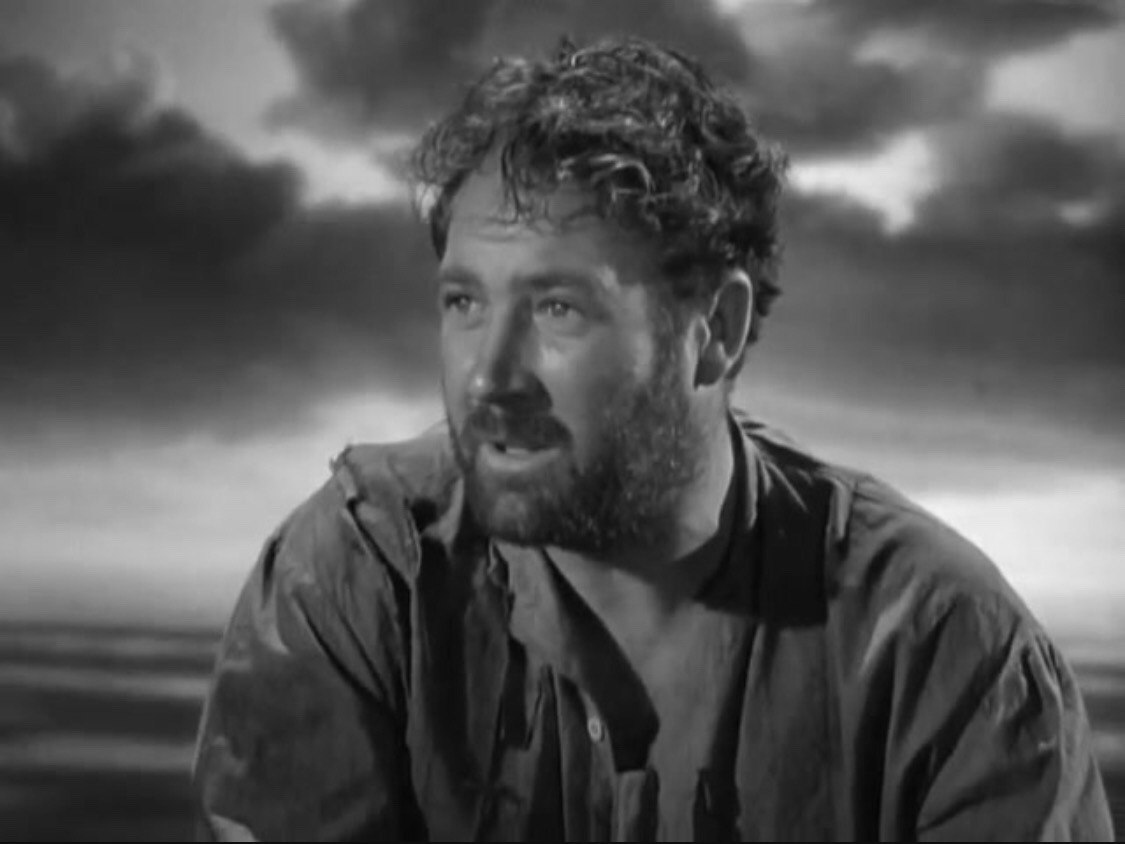
Almas Rebeldes (1940) / Strange Cargo (1940)

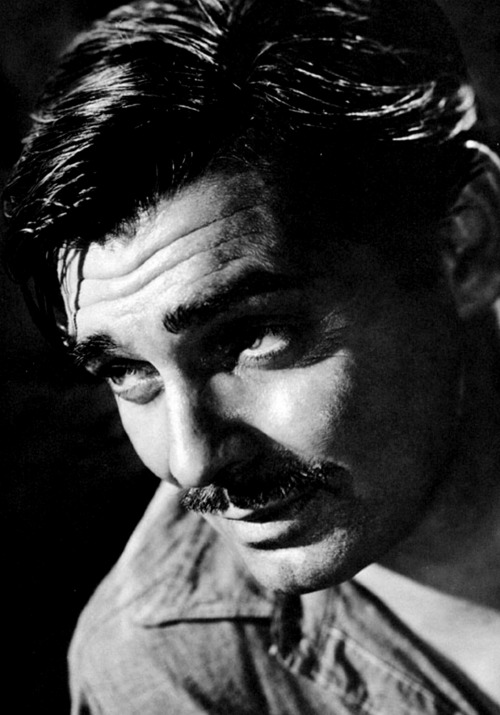
Clark Gable e Joan Crawford fizeram oito filmes juntos. O primeiro deles foi em 1931, e o último em 1940. “Almas Rebeldes” é este último filme da parceria, um filme que veio logo depois de muito sucesso para ambos: em 1939 Gable fez um pequeno filme chamado “E o Vento Levou...” e Crawford foi uma das estrelas de “As Mulheres”. “Almas Rebeldes” foi, para as duas estrelas, uma grande mudança em relação à pompa de seus trabalhos pregressos.

Clark Gable and Joan Crawford made eight films together. Their first pairing was in 1931, and their last in 1940. “Strange Cargo” is this last film they made together, and it came following successes from both: in 1939, Gable was in a little film called “Gone with the Wind” and Crawford was one of the many stars in “The Women”. “Strange Cargo” was a complete change from the glamour and pomp for the two stars.
Apenas pessoas esquecidas vivem na Guiana – um local que, no mundo do cinema, se parece muito com a África de “O Diabo Riu por Último” (1953). Há uma grande prisão lá, para 'homens que perderam as esperanças'. E as mulheres que trabalham no bar local são imigrantes que fariam qualquer coisa para sobreviver. Mas há uma regra: mulheres e prisioneiros não podem ser vistos juntos. É por isso que o prisioneiro Verne (Clark Gable) representa encrenca para Julie (Joan Crawford). O primeiro contato dele é mias para violento que para romântico, e ele só pensa em uma coisa: em fugir.

Only forgotten people live in Guiana – a place that, in the film world, looks a lot like the Africa we see in 1953's “Beat the Devil”. There is a big prison there, for 'men who have lost hope'. And the women who work in the local bar are immigrants who would do anything to survive. But there is a rule: women and inmates can't be seen together. That is why prisoner Verne (Clark Gable) represents trouble to Julie (Joan Crawford). His first approach is more violent than romantic, and he only thinks of one thing: escaping.
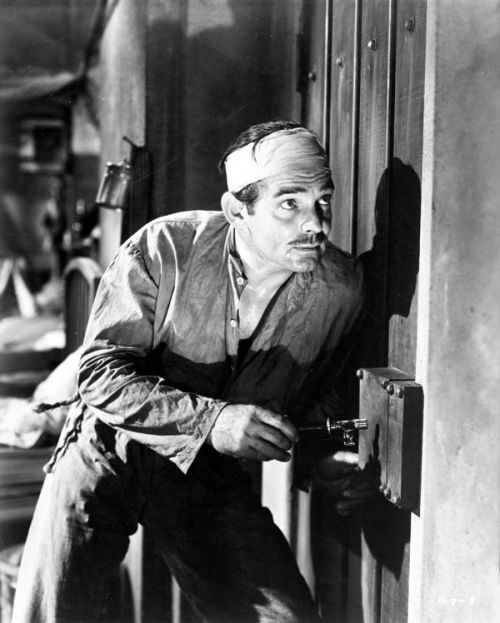
Verne tenta fugir pela primeira vez no filme depois de ir trabalhar no porto carregando e descarregando navios. Ele entra no bar de Renard, onde Julie, que ele havia visto mais cedo naquele mesmo dia, trabalha. Enquanto ele se esconde no quarto dela, Julie conta para os guardas o paradeiro de Verne. Ele é recapturado, mas Julie foi encontrada com ele, e por isso deve sair da colônia em até 12 horas.

Verne makes his first attempt to escape in the movie by running away after he goes to the harbor to load ships. He ends up in Renard's bar, where Julie, who he has seen earlier that day, works. While he is hiding in her room, Julie tells the guards where he is. Verne is recaptured, but Julie was found with him, and thus she must leave the colony within 12 hours.
De volta à prisão, Verne se envolve em um plano de fuga com outros oito homens. Seu inimigo, Moll (Albert Dekker), tenta impedir que ele vá com o grupo, mas Verne consegue escapar e segue um mapa à procura da liberdade prometida. Ao mesmo tempo, Julie recusa a oferta do Monsieur Pig (Peter Lorre), que quer sair da colônia com ela, mas aceita a oferta de Marfeau (Bernard Nedell) para ir embora com ele. Obviamente, Marfeau não quer ajudar – ela apenas quer o corpo de Julie só para si.

Back to the prison, Verne gets involved in a nine-men plan to escape. His nemesis, Moll (Albert Dekker), tries to prevent him from going with the group, but Verne manages to escape anyway, and follows a map in search for the promised freedom. At the same time, Julie has refused Monsieur Pig's (Peter Lorre) offer to leave the colony with him, but accepted Marfeau's (Bernard Nedell) offer to leave with him. Of course, Marfeau doesn't want to help – he only wants to have Julie's body for himself.
O agora reduzido grupo de fuga se divide em dois, e dois trios enfrentam os obstáculos da selva. É óbvio que com o tempo surjam brigas dentro dos grupos e alguns fugitivos pereçam. Neste sentido, o filme me fez lembrar o pouco conhecido filme brasileiro de aventura “Arara Vermelha” (1957), sobre um grupo que rouba um diamante e precisa atravessar a selva para escapar com a pedra.

The now reduced escape group is divided by two, and two trios face the hardships of the jungle. Of course, with time there are fights inside the group, and some of the runaways perish. In this sense, the movie reminded me of little-known Brazilian adventure film “Arara Vermelha” (1957), about a group that steals a diamond and has to cross the jungle to escape with the stone.
Os coadjuvantes são ótimos. Peter Lorre fala com uma voz suave, porém aterrorizante. Ian Hunter interpreta o misterioso e espiritualizado Crambeau. Em um espaço pequeno e apertado, a câmera foca de baixo para cima em Hessler (Paul Lukas), embora a mesma câmera focalize outros prisioneiros de frente. Com este recurso, Hessler parece mais sombrio e perigoso. É um ótimo efeito que diz muito sobre seu caráter. Aliás, nós só ficamos sabendo qual crime levou Hessler à prisão. Para os outros prisioneiros, a razão para estar lá não importa.

The supporting characters are amazing. Peter Lorre speaks with a suave yet terrifying voice. Ian Hunter plays the mysterious and spiritualized Crambeau. In a tiny, tight space, the camera looks from down to up to Hessler (Paul Lukas), even though the other inmates are shot with a more conventional camera angle. This way, Hessler looks more somber, more dangerous. It's a great effect that says a lot about his character. By the way, we only get to know Hessler's crime. For all the other inmates, the reason for being there doesn't matter.
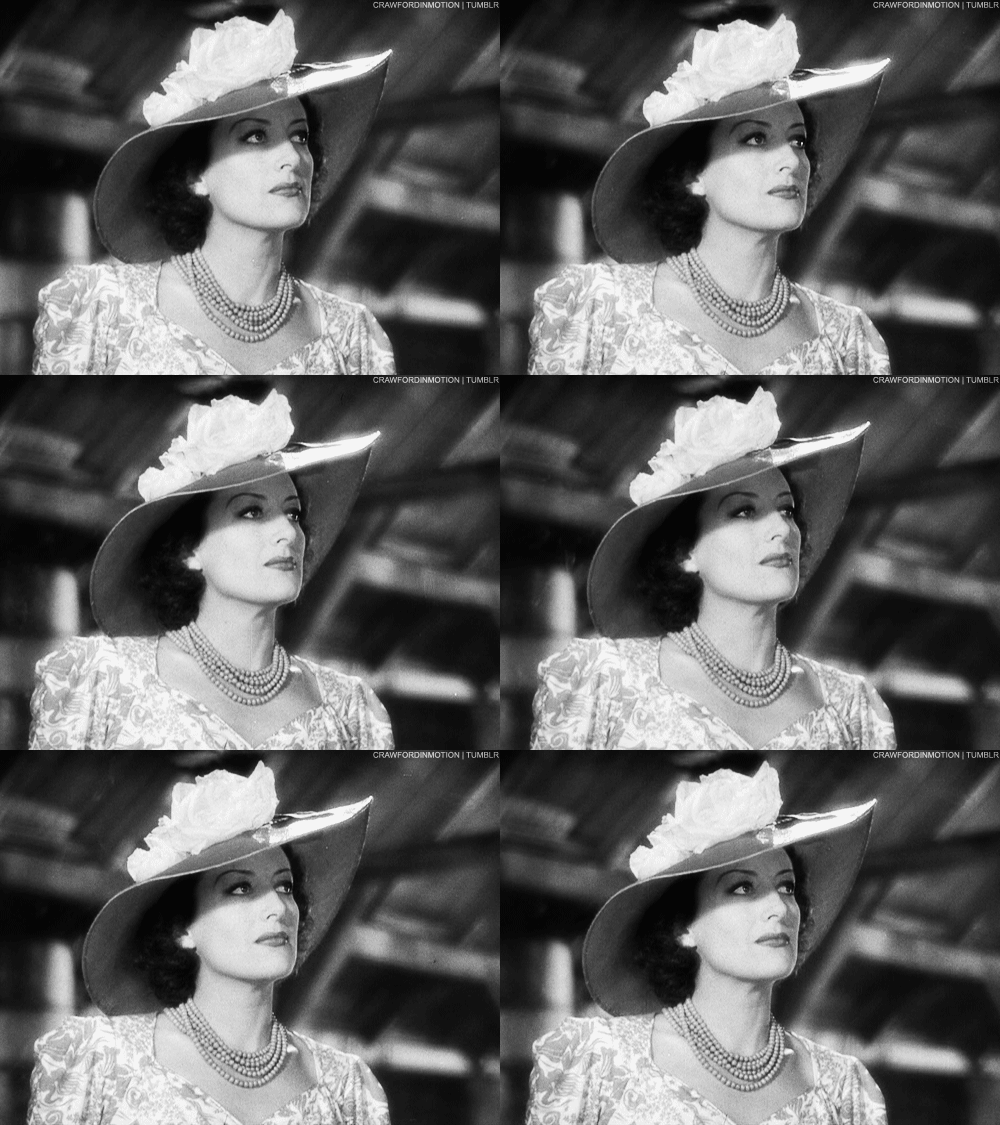
Nenhuma palavra precisa ser dita para que saibamos que Julie é uma prostituta – aliás, a outra garota que vemos acompanhando Julie quando Joan Crawford aparece na tela pela primeira vez é interpretada pela ex-atriz de cinema mudo Betty Compson. Assim como em “Rain” (1932), Crawford é visceral e simples na interpretação de Julie, e tem alguns belos momentos nos quais seu rosto sem maquiagem é focado pela câmera. Dá para imaginar como é ter apenas o mar e o rosto de Joan Crawford na sua frente?

No word has to be said so we know that Julie is a prostitute – by the way, the other girl who is seen accompanying Julie when Crawford first appears on screen is played by former silent sweetheart Betty Compson. Like in “Rain” (1932), Crawford is raw and simple when she plays Julie, and has some beautiful moments in which her make-up free face is focused by the camera. Can you imagine having only the sea and Joan Crawford's face in front of you?
O diretor Frank Borzage tratou de espiritualidade em muitos de seus filmes. Aqui, o tema mostrou ser um problema: a Legião Católica de Decência condenou o filme, causando boicotes em muitas cidades e a completa proibição da exibição de “Almas Rebeldes” em alguns lugares. Eu não acho que o filme 'zombe da Bíblia', como a Legião alegou, pelo contrário: a maneira como o filme lida com redenção é linda e inspiradora.

Director Frank Borzage dealt with spirituality in many of his films. Here, the theme proved to be a problem: the Catholic Legion of Decendy condemned the film, causing boycotts in many cities and the complete censorship of “Strange Cargo” in some places. I don't see the film 'making fun of the Scriptures' as the Legion alleged, on the contrary: the way the film deals with redemption is beautiful and inspiring.
Crambeau (Ian Hunter)
Com uma grande direção de arte – três palavras: selva no estúdio – e muitos personagens interessantes, “Almas Rebeldes” é um filme muito bom. É uma pena que a Legião da Decência tenha impactado negativamente sua performance nas bilheteria. “Almas Rebeldes” pode não ser uma obra-prima, mas é uma mistura curiosa de aventura e espiritualidade, e um filme que merece ser conhecido por mais gente.

With a great art direction – two words: studio jungle – and so many interesting characters, “Strange Cargo” is a very good film. Too bad the Legion of Decency impacted its box office negatively. “Strange Cargo” may not be a masterpiece, but it is a curious blend of adventure and spitituality, and deserves to be better known.


This is my contribution to the Clark Gable blogathon, hosted by Michaela at Love Letter to Old Hollywood.

Tuesday, May 23, 2017

Variações sobre um mesmo tema: Adeus às Armas (1932 e 1957)

Variations on the same theme: A Farewell to Arms (1932 and 1957)


Você com certeza já ouviu falar de Ernest Hemingway, o escritor americano que adorava duas coisas: a vida boêmia e gatos. Nenhum destes interesses do autor tem espaço naquela que é sua mais famosa obra: o romance “Adeus às Armas”.

You probably have heard about Ernest Hemingway, the American writer who loved two things: bohemia and cats. None of these appears in the author's most famous book, the novel “A Farewell to Arms”.


Hemingway foi motorista de ambulância na Itália durante a Primeira Guerra Mundial, e em 1929 publicou um livro baseado nesta experiência. Em “Adeus às Armas”, o motorista de ambulância americano Frederic Henry e a enfermeira inglesa Catherine Barkley se apaixonam durante a guerra. O amor poderá esperar até que haja paz? É só isso. E é só o começo de tudo.

Hemingway was an ambulance driver in Italy during World War I, and in 1929 published a book based on these times. In “A Farewell to Arms”, the American ambulance driver Frederic Henry and the English nurse Catherine Barkley fall in love amidst the war. Could love wait until peace arrives? That's basically it. And that's just the beginning of everything.


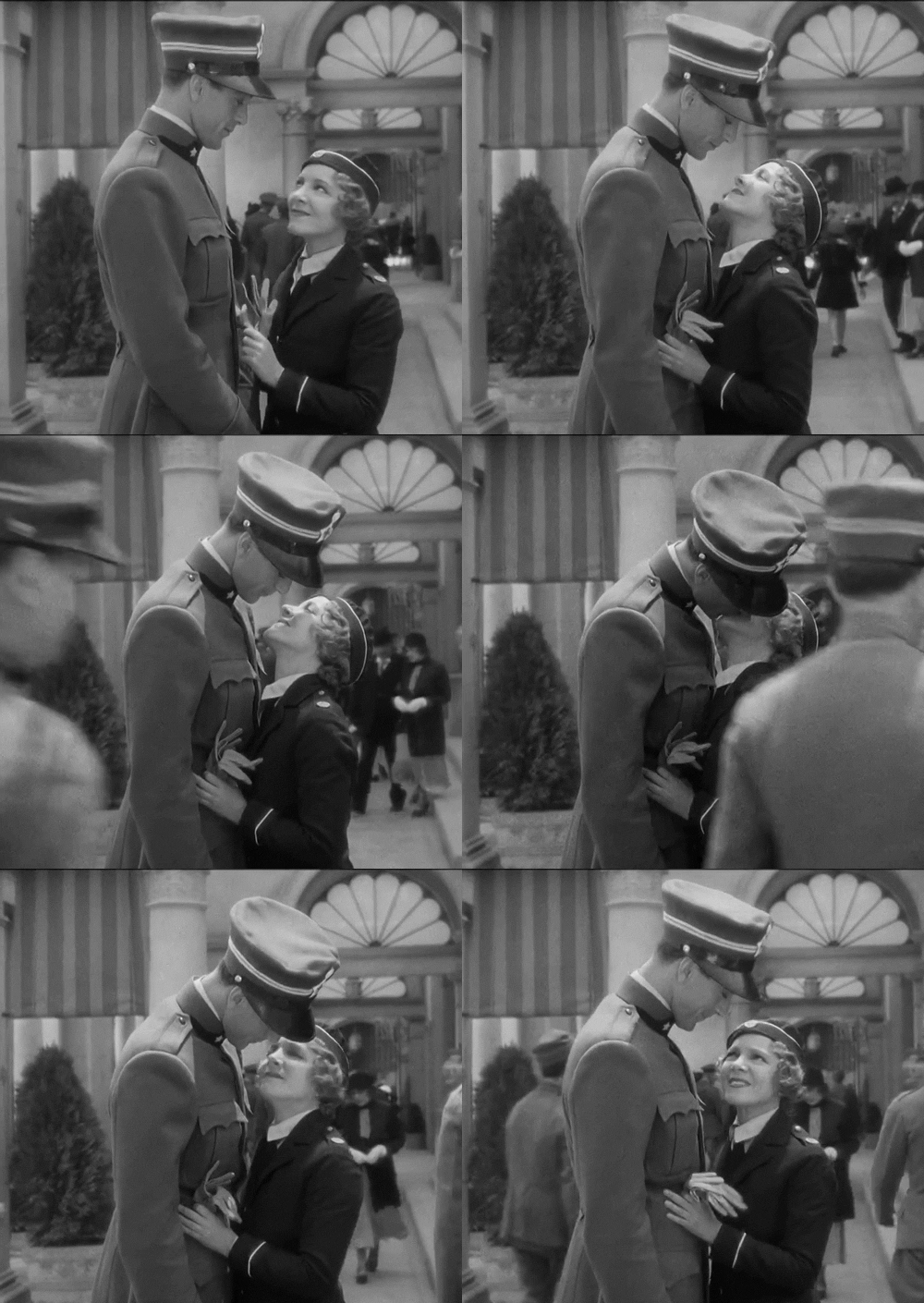
No ano seguinte à publicação do livro, a história foi adaptada para o teatro e logo foi feita uma versão para o cinema. Fredric March, contratado para ser o protagonista, recusou o papel ao saber que Frank Borzage o dirigiria. Foi a oportunidade perfeita para um homem alto e charmoso que crescia cada vez mais em Hollywood: Gary Cooper.

The years after the book was published, the story was adapted into a play and soon an adaptation to the screen followed. Fredric March, hired to be the leading man, refused it when he heard that Frank Borzage was assigned as the director. It was a perfect opportunity for a tall and charming man who was getting more and more space in Hollywood: Gary Cooper.


Ao seu lado estava Helen Hayes, admirada no teatro – onde começou aos cinco anos interpretando meninos – e que havia ganhado o Oscar de Melhor Atriz no ano anterior. Em apenas uma hora e meia – a versão de 1957 tem duas horas e meia – as mais de trezentas páginas do romance de Hemingway são contadas com boas omissões. O foco fica no casal e não na guerra. 

Next to him there was Helen Hayes, an admired lady of the theater – where she started at five playing male roles – and who had just won the Best Actress Oscar the year before. In just an hour and a half – the 1957 version is two and a half hours long – the more than 300 pages from Hemingway's novel are told with a lot of ommissions. The focus is on the couple, not the war.


Assim como tudo que Borzage fez, “Adeus às Armas” é um deleite para os olhos. Você está na guerra, mas há um belo palácio onde as enfermeiras e os comandantes ficam, com uma gloriosa fonte no jardim. Este jardim é o cenário da maioria das cenas belas de românticas do filme.

Like anything Borzage did, “A Farewell to Arms” is a feast for the eyes. You are in the war, but you have a beautiful palace where the nurses and commanders stay, with a glorious fountain in the garden. This garden is the scenario for the most beautiful and romantic scenes of the movie.


Helen Hayes desenvolveu um crush em Gary Cooper, enquanto Cooper e Hemingway se tornaram grandes amigos. O que não deixou Hemingway feliz foi a maneira como Hollywood tratou seu precioso material, mudando o personagem Rinaldi (interpretado por Adolphe Menjou), e até filmando dois finais para que os donos dos cinemas pudessem decidir se queriam um final feliz ou triste para a sessão. No final, as críticas foram diversas, mas em sua maioria positivas.

Helen Hayes developed a crush on Gary Cooper, while Cooper and Hemingway became lifelong friends. What didn't make Hemingway happy was how Hollywood tackled his precious material, changing character Rinaldi (played by Adolphe Menjou), and even filming two endings so theater owners could decide if they wanted a happy or a sad ending for the session. In the end, the reviews were mixed, but mostly positive.


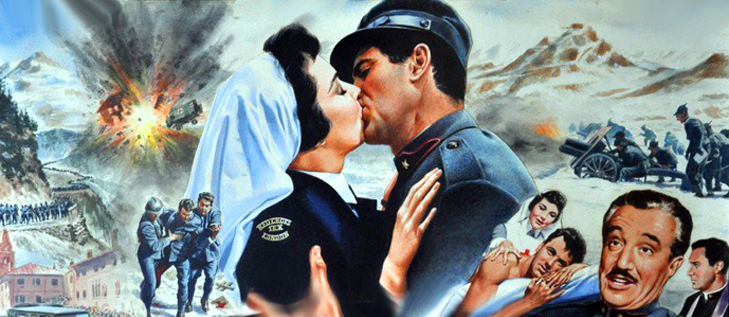
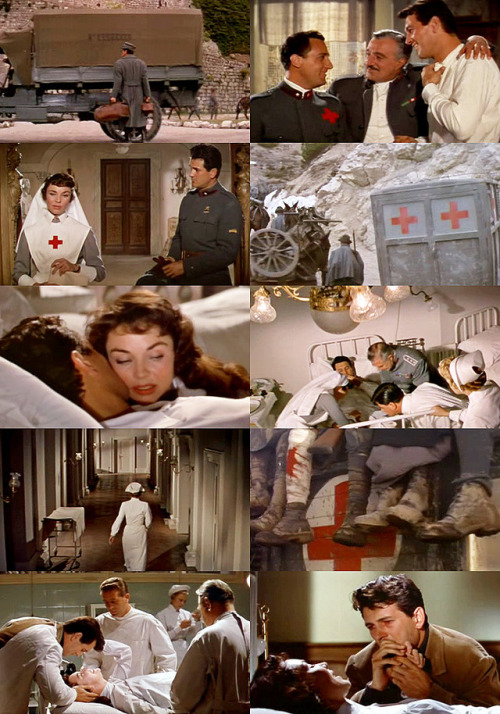
Desde o começou tem-se a impressão de que David O. Selznick quis repetir com sua adaptação de “Adeus às Armas” o sucesso de “E o Vento Levou...”. O próprio título é apresentado da mesma forma, com as letras imensas rolando da direita para a esquerda da tela. Assim como sua obra de 1939, este também conta com cenários de tirar o fôlego, o tema da guerra, os muitos feridos e o uso expressivo da cor.

Since the beginning we get the impression that David O. Selznick was trying, with his adaptation of “A Farewell to Arms”, to repeat the success of “Gone with the Wind”. The title itself is presented the same way, with huge letter rolling from right to left on the screen. Just like his 1939 film, this one also has breathtaking scenarios, the war theme and an expressive use of color.


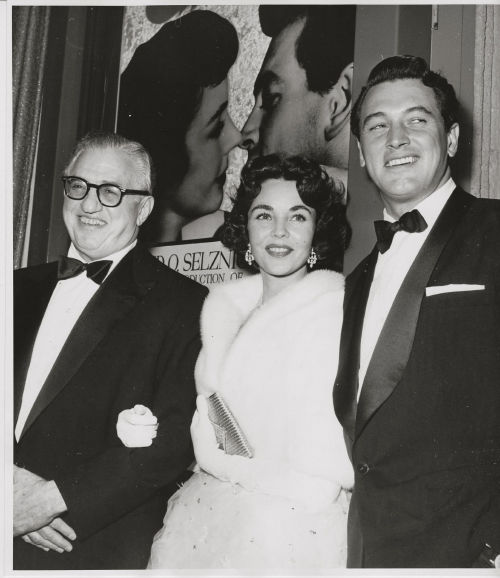
Protagonizado por Rock Hudson, interpretando Frederic como um tenente, e Jennifer Jones, conta ainda com os talentos secundários de Vittorio de Sica, Alberto Sordi e Mercedes McCambridge. Um usuário do IMDb não considerou boa a escalação de Jennifer, então esposa de Selznick, para o papel principal (e não tenho dúvida de que, se o produtor tivesse conhecido Jennifer nos anos 30, apesar da pouca idade, ele faria um lobby para ela ser incluída no elenco do épico sobre a Guerra Civil Americana). O usuário disse que Jennifer era velha demais para o papel.

The film is lead by Rock Hudson, playing Frederic as a lieutenant, and Jennifer Jones, and also have, as supporting players, Vittoria de Sica, Alberto Sordi and Mercedes McCambridge. An IMDb user didn't like the casting of Jennifer Jones, then Selznick's wife, as the lead (and I have no doubt that, if the producer had met Jennifer in the 1930s, even though she was too young, he would have lobbied for a role for her in the Civil War epic). The user said Jennifer was too old for the part.


Embora eu goste da atriz (sensacional em “A Canção de Bernadette”, de 1943), fica claro que o filme foca mais no personagem de Hudson. Entretanto, se fosse necessário substituir a protagonista, surgem duas possibilidades em minha mente: Deborah Kerr, o que não seria ruim já que ela continuaria a ser mais velha que Rock, ou Elizabeth Taylor, que à primeira vista parece perfeita para o papel.

Even though I like Jennifer (who is sensational in “The song of Bernadette”,  from 1943), it's clear that the film is focused on Rock's character. But if it was necessary to replace the leading lady, I'd have two suggestions: Deborah Kerr, who was also older than Rock, and Elizabeth Taylor, who seems just perfect for the role.


Selznick só conseguiu o direito para adaptar a obra de Hemingway através de uma troca: a Warner Brothers, que possuía esse direito, queria fazer uma nova versão de “Nasce uma Estrela”, que estava sob a tutela de Selznick, produtor da versão de 1937. A troca foi simples e as ambições de Selznick começaram a se acumular.

Selznick only got the rights to adapt Hemingway's book through an exchange: Warner Brothers, who had this right, wanted to make a new version of “A Star is Born”, and Selznick, who produced the 1937 version, had the rights over the story. The exchange was simple and Selznick's ambitions started to pile up.


Buscando cenários autênticos, Selznick demitiu o primeiro diretor, John Huston, e mandou Charles Vidor filmar nos Alpes italianos. Ele também não economizou na duração do filme, e foi mais fiel ao livro de Hemingway, embora novamente focasse mais no casal e menos na guerra. No final, foi um filme grandioso, mas uma decepção para a crítica e a bilheteria.

Looking for authentic scenarios, Selznick fired his first director, John Huston, and sent Charles Vidor to shoot in the Italian Alps. He also didn't save on screen time, and was more faithful to Hemingway's book, although again focusing more on the couple than on the war. In the end, it was a grandiose film, but a box office and critical disappointment.


Estas foram as duas únicas adaptações de “Adeus às Armas” para o cinema. Embora nenhuma das duas seja perfeita por causa das liberdades tomadas, ambas têm qualidades e são bons filmes, cada um em sua fatia da história de Hollywood.

These were the only two adaptations of “A Farewell to Arms” into feature films. Even though none of the versions is perfect due to the liberties taken, both have qualities and are worthy pieces of movie history.

O veredicto: se você tiver tempo sobrando, veja as duas versões. Mas leia antes o livro!

The verdict: if you have enough time, watch both versions. But read the book first!

This is my contribution to the Medicine in the Movies Blogathon, hosted by Charlene at Charlene’s (Mostly) Classic Movie Reviews.

Related Posts Plugin for WordPress, Blogger...