} Crítica Retrô: David O. Selznick

Tradutor / Translator / Traductor / Übersetzer / Traduttore / Traducteur / 翻訳者 / переводчик

Showing posts with label David O. Selznick. Show all posts

Friday, June 27, 2025

Hollywood (1932) / What Price Hollywood? (1932)


Meu filme favorito de todos os tempos é a versão de 1937 de “Nasce uma Estrela”. Com Technicolor brilhante, este drama sobre fama e infortúnio me arrebatou quando o vi pela primeira vez, há mais de 15 anos. Até agora, o filme foi refilmado três vezes - em 1954 com Judy Garland, em 1976 com Barbra Streisand e em 2018 com Lady Gaga. Mas mesmo em 1937 a história não era completamente original: o filme foi meio que inspirado por uma produção anterior, sobre a qual escreverei sobre agora, depois de todos esses anos apaixonada pela história de Vicky Lester e Norman Maine.

My favorite film of all time is the 1937 version of “A Star is Born”. With shining Technicolor, this drama of fame and misfortune swept me out of my feet when I first watched it, over 15 years ago. So far, the film was remade three times - in 1954 with Judy Garland, in 1976 with Barbra Streisand and in 2018 with Lady Gaga. But the story wasn’t completely original in 1937: the movie was kind of inspired by an earlier movie, which I’ll review today, after all those years being in love with the story of Vicky Lester and Norman Maine.

Mary Evans (Constance Bennett) segue as modas ditadas pelas estrelas de cinema e pelas revistas sobre o tema. Ela sonha com uma beijoca de Clark Gable, mas enquanto não tem sua grande chance, trabalha servindo mesas numa lanchonete local. Numa noite ela serve a mesa do famoso diretor Max Carey (Lowell Sherman), que, estando bêbado, a convida para ser seu par numa estreia de filme.  

Mary Evans (Constance Bennett) follows the fashions dictated by movie stars and fan magazines. She dreams of a smooch from Clark Gable, but while she doesn’t get her big break, she waits tables in a local derby. One night she waits the table of famous director Max Carey (Lowell Sherman), who, being drunk, invites her to be his date in a movie premiere.

No dia seguinte, porque Mary o trouxe inconsciente até a casa dele, Carey diz para ela ir até o estúdio. Ela consegue um pequeno papel com uma fala. Ela passa muitas horas ensaiando e o esforço compensa: o produtor Sr Saxe (Gregory Ratoff) lhe oferece um contrato a longo prazo. Com o apelido de “Amiga da América”, eles querem transformar Mary numa estrela. E conseguem.

The following day, since Mary brought him unconscious to his house, Mr Carey tells her to come to the studio. She is given a bit part with one line. She spends many hours rehearsing and the effort pays off: the producer Mr Saxe (Gregory Ratoff) gives her a long-term contract. Marketing her as “America’s Pal”, they want to turn Mary into a star. And so they do.

Um dia num jogo de polo, ela conhece Lonny Borden (Neil Hamilton), que a força a jantar com ele porque ele não aceita não como resposta. O horrível jantar forçado é logo seguido do anúncio do noivado deles. O casamento é um grande evento, mas a lua de mel precisa ser adiada porque Mary precisa regravar algumas cenas de seu próximo filme. Lonny é um milionário, mas pelo estúdio ele é conhecido como Sr Evans. Carey não quer que Mary desperdice seu tempo e talento dando atenção ao marido ao invés de focar na carreira. 

One day in a polo game she meets Lonny Borden (Neil Hamilton), who then forces her to have dinner with him because he can’t take no for an answer. The horrible forced dinner is quickly followed by the news of their engagement. The wedding is a huge event, but the honeymoon has to be postponed because Mary needs to do some retakes for her next film. Lonny is a millionaire but around the studio he is referred to as Mr Evans. Mr Carey doesn’t want Mary wasting her time and talent giving attention to her husband and focusing less on her career.

O contrato de sete anos com o mesmo estúdio era prática comum em Hollywood. À primeira vista soava como segurança, mas podia ser uma prisão. O contrato era como ter um dono: os estúdios eram donos de suas estrelas e as estrelas tinham que aceitar quaisquer papéis e roteiros que os executivos escolhiam para elas. Mas havia maneiras de escapar: atores podiam incentivar a permuta com outros estúdios que ofereciam papéis melhores, como fez Elizabeth Taylor, ou recusar papéis do estúdio, o que fez Bette Davis, sendo então suspensa por causa de seu comportamento.

The contract lasting for seven years with the same studio was common practice in Hollywood. It at first sounded like security, but could be a prison. The contract was basically an ownership: studios owned their stars and the stars had to accept whichever roles and scripts the executives chose for them. But there were ways out: actors could trigger loans to other studios for juicier roles, as Elizabeth Taylor did, or refuse roles from their studios, which Bette Davis did and was suspended for her behavior.

Este filme foi baseado numa história de Adela Rogers St. John. Muitos detalhes do roteiro são comentados por uma coluna de fofocas chamada “You Ask Me!”. Mas Adela não veio dessas colunas: ela foi uma respeitada jornalista em revistas de cinema, que a levaram até Hollywood, onde a primeira adaptação de uma de suas histórias foi feita em 1918. Para “Hollywood”, ela provavelmente se inspirou na vida pessoal de Colleen Moore e na tragédia do diretor Tom Forman. Adela foi indicada ao Oscar na categoria Melhor História. 

This movie was based on a story by Adela Rogers St. John. Many plot points here are commented upon by a gossip column called “You Ask Me!”. Adela didn’t come from these columns, though: she was a respected journalist in fan magazines, which led her to Hollywood, where the first adaptation of one of her stories was made in 1918. For “What Price Hollywood?”, she probably took inspiration from Colleen Moore’s personal life and the tragedy of director Tom Forman. Adela was nominated for an Oscar in the Best Story category.

Tanto “Hollywood” quanto a versão de 1937 de “Nasce uma Estrela” foram produzidos por David Selznick, que queria Clara Bow no papel principal e precisou convencer os executivos da RKO de que um filme sobre filmes seria bem-sucedido. Tanto “Hollywood” quanto a versão de 1954 de “Nasce uma Estrela” foram dirigidos por George Cukor. Cukor se recusou a dirigir a versão de 1937 por causa das semelhanças que continha com o filme de 1932. 

Both “What Price Hollywood?” and the 1937 “A Star is Born” were produced by David Selznick, who wanted to cast Clara Bow as the lead and had to convince RKO executives that a movie about movies would be successful. Both “What Price Hollywood?” and the 1954 “A Star is Born” were directed by George Cukor. Cukor refused to direct the 1937 version because of the similarities between this and the 1932 movie.

Os créditos começam com algo que não estamos acostumados a ver: um galo em cima de um globo e as palavras “An RKO Pathé Picture”. Em 1931 a RKO adquiriu a Pathé Exchange, fundada em 1914. Com a fusão vieram algumas das maiores estrelas da Pathé, como Constance Bennett. O nome “RKO Pathé” foi usado apenas até o fim de 191, quando o estúdio voltou a se chamar somente RKO. 

The credits begin with something we’re not used to seeing: a rooster over a globe and the words “An RKO Pathé Picture”. In 1931 RKO acquired Pathé Exchange, founded in 1914. With the merge came some of the greatest Pathé stars, such as Constance Bennett. The name “RKO Pathé” was used only until late 1932, when the studio became once again only RKO. 

Eu simplesmente amei os vestidos de Mary! Eu com certeza os usaria se eles fossem um pouco mais curtos A supervisão de figurino ficou a cargo de Margaret Pemberton, que tem apenas dois créditos no currículo. Na estreia, o destaque foi uma sequência com uma montagem da ascensão de Mary para os píncaros da fama, usando efeitos especiais que eram então novidade. 

I simply loved Mary’s dresses! I would certainly wear them if they were a little shorter. The wardrobe supervisor is Margaret Pemberton, who has only two film credits. At the premiere, however, the highlight was a sequence featuring a montage of Mary’s ascension to the top of Tinseltown, using special effects that were brand new at the time.

Em “Hollywood”, a figura bêbada problemática é o diretor Max Carey e não o marido da estrela, o que faz do roteiro mais criativo do que o de “Nasce uma Estrela”, mas provavelmente com menos pathos. É bacana, entretanto, ver uma “versão” da história na era pre–Code, mesmo sendo cheia de misoginia e racismo para com a empregada de Mary, Juanita (a incansável Louise Beavers). Considerando os prós e contras, é uma boa sessão.

In “What Price Hollywood?”, the problematic drunk figure is the director Mr Carey and not the starlet’s husband, which makes the plot more creative than the one in “A Star is Born”, although probably with less pathos. It’s nice, however, to see a “version” of the story made in the pre-Code era, even though it’s full of misogyny and racism towards the character of Mary’s maid Juanita (the hardworking Louise Beavers). Considering the pros and cons, it’s an enjoyable movie.

Friday, September 7, 2018

Ver-te-ei Outra Vez (1944) / I'll Be Seeing You (1944)

Uma das verdades da vida é que todas as pessoas que conhecemos estão vivendo batalhas internas que mal podemos imaginar. Olhos plácidos podem esconder o tormento da alma e pessoas com mentes agitadas podem esconder a ansiedade com gestos calmos. De vez em quando, esta verdade é explorada no cinema. Um dos filmes que tratam disso é “Ver-te-ei Outra Vez”, um filme de Natal que não se parece em nada com outros filmes de Nata, e um filme feito durante a guerra com um soldado protagonista, mas não da maneira que era esperada.

One of the truths in life is that all the people we meet are going through inner battles we can't see or guess. Placid eyes can hide turmoil and people with agitated minds can disguise the anxiety with calm manners. Every now and then, this truth is explored by films. One of those films was “I’ll Be Seeing You”, a Christmas movie that looks nothing like a Christmas movie, and a film made during the war and featuring a soldier, but not the way we expected him to be.


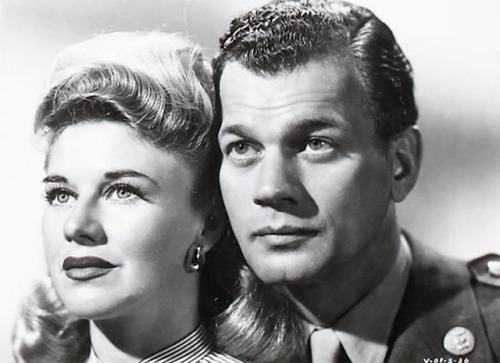
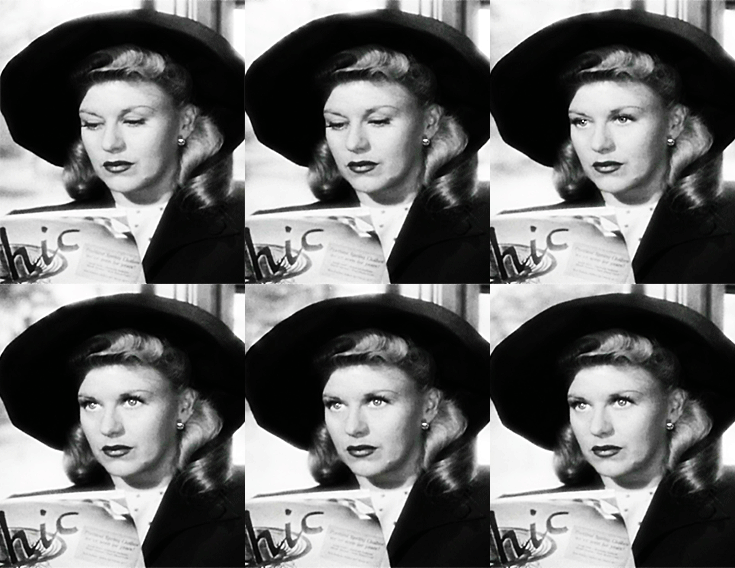
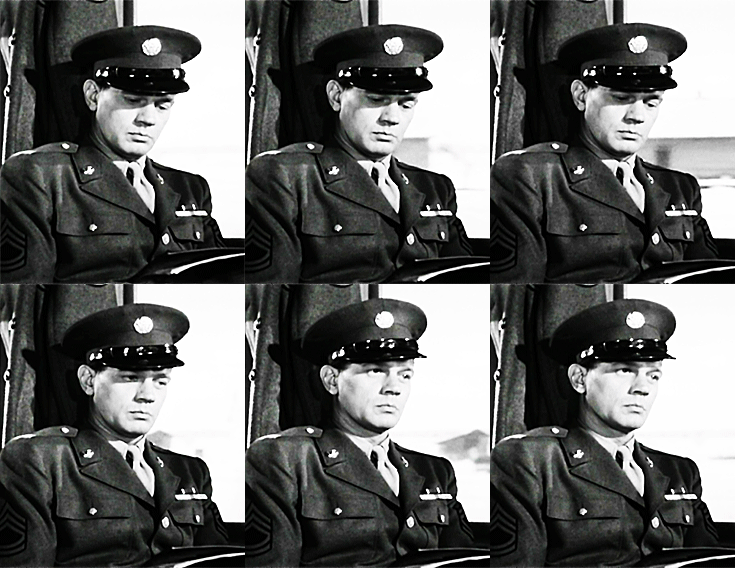
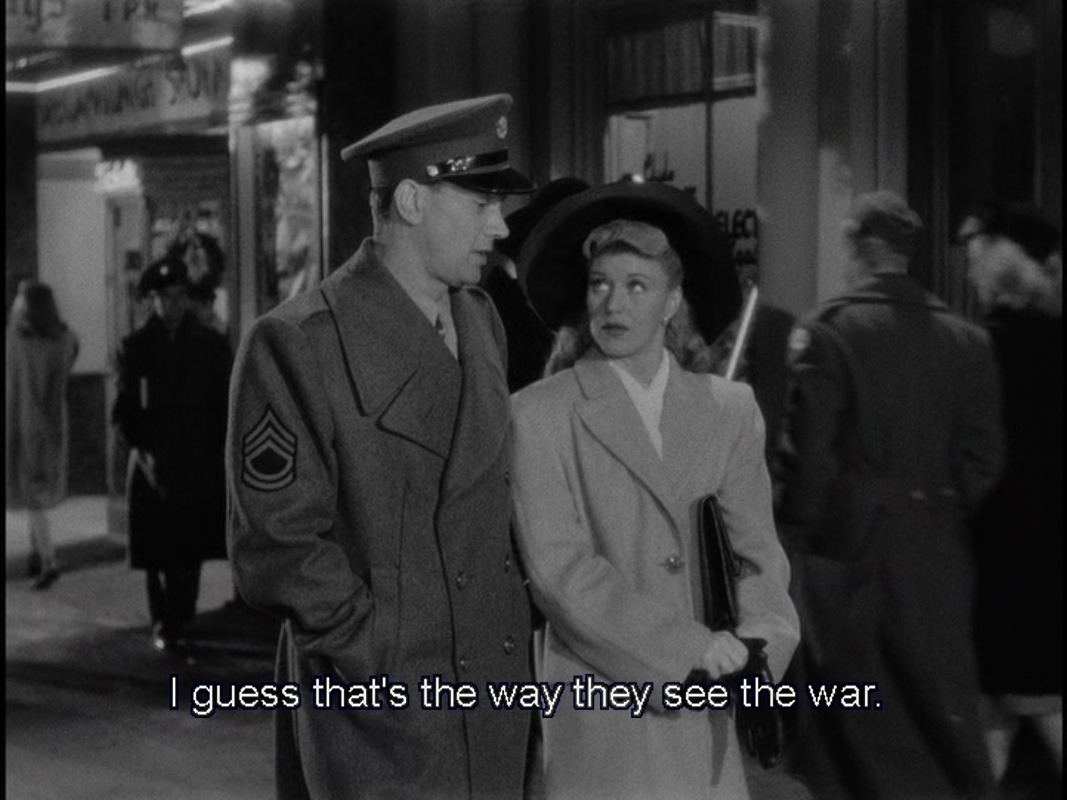
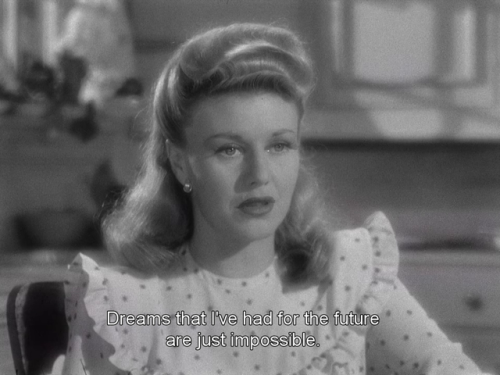
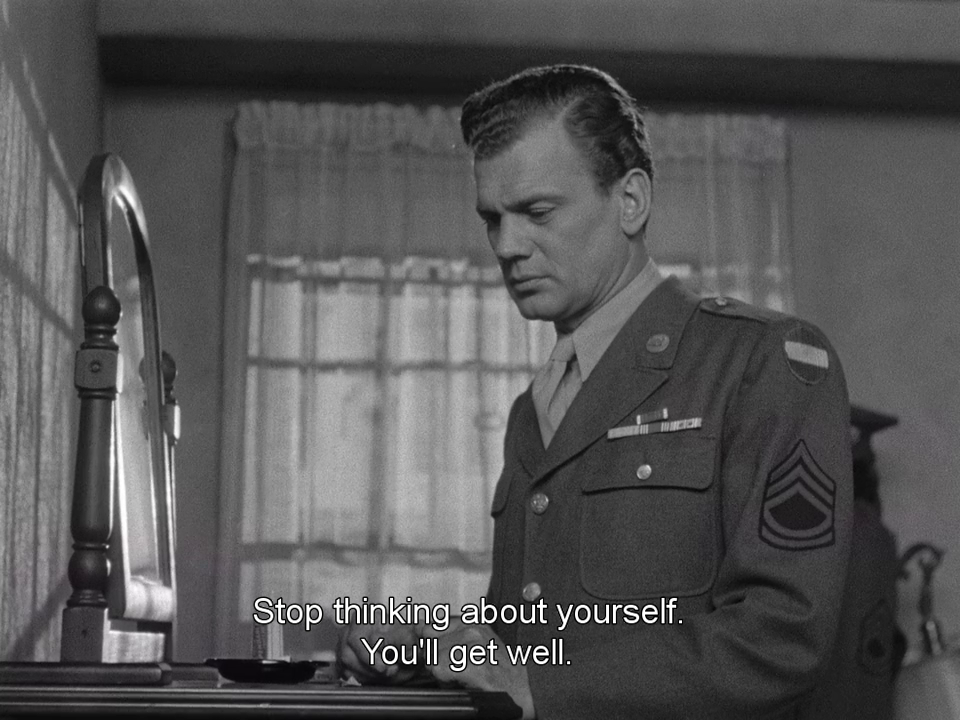
Duas pessoas se conhecem em um trem. Elas são a “vendedora” Mary Marshall (Ginger Rogers) e o soldado Zachary Morgan (Joseph Cotten). Quando eles ficam a sós no trem barulhento, começam a conversar e se conhecem melhor – partilhando apenas informações básicas, claro. Mary diz que vai visitar seu tio em uma cidade chamada Pinehill. Zack então decide também descer em Pinehill e ir atrás de Mary.

Two people meet on the train. They are “saleslady” Mary Marshall (Ginger Rogers) and soldier Zachary Morgan (Joseph Cotten). When they have some time alone in the noisy train, they chat and get to know each other – only the basic information, of course. Mary says she will visit her uncle in a town named Pinehill. Zack then decides to also stay in Pinehill and go after Mary.


Mas ambos escondem algo. Mary esteve na cadeia e foi apenas liberada para passar o Natal com sua família devido ao seu bom comportamento. Zack esteve no hospital e acabou de receber dispensa para passar o Natal longe da internação e tentar viver com seu trauma sob controle.

But they both hide something. Mary was in jail, and is now on probation spending Christmas vacation with her family due to good behavior. Zack was in the hospital and has just received a brief leave to experience Christmas outside and try to live with his PTSD under control.


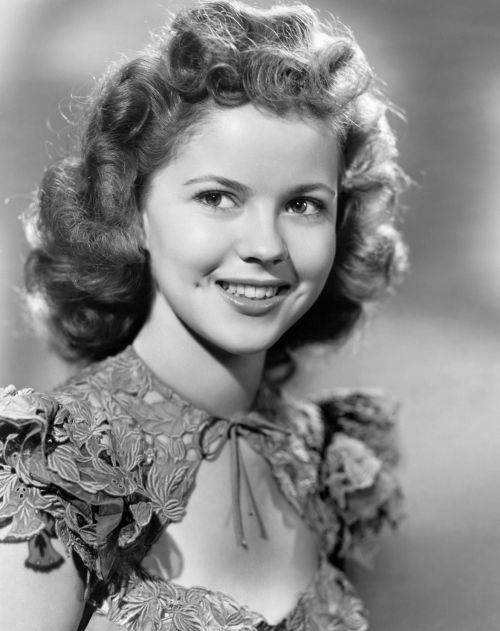
Mary fica na casa de seus tios. A tia Sarah (Spring Byington) é cheia de boas intenções, assim como o tio Henry (Tom Tully). Eles têm uma filha, a curiosa adolescente Barbara (Shirley Temple). Mas estas boas intenções escondem o preconceito deles. Por exemplo, Barbara arruma coisas separadas só para Mary – como sabonetes e toalhas – como se ela fosse contaminar a família se eles usassem os mesmos produtos. Além disso, ria Sarah pensa que Mary não deveria contar para Zack que ela esteve na cadeia, porque isso o assustaria.
  
Mary stays in her aunt’s and uncle’s house. Aunt Sarah (Spring Byington) is full of good intentions, as well as uncle Henry (Tom Tully). They have a daughter, curious teenager Barbara (Shirley Temple). But these good intentions hide prejudice. For instance, Barbara has separate things just for Mary - like soaps and towels - as if she could contaminate the family if they shared those products. Besides that, aunt Sarah thinks Mary shouldn’t tell Zack she has been in jail, because it would scare him.


Zack conta para Mary sobre seu trauma de guerra, mas ela não pode contar para ele sobre a prisão – mesmo que ela tenha cometido o crime para se defender. É uma mulher se autossacrificando e sacrificando a verdade para um homem emocionalmente instável. A tia Sarah diz que talvez Zack não seja forte o suficiente para lidar com a verdade. É a lógica da guerra: as mulheres têm de fazer sacrifícios para que os homens possam ir para a guerra e depois se recuperar dela. É como diz a música “No Love, No Nothin’” do filme “Entre a Loura e a Morena” (1943): “no love, no nothing, until my baby comes home”.

Zack tells Mary about his PTSD, but she can’t tell him about being in prison - even if the crime she committed as self-defense. It’s a woman sacrificing herself and the truth for a man that is emotionally unstable. Aunt Sarah says Zack may not be strong enough to handle the truth. It’s the war logic: women must make sacrifices so men can serve the military and later recover from their war traumas. Like what is told by the song “No Love, No Nothin’” from the movie “The Gang’s All Here” (1943): “no love, no nothing, until my baby comes home”.


“Ver-te-ei Outra Vez” pode ser descrito como um filme sobre gatilhos. Se você tem algum trauma, qualquer tipo de trauma, você sabe que um gatilho pode trazer todas as memórias de volta – e Hollywood estava começando a perceber que isso era verdade também para os soldados traumatizados. O gatilho de Mary é ouvir alguém falar sobre celas ou prisões, ainda que metaforicamente. O grande gatilho de Zack é o ataque de um cachorro, depois do qual ele tem um ataque de ansiedade e pânico fechado no quarto, algo muito poderoso e também uma sequência que mostra o talento de Joseph Cotten – não há dúvidas de que Cotten tem a melhor atuação do filme.

“I’ll Be Seeing You” can be described as a movie about triggers. If you have some trauma, any kind of trauma, you know how a trigger can bring all the memories back – and Hollywood was starting to realize this was true about shell-shocked soldiers, too. Mary is triggered whenever someone mentions prisons or cells, even metaphorically. Zack is especially triggered after a dog attacks him, and in his room he has a complete panic attack, something extremely powerful and also a sequence that showcases Joseph Cotten’s talent – there is no doubt Cotton delivers the best performance in the movie.
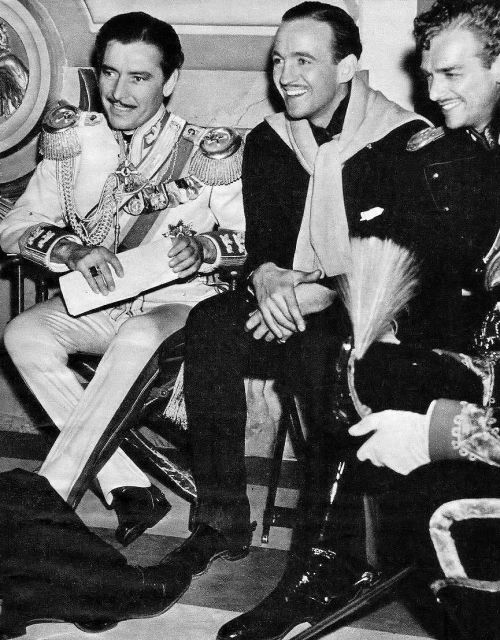

Eu fiquei esperando que muitas coisas acontecessem. Primeiro eu pensei que Shirley Temple, Joseph Cotten e Ginger Rogers formariam um triângulo amoroso. Mas É ÓBVIO que Hollywood não faria isso com a pequena Shirley, a menina de ouro. Hollywood não era capaz de colocá-la para disputar Cotten com Ginger Rogers, por isso sua personagem Barbara é importante, mas não atrapalha ninguém – pelo menos não de propósito.

I was expecting many things to happen. At first I thought Shirley Temple, Joseph Cotten and Ginger Rogers would be in a love triangle. But OF COURSE Hollywood wouldn’t do it to little Shirley, its youngest moneymaker. Hollywood just couldn’t make her dispute Cotten with Ginger Rogers, so her character Barbara is important, but not a troublemaker – at least not intentionally.


Nós temos muitos filmes nos anos 40 sobre pessoas que encontram o verdadeiro amor durante as férias de Natal. Um dos mais emblemáticos – e também aquele que mais tem a ver com “Ver-te-ei Outra Vez” – é “Lembra-se Daquela Noite?” (1940). Nele, Barbara Stanwyck é uma mulher que deve ser presa por roubo, mas como todas as pessoas já haviam saído de férias, ela precisa ficar com o advogado de acusação, interpretado por Fred MacMurray. Eles acabam passando o Natal juntos na casa da família dele. “Amor de Natal” nos anos 40 era o equivalente ao “amor de verão” sobre o qual Travolta e Olivia Newton-John cantaram em “Grease”.

We have many movies about people finding true love during Christmastime made during the 1940s. One of the most emblematic ones – and the one that share themes with “I’ll Be Seeing You” – is “Remember the Night” (1940). In “Remember the Night”, Barbara Stanwyck plays a woman who must go to jail after a robbery, but since everybody had already left for Christmas, she has to stay with her prosecutor, played by Fred MacMurray. They end up spending Christmas at his family’s home. “Christmas love” in the 1940s was the equivalent to the “Summer love” Travolta and Newton-John sang in “Grease”.


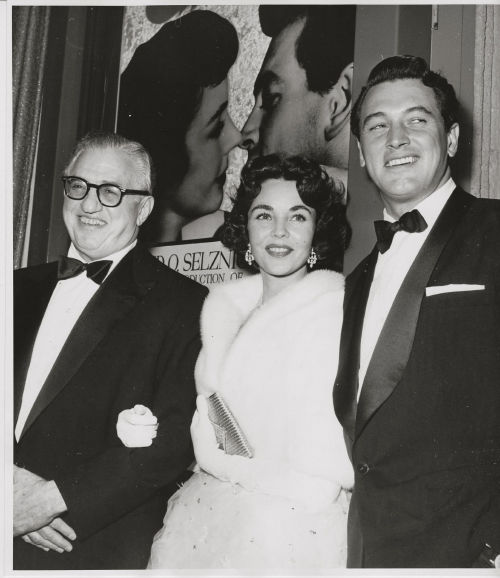
“Ver-te-ei Outra Vez” é um pequeno filme agridoce, assim como outros que David O. Selznick produziu. Sua icônica produtora, simbolizada por uma placa em frente a uma casa branca, nos legou muitos pequenos tesouros feitos nas décadas de 1930 e 1940. “Ver-te-ei Outra Vez” é mais um destes pequenos tesouros.

“I’ll Be Seeing You” is a bittersweet little film, like some David O. Selznick produced. His iconic production company, symbolized by a plaque in front of a white house, gave us many great little gems during the 1930s and 1940s. “I’ll Be Seeing You” is another of those great little gems.

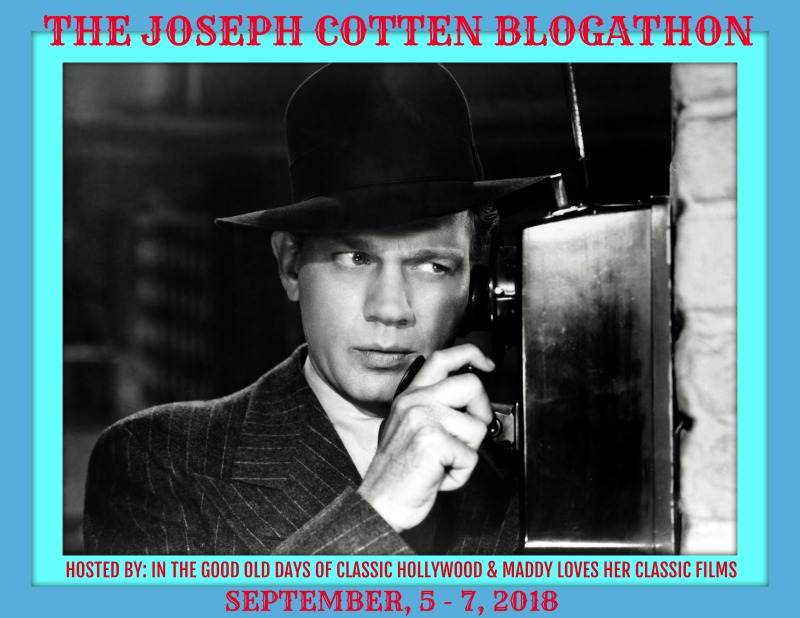
This is my contribution to the Joseph Cotten blogathon, hosted by Crystal from In the Good Old Days of Classic Hollywood and Maddy at Maddy Loves her Classic Movies.


Sunday, October 1, 2017

Duelo ao Sol (1946) / Duel in the Sun (1946)

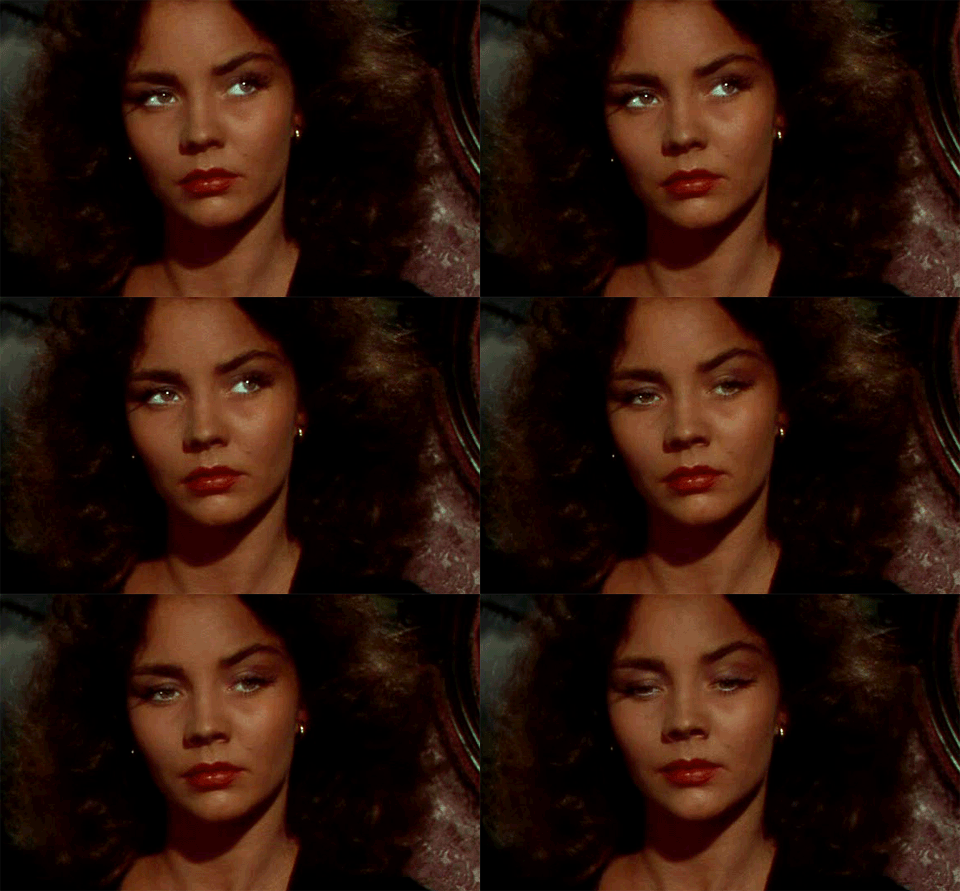
Eu amo a velha Hollywood. Eu amo cinema clássico. Eu fico animada ao ler, nos créditos iniciais, nomes como Joseph Cotten, Jennifer Jones, Gregory Peck, Lillian Gish, Herbert Marshall, Lionel Barrymore e Butterfly McQueen. Mas graças a Deus eu também sou uma mulher moderna, ilustrada e progressista e sou capaz de ver um filme clássico não com viés de nostalgia e um senso de que aquela é uma obra intocável, e assim eu posso perceber quando um filme clássico pisa na bola. 

I love old Hollywood. I love classic film. I get goosebumps reading, in the opening credits, names like Joseph Cotten, Jennifer Jones, Gregory Peck, Lillian Gish, Herbert Marshall, Lionel Barrymore and Butterfly McQueen. But thanks God I'm also a modern, woke, progressive woman and I'm able to look at classic film not with nostalgia and a sense of flawlessness, but with criticism, and then I can see when a classic film screws up.


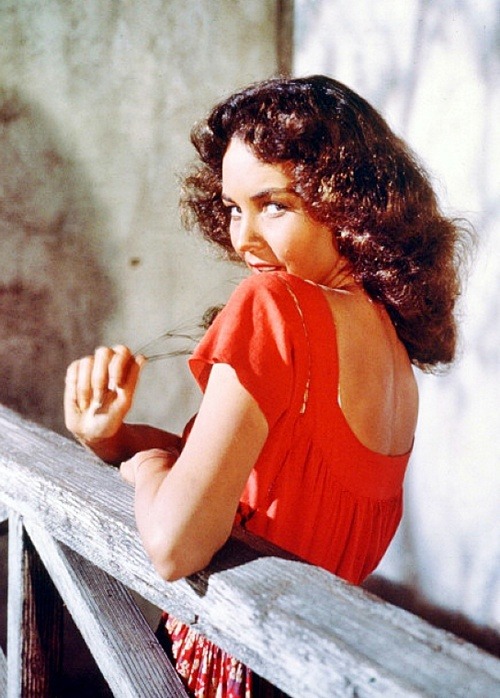
Pearl Chavez (Jennifer Jones) é uma mestiça, filha de pai branco e mãe índia. Numa noite, a mãe dela está dançando em um bar e deixa o local com um homem após um breve jogo de sedução. O pai de Pearl (Herbert Marshall) os segue e os mata a tiros. Ele se declara culpado pelo assassinato, e diz que o primeiro crime que cometeu foi se envolver com uma índia. Ele é enforcado e envia Pearl para viver com a prima de segundo grau, Laura Belle (Lillian Gish).

Pearl Chavez (Jennifer Jones) is a half-breed, that is, the daughter of a white father and an Indian mother. One night, her mother is dancing at a bar and leaves the place with a man who she had seduced. Pearl's father (Herbert Marshall) follows them and shoots them. He pleads guilty for murder, and says that the first guilty thing he did was getting involved with an Indian. He is hung and sends Pearl to live with his second cousin, Laura Belle (Lillian Gish).


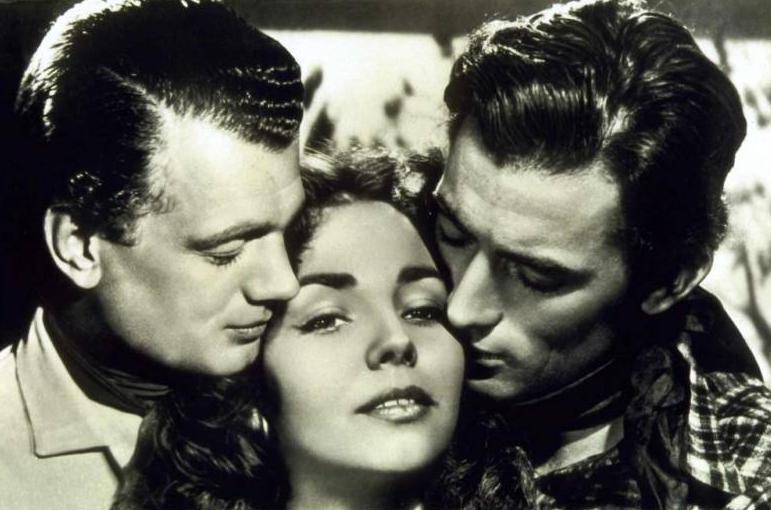
O marido de Laura Belle é chamado por todos – inclusive pela própria Laura – de Senador McCanles (Lionel Barrymore). Laura tem também dois filhos: o mais velho e sensato Jesse (Joseph Cotten) e o mais novo e mulherengo Lewton (Gregory Peck). O mais recente problema na imensa propriedade dos McCanles no Texas é a chegada de uma ferrovia, que trará aquilo que o Senador considera pior que uma praga: IMIGRANTES!

Laura Belle has a husband, who everybody – including herself – calls senator McCanles (Lionel Barrymore) and two sons: eldest and sensible Jesse (Joseph Cotten) and younger and womanizer Lewton (Gregory Peck). The latest problem in the mammoth property the McCanles family has in Texas is the arrival of a railway, that will bring something the senator considers worse than a plague: IMMIGRANTS!


Além da questão da ferrovia, a chegada de Pearl aumenta a rivalidade entre os irmãos. Num primeiro momento, Pearl gosta mais de Jesse, porque ele a trata melhor, e Lewton vê esta preferência como um desafio – Lewton tentará conquistá-la com brutalidade, mesmo não querendo nada sério com ela.

Besides the railroad problem, Pearl's arrival makes the rivalry between the brothers more intense. At first, Pearl likes Jesse better, because he's a more polite man, and Lewton sees her preference as a challenge – Lewton will try to conquer her with brutality, even if he doesn't want anything serious with her.


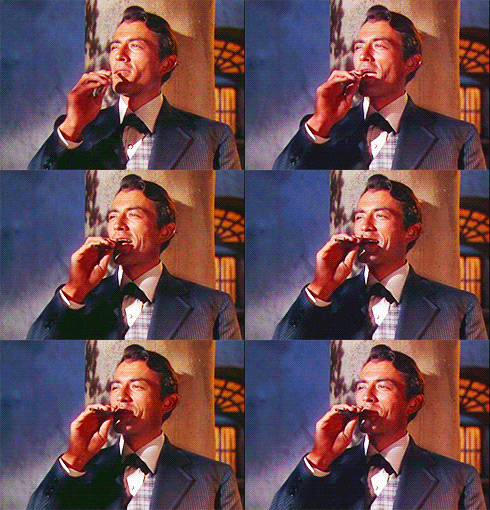
Não é nenhum segredo que Selznick queria fazer um filme ainda mais grandioso que “E o Vento Levou…”. E este foi seu erro: ao seguir à risca a fórmula de “E o Vento Levou...”, as comparações foram inevitáveis. Você tem um triângulo amoroso, uma história que se passa no passado, um ótimo elenco de coadjuvantes e até mesmo a paleta de cores é semelhante. Selznick inclusive repetiu os problemas dos bastidores e contratou seis diretores diferentes para seu novo épico! Mas “Duelo ao Sol” perde feito na comparação.

It's no secret that Selznick wanted to make a film that would be bigger and better than “Gone with the Wind”. And this was his mistake: by following the GWTW formula verbatim, the comparisons were unavoidable. You have a love triangle, a story set in the past, a great supporting cast and even the color palette is similar. Selznick even mimicked his on-set troubles and hired six different directors for his new epic! But “Duel in the Sun” pales in comparison.


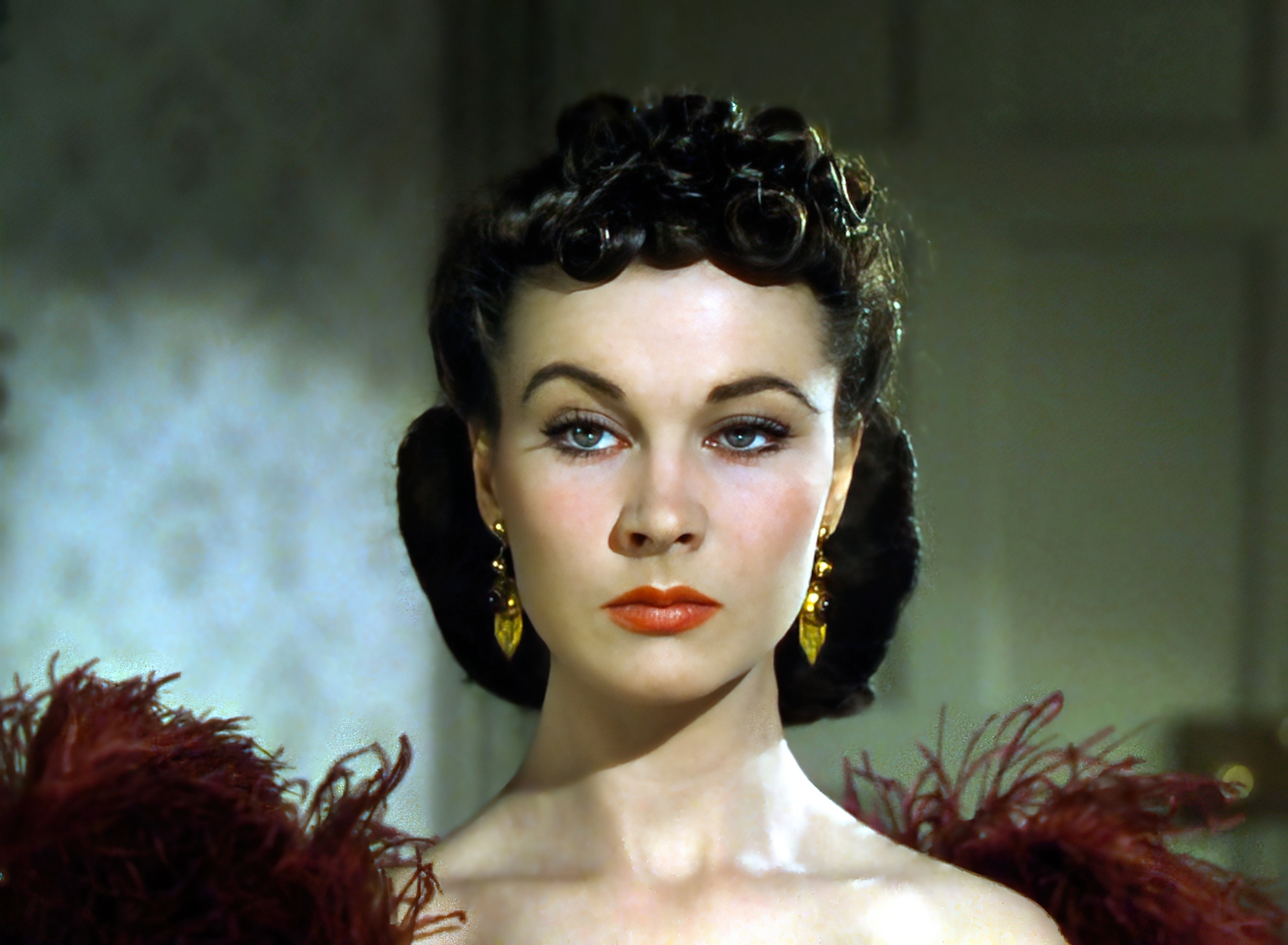
Pearl não é uma heroína tão marcante quanto Scarlett O’Hara. O primeiro erro de Selznick com a personagem foi escolher uma atriz branca para interpretar uma mestiça... com um sutil Brownface. Obviamente, a velha Hollywood nunca permitiria que uma índia autêntica fosse protagonista – e eu imagino que a Hollywood moderna também não faria isso. Além deste fato, Pearl não é complexa como Scarlett. Ela não é decidida, esforçada, corajosa e não algo pelo que lutar, como Scarlett tem Tara. Pearl age por luxúria e um estranho senso de moralidade – algo que pode ser interpretado como uma característica de sua origem mestiça.

Pearl is not as bold a heroine as Scarlett O'Hara. The first way Selznick screwed up with her character was by allowing a white woman to play a half-Indian… in brownface. Of course, classic Hollywood would never have an authentic Indian as a leading lady – and I imagine modern Hollywood wouldn't as well. Besides this, Pearl is not as complex as Scarlett. She isn't industrious and brave and she doesn't have something to fight for like Scarlett has with Tara. Pearl is moved by lust and a weird sense of morality – something that can be interpreted as a characteristic of her ‘half-breed’ origin.


Gregory Peck não é nenhum Clark Gable. Claro, Peck ainda estava no começa da carreira, e se pensarmos em seus papéis posteriores, é estranho vê-lo como vilão. Mas Peck convence como Lewton – eu o odiei para valer em muitos momentos. Lillian Gish e Lionel Barrymore estão simplesmente fantásticos, em especial na última cena juntos. Butterfly McQueen interpreta Vashti, o mesmo tipo de criada pouco esperta e de voz esganiçada que ela interpretou em “E o Vento Levou...”. Laura Belle inclusive diz que Vashti não pode ser treinada – sim, treinada como um cão.

Gregory Peck is no Clark Gable. Sure, Peck was still in the beginning of his career, and if we think about his later roles, it's weird to see him as a villain. But Peck is very convincing as Lewton – I truly hated him in many moments. Lillian Gish and Lionel Barrymore are simply outstanding, especially in their last scene together. Butterfly McQueen plays Vashti, the usual kind of empty-headed, high-pitched maid she played in “Gone with the Wind”. Laura Belle even says that Vashti can't be “trained” - yes, trained like a dog.


1939
1946
A fotografia é sem dúvida o melhor elemento do filme, mesmo que muitas cenas com silhuetas pareçam copiadas de “E o Vento Levou...”. As cenas exteriores são em geral fotografadas em tons de vermelho, o que me fez pensar em “Legião Invencível”, de 1949, de Jon Ford – com a diferença que o filme de Selznick foi filmado no Texas, e o de Ford no Arizona.

The cinematography is without a doubt the best thing in the movie, even though many scenes with silhouettes look like copies of “Gone with the Wind”. The exteriors are mostly photographed in red tones, something that made me think of John Ford's “She Wore a Yellow Ribbon”, from 1949 – with the difference that Selznick's movie was filmed in Texas, and Ford's in Arizona.


Como faroeste, “Duelo ao Sol” funciona bem. Temos dois duelos perto do fim, e o mais inesperado é o melhor deles. O filme não é um épico como “E o Vento Levou...”, e é mais datado que o predecessor feito em 1939, especialmente na caracterização da criada Vashti e na visão muito, muito errada acerca da miscigenação.

As a western, “Duel in the Sun” works well. We have actually two duels near the end, and the most unexpected is the best one. It's no epic like “Gone with the Wind”, and it is more dated than the Civil War era movie made in 1939, especially in the portrayal of maid Vashti and the very, very wrong take on miscegenation.

This is my contribution to the Texas Blogathon, hosted by The Midnight Drive-In.

Thursday, July 13, 2017

O Prisioneiro de Zenda / The Prisoner of Zenda (1937)

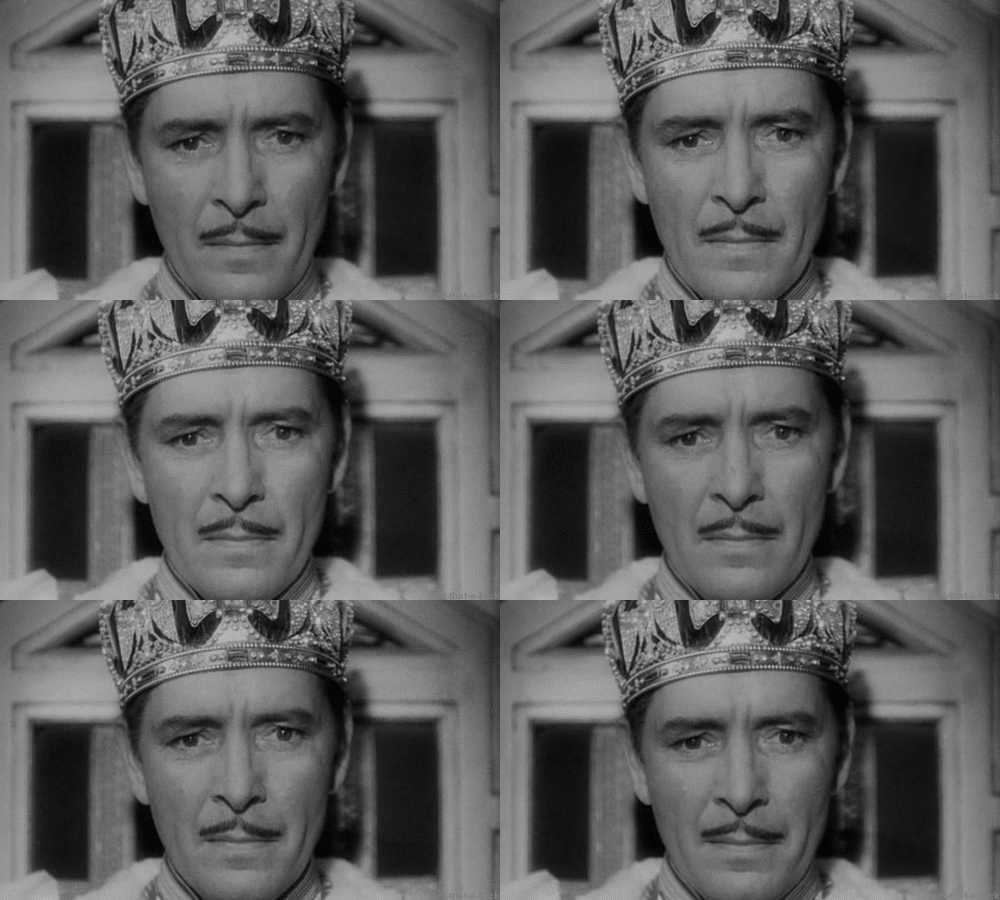
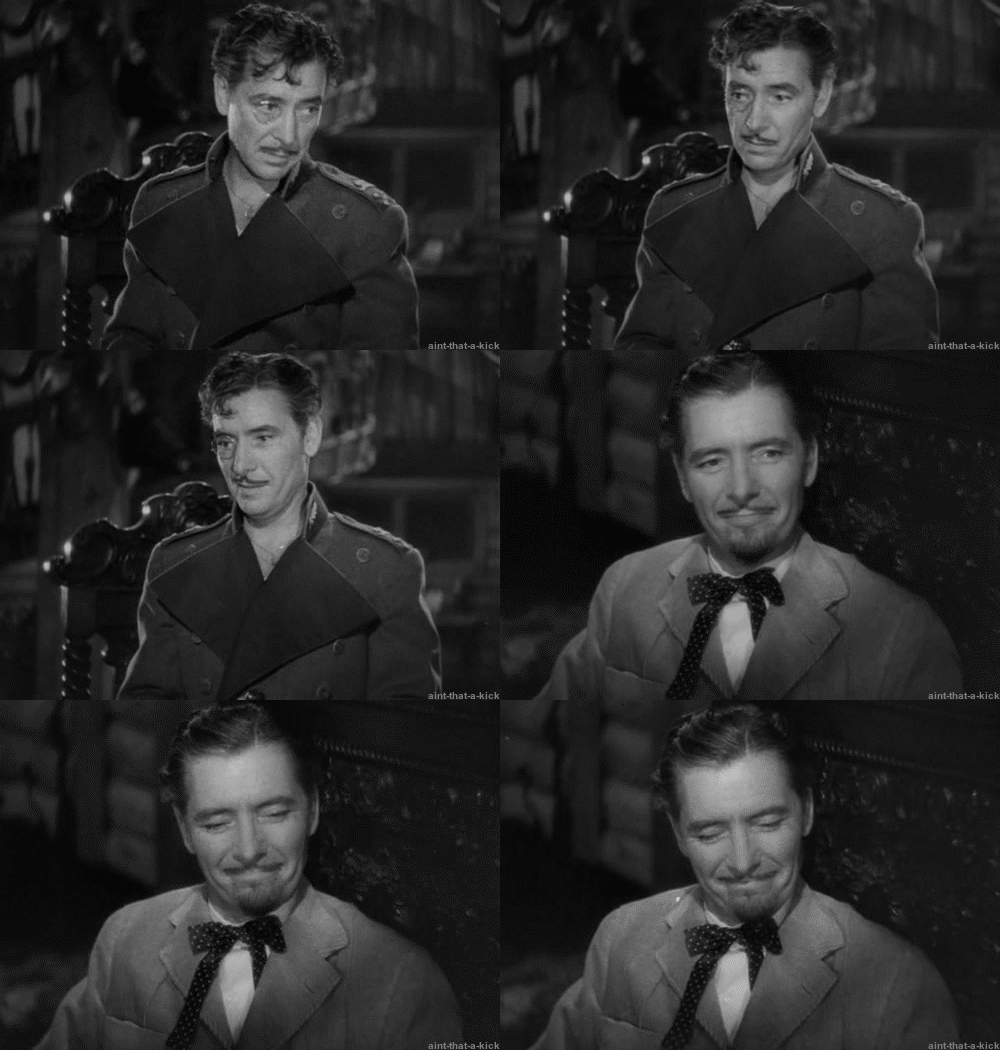
A “visão dupla” é uma das técnicas mais ricas, mais exploradas e mais comentadas na mídia filmada. Até hoje, quando um ator interpreta dois papéis em um só filme ou programa de TV, é gerada uma curiosidade e surgem alguns artigos em sites e revistas sobre como o efeito foi criado. Com técnicas de edição, pintura mate e o uso de sombras, não é muito difícil ter “dublês” em filmes. E, em 1937, a técnica foi usada com perfeito realismo em “O Prisioneiro de Zenda”.

“Seeing double” is one of the richest, more commonly explored and more talked about techniques in filmmaking. Until today, when an actor plays two roles in the same movie or TV production, there is curiosity and a few articles in sites and magazines about how the effect was achieved. With editing, matte paintings and the use of shadows, it isn't really that difficult to have doubles in a film. And in 1937, the technique was used with perfect realism in “The Prisoner of Zenda”.
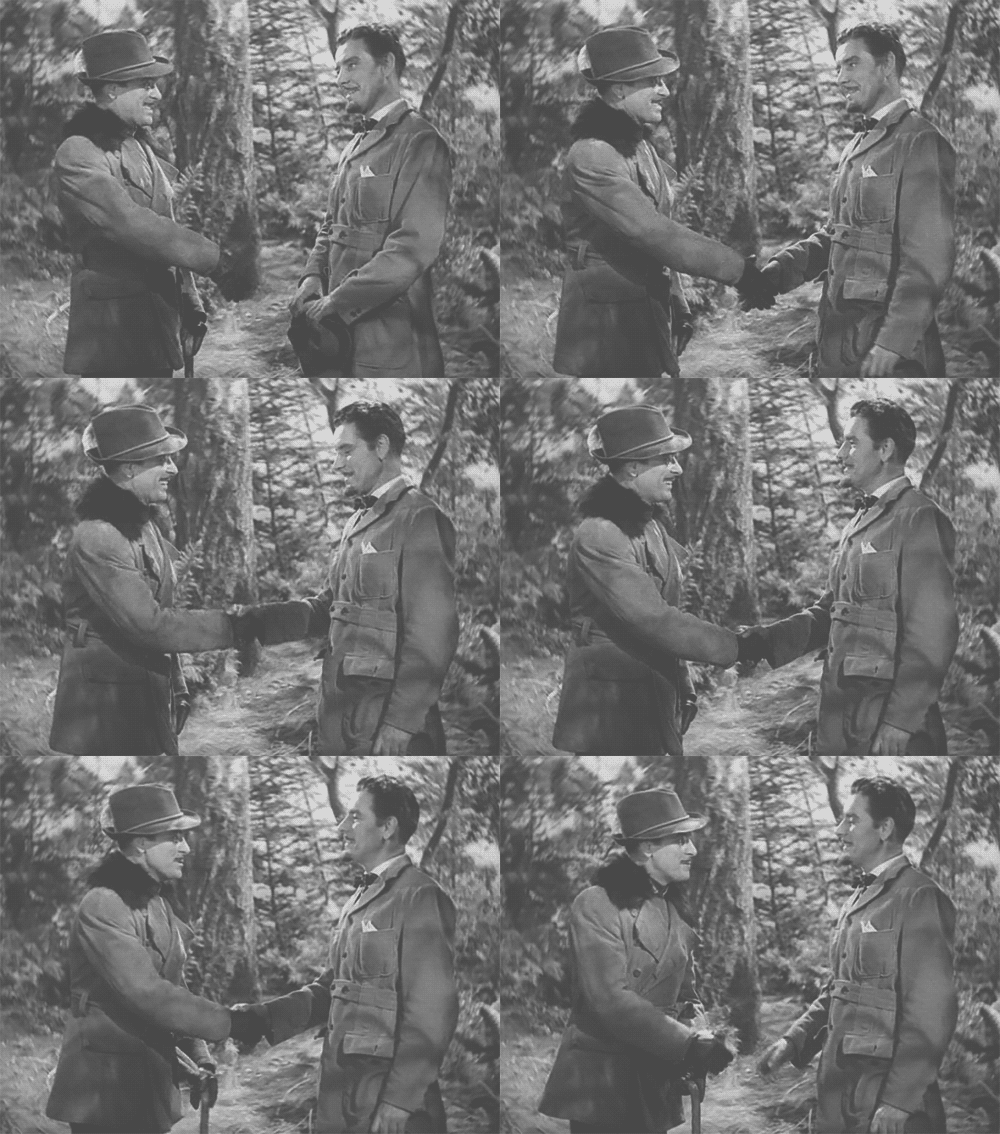
O entusiasta da pesca inglês Rudolf Rassendyll (Ronald Colman) chega em um país europeu fictício perto da Áustria e da Romênia e chama a atenção de todos. Há uma razão para isso: ele é um sósia do príncipe do lugar, que será coroado rei no dia seguinte.

English fishing enthusiast Rudolf Rassendyll (Ronald Colman) arrives in a fictional European country near Austria and Rumania and calls everybody's attention. There is a reason for that: he looks exactly like the prince of the place, who will be crowned king the following day.
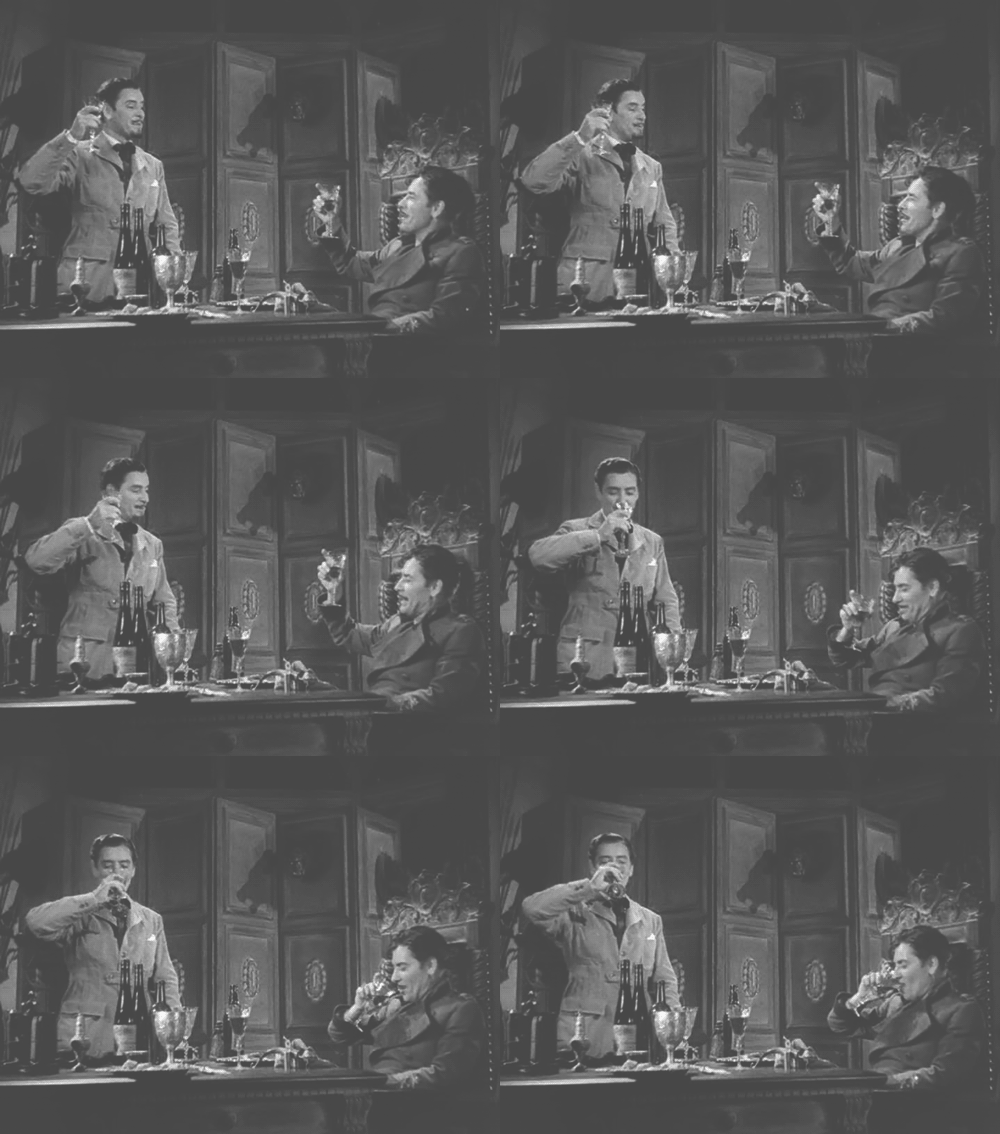
Não demora muito até que o príncipe Rudolf (também Ronald Colman) encontra 0 inglês Rudolf e o convida para celebrar o encontro em uma taverna – porque o príncipe tem um probleminha com a bebida. Logo seus companheiros, Rudolf e Fritz (David Niven) caem no sono, e o príncipe decide fazer um último brinde – com um vinho que foi envenenado por seu irmão usurpador, Michael (Raymond Massey).

It doesn't take long until the prince Rudolf (also Ronald Colman) finds the Englishman Rudolf and invites him to a tavern to celebrate their meeting – because the prince has a little problem with alcohol. Soon his companions, Rudolf and Fritz (David Niven) are asleep, and the prince decides to take one last toast – with a wine that happens to have been poisoned by his envious brother, Michael (Raymond Massey).
No dia seguinte, o príncipe está em coma. A única solução encontrada pelo coronel Zapt (C. Aubrey Smith), conselheiro do príncipe, é colocar Rudolf no lugar do príncipe durante a coroação para evitar um escândalo. Rudolf faz isso, e algo mais: ele se apaixona pela noiva do príncipe, a princesa Flavia (Madeleine Carroll). Mas a mentira terá de durar mais que o esperado, porque o capanga de Michael, conde Rupert de Hentzau (Douglas Fairbanks Jr) encontrou e raptou o príncipe.

The next day, the prince is comatose. The only solution found by Colonel Zapt (C. Aubrey Smith), the prince's counselor, is for Rudolf to replace the prince in the coronation to avoid a scandal. Rudolf does this, and more: he falls in love with the prince's fiancée, Princess Flavia (Madeleine Carroll). But the lie will have to last longer than intended, because Michael's minion, Count Rupert of Hentzau (Douglas Fairbanks Jr) have found and kidnapped the real prince.
“O Prisioneiro de Zenda” tem um grande elenco. Você acabou de ver: Colman, Carroll, Massey, Fairbanks Jr, Niven, C. Aubrey Smith – um dos meus favoritos – e Mary Astor como Antoinette, uma garota apaixonada por Michael. Douglas Fairbanks Jr havia feito teste para o duplo papel protagonista, mas Colman foi escalado, o que devastou o jovem atlético. Seu pai, o ídolo Douglas Fairbanks, disse que o papel de Rupert era, na verdade, “uma bênção disfarçada”.

“The Prisoner of Zenda” has a great cast. You just read: Colman, Carroll, Massey, Fairbanks Jr, Niven, C. Aubrey Smith – a personal favorite – and Mary Astor as Antoinette, the girl in love with Michael. Douglas Fairbanks Jr had tested for the double leading role, but Colman got it instead, which devastated the young athletic man. His father, the swashbuckling idol Douglas Fairbanks, said that the role of Rupert was actually “a blessing in disguise”.
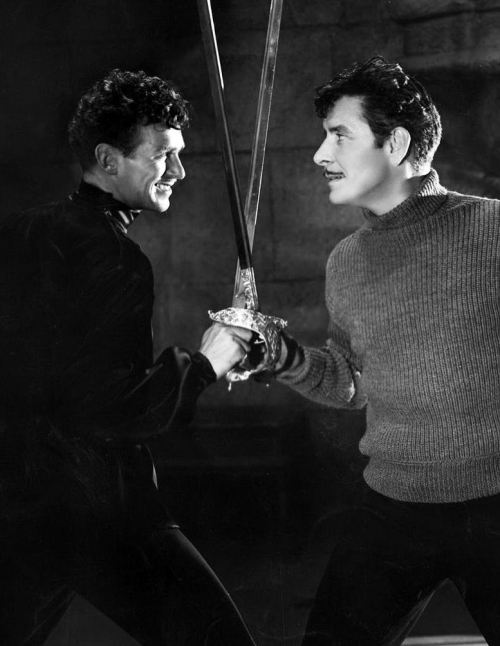
E o velho Fairbanks tinha razão. Embora Rudolf seja a estrela e Colman seja ao mesmo tempo charmoso, brincalhão e destemido – Rupert é também um ótimo personagem – e talvez até mais interessante. Rupert é esperto e leal apenas a si mesmo. Ele é ambicioso, corajoso e ousado. E ele se envolve em uma luta de esgrima fantástica e climática contra Rudolf – uma sequência que só ficou completa com vívidas sombras dos dois duelando.

And the old Fairbanks was right. Although Rudolf is the star and Colman is at the same time charming, playful and daring, Rupert is also a great – if not more interesting – character. Rupert is smart and loyal only to himself. He's ambitious, daring and fearless. And he engages in a fantastic climatic swordfight against Rudolf – a sequence that was made complete by vivid shadows of them fencing.
Se você esperava uma produção com cenários maravilhosos, não ficará desapontado. As duas personagens femininas no filme têm menos substância que as masculinas, com Mary Astor se saindo melhor que Madeleine Carroll. A atenção de Selznick ao detalhe ajudou o visual do filme a ser surpreendente – incluindo as três cenas em que Ronald Colman contracena com “ele mesmo”.

If you expected a production with lavish sets, you won't be disappointed. The two female characters in the film have less substance than their male counterparts, with Mary Astor performing better than Madeleine Carroll. Selznick's attention to detail helped the visuals of the film to be wonderful – including the three scenes in which Ronald Colman shares the screen with himself.
“O Prisioneiro de Zenda” teve diversas adaptações para o cinema, começando em 1913. Esta é a primeira da era falada, e também a versão definitiva. Ronald Colman adicionou uma tonelada de carisma aos dois papéis que interpretou, mas são as cenas de ação e o clímax tenso que tornam o filme extremamente divertido.

“The Prisoner of Zenda” had several adaptations to the screen, starting in 1913. This one is the first of the sound era, and also the definitive one. Ronald Colman injected a ton of charisma in his two roles but the action scenes and the tense climax are the elements that make the film extremely enjoyable.


This is my contribution to the Swashaton – The Swashbuckler Blogathon, hosted by Fritzi at Movies, Silently.

Tuesday, May 23, 2017

Variações sobre um mesmo tema: Adeus às Armas (1932 e 1957)

Variations on the same theme: A Farewell to Arms (1932 and 1957)


Você com certeza já ouviu falar de Ernest Hemingway, o escritor americano que adorava duas coisas: a vida boêmia e gatos. Nenhum destes interesses do autor tem espaço naquela que é sua mais famosa obra: o romance “Adeus às Armas”.

You probably have heard about Ernest Hemingway, the American writer who loved two things: bohemia and cats. None of these appears in the author's most famous book, the novel “A Farewell to Arms”.


Hemingway foi motorista de ambulância na Itália durante a Primeira Guerra Mundial, e em 1929 publicou um livro baseado nesta experiência. Em “Adeus às Armas”, o motorista de ambulância americano Frederic Henry e a enfermeira inglesa Catherine Barkley se apaixonam durante a guerra. O amor poderá esperar até que haja paz? É só isso. E é só o começo de tudo.

Hemingway was an ambulance driver in Italy during World War I, and in 1929 published a book based on these times. In “A Farewell to Arms”, the American ambulance driver Frederic Henry and the English nurse Catherine Barkley fall in love amidst the war. Could love wait until peace arrives? That's basically it. And that's just the beginning of everything.


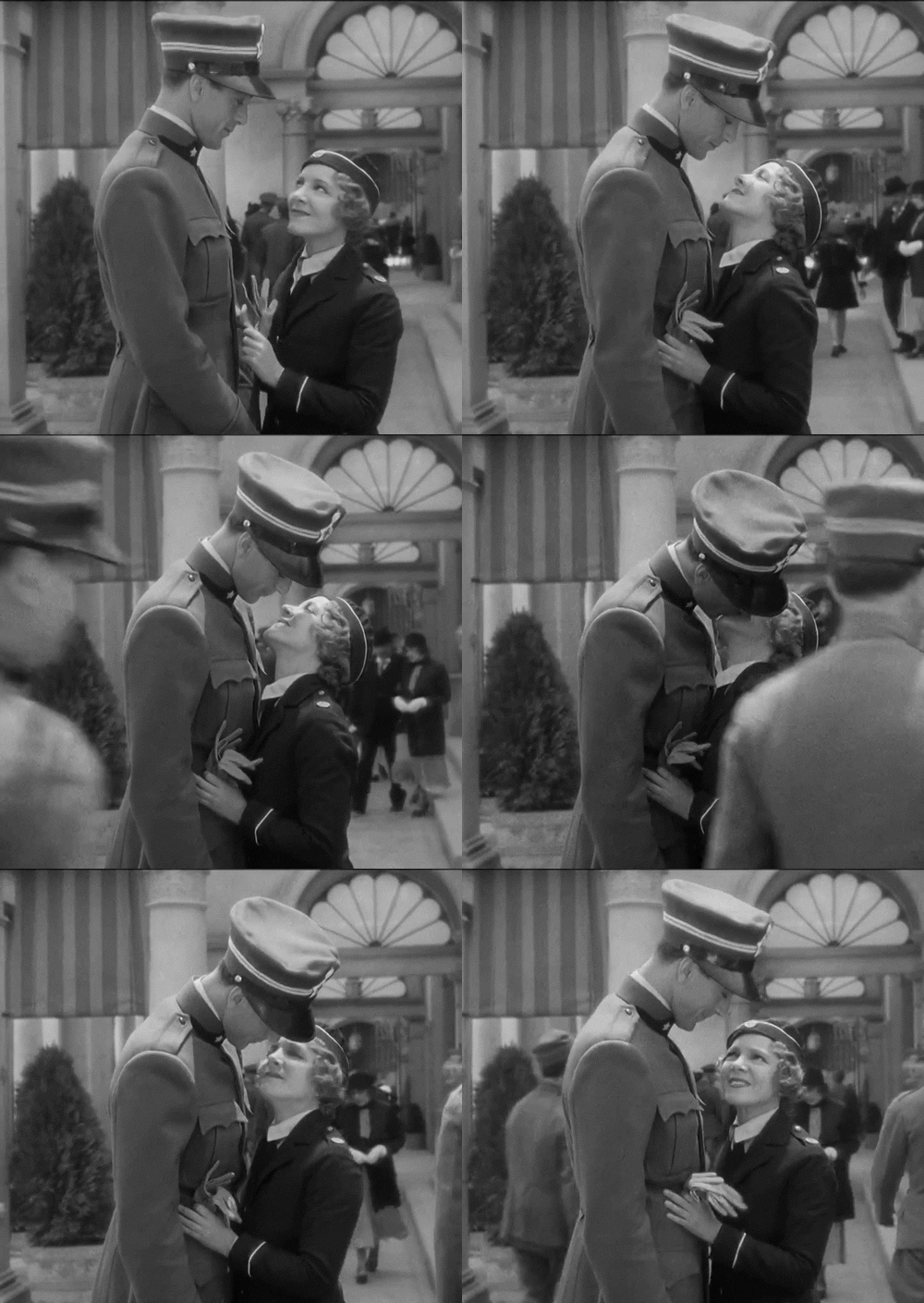
No ano seguinte à publicação do livro, a história foi adaptada para o teatro e logo foi feita uma versão para o cinema. Fredric March, contratado para ser o protagonista, recusou o papel ao saber que Frank Borzage o dirigiria. Foi a oportunidade perfeita para um homem alto e charmoso que crescia cada vez mais em Hollywood: Gary Cooper.

The years after the book was published, the story was adapted into a play and soon an adaptation to the screen followed. Fredric March, hired to be the leading man, refused it when he heard that Frank Borzage was assigned as the director. It was a perfect opportunity for a tall and charming man who was getting more and more space in Hollywood: Gary Cooper.


Ao seu lado estava Helen Hayes, admirada no teatro – onde começou aos cinco anos interpretando meninos – e que havia ganhado o Oscar de Melhor Atriz no ano anterior. Em apenas uma hora e meia – a versão de 1957 tem duas horas e meia – as mais de trezentas páginas do romance de Hemingway são contadas com boas omissões. O foco fica no casal e não na guerra. 

Next to him there was Helen Hayes, an admired lady of the theater – where she started at five playing male roles – and who had just won the Best Actress Oscar the year before. In just an hour and a half – the 1957 version is two and a half hours long – the more than 300 pages from Hemingway's novel are told with a lot of ommissions. The focus is on the couple, not the war.


Assim como tudo que Borzage fez, “Adeus às Armas” é um deleite para os olhos. Você está na guerra, mas há um belo palácio onde as enfermeiras e os comandantes ficam, com uma gloriosa fonte no jardim. Este jardim é o cenário da maioria das cenas belas de românticas do filme.

Like anything Borzage did, “A Farewell to Arms” is a feast for the eyes. You are in the war, but you have a beautiful palace where the nurses and commanders stay, with a glorious fountain in the garden. This garden is the scenario for the most beautiful and romantic scenes of the movie.

Helen Hayes desenvolveu um crush em Gary Cooper, enquanto Cooper e Hemingway se tornaram grandes amigos. O que não deixou Hemingway feliz foi a maneira como Hollywood tratou seu precioso material, mudando o personagem Rinaldi (interpretado por Adolphe Menjou), e até filmando dois finais para que os donos dos cinemas pudessem decidir se queriam um final feliz ou triste para a sessão. No final, as críticas foram diversas, mas em sua maioria positivas.

Helen Hayes developed a crush on Gary Cooper, while Cooper and Hemingway became lifelong friends. What didn't make Hemingway happy was how Hollywood tackled his precious material, changing character Rinaldi (played by Adolphe Menjou), and even filming two endings so theater owners could decide if they wanted a happy or a sad ending for the session. In the end, the reviews were mixed, but mostly positive.


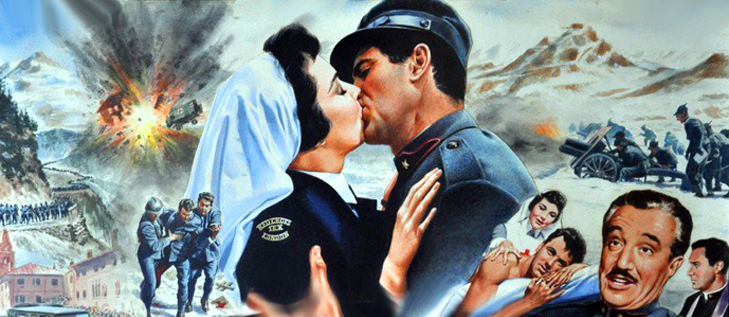
Desde o começou tem-se a impressão de que David O. Selznick quis repetir com sua adaptação de “Adeus às Armas” o sucesso de “E o Vento Levou...”. O próprio título é apresentado da mesma forma, com as letras imensas rolando da direita para a esquerda da tela. Assim como sua obra de 1939, este também conta com cenários de tirar o fôlego, o tema da guerra, os muitos feridos e o uso expressivo da cor.

Since the beginning we get the impression that David O. Selznick was trying, with his adaptation of “A Farewell to Arms”, to repeat the success of “Gone with the Wind”. The title itself is presented the same way, with huge letter rolling from right to left on the screen. Just like his 1939 film, this one also has breathtaking scenarios, the war theme and an expressive use of color.


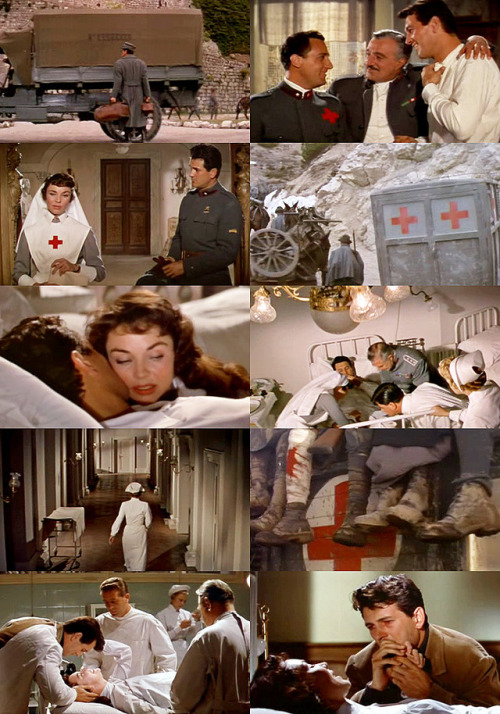
Protagonizado por Rock Hudson, interpretando Frederic como um tenente, e Jennifer Jones, conta ainda com os talentos secundários de Vittorio de Sica, Alberto Sordi e Mercedes McCambridge. Um usuário do IMDb não considerou boa a escalação de Jennifer, então esposa de Selznick, para o papel principal (e não tenho dúvida de que, se o produtor tivesse conhecido Jennifer nos anos 30, apesar da pouca idade, ele faria um lobby para ela ser incluída no elenco do épico sobre a Guerra Civil Americana). O usuário disse que Jennifer era velha demais para o papel.

The film is lead by Rock Hudson, playing Frederic as a lieutenant, and Jennifer Jones, and also have, as supporting players, Vittoria de Sica, Alberto Sordi and Mercedes McCambridge. An IMDb user didn't like the casting of Jennifer Jones, then Selznick's wife, as the lead (and I have no doubt that, if the producer had met Jennifer in the 1930s, even though she was too young, he would have lobbied for a role for her in the Civil War epic). The user said Jennifer was too old for the part.


Embora eu goste da atriz (sensacional em “A Canção de Bernadette”, de 1943), fica claro que o filme foca mais no personagem de Hudson. Entretanto, se fosse necessário substituir a protagonista, surgem duas possibilidades em minha mente: Deborah Kerr, o que não seria ruim já que ela continuaria a ser mais velha que Rock, ou Elizabeth Taylor, que à primeira vista parece perfeita para o papel.

Even though I like Jennifer (who is sensational in “The song of Bernadette”,  from 1943), it's clear that the film is focused on Rock's character. But if it was necessary to replace the leading lady, I'd have two suggestions: Deborah Kerr, who was also older than Rock, and Elizabeth Taylor, who seems just perfect for the role.


Selznick só conseguiu o direito para adaptar a obra de Hemingway através de uma troca: a Warner Brothers, que possuía esse direito, queria fazer uma nova versão de “Nasce uma Estrela”, que estava sob a tutela de Selznick, produtor da versão de 1937. A troca foi simples e as ambições de Selznick começaram a se acumular.

Selznick only got the rights to adapt Hemingway's book through an exchange: Warner Brothers, who had this right, wanted to make a new version of “A Star is Born”, and Selznick, who produced the 1937 version, had the rights over the story. The exchange was simple and Selznick's ambitions started to pile up.


Buscando cenários autênticos, Selznick demitiu o primeiro diretor, John Huston, e mandou Charles Vidor filmar nos Alpes italianos. Ele também não economizou na duração do filme, e foi mais fiel ao livro de Hemingway, embora novamente focasse mais no casal e menos na guerra. No final, foi um filme grandioso, mas uma decepção para a crítica e a bilheteria.

Looking for authentic scenarios, Selznick fired his first director, John Huston, and sent Charles Vidor to shoot in the Italian Alps. He also didn't save on screen time, and was more faithful to Hemingway's book, although again focusing more on the couple than on the war. In the end, it was a grandiose film, but a box office and critical disappointment.


Estas foram as duas únicas adaptações de “Adeus às Armas” para o cinema. Embora nenhuma das duas seja perfeita por causa das liberdades tomadas, ambas têm qualidades e são bons filmes, cada um em sua fatia da história de Hollywood.

These were the only two adaptations of “A Farewell to Arms” into feature films. Even though none of the versions is perfect due to the liberties taken, both have qualities and are worthy pieces of movie history.

O veredicto: se você tiver tempo sobrando, veja as duas versões. Mas leia antes o livro!

The verdict: if you have enough time, watch both versions. But read the book first!

This is my contribution to the Medicine in the Movies Blogathon, hosted by Charlene at Charlene’s (Mostly) Classic Movie Reviews.

Related Posts Plugin for WordPress, Blogger...