} Crítica Retrô: RKO

Tradutor / Translator / Traductor / Übersetzer / Traduttore / Traducteur / 翻訳者 / переводчик

Showing posts with label RKO. Show all posts

Friday, June 27, 2025

Hollywood (1932) / What Price Hollywood? (1932)


Meu filme favorito de todos os tempos é a versão de 1937 de “Nasce uma Estrela”. Com Technicolor brilhante, este drama sobre fama e infortúnio me arrebatou quando o vi pela primeira vez, há mais de 15 anos. Até agora, o filme foi refilmado três vezes - em 1954 com Judy Garland, em 1976 com Barbra Streisand e em 2018 com Lady Gaga. Mas mesmo em 1937 a história não era completamente original: o filme foi meio que inspirado por uma produção anterior, sobre a qual escreverei sobre agora, depois de todos esses anos apaixonada pela história de Vicky Lester e Norman Maine.

My favorite film of all time is the 1937 version of “A Star is Born”. With shining Technicolor, this drama of fame and misfortune swept me out of my feet when I first watched it, over 15 years ago. So far, the film was remade three times - in 1954 with Judy Garland, in 1976 with Barbra Streisand and in 2018 with Lady Gaga. But the story wasn’t completely original in 1937: the movie was kind of inspired by an earlier movie, which I’ll review today, after all those years being in love with the story of Vicky Lester and Norman Maine.

Mary Evans (Constance Bennett) segue as modas ditadas pelas estrelas de cinema e pelas revistas sobre o tema. Ela sonha com uma beijoca de Clark Gable, mas enquanto não tem sua grande chance, trabalha servindo mesas numa lanchonete local. Numa noite ela serve a mesa do famoso diretor Max Carey (Lowell Sherman), que, estando bêbado, a convida para ser seu par numa estreia de filme.  

Mary Evans (Constance Bennett) follows the fashions dictated by movie stars and fan magazines. She dreams of a smooch from Clark Gable, but while she doesn’t get her big break, she waits tables in a local derby. One night she waits the table of famous director Max Carey (Lowell Sherman), who, being drunk, invites her to be his date in a movie premiere.

No dia seguinte, porque Mary o trouxe inconsciente até a casa dele, Carey diz para ela ir até o estúdio. Ela consegue um pequeno papel com uma fala. Ela passa muitas horas ensaiando e o esforço compensa: o produtor Sr Saxe (Gregory Ratoff) lhe oferece um contrato a longo prazo. Com o apelido de “Amiga da América”, eles querem transformar Mary numa estrela. E conseguem.

The following day, since Mary brought him unconscious to his house, Mr Carey tells her to come to the studio. She is given a bit part with one line. She spends many hours rehearsing and the effort pays off: the producer Mr Saxe (Gregory Ratoff) gives her a long-term contract. Marketing her as “America’s Pal”, they want to turn Mary into a star. And so they do.

Um dia num jogo de polo, ela conhece Lonny Borden (Neil Hamilton), que a força a jantar com ele porque ele não aceita não como resposta. O horrível jantar forçado é logo seguido do anúncio do noivado deles. O casamento é um grande evento, mas a lua de mel precisa ser adiada porque Mary precisa regravar algumas cenas de seu próximo filme. Lonny é um milionário, mas pelo estúdio ele é conhecido como Sr Evans. Carey não quer que Mary desperdice seu tempo e talento dando atenção ao marido ao invés de focar na carreira. 

One day in a polo game she meets Lonny Borden (Neil Hamilton), who then forces her to have dinner with him because he can’t take no for an answer. The horrible forced dinner is quickly followed by the news of their engagement. The wedding is a huge event, but the honeymoon has to be postponed because Mary needs to do some retakes for her next film. Lonny is a millionaire but around the studio he is referred to as Mr Evans. Mr Carey doesn’t want Mary wasting her time and talent giving attention to her husband and focusing less on her career.

O contrato de sete anos com o mesmo estúdio era prática comum em Hollywood. À primeira vista soava como segurança, mas podia ser uma prisão. O contrato era como ter um dono: os estúdios eram donos de suas estrelas e as estrelas tinham que aceitar quaisquer papéis e roteiros que os executivos escolhiam para elas. Mas havia maneiras de escapar: atores podiam incentivar a permuta com outros estúdios que ofereciam papéis melhores, como fez Elizabeth Taylor, ou recusar papéis do estúdio, o que fez Bette Davis, sendo então suspensa por causa de seu comportamento.

The contract lasting for seven years with the same studio was common practice in Hollywood. It at first sounded like security, but could be a prison. The contract was basically an ownership: studios owned their stars and the stars had to accept whichever roles and scripts the executives chose for them. But there were ways out: actors could trigger loans to other studios for juicier roles, as Elizabeth Taylor did, or refuse roles from their studios, which Bette Davis did and was suspended for her behavior.

Este filme foi baseado numa história de Adela Rogers St. John. Muitos detalhes do roteiro são comentados por uma coluna de fofocas chamada “You Ask Me!”. Mas Adela não veio dessas colunas: ela foi uma respeitada jornalista em revistas de cinema, que a levaram até Hollywood, onde a primeira adaptação de uma de suas histórias foi feita em 1918. Para “Hollywood”, ela provavelmente se inspirou na vida pessoal de Colleen Moore e na tragédia do diretor Tom Forman. Adela foi indicada ao Oscar na categoria Melhor História. 

This movie was based on a story by Adela Rogers St. John. Many plot points here are commented upon by a gossip column called “You Ask Me!”. Adela didn’t come from these columns, though: she was a respected journalist in fan magazines, which led her to Hollywood, where the first adaptation of one of her stories was made in 1918. For “What Price Hollywood?”, she probably took inspiration from Colleen Moore’s personal life and the tragedy of director Tom Forman. Adela was nominated for an Oscar in the Best Story category.

Tanto “Hollywood” quanto a versão de 1937 de “Nasce uma Estrela” foram produzidos por David Selznick, que queria Clara Bow no papel principal e precisou convencer os executivos da RKO de que um filme sobre filmes seria bem-sucedido. Tanto “Hollywood” quanto a versão de 1954 de “Nasce uma Estrela” foram dirigidos por George Cukor. Cukor se recusou a dirigir a versão de 1937 por causa das semelhanças que continha com o filme de 1932. 

Both “What Price Hollywood?” and the 1937 “A Star is Born” were produced by David Selznick, who wanted to cast Clara Bow as the lead and had to convince RKO executives that a movie about movies would be successful. Both “What Price Hollywood?” and the 1954 “A Star is Born” were directed by George Cukor. Cukor refused to direct the 1937 version because of the similarities between this and the 1932 movie.

Os créditos começam com algo que não estamos acostumados a ver: um galo em cima de um globo e as palavras “An RKO Pathé Picture”. Em 1931 a RKO adquiriu a Pathé Exchange, fundada em 1914. Com a fusão vieram algumas das maiores estrelas da Pathé, como Constance Bennett. O nome “RKO Pathé” foi usado apenas até o fim de 191, quando o estúdio voltou a se chamar somente RKO. 

The credits begin with something we’re not used to seeing: a rooster over a globe and the words “An RKO Pathé Picture”. In 1931 RKO acquired Pathé Exchange, founded in 1914. With the merge came some of the greatest Pathé stars, such as Constance Bennett. The name “RKO Pathé” was used only until late 1932, when the studio became once again only RKO. 

Eu simplesmente amei os vestidos de Mary! Eu com certeza os usaria se eles fossem um pouco mais curtos A supervisão de figurino ficou a cargo de Margaret Pemberton, que tem apenas dois créditos no currículo. Na estreia, o destaque foi uma sequência com uma montagem da ascensão de Mary para os píncaros da fama, usando efeitos especiais que eram então novidade. 

I simply loved Mary’s dresses! I would certainly wear them if they were a little shorter. The wardrobe supervisor is Margaret Pemberton, who has only two film credits. At the premiere, however, the highlight was a sequence featuring a montage of Mary’s ascension to the top of Tinseltown, using special effects that were brand new at the time.

Em “Hollywood”, a figura bêbada problemática é o diretor Max Carey e não o marido da estrela, o que faz do roteiro mais criativo do que o de “Nasce uma Estrela”, mas provavelmente com menos pathos. É bacana, entretanto, ver uma “versão” da história na era pre–Code, mesmo sendo cheia de misoginia e racismo para com a empregada de Mary, Juanita (a incansável Louise Beavers). Considerando os prós e contras, é uma boa sessão.

In “What Price Hollywood?”, the problematic drunk figure is the director Mr Carey and not the starlet’s husband, which makes the plot more creative than the one in “A Star is Born”, although probably with less pathos. It’s nice, however, to see a “version” of the story made in the pre-Code era, even though it’s full of misogyny and racism towards the character of Mary’s maid Juanita (the hardworking Louise Beavers). Considering the pros and cons, it’s an enjoyable movie.

Saturday, September 4, 2021

Resenha: O Pensamento Vivo de Orson Welles, de Rogério Sganzerla


Orson Welles é meu diretor de cinema favorito, mas eu não sou a maior fã de Orson Welles que já existiu no Brasil. Este título, se é que ele existe, deve pertencer ao cineasta Rogério Sganzerla, um homem tão fascinado por Welles e pela pequena odisseia do diretor no Brasil em 1942 que ele fez quatro filmes sobre o assunto, e ainda escreveu um livro sobre Welles para uma coleção.

Orson Welles is my favorite male director, but I’m not the biggest Orson Welles fan that ever lived in Brazil. This title, if it exists, must belong to filmmaker Rogério Sganzerla, a man so fascinated with Welles and the director’s small odyssey in Brazil in 1942 that he made four films about this subject and also wrote a book about Welles as part of a book collection.

Sganzerla foi chamado para organizar este livro como parte de uma coleção que pretendia servir de introdução completa aos pensamentos de pessoas famosas. Sganzerla então compilou textos e frases sobre Welles, organizou uma linha do tempo e escolheu várias boas imagens, a maioria fotos dos bastidores, e também fotos da infância e juventude de Welles e até mesmo uma caricatura feita como autorretrato.

Sganzerla was asked to organize this book as part of a collection that wanted to serve as a complete introduction to the thoughts of famous people. Sganzerla then compiled texts and quotes about Welles, organized a timeline and chose several great images, most of them backstage photos, but also photos from Welles’ childhood and youth and even a caricature that is a self-portrait.

Numa entrevista que abre o livro, Welles fala sobre o imbróglio envolvendo seu filme “O Outro Lado do Vento” - que estreou apenas em 2018 - e também cita outros projetos, como sua ideia de filmar a vida de Cristo como um faroeste, uma adaptação de “The Dreamers” de Dinesen e uma versão de Rei Lear, e também um roteiro original que ele escreveu e queria filmar intitulado “The Big Brass Ring”.

In an interview that opens the book, Welles talks about the imbroglio involving his movie “The Other Side of the Wind” - the movie was released only in 2018 - and also cites other projects, like his idea to film the life of the Christ as a western, an adaptation of Dinesen’s “The Dreamers” and a version of King Lear, and also an original screenplay he wrote and wanted to film titled “The Big Brass Ring”.

O livro traz muitas informações, e mesmo uma super fã de Welles como eu pode aprender muito com a leitura. Por exemplo: “Cidadão Kane” foi só a terceira opção de Welles para começar sua parceria com a RKO. A primeira opção era uma adaptação de “Heart of Darkness” de Joseph Conrad, que não pôde ser feita porque a atriz que Welles queria escalar, Dita Parlo, estava doente. A segunda opção se chamava “The Smiler with a Knife”, abandonada quando tanto Carole Lombard quanto Rosalind Russell recusaram o papel principal.

The book is very informative, and even a die-hard Welles admirer like me learned a lot from it. For example: “Citizen Kane” was only the third option Welles had to start his partnership with RKO. The first was an adaptation of Joseph Conrad’s “Heart of Darkness” that couldn’t be made because the actress Welles wanted, Dita Parlo, was sick. The second option was called “The Smiler with a Knife”, abandoned when both Carole Lombard and Rosalind Russell turned down the lead role.

Eu também aprendi que em 1946 Welles produziu uma adaptação de “ A Volta ao Mundo em 80 Dias”, misturando teatro, cinema, balé e circo. Este foi o trabalho favorito de Welles no teatro, e podemos apenas imaginar como a adaptação da história para o cinema teria sido feita se Welles tivesse sido contratado para dirigi-la - eu certamente amaria esta versão!

I also learned that in 1946 Welles staged a production of “Around the World in 80 Days”, mixing theater, cinema, ballet and circus. This was Welles’ favorite work in the theater, and we can only imagine how the film adaptation of the story would have been if Welles was asked to direct it - I certainly would love this version!

Através da linha do tempo, podemos ver que Welles se manteve ocupado mesmo quando não estava em Hollywood. Ele teve diversos papéis em filmes europeus nas décadas de 40 e 50, e também trabalhou sem parar na televisão a partir dos anos 50.

Through the timeline we can see that Welles kept busy even when he wasn’t in Hollywood. He had several roles in European movies in the 40s and 50s, and also worked steadily for television starting in the 1950s.

Há também muitas frases sobre Welles, de biógrafos, cineastas, críticos de cinema, e também frases de Welles, sobre a vida em geral e sobre o cinema em particular. Sem análises profundas dos filmes, o livro é um bom primeiro passo para quem quer entrar na maravilhosa mente de Orson Welles.

There are also may quotes about Welles, from biographers, filmmakers, film critics, and also quotes by Welles, about life in general and filmmaking in particular. Without deep analysis of any of his films, the book is a fine first step for anyone who wants to enter Orson Welles’ wonderful mind.

This review is part of the 2021 Summer Reading Classic Film Book Challenge, hosted by Raquel at Out of the Past.

Saturday, May 18, 2019

Sós no Mundo (1934) / Two Alone (1934)


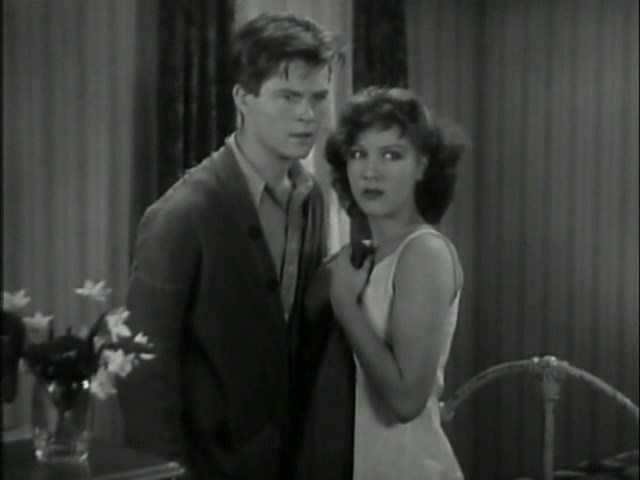
Uma história de Cinderela – mas feita antes do Código Hays. Isso significa que não há quase nada “de fadas” neste “conto”. Para começar, “Sós no Mundo” é uma história rural de uma órfã que é adotada por fazendeiros para trabalhar para eles. Seu Príncipe Encantado é na verdade um adolescente que fugiu do reformatório. Sua Fada Madrinha é um velho bêbado que todos consideram louco. E seu malvado Padrasto quer mais dela do que apenas seu trabalho...

A Cinderella story – but made in the pre-Code era. This means that there is too little of “fairy” in this “tale”. To begin with, “Two Alone” is a rural tale of an orphan who is adopted by farmers only to work for them. Her Prince Charming is actually a teenager running away from Reform School. Her Fairy Godmother is a drunken old man everyone considers to be crazy. And her evil Stepfather wants more of her than only her ability to work…


A família Slag vive em uma fazenda. O Sr. Slag (Arthur Byron) e a senhora Slag (Beulah Bondi) têm dois filhos, um garoto e uma garota, e o Sr. Slag adotou uma órfã, Mazie (Jean Parker).  Mas seu objetivo não era dar para Mazie o amor e o carinho que ela nunca recebeu na vida, mas sim fazê-la trabalhar para a família.

The Slag family lives in a farm. Mr. Slag (Arthur Byron) and Mrs. Slag (Beulah Bondi) have two children, a guy and a girl, and Mr. Slag has adopted an orphan, Mazie (Jean Parker). But his goal was not to shower Mazie with the love and care she never had in her life, but rather make the girl work for them.


Um dia, um adolescente fugindo do reformatório aparece na fazenda. Ele, um garoto chamado Adam (Tom Brown), rouba comida de Mazie, mas ela é bondosa o suficiente para tratar das feridas no rosto do rapaz. Naquela noite, Mazie sai de casa para dar algumas roupas para Adam, mas o Sr. Slag os flagra. O Sr. Slag, em vez de entregá-lo para a polícia, decide fazer do garoto também empregado da sua fazenda.

One day, a runaway teenager from Reform School shows up at the farm. He, a boy named Adam (Tom Brown), steals food from Mazie, but she is kind enough to tend to his facial wounds. That night, Mazie leaves the house to give some clothes to Adam, but Mr. Slag catches them. Mr. Slag, instead of turning the boy to the police, decides to make him work at the farm as well.


Alguns meses se passam, e a filha do Sr. Slag vai se casar – com a pior orquestra do mundo tocando na cerimônia. Mazie é humilhada quando tenta parabenizar a noiva, o que a entristece. Adam, agora um empregado da fazenda, diz que um dia ambos estarão livres e felizes longe dali. Sozinhos em casa, eles comem e conversam com Sandy Roberts (Charley Grapewin), um homem considerado louco pela população. Adam beija Mazie, mas depois se sente culpado.

A few months pass, and Mr. Slag’s daughter is going to be married – with the world’s worst orchestra playing at the ceremony. Mazie is humiliated when she tries to congratulate the bride, and that makes her sad. Adam, now working at the farm, tells that one day they both will be free and happy far from there. Home alone, they eat and chat with Sandy Roberts (Charley Grapewin), a man considered crazy by the people. Adam kisses Mazie, but then feels ashamed.


Algum tempo depois, Adam confessa para Mazie que a ama – e, felizmente, ela também o ama! Mas temos mais problemas: quando Adam pede ao Sr. Slag para deixá-lo casar com Mazie, o velho rabugento diz não – porque ele não quer perder dois empregados, e também porque ele está interessado em Mazie, agora quase uma mulher. Amedrontada, Mazie diz a Adam que eles deveriam fugir – e é isso que eles fazem.

A while later, Adam confesses to Mazie that he loves her – and, luckily, she loves him back! But problems arise once more: when Adam asks Mr. Slag to let him marry Mazie, the old man says no – because he doesn’t want to lose two employers, and also because he is interested in Mazie, now almost a woman. Afraid, Mazie tells Adam they should escape – and so they do.


Adam e Mazie querem chegar à casa do antigo empregado de Slag, o bondoso George Marshall (Willard Robertson), que, coincidentemente, também está procurando por Mazie. Muitas reviravoltas acontecem, e temos suspense... e sexo!

Adam and Mazie want to reach the house of Slag’s former employee, the good George Marshall (Willard Robertson), who, coincidentally, is also looking for her. A lot of plot twists happen and there is suspense… and sex!


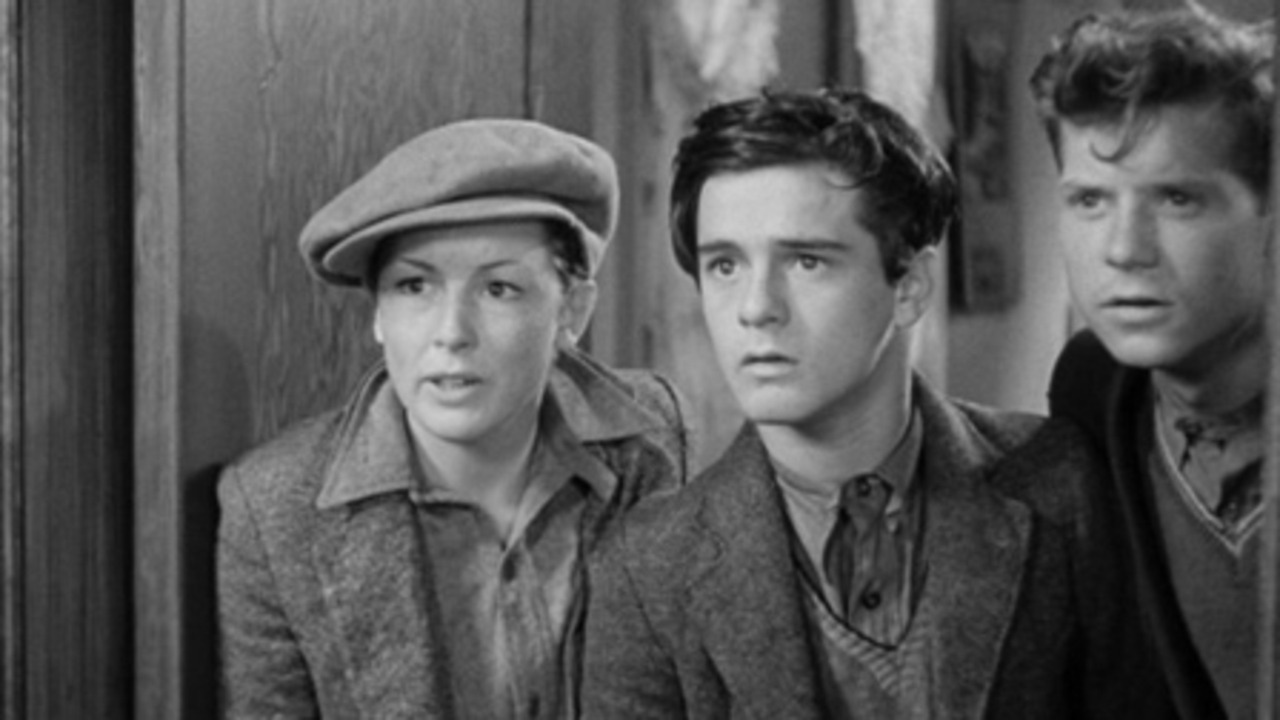
Os anos 30 foram uma boa década para crianças e adolescentes do cinema. As crianças da série “Our Gang” (“Os Batutinhas”) continuaram com o sucesso que tinham na era muda. Shirley Temple, Judy Garland e Mickey Rooney cresceram em frente às câmeras. Os garotos da turma “Dead End Kids” apareceram no teatro e também no cinema em filmes como “Anjos de Cara Suja” (1938). Adolescentes fugitivos eram uma triste realidade durante a Grande Depressão, e foram o foco de “Idade Perigosa” (1933), um filme interessante de William A. Wellman.

The 1930s were a nice decade for kids and teens at the movies. The kids from “Our Gang” kept the success from the silent era. Shirley Temple, Judy Garland and Mickey Rooney grew up in front of the cameras. The “Dead End Kids” appeared at the stage and made it to the screen in films like “Angels with Dirty Faces” (1938). Runaway teens were a sad reality in the Depression Era, and they were the subject of “Wild Boys of the Road” (1933), an interesting little film by William A. Wellman.
 
Idade Perigosa / Wild Boys of the Road
“Sós no Mundo” é um filme B feito pelos estúdios RKO. De acordo com os arquivos do estúdio, o filme foi um fracasso na bilheteria, provavelmente por causa da falta de grandes estrelas no elenco e também por causa da trama complexa. A pobre ZaSu Pitts, interpretando Esthey Roberts – filha de Sandy Roberts – é completamente desperdiçada, pois só aparece em duas cenas.

“Two Alone” is a B-movie made by RKO. According to studio’s records, it was a huge box-office flop, probably due to the lack of A-listers in the cast and the very complex story. Poor ZaSu Pitts, playing Esthey Roberts – Sandy Roberts’s daughter – is completely wasted as she appears in only a couple of scenes.


Jean Parker, então com 19 anos e no começo da carreira, foi emprestada pela MGM, e ela é a melhor em cena em “Sós no Mundo”. Ela interpreta a doce e pobre Mazie de maneira convincente, e seus olhos são brilhantes e expressivos. O belo Tom Brown, com apenas 21 anos na época, já havia sido modelo na infância e feito alguns filmes mudos. Como namorados, Mazie e Adam nos fazem torcer por eles.

Jean Parker, then 19 and in the beginning of her career, was borrowed from MGM, and she is the best in scene in “Two Alone”. She plays sweet and helpless Mazie in a believable way, and her eyes are bright and expressive. Handsome Tom Brown, playing Adam, only 21 at the time, had already been a model in his childhood and appeared in a couple of silent films. As sweethearts, Mazie and Adam are worth rooting for.


“Sós no Mundo” foi dirigido por Elliott Nugent. O nome não parece familiar, né? No começo dos anos 30 Elliott era ator, e logo se tornou também roteirista e diretor. Seu filme mais famoso como diretor provavelmente é a versão de 1939 de “O Gato e o Canário”, com Paulette Goddard e Bob Hope.

“Two Alone” was directed by Elliott Nugent. The name doesn’t sound familiar, does it? In the early 1930s Elliott was actually a leading man, and soon he became also a screenwriter and director. His most famous endeavor as a director is probably the 1939 version of “The Cat and the Canary”, with Paulette Goddard and Bob Hope.

Jean Parker, Elliott Nugent, Tom Brown

“Sós no Mundo” se torna mais emocionante quando nos lembramos de que ainda há muitas crianças e adolescentes órfãos vivendo como Mazie. Adotar crianças para ter empregados sem salário não é coisa do passado. Abuso, tráfico humano, cárcere privado e escravidão de crianças ainda existem. Se o Código Hays não tivesse sido implantado, será que teríamos mais consciência sobre estes temas? Eu não sei, mas ao menos fico feliz que um filme como “Sós no Mundo” exista para nos mostrar como avançamos tão pouco nos últimos 85 anos.

“Two Alone” becomes more poignant as we remember that there are still many orphaned children and teens living like Mazie. Adopting kids to have them as unpaid maids is not a thing from the past. Abuse, human trafficking, false imprisonment and child slavery still exist. If the Hays Code wasn’t implanted, would we be more aware of themes like those? I don’t know, but at least I’m happy a film like “Two Alone” exists to show us we haven’t come very far in the last 85 years.

This is my contribution to the It’s a Young World – Teen Movie Blogathon, hosted by Robin and Crystal at Pop Culture Reverie and In the Good Old Days of Classic Hollywood.


Related Posts Plugin for WordPress, Blogger...