} Crítica Retrô: Henry Fonda

Tradutor / Translator / Traductor / Übersetzer / Traduttore / Traducteur / 翻訳者 / переводчик

Showing posts with label Henry Fonda. Show all posts

Saturday, August 1, 2026

O Homem Errado (1956) / The Wrong Man (1956)


O ano é 1956. Alfred Hitchcock ainda levaria alguns anos para fazer seus filmes mais celebrados, aqueles pelos quais ele é lembrado até hoje. Mas ele já era o Mestre do Suspense. Tanto que seu nome vem acima do título em “O Homem Errado”. Tanto que sua voz pode ser ouvida antes de o filme começar, dizendo que este é um filme diferente para ele porque é baseado em uma história real. “Baseado em uma história real”: palavras que causam um arrepio na espinha de qualquer cinéfilo. 

The year is 1956. Alfred Hitchcock would take a few more years to make his most celebrated movies, the ones he’s reminded for until today. But he was already the Master of Suspense. So much that his name comes above the title in “The Wrong Man”. So much that his voice can be heard before the movie starts, claiming that this was a different movie for him because it’s based on a true story. “Based on a true story”: words that give every cinephile chills. 

Quatorze de janeiro de 1953. A vida de Christopher Emanuel Balestrero vai mudar para sempre. Nosso Chris (Henry Fonda) é um músico que trabalha à noite, e chega cedinho em casa onde estão seus dois filhos, Robert e Gregory, e sua esposa Rose (Vera Miles), que atualmente está sofrendo com uma dor de dentes. Quando Chris tenta arranjar um empréstimo para pagar o dentista, ele é confundido com um ladrão e horas depois é levado para a delegacia.

January 14th, 1953. Christopher Emanuel Balestrero’s life will change forever. Our Chris (Henry Fonda) is a musician who works at night, and at the wee hours arrives home to his two sons, Robert and Gregory, and his wife Rose (Vera Miles), who currently is suffering from a toothache. When Chris tries to get a loan to pay the dentist, he’s mistaken for a robber and hours later is taken to the police station.

Chris esteve nos mesmos lugares que o ladrão. A caligrafia de Chris se parece com a do ladrão. Testemunhas identificam Chris como o ladrão. Sob a trilha sonora sinistra de Bernard Herrmann, Chris é preso. Conforme ele vai absorvendo o que acabou de acontecer com ele, a câmera de Hitchcock gira ao redor de sua cabeça, e nós nos sentimos zonzos, como o personagem.

Chris has been to the same places as the robber. Chris’ handwriting looks similar to the robber’s. Witnesses identify him as the robber. Under Bernard Herrmann’s eerie soundtrack, Chris is incarcerated. As Chris is absorbing what just happened to him, Hitchcock’s camera does a loop around his head, and we feel dizzy, just like the character.

Ser preso por um crime que não cometemos é um medo válido para nós, humanos que amamos a liberdade. E se amamos a liberdade precisamos temer também desgraças como a censura, o autoritarismo e os ditadores. Mas em vez de focar em Chris na cadeia, o filme muda de rumo e segue Chris e Rose tentando conseguir álibis.    

Being arrested for a crime we didn’t commit is a valid fear for most of us, freedom-loving human beings. And if we love freedom we should also be afraid of disgraces such as censorship, authoritarianism and dictators. But instead of focusing on Chris in jail, the film takes a turn and follows Chris and Rose trying to find alibis.

Hitchcock lidou com o tema do homem errado em muitos de seus filmes, como “O Pensionista” (1927) e “Os 39 Degraus” (1935), mas não tão abertamente quanto faz aqui, num filme que é, afinal, chamado O Homem Errado. Mas o que o fez escolher a história de Chris entre tantas de homens erroneamente encarcerados? A resposta está no prólogo: neste caso, alguns elementos são mais inacreditáveis do que qualquer ficção.  

Hitchcock had dealt with the trope of the wrong man in several of his films, such as “The Lodger” (1927) and “The 39 Steps” (1935), but not as openly as he did here, in a film that is, after all, called The Wrong Man. But why he chose Chris’ story among so many of wrongly imprisoned men? The answer is in the prologue: in this case, many elements are stranger than fiction.

Eu chamo nosso protagonista de Chris, mas os policiais e Rose o chamam de Manny, apelido de Emanuel. Eu nunca entendi a ideia de ter um nome do meio que raramente - quase nunca! - combina com o primeiro nome. Nomes do meio tiveram origem na Roma Antiga e voltaram à moda no século XIX. Aqui no Brasil usamos dois sobrenomes e raramente um nome do meio.

I keep calling our main character Chris, but the cops and Rose call him Manny, short for Emanuel. I never understood the idea of having a middle name that not always - almost never! - matches the first one. Middle names were originated in Ancient Rome and caught up again in the 19th century. Here in Brazil we use two surnames but rarely a middle name.

Vera Miles voltaria a trabalhar com Hitchcock em “Psicose” (1960). Nascida Vera June Ralston em 1930, foi coroada Miss Kansas em 1948 e foi finalista do Miss América. Ela então mudou-se para Hollywood e adotou o sobrenome do marido como nome artístico. Seu primeiro trabalho creditado veio em 1952 e o último em 1995, quando ela se aposentou das telas. Em “O Homem Errado”, sua Rose fica mais e mais paranoica conforme ela vê que não há saída para Chris - ela até começa a achar que o marido é mesmo culpado!   

Vera Miles would work again with Hitchcock in “Psycho” (1960). Born Vera June Ralston in 1930, she was crowned Miss Kansas in 1948 and was a finalist in Miss America. She then moved to Hollywood and adopted her first husband’s last name as her stage name. Her first credited role came in 1952 and her last in 1995, when she retired from the screen. In “The Wrong Man” her Rose gets more and more paranoid as she sees there is no way out for Chris - she even starts thinking her husband is guilty after all!

Interpretando o advogado de Chris, Frank O’Connor, temos Anthony Quayle. O ator britânico teve longa carreira no teatro clássico e experiência como combatente durante a Segunda Guerra Mundial. Ele escreveu dois romances e uma autobiografia e virou Cavaleiro em 1985. Um comentário no Letterboxd mencionou que este é o terceiro filme de Hitchcock a ter cenas de tribunal, depois de dois que eu ainda não vi: “Mulher Pública” (1928) e “Agonia de Amor” (1947). As sequências no tribunal com Frank são breves, caso contrário ficariam enfadonhas.

Playing Chris’ lawyer Frank O’Connor we have Anthony Quayle. This British actor had a long run in classical theater and experience in combat during World War II. He wrote two novels and an autobiography and was knighted in 1985. A Letterboxd comment noticed this is the third Hitchcock film that is briefly a courtroom drama, after two I haven’t seen: “Easy Virtue” (1928) and “The Paradine Case” (1947). The sequences in the court with Frank are brief, or else they would be very boring.

Nas mãos de Hitchcock, o que poderia ser só mais um melodrama se torna algo a mais. Com Rose se culpando pelo que aconteceu com Chris, ela passa por um médico. Hitchcock já tinha lidado com os mistérios da mente no menosprezado “Quando Fala o Coração”, de 1945. Aqui, Rose é descrita como prisioneira de “um labirinto de terror”. Por um breve momento, Hitchcock faz de Rose tão protagonista quanto Chris. Porque se é difícil para o homem errado se reerguer, é ainda mais para uma mulher enganada.  

On Hitchcock’s hand, what could have been just another melodrama becomes something else. With Rose blaming herself for what happened to Chris, she sees a shrink. Hitchcock had already dealt with the mysteries of the mind in the underrated “Spellbound”, from 1945. Here, Rose is described as being trapped in a “maze of horror”. For a brief while, Hitchcock makes Rose as much a lead as Chris. Because if it’s hard for a wrong man to stand on his feet again, it’s even harder for a wronged woman.

This is my contribution to the 4th Master of Suspense blogathon, hosted by Maddy at Classic Film and TV Corner.

Sunday, February 28, 2021

O Enxame (1978) / The Swarm (1978)


Melissofobia ou apifobia é o medo de abelhas. Quando eu era criança, eu tinha medo de abelhas, até o momento em que compreendi que, se eu não incomodasse as abelhas, elas não me incomodariam – não que eu tenha cutucado uma colmeia ou coisa parecida. Mas se eu tivesse assistido ao filme de desastre “O Enxame” de 1978 quando eu era criança, meu medo de abelhas – e possíveis alucinações com abelhas – seria justificado. Isto é, se, como criança, eu não compreendesse que “O Enxame” é um filme muito ridículo.

Melissophobia or apiphobia is the fear of bees. When I was a kid I used to be afraid of bees, until I understood that if I didn't bother them they wouldn’t bother me – not that I had poked a beehive or something like this. But if I had watched the 1978 disaster movie “The Swarm” as a kid, my fear of bees – and possible hallucinations with bees – would be justified. That is, if, as a kid, I couldn't understand how ridiculous “The Swarm” is.
 

O filme começa com uma equipe do exército chegando a uma base de mísseis. Duas pessoas que também chegam ao local são o General Slater (Richard Widmark) e o entomologista Bradford Crane (Michael Caine). A maioria dos trabalhadores da base é encontrada morta, a médica Helena Anderson (Katharine Ross) está cuidando dos seis sobreviventes, e a causa da morte é motivo de debate entre Slater e Crane, pois Crane tem certeza de que um enxame de abelhas africanas assassinas atacou o lugar.

The film starts with a military team arriving at a missile base. Two people also arriving there are General Slater (Richard Widmark) and the entomologist Bradford Crane (Michael Caine). Most of the workers at the missile base are found dead, with doctor Helena Anderson (Katharine Ross) taking care of six survivors, and the cause of death is debated by Slater and Crane, as Crane is sure that a swarm of African killer bees has attacked the place.

Mais pessoas estão investigando o que aconteceu. Um homem num helicóptero menciona uma massa negra vindo em sua direção, e alguém em outro helicóptero identifica que a massa é feita de milhões de abelhas. Infelizmente, os dois helicópteros colidem com as abelhas, caindo e explodindo. Crane estava certo e, para desgosto de Slater, ele é colocado no comando de uma guerra contra as abelhas – nome dado pelo próprio Crane. Slater diz ao Major Baker (Bradford Dillman) para ficar de olho em Crane, pois ele acha suspeito que o cientista estivesse passando por acaso pelo local quando o ataque ocorreu.

More people are investigating what happened. A man in a helicopter mentions a black mass coming in his direction, and someone in another helicopter identify the mass as being made of millions of bees. Unfortunately, the two helicopters collapse when they meet the bees, crashing and exploding. Crane was right and, to Slater’s dismay, he is put in the command of what he calls a war against bees. Slater tells Major Baker (Bradford Dillman) to keep an eye on Crane, as he thinks it’s too suspicious that the scientist just happened to be passing by when the attack occurred. 

As abelhas saem da base nuclear e vão para os campos floridos na cidade mais próxima, onde matam os pais do pequeno Paul (Christian Juttner). Não demorará para que as abelhas entrem na cidade, criando caos numa escola onde trabalha Maureen (Olivia de Havilland), numa sequência que lembra a invasão de pássaros na escola de Bodega Bay em “Os Pássaros” (1963), mas numa escala muito maior. Para piorar as coisas, quem não morre instantaneamente por causa das picadas das abelhas pode ter uma recaída fatal...

The bees move from the nuclear facility to the flower fields surrounding the nearest town, and there they victimize young boy Paul’s (Christian Juttner) parents. It won’t be long until the bees reach town, wrecking havoc in a school where Mauren (Olivia de Havilland) works, in a sequence that reminds the invasion of birds in the Bodega Bay school in “The Birds” (1963), but in a much bigger scale. To make things worse, those who don’t die instantly from the bee stings may have a fatal relapse later...

Pode haver uma ameaça no ar - literalmente – mas também sobra lugar para romance em “O Enxame”. Há uma tensão sexual óbvia entre Bradford Crane e Helena Anderson. Enquanto isso, há um triângulo amoroso com idosos: tanto o prefeito Clarence Tuttle (Fred MacMurray) quanto o aposentado Felix Austin (Ben Johnson) estão apaixonados por Maureen! E há também a garçonete Rita (Patty Duke), que perde o marido no primeiro ataque das abelhas e, estando grávida, se apaixona por seu médico.

There may be a menace on the air - literally - but there is still a place for romance in “The Swarm”. There is obvious sexual tension between Bradford Crane and Helena Anderson. Meanwhile, there is a love triangle involving the elderly: both the mayor Clarence Tuttle (Fred MacMurray) and the retiree Felix Austin (Ben Johnson) are in love with Maureen! And there is also the waitress Rita (Patty Duke), who loses her husband in the first bee attack and, being pregnant, falls in love with her doctor.

Bradford Crane chamou outros peritos para fazer parte do time, e um deles é seu mentor, Dr Walter Krim (Henry Fonda). Outro perito, Dr Hubbard (Richard Chamberlain) diz que as abelhas africanas assassinas agora são chamadas de abelhas brasileiras porque elas sofreram uma mutação no Brasil, e Crane responde que o nome não importa se a ameaça é a mesma. O mesmo pode ser dito da gripe espanhola, ou da COVID-19 / coronavírus – o nome não importa, o que importam são os impactos nas pessoas. Mas aqui precisamos falar que topônimos como abelhas africanas / brasileiras, gripe espanhola e a expressão claramente racista “vírus chinês” causam ainda mais dano, porque grupos de pessoas são associados à doença, fazendo com que esses grupos sejam alvo de ataques de ódio – e ódio é uma pandemia bem mais difícil de controlar.

Bradford Crane has called other experts to be part of his team, one of them being his mentor, Dr Walter Krim (Henry Fonda). Another expert, Dr Hubbard (Richard Chamberlain) says that the African killer bees are now being called Brazilian bees because they suffered a mutation in Brazil, to which Crane replies that the name doesn’t matter if the threat is the same. The same can be said about the Spanish flu, or the COVID-19 / coronavirus – the name doesn’t matter, the impacts they have on people matter. But here we must address that toponyms like African / Brazilian bees, Spanish flu and the clearly racist expression “Chinese virus” cause even more harm, because groups of people become associated with the disease, making them more likely to be the target of hate attacks – and hate is a pandemic much harder to control. 

Slater que jogar pesticidas nas abelhas, e Crane fica furioso com ele, porque a ideia mataria as abelhas assassinas e também as abelhas normais. Slater diz que o dano colateral causado nas pessoas e nas outras abelhas seria “o menor dos males”. Crane diz para Slater e para todo o público que as abelhas são importantes para o meio-ambiente e para os humanos – e, mais de 40 anos depois, ainda não aprendemos. Um terço da comida produzida no mundo depende da polinização feita pelas abelhas. Mesmo assim, as abelhas estão morrendo por causa da destruição de seu habitat, das mudanças climáticas e do uso de pesticidas. É por isso que não devemos matar abelhas – e “O Enxame” inclusive termina com uma nota para o público lembrando da importância das abelhas:

Slater wants to drop pesticides on the bees, to which Crane reacts furiously, as the idea would kill the normal bees as well as the killer bees. Slater refers to the collateral damage to people and other bees as “the lesser of two evils”. Crane reminds Slater and the whole audience of the importance of bees to environment and to humans – and, over 40 years later, we still haven’t learned. One third of the world's food production depends on the pollination process made by bees. Nevertheless, bees are dying because of the loss of their habitat, climate change and the use of pesticides. That's why we shouldn't kill bees – and “The Swarm” even ends with a note for the audience about the importance of bees:

“O Enxame” é um filme de sua época, outro filme de desastre cheio de estrelas do cinema, como muitos outros dos anos 1970, entre eles “O Destino do Poseidon” (1972), “Terremoto” (1974) e “Inferno na Torre” (1974). Poseidon e “Inferno na Torre” também foram produzidos por Irwin Allen, que produziu e dirigiu “O Enxame”, o primeiro de três grandes fracassos que acabaram dizimando o sub-gênero filme de desastre.

“The Swarm” is a film of its time, another all-star disaster movie made in the 1970s, like “The Poseidon Adventure” (1972), “Earthquake” (1974) and “The Towering Inferno” (1974). Poseidon and “Towering Inferno” were also produced by Irwin Allen, who produced and directed “The Swarm”, the first of three huge flops that ultimately killed the disaster movie subgenre at the time.

O grande problema com “O Enxame”, pelo menos para mim, foi o elenco cheio de grandes nomes, com a maioria dos personagens sem desenvolvimento, pois têm pouco tempo em cena. Rita, por exemplo: nós não a vemos com seu marido antes dele morrer – mas temos de acreditar que ela está devastada – e que simplesmente desaparece quando seu bebê nasce. Além disso, os veteranos do cinema não tinham muito o que fazer com o diálogo pouco inspirado – escrito, surpreendentemente, por Stirling Silliphant, que escreveu o roteiro de “No Calor da Noite” (1967).

The greatest problem about “The Swarm”, at least for me, was the all-star cast, as most characters aren’t developed as they have little time on screen. Take Rita, who we don't see with her husband before he dies – even though we're supposed to believe she's devastated – and who simply disappears from the movie as her baby is born. Besides that, all the film veterans had little to do with the uninspired dialog – written, surprisingly, by Stirling Silliphant, who wrote the screenplay of “In the Heat of the Night” (1967).


Alguns momentos são extremamente ridículos. Há uma tomada do ponto de vista de uma abelha - como a tomada do ponto de vista da mosca em “A Mosca da Cabeça Branca” (1958) - e pessoas correndo e se esquivando em câmera lenta quando as abelhas invadem a cidade. Algumas pessoas inclusive começam a ter alucinações com abelhas, e eu definitivamente não vou contar a razão pela qual as abelhas foram atraídas para a base nuclear para começo de conversa – é algo muito ridículo e você provavelmente ficará pasmo.

Some moments are extremely ridiculous. There is a shot from the bee’s point of view - like the fly’s point of view in “The Fly” (1958) - and people running and ducking in slow-motion when the bees invade the town. Some people even start hallucinating with bees, and I definitely won’t tell the reason why the bees were attracted to the nuclear facility in the first place – it’s too ridiculous and you’ll probably be surprised.

Para tornar tudo mais difícil, devo informá-lo que você não será capaz de ver a versão compacta de “O Enxame” que estreou em 1978, pois esta versão de 116 minutos foi mais tarde substituída na TV, DVD e em Blu-Ray por uma versão mais longa, com 155 minutos. Sim, são 39 minutos extras de abelhas africanas assassinas. Mas nem tudo é ruim: você pode ver “O Enxame” se você quiser ter a chance de ver Michael Caine usando roupas em cores neutras ou, melhor ainda, Richard Widmark com um lança-chamas. Você também pode ver Olivia de Havilland de volta à Warner Brothers 34 anos após ter processado o estúdio. Ou você pode ver que, mais uma vez, é um ser diminuto que coloca o futuro da humanidade em risco – se é que você precisava ser lembrado disso.

To make things more unbearable, I must inform that you won't be able to watch the compact version of “The Swarm” that hit theaters in 1978, as the 116 minutes was later replaced on TV, DVD and Blu-Ray for a longer version, with 155 minutes. Yes, it's 39 extra minutes of African killer bees. But it's not all bad: you can watch “The Swarm” if you want a chance to see Michael Caine wearing clothes in neutral colors or, better yet, Richard Widmark with a flamethrower. You can also see Olivia de Havilland going back to the Warner Brothers backlot 34 years after her lawsuit against the studio. Or you can see that, once again, it's a tiny being that puts the future of mankind in jeopardy – that is, if you needed to be reminded of that.

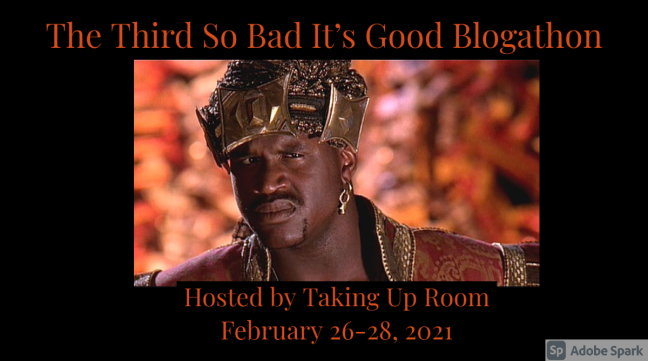
This is my contribution to the Third So Bad It's Good blogathon, hosted by Rebecca at Taking Up Room.


Wednesday, January 16, 2019

Quando Elas Teimam (1938) / The Mad Miss Manton (1938)


Todo gênero cinematográfico tem algumas pérolas bem conhecidas e algumas joias escondidas. E todo gênero tem também muitos filmes irregulares, pedras brutas que só precisariam de um pouco mais de polimento para se tornarem joias. “Quando elas Teimam” entra na segunda categoria. Assim como “Levada da Breca”, também de 1938, trata-se de uma comédia amalucada cuja protagonista é uma herdeira doidinha. E o filme tem também um enredo de mistério, assim como “A Ceia dos Acusados” (1934). Uma mistura curiosa, não?

Every genre has a few well-known gems and a few hidden gems. And every genre also has a lot of irregular films that needed just a little more polishing to become gems. “The Mad Miss Manton” falls in the second category. Just like “Bringing Up Baby”, also from 1938, it is a screwball comedy whose main character is a zany heiress. And it has a mystery plot, just like “The Thin Man” (1934). An odd mix, isn’t it?


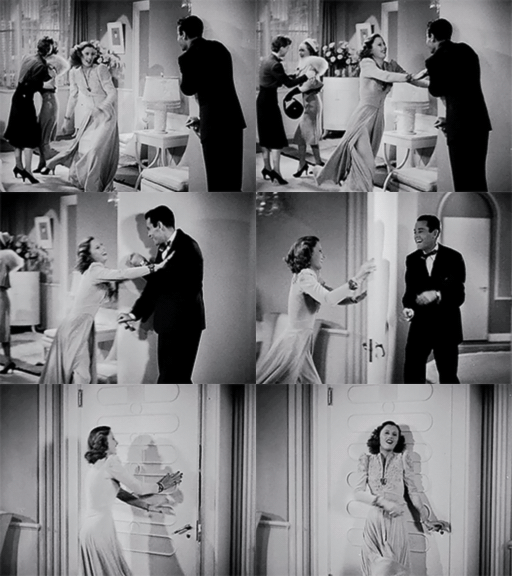
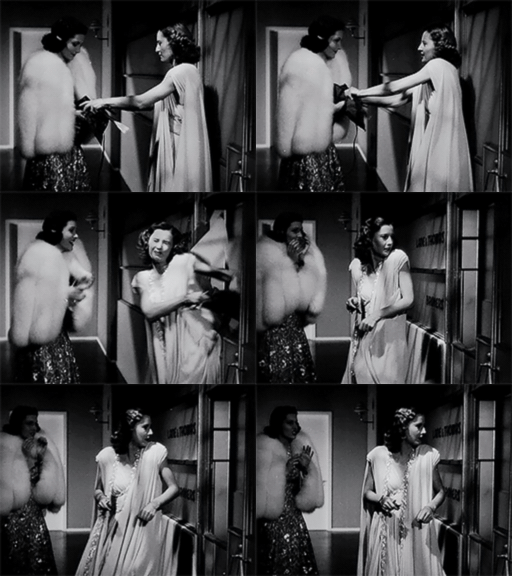
Depois de uma festa à fantasia, a herdeira Melsa Manton (Barbara Stanwyck) decide levar seus cachorros para passear mesmo sendo tarde da noite. Ela está em um beco quando vê um homem saindo de uma casa que está para alugar. Ela entra na casa e encontra um homem morto lá dentro, e junto com ele uma joia. Ela chama a polícia, mas como ela é conhecida por pregar peças, ninguém acredita nela – até porque a polícia não encontra nenhum corpo na casa.

After a costume party, heiress Melsa Manton (Barbara Stanwyck) decides to walk her dogs late at night. She is in an alley when she sees a man running out of a house that is up for rent. She enters the house and finds a dead man inside, together with a beautiful jewel. She calls the police, but since she is a well-known prankster, nobody believes her – even more when the police find no dead man.


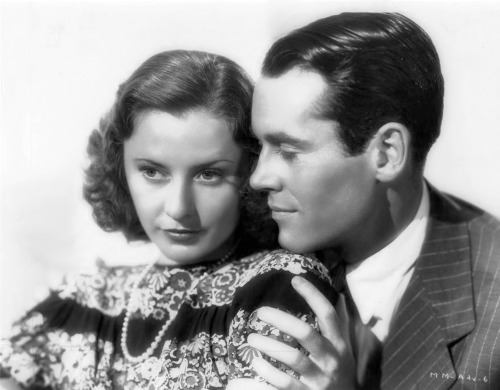
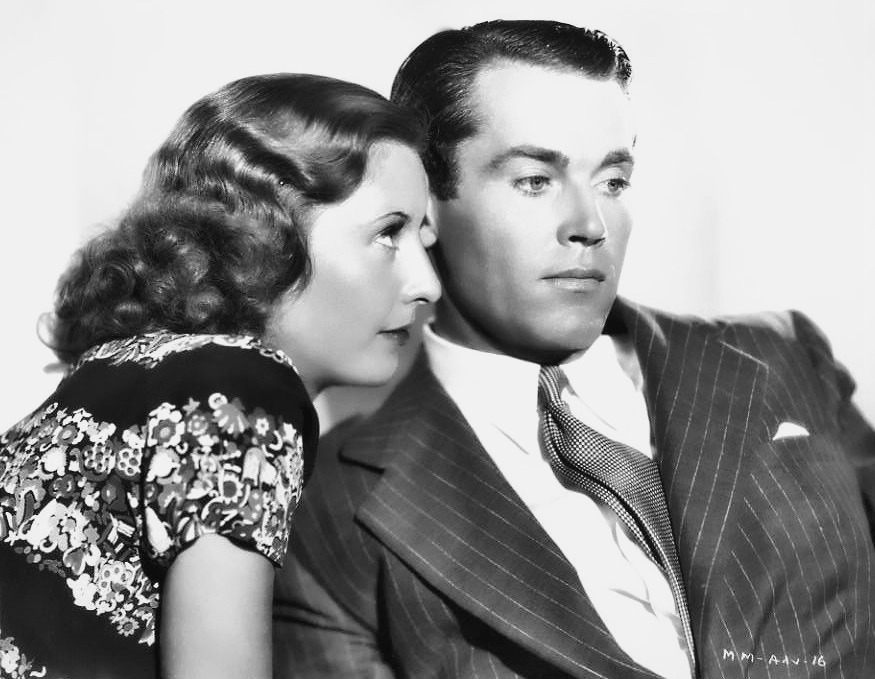
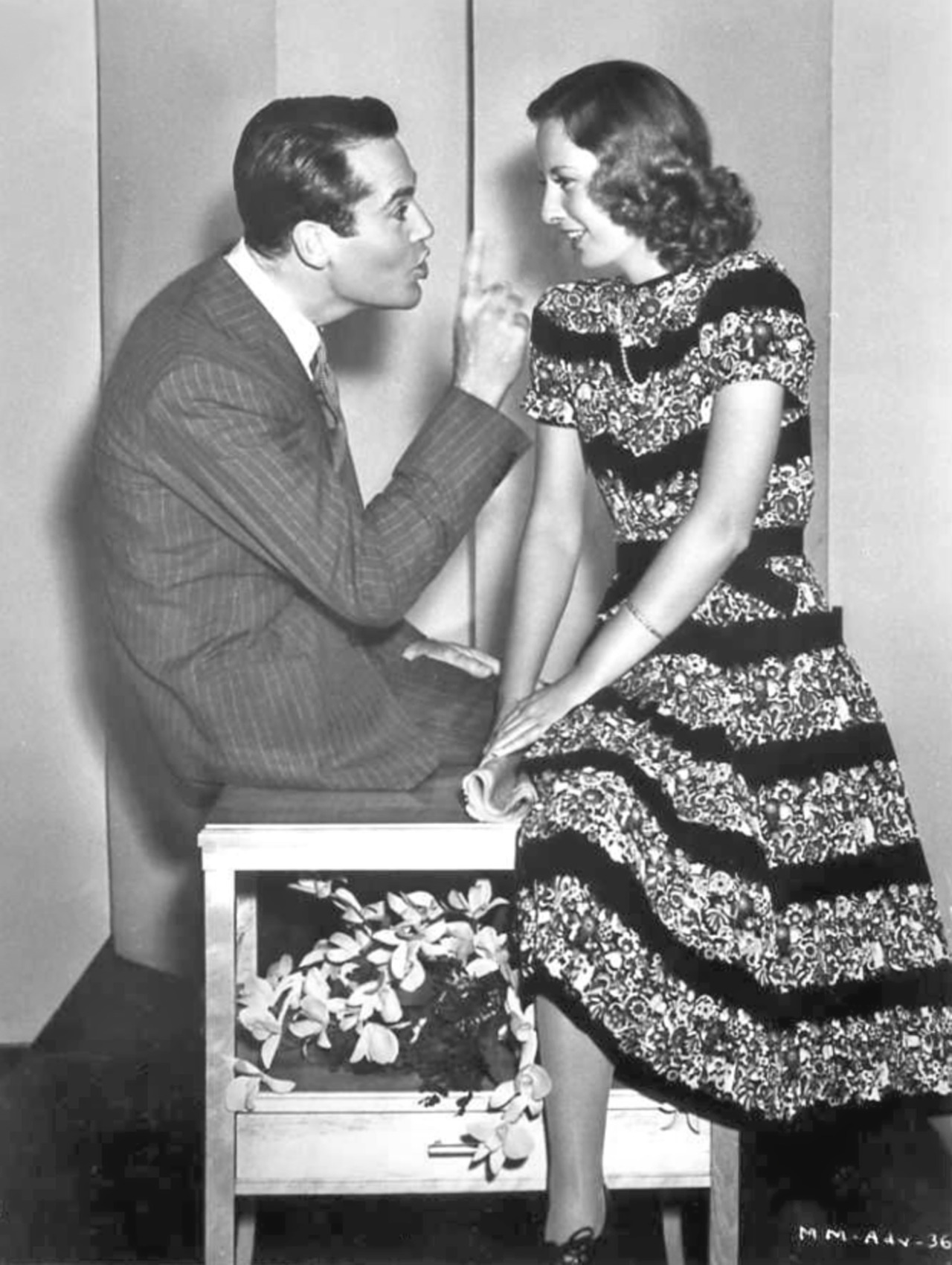
No dia seguinte ela vira assunto de um artigo de jornal escrito por Peter Ames (Henry Fonda), que a ridiculariza e critica seu grupo de herdeiras que gostam de pregar peças para chamar a atenção para a caridade. Ela fica muito brava com ele e decide investigar o caso com a ajuda de suas amigas ricas. Quando elas encontram um segundo corpo, Peter e a polícia se envolvem também na investigação, mas as garotas querem solucionar o mistério sem a ajuda deles.
  
The following day she is the subject of a newspaper article written by Peter Ames (Henry Fonda), ridiculing her and her group of heiresses / pranksters who like to call the attention for charity. She gets mad at him and decides to investigate the case alongside her rich girl friends. As they find a second body, Peter and the police also enter the investigation, but the girls want to solve the mystery without their help.


É interessante notar que, em “Quando Elas Teimam”, o homem é quem se apaixona primeiro. Depois de dois encontros peculiares, Peter diz que está começando a gostar de Melsa, e logo ele afirma que vai se casar com ela. Ele então se torna um jornalista correndo atrás de uma garota, e não de um furo de reportagem, enquanto a garota passa a maior parte do tempo relutante em relação às investidas dele.

It’s interesting to notice that, in “The Mad Miss Manton”, the man is the first one to fall in love. After a couple of crazy meetings, Peter says he’s starting to like Melsa, and soon he says he’ll marry her. He then becomes a journalist running after a girl, not a scoop, while the girl spends most of the time reluctant to let him woo her.


Melsa e as outras garotas são as principais investigadoras, deixando a polícia para trás em questão de esperteza e rapidez. As garotas são inteligentes, engraçadas, às vezes covardes e sempre vestidas com os melhores vestidos de noite. É como se Nora Charles tivesse chamado suas amigas da alta sociedade para resolver crimes em vez de deixar Nick fazer isso.

Melsa and the other girls are the lead investigators, leaving the police behind in both wisdom and quickness. The girls are clever, funny, sometimes coward and always dressed with the best evening gowns. It is as if Nora Charles had called her high society friends to solve crimes instead of letting Nick do it.


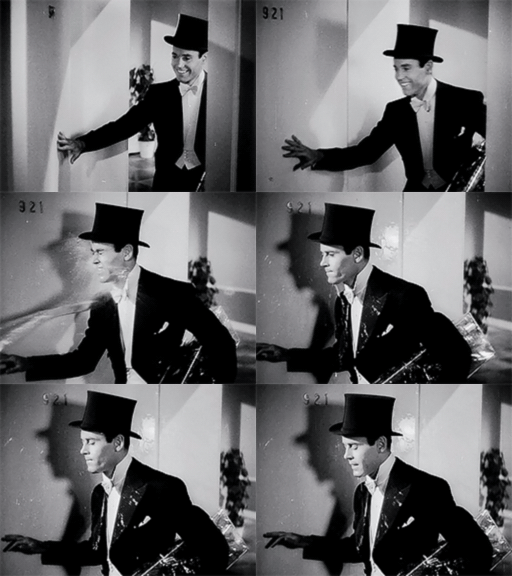
Interpretando Hilda, a empregada, está Hattie McDaniel – creditada como “McDaniels”. Hilda trabalha para Melsa e não suporta mais o comportamento excêntrico da patroa. Sim, Hilda é o estereótipo da empregada sem cultura, mas uma empregada furiosa que normalmente reclama de seu trabalho e das ordens que recebe – como a ordem de jogar água na cara de Henry Fonda se ele aparecer na porta do apartamento de Melsa.

We have, as Hilda the maid, Hattie McDaniel – billed as “McDaniels”. Hilda works for Melsa and can’t take her antics anymore. Yes, Hilda is the uncultured mammy stereotype, but an angry mammy that is often complaining about her job and the orders she receives – like to throw water at Henry Fonda’s face if he appears in Melsa’s door.


Aliás, podemos falar em como Henry Fonda era fofo no final dos anos 30 e começo dos anos 40? Em “Quando Elas Teimam” ele não alcança o mesmo nível de fofura de “As Três Noites de Eva” (1941), porque seu Peter não é um personagem fofo e desprotegido, mesmo tendo, em determinado momento, sido feito de refém pelas garotas.

By the way, can we talk how cute Henry Fonda was in the later 1930s and early 1940s? In “The Mad Miss Manton” he doesn’t achieve the same level of cuteness as in “The Lady Eve” (1941), because his Peter Ames is not a cute clueless character, even if he is, in a particular moment, a gentleman in distress as the girls keep him hostage.


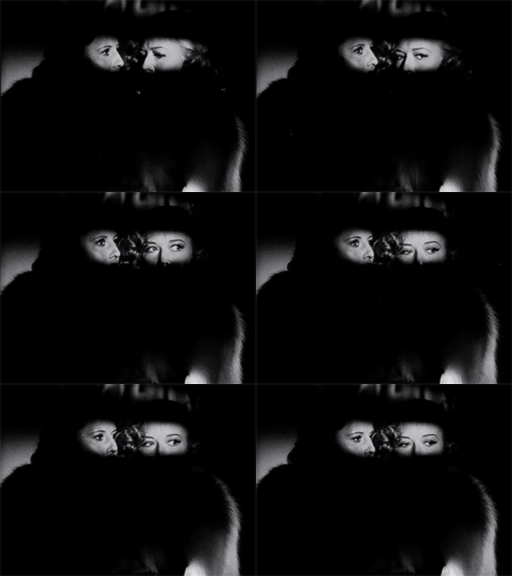
Mesmo assim, com todos estes ótimos ingredientes, há algo faltando – ou talvez algo sobrando – em “Quando Elas Teimam”. O timing cômico é problemático, e eu pude perceber que estava perdendo algumas piadas que eram contadas enquanto eu ainda estava rindo da última piada. A mistura de comédia e mistério, entretanto, é boa, e o diretor de fotografia Nicholas Musuraca já mostra seu talento para trabalhar com contraste, talento que seria explorado mais tarde no filme noir. Só é uma pena que o diretor Leigh Jason não tenha um toque de Midas como o de Prestonb Sturges!

Yet, with all those great ingredients, there is something missing – or rather something in excess – in “The Mad Miss Manton”. The comedic timing is problematic, and I could tell I was missing some jokes that were being told while I was till laughing from the last joke. The mix of comedy and mystery is good, though, and cinematographer Nicholas Musuraca already shows the talents for contrast he would later explore in film noir. It’s just a pity that director Leigh Jason didn’t have the same Midas touch and Preston Sturges!


“Quando Elas Teimam” é uma produção da RKO. O filme deveria ser estrelado por Katharine Hepburn, mas ela o recusou, pois havia acabado de fazer “Levada da Breca” – um filme que foi, na época, um fracasso de bilheteria. Stanwyck herdou o papel, e Fonda foi pego emprestado do pequeno estúdio Walter Wanger Productions. Fonda detestou fazer o filme, e mais tarde disse “Eu estava tão bravo com esse filme – eu estava ressentido”.

“The Mad Miss Manton” is an RKO production. It was supposed to star Katharine Hepburn, but she refused, having just finished “Bringing Up Baby” – a film that was, then, a box-office failure. Stanwyck inherited the role, and Fonda was borrowed from the small Walter Wanger Productions studio. Fonda just hated doing the film, and later said “I was so mad on this picture – I resented it”.


Fofo e interessante, mas não perfeito, “Quando Elas Teimam” bebe da fonte de “A Ceia dos Acusados” e “Levada da Breca” e acaba sendo inferior a ambos. Barbara Stanwyck é a estrela e faz a personagem mais interessante e, ao lado de suas amigas, herdeiras da Park Avenue, pregadoras de peças / detetives, ele é vivaz e esperta. E quem não gostaria de ver garotas da alta sociedade solucionando crimes?

Cute and interesting, but not perfect, “The Mad Miss Manton” drinks from both “The Thin Man” and “Bringing Up Baby” and ends up being inferior to both. Barbara Stanwyck is the clear star and most interesting character, and, alongside her Park Avenue Pranksters / detectives, she is vivacious and smart. And who wouldn’t want to see eight society girls solving crimes?

 This is my contribution to the Second Remembering Barbara Stanwyck Blogathon, hosted by Crystal and Maddy at In the Good Old Days of Classic Hollywood and Maddy Loves Her Classic Films.

Friday, August 25, 2017

Os Seus, Os Meus, Os Nossos / Yours, Mine and Ours (1968)

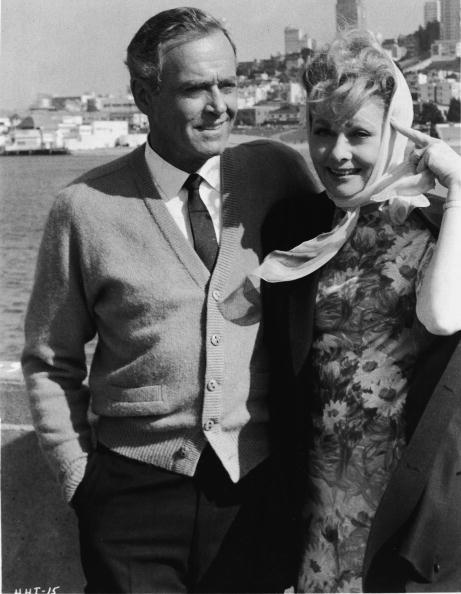
Os anos 60 representaram uma nova era em Hollywood. A censura ia enfraquecendo, novos temas eram explorados – como as comédias sobre sexo – mas muitas das estrelas eram as mesmas de antes. Um animalzinho velho pode aprender a fazer novos truques? Uma estrela da Old Hollywood consegue se adaptar aos temas da Nova Hollywood? Bem, se estas estrelas da Old Hollywood são Henry Fonda e Lucille Ball, eles com certeza conseguem.

The 1960s represented a new time in Hollywood. The censorship was waning, new themes were being explored – like the sex comedies – but many of the stars were the same as before. Can an old pet learn how to do a new trick? Can an Old Hollywood star adapt to the themes of New Hollywood? Well, if those Old Hollywood stars are Henry Fonda and Lucille Ball, they certainly can.
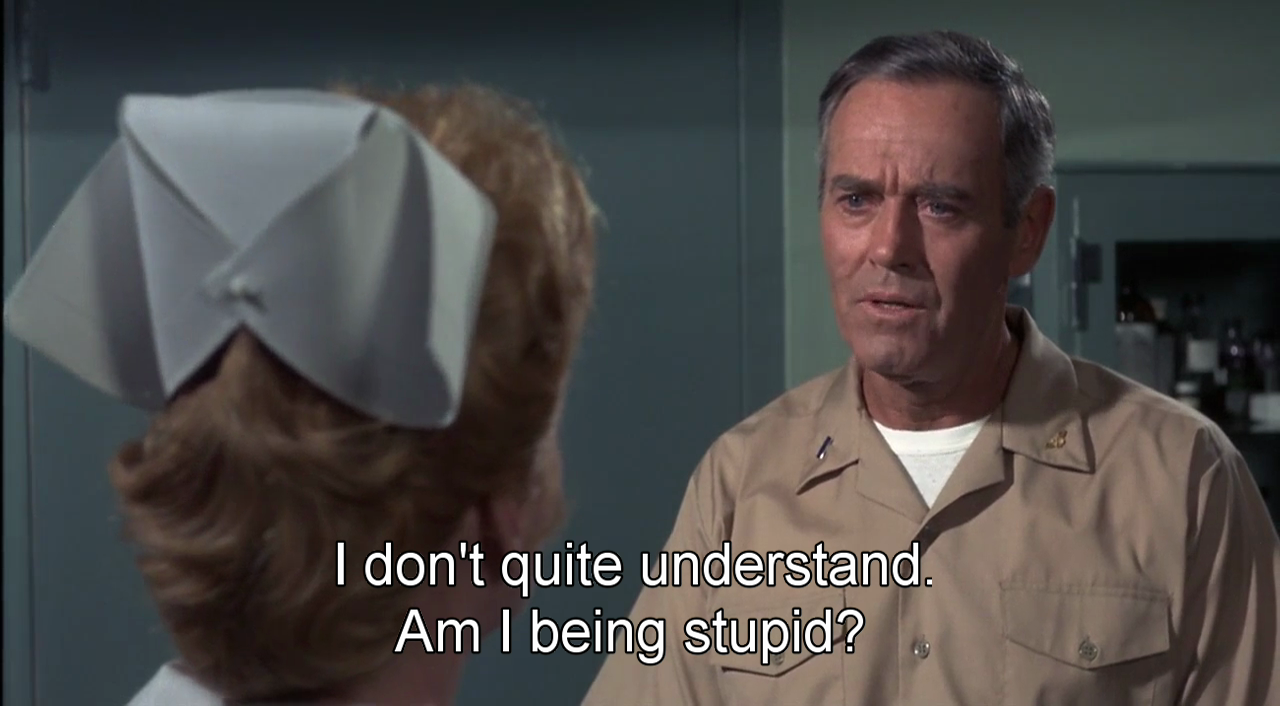
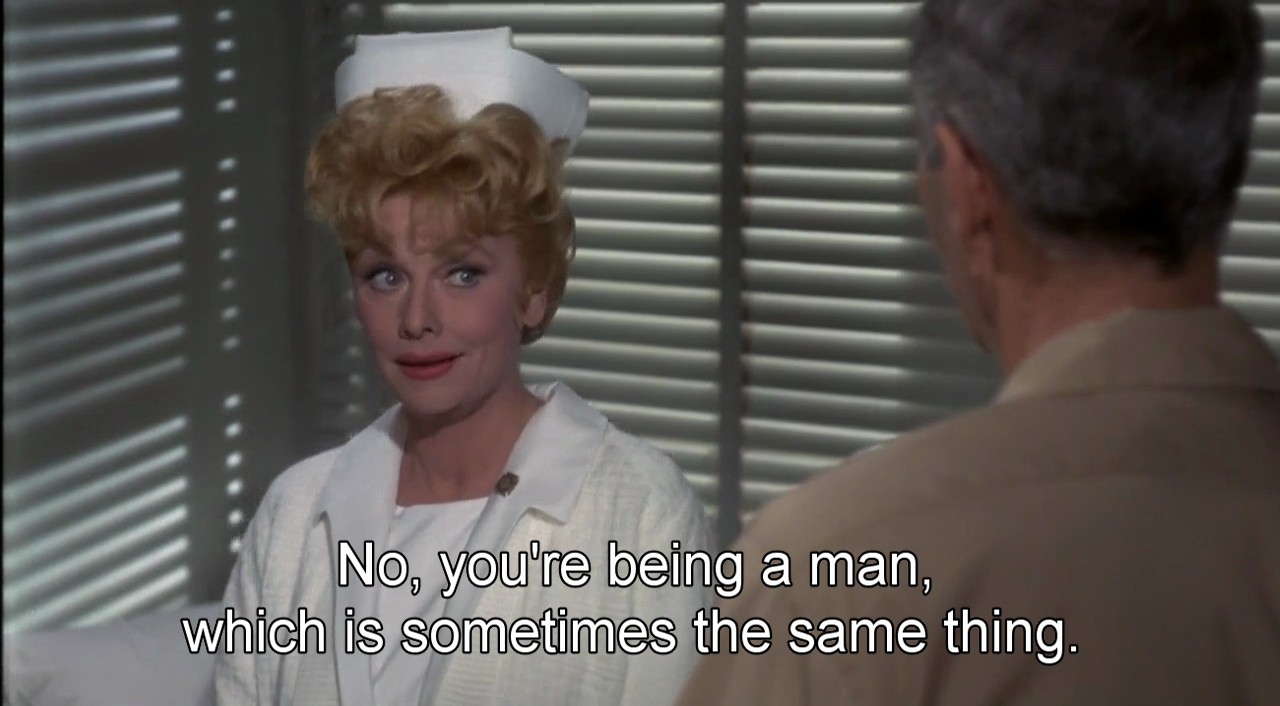
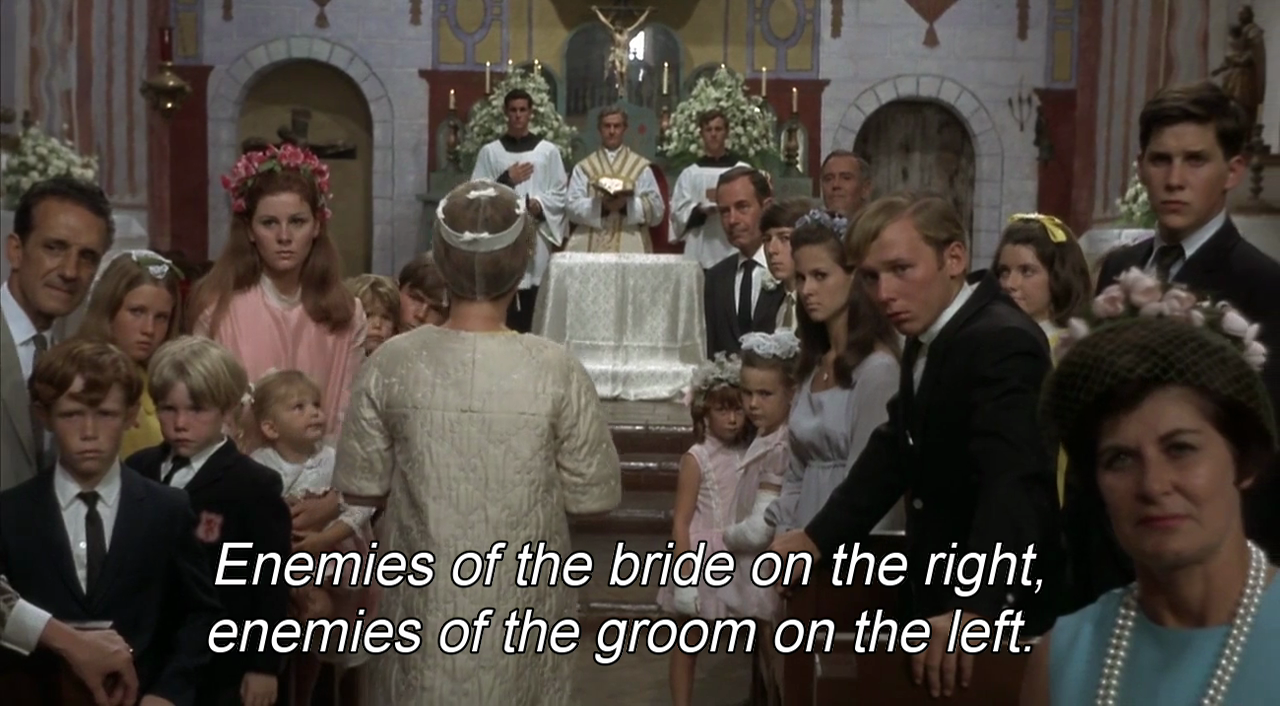
Frank Beardsley (Fonda) é viúvo e tem dez filhos – mas dois deles estão “emprestados” com seu irmão. Helen North (Ball) é viúva e tem oito filhos. Eles foram feitos um para o outro, certo? É nisto que passamos a acreditar quando eles se encontram em diversas ocasiões. Outro personagem que acredita que eles estão predestinados um ao outro é Darrell (Van Johnson), amigo de ambos. Frank é oficial da Marinha, Helen é enfermeira, mas as famílias enormes são o que os tornam um par perfeito.

Frank Beardsley (Fonda) is a widower and has ten children – but two of them are “on loan-out” with his brother. Helen North (Ball) is a widow and has eight children. They were made for each other, right? This is what we are led to believe when they bump into each other in several occasions. Another character that believes they are a perfect duo is Darrell (Van Johnson), a friend of both. Frank is a Navy officer, Helen is a nurse, but their huge families are what makes them a perfect fit.
Darrell é como um cupido. Isso significa que Van Johnson tem um papel secundário, e este é um de seus melhores papéis no cinema. Como protagonista ele nem sempre conseguiu me convencer, mas como coadjuvante – ou mesmo como cantor, porque ele fez sucesso com “The Music Man” no teatro em Londres – ele é ótimo. Na vida real, Helen e Frank tiveram um cupido diferente: quem os apresentou foi a irmã de Frank, que era freira.

Darrell is a matchmaker. This means that Van Johnson has a supporting role, and this is one of his best appearances on film. As a lead he doesn’t always convinced me, but as a sidekick – or even as a singer, because he was a hit on “The Music Man” in the London theater – he did.  The real Helen and Frank, though, had a different matchmaker: the person who present one to the other was Frank's sister, who was a nun.
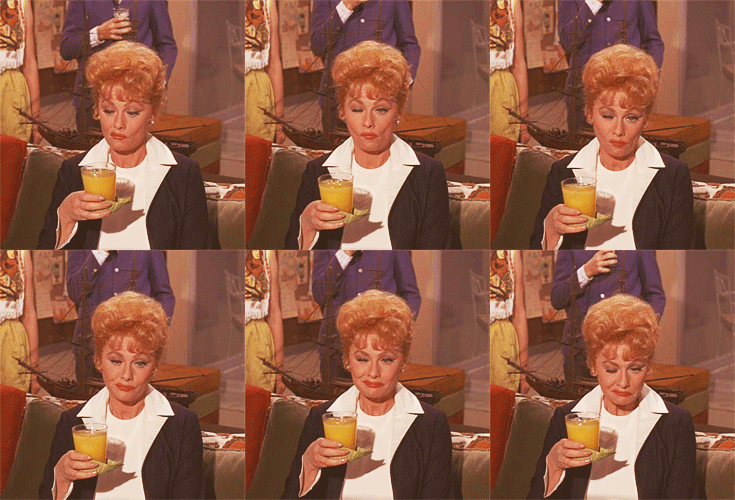
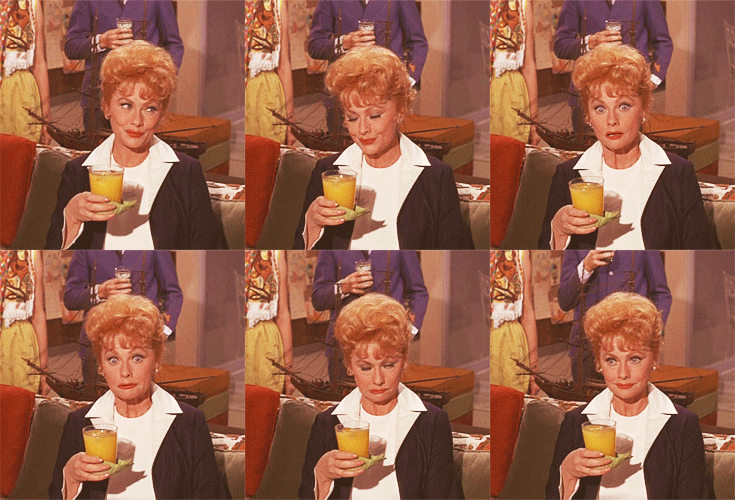
Lucy é a melhor em cena. Ela é hilária em muitos momentos que demandam comédia física, como no bar irlandês, em que ela tem problemas com os cílios postiços e com o vestido, e no primeiro jantar com os filhos de Frank, que é o ponto alto da performance de Lucy. O grande conflito no filme é a aceitação por parte dos filhos de Beardsley de Helen como uma verdadeira mãe. Sim, alguns dos filhos dela reagem com rebeldia ao fato de Frank ser o “novo pai” deles, mas ao menos um deles, Phillip, fica muito feliz com a novidade.

Lucy is the best in the film. She is hilarious in many scenes that demand physical comedy, like in the Irish bar, where she has trouble with her fake eyelashes and her dress, and in the first dinner with Frank’s kids, which is the high point of her performance. The greatest conflict in the film is the Beardsley children accepting her as a true mother. Yes, some of the North children react badly to having Frank as their new father, but at least one of them, Phillip, is more than happy with the news.
Alguns outros filmes, e especialmente séries de TV, lidaram com a vida familiar nos anos 60. A família em “Já Fomos Tão Felizes” parece minúscula se comparada com a de “Os Seus, Os Meus, Os Nossos”. No filme de Doris Day e David Niven, há apenas quatro filhos, e o conflito deles é focada na readaptação após a mudança da cidade grande para o interior, onde uma vez mais a mãe de família pode sonhar com o estrelato nos palcos. Para Helen North, não há espaço para sonhar – ela só pode focar em assuntos práticos.

Some other movies, and especially TV shows, dealt with family life in the 1960s. The family in “Please, Don't Eat the Daisies” (1960) seems tiny when compared with the “Yours, Mine and Ours”. In the Doris Day / David Niven movie, there are only four kids, and their conflict is focused on readapting to life when moving from the big city to the countryside, where the mother can once again dream with stage stardom. For Helen North, there is no room for dreaming – she can only focus on practical issues.
Há piadas mais modernas em “Os Seus, Os Meus, Os Nossos”, algumas delas envolvendo duplo sentido, contraceptivos e a juventude louca por sexo. Mas não se engane: tudo isso pode funcionar e ser discutido no momento do namoro, mas a vida real e diária depois do casamento não é assim. Frank quer deixar o trabalho e ficar em casa com toda a família, algo que Helen não deixa que ele faça. Afinal, ficar em casa é uma atividade para mulheres, enquanto trabalhos intelectuais são para homens. Helen se sacrifica muito mais que Frank pela enorme família, embroa Frank tenha seus momentos emocionantes. No final, nada mudou no seio familiar. No final dos ano 60, nada havia mudado em Hollywood.

There are more “modern” jokes in “Yours, Mine and Ours”, some of them involving innuendo, contraception and sex-crazy youth. But don’t be fooled: all this mighty work and be discussed in the dating part, but the real, daily life of a married couple, is not like this. Frank wants to leave his work to stay home with the whole family, something Helen doesn’t let him do. After all, staying home is an activity for women, while intellectual jobs are for men. Helen sacrifices much more for her huge family, even though Frank has his emotional moments. At the end of the day, nothing has changed in the familiar scene. At the end of the 1960s, not much had changed in Hollywood.

This is my contribution to the Van Johnson blogathon, hosted by Michaela at Love Letters to Old Hollywood.
Related Posts Plugin for WordPress, Blogger...